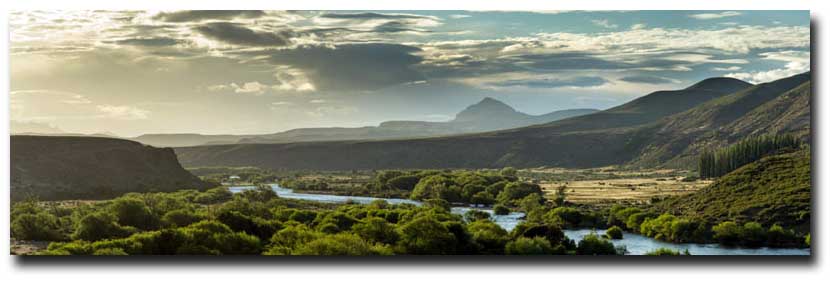
Golden dorado, pirá pitá, and pacú on the Upper Paraná. Clear water, custom skiffs, 8–10 anglers. Season Oct–May.
Updated on
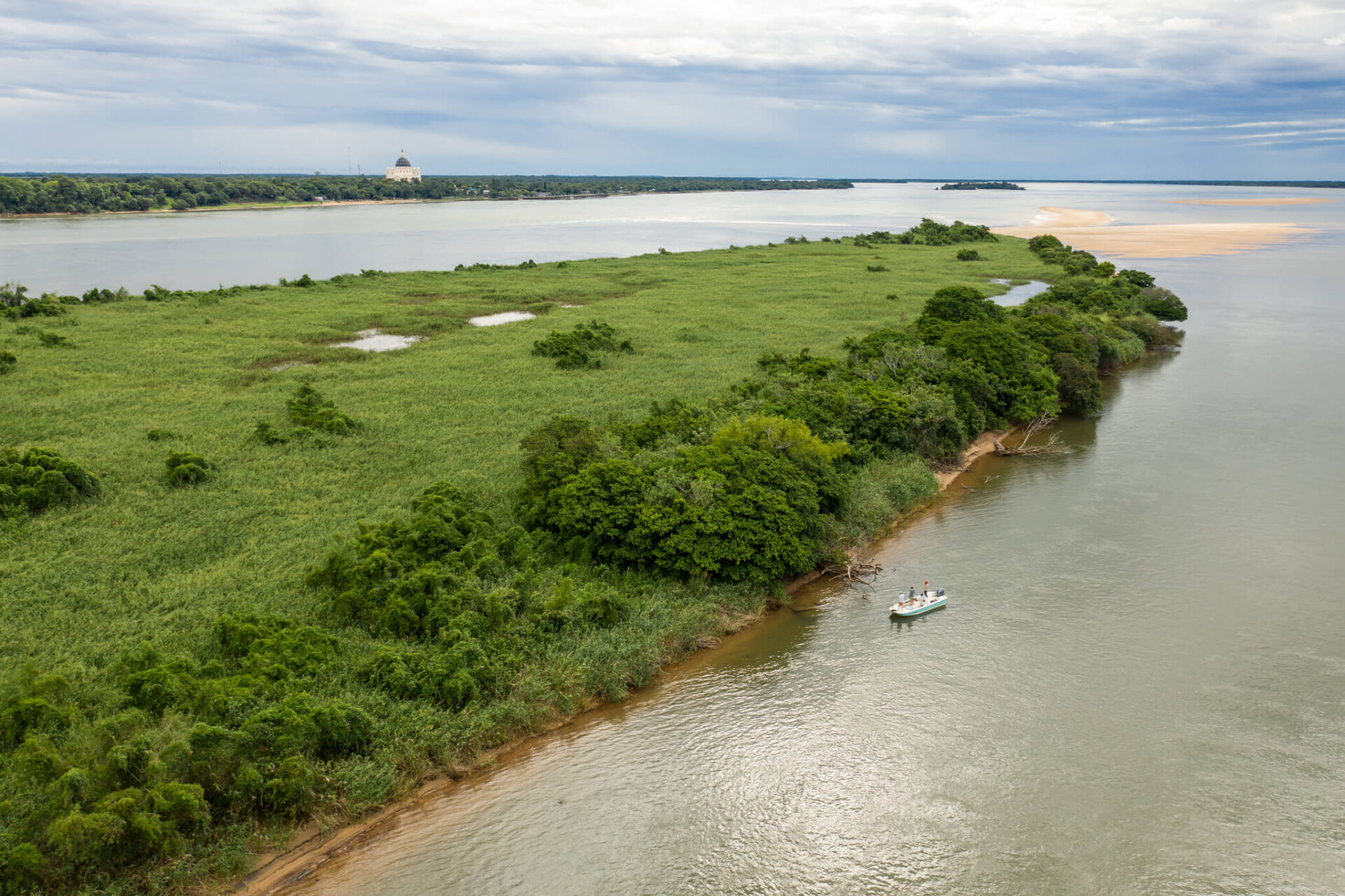
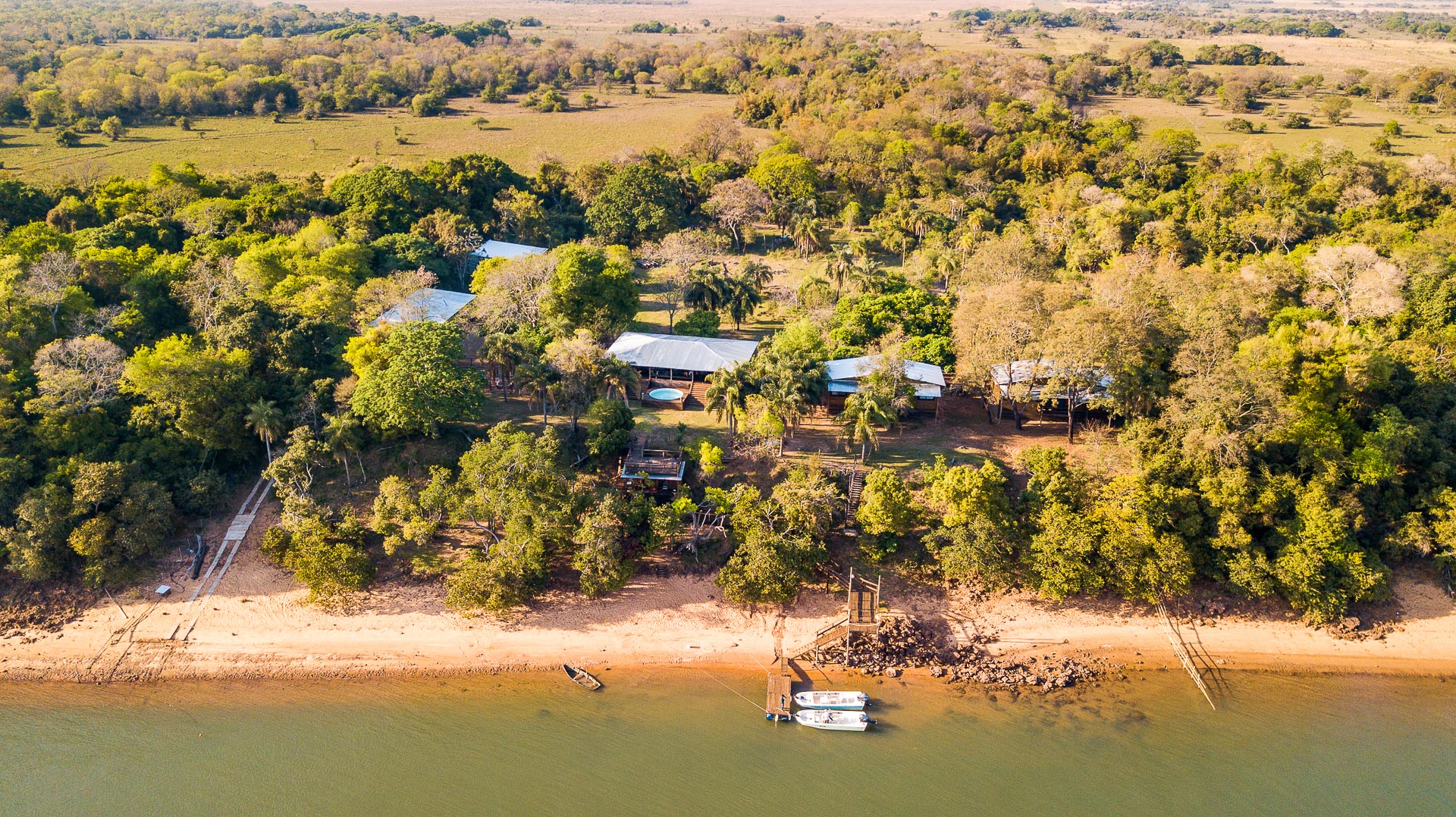
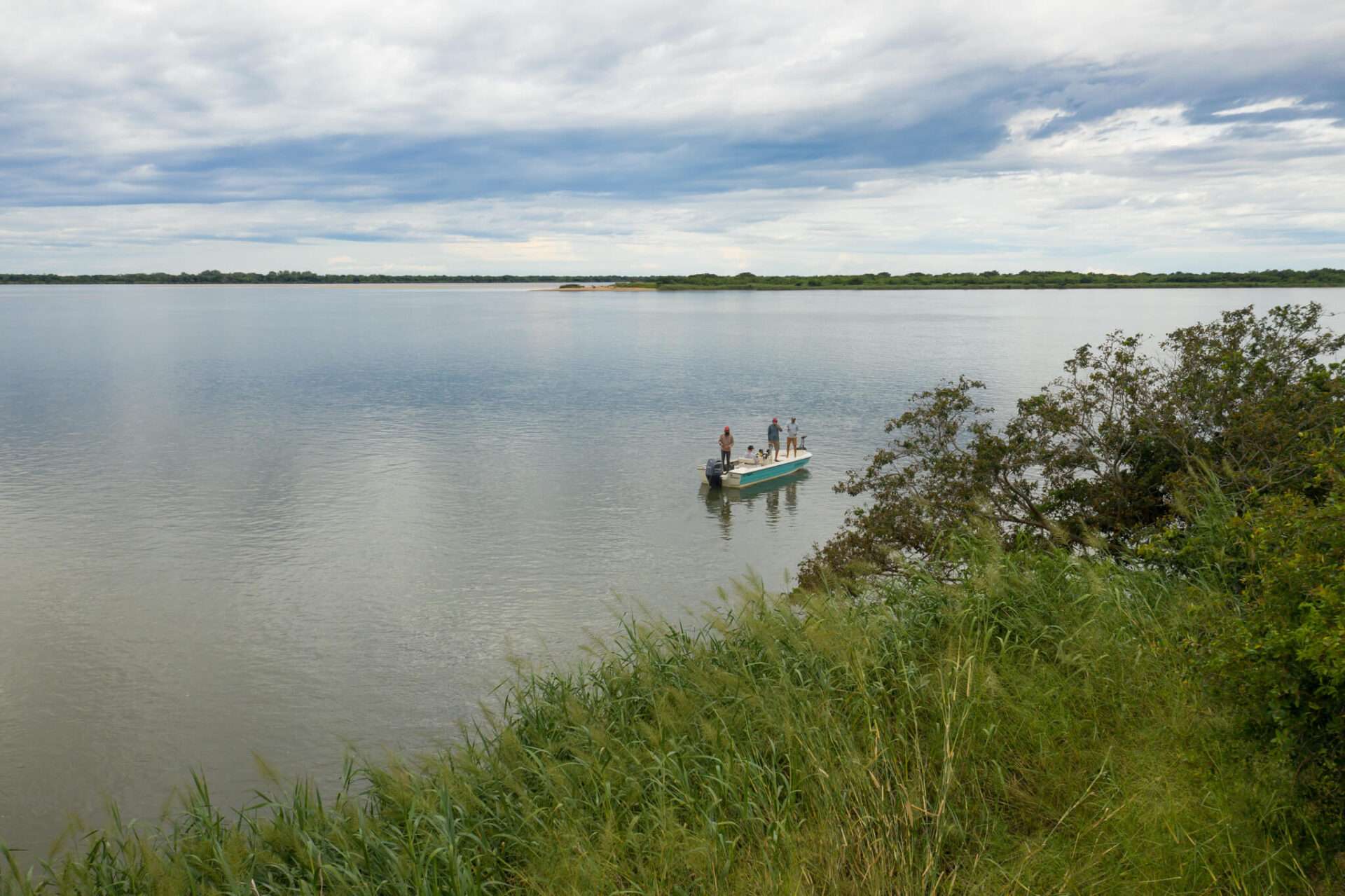
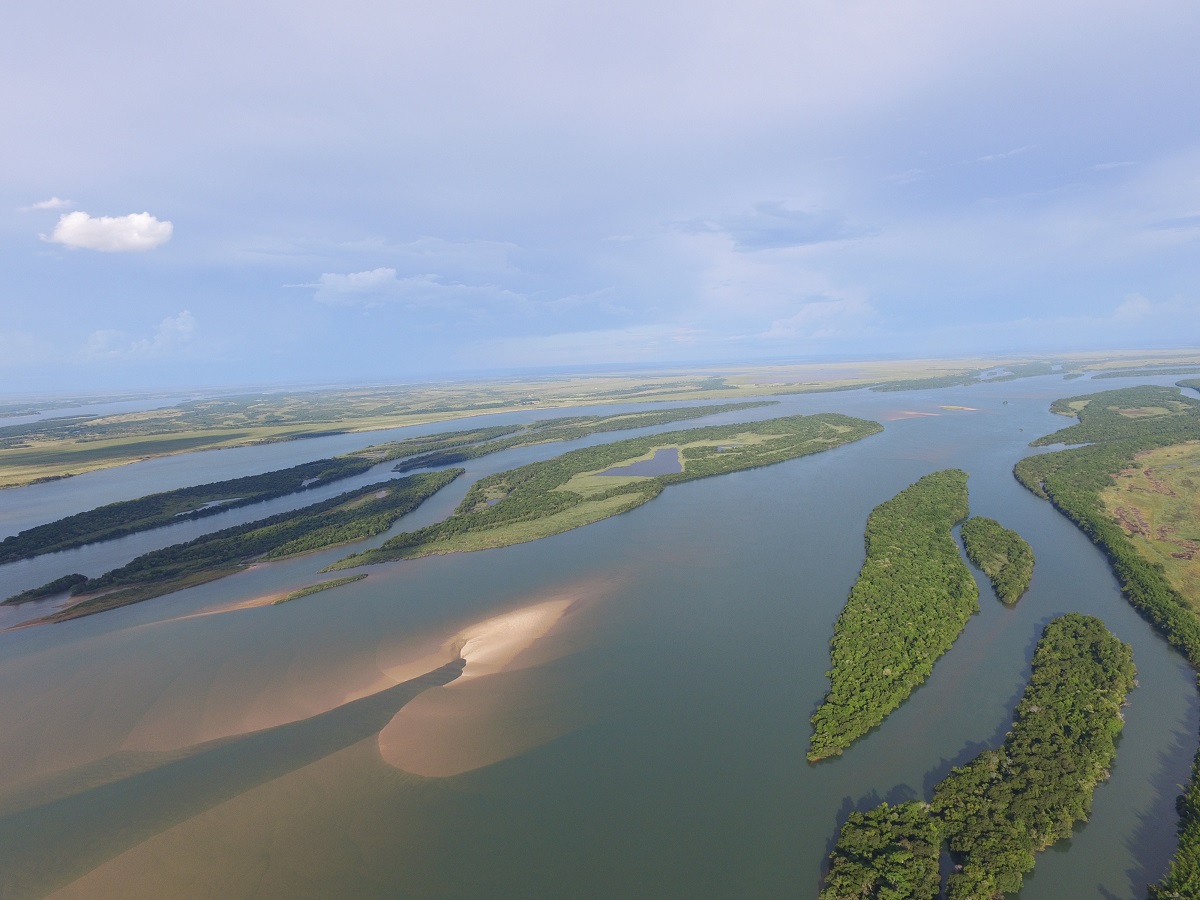
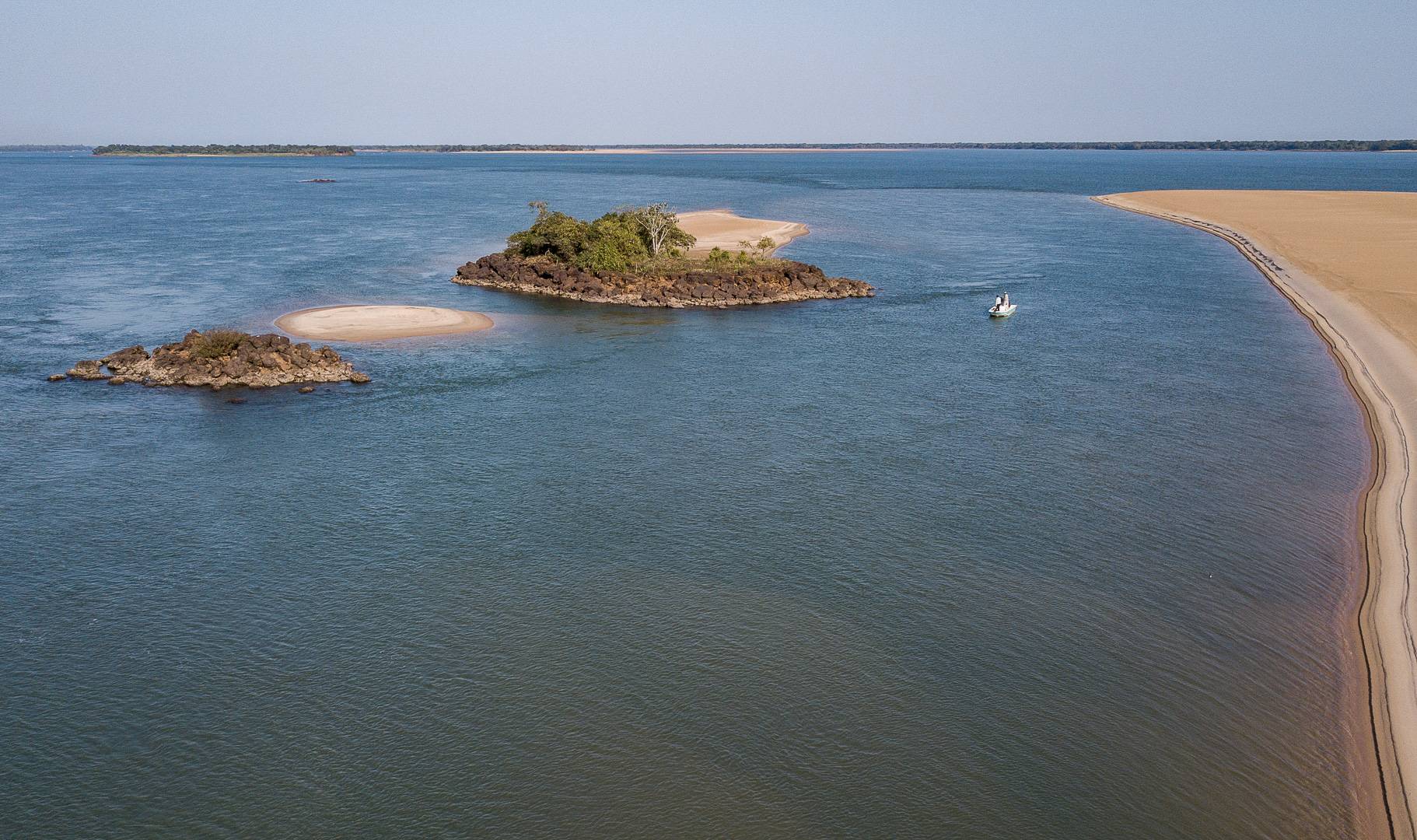
Suindá Lodge is a premier fly fishing destination on the Upper Paraná River, near Itatí in Corrientes, Argentina. Opened in January 2019, the lodge sits on one of the most productive sections of the Paraná—a clear-water fishery that consistently produces large golden dorado. The river’s structure—fast-flowing runs over rock gardens and sight-fishable sandbanks—creates ideal habitat for dorado, as well as pirá pitá and pacú, making Suindá the place to chase freshwater’s grandest slam.
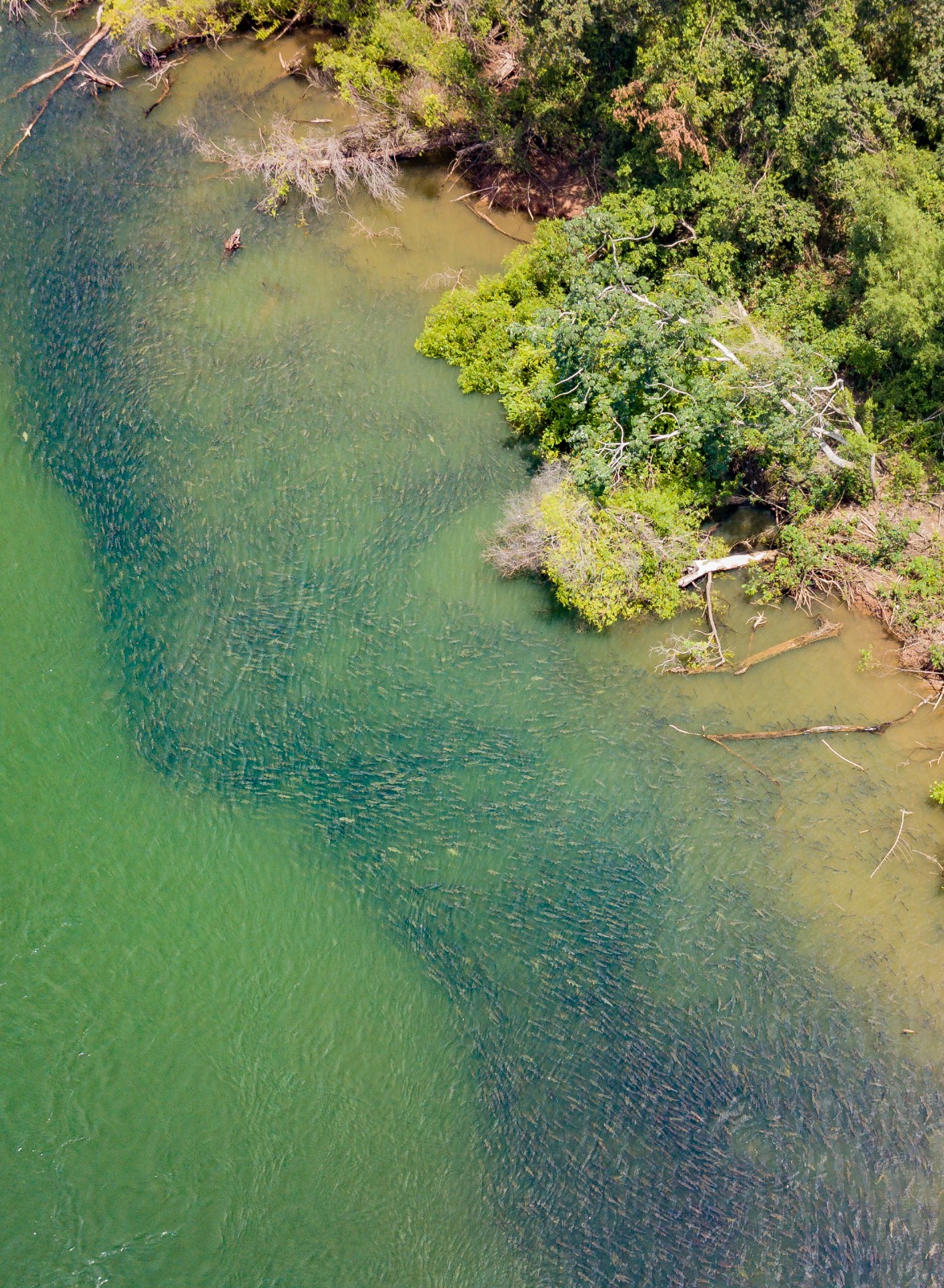
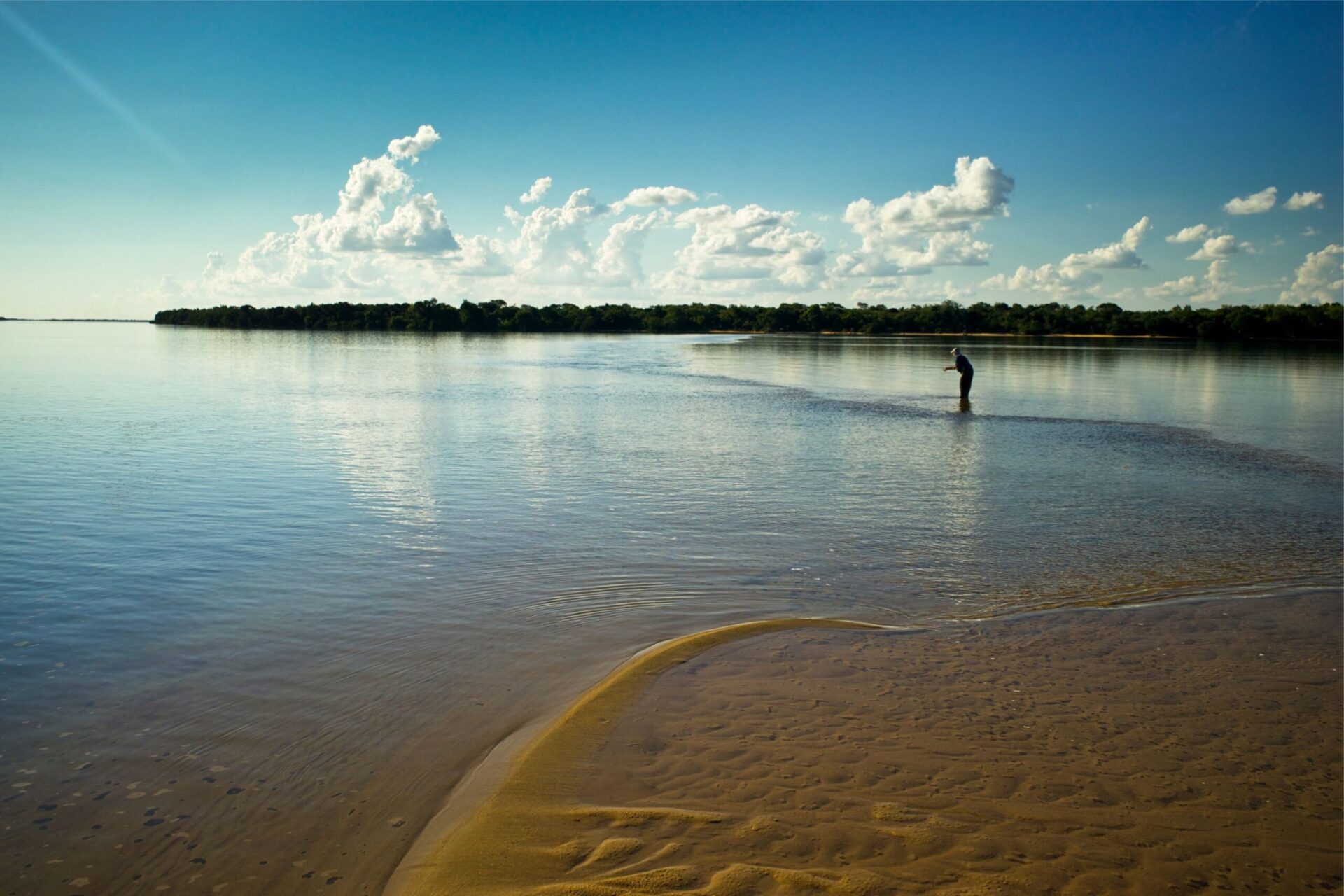
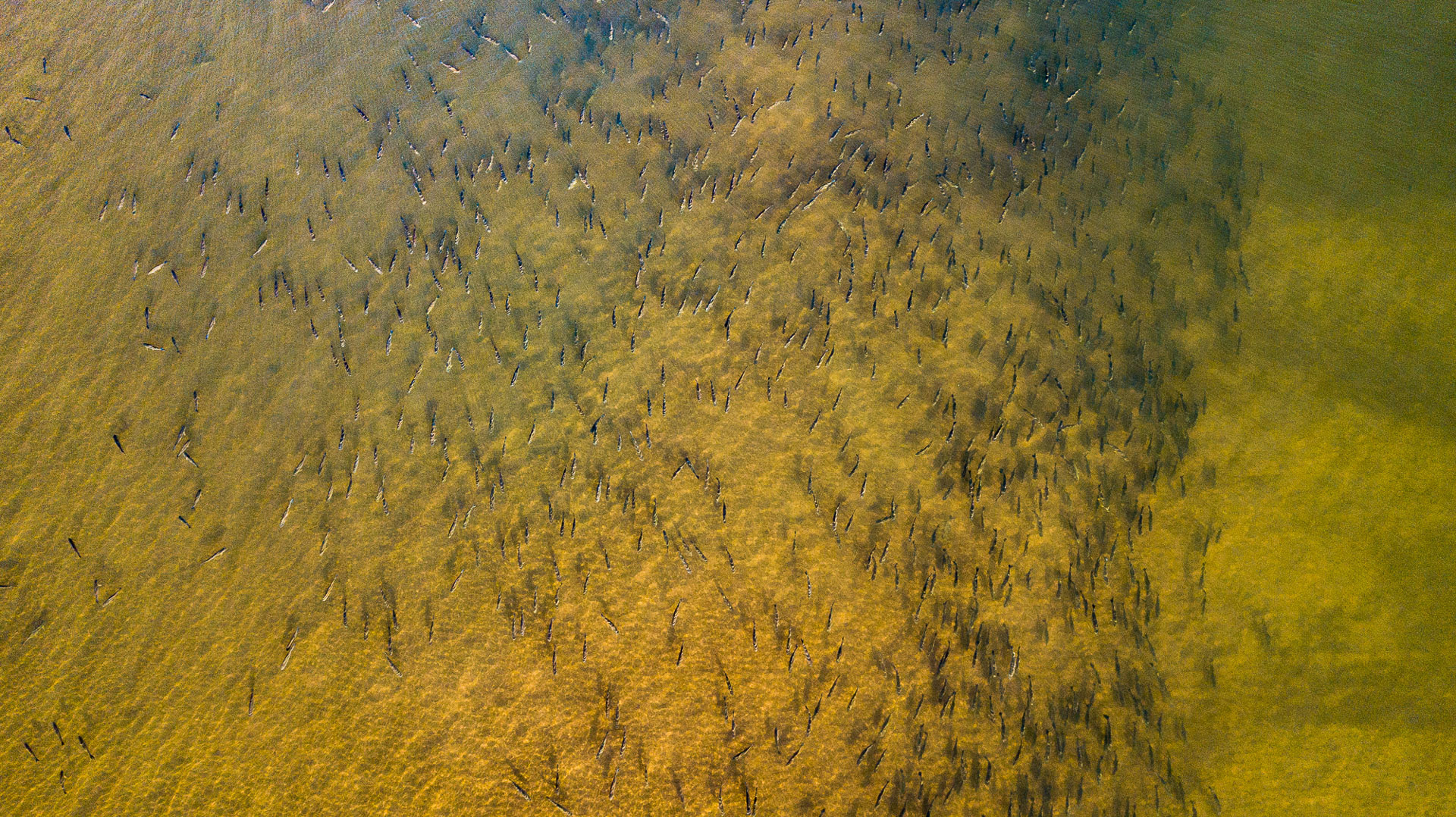
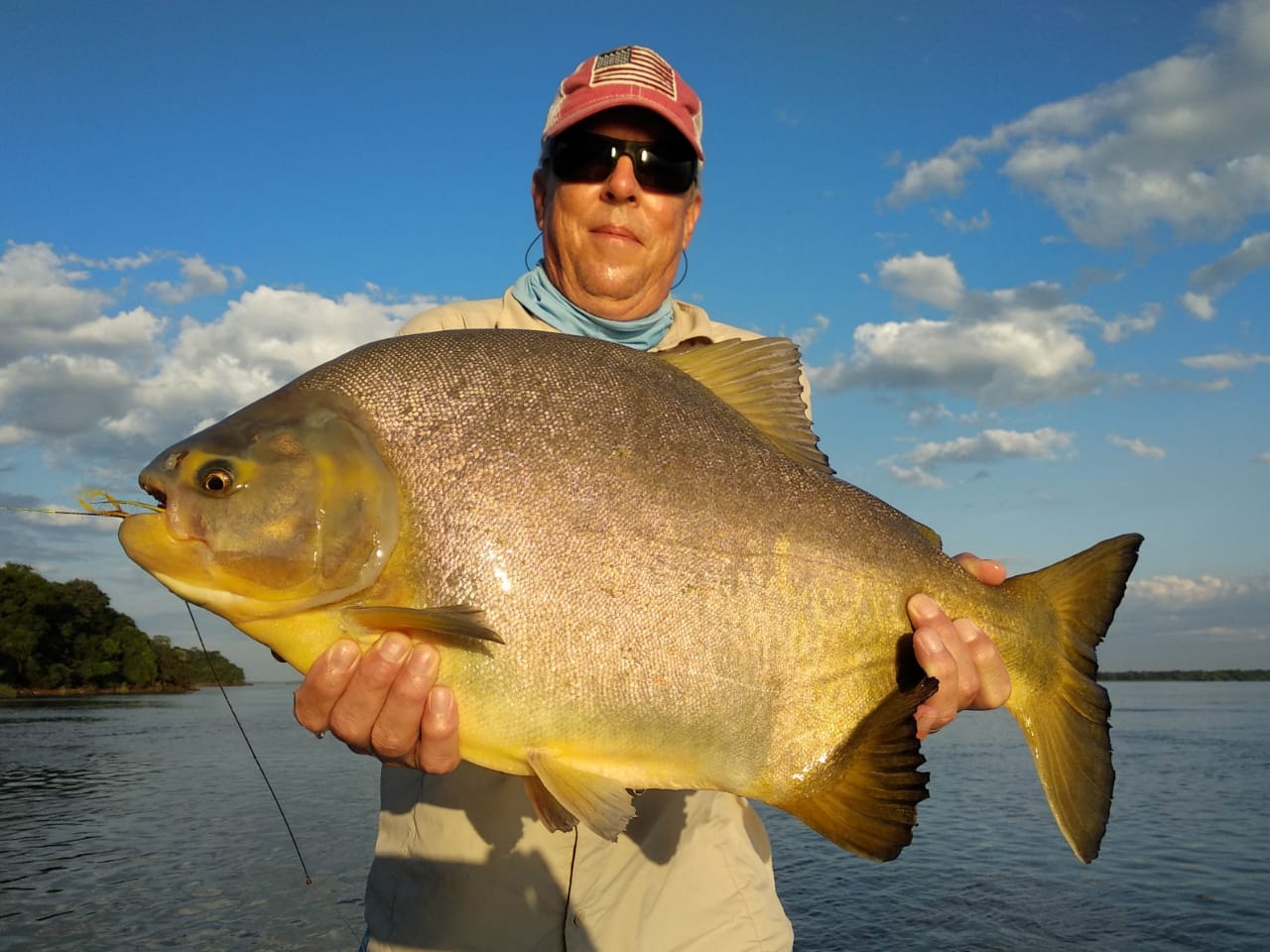
When conditions align, colossal dorado hunt sábalo baitfish that congregate in big schools along the sandbanks. The Upper Paraná here marks the border between Argentina and Paraguay, flowing clear along fishy banks, rocks, and islands that create deltas and smaller riachos. Suindá’s section is among the most productive for exotic pacú and hard-charging pirá pitá on the Paraná—two superstar species that complete the freshwater grand slam when combined with dorado.
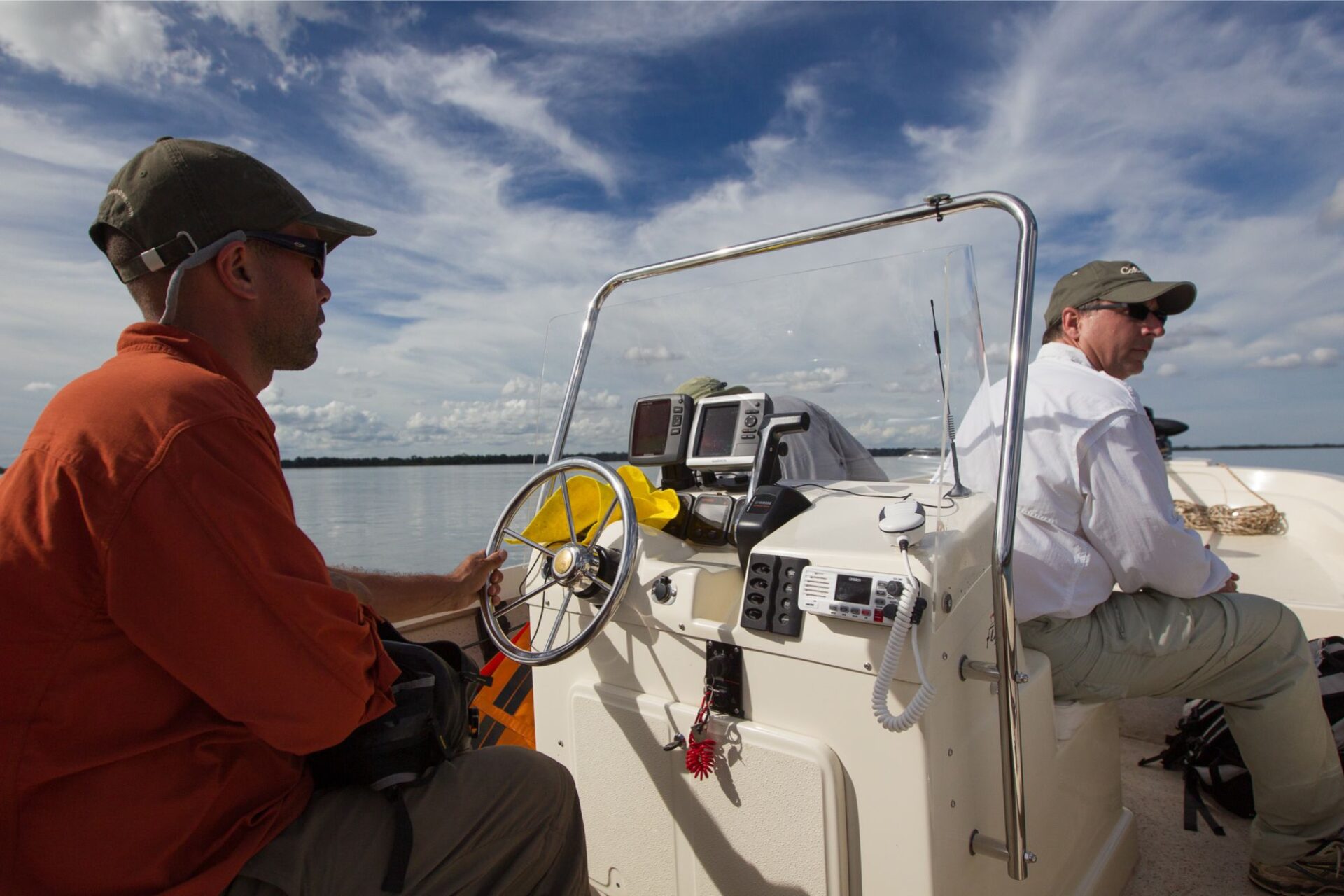
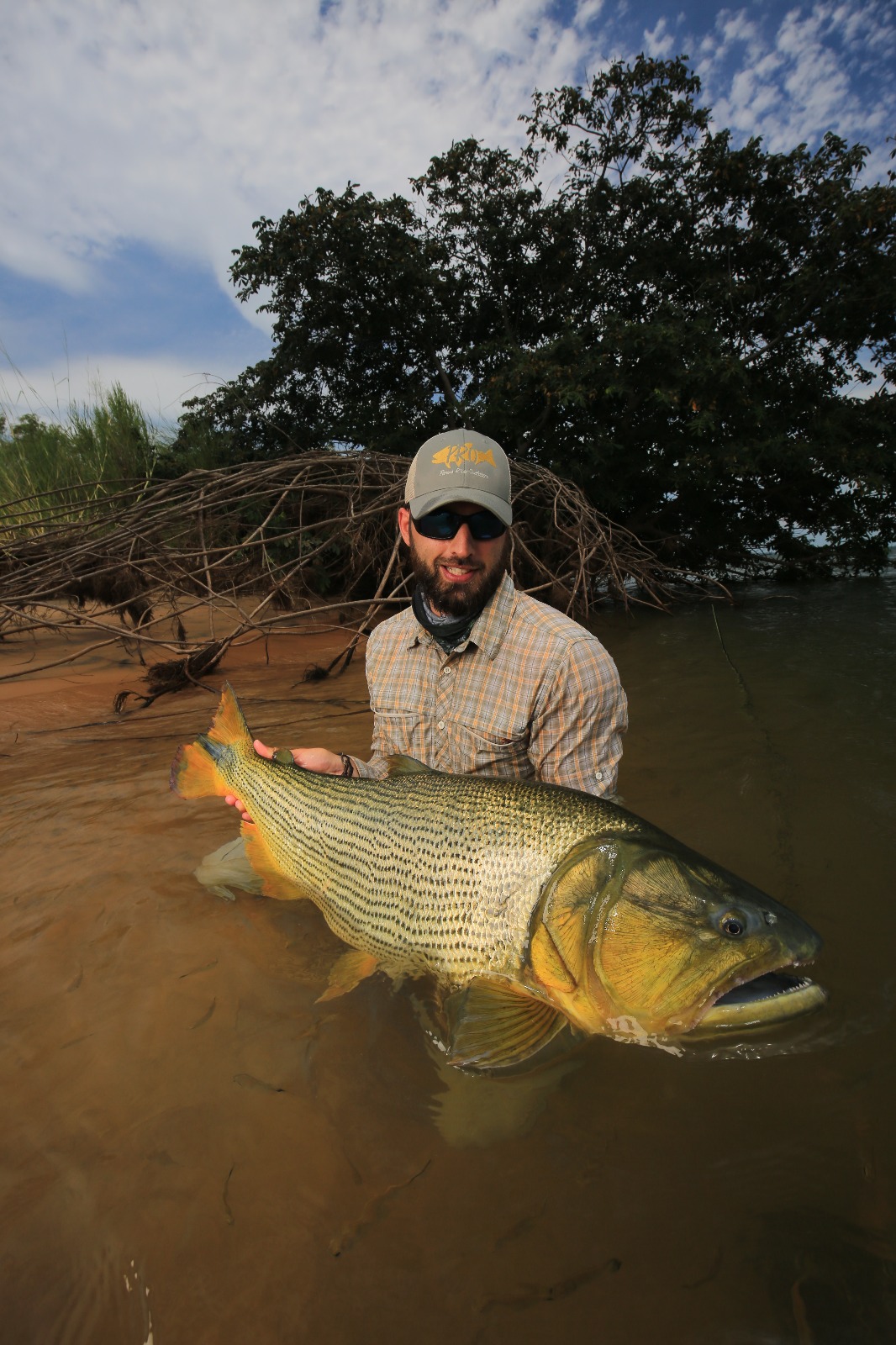
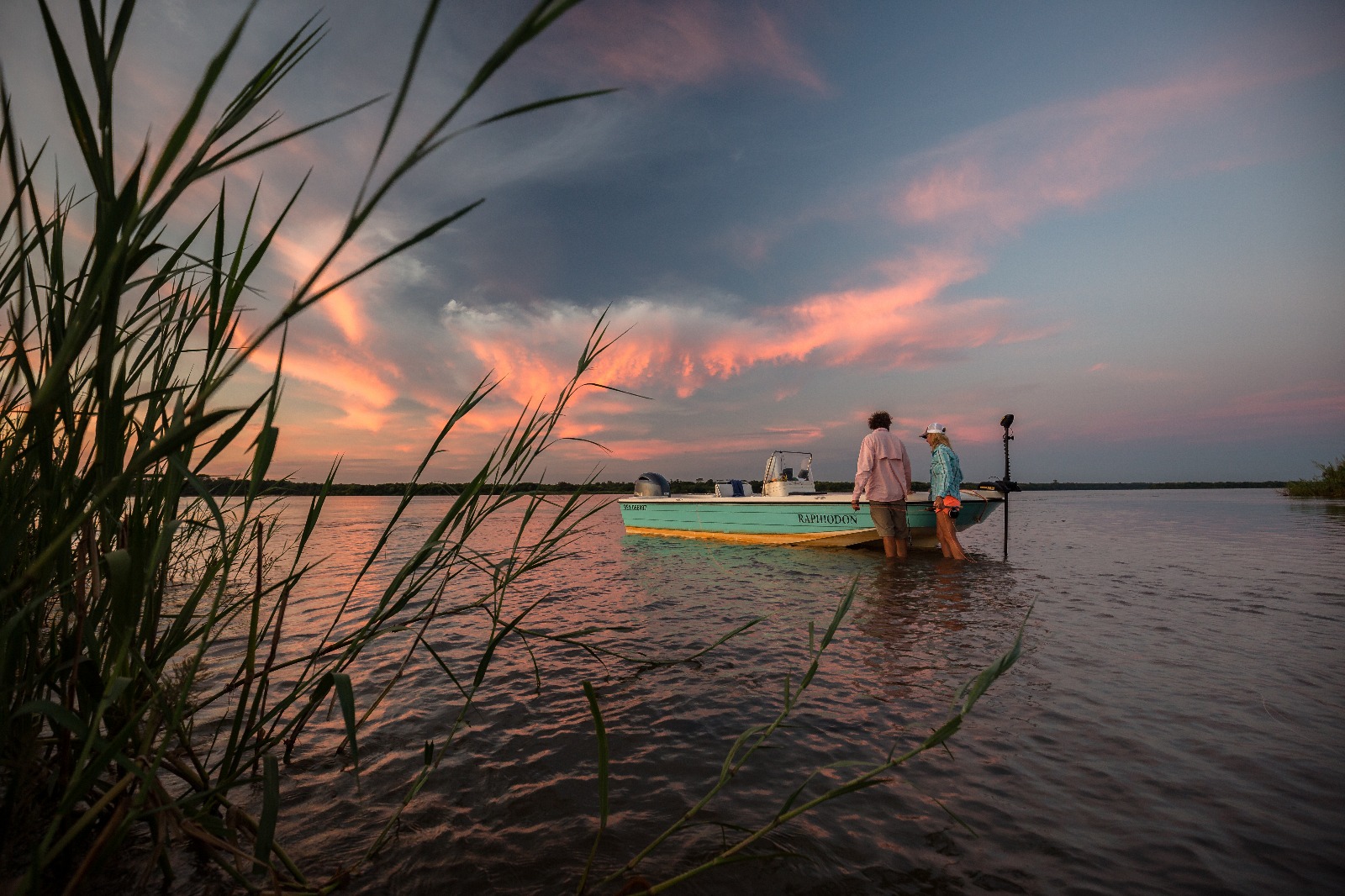
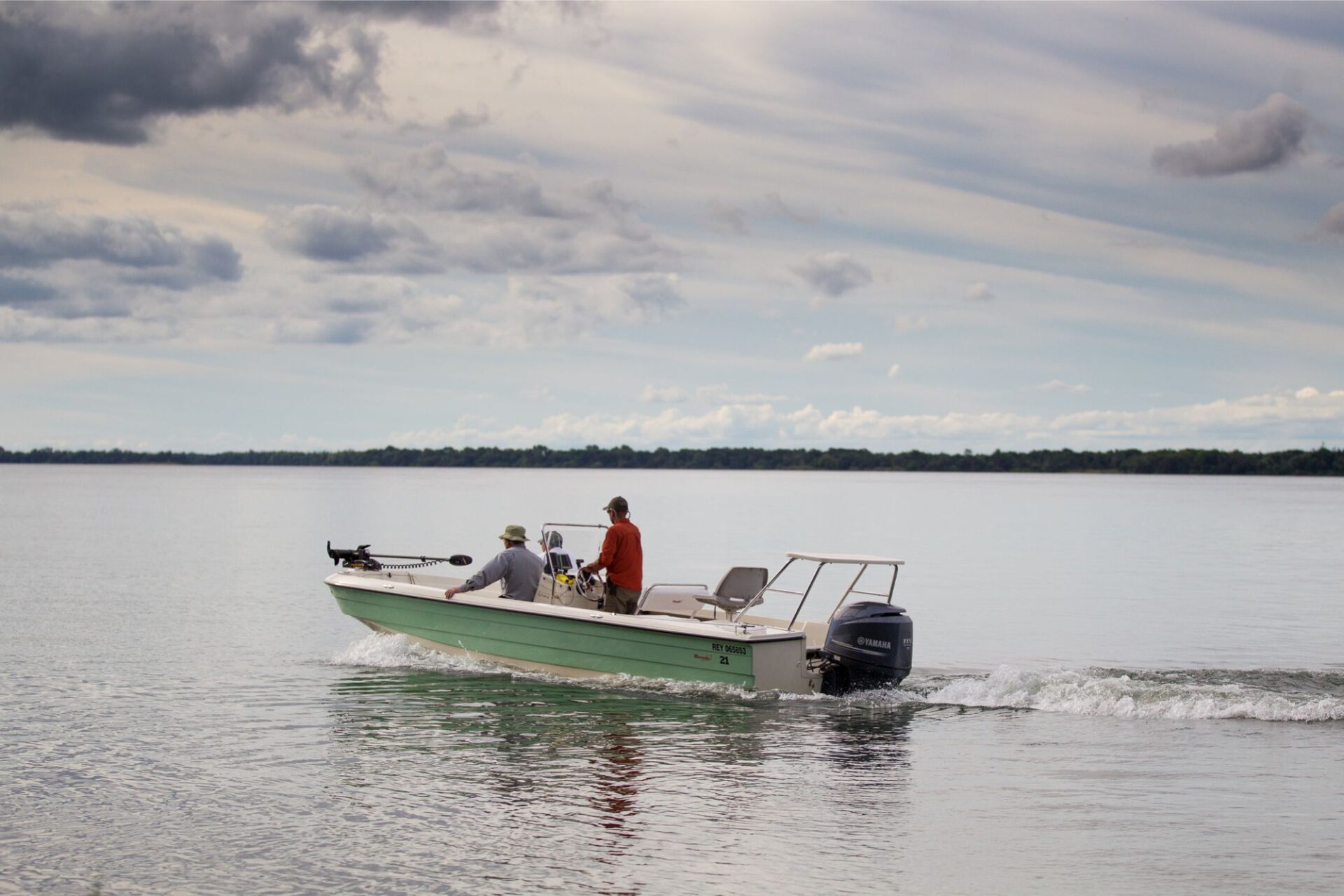
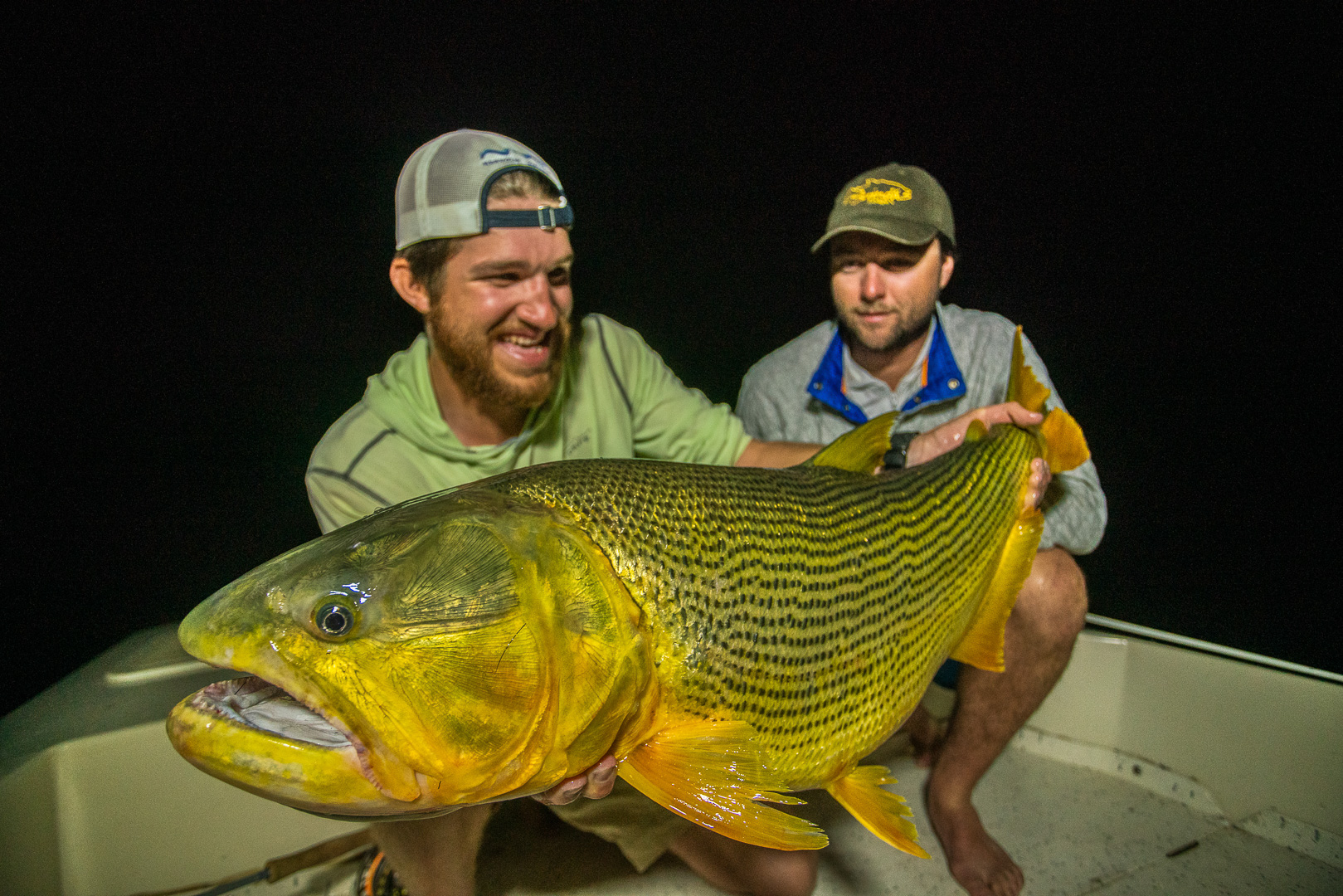
Double-digit dorado are a possibility all season long. The lodge offers a multispecies program designed for anglers in search of thrilling fishing, with professional guides who specialize in fly fishing techniques on the upper Paraná. Custom, comfort-enhanced skiffs are built specifically for fishing this river.
Golden Dorado, Pirá Pitá, Pacú — freshwater grand slam
Upper Paraná River — near Itatí, Corrientes, Argentina
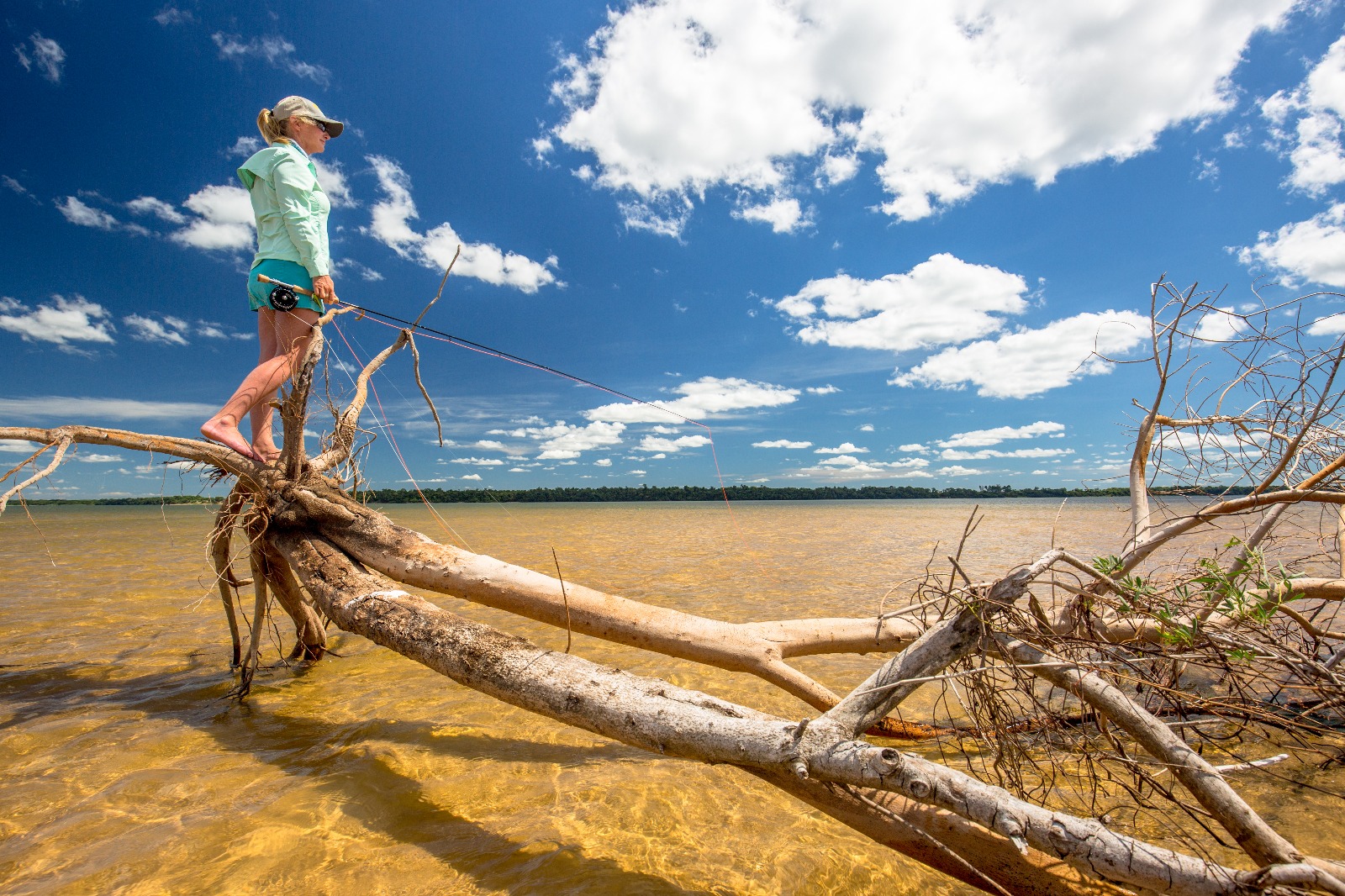
Clear water — exceptional sight-fishing for all three species
8–10 anglers — intimate, well-appointed lodge
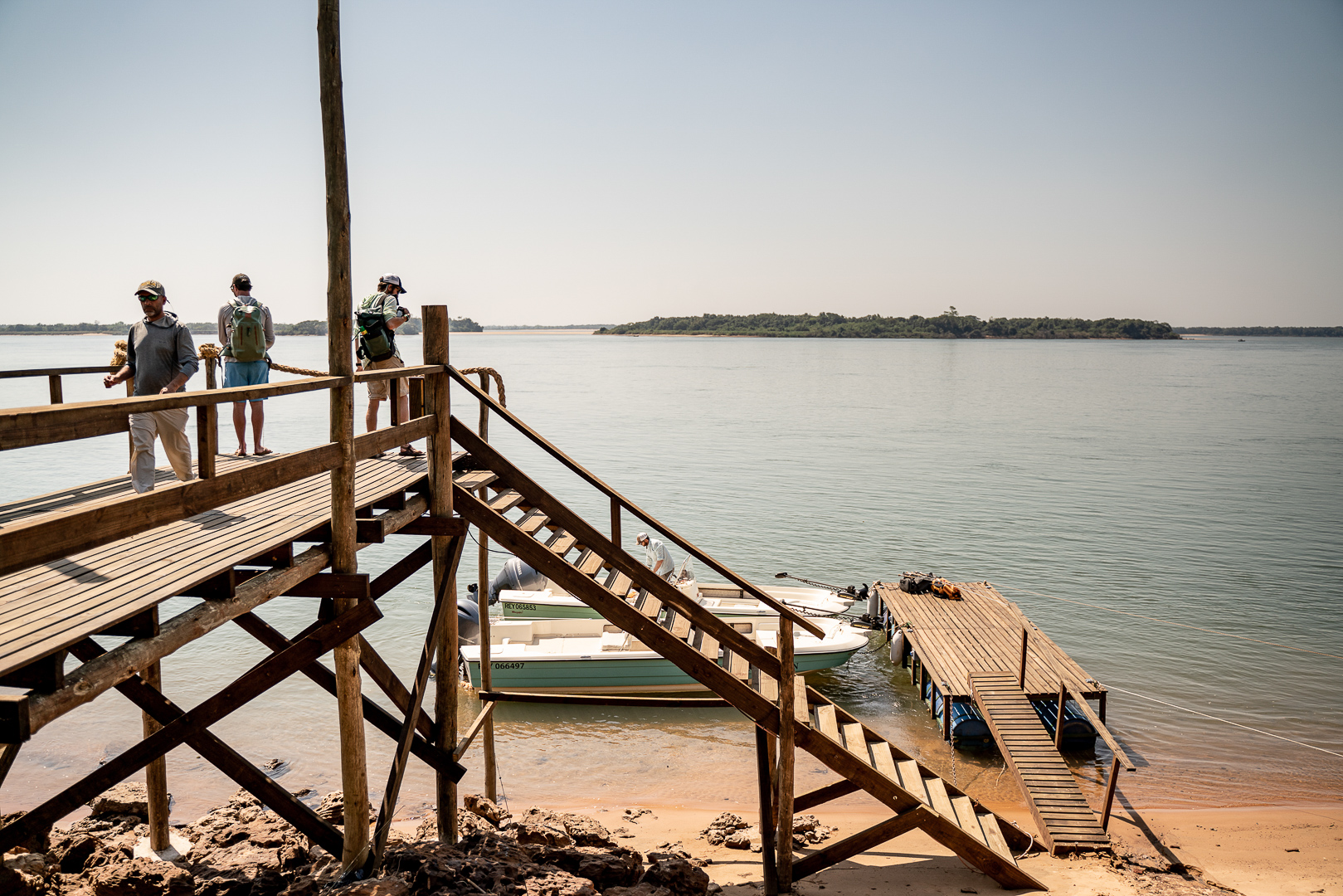
Custom skiffs — designed for Paraná fishing
Season: October to May
Fly and spin — professional guides for both
Book now, get a quote, or chat with us about Argentina dorado fishing at Suindá Lodge!
To avoid the midday heat, anglers typically leave the lodge early around 6:00 or 6:30 AM. Guests return for a swim, lunch, and drinks around 10:00 AM, then take a siesta before heading out again around 4:30 PM, returning at dusk. Fishing hours will change slightly depending on the time of year. Non-fishing activities such as bird watching are available—the Paraná Delta ranks as one of Argentina’s top bird-watching destinations.
Golden Dorado
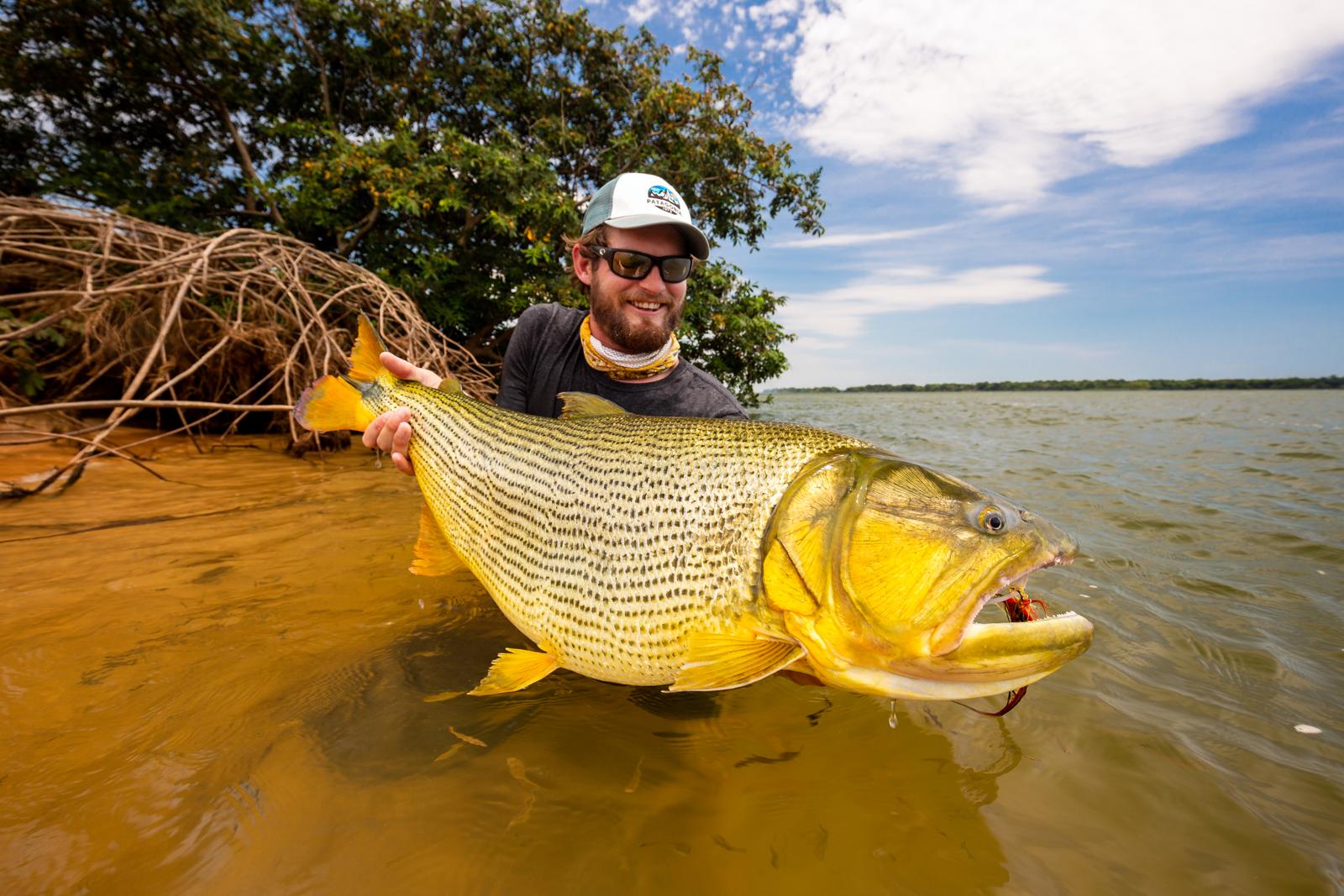
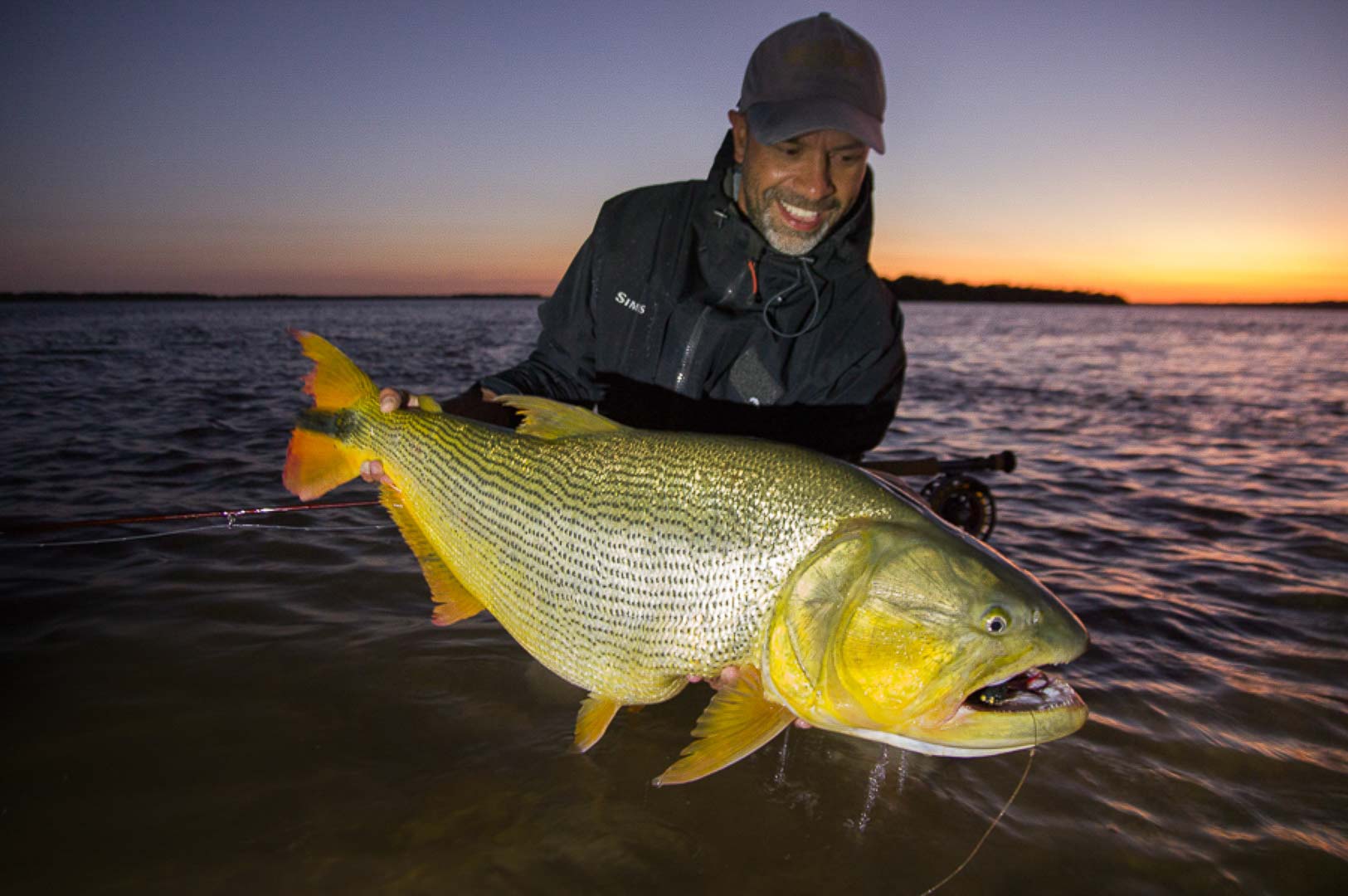
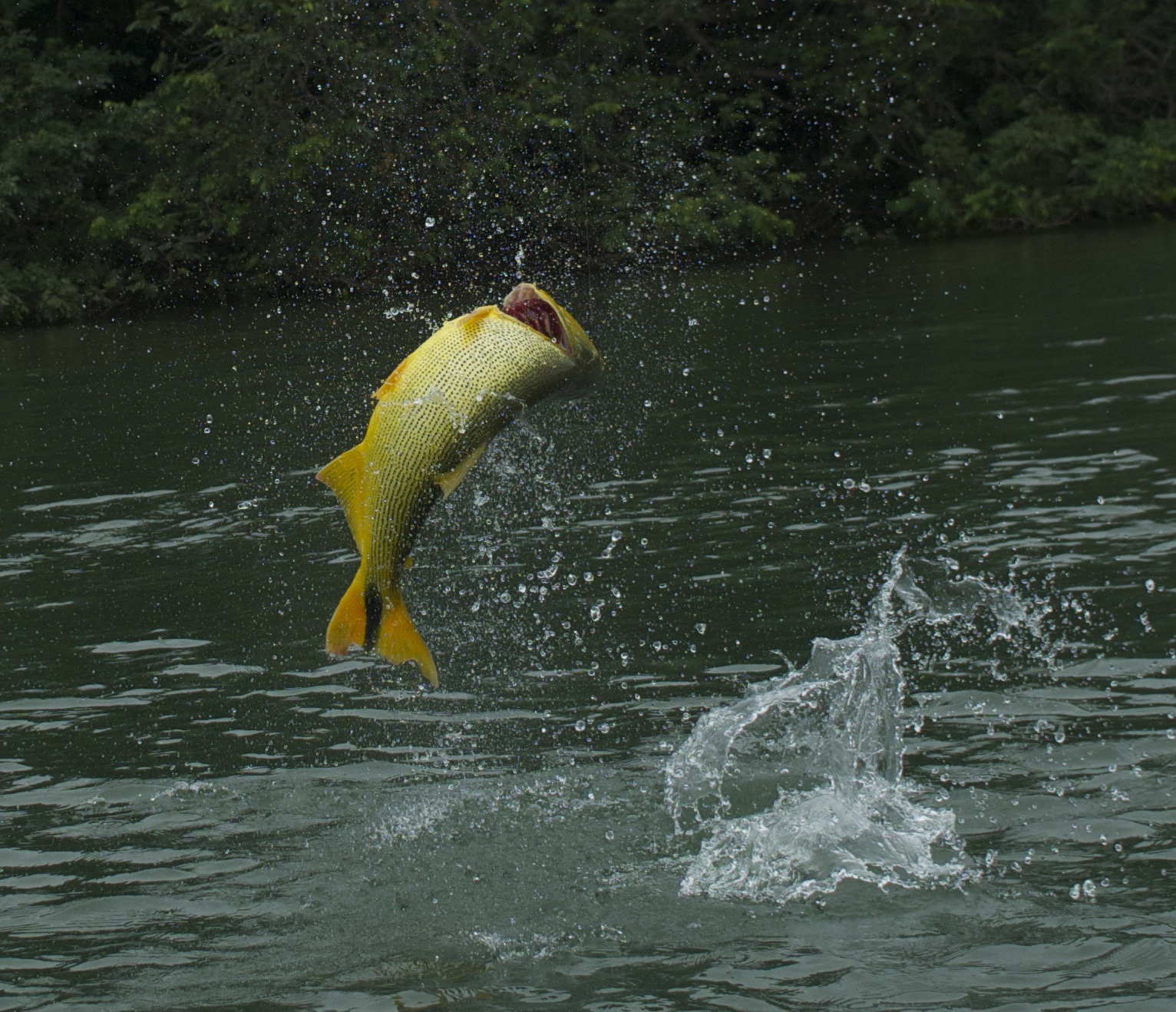
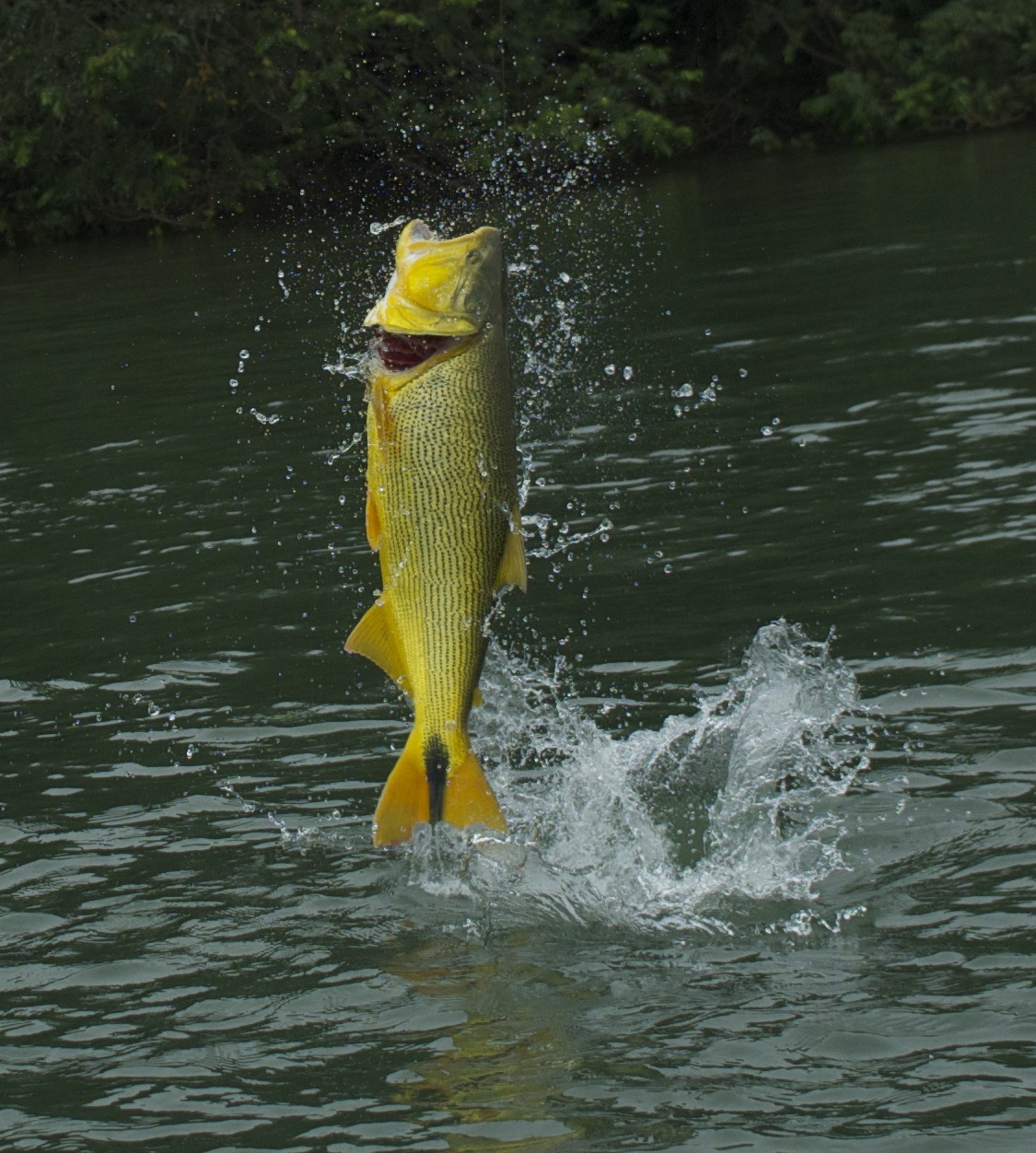
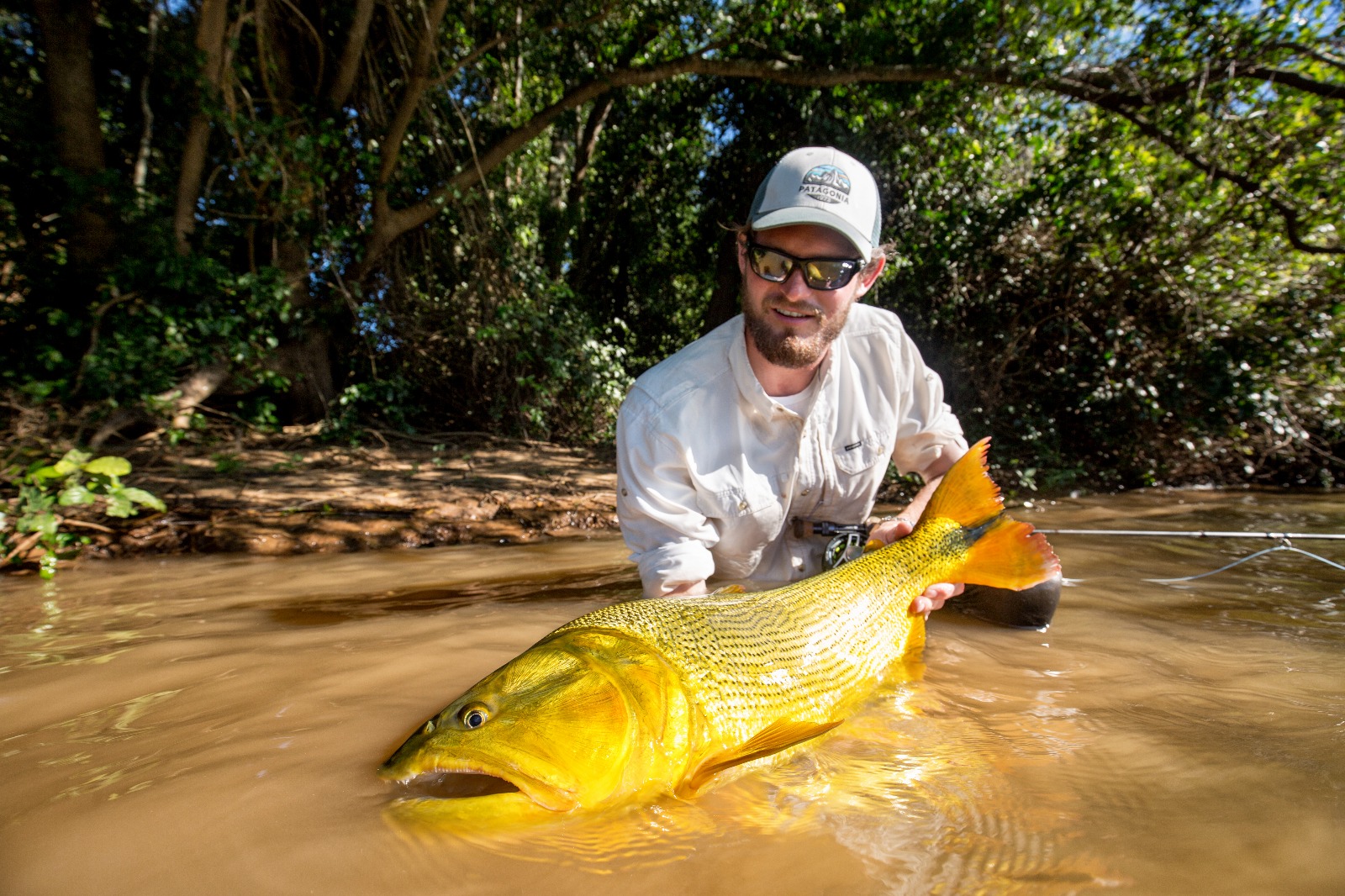
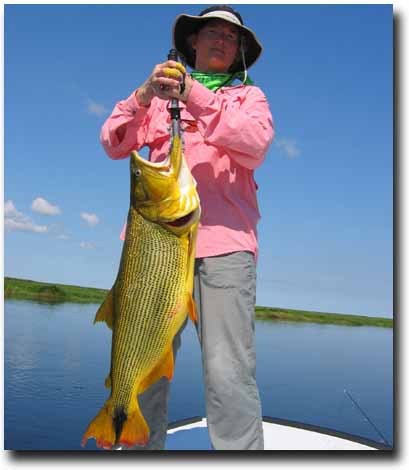
The freshwater golden dorado (Salminus brasiliensis) is unrelated to the saltwater dorado (mahi-mahi). It represents the apex of the Characin family for sport fishing. Dorado are aggressive eaters, active jumpers, and acrobatic fighters. They can be found near confluences, on edges of eddies, riffles, sharp bends in the current, and close to overhanging water hyacinth. Fishing methods include streamer fishing and plenty of dry-fly action. Fast-stripping from the moment the fly touches the water is key. Our guides have spent decades in the region building local knowledge about these predators and their movements.
Pirá Pitá
Two species are targeted: Brycon orbignianus and the commonly named Piraputanga. Pound for pound, both are among the most combative freshwater species—and they take surface flies. Anglers typically use 5- or 6-weight rods with dry flies. Patterns can represent insects, small fruits that fall from overhanging trees, and even flowers.
Pacú
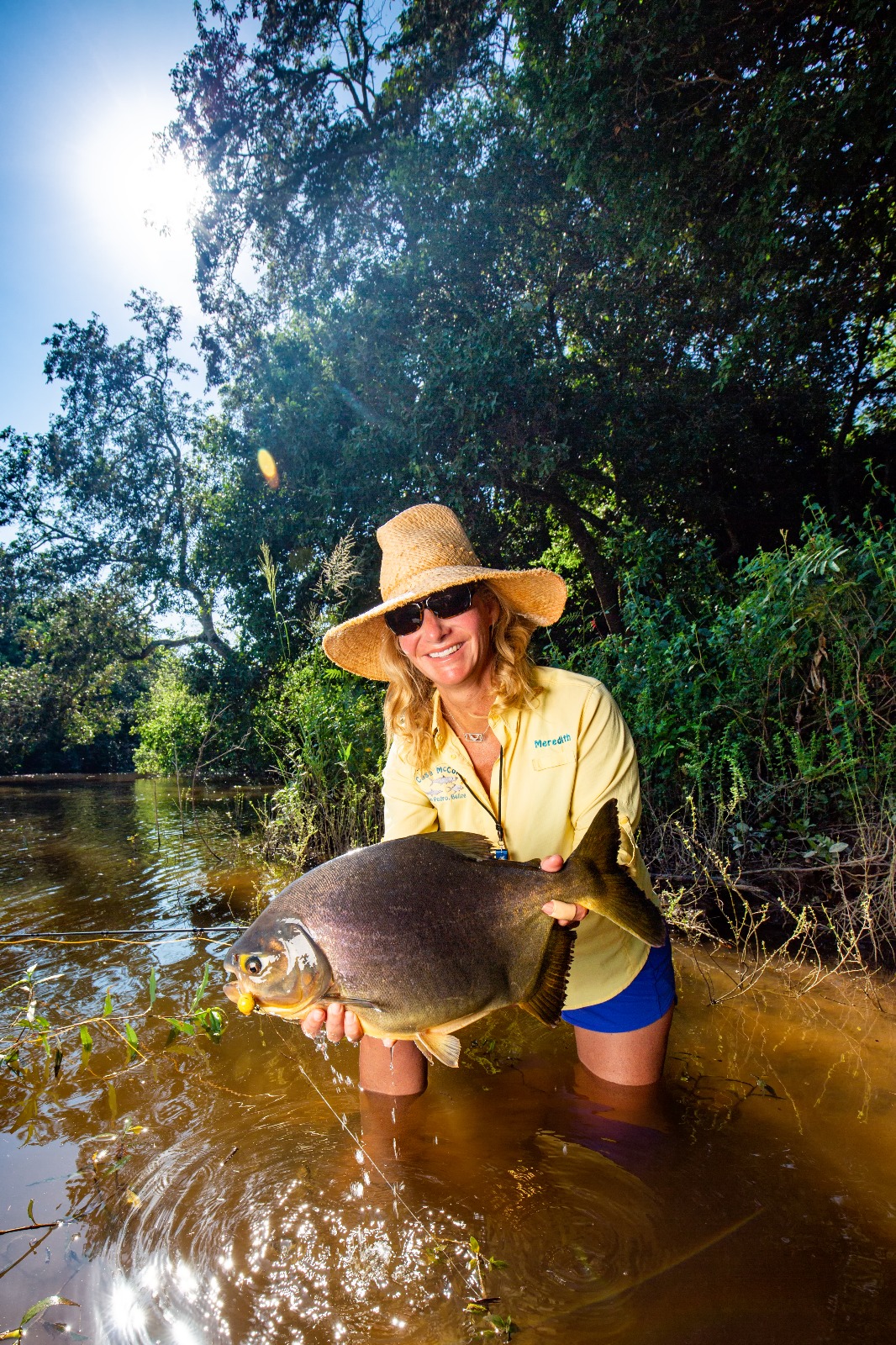
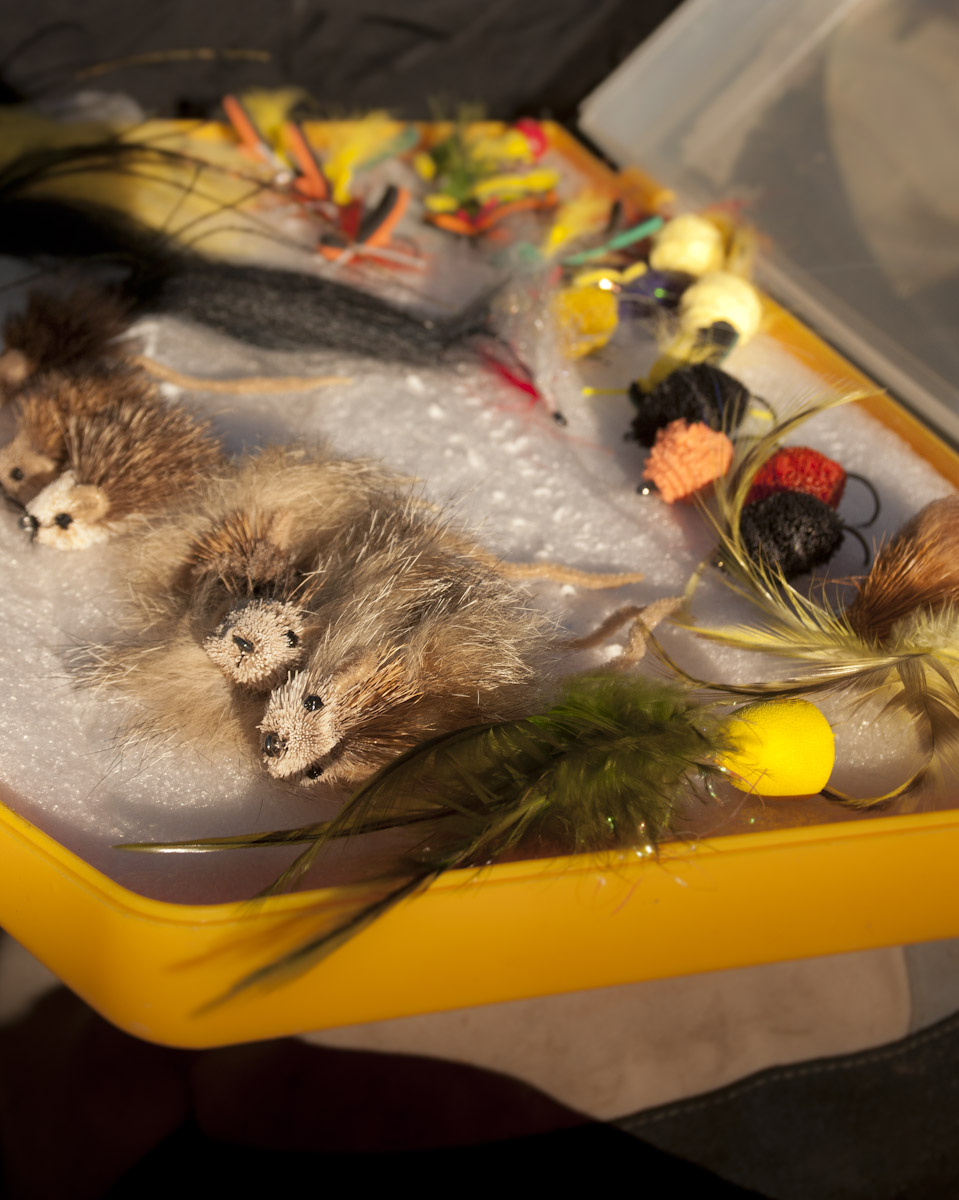
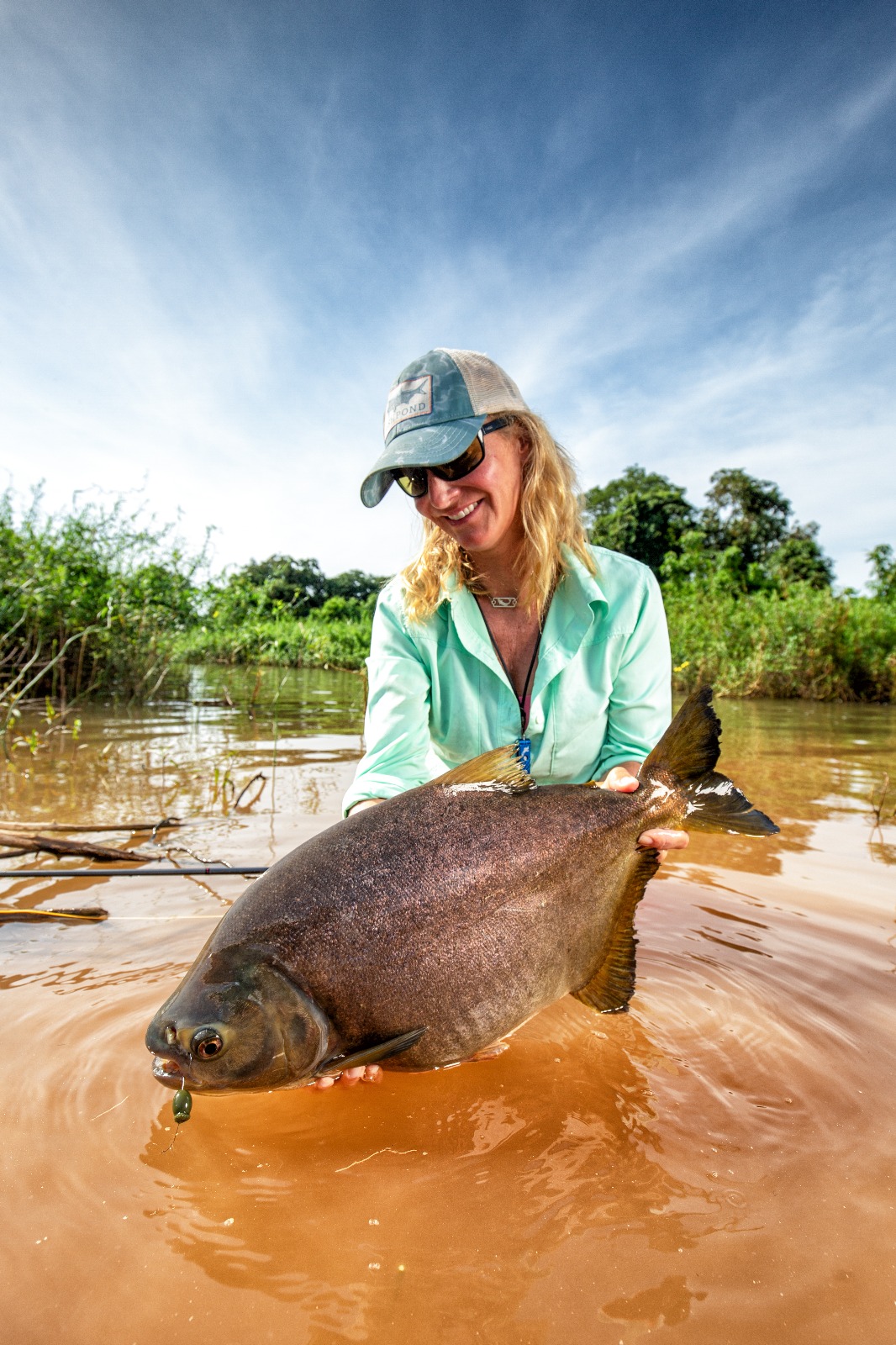
Incredibly strong and complex, this omnivorous round-shaped fish can provide sight-casting opportunities and great dry-fly action. Pacú can reach 15+ pounds. Anglers use 7- or 8-weight rods with fruit imitations, spun deer-hair patterns, and high-floating dry flies.
Season Overview
Spring (Late September – October): Higher flows, clearer water. Dorado pack on weight for spawning; some of the largest fish of the season are landed in this pre-spawn window. Pirá pitá and pacú begin to feed as water temperatures rise.
Summer (January – April): Most of the Paraná’s dorado population stays in the upper section. Post-spawn fish feed aggressively. Submerged logs, cut banks, rock gardens, and shallow sandbars become ambush points. This is the most productive time for pirá pitá and pacú. Anglers can attempt the Paraná Grand Slam: dorado, pirá pitá, and pacú in one day.
Accommodations at Suindá Lodge
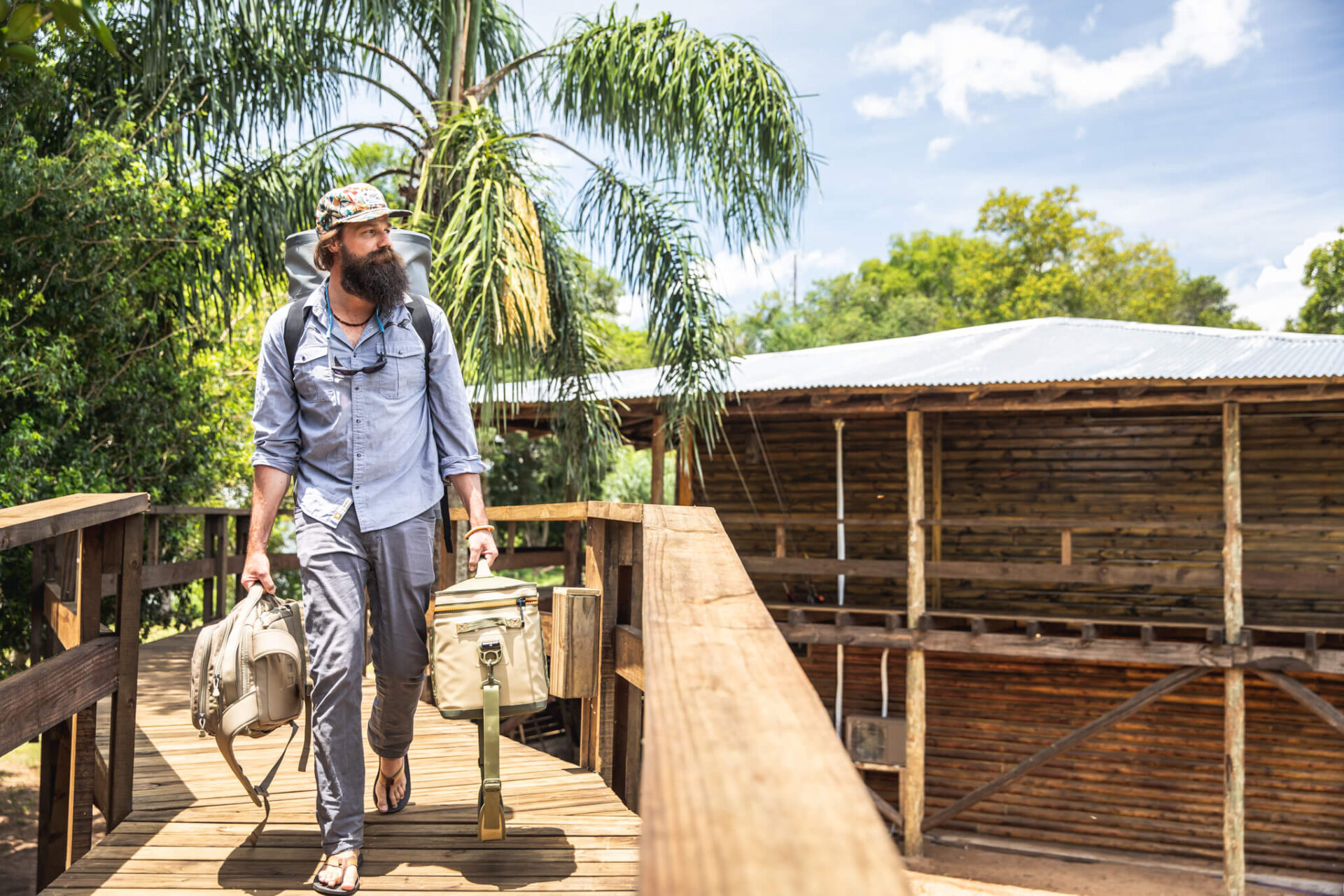
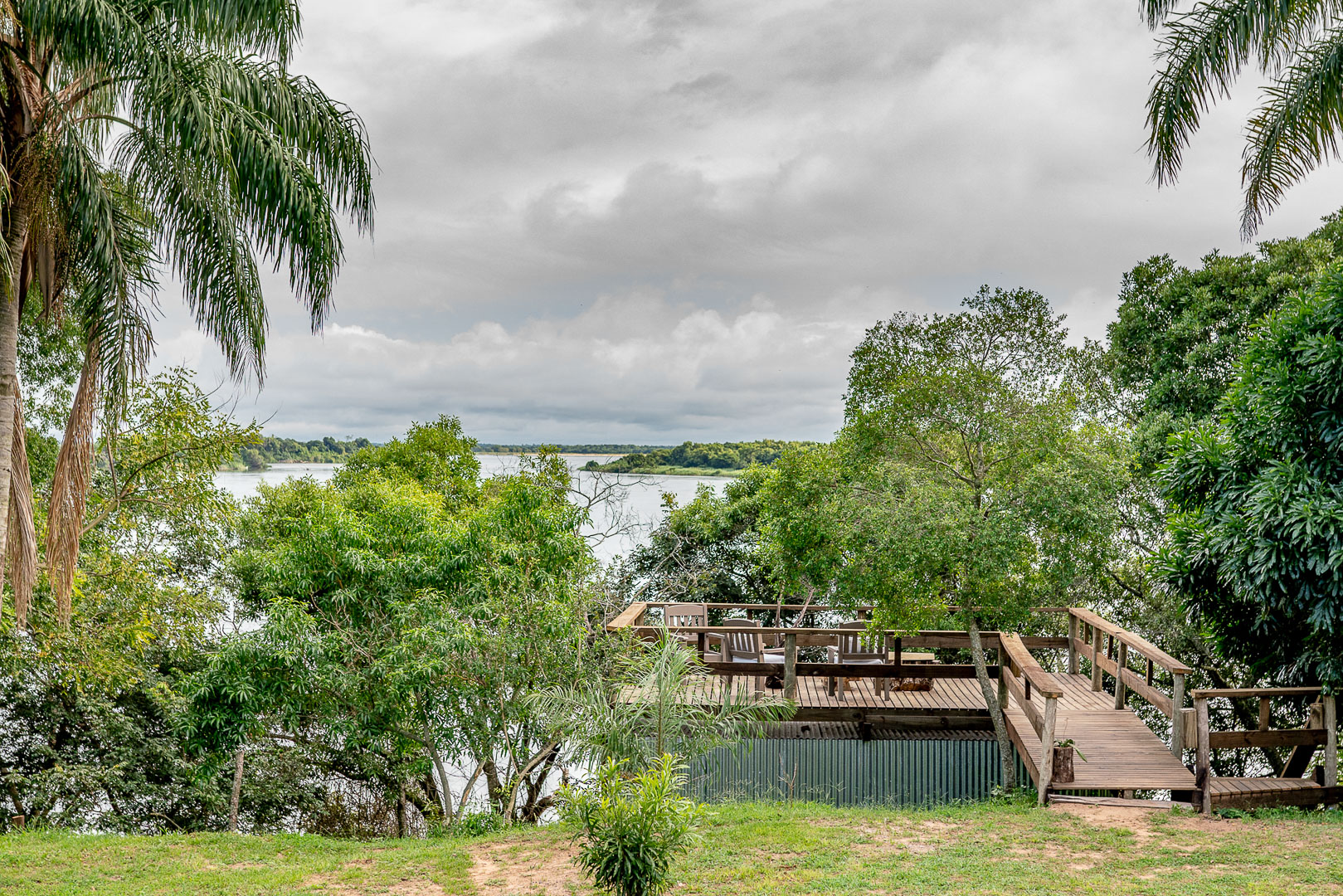
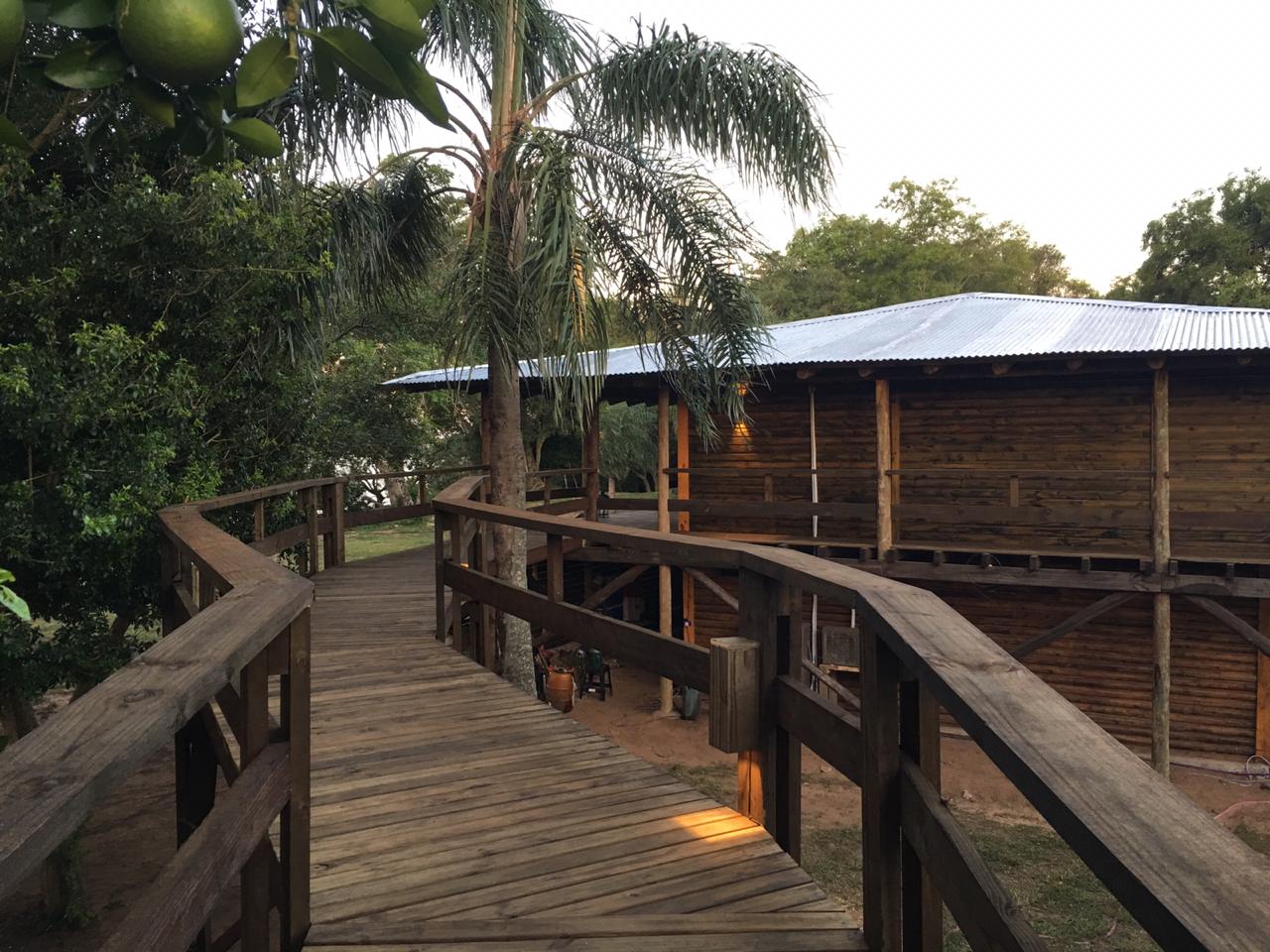
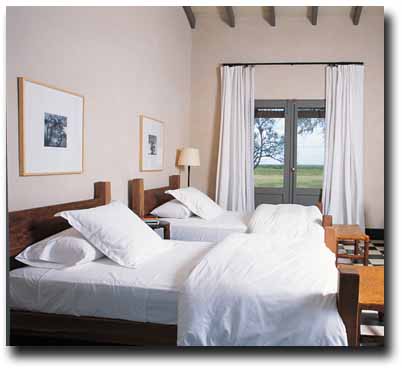
The lodge can host up to 10 guests (or 12 if couples) in stilted living quarters built 9 feet above the jungle floor, offering views of the sprawling Paraná River. The property includes 4 rooms with 2 queen-size beds each and 2 rooms with king-size beds. All rooms have en-suite bathrooms and AC. Based on availability, single rooms can be accommodated. Rooms are cleaned daily and feature WiFi access; laundry service is available upon request.
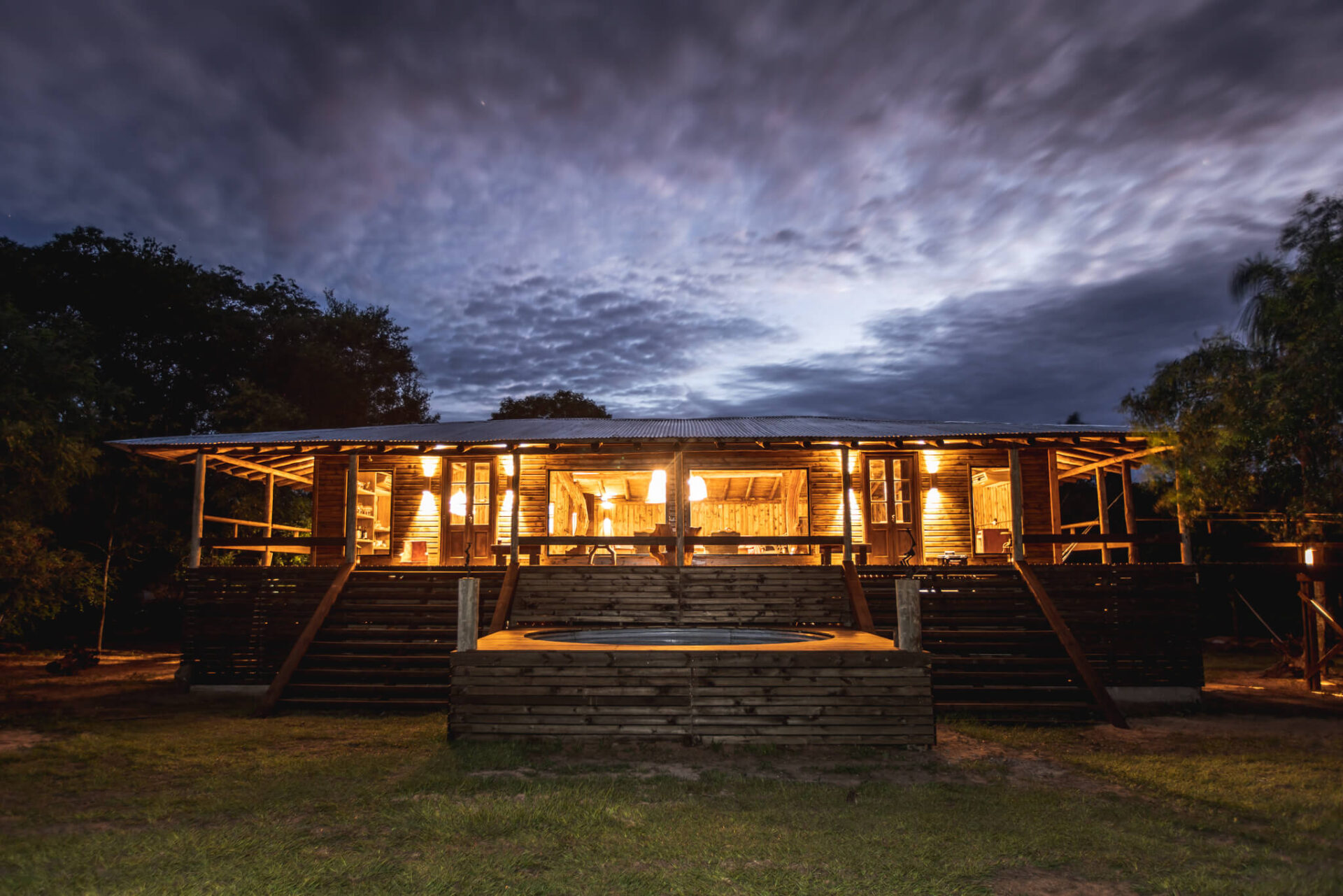
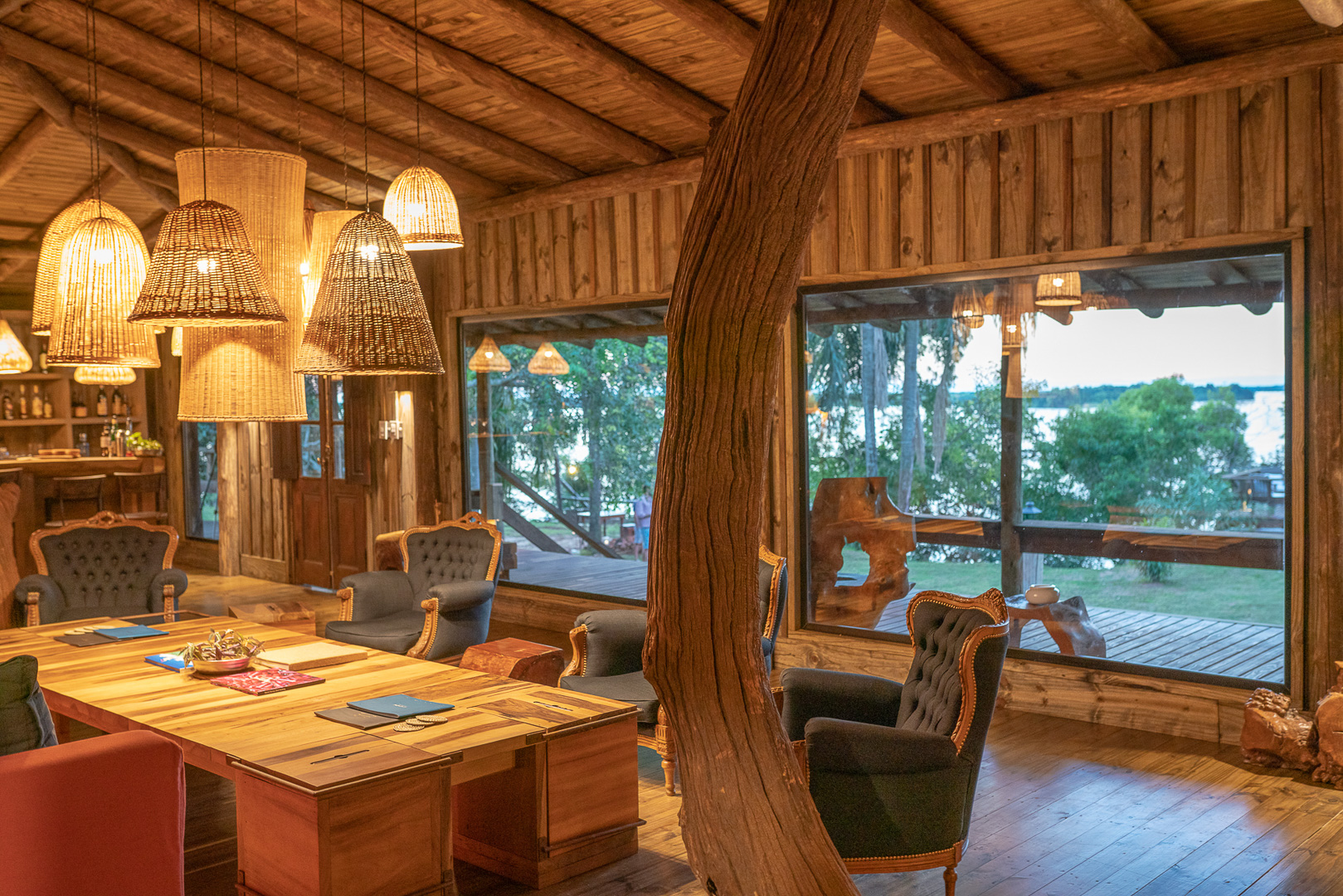
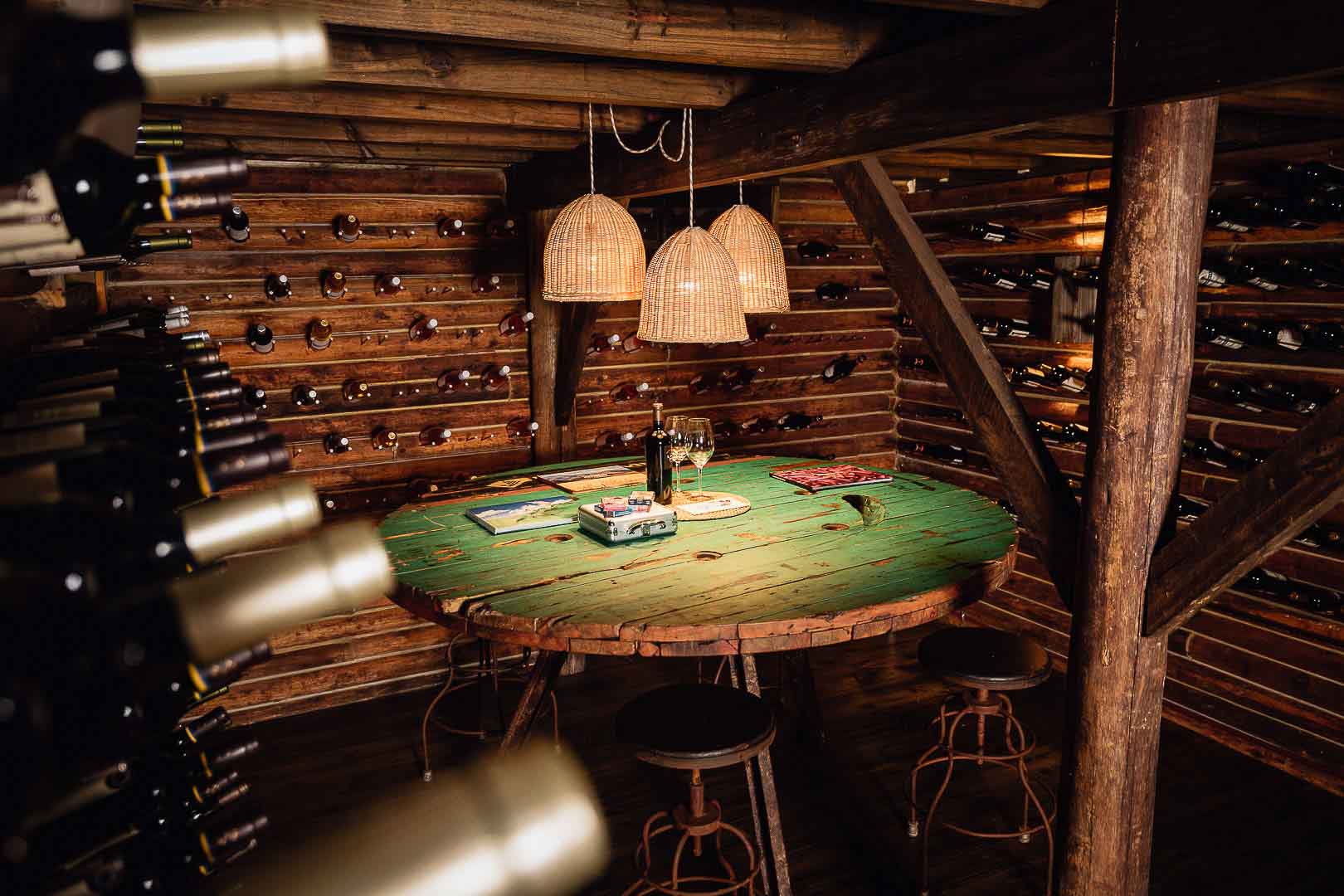
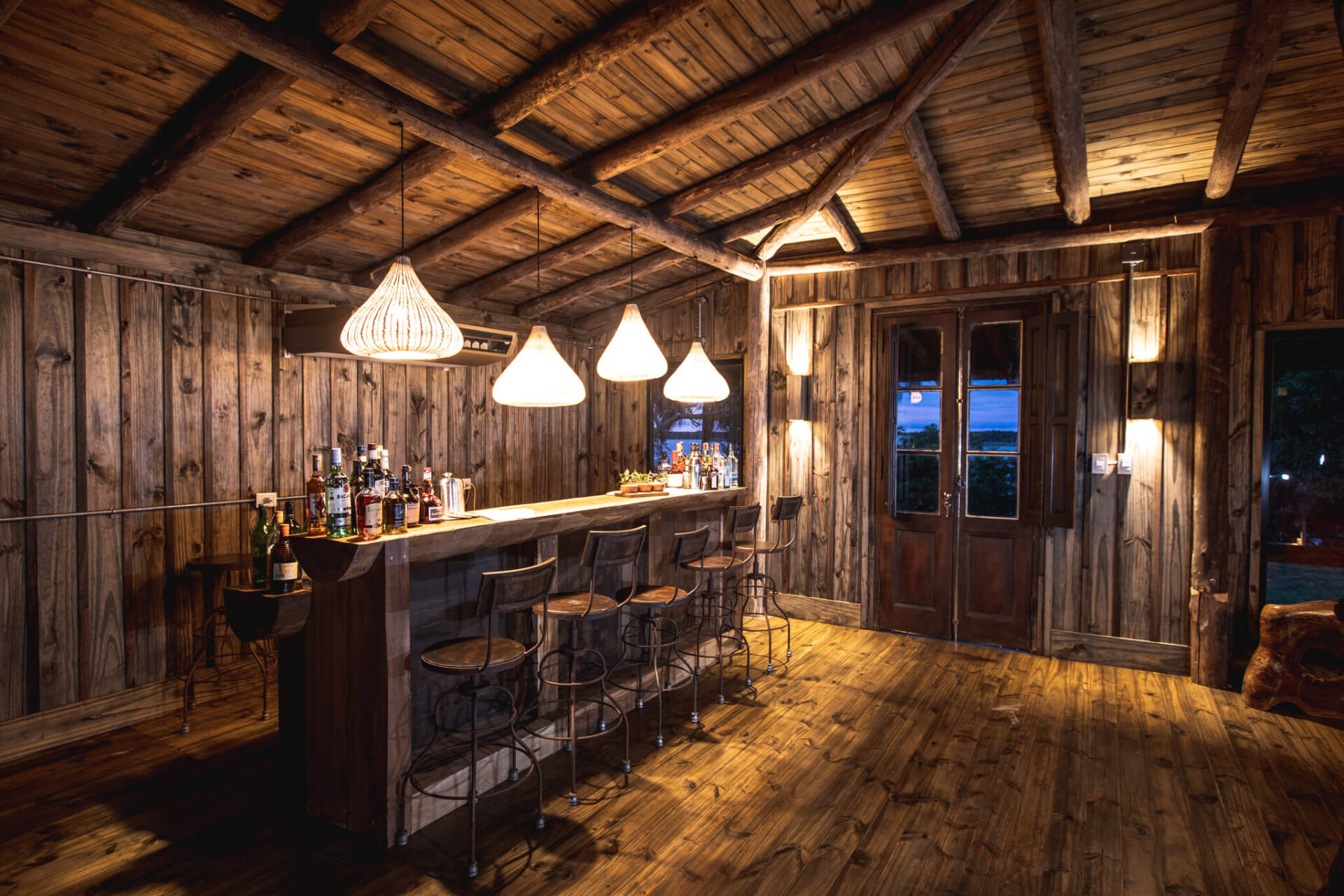
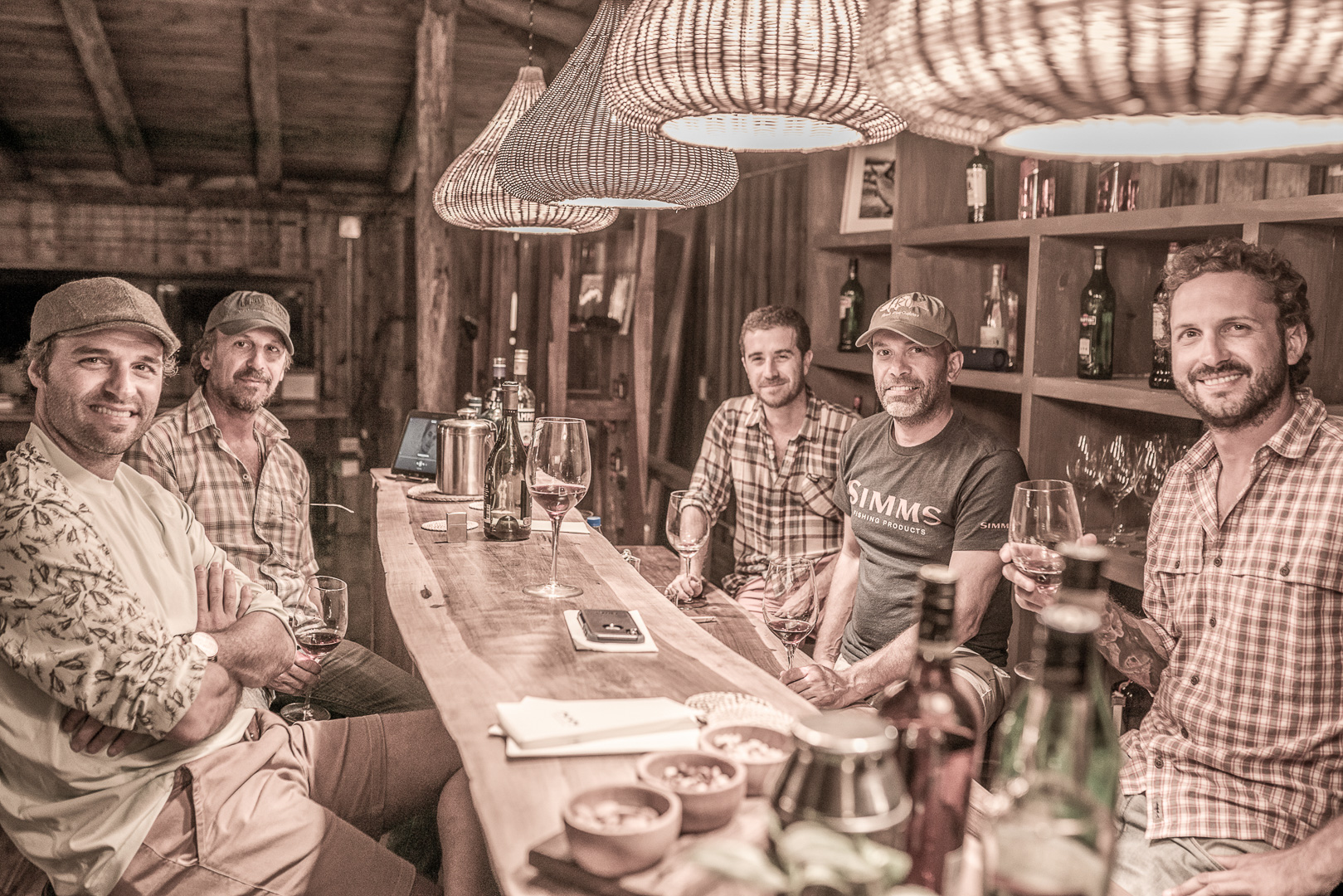
The main lodge is built from local hardwood with soaring cathedral ceilings. Inside you’ll find a fully stocked bar, dining area, living/fly-tying area, and fly shop. The fly shop is stocked with tackle and houses the fleet of loaner fly fishing equipment available to guests free of charge.
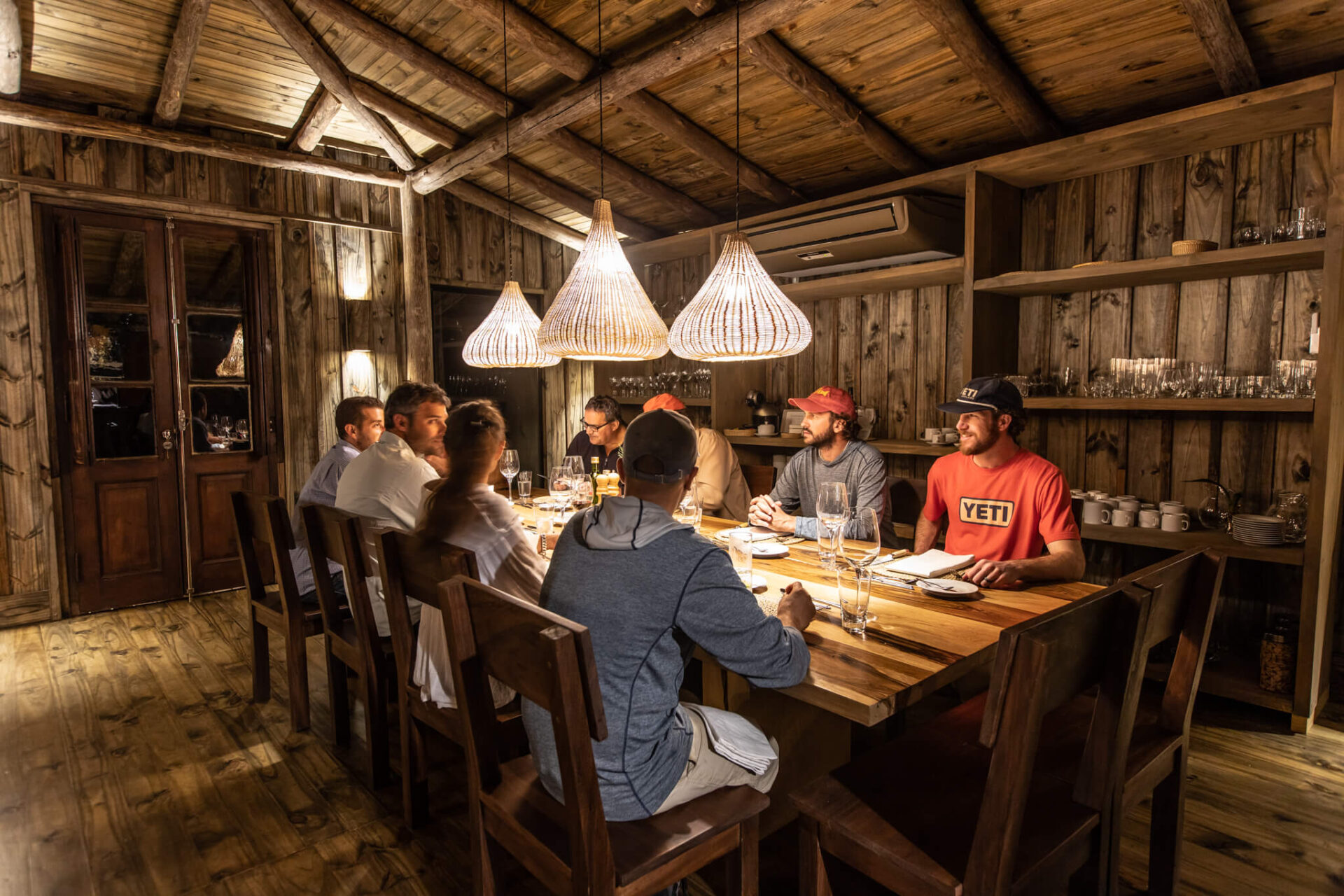
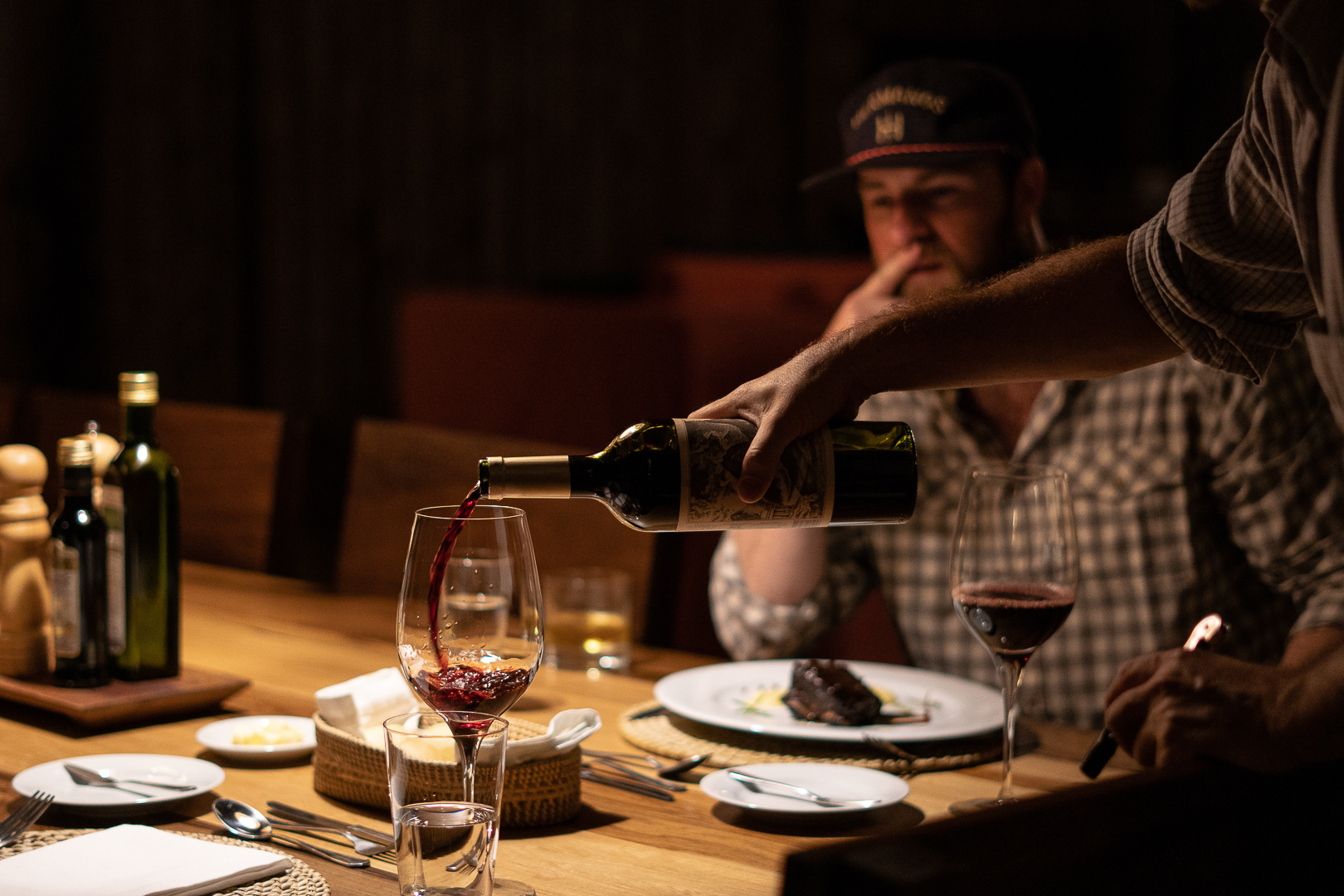
Meals feature Argentina’s famed beef and fine wines, traditional asados (BBQs), and desserts prepared by the culinary team. Each meal is served around an extra-large dining table. Northern Argentina kitchens specialize in diverse dishes that pair prime cuts of local Black Angus beef with fresh fish (including local pacú and surubí), exotic appetizers such as yacaré meat and ceviche, and homemade chipá rolls. Desserts and homemade ice cream provide a unique finish.
À la carte menu with indigenous and international cuisine
High-quality loaner fishing equipment
Custom skiffs designed for Paraná fishing
Fly shop with flies, rods, reels, lines, and apparel
Pool for midday respite
WiFi in all lodge buildings
2025–2026 Rates
Length of Stay
Rate per person
7 Nights / 6 Days Fishing
$7,950
6 Nights / 5 Days Fishing
$7,495
5 Nights / 4 Days Fishing
$6,395
4 Nights / 3 Days Fishing
$5,150
3 Nights / 2 Days Fishing
$3,950
Per person, USD, based on double occupancy and shared guide. Add-ons: half day $650/boat, full day $850/boat; non-angler $650/night; single room and boat 60% surcharge. Shorter packages and combos with Pira Lodge (Iberá) or other Nervous Waters lodges in Argentina available. Source: Nervous Waters. Rates subject to change.
Ready to Plan Your Week?
Tap a button to reach our Argentina specialists. Our services are free.
All meals, wines, beer, and local and international spirits
Professional guide services
Loaner fishing equipment (rods, reels, lines)
Not Included
International and domestic airfares
Transfers in and out of the lodge
Fishing licenses
Laundry service
Gratuities for guides and house staff
Why Anglers Love Suindá
“Best waters I’ve ever seen. Love the countryside.” — Gary K., USA
“Fabi was the best we could have expected. Carolina and staff were superb.” — Thomas K., USA
“Amazing staff, guides, food, lodging. Fabi and Pablo are so friendly and want so much to have us succeed. The lodging was fantastic and wine was exquisite.” — Jeremy Smith, USA
“The lodge, staff and food were all exceptional. Mati is a fantastic host—he made everything easy and the pace is beautiful. The guides worked exceptionally hard during tough conditions. Outstanding meals, exceeded expectations!” — Ethan Hooper, USA
Getting to Suindá Lodge
Daily flights are available from Buenos Aires Aeroparque Domestic Airport (AEP) to Corrientes (CNQ) or Resistencia (RES). It’s a 1-hour nonstop flight to either airport. From Corrientes (CNQ) it’s a 45-minute drive to the water’s edge, where a boat takes you the short hop to the lodge. From Resistencia (RES), the drive is 1 hour 45 minutes.
Nearest airports: Corrientes (CNQ) — 45 min drive + short boat; Resistencia (RES) — 1 hr 45 min drive + short boat
The South American Golden Dorado (Salminus brasiliensis) is considered by many well traveled anglers to be the world’s greatest fighting game fish. This extraordinary jumper combines the running and leaping abilities of a salmon with the ferocity and predatory instincts of a tiger shark. It violently hammers flies and lures, then immediately explodes out of the water in a series of outrageous leaps and line stripping runs.
For many years, one of Latin America’s most exciting game fish was kept a secret in its heartland. In the last few years, the Dorado, or “River Tiger” as it is affectionately called in Argentina, has rocketed to the top of the “hot fish list”!
Throughout much of its equatorial range, the Dorado is caught in heavy rivers in fairly deep, murky waters and generally with heavy spinning or plug casting tackle. However, for anglers preferring to fish relatively light fly tackle or light spinning tackle, in more intimate, relatively clear waters, with even some sight casting opportunities from the deck of a flats skiff, Pirá Lodge offers the perfect alternative.
Golden Dorado (3-6 lbs average, 10+ lbs common, fish over 25 lbs possible)
Season: Mid-October through April (Argentine spring and summer)
Weather: Warm spring and summer conditions in Corrientes Province
Location: Iberá Marshlands, Corrientes Province, Argentina—3.5 million acres of pristine wetlands
Book now, get a quote, or chat with us about Argentina Golden Dorado fishing!
Pirá Lodge is located in the northeastern corner of Argentina in Corrientes Province on the immense Iberá Marsh. One of the most unique and fascinating ecosystems in the world, the Iberá Wetlands is comprised of 3,500,000 (three million five hundred thousand) acres of unexplored and uninhabited marshland that will be the setting for some of the most exciting fishing you will ever do. The marsh is a vast system of pristine creeks, rivers, shallows, and lakes roughly 2.5 times bigger than the Florida Everglades and is home to more than 350 species of birds, 85 mammals and almost 70 reptiles, along with this electrifying game fish!
Fishing Program & Techniques
Pirá Lodge guests fish from state of the art 18 foot Hell’s Bay flats skiffs with poling platforms. Primary fishing areas include the Corrientes River, the Headwaters and the Marsh proper.
The Corrientes River
The River is more traditional fishing usually with an 8 or 9 weight with a sink tip line. Large saltwater type streamer patterns are swung and stripped. One of the most effective patterns is the Andino, a hybrid muddler/deceiver pattern.
The Headwaters
The headwaters offers more floating line fishing and even surface patterns like mice (tied on heavy saltwater hooks) or sliders. Sometimes dorado will take poppers but seem to prefer sliders. The popular “Titanic” steelhead waking fly, has been adapted (tied on heavier hooks) and has been very successful in recent years.
The Marsh
The Marsh fishing is slightly more technical. This is generally clearer water and a stealthy approach is required. Again, the Marsh offers more opportunities for floating line fishing, and Pirá guides have even discovered these fish will eat buggy, rubber legged terrestrial dry flies!
What to Expect
While fish over 25 pounds have been taken at Pirá, most fish will average in the 3 – 6 pound range, with fish in the 10 + pound class taken each month of the season. The average day usually produces around 5 – 10 fish per rod per day. But this can vary widely. Dorado can be moody, but can also just go “on the grab”, and you might release 20 in a morning session.
Fishing Schedule & Gear
Daily fishing hours may vary depending on month and weather. A typical spring fishing day will start in the morning from 8:00 to 12:30, lunch at the lodge, and then afternoon fishing from 3:30 to 7:30. The season comprises the Argentine spring and summer, from mid-October through April.
Fly rods carrying 7, 8 & 9 weight lines are the weapons of choice. It’s best to carry two rods; an 8 or 9 rigged with a sinking line (like a T-200) and a 7 or 8 rigged with a floater. Traditional saltwater streamers and deceivers in black, purple chartreuse and white, some slider and mice patterns, and wire leaders (these are toothy critters) complete the required gear.
Lodge Accommodations & Amenities
Pirá Lodge is designed to provide its guests not only with a remarkable fishing experience, but also with maximum comfort. The lodge accommodates 12 guests (10 anglers) in 5 rooms and a cottage with 2 rooms. Each room is fully air-conditioned, with two double beds and large bathrooms with double windows, which provide a peaceful space to unwind in a warm bath. The rooms feature French windows, which open out to the shaded verandah with easy access to the 20 meter pool and a beautiful view of the surrounding wilderness. In addition to the comfort of a spacious sitting room, with unique furniture crafted by local artisans, anglers will appreciate the convenience of a fly tying table, and an on-site fly shop, fully equipped with flies, rods, reels and clothing.
Gourmet dining with Argentina’s famed beef and fine wines, traditional “asados” (BBQ´s), delicious regional as well as international cuisine desserts, and the fully stocked bar contribute to create the setting for perfect moments at the end of a perfect day.
Non-Fishing Activities
Other activities available are Kayaking, Bird watching, Horseback riding and snorkeling. Pirá is a strictly CATCH AND RELEASE fishery and strongly encourages the use of barb-less hooks.
Getting to Pirá Lodge
There are a number of options for travel to Pirá Lodge. Most convenient but also most expensive is using a private charter to fly directly to the lodge’s grass airstrip (dependent on water levels) or to nearby Mercedes or Goya Airports. This works well for groups of 4 or more. Alternately, you can fly commercial air to either Resistencia or Corrientes. From there it is a 4 ½ hour ground transfer.
Many will travel through, arriving in Buenos Aires early morning, taking a mid-morning flight to Corrientes where they overnight at the charming Hotel La Alondra, and make the ground transfer to the lodge the next morning.
The most novel travel method is using the overnight Luxury Sleeper bus to Mercedes. This features fully (flat) reclining seats with privacy curtains, much like you’d find on First Class transoceanic flights. This departs Buenos Aires at about 9:30 pm. Dinner and beverages are served and you’ll arrive in Mercedes at about 7:00 am. From there it’s a 1 ½ hour car transfer to the lodge.
Pirá Lodge 2025 – 2026 Rates
Season: October 2025 – April 2026. Rates are in USD per person, based on shared occupancy and boat.
Package Length
Price Per Person
7-nights / 6-days Fishing
$7,950
6-nights / 5-days fishing
$7,495
5-nights / 4-days fishing
$6,395
4-nights / 3-days fishing
$5,150
3-nights / 2-days fishing
$3,950
Rates are per person in USD$ and subject to change
Booking at Pirá Lodge is easy:
Tap a button below to start the conversation. Our services are free.
Occupancy: 12 guests, 10 anglers – 5 rooms & a cottage with 2 rooms. Check in after 2PM / Check out before 10AM.
Single Room & Boat: 60% surcharge
Non-Fisher: $650 per night per person
Fishing License: $100 per person
Full day fishing on arrival or departure day: $850 per boat
Half day fishing on arrival or departure day: $650 per boat
Included & Not Included
Included: Accommodations based on double occupancy; all meals, wines, beer and local and international spirits; professional guide services (2 anglers per guide/boat); loaner fishing equipment (rods, reels & lines).
Not Included: International & domestic airfares; private charters; fishing licenses; laundry service; transfers in & out of the Lodge; gratuities for guides and house staff.
The South American Golden Dorado (Salminus brasiliensis) is considered by many well traveled anglers to be the world’s greatest fighting game fish. This extraordinary jumper combines the running and leaping abilities of a salmon with the ferocity and predatory instincts of a tiger shark. It violently hammers flies and lures, then immediately explodes out of the water in a series of outrageous leaps and line stripping runs.
For many years, one of Latin America’s most exciting game fish was kept a secret in its heartland. In the last few years, the Dorado, or “River Tiger” as it is affectionately called in Argentina, has rocketed to the top of the “hot fish list”!
Throughout much of its equatorial range, the Dorado is caught in heavy rivers in fairly deep, murky waters and generally with heavy spinning or plug casting tackle. However, for anglers preferring to fish relatively light fly tackle or light spinning tackle, in more intimate, relatively clear waters, with even some sight casting opportunities from the deck of a flats skiff, Pirá Lodge offers the perfect alternative.
Pirá Lodge is located in the northeastern corner of Argentina in Corrientes Province on the immense Iberá Marsh. One of the most unique and fascinating ecosystems in the world, the Iberá Wetlands is comprised of 3,500,000 (three million five hundred thousand) acres of unexplored and uninhabited marshland will be the setting for some of the most exciting fishing you will ever do. The marsh is a vast system of pristine creeks, rivers, shallows, and lakes roughly 2.5 times bigger than the Florida Everglades and is home to more than 350 species of birds, 85 mammals and almost 70 reptiles, along with this electrifying game fish!
Pirá Lodge guests fish from state of the art 18 foot Hell’s Bay flats skiffs with poling platforms. Primary fishing areas include the Corrientes River, the Headwaters and the Marsh proper.
The River is more traditional fishing usually with an 8 or 9 weight with a sink tip line. Large saltwater type streamer patterns are swung and stripped. One of the most effective patterns is the Andino, a hybrid muddler/deceiver pattern
The headwaters offers more floating line fishing and even surface patterns like mice (tied on heavy saltwater hooks) or sliders. Sometimes dorado will take poppers but seem to prefer sliders. The popular “Titanic” steelhead waking fly, has been adapted (tied on heavier hooks) and has been very successful in recent years.
The Marsh fishing is slightly more technical. This is generally clearer water and a stealthy approach is required. Again, the Marsh offers more opportunities for floating line fishing, and Pirá guides have even discovered these fish will eat buggy, rubber legged terrestrial dry flies!
While fish over 25 pounds have been taken at Pirá, most fish will average in the 3 – 6 pound range, with fish in the 10 + pound class taken each month of the season. The average day usually produces around 5 – 10 fish per rod per day. But this can vary widely. Dorado can be moody, but can also just go “on the grab”, and you might release 20 in a morning session.
Daily fishing hours may vary depending on month and weather. A typical spring fishing day will start in the morning from 8:00 to 12:30, lunch at the lodge, and then afternoon fishing from 3:30 to 7:30. The season comprises the Argentine spring and summer, from mid-October through April.
Fly rods carrying 7, 8 & 9 weight lines are the weapons of choice. It’s best to carry two rods; an 8 or 9 rigged with a sinking line (like a T-200) and a 7 or 8 rigged with a floater. Traditional saltwater streamers and deceivers in black, purple chartreuse and white, some slider and mice patterns, and wire leaders (these are toothy critters) complete the required gear.
Pirá Lodge is designed to provide its guests not only with a remarkable fishing experience, but also with maximum comfort. The lodge has only five bedrooms, each one of them fully air-conditioned, with two double beds and large bathrooms with double windows, which provide a peaceful space to unwind in a warm bath. The rooms feature French windows, which open out to the shaded verandah with easy access to the 20 meter pool and a beautiful view of the surrounding wilderness. In addition to the comfort of a spacious sitting room, with unique furniture crafted by local artisans, anglers will appreciate the convenience of a fly tying table, and an on-site fly shop, fully equipped with flies, rods, reels and clothing.
Gourmet dining with Argentina’s famed beef and fine wines, traditional “asados” (BBQ´s), delicious regional as well as international cuisine desserts, and the fully stocked bar contribute to create the setting for perfect moments at the end of a perfect day.
Other activities available are Kayaking, Bird watching, Horseback riding and snorkeling. Pirá is a strictly CATCH AND RELEASE fishery.
There are a number of options for travel to Pira Lodge. Most convenient but also most expensive is using a private charter to fly directly to the lodge’s grass airstrip (dependent on water levels) or to nearby Mercedes or Goya Airports. This works well for groups of 4 or more. Alternately, you can fly commercial air to either Resistencia or Corrientes. From there it is a 4 ½ hour ground transfer.
Many will travel through, arriving in Buenos Aires early morning, taking a mid-morning flight to Corrientes where they overnight at the charming Hotel La Alondra, and make the ground transfer to the lodge the next morning.
The most novel travel method is using the overnight Luxury Sleeper bus to Mercedes. This features fully (flat) reclining seats with privacy curtains, much like you’d find on First Class transoceanic flights. This departs Buenos Aires at about 9:30 pm. Dinner and beverages are served and you’ll arrive in Mercedes at about 7:00 am. From there it’s a 1 ½ hour car transfer to the lodge.
Pirá is a strictly CATCH AND RELEASE fishery and strongly encourages the use of barb-less hooks.
Our Services are Free! Contact us for Seasonal Discounts, Special Offers or Promotional Pricing
Pirá Lodge 2018 – 2019 Rates
(Effective October 2018 – April 2019)
Package Length
Double Occupancy
7-nights / 6-days Fishing
$5,950 per person
6-nights / 5-days fishing
$5,100 per person
5-nights / 4-days fishing
$4,475 per person
4-nights / 3-days fishing
$3,800 per person
Included in the rate: Roundtrip transfers Mercedes Airport or bus terminal to lodge (if you fly private charter); 7-nights deluxe lodge accommodations (double occupancy); all meals; all wines, beer; soft drinks and local spirits at the lodge; daily guided fishing, 2 anglers per boat/guide; fishing license.
Not included are: International airfare; transfers, hotels, meals and personal expenditures in Buenos Aires; commercial flights into either Corrientes or Resistencia (or private charter costs if you fly into Mercedes); transfers from Corrientes, Resistencia or Goya airports to lodge; tackle; imported liquors; laundry service; overweight luggage charges; gratuities.
Single occupancy 60% more; Non-fisher $450 per night/person.
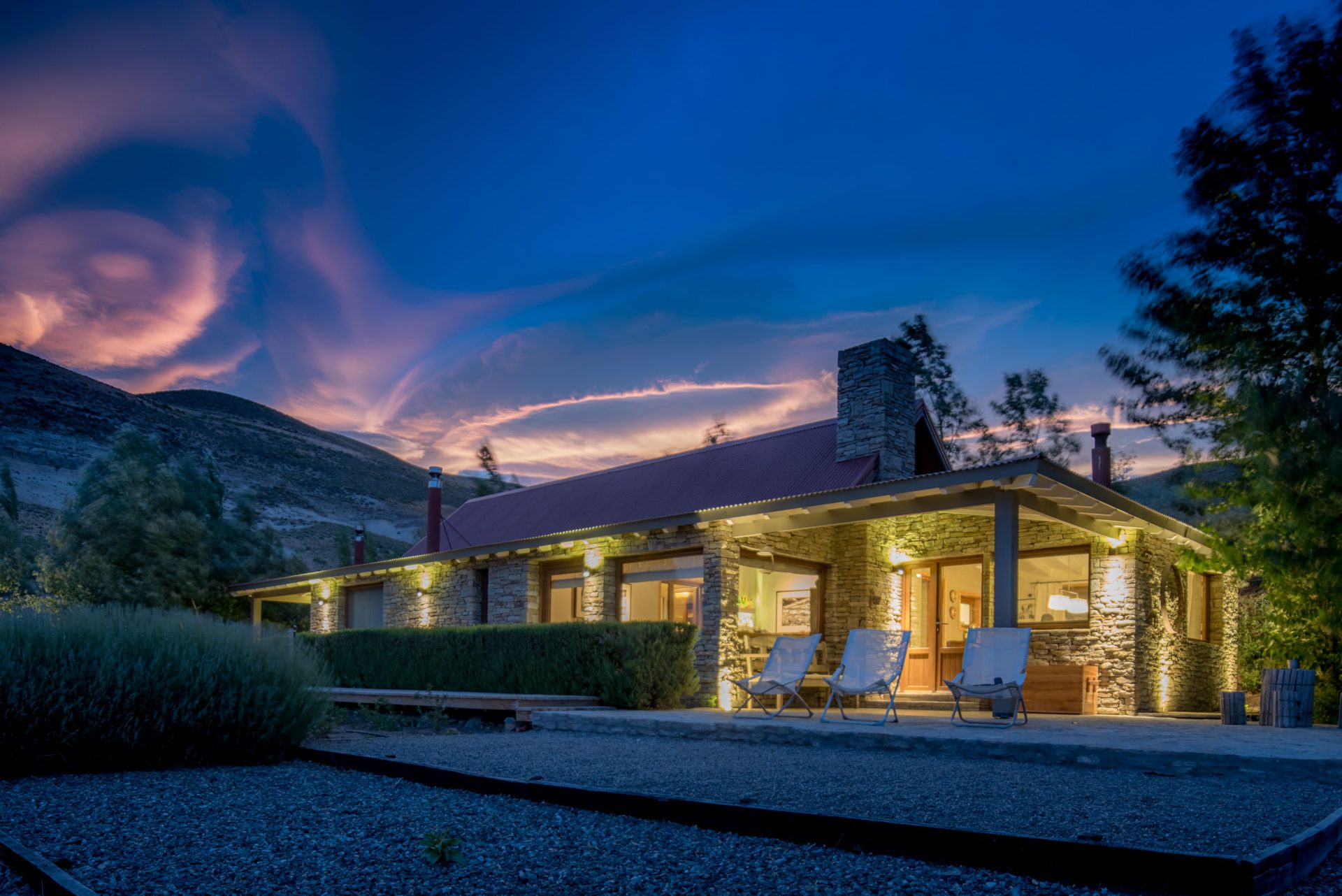
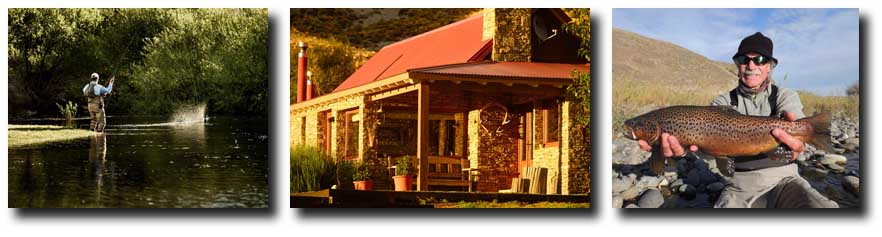
Tres Rios Lodge is located just south of the junction where the Chimehuin and the Aluminé Rivers join to form the Collon Cura River. The traditionally styled lodge is a new building constructed with the latest building technology, but still Patagonia style stone covered walls and classic red roof. The lodge is comprised of 3 guest rooms with private bathrooms, kitchen, living and dinning rooms. Two of the rooms over look the Collon Cura valley and river. As a small lodge, Tres Rios is committed to accommodating one group at a time, so guests will experience exclusive use.
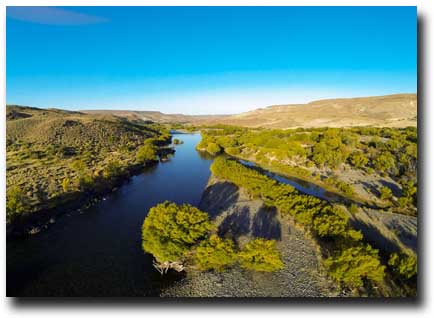
Tres Rios Lodge offers access to 9-miles of the lower Chimehuin, 4-miles on the lower Aluminé, and 4-miles on the upper Collon Cura. Anglers can choose to float, float to wade, or exclusively wade these rivers.
Aluminé River
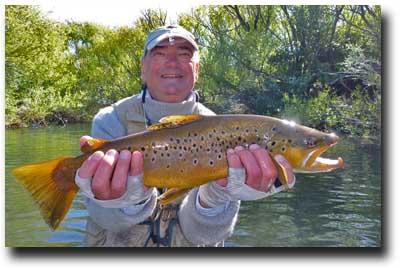
Aluminé River (“shining button” in the native language) & Collon Cura River (“stone mask” in the native language) are the larger two river. These freestone rivers are a filled with overhanging willows, pocket water, back eddies, drop off, high banks and beautiful rock formations. This area is known for exceptional terrestrial fishing, in addition to having hatches throughout the season. Casting hoppers, ants, crickets, inch worms or big attractors against the bank draws exciting strikes from rainbow and brown trout. The Collon Cura has more fish per mile than any other river in the area, and the average fish is around 16 to 18 inches, with browns over 20 inches being caught regularly. The fish density on the Collon Cura makes Tres Rios a great place for beginners and experienced anglers.
Late in the season (March – April) the brown trout of the lower Collon Cura, and some of the area lakes, migrate up the Collon Cura to Spawn. This means there are much bigger fish in the water around Tres Rios and there’s a chance of catching a trophy brown. Streamer fishing, especially at the head of the runs and riffles, can be very effective.
Chimehuin River
The Chimehuin River (“land of the spirit” in the native language) is the smallest of the three rivers, but arguably the most beautiful. The Chimehuin is ideal for dry fly fishing and Tres Rios offers access to 9 miles of perfect pocket water, back eddies, rock structure, over hanging willows and water oaks. The gin clear water and season long hatches make this river a great place for sight fishing. The Chimehuin is also known for it’s side channels, where wading is more manageable early in season!
Because Tres Rios offers each group exclusive use of the lodge, there’s no set schedule. Guests can dictate meal times and locations. Especially during the summer months, guests enjoy having lunch or dinner outside, overlooking at the Collon Cura Valley. It’s also possible to have dinner on the river, to extend the fishing day and fish the entire evening rise. Tres Rios employs a professional chef, who will act as your personal chef and prepares gourmet cuisine. Tres Rios also prides itself in an excellent selection of premium Argentine wines.
Alberto Cordero and the Fly Fishing Andes staff of guides have extensive experience fishing the remote-access water of the Chimehuin, Aluminé, and Collon Cura rivers. These professional English-speaking guides are experts taking the rivers browns and rainbows on dry flies, as well utilizing nymphs and streamers for big trout. Combining the fabled rivers and top guides from Fly Fishing Andes with the accommodations, food, wine and setting of Tres Rios is sure to create a truly unforgettable experience for anglers.
Included in the rate: Pick up and return to Chapelco Airport in San Martin; daily guided fishing; accommodations; all meals, wine and non-alcoholic drinks during meals, open bar with assorted national liquor and beverages, use of the lodge’s private access waters, internet access; fishing license and taxes.
Not included in the rate: Airfare; departure taxes; transfers; hotels and meals in Buenos Aires (if required); laundry, tips to guides, tips to lodge staff, phone calls, tackle; flies and waders.







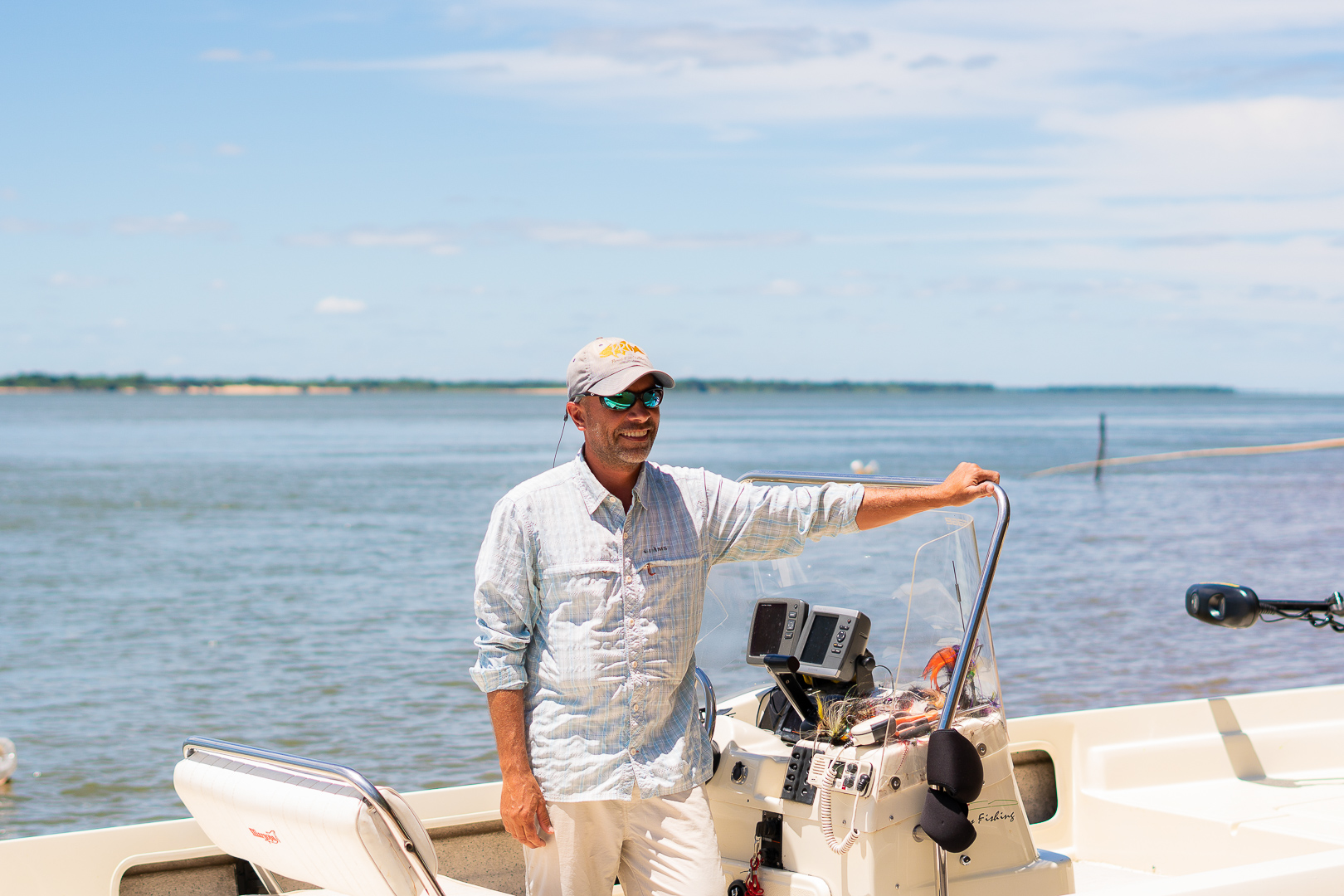



 Alberto Cordero and the Fly Fishing Andes staff of guides have extensive experience fishing the remote-access water of the Chimehuin, Aluminé, and Collon Cura rivers. These professional English-speaking guides are experts taking the rivers browns and rainbows on dry flies, as well utilizing nymphs and streamers for big trout. Combining the fabled rivers and top guides from Fly Fishing Andes with the accommodations, food, wine and setting of Tres Rios is sure to create a truly unforgettable experience for anglers.