Tag: sight fishing

  • Sian Ka’an Lodge

    Sian Ka’an Lodge

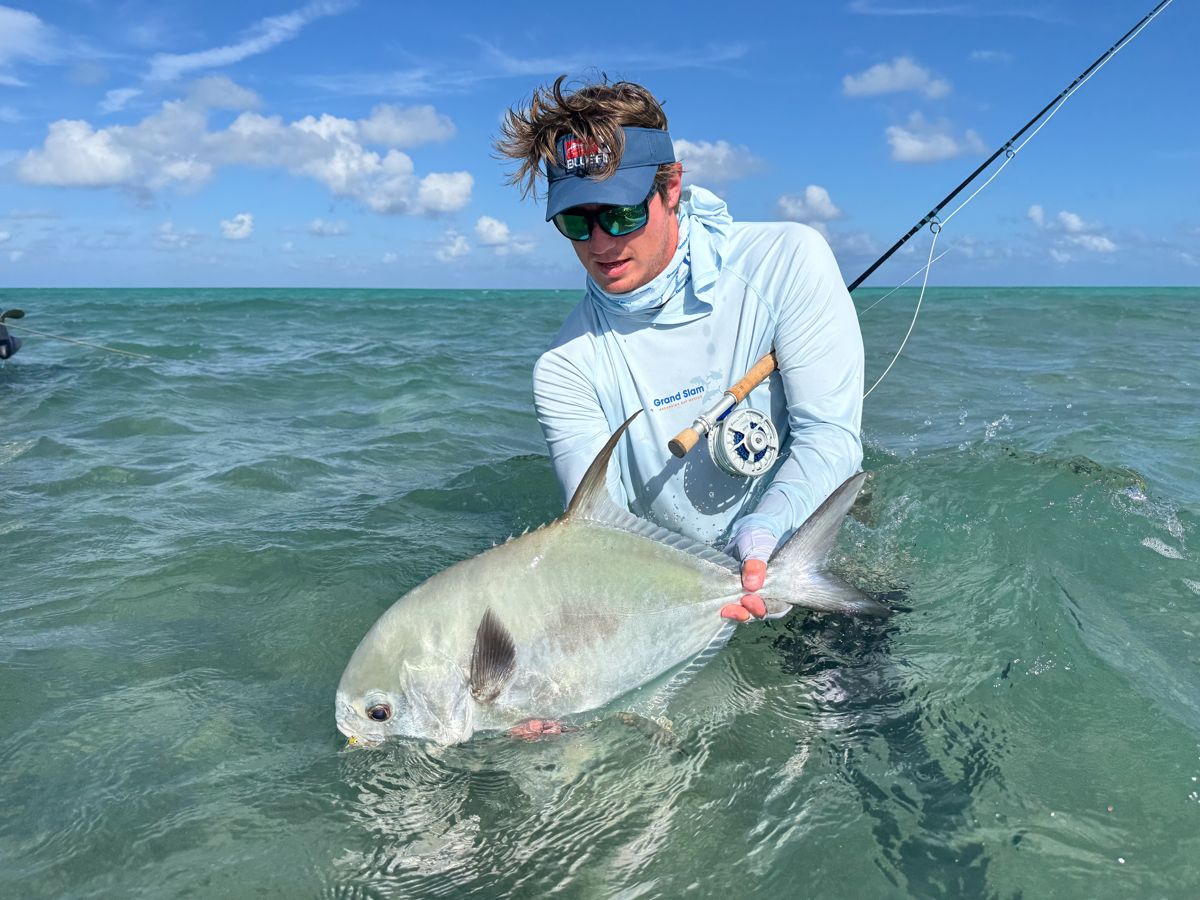
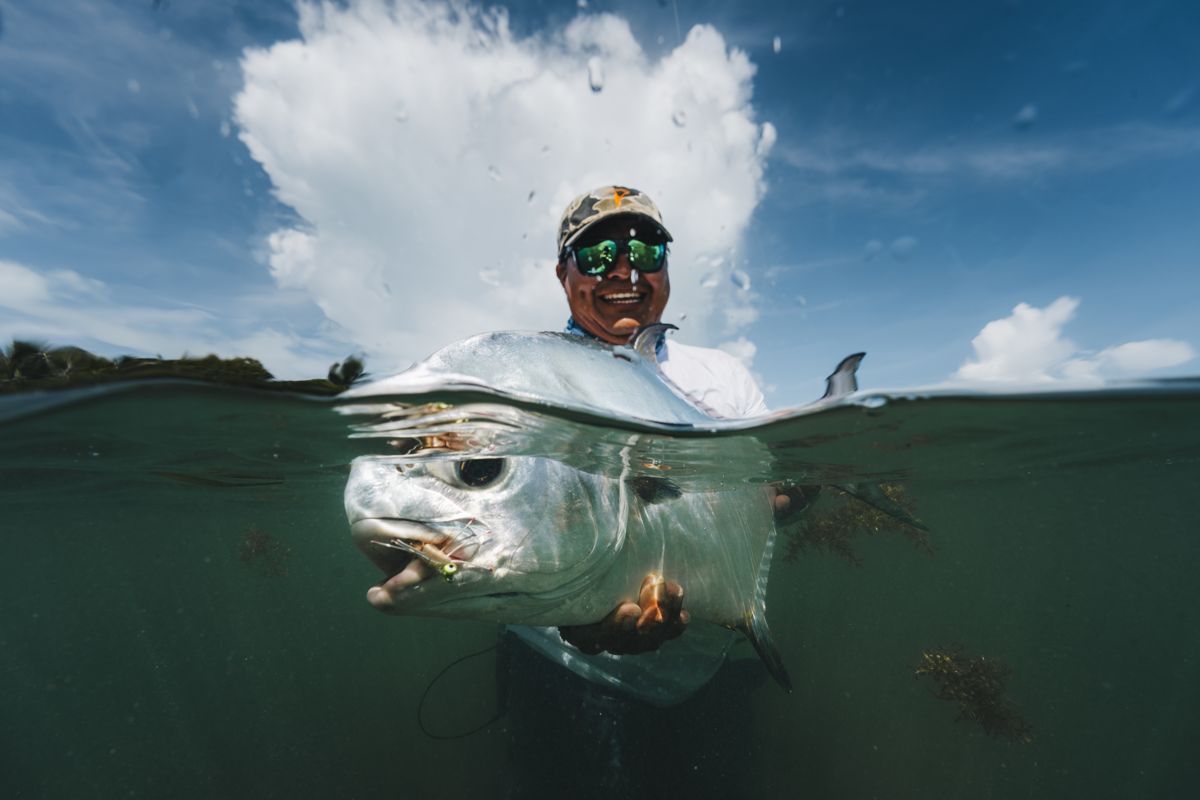
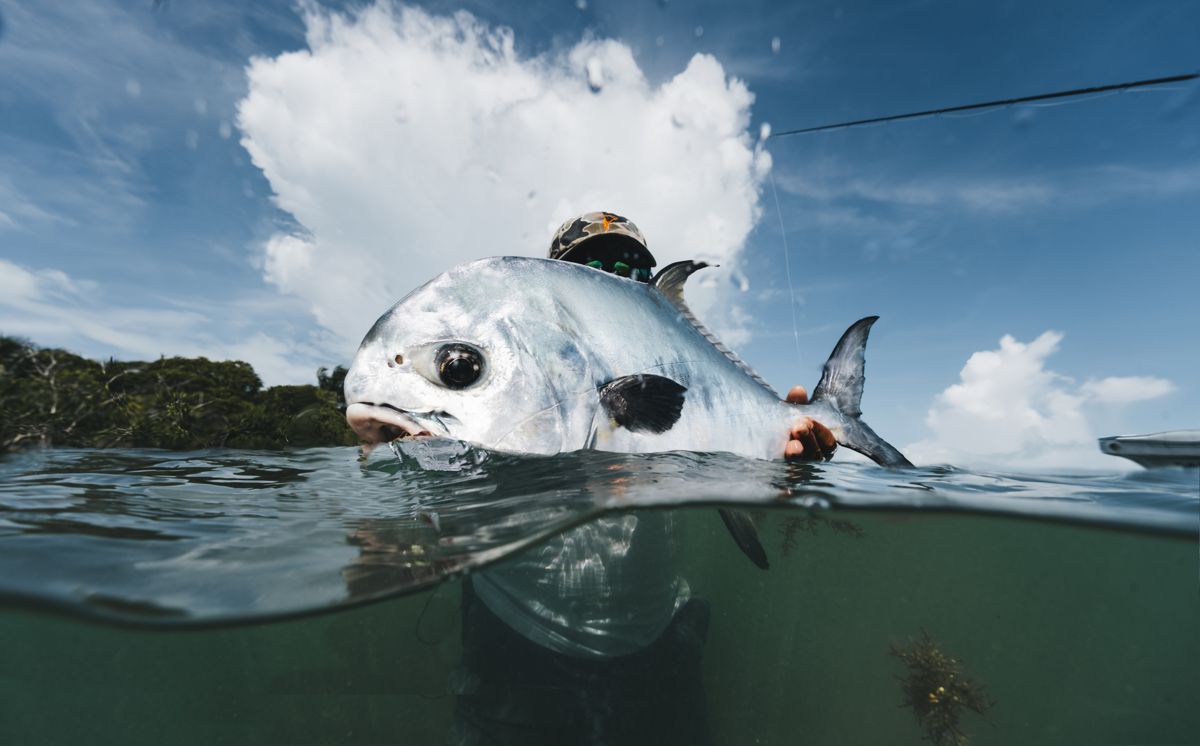
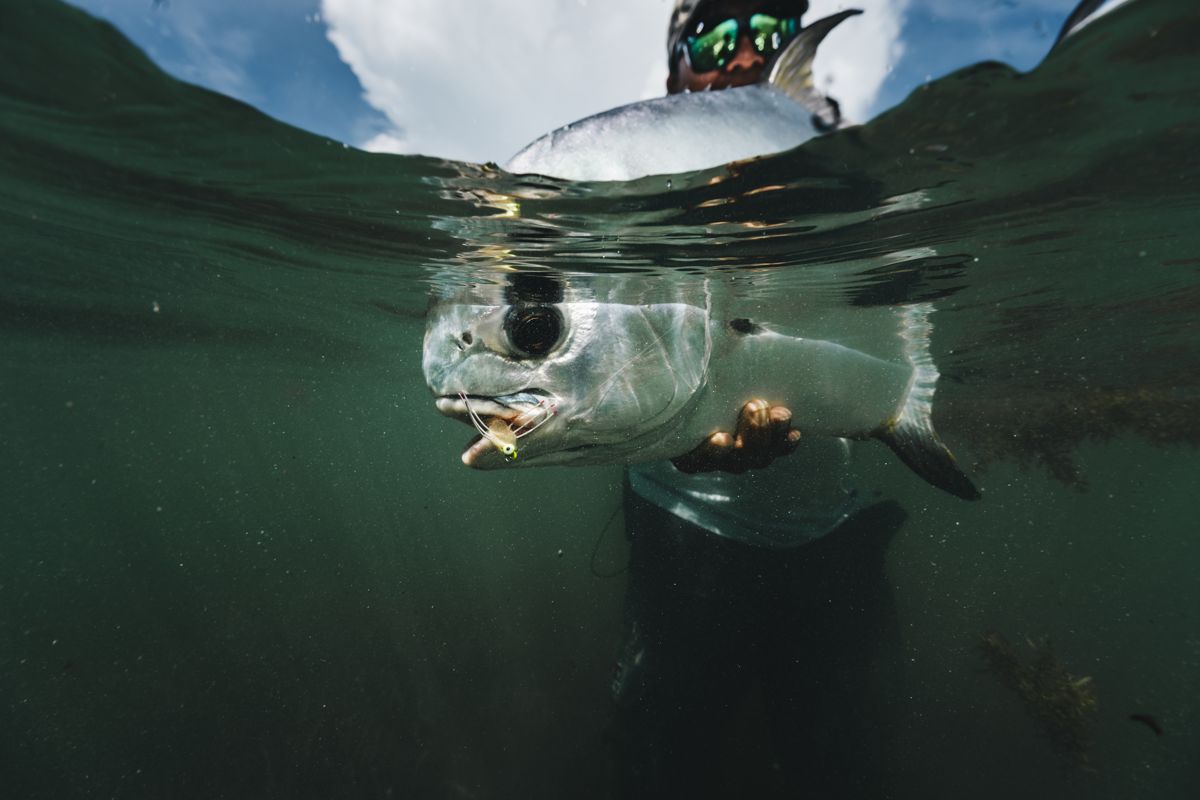
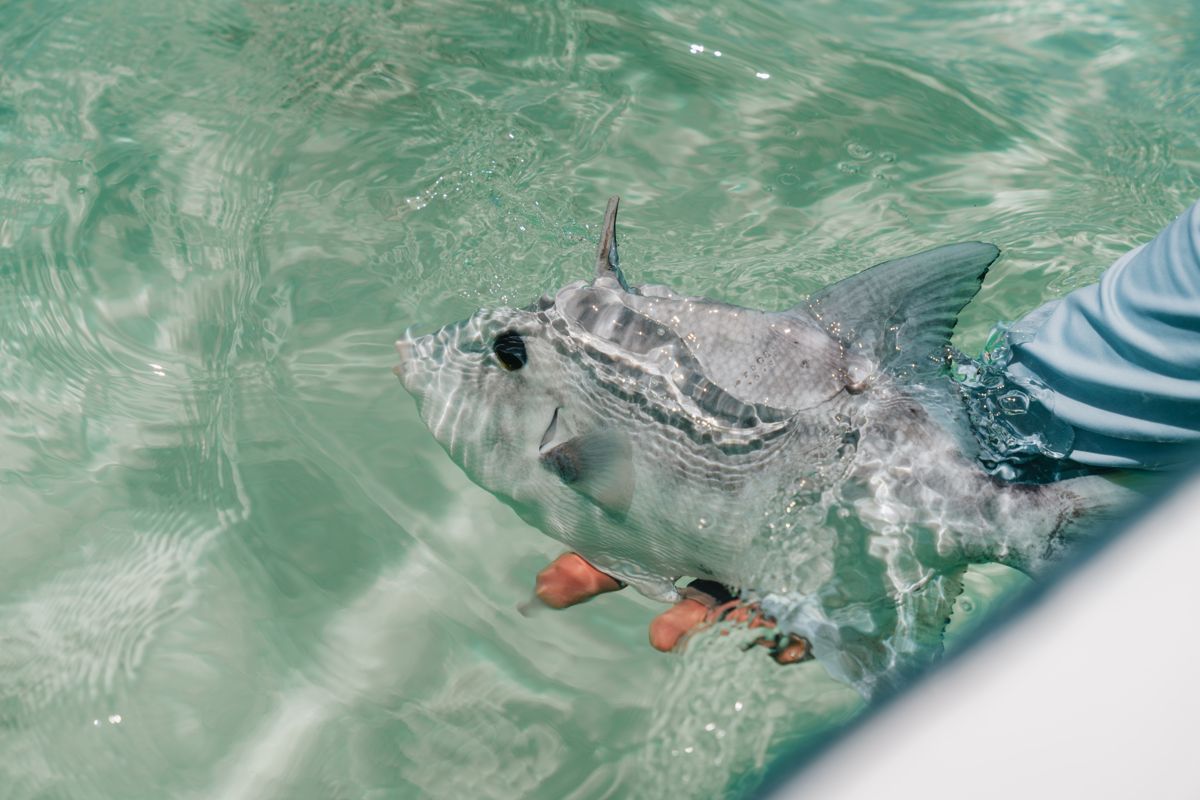
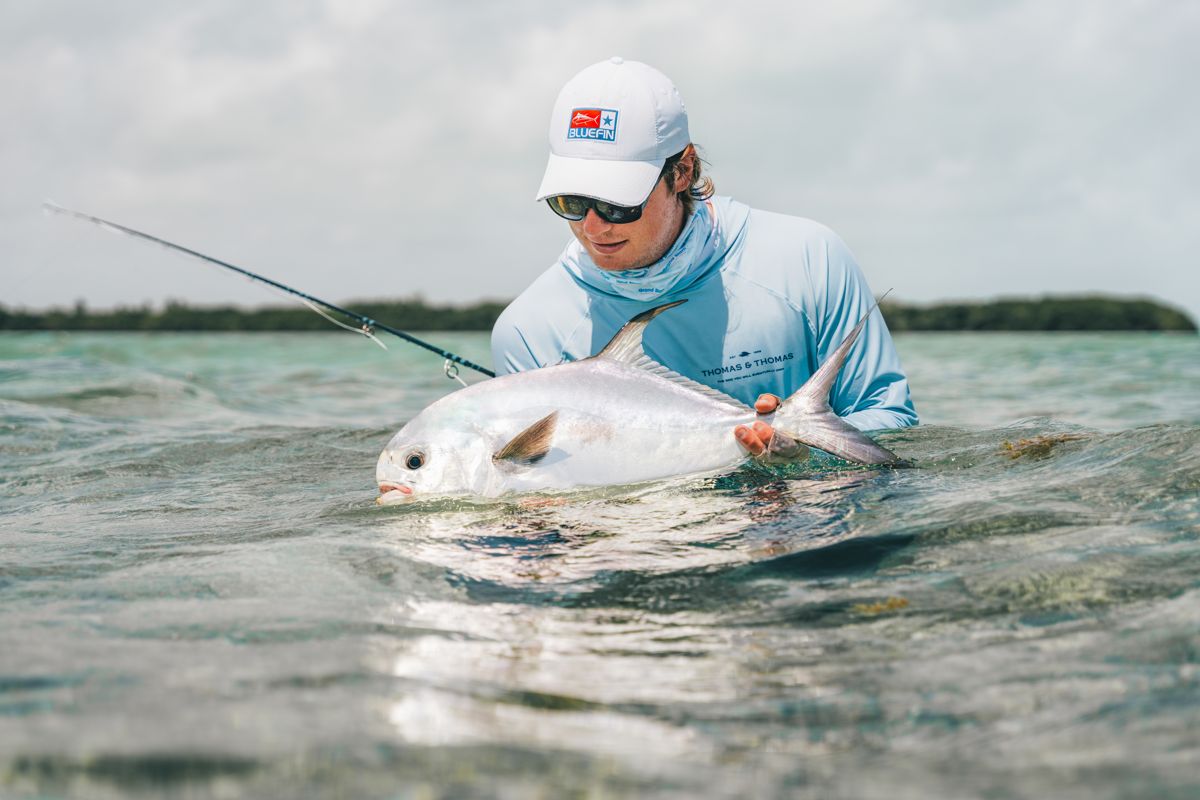
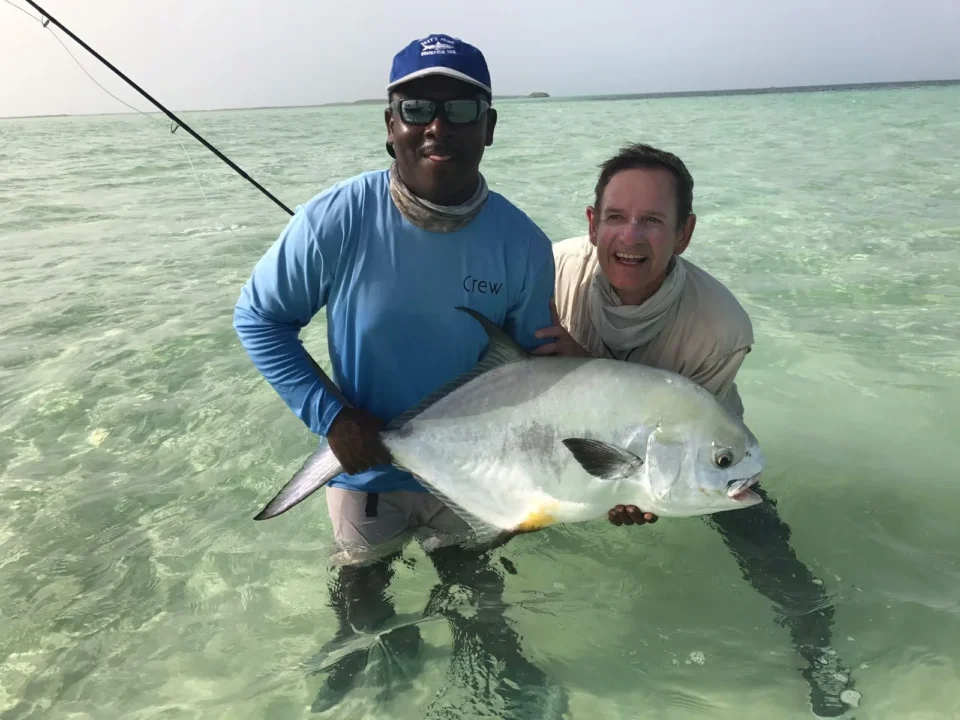
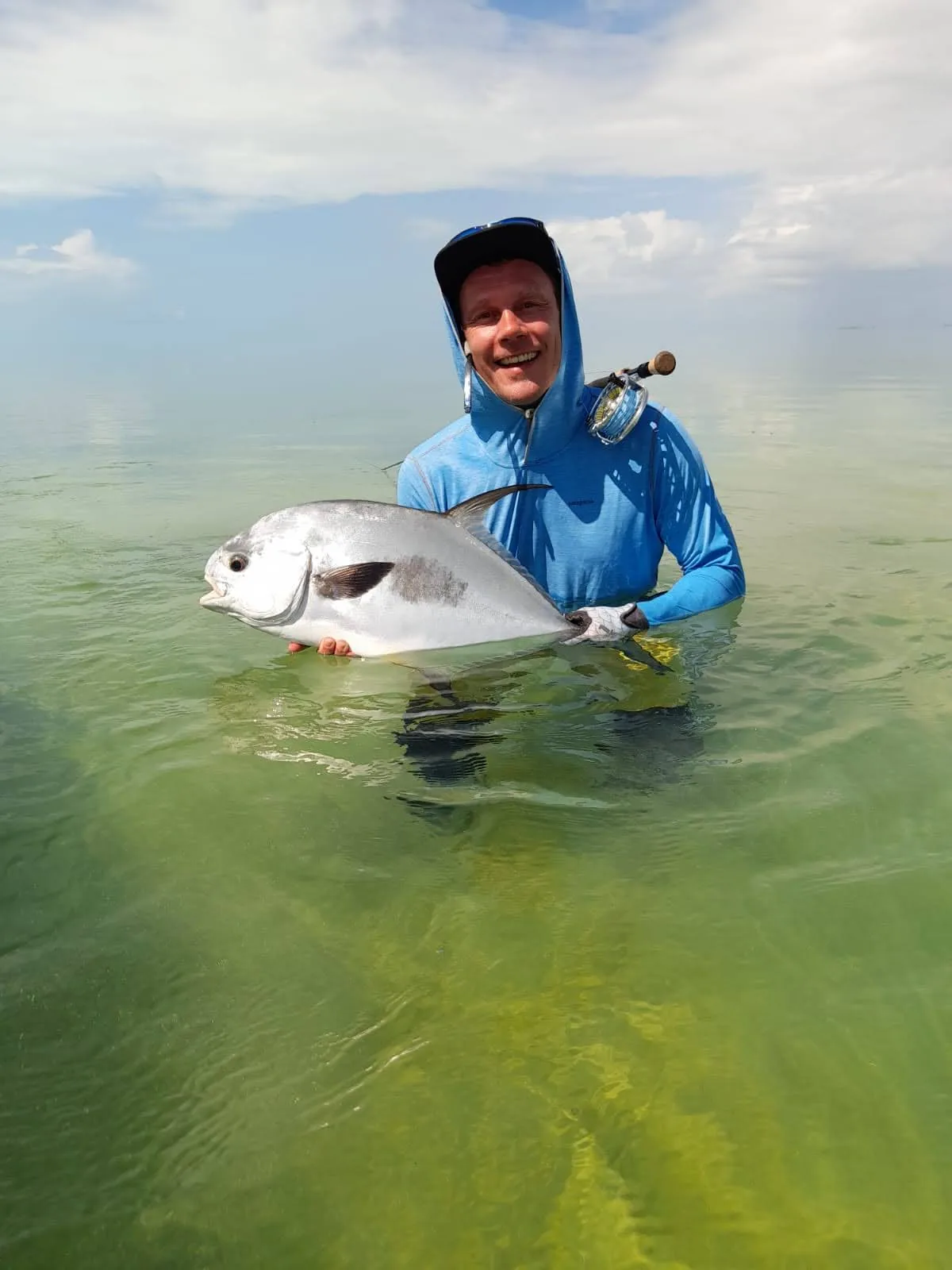
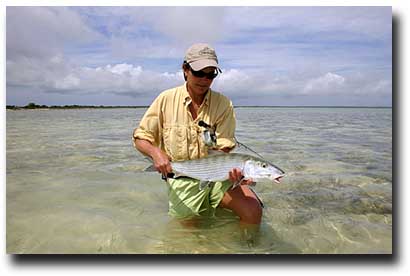
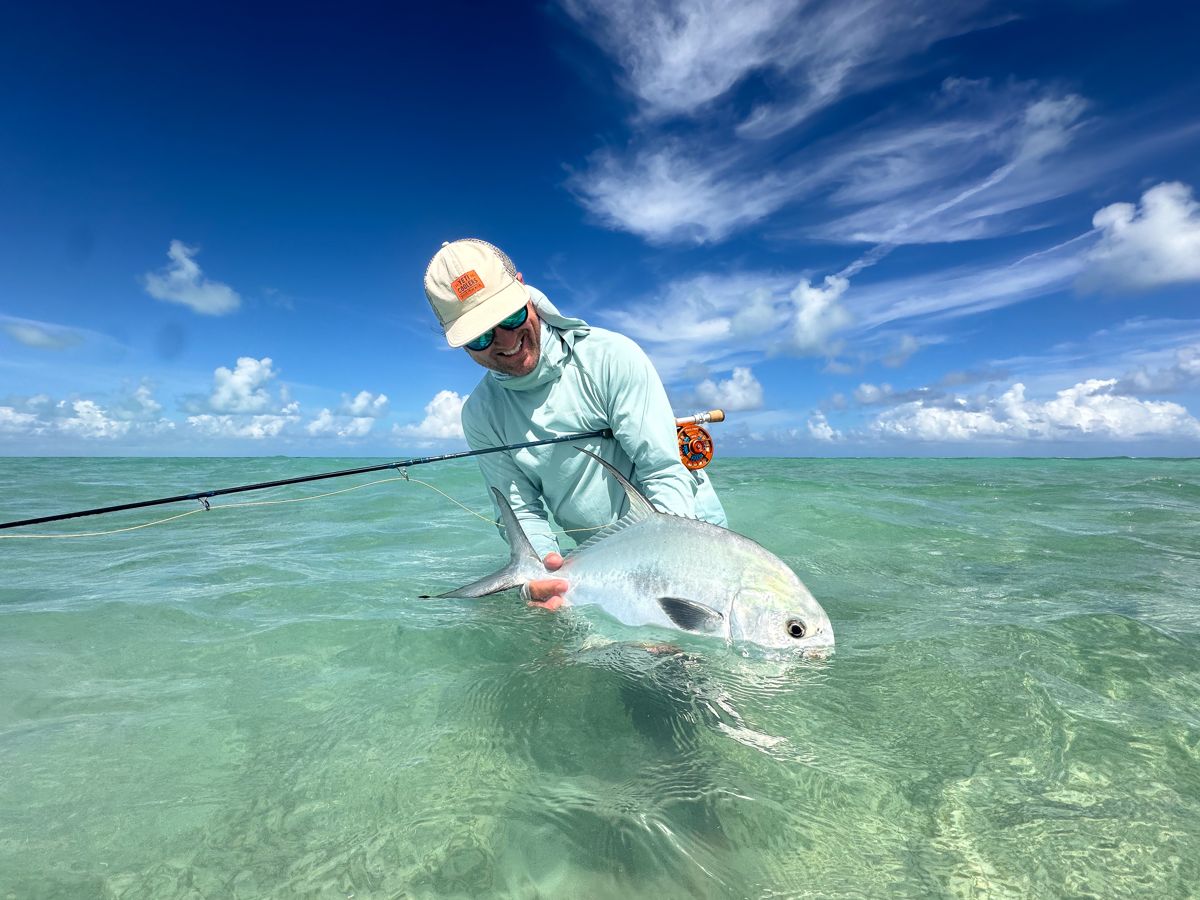
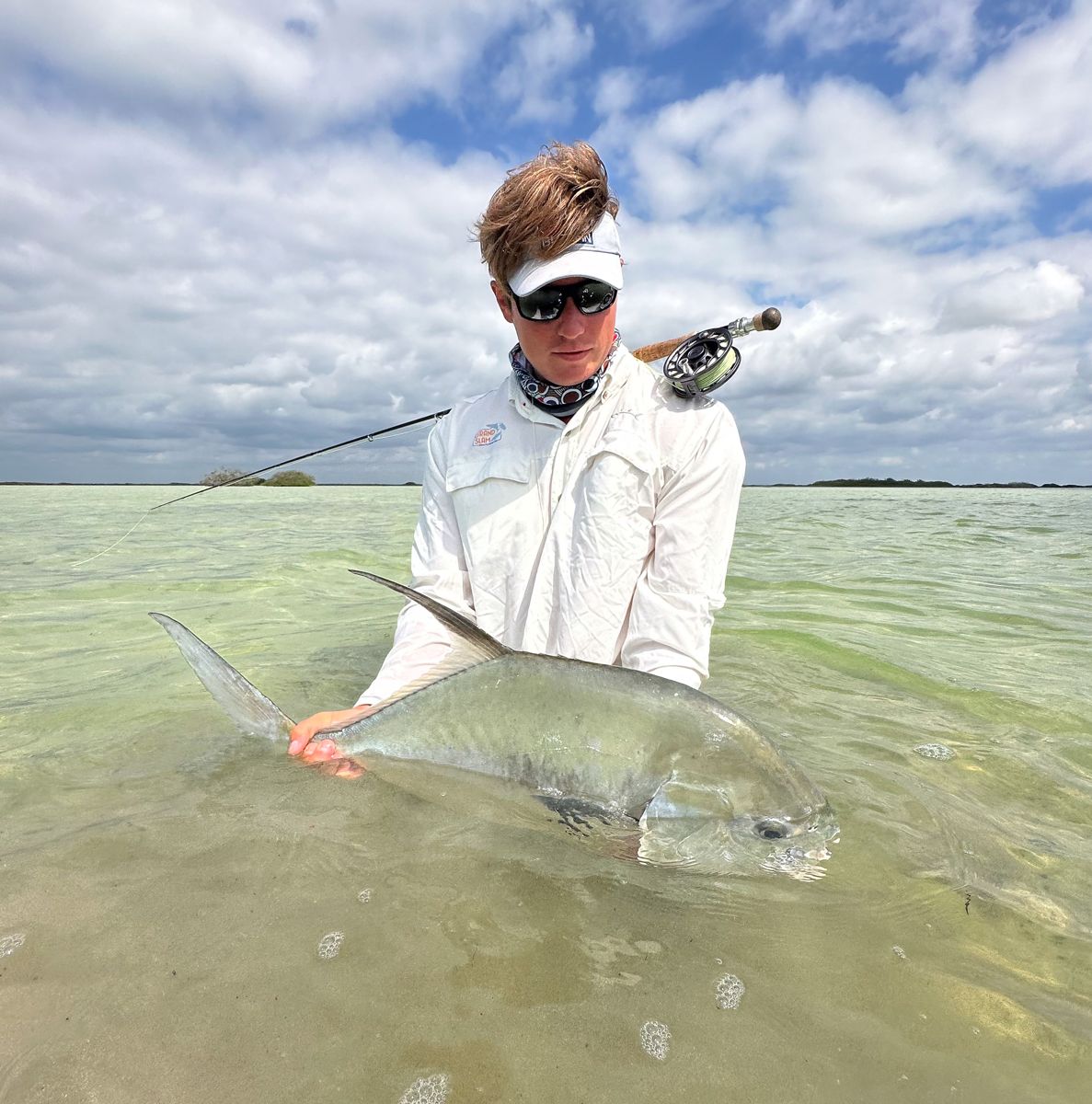
    Permit Release Shallow Flats — Sian Kaan Lodge, Ascension Bay Mexico

    Sian Ka’an Lodge

    Updated on

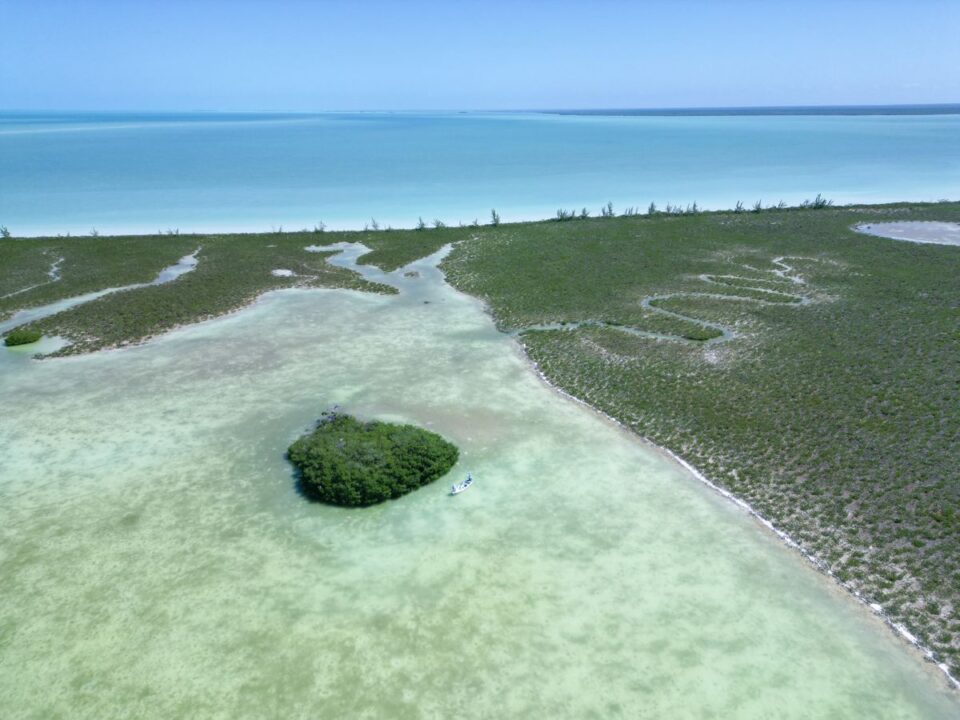
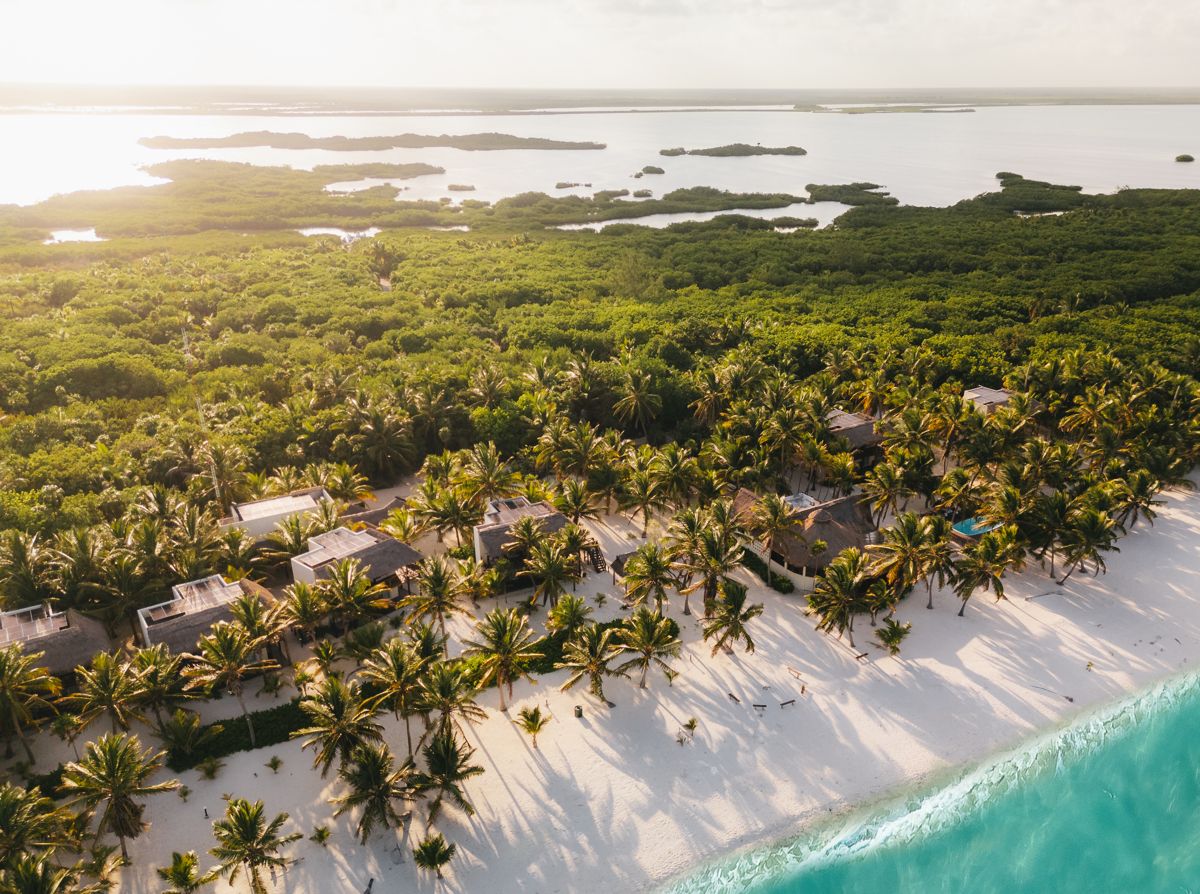
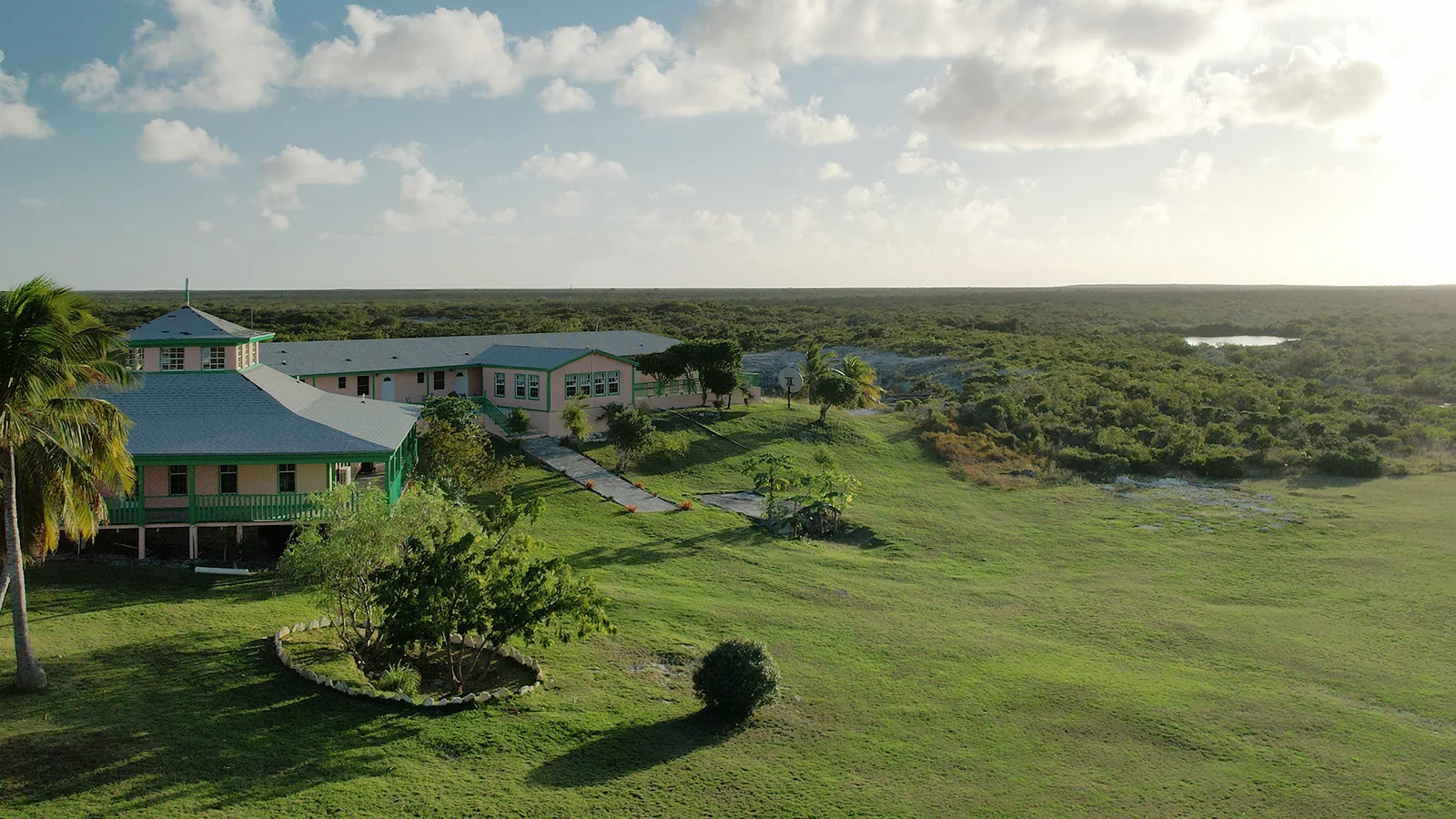
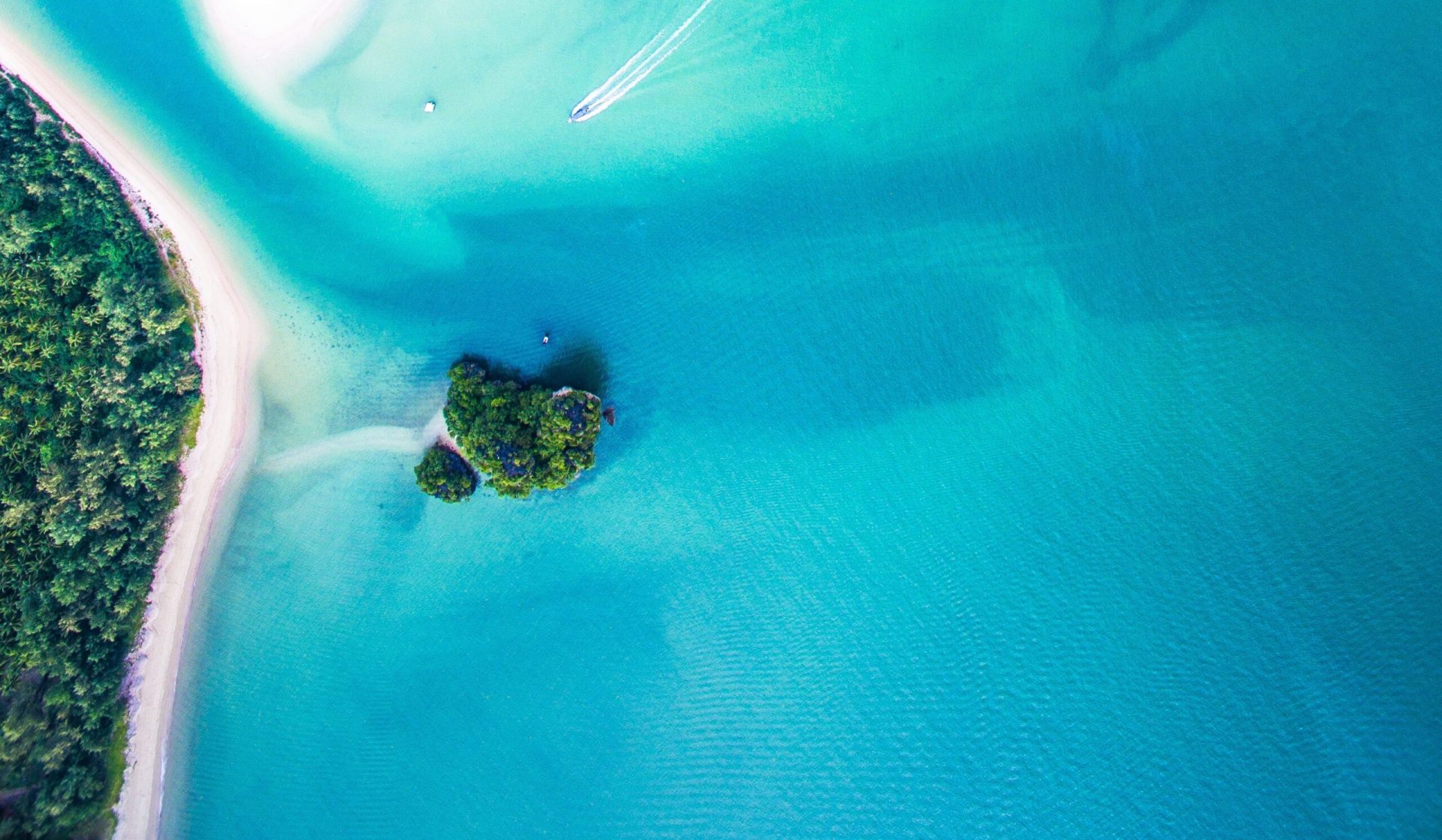
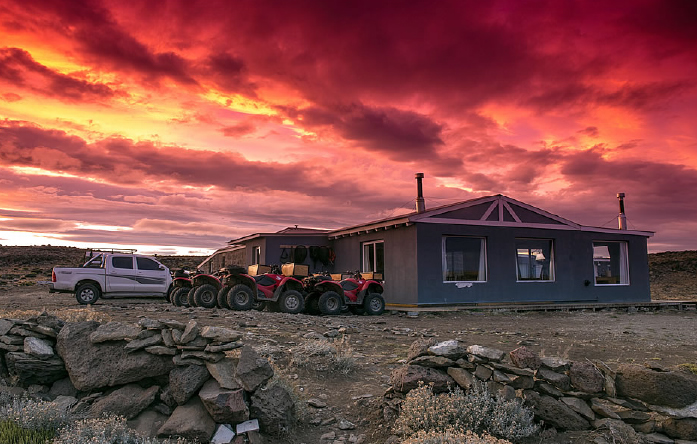
    Sian Ka’an Lodge sits inside the UNESCO-listed Sian Ka’an Biosphere Reserve on Ascension Bay — one of the Caribbean’s great mixed-species flats fisheries. Operated by Blue Safari Fly Fishing in partnership with the Keir family, the lodge continues the legacy of Grand Slam Ascension Bay Lodge with Blue Safari’s guest experience and reservation support. Punta Allen, a kilometre away, is widely regarded as the Atlantic permit capital of the world.

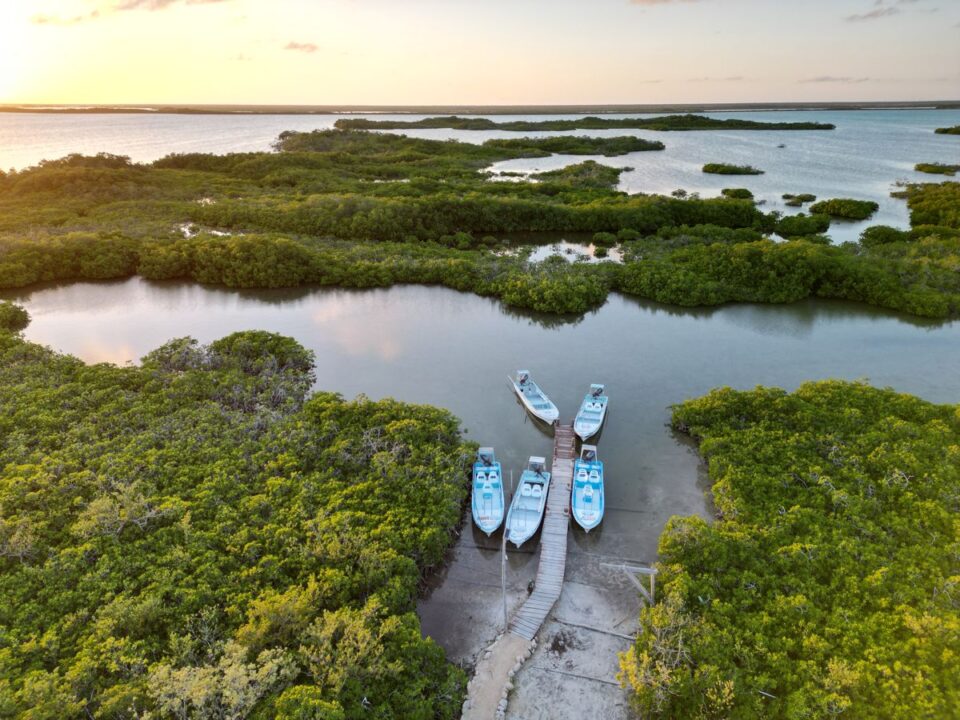
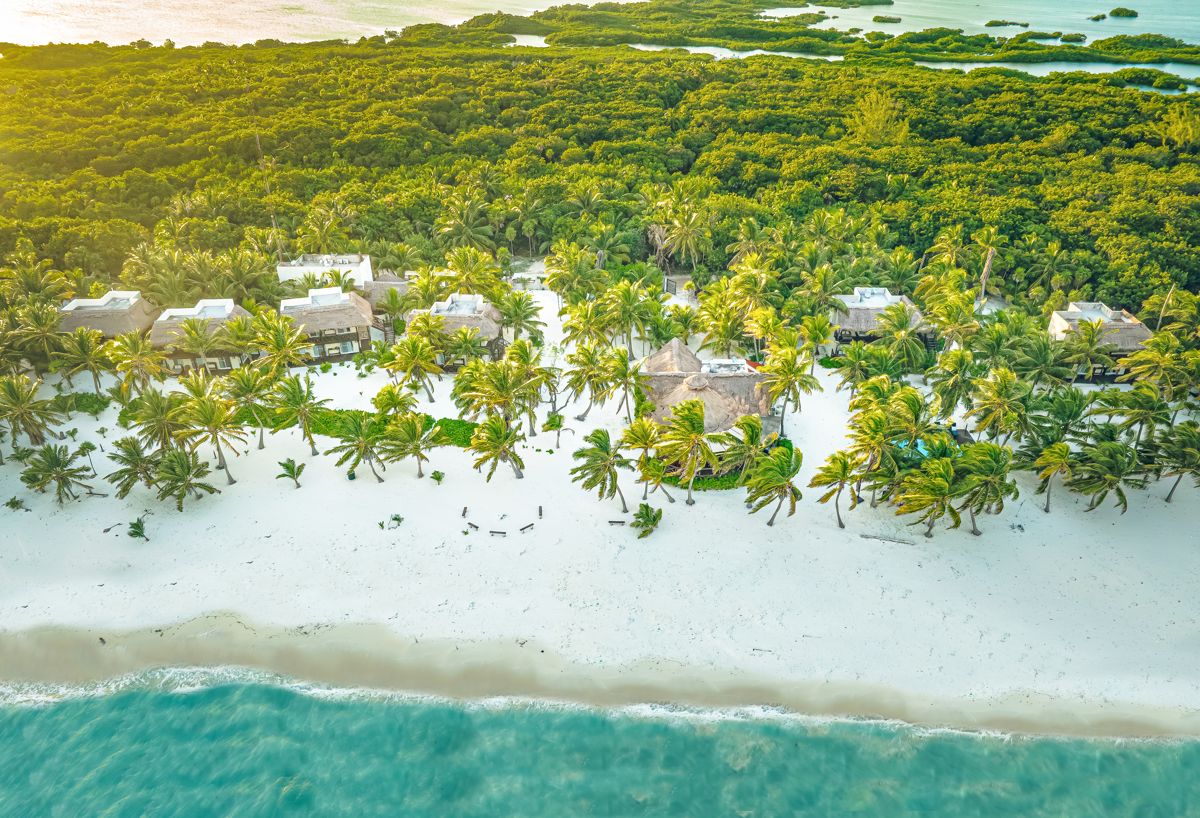
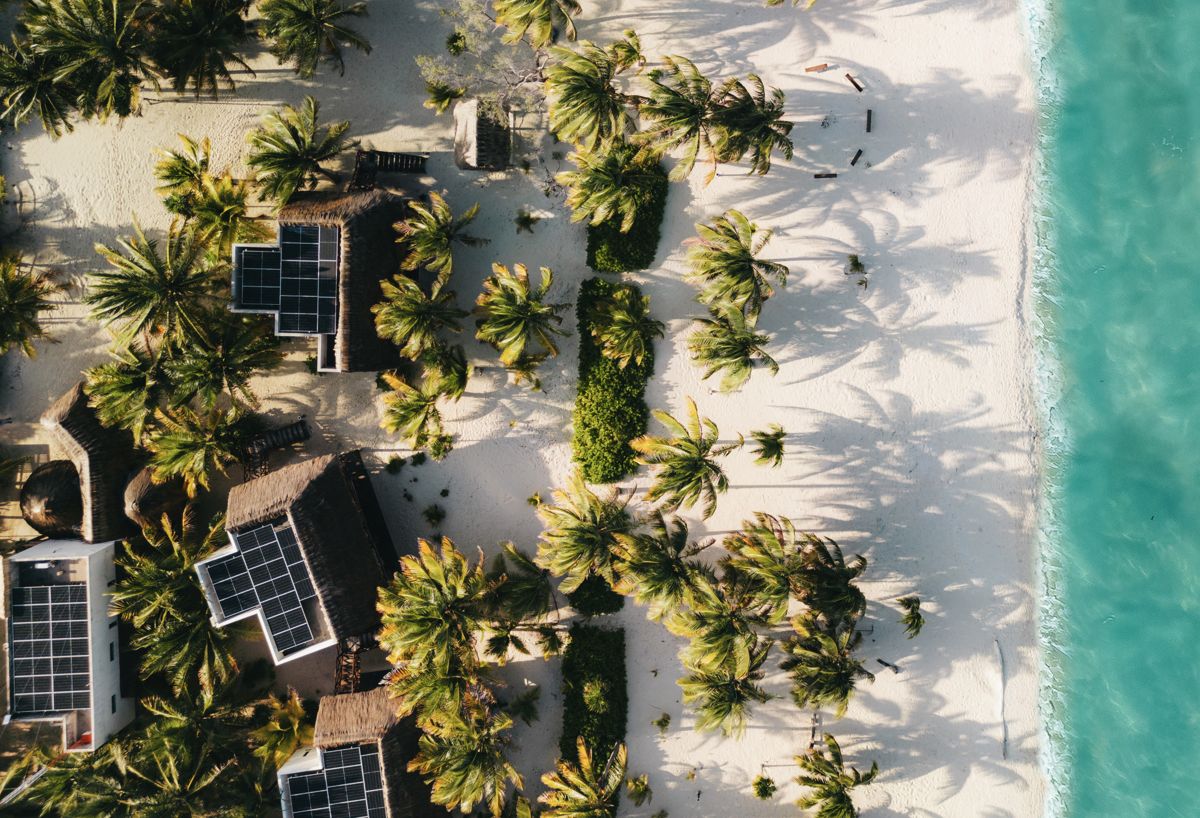
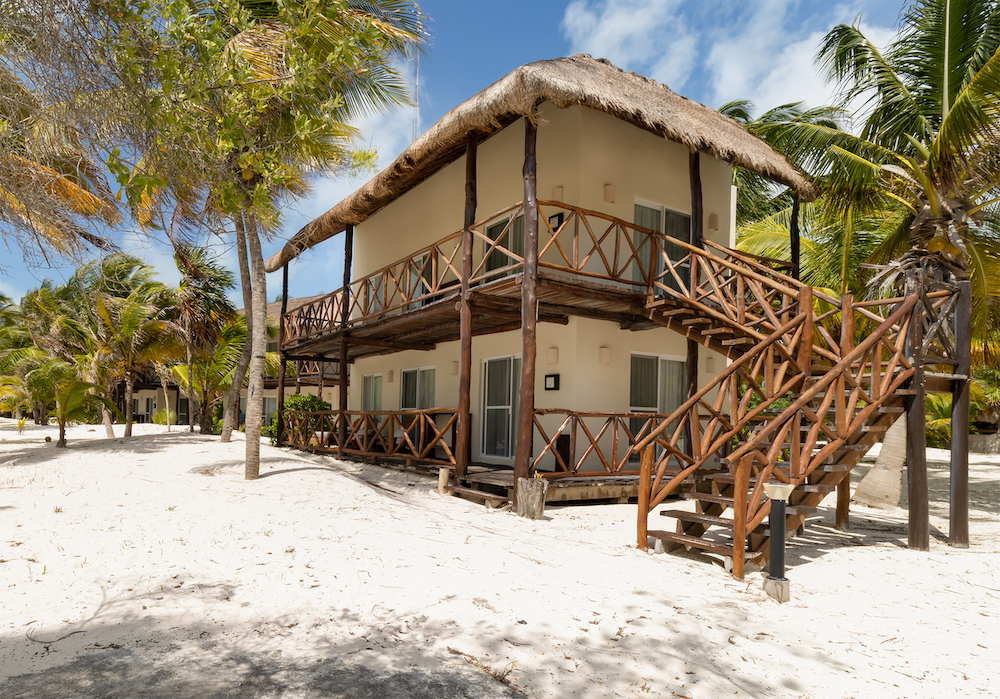
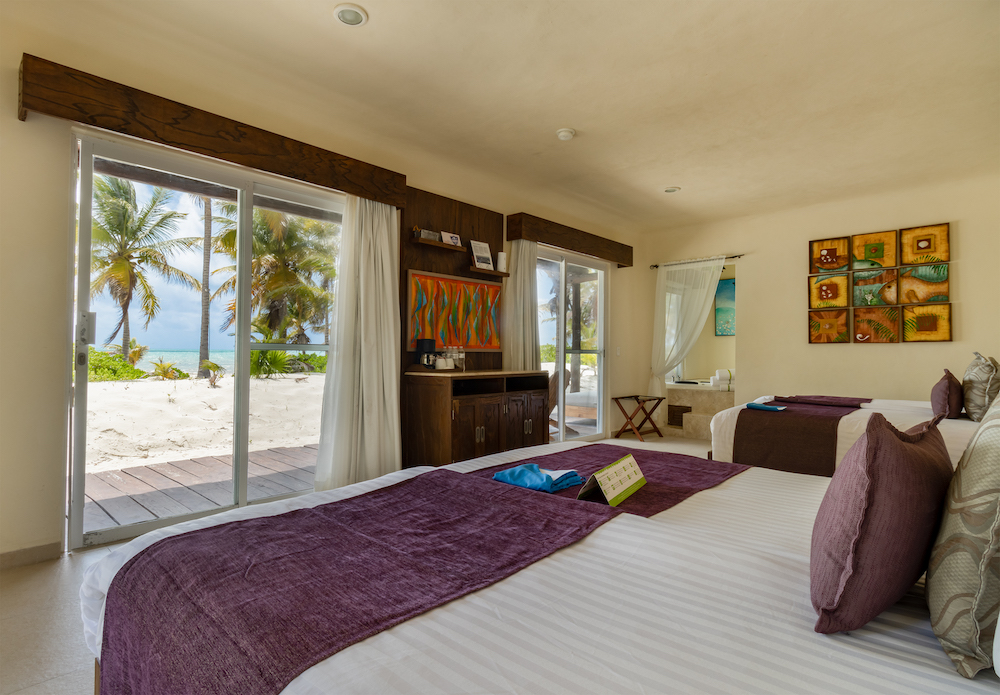
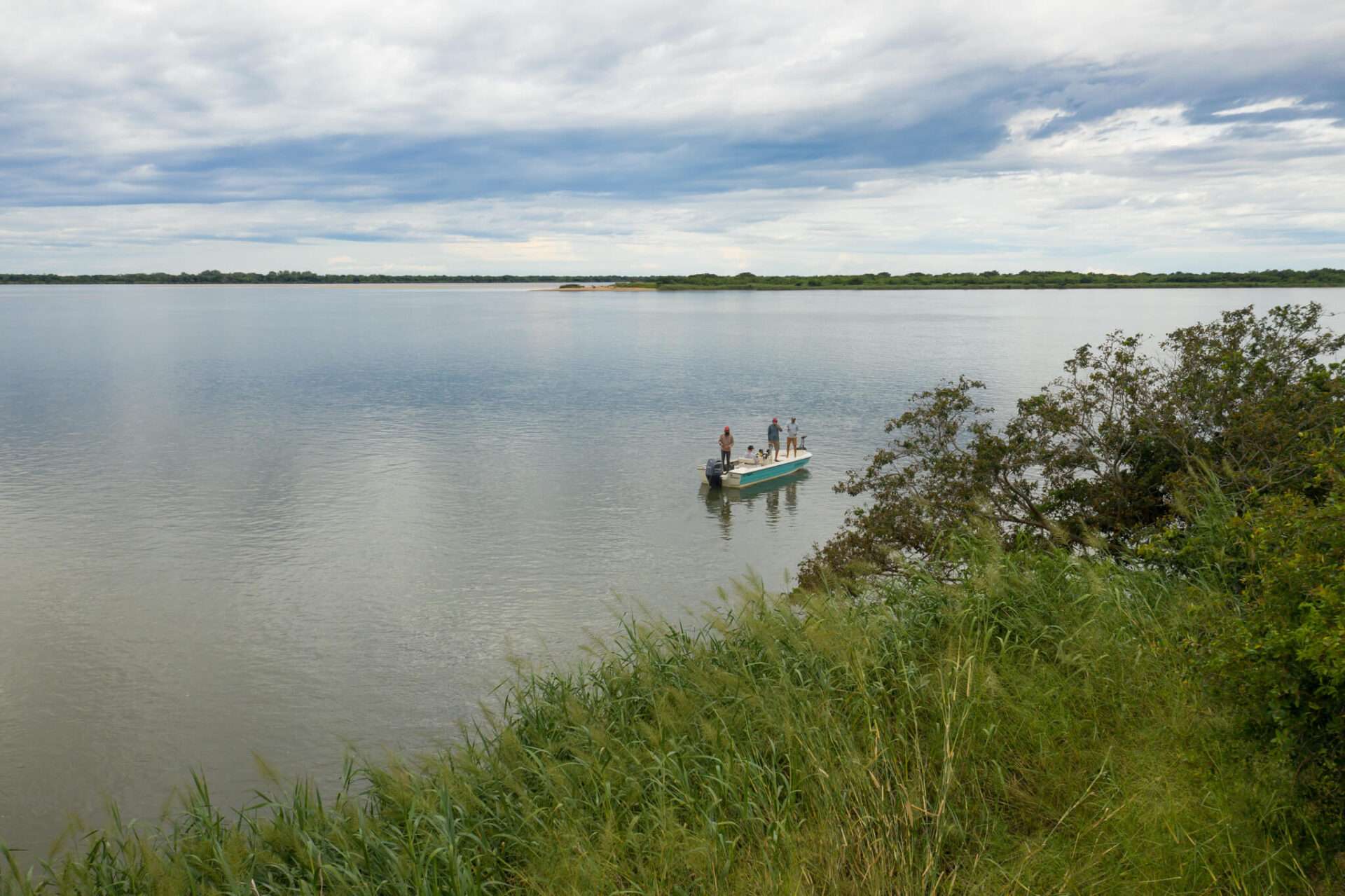
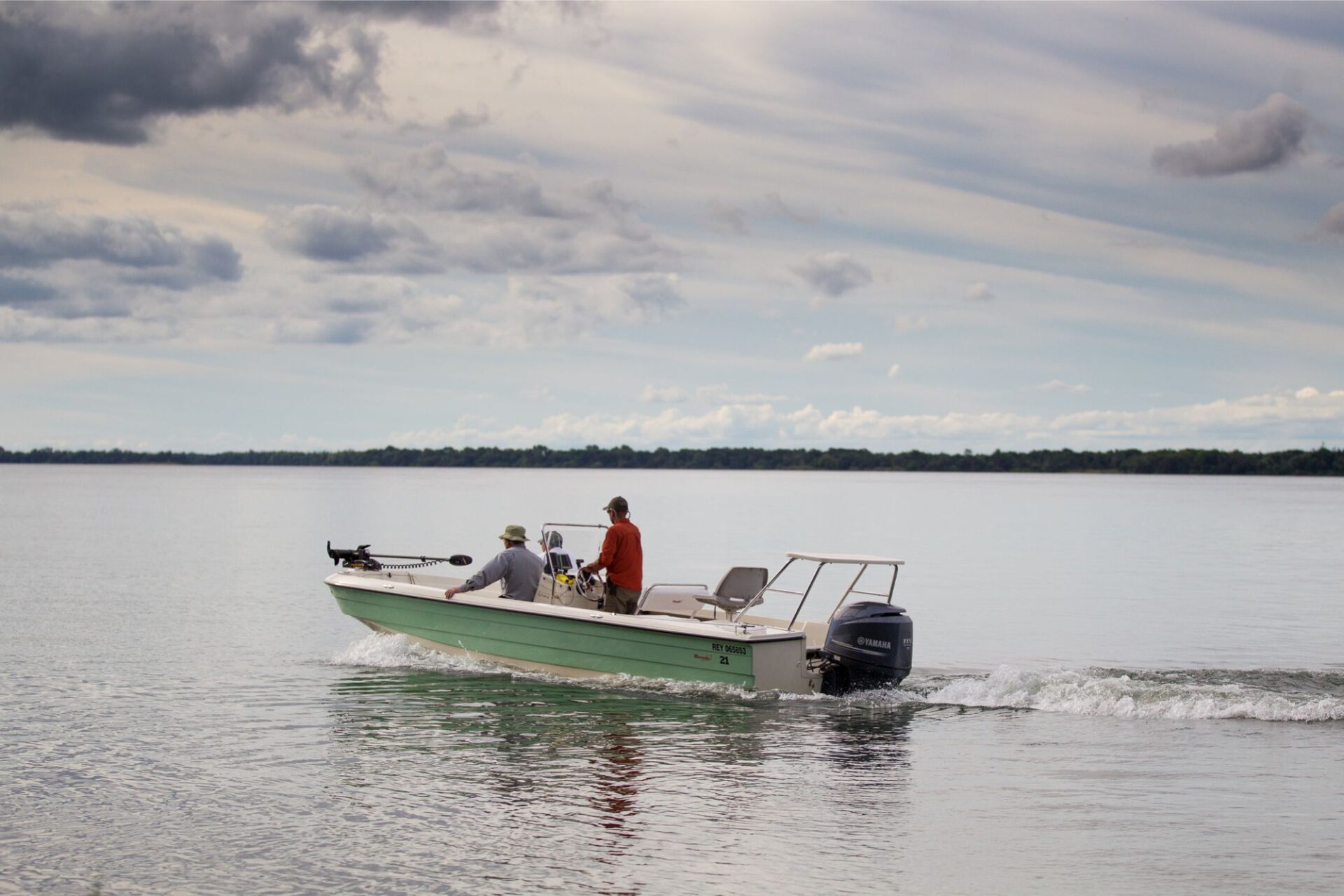
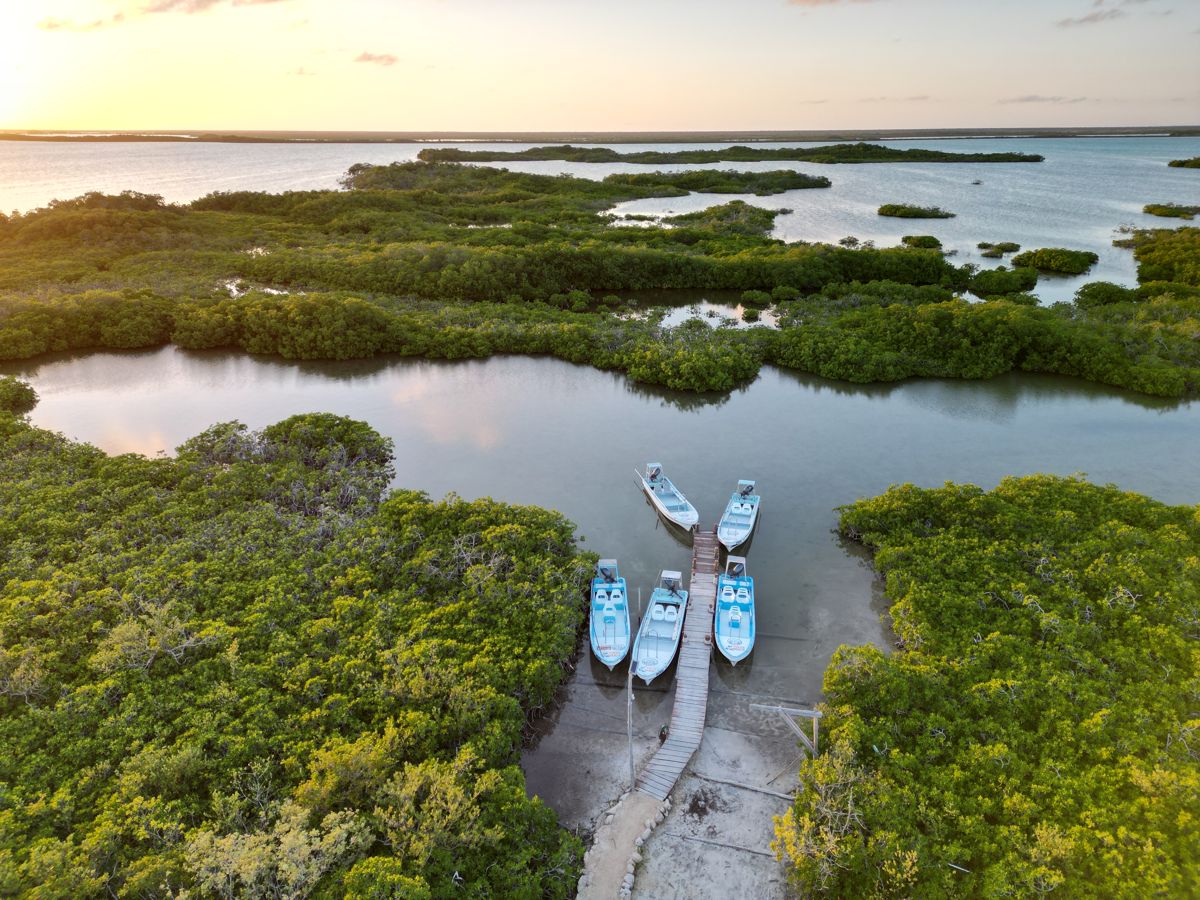
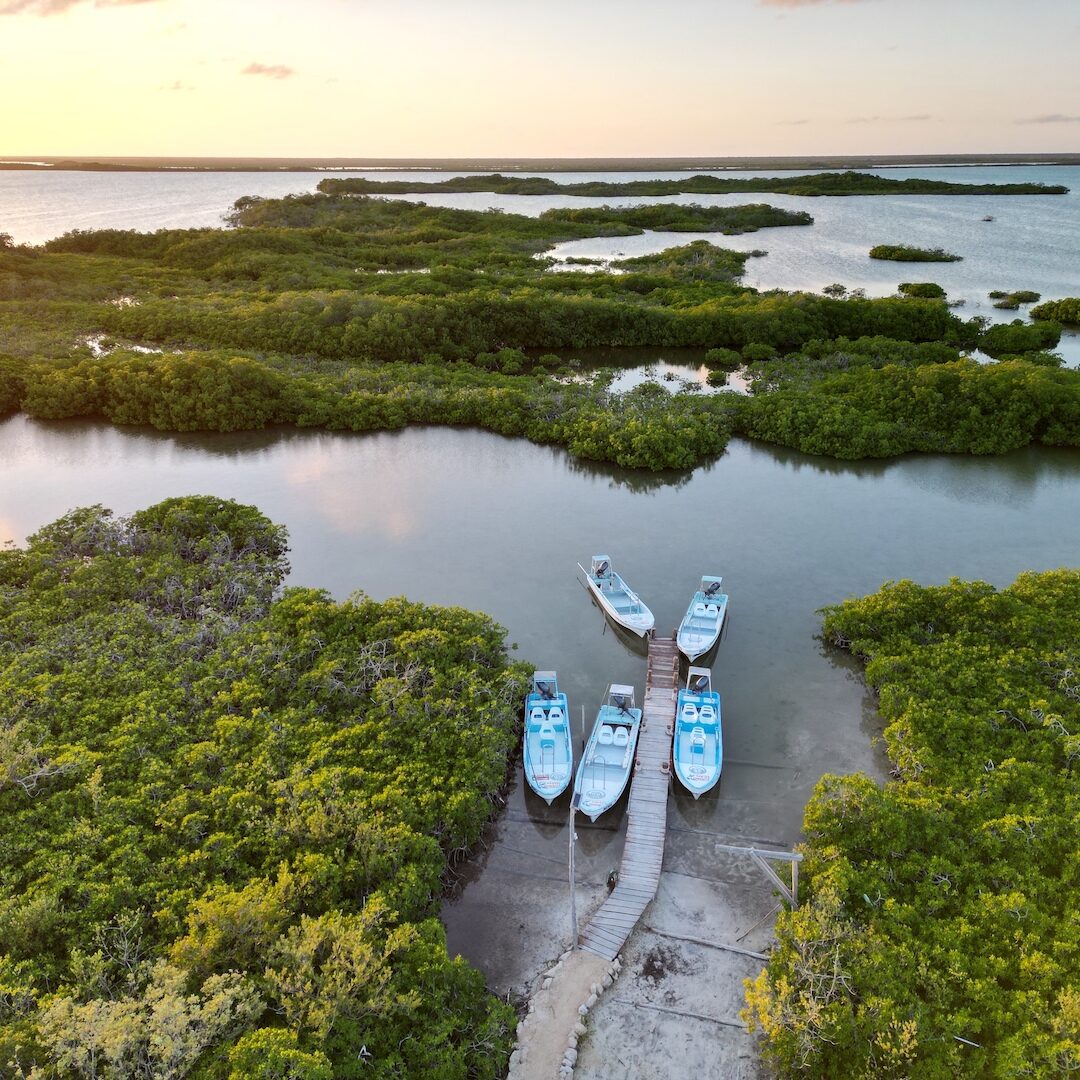
    Twelve ocean-facing rooms and six in-house skiffs (more available on demand) sit steps from a private jetty — roughly 50 metres from the lodge — so anglers are on the water without delay. That setup puts you on the Big Four — permit, bonefish, tarpon, and snook — with immediate access to sight fishing on crystal-clear flats. The lodge runs on solar power inside the biosphere, partners with Punta Allen on conservation initiatives, and welcomes non-anglers with cenotes, Mayan history, birding, and beach time on the Boca Paila Peninsula.

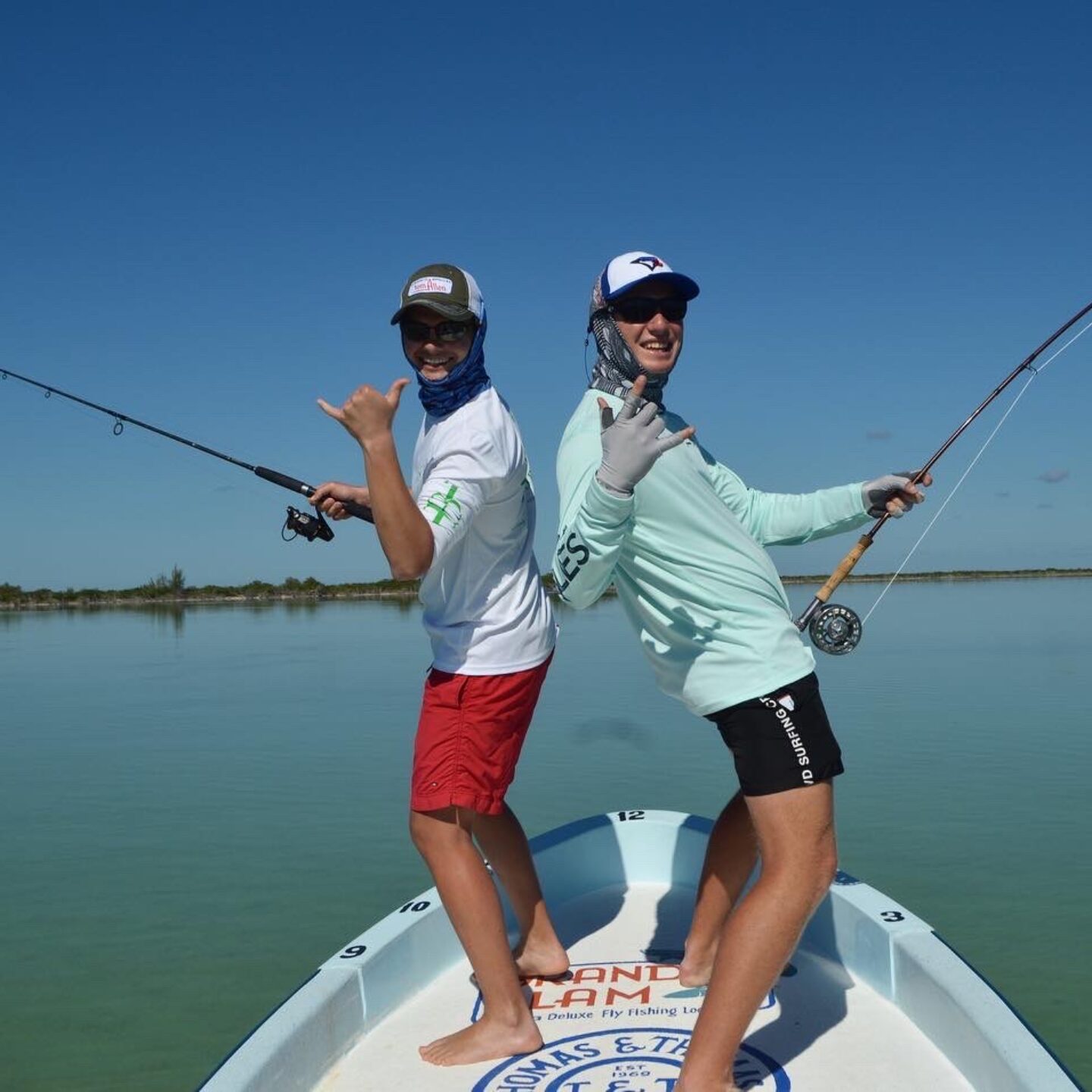
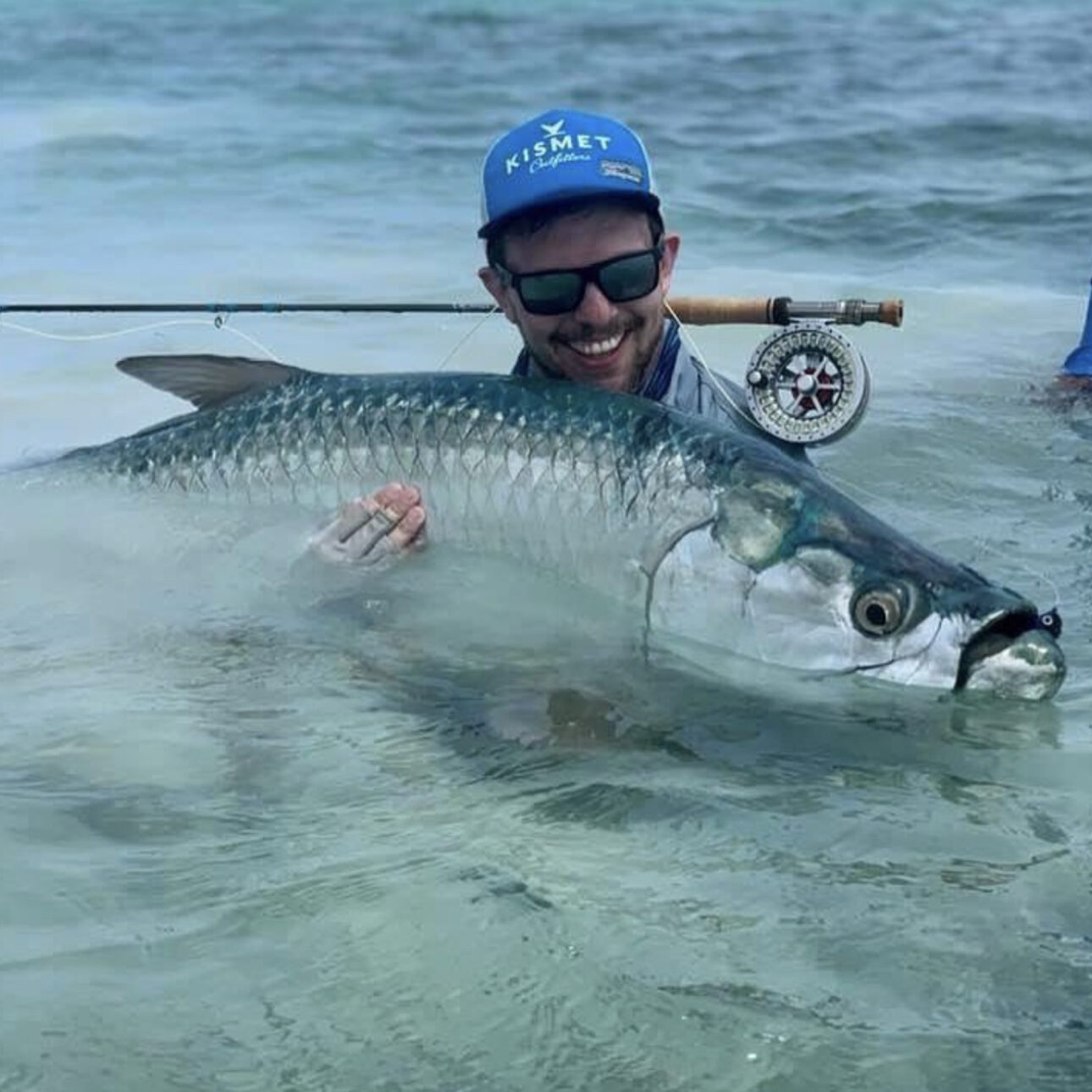
    bonefish, permit, tarpon, snook + barracuda

    Favorable weather conditions year-round

    A varied fishing paradise inside the Sian Ka’an Biosphere

    exceptional accommodations and activities for non-anglers

    Book now, get a quote, or chat with us about Mexico fly fishing!

    Destination Inquiry

    or

    Sian Ka’an Lodge: Location & Geography

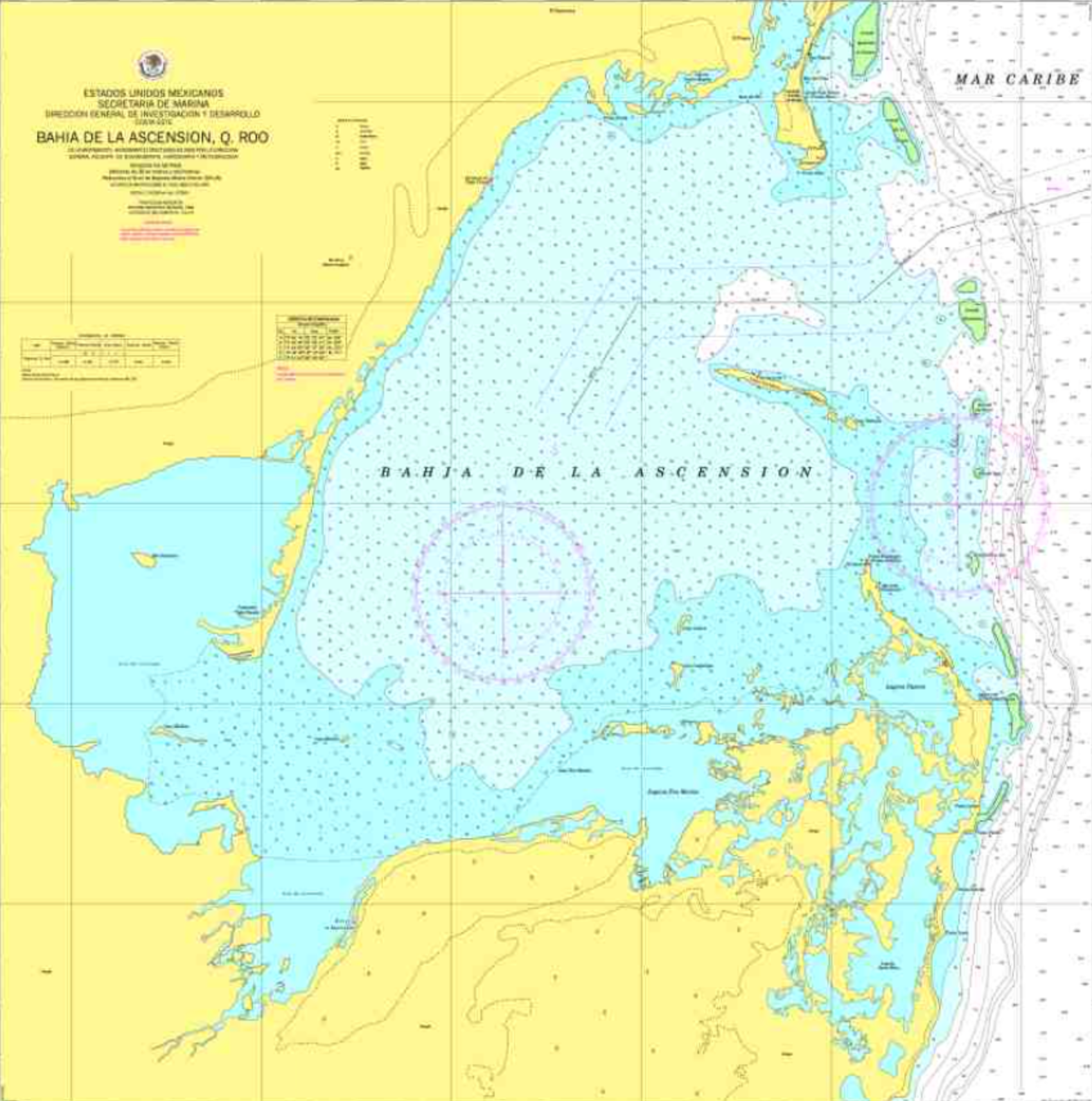
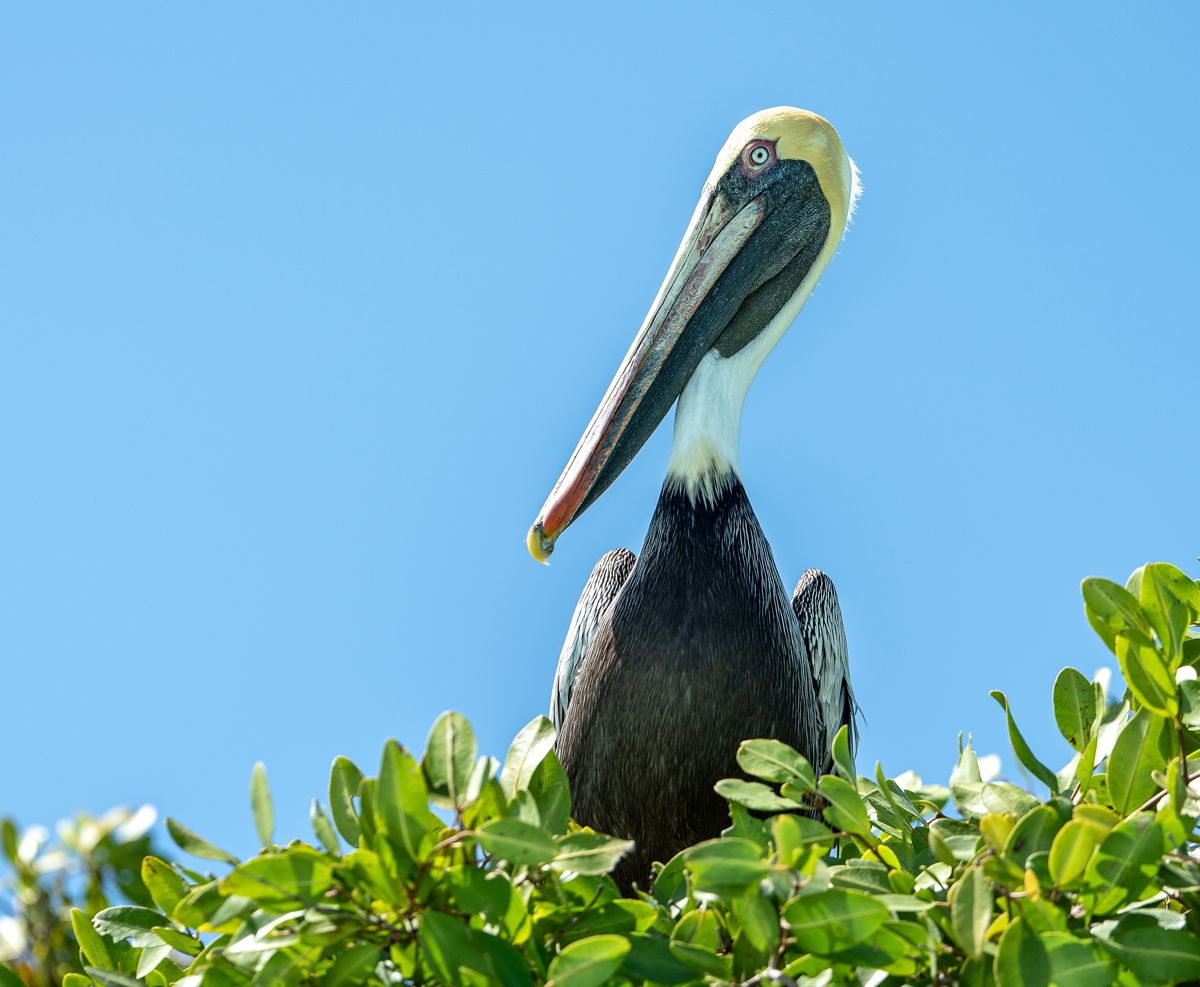
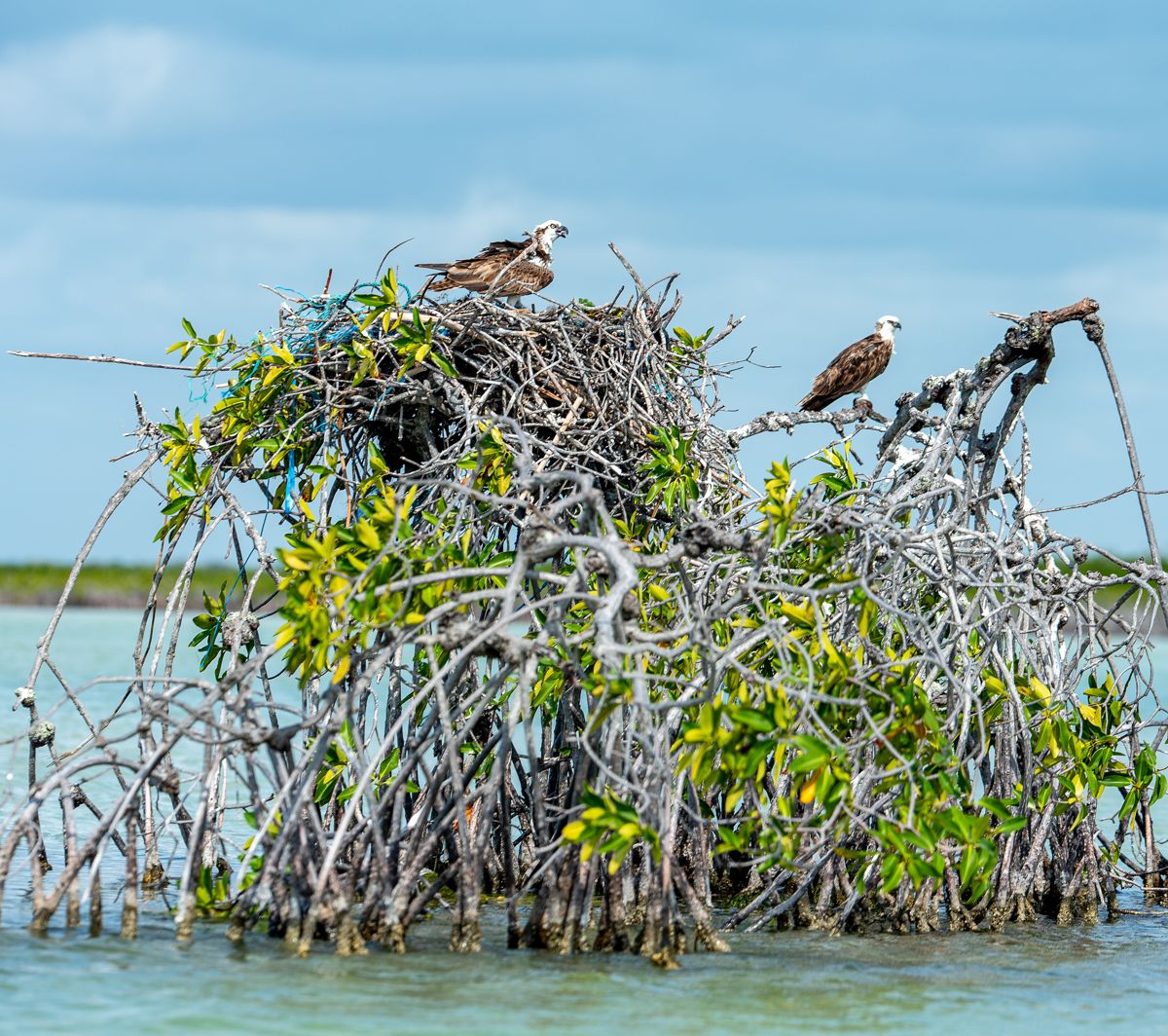
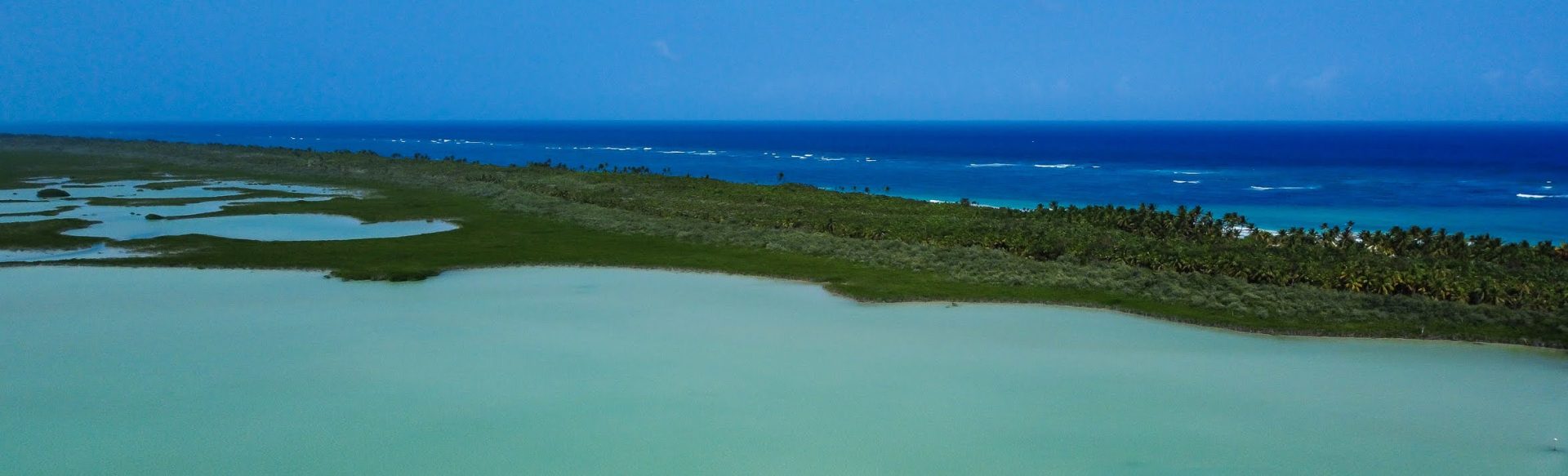
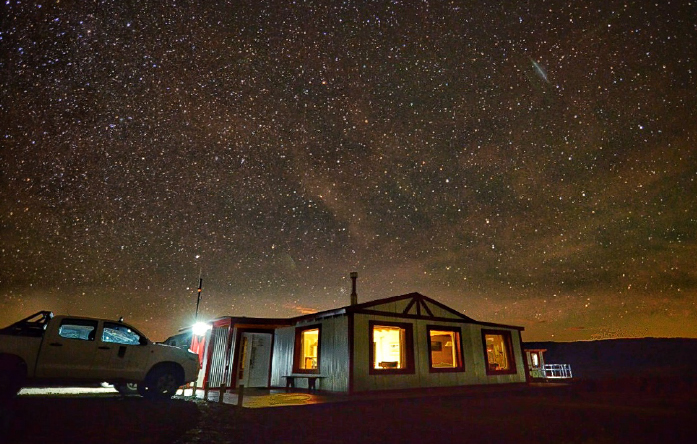
    Sian Ka’an Lodge is on the Boca Paila Peninsula in the heart of Mexico’s Yucatan — the southern reach of Bahia de L’Ascencion, better known as Ascension Bay. The lodge sits inside the massive 1.3 million acre Sian Ka’an Biosphere Preserve, wild and virtually uninhabited except for the fishing villages at Punta Allen and Punta Herrera. The biosphere is home to over 100 species of mammals and more than 330 species of birds.

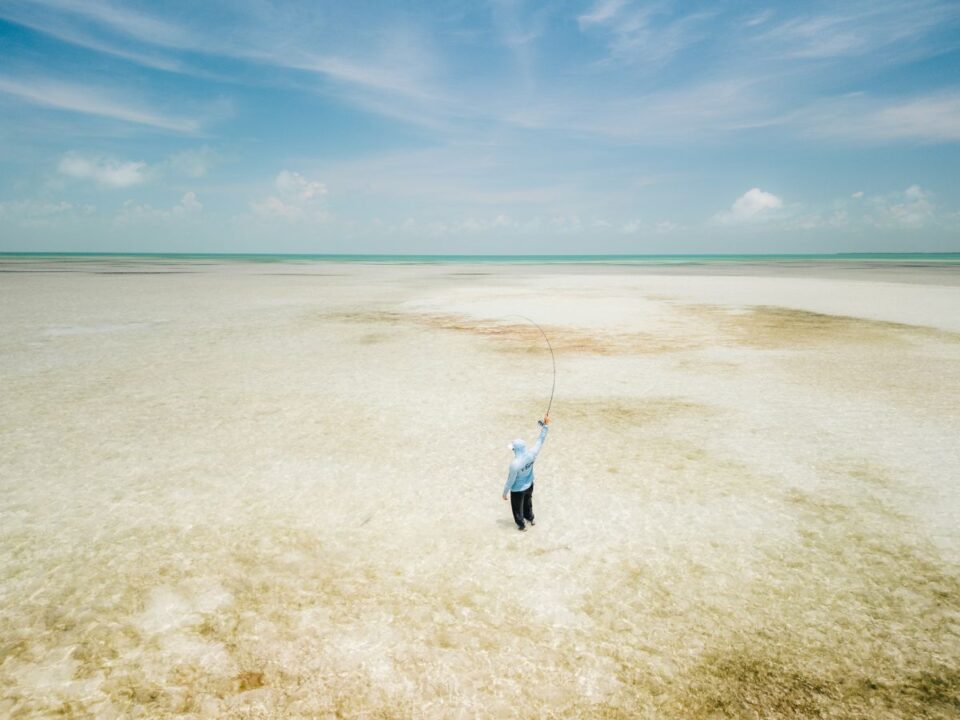
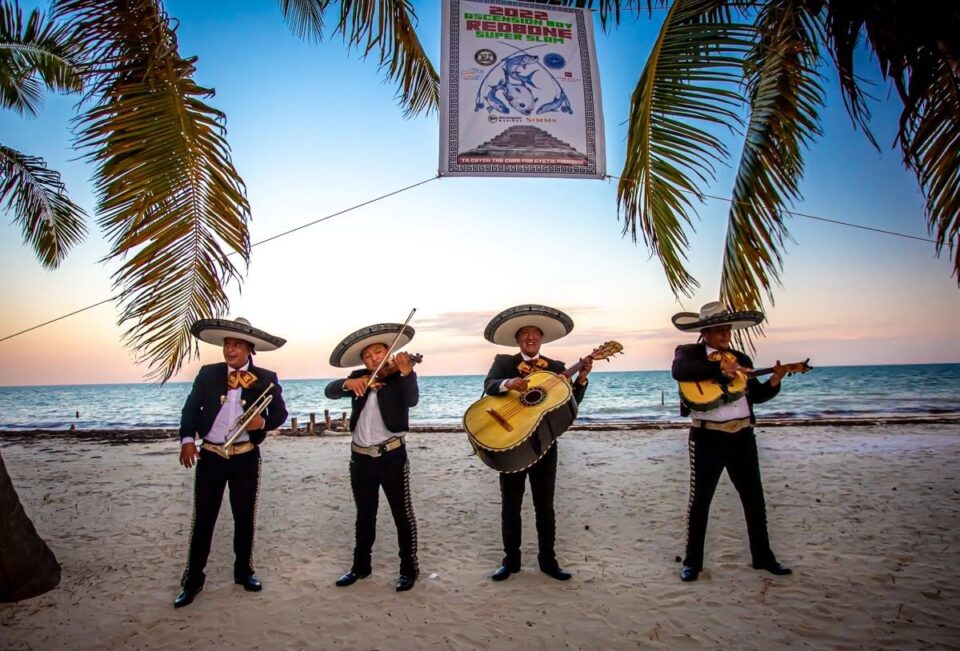
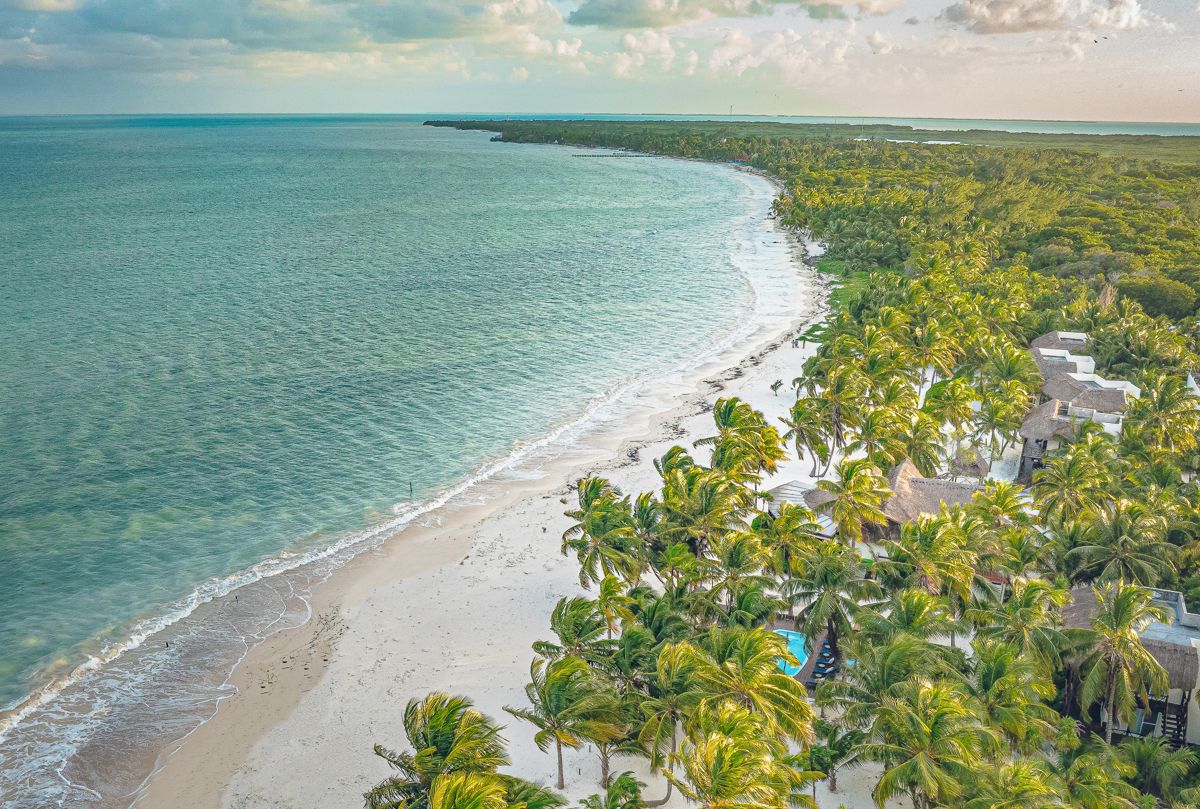
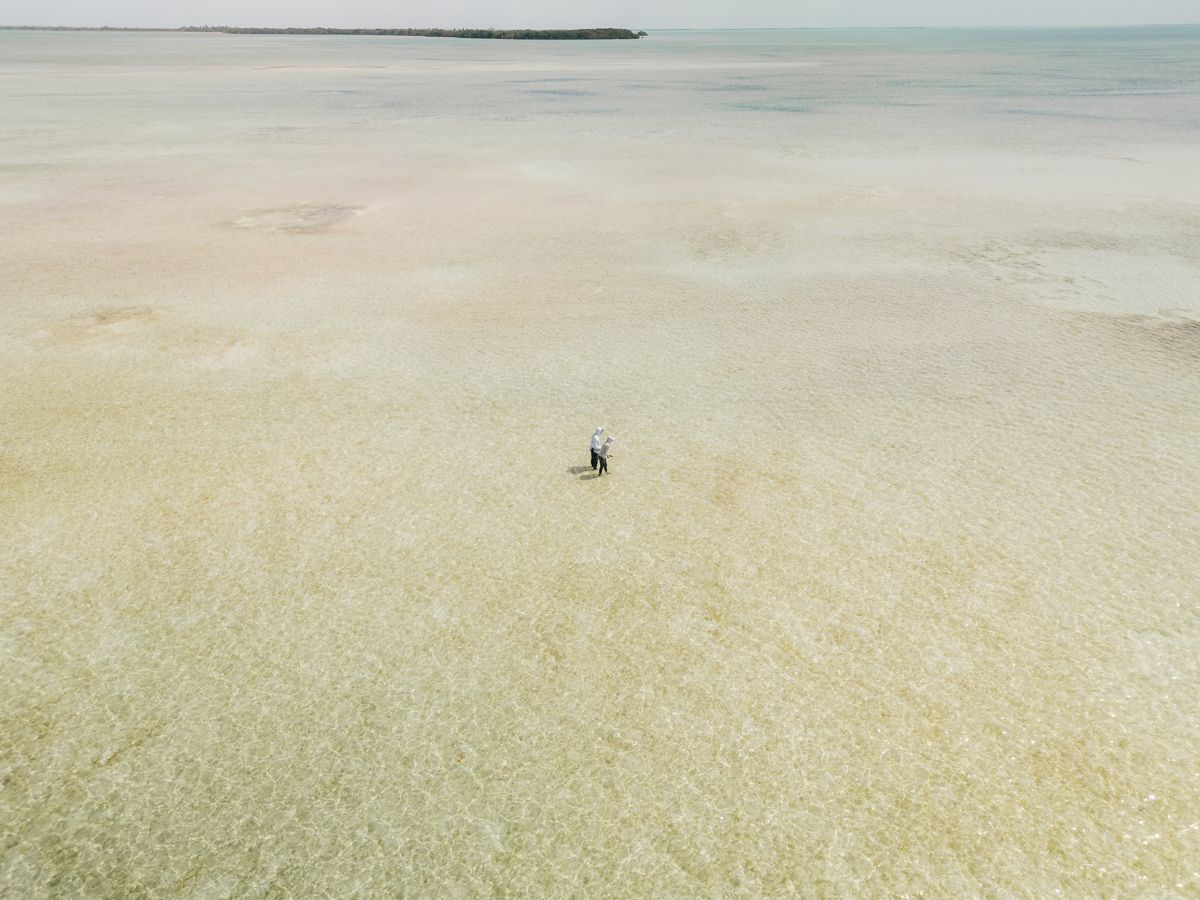
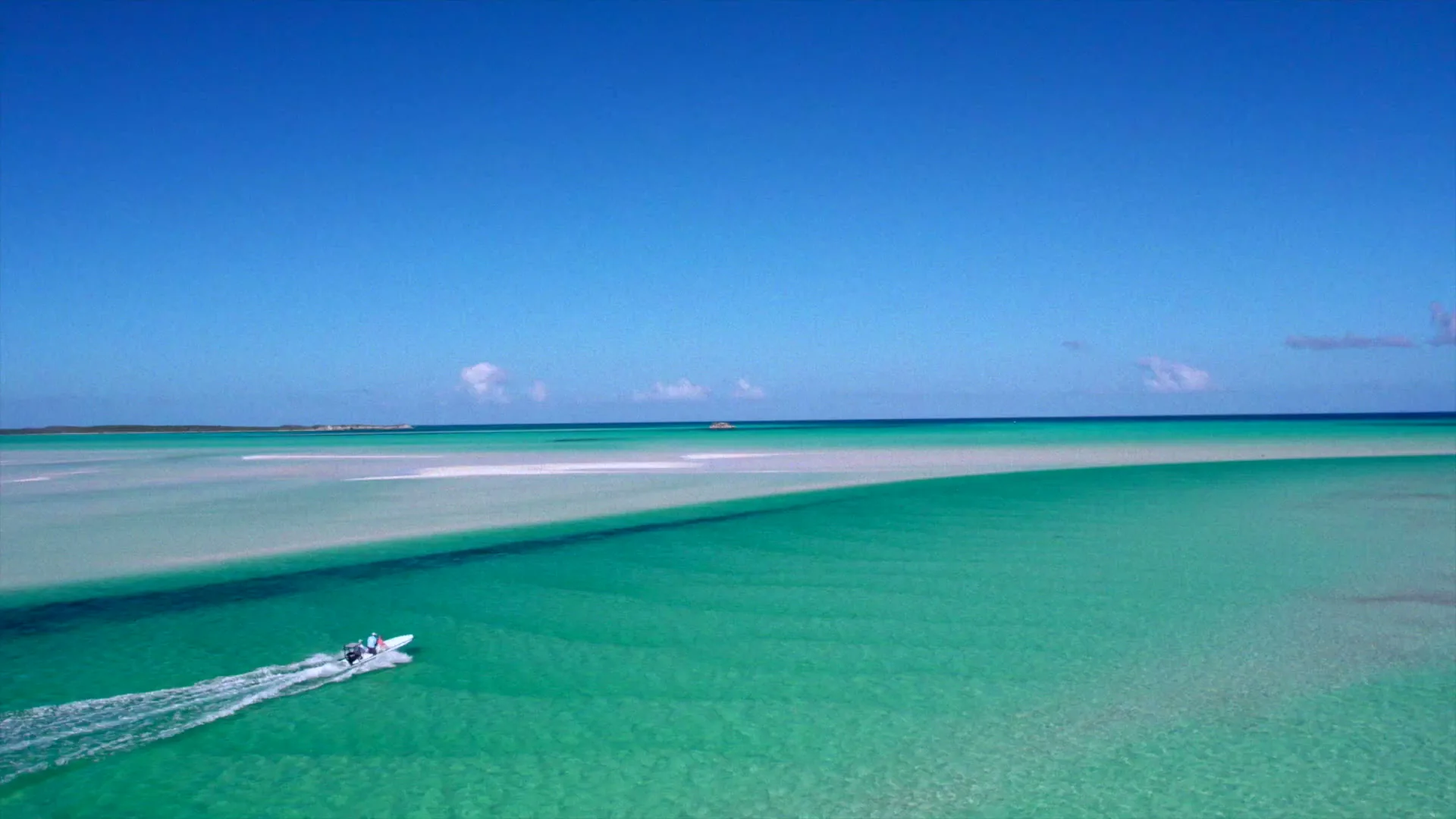
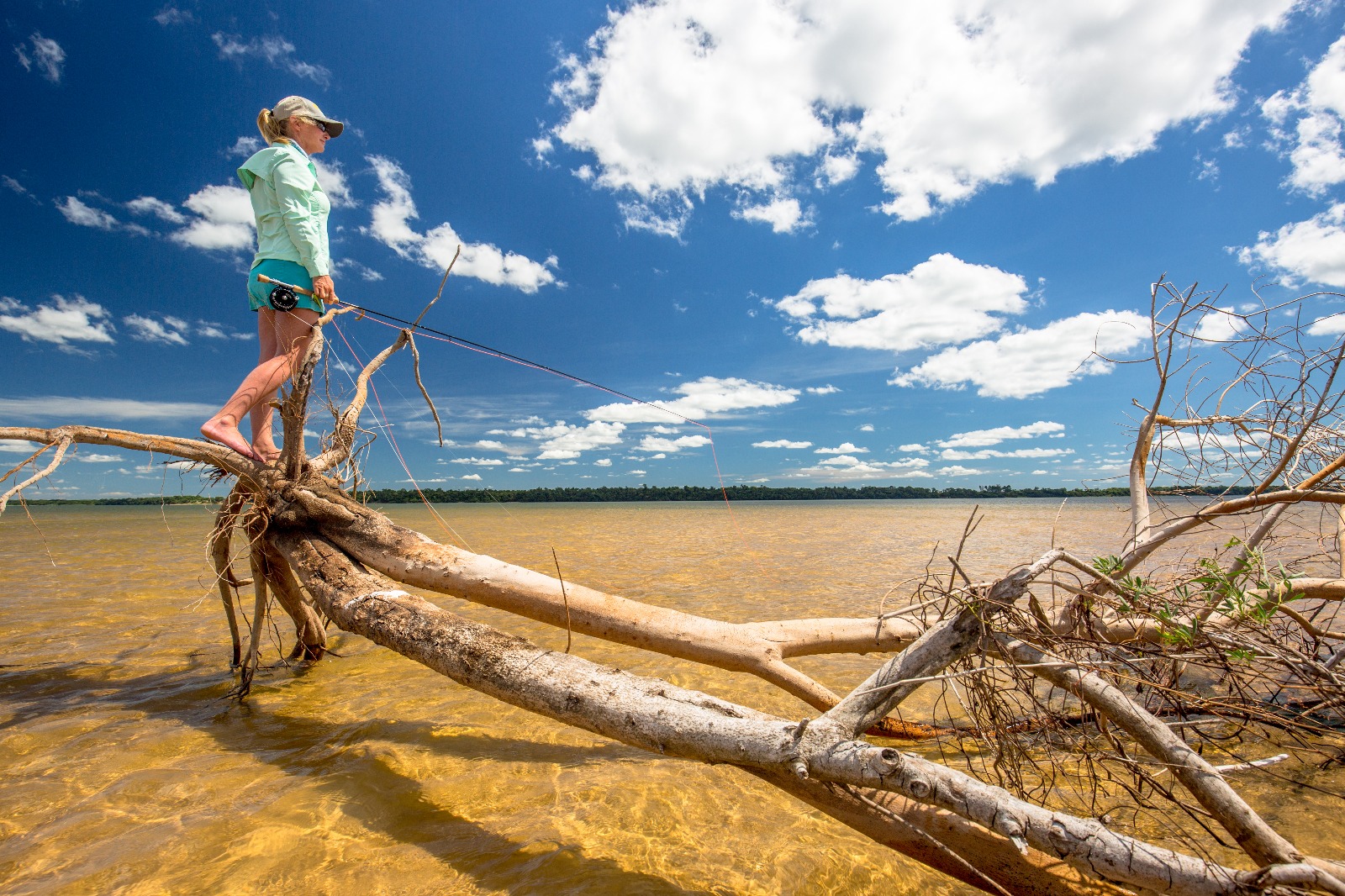
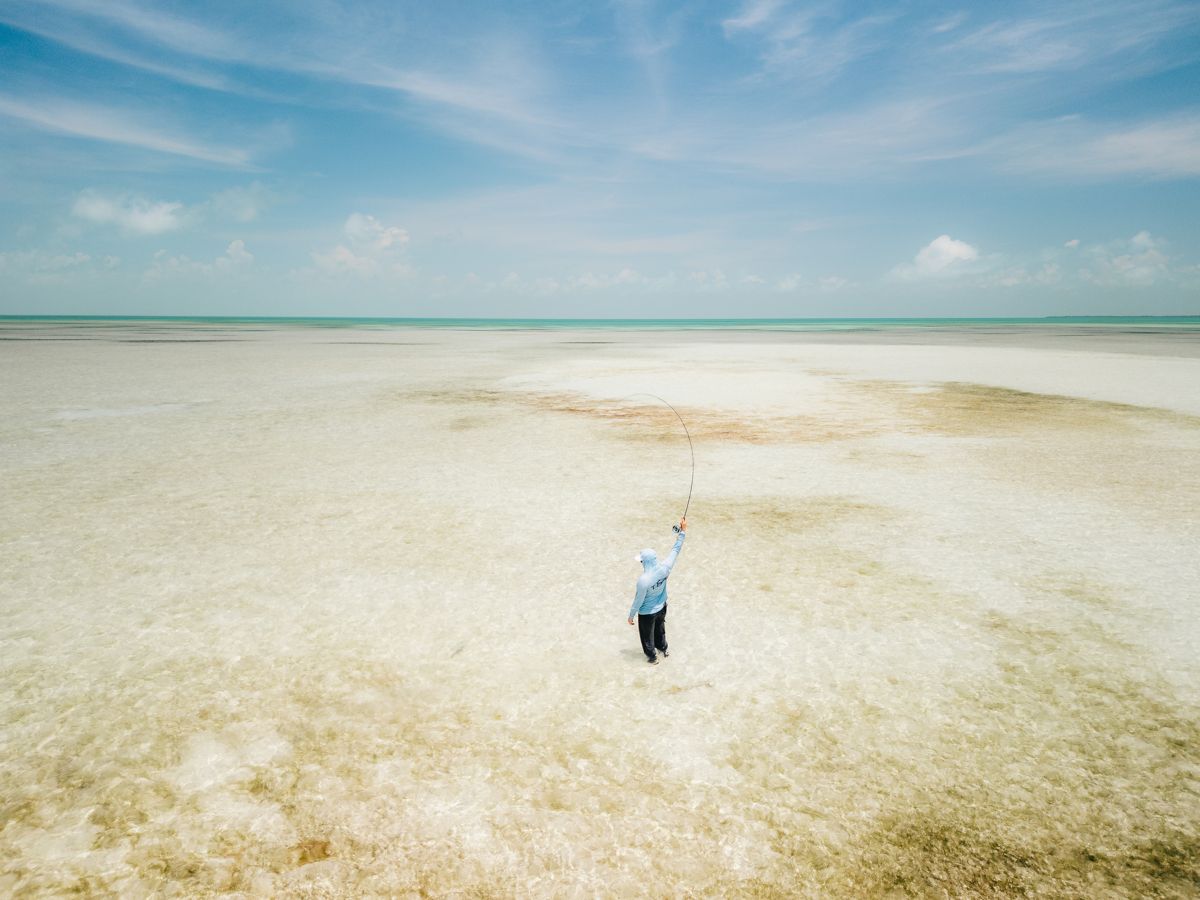
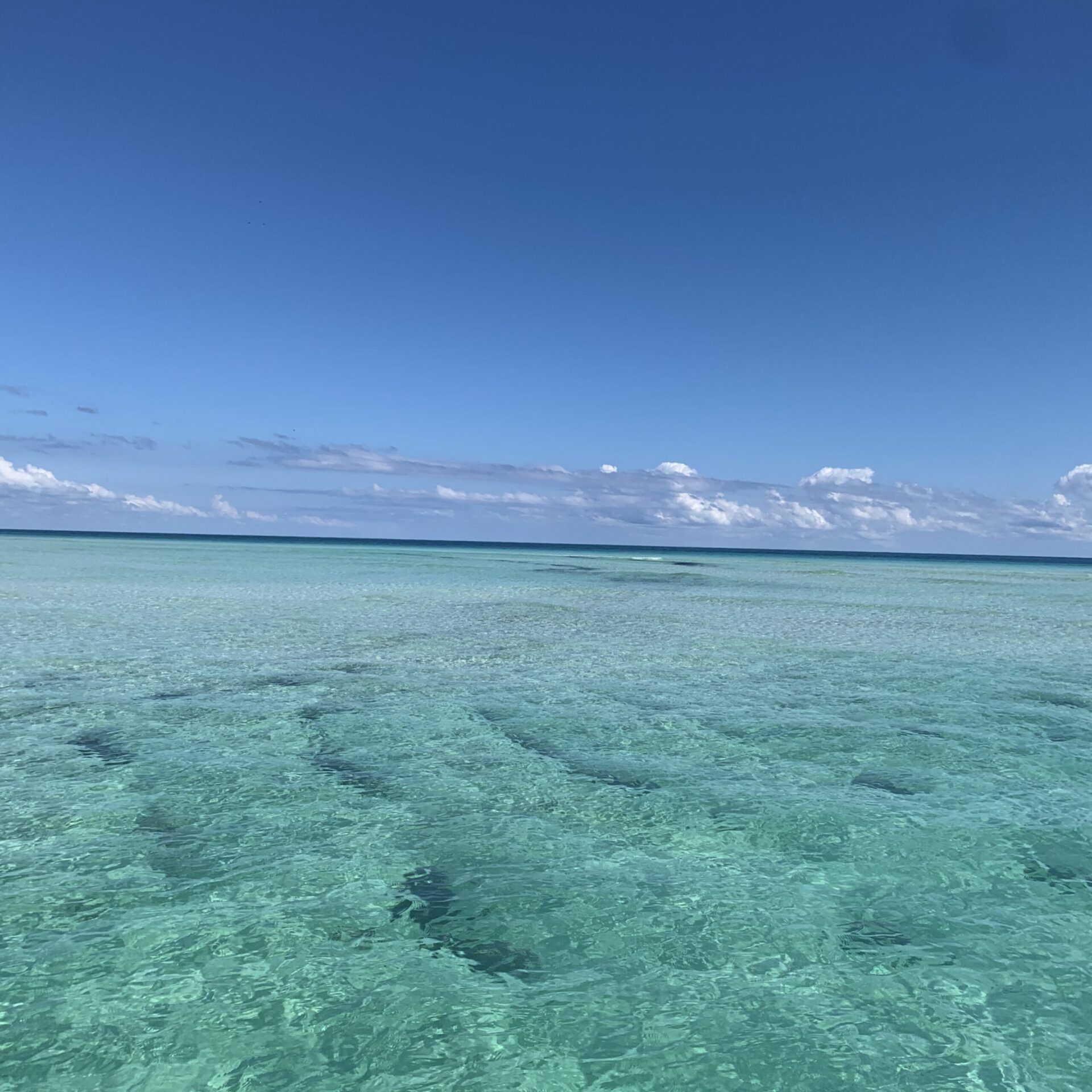
    Protected by the Mesoamerican Barrier Reef, Ascension Bay offers miles of shallow flats, mangrove-rimmed lagoons, and white-sand beaches — ideal habitat for bonefish, permit, and tarpon. An angler landing all three in a single day has accomplished the coveted Grand Slam. Add snook for a Super Grand Slam. Ascension Bay remains one of the world’s premier mixed-species flats fisheries.

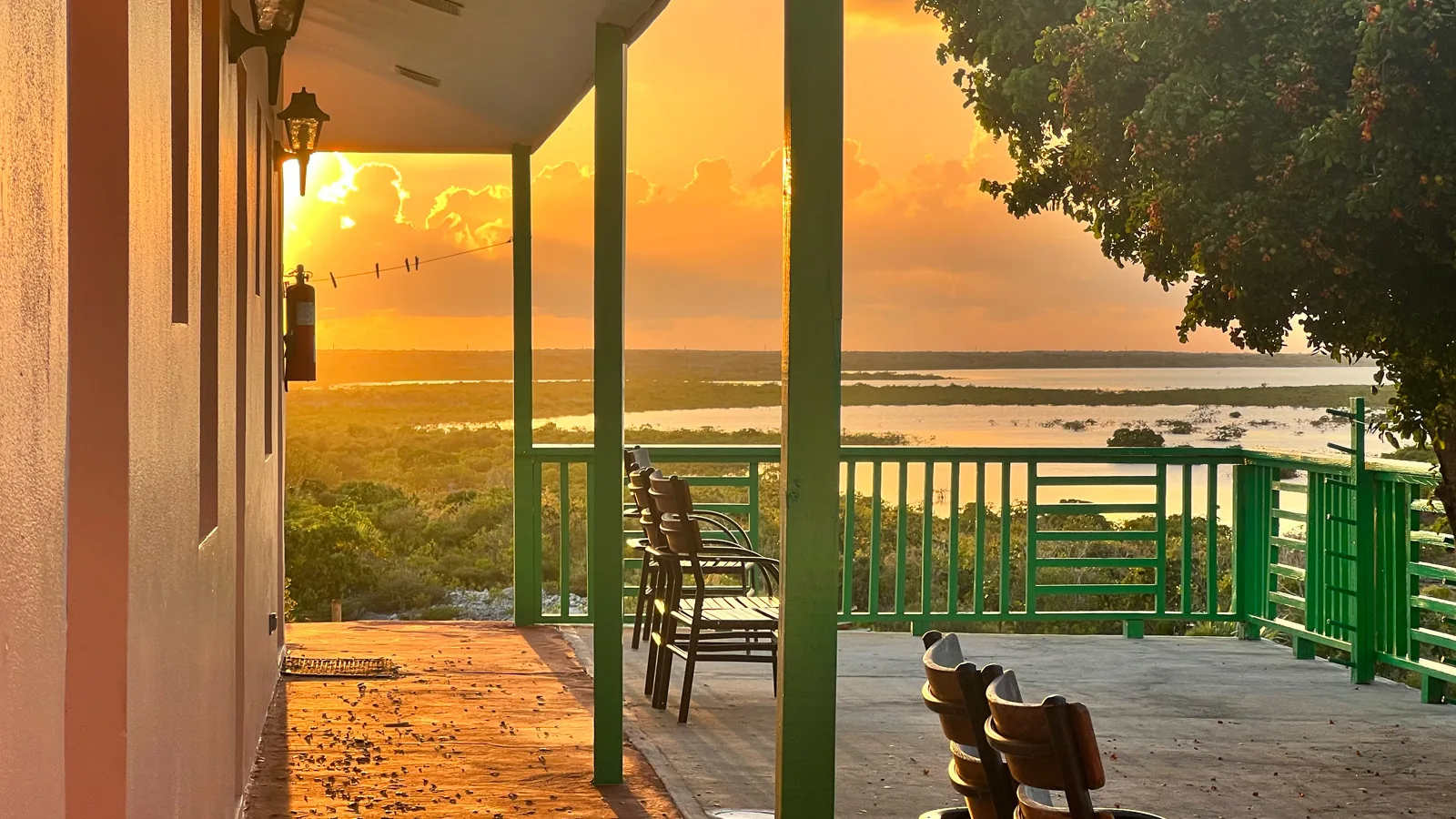
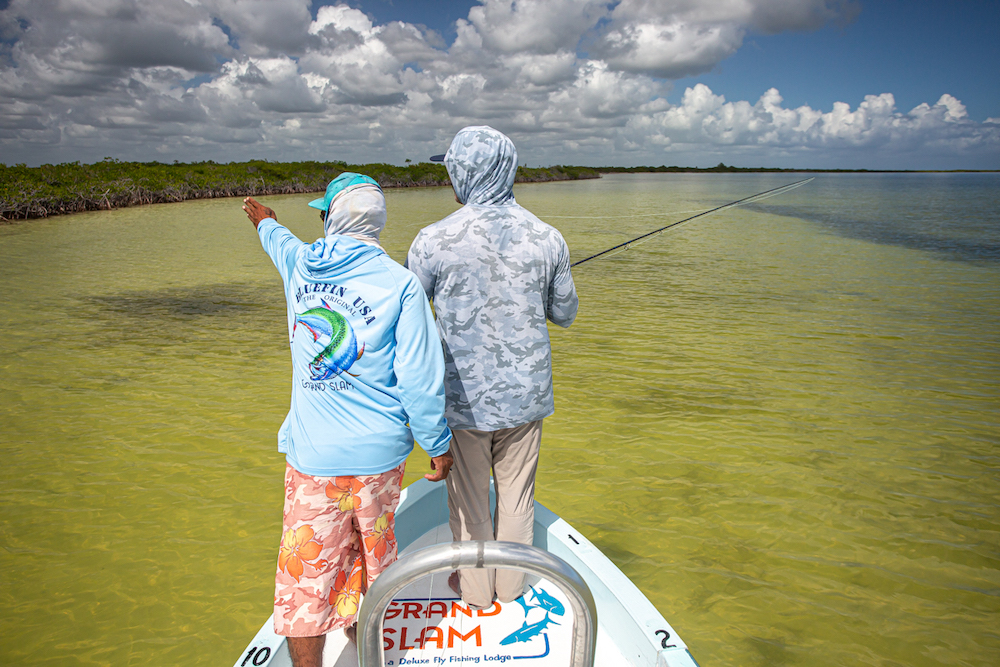
    Days start with breakfast at the lodge, then two anglers per boat and guide typically leave the dock around 7:30 am for a full day on the water. Lunch is packed for the flats; dinner is back at the lodge, often on the deck with the day’s stories and a cold drink. Bonefishing is from the poled skiff or by wading — Ascension Bay has miles of firm-bottom wading flats. Resident bonefish are abundant; average size has increased over the years thanks to commercial fishing restrictions within the biosphere.

    The Fishing at Sian Ka’an Lodge

    Ascension Bay is a true mixed-species fishery. Most weeks you are chasing the Big Four — permit, bonefish, tarpon, and snook — with plenty of bonus shots at reef and edge species.

    Permit

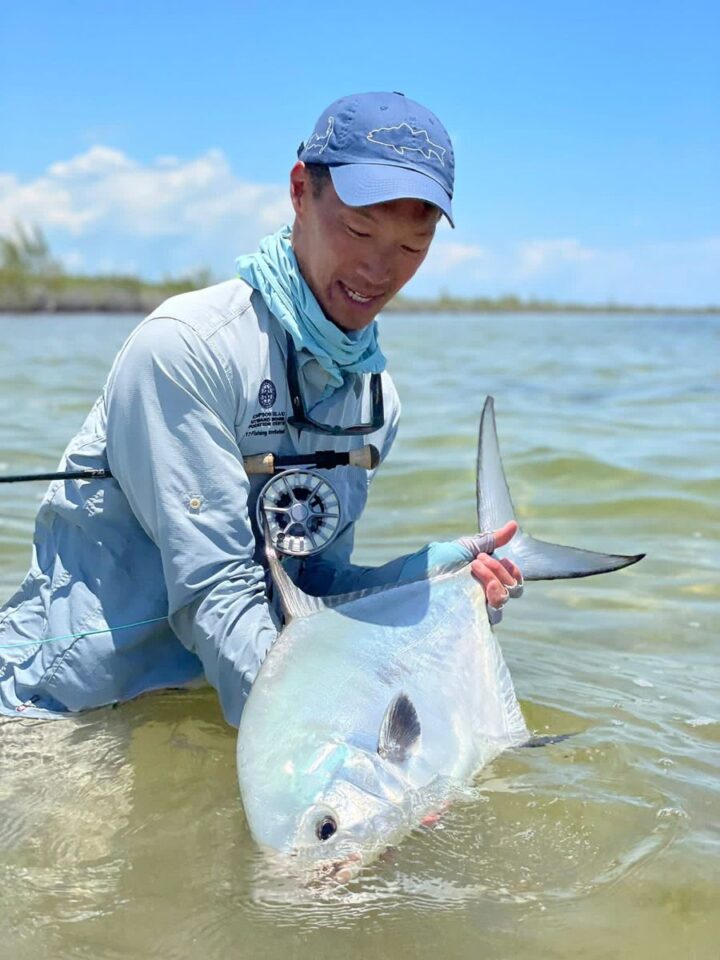
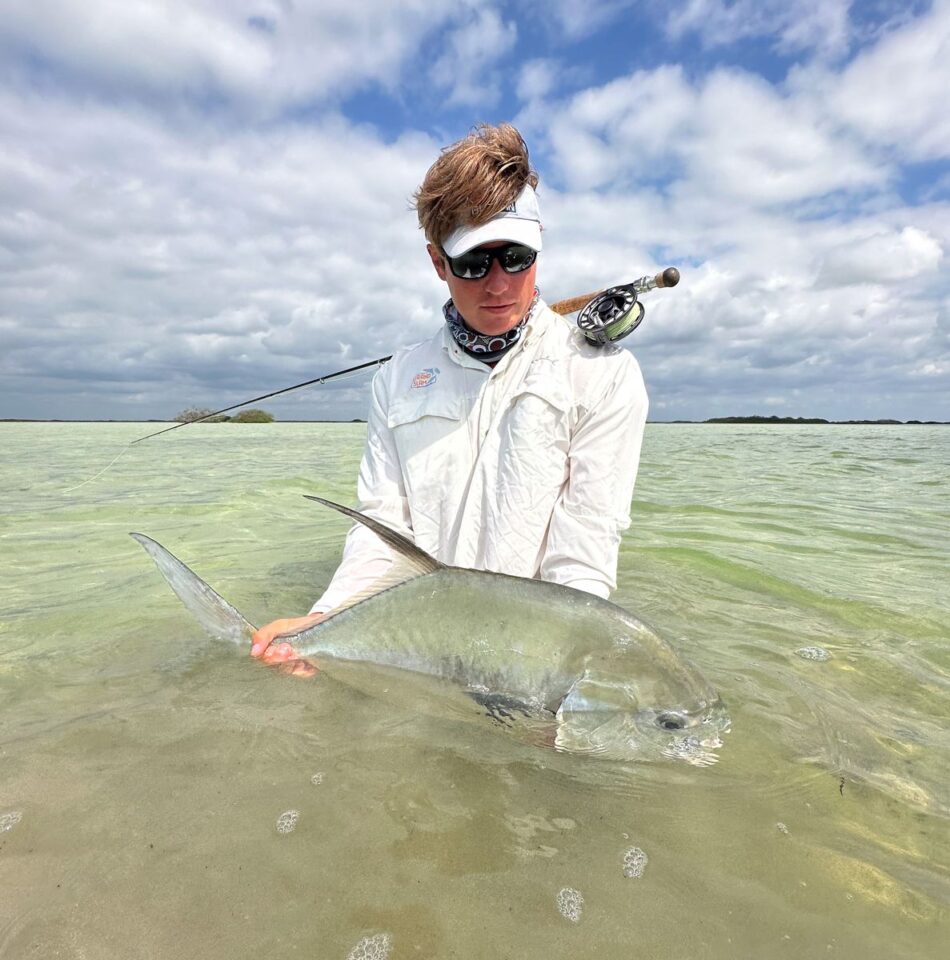
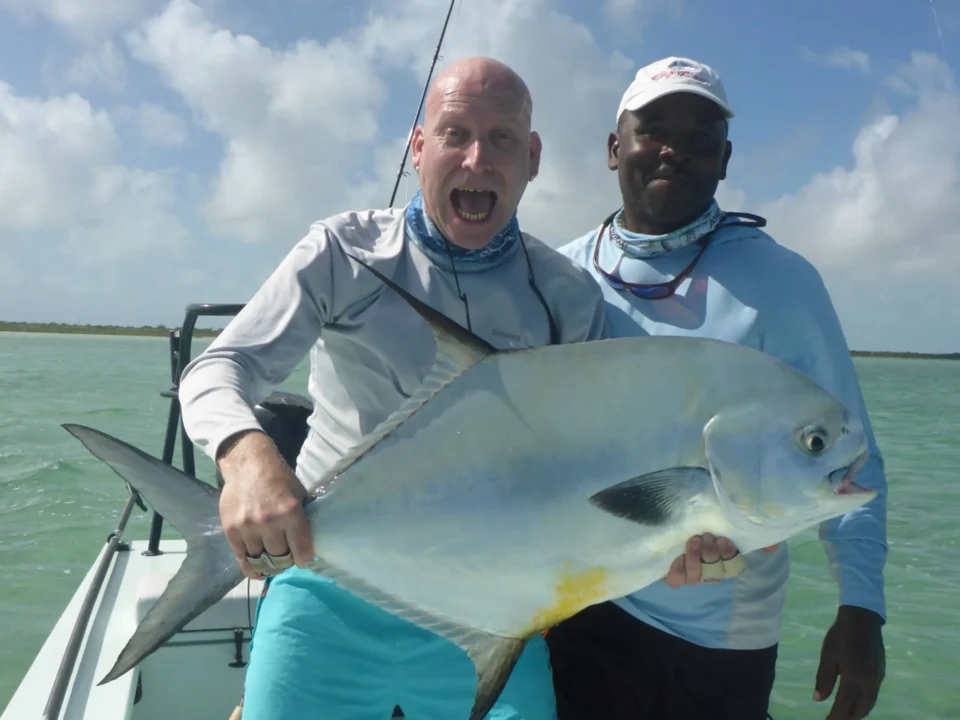
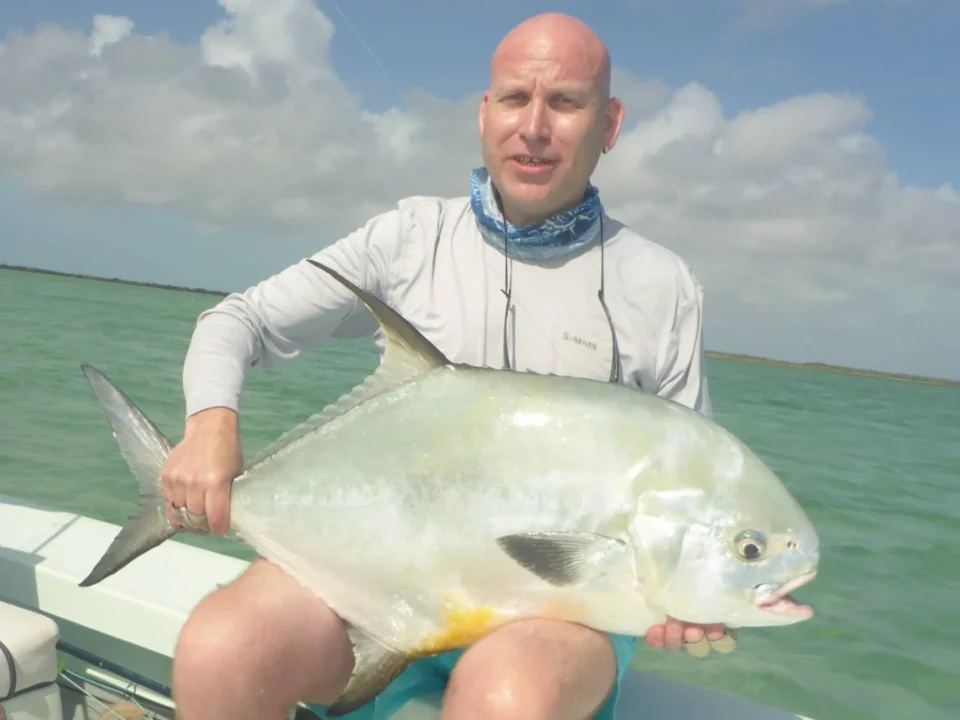
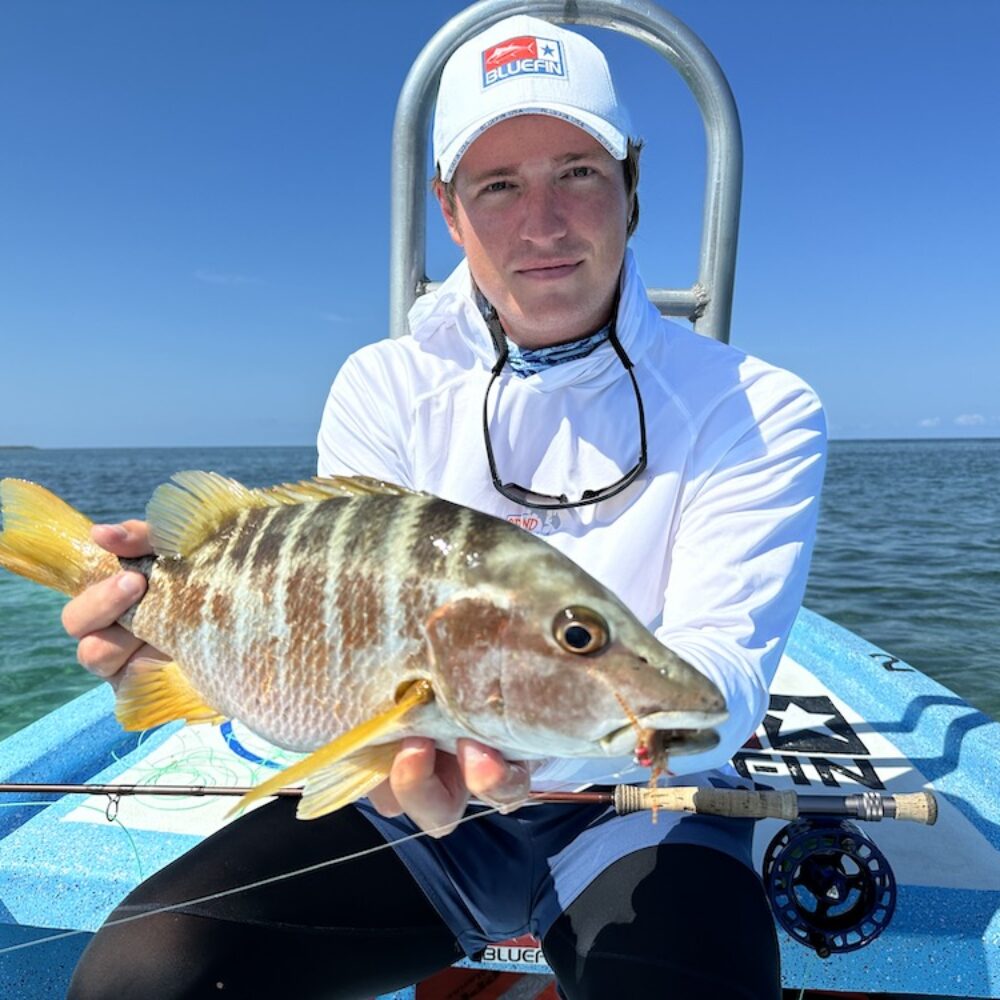
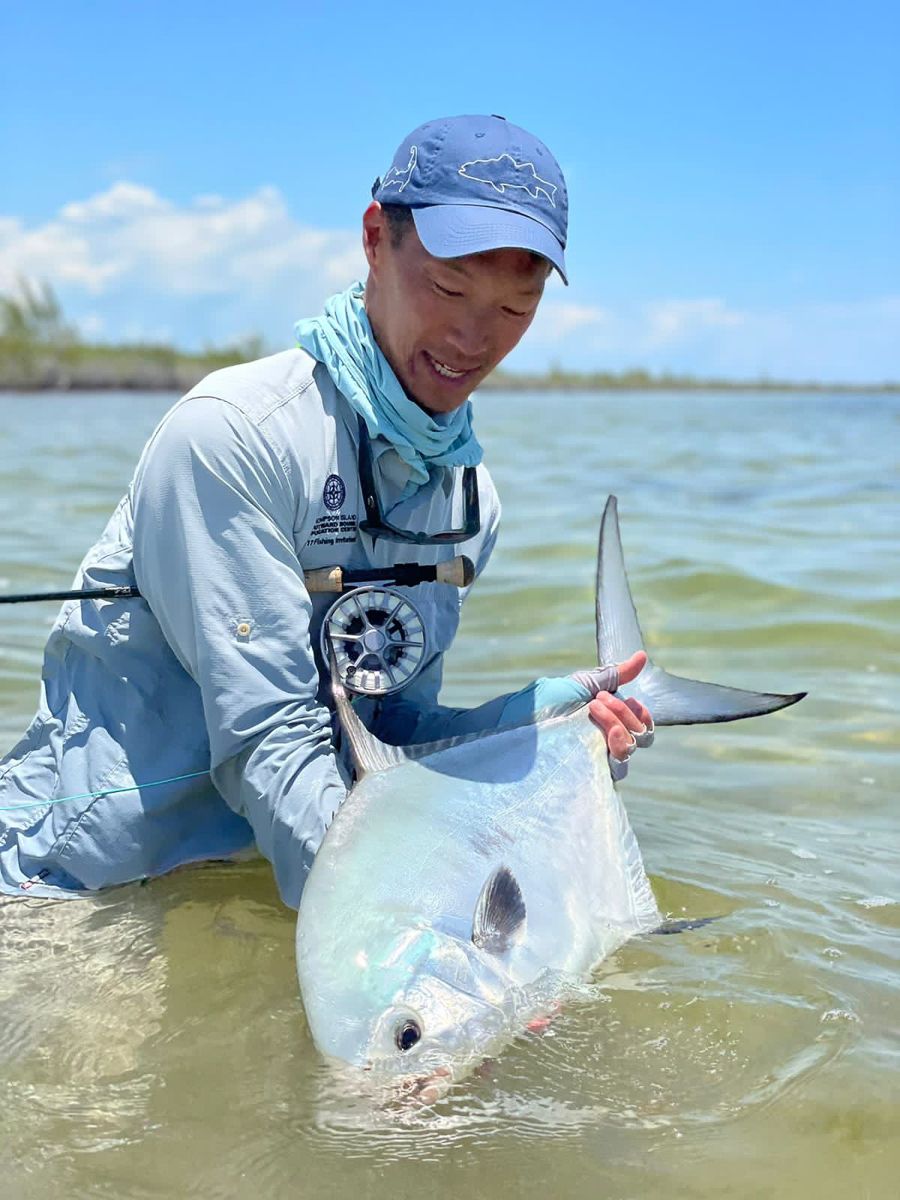
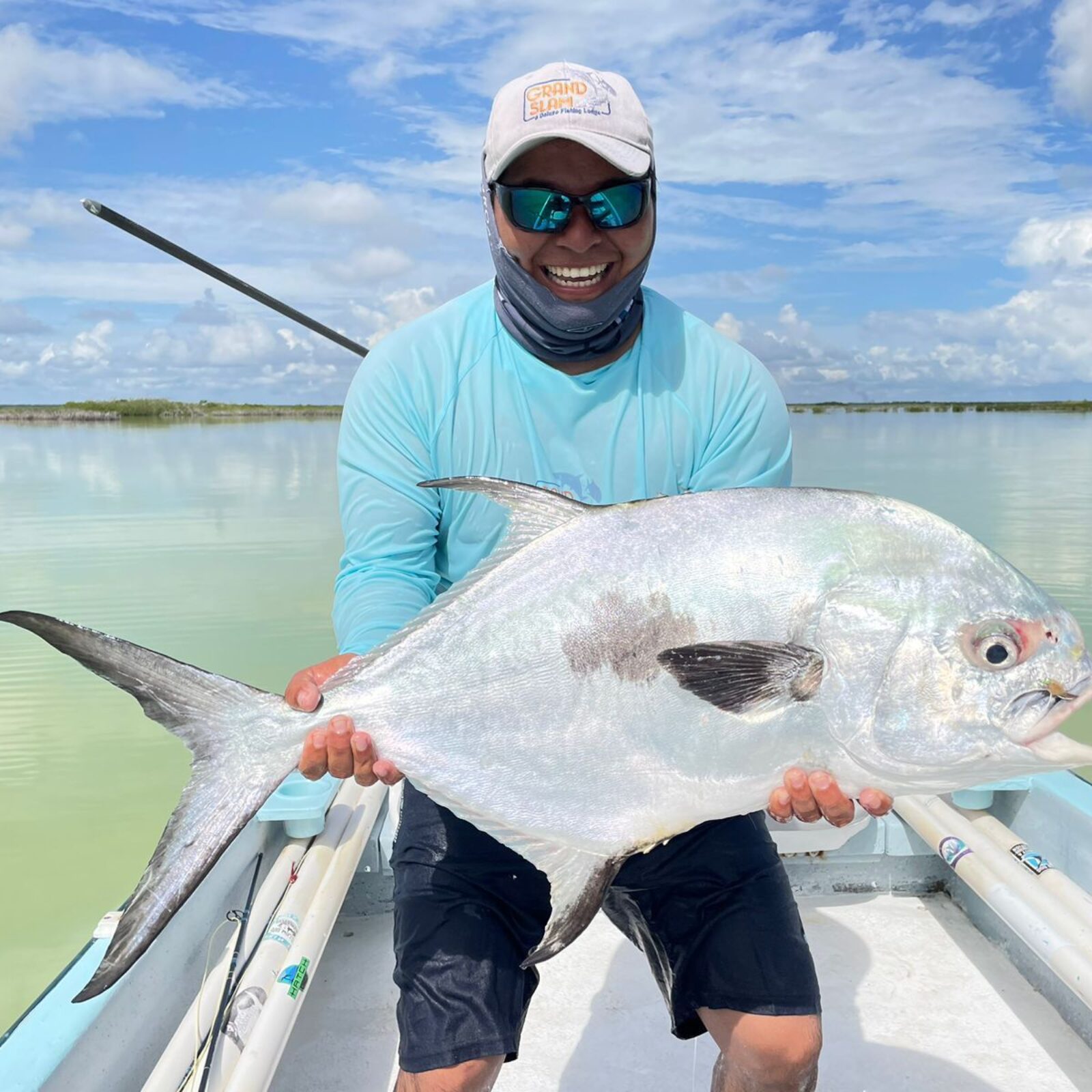
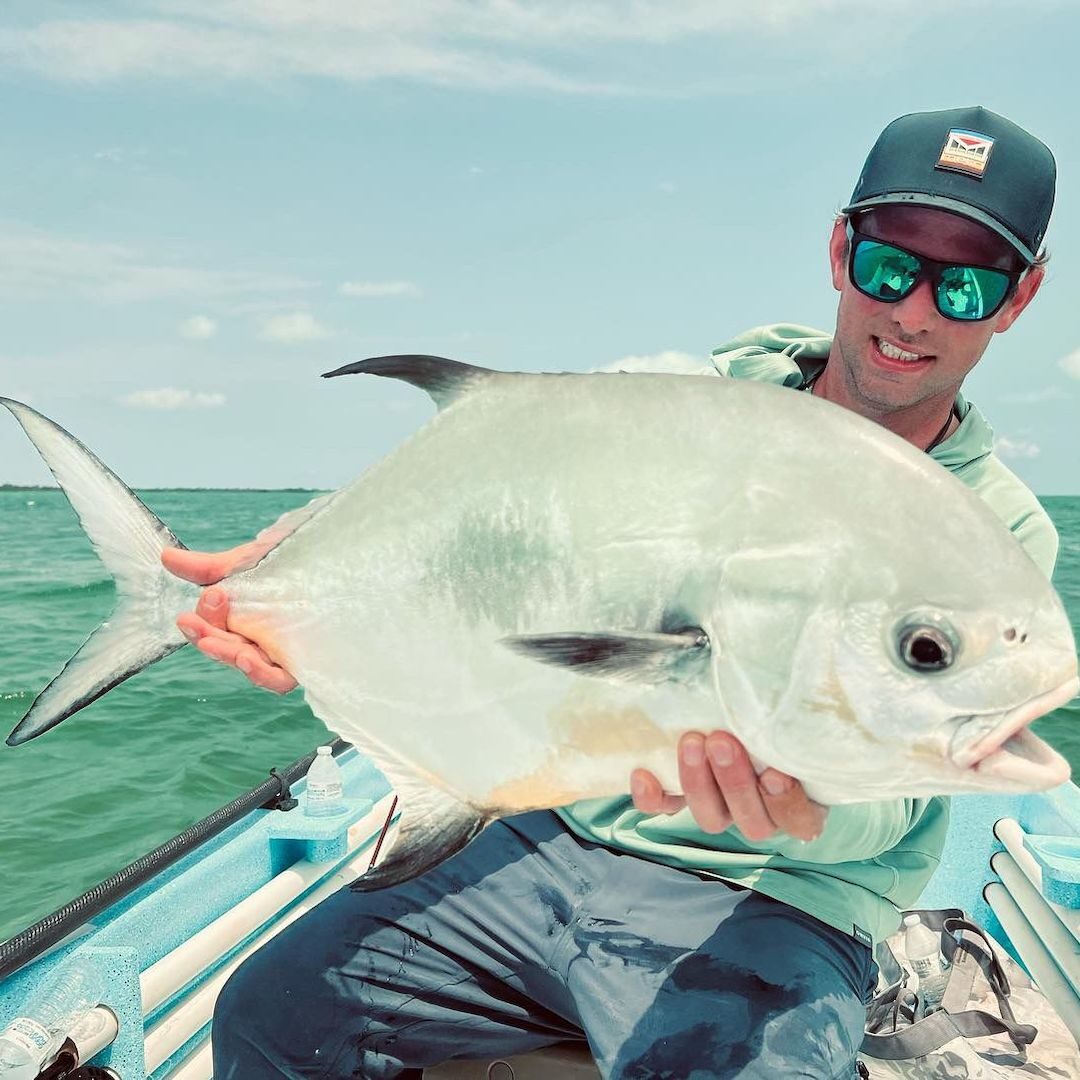
    Available year-round. Ascension Bay fish average 12–14 pounds with trophies well beyond that. This is one of the Caribbean’s most celebrated permit fisheries — fish here often show and eat more willingly than permit in many other destinations.

    Bonefish

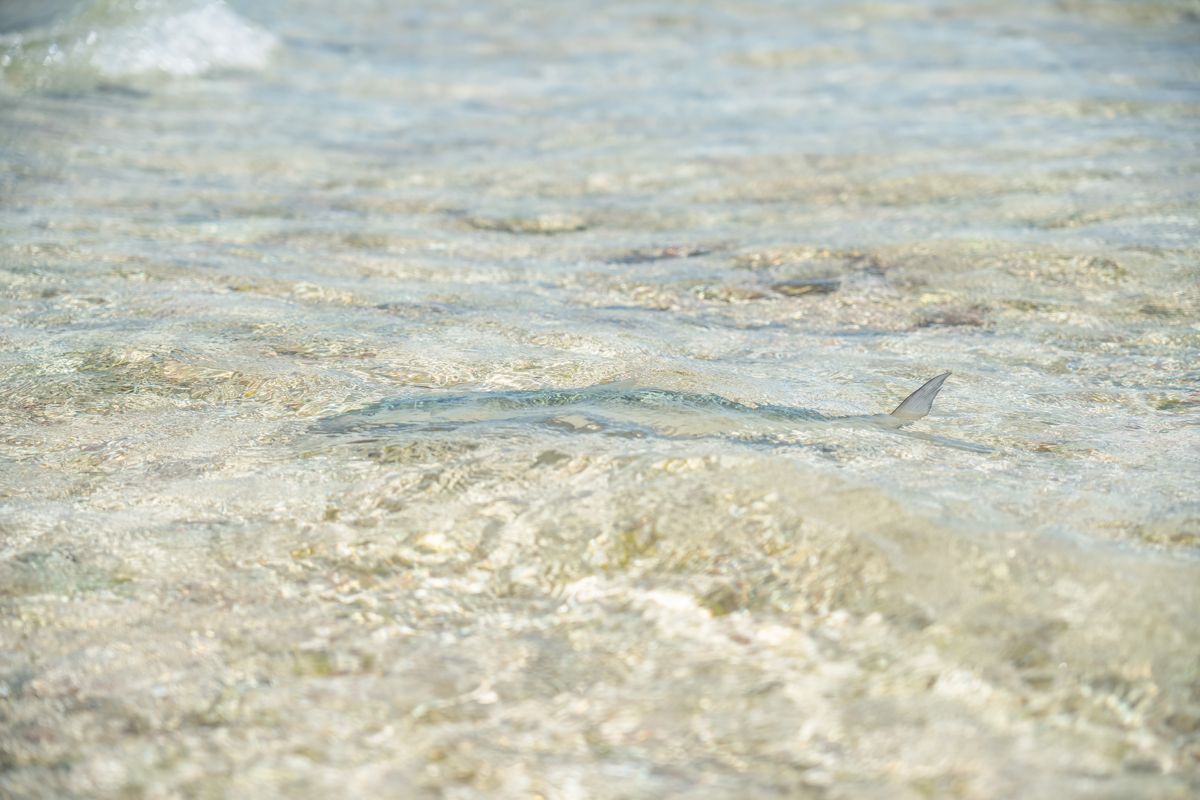
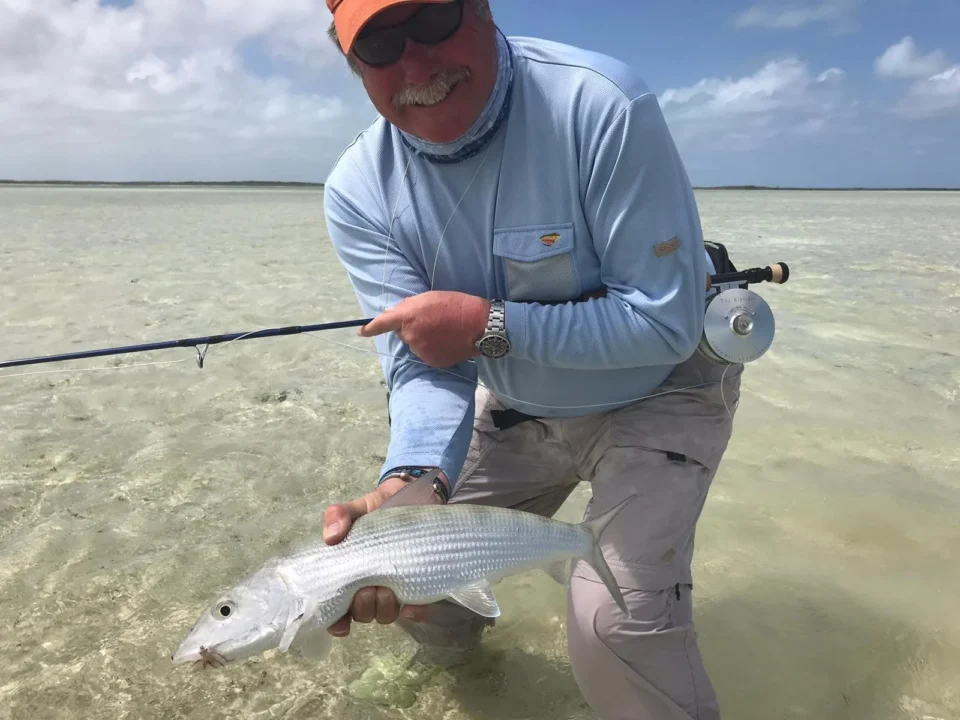
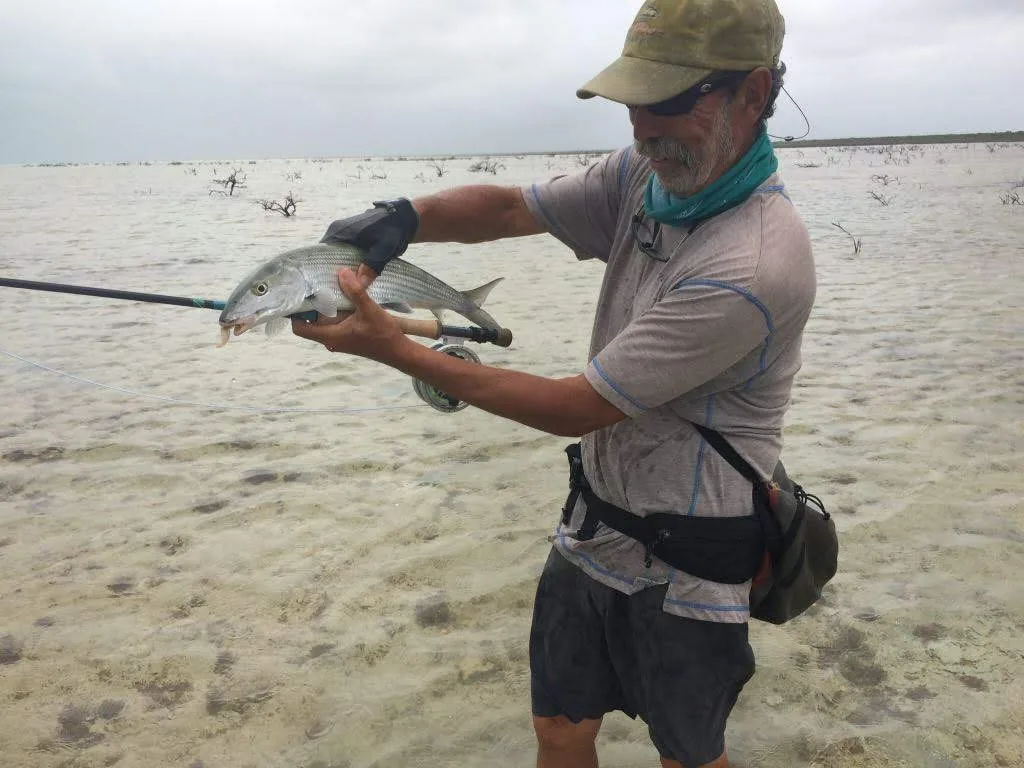
    Resident bonefish are abundant on firm wading flats and from the skiff. A perfect species to dial in your saltwater game — or to rack up shots when the permit are being permit.

    Tarpon

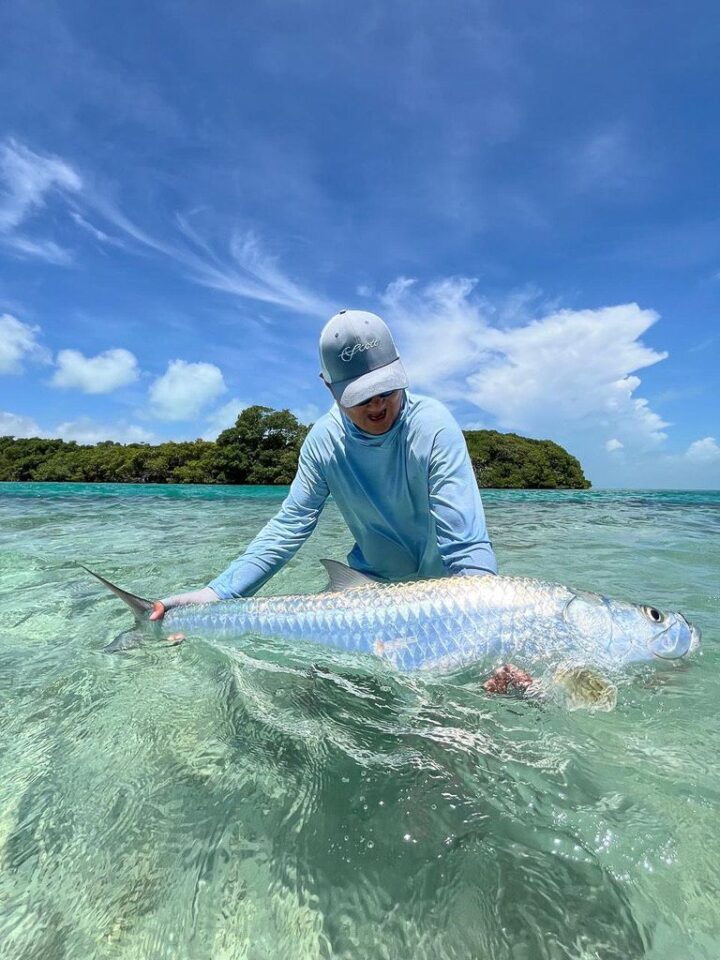
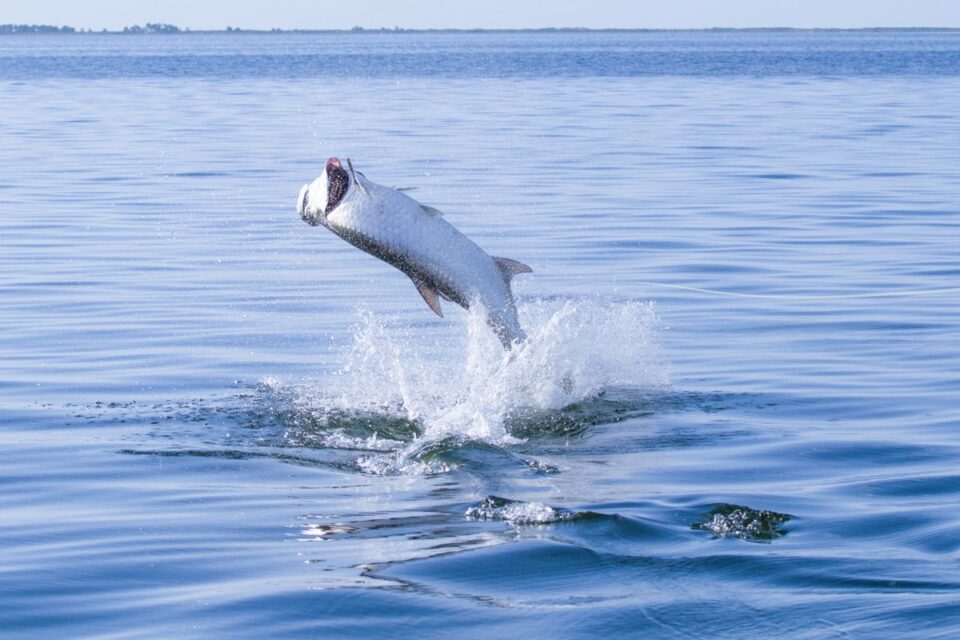
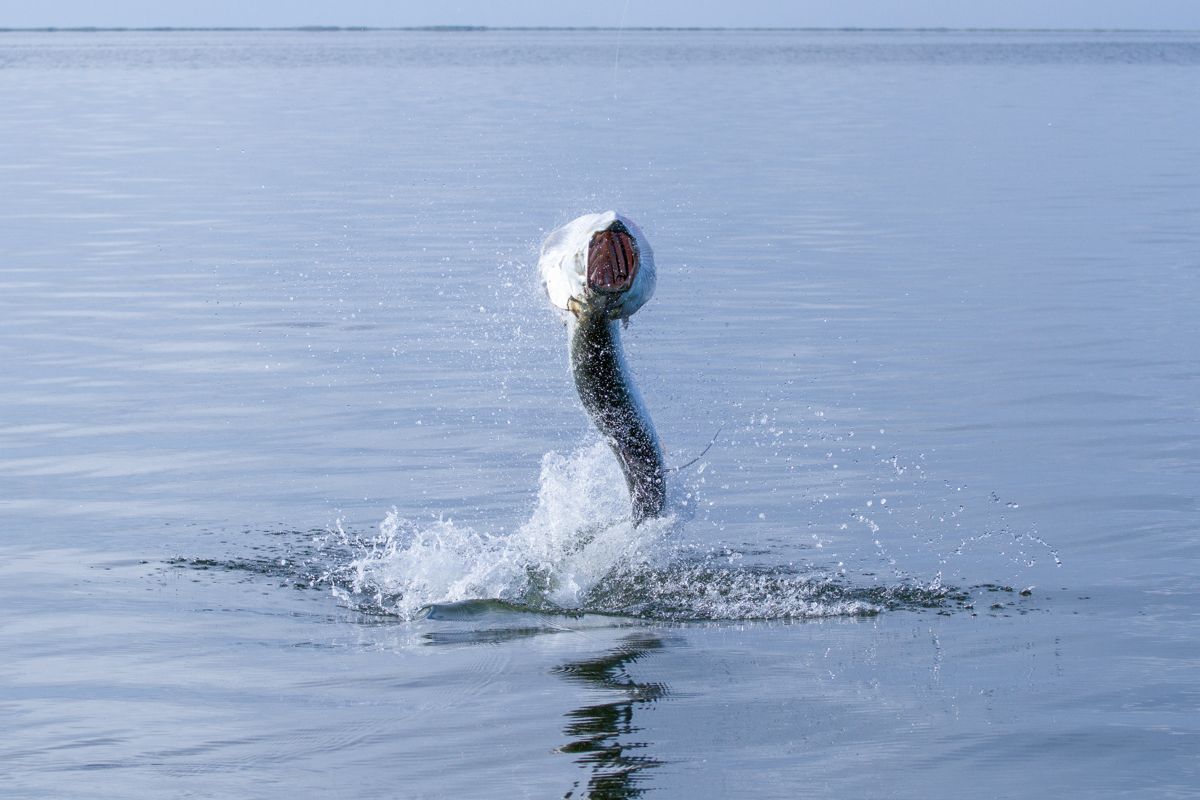
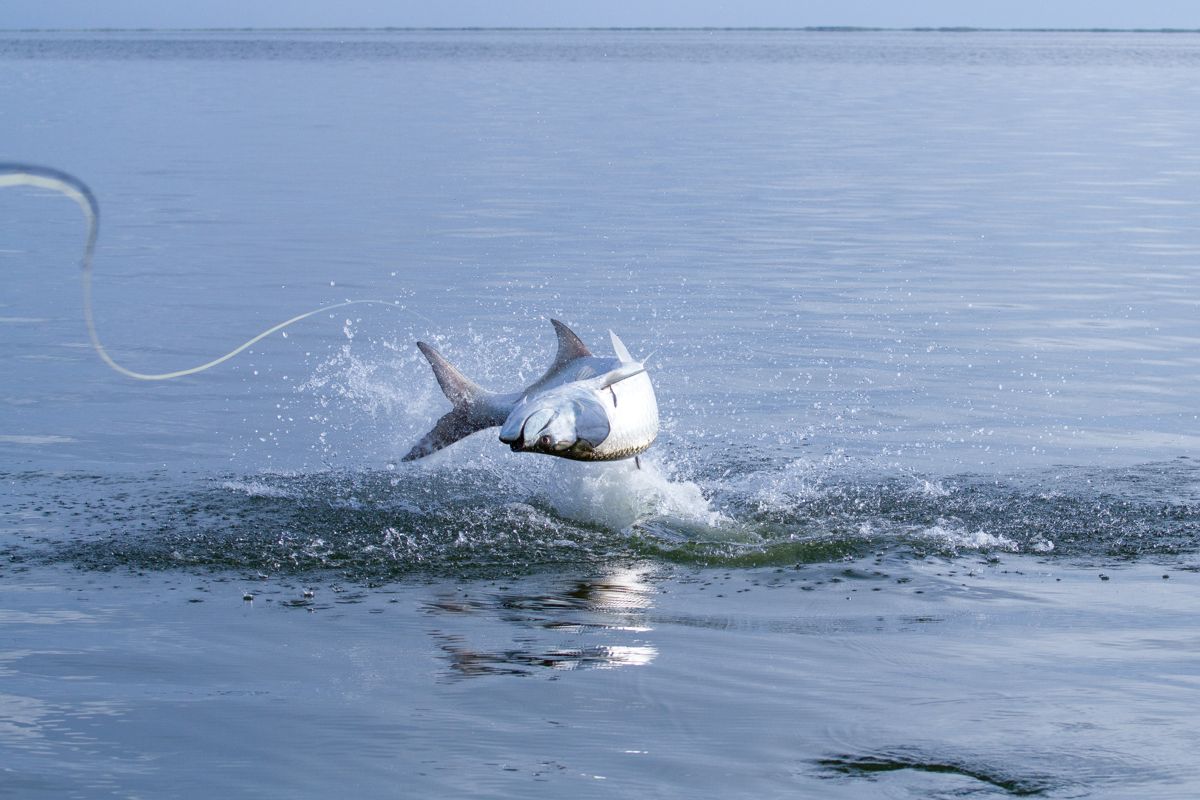
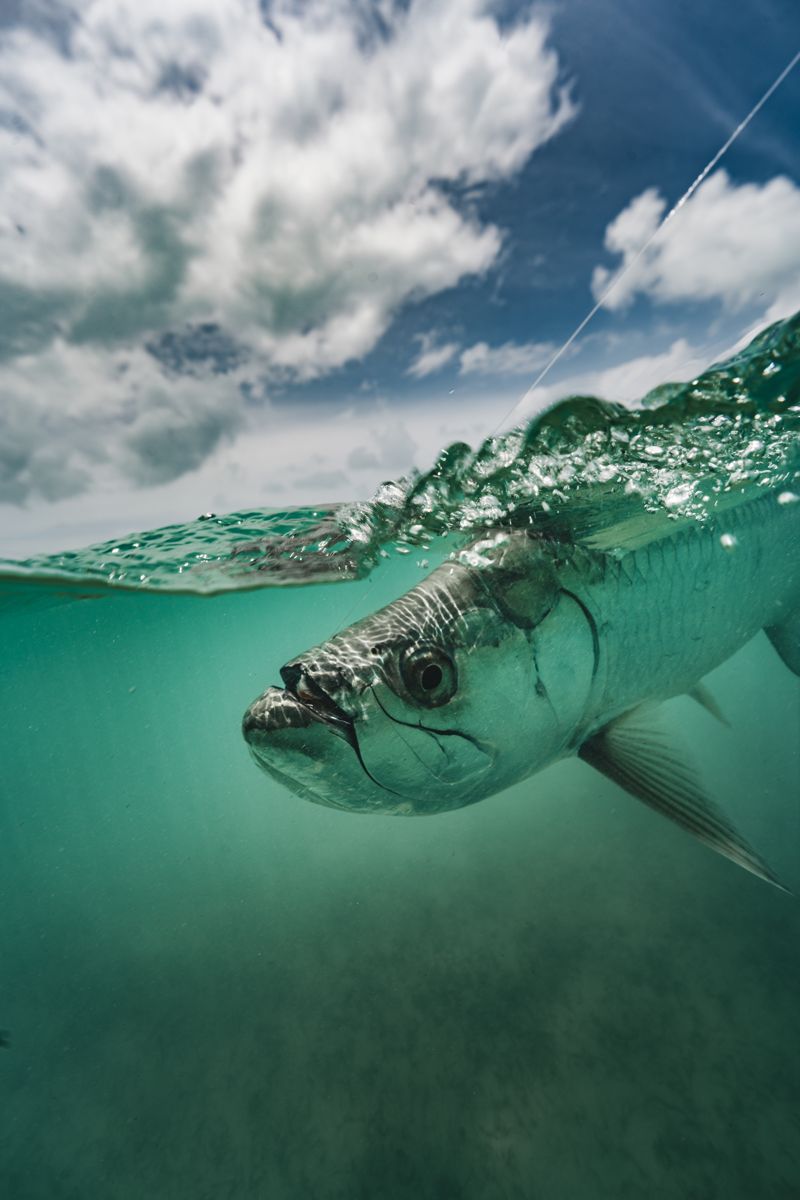
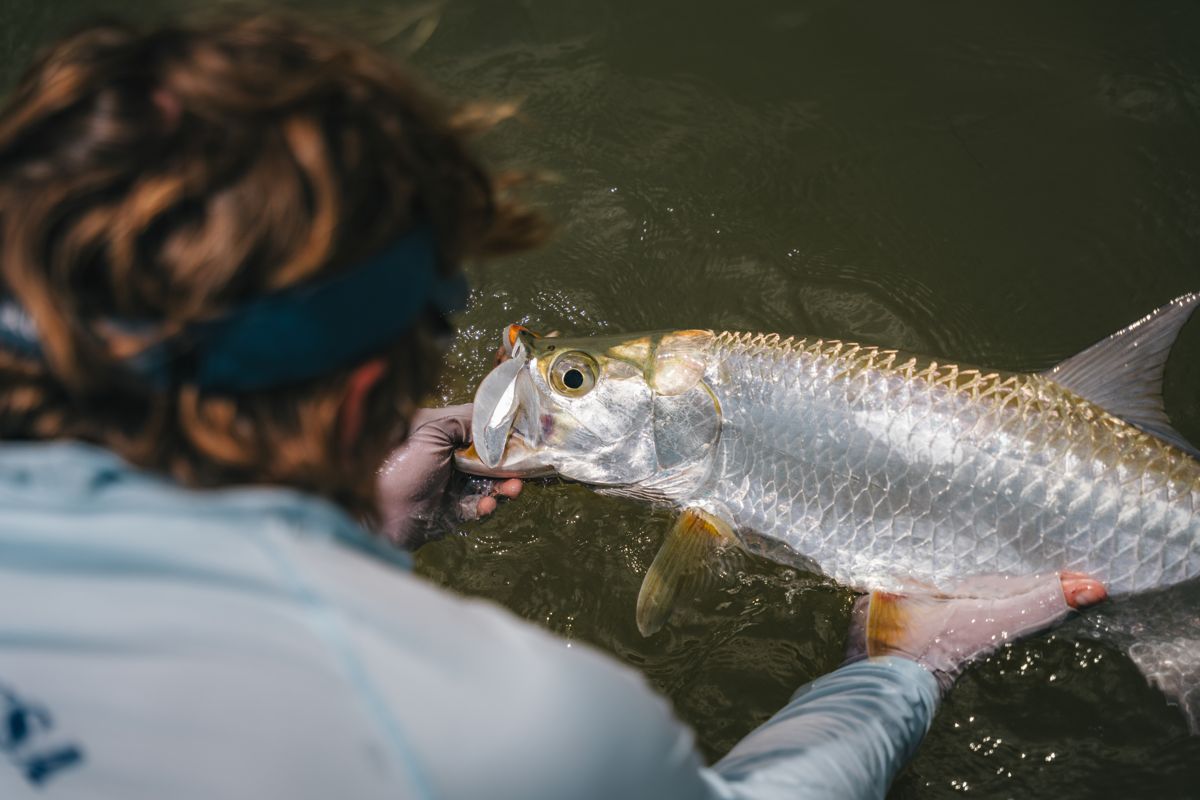
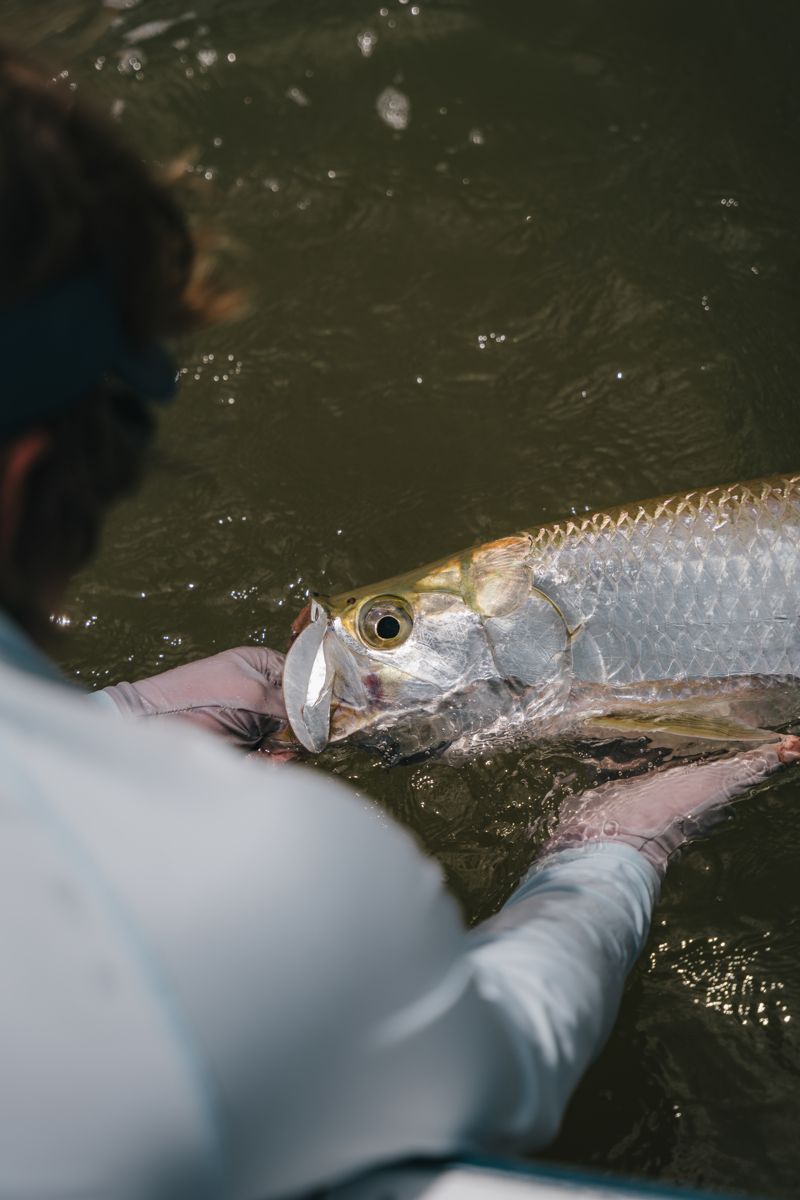
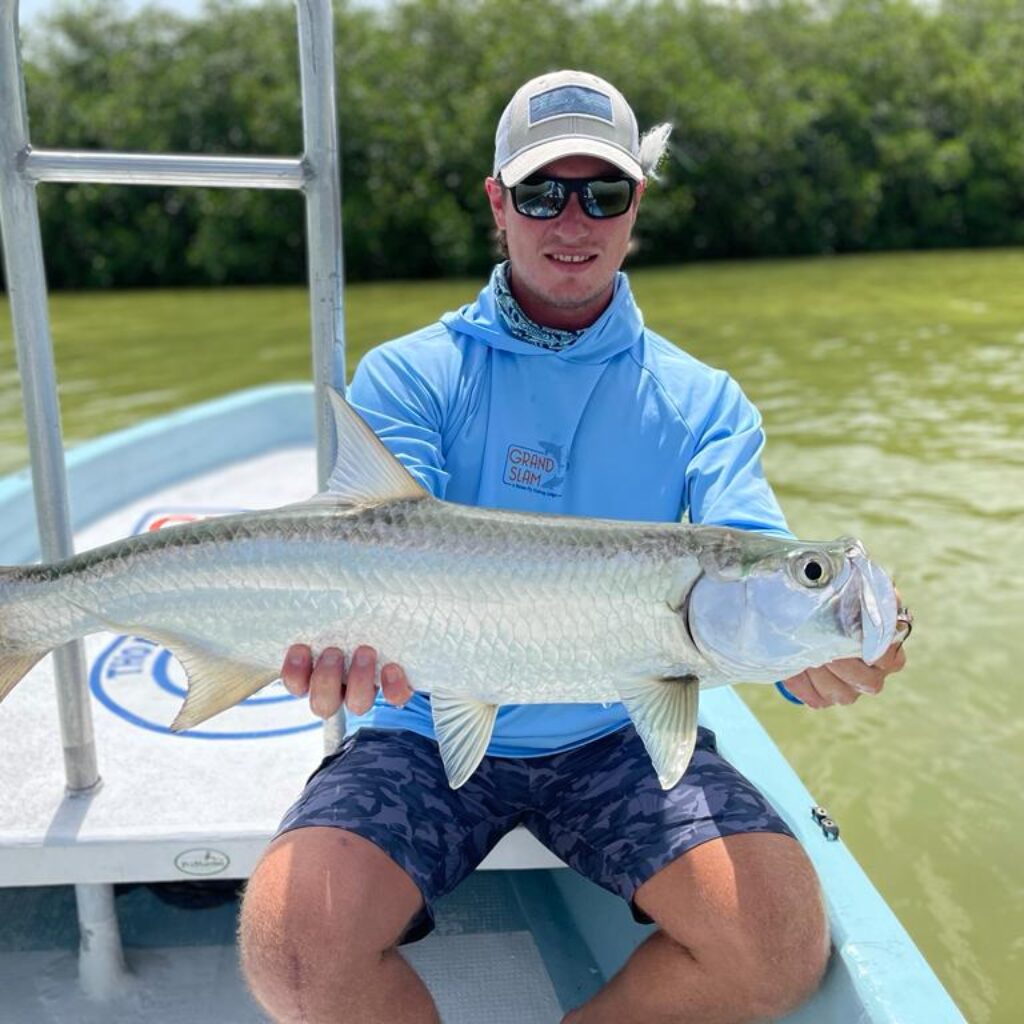
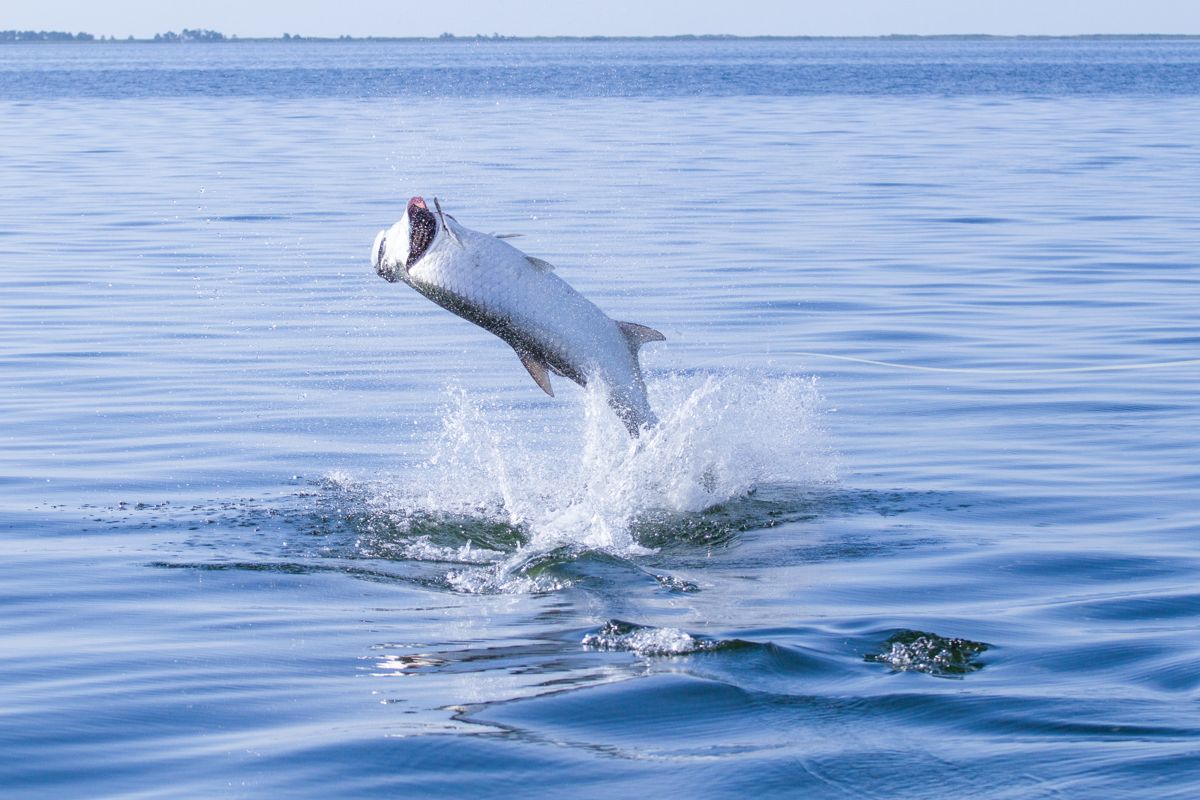
    Migratory tarpon typically arrive late March or April and fish through November. Juvenile tarpon hold in backcountry water year-round. From the skiff or in the mangroves, they deliver the classic jump-and-run show.

    Snook

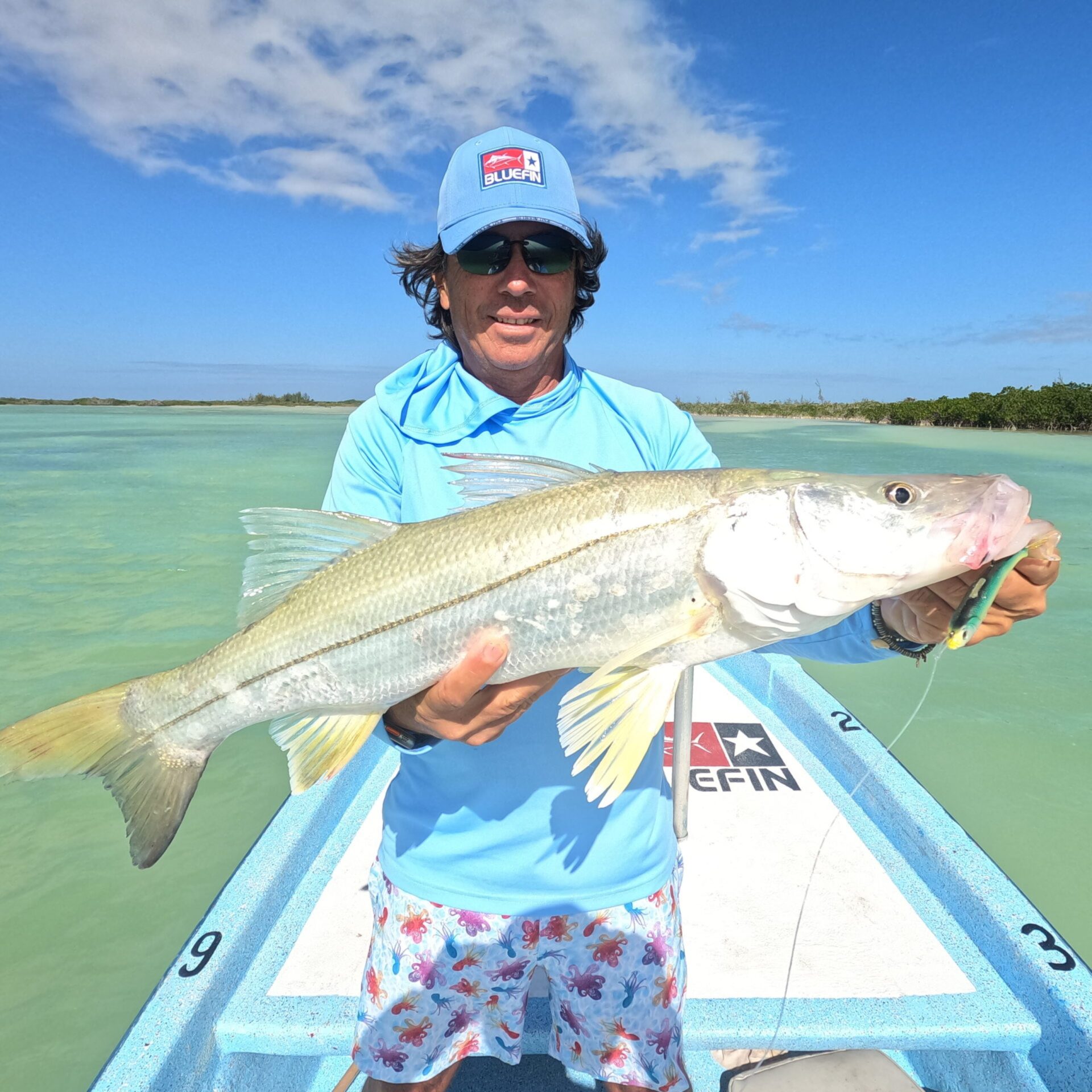
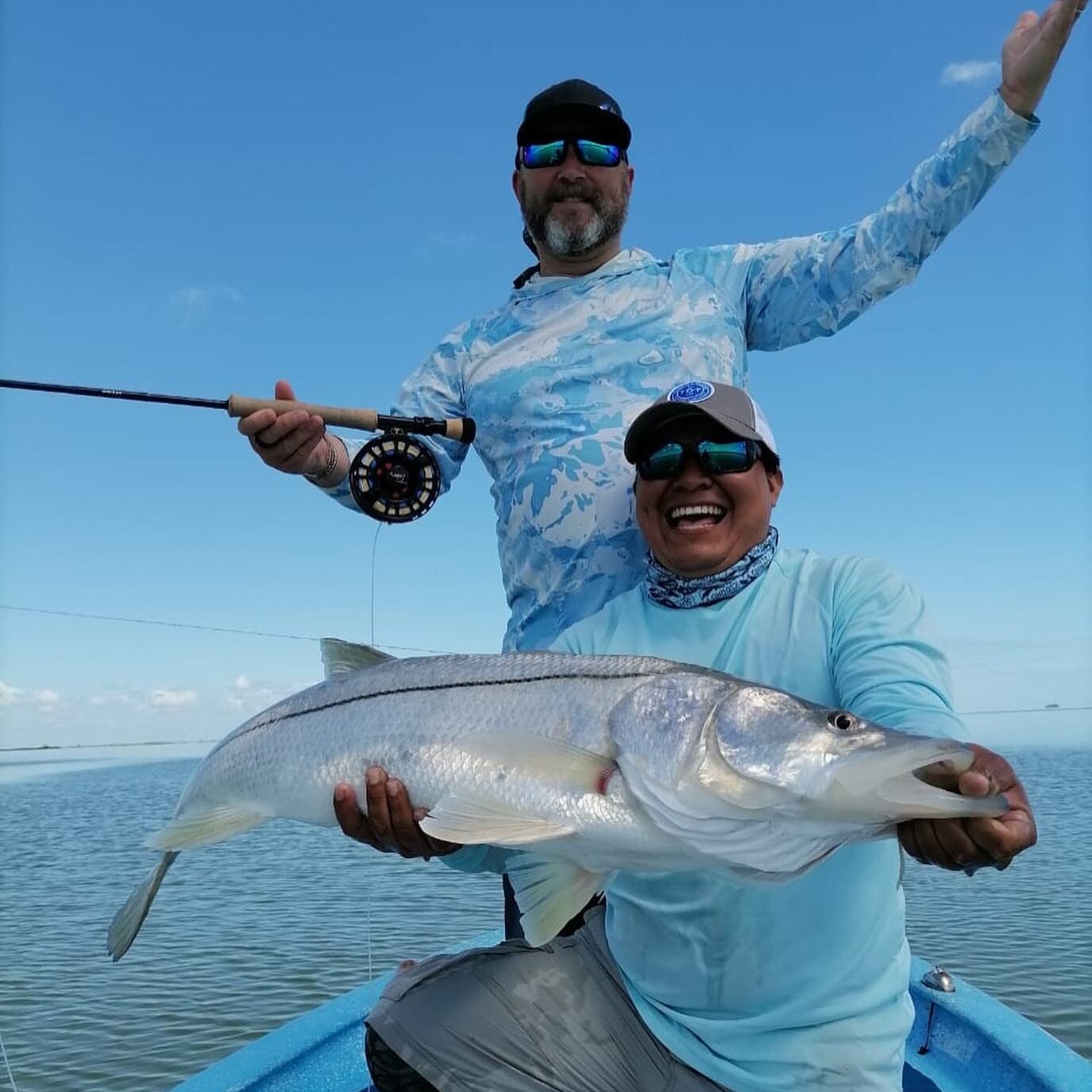
    Year-round in brackish mangrove shorelines — abundant, often large, and frequently the trickiest of the four primary species. Technical fishing with explosive eats when you get it right.

    Atlantic Grey Triggerfish

    Opportunistic feeders on the ocean edge and shallow reefs. Tailing fish on skinny reefs are a foot-fishing treat; deeper fish are targeted from the skiff — a rewarding change of pace from the classic flats program.

    Jack Crevalle & More

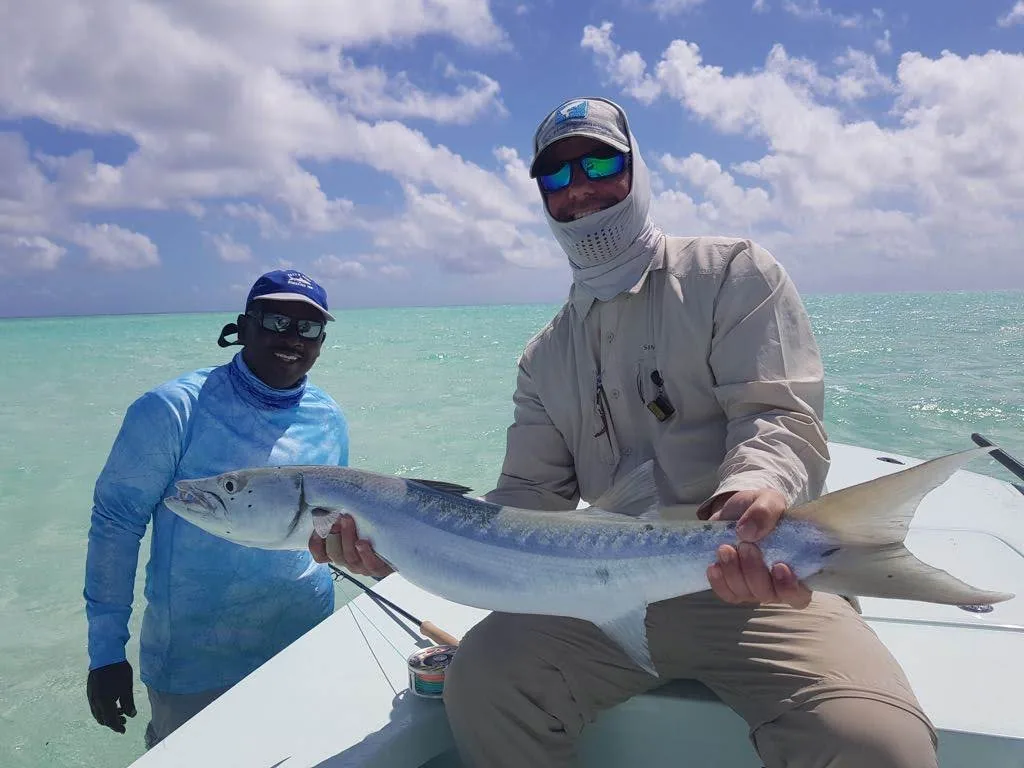
    Jack crevalle, barracuda, sharks, snapper, ladyfish, tripletail, and reef species round out the week when conditions or ambitions shift. Grand Slam and Super Grand Slam days are realistic here.
    Sian Ka’an Lodge: Accommodations & Lodge Life

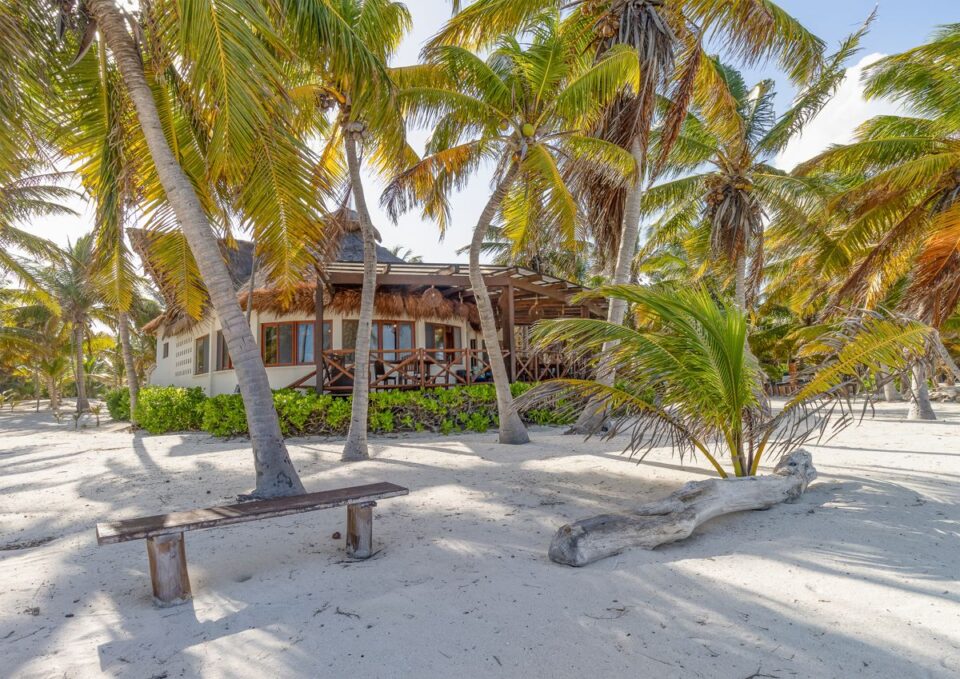
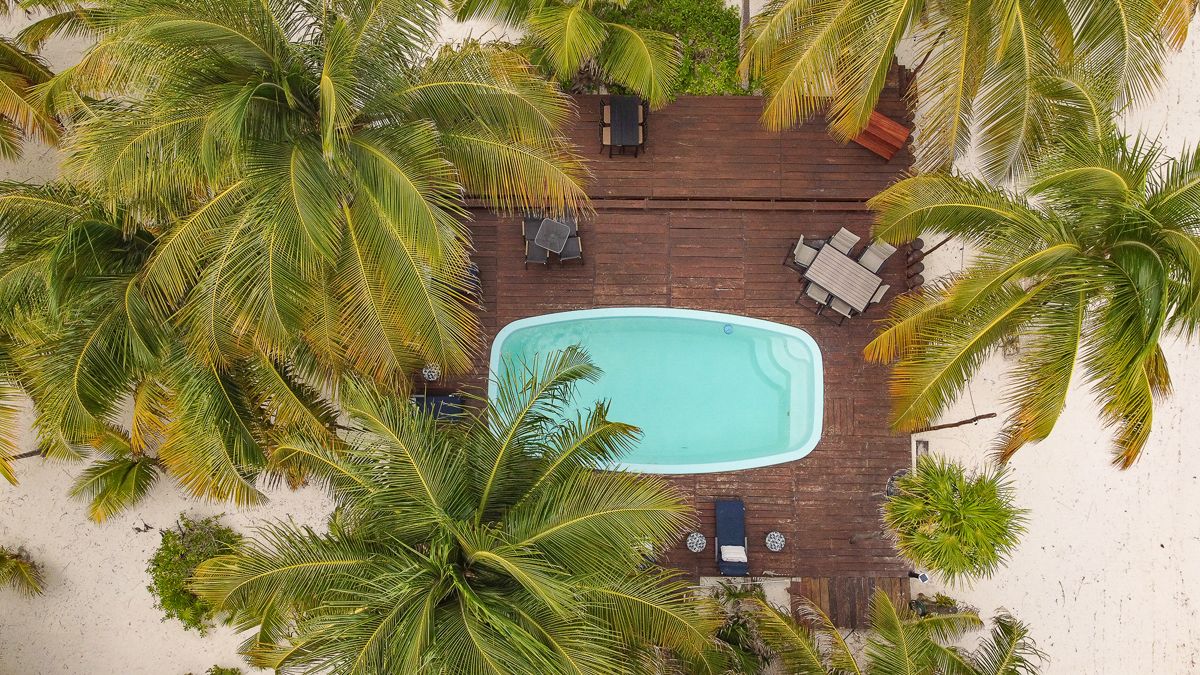
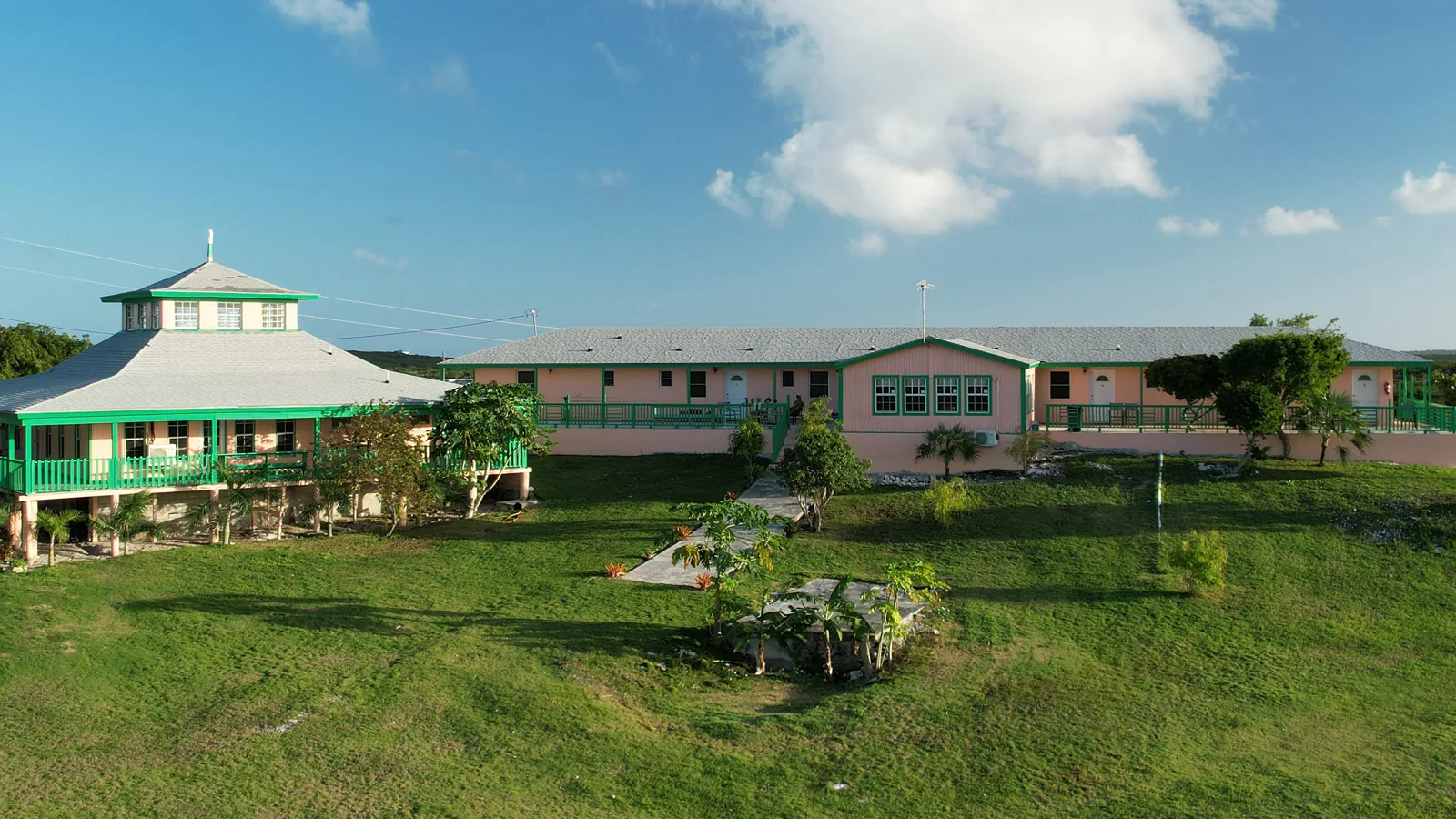
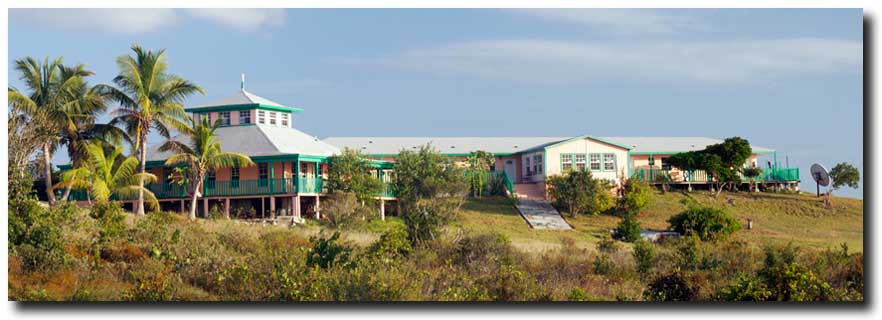
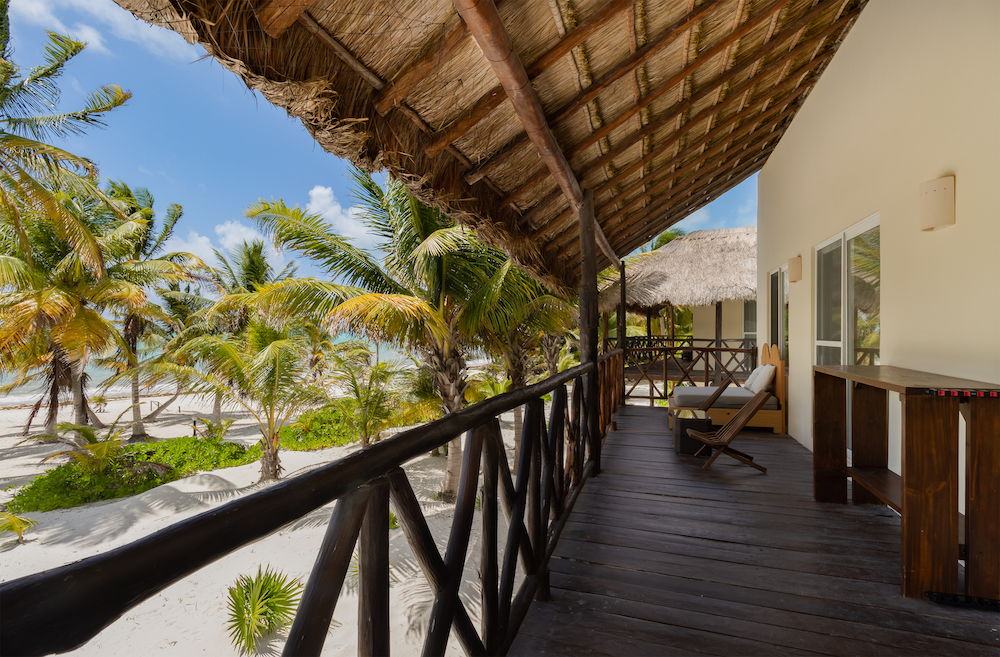
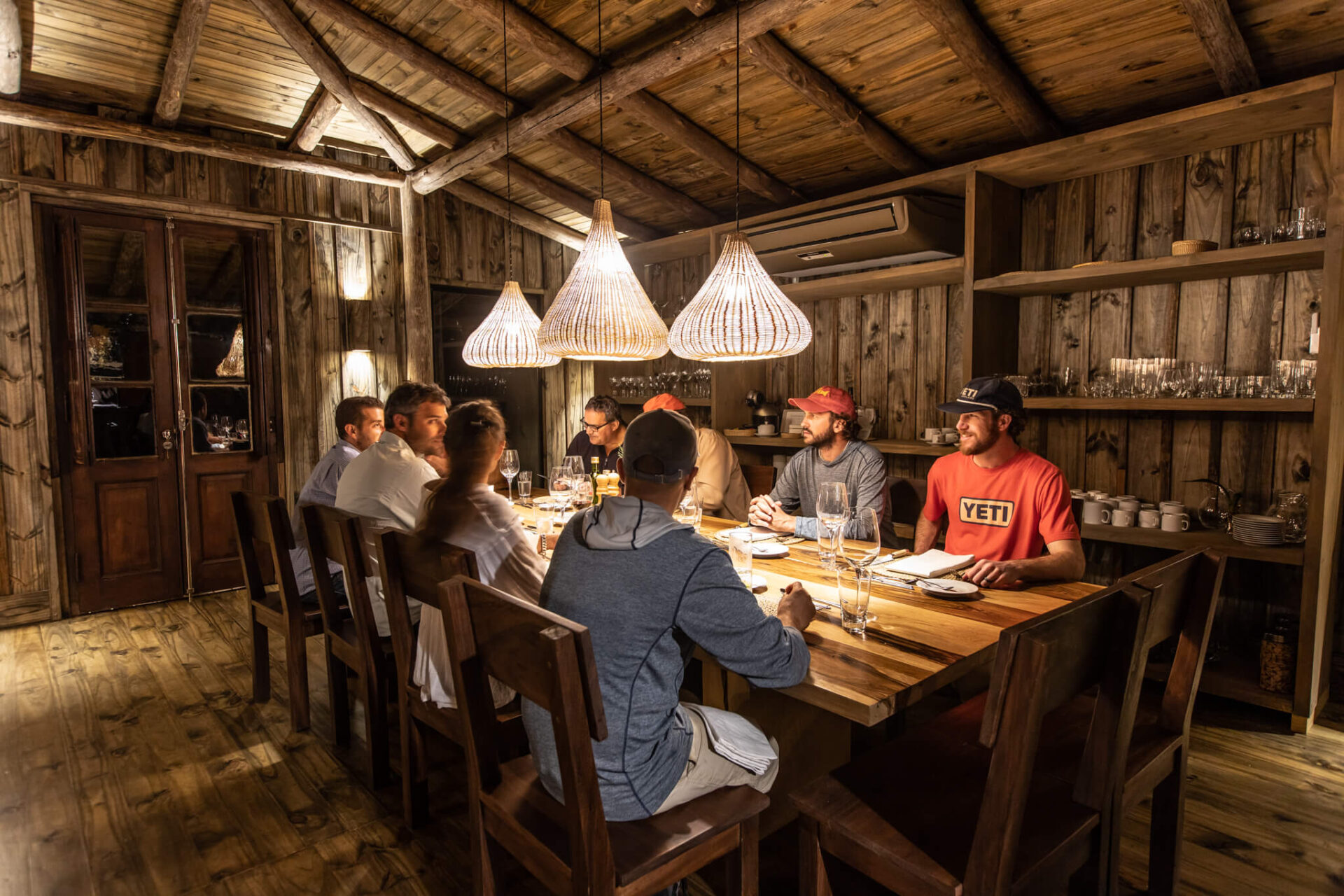
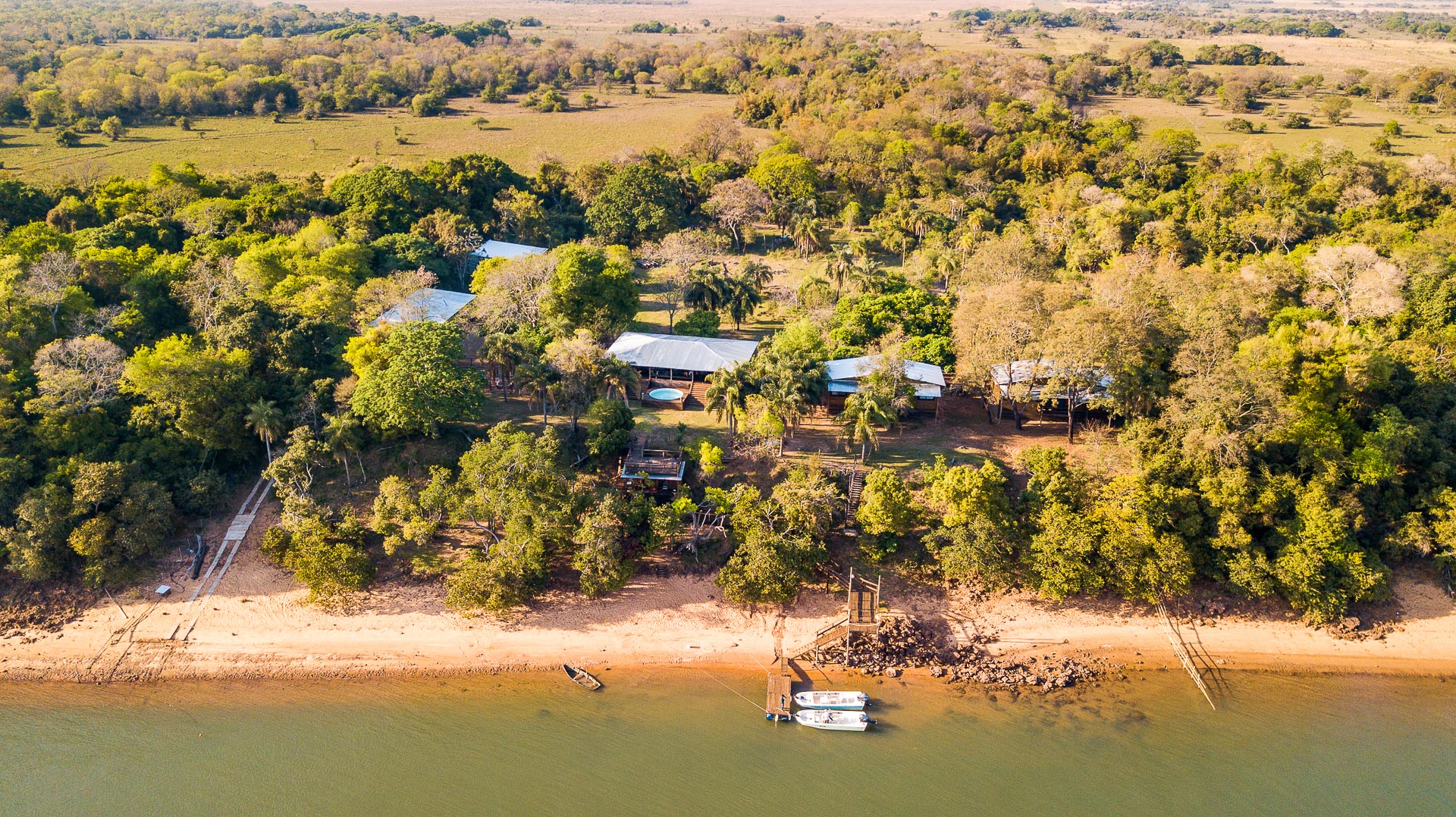
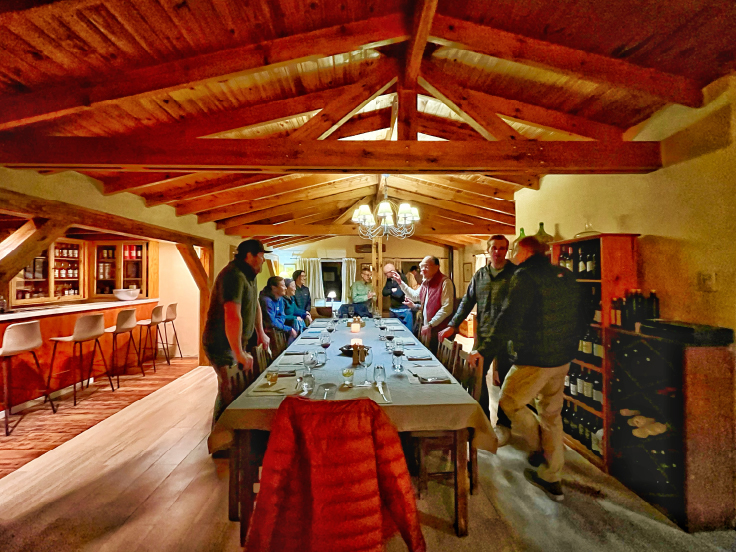
    Sian Ka’an Lodge sits on a secluded stretch of beach on the outskirts of Punta Allen, inside the UNESCO-listed biosphere reserve. Twelve ocean-facing rooms ring a pool and shared deck that looks straight out over the bay — small enough that guests and guides are on first-name terms from the first morning.

    Rooms

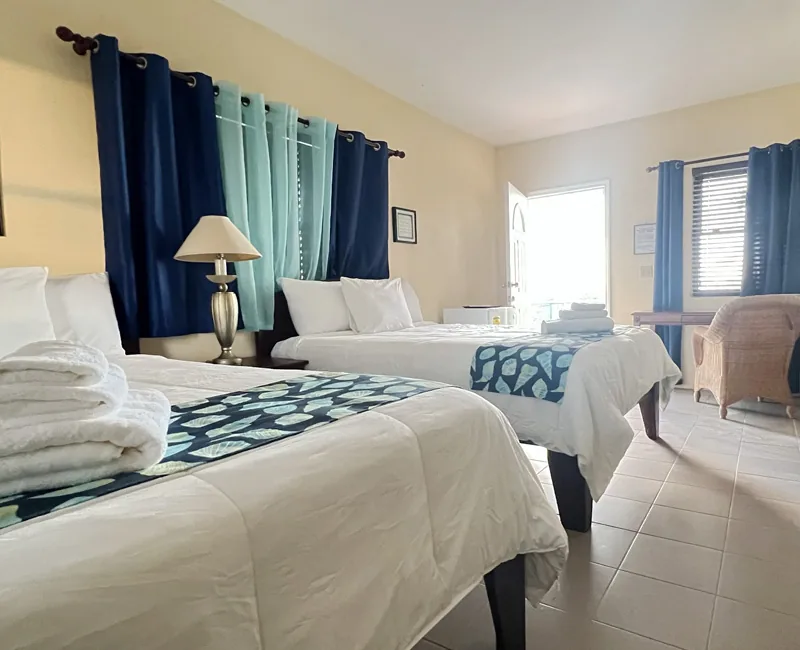
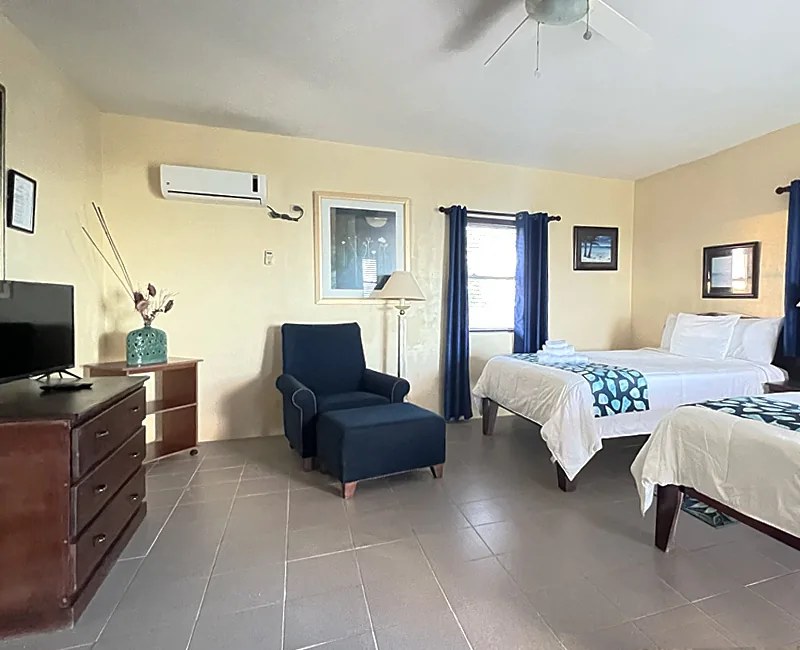
    Each room is fully air-conditioned with two king-size beds, a spacious en-suite bathroom with indoor and outdoor showers, minibar, and kettle. The lodge runs on 24-hour solar power inside the biosphere. Full housekeeping and laundry are included — everything a serious angler needs, nothing you have to think about twice.

    The Lodge & Dock

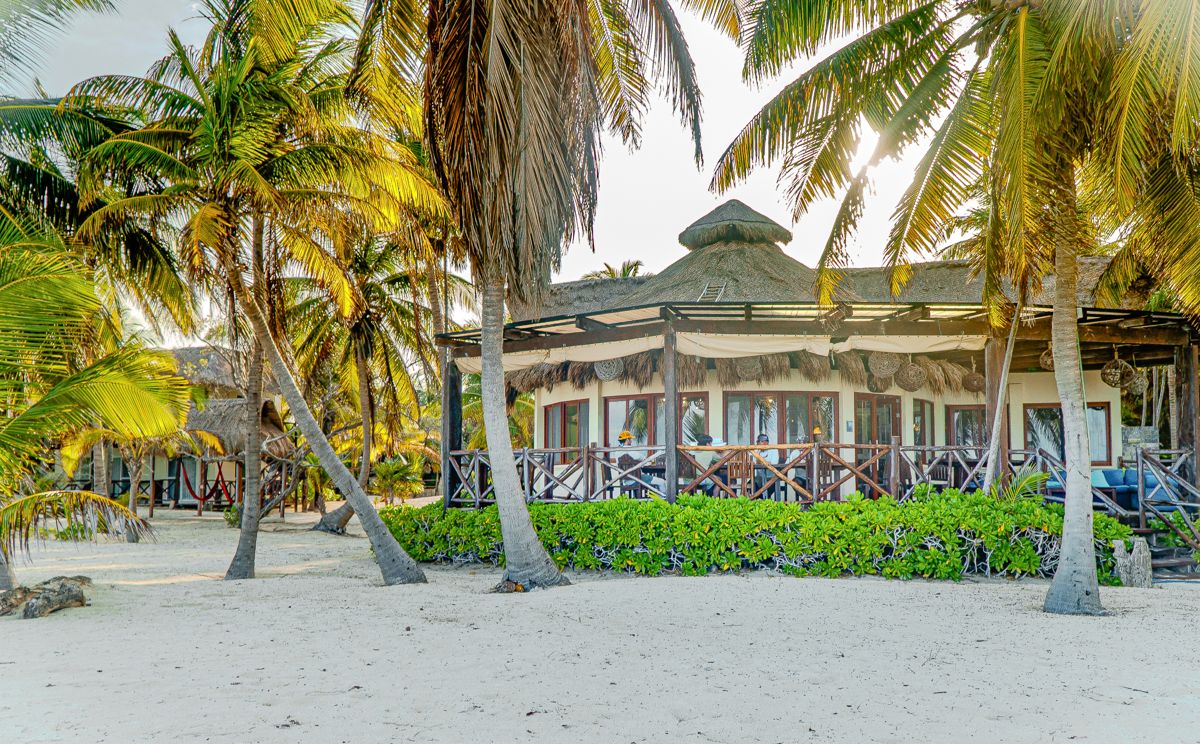
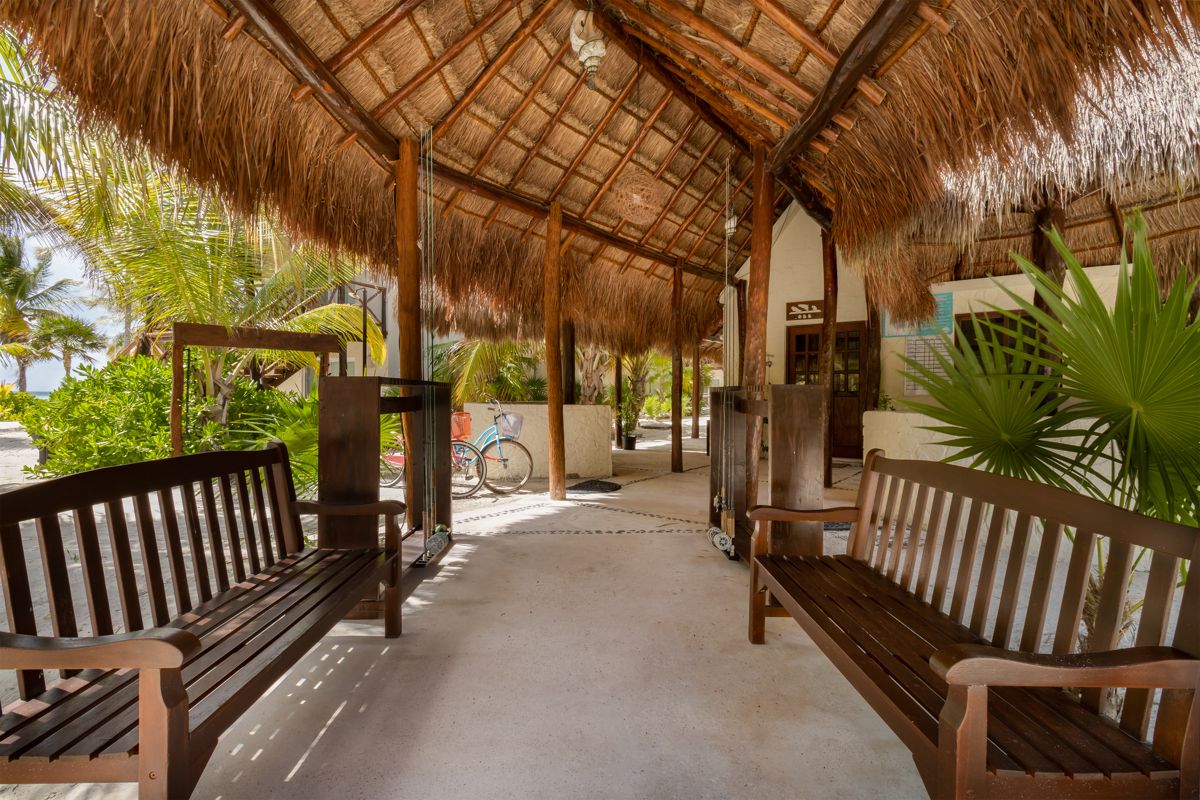
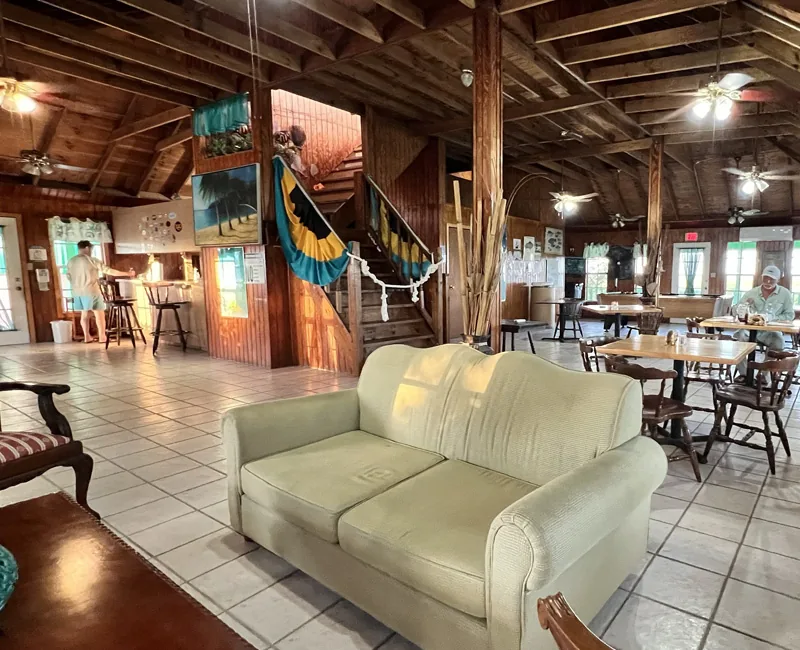
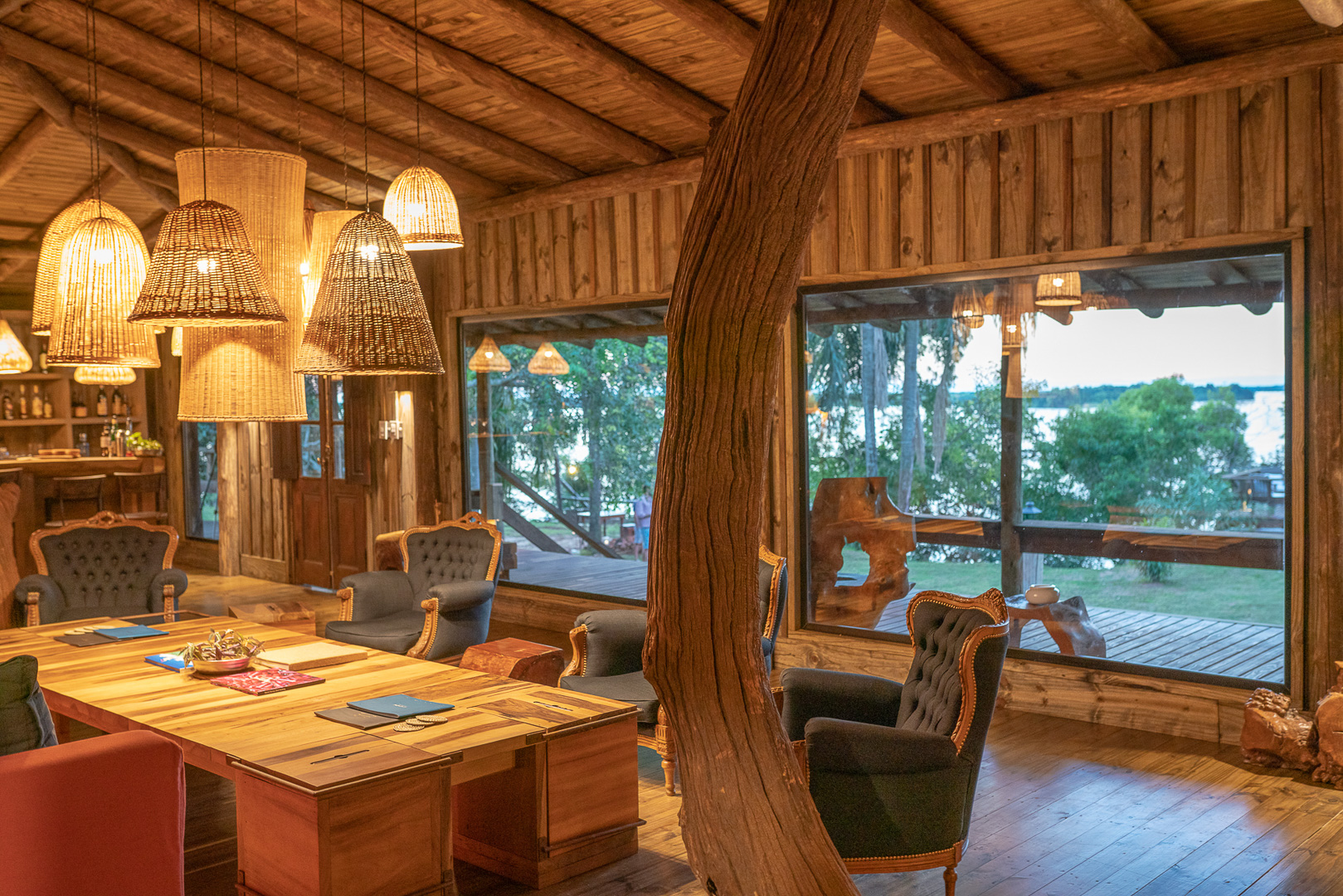
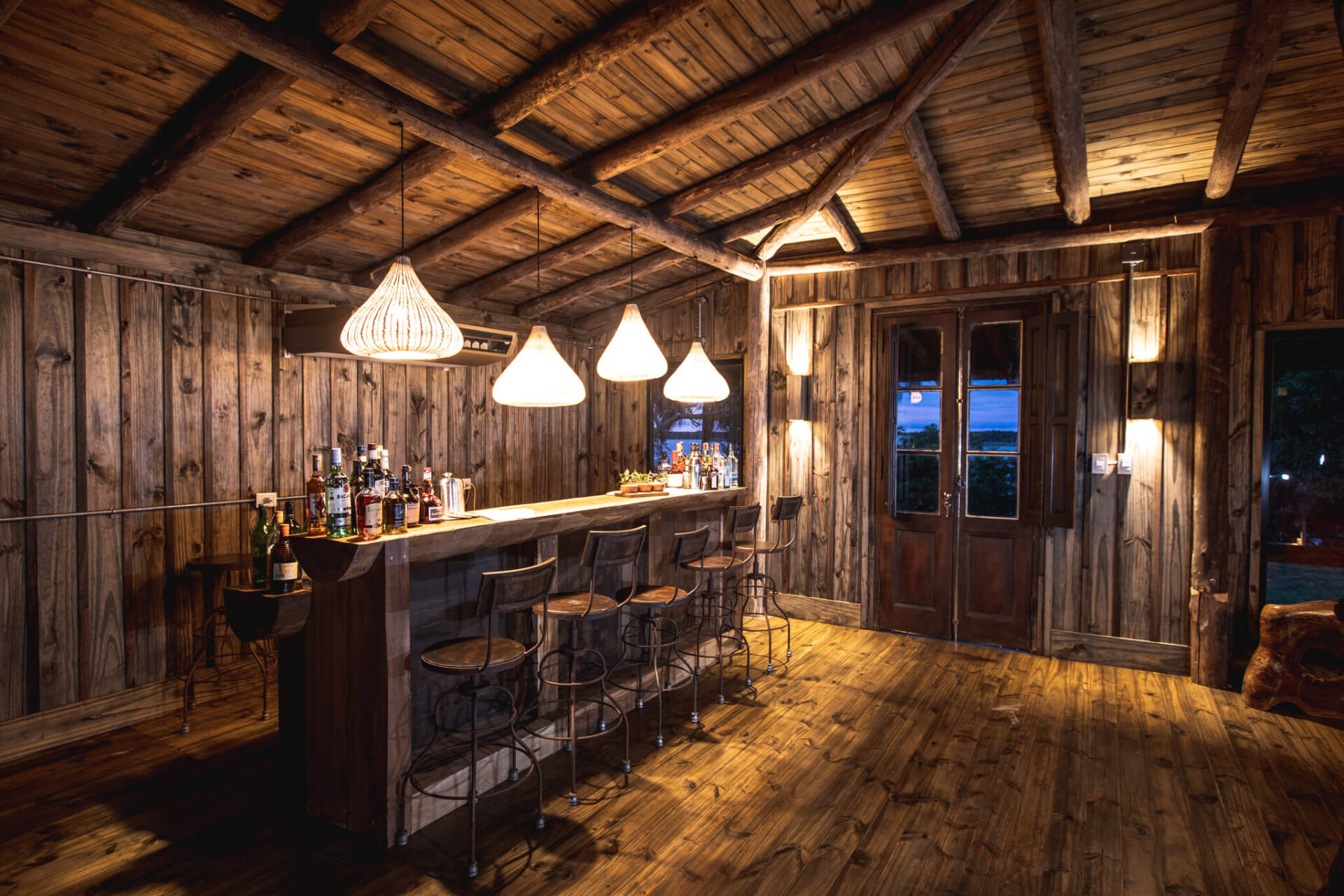
    A private jetty about 50 metres from the lodge puts you on the water without delay — six in-house skiffs with more available on demand. The communal palapa bar and restaurant overlook the Caribbean; the pool and deck are where the day’s fishing gets talked through over a cold drink. Snorkeling, kayaking, beach time, and eco tours are on the menu for non-anglers or off days.

    Dining

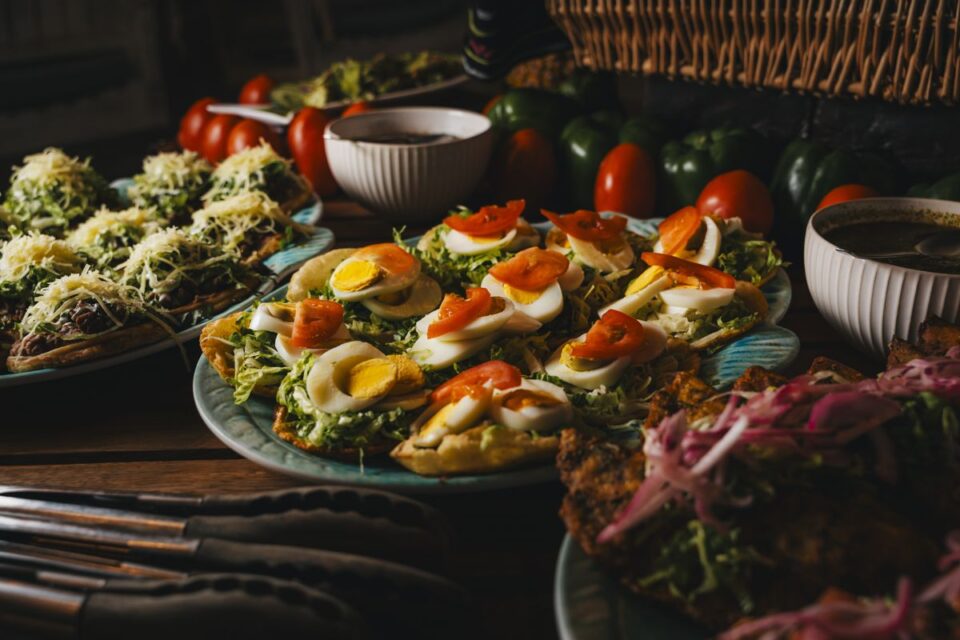
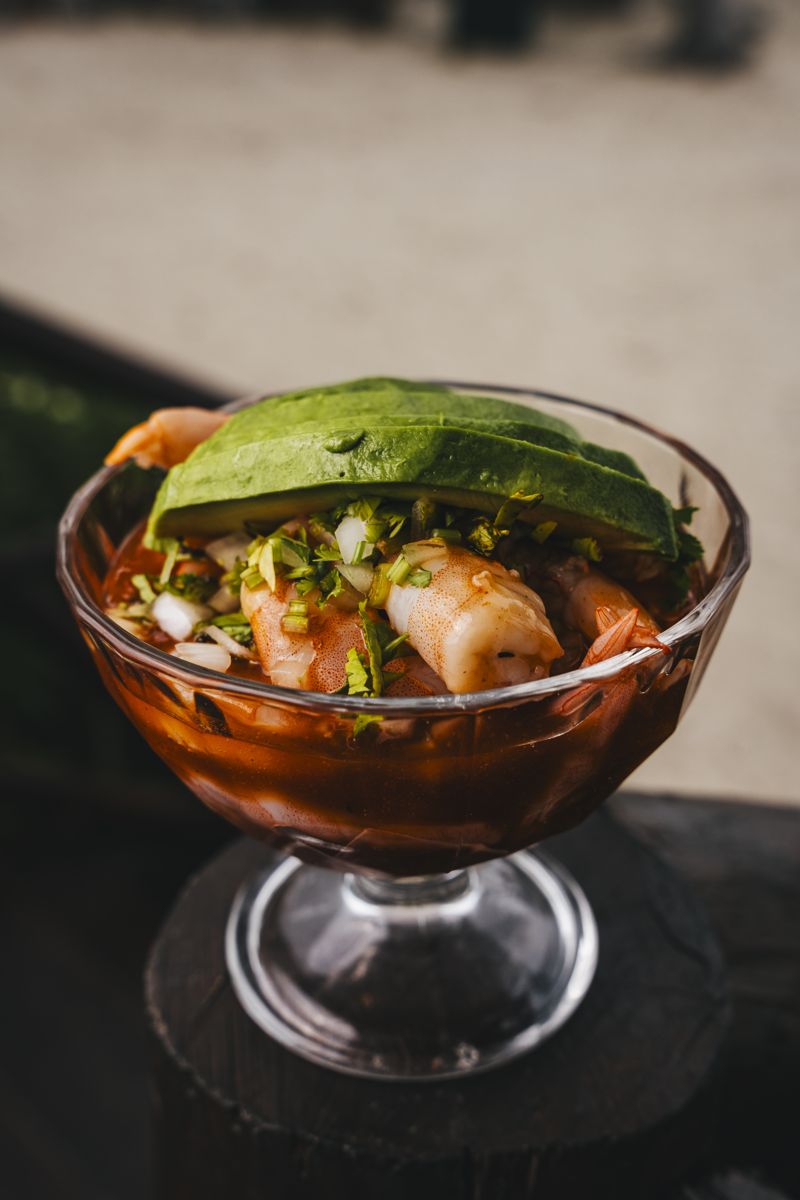
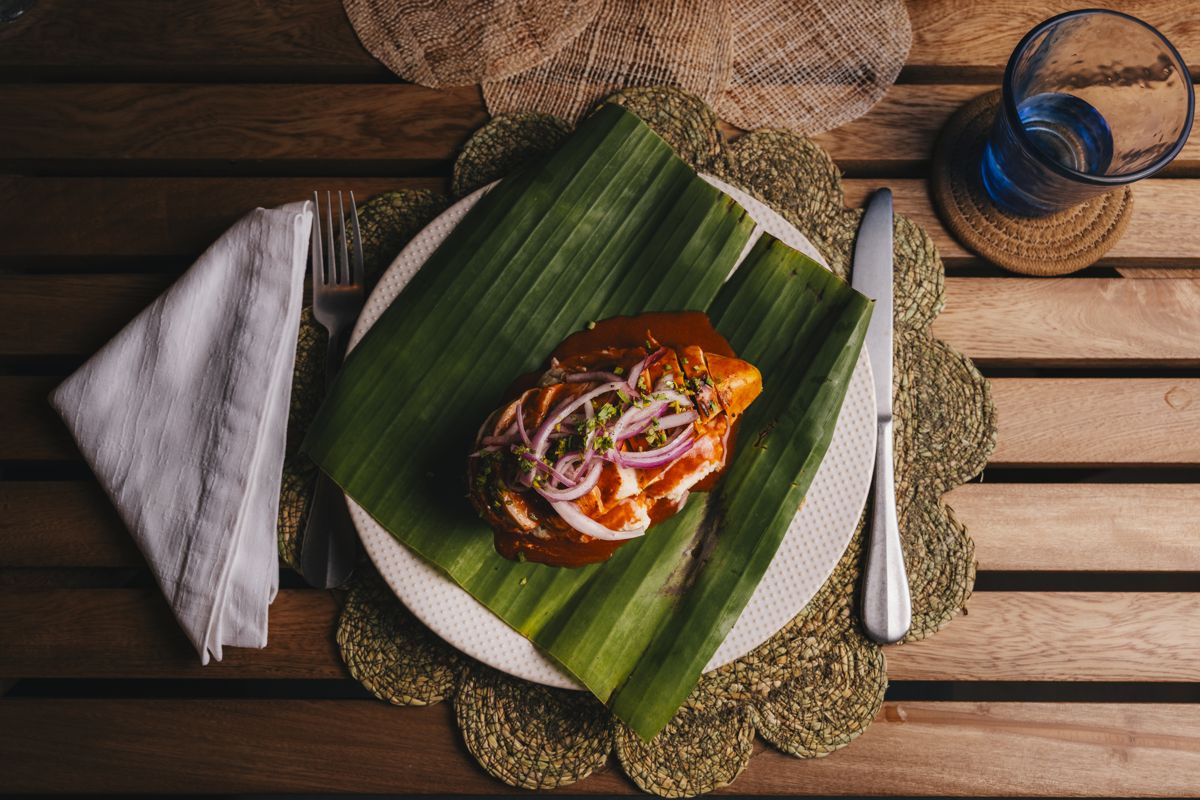
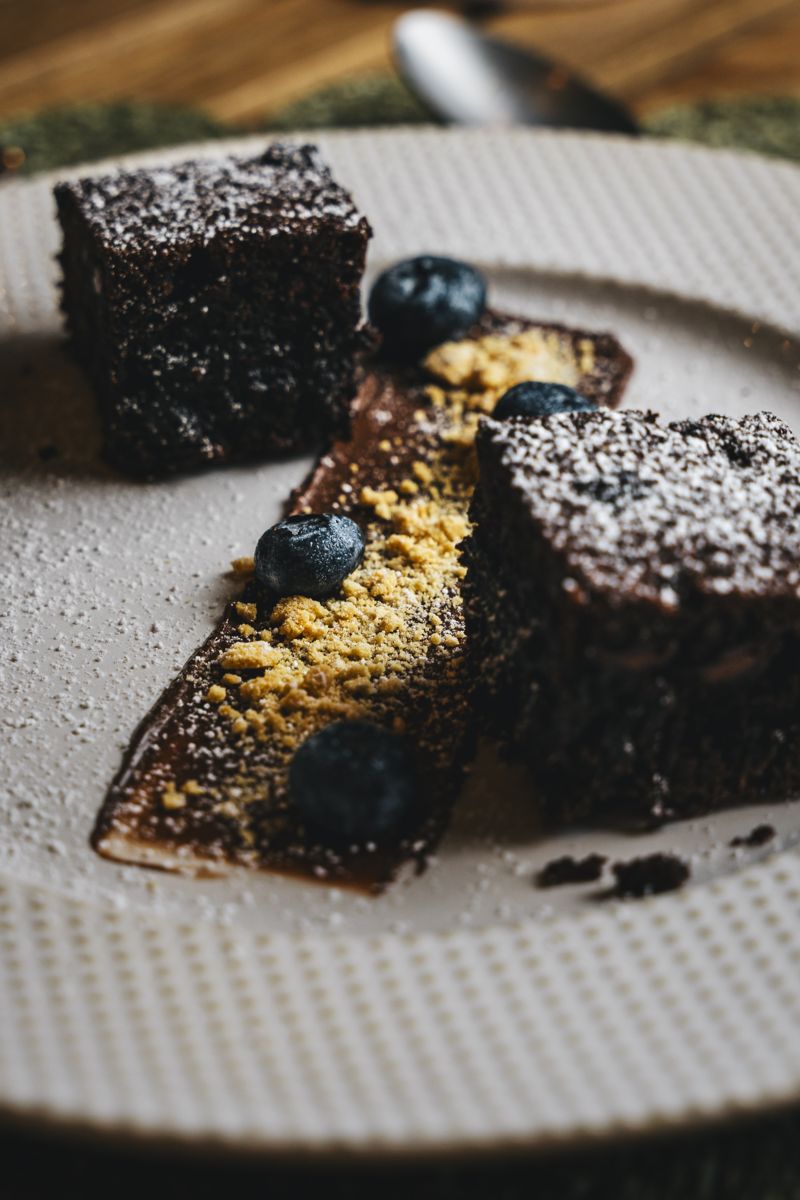
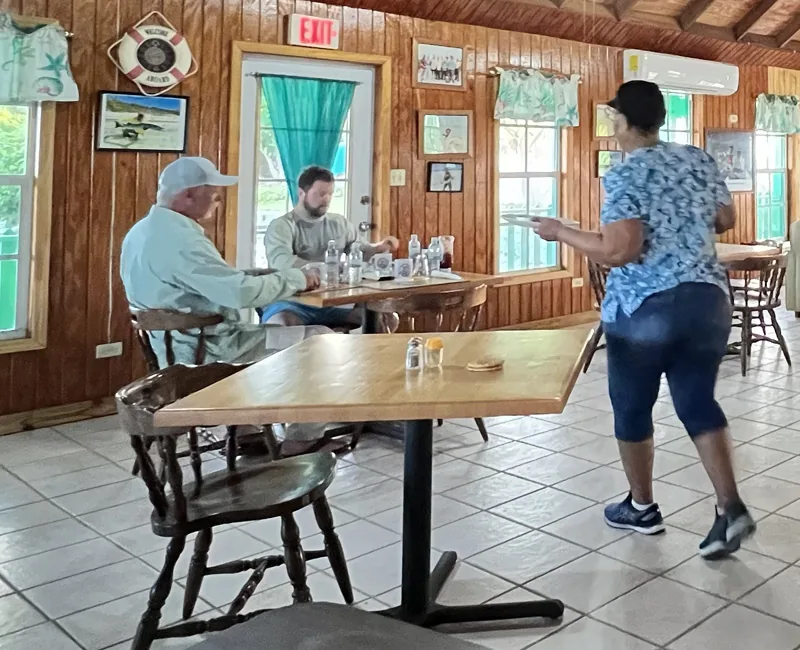
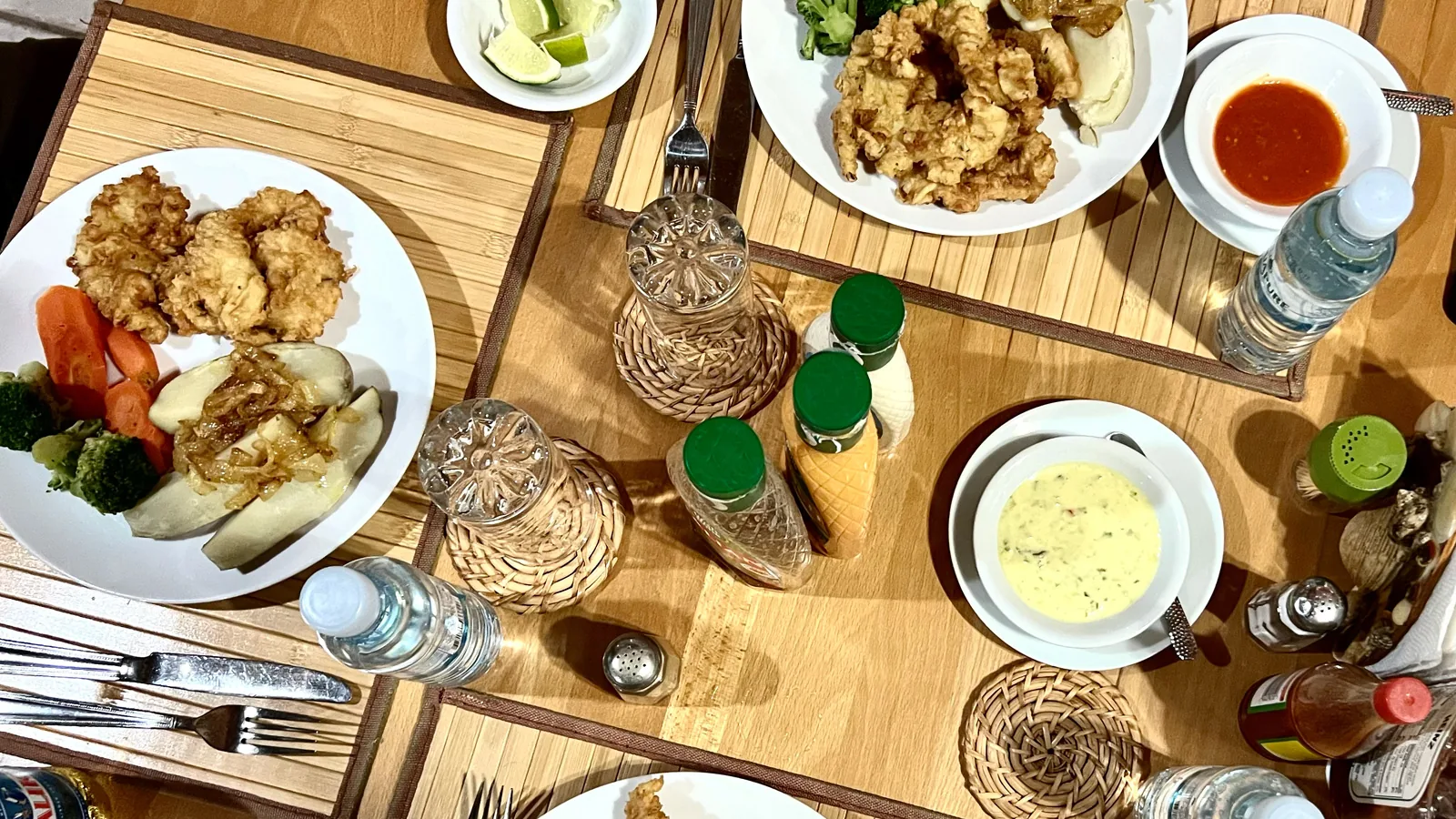
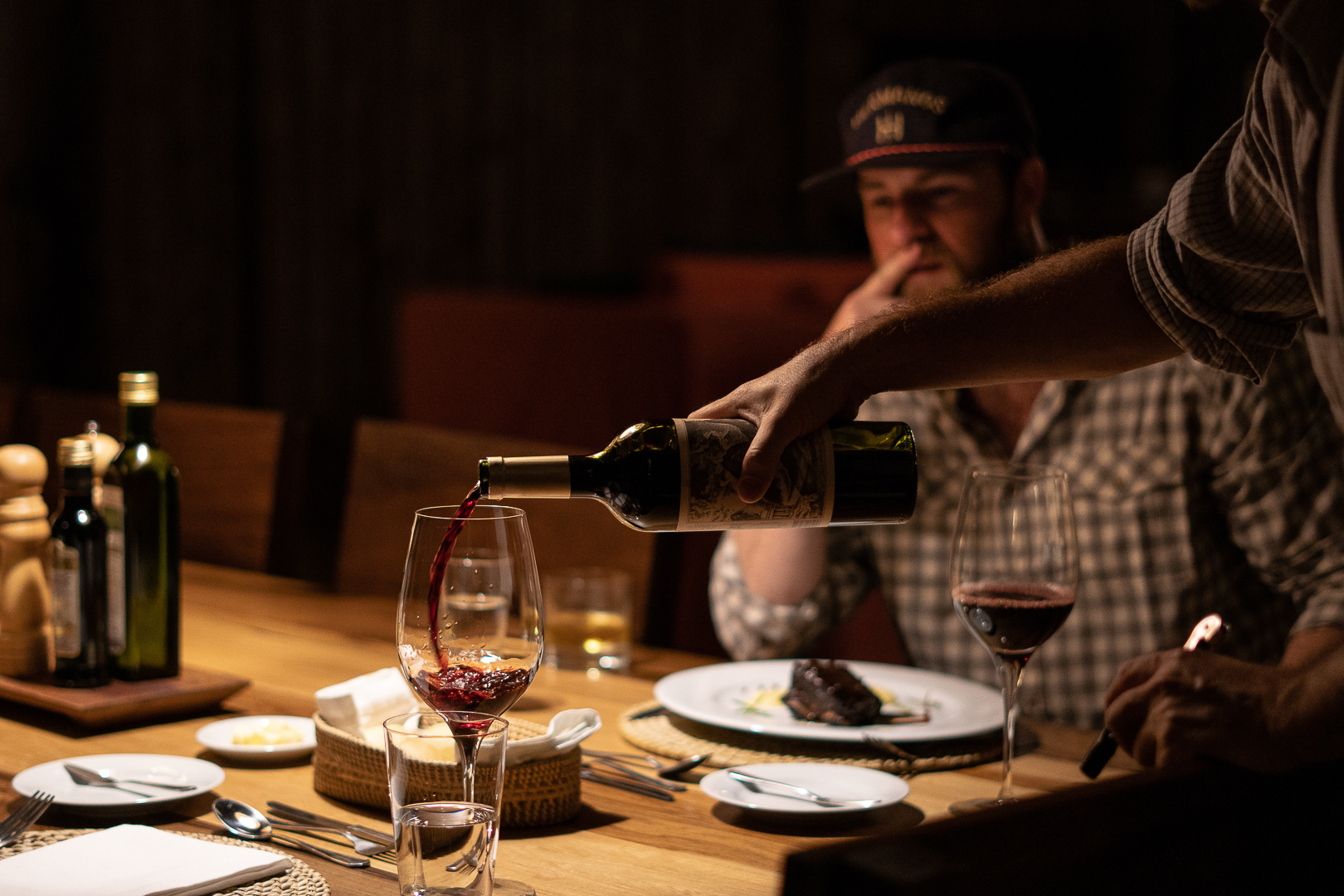
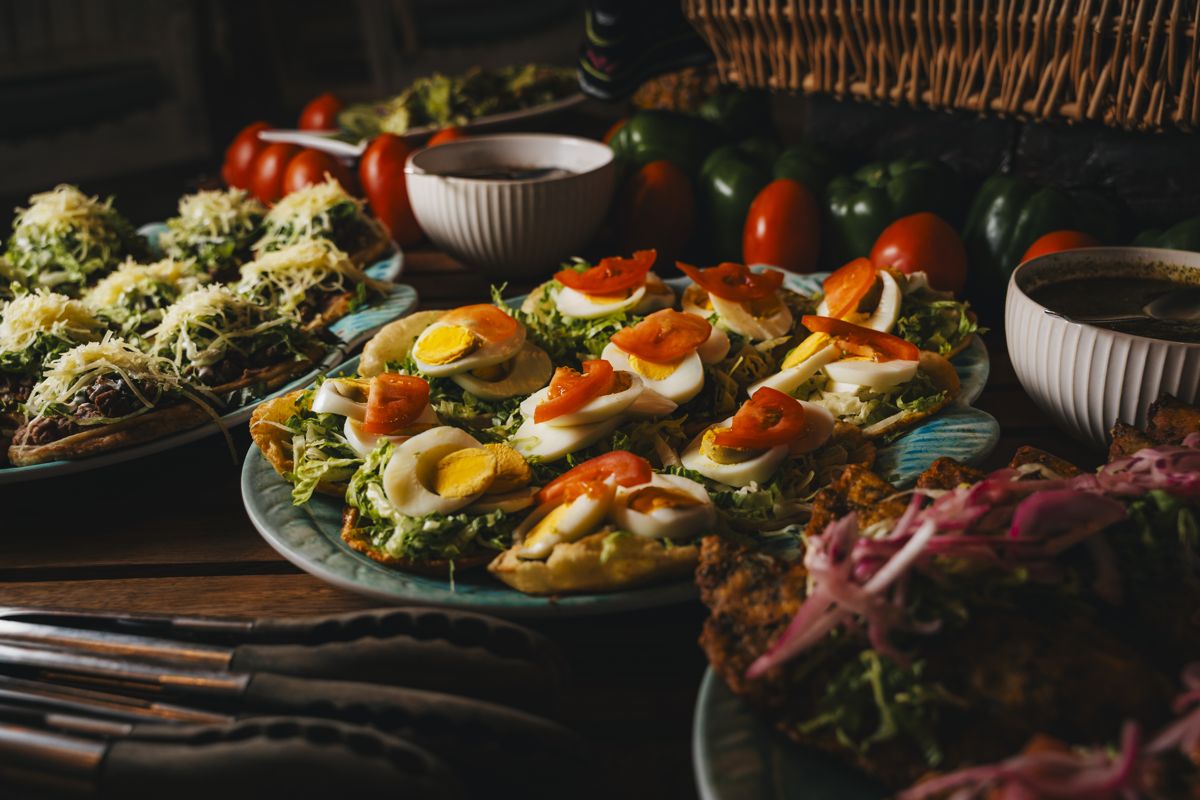
    Breakfast and dinner are served at the lodge; lunch is packed for the flats. The kitchen draws on traditional Mexican cooking and international touches, with ingredients sourced from Punta Allen and the surrounding region — fresh, refined, and as local as it gets. Once a week, taco night has become a lodge institution. Dine with the group or on your own schedule.

    Guides & Operation

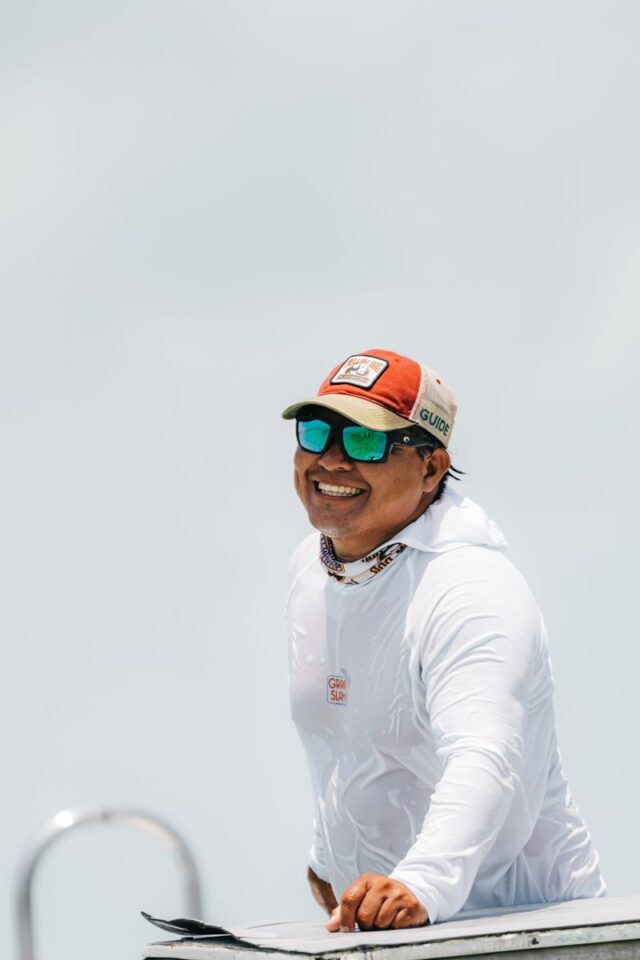
    The guide team knows Ascension Bay intimately — a legacy carried forward under Blue Safari Fly Fishing and the Keir family partnership. Operated with Blue Safari’s guest experience and reservation support, the lodge continues the Grand Slam Ascension Bay tradition with a refreshed lodge program and hospitality standard.
    A Typical Day at Sian Ka’an Lodge

    • Morning: Breakfast at the lodge, then two anglers per boat and guide leave the dock around 7:30 am.
    • On the water: Full day poling the flats, wading firm-bottom shorelines, or working mangrove edges — lunch packed on the skiff.
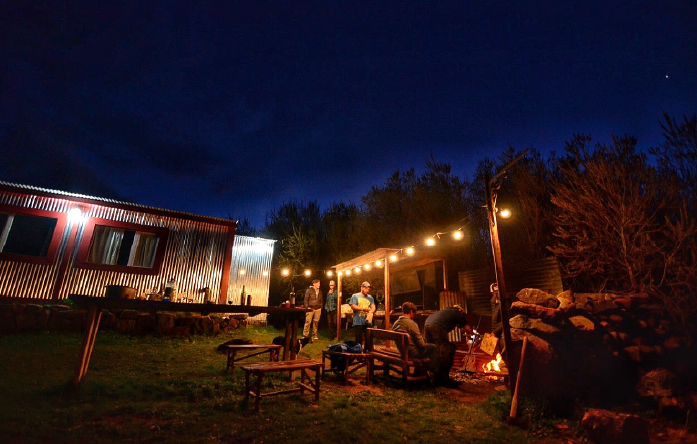
    • Evening: Shower, cold drink on the deck, flies compared and tomorrow’s plan made over dinner in the palapa.
    • Weekly rhythm: Taco night once a week; plenty of quiet beach time if you want a half-day off the water.

    Sian Ka’an Lodge: Traveling With a Non-Angler?

    Not everyone in your party has to chase permit. Traveling partners often explore the Mesoamerican Barrier Reef, cenotes, Mayan ruins, birding, and beach time while anglers are on the skiff — then everyone meets back at the lodge for dinner on the deck. Blue Safari offers fly fishing & leisure couple packages (shared or single skiff options); we can quote mixed itineraries — call or use the form below.

    The lodge is open year-round. Standard packages run seven nights with six days fishing, but stays can be built to your length — extend when the permit are running hot, or compress the trip if your calendar is tight.

    Getting There to Sian Ka’an Lodge

    Sian Ka’an Lodge is approximately 25 miles from Tulum International Airport or 105 miles from Cancún International Airport. Round-trip road and boat transfers from Tulum, Cancún, or the Riviera Maya are included in package rates — then you are steps from the private jetty and your skiff. Helicopter transfers can be arranged for larger groups.

    Sian Ka’an Lodge 2026 Rates

    Most anglers book the 7-night / 6-day shared skiff package — two anglers per boat, enough time to work the species and find a rhythm with your guide. High-season shared skiff trips start at $6,360 per person (see tables below). Single occupancy, couple/leisure combinations, and custom lengths — call or email us; we will build the right fit.

    Shared Skiff (most popular)

    Seven nights, six guided days, two anglers per skiff. The classic Ascension Bay week — permit, bones, tarpon, and snook with time to chase what got away earlier in the trip.

    Couple / Leisure & Custom

    Shorter stays, single skiff, or angler + non-angler combinations — reef, cenotes, and culture days while you fish. Custom packages quoted on request.

    High Season (October 1 – December 31, 2026)

    Length of StayDouble OccupancySingle Occupancy
    7 Nights Stay with 6 Days Fishing$6,360Please call or email us (see below)
    6 Nights Stay with 5 Days Fishing$5,475
    5 Nights Stay with 4 Days Fishing$4,590
    4 Nights Stay with 3 Days Fishing$3,705
    3 Nights Stay with 2 Days Fishing$2,820

    Low Season (July 1 – September 30, 2026)

    Length of StayDouble OccupancySingle Occupancy
    7 Nights Stay with 6 Days Fishing$5,520Please call or email us (see below)
    6 Nights Stay with 5 Days Fishing$4,755
    5 Nights Stay with 4 Days Fishing$3,990
    4 Nights Stay with 3 Days Fishing$3,225
    3 Nights Stay with 2 Days Fishing$2,460

    Rates are per person in USD$ and subject to change. 2027 rates TBD. Single occupancy — please call or email us below.

    Take the guess-work out.

    Tap a button below to start the conversation. Our services are free.

    Rates Include: Round-trip transfers (Tulum/Cancún/Riviera Maya); beachfront accommodation; three meals per day; non-alcoholic beverages; bar (beer, wine, spirits); guided fishing; rod and reel loan; fishing license; conservation levy; laundry; taxes.

    Not Included: International airfare; Cancún hotel-zone transfers; travel insurance; premium alcohol; phone; tackle; gratuities for guides and lodge staff.

    Book now, get a quote, or chat with us about Mexico fly fishing!

    Destination Inquiry

    or

  • Grand Slam Ascension Bay Lodge

    Grand Slam Ascension Bay Lodge

    This page is archived. Grand Slam Ascension Bay Lodge has been rebranded as Sian Ka’an Lodge. For current rates, photos, and reservations, please visit the new page.
    Updated on

    Grand Slam Ascension Bay Lodge (formerly Grand Slam Fly Fishing Lodge) is a modern, luxurious lodge operation on one of the world’s greatest saltwater flats fisheries, the incomparable Ascension Bay. Located in the Riviera Maya, 1km from the village of Punta Allen near Tulum and only 2 hours by car from the new International Airport of Tulum . The Lodge is in the Sian Ka’An Reserve, one of the largest protected areas in Mexico, also an UNESCO World heritage. Fishing in Ascension Bay is one of the best experiences in Mexico.

    First impressions are pretty unanimous – “wow this place is unbelievable.”

    With over-the-top accommodations, amenities and gourmet food and beverage service, it rivals any 5-star boutique resort hotel. And the fishing program rivals any of the top lodges in the Caribbean basin.

    The Sian Ka’An Reserve is the perfect destination for saltwater anglers looking for a great variety of species. The Grand Slam fishing lodge provides anglers fly fishing and spin fishing with immediate access to incredible sight fishing opportunities for permit, bonefish, tarpon and snook.

    The Lodge is also the ideal destination for non-anglers wanting to enjoy nature and discover the Sian Ka’An Reserve.

    permit, bonefish, tarpon, snook + baracuda

    Favorable weather conditions year-round

    world-class saltwater fly fishing in Ascension Bay

    sight-casting in crystal clear waters

    exceptional accomodations and activities for non-anglers

    Book now, get a quote, or chat with us about Mexico fly fishing!

    Destination Inquiry

    or

    The Ascension Bay Fishery

    As a fishery, Ascension Bay is a proven commodity, long considered one of the best locations in the world to accomplish the coveted “Grand Slam”; that landing a tarpon, a bonefish and a permit in one day. And the snook fishing can be excellent if you aspire to a “Super Grand Slam”. Grand Slam Fly Fishing Lodge was fortunate to recruit one of the most experienced and eminently qualified persons to manage the lodge and the fishing program. Bobby Settles spent the past 23 years on Ascension Bay as owner/manager and fishing director of Casa Blanca Lodge, located on the south side of the Bay as well as Playa Blanca Lodge. Bobby not only brings to the table his vast knowledge of Ascension Bay and how best to catch these fish on a fly, he’s brought with him a stable of loyal veteran guides, some of whom have guided the bay for over 20 years themselves. Under Bobby’s direction, the Grand Slam fishing program is as good as it gets.
    Amazing Accommodtions at Grand Slam Lodge

    Accommodations at Grand Slam Lodge are in six, two-story beachfront villas, each with two separate rooms featuring contemporary interiors. The ground floor rooms each have two king-sized beds, an ocean-view Jacuzzi, and a wrap-around deck with lounge chairs and a hammock. The second level bedrooms have one king-sized bed, a living area, an ocean-view Jacuzzi and a balcony with a hammock.

    Each of the rooms has air conditioning, 24-hour electricity and hot water. Truly a boutique resort hotel, no expense was spared at Grand Slam with fixtures and amenities like with king-sized beds, a flat screen television with satellite service and DVD player, an iPod docking station for music and a stocked mini bar in each room. Each private bath is furnished with double Italian marble sinks.

    The heart of the resort is the spectacular main lodge “palapa” housing the bar and the spectacular Kai Restaurant where gourmet meals prepared from the freshest local ingredients are served in air-conditioned comfort inside, or “al fresco” on the covered restaurant deck overlooking the Caribbean.

    Situated on a spectacular stretch of white sand beach, the resort caters to hard core anglers, those who are new to the game, as well non-fishing guests. Non fishing guests will enjoy the ocean view pool as well as the gorgeous manicured, palm studded white sand beach with cabañas and “beach beds”. A “beach & pool butler” is ever present to take your orders refreshments, snacks or lunch. Other activities include snorkeling or scuba diving, guided kayak tours, kite surfing, bird watching and other various eco- and Mayan ruin tours may be arranged. Grand Slam is the perfect destination for anglers traveling with a non-fishing spouse.

    Grand Slam Ascension Bay Lodge 2025 – 2026 Rates

    HIGH SEASON (OCTOBER 2025 → End of June 2026)

    Length of StayDouble OccupancySingle Occupancy
    7 Nights Stay with 6 Days Fishing$6,360Please call or email us (see below)
    6 Nights Stay with 5 Days Fishing$5,475
    5 Nights Stay with 4 Days Fishing$4,590
    4 Nights Stay with 3 Days Fishing$3,705
    3 Nights Stay with 2 Days Fishing$2,820

    Low Season (July 2026 → End of September 2026)

    Length of StayDouble OccupancySingle Occupancy
    7 Nights Stay with 6 Days Fishing$5,520Please call or email us (see below)
    6 Nights Stay with 5 Days Fishing$4,755
    5 Nights Stay with 4 Days Fishing$3,990
    4 Nights Stay with 3 Days Fishing$3,225
    3 Nights Stay with 2 Days Fishing$2,460

    Rates are per person and subject to change | Single Accomodation rates are available – contact Angler Adventures

    Booking at Grand Slam is easy.

    Tap a button below to start the conversation. Our services are free.

    Angler Adventures & Grand Slam Fly Fishing Lodge create custom packages to fit individual anglers or groups needs. Give us a call and we’ll help you customize a package and quote you a customized package rate. The standard fishing package rates are quite competitive given the upscale nature of this property.

    Included: Transfers to/from the airport; Fishing boat for 2 and personal fishing guide daily, except arrival and departure days; Air-conditioned beachfront villa with king-sized beds; Three meals a day with non-alcoholic beverages; Swimming pool; Beach and pool butler service; Satellite television; iPod docking station for music and alarm clock; Customized pre-arrival service; In-room safe; 24-hour security guard; Daily housekeeping service; Excursion concierge service; Card table and dominoes table; Dart board; Snorkeling equipment; Library of books and DVDs; Coffee and coffee maker in each bedroom; Two bottles of water per bedroom per day; Fishing license; Fishing magazines in the villas; Bali beach beds; Board games and sports balls

    Not Included: Airfare; Alcoholic beverages and bar orders; Soft drinks, bottled water and beer in bedroom mini bar; International wine selection from our wine cellar; Taxes; Private fishing boat; Offshore sports fishing; Night fishing trip; Other special fishing options; Tip for your fishing guide; Items for sale or rent in the GrandSlam shop; Internet access in the lobby; Computer in the lobby; Satellite phone service; Regional excursions; Shuttle to golf courses; Scuba diving; Kite surfing; Laundry service; Tips for lodge staff; Personal trainer; Car rental.

    Items listed for Included/Not Included may have changed. Contact us for the most up-to-date info!

  • Suindá Lodge

    Suindá Lodge

    Suindá Lodge

    Updated on

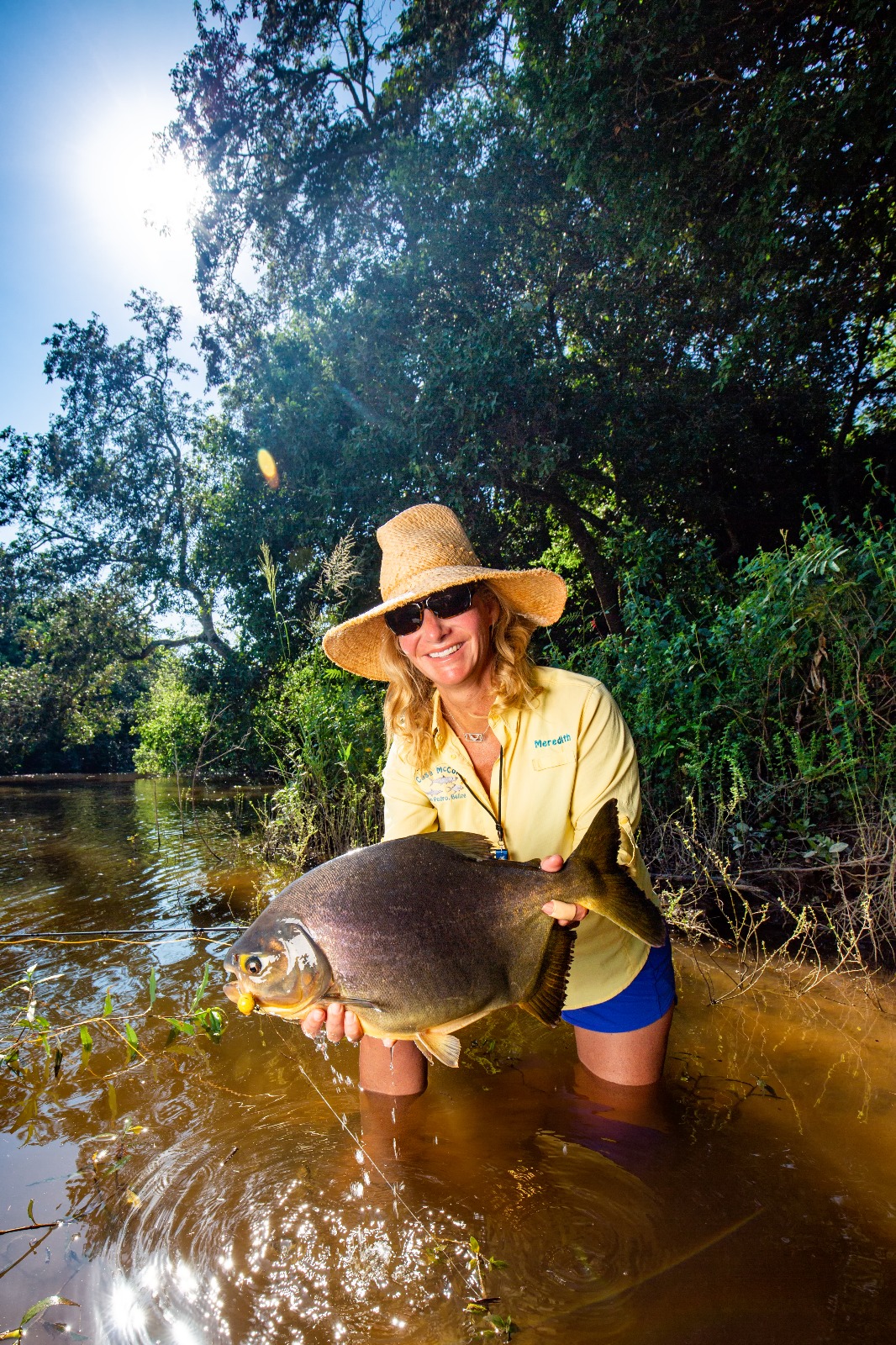
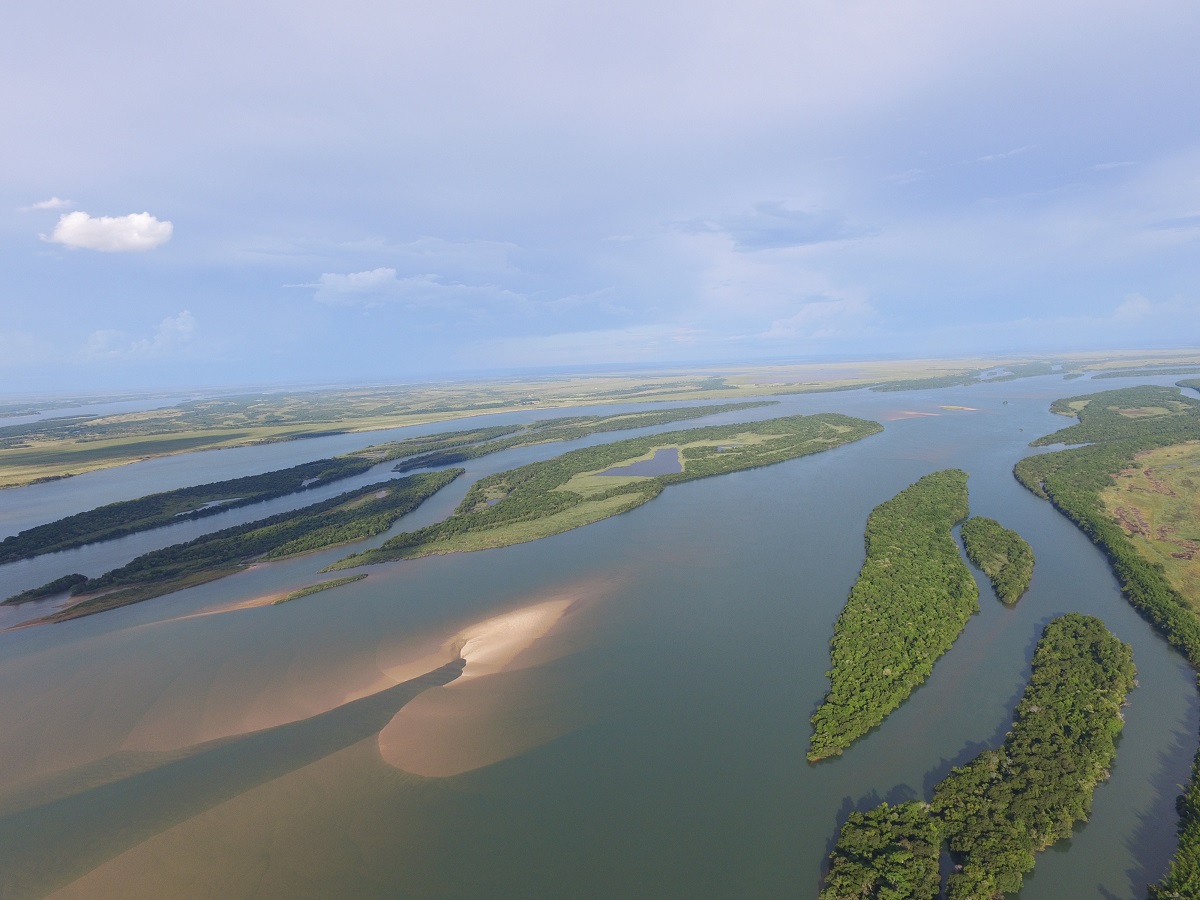
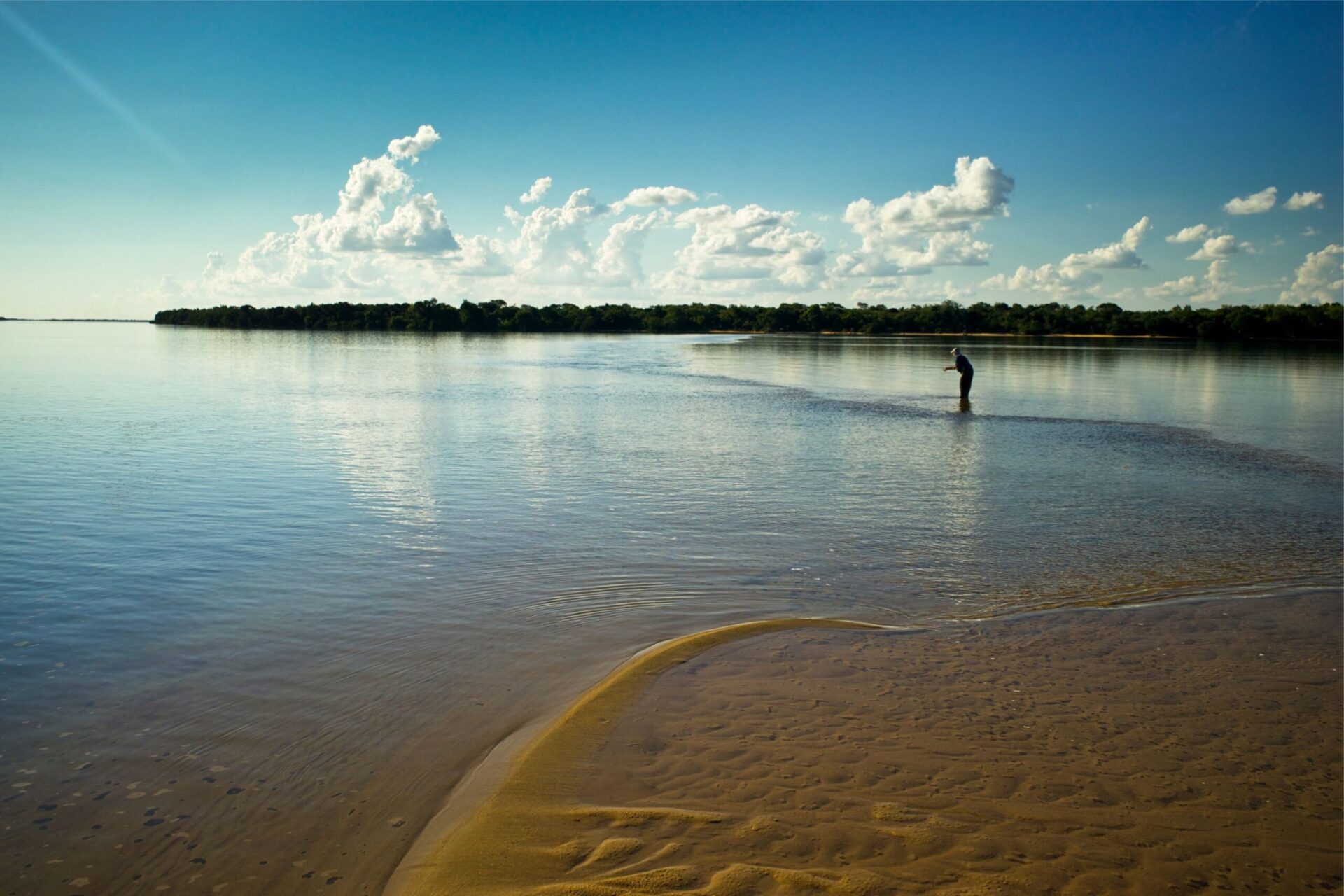
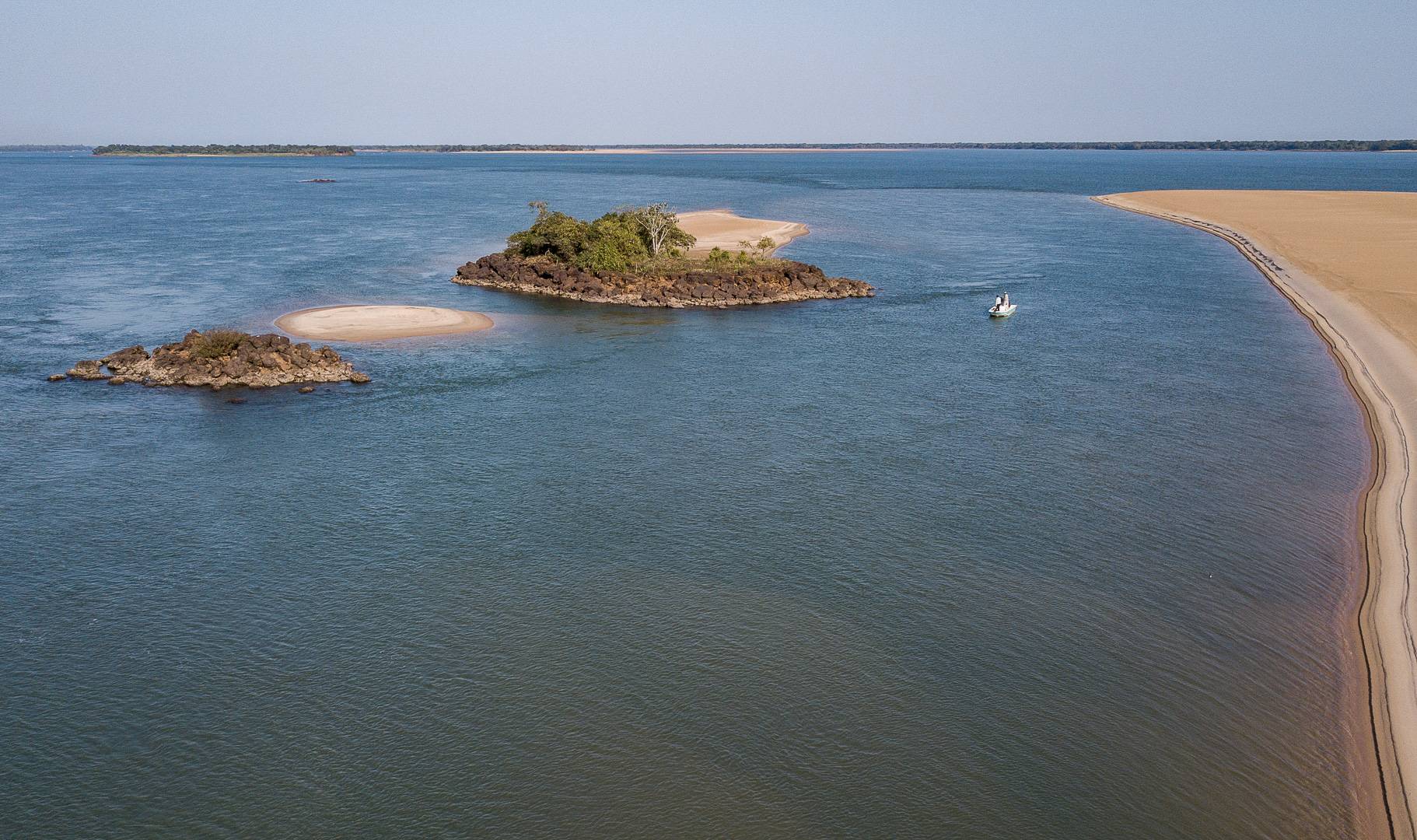
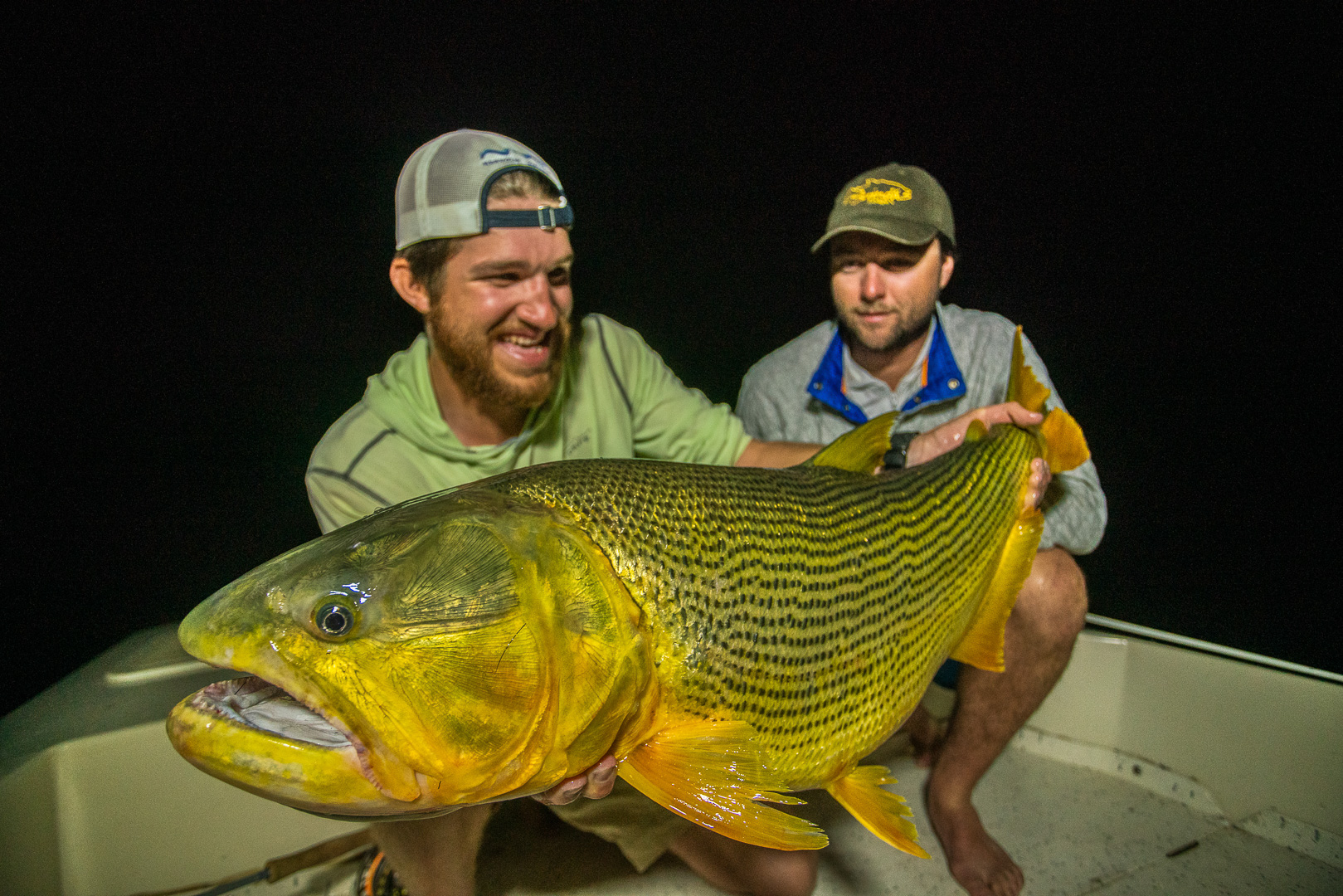
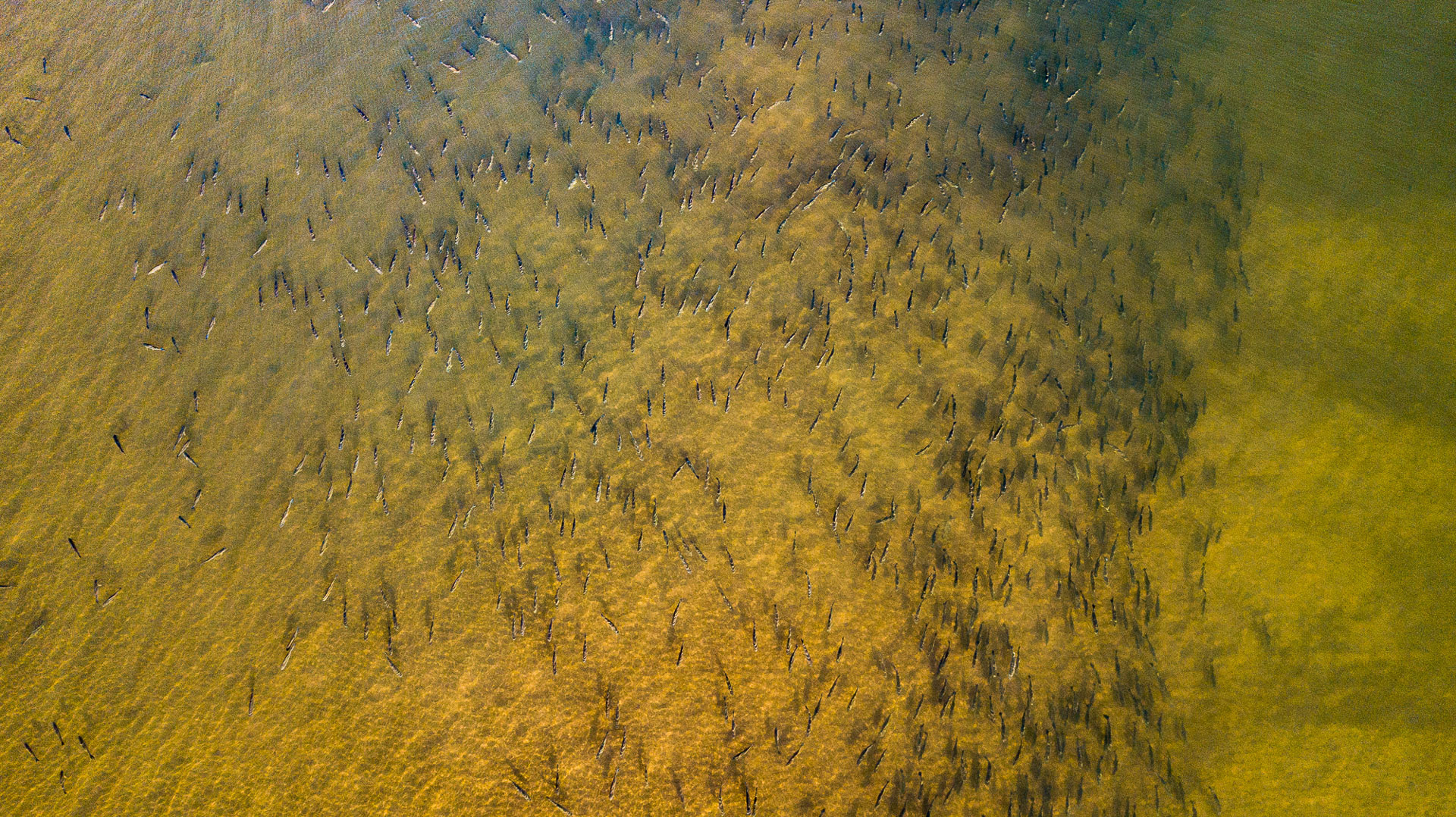
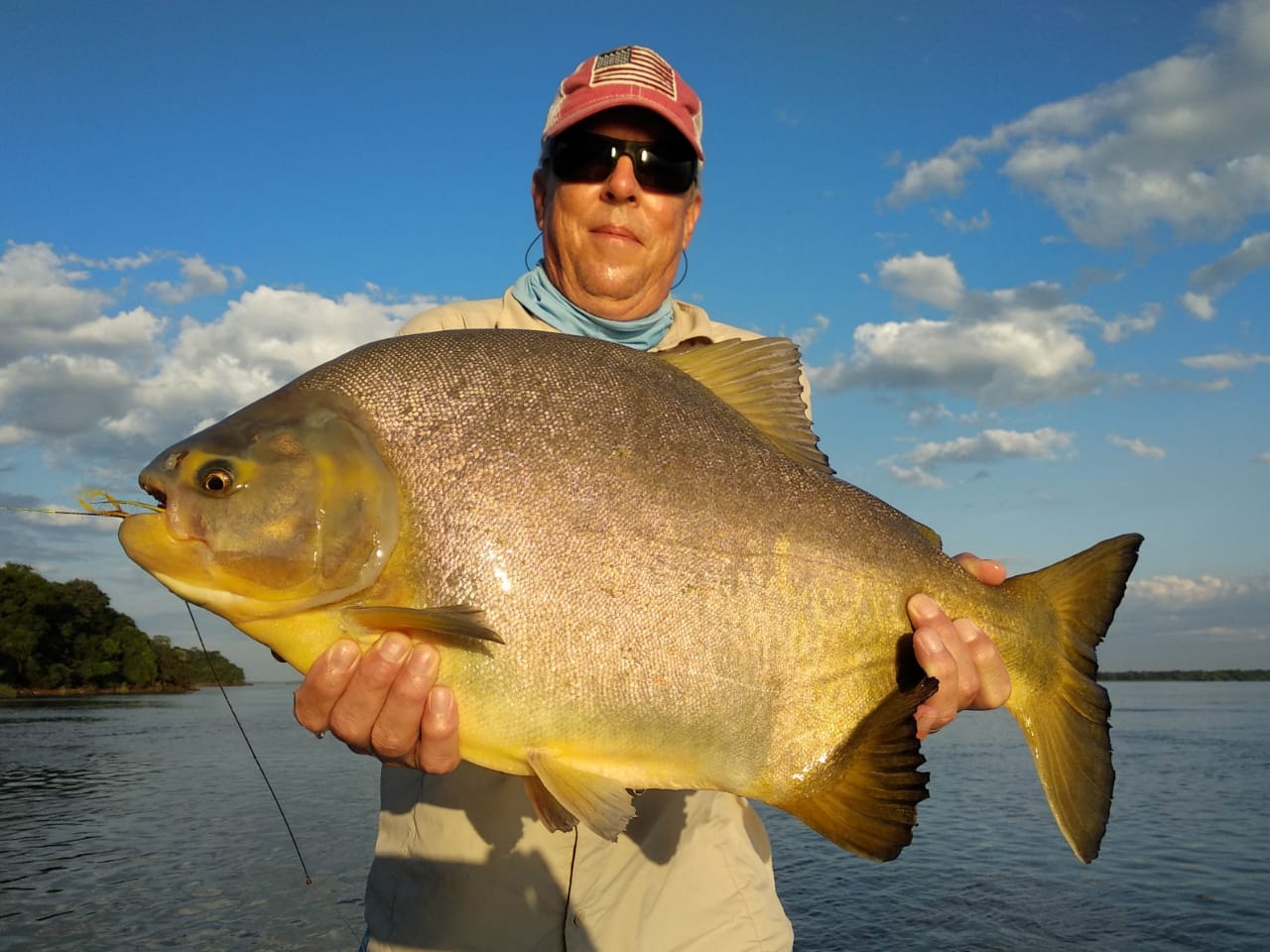
    Suindá Lodge is a premier fly fishing destination on the Upper Paraná River, near Itatí in Corrientes, Argentina. Opened in January 2019, the lodge sits on one of the most productive sections of the Paraná—a clear-water fishery that consistently produces large golden dorado. The river’s structure—fast-flowing runs over rock gardens and sight-fishable sandbanks—creates ideal habitat for dorado, as well as pirá pitá and pacú, making Suindá the place to chase freshwater’s grandest slam.

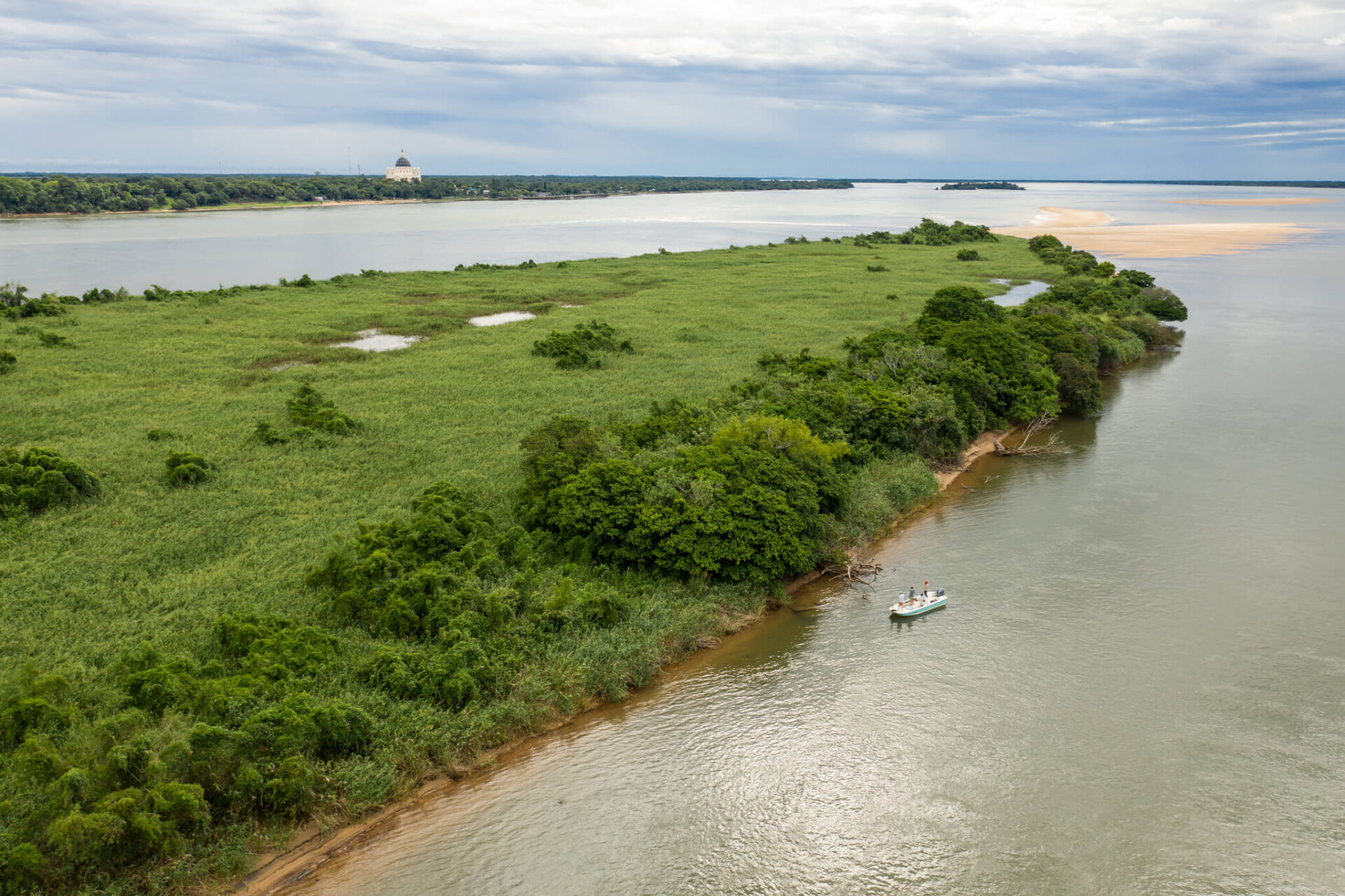
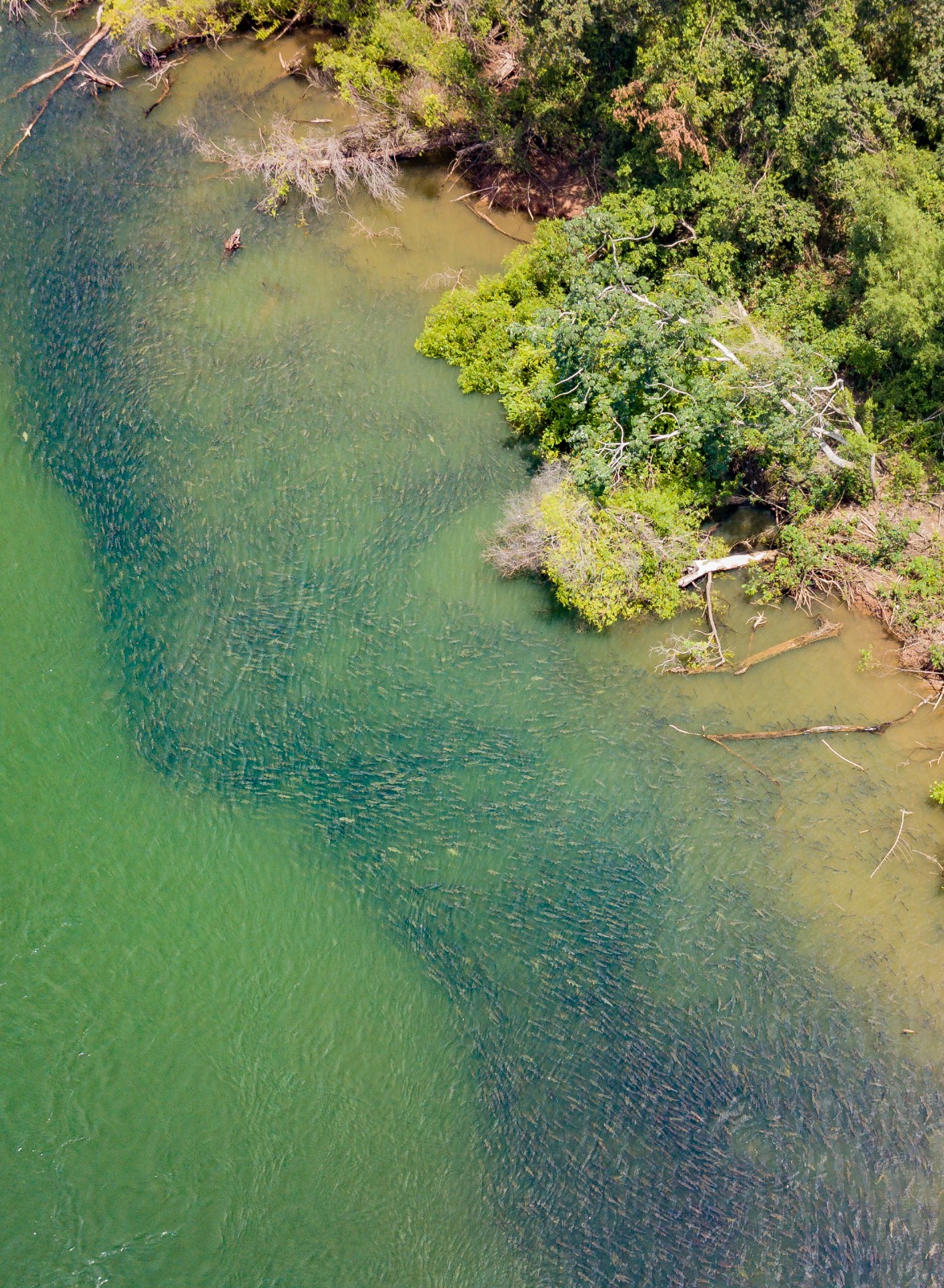
    When conditions align, colossal dorado hunt sábalo baitfish that congregate in big schools along the sandbanks. The Upper Paraná here marks the border between Argentina and Paraguay, flowing clear along fishy banks, rocks, and islands that create deltas and smaller riachos. Suindá’s section is among the most productive for exotic pacú and hard-charging pirá pitá on the Paraná—two superstar species that complete the freshwater grand slam when combined with dorado.

    Double-digit dorado are a possibility all season long. The lodge offers a multispecies program designed for anglers in search of thrilling fishing, with professional guides who specialize in fly fishing techniques on the upper Paraná. Custom, comfort-enhanced skiffs are built specifically for fishing this river.

    Golden Dorado, Pirá Pitá, Pacú — freshwater grand slam

    Upper Paraná River — near Itatí, Corrientes, Argentina

    Clear water — exceptional sight-fishing for all three species

    8–10 anglers — intimate, well-appointed lodge

    Custom skiffs — designed for Paraná fishing

    Season: October to May

    Fly and spin — professional guides for both

    Book now, get a quote, or chat with us about Argentina dorado fishing at Suindá Lodge!

    Destination Inquiry

    or

    Fishing the Upper Paraná at Suindá Lodge

    The Daily Program

    To avoid the midday heat, anglers typically leave the lodge early around 6:00 or 6:30 AM. Guests return for a swim, lunch, and drinks around 10:00 AM, then take a siesta before heading out again around 4:30 PM, returning at dusk. Fishing hours will change slightly depending on the time of year. Non-fishing activities such as bird watching are available—the Paraná Delta ranks as one of Argentina’s top bird-watching destinations.

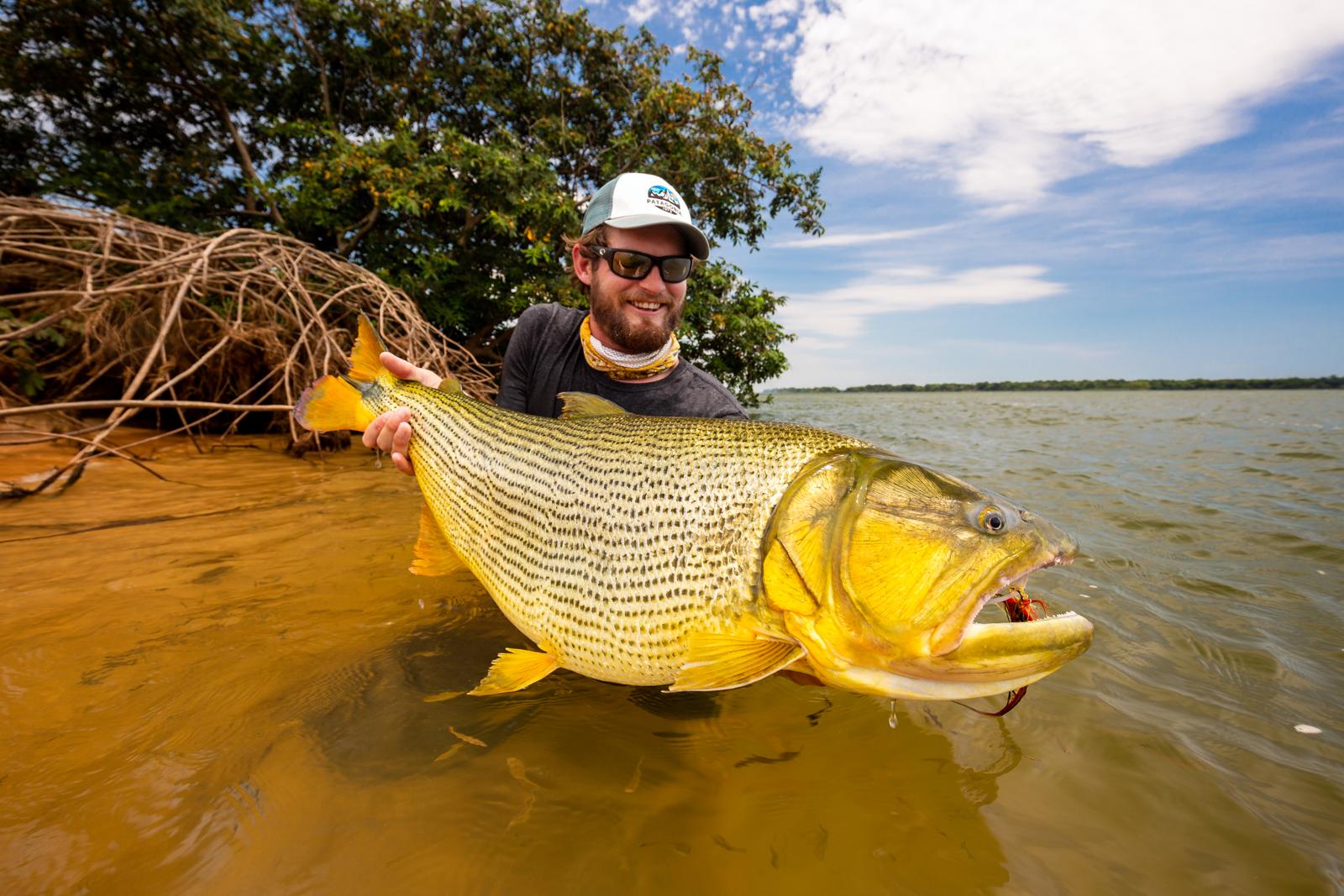
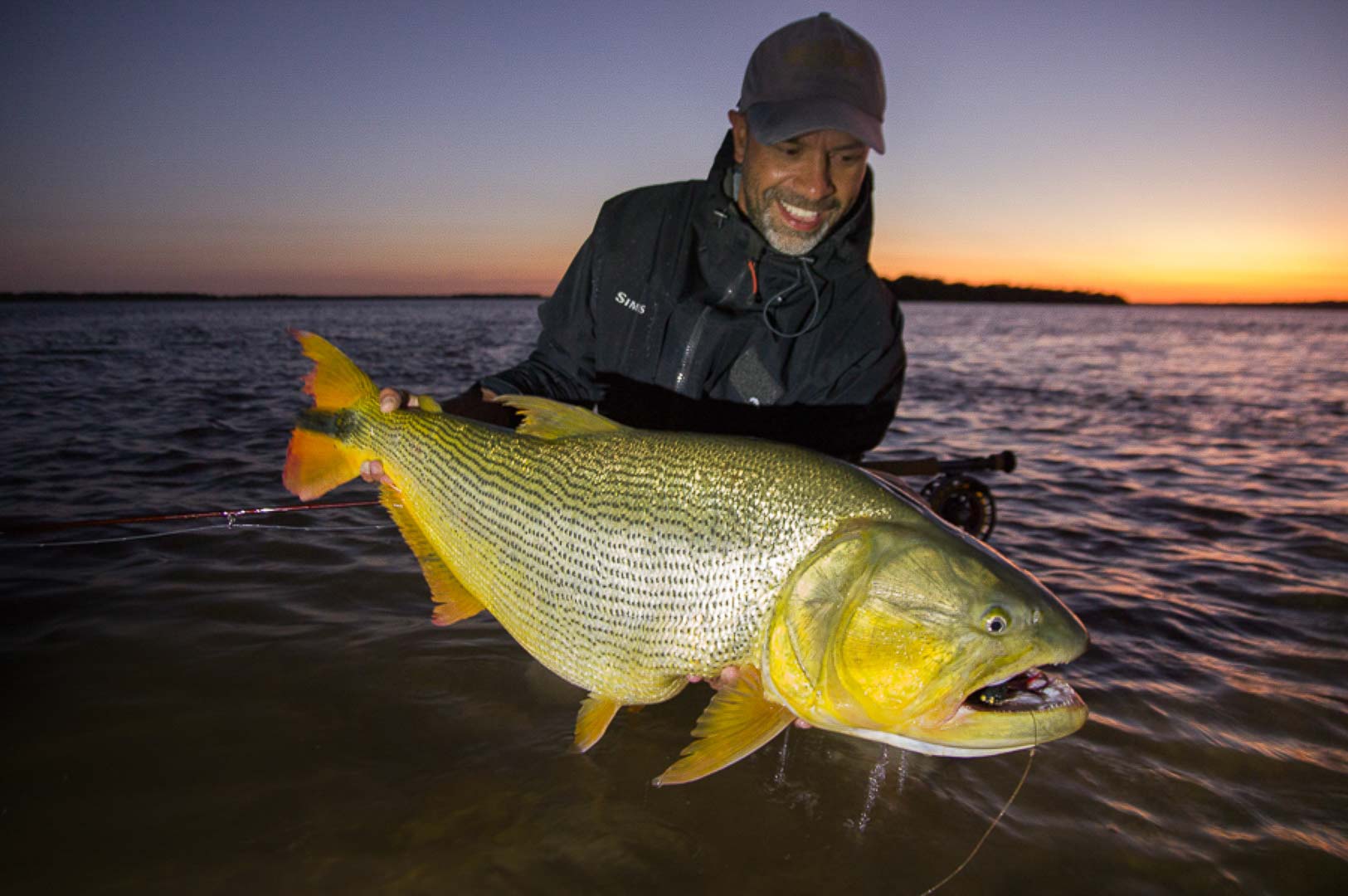
    Golden Dorado

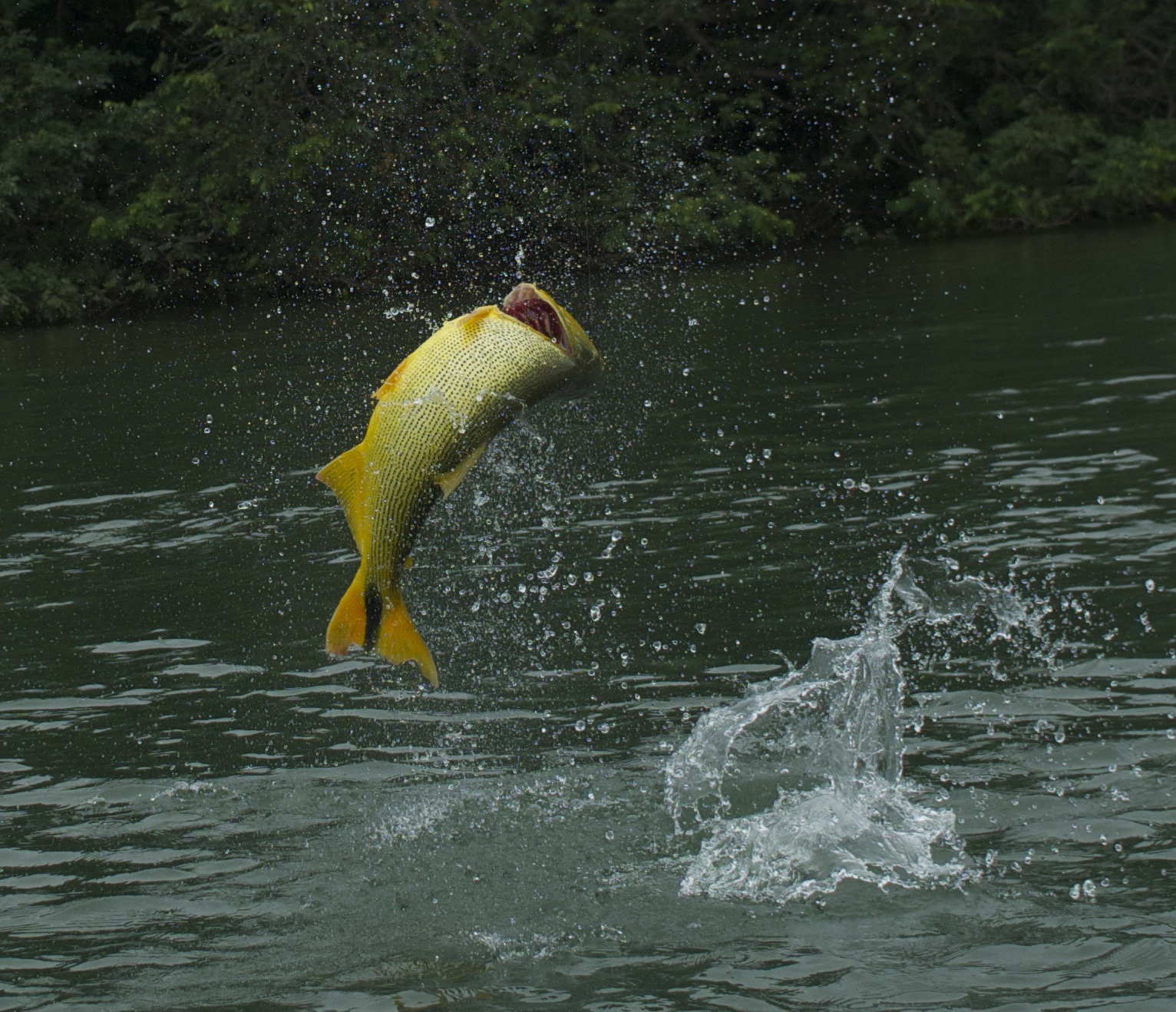
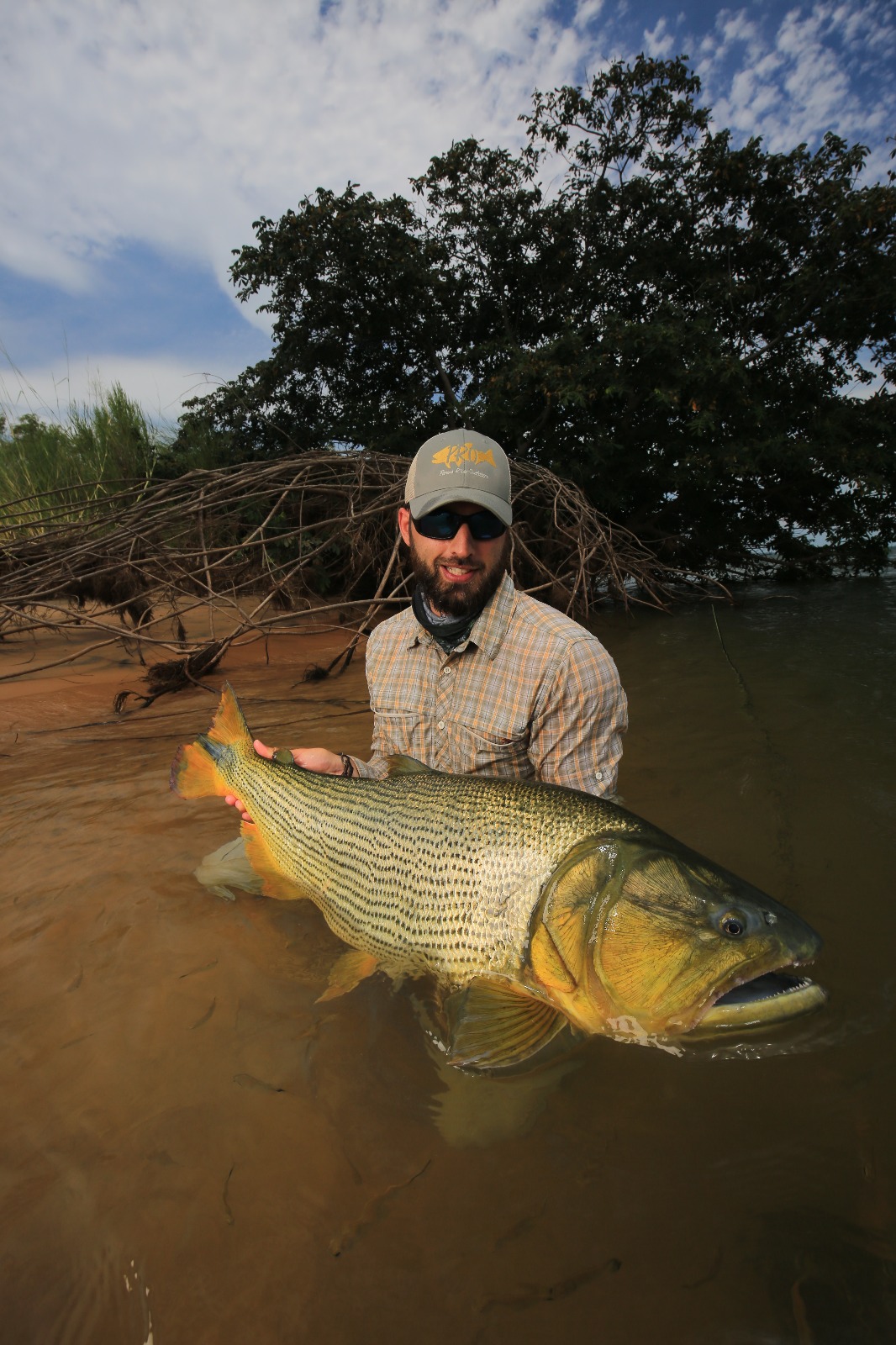
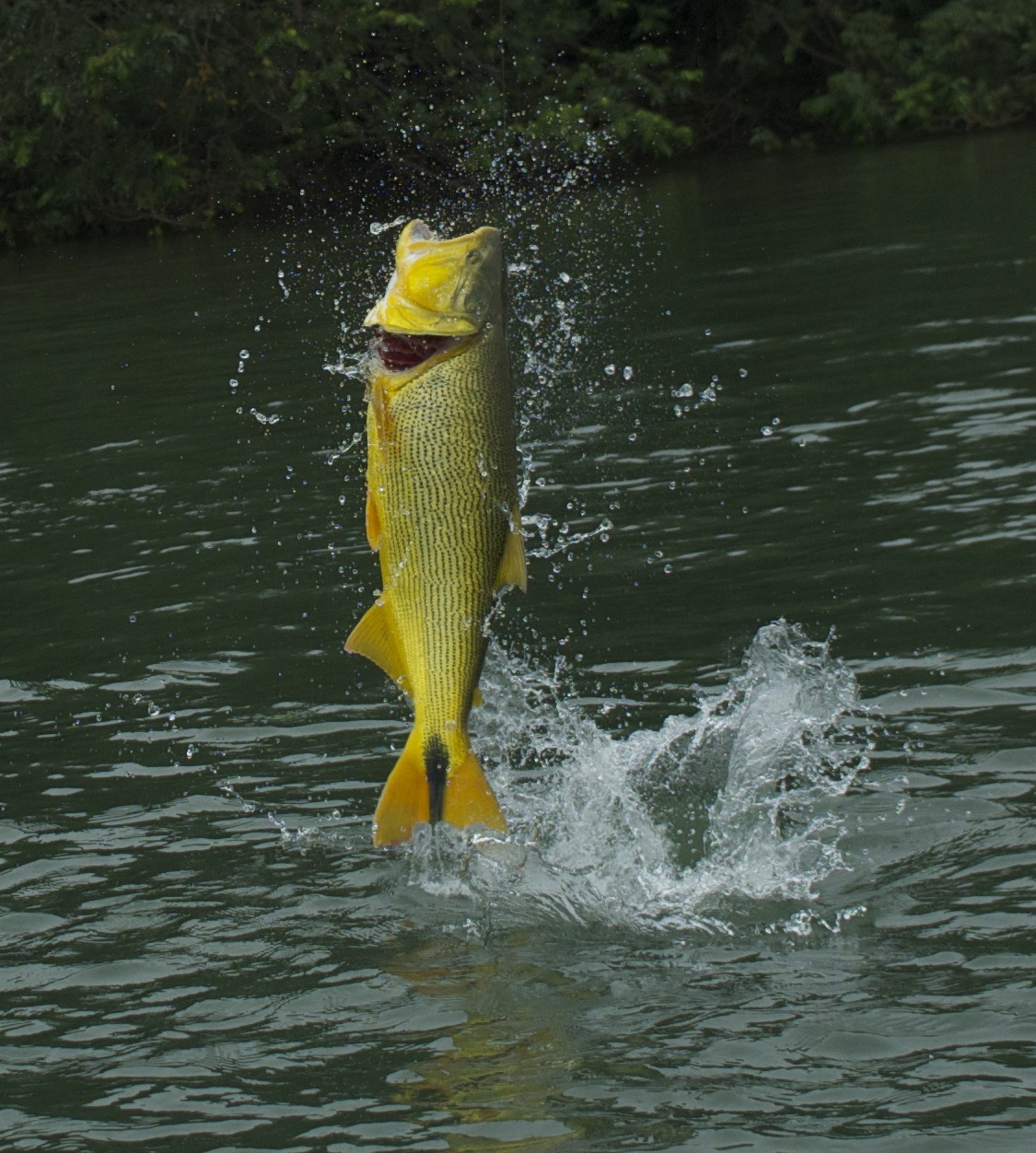
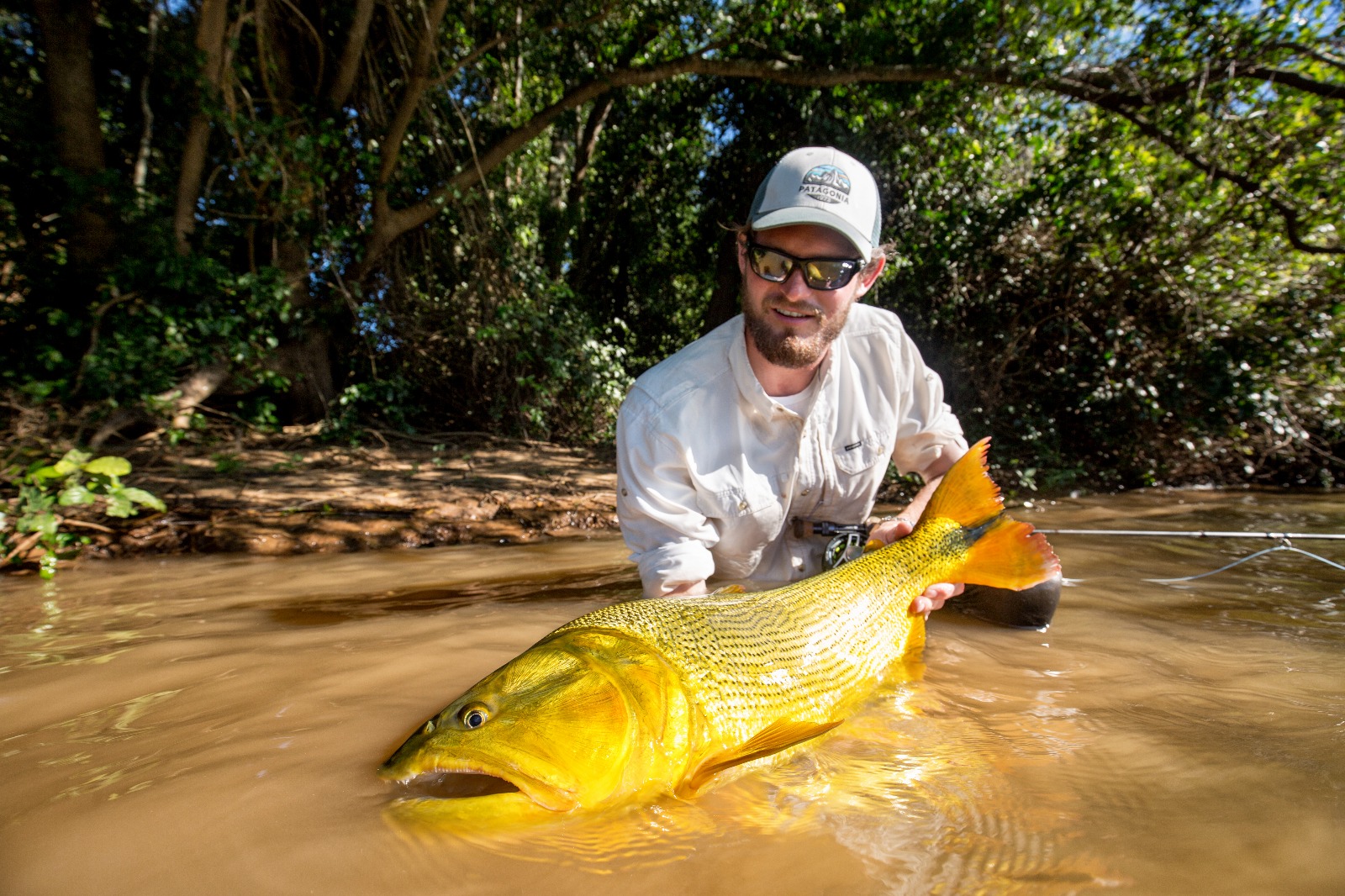
    The freshwater golden dorado (Salminus brasiliensis) is unrelated to the saltwater dorado (mahi-mahi). It represents the apex of the Characin family for sport fishing. Dorado are aggressive eaters, active jumpers, and acrobatic fighters. They can be found near confluences, on edges of eddies, riffles, sharp bends in the current, and close to overhanging water hyacinth. Fishing methods include streamer fishing and plenty of dry-fly action. Fast-stripping from the moment the fly touches the water is key. Our guides have spent decades in the region building local knowledge about these predators and their movements.

    Pirá Pitá

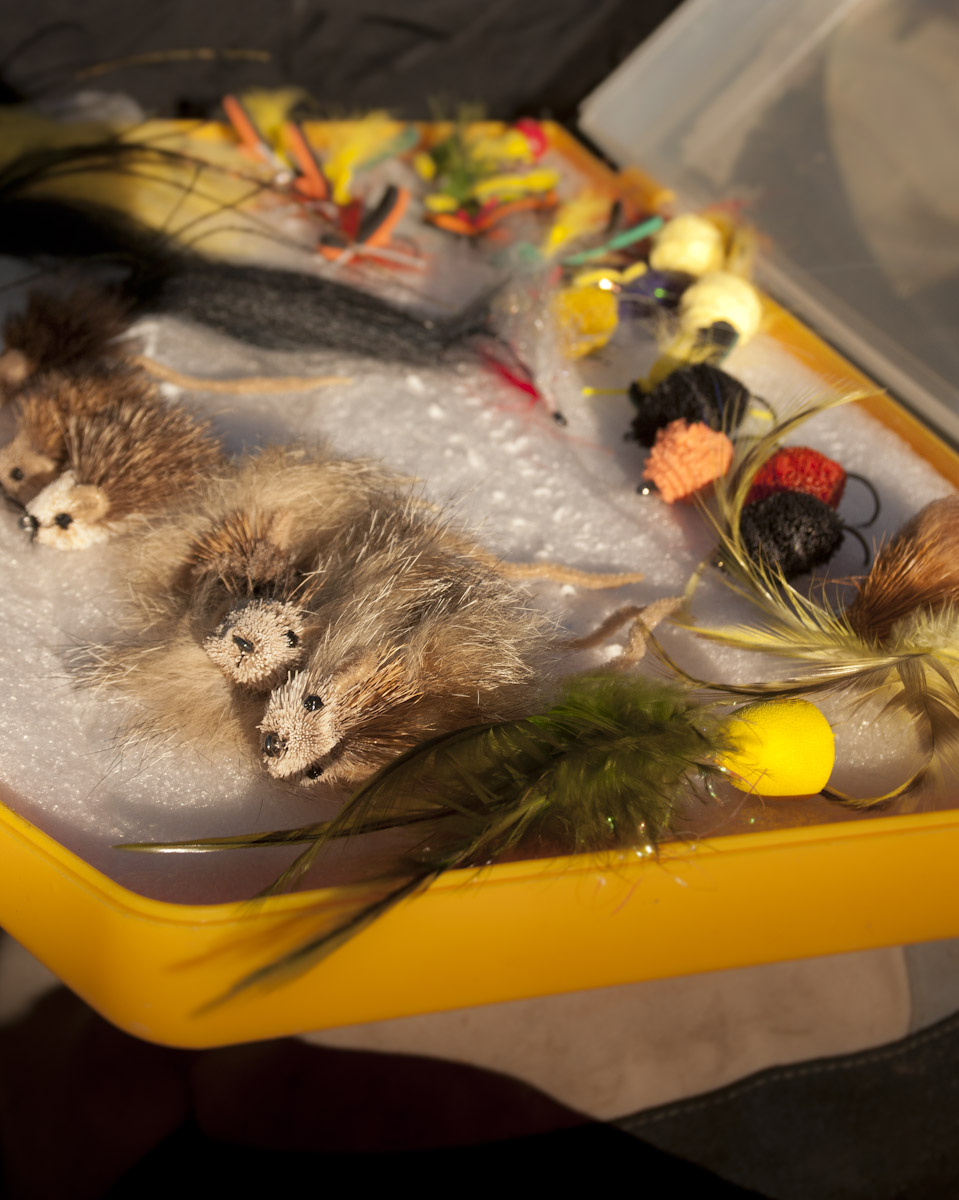
    Two species are targeted: Brycon orbignianus and the commonly named Piraputanga. Pound for pound, both are among the most combative freshwater species—and they take surface flies. Anglers typically use 5- or 6-weight rods with dry flies. Patterns can represent insects, small fruits that fall from overhanging trees, and even flowers.

    Pacú

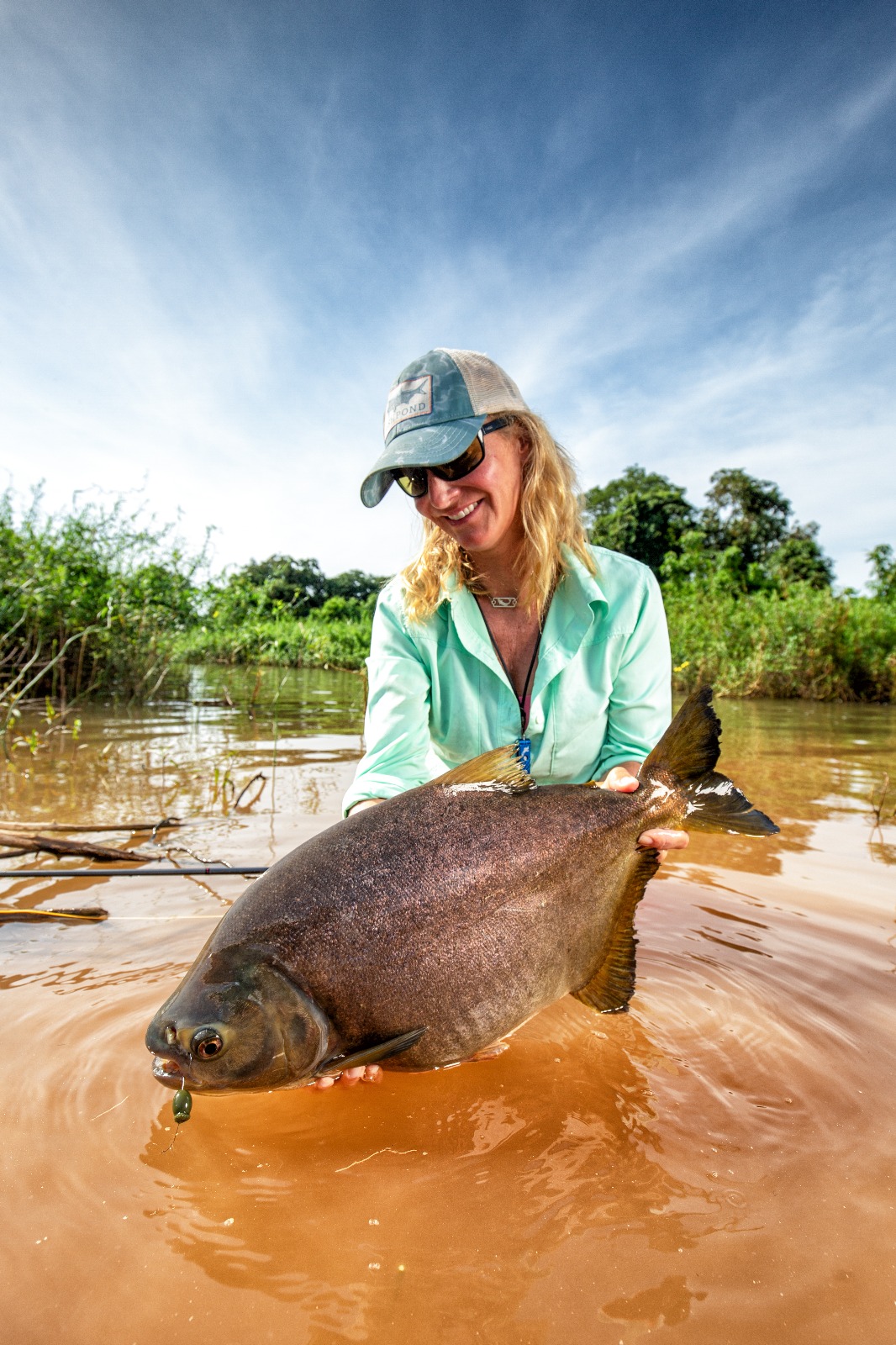
    Incredibly strong and complex, this omnivorous round-shaped fish can provide sight-casting opportunities and great dry-fly action. Pacú can reach 15+ pounds. Anglers use 7- or 8-weight rods with fruit imitations, spun deer-hair patterns, and high-floating dry flies.

    Season Overview

    Spring (Late September – October): Higher flows, clearer water. Dorado pack on weight for spawning; some of the largest fish of the season are landed in this pre-spawn window. Pirá pitá and pacú begin to feed as water temperatures rise.

    Summer (January – April): Most of the Paraná’s dorado population stays in the upper section. Post-spawn fish feed aggressively. Submerged logs, cut banks, rock gardens, and shallow sandbars become ambush points. This is the most productive time for pirá pitá and pacú. Anglers can attempt the Paraná Grand Slam: dorado, pirá pitá, and pacú in one day.

    Accommodations at Suindá Lodge

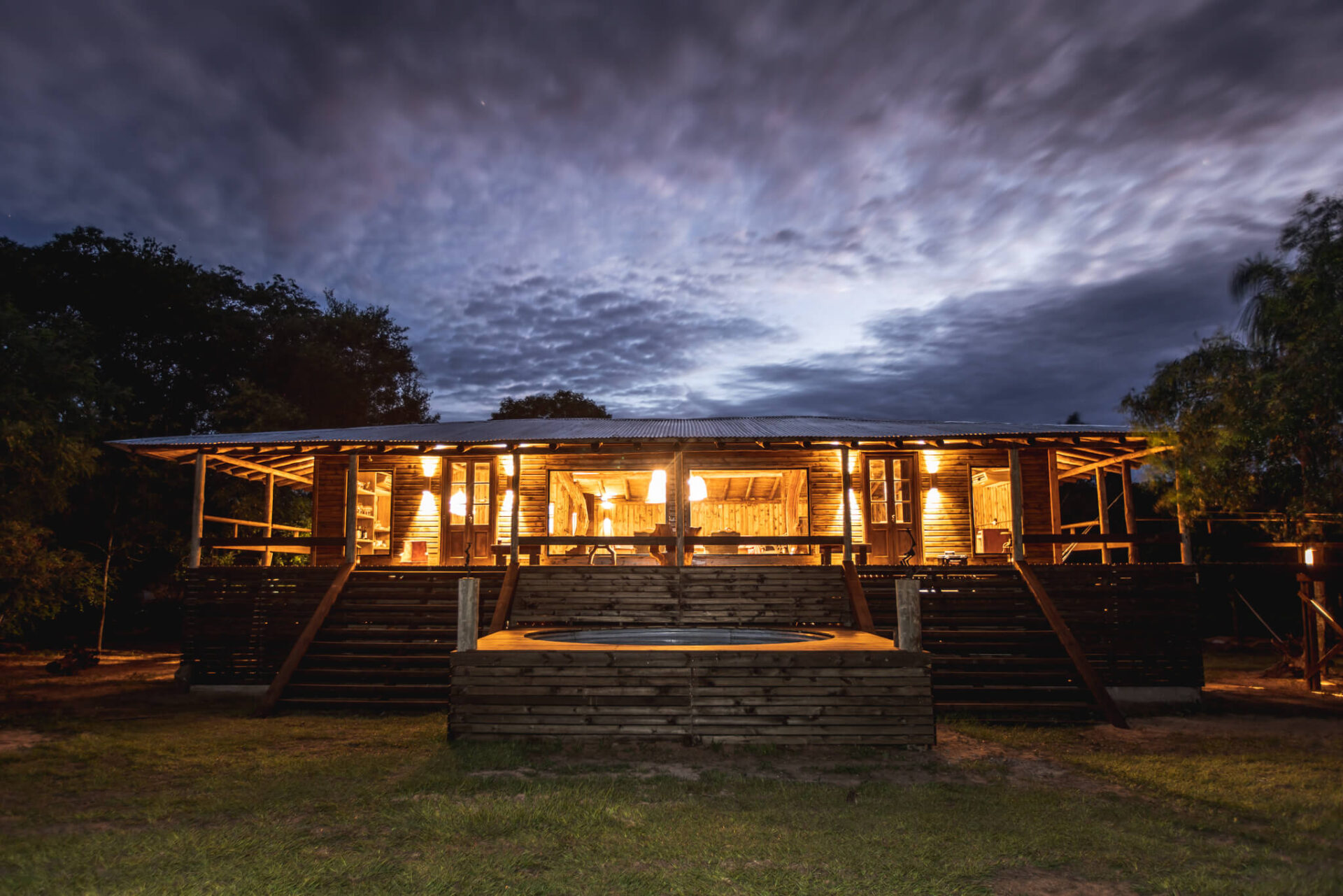
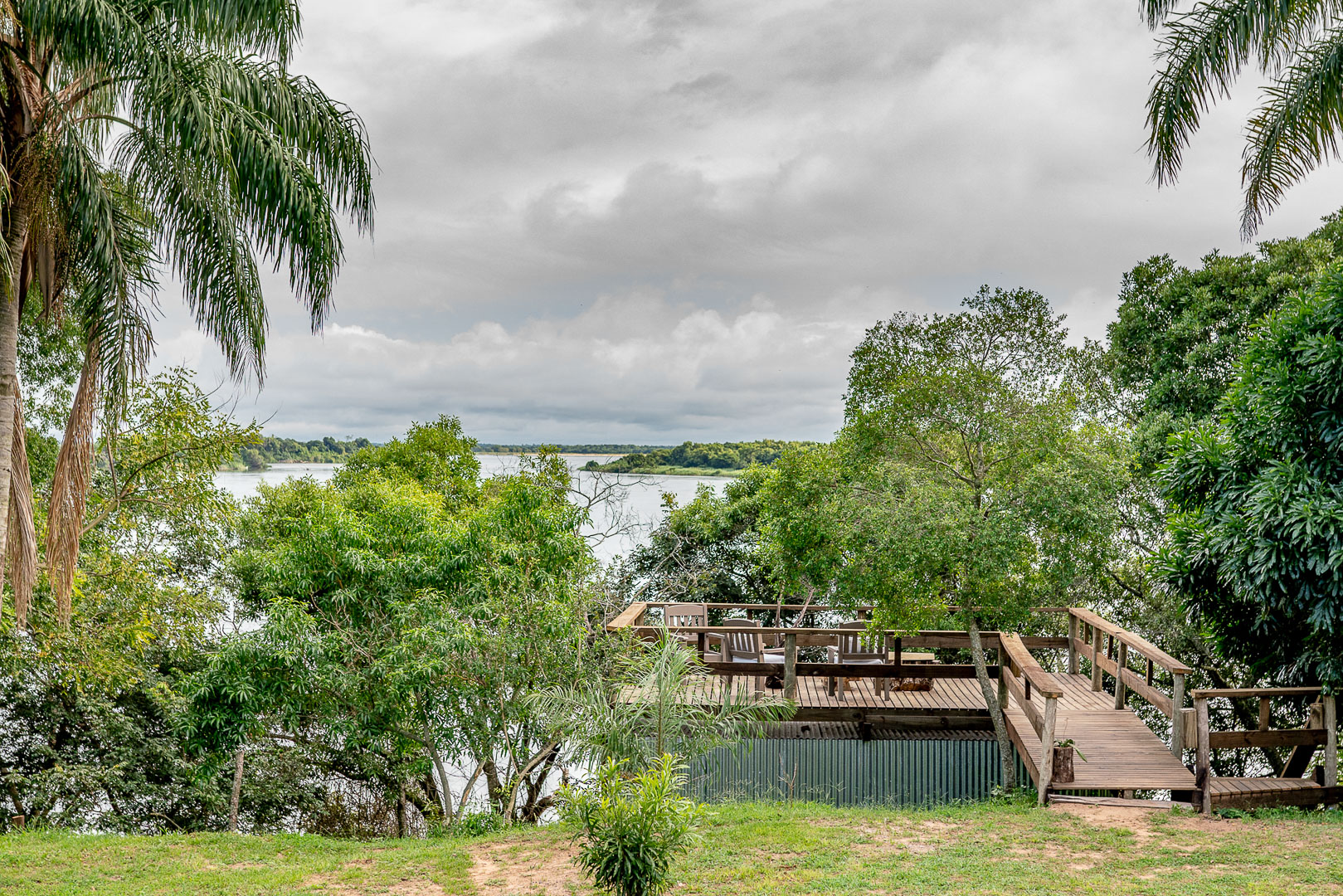
    The lodge can host up to 10 guests (or 12 if couples) in stilted living quarters built 9 feet above the jungle floor, offering views of the sprawling Paraná River. The property includes 4 rooms with 2 queen-size beds each and 2 rooms with king-size beds. All rooms have en-suite bathrooms and AC. Based on availability, single rooms can be accommodated. Rooms are cleaned daily and feature WiFi access; laundry service is available upon request.

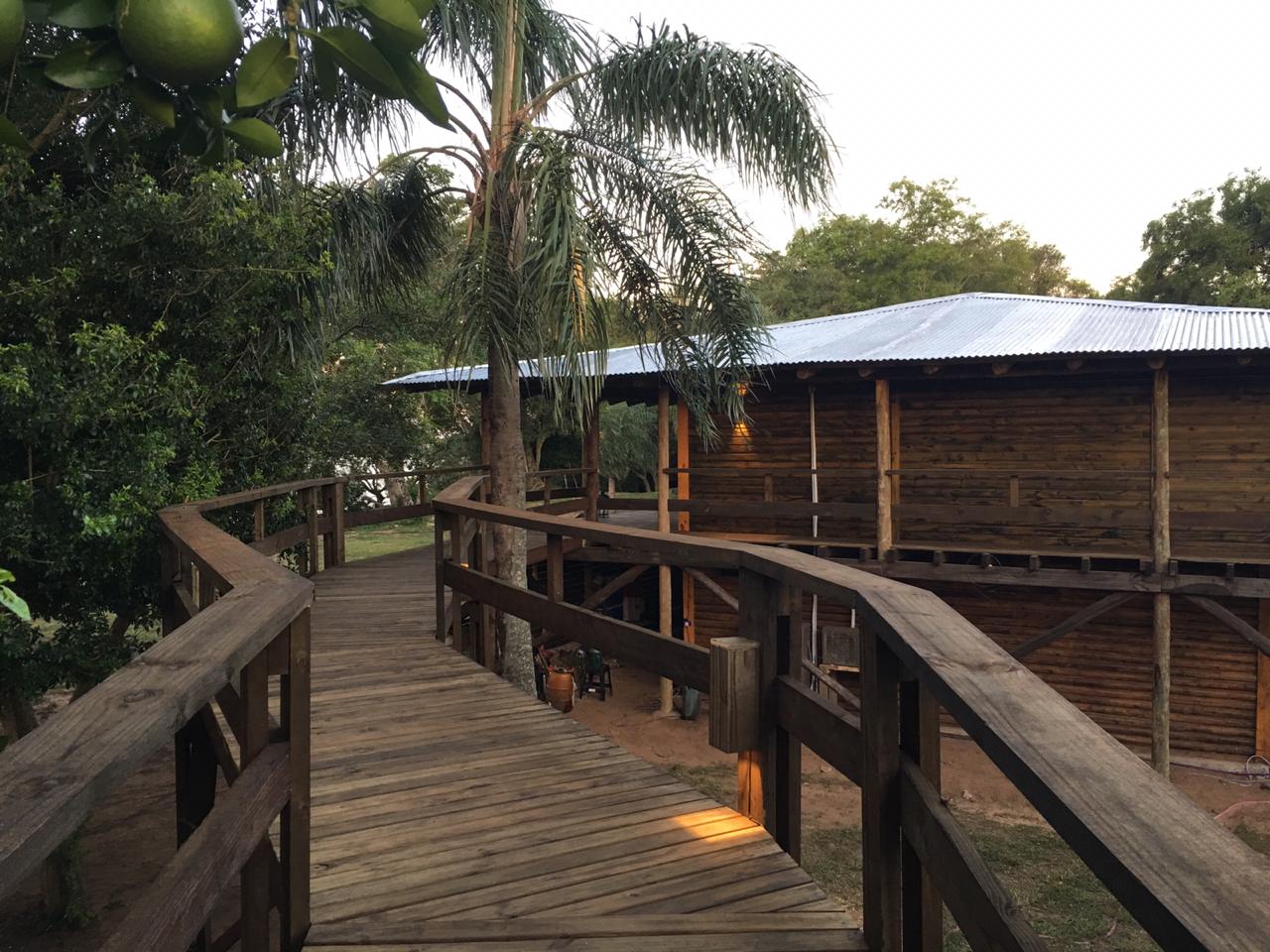
    The main lodge is built from local hardwood with soaring cathedral ceilings. Inside you’ll find a fully stocked bar, dining area, living/fly-tying area, and fly shop. The fly shop is stocked with tackle and houses the fleet of loaner fly fishing equipment available to guests free of charge.

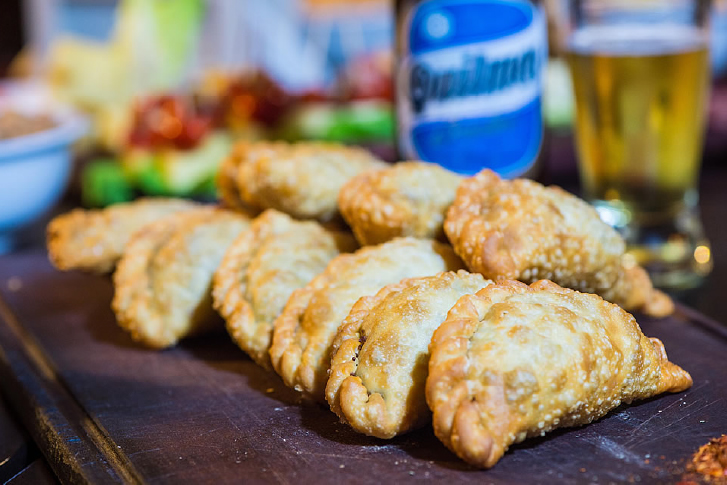
    Meals feature Argentina’s famed beef and fine wines, traditional asados (BBQs), and desserts prepared by the culinary team. Each meal is served around an extra-large dining table. Northern Argentina kitchens specialize in diverse dishes that pair prime cuts of local Black Angus beef with fresh fish (including local pacú and surubí), exotic appetizers such as yacaré meat and ceviche, and homemade chipá rolls. Desserts and homemade ice cream provide a unique finish.

    • À la carte menu with indigenous and international cuisine
    • High-quality loaner fishing equipment
    • Custom skiffs designed for Paraná fishing
    • Fly shop with flies, rods, reels, lines, and apparel
    • Pool for midday respite
    • WiFi in all lodge buildings

    2025–2026 Rates

    Length of StayRate per person
    7 Nights / 6 Days Fishing$7,950
    6 Nights / 5 Days Fishing$7,495
    5 Nights / 4 Days Fishing$6,395
    4 Nights / 3 Days Fishing$5,150
    3 Nights / 2 Days Fishing$3,950

    Per person, USD, based on double occupancy and shared guide. Add-ons: half day $650/boat, full day $850/boat; non-angler $650/night; single room and boat 60% surcharge. Shorter packages and combos with Pira Lodge (Iberá) or other Nervous Waters lodges in Argentina available. Source: Nervous Waters. Rates subject to change.

    Ready to Plan Your Week?

    Tap a button to reach our Argentina specialists. Our services are free.

    What’s Included

    • Accommodations based on double occupancy
    • All meals, wines, beer, and local and international spirits
    • Professional guide services
    • Loaner fishing equipment (rods, reels, lines)

    Not Included

    • International and domestic airfares
    • Transfers in and out of the lodge
    • Fishing licenses
    • Laundry service
    • Gratuities for guides and house staff

    Why Anglers Love Suindá

    “Best waters I’ve ever seen. Love the countryside.” — Gary K., USA

    “Fabi was the best we could have expected. Carolina and staff were superb.” — Thomas K., USA

    “Amazing staff, guides, food, lodging. Fabi and Pablo are so friendly and want so much to have us succeed. The lodging was fantastic and wine was exquisite.” — Jeremy Smith, USA

    “The lodge, staff and food were all exceptional. Mati is a fantastic host—he made everything easy and the pace is beautiful. The guides worked exceptionally hard during tough conditions. Outstanding meals, exceeded expectations!” — Ethan Hooper, USA

    Getting to Suindá Lodge

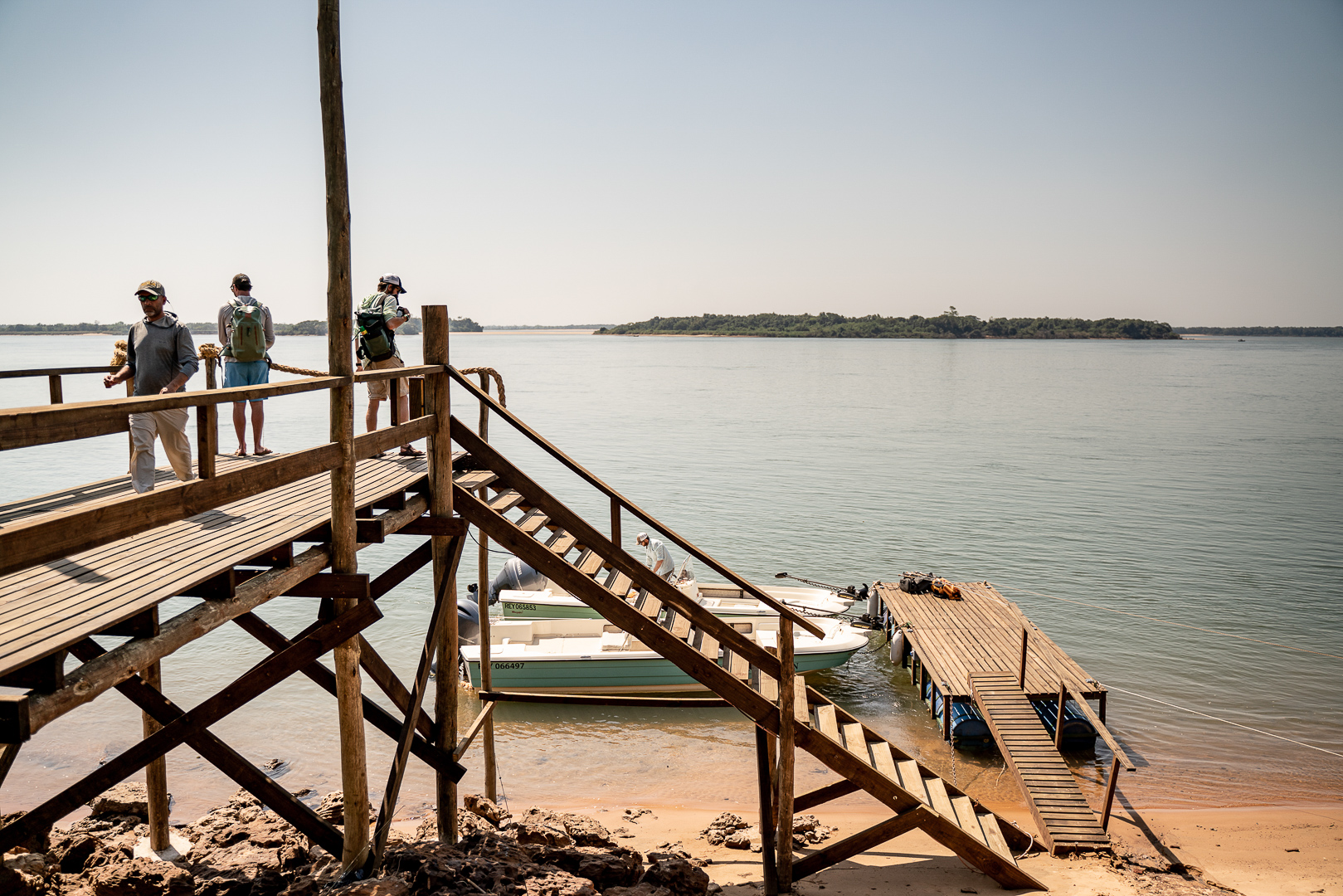
    Daily flights are available from Buenos Aires Aeroparque Domestic Airport (AEP) to Corrientes (CNQ) or Resistencia (RES). It’s a 1-hour nonstop flight to either airport. From Corrientes (CNQ) it’s a 45-minute drive to the water’s edge, where a boat takes you the short hop to the lodge. From Resistencia (RES), the drive is 1 hour 45 minutes.

    Nearest airports: Corrientes (CNQ) — 45 min drive + short boat; Resistencia (RES) — 1 hr 45 min drive + short boat

  • Estancia Laguna Verde

    Estancia Laguna Verde

    Estancia Laguna Verde

    Updated on

    Estancia Laguna Verde — Jurassic Lake, Patagonia

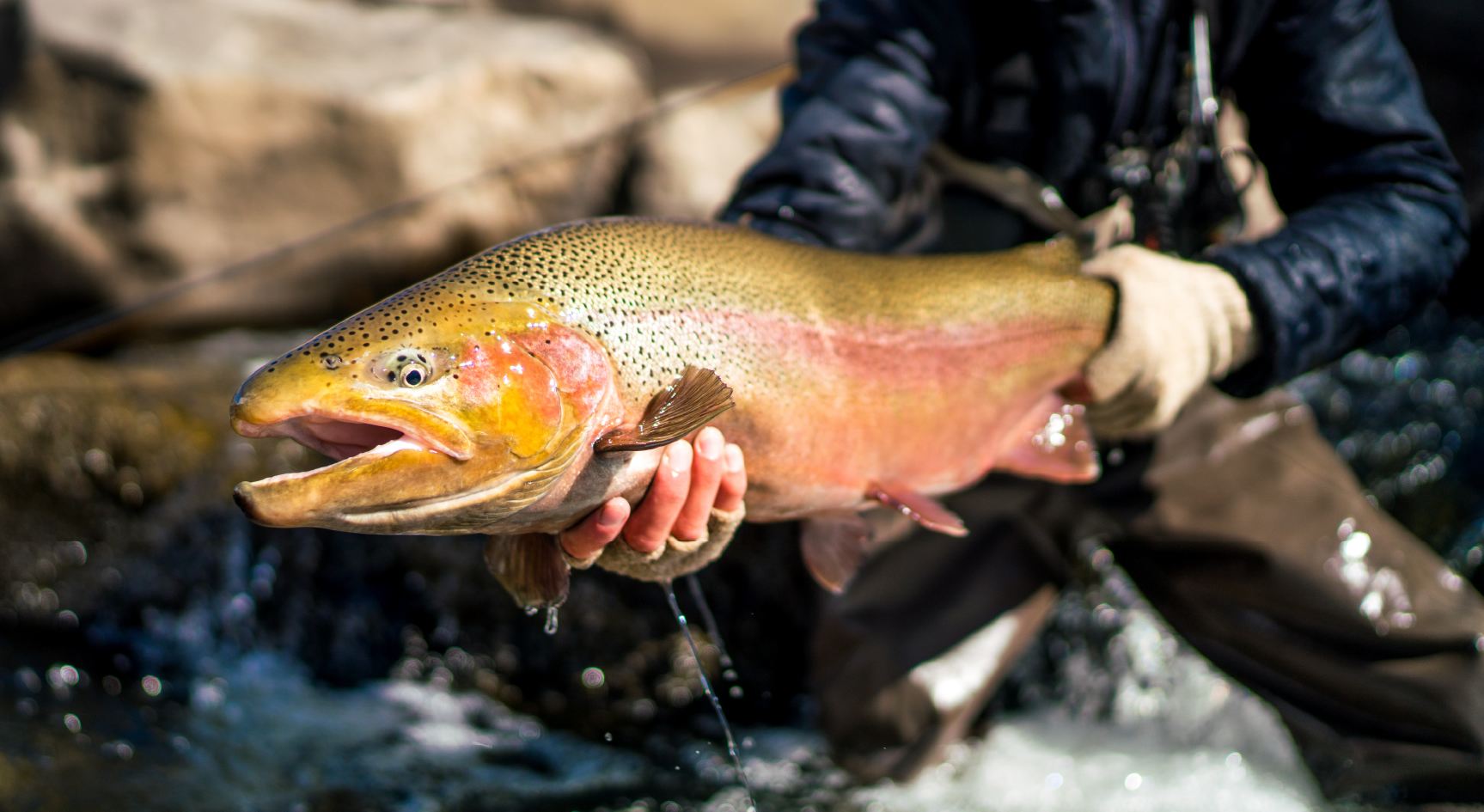
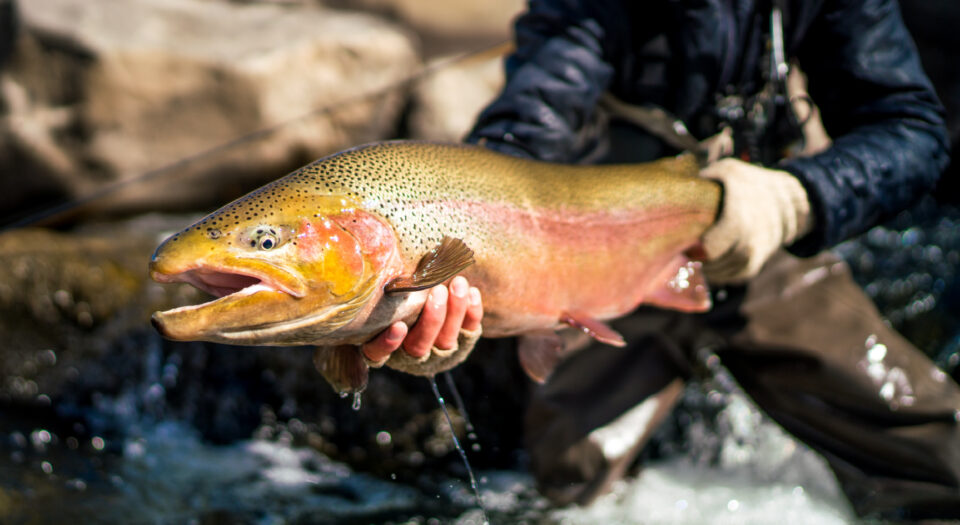
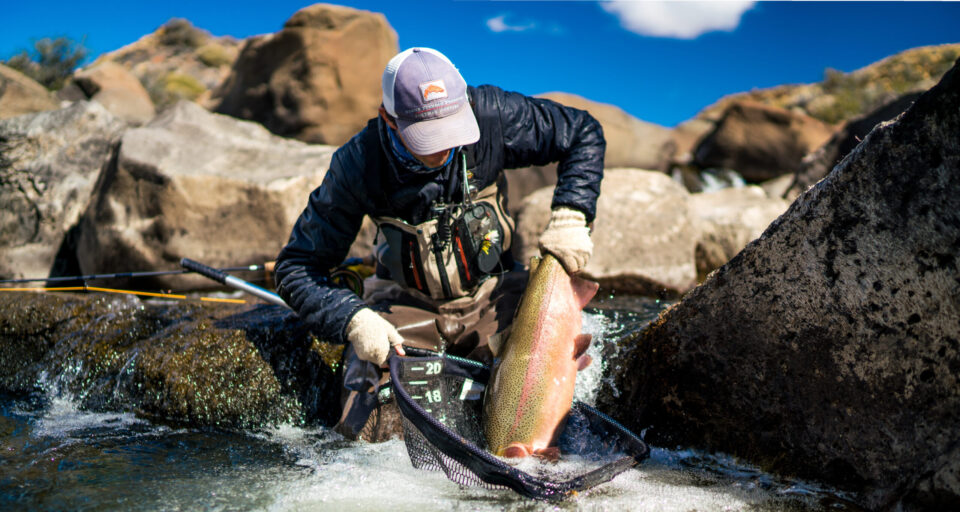
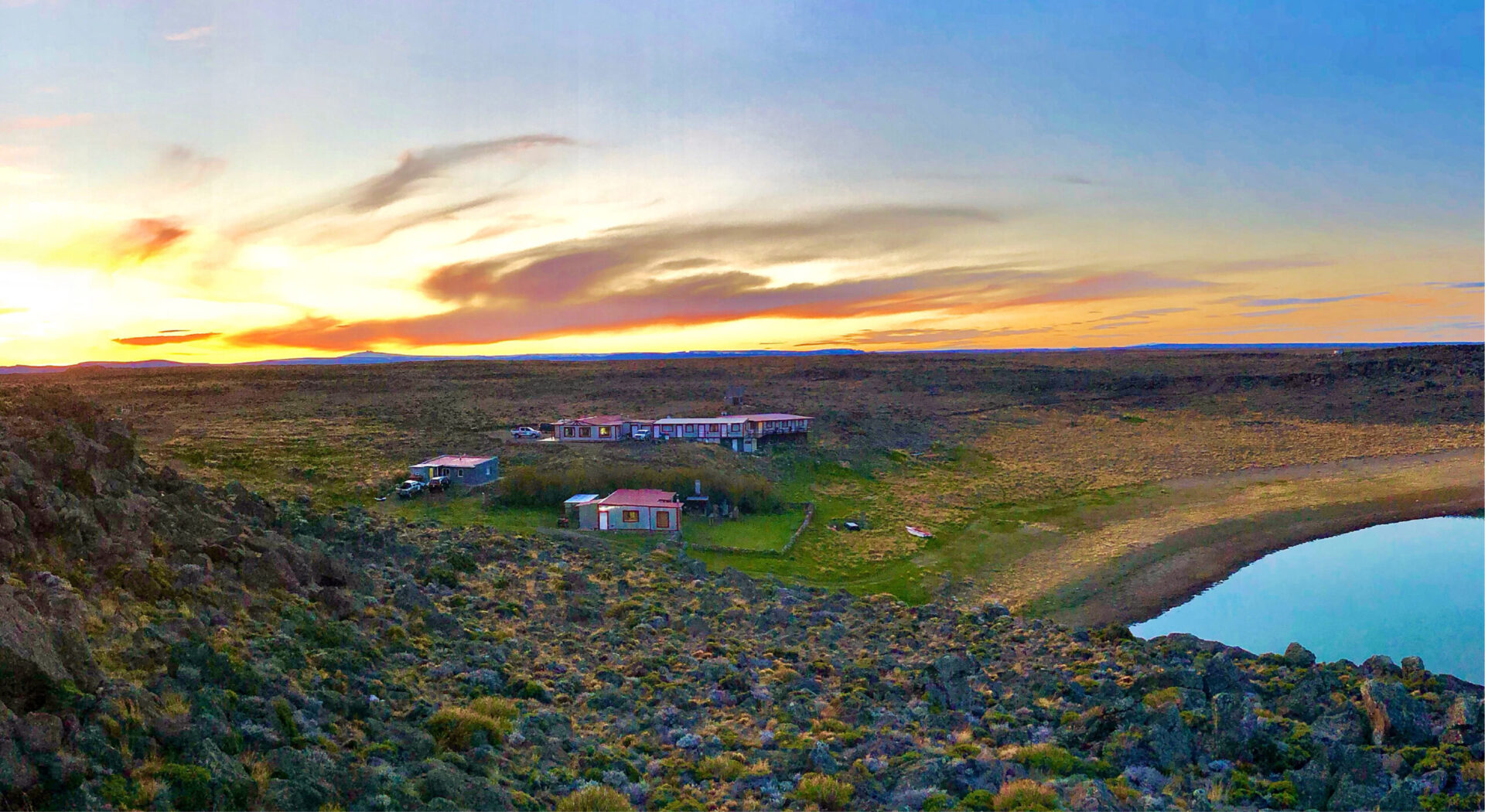
    Jurassic Lake—locals call it Lago Strobel—is Patagonia’s windswept trophy factory, and Estancia Laguna Verde is the only program that combines private shoreline on the lake with full access to the Barrancoso River and the surrounding chain lakes. From the lodge’s perch above the property’s namesake lagoon, anglers chase the heaviest rainbows on the continent while enjoying polished hospitality, single-room options, and guides who know every bay and beat by name.

    This is still the wild Patagonian steppe: five hours from El Calafate, big skies, bigger wind, and rainbows that average seven to nine pounds with legitimate double-digit fish landed every week. Laguna Verde’s seasoned crew keeps you on the fish with a fleet of Hilux trucks, quad access to remote bays, and a flexible daily plan that adjusts to wind direction and water levels.

    Species: Trophy rainbows to 20+ pounds, plus resident browns and brookies in the chain lakes.

    Season: October through April — peak lake windows December–March, prime Barrancoso runs early and late.

    Weather: Expect steady Patagonian wind, cool nights, and dramatic shifts—layers, wading jackets, and sun protection are mandatory.

    Location: Five hours west of El Calafate, Santa Cruz province — private shoreline on Lago Strobel plus exclusive Barrancoso River beats.

    Tell us how you like to fish—swinging buggers in Monster Bay, sight-casting mouse patterns to new arrivals in the Barrancoso, or hunting brookies in the chain lakes. We’ll build the exact week around your priorities.

    Ready to plan your week at Estancia Laguna Verde or add it onto a Tierra del Fuego sea-trout itinerary?

    Destination Inquiry

    or

    Why Anglers Chase Jurassic Lake Rainbows

    Strobel’s rainbows simply feed harder than any stillwater trout on the planet. Fueled by dense scud populations, they cruise Monster, Camelot, and Sea bays in clear water where you can sight-cast streamers, nymphs, or giant foam mice and watch fish in the mid-teens inhale the fly. The lodge’s private access covers more than twenty kilometres of shoreline, so your guide always has a protected bay in the wind and fresh water to explore.1

    Even by Patagonia standards, the variety is staggering. Morning on the Barrancoso river can mean swinging small streamers through boulder-filled runs for chrome bright fish fresh from the lake; afternoons might move to Moro Creek or one of a dozen smaller lagoons where resident browns and brookies crush terrestrials. Guides carry full-day lunches, flex the schedule around weather, and keep you moving with Hilux trucks and ATVs staged across the estancia.

    How the Program Flows

    Guests typically arrive in El Calafate on Friday night, then transfer about five hours across the steppe on Saturday morning. Each fishing day starts with a briefing in the mudroom before splitting among Strobel bays, the Barrancoso, or the chain lakes. Expect one guide per two anglers, 4WD moves between spots, and quad shuttles or short walks when wind dictates a different bay. Lunches are cooked on-site and afternoons remain fluid—if the river is rising with fresh fish, guides pivot the plan so you’re there when it lights up.2

    Bring quiver-building tackle: 7- or 8-weight rods with aggressive floating lines for the lake, intermediate or sink tips for heavy chop, and 5- or 6-weight outfits for the Barrancoso. Heavy fluorocarbon (0X–2X) is the norm on Strobel, while clear river water often calls for 8–10 lb leaders. The lodge stocks loaner rods and reels if something breaks, and there is a small pro shop with spare flies and essentials.

    Lodge Life & Amenities

    Laguna Verde’s estancia house blends Patagonian character with thoughtful comforts: ten single-occupancy rooms plus two doubles (all en suite), 24-hour electricity, Wi-Fi, a full bar, wine tastings in the cave, and twice-weekly laundry. Evenings revolve around chef-driven meals—Patagonian lamb asado, handmade pastas, and Mendoza varietals—followed by fly tying or stargazing under southern skies.2

    Seasonal Fishing Calendar

    FisheryPrime WindowNotes
    Lago Strobel rainbowsDecember through MarchAverage 7-9 lbs; frequent shots at fish over 15 lbs in Monster and Camelot bays when winds line up.
    Barrancoso River runOctober-November & late March-AprilHigh flows draw chrome lake fish upstream; sight-fish pockets with streamers or large dries.
    Moro Creek & chain lakesNovember-FebruaryGreat for afternoons with lighter wind; brookies and resident rainbows crush mice and terrestrials.
    Shoulder season stillwaterOctober & AprilFewer anglers, cooler temps, and light pressure on sheltered bays when lake fish move shallow.

    2026–2027 Rates & Booking Notes

    Laguna Verde releases space in limited blocks each season, and the prime summer weeks book 12–18 months out. Shoulder weeks (early October and April) are ideal for anglers targeting the Barrancoso run or looking for more forgiving wind windows.

    PackageTravel WindowRate (USD)
    7 nights / 6.5 fishing daysAvailable all season
    Saturday – Saturday
    $8,000 per angler
    (Double Occupancy)
    7 nights / 6.5 fishing daysAvailable all season
    Saturday – Saturday
    $8,000 + $700 Room
    (Single Occupancy)
    4 nights / 3.5 fishing daysJanuary to April
    Tuesdays – Saturdays
    $5,200 per angler
    (Double Occupancy)
    4 nights / 3.5 fishing daysJanuary to April
    Tuesdays – Saturdays
    $5,200 + $400 Room
    (Single Occupancy)
    3 nights / 2.5 fishing daysJanuary to April
    Tuesdays – Saturdays
    $4,200 per angler
    (Double Occupancy)
    3 nights / 2.5 fishing daysJanuary to April
    Tuesdays – Saturdays
    $4,200 + $400 Room
    (Single Occupancy)

    Rates are per person in USD$ and subject to change. Contact us for seasonal promos.

    Take the guess-work out.

    Tap a button below to start the conversation. Our services are free.

    What’s Included

    • Accommodations at Estancia Laguna Verde with single or double rooms (subject to availability).
    • All meals with paired Argentine wines plus daily shoreline asados.
    • Open bar, soft drinks, and espresso service.
    • Fully guided fishing (two anglers per guide) with use of trucks, ATVs, and loaner rods/reels on request.
    • Round-trip ground transfers between El Calafate (FTE) and the estancia.
    • Wi-Fi, satellite TV lounge, drying room, and laundry twice per week.

    Not Included

    • International flights to Buenos Aires and domestic flights to El Calafate.
    • Hotels and meals in Buenos Aires or El Calafate before/after your week.
    • Argentina fishing license (approx. $140 per week, paid at the lodge).
    • Guide and staff gratuities, premium cigars, specialty wines, or shop purchases.
    • Flies, terminal tackle, waders, and boots (available for purchase or rental on site).
    • Travel insurance, Global Rescue or medevac coverage, and any itinerary changes due to weather or airline delays.

    Plan Your Week

    Let us hold preferred space, coordinate El Calafate logistics, or pair Laguna Verde with a Tierra del Fuego sea-run brown trout week. Our services are free, and we’ll tailor every detail—from tackle prep to add-on tours in Los Glaciares National Park.

    Get in touch to plan your 2026 Fly Fishing Trip in Argentina

    Tap a button below to start the conversation. Our services are free.

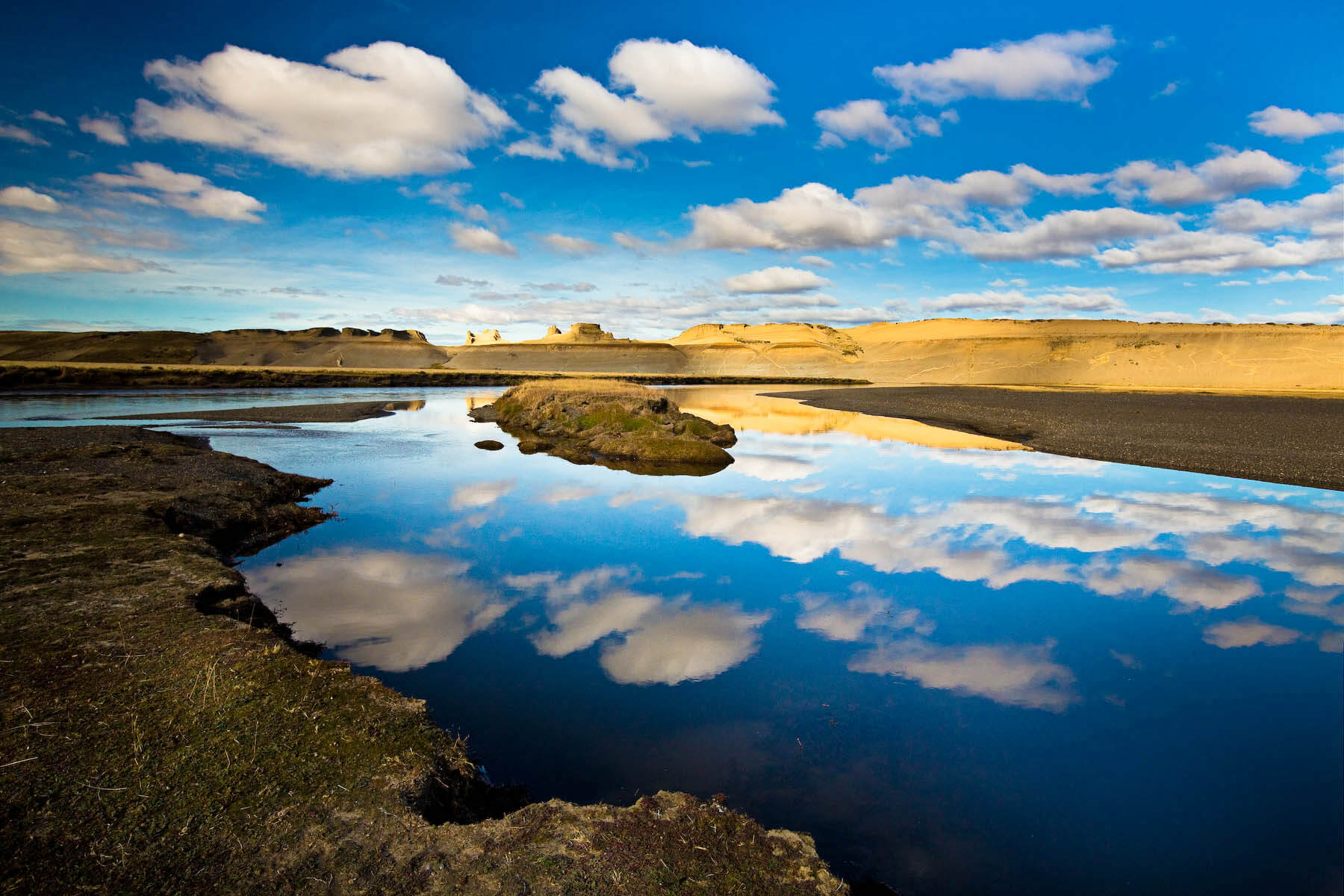
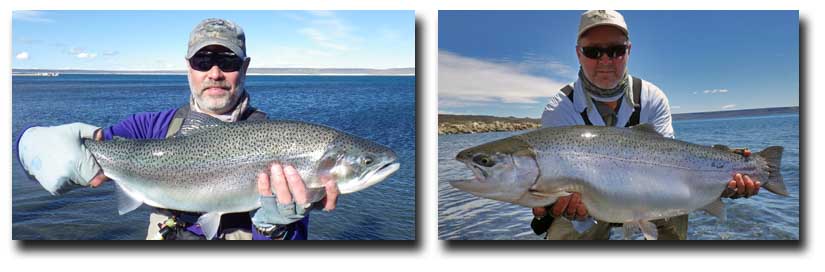
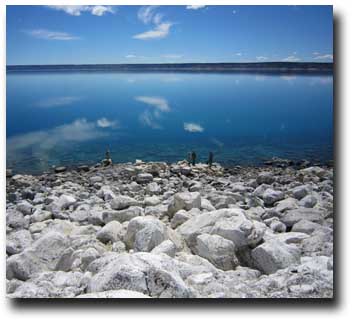
    Jurassic Lake, locally known as Lago Strobel, has garnered a reputation as the most prolific Rainbow Trout fishery in the world. Located in the rugged Steppe or “messita” region of southern Argentina’s Santa Cruz province, Jurassic Lake is the place for trophy Rainbow Trout on a fly. Lago Strobel is a 40 square mile lake and the average Rainbow landed from Jurassic Lake is close to 10 pounds, with fish breaking the 20 pound mark caught almost weekly.

    Jurassic Lake is popular among anglers looking for their personal best Rainbow, but it’s not a destination for everyone. It’s located in one of the world’s most desolate, windswept landscapes, 5 hours from the closest airport, El Calafate City. Anglers who make the long journey stay at Estancia Laguna Verde Lodge.
    Estancia Laguna Verde offers more than 6 miles of Jurassic Lake coastline accessible from the lodge and a few more remote areas only accessible by boat (when the weather allows). Guests at Estancia Laguna Verde have access to “Monsters Bay”, which was named after the consistent numbers and size of the trout landed in the bay and considered to be the best fishing area on Jurassic Lake. Anglers will also fish the productive Camelot Bay, Moro Bay, Horse Shoe Bay, Finger Bay, Sea Bay, Tazmania Bay, Dry Fly Bay, Puesto Bay, and The Aquarium. Fishing in the Bays offers some protection from the ever present wind. On calmer days, the sight fishing with small nymphs or large dry flies can be spectacular in all of the bays.

    Estancia Laguna Verde is a 37,000 acre ranch on the southern shore of Jurassic Lake. The estancia encompasses 12 chain lakes connected by Moro Creek, and 5-miles of the Barrancoso River, which is the sole tributary to Jurassic Lake. The smaller chain lakes each have their own stock of big Rainbows. The Estancia and Lodge’s namesake, Laguna Verde, is full of 4 – 8 pound Rainbows, with fish over 10 pounds caught regularly, and is a short walk from the lodge. Many anglers catch their personal best Rainbow while “warming up” on Laguna Verde, before making a single cast into Jurassic Lake. Estancia Laguna Verde has made substantial improvements to the exiting roads inside the estancia and added new roads, allowing anglers easier access to the best fishing areas. The new infrastructure has improved the efficiency of travel, resulting in more time on the water for clients. Also added was a “lake cabin” on the shore of Jurassic Lake, where anglers can enjoy lunch, a siesta, or just take a coffee / matte break out of the wind. Estancia Laguna Verde now has access to 4 beats on Moro Creek, which are accessible by 4-Wheel Drive ATV’s or by truck.
    Unlike the short sea-run trout fishing season on the nearby Gallegos or in Tierra del Fuego, Jurassic Lake has excellent fishing for almost 6 full months, from November – April. The higher water levels in November & December offer sight fishing on the Moro Creek and there are lots of large Rainbows still in the Barrancoso River, as well as in Jurassic Lake. Lower water in January – mid-March focuses fishing for big rainbows in the lakes, with mostly smaller trout in the Barrancoso River. As water levels start to rise in late-March – April, there are more big rainbows running back into the Barrancoso River, preparing to spawn.

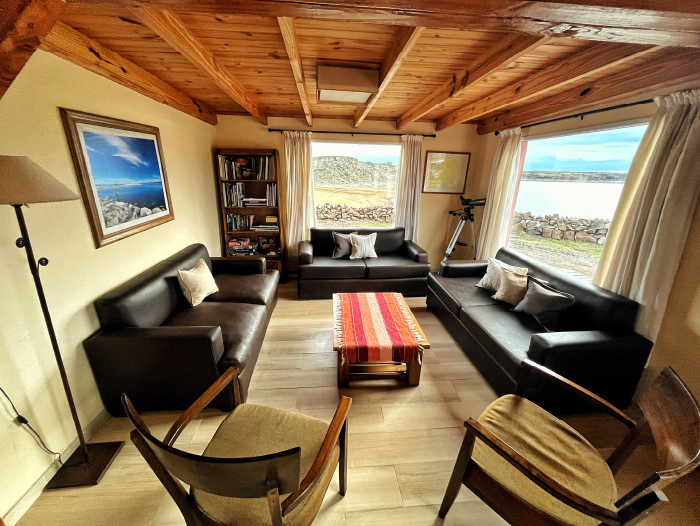
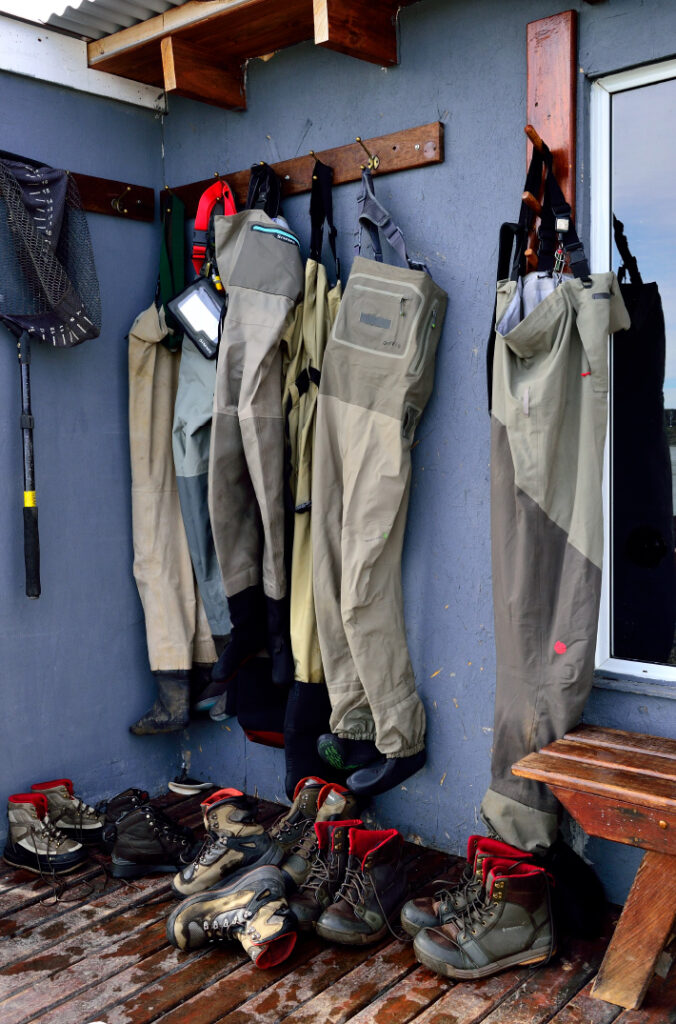
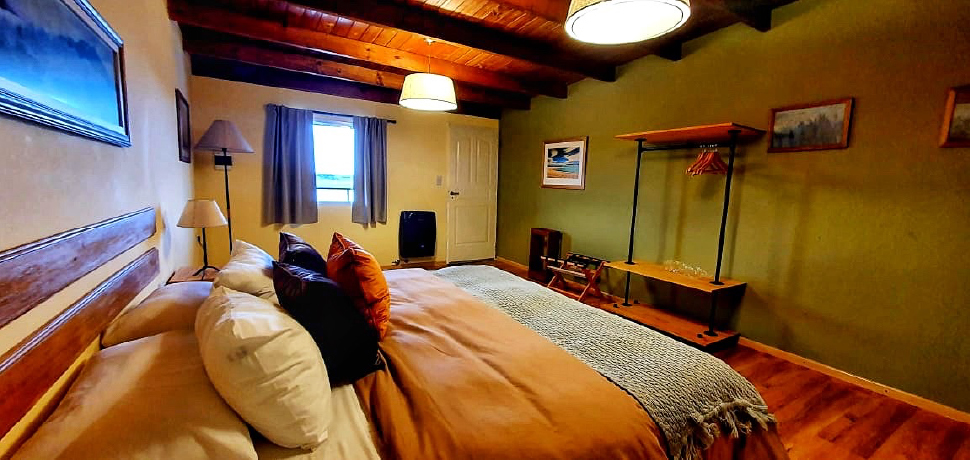
    The lodge on Estancia Laguna Verde is a traditional “Estancia House” with 7 guest rooms, accommodating a maximum of 12 anglers, each with a private bathroom. Estancia Laguna Verde Lodge is not luxurious, but given its remoteness, it is quite comfortable. Guests enjoy amenities like 24-hour electricity, 24-hour hot water, satellite TV on a 42″ LCD TV, wireless internet, and twice weekly laundry service. There’s also a changing room/drying facility, located by the entrance to the lodge for anglers to change before and after the fishing day, as well as to store / dry fishing gear, such as waders, wading boots, rods, reels, vests, etc.

    Fishing Jurassic Lake requires rods capable of handling strong winds and fish that could go over 20 pounds. Fast action 9 / 10 foot rods in the 7 – 9 weight range are excellent choices, with a high quality, large abor reel. Almost all of the fishing is done with floating lines, but having a variety of lines like floating, sink tip, sinking lines with a medium sink rate and a shooting head type fly lines is recommend so you can adapt to conditions. Jurassic Lake trout aren’t leader shy, so heavy tippets are recommended to keep the enormous fish from braking off. For the Barrancoso River, 8 / 9 foot rods in 5 – 6 weight are adequate. When fishing the beautiful Barrancoso River, 9 ft. leaders in lighter tippet sizes (8-10 lbs) are recommended, as the water is clear and the fish can be spooky and challenging at times.

    Top dry flies are: Mice, Chernobyl Ant, Tarantula, Madam X, Gypsy King, Stimulator (yellow and green), and Stimulator Rubber legs in sizes 6 – 10. Estancia Laguna Verde suggests a variety of weighted and unweighted Woolly Buggers, scuds, zonkers, and matukas in sizes 4 – 10. Don’t forget a selection of nymph’s and typical western flies for some of the more technical fishing. There is also a small fly shop at the lodge with a limited supply of waders, jackets, leaders, flies, tying materials, lines, rods, reels, and other fishing equipment. Also, in the event that something gets broken or lost, the lodge has some loaner tackle (Echo Rods and Islander Reels) that anglers can borrow. Don’t forget the “Flexi Stripper” stripping baskets, helpful when making long casts in the lake as well as protecting lines from the rocky coastline.

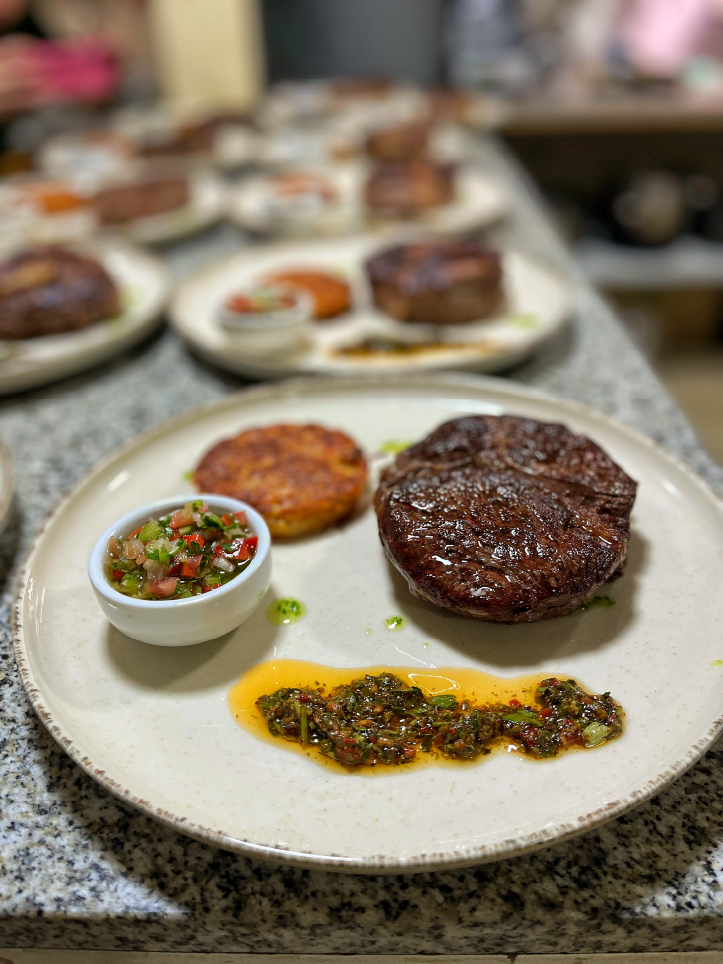
    Estancia Laguna Verde strives to offer the best cuisine Argentina has to offer. The chef combines what Argentina is famous for: Great “asados” (barbeques) and Patagonian lamb, with tasty international dishes, all served with great wines from Mendoza, San Juan, Salta and Neuquén.

    Our Services are Free!
    Contact us for Seasonal Discounts, Special Offers or Promotional Pricing

    Estancia Laguna Verde 2022 Rates

    (subject to change)

    The cost for a 7-night / 6-day fishing package is $6,200 per person based on double occupancy accommodations and a shared guide daily.

    Included: pick-up and return to Calafate Airport; daily guided fishing with 2 anglers per guide; accommodations; all meals; beverages (including water, wines, beer, sodas, cocktails, liquors); 24-hour electricity; satellite television; WiFi; laundry service twice per week.

    Not included: airfare; departure and reciprocity taxes; transfers between airports or hotel to airports; hotels in Buenos Aires or El Calafate City where applicable; tips to guides or at hotels; tackle; flies, Argentina fishing license ($70 US per week, subject to change); possible meals or sightseeing during layovers in Buenos Aires (sport coat optional); Satellite Telephone use; other items of a personal nature.

  • Weather Conditions and Fishing Techniques: Adapting Your Approach

    Weather Conditions and Fishing Techniques: Adapting Your Approach

    Here’s the thing about bonefishing: the weather doesn’t just affect your comfort—it fundamentally changes how fish behave, what they can see, and how you need to approach them. Whether you’re dealing with glass-flat calm conditions that make every shadow a warning signal, or cloudy, rainy days that let you get closer but hide the fish from view, understanding how to adapt your technique can turn a frustrating day into an exceptional one.

    The difference between a skunked day and a banner day often comes down to one simple question: are you fishing the conditions, or are you fishing the way you always fish?

    Super Calm Conditions: When There’s Nothing to Break Up the Shadow

    Picture this: the water’s like glass. Not a ripple. Not a breath of wind. It’s beautiful, but for bonefish, it’s also terrifying.

    When it’s super calm and there’s nothing to break up their shadow, everything that moves in the air becomes a warning sign. Fish get spooky—like, really spooky. They get super nervous and they’ll blow up at the smallest movement. Even the light reflecting off your leader can send them running.  Garon Williamson at Grey’s Point Inn on Acklins was guiding Doug Schlink on one of these slick days.  Garon made sure that they walked carefully and slowly, stopping at least 100 feet ahead spotted fish because “they’ll fell the energy in the water”.  Even the push water from your footsteps can be enough to send a fish in the opposite direction.

    The Challenge

    In these conditions, bonefish are operating at maximum alert. Every shadow, every movement in the air above them, every reflection signals danger. They become extremely wary and difficult to approach. It’s like trying to sneak up on someone who’s already looking for you.

    The problem isn’t that the fish aren’t there—they are. The problem is that they’re seeing everything, and they’re not in the mood to take chances.

    Adapting Your Approach

    When the water’s dead calm, you need to change your game:

    • Move slowly and deliberately—No sudden movements. No rushing. Every step, every cast needs to be intentional.
    • Pay extra attention to your shadow—Your shadow is a dead giveaway. Position yourself so your shadow doesn’t fall on the fish. 
    • Use longer leaders—A longer leader minimizes the disturbance and keeps your fly line further from the fish.  Ten-foot leaders work most of the time, but sometimes even fifteen-foot leaders aren’t enough (or are too hard to cast).
    • Lighter Flies – less splash on entry and better control casting
    • Consider getting out of the boat—This is huge, and we’ll get into why below.

    The key here is patience. You’re not covering water quickly—you’re stalking. Every cast matters. Every step matters.

    Cloudy and Rainy Conditions: When You Can Get Closer

    We all dread cloudy and rainy days fishing. Here’s the good news: you can typically get closer to fish because they can’t see you as well, and they don’t care about getting wet in the rain. The weather is creating all these disturbances—ripples on the water, reduced visibility, all that—but the fish still need to eat. So they’re still there, still feeding.

    The Opportunity

    This is where cloudy and rainy conditions become your friend:

    • Fish are still feeding—They need to eat regardless of the weather
    • Your approach is less visible—The conditions are working in your favor
    • Their sensors are somewhat dulled—The reduced light and surface disturbance make them less alert

    It’s like nature is giving you a bit of cover. Use it.

    The Challenge

    But here’s the catch: you can’t see them either. Their sensors are dull, but you also don’t have the typical sight-fishing advantages you’d have on a bright, clear day. You’re not going to spot that perfect shadow or see that fish cruising in the distance.

    What You’re Looking For: Changes

    This is crucial: you change what you’re looking for.

    You’re not going to see a bonefish’s shadow when it’s cloudy or raining. That’s not happening. But you might still see their tails sticking up out of the water. You might see dorsal fins breaking the surface. You might see wakes, or nervous water.  They might also show up like they appeared out of nowhere.

    So you shift your focus. Instead of looking for shadows and shapes, you’re looking for:

    • Tails—Bonefish tails sticking up out of the water as they feed
    • Dorsal fins—Breaking the surface as fish move through shallow water
    • Wakes—The V-shaped wake a fish creates as it moves
    • Nervous Water — The choppy surface of the water that’s moving differently, often opposite, of the surrounding surface movement
    • Look Everywhere – Don’t just look ahead of you.  Take a moment to pause and look to 7 O’clock and 4 O’clock, where fish often just “appear” when it’s hard to see.

    It’s a different kind of sight fishing, but it’s still sight fishing. You’re just reading different signals.

    Wading vs. Boat Fishing: When Weather Dictates Your Approach

    This is where things get interesting, because the weather doesn’t just affect the fish—it affects how you and your guide might choose to target them.

    Fishing from a Boat

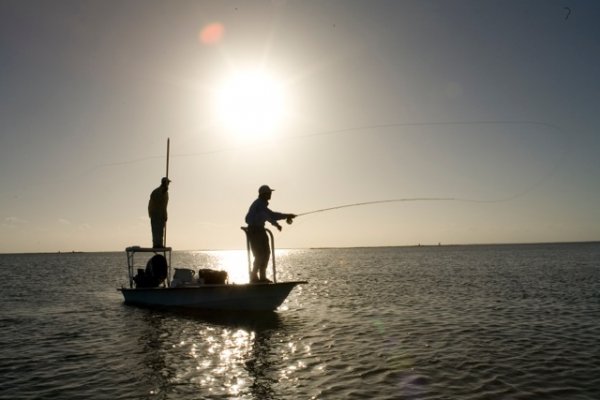
    Angler casts from skiff at Grand Bahama Bonefishing

    When you’re in a boat, the guide’s up on a polling platform, so he’s 10 or 12 feet in the air over the water. That height gives him a great objective angle—he can see fish from way out, spot movement, read the water. But you? You’re on the front of the boat. You only have your five and a half, maybe six foot objective angle to look for fish. So it’s a little harder to see.

    Sometimes in a boat, the guide will call out the fish: “There’s a fish here. 80 feet, 11 o’clock, moving left to right. You see him?” And then: “30 feet. 25 feet.” It’s much faster. You don’t see as much—you’re relying on the guide’s eyes.

    That works great when conditions are good. But when conditions are challenging, even with the better point of view, guides may not see bonefish until they’re in difficult positions, such as inside 30 feet, at 3 o r9 o’clock , or heading away.  For a lot of anglers, it’s much better to wade. 

    Getting Out of the Boat: When Conditions Call for It

    Here’s why getting out of the boat can be a game-changer:

    • Everything slows down—You cover less water on foot, you don’t see as much area, but you slow down. And that’s often exactly what you need.
    • You can get closer to fish—Without the boat slapping the water, without that bigger shadow, without the bigger objects pushing through the water, you can get closer without spooking them.
    • Better positioning— You can slowly get yourself into position quietly.  You can get low when making your presentation, sometimes getting on your knees if you have to keep a fish from spotting you.  You can get into positions that just aren’t possible from a boat.
    • Exceptional opportunities—You can get within 12 feet of a fish sometimes if you’re on foot. It’s exciting to have bonefish follow your fly almost to your rod tip.  

    For many anglers, wading is one the more exciting ways to bonefish and is they’re go to method (and how they pick their destination).  When you’re wading because the weather dictates, it might be what saves the day.

    It’s not about the boat being bad—boats are incredible tools and in many fisheries are the only way to be successful. It’s about matching your approach to the conditions. Sometimes the conditions call for a different approach.

    Important Note

    Not every destination has that option. Some fisheries are primarily boat-based, and wading isn’t practical, so it’s important to know which destinations offer wading opportunities and which are primarily boat-based fisheries. When you’re planning your trip, ask about wading options. It might be the difference between a good day and a great day.

    Bonus Tip

    It’s almost impossible to have an inclement weather system effect an area for most than a few days, which most clearing up after one or two days.  To help maximize the number of “quality” weather days, we recommend that you fish for as many days as possible when planning your trip.  For example, on a three-night / two-day trip, it’s possible to have poor conditions for two straight days, but on a seven-night / six-day trip, even with two poor days, there are still four quality days left. 

    Key Takeaways

    Let’s bring this all together:

    • Super calm conditions make fish spooky—move carefully, pay attention to shadows, and consider wading if it’s an option
    • Cloudy and rainy conditions allow you to get closer—but change what you’re looking for (tails, fins, wakes instead of shadows)
    • Wading can provide advantages in challenging conditions—everything slows down and you can get closer
    • Adapt your approach based on weather conditions—don’t just fish the same way every day
    • Work with your guide to determine the best approach for the conditions—they know the water and the fish

    The bottom line? You’ll get weather on every fishing trip and when the weather conditions change, it’s something to work against—they’re something you can work with. Learn to read them, adapt to them, and use them to your advantage.

    Related Articles

    Want to dive deeper into bonefishing techniques and strategies? Check out these related articles:

    • Why Every Angler Should Carry Crab Flies when Bonefishing —Learn why crab flies are essential in your bonefishing arsenal
    • Prime Time Bonefishing —Discover the best times and techniques for bonefishing success
    • Hurricanes and Post-Hurricane Fishing (coming soon)—How extreme weather events affect fishing opportunities
    • Planning a Fly Fishing Trip to the Bahamas Guide(coming soon)—Complete guide to planning your Bahamas bonefishing adventure

    Note: Techniques may vary by destination. Discuss options with your guide and travel advisor when planning your trip.

    Ready to Put These Techniques to the Test?

    Weather conditions can make or break a bonefishing trip, but with the right approach and the right guide, you can turn challenging conditions into opportunities. At Angler Adventures, we specialize in matching anglers with the right destinations, the right guides, and the right timing for the best possible experience.

    Whether you’re planning your first bonefishing trip or looking to refine your technique, we’re here to help. Our team has decades of combined experience in fly fishing travel, and we know which destinations offer wading opportunities, which guides excel in different conditions, and how to time your trip for the best weather windows.

    Ready to plan your next bonefishing adventure?

    Let’s talk about where you want to fish, what conditions you want to experience, and how we can help make your next trip unforgettable.

  • New Zealand

    New Zealand

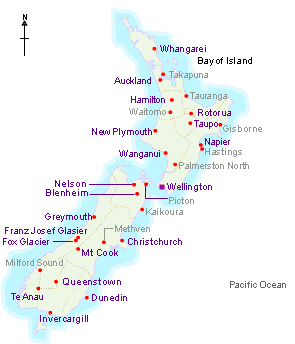
    New Zealand is home to some of largest Brown and Rainbow Trout in the world and creates truly special fishing opportunities. New Zealand’s trout can reach 15 lbs and while there are only few of these monsters caught each year, the average trout is still an amazing 3 – 6 lbs! Trout fisherman often dream of making casts to these huge, wild rainbows and browns that lurk in New Zealand’s crystal clear rivers, streams, and lakes that are surrounded by an extraordinary landscape filled with exotic plants and hulking peaks.

    New Zealand trout fishing is spectacular, and anglers who visit New Zealand once, return year after year. They often return home with stories like landing a 7 lb rainbow that moved over 5 feet from behind a boulder to take a big grasshopper imitation or watching a brown slowly rise up through 6 feet of water to inhale a nymph in almost perfectly transparent water. These are the type of moments that make the fishing in New Zealand special however, much of the New Zealand experience comes from the Deluxe Fishing & Hunting Lodges that have established themselves on both Islands and can make a fishing trip unforgettable!

    The Deluxe Fishing Lodges we represent are among the top lodges in New Zealand. They each offer luxury accommodations, excellent gourmet meals, world-class guide staffs, access to New Zealand’s top trout water, and a list of activities for the non-fishing guest or for anglers who want to experience more of New Zealand than just the trout fishing. Whether you choose to fish surrounding rivers, take exciting Helicopter fly ours to remote rivers and streams, relax around the lodge, or participate in the many non-fishing activities New Zealand has to offer, we can customize any trip to your personal desires.

    North Island, New Zealand

    The trout on the North Island of New Zealand are primarily Rainbows, but there are a good number of Browns in the North Islands River’s and Lakes. The Rainbows of New Zealand are derived from Steelhead strains, making them extremely hard fighters. This also means that the Rainbows that have taken up residency in the lakes, will move to their spawning streams in the New Zealand fall.

    Poronui Ranch

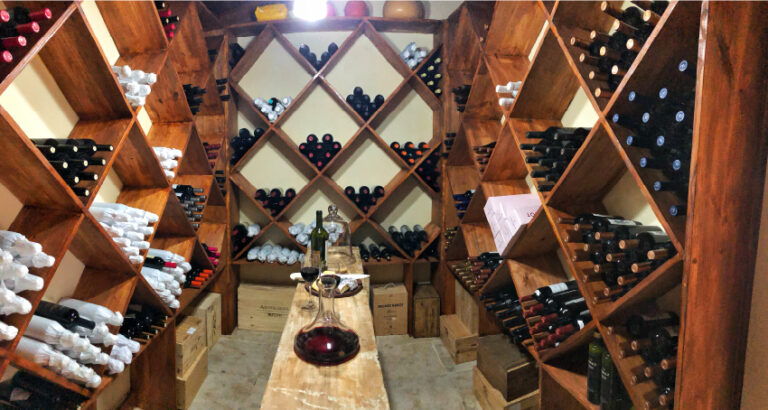
    Poronui Ranch is one of the top lodges in the world, priced at half the cost of Alaska. Poronui also has the most private water under contract (over 16,000 private acres), two on-property rivers, and offers helicopter fly-outs to wilderness streams, almost guaranteeing that you will be fishing a beat that hasn’t seen an angler for 10 days or more. Poronui Ranch is a Deluxe Lodge, with luxury accommodations (made up of a main lodge and 7 individual guest cabins), outstanding gourmet food with a regional feel, a wine cellar with over 10,000 bottles covering most recognized vintages, a modern sports and relaxation center with gym and health club facilities (like steam and sauna rooms and massage rooms), and a cigar room, which includes a full-sized antique English billiard table.

    Tongariro Lodge

    Legendary guide Tony Hayes established Tongariro Lodge in 1982, so anglers could experience one of the world’s finest trout fishing regions in the world, Anglers who visit Tongariro can easily see why Tony found that the Tongariro River and Lake Taupo region provided some the world’s best trout fishing. Expert guides at Tongariro Lodge maximize the potential of each angler, from beginner to expert, and Tongariro’s strategic location, in the middle of the Lake Taupo region, grants anglers access to over 40 rivers, streams, and lakes. Stalking trout at Tongariro Lodge is truly the fishing experience of a lifetime.

    This top-notch fishing lodge was created with the New Zealand experience in mind. The lodge itself is strategically located in a park like setting, allow guests to enjoy the New Zealand landscape, flora and fauna. Tongariro also offers superb gourmet meals (with an international reputation for using only the best New Zealand game and preparing delicious traditional New Zealand dishes) accommodations in comfortable elegance, and exceptional selection of the finest wines.

    The lodge also has a diverse list of outdoor activities that will highly impress family and friends that choose to hang back, relax or indulge in all New Zealand has to offer. It is not hard to imagine that Tongariro has consistently surpassed angler’s expectations for more than 25 years.

    South Island, New Zealand

    New Zealand’s South Island is famous for the large wild Brown Trout that fill the island’s rivers, lakes, and streams and the remarkable fishing opportunities those trout create. The Browns average 4 – 5 pounds, will readily eat large dry flies, and aren’t nearly as selective as the North American cousins (the hatches are not as drastic in New Zealand as they are in North America, making NZ trout more opportunistic than selective).

    Wright Palmer with a Beautiful South Island Brown

    One of the unique features of the South Island, the Southern Alps, makes this part of New Zealand a great trout fishery. The high mountain peaks help protect the northern part of island from weather moving in from the south west and collects substantial rainfall, which creates the cool, crystal clear, freestone streams where these large browns thrive. This mild climate, that creates such wonderful trout fishing, also makes the northern section of the island, New Zealand’s most important wine-producing land.

    Owen River Lodge

    Owen River Lodge is an outstanding contemporary lodge, located in the heart of the best brown trout fishery in the world, the Murchison / Nelson Lakes area of New Zealand’s South Island. Owen River is within an hours drive from 30 excellent brown trout rivers and streams, and has access to countless remote water by helicopter. Owner / Manager Felix Borenstein has truly created the ideal place to experience New Zealand’s sight fishing for large brown trout in luxury accommodations. Owen River Lodge is also the only 5 star fly fishing lodge in New Zealand.

    Riverview Lodge

    On the South Island we also recommend: Riverview Lodge, Hanmer Springs; Riverview Farm Lodge, Queenstown; Fjordland Lodge and Blanket Bay Lodge. Please call or email Angler Adventures for more information on these lodges.
    New Zealand is a very unique destination, offering visitors fantastic fishing, fabulous vineyards and wineries, breathtaking landscapes, and friendly “kiwi” hospitality, which is unlike anywhere else in the world. Angler Adventures’ expertise in planning and implementing detailed itineraries is unsurpassed. We can arrange varied itineraries for experienced anglers or for couples and families, who want to experience the trip of a lifetime.

    In addition to the lodges described above, we also represent a number of other destinations on both islands in New Zealand. So, if you don’t see a location you are considering listed on our website, the chances are we can arrange your accommodations and much more.
    The general trout season in New Zealand is October through April. However, the Tongariro River stays open year round and fishes well May-September.

  • Brazil

    Brazil

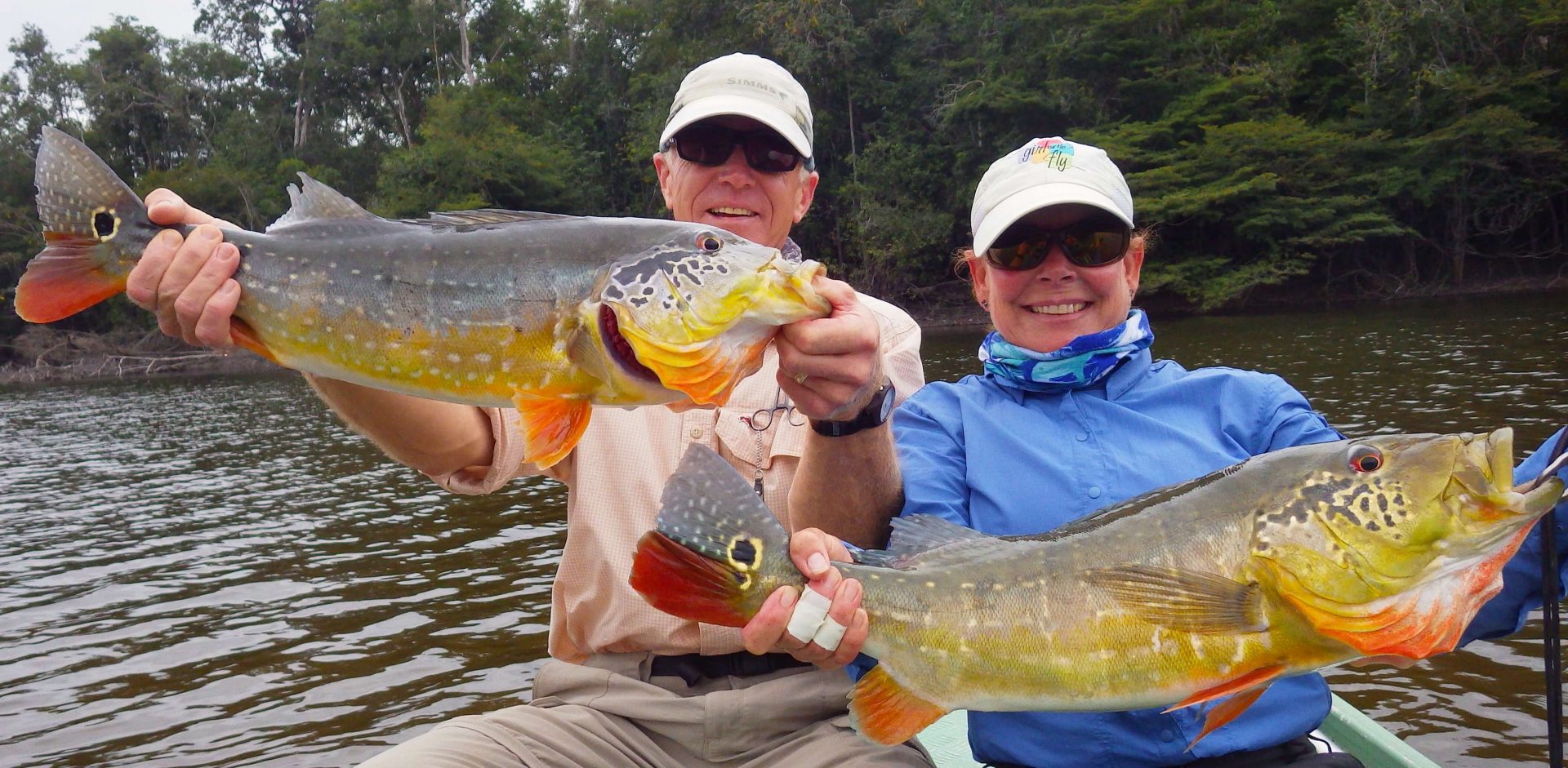
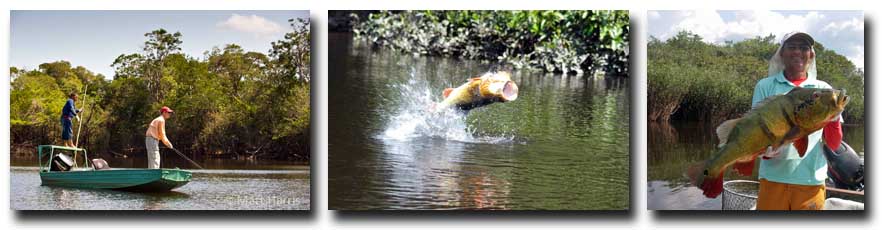
    Brazil is the world’s top destination for Peacock Bass fishing. The tributaries of the immense, 2 ½ million square mile Amazon River drainage system, and more specifically the Rio Negro and its tributaries, hold both the largest concentrations and the largest specimens of Peacock Bass or Tucunares, as they are known locally. While there is Peacock Bass fishing to be found in a few other South American locales, Brazil offers the best fishing along with consistent outfitting, quality fishing, and a stable infrastructure to insure a quality trip.

    Peacock Bass are one of the world’s most exciting gamefish. Peacocks are aggressive and territorial ambush hunters, and are known for their explosive strikes and tackle busting runs. These fish can be literally unstoppable on their first few runs. “Savage” is the word that best describes these brutes!

    Actually, Peacock Bass are not bass at all but are in fact members Cichlid family (which include the ultra-aggressive “Oscars” found in tropical fish tanks!). There are multiple species of Peacocks in the Amazon Basisn, ranging from the colorful Butterfly Peacock, (cichla oscellaris ) which run from 3 – 7 pounds, to the giant Speckled Peacock, (cichla temensis) which have been taken to over 27 pounds. Peacocks are not only one of the world’s most highly prized gamefish, but they are as beautiful as they are tough, making them a species that should be high on every traveling anglers “must catch” list.

    Agua Boa Amazon Lodge

    Agua Boa Amazon Lodge is a ‘fly fishing only’ operation that was voted as one of the world’s top ten fly fishing lodges by Forbes Magazine. The Agua Boa is a tributary to the Rio Branco/Rio Negro system and is protected by fly fishing only legislation. In all be the highest water, Agua Boa runs crystal clear providing great sight fishing opportunies. Agua Boa is home to 4 species of Peacock Bass as well as about a dozen other “exotics”. Anglers who are Peacock Bass fishing at Agua Boa will also be treated to comfortable air-conditioned chalets, a pool overlooking the river, gourmet meals prepared by a talented chef, and knowledgeable and experienced local guides who take pride in getting you into fish.

    River Plate Anglers

    River Plate Anglers, owned and operated by peacock bass pioneer, Luis Brown, has been hosting anglers fishing Peacock Bass since 1992 and offers the best variety and mobility options. River Plate utilizes a houseboat in some of the deeper, navigable channels with more “home comforts” and fly in floating cabins to access water beyond the navigable channels & their exclusive water on Indian Reserves and Government Preserves. This ability to access these more remote fishing areas combined with River Plate’s access to more than a dozen fishing areas eliminates over fishing and ensures the highest quality fishing. Both the houseboat and the fly in floating cabins can accommodate both fly and conventional fisherman, and provides 2 Loomis rods and Shimano reels with line for each angler to use while staying with River Plate Anglers.
  • Tarpon Caye Lodge

    Belize is a great destination for anglers traveling during the summer months due to its neo to sub-tropical climate, whose daytime temperatures only vary between 10 – 15 degrees over the course of a year.  This consistency makes the fishing in Belize fairly predictable, as well as productive, each month of the year.  The following write up by Doug Schink  (doug@angleradventues.com) on Tarpon Caye Lodge recently appeared in The Angling Report.

    Tarpon Caye is a 10-acre private island situated 15 miles east of Placencia, Belize in the area referred to as “Permit Alley”.   The Caye takes its name from its tarpon lagoon that reliably holds a resident population of mid size (30 – 60 lbs.) tarpon.  There are also some fair to good bonefish flats in the area, but permit is the main attraction at Tarpon Caye.  On the top half of the tide, permit predictably flood the dozens of flats found within a 5 – 20 minute run of the Caye.  These are skinny, gin-clear ocean water flats and dorsal as well as caudal fins are frequently out of the water.  While you can skiff fish, it’s often more productive to wade these firm, shallow flats.  It’s not unusual to have 20 or more legitimate shots over a tide. 

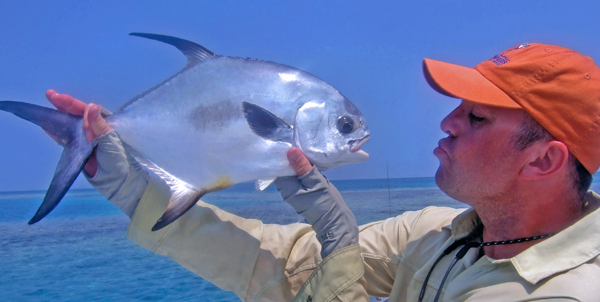
    Typical Permit from Tarpon Caye Lodge
    Love at First Sight

     Tarpon Caye Lodge is owned by “Permit Guru”, Charlie Leslie who has spent over 35 years guiding permit anglers on these flats.   What distinguishes the fishing program from more conventional “8 to 4” lodge programs is that they will fish the tides.   ‘We do fishing here’, is Charlie’s motto, and he means it.  If you are there over a full or new moon, your highest tides occur during the middle of the day and thus the best permit fishing will be during the midday hours.  However if your stay coincides with a quarter moon when low tide typically occurs around midday, Charlie will schedule “split day” fishing.  For example, during these tides, you might fish from first light until the permit leave the flats with the falling tide, say from 5:30 to 8:30 am.  You’ll then return to the lodge for a breakfast/brunch, and a siesta.  Around 2:00 pm, you’ll head back out to meet the permit returning to the flats on the incoming tide, and fish until dark.

    Accommodations are in basic but comfortable double occupancy cabañas on stilts, each with full tiled bath with hot and cold water and generated electricity. The clubhouse features the bar and dining room where guests enjoy libations and excellent meals featuring the freshest local seafood.

    Tarpon Caye Lodge is competitively priced and is currently offering a special for 7 nights/6-days fishing for $1,999 per person double occupancy.

    Permit Alley is a challenging fishery to be sure, but if stalking tailing permit on foot on gin-clear flats appeals to you, you owe it to yourself to take the challenge!

    Reservations: Angler Adventures, 800-628-1447; info@angleradventures.com, Additional information on Tarpon Caye Lodge: https://www.angleradventures.com/tarponcaye/