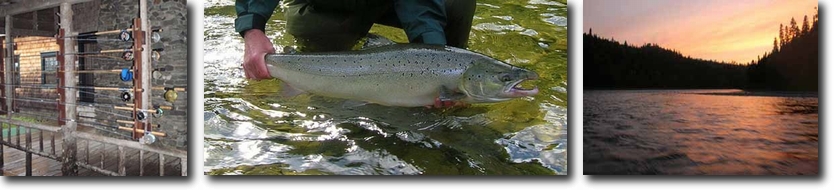
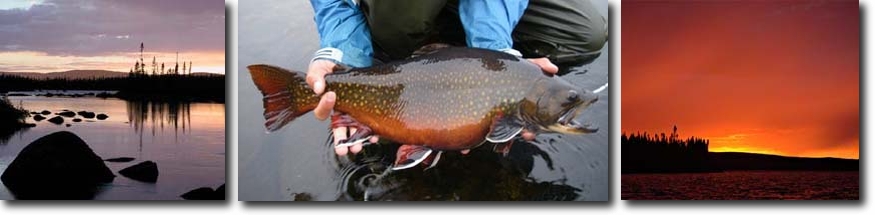
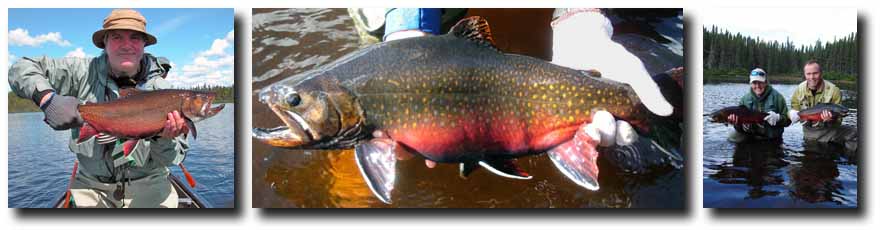
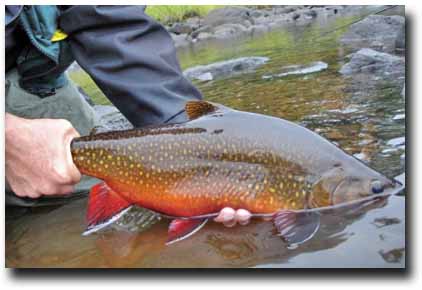
Labrador, Canada: The last stronghold for giant native brook trout. The incomparable Minipi watershed is widely acknowledged as the world’s finest fishery for giant Brook Trout, with an astounding average size of right around 5 pounds. The Minipi is situated some 60 miles southeast of Goose Bay in Labrador’s remote wilderness. Accessible only by floatplane, the Minipi was first explored by fly rod legend Lee Wulff in the late 50’s. Lee recognized this as a one of a kind fishery producing a unique strain of thick bodied, beautifully conditioned brook trout.
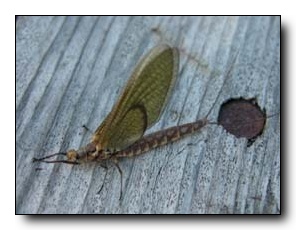
The fertile, shallow lakes are veritable insect factories with prolific hatches of out-sized mayflies, caddis and stoneflies. This abundance of aquatic hatches means that Minipi brookies are almost always “looking up” and specimens up to 10 pounds have been taken on dry fly. Five of the current seven tippet class world records for Brook Trout have been taken in the Minipi system.
Brook trout (5 lb average, up to 10 lbs), northern pike (up to 30 lbs), landlocked arctic char (up to 12 lbs)
Season: Mid-June through mid-September (peak mayfly hatches in July, biggest fish in August)
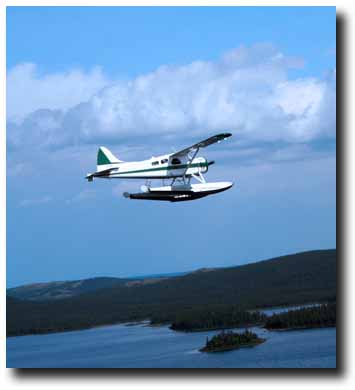
Location: 60 miles southeast of Goose Bay, Labrador—accessible only by floatplane
World record brook trout fishery—five of seven tippet class records from Minipi system
Book now, get a quote, or chat with us about Labrador fly fishing!
Northern pike to 30 pounds are abundant and a unique strain landlocked arctic char up to 12 pounds are taken regularly as they stage for spawning in September. Fishing is restricted to fly fishing only for brook trout and char although spin or plug casting (single, barbless hook lures) is allowed on Minipi Lake. Because trophy brook trout are the main attraction, the incredible pike fishing is often overlooked; despite the fact Minipi Lake has also produced a current fly rod world record for pike, 25.5 pounds on 8-pound tippet. Catch and release is encouraged for brook trout, but anglers may take one trophy brook trout (6 pounds or better) per week for mounting.
The Fishing Program
River and lake fishing is available at all of the Minipi camps. The lakes in the Minipi system are relatively shallow in most areas, allowing sunlight penetration to the bottom. This accounts for amazing insect life making this fishery a dry fly angler’s dream! Anglers are transported to fishing areas in aluminum boats and freighter canoes with 9.9 horsepower motors. Minipi Lake, which is a larger body of water (30-miles long), also has deep-vee aluminum hull boats with 30 hp 4 stroke engines to reduce run times up the lake. You fish two anglers per boat with an experienced, licensed guide, either casting from the boat, from shore, or while wading, depending on the area you fish.
Prime Fishing Areas
A network of boats and canoes are stationed at various known hotspots better accessed by walking. Inlets and outlets are often productive areas as are “narrows” in the lake where there is good current movement. July is the peak mayfly emergence, although good dry fly fishing usually starts around the 20th of June and we have witnessed fishable hatches of giant “drakes” (Hexagenia) and caddis well into August.
Seasonal Patterns
The “growing season” is short and these brookies take advantage and feed voraciously from ice-out (usually 1st week in June) until spawning time in the fall. These fish can pack on an additional 15 – 20% in body weight over the summer! As such, August usually produces the biggest fish (4 of the 5 current records). By the second 2 weeks in August, these big brookies begin staging at the inlets and outlets in preparation for their spawning run. The landlocked arctic char are caught early in the season, but during the warmth of summer, they seek refuge in the deeper parts of the lake. However, they begin staging for their spawning at the inlets and outlets in early September, the time that anglers have their best chances for trophy char.
Fly Patterns & Tackle
Most anglers new to Labrador are amazed by the average size of both mayflies and caddis, which are often imitated on hooks as large as size 2. Most of the dry flies you’ll fish are in the 6 – 12 size range. The Wulff patterns are the most frequently fished dry fly patterns with the Grey Wulff being the most popular. But variations such as the Grizzly, Minonipi and the Royal Wulffs have their followers as well. Big, extended body “Drake” imitations, outsized caddis (Elk Hair & Goddard Caddis for example, and large stoneflies (like the Stimulator in orange or yellow), and a few Atlantic salmon Bombers round out a good dry fly selection.
Other large surface patterns, including deer hair mice, Dahlberg diver types and bass bugs (even cork bodied bass poppers!) are effective on big Minipi brookies, as well as pike. During times between hatches, wet flies, nymphs and streamers are deadly as well with favorite patterns including Muddler Minnows (original and marabou versions), Mickey Finns, Clousers, Zonkers, and Wooly Buggers. For nymphs, large Bitch Creek, Prince Nymphs, and Hare’s Ears are essential.
The Camps
Anne Marie Lodge
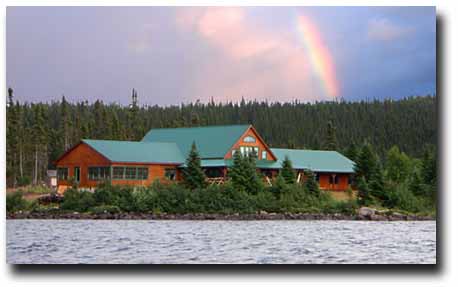
Anne Marie is the oldest and first opened in 1964. Perhaps because of its history and intimacy, Anne Marie has enjoyed a loyal following of repeat clients year after year. After 7 daunting years of construction in the Labrador bush, in 2011, the Cooper’s hosted their first guests at new luxury Ann Marie Lake Lodge, which replaced the aging Anne Marie cabin that had hosted fisherman for a half a century.
The spectacular new Ann Marie Lodge features full ensuite bedrooms, spacious and comfortable common and dining areas, and large windows affording spectacular views of Ann Marie Lake. The camp accommodates a maximum of 10 anglers.
Minipi Lake Lodge
Minipi Lake Lodge, which first opened in 1988, is a modern multilevel structure featuring a 40 foot high, prow-shaved window wall overlooking Minipi Lake. The lodge is just 1/4 mile from the outlet into the Minipi River. The River stretch in the gorge behind the lodge is a “nursery” during most of the season and offers fast action for smaller brookies averaging 2 pounds. Late in the season when the big spawners enter the system, the average size increases. A short walk down to the gorge after dinner is a popular way to finish a great day on Minipi. The lodge accommodates a maximum of 10 anglers.
Flyout Destinations
Minonipi Lake Lodge is currently used as just a daily flyout destination. Minonipi generally produces larger average sized trout than Ann Marie or Minipi and has 2 of the systems world records including a 10-pound brookie taken June 29, 1987. Minonipi also has better numbers of landlocked char.
Little Minipi Lodge is also used only for daily fly outs. Besides inlet/outlets and vast lake areas, Little Minipi has a 1 ¼ mile section of river that holds very large brookies throughout the summer. Fish of over 9 pounds have been taken from the river. The outlet right in front of the camp is also one of the best staging areas for arctic char for the September run of landlocked arctic char.
Daily Schedule & Experience
The daily schedule includes 4 meals. Typically, anglers head out after breakfast, usually not earlier than 9:00 am (Minipi trout are late risers), and stay out for the day, having a shore lunch at noon. Usually the best mayfly hatches occur around 2:00 in the afternoon. Guests return to the lodge for a 6:00 pm dinner, and head back out for the evening fishing. Summer days are long in Labrador (fishable light until 10:00 pm in late-June/early July), and your guides will stay late if you wish. Catching an evening spinner fall on the Minipi is nothing short of a magical experience! A final late evening meal is available when you return to camp for the night.
In September combination fishing/hunting trips may be arranged on special request. The region offers Canada Geese, ptarmigan, ruffed grouse, ducks, and caribou.
Minipi Camps 2025 – 2026 Rates
Rates are per person based on 7 nights accommodations and 6 1/2 days guided fishing with two people sharing a room and a guide daily. Please contact us for current rates and availability.
Camp
Capacity
Rate (USD)
Anne Marie Lake Lodge
10 Rods
$6,595 + Taxes
Minipi Lake Lodge
10 Rods
$5,595 + Taxes
Rates are per person in USD$ and subject to change. There is at present a 15% Harmonized Services Tax added to fishing packages.
Booking at Minipi Camps is easy:
Tap a button below to start the conversation. Our services are free.
Included: Airport reception and transfers in Goose Bay; chartered helicopter or float plane service from Goose Bay to lodge; accommodations; guided fishing; meals at the lodge; fishing license.
Not Included: Airfare to Goose Bay; accommodations if required in Goose Bay; tackle; liquor; soft drinks and gratuities, tax; optional fly outs for June & July trips.
Getting to Minipi Camps
In most cases, guests will overnight in either Halifax or St. Johns and fly to Goose Bay the following morning, and take the float plane into camp that afternoon. Anne Marie typically transfers on Fridays; Minipi Lake Lodge transfers on Thursdays. Please contact us for detailed travel arrangements and recommendations.
The incomparable Minipi watershed is widely acknowledged as the world’s finest fishery for giant Brook Trout, with an astounding average size of right around 5 pounds. The Minipi is situated some 60 miles southeast of Goose Bay in Labrador’s remote wilderness. Accessible only by floatplane, the Minipi was first explored by fly rod legend Lee Wulff in the late 50’s. Lee recognized this as a one of a kind fishery producing a unique strain of thick bodied, beautifully conditioned brook trout. The fertile, shallow lakes are veritable insect factories with prolific hatches of out-sized mayflies, caddis and stoneflies. This abundance of aquatic hatches means that Minipi brookies are almost always “looking up” and specimens up to 10 pounds have been taken on dry fly.
Five of the current seven tippet class world records for Brook Trout have been taken in the Minipi system. Northern pike to 30 pounds are abundant and a unique strain landlocked arctic char up to 12 pounds are taken regularly as they stage for spawning in September. Fishing is restricted to fly fishing only for brook trout and char although spin or plug casting (single, barbless hook lures) is allowed on Minipi Lake. Because trophy brook trout are the main attraction, the incredible pike fishing is often overlooked; despite the fact Minipi Lake has also produced a current fly rod world record for pike, 25.5 pounds on 8-pound tippet. Catch and release is encouraged for brook trout, but anglers may take one trophy brook trout (6 pounds or better) per week for mounting.
Access to this world-class fishery is via the Minipi Camps, owned and operated by Jack & Lorraine Cooper: Anne Marie Lodge and Minipi Lake Resort. The Minipi Camps operate from mid-June through mid-September. Week long packages are the norm, but custom packages of shorter duration may be arranged on request.
THE FISHING
River and lake fishing is available at all of the Minipi camps. The lakes in the Minipi system are relatively shallow in most areas, allowing sunlight penetration to the bottom. This accounts for amazing insect life making this fishery a dry fly angler’s dream! Anglers are transported to fishing areas in aluminum boats and freighter canoes with 9.9 horsepower motors. Minipi Lake, which is a larger body of water (30-miles long), also has deep-vee aluminum hull boats with 30 hp 4 stroke engines to reduce run times up the lake. You fish two anglers per boat with an experienced, licensed guide, either casting from the boat, from shore, or while wading, depending on the area you fish.
A network of boats and canoes are stationed at various known hotspots better accessed by walking. Inlets and outlets are often productive areas as are “narrows” in the lake where there is good current movement. July is the peak mayfly emergence, although good dry fly fishing usually starts around the 20th of June and we have witnessed fishable hatches of giant “drakes” (Hexagenia) and caddis well into August.
The “growing season” is short and these brookies take advantage and feed voraciously from ice-out (usually 1st week in June) until spawning time in the fall. These fish can pack on an additional 15 – 20% in body weight over the summer! As such, August usually produces the biggest fish (4 of the 5 current records). By the second 2 weeks in August, these big brookies begin staging at the inlets and outlets in preparation for their spawning run. The landlocked arctic char are caught early in the season, but during the warmth of summer, they seek refuge in the deeper parts of the lake. However, they begin staging for their spawning at the inlets and outlets in early September, the time that anglers have their best chances for trophy char.
Most anglers new to Labrador are amazed by the average size of both mayflies and caddis, which are often imitated on hooks as large as size 2. Most of the dry flies you’ll fish are in the 6 – 12 size range. The Wulff patterns are the most frequently fished dry fly patterns with the Grey Wulff being the most popular. But variations such as the Grizzly, Minonipi and the Royal Wulffs have their followers as well. Big, extended body “Drake” imitations, outsized caddis (Elk Hair & Goddard Caddis for example, and large stoneflies (like the Stimulator in orange or yellow), and a few Atlantic salmon Bombers round out a good dry fly selection.
Other large surface patterns, including deer hair mice, Dahlberg diver types and bass bugs (even cork bodied bass poppers!) are effective on big Minipi brookies, as well as pike. During times between hatches, wet flies, nymphs and streamers are deadly as well with favorite patterns including Muddler Minnows (original and marabou versions), Mickey Finns, Clousers, Zonkers, and Wooly Buggers. For nymphs, large Bitch Creek, Prince Nymphs, and Hare’s Ears
THE CAMPS
Anne Marie is the oldest and first opened in 1964. Perhaps because of its history and intimacy, Anne Marie has enjoyed a loyal following of repeat clients year after year. After 7 daunting years of construction in the Labrador bush, in 2011, the Cooper’s hosted their first guests at new luxury Ann Marie Lake Lodge, which replaced the aging Anne Marie cabin that had hosted fisherman for a half a century.
The spectacular new Ann Marie Lodge features full ensuite bedrooms, spacious and comfortable common and dining areas, and large windows affording spectacular views of Ann Marie Lake. The camp accommodates a maximum of 10 anglers.
Minipi Lake Lodge, which first opened in 1988, is a modern multilevel structure featuring a 40 foot high, prow-shaved window wall overlooking Minipi Lake. The lodge is just 1/4 mile from the outlet into the Minipi River. The River stretch in the gorge behind the lodge is a “nursery” during most of the season and offers fast action for smaller brookies averaging 2 pounds. Late in the season when the big spawners enter the system, the average size increases. A short walk down to the gorge after dinner is a popular way to finish a great day on Minipi. The lodge accommodates a maximum of 10 anglers.
Minonipi Lake Lodge is currently used as just a daily flyout destination. Minonipi generally produces larger average sized trout than Ann Marie or Minipi and has 2 of the systems world records including a 10-pound brookie taken June 29, 1987. Minonipi also has better numbers of landlocked char.
Little Minipi Lodge is also used only for daily fly outs. Besides inlet/outlets and vast lake areas, Little Minipi has a 1 ¼ mile section of river that holds very large brookies throughout the summer. Fish of over 9 pounds have been taken from the river. The outlet right in front of the camp is also one of the best staging areas for arctic char for the September run of landlocked arctic char.
The daily schedule includes 4 meals. Typically, anglers head out after breakfast, usually not earlier than 9:00 am (Minipi trout are late risers), and stay out for the day, having a shore lunch at noon. Usually the best mayfly hatches occur around 2:00 in the afternoon. Guests return to the lodge for a 6:00 pm dinner, and head back out for the evening fishing. Summer days are long in Labrador (fishable light until 10:00 pm in late-June/early July), and your guides will stay late if you wish. Catching an evening spinner fall on the Minipi is nothing short of a magical experience! A final late evening meal is available when you return to camp for the night.
In September combination fishing/hunting trips may be arranged on special request. The region offers Canada Geese, ptarmigan, ruffed grouse, ducks, and caribou.
Our Services are Free! Contact us for Seasonal Discounts, Special Offers or Promotional Pricing
Minipi Camp 2020 Rates
Rates are per person based on 7 nights accommodations and 6 1/2 days guided fishing with two people sharing a room and a guide daily.
Anne Marie Lake
10 Rods
$6,595 USD + Taxes
Minipi Lake Lodge
10 Rods
$5,595 USD + Taxes
Included
Airport reception and transfers in Goose Bay; chartered helicopter or float plane service from Goose Bay to lodge; accommodations; guided fishing; meals at the lodge; fishing license.
Not Included
Airfare to Goose Bay; accommodations if required in Goose Bay; tackle; liquor; soft drinks and gratuities, tax; optional fly outs for June & July trips.
There is at present a 15% Harmonized Services Tax added to fishing packages.
For 2020, Anne Marie will transfer on Fridays; Minipi Lake Lodge will transfer Thursdays. In most cases, guests will overnight in either Halifax or St. Johns and fly to Goose Bay the following morning, and take the float plane into camp that afternoon.
While eastern Canada is blessed with many great quality Atlantic salmon rivers in a number of the provinces such as Labrador / Newfoundland, Nova Scotia and New Brunswick, strong argument can be made that the best Atlantic salmon fishing, and certainly the largest of Canada’s Atlantic salmon are to be found in “La Belle Province”, Quebec on the beautiful Gaspé Peninsula.
A trio of world-class salmon rivers flow from the Gaspé’s Chic Choc Mountains southward to the Bay of Chaleur, the Grand Caspcapédia, the Petite Caspcapédia and the Bonaventure. The Grand, while mostly private, is known as one of the world’s top producers of trophy Atlantic salmon, producing 10 or more fish over the magical 40 pound mark each season. However, the Bonaventure and the Petite Caspcapédia Rivers are also capable of producing trophy size salmon as well as impressive numbers. And compared with the arduous travel necessary to reach some other provinces, these Gaspé rivers are easily reachable by car from the northeast states, or by service into nearby airports.
All three of these rivers are no more than an hour’s drive from each other and all three may be fished from anyone of a trio of world class salmon lodges. The tremendous advantage is if one of the rivers is not fishing well, these lodges can shift to one of the other rivers, affording anglers the best possible opportunity for good sport. Moving from west to east, these lodges are:
The Salmon Lodge is situated on the Grand Caspcapédia. Built in the late 1800’s, this historic Lodge brings anglers back to the era of Atlantic salmon fishing in the “Grand Old Style”. The Salmon Lodge is the closest to the Lake and Salmon Branches of the Grand Caspcapédia, and as such, may fish these Grand more often than the other two. They also rotate fishing quality water on both the Petite Caspcapédia as well as the Bonaventure.
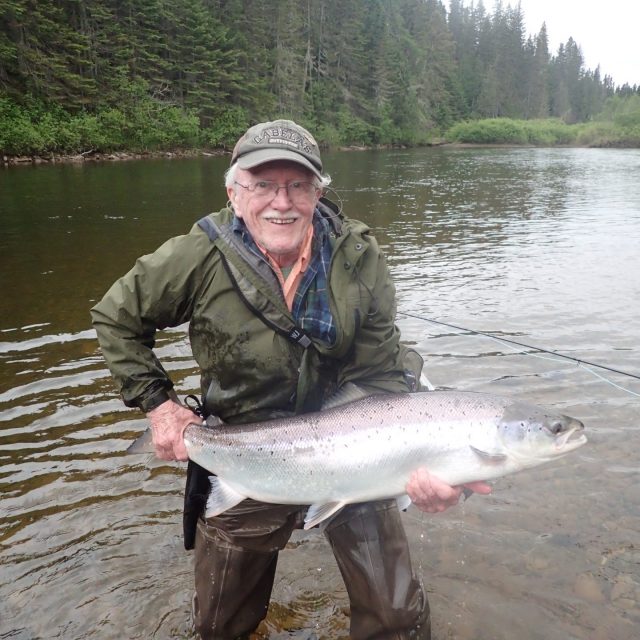
Formerly The Canadian Salmon Club a private camp for over 90 years, The Club on the Bonaventure is now open to the public offering access to the most productive stretch of the Bonaventure River. Guests enjoy 5-Star accommodations, gourmet cuisine and pampering attention. 6-rods have exclusive use of 7-miles of river with 26 major pools on the coveted B3 and B4 sectors of the Bonnie.
Camp Bonaventure is one of Quebec’s newer salmon lodges. Built in the early 1990’s, this elegant contemporary lodge is located on the banks of one of Canada’s premier dry fly rivers, the gin clear Bonaventure River, and offers access to trophy waters on the famed Grand Caspcapédia as well as the crystalline Petite Caspcapédia.
Labrador is the most remote of the Eastern Canadian provinces, and as such, offers some of the best fishing. The trophy brook trout is Labrador’s biggest drawing card, and the Minipi watershed is one of the world’s finest fishery for trophy squaretails. Minipi Brookies average 5.5 pounds, specimens over 8 pounds are taken most years, and several world records (to 10 pounds) have been established here. Landlocked arctic char to 12 pounds and northern pike to 30 are available as well.
Lee Wulff first explored Labrador and the Minipi watershed some 40 years ago and the fishing remains as good as it was when Lee first cast a fly here. Much of the success is thanks to the strong catch and release ethic encouraged by Cooper’s Minipi Camps who outfit the watershed from three camps, Ann Marie, Minonipi and Minipi Lake. If you’d like to catch a 7 or 8 pound brook trout on a dry fly, Cooper’s Minipi Camps is the best place in the world to try.
For anglers looking for more consistent action and not necessarily trophy fish, we recommend Crooks Lake Lodge on the headwaters of the Eagle River. Crooks Lake offers a mix of river and lake fishing with fish averaging around 4 pounds, occasionally up to 6, but the numbers of fish caught are much greater than in the Minipi system.

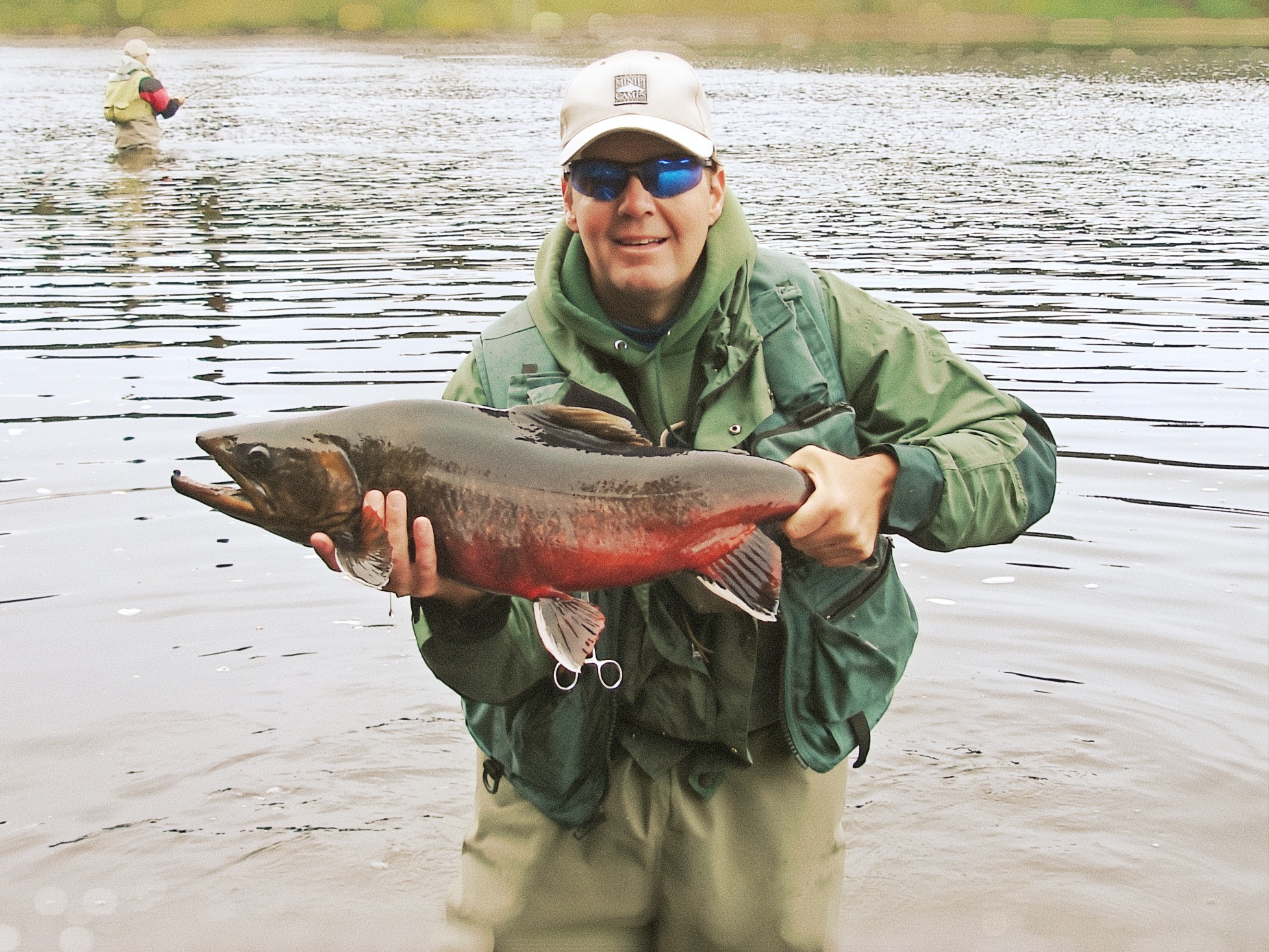




 The Club on the Bonaventure