Tag: trevally

  • Tropic Star Lodge, Panama

    Tropic Star Lodge, Panama

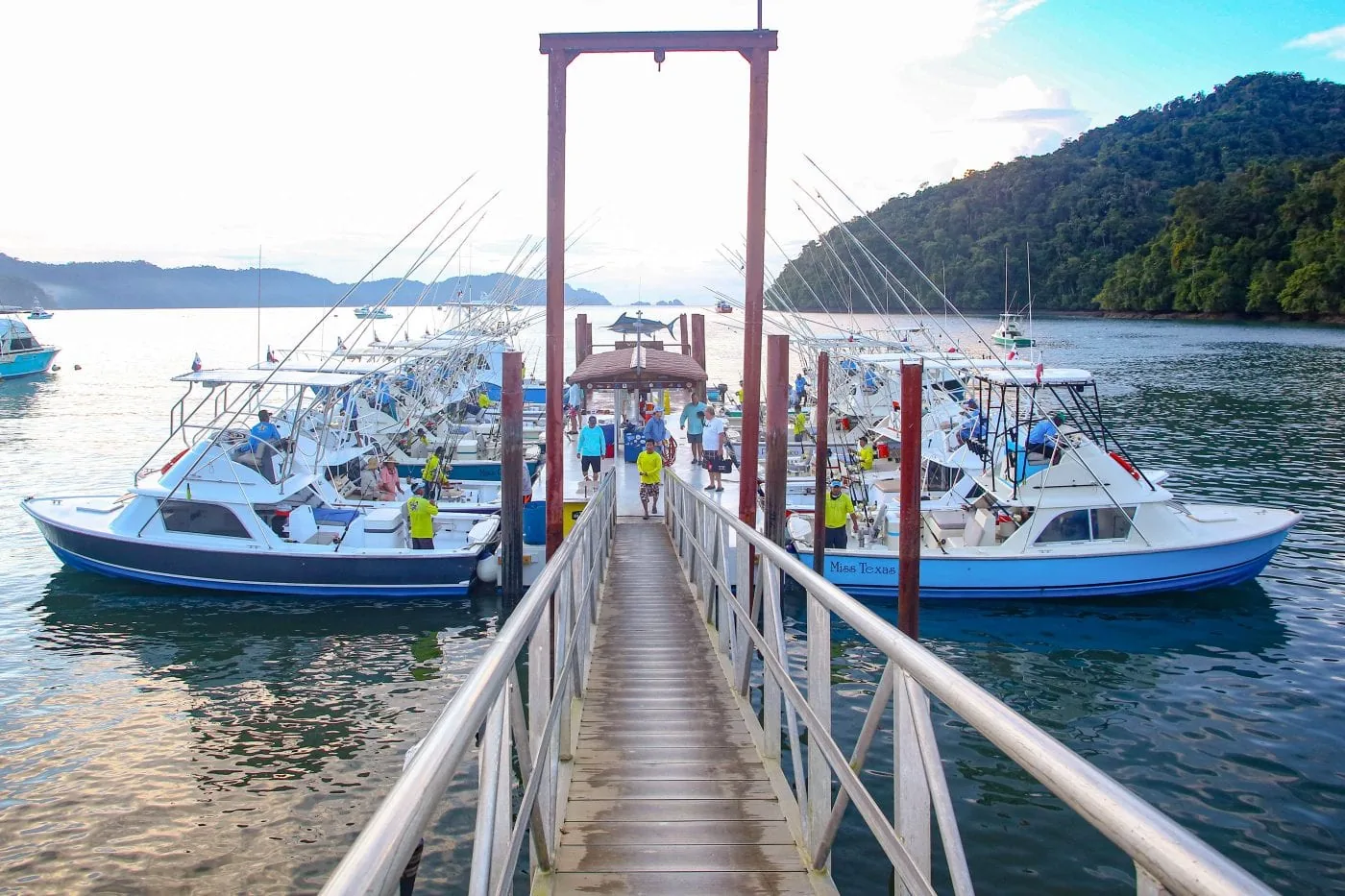
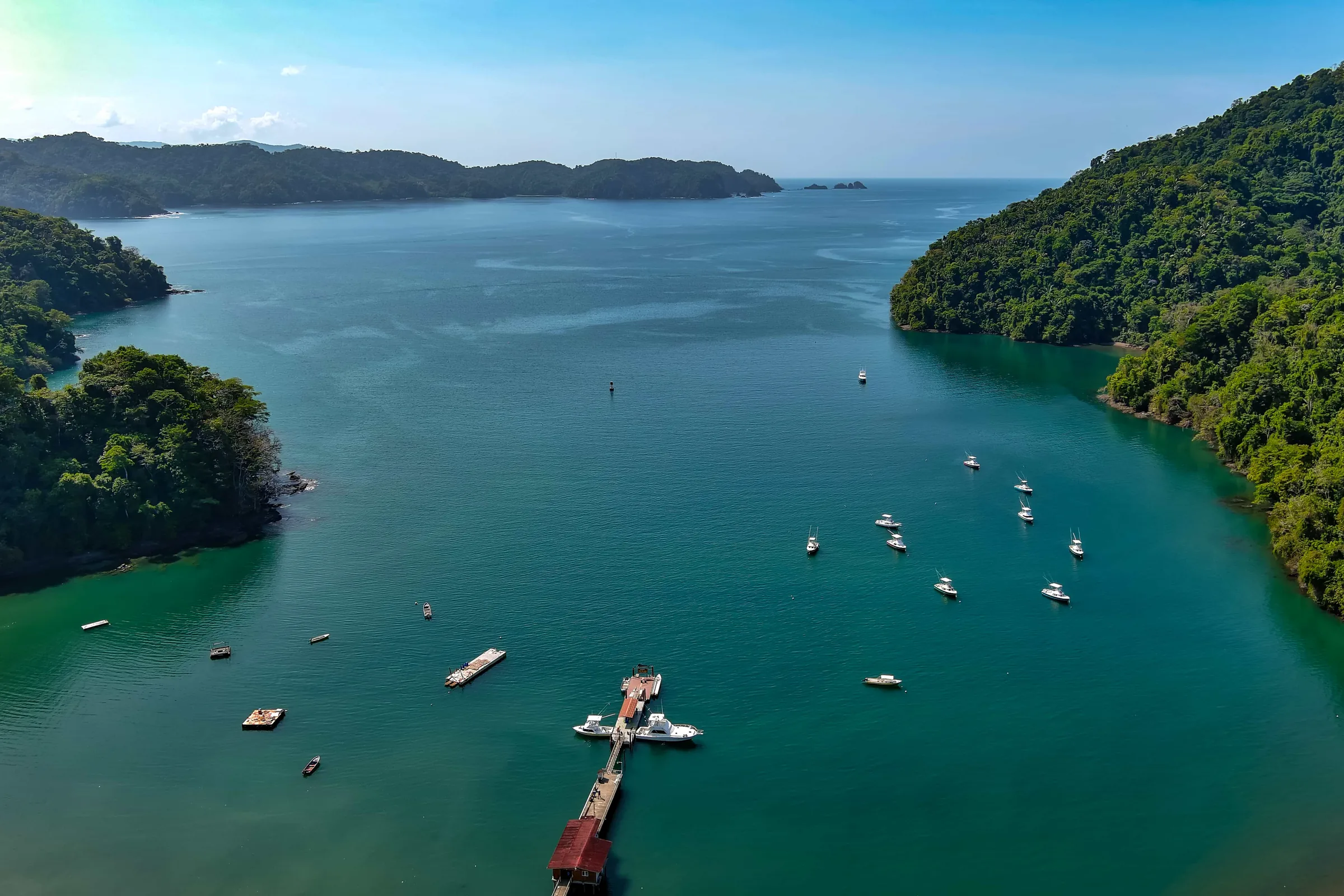
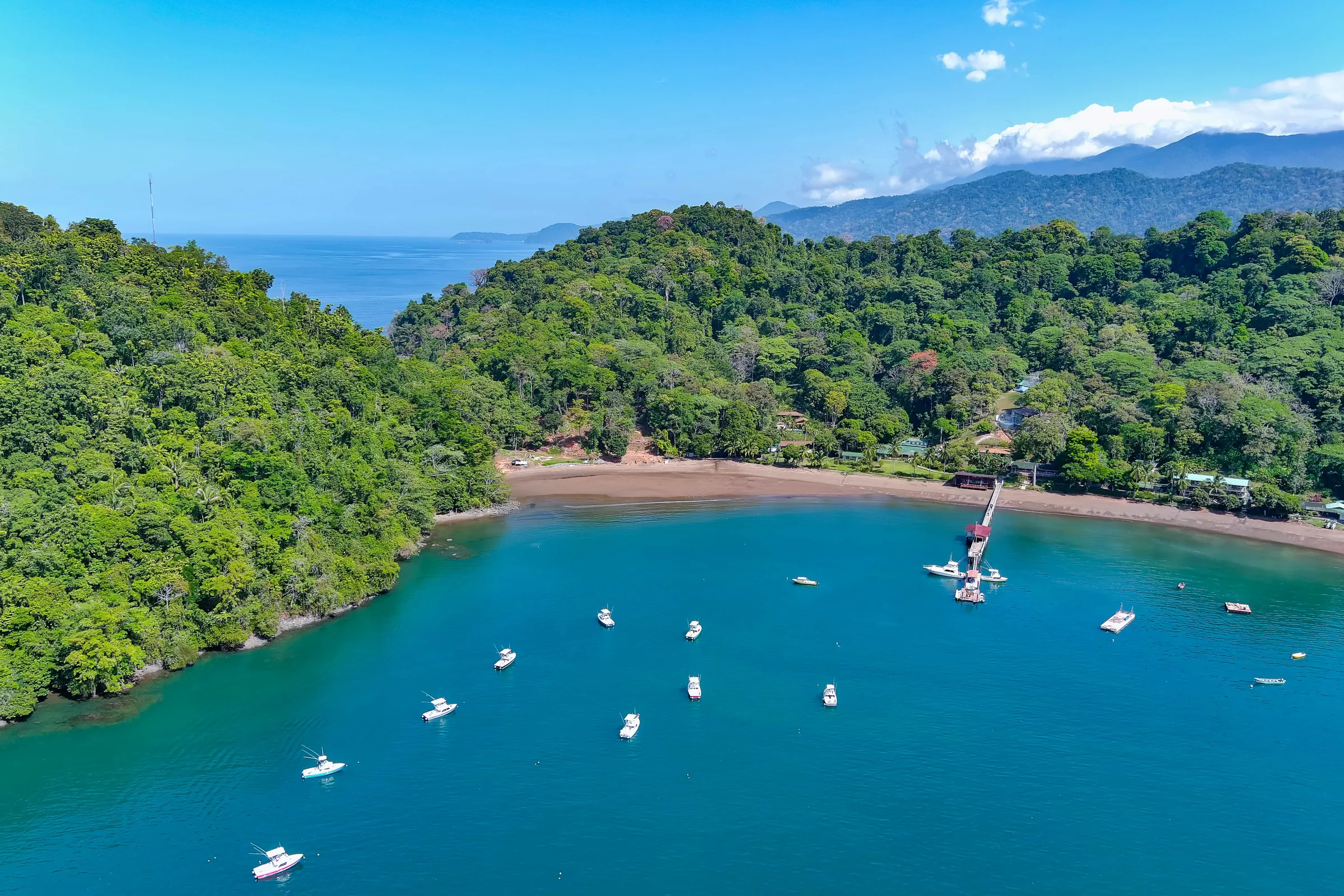
    Aerial of Tropic Star Lodge and the Bertram fleet in Piñas Bay, Panama
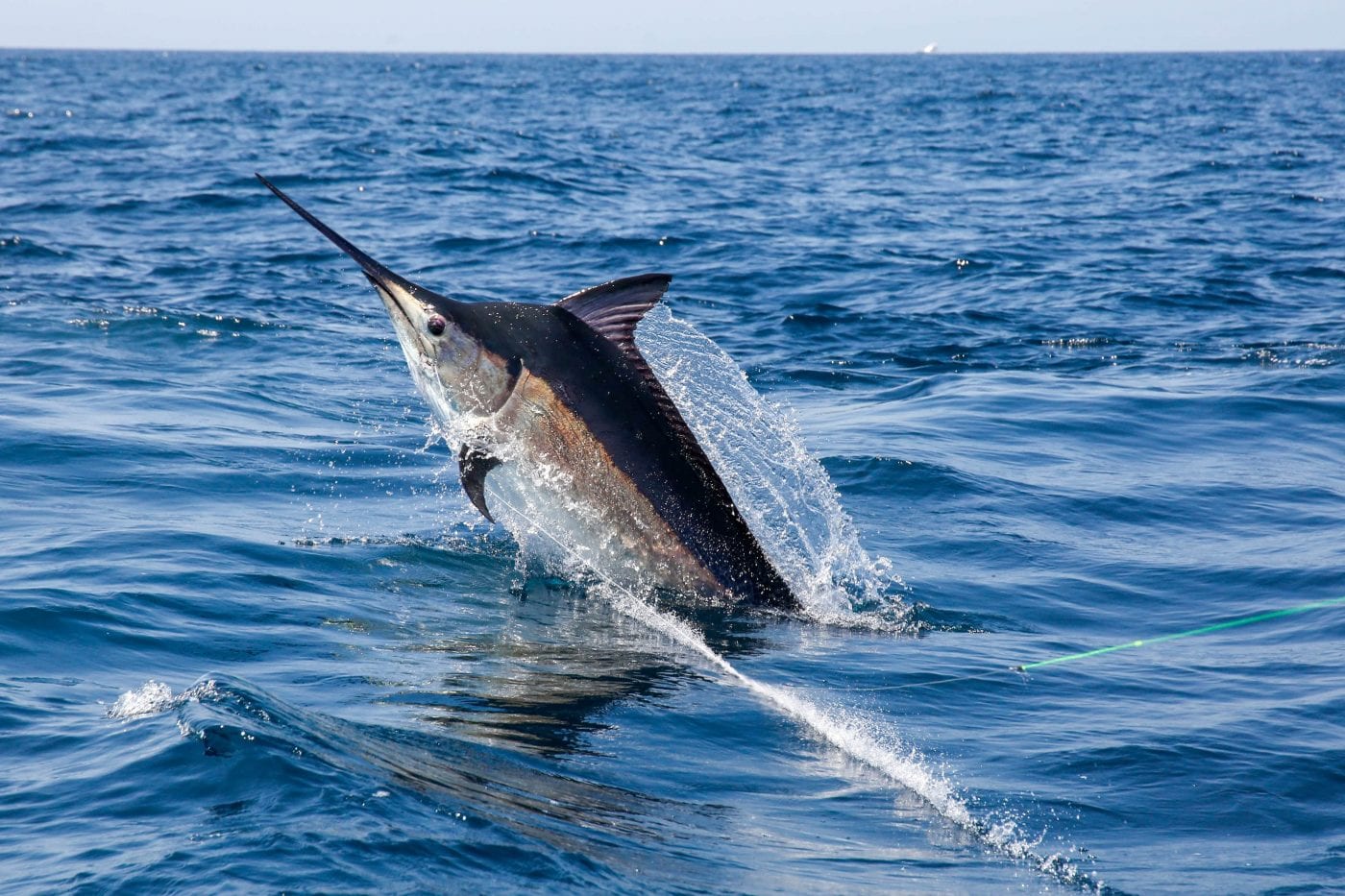
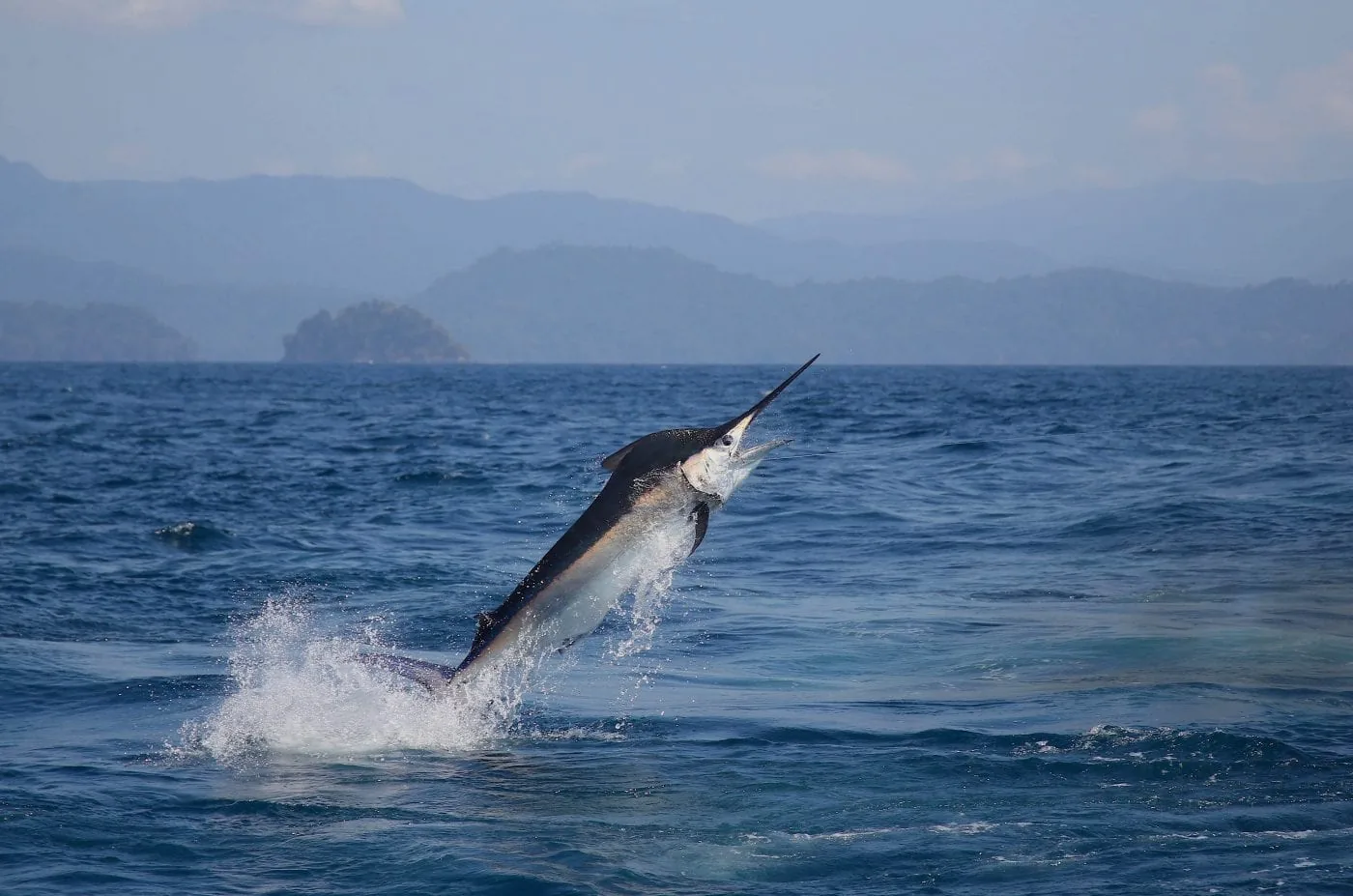
    Black marlin jumping off Piñas Bay near Tropic Star Lodge, Panama
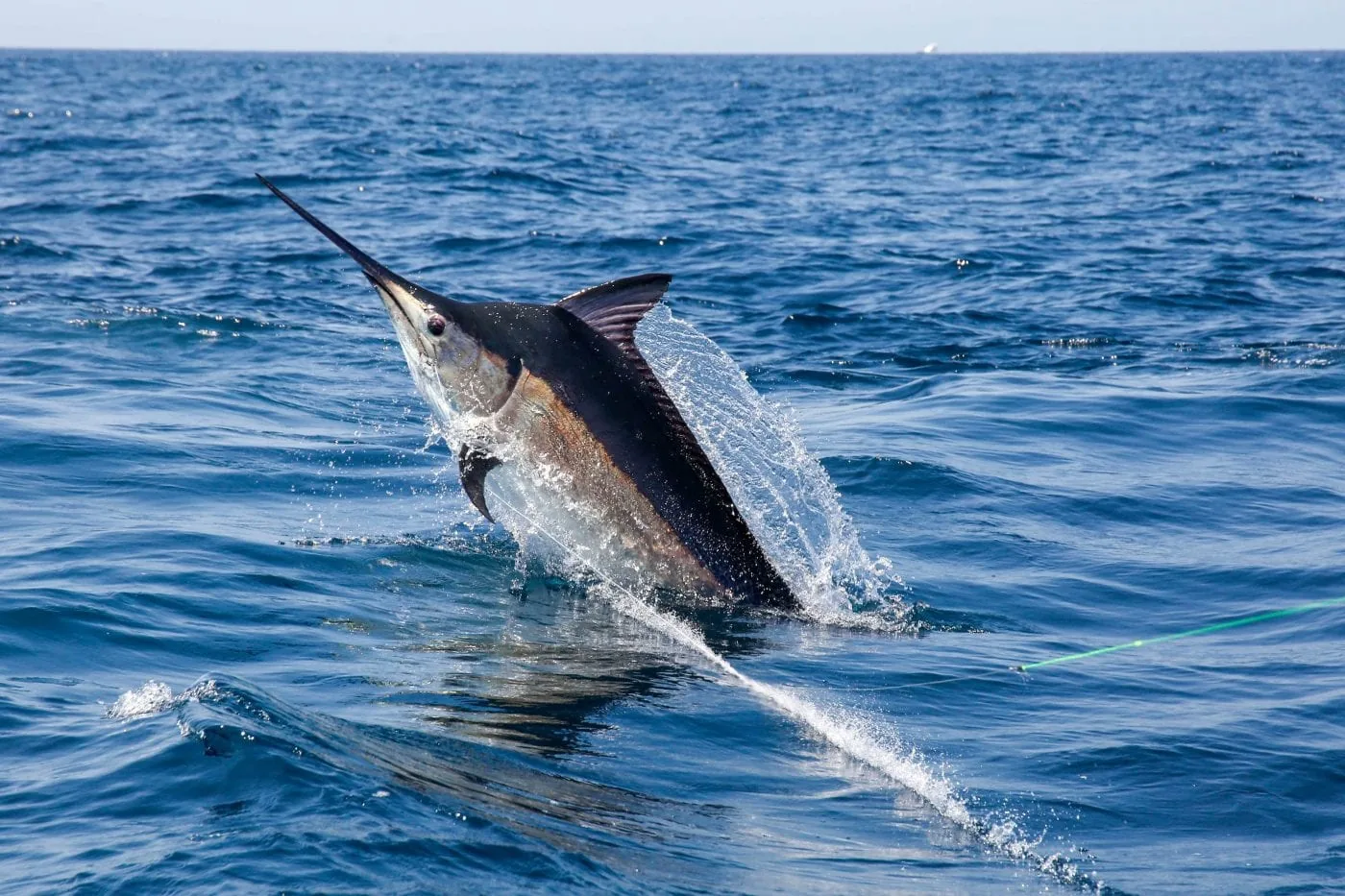
    Marlin jumping on a green line off Tropic Star Lodge, Piñas Bay, Panama
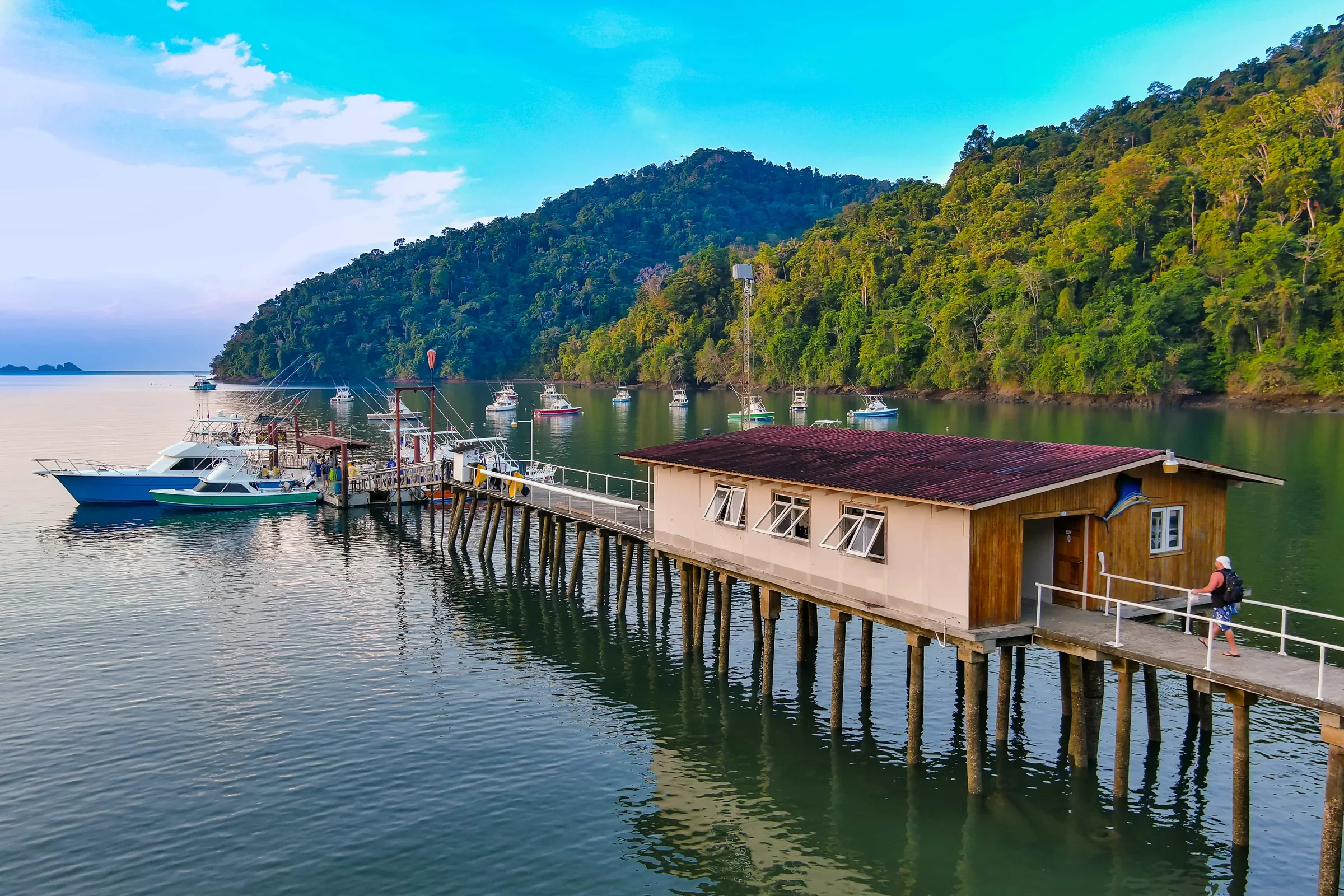
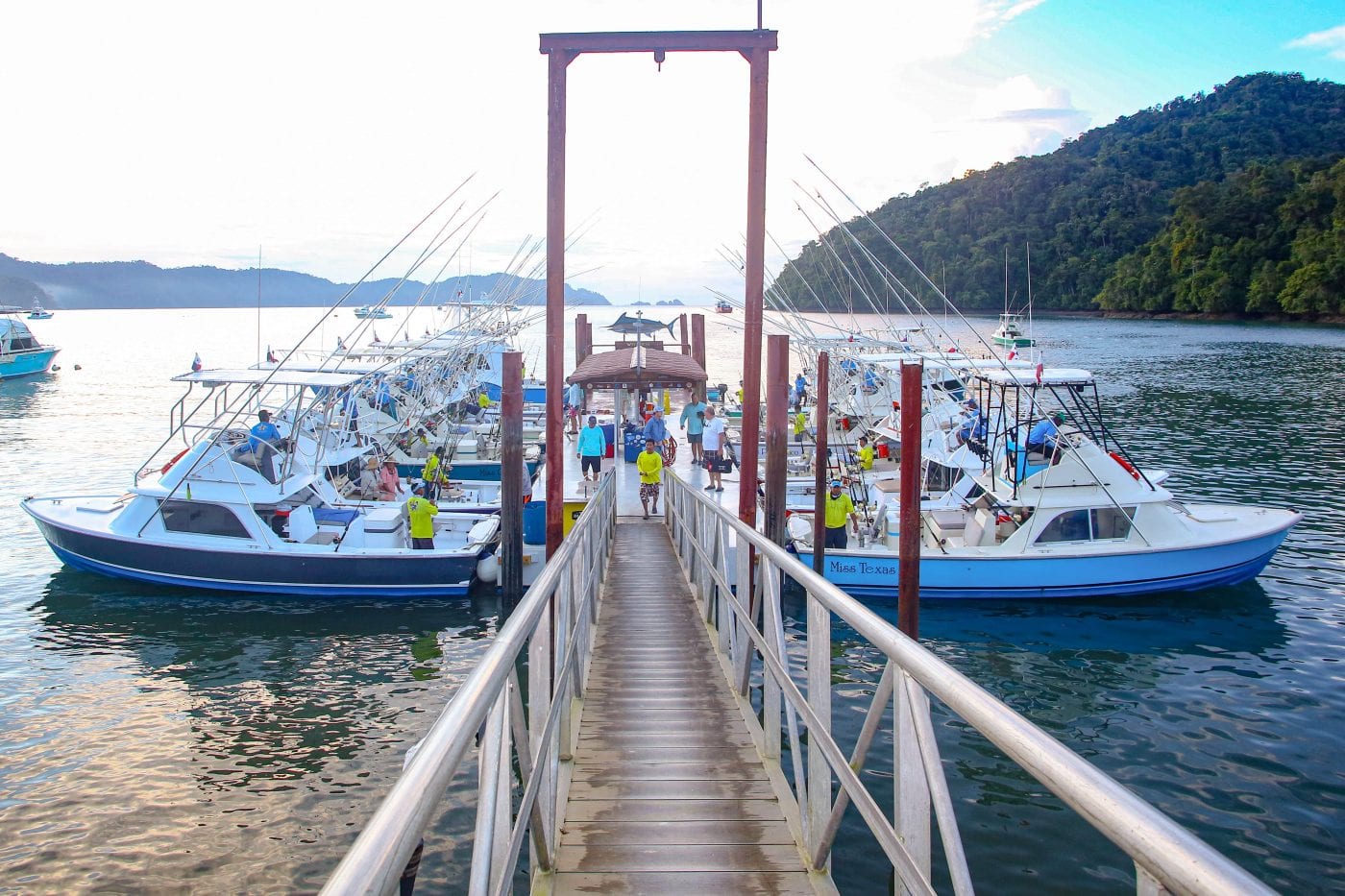
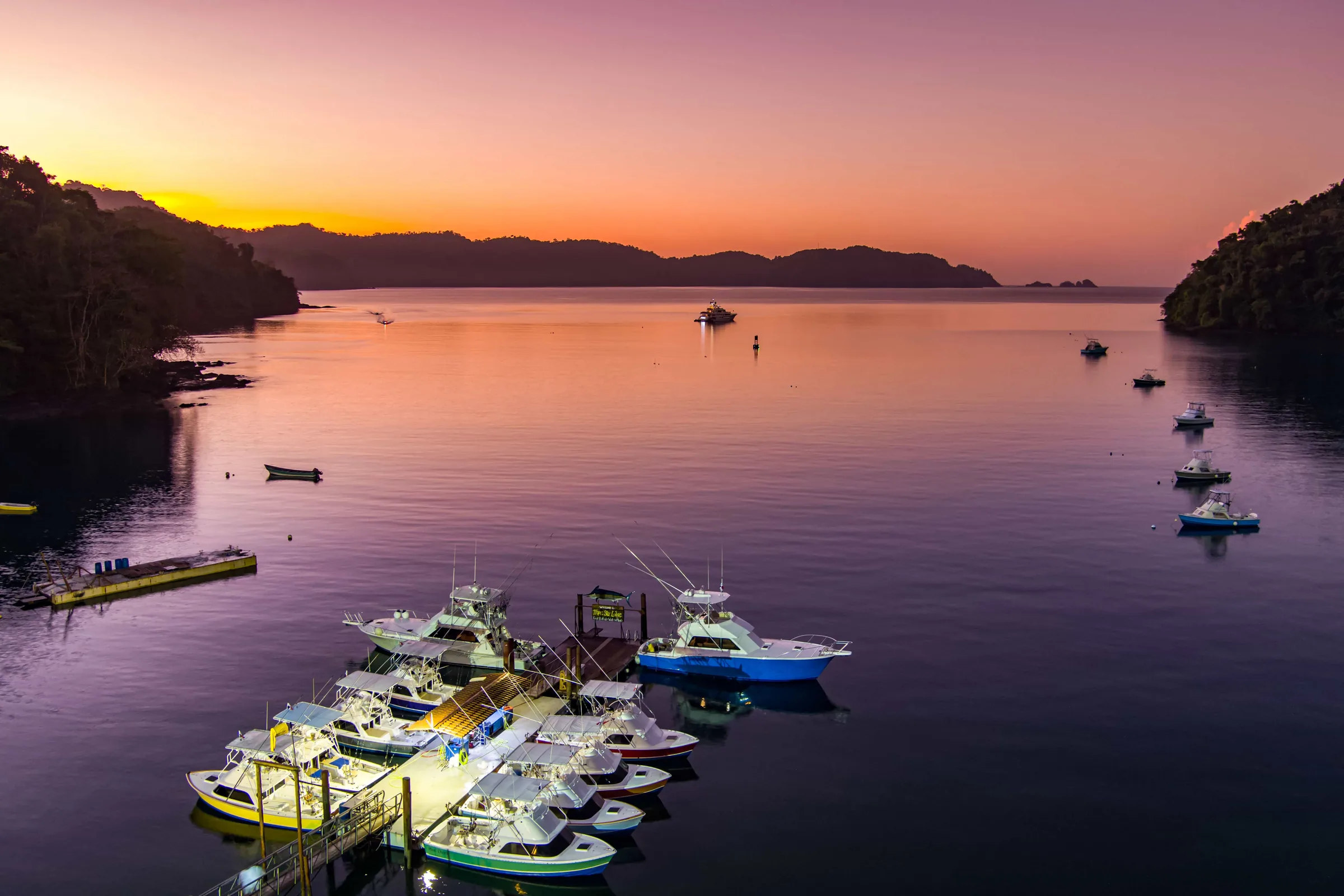
    Tropic Star Lodge marina and sportfishing fleet at sunset, Piñas Bay, Panama

    Piñas Bay, Panama — marlin and sailfish:

    Tropic Star Lodge

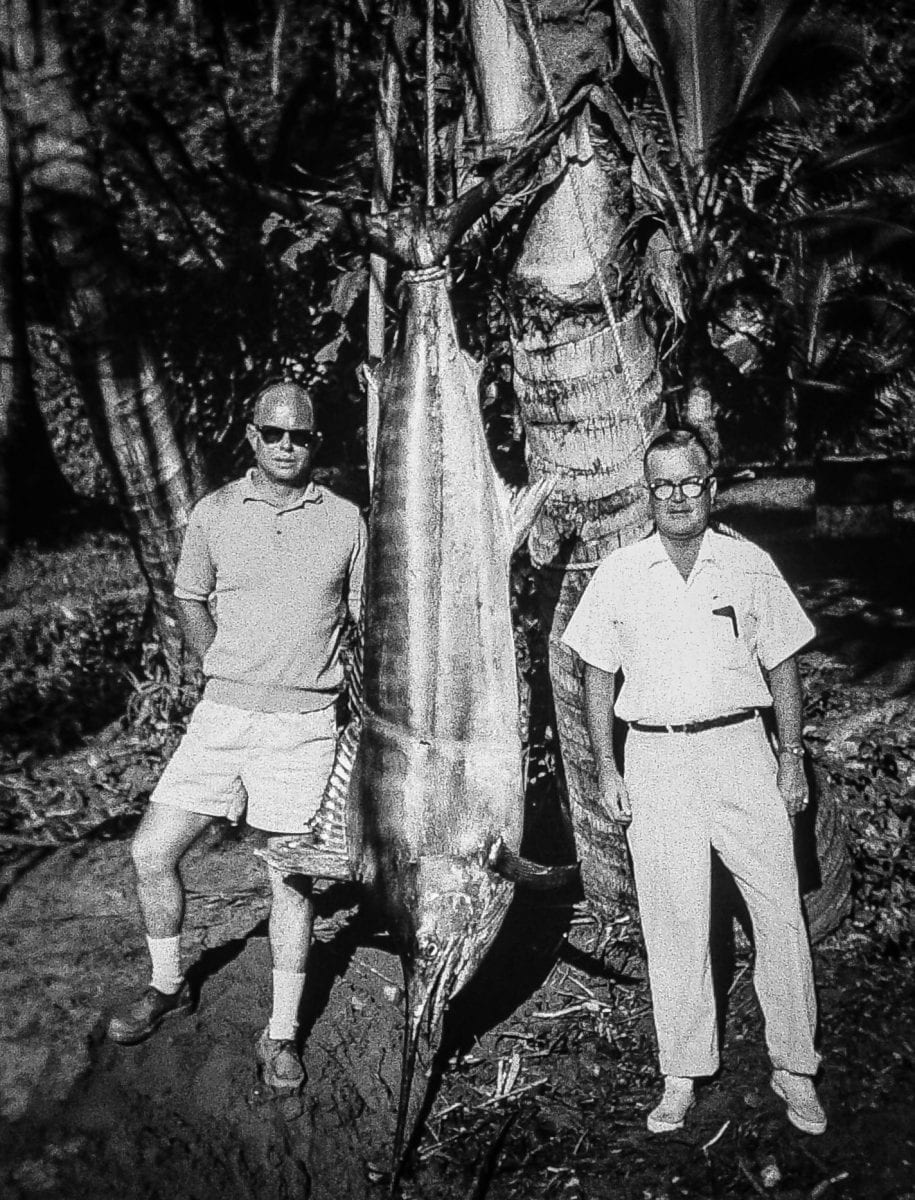
    Black marlin

    Zane Grey Reef

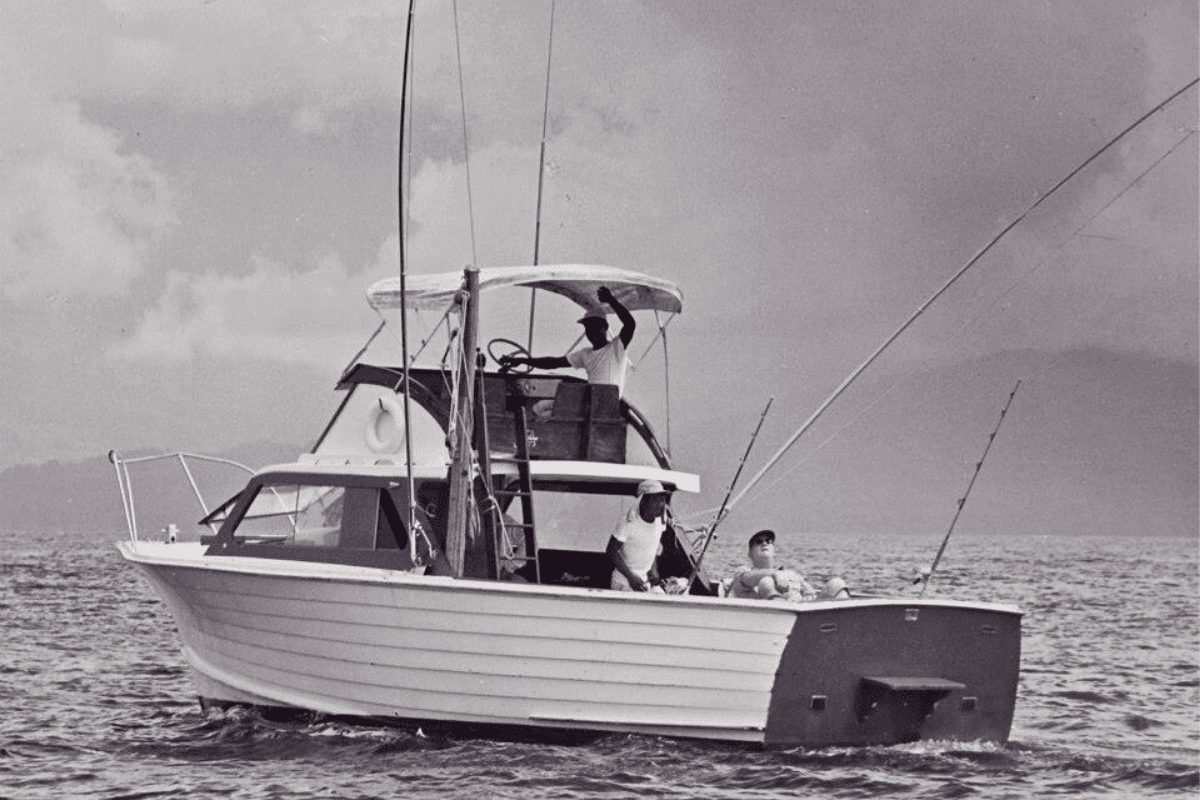
    Bertram 31s

    Overview

    Tropic Star Lodge sits on remote Piñas Bay in Panama’s Darién Province, about 20 minutes from Zane Grey Reef. Guests fish black marlin, blue marlin, and sailfish offshore, and roosterfish and cubera on the inshore grounds, from Classic or Premium Bertram 31s. Twenty-three air-conditioned rooms and villas take up to 45 guests.

    Guests fly to Tocumen International (PTY) in Panama City, overnight, then take a 30-minute drive and a charter of just under an hour to Bahía Piñas. A short bus and 10–15 minute water taxi finish the trip to the lodge.

    Peak weeks (January–February) run as 7-night, 6-day packages and book 1–2 years out. Inshore (March–May) and Standard / blue marlin weeks (June–September and December) also offer shorter 3- and 4-day packages. The annual Billfish Tournament is in November; the Roosterfish Tournament is in May.

    Black marlin, blue marlin, sailfish, roosterfish, yellowfin, dorado

    Piñas Bay / Darién, Panama — Zane Grey Reef 20 minutes out

    23 rooms and villas — up to 45 guests

    Classic or Premium Bertram 31s

    Dates: Peak Jan–Feb · Inshore Mar–May · Standard Jun–Sep

    Call or use the form for information about billfish and inshore fishing at Tropic Star Lodge.

    Destination Inquiry

    or

    Fishing Tropic Star Lodge

    Piñas Bay’s offshore bite is black marlin (heaviest in January and February), blue marlin (June–September and December), and sailfish that regularly top 100 pounds. Yellowfin tuna, dorado, and wahoo run with the billfish. Grand slams are common in July.

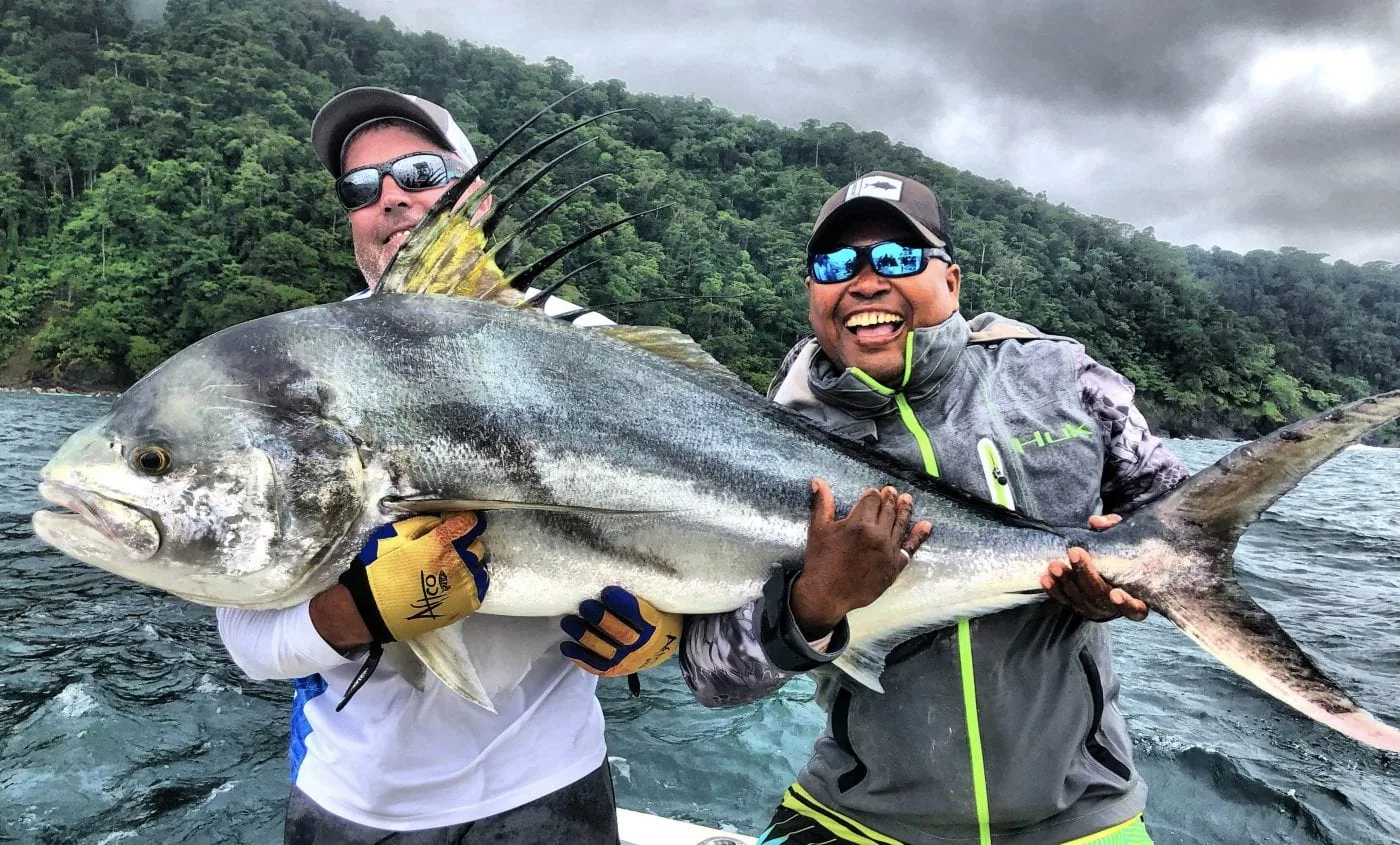
    Inshore, roosterfish are the draw from March through May, with fish over 70 pounds on the books. Cubera snapper, bluefin trevally, broomtail grouper, and tarpon in the backwaters keep a second rod busy. Local captains and mates — many second- or third-generation on this coast — run the Bertram 31s with GPS, VHF, tuna tubes, and live wells.
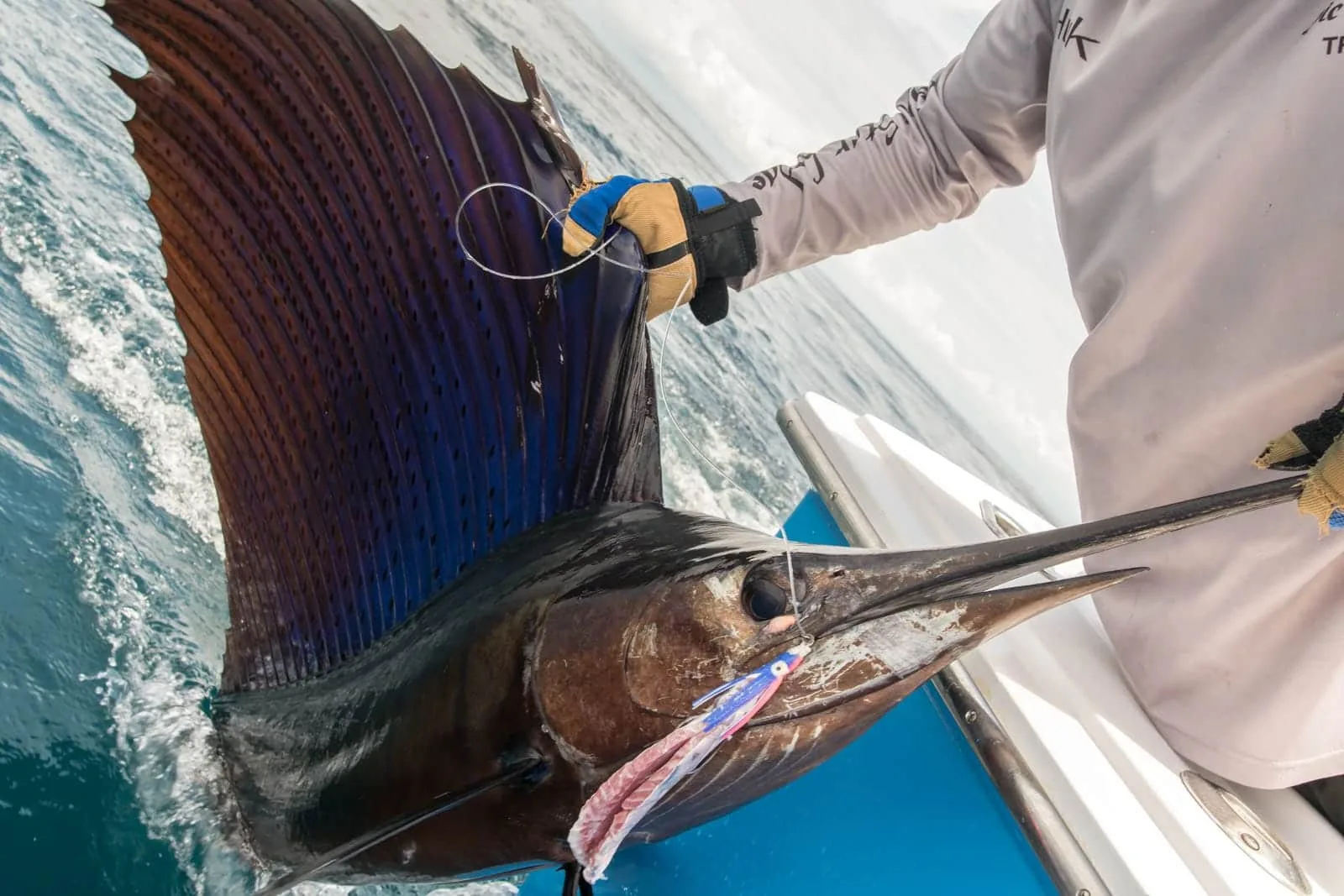
    Sailfish held alongside a Tropic Star Lodge boat, Piñas Bay, Panama
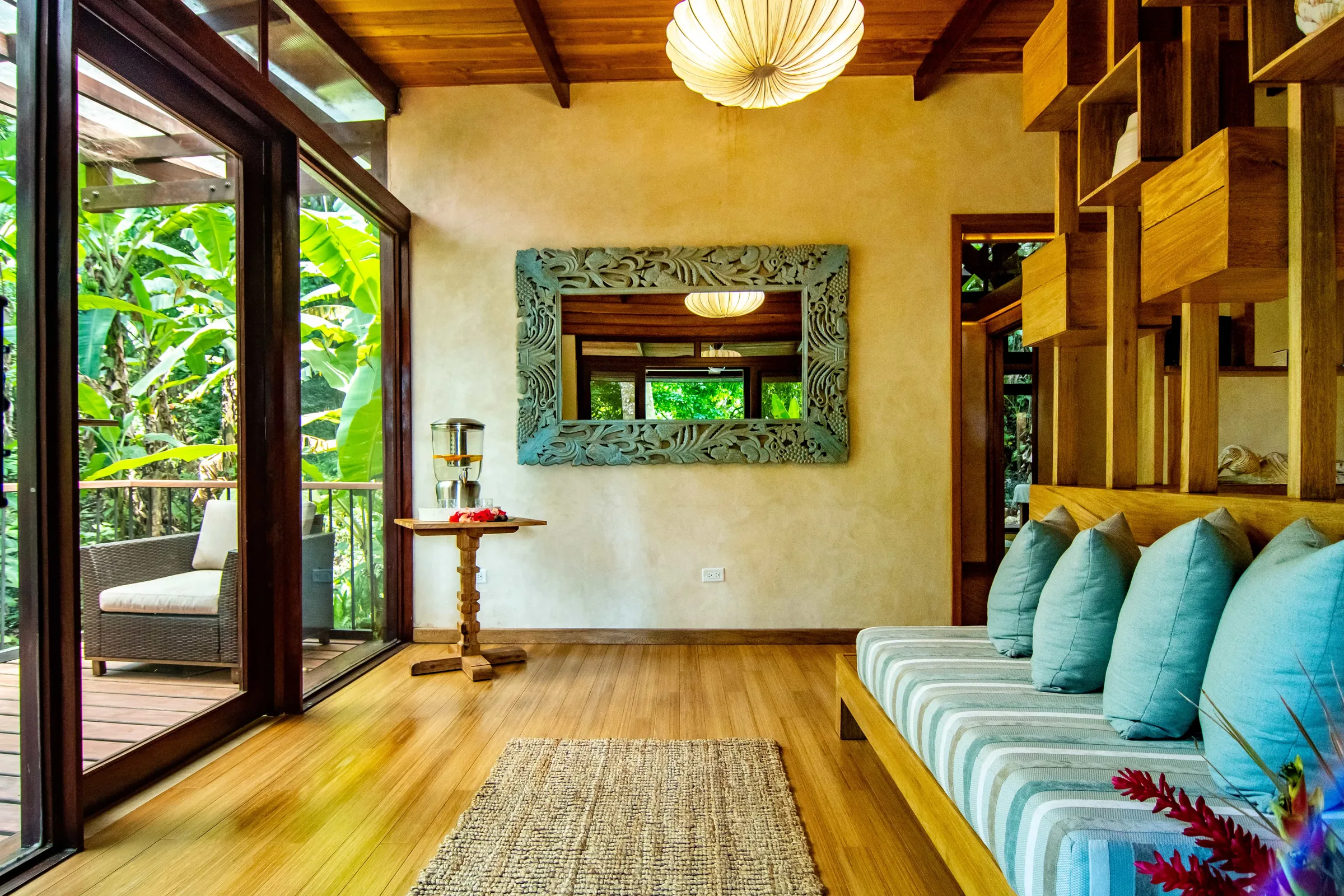
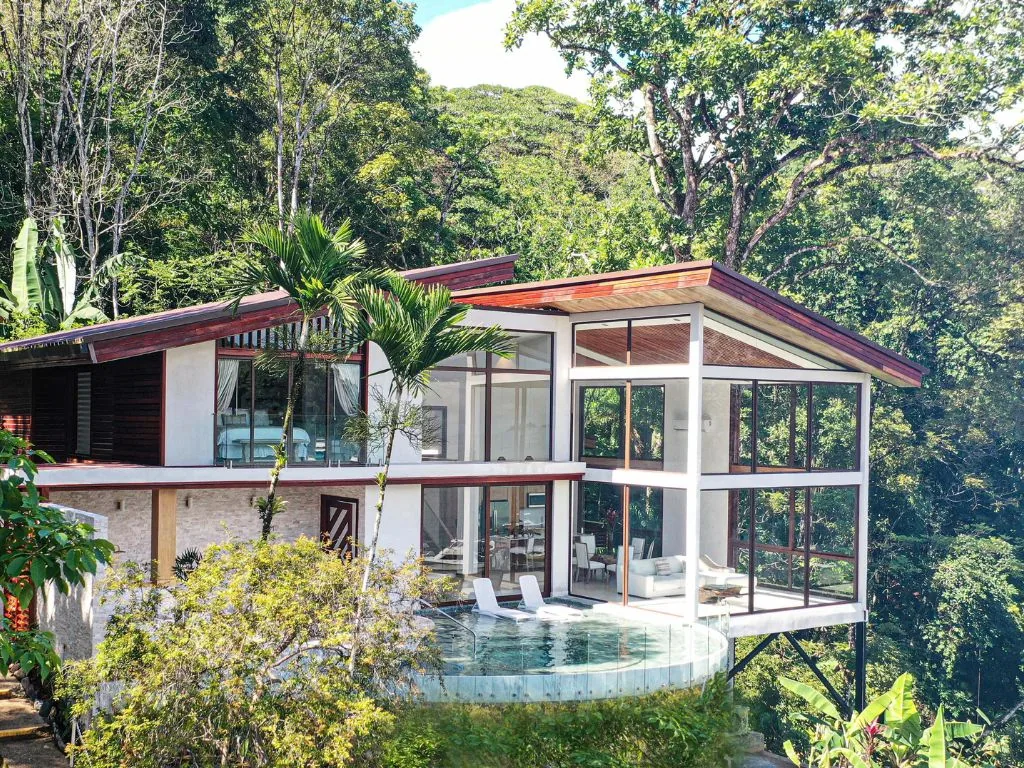
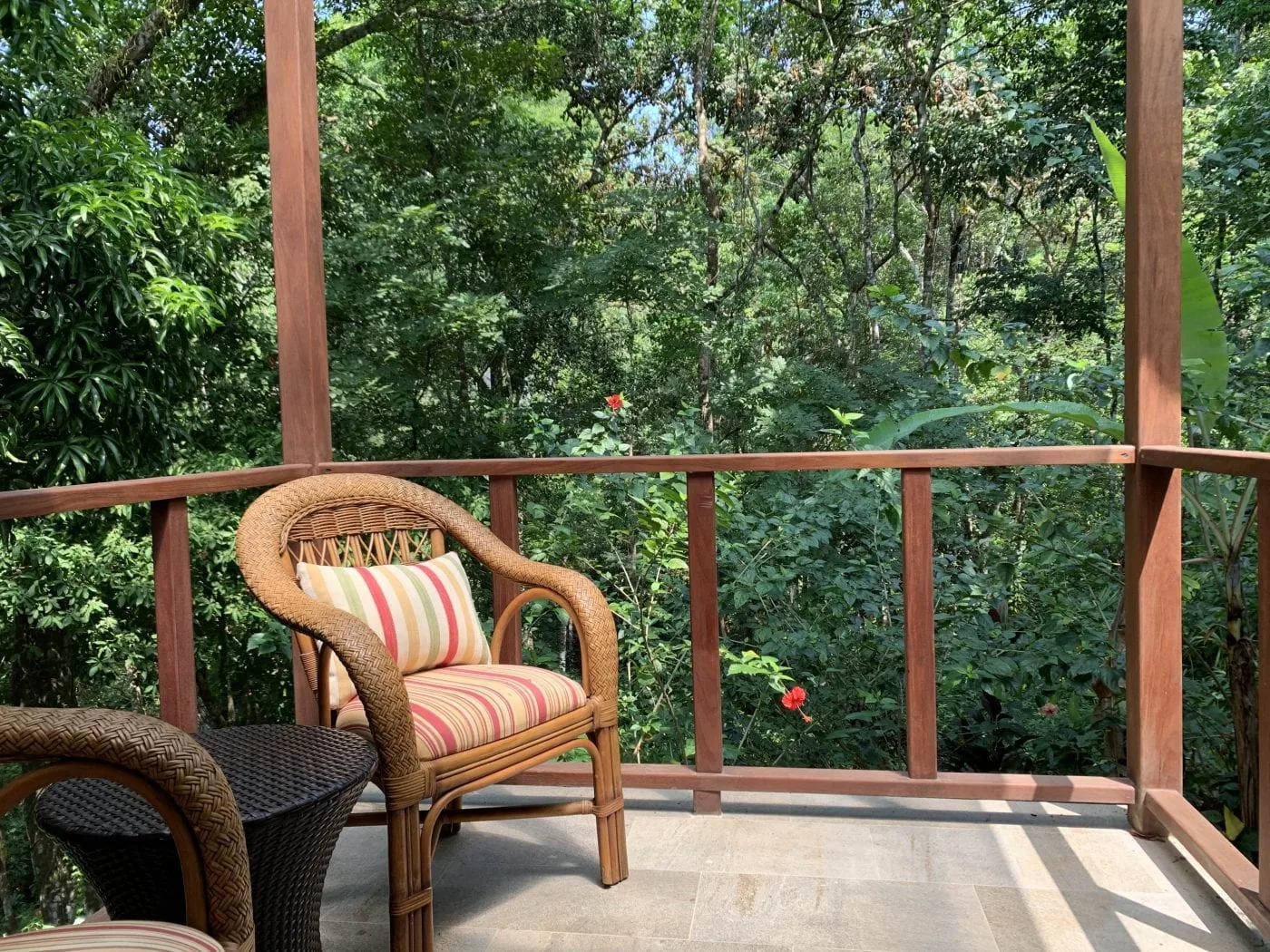
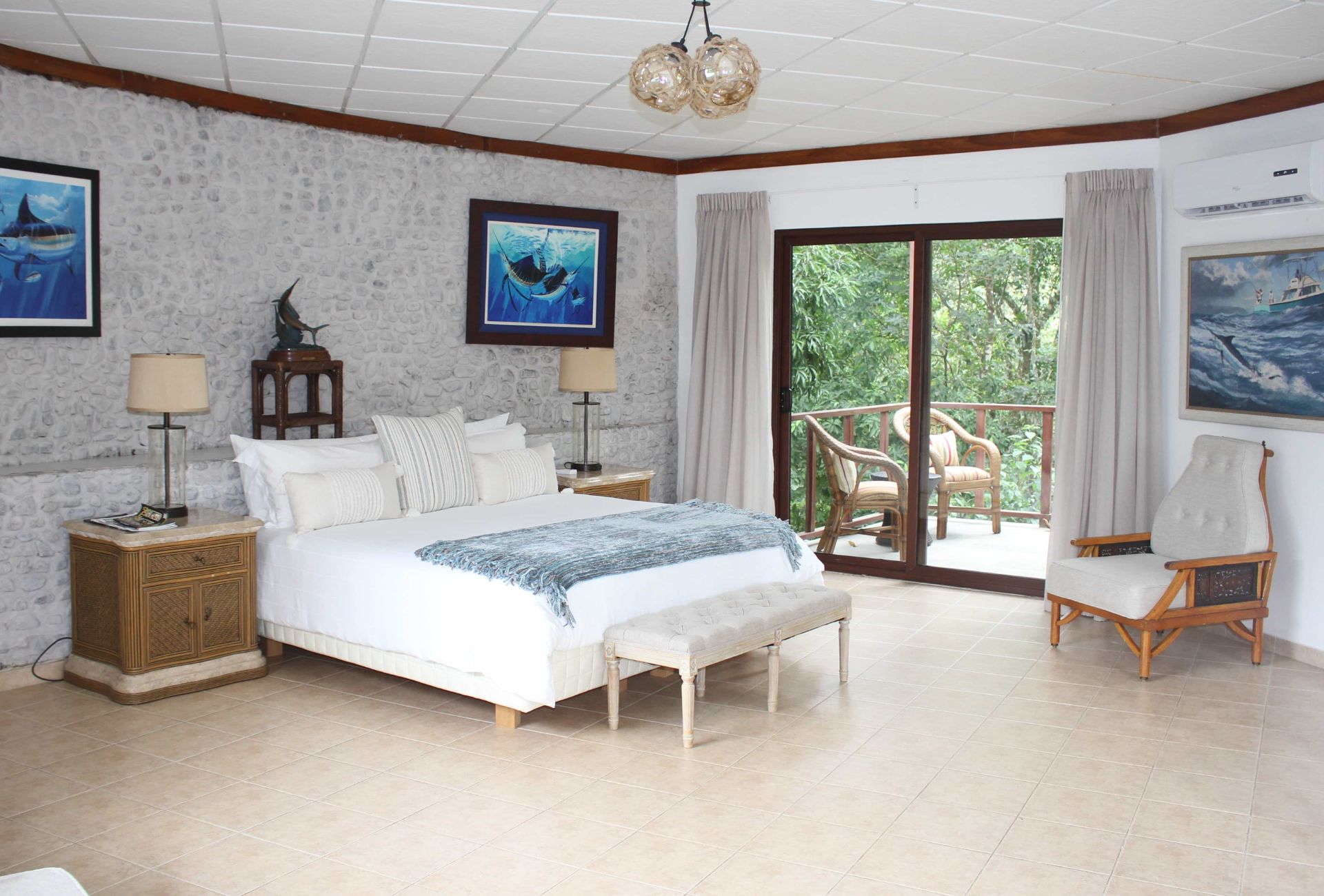
    Villa sitting room with jungle view at Tropic Star Lodge, Panama

    The lodge

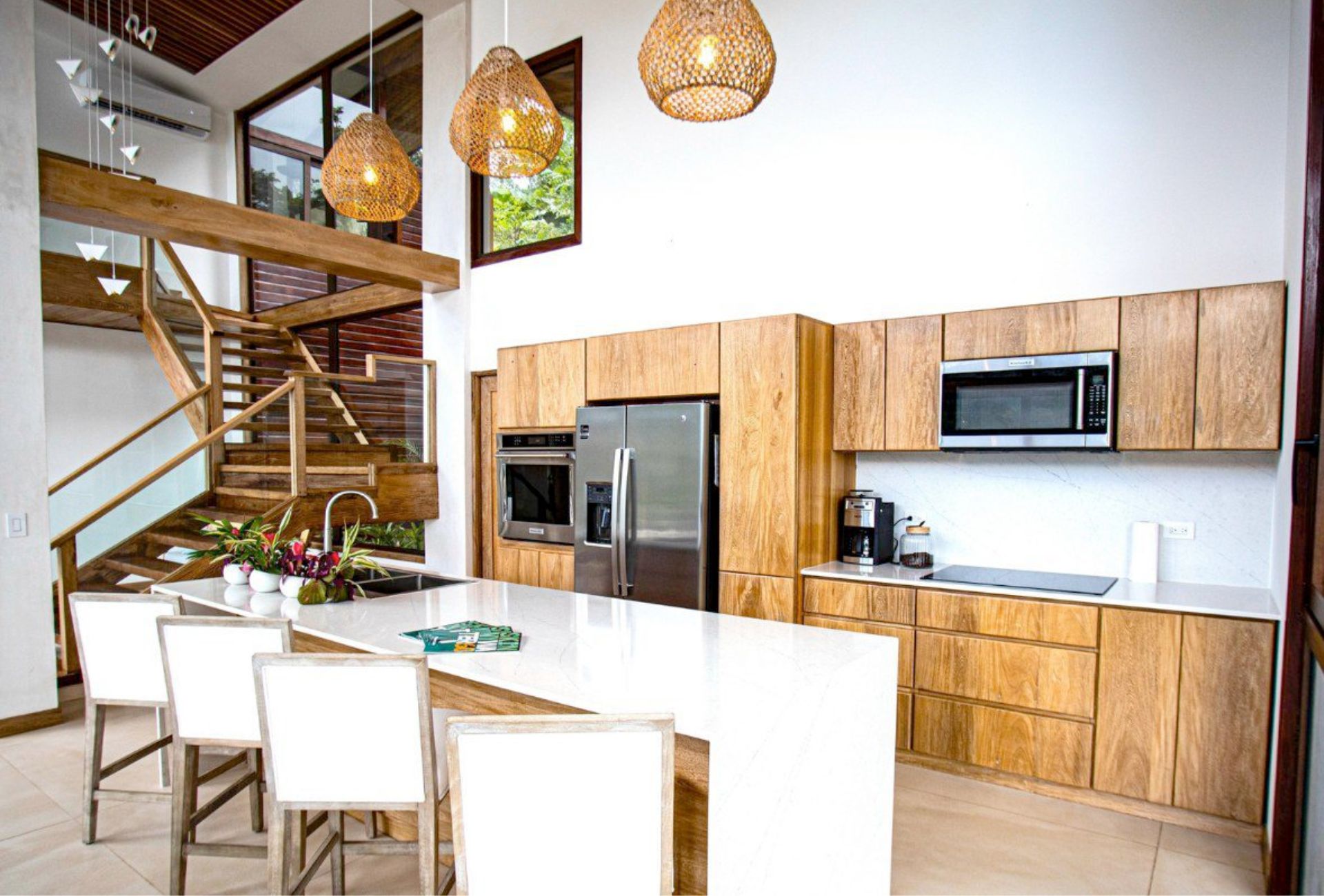
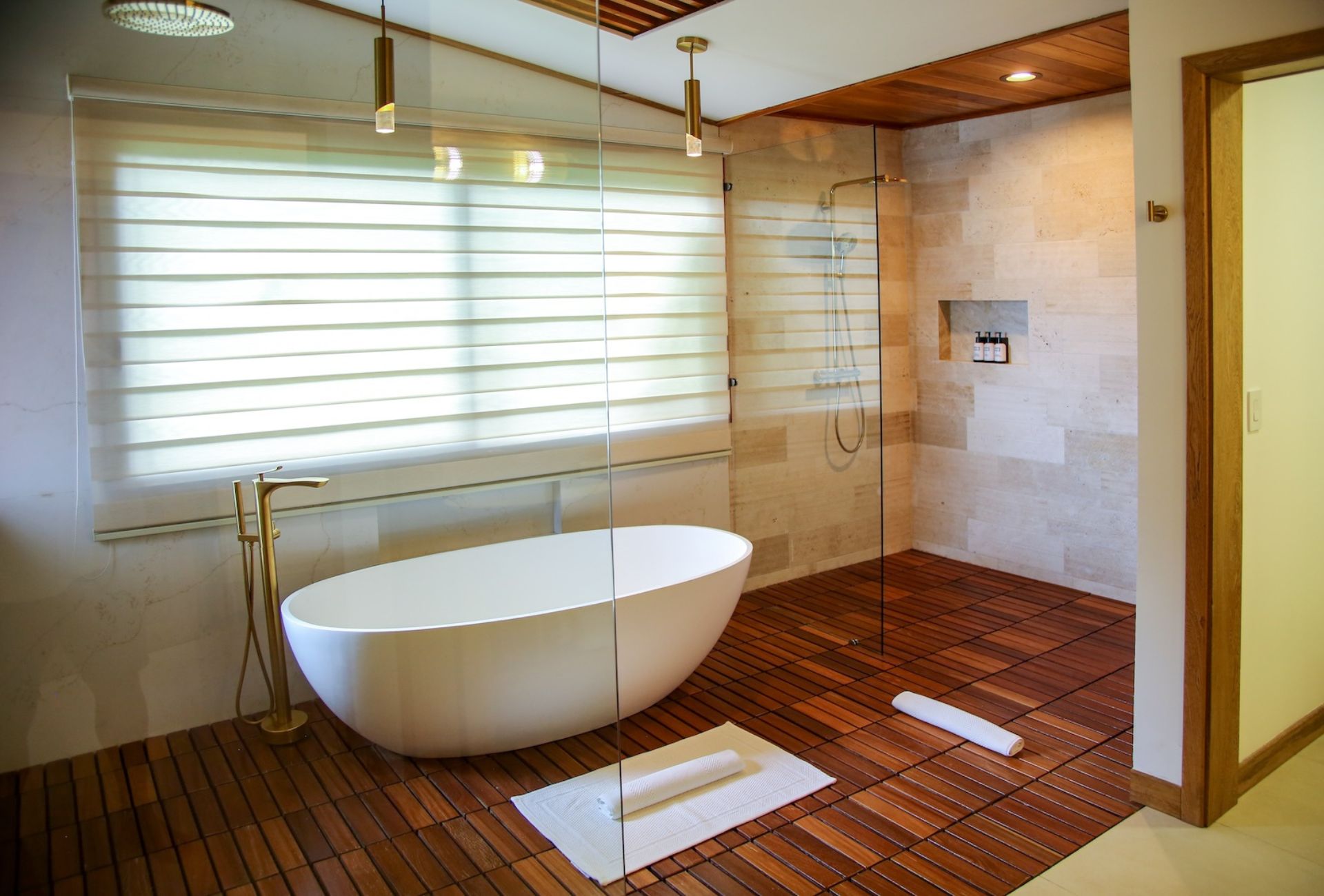
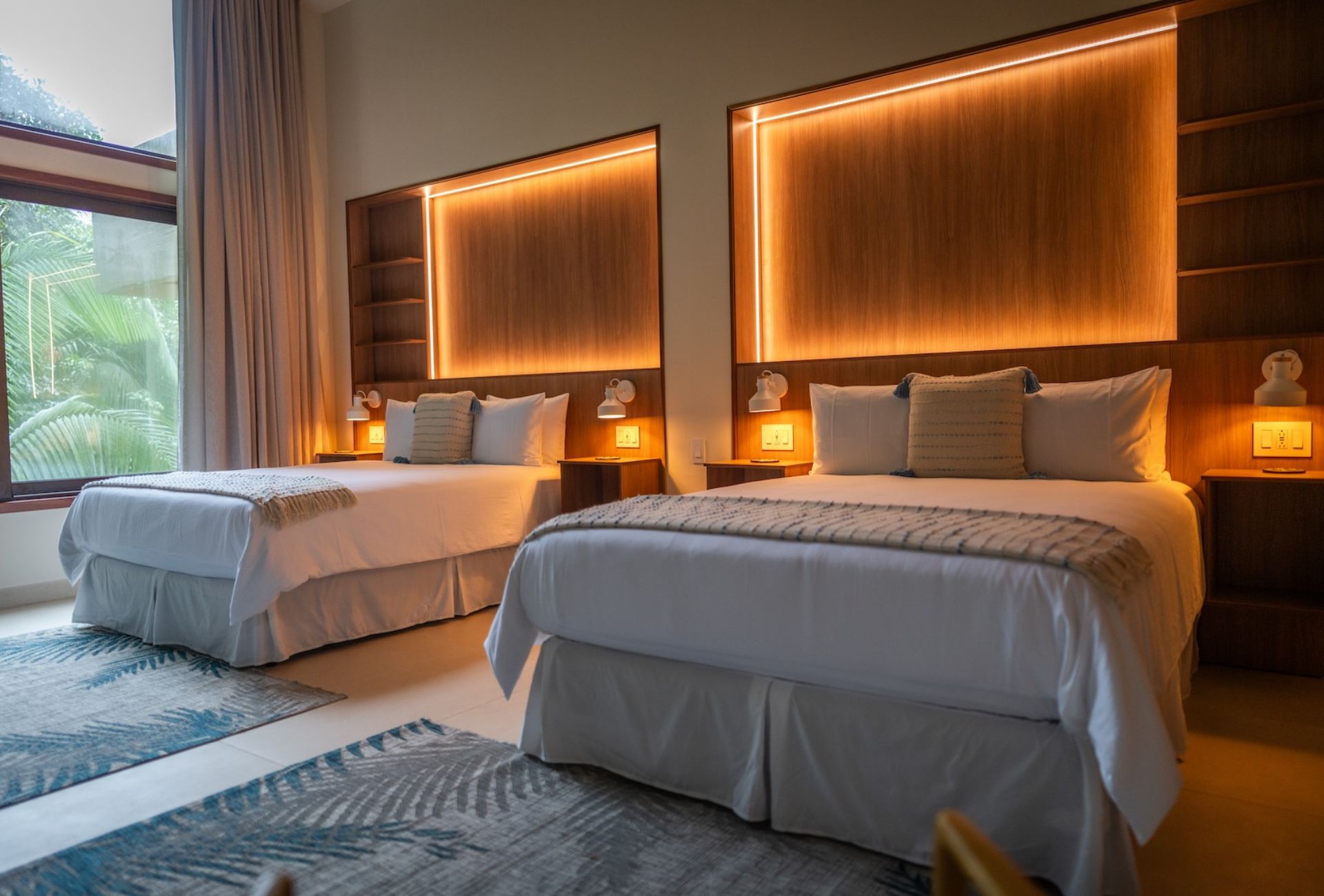
    Twenty-three air-conditioned rooms and villas look over the bay or the garden. Options run from double-occupancy lodge rooms to two- and three-bedroom villas and private residences. The Palace is the three-bedroom villa with master suites and a view of Piñas Bay.

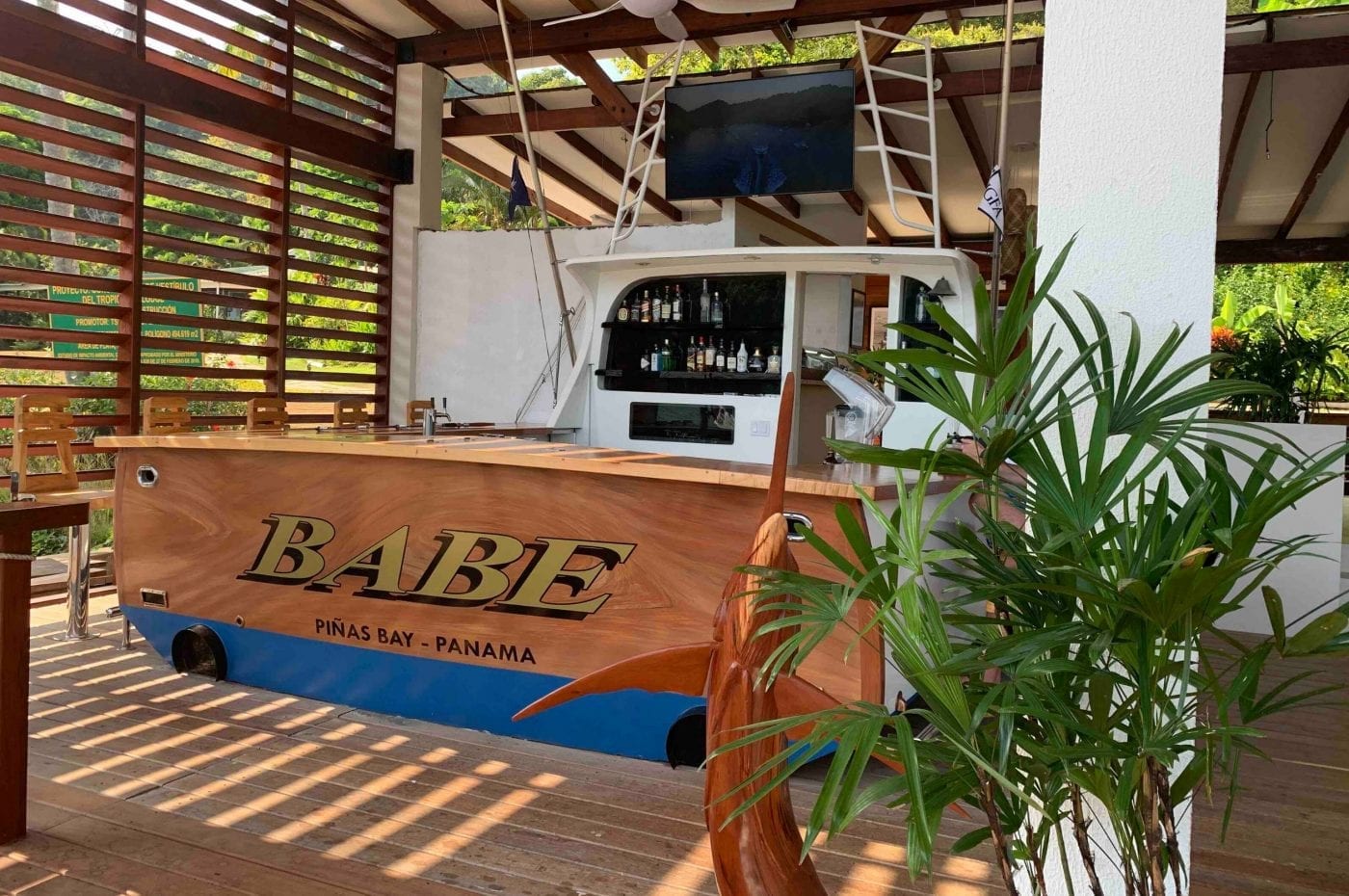
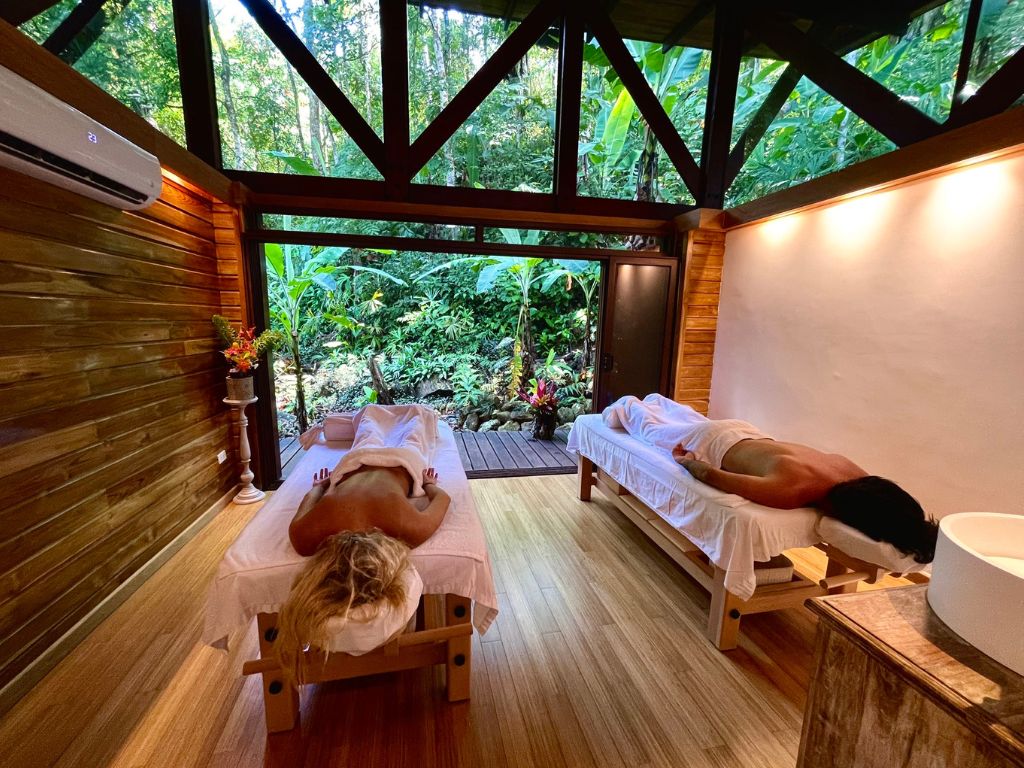
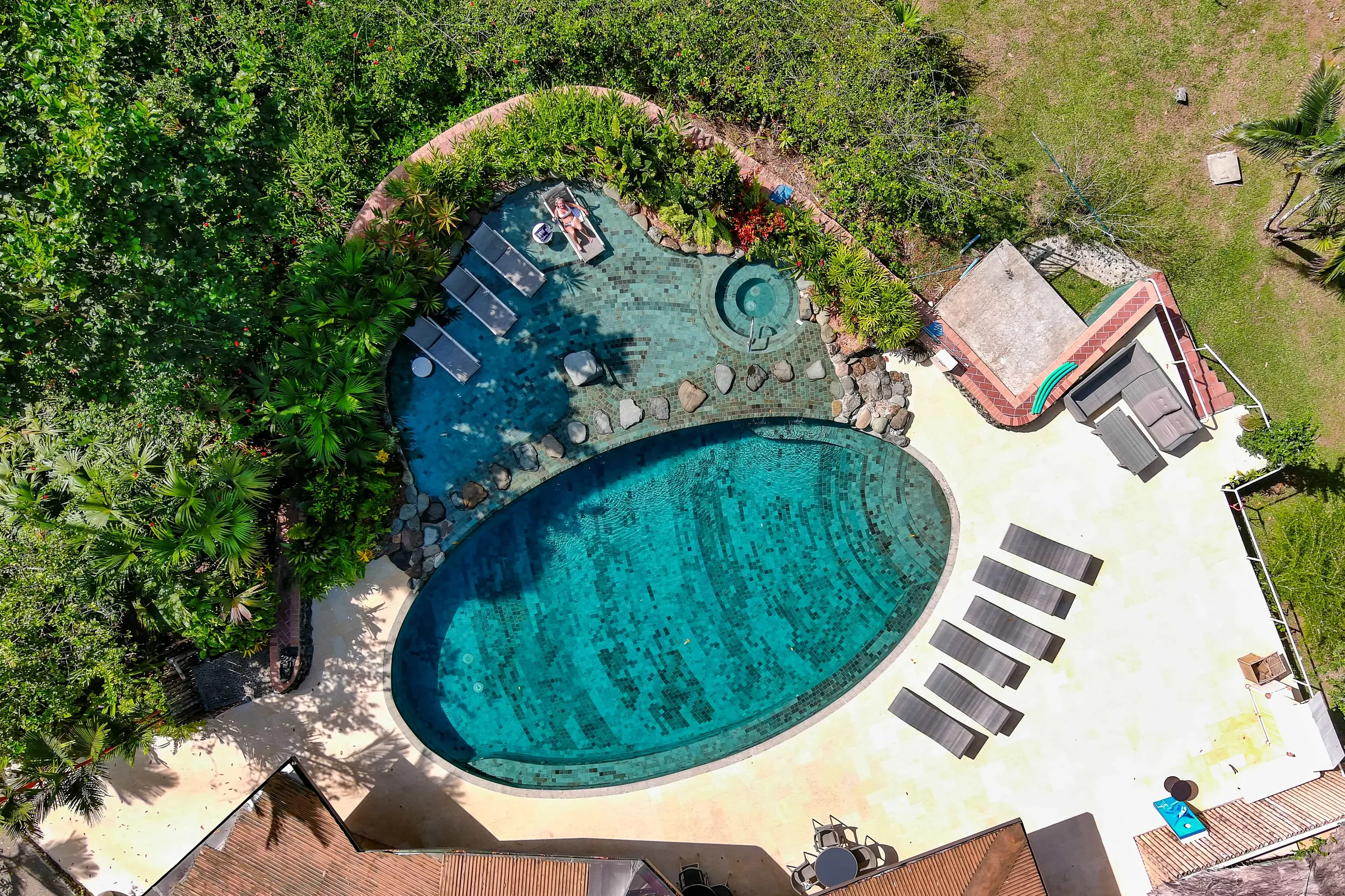
    Dinner is four courses at the Bayview Restaurant, wine included. The Marlin Bar faces the water. A freshwater jungle pool and hot tub sit in the trees; the rainforest spa is part of shoreside packages (three treatments and three jungle excursions).

    23 rooms & villas

    Up to 45 guests

    Bayview dining

    Jungle pool & spa
    Tropic Star Lodge 2026 rates

    Book through Angler Adventures. These 2026 figures are for a Bertram 31, two anglers, six fishing days (Doug, 25 August 2026). Season names below are the ones we quote: Peak, Inshore, and Standard. The lodge site lists the same windows as Black Marlin / Inshore / Blue Marlin.

    SeasonDatesPackageRateNotes
    PeakJanuary–FebruaryBertram 31, 2 anglers, 6 days$8,590Black marlin weeks. 7-night / 6-day packages.
    StandardJune–SeptemberBertram 31, 2 anglers, 6 days$7,750Blue marlin weeks.
    InshoreMarch–MayBertram 31, 2 anglers, 6 days$6,240Roosterfish and cubera.
    Transfer / charterYear-roundPanama City to lodge$745Per person plus room tax. VIP meet-and-greet, up to four ground transfers.
    2027Not postedAny week, including 26 Feb–6 Mar 2027Call 860-434-9624Lodge has not posted 2027 dollars yet.

    Rates still vary by boat (Classic or Premium Bertram 31), party size (1–4 anglers), and package length. Room upgrades extra. Seasonal discounts and other boats — call or email us.

    2027 lodge rates are not posted yet. Call 860-434-9624 for the week you want, including 26 February–6 March 2027. Our services are free.

    Included

    • 7 nights lodge accommodations (for 6-day packages)
    • All meals (breakfast, lunch, dinner) and wine with dinner
    • Daily guided fishing
    • Use of the pool, bars, restaurant, and spa
    • 3 spa treatments and 3 jungle excursions for shoreside guests

    Not included

    • Round-trip charter from Panama City ($745 per person)
    • Room upgrades
    • Gratuities for guides and staff
    • International airfare to Panama City
    • Travel insurance and personal items

    Getting to Tropic Star Lodge

    Fly to Tocumen International Airport (PTY) in Panama City. Lodge staff meet you and transfer you to the overnight hotel. In the morning a 30-minute drive and a charter of just under an hour land at Bahía Piñas. A short bus and a 10–15 minute water taxi finish the trip. Panama City to the lodge is about 2–3 hours of travel time after the overnight.

    Billfish at Tropic Star

    on Piñas Bay, Darién, Panama

    Black and blue marlin

    Peak January–February is the black marlin window. Blue marlin weeks run June through September and December. Sailfish over 100 pounds mix through both seasons.

    Roosterfish and inshore

    March through May is roosterfish, cubera, bluefin trevally, and grouper. Tarpon hold in the backwaters for a fly rod.

    Black marlin jumping off Piñas Bay near Tropic Star Lodge, Panama

    Tropic Star Lodge FAQ

    Where is Tropic Star Lodge?

    Tropic Star Lodge sits on Piñas Bay in the Darién Province of Panama. Guests fly to Tocumen (PTY) in Panama City, overnight, then take a charter of just under an hour to Bahía Piñas and a short water taxi to the dock.

    What do you fish at Tropic Star Lodge?

    Black marlin, blue marlin, and sailfish offshore, plus roosterfish, cubera snapper, yellowfin tuna, dorado, and more than a dozen inshore species. Zane Grey Reef is about 20 minutes from the lodge.

    What are the 2026 Tropic Star Lodge rates?

    Angler Adventures quotes a Bertram 31, two anglers, six fishing days at $8,590 Peak (January–February), $7,750 Standard (June–September), and $6,240 Inshore (March–May). Transfer / charter is $745 per person. 2027 lodge rates are not posted yet — call 860-434-9624.

    When is black marlin season at Tropic Star?

    January and February are Peak / black marlin weeks. Those dates book 1–2 years out and run as 7-night, 6-day packages. Blue marlin weeks run June through September and December. Inshore weeks (roosterfish and cubera) run March through May.

    How do I get to Tropic Star Lodge?

    Fly to Panama City (PTY). The lodge transfer ($745 pp round-trip) covers the VIP meet-and-greet, up to four ground transfers, and the charter to Bahía Piñas. International airfare to Panama City is separate.

    Does Tropic Star Lodge have a 2027 rate sheet?

    Not yet — tropicstar.com has not posted 2027 dollars. Call Angler Adventures at 860-434-9624 for the week you want, including 26 February–6 March 2027.

    Aerial of the Tropic Star Lodge dock and sportfishing fleet, Piñas Bay, Panama

    It’s time to begin planning your trip.

    Save time with Angler Adventures. We’ve been doing this for 43 years.

    Call or use the form for information about billfish at Tropic Star Lodge on Piñas Bay.
    Destination Inquiry
  • St. Brandon’s Atoll

    ST. BRANDON’S IS NOW LAND BASED WITH A FASTER CROSSING!

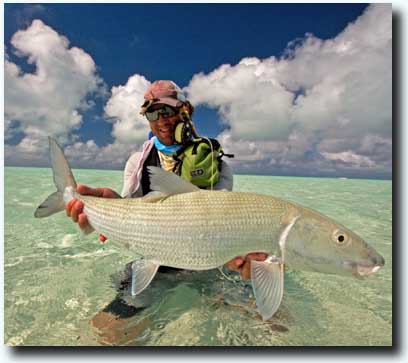
    St. Brandon’s Atoll (Cargados Carajos Shoals) is a group of over 50 small islands (total land area of less than 1 square mile), islets, coral ridges and vast sand flats on an extended reef in the Indian Ocean, situated 268 nautical miles north-east of Mauritius. Many anglers have started calling St. Brandon’s Atoll the best bonefishing in terms of numbers and size of the bonefish, anywhere on the planet, and it’s hard to disagree. This fishery is virtually untapped and has unbelievable bonefishing.

    The fishing grounds are as remote and untouched as you can find these days. St. Brandon’s atoll is a 268 nautical milesfrom Port Luis, Mauritius, 16 hours on the high speed, wave piercing trimaran “Patrol One” and the only “consistent” human activity on St. Brandon’s is from a small population of Creole natives who live on Raphael Island in the north. In addition, fishing season is extremely short (12 weeks per year: late September – mid December and early April – early June) due St. Brandon’s location in the Cyclone Belt and effects of the winter monsoon winds.

    St. Brandon’s is protected by a reef measuring more than 50 km from north to south and 5 km wide, with only two major passes. The fishery itself is extremely diverse, comprised of scattered islands, vast connecting sandbanks and flats of hard white sand, broken coral, and less frequently some Turtle grass flats. In particular, the western side of the atoll’s bottom is comprised mostly of sand and pancake flats, making for some spectacular bonefishing.

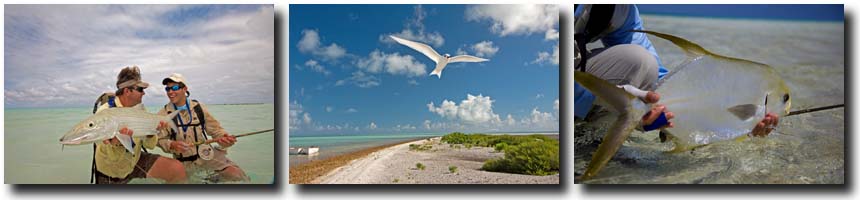
    The bonefishing is comprised of casting to large schools of 6 – 7 bonefish and double-digit sized in singles or doubles. A massive bonefish of 15lbs was landed on St. Brandon’s, as have a great deal of bones over 10 pounds. St. Brandon’s may be the most productive fishery anywhere for Indo-Pacific permit. There are also a number of Trevally species, including the coveted Giant Trevally (GT) as well as large Bluefin, Golden, Yellow Dot, and Green Dot Trevally consistently available during a week of fishing. GT’s up can break the 100 lb mark, but they’re not always available and always unpredictable.

    Almost all of the fishing on St. Brandon’s is done wading. The atoll is mostly comprised of easily waded white sand flats. Although the sand flats are easy on the feet, there are areas with broken coral and other wading hazards, like Stingrays, Stonefish, Cone shells, and Sharks, so the appropriate footwear for wading is a requirement. Anglers are transferred from the Gryphon to the flats on four 17 ft locally built mono-hull tender boats powered by twin 15 HP Yamaha 2-stroke engines. The tender boats draft 8 inches, allowing the guides to access the shallow flats on the western side of the atoll. Fly Castaway’s utilized a guide rotation system, allowing guests to fish with each of the 4 guides on the vessel. Each guide is a qualified skipper, has first aid experience, is experienced guiding fly fishers in the remote fishing destinations of the Indian Ocean and fluent in English.

    As an example of the fishing at St. Brandon’s Atoll, here is an excerpt from the fishing diary of the head guide:

    “TR hooked another Bonefish when roughly 40 GT’s between 130cm & 170cm split into two pods and tore into the shoal of panic stricken Bones which had surrounded us. I instantly broke off TR’s Bonefish and he grabbed his 12wt. TR proceeded to hook two of these monsters with the hooks pulling out on both occasions. Third time lucky I reassured TR. He made a cast at another pod of fish that had moved within range and started stripping. Another monster fish of about 150cm charged in and ate the fly, this time the hook held firm and she steamed off. We jumped into the tender and started chasing the fish. After 35 minutes TR managed to pull the massive creature out of the shoal. She began tiring, rubbing her head against the flat in an effort to get rid of the hook. This was our last chance to land this monstrous creature, as we were about to hit deep water again. But, as if taking off on her initial run the fish ploughed forward for deeper water. The reel’s drag was cranked all the way up and there was nothing more TR could do…..38 minutes into the fight the sound of 80lb braid popping signaled we had been spooled.”

    Previous seasons on St Brandon’s were run as a live-aboard mother ship operation onboard MY Gryphon, as foreigners were not permitted by the Mauritian authorities to stay on land. The last 5 years of hard work has finally paid off and we are excited to announce the beginning of a new era in this project, the St Brandon’s land-based experience! The high-speed transport vessel ‘Patrol One’ will ferry guests to and from the atoll. ‘Patrol One’ consistently does the crossing in 16 hours, which allows for 7.5 fishing days on the standard 9 night program. This is a full extra day of fishing at a better price!

    Guests will be accommodated in a comfortable guesthouse on Raphael Island, situated in the fish rich northern part of the atoll. Although the guesthouse is by no means luxurious, it is clean, comfortable and considering the remote location, is all a travelling angler needs to enjoy the finest trophy Bonefish, Permit and GT fishing available in the Indian Ocean. To top it off, there is a highly productive, easy wading, flat a short walk from the front porch!

    The Patrol One is a 73ft two deck wave piercer trimaran designed to handle rough seas at high speed. A crossing to St Brandon’s on this cutting edge vessel takes between 14 and 16 hours (10 hours less than the MY Gryphon) and roughly between 12 and 14 hours on the way back. It offers a large external cockpit, an adjacent galley, a dinette and a bridge area capable of seating the skipper and seven passengers in aircraft style plus one extra seating arrangement. There are four cabins containing 8 single/bunk beds for those who would prefer to lie down during the crossing.

    Our Services are Free!

    Rates At St Brandon’s Atoll 2018 Season

    (subject to change)

    The 2018 rate for a 9-night/7-day fishing package on St Brandon’s Atoll is $8,000 per angler based on double occupancy accommodations and 2 anglers per guide each day.

    Included in the cost: 9 nights, double occupancy accommodations; All meals aboard the vessels; Fishing Licenses; 7 days guided fishing with 2 anglers per guides and tender boat; Water, Soft drinks, water & local beers.

    Not included in the cost are: International flights; Accommodations on Mauritius; Ground transfers on Mauritius; Tackle & Flies; Gratuities; Wine & Spirits; Medical Evacuation and Travel insurance (This is mandatory as the islands of St Brandon’s are remote); use of Satellite Phone; Personal Expenses.

    Sample Travel Itinerary for St. Brandon’s Atoll

    Day 1: Recommended Overnight in Mauritius
    Day 2: Patrol 1 departs for St. Brandon’s Atoll at 3:00 PM
    Day 3: Arrive at Raphael Island, Settle in, Fish for the remainder of the day
    Days 4 – 9: Full Days fishing St Brandon’s Flats for trophy bonefish, picky Indo-Pacific Permit, tackle-busting GT, and several other trevally species
    Day 10: Fish until 2 PM and depart St Brandon’s for Mauritius
    Day 11: Arrive Mauritius this morning. Overnight or start the journey home (after 2:00 PM).

    FlyCastaway’s “mission statement” is based around two key principles: First, taking clients to remote fishing destinations which are in as pristine a state as possible and which offer exceptional fishing and second, using guides which are extremely passionate, knowledgeable and professional, ensuring that clients get the best opportunity to experience the trip of a lifetime.