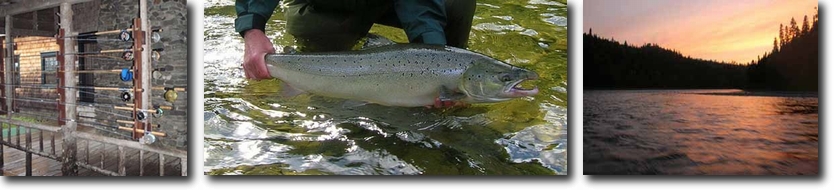
The Rio Grande in Tierra del Fuego, Argentina is without question the finest sea-run brown trout river in the world. The first and most famous lodge on the river is the legendary Kau Tapen. Kau Tapen first opened in1985 and remains at the foremost of the world’s best fishing lodges, boasting not only a private tract of 16 km of some of the most productive water on the Rio Grande, but provides the ultimate luxury fishing lodge experience. It is little wonder Kau Tapen enjoys a loyal and almost fanatical clientele.
Get ready for GIANT sea-run brown trout
Bundle up and check out our What to Bring guides
Expect relatively easy wading and fly fishing at Kau Tapen
Book now, get a quote, or chat with us about Argentina fly fishing!
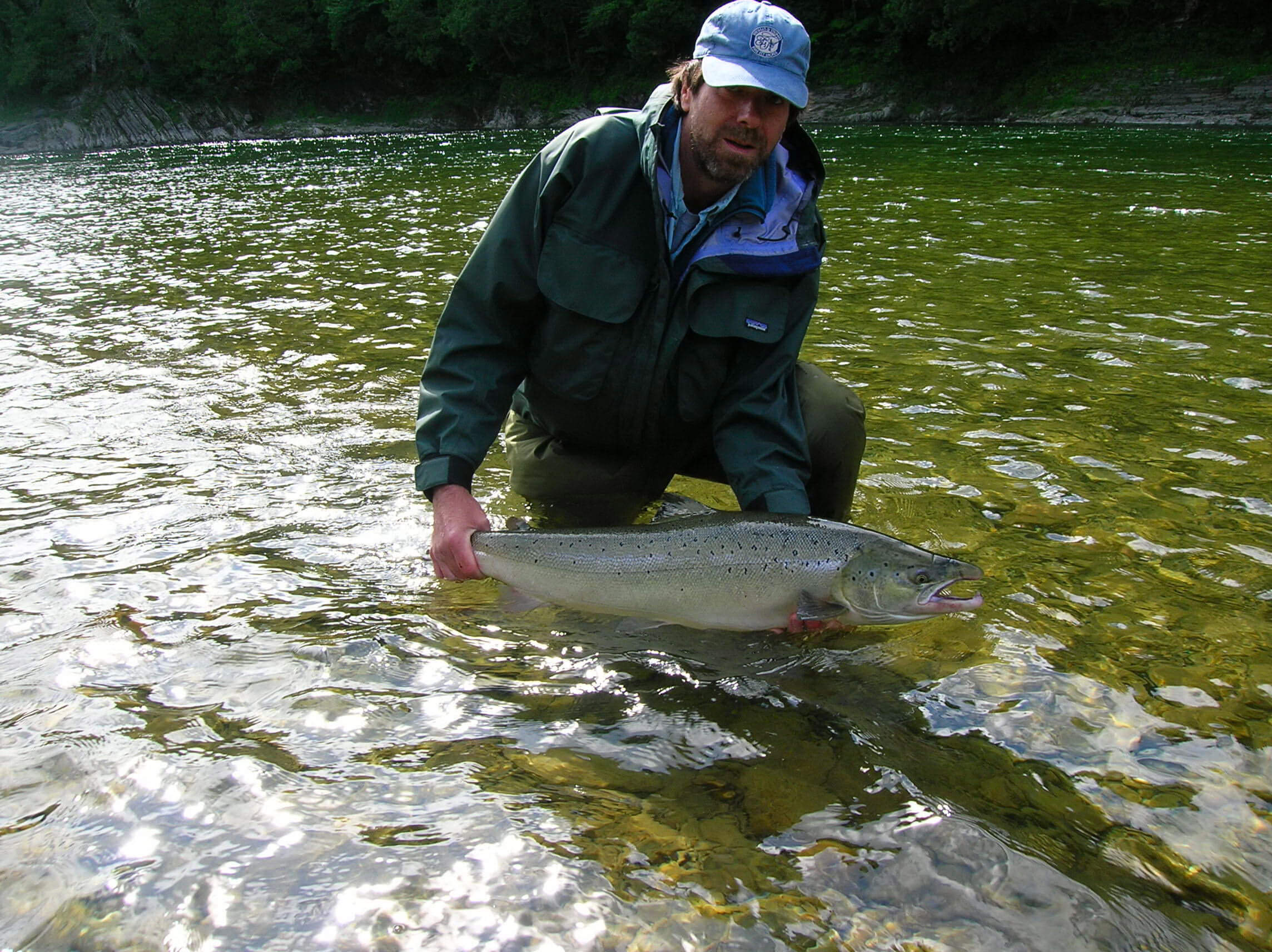
The giant sea-run brown trout is the rarest and most prized of anadromous fish, and there is no other river in the world capable of producing seatrout of the size and numbers found in the Rio Grande. Unlike other anadromous species, sea-run brown trout don’t ascend the river in one or two large runs, but tend to migrate in small schools from November through April so the fishing is productive throughout the season. The river has been managed as a catch and release fishery for a number of years, resulting in a remarkable increase in size of the fish. The average Rio Grande brown is now around 12-pounds and 20-pounders, once considered exceptional fish, have become almost routine. The 30-pound mark has become the new benchmark, and a number of trout eclipsing this mark have been released in recent years. These are big brown trout!
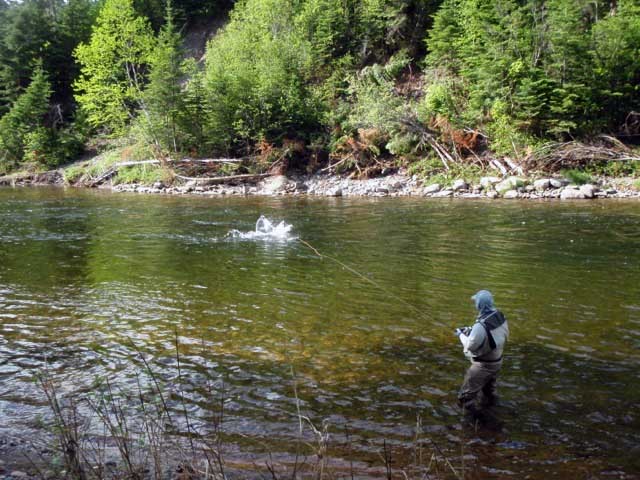
The river is fly fishing only and techniques employed are similar to those used in steelheading and Atlantic salmon fishing. Subsurface presentations with sink tip lines are generally more effective in the cooler water temperatures of early and late season, while floating lines and smaller flies (even dry or skated flies) are effective in warmer midseason water temperatures.
As with all salmonids, fishing is concentrated on the more productive low light time periods early and late in the day. The Rio Grande is a serpentine with many meanders creating numerous undercut banks, which are favored lies for these migratory brown trout. It is a relatively small river providing very easy wading. While double-handed fly rods have been increasingly popular in recent years, most pools can be easily covered with a single hander.
Weather and conditions at sea can affect fishing productivity and as with any other river, several days of hard rain could make the river unfishable, but the Rio Grande clears very quickly, usually overnight.
Kau Tapen’s Accommodations
Kau Tapen’s guests enjoy spacious and tastefully appointed guest rooms, an experienced and attentive staff, and superb cuisine complimented by fine Argentine wines that will delight the most discriminating palette. Kau Tapen has eight comfortable bedrooms, each with private bathroom, and is limited to twelve anglers per week. Upgrades to single accommodations may be requested (subject to availability). During “off” hours and between fishing sessions, guests congregate in the attractive living area, where cocktails are served, and stories of productive flies and angling successes are exchanged in comfort near a central fireplace. Other amenities include massage, sauna and a steam room and drying rooms for wet gear. The dining schedule revolves around the most productive fishing hours and fine meals are served, exemplifying the hospitality of gracious Argentine hosts.
Kau Tapen’s Location
Built by its owners, the Carreras family, the lodge and its adjacent 25 kilometers of the Rio Grande and Rio Menendez is situated about 90 minutes by car west of Rio Grande City on the right (southern) bank on the enormous working ranch, Estancia La Retranca. The lodge itself is located within minutes of the best pools on the Rio Grande. Estancia La Retranca neighbors the huge holdings of Estancia Jose Menendez and Estancia Maria Behety, which are on the lower river. These are stretches where Joe Brooks and notable Argentine anglers first explored this fishing over forty years ago.
Kau Tapen was not only the first fishing lodge on the Rio Grande but also in Tierra del Fuego and remains the southern most fishing lodge in the world. Brothers Fernando and Jorge de las Carreras, direct descendants of Jose Menendez, later went on to build Villa Maria lodge downstream on Estancia Jose Menedez and Toon Ken Lodge upstream on Estancia San Julio. They later formed the company Nervous Waters that now owns a total of 8 lodges in Argentina, Chile and the Bahamas. Nervous Waters’ fishing lodges have become synonymous with the ultimate in luxury and attention to detail.
Contact us for Seasonal Discounts, Special Offers or Promotional Pricing
Kau Tapen 2026 Rates
Season 2026: December 27th, 2025 – April 18th, 2026
Dates
Cost per week per person
Dec. 28,2025 → Jan. 11, 2026
$12,950
Jan. 11 2026 → Mar. 22, 2026
$14,950
Mar. 22 2026 →Apr. 12, 2026
$12,950
Rates are based on 7 nights / 6 days fishing, includesingle room (subject to availability) and shared guide.
Take the guess-work out.
Tap a button below to start the conversation. Our services are free.
Included: Transfer from Río Grande airport (RGA) to the lodge; All meals, wines, beer and local and international spirits; Professional guide services (2 anglers per guide/boat); Loaner fishing equipment (Rods, reels & lines).
Not included: International & domestic airfares; Fishing license ($550 approx. per angler); Laundry service; Day room (if needed) at Río Grande hotel on arrival date; Gratuities for guides and house staff.
Payment terms: A deposit of 50% confirms a reservation. The trip should be paid in full 120 days prior to the start date. At this point, the guest is responsible for total land costs and no credit will be applied. All deposits & payments are 100% non-refundable under any circumstances.
Fishing Season in Tierra del Fuego
Usually November through April, with prime time considered Christmas through late March.
How To Get To Kau Tapen Lodge
By air from Buenos Aires to Rio Grande, served by Aerolineas Argentinas with flight time of approximately 4 hours.
Facilities and services at Kau Tapen Lodge
Capacity: 12 rods
Rooms: 9 en suite bedrooms
Dining room, sitting room, bar, wading room, fly-tying table
SPA: sauna, finish shower, relax and massage area.
Telephone and internet access
Gourmet dining, with Argentina’s famed beef and fine wines, traditional Asados (BBQs) and delicious desserts
Maid and laundry service
Fly shop fully equipped with flies, rods, reels, lines, and suitable clothing and Argentine crafts
First class Professional international and Argentine guides. All our guides are able to give casting lessons with single and double handed rods (Spey casting)
Comfortable 4-wheel drive trucks fitted with rod racks and VHF radios
Unparalleled bird watching and rich wildlife (flamingos, foxes, llama-like guanacos)
Across the border from Esquel in Argentina, and deep into the Coyhue forests of the tenth region of Chile flow the azure depths of the Futaleufu river. A world away from the hustle and bustle that even sleepy Esquel represents, the “Big River” (for this is how Futaleufu translates from the Tehuelche tongue) rolls along, amid some of the most unspoiled mountain scenery on the planet.
South of the Chilean lake district, Futaleufu is a stand alone fishery. The freestone giant grows healthy stocks of rainbow and brown trout that are fed by abundant hatches of mayfly, caddis and stone flies. A heavy resident stock of fish and great hatches combined with classic fly water make the Futaleufu a trout fisherman’s paradise. Average rainbows and browns are in the 14″-16″ class but much larger fish are caught regularly. There is even the occasional sea-run fish, guaranteed to put a bend in your rod!
There’s a magic in the valley that transcends mere fishing. Futaleufu is a place to re-charge your batteries, to feel your spirits soar. The lodge’s inaccessibility through the Valle de las Escalas make this part of the river unique, lazy horseback trails wind down to the river’s edge, a riot of Lupins and other wild flowers, no engines pollute the river here chemically or audibly and time appears to have stood still. Futa Lodge stands sentinel on the river bank wishing you well on your daily fishing foray, its lights twinkling a greeting in the evening as you return from the river.
Since the mid-eighties Futa Lodge has welcomed the greatest names in fishing, from Lefty Kreh and Mel Kreiger to Lee and Joan Wulff. The reason they came is the same now as it always has been, Futa represents the best of Chilean fishing, hospitality, accommodations, guiding and service.
Brown Trout, Rainbow Trout, Sea-run Brown Trout, Steelhead, Chinook Salmon, Silver Salmon, Atlantic Salmon
Valle de las Escalas – Exclusive 6-rod operation
Easy access to prime water right from the lodge
Superb dry fly and streamer fishing
Custom built fishing rafts and professional guides
Full stable of horses for river access
Book now, get a quote, or chat with us about Chile fly fishing!
Futa Lodge fishes primarily for Brown and Rainbow trout, with dry and wet flies in the Futaleufu river itself. The lodge also fishes neighboring tributaries and lakes which are mostly populated by Browns and Rainbows. Other species occasionally encountered in the Futaleufu and Espolon rivers include Chinook, Silver & Atlantic Salmon, Sea-run Brown Trout and Steelhead. During a full week stay, anglers can visit different waters each day.
Easy access to some of the prime water on the Futaleufu river from right in front of the lodge. Great wade and drift boat fishing. Superb Dry fly and Streamer fishing. Varied fishing program taking in local tributaries and Lakes.
Fly Gear
Nine foot 4-7 weight rods for dry flies, 5-8 weight rods for wet-flies and streamers. Floating lines and sink tip and fast sinking lines. 8 foot to 12 foot leaders tapered down to two pound tippet for dry-flies and tapered down to 6 lbs for streamers.
Flies in Dry fly would be all mayfly patterns from size 12-20, spent patterns in similar sizes. Nymphs and Scuds in sizes 10-18 weighted and un-weighted. Streamers, Sculpins and Wooly Buggers in sizes 6-12.
Fishing Schedule is flexible but will normally start after breakfast at 8:00 AM – 8:30 AM. Shore lunches are the norm followed by fishing in the afternoon until into the evening. Seasonal changes will take into account the changing light but early season fishing may be as late as 10 PM, late season as early as 7 PM.
Futaleufu Lodge is strictly a catch and release fishery.
Non-Fishing Activities
White-water rafting and kayaking in the Futaleufu River.
Horse-riding through the magical coyhue forests.
Hiking to local waterfalls.
Bird watching
Futa Lodge 2025-2026 Rates
Season: December 2025 – April 2026
Length of Stay
Shared room and boat
Single room and boat
7 Nights / 6 Days Fishing
$6,950
$11,120
6 Nights / 5 Days Fishing
$6,100
$9,760
5 Nights / 4 Days Fishing
$5,550
$8,880
4 Nights / 3 Days Fishing
$4,750
$7,600
3 Nights / 2 Days Fishing
$3,750
$6,000
Rates are per person in USD$ and subject to change.
Take the guess-work out.
Tap a button below to start the conversation. Our services are free.
Transfers from Bariloche or Esquel (price available upon request)
Fishing licenses (approximately $50)
Gratuities for guides and house staff
Flies
In-house laundry service
International phone calls
Tours, shopping trips, or any items of a strictly personal nature
Payment Terms
To confirm reservations, a 50% deposit is required within 14 days. The balance is due 120 days prior to the start date. All deposits and payments are 100% non-refundable under any circumstances.
Additional Rates:
Single room and boat: 60% surcharge on base rate
Non-angler: $650 per night (subject to availability)
Full-day fishing (arrival/departure): $850 per boat
Half-day fishing (arrival/departure): $750 per boat
Across the border from Esquel in Argentina, and deep into the Coyhue forests of the tenth region of Chile flow the azure depths of the Futaleufu river.
A world away from the hustle and bustle that even sleepy Esquel represent, the “Big River”; (for this is how Futaleufu translates from the Tehuelche tongue) rolls along, amid some of the most unspoiled mountain scenery on the planet.
South of the Chilean lake district, Futaleufu is a stand alone fishery. The freestone giant grows healthy stocks of rainbow and brown trout that are fed by abundant hatches of mayfly, caddis and stone flies. A heavy resident stock
of fish and great hatches combined with classic fly water make the Futaleufu a trout fisherman’s paradise. Average rainbows and browns are in the 14″-16″ class but much larger fish are caught regularly.
There is even the occasional sea-run fish, guaranteed to put a bend in your rod! In truth though, whilst the chance of a big fish is a daily occurrence, it’s hard to be totally focused on the fishing in a place this special.
There’s a magic in the valley that transcends mere fishing. Futaleufu is a place to re-charge your batteries, to feel your spirits soar.
The lodges inaccessibility through the Valle de las Escalas make this part of the river unique, lazy horseback trails wind down to the rivers edge, a riot of Lupins and other wild flowers, no engines pollute the river here chemically or audibly and time appears to have stood still. Futa Lodge stands sentinel on the river bank wishing you well on your daily fishing foray, its lights twinkling a greeting in the evening as you return from the river.
Since the mid -eighties Futa Lodge has welcomed the greatest names in fishing, from Lefty Kreh and Mel Kreiger to Lee and Joan Wulff. The reason they came is the same now as it always has been, Futa represents the best of Chilean fishing, hospitality, accommodations, guiding and service.
The Fishing
Futa Lodge fishes primarily for Brown and Rainbow trout, with dry and wet flies in the Futaleufu river itself. The lodge also fishes neighboring tributaries and lakes which are mostly populated by Browns and Rainbows.
Other species occasionally encountered in the Futaleufu and Espolon rivers include Chinook, Silver & Atlantic Salmon, Sea-run Brown Trout and Steelhead. During a full week stay, anglers can visit different waters each day.
Easy access to some of the prime water on the Futaleufu river from right in front of the lodge. Great wade and drift boat fishing. Superb Dry fly and Streamer fishing. Varied fishing program taking in local tributaries and Lakes.
Fly Gear: Nine foot 4-7 weight rods for dry flies, 5-8 weight rods for wet-flies and streamers. Floating lines and sink tip and fast sinking lines. 8 foot to 12 foot leaders tapered down to two pound tippet for dry-flies and tapered down to 6 lbs for streamers.
Flies in Dry fly would be all mayfly patterns from size 12-20, spent patterns in similar sizes. Nymphs and Scuds in sizes 10-18 weighted and un-weighted. Streamers, Sculpins and Wooly Buggers in sizes 6-12.
Fishing Schedule is flexible but will normally start after breakfast at 8:00 AM – 8:30 AM. Shore lunches are the norm followed by fishing in the afternoon until into the evening. Seasonal changes will take into account the changing light but early season fishing may be as late as 10 PM, late season as early as 7 PM.
Futaleufu Lodge is strictly a catch and release fishery.
Location: Futa Lodge is situated in the Valle de las Escalas on the Futaleufu River, about half way between Puerto Montt and Coyhaique, 40 minutes drive from the village of Fuateufu.
How to get there: From Argentina, there are weekly flights to Esquel. You will be met by a lodge representative, cross the border to Chile and driven to the lodge (approx 1 1/2 hours)
By air from Santiago and Puerto Montt to Chaiten. You will be met in Chaiten and transfers to the lodge by 4WD vehicle (approx 4 hours).
From Puerto Montt you can also charter direct to the Futaleufu airport, where you will be met by a lodge representative and driven to the lodge (approx 40 minutes).
Facilities & Services
Capacity of 6 rods. Accommodations: Guests are housed in the main lodge, in comfortable twin rooms with private bathroom. Bedrooms have efficient wood burning stoves, and bathrooms are newly modernized, with plenty of hot water.
Extended Dining room, living room and bar areas with ample room for relaxing by the log fire.
Fly-tying table and extensive selection of materials. Fly-shop fully equipped with flies, rods, reels, lines and selected items of clothing.
Professional Local and International English speaking guides, trained in first aid and C.P.R all of whom are also qualified casting instructors. Quality custom Built fishing Rafts with swivel ended frames Fore and Aft. 4WD double cabin vehicles.
Full stable of horses, so anglers can access rivers on horseback should they choose to do so.
All inclusive bar featuring local spirits and the famous pisco sour cocktails. Wonderful wine selection served with dinner. Our wines ar
e selected from Chile’s finest vineyards. Gourmet cuisine featuring a variety of typical Chilean dishes such as curanto and sopaipillas, home made breads and desserts and fresh vegetables from our kitchen garden.
Cooked shore lunches served with wine, beer and hot drinks. Lamb asados, attended by a local dance troop who will demonstrate the Cueca (national dance). This special evening has been a long standing tradition at the Lodge and most popular with guests.
Maid and laundry service. 24 hour internet service.
Non-fishing activities:
White-water rafting and kayaking in the Futaleufu River.
Horse-riding through the magical coyhue forests.
Hiking to local waterfalls.
Bird watching
Our Services are Free!
Contact us for Seasonal Discounts, Special Offers or Promotional Pricing
Futa lodge 2020 – 2021 Rates
Rates are based on double occupancy and shared guide 7 nights / 6 days of fishing, $5,950 per person (subject to change). Shorter packages and Special packages combining fishing in Futa Lodge and Nervous Waters lodges in Argentina can be arranged.
The lodge is open from December – March.
Included: Lodging, meals, local spirits and wines at the lodge, transfers from Chaiten or Esquel, fishing license
Not included: gratuities for guides and staff, airfares, laundry service, transfer from Bariloche or Esquel (price available upon request).
Labrador, Canada: The last stronghold for giant native brook trout. The incomparable Minipi watershed is widely acknowledged as the world’s finest fishery for giant Brook Trout, with an astounding average size of right around 5 pounds. The Minipi is situated some 60 miles southeast of Goose Bay in Labrador’s remote wilderness. Accessible only by floatplane, the Minipi was first explored by fly rod legend Lee Wulff in the late 50’s. Lee recognized this as a one of a kind fishery producing a unique strain of thick bodied, beautifully conditioned brook trout.
The fertile, shallow lakes are veritable insect factories with prolific hatches of out-sized mayflies, caddis and stoneflies. This abundance of aquatic hatches means that Minipi brookies are almost always “looking up” and specimens up to 10 pounds have been taken on dry fly. Five of the current seven tippet class world records for Brook Trout have been taken in the Minipi system.
Brook trout (5 lb average, up to 10 lbs), northern pike (up to 30 lbs), landlocked arctic char (up to 12 lbs)
Season: Mid-June through mid-September (peak mayfly hatches in July, biggest fish in August)
Location: 60 miles southeast of Goose Bay, Labrador—accessible only by floatplane
World record brook trout fishery—five of seven tippet class records from Minipi system
Book now, get a quote, or chat with us about Labrador fly fishing!
Northern pike to 30 pounds are abundant and a unique strain landlocked arctic char up to 12 pounds are taken regularly as they stage for spawning in September. Fishing is restricted to fly fishing only for brook trout and char although spin or plug casting (single, barbless hook lures) is allowed on Minipi Lake. Because trophy brook trout are the main attraction, the incredible pike fishing is often overlooked; despite the fact Minipi Lake has also produced a current fly rod world record for pike, 25.5 pounds on 8-pound tippet. Catch and release is encouraged for brook trout, but anglers may take one trophy brook trout (6 pounds or better) per week for mounting.
The Fishing Program
River and lake fishing is available at all of the Minipi camps. The lakes in the Minipi system are relatively shallow in most areas, allowing sunlight penetration to the bottom. This accounts for amazing insect life making this fishery a dry fly angler’s dream! Anglers are transported to fishing areas in aluminum boats and freighter canoes with 9.9 horsepower motors. Minipi Lake, which is a larger body of water (30-miles long), also has deep-vee aluminum hull boats with 30 hp 4 stroke engines to reduce run times up the lake. You fish two anglers per boat with an experienced, licensed guide, either casting from the boat, from shore, or while wading, depending on the area you fish.
Prime Fishing Areas
A network of boats and canoes are stationed at various known hotspots better accessed by walking. Inlets and outlets are often productive areas as are “narrows” in the lake where there is good current movement. July is the peak mayfly emergence, although good dry fly fishing usually starts around the 20th of June and we have witnessed fishable hatches of giant “drakes” (Hexagenia) and caddis well into August.
Seasonal Patterns
The “growing season” is short and these brookies take advantage and feed voraciously from ice-out (usually 1st week in June) until spawning time in the fall. These fish can pack on an additional 15 – 20% in body weight over the summer! As such, August usually produces the biggest fish (4 of the 5 current records). By the second 2 weeks in August, these big brookies begin staging at the inlets and outlets in preparation for their spawning run. The landlocked arctic char are caught early in the season, but during the warmth of summer, they seek refuge in the deeper parts of the lake. However, they begin staging for their spawning at the inlets and outlets in early September, the time that anglers have their best chances for trophy char.
Fly Patterns & Tackle
Most anglers new to Labrador are amazed by the average size of both mayflies and caddis, which are often imitated on hooks as large as size 2. Most of the dry flies you’ll fish are in the 6 – 12 size range. The Wulff patterns are the most frequently fished dry fly patterns with the Grey Wulff being the most popular. But variations such as the Grizzly, Minonipi and the Royal Wulffs have their followers as well. Big, extended body “Drake” imitations, outsized caddis (Elk Hair & Goddard Caddis for example, and large stoneflies (like the Stimulator in orange or yellow), and a few Atlantic salmon Bombers round out a good dry fly selection.
Other large surface patterns, including deer hair mice, Dahlberg diver types and bass bugs (even cork bodied bass poppers!) are effective on big Minipi brookies, as well as pike. During times between hatches, wet flies, nymphs and streamers are deadly as well with favorite patterns including Muddler Minnows (original and marabou versions), Mickey Finns, Clousers, Zonkers, and Wooly Buggers. For nymphs, large Bitch Creek, Prince Nymphs, and Hare’s Ears are essential.
The Camps
Anne Marie Lodge
Anne Marie is the oldest and first opened in 1964. Perhaps because of its history and intimacy, Anne Marie has enjoyed a loyal following of repeat clients year after year. After 7 daunting years of construction in the Labrador bush, in 2011, the Cooper’s hosted their first guests at new luxury Ann Marie Lake Lodge, which replaced the aging Anne Marie cabin that had hosted fisherman for a half a century.
The spectacular new Ann Marie Lodge features full ensuite bedrooms, spacious and comfortable common and dining areas, and large windows affording spectacular views of Ann Marie Lake. The camp accommodates a maximum of 10 anglers.
Minipi Lake Lodge
Minipi Lake Lodge, which first opened in 1988, is a modern multilevel structure featuring a 40 foot high, prow-shaved window wall overlooking Minipi Lake. The lodge is just 1/4 mile from the outlet into the Minipi River. The River stretch in the gorge behind the lodge is a “nursery” during most of the season and offers fast action for smaller brookies averaging 2 pounds. Late in the season when the big spawners enter the system, the average size increases. A short walk down to the gorge after dinner is a popular way to finish a great day on Minipi. The lodge accommodates a maximum of 10 anglers.
Flyout Destinations
Minonipi Lake Lodge is currently used as just a daily flyout destination. Minonipi generally produces larger average sized trout than Ann Marie or Minipi and has 2 of the systems world records including a 10-pound brookie taken June 29, 1987. Minonipi also has better numbers of landlocked char.
Little Minipi Lodge is also used only for daily fly outs. Besides inlet/outlets and vast lake areas, Little Minipi has a 1 ¼ mile section of river that holds very large brookies throughout the summer. Fish of over 9 pounds have been taken from the river. The outlet right in front of the camp is also one of the best staging areas for arctic char for the September run of landlocked arctic char.
Daily Schedule & Experience
The daily schedule includes 4 meals. Typically, anglers head out after breakfast, usually not earlier than 9:00 am (Minipi trout are late risers), and stay out for the day, having a shore lunch at noon. Usually the best mayfly hatches occur around 2:00 in the afternoon. Guests return to the lodge for a 6:00 pm dinner, and head back out for the evening fishing. Summer days are long in Labrador (fishable light until 10:00 pm in late-June/early July), and your guides will stay late if you wish. Catching an evening spinner fall on the Minipi is nothing short of a magical experience! A final late evening meal is available when you return to camp for the night.
In September combination fishing/hunting trips may be arranged on special request. The region offers Canada Geese, ptarmigan, ruffed grouse, ducks, and caribou.
Minipi Camps 2025 – 2026 Rates
Rates are per person based on 7 nights accommodations and 6 1/2 days guided fishing with two people sharing a room and a guide daily. Please contact us for current rates and availability.
Camp
Capacity
Rate (USD)
Anne Marie Lake Lodge
10 Rods
$6,595 + Taxes
Minipi Lake Lodge
10 Rods
$5,595 + Taxes
Rates are per person in USD$ and subject to change. There is at present a 15% Harmonized Services Tax added to fishing packages.
Booking at Minipi Camps is easy:
Tap a button below to start the conversation. Our services are free.
Included: Airport reception and transfers in Goose Bay; chartered helicopter or float plane service from Goose Bay to lodge; accommodations; guided fishing; meals at the lodge; fishing license.
Not Included: Airfare to Goose Bay; accommodations if required in Goose Bay; tackle; liquor; soft drinks and gratuities, tax; optional fly outs for June & July trips.
Getting to Minipi Camps
In most cases, guests will overnight in either Halifax or St. Johns and fly to Goose Bay the following morning, and take the float plane into camp that afternoon. Anne Marie typically transfers on Fridays; Minipi Lake Lodge transfers on Thursdays. Please contact us for detailed travel arrangements and recommendations.
The incomparable Minipi watershed is widely acknowledged as the world’s finest fishery for giant Brook Trout, with an astounding average size of right around 5 pounds. The Minipi is situated some 60 miles southeast of Goose Bay in Labrador’s remote wilderness. Accessible only by floatplane, the Minipi was first explored by fly rod legend Lee Wulff in the late 50’s. Lee recognized this as a one of a kind fishery producing a unique strain of thick bodied, beautifully conditioned brook trout. The fertile, shallow lakes are veritable insect factories with prolific hatches of out-sized mayflies, caddis and stoneflies. This abundance of aquatic hatches means that Minipi brookies are almost always “looking up” and specimens up to 10 pounds have been taken on dry fly.
Five of the current seven tippet class world records for Brook Trout have been taken in the Minipi system. Northern pike to 30 pounds are abundant and a unique strain landlocked arctic char up to 12 pounds are taken regularly as they stage for spawning in September. Fishing is restricted to fly fishing only for brook trout and char although spin or plug casting (single, barbless hook lures) is allowed on Minipi Lake. Because trophy brook trout are the main attraction, the incredible pike fishing is often overlooked; despite the fact Minipi Lake has also produced a current fly rod world record for pike, 25.5 pounds on 8-pound tippet. Catch and release is encouraged for brook trout, but anglers may take one trophy brook trout (6 pounds or better) per week for mounting.
Access to this world-class fishery is via the Minipi Camps, owned and operated by Jack & Lorraine Cooper: Anne Marie Lodge and Minipi Lake Resort. The Minipi Camps operate from mid-June through mid-September. Week long packages are the norm, but custom packages of shorter duration may be arranged on request.
THE FISHING
River and lake fishing is available at all of the Minipi camps. The lakes in the Minipi system are relatively shallow in most areas, allowing sunlight penetration to the bottom. This accounts for amazing insect life making this fishery a dry fly angler’s dream! Anglers are transported to fishing areas in aluminum boats and freighter canoes with 9.9 horsepower motors. Minipi Lake, which is a larger body of water (30-miles long), also has deep-vee aluminum hull boats with 30 hp 4 stroke engines to reduce run times up the lake. You fish two anglers per boat with an experienced, licensed guide, either casting from the boat, from shore, or while wading, depending on the area you fish.
A network of boats and canoes are stationed at various known hotspots better accessed by walking. Inlets and outlets are often productive areas as are “narrows” in the lake where there is good current movement. July is the peak mayfly emergence, although good dry fly fishing usually starts around the 20th of June and we have witnessed fishable hatches of giant “drakes” (Hexagenia) and caddis well into August.
The “growing season” is short and these brookies take advantage and feed voraciously from ice-out (usually 1st week in June) until spawning time in the fall. These fish can pack on an additional 15 – 20% in body weight over the summer! As such, August usually produces the biggest fish (4 of the 5 current records). By the second 2 weeks in August, these big brookies begin staging at the inlets and outlets in preparation for their spawning run. The landlocked arctic char are caught early in the season, but during the warmth of summer, they seek refuge in the deeper parts of the lake. However, they begin staging for their spawning at the inlets and outlets in early September, the time that anglers have their best chances for trophy char.
Most anglers new to Labrador are amazed by the average size of both mayflies and caddis, which are often imitated on hooks as large as size 2. Most of the dry flies you’ll fish are in the 6 – 12 size range. The Wulff patterns are the most frequently fished dry fly patterns with the Grey Wulff being the most popular. But variations such as the Grizzly, Minonipi and the Royal Wulffs have their followers as well. Big, extended body “Drake” imitations, outsized caddis (Elk Hair & Goddard Caddis for example, and large stoneflies (like the Stimulator in orange or yellow), and a few Atlantic salmon Bombers round out a good dry fly selection.
Other large surface patterns, including deer hair mice, Dahlberg diver types and bass bugs (even cork bodied bass poppers!) are effective on big Minipi brookies, as well as pike. During times between hatches, wet flies, nymphs and streamers are deadly as well with favorite patterns including Muddler Minnows (original and marabou versions), Mickey Finns, Clousers, Zonkers, and Wooly Buggers. For nymphs, large Bitch Creek, Prince Nymphs, and Hare’s Ears
THE CAMPS
Anne Marie is the oldest and first opened in 1964. Perhaps because of its history and intimacy, Anne Marie has enjoyed a loyal following of repeat clients year after year. After 7 daunting years of construction in the Labrador bush, in 2011, the Cooper’s hosted their first guests at new luxury Ann Marie Lake Lodge, which replaced the aging Anne Marie cabin that had hosted fisherman for a half a century.
The spectacular new Ann Marie Lodge features full ensuite bedrooms, spacious and comfortable common and dining areas, and large windows affording spectacular views of Ann Marie Lake. The camp accommodates a maximum of 10 anglers.
Minipi Lake Lodge, which first opened in 1988, is a modern multilevel structure featuring a 40 foot high, prow-shaved window wall overlooking Minipi Lake. The lodge is just 1/4 mile from the outlet into the Minipi River. The River stretch in the gorge behind the lodge is a “nursery” during most of the season and offers fast action for smaller brookies averaging 2 pounds. Late in the season when the big spawners enter the system, the average size increases. A short walk down to the gorge after dinner is a popular way to finish a great day on Minipi. The lodge accommodates a maximum of 10 anglers.
Minonipi Lake Lodge is currently used as just a daily flyout destination. Minonipi generally produces larger average sized trout than Ann Marie or Minipi and has 2 of the systems world records including a 10-pound brookie taken June 29, 1987. Minonipi also has better numbers of landlocked char.
Little Minipi Lodge is also used only for daily fly outs. Besides inlet/outlets and vast lake areas, Little Minipi has a 1 ¼ mile section of river that holds very large brookies throughout the summer. Fish of over 9 pounds have been taken from the river. The outlet right in front of the camp is also one of the best staging areas for arctic char for the September run of landlocked arctic char.
The daily schedule includes 4 meals. Typically, anglers head out after breakfast, usually not earlier than 9:00 am (Minipi trout are late risers), and stay out for the day, having a shore lunch at noon. Usually the best mayfly hatches occur around 2:00 in the afternoon. Guests return to the lodge for a 6:00 pm dinner, and head back out for the evening fishing. Summer days are long in Labrador (fishable light until 10:00 pm in late-June/early July), and your guides will stay late if you wish. Catching an evening spinner fall on the Minipi is nothing short of a magical experience! A final late evening meal is available when you return to camp for the night.
In September combination fishing/hunting trips may be arranged on special request. The region offers Canada Geese, ptarmigan, ruffed grouse, ducks, and caribou.
Our Services are Free! Contact us for Seasonal Discounts, Special Offers or Promotional Pricing
Minipi Camp 2020 Rates
Rates are per person based on 7 nights accommodations and 6 1/2 days guided fishing with two people sharing a room and a guide daily.
Anne Marie Lake
10 Rods
$6,595 USD + Taxes
Minipi Lake Lodge
10 Rods
$5,595 USD + Taxes
Included
Airport reception and transfers in Goose Bay; chartered helicopter or float plane service from Goose Bay to lodge; accommodations; guided fishing; meals at the lodge; fishing license.
Not Included
Airfare to Goose Bay; accommodations if required in Goose Bay; tackle; liquor; soft drinks and gratuities, tax; optional fly outs for June & July trips.
There is at present a 15% Harmonized Services Tax added to fishing packages.
For 2020, Anne Marie will transfer on Fridays; Minipi Lake Lodge will transfer Thursdays. In most cases, guests will overnight in either Halifax or St. Johns and fly to Goose Bay the following morning, and take the float plane into camp that afternoon.
Arroyo Claro Lodge is Jorge Graziosi’s flagship base in northern Patagonia–a hillside perch above the Carrileufu River where veteran guides stage bespoke trout programs that mix classic floats, stealthy spring-creek sessions, and cross-border adventures into Chile. The lodge team has refined this operation for decades, balancing serious fishing with warm hospitality, chef-driven cuisine, and the kind of storytelling that only comes from a lifetime spent on these rivers.
From the home beats on the Carrileufu to the jade waters of the Rio Rivadavia and remote multi-day expeditions on the Chubut, guests can tailor every week. Add horseback rides, national park hikes, and optional Chile road trips, and Arroyo Claro becomes as compelling for non-anglers as it is for serious trout hunters.
Resident browns & rainbows, seasonal landlocked salmon, plus optional king salmon in Chile
Cholila, Chubut Province — easy transfers from Bariloche or Esquel airports
This is a true owner-operated program. Jorge Graziosi and his veteran guides have fished Patagonia’s rivers since the 1960s, refining every float, walk-and-wade, and Chile extension they offer. Days start with custom pairings–maybe a morning sight-casting to sipping browns on the Carrileufu, an afternoon scouting the teal currents of the Rio Rivadavia, or a horseback shuttle to a spring creek that rarely sees pressure. Evenings bring story-filled cocktail hours, wood-fired asados, and the kind of hospitality that keeps guests returning year after year.
Signature Waters
Carrileufu River: Within walking distance of the lodge, this classic freestone features riffles, structure-rich banks, and a healthy mix of rainbows, browns, and seasonal landlocked salmon. Expect a blend of boat fishing and productive wade sessions, with excellent hopper and attractor action in midsummer.
Rio Rivadavia & Arrayanes: Crystal-clear, lake-fed systems ideal for technical dry-fly presentations, sight fishing with small terrestrials, and stealthy nymphing. Guides know every slot and foamy seam, and they’re quick with tips for long leaders, stealth and precise drifts.
Arroyo Pescado & Canal Spring Creeks: Limited-access beats with outsized fish. Think refined presentations, long casts, and big rewards for anglers who love intimate water.
Optional Chile Road Trip: Add a few nights across the border on the Palena or Futaleufu for brawling rainbows, browns, and even Pacific king salmon when the runs are in.
Chubut River Overnight Expedition
The lodge’s multi-day float down the Chubut is a Patagonia classic: a three-night, four-day drift through a 250,000-acre estancia where the river is the only road. Camps await each evening with wall tents, real beds, hearty Argentine meals, and Malbec under the southern stars. Days are spent throwing dries to pods of 12- to 22-inch rainbows and browns, with bigger fish lurking under shady cutbanks.
“Great dry fly fishing to feisty rainbows averaging 18 inches–Chernobyls, hoppers, caddis, you name it. Camps were dialed, meals were insane, and the guides hustled all day. Bring an appetite and be ready for sore arms.” – Bob M.
“When the guides take machetes out to chop through the willows, you know you aren’t going to be fishing ‘the same old, same old.’ Southern kingfishers, wild parakeets, cara caras, and Andean condors fly overhead while you stick fish after fish — many in the 7-9 lb range. Bring a warm layer for the afternoon winds and be ready for more trout than you can count.” – Rick B.
High, lake-moderated flows, aggressive fish, and cool mornings. Great time for streamer junkies and anyone hunting landlocked salmon in the Carrileufu.
January & February
Prime summer hopper fishing with long daylight windows. Expect stable water levels, reliable dry-fly action, and ideal weather for non-anglers.
March & April
Fall colors, low clear water for sight-fishing, and migratory browns and salmon pushing into the rivers. Cooler nights, crisp mornings, and fewer boats.
Beyond the Fishing
Horseback rides on the lodge’s 5,000-acre ranch
Excursions into Parque Nacional Los Alerces and boat trips on Lago Menendez
Visits to the historic Butch Cassidy cabin and Estancia Leleque museum
Local artisan markets in El Bolson and Welsh tea houses in the neighboring valley
Birding for condors, flamingos and an impressive list of Patagonian species
Arroyo Claro Lodge 2023-2024 Rates
Package
Details
Rate (USD)
7 nights / 6 days fishing
Double occupancy & shared guide
$4,550 per angler
7 nights / 6 days fishing
Single room & private guide
$5,700 per angler
Shorter or extended stays are available by request. Rates subject to change; confirm current pricing when you inquire.
Ready to Plan Your Week?
Tap a button to reach our Patagonia specialists. Our services are free.
Round-trip ground transfers from Bariloche or Esquel airports
Deluxe lodging at Arroyo Claro Lodge with daily housekeeping
Chef-prepared meals, daily cocktail hour, house wine, beer, and soft drinks
Guided fishing (two anglers per guide) by raft and vehicle access
Use of lodge horses, kayaks, and on-property recreational gear
Not Included
International airfare or in-country flights to Bariloche/Esquel
Fishing licenses, private water fees, and optional Chubut camping surcharge
Chilean lodging/liquor during road-trip extensions
Premium spirits, tackle rentals, flies, and laundry
Guide and staff gratuities, and any hotels or touring in Buenos Aires
“Three things can sum up an Arroyo Claro float down the Chubut River. Great fishing, knowledgeable guides and personalized service. We experienced great dry fly fishing to feisty rainbow trout averaging 18″. Chernobyl patterns, Dave’s hoppers, caddis patterns brought fish to the surface all day long. Whenever there was a slight lull to the dry fly action, I would put on a few nymphs, especially a prince nymph, and the fish were right back on it. But the dry fly fishing was just too spectacular to think of fishing below the surface.
Jorge and his crew were extremely professional and organized. Campsites were set up well in advance every night. It was a pleasure to roll into camp every night and see dinner being prepared, tents placed along the river and the bar open. Meatloaf, steaks, grilled chicken, bacon and eggs, and freshly squeezed orange juice are some samples of the type of meals we ate. Jorge even brought some pies for dessert! I noticed that everyday Jorge or any of his crew would go out of their way to make sure we were comfortable. Expresso anyone?
The Chubut River trip is a treat for a lifetime. Great scenery, great fishing, experienced and knowledgable guides, tasty argentine food and wine but make sure you bring a jacket to keep you warm when the winds of Patagonia start to blow. The only reason I might hesitate from going again is that I do not think it could be any better than the last time.” – Bob M.
“When the guides take machetes out to chop through the willows, you know you aren’t going to be fishing ‘the same old, same old’. The first 1/2 of the trip is filled with bright, shiny, acrobatic rainbows, running 14-18 inches long, jumping, pulling and bouncing around the river with abundant energy.
Southern kingfishers, wild parakeets, cara caras, and Andean condors fly over and around the river, giving bird-oriented folks lots of bucket-list Audubon check-offs. Cool nights make for great sleeping, that and tasty bottles of Argentine Malbec wine and cold Aracauna, Anteres and Quilmes beers speed you off to trout-filled dreams on your cot in your own tent after a routine day of 20-40 wild fish to the net/angler.
Jorge’s team of guides and wranglers are skilled at preparing evening meal like rich bolognese sauces and pasta al dente, steaks, or a piquant chili with fresh baked bread, perfecto! You will not lack for breakfast options, which are served with matte tea served and shared with the guides, as is the custom, or fresh brewed coffee in your own mug. Lunches are often cuts of salami and ham, hard cheeses, fruits, bread for sandwiches, bottles of beer (or more Malbec). Desserts are pies and torts filled with the rich local berries.
The end of the Chubut float finds the river gradient slowing and more opportunities to tangle with big browns and you may linger at the deeper holes for a bit to see if you can coax a big boy to come out and play. There are also rainbows to keep your rod bent between the viscous, green stretches, but this is your chance to tangle with 25+ inch Argentine brownies, not mention their ho-hum “smaller” 16-18 inch brothers and sisters.
There is no fine china, no crystal wine goblets, no maitre d’s to tip, but you will be well-spoiled by the end of your float because the scenery is gorgeous, the fish cooperative and frisky (but well placed casts reap great rewards). The air is fresh, the water cool, the sky is big and the experience most special. This is a great trip to reconnect with friends, enjoy precious moments with family, or simply enjoy a few days under canvas in the Argentine pampas, chasing trout and enjoying life with folks who appreciate really love being out on a trout river with no other agenda than relaxing and savoring the simple pleasures of life well-lived. Did I mention they have lots of good Malbec?” – Rick B.
Jorge Graziosi has been guiding in Patagonia Argentina since 1968, first under the name Safaris Acuaticos and more recently as Arroyo Claro Lodge, which he opened 1999. In 2006, Jorge constructed the new Arroyo Claro Lodge, built on a nearby hillside with dramatic views of the beautiful Carrileufu River, 3-hours south of Bariloche. Lodge guests fish the Carrileufu, the Rivadavia, Arrayanes and Chubut rivers, as well as Arroyo Pescado, and the Palena and Futaleufu Rivers of Chile.
Arroyo Claro Lodge
Arroyo Claro Lodge is located ten miles south of the small village of Cholila, in the heart of this wonderful trout fishing country. The Carrileufu River is within walking distance of the lodge. The Rio Rivadavia and El Canal spring creek are a short drive. The Andes Mountains make the perfect backdrop to this idyllic setting. Your host at Arroyo Claro Lodge is Jorge Graziosi.
Jorge designs each fishing itinerary to suit the season, angler preference, and the size of each group. On extended stays, Jorge may dedicate a portion of each guest’s trip to fishing the Palena and Futaleufu Rivers in Chile, a three-hour drive south of Cholila, stopping to fish Arroyo Pescado on the way. Another option is a 3-night / 4-day float trip on the Chubut River, known to deliver non-stop dry fly action for Browns and Rainbows up to 4 pounds.
Jorge is an expert fly fisherman and an accomplished horseman and the lodge is furnished with his riding paraphernalia, including some exquisite saddles and bridles. He owns several horses that are available for guests’ enjoyment; you will see them grazing in front of the lodge. A small garden provides fresh flowers for the dining tables.
Arroyo Claro Lodge has a main lodge with four spacious double guest rooms on the first floor, each with a private, full bathroom and two smaller bedrooms with private baths on the second floor.
Arroyo Claro’s main lodge and cabin sit on top of a stone bluff, overlooking the Carrileufu Valley and facing the mountains. The view of the bend in the Carrileufu River under the mountain’s jagged peaks is breath taking.
The food is wonderful. Breakfast and dinners will be served at the lodge, preceded by a cocktail hour either on the patio or by the fireplace, depending on the weather. At least one of the dinners will be at the lodge’s parrilla, or barbeque.
Here guests enjoy “asado,” which is a traditional and very popular meal in Argentina, consisting of beef, lamb and sausage, all cooked together on a grill over hot coals. There will also be home baked bread, salad, dessert and plenty of vino tinto.
Part of the fun is relaxing and taking in the scenery while your hosts tend an oversized, smoking grill. Most other meals are taken in the dining room of the main lodge or on the stream. The lodge specializes in local produce and creative national dishes, paired with a selection from an extensive wine list.
Days, of course, are typically spent exploring the expansive trout waters in the surrounding country under the expert direction of Jorge and his team of guides.
The beautiful Carrileufu flows within sight of Arroyo Claro. The best way to access to the Carrileufu is by floating the river and getting out to wade fishy looking water. However, some stretches are best fished from the raft, casting to the riverbank. Half-day trips on the Carrileufu are easily arranged, which leaves time for other activities such as horseback riding, hiking and visiting the “Patagonia Express” railway and Estancia Leleque Museum. The driving time to and from the river is quite short, which is not the norm for many South American fishing lodges. The Rivadavia is a little further from the lodge; about twenty minutes by car. The Rio Chubut is also close by, where adventurous guests can enjoy a 3-day float trip.
Catch and release regulations imposed on the Carrileufu several years ago have greatly enhanced the size and population of trout in this river. Rainbows and browns up to 27 inches have been taken by Arroyo Claro guests on dry flies. These incredibly strong trout run and jump like steelhead and have been described by clients as “trout on steroids”. The Carrileufu is also one of the best rivers in Argentina for landlocked Atlantic salmon, particularly in November and March.
The Rio Rivadavia is one of the prettiest rivers in Argentina with good average sized trout that can be caught on dry flies, nymphs and streamers all in the same day. There is so much fishable water it generally takes two full days to cover the best five miles of this river. Not to be missed is the more technical spring creek tributary of the Rivadavia with rainbows and browns that can exceed five pounds.
Also nearby are the Rio Arrayanes, Menendez and the Canal Spring Creeks.
Chubut Float Trip
The 3-night / 4-day float trip on the Rio Chubut is spectacular. Why 4 days? That’s how long it takes to get to the next road. Much of the Chubut is so remote (most of the float is inside a 250,000 acre Estancia), its trout have never seen a fly and the catch results show it. You will loose count. Most guests fish exclusively with dry flies. The fish range from 12-22 inches, with a few larger fish to be had. The Chubut River is 30 – 50 yards wide, which is filled with fishy looking riffles, runs, deep pools.
The Chubut is the longest of five small rivers that are born in the mountains a few miles south from the Bariloche airport: Two of the River’s go to the Pacific and three to the Atlantic. The Chubut flows for almost six hundred miles to reach the coast. First, flowing south for one hundred miles where the river takes a turn 90 degrees about ten miles south of El Maiten and heads east for the Atlantic. This is known as “Vuelta del Rio” (turn of the river) and where 65 miles Chubut float trip begins. The Chubut float takes anglers through a variety of fishing situations and Argentine landscapes. At the beginning of the float, the banks are lined
with tall willows, some reaching 40 to 50 feet tall that provide cover for the trout, protect the anglers in windy conditions, and keep the water cool. Then, the banks begin to open, cut banks begin to form, and there is great terrestrial and hopper fishing. The float ends on a winding section of the Chubut, framed by the Andes, with less willows, more cut banks, and fabulous riffles where some heavy brown trout take Chernobyls and big stone flies.
All of the camping equipment is provided (wall tents with two cots each, good sleeping, tables, camping chairs, electricity provided by a small generator, portable toilette, and shower facilities) and is set up each night by camp staff, who will float ahead of the anglers, set up camp and prepare dinner. The facilities are simple, however Jorge has perfected the scheduled and equipment, so anglers want for nothing, except for more time on the Chubut.
Client Views of the Chubut Float
“Three things can sum up an Arroyo Claro float down the Chubut River. Great fishing, knowledgeable guides and personalized service. We experienced great dry fly fishing to feisty rainbow trout averaging 18″. Chernobyl patterns, Dave’s hoppers, caddis patterns brought fish to the surface all day long. Whenever there was a slight lull to the dry fly action, I would put on a few nymphs, especially a prince nymph, and the fish were right back on it. But the dry fly fishing was just too spectacular to think of fishing below the surface.
Jorge and his crew were extremely professional and organized. Campsites were set up well in advance every night. It was a pleasure to roll into camp every night and see dinner being prepared, tents placed along the river and the bar open. Meatloaf, steaks, grilled chicken, bacon and eggs, and freshly squeezed orange juice are some samples of the type of meals we ate. Jorge even brought some pies for dessert! I noticed that everyday Jorge or any of his crew would go out of their way to make sure we were comfortable. Expresso anyone?
The Chubut River trip is a treat for a lifetime. Great scenery, great fishing, experienced and knowledgable guides, tasty argentine food and wine but make sure you bring a jacket to keep you warm when the winds of Patagonia start to blow. The only reason I might hesitate from going again is that I do not think it could be any better than the last time.” – Bob M.
“When the guides take machetes out to chop through the willows, you know you aren’t going to be fishing ‘the same old, same old’. The first 1/2 of the trip is filled with bright, shiny, acrobatic rainbows, running 14-18 inches long, jumping, pulling and bouncing around the river with abundant energy.
Southern kingfishers, wild parakeets, cara caras, and Andean condors fly over and around the river, giving bird-oriented folks lots of bucket-list Audubon check-offs. Cool nights make for great sleeping, that and tasty bottles of Argentine Malbec wine and cold Aracauna, Anteres and Quilmes beers speed you off to trout-filled dreams on your cot in your own tent after a routine day of 20-40 wild fish to the net/angler.
Jorge’s team of guides and wranglers are skilled at preparing evening meal like rich bolognese sauces and pasta al dente, steaks, or a piquant chili with fresh baked bread, perfecto! You will not lack for breakfast options, which are served with matte tea served and shared with the guides, as is the custom, or fresh brewed coffee in your own mug. Lunches are often cuts of salami and ham, hard cheeses, fruits, bread for sandwiches, bottles of beer (or more Malbec). Desserts are pies and torts filled with the rich local berries.
The end of the Chubut float finds the river gradient slowing and more opportunities to tangle with big browns and you may linger at the deeper holes for a bit to see if you can coax a big boy to come out and play. There are also rainbows to keep your rod bent between the viscous, green stretches, but this is your chance to tangle with 25+ inch Argentine brownies, not mention their ho-hum “smaller” 16-18 inch brothers and sisters.
There is no fine china, no crystal wine goblets, no maitre d’s to tip, but you will be well-spoiled by the end of your float because the scenery is gorgeous, the fish cooperative and frisky (but well placed casts reap great rewards). The air is fresh, the water cool, the sky is big and the experience most special. This is a great trip to reconnect with friends, enjoy precious moments with family, or simply enjoy a few days under canvas in the Argentine pampas, chasing trout and enjoying life with folks who appreciate really love being out on a trout river with no other agenda than relaxing and savoring the simple pleasures of life well-lived. Did I mention they have lots of good Malbec?” – Rick B.
Chile Road Trip
The Chile Road Trip normally beings with a stop at Arroyo Pescado to break up the 3-hour drive. Aftera full day of fishing Arroyo Pescado, it’s a 90-minute drive to either the Rio Palina or the Futaleufu. Each itinerary is custom designed to meet each clients’ individual preferences. Guests stay at lodges in Chile selected by Jorge Graziosi. The pricing for the Chile Road Trip is the same as a standard stay at Arroyo Claro, except that liquor and wine are not included in Chile.
Arroyo Pescado is a small spring creek, typical of spring creeks throughout the western U.S., having a high density of trout and some very large trout. Arroyo Pescado is closed to fishing until January 1st each year, but has excellent fishing right from the opening bell and offers some outstanding hopper fishing.
The Rio Palena originates from Lago Vintter and flows through Argentina as the Rio Corcovado. Once the river enters Chile and until it empties in the Pacific, it’s known as the Rio Palena. The Palena fishes well with dries, nymphs and streamers for brown and rainbow trout. This river also has the most important run of Pacific King salmon in South America – The Kings spawning in the Palena not only add another species to target, but the browns and rainbows grow big and strong feeding on salmon eggs. The Palena flows through one of the most spectacular mountainous valleys in Chile, with snow-capped peaks hovering over every riffle and run.
The Futaleufu in Chile, or “Big River”; (for this is how Futaleufu translates from the Tehuelche tongue) begins on the Eastern side of the Andes in Argentina, where it’s called the “Rio Grande”. Once over the Chilean border, the Futaleufu creates the Yago Yelcho, which in turn becomes the Rio Yelcho that empties into the Pacific. This fast flowing freestone river has healthy populations of large brown trout and rainbow trout, as well as excellent insect hatches.
When To Visit Arroyo Claro
Weather and fishing conditions in Argentina are similar to those in the Western U.S. – Montana, Idaho and Wyoming – during the corresponding seasons, (Argentina’s seasons are opposite ours in North America), as described below.
The trout-fishing season opens on the second Saturday in November. During November & December, the rivers are at the highest levels of the season, but the flow is moderated by the fact that most rivers flow out of lakes. High water and spring temperatures cause the fish to feed aggressively, making this one of the most productive times of the year.
Bring your sinking lines, but expect good dry fly fishing on the Chubut, with the right conditions. December offers some super nymph fishing on the Rivadavia. Good landlocked salmon fishing on the Carrileufu. The period corresponds with the months of May and June in the western U.S. Expect springtime temperatures; with potentially cool to cold mornings and nights. Temp range: 32°-75°.
If you’d rather fish in shirtsleeves on bright, sunny days, you should focus on January and February when water levels stabilize. Good dry fly fishing and generally the most dependable weather of the season. The months of January and February, corresponding with July and August in the Western U.S., usually offer the best hopper fishing of the season. The well-known spring creek Arroyo Pescado opens January 1st. The Futaleufu River, because it is a tail water fishery, fishes well even during the hottest weather. The weather can range from hot and dry in the daytime to cool mornings and nights. Temperatures can range into the 80’s and during midsummer daylight can last until 10:30 at night. At high elevations the weather will be cooler and more subject to change. High winds are possible anytime. Cholila is apt to be warmer and less windy than other parts of Patagonia due to its lower elevation (1500 feet). Temperature range: 50°-90°.
During March and April (the season closes April 15th) the days begin to shorten, the trees turn bright colors, the salmon and big browns move from the lakes into the rivers to spawn and water temperatures begin to reactivate the trout. Good wet and dry fly fishing, particularly landlocked salmon on the Carrileufu. Water levels reach their lowest point, making sight fishing very productive. These months correspond to September and October in the Western U.S. Expect autumn temperatures and potentially cool to cold mornings and nights. Temperature range: 32°-75°.
Non-Fishing Activities:
Horseback riding on the 5,000 acre ranch
Visit to the los Alerces National Park – the lodge is 3 miles from the park’s north entrance.
Big boat ride on Lago Menendez to the Glaciers (very scenic) of “Cerro Torecillas.”
Hiking – just behind the lodge are many private trails.
Butch Cassidy cabin (20 miles away)
Patagonia history museum, “LeLeque Estancia”
Ride to the Museum on the Patagonia Express.
Visits to El Bolson artisans fair (about 1 hour away)
Bird watching for Condors/Flamingos.
Visits to the Welsh Tea House (about a 12 mile drive)
Our Services are Free! Contact us for Seasonal Discounts, Special Offers or Promotional Pricing
2020 – 2021 Rates For Arroyo Claro Lodge Patagonia, Argentina
The 2020 – 2021 rates are: $650 (US) per person, per day, based on two people sharing a room and a guide; $850 (US) a day for a single fisherman; $400 (US) a day for non-fishing companion; $450 (US) per person/double and $600 (US) single for an arrival day; and $200 (US) per person/ double; $200 (US) single for a departure day. These rates are quoted in US dollars and are subject to change. Transfers in Buenos Aires, if required, are additional.
Example: 7 nights in the Cholila/Esquel area with 6 days fishing would cost $4,550 (US) per person, based on two people sharing a room and guide.
Included in the rate are: pick-up and return to Bariloche or Esquel airport, daily guided fishing by vehicle/foot and by inflatable rafts; accommodations, which in addition to Arroyo Claro Lodge can include hotels and country lodges (or tent camps for optional overnights on rivers); all meals with house wine, beer or soft drinks.
Not Included in the rate are: airfare to Bariloche or Esquel; departure taxes; laundry; fishing license; access fees to private waters (US$100 per person at Arroyo Pescado); Chubut Float (US$100 per person); tackle; flies; tips to guide or at hotels; bar expenses; hotels and transfers in Buenos Aires and possible meals or sightseeing during layover in Buenos Aires.
Country Haven Lodge is located in Gray Rapids, just 2 miles south of Blackville on the lower section the Main Southwest Miramichi River. The Miramichi is a name well known to anglers around the world as synonymous with Atlantic salmon, hosting the largest run of the species in North America. Over the past 25 years, Country Haven has become the premier lodge on the Miramichi watershed.
Owner Byron “Byzie” Coughlan grew up in Gray Rapids just a few miles downstream of the lodge. Starting with a couple of productive family owned salmon pools, Byzie built a beautiful 4,000 square foot log lodge situated on a bluff overlooking the river. He then began buying and leasing other nearby salmon pools. As the business grew, he added more pools and 2 more cabins (a 2 and a 3 bedroom, ideal for small groups) and Country Haven now accommodates 18 anglers. The lodge is one of the few properties on the river to receive a Four Star Canada Select rating from the Provincial government.
Country Haven’s fishermen enjoy exclusive use of 11 excellent private salmon pools. On any given day as needed, the lodge also day leases as many as another 10 private pools. These include salmon pools on the Miramichi, as well as the Renous, the Northwest Miramichi and the beautiful Cains, all famous tributaries of the Main. This gives Country Haven a wide variety of types of pools that will produce under a myriad of conditions.
Country Haven employs a staff of experienced and talented guides, most who have grown up on the banks of the Miramichi and many with 20 or more years experience guiding. They not only know every rock and lie in the river, they are expert boatman and skilled flyfishers and extremely knowledgeable about all aspects of salmon fishing. As New Brunswick #1 Certified Professional Guides they are also fully trained in CPR and first aid and are dedicated to your safety, comfort and most importantly, your having fun and success on the river!
The Miramichi enjoys a 6-month long season, from April 15 until October 15th, The first month is “Spring Salmon Season” fishing for the outward bound fish who spawned the previous fall and are headed back to the sea. The “Summer Run” fish, dime bright and fresh from the salt start entering the river around the first of June, and the heart of the summer run is from June 20th through July. Fresh runs continue entering on each major raise of water and August can also provide excellent fishing if river conditions are good. Fishing again picks up in September as the famous Miramichi “Fall Run” begins and continues until the close of the season October 15th.
During the summer run, the camp fishes a split day from about 8:00 am until noon. You return to the lodge for the main meal of the day, and then head back out for the evening session, from 5:00 pm until 9:00 pm. A light evening supper is served at 9:30 pm. As the days shorten in late September, the camp goes on the fall fishing schedule, fishing from around 8:00 am until 5:00 pm, taking a shore lunch on the river and having the main meal of the day in early evening.
Our Services are Free!
Contact us for Seasonal Discounts, Special Offers or Promotional Pricing
Country Haven Lodge 2023 Full Fishing Package Rates
Packages of any duration are available. Country Haven enjoys about an 85% re-booking rate so early reservations are recommended.
Package
Base Rate
15% HST
Total Rate
7-night / 6-day
CAD $ 4,125
CAD $ 618.75
CAD $ 4,743.75
6-night / 5-day
CAD $ 3,475.00
CAD $ 521.15
CAD $ 3,996.25
5-night / 4-day
CAD $2,825.00
CAD $ 423.75
CAD $ 3,248.75
4-night / 3-day
CAD $2,175.00
CAD $ 326.25
CAD $ 2,501.25
Included: Accommodations in lodge of private cabins; all meals and soft beverages; daily guided fishing, 1 guide per 2 – 3 anglers; all necessary transportation while at lodge (boats & vehicles); use of lodge’s tackle if needed; all provincial and federal taxes.
Not included: Transportation to the lodge; NB salmon license; gratuities; alcoholic beverages (BYOB); flies, leaders and other terminal tackle (available for purchase at the lodge), airport transfers for those flying into Fredericton or Moncton (transfers arranged at additional charge).
Nestled along the banks of Quebec’s renowned Grand Cascapedia River, The Salmon Lodge offers an unparalleled Atlantic salmon fly-fishing experience. As one of the region’s most storied lodges, it seamlessly blends rich angling traditions with modern comforts, providing guests with exceptional service and access to some of Canada’s most productive salmon waters.
Perched with a commanding view of the Grand Cascapedia River, The Salmon Lodge immerses guests in the natural beauty of Quebec’s Gaspé Peninsula. Established as one of the original lodges on the river, it offers anglers privileged access to prime fishing pools teeming with wild Atlantic salmon. The lodge’s strategic location ensures both seclusion and proximity to the region’s top fishing spots, making it a coveted destination for discerning anglers.
Abundant Atlantic Salmon: Target wild Atlantic salmon in pristine river environments
Exclusive River Access: Fish the renowned Grand Cascapedia, Bonaventure, and Petite Cascapedia rivers
Luxurious Accommodations: Comfortable double rooms with private baths and gourmet meals included
Professional Guides: Orvis-endorsed guides ensure a top-tier fishing experience
Book now, get a quote, or chat with us about Quebec fly fishing trips and packages!
At The Salmon Lodge, anglers are treated to world-class fly fishing on three legendary rivers:
Grand Cascapedia River: Famed for its large Atlantic salmon, offering anglers the thrill of pursuing trophy catches in its deep, fast-flowing waters.
Bonaventure River: Renowned for its crystal-clear waters, providing sight-fishing opportunities for salmon in a pristine setting.
Petite Cascapedia River: A smaller, intimate river known for its healthy salmon runs and scenic beauty.
Guided by professional and knowledgeable Orvis-endorsed guides, guests receive personalized instruction tailored to all skill levels. The lodge emphasizes a commitment to conservation and sustainable fishing practices, ensuring these rivers remain vibrant for generations to come.
Accommodations at The Salmon Lodge
The Salmon Lodge accommodates up to eight guests, ensuring an intimate and personalized experience. Each guest enjoys double room accommodations equipped with private bathrooms, combining rustic charm with modern amenities. The lodge’s communal areas provide a cozy atmosphere for relaxation and camaraderie after a day on the river. Guests are treated to gourmet meals, with dinners thoughtfully paired with fine wines, all included in the stay.
The Salmon Lodge 2025 Rates & Packages
Length of Stay
Double Accomodation
4 Nights / 3 Days Fishing
CAD 4,725
5 Nights / 4 Days Fishing
CAD 6,300
7 Nights / 7 Days Fishing
CAD 11,025
Rates are in Canadian currency, do not include tax, and are subject to change
Note: Rates are based on double occupancy and include lodging, meals, guided fishing, and daily transportation between the lodge and the river. Contact us for single accommodations and non-angler rates.
Book Your Quebec Fly-Fishing Adventure
Tap a button below to start the conversation. Our services are free.
Contact us for current availability and pricing, seasonal discounts, special offers
Included in Rate
Lodging; all meals and beverages (with dinners paired with wine); guided fishing; daily transportation between the lodge and rivers; professional and knowledgeable guides; friendly and attentive lodge staff.
The Salmon Lodge has been welcoming Atlantic salmon fishing enthusiasts to the world-famous Grand Cascapedia Valley for over a century. Perched high on an 80-foot bluff overlooking the majestic Grand Cascapedia River, The Salmon Lodge was built in the late 1800’s. This historic lodge has been painstakingly maintained and from the moment anglers arrive there’s a special feeling that they’ve been swept back in time to an era of Atlantic salmon fishing in the “Grand Old Style”.
Ideally located in the heart of Quebec’s famous Gaspé Peninsula, The Salmon Lodge is located on the doorstep of the finest and most renowned Atlantic salmon rivers in the province and affords angler the opportunity to fish not one, but three of Quebec’s finest salmon rivers. The Grand Cascapedia River is world renowned for producing the largest Atlantic salmon in the province, and indeed some of the largest salmon in the world. More Atlantic salmon over the magical 40-pound mark have come from the Grand than any other river in North America. The Petite Cascapedia is an absolute jewel providing miles of some of the most beautiful and productive salmon and brook trout water anywhere. Big salmon in the 30 to 40 pound class are a possibility here as well sea-run brookies that can sometimes exceed 10 pounds. And last but not least, the Bonaventure, regarded as the clearest of the clear, offers anglers an unique opportunity to sight cast to huge salmon on miles of pristine river.
The fishing at The Salmon Lodge is either done wading from in the Gaspé style, from traditional 26-foot river canoes. Early in the season the Atlantic salmon fishing is a combination of both while later in the season many pools are best fished wading. The Salmon Lodge has excellent late season Atlantic salmon fishing (August and September) since the mountain streams and spring-fed brooks supply The Grand Casacapedia, The Petite Cascapedia, and the Bonaventure with cold water throughout the entire summer, keeping each them cool and clear.
The Salmon Lodge can accommodate up to eight fishing guests and four non-fishing guests in complete comfort. Well-appointed and comfortable bedrooms, an inviting living room and spacious dining room, both with their original fireplaces, create a relaxing and cozy atmosphere. A highlight of staying at Salmon Lodge is the spectacular
view from our deck and cigar-friendly screened porch, where a century’s worth of fishing tales have been told.
The Salmon Lodge also has a rod room, located in a separate building, which is the ideal place to keep fishing equipment during a visit. The rod room is where guests meet their guide in the morning before a day of salmon fishing. The features of the rod room include individual storage areas for each guest, a large rod rack, and there’s always fresh coffee in the morning and cool drinks at the end of the day.
Each day the resident chef prepares a different menu to tempt guest’s pallets. Homemade breads and jams along with all morning favorites will have guests ready for a day of salmon fishing. Anglers are welcometo return to the lodge to enjoy a wonderful lunch or take their midday meal picnic style on the river. Evening meals at the lodge begin with hors d’oeuvres served in front of a blazing fire or on the deck overlooking the Grand Cascapedia. These mouth-watering meals are served in the dining room begin with fresh salads, soups and appetizers, main courses include fresh lobster, local seafood and sizzling steaks off the grill, just to mention a few. The Salmon Lodge is happy to accommodate any dietary restrictions or requirements. Wine is included with lunch and diner, personal alcohol is not included, however, guests are welcome to bring their own. At the bar area The Salmon Lodge supplies all ice, mixes and necessary ingredients for the perfect drink. The lodge is also a short distance from a very well stocked liquor store.
Guests are fully guided by a team of experienced and professional guides, committed to the sport of fly-fishing for Atlantic salmon. All are qualified instructors; they teach the fundamentals to beginners or work with seasoned anglers to perfect their abilities. Most importantly, perhaps, is the friendship you’ll develop with these great guys.
All The Salmon Lodge guides are equipped with digital cameras and will be taking photos each day on the river to document your trip. A short while after returning home you will receive a CD with all the photos of your trip.
The Club was incorporated and constructed in the late 20’s by a group of prominent Canadians and operated as a private camp, the Canadian Salmon Club until 2017. That year, the owners of the two iconic Gaspé salmon camps, Camp Bonaventure and the Salmon Lodge purchased the Club and invested a half a million dollars restoring this historic camp, updating and modernizing while preserving the charm and essence of a classic 100 year old salmon camp. The moniker, The Club was kept but for the first time in its history, the camp is now open to the public.
Abundant Atlantic Salmon: Target wild Atlantic salmon in pristine river environments
Exclusive River Access: Fish the renowned B3 and B4 sectors of the Bonnie stretched over 7-miles of river with 26 major pools
Luxurious Accommodations: Comfortable double rooms with private baths and gourmet meals included
Professional Guides: Orvis-endorsed guides ensure a top-tier fishing experience
Book now, get a quote, or chat with us about Quebec fly fishing trips and packages!
The Club is situated on 100 acres of riverfront property and retains freehold ownership of their original water, about 3.5 miles of river with 14 major pools. This sector is known as B3, and along with the adjacent B4 sector is considered the very best water on the entire river. And to provide guests access to more water, in 2019 the Club entered an agreement with the ZEC to rotate these two premier sectors. The Club’s 6-anglers now fish Sector B3 Mondays, Wednesdays & Fridays and Sector B4 Tuesdays, Thursdays and Saturdays giving guests exclusive access to over 7-miles and 26 major pools.
The Club accommodates a maximum of 6 anglers accommodated in single rooms. Each bedroom is elegantly appointed with a king size bed, fireplace, AC and ceiling fan, full private bath with walk in shower and a screened porch. A covered walkway connects the guest quarters with the Common areas which include: the screen porch overlooking the river; The Great Room with fireplace and overstuffed leather chairs and sofa; and the dining room with adjacent sitting area and fireplace which also overlooks the river.
Fishing the B3 & B4 Sectors at The Club on the Bonaventure
The Club is situated on Sector B3 (Google Earth coordinates 48°11’19.3″N 65°33’41.6″W) about 25 river miles up from the Baie de Chaleur, just below Gallagher (52) and overlooking Burnt Camp (51) and Kelly (50). All told, they have exclusive access to over 7 miles of river from Baker (68) at the top of B4 to Deep Water Ledge (42) at the bottom of B3. The Club rotates these sectors with the ZEC and fishes 3 canoes on B3 Monday, Wednesday & Friday and B4 Tuesday, Thursday & Saturday, giving guests exclusive access to 26 pools which include many of the best holding pools on the river.
Fishing days are divided into 2 sessions, mornings from approximately 7:30 am – 11:30 am and evening 4:00 pm until dusk to take advantage of the most productive hours. Guests rotate beats each fishing session so you’ll likely fish new water each and every fishing session. Weeks run Sunday to Sunday with no fishing on the Sunday turnover day.
The Bonaventure is renowned as one of the clearest salmon rivers in the world. As such, it is the dry fly fisherman’s dream river! The salmon to grilse ratio can vary year to year but is usually around 4-to-1 or better. Typical Bonnie salmon range in the mid-teens to mid-20s but 30 plus pounders are taken each year (Deep Water Ledge on B3 has produced a number of 40+ pound fish).
The Club’s guides, Jacques Bernard, Michel Bernard and Pascal St-Onge are consummate professionals with over 50 years’ experience on the river between them. They know every rock in the river and work hard to put their clients onto fish. Fishing is either from stable 26 foot Sharpe canoes or by wading.
The Club on the Bonaventure 2025 Rates & Packages
Length of Stay
Double Accomodation
4 Nights / 3 Days Fishing
CAD 6,225
7 Nights / 6 Days Fishing
CAD 12,450
Custom Package
Call for pricing 860-434-9642
Rates are in Canadian currency, do not include tax, and are subject to change
Note: Rates are based on double occupancy and include lodging, meals, guided fishing, and daily transportation between the lodge and the river. Contact us for single accommodations and non-angler rates.
Book Your Quebec Fly-Fishing Adventure
Tap a button below to start the conversation. Our services are free.
Contact us for current availability and pricing, seasonal discounts, special offers
Included in the rate: 7-nights’ accommodations in single room with private bath; all meals with wine and non-alcoholic beverages; top shelf open bar with mixers; 6-days guided fishing based on two anglers sharing a canoe and guide. 3-day stays may also be available select weeks.
Not included: transportation costs to The Club; gratuities; fishing licenses; tackle and flies (licenses, flies and some tackle available for purchase at the Club).
4-night/3-day packages may be arranged and non-fishing spouses may be accommodated, on a space available basis. For reservations or more information, please contact:
Norway is home to some of the world’s most breathtaking fly fishing experiences. With its pristine rivers, crystal-clear lakes, and dramatic fjords, the country is a dream destination for anglers seeking wild and powerful fish. Whether you’re after trophy-sized Atlantic salmon, elusive brown trout, or Arctic char in the far north, Norway offers unparalleled opportunities in stunning natural surroundings.
Target Species & Best Fishing Seasons
Atlantic Salmon – Norway is world-famous for its Atlantic salmon runs, with peak fishing season from June to August. The Gaula, Orkla, and Alta rivers are among the best places to land a record-breaking catch.
Brown Trout – Wild brown trout thrive in Norway’s rivers and lakes, particularly in the mountain regions. The best months for trout fishing are May through September, with early summer offering prime dry fly action.
Arctic Char – Found in colder, northern waters, Arctic char fishing is best in early summer (June-July) and late autumn before the freeze.
Sea Trout – These migratory trout offer exciting opportunities along Norway’s coastal waters, especially in the spring and autumn months when they return to freshwater to spawn.
Top Fly Fishing Destinations in Norway
Gaula River – One of Norway’s premier salmon rivers, famous for big catches and conservation-focused fly fishing.
Orkla River – A classic salmon river with varied terrain and excellent fly fishing beats.
Alta River – Home to some of the world’s largest Atlantic salmon, but access is limited and highly sought after.
Lågen River – A productive salmon river with good accessibility and a mix of fly fishing conditions.
Hardangervidda National Park – A haven for wild brown trout, with stunning alpine lakes and rivers.
Finnmark Region – The ultimate destination for Arctic char and sea trout, offering remote and untouched fishing spots.
Your Expert Guides to the Best Fly Fishing in Norway
Navigating Norway’s vast fly fishing opportunities can be overwhelming, but that’s where we come in. With expert local knowledge, years of experience, and access to some of the finest waters, we’ll ensure you find the perfect spot for an unforgettable fishing adventure. Whether you’re a seasoned fly fisher chasing a trophy salmon or a beginner looking to experience Norway’s stunning wilderness, we’re here to guide you every step of the way.
Get in touch today and let’s plan your dream fly fishing trip in Norway!
The incredible Ponoi River on Russia’s Kola Peninsula may be the world’s most prolific Atlantic salmon river. During recent years, anglers landed an average of just under 40 salmon per rod per 6-day week for the entire 16-week season! The Ponoi River Company is the longest operating and most reliable outfitter on the Kola. Operating from the centrally located Ryabaga Camp site, anglers access over 50 miles of the Ponoi and an additional 50 miles of tributaries by jet outboard river boats or fly-outs in 2 twin jet helicopters. While known predominantly for fantastic numbers of small salmon (7-10 pounds), one year the Ponoi produced 1411 fish over 10 pounds including two over the 30-pound mark! Space is extremely limited for the season and early reservations are advised.
Kola Lodge gives serious Altantic Salmon fishermen the rare opportunity for trophy Atlantic salmon, which can exceed 40 – 45 pounds. On most other trophy salmon rivers, targeting big fish equates to catching few fish. However, the Kola offers not only chances for big fish but impressive daily catches as well.
Guests at the Lodge fish both the Kola and it’s beautiful tributary, the Kitza River. Each of a maximum of 16 anglers (14 in July) fishes with his own boat and guide daily with accommodations in private cabins.
The Wild Salmon Center has gotten all the press, but Ouzel Expeditions pioneered Kamchatka and has outfitted the peninsula since 1991. Owner, Paul Allred concentrates on four rivers and picks the one that’s fishing the best the day you arrive!
Kamchatka has been decribed as, “like Alaska used to be – but better”. This 750 mile long peninsula boasts hundreds of miles of pristine, wilderness rivers, teeming with 6 species of Pacific salmon, arctic char and kunja (Siberian) char, and perhaps the best rainbow trout fishing on the planet.
Veteran Alaksan outfitters, Paul & Sharon Allred, owners of Ouzel Expeditions , were the first Americans to explore and outfit the Kamchatka and are entering their 15th season providing top quality float trip expeditions on the peninsula. For anglers looking for the ultimate wilderness experience and the opportunity for catch 30 + inch wild rainbow trout, we recommend a float trip with Ouzel Expeditions .
While eastern Canada is blessed with many great quality Atlantic salmon rivers in a number of the provinces such as Labrador / Newfoundland, Nova Scotia and New Brunswick, strong argument can be made that the best Atlantic salmon fishing, and certainly the largest of Canada’s Atlantic salmon are to be found in “La Belle Province”, Quebec on the beautiful Gaspé Peninsula.
A trio of world-class salmon rivers flow from the Gaspé’s Chic Choc Mountains southward to the Bay of Chaleur, the Grand Caspcapédia, the Petite Caspcapédia and the Bonaventure. The Grand, while mostly private, is known as one of the world’s top producers of trophy Atlantic salmon, producing 10 or more fish over the magical 40 pound mark each season. However, the Bonaventure and the Petite Caspcapédia Rivers are also capable of producing trophy size salmon as well as impressive numbers. And compared with the arduous travel necessary to reach some other provinces, these Gaspé rivers are easily reachable by car from the northeast states, or by service into nearby airports.
All three of these rivers are no more than an hour’s drive from each other and all three may be fished from anyone of a trio of world class salmon lodges. The tremendous advantage is if one of the rivers is not fishing well, these lodges can shift to one of the other rivers, affording anglers the best possible opportunity for good sport. Moving from west to east, these lodges are:
The Salmon Lodge is situated on the Grand Caspcapédia. Built in the late 1800’s, this historic Lodge brings anglers back to the era of Atlantic salmon fishing in the “Grand Old Style”. The Salmon Lodge is the closest to the Lake and Salmon Branches of the Grand Caspcapédia, and as such, may fish these Grand more often than the other two. They also rotate fishing quality water on both the Petite Caspcapédia as well as the Bonaventure.
Formerly The Canadian Salmon Club a private camp for over 90 years, The Club on the Bonaventure is now open to the public offering access to the most productive stretch of the Bonaventure River. Guests enjoy 5-Star accommodations, gourmet cuisine and pampering attention. 6-rods have exclusive use of 7-miles of river with 26 major pools on the coveted B3 and B4 sectors of the Bonnie.
Camp Bonaventure is one of Quebec’s newer salmon lodges. Built in the early 1990’s, this elegant contemporary lodge is located on the banks of one of Canada’s premier dry fly rivers, the gin clear Bonaventure River, and offers access to trophy waters on the famed Grand Caspcapédia as well as the crystalline Petite Caspcapédia.
When most anglers think Atlantic salmon fly-fishing, the Miramichi River is usually the first river to come to mind, and for good reason. The Miramichi’s run comprises over 40% of all the Atlantic salmon returning to spawn in all North America’s rivers. Besides the massive size of the run, the river offers a long season with angling for “spring salmon” or kelts (post spawning fish) from April 15th – May 15th, and bright salmon fishing from June 10th through October 15th.
Conservation efforts over the past 20 years have dramatically improved the returns of Atlantic salmon in Eastern Canada. The Miramichi in particular is sporting salmon numbers reminiscent of “the good old days”. We represent Wilson’s Sporting Camps and Country Haven Lodge, which provide access to some of the best salmon water on Miramichi.
Having worked in the fly fishing travel industry for 25 years, I’m sometimes asked, “what’s your favorite fish to fish for?”. Without hesitation I answer, “if I had to give up all species except one, I would keep Atlantic salmon”. The question that frequently follows is, “why?”. You know, that’s a damn good question. Lord knows I have suffered through long and painful droughts when the salmon had not yet come in, had already gone upriver, or when they were there and for a myriad of reasons, would not rise to the fly.
Yet, they sometimes do rise to the fly, sometimes subtly, sometimes aggressively, and sometimes they try to rip the rod out of your hands. This is what the salmon fisher lives for, or at least what I live for – the “grab”. You methodically search the water with carefully measured casts, swinging the fly through possible lies. And sometimes you approach a known “hot spot”, or from years of experience, you recognize a likely taking spot – a “bucket”. The anticipation builds as you approach the bucket, each cast bringing you a bit closer. Finally, you get to that cast, the one you know in your heart and mind should be the one. The fly swings oh so seductively down and across the stream and slides into the bucket and BAM, the “grab”. Oh it might be a subtle take – just a slight tug, or the line might just stop, or a solid “pull”. Or it might be that explosive attempt to destroy the fly (the kind I love). But they’re all “grabs”, and your heart stops in momentary disbelief as you await further proof that there’s actually a fish at the end of your line.
Such proof might come in the form of a majestic leap or series of leaps, or an immediate burst of speed into a searing, backing-melting run. Or you might just feel a constant resistance, causing you to wonder if you simply snagged a rock – until the head shakes tell you differently. There are many kinds, but they are all “grabs”. And no matter how many I experience, no matter how sweet the bucket looks, or how well I know this is a “sure thing” taking lie, when the grab comes, it still surprises the hell out of me – every time. Like some kind of miracle just occurred! For me, actually landing the fish is secondary. I fish for the grab!

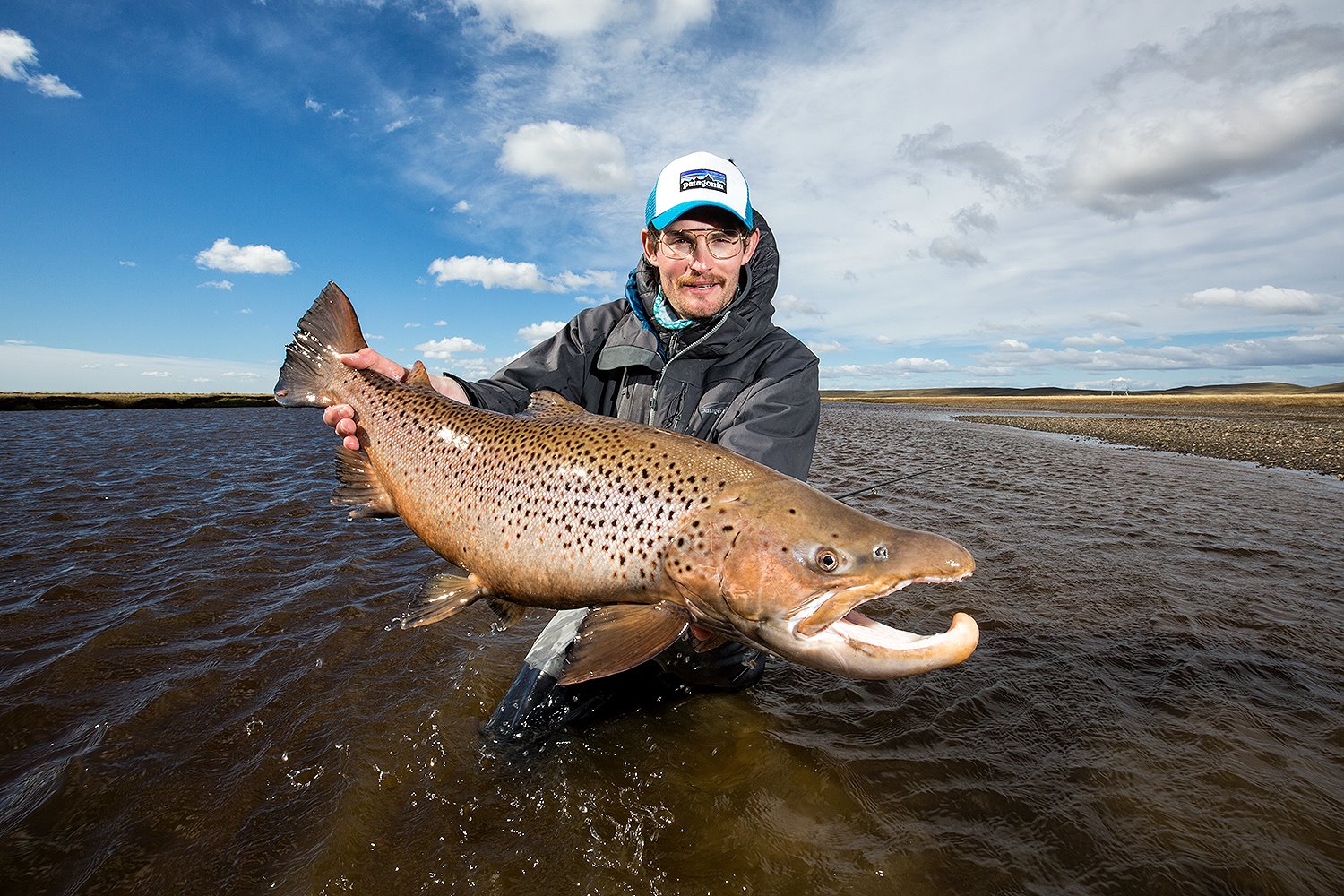
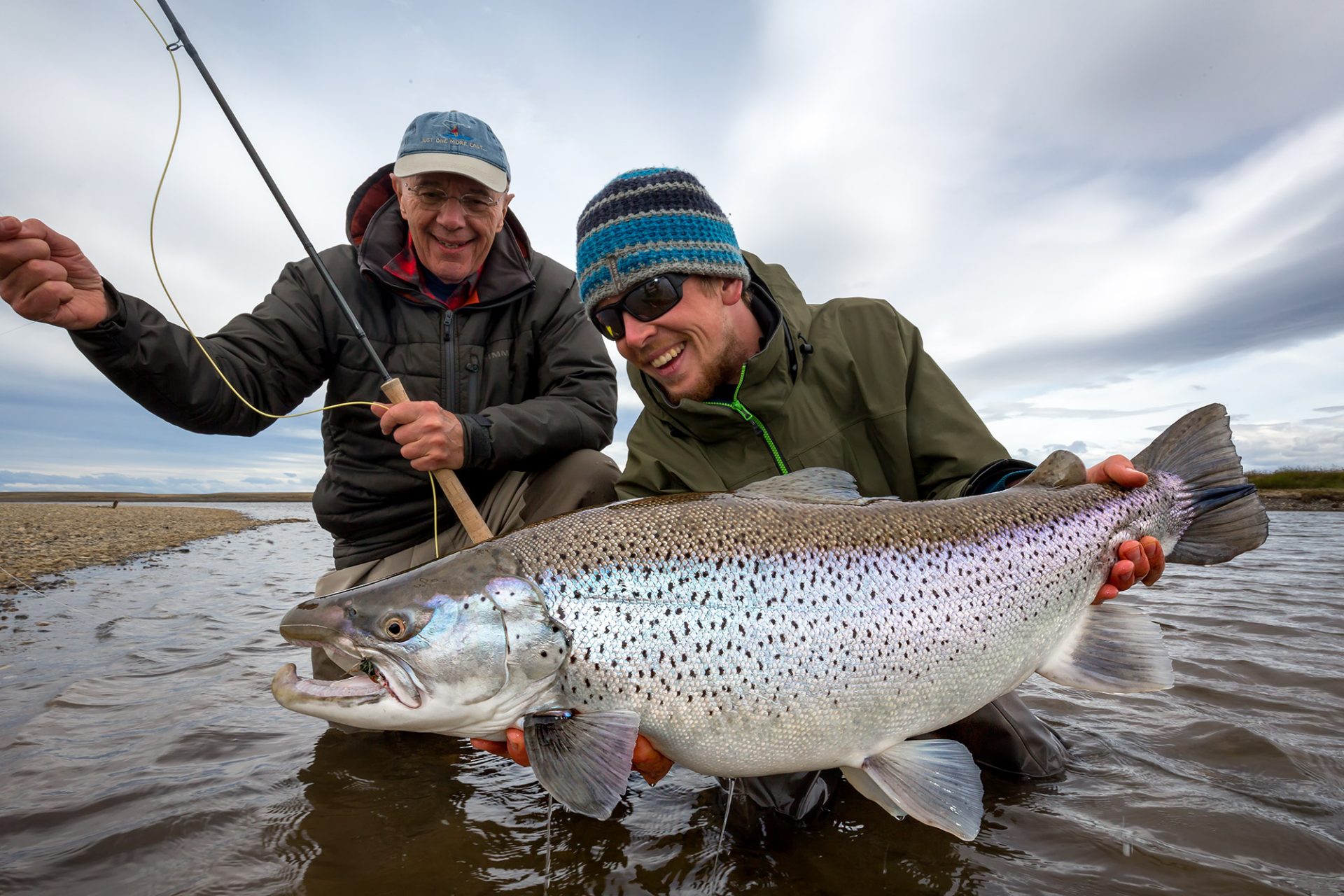
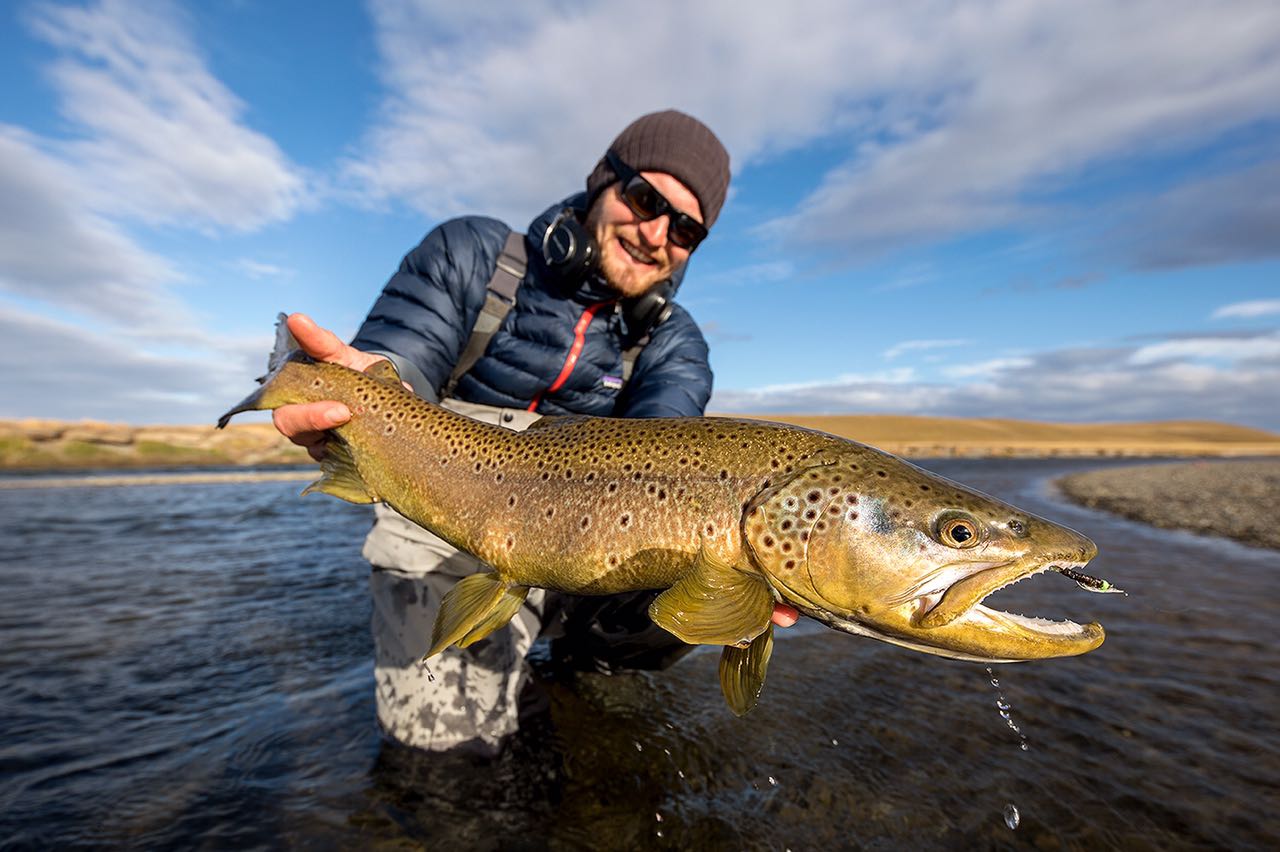


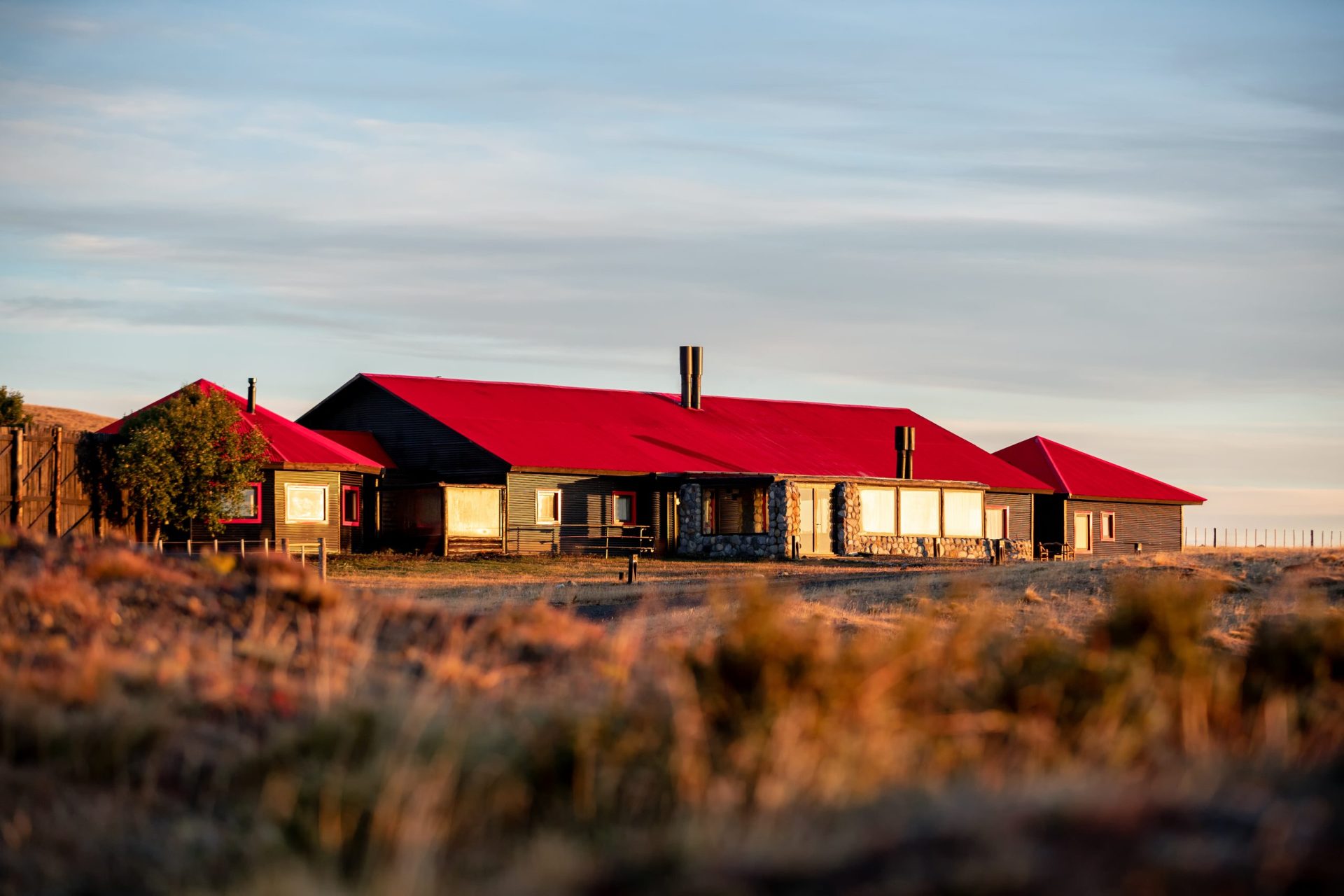


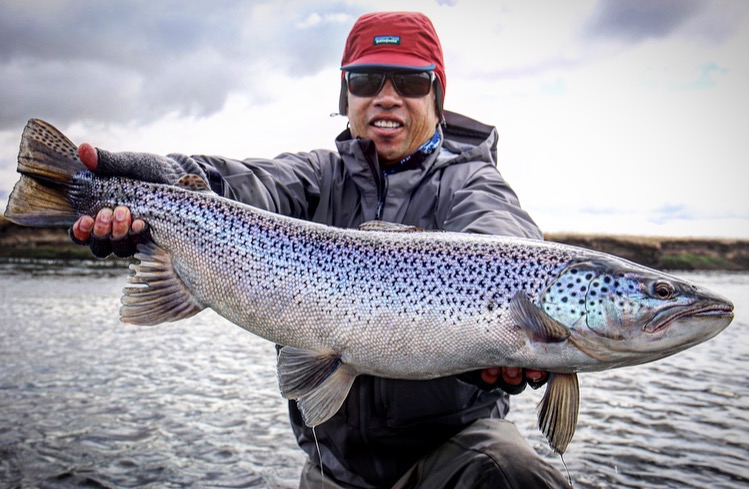

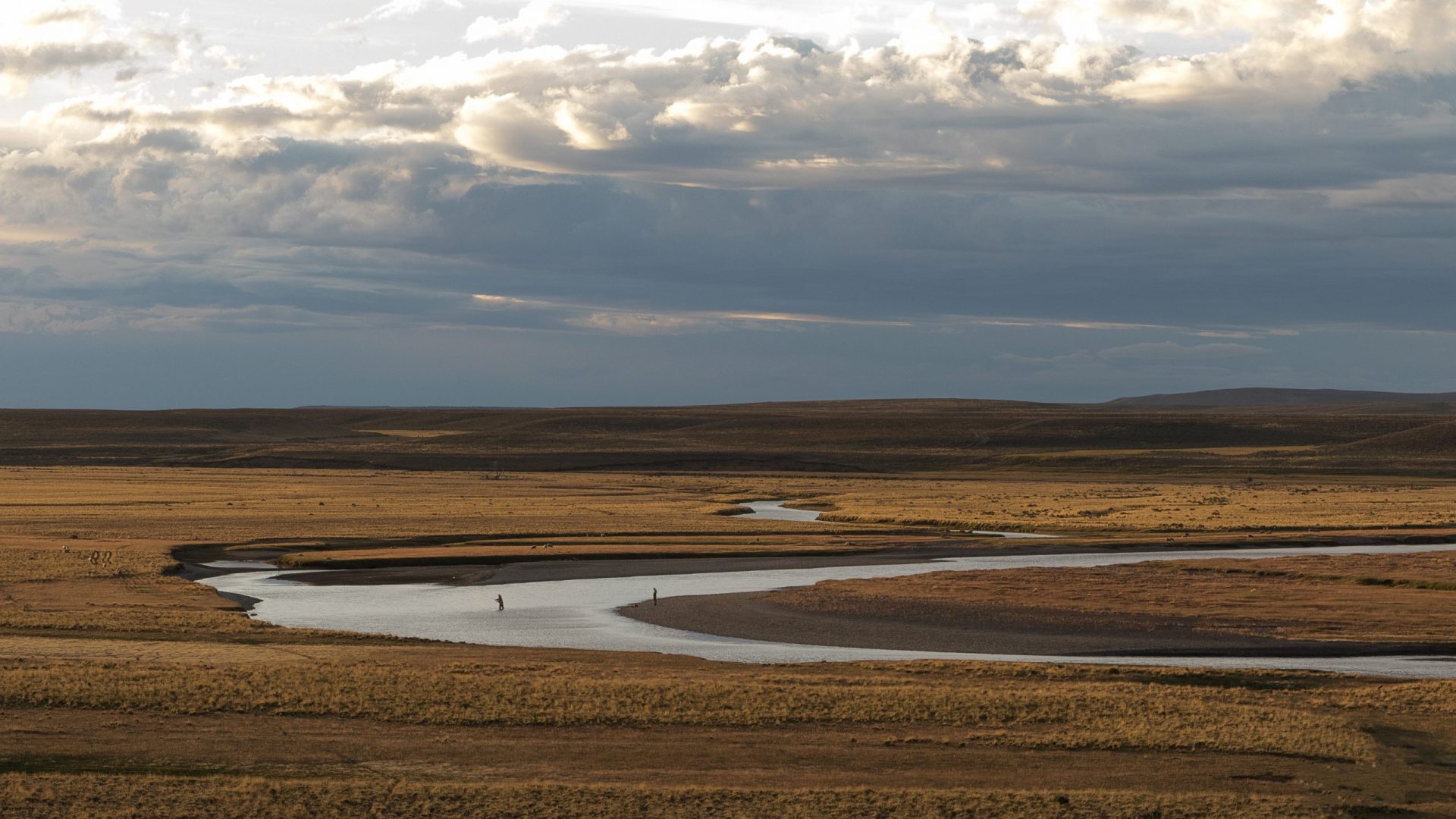


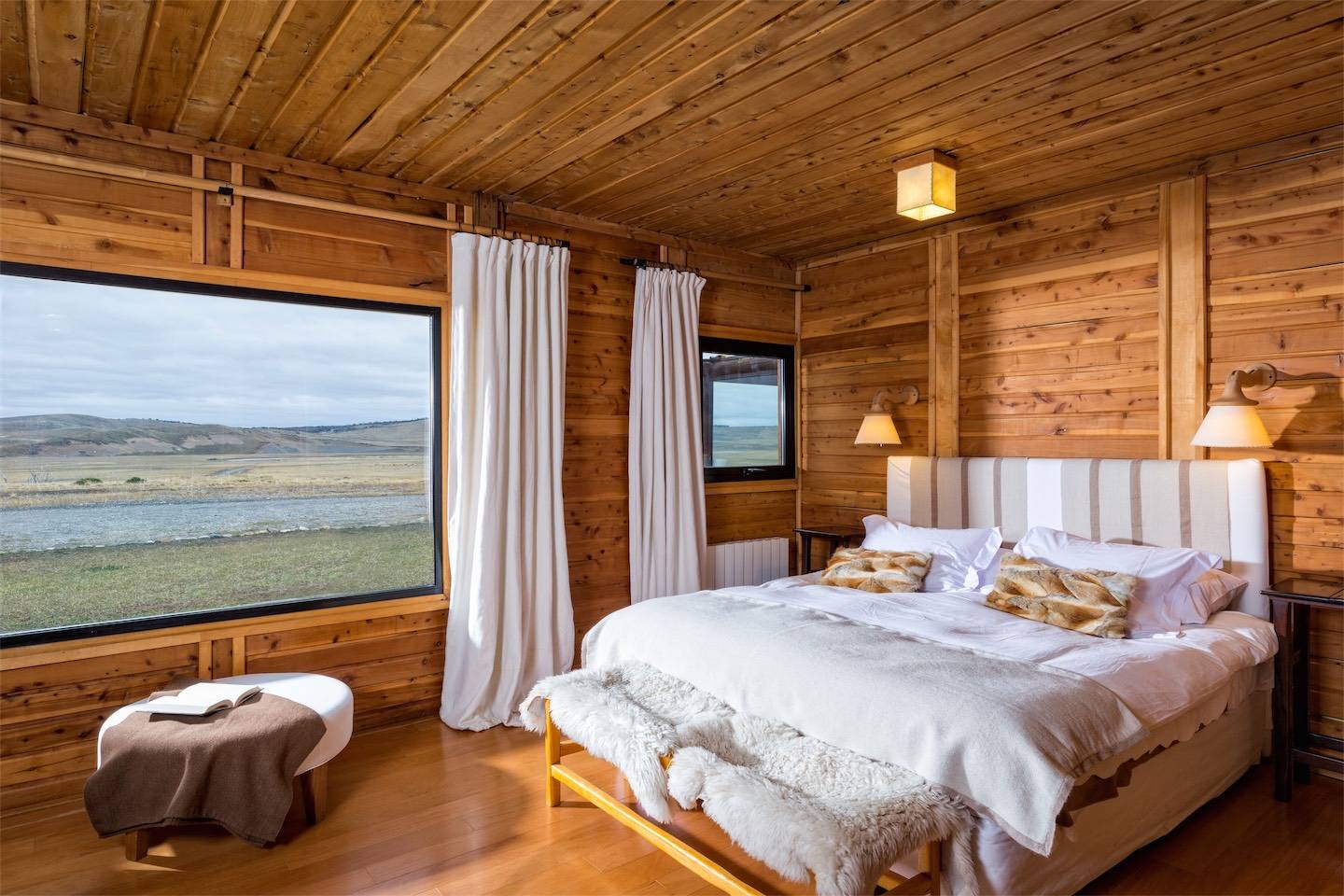
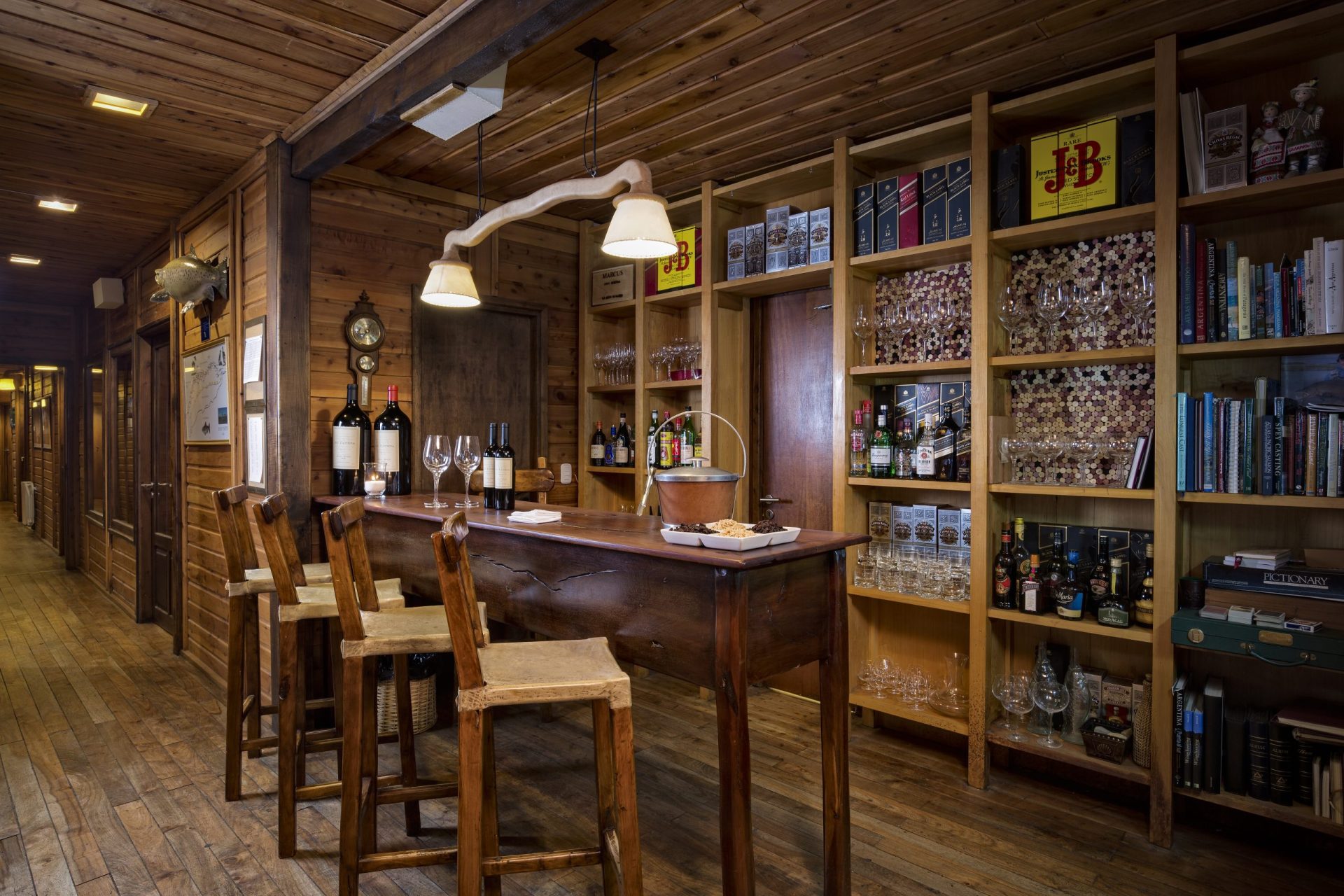
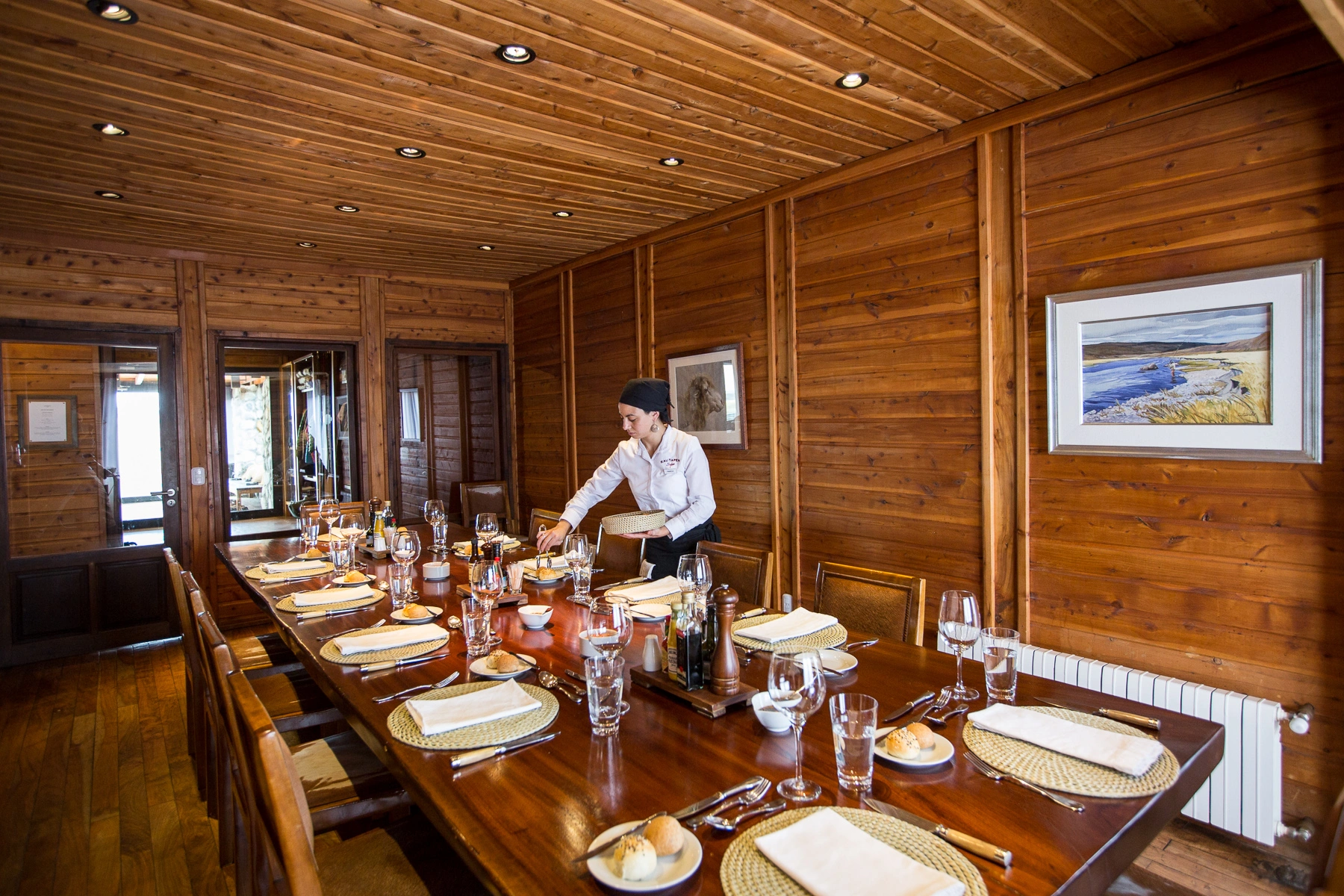
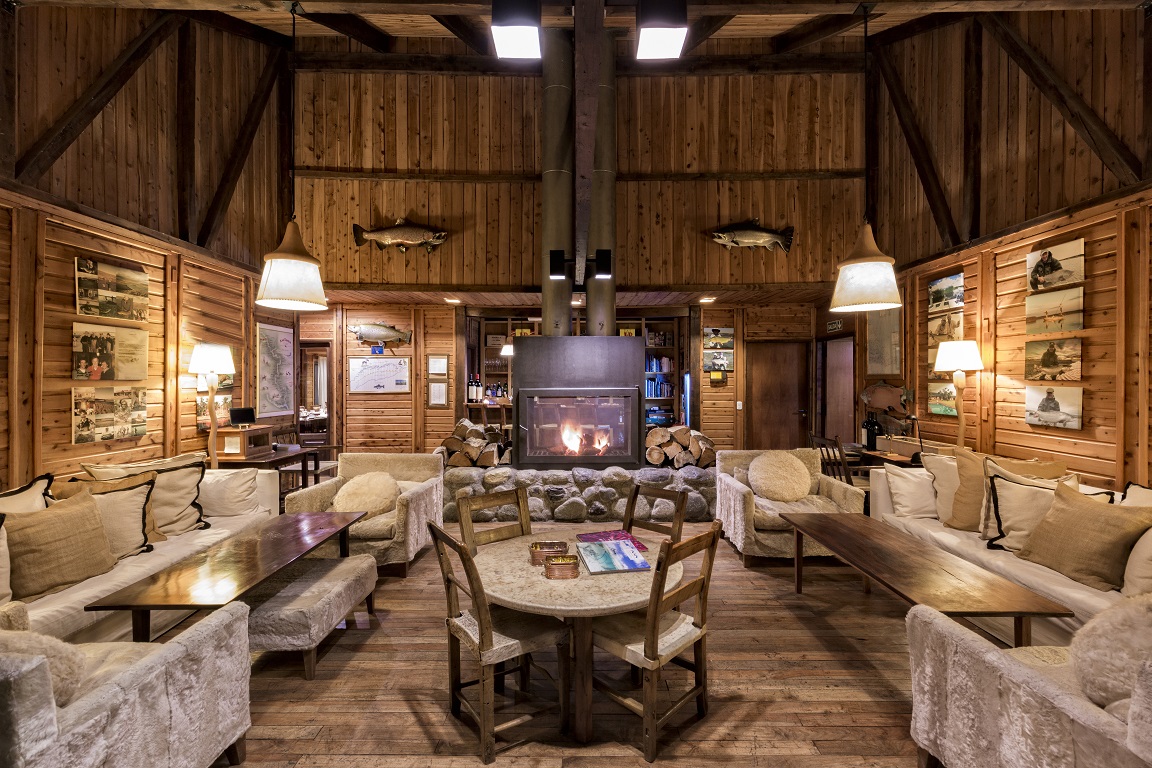
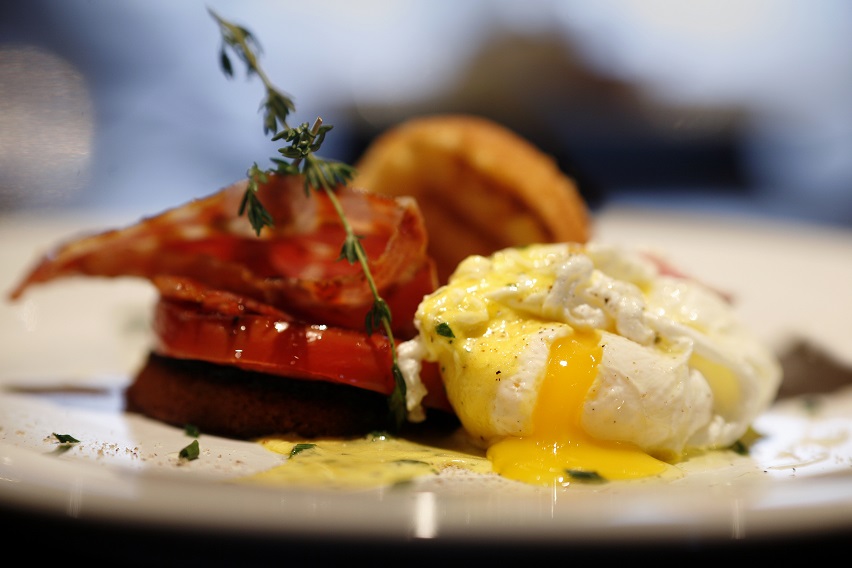

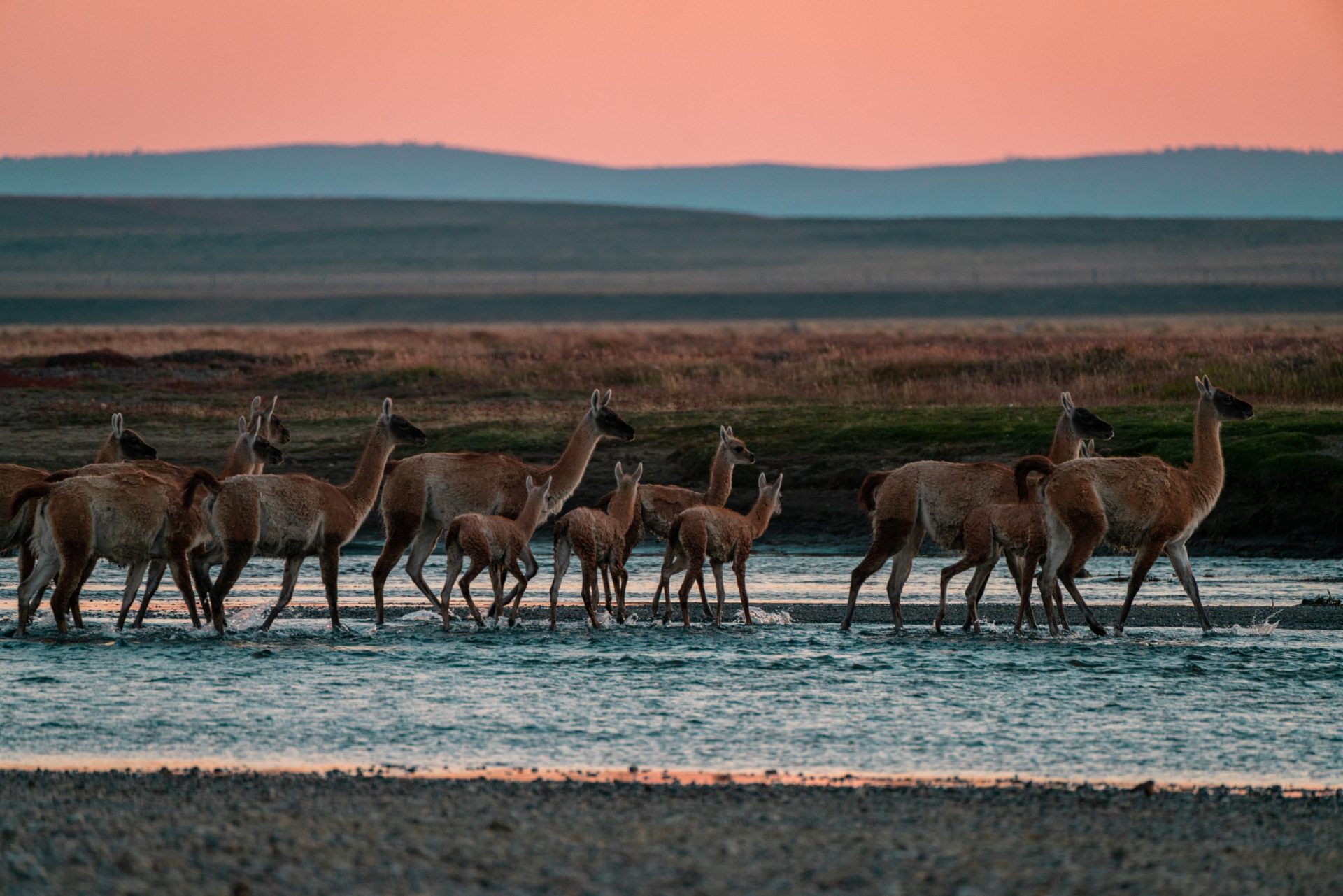
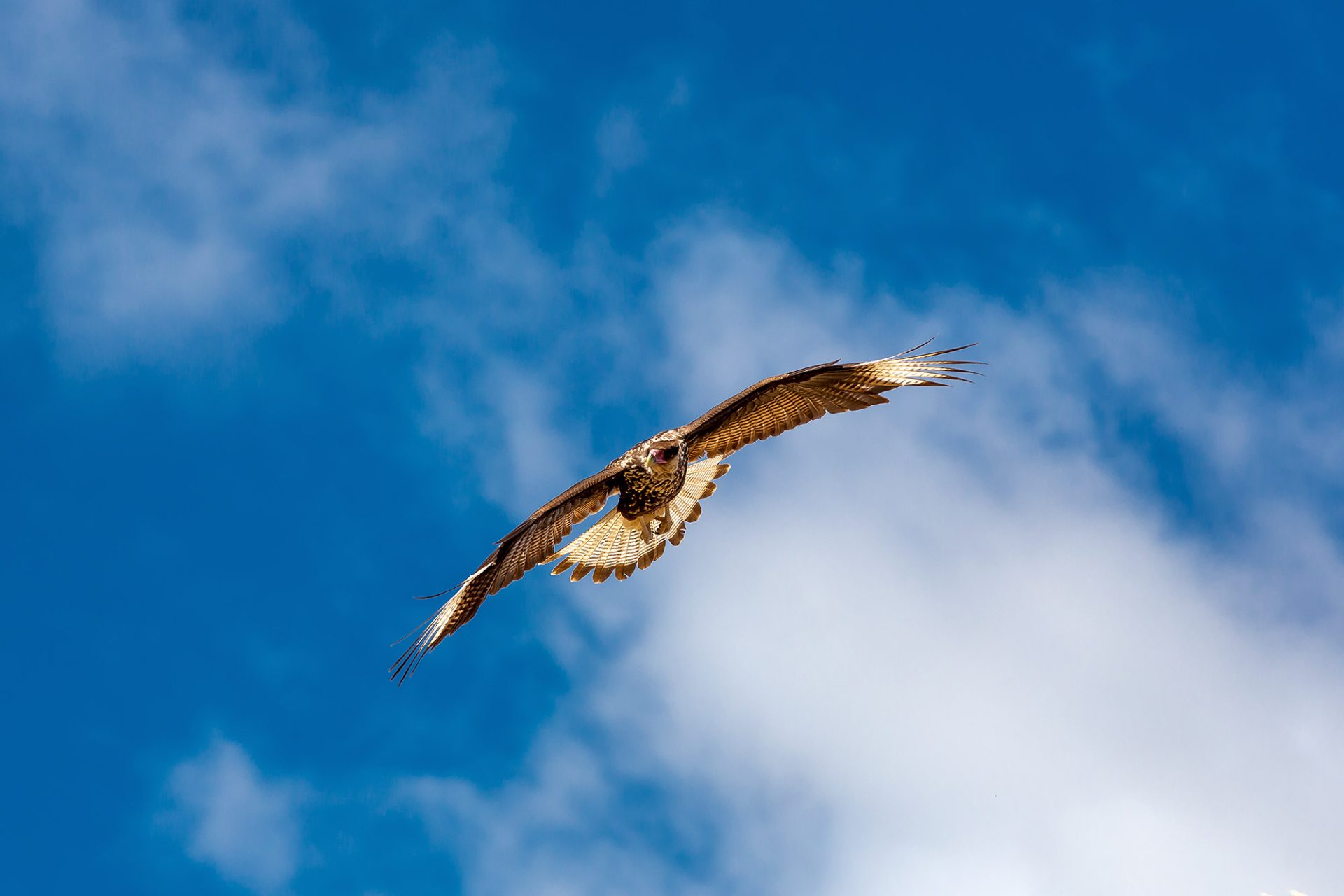
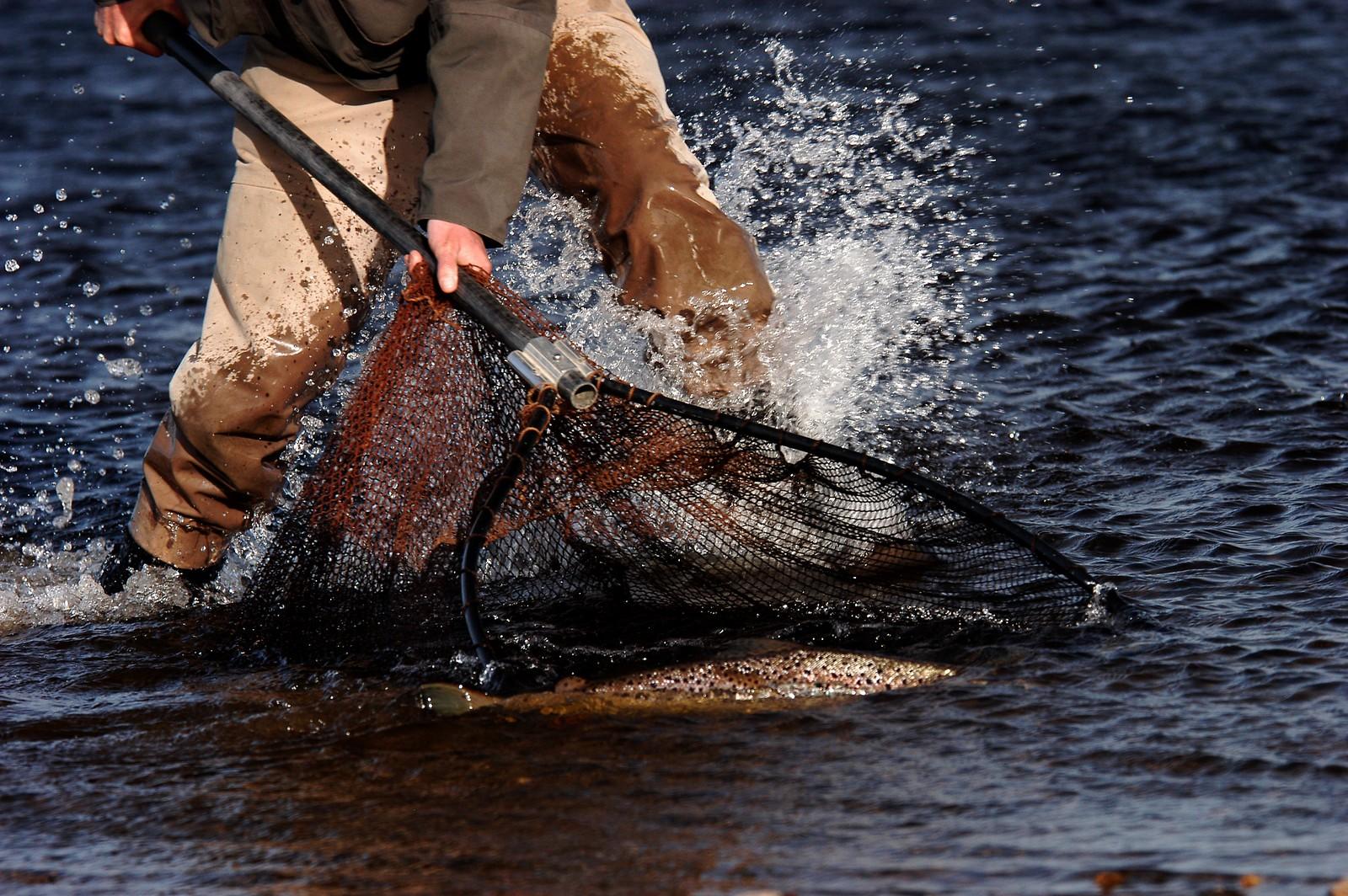


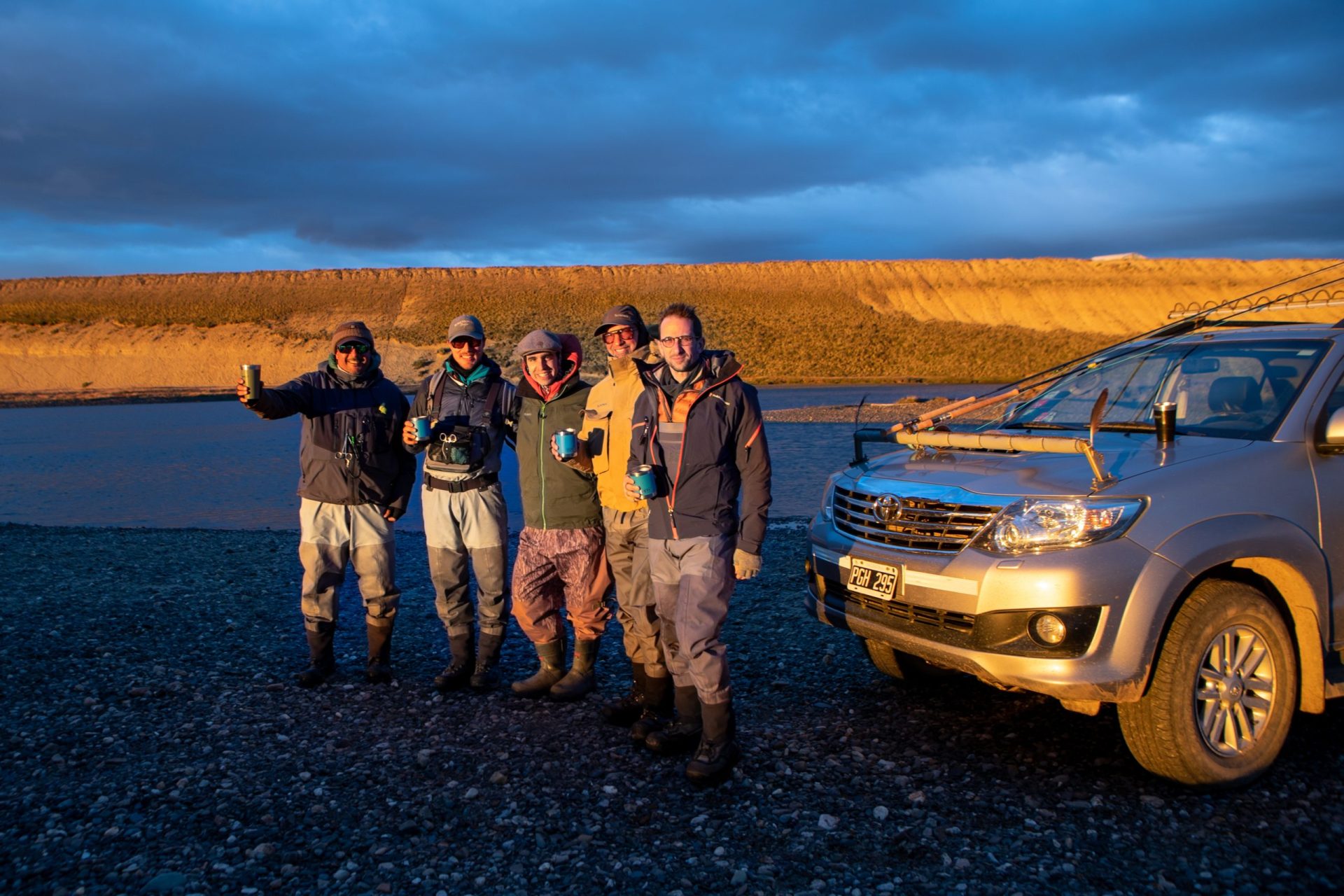
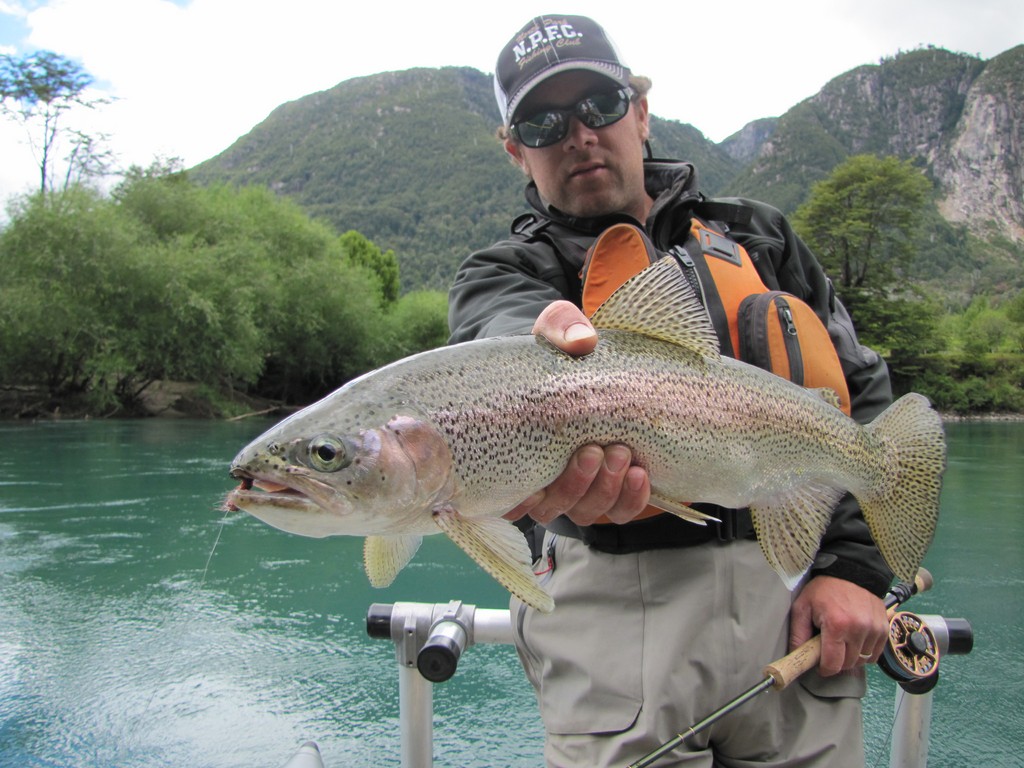
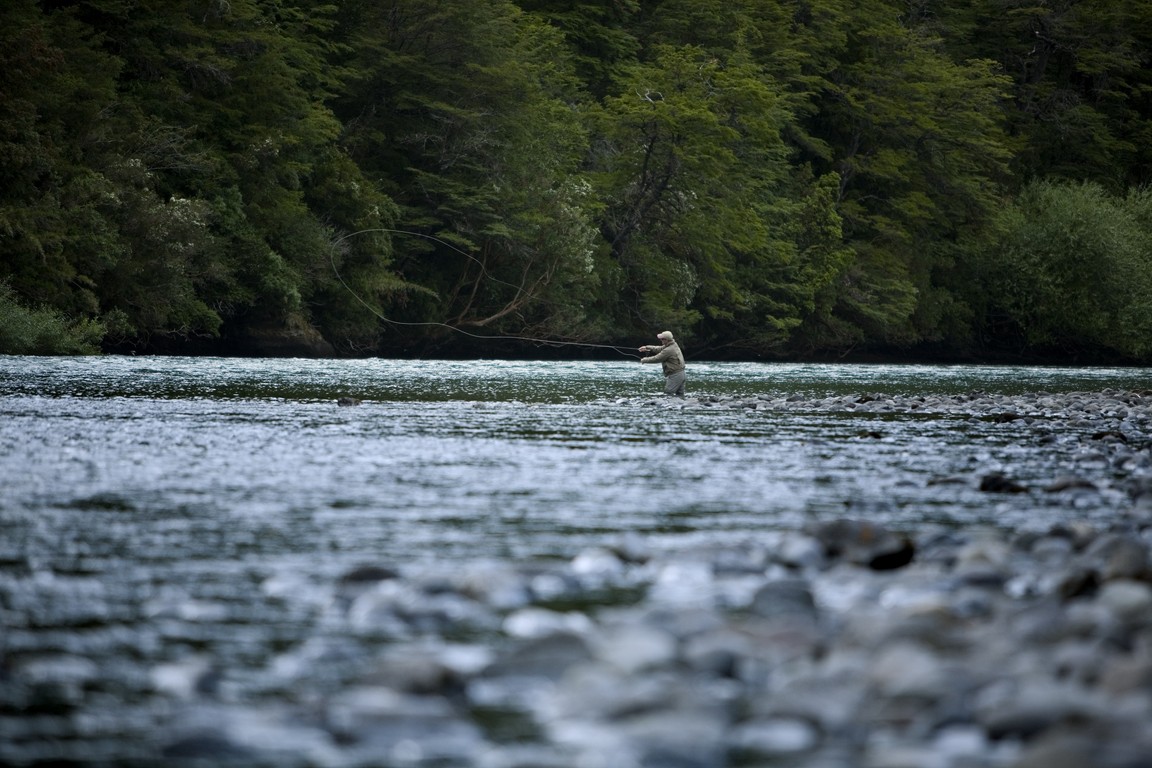
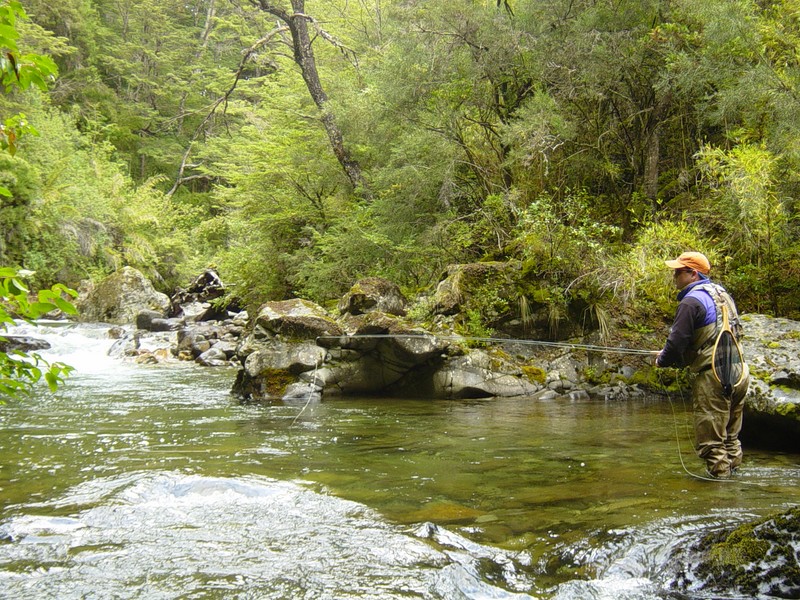
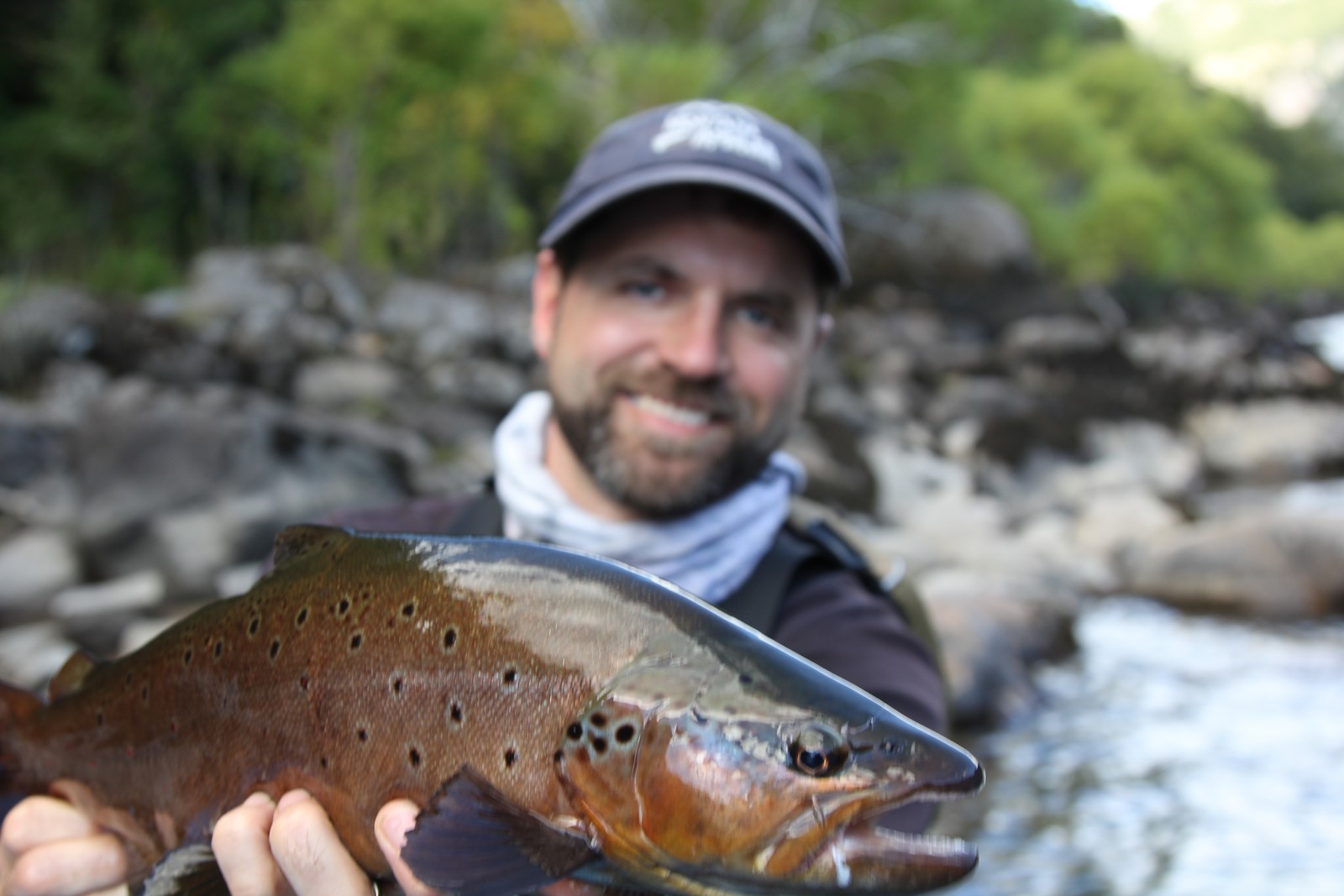
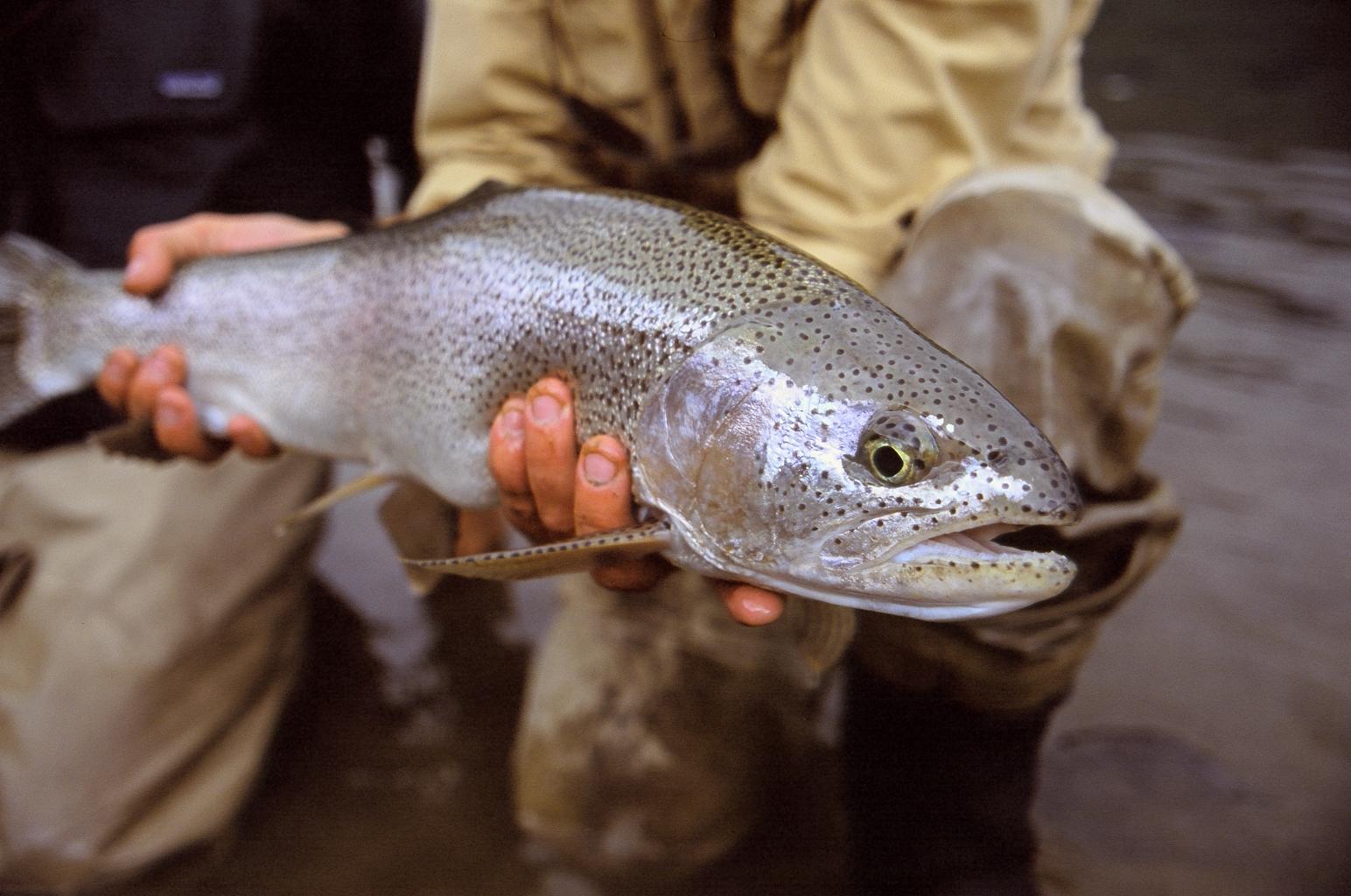
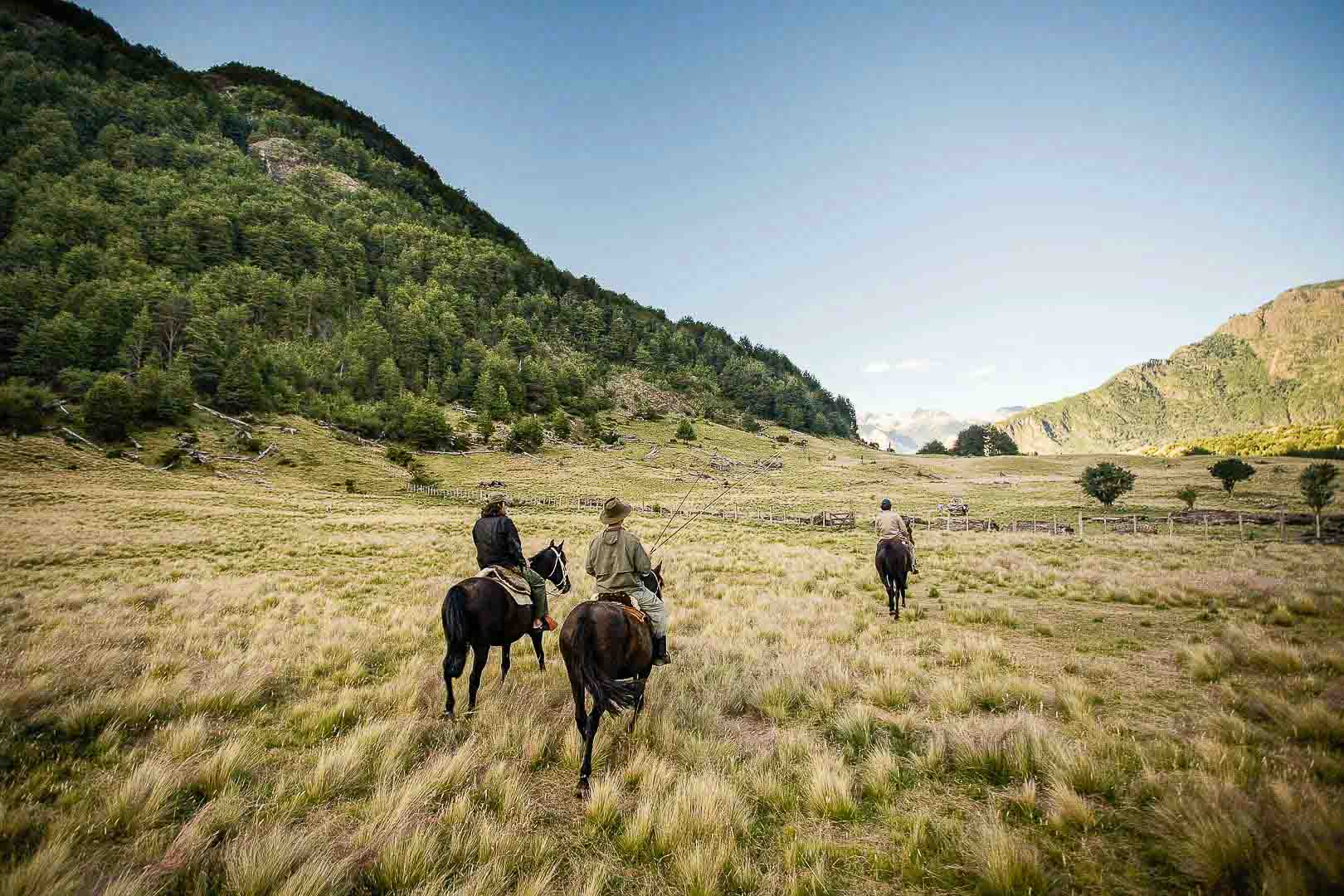
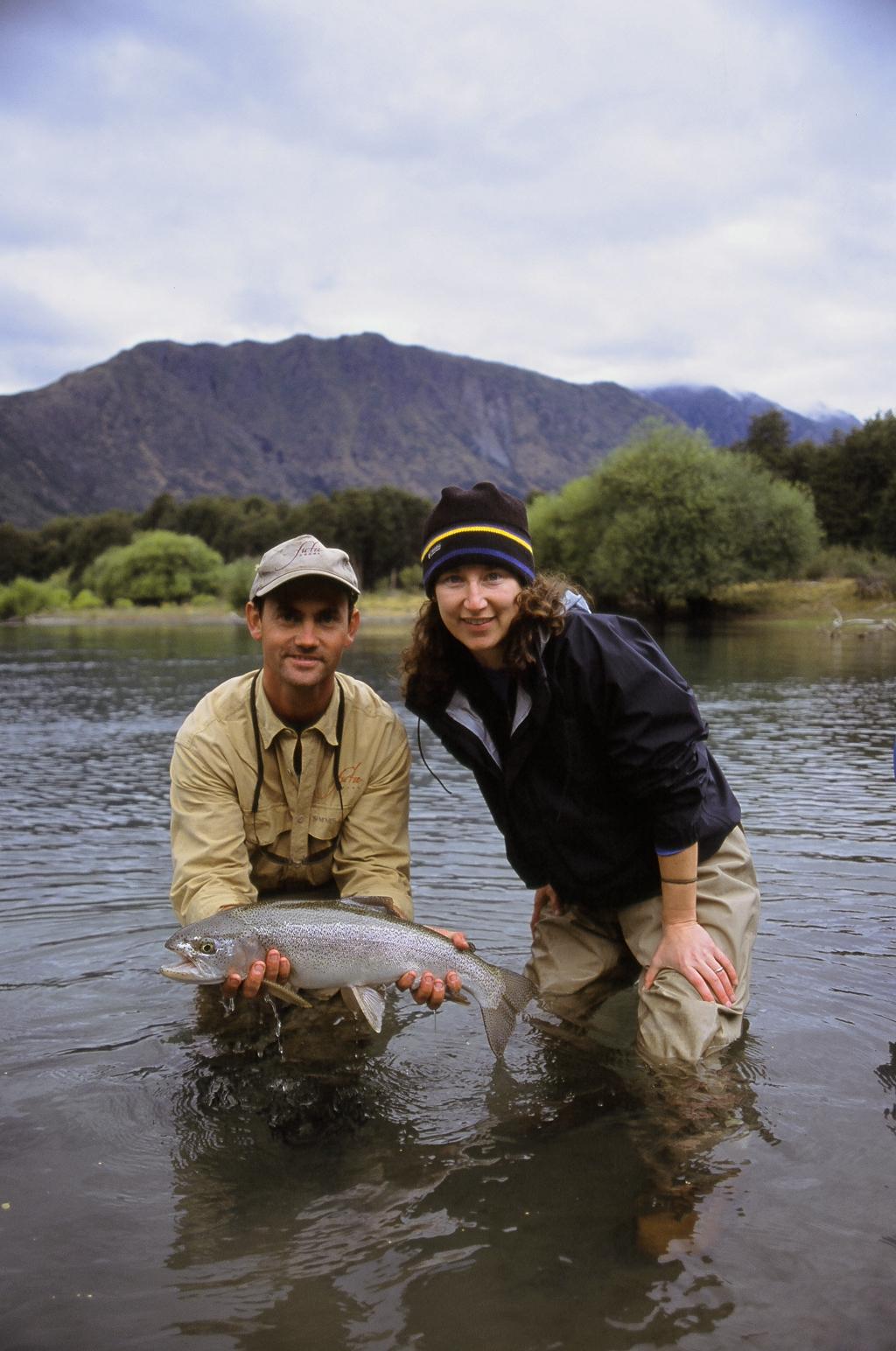
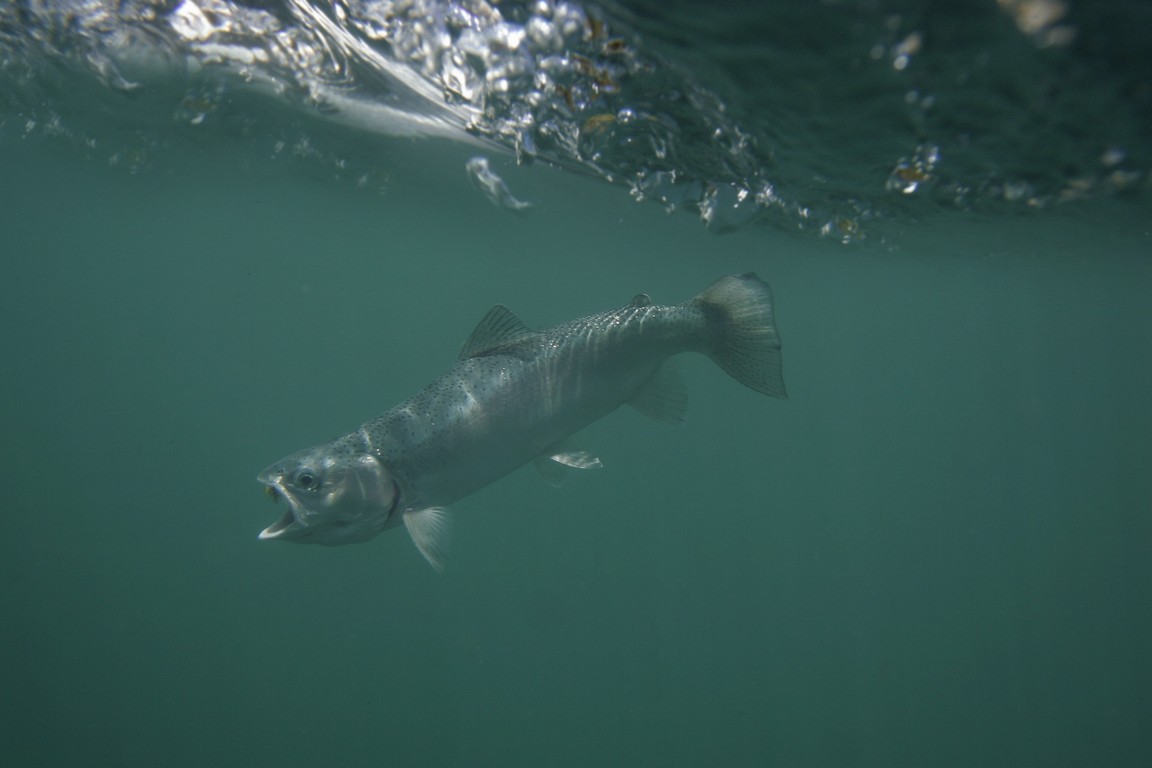
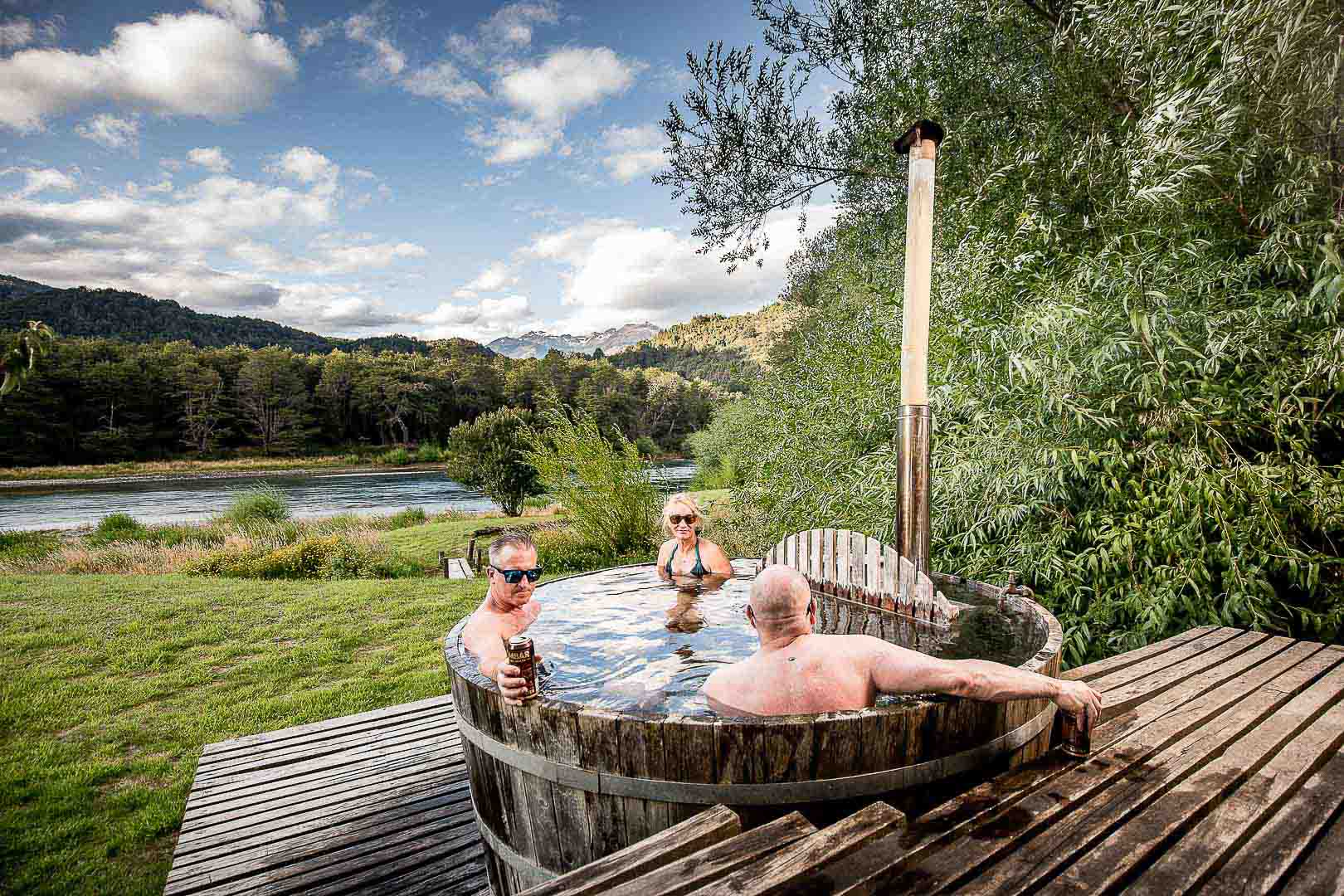
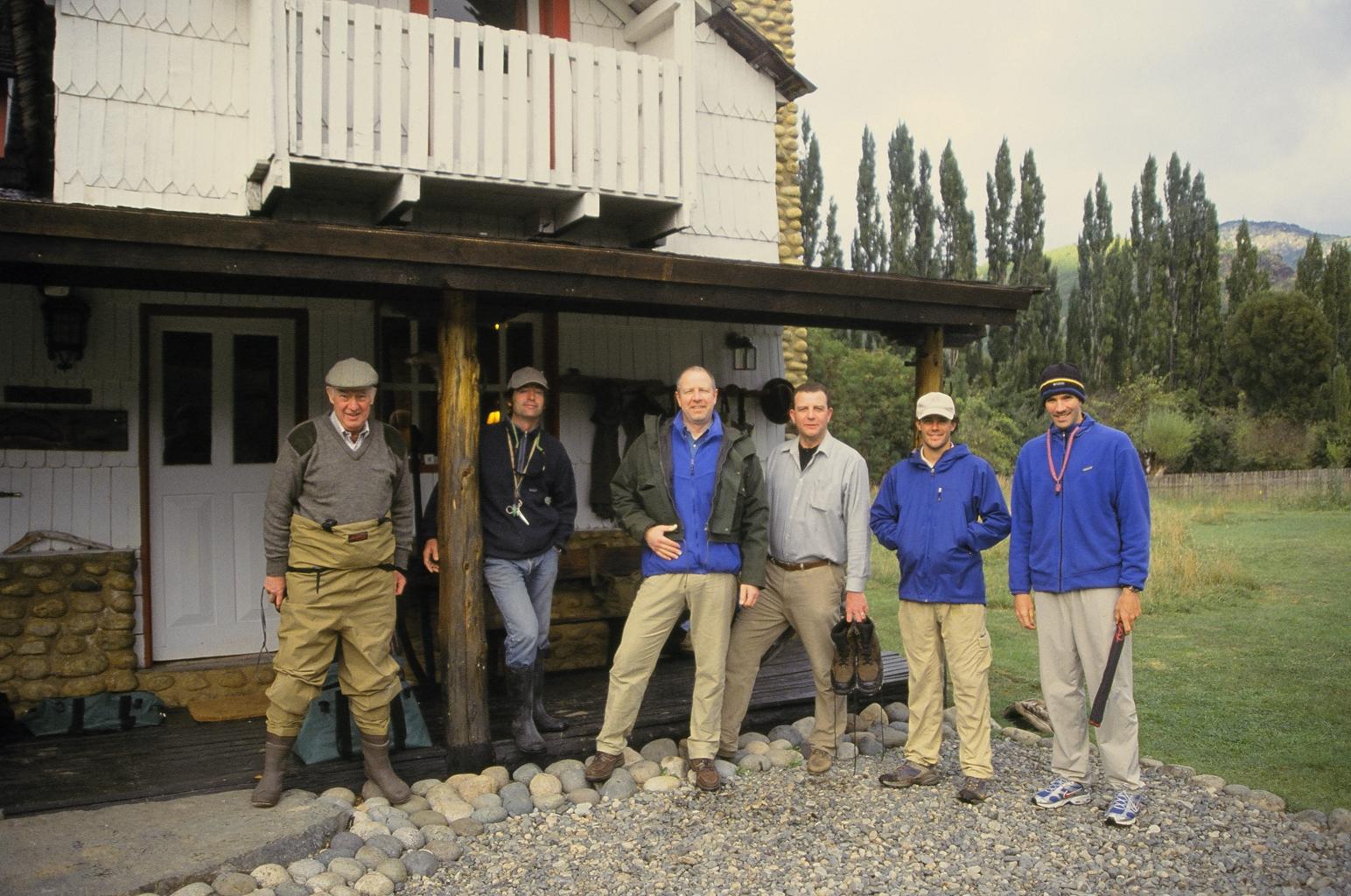
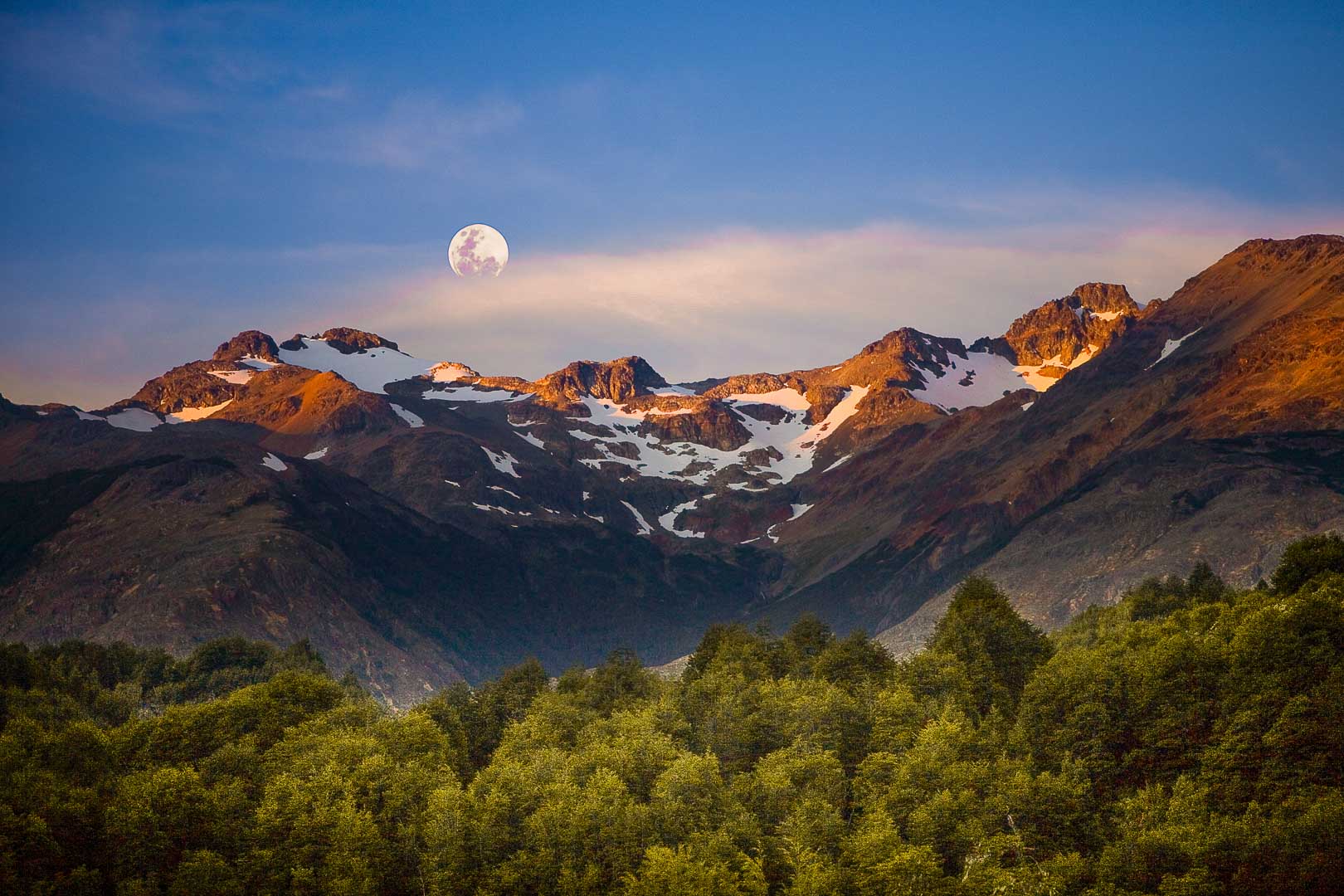
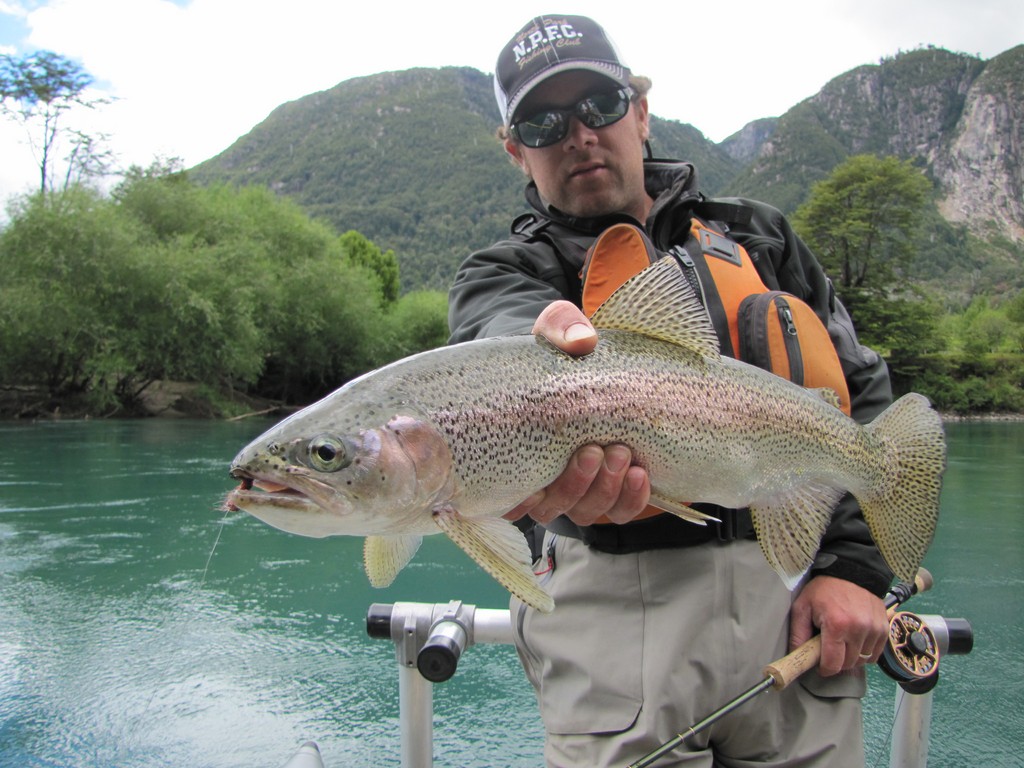
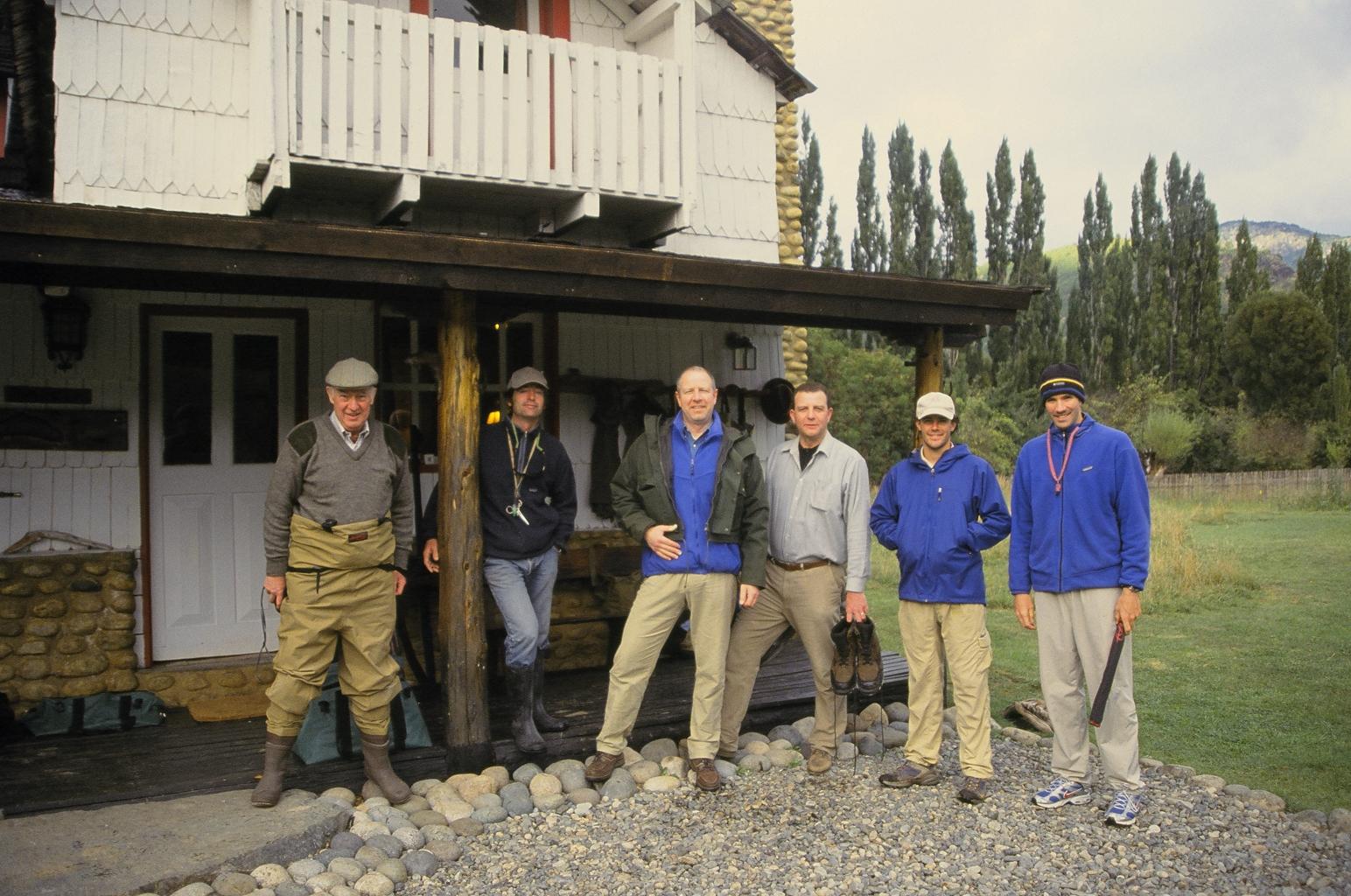
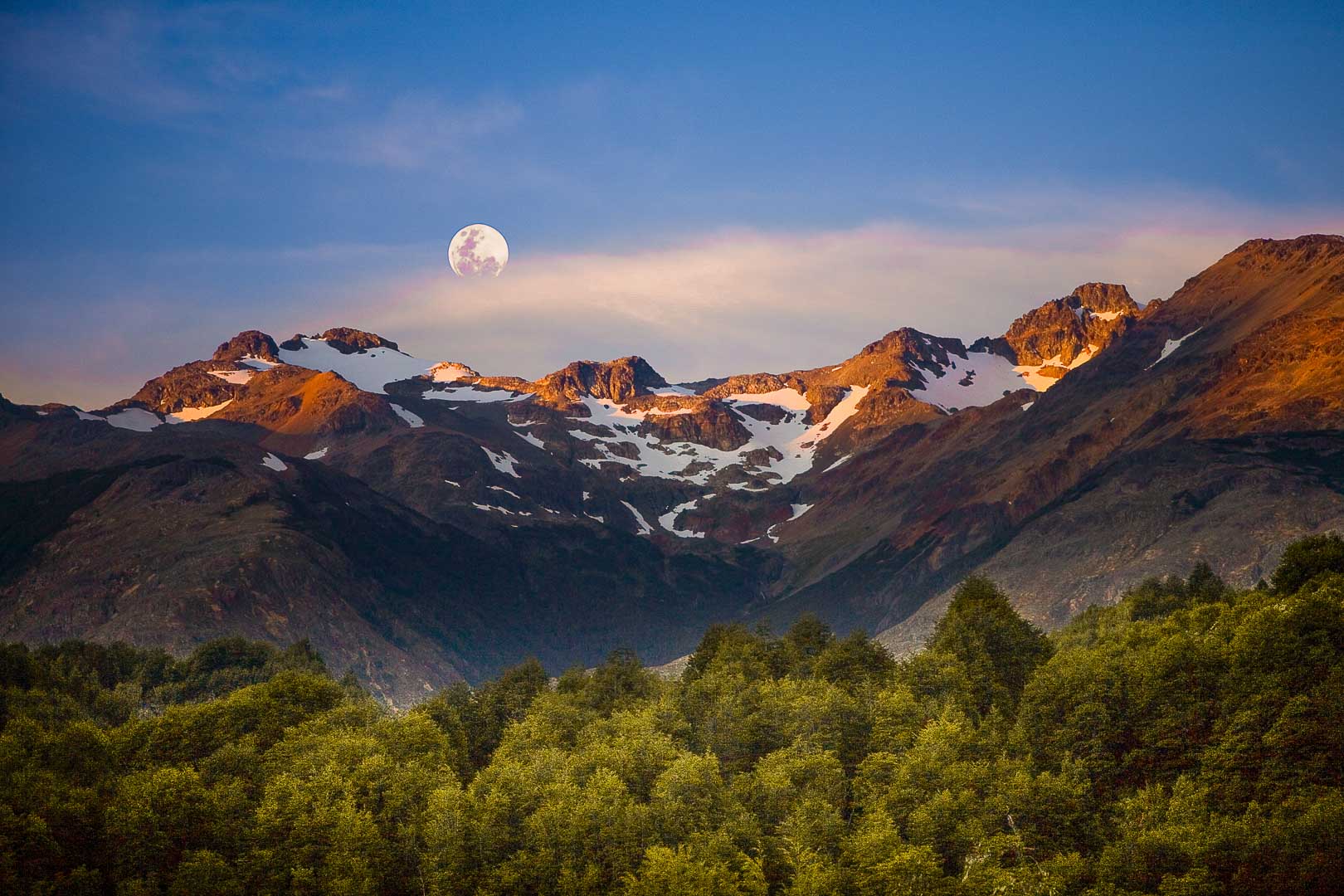
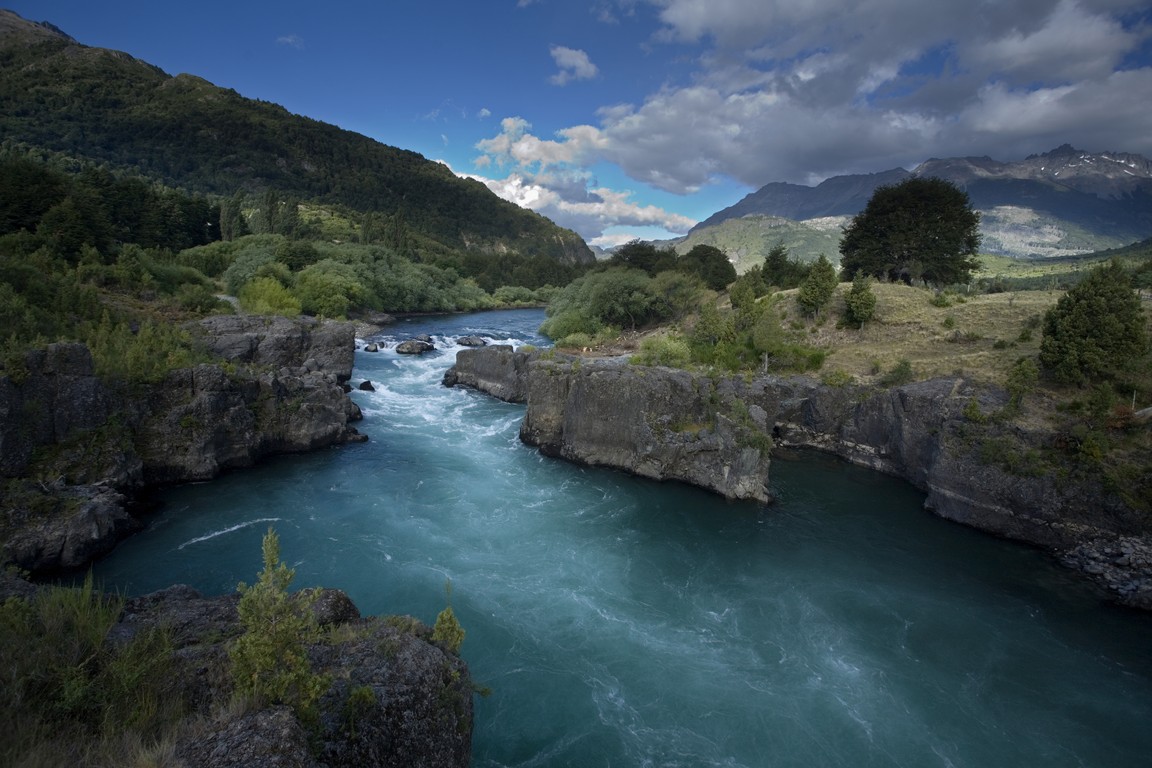
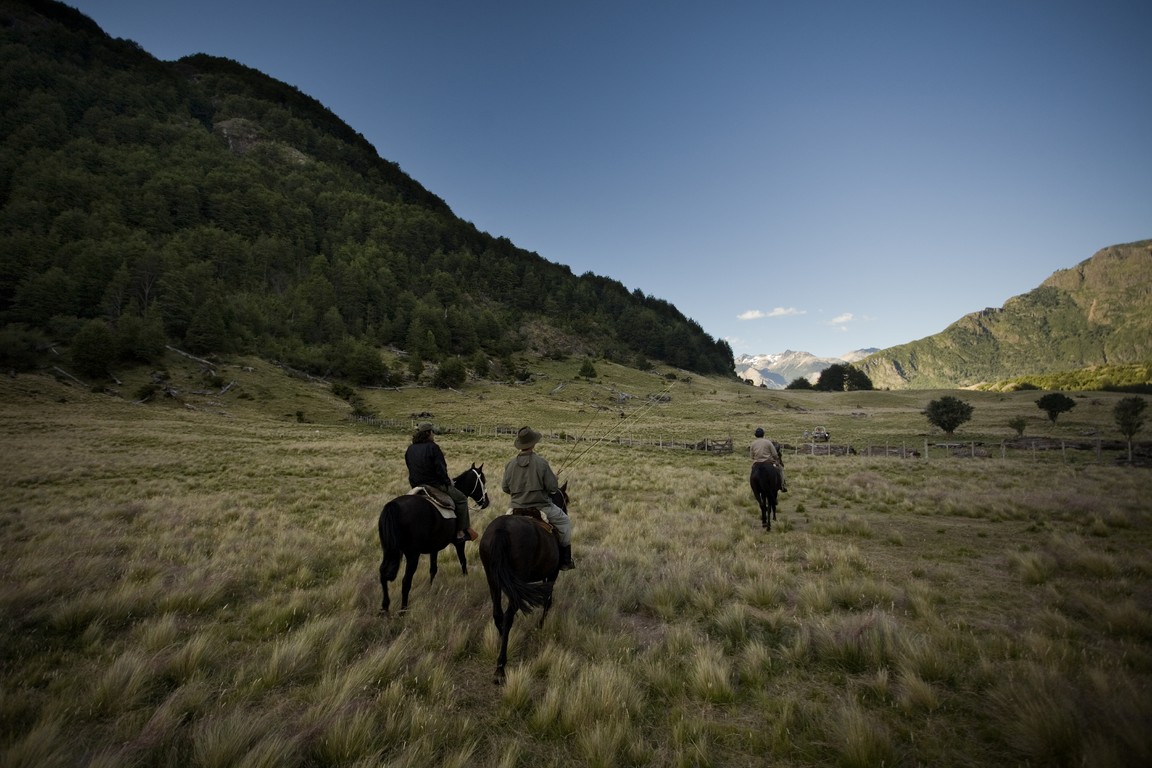
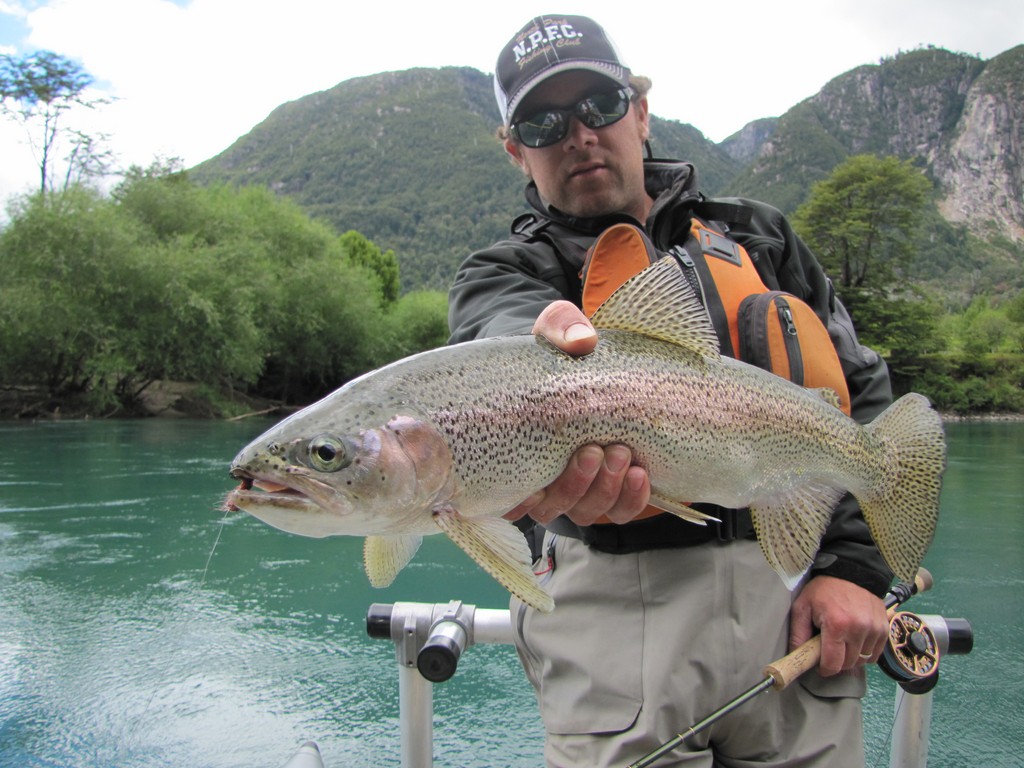
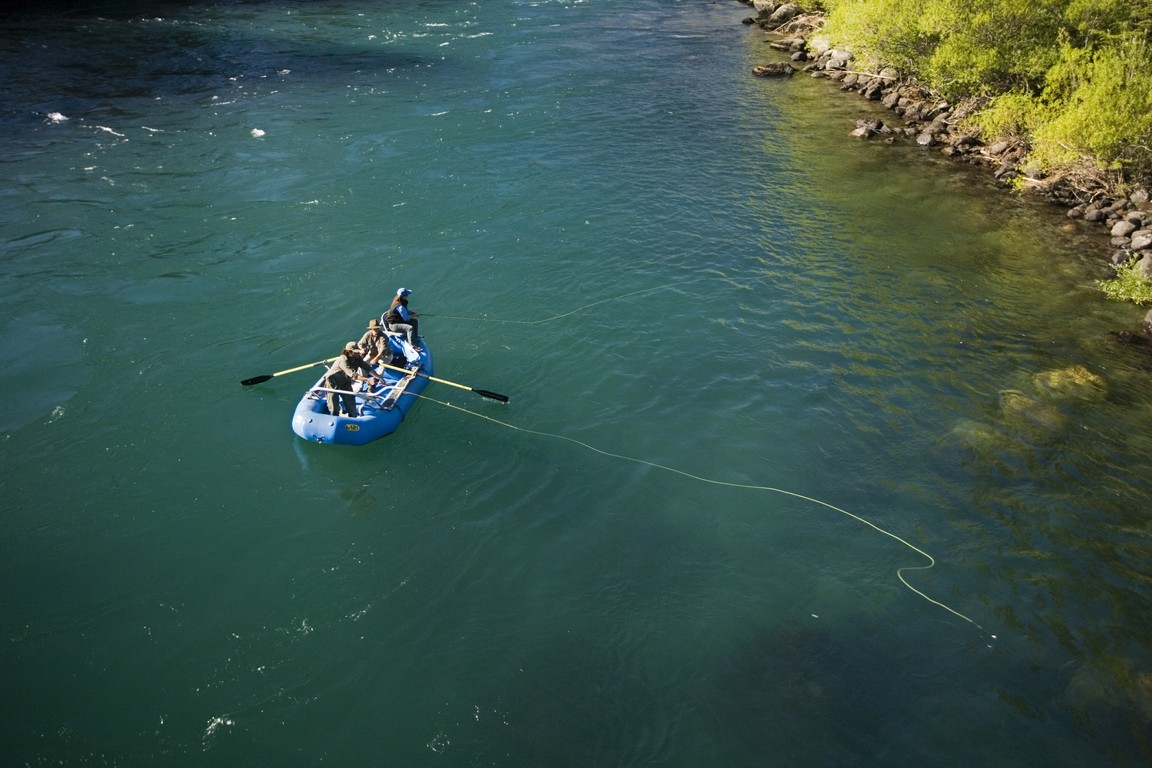
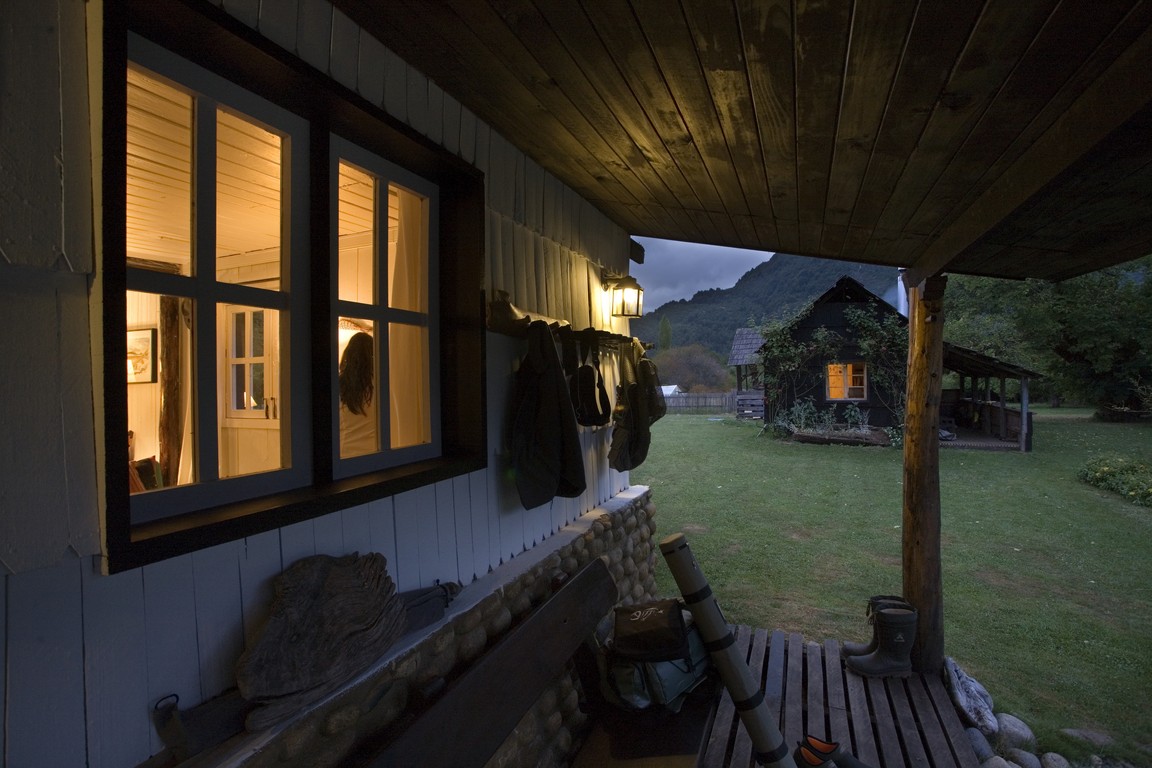
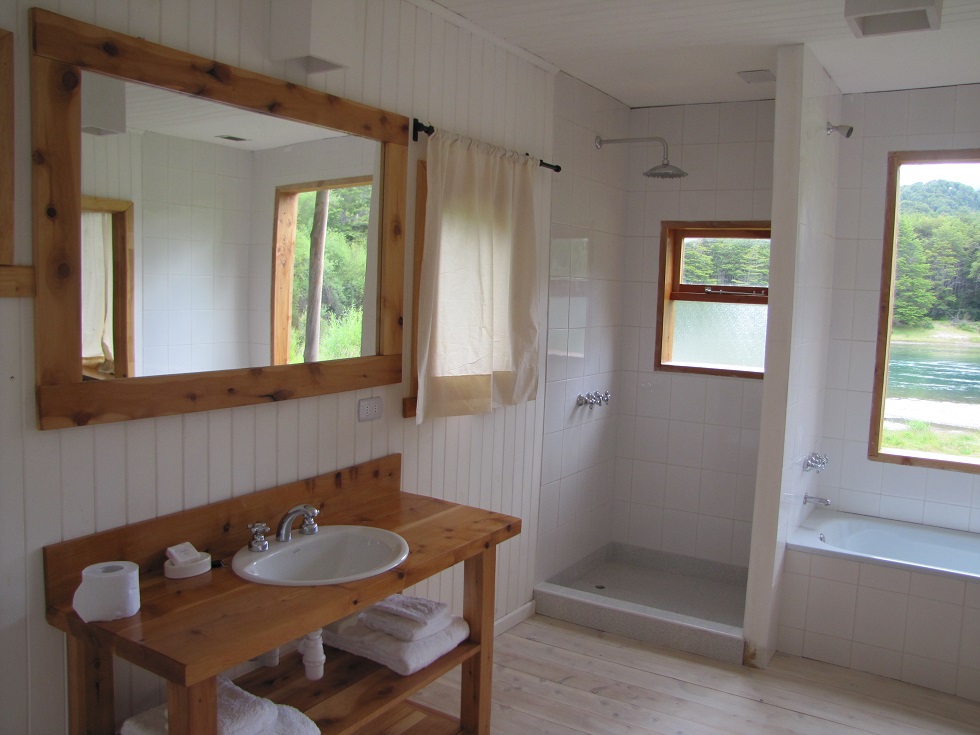
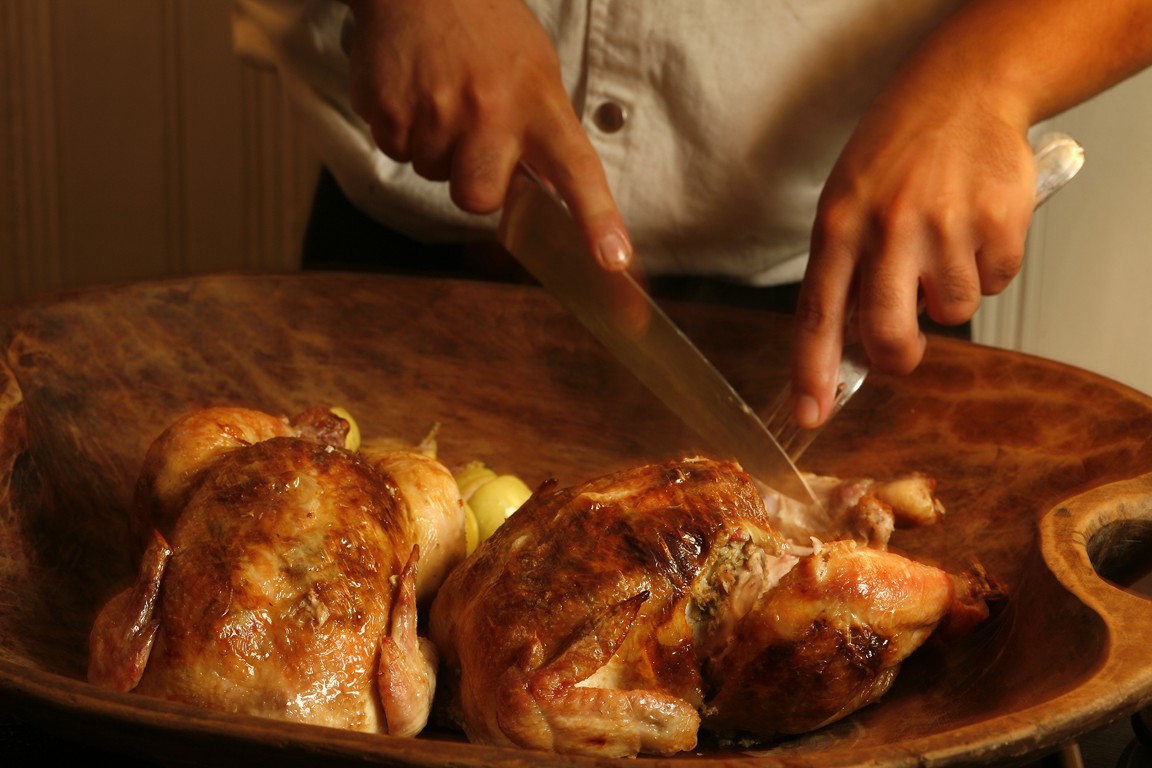
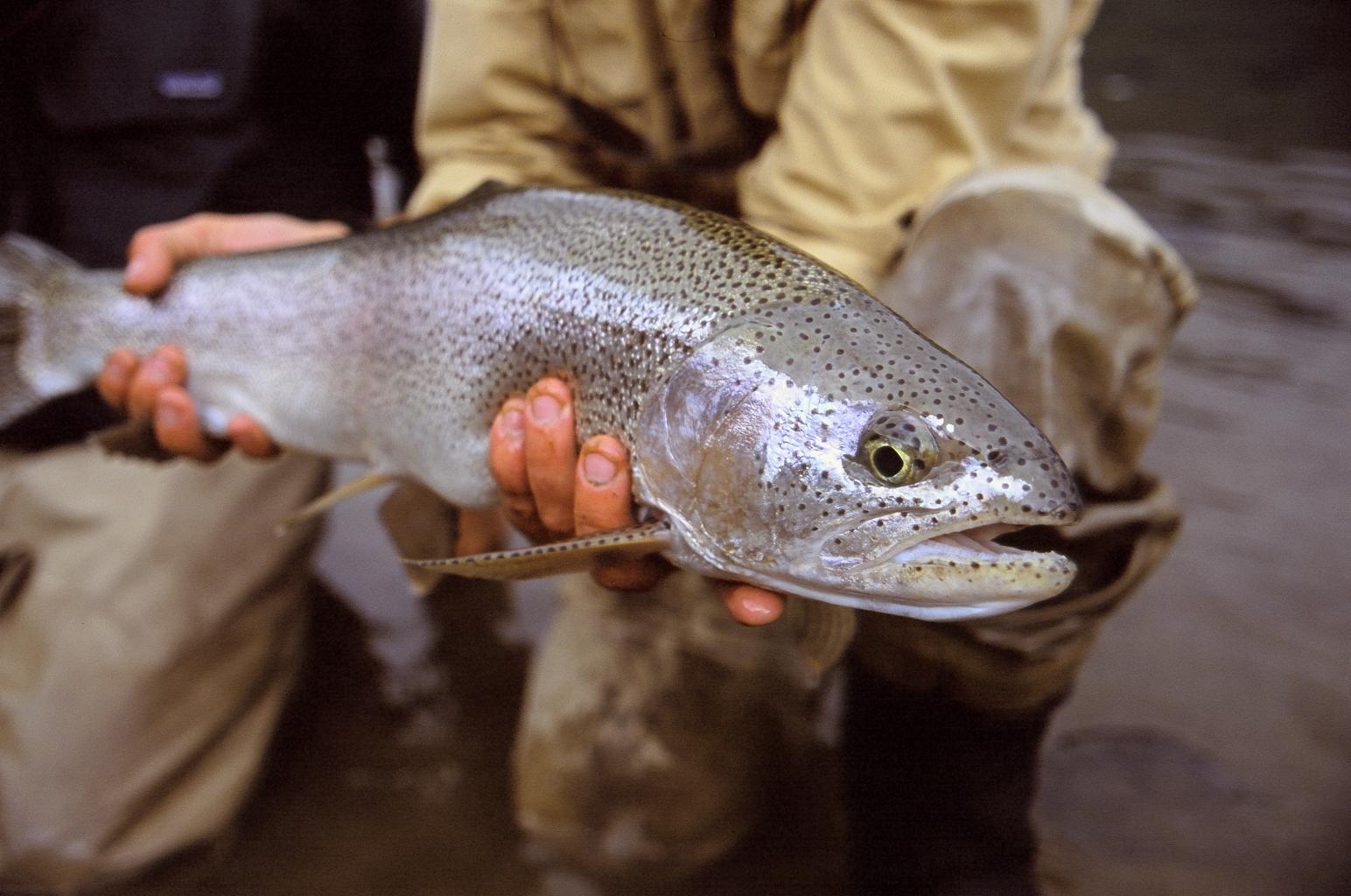
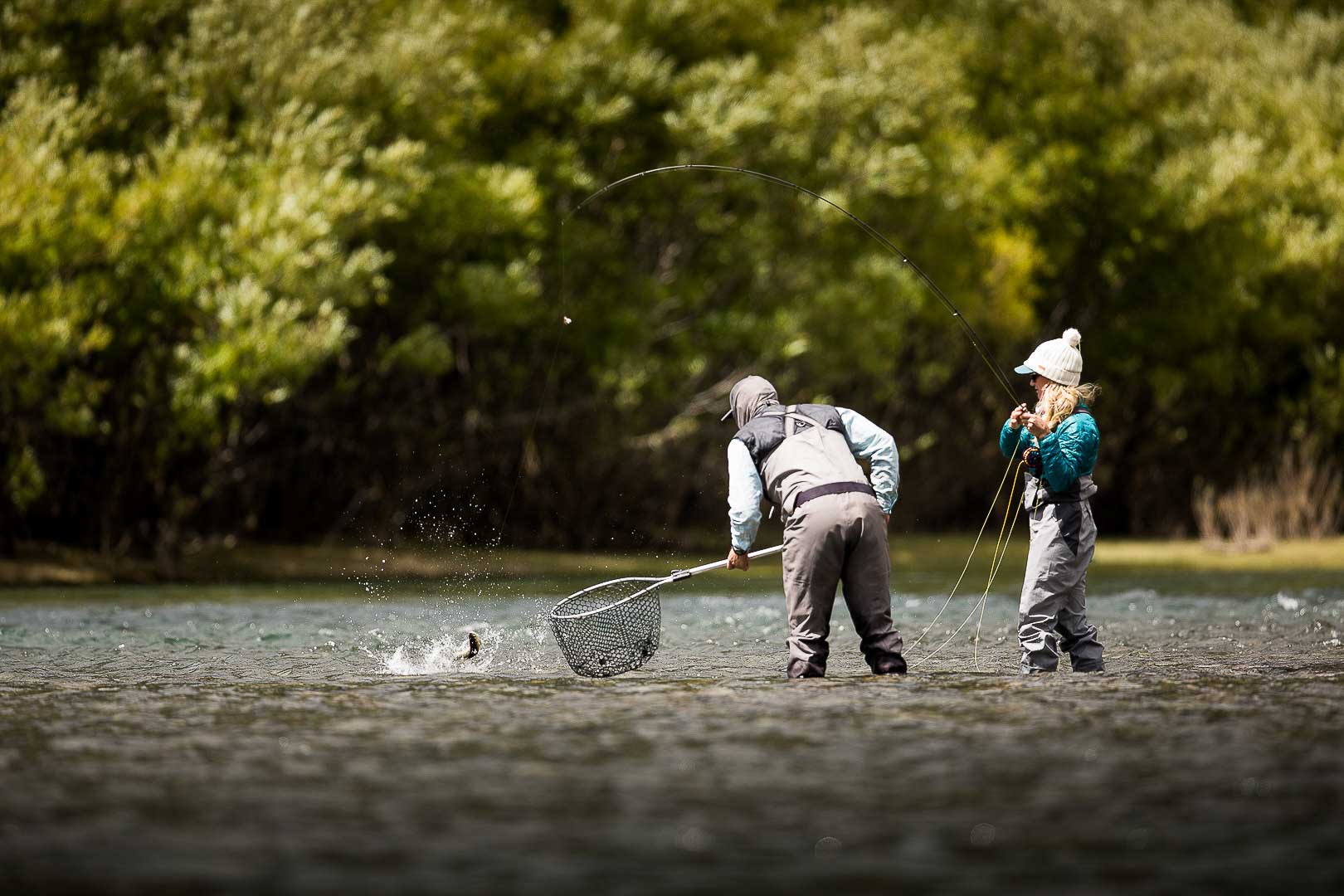
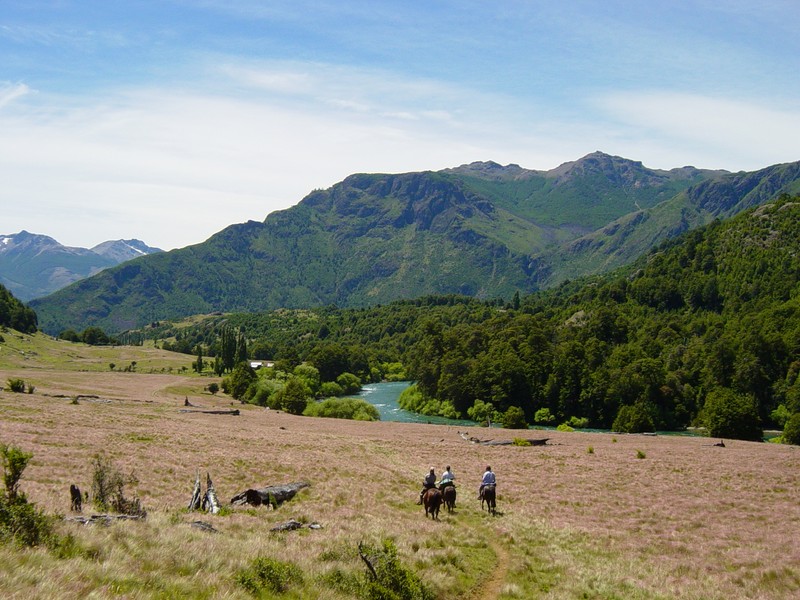
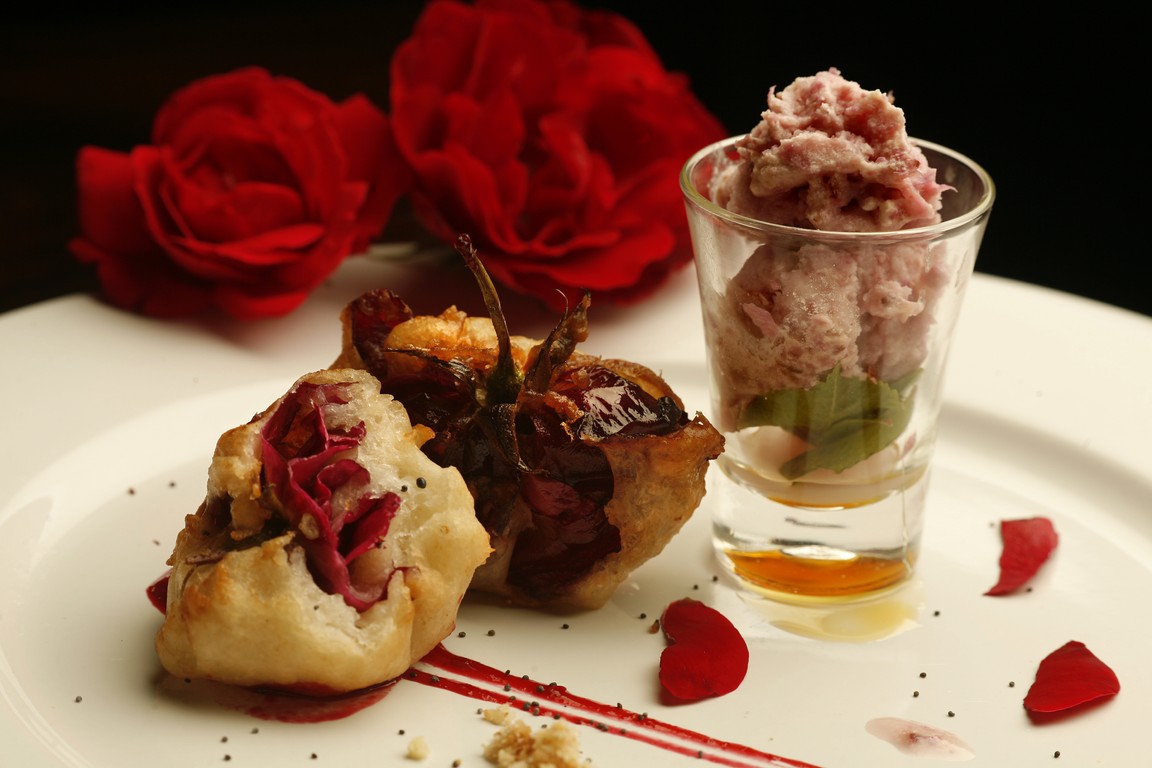
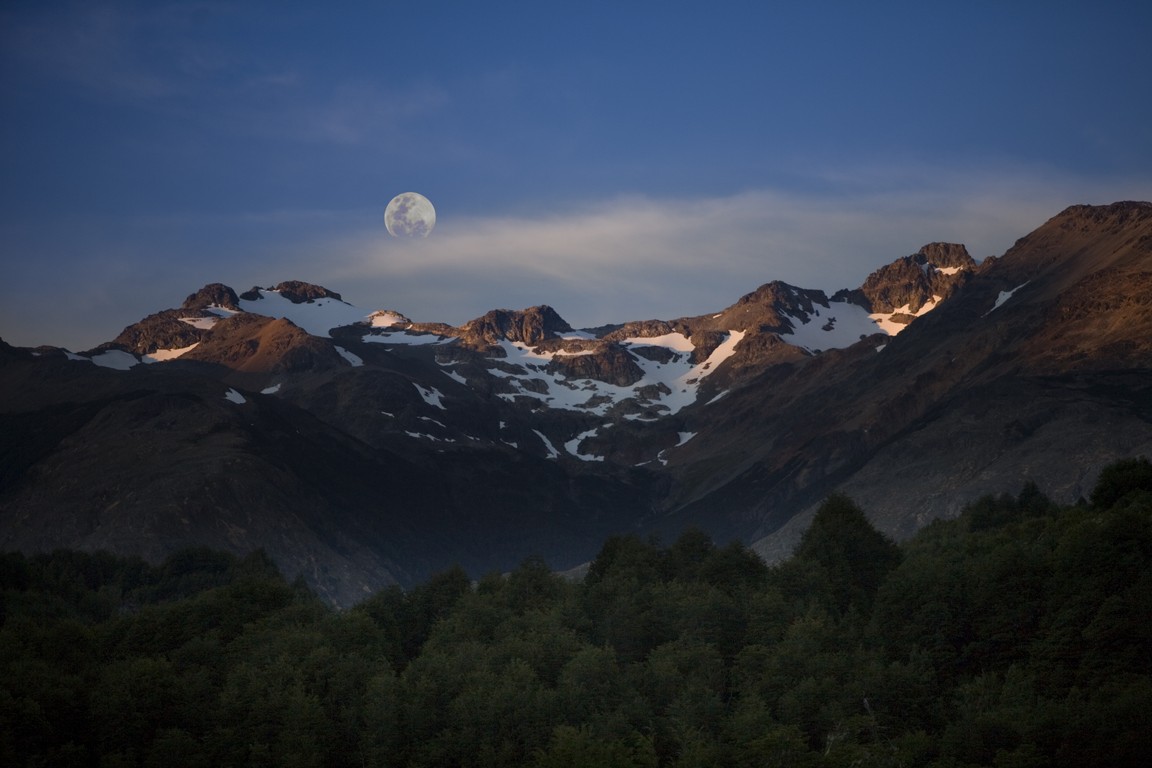
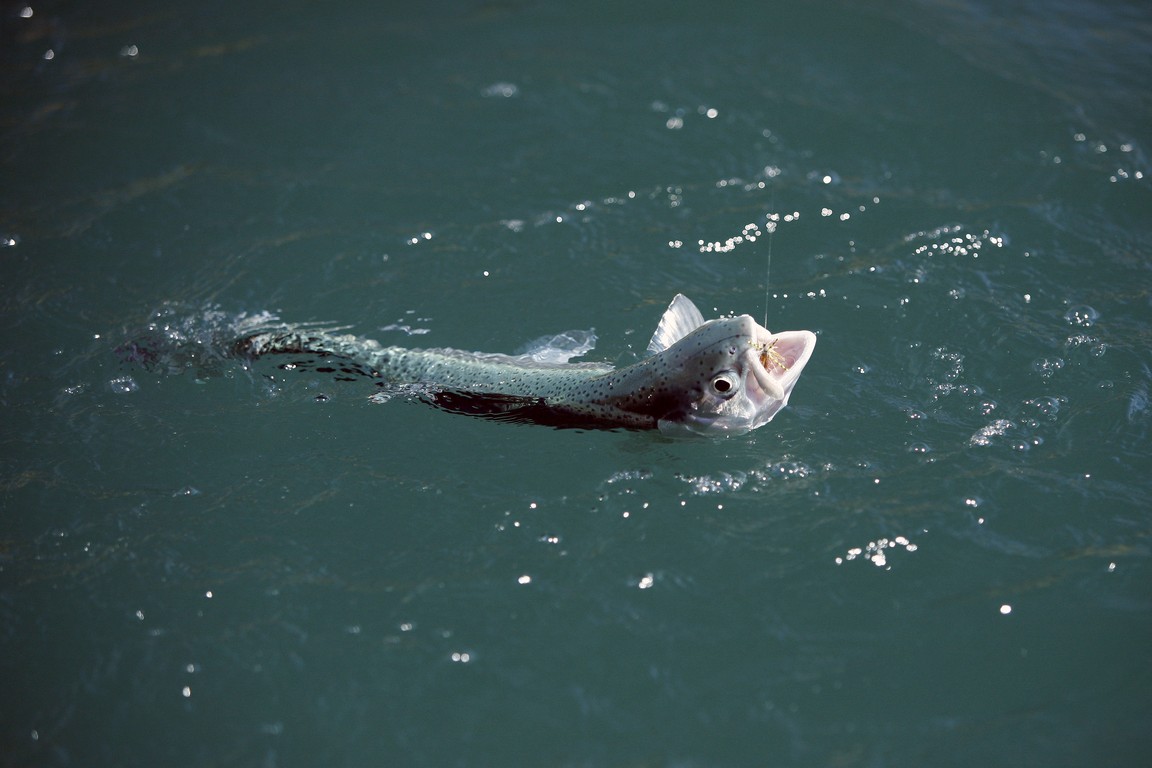
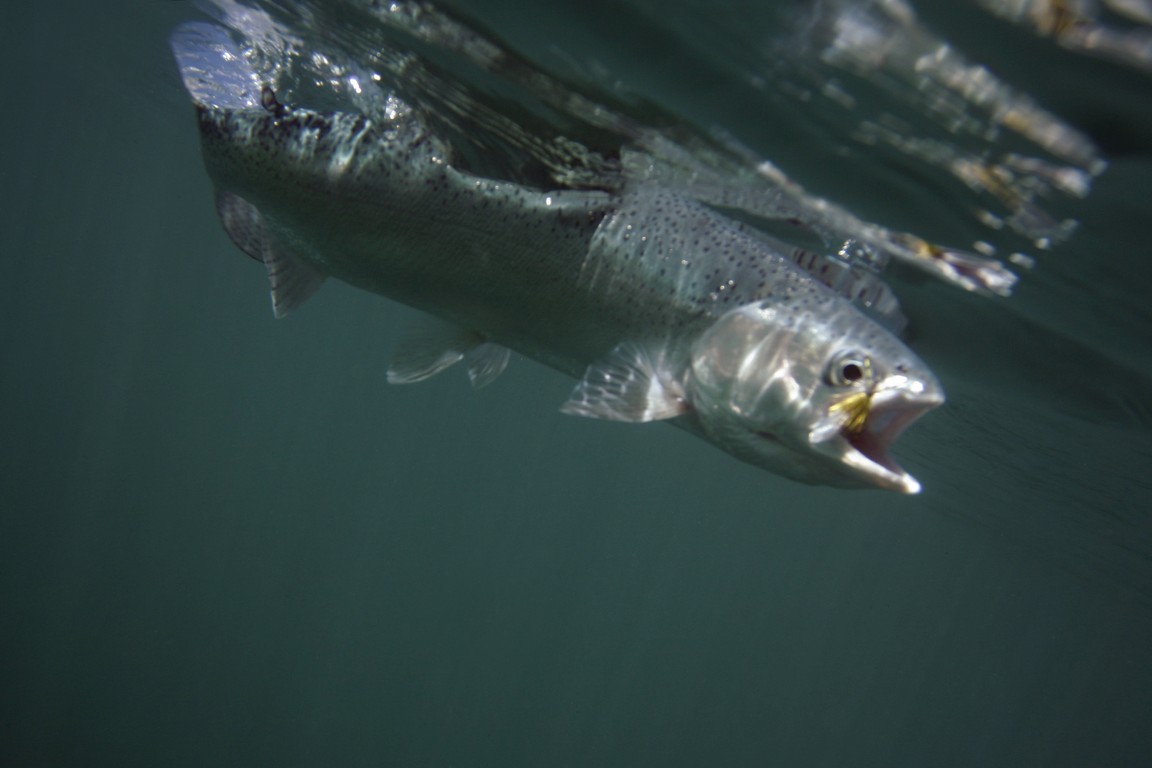
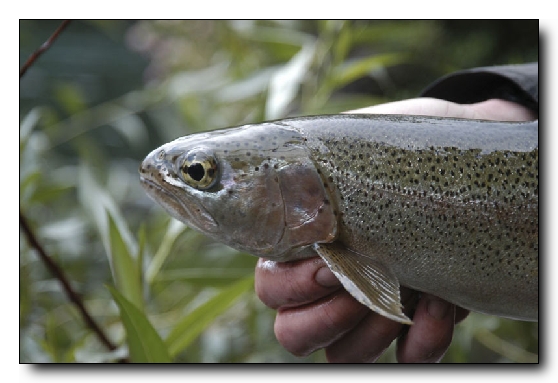 Across the border from Esquel in Argentina, and deep into the Coyhue forests of the tenth region of Chile flow the azure depths of the Futaleufu river.
A world away from the hustle and bustle that even sleepy Esquel represent, the “Big River”; (for this is how Futaleufu translates from the Tehuelche tongue) rolls along, amid some of the most unspoiled mountain scenery on the planet.
South of the Chilean lake district, Futaleufu is a stand alone fishery. The freestone giant grows healthy stocks of rainbow and brown trout that are fed by abundant hatches of mayfly, caddis and stone flies. A heavy resident stock
of fish and great hatches combined with classic fly water make the Futaleufu a trout fisherman’s paradise. Average rainbows and browns are in the 14″-16″ class but much larger fish are caught regularly.
There is even the occasional sea-run fish, guaranteed to put a bend in your rod! In truth though, whilst the chance of a big fish is a daily occurrence, it’s hard to be totally focused on the fishing in a place this special.
There’s a magic in the valley that transcends mere fishing. Futaleufu is a place to re-charge your batteries, to feel your spirits soar.
The lodges inaccessibility through the Valle de las Escalas make this part of the river unique, lazy horseback trails wind down to the rivers edge, a riot of Lupins and other wild flowers, no engines pollute the river here chemically or audibly and time appears to have stood still. Futa Lodge stands sentinel on the river bank wishing you well on your daily fishing foray, its lights twinkling a greeting in the evening as you return from the river.
Since the mid -eighties Futa Lodge has welcomed the greatest names in fishing, from Lefty Kreh and Mel Kreiger to Lee and Joan Wulff. The reason they came is the same now as it always has been, Futa represents the best of Chilean fishing, hospitality, accommodations, guiding and service.
Across the border from Esquel in Argentina, and deep into the Coyhue forests of the tenth region of Chile flow the azure depths of the Futaleufu river.
A world away from the hustle and bustle that even sleepy Esquel represent, the “Big River”; (for this is how Futaleufu translates from the Tehuelche tongue) rolls along, amid some of the most unspoiled mountain scenery on the planet.
South of the Chilean lake district, Futaleufu is a stand alone fishery. The freestone giant grows healthy stocks of rainbow and brown trout that are fed by abundant hatches of mayfly, caddis and stone flies. A heavy resident stock
of fish and great hatches combined with classic fly water make the Futaleufu a trout fisherman’s paradise. Average rainbows and browns are in the 14″-16″ class but much larger fish are caught regularly.
There is even the occasional sea-run fish, guaranteed to put a bend in your rod! In truth though, whilst the chance of a big fish is a daily occurrence, it’s hard to be totally focused on the fishing in a place this special.
There’s a magic in the valley that transcends mere fishing. Futaleufu is a place to re-charge your batteries, to feel your spirits soar.
The lodges inaccessibility through the Valle de las Escalas make this part of the river unique, lazy horseback trails wind down to the rivers edge, a riot of Lupins and other wild flowers, no engines pollute the river here chemically or audibly and time appears to have stood still. Futa Lodge stands sentinel on the river bank wishing you well on your daily fishing foray, its lights twinkling a greeting in the evening as you return from the river.
Since the mid -eighties Futa Lodge has welcomed the greatest names in fishing, from Lefty Kreh and Mel Kreiger to Lee and Joan Wulff. The reason they came is the same now as it always has been, Futa represents the best of Chilean fishing, hospitality, accommodations, guiding and service.
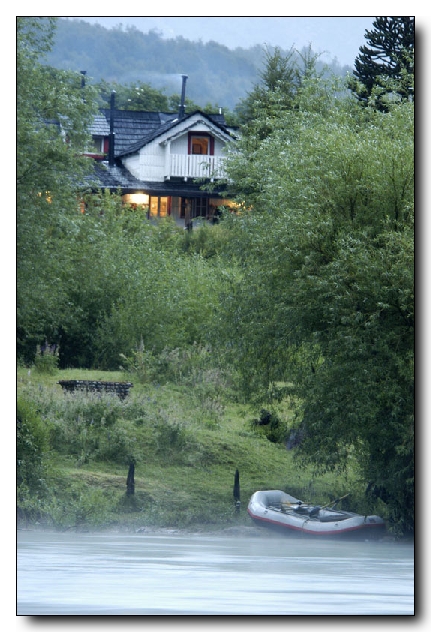 Futa Lodge fishes primarily for Brown and Rainbow trout, with dry and wet flies in the Futaleufu river itself. The lodge also fishes neighboring tributaries and lakes which are mostly populated by Browns and Rainbows.
Other species occasionally encountered in the Futaleufu and Espolon rivers include Chinook, Silver & Atlantic Salmon, Sea-run Brown Trout and Steelhead. During a full week stay, anglers can visit different waters each day.
Easy access to some of the prime water on the Futaleufu river from right in front of the lodge. Great wade and drift boat fishing. Superb Dry fly and Streamer fishing. Varied fishing program taking in local tributaries and Lakes.
Fly Gear: Nine foot 4-7 weight rods for dry flies, 5-8 weight rods for wet-flies and streamers. Floating lines and sink tip and fast sinking lines. 8 foot to 12 foot leaders tapered down to two pound tippet for dry-flies and tapered down to 6 lbs for streamers.
Flies in Dry fly would be all mayfly patterns from size 12-20, spent patterns in similar sizes. Nymphs and Scuds in sizes 10-18 weighted and un-weighted. Streamers, Sculpins and Wooly Buggers in sizes 6-12.
Fishing Schedule is flexible but will normally start after breakfast at 8:00 AM – 8:30 AM. Shore lunches are the norm followed by fishing in the afternoon until into the evening. Seasonal changes will take into account the changing light but early season fishing may be as late as 10 PM, late season as early as 7 PM.
Futaleufu Lodge is strictly a catch and release fishery.
Futa Lodge fishes primarily for Brown and Rainbow trout, with dry and wet flies in the Futaleufu river itself. The lodge also fishes neighboring tributaries and lakes which are mostly populated by Browns and Rainbows.
Other species occasionally encountered in the Futaleufu and Espolon rivers include Chinook, Silver & Atlantic Salmon, Sea-run Brown Trout and Steelhead. During a full week stay, anglers can visit different waters each day.
Easy access to some of the prime water on the Futaleufu river from right in front of the lodge. Great wade and drift boat fishing. Superb Dry fly and Streamer fishing. Varied fishing program taking in local tributaries and Lakes.
Fly Gear: Nine foot 4-7 weight rods for dry flies, 5-8 weight rods for wet-flies and streamers. Floating lines and sink tip and fast sinking lines. 8 foot to 12 foot leaders tapered down to two pound tippet for dry-flies and tapered down to 6 lbs for streamers.
Flies in Dry fly would be all mayfly patterns from size 12-20, spent patterns in similar sizes. Nymphs and Scuds in sizes 10-18 weighted and un-weighted. Streamers, Sculpins and Wooly Buggers in sizes 6-12.
Fishing Schedule is flexible but will normally start after breakfast at 8:00 AM – 8:30 AM. Shore lunches are the norm followed by fishing in the afternoon until into the evening. Seasonal changes will take into account the changing light but early season fishing may be as late as 10 PM, late season as early as 7 PM.
Futaleufu Lodge is strictly a catch and release fishery.
 Location: Futa Lodge is situated in the Valle de las Escalas on the Futaleufu River, about half way between Puerto Montt and Coyhaique, 40 minutes drive from the village of Fuateufu.
How to get there: From Argentina, there are weekly flights to Esquel. You will be met by a lodge representative, cross the border to Chile and driven to the lodge (approx 1 1/2 hours)
By air from Santiago and Puerto Montt to Chaiten. You will be met in Chaiten and transfers to the lodge by 4WD vehicle (approx 4 hours).
From Puerto Montt you can also charter direct to the Futaleufu airport, where you will be met by a lodge representative and driven to the lodge (approx 40 minutes).
Location: Futa Lodge is situated in the Valle de las Escalas on the Futaleufu River, about half way between Puerto Montt and Coyhaique, 40 minutes drive from the village of Fuateufu.
How to get there: From Argentina, there are weekly flights to Esquel. You will be met by a lodge representative, cross the border to Chile and driven to the lodge (approx 1 1/2 hours)
By air from Santiago and Puerto Montt to Chaiten. You will be met in Chaiten and transfers to the lodge by 4WD vehicle (approx 4 hours).
From Puerto Montt you can also charter direct to the Futaleufu airport, where you will be met by a lodge representative and driven to the lodge (approx 40 minutes).


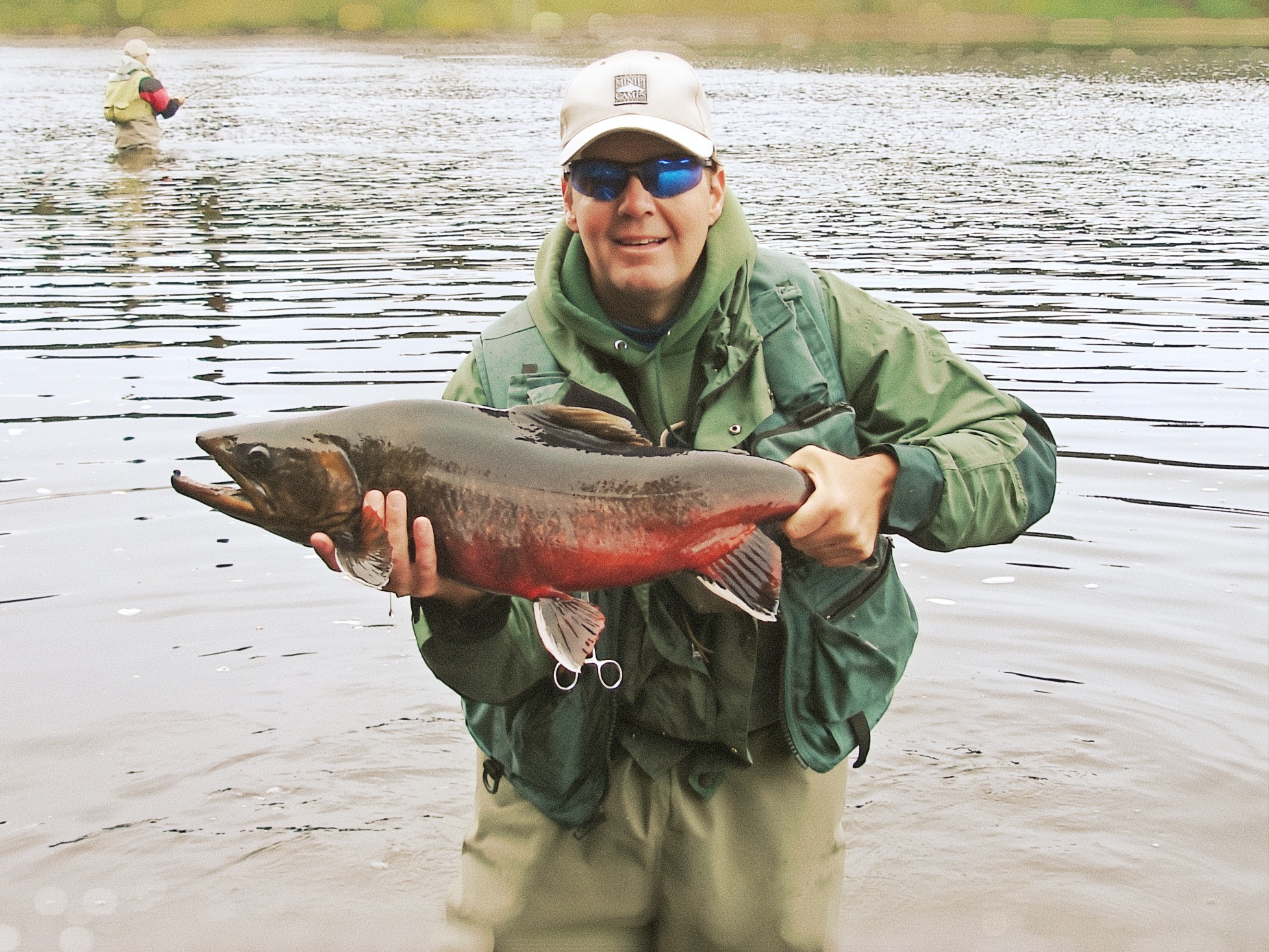
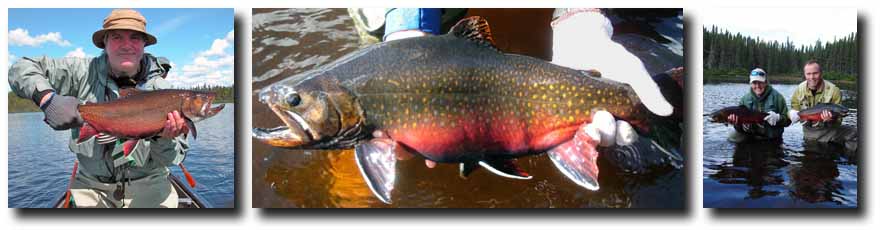
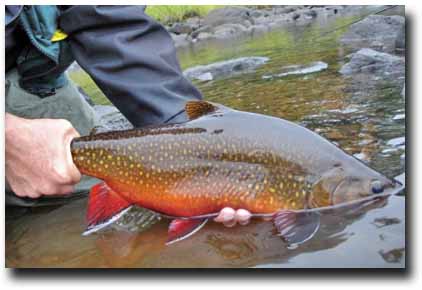
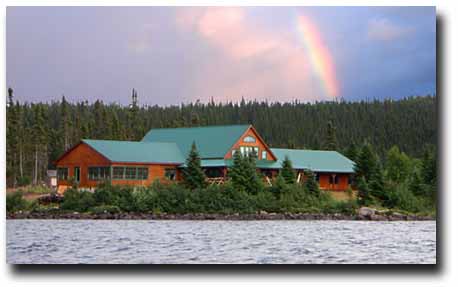
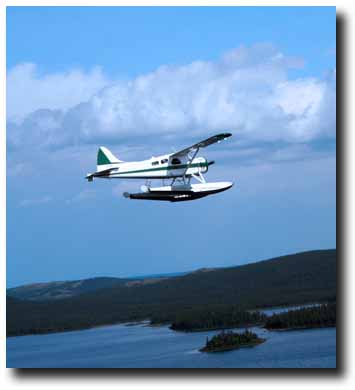


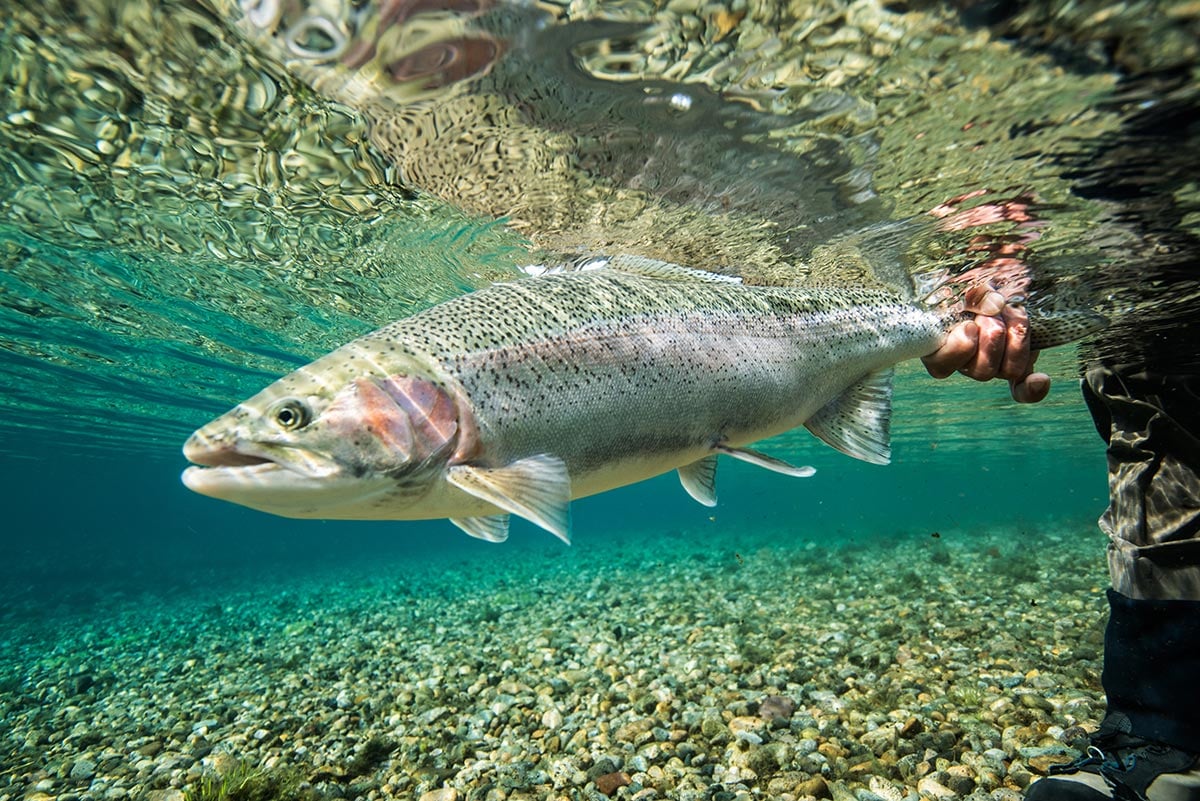


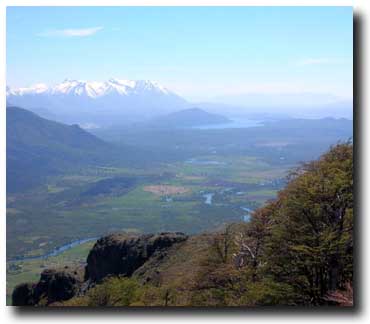
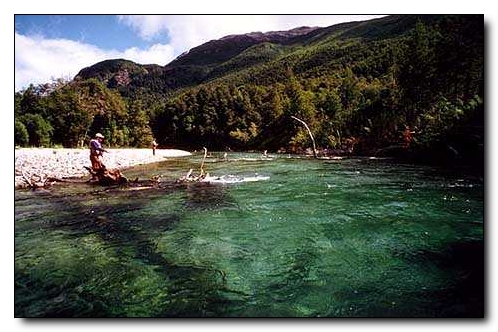
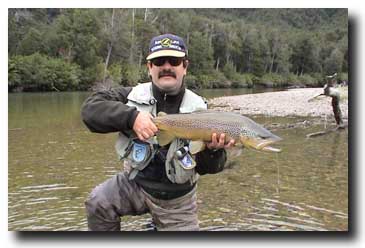

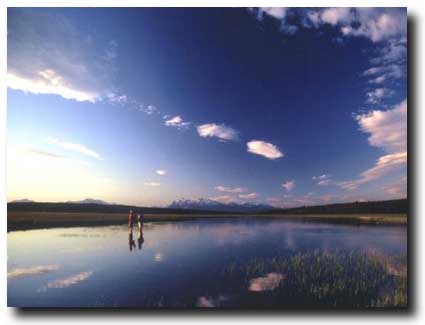
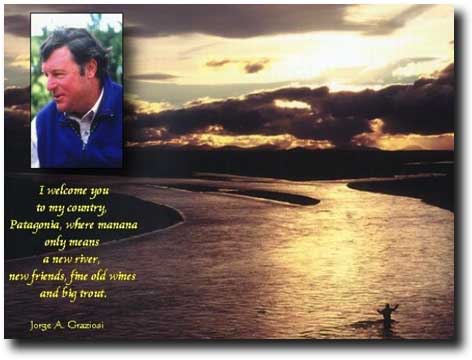
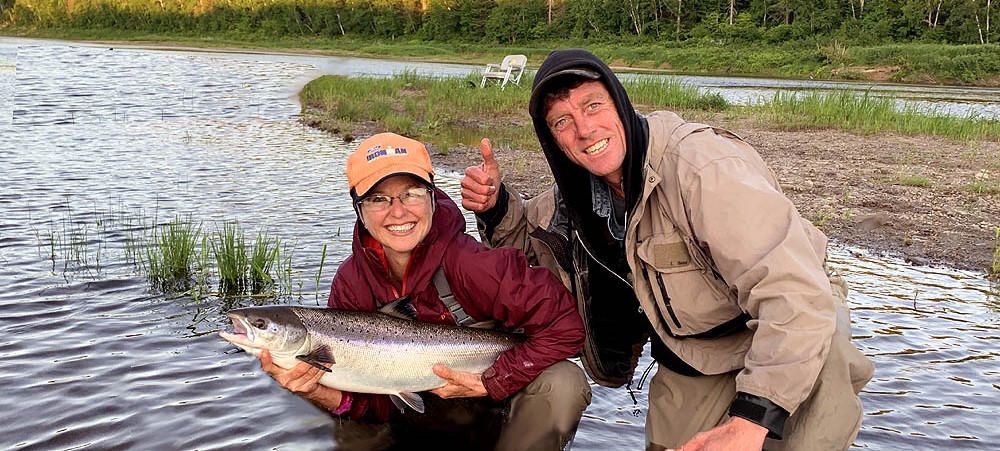
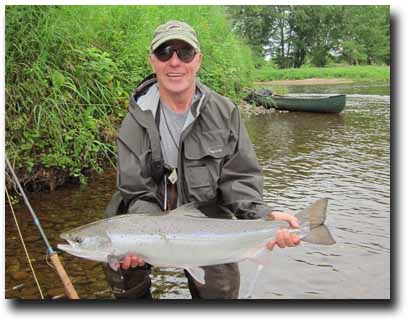
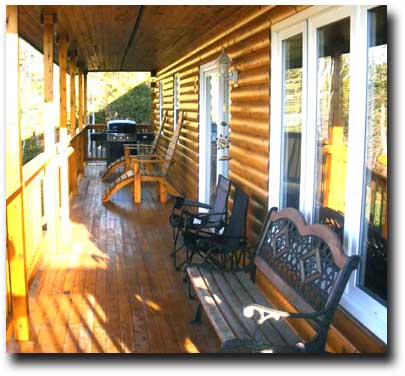
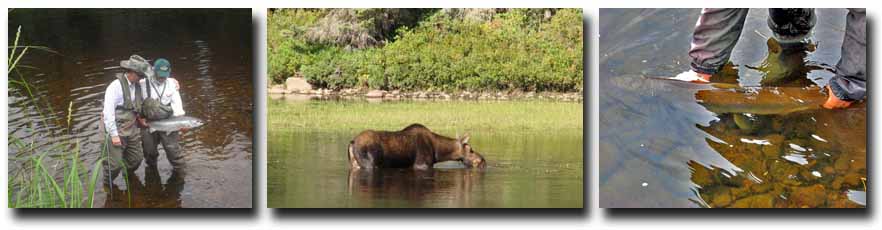
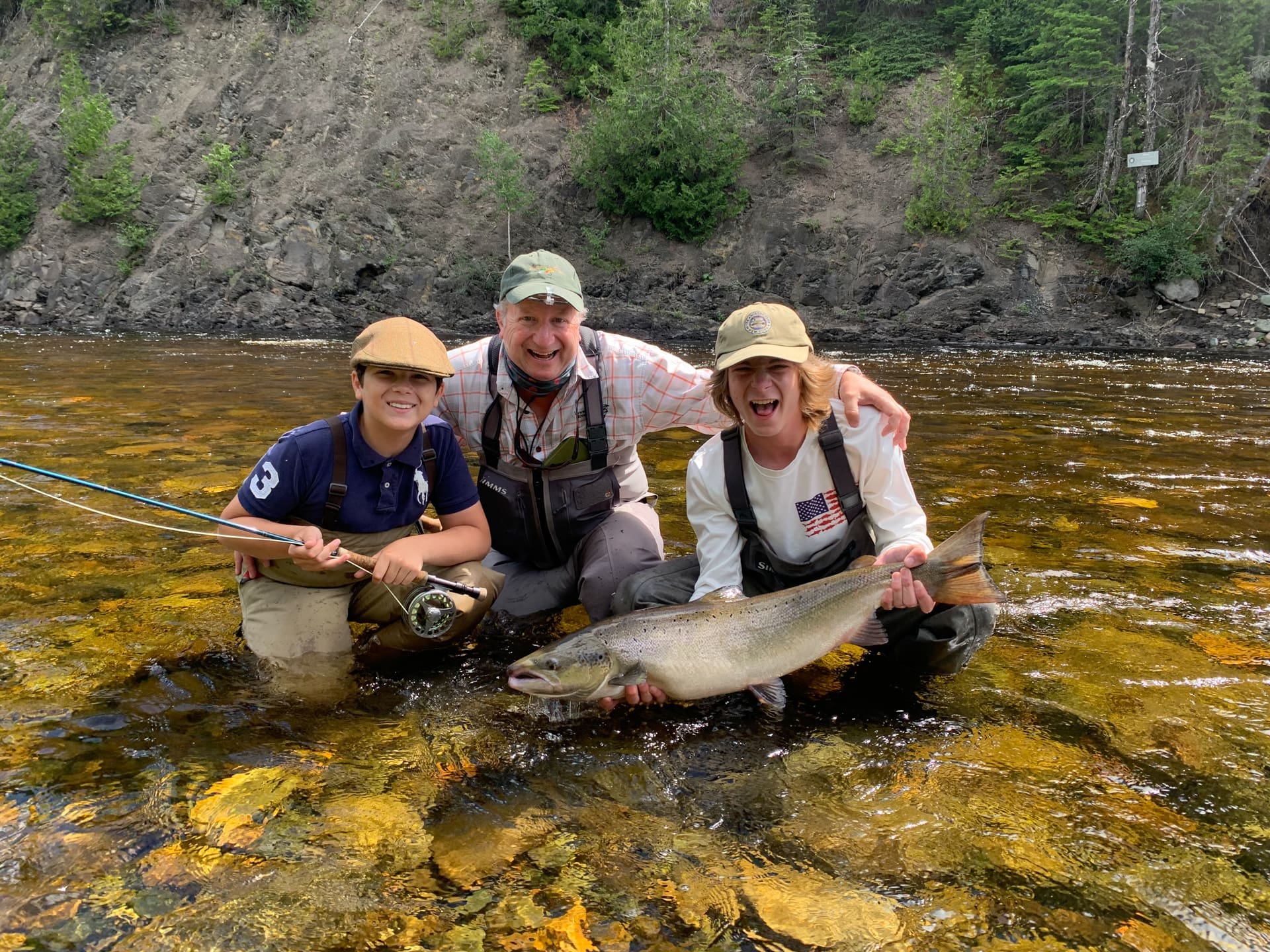
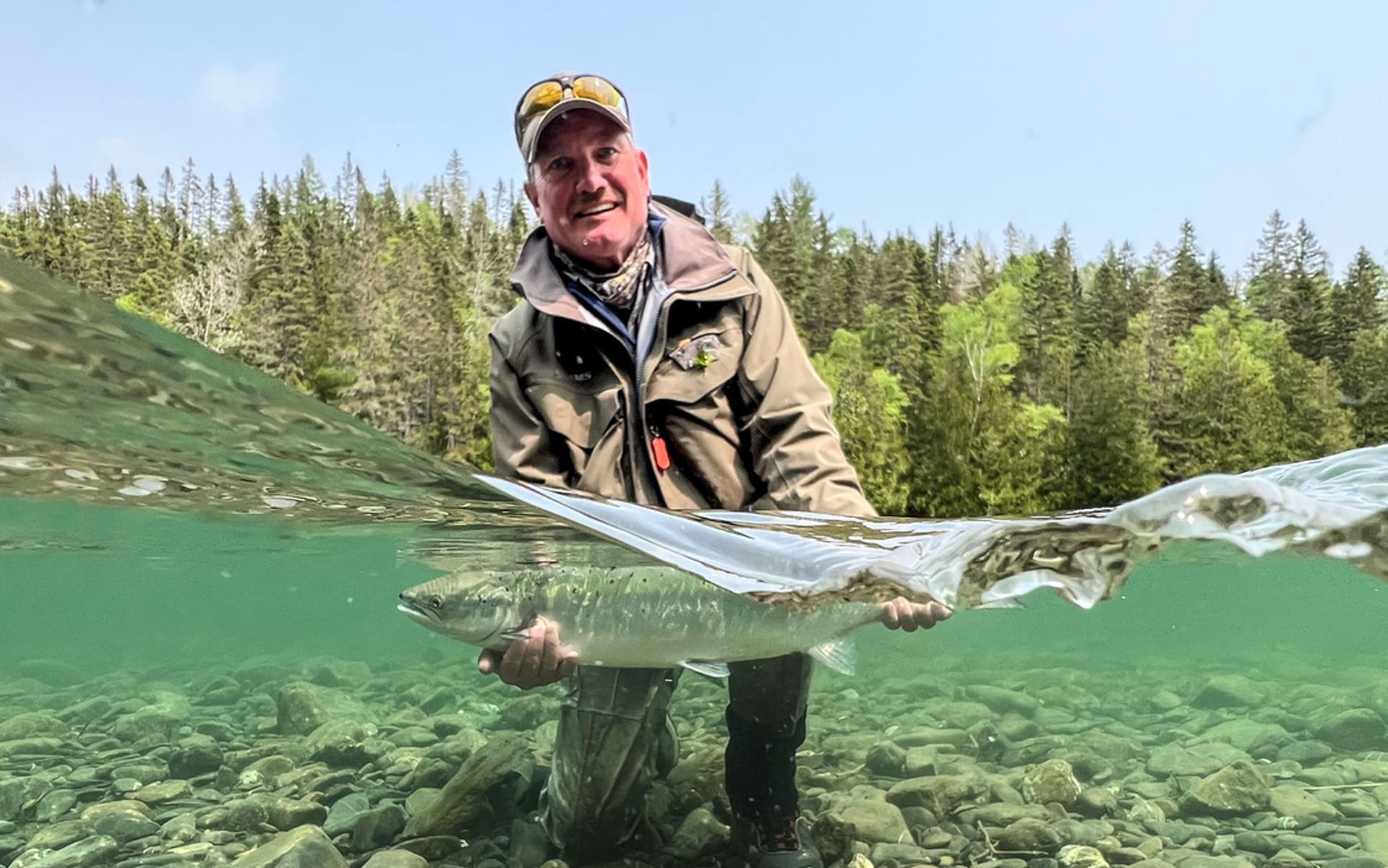
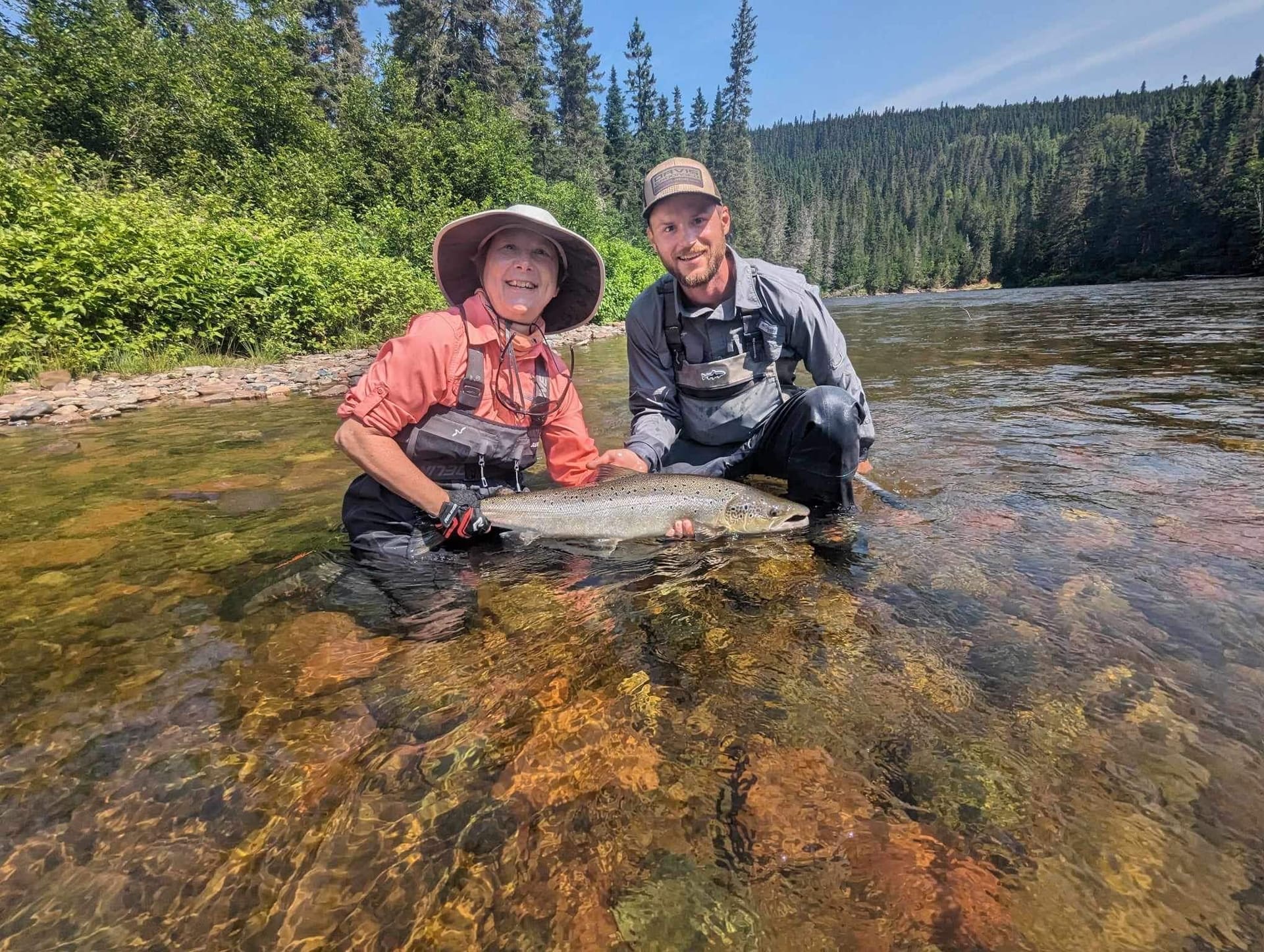
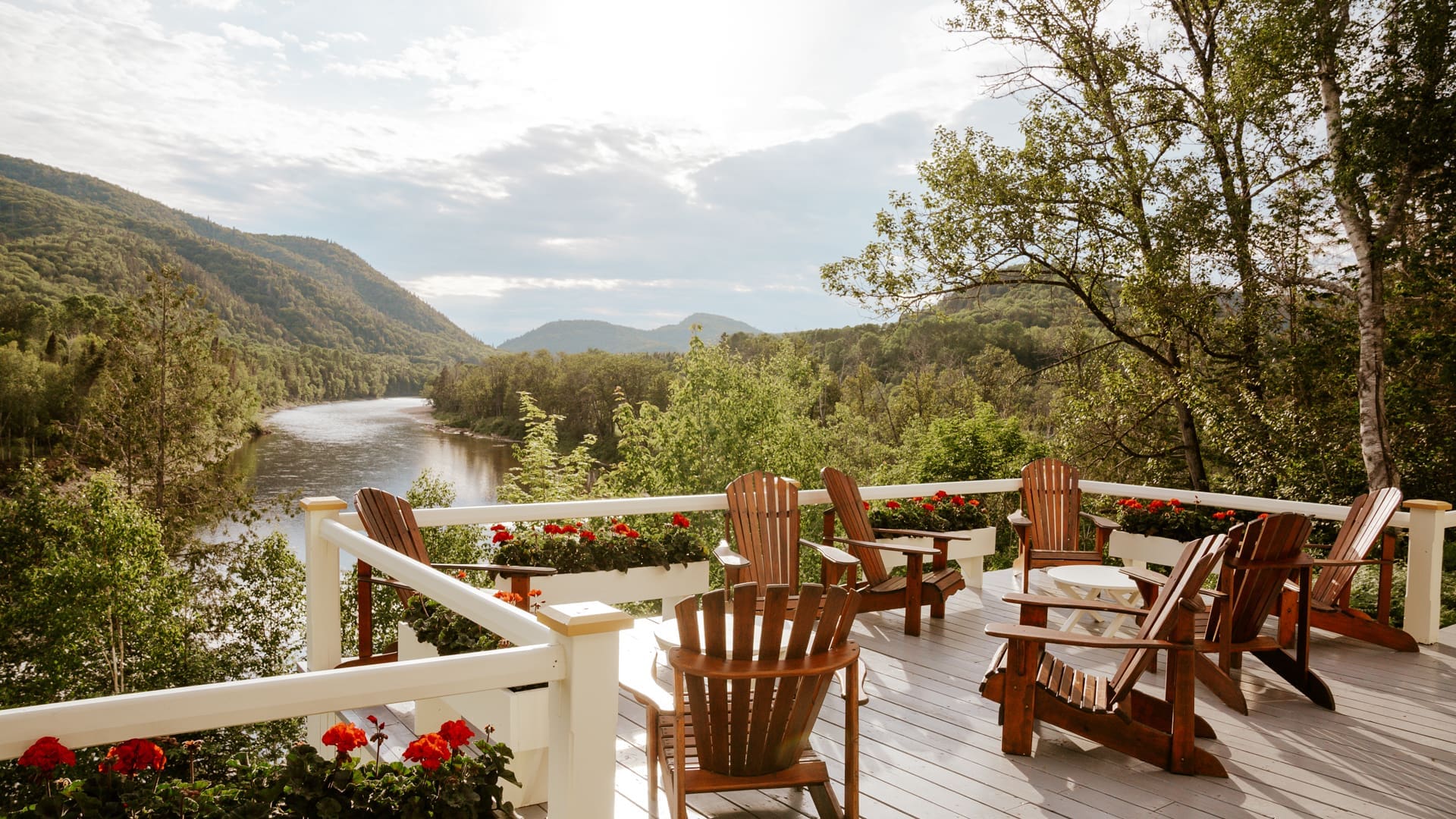

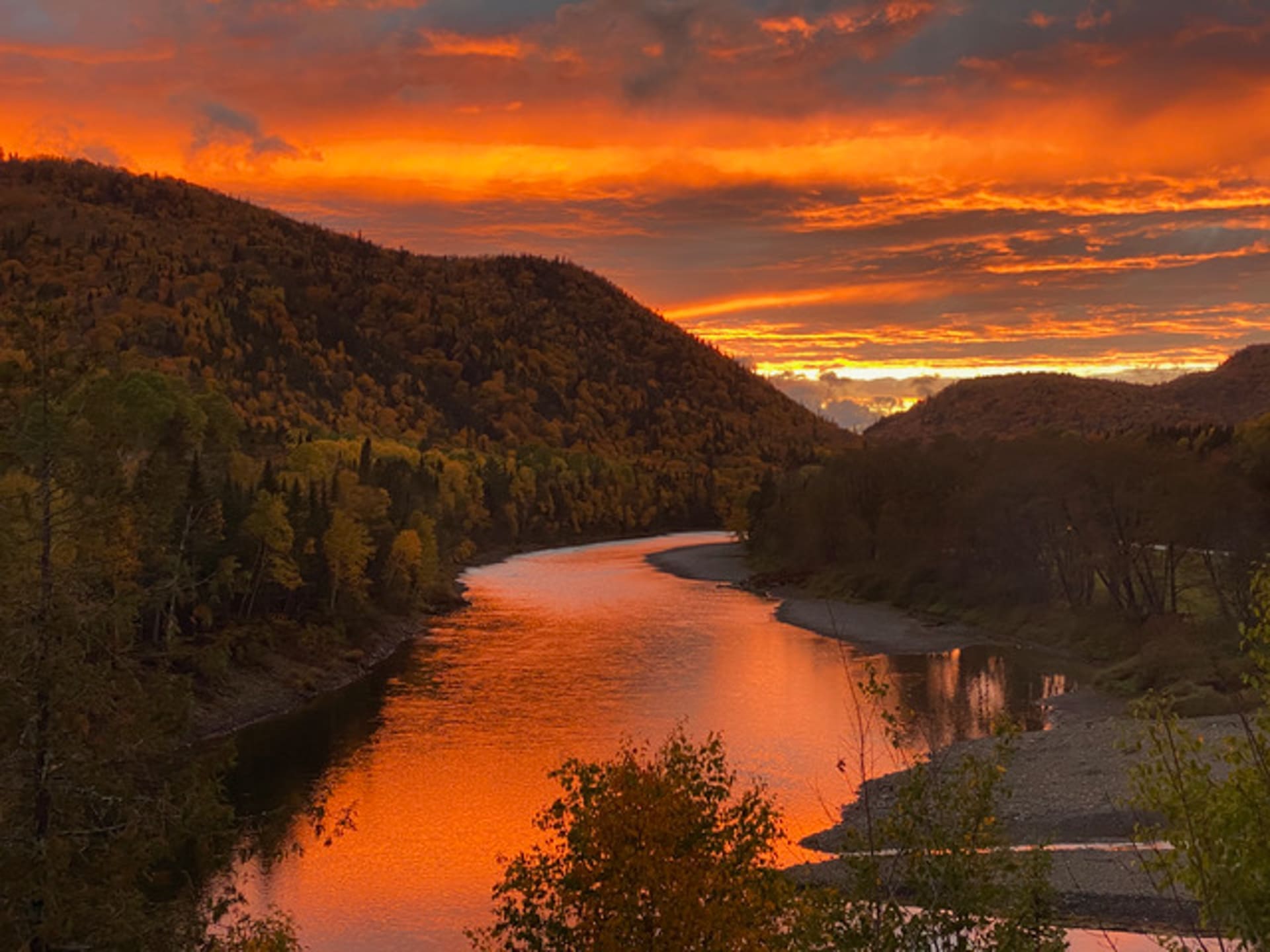
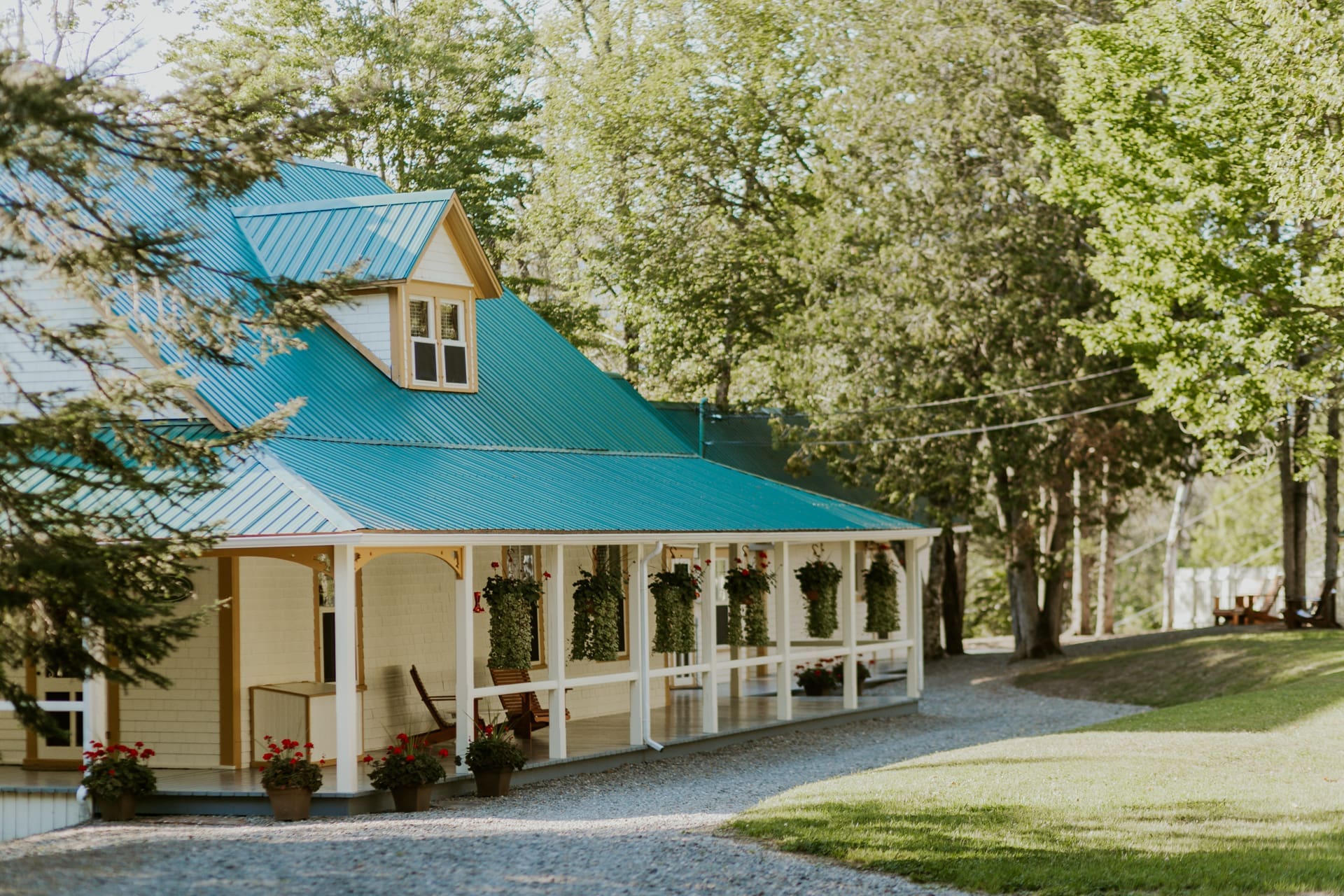
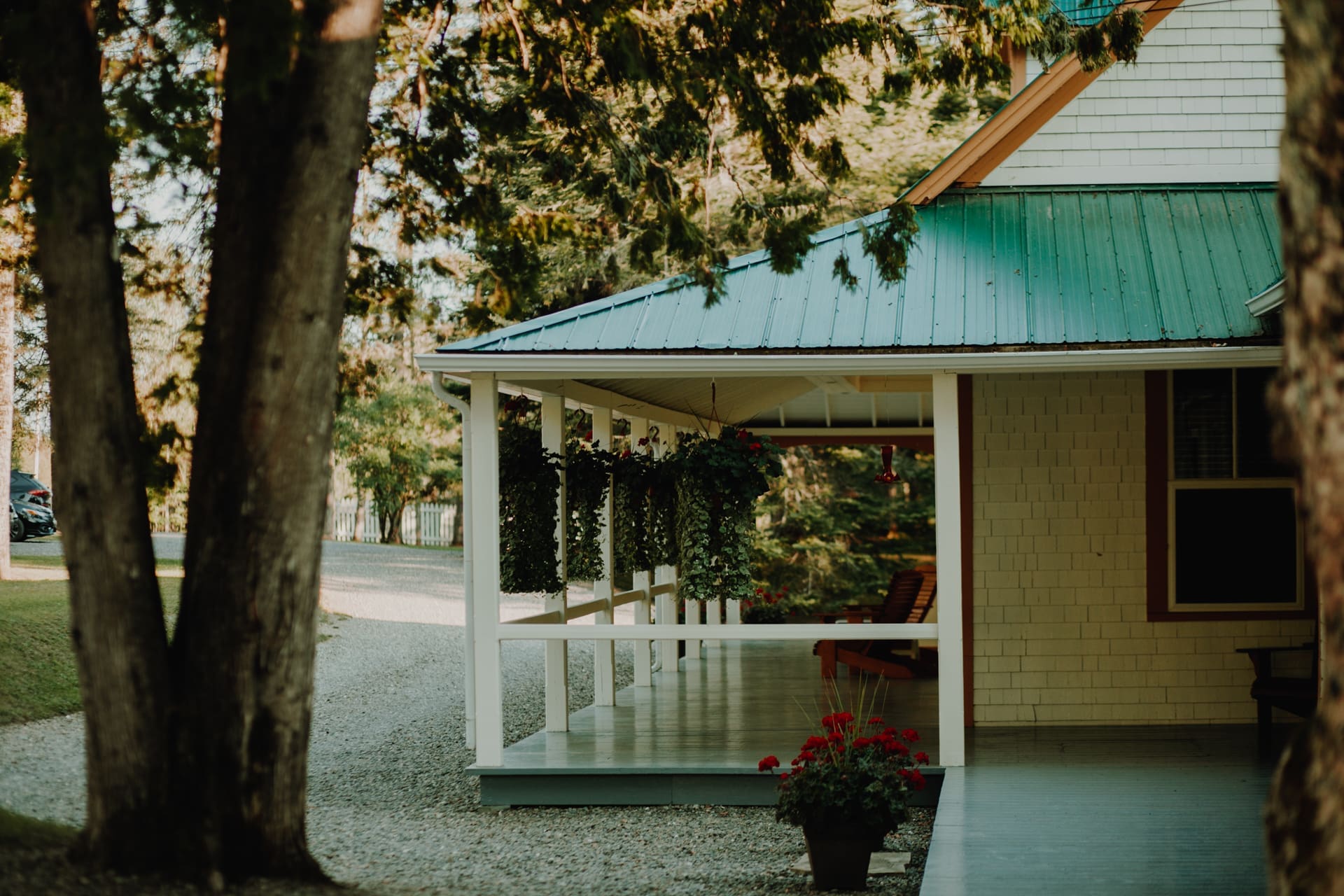
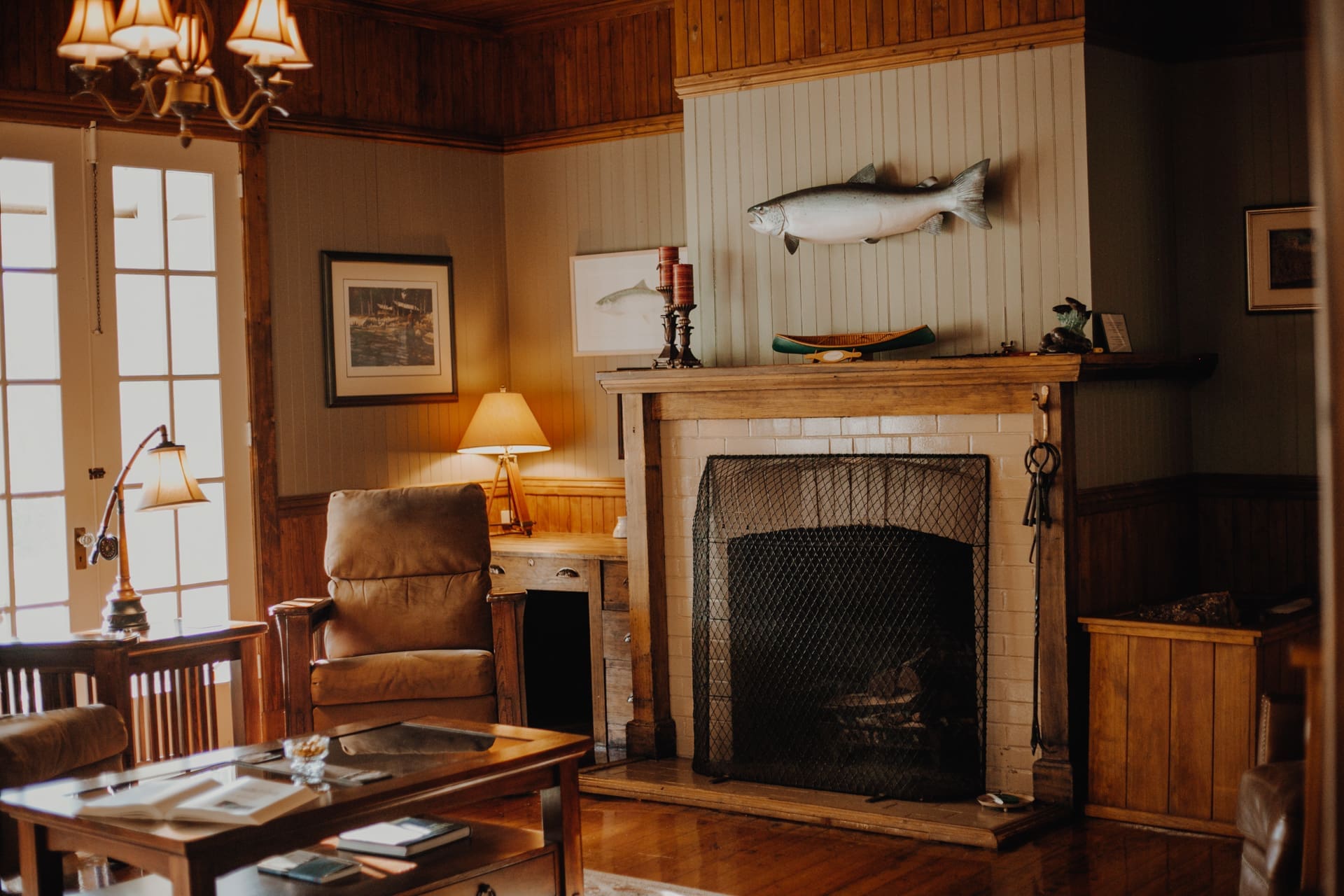
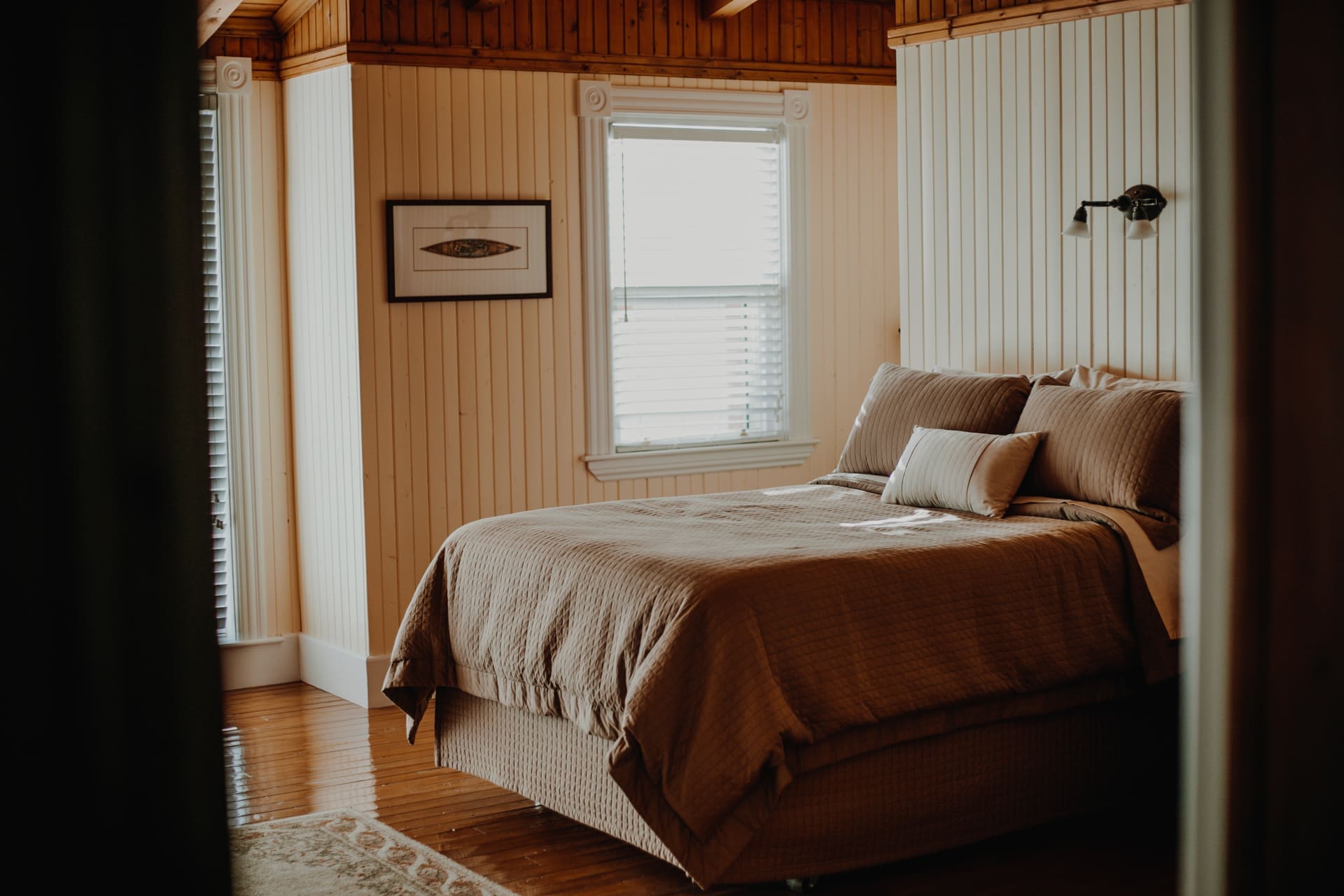
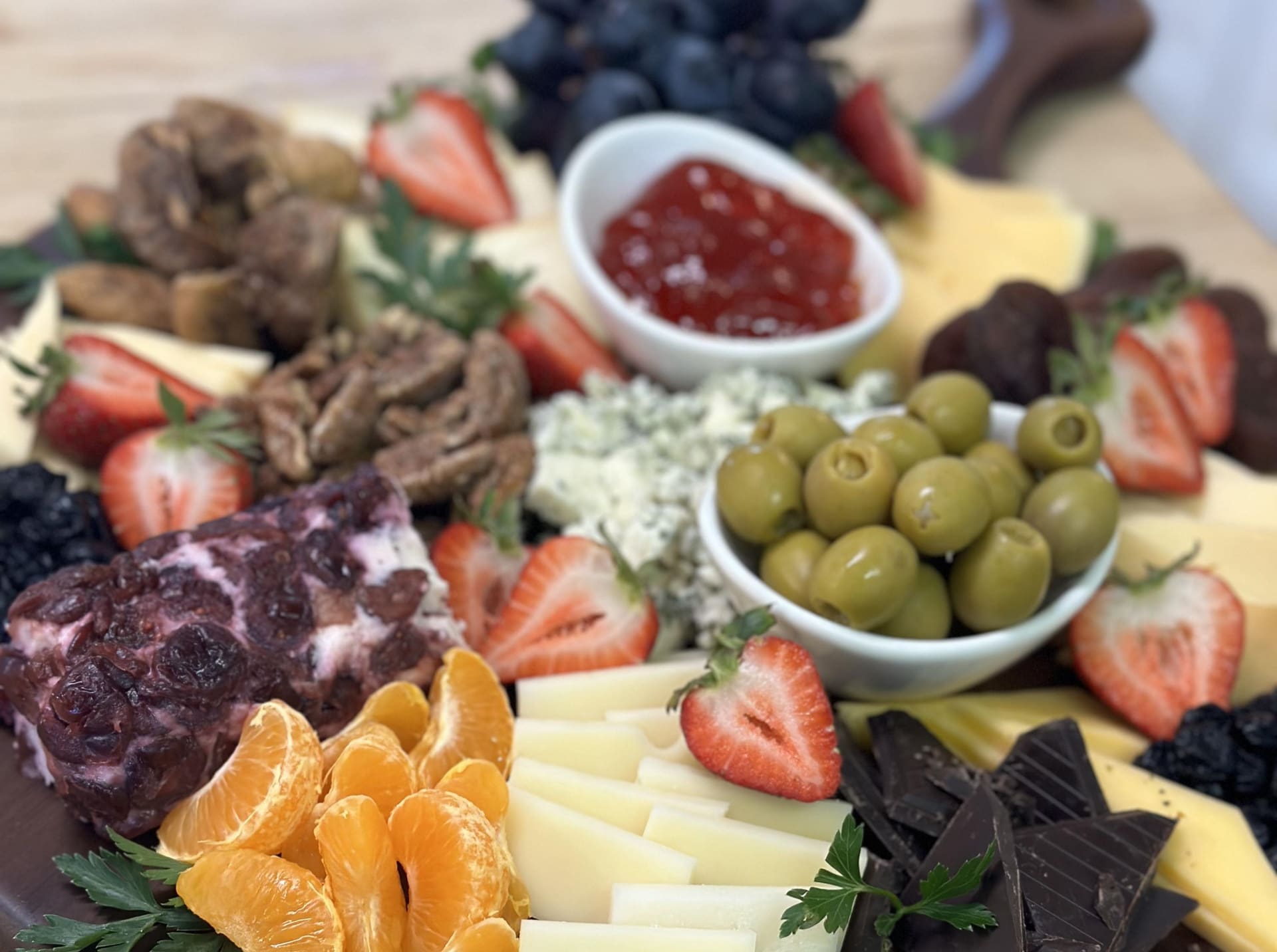

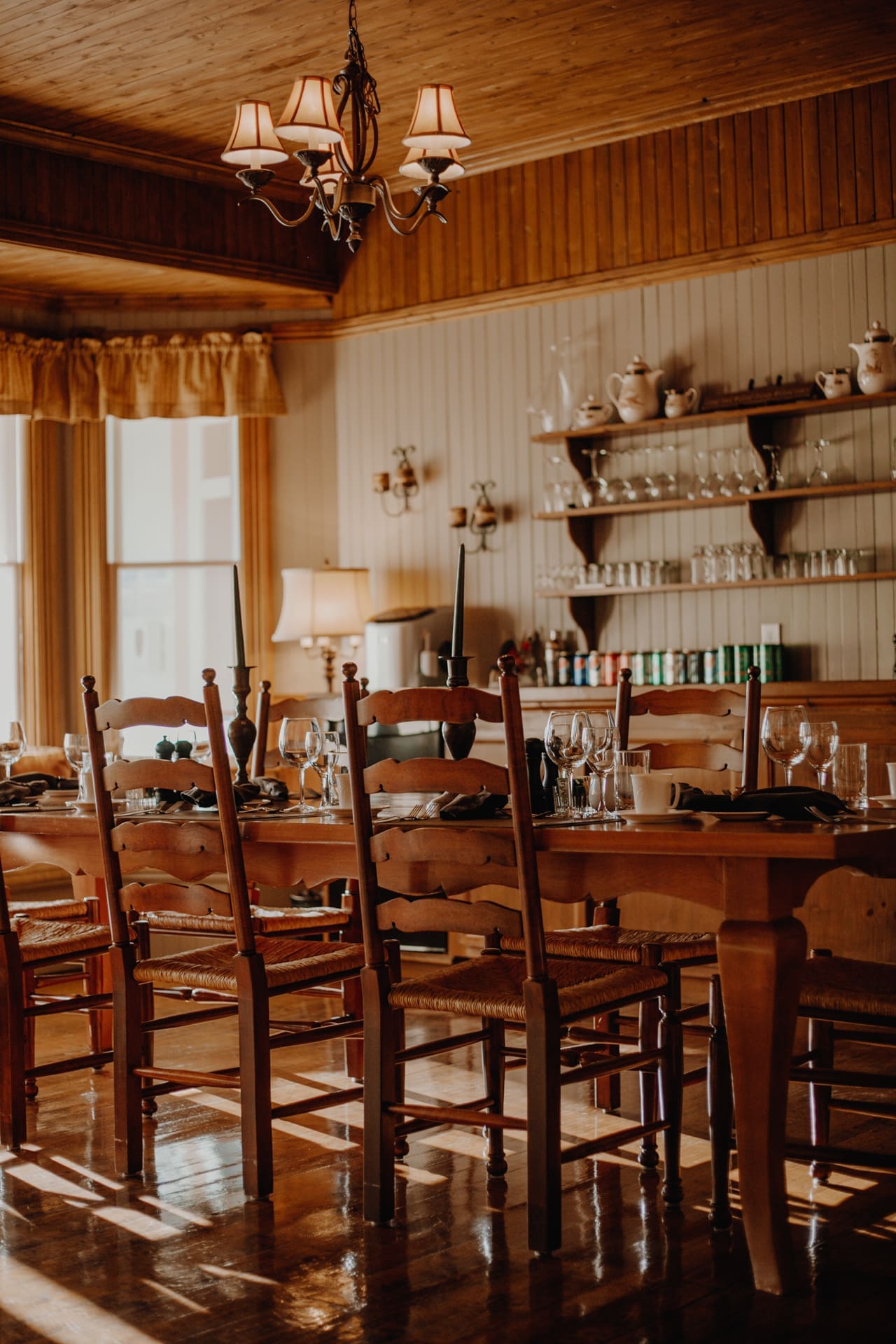
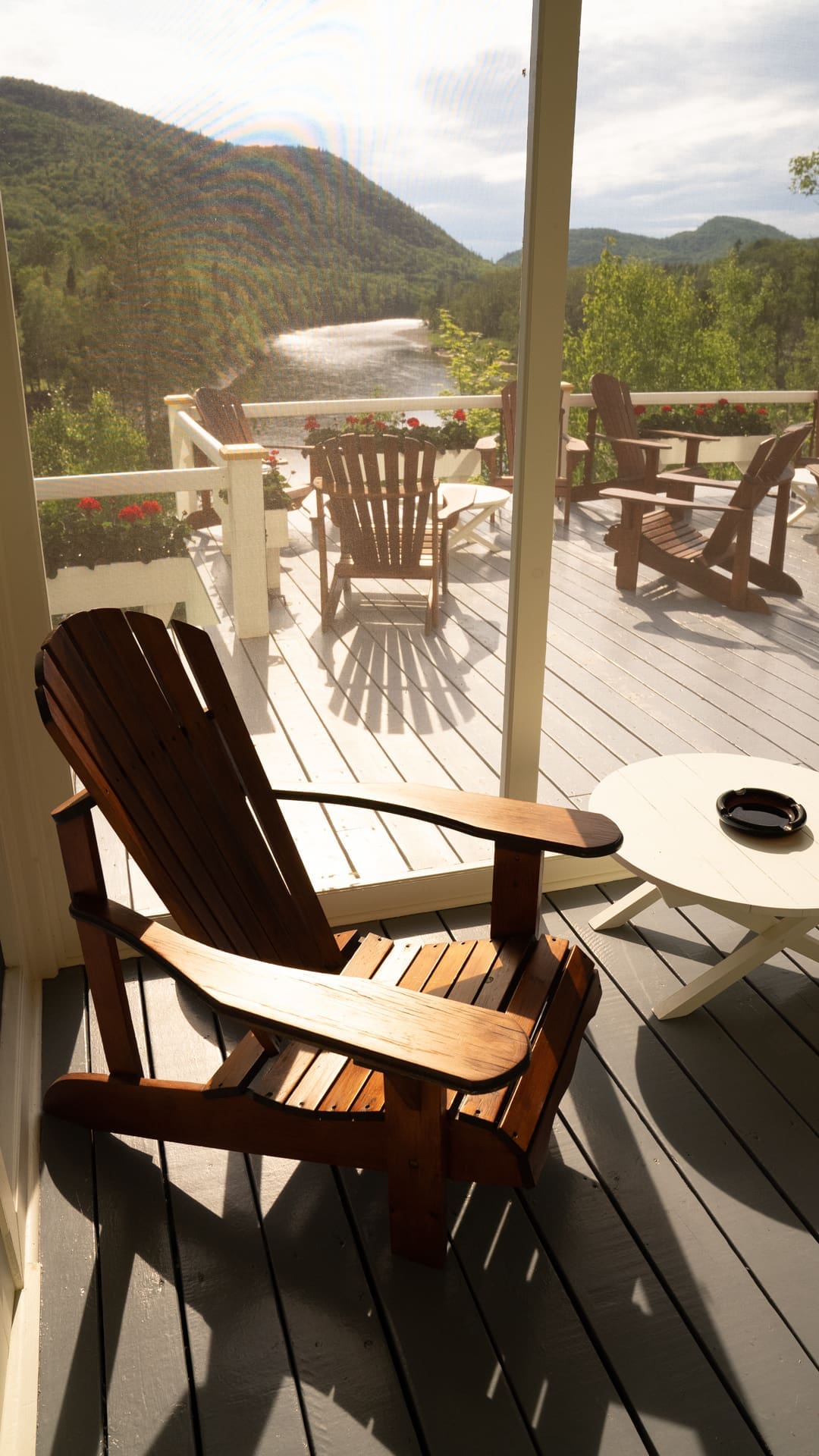
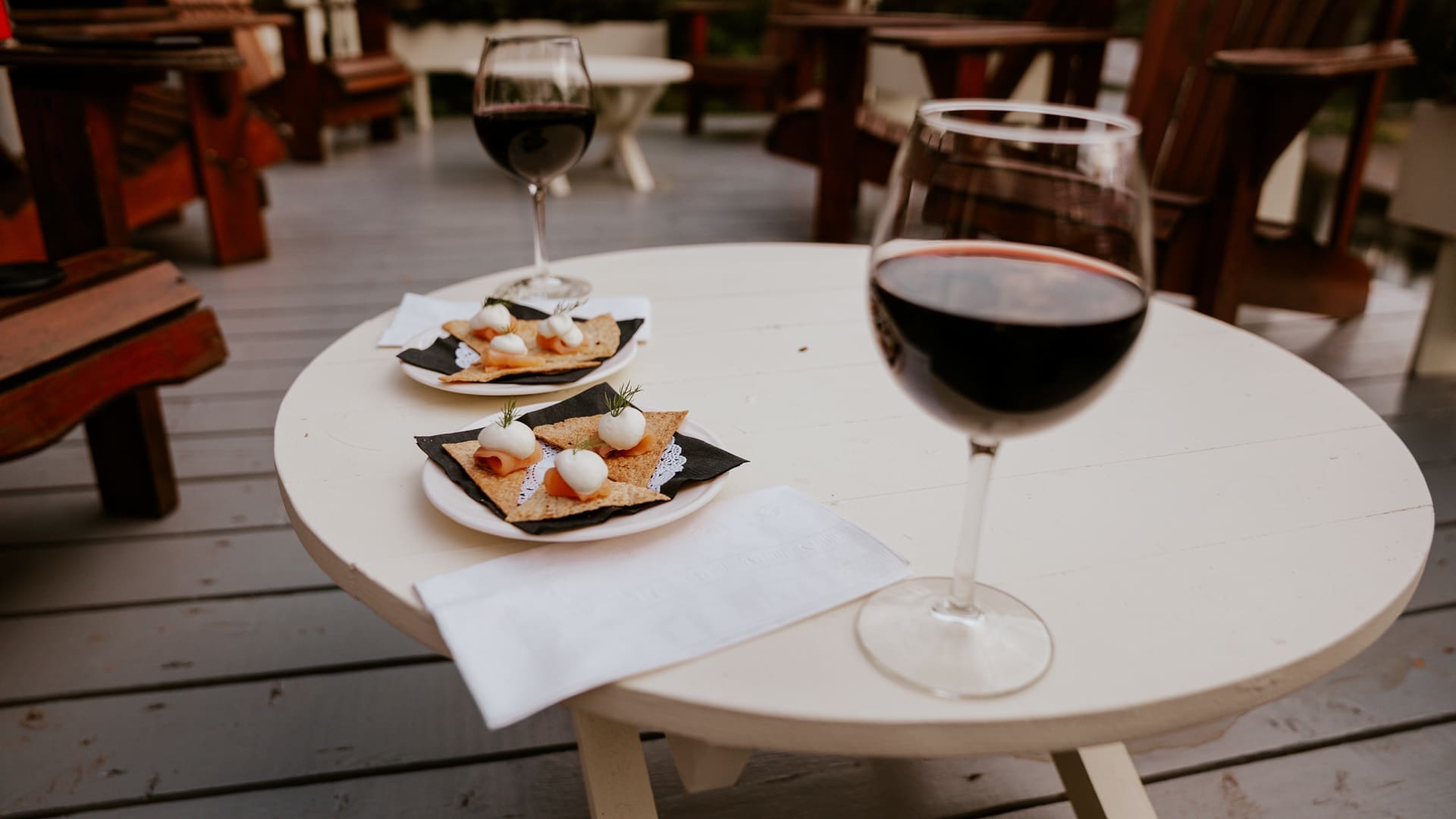
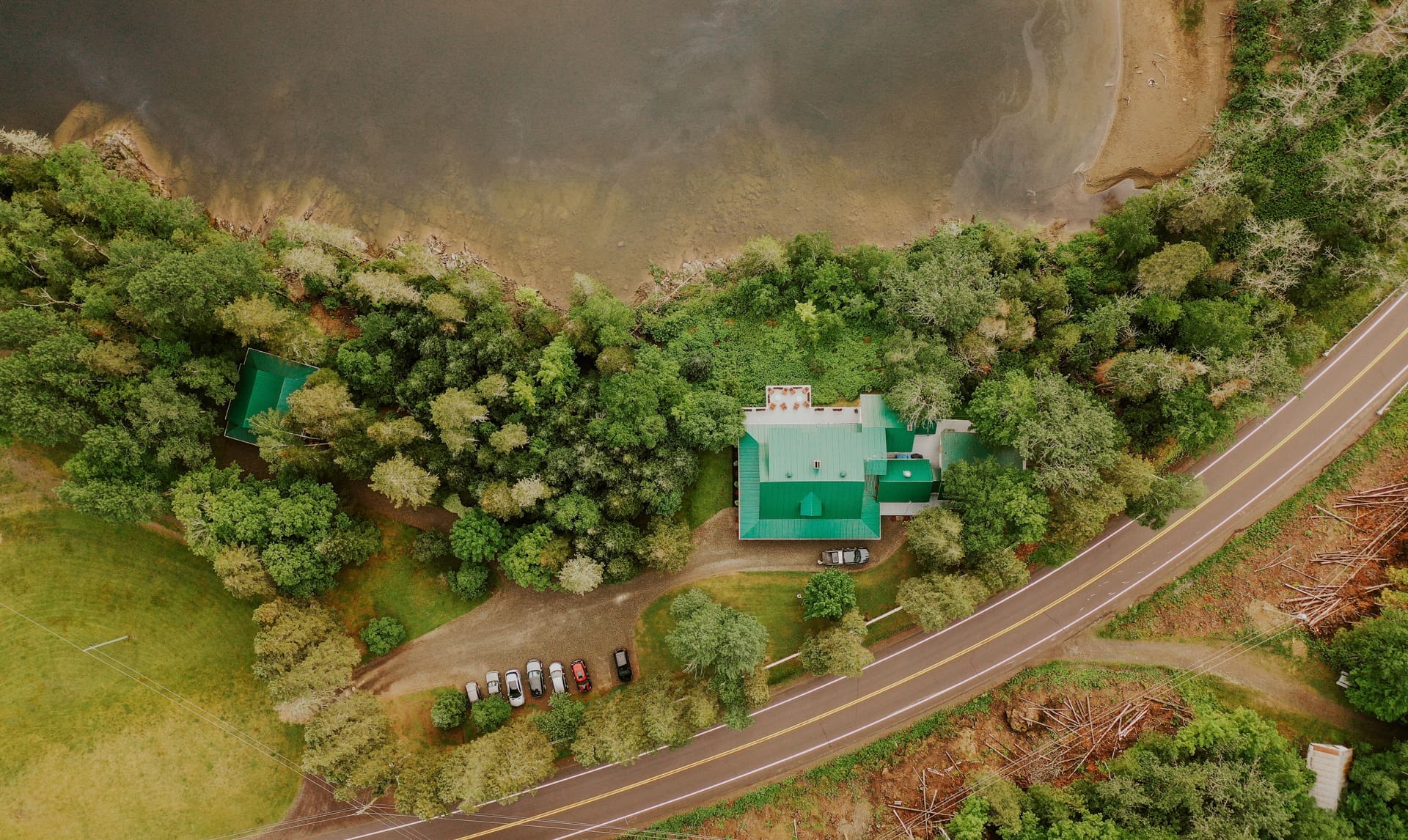
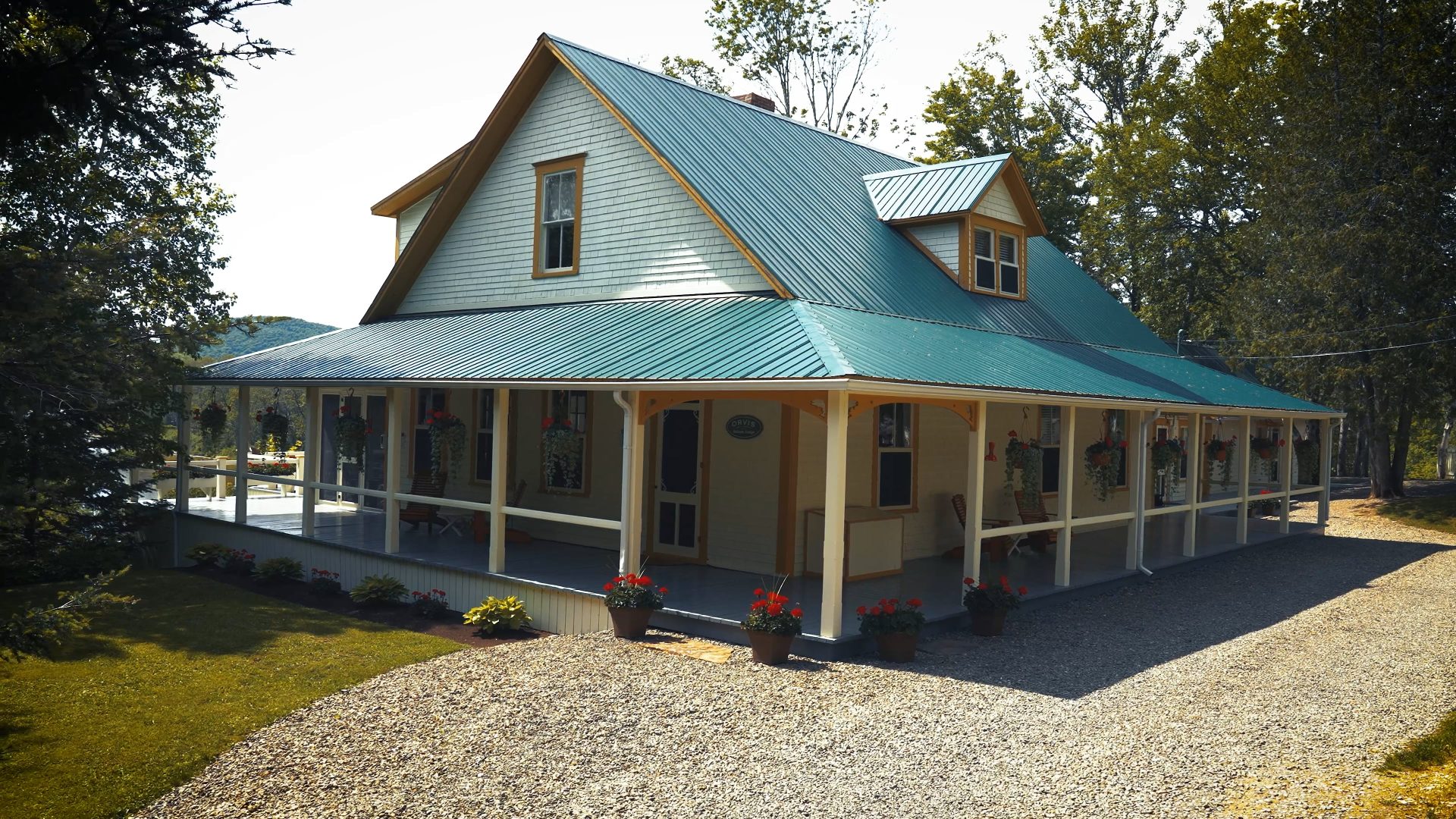


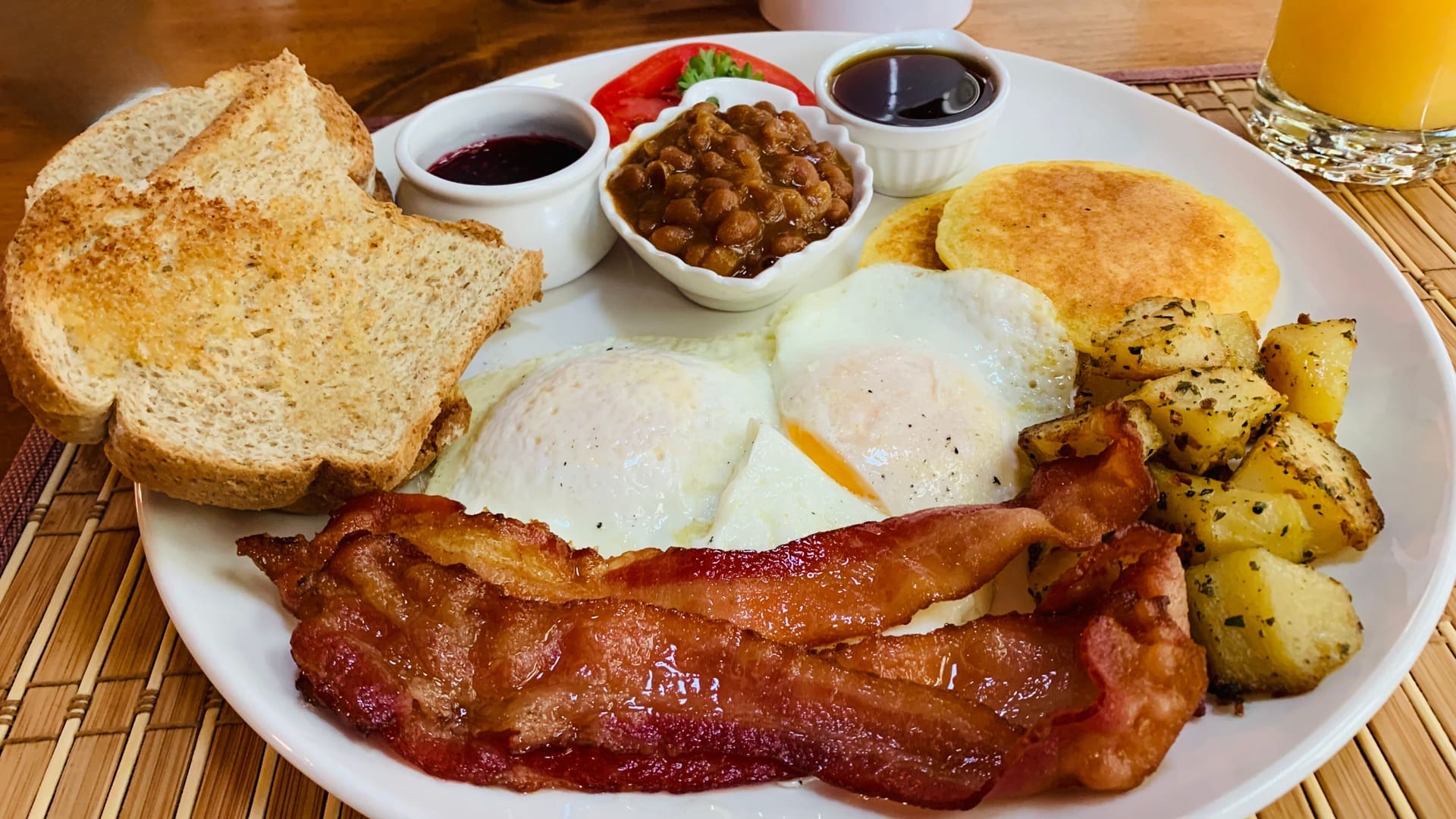
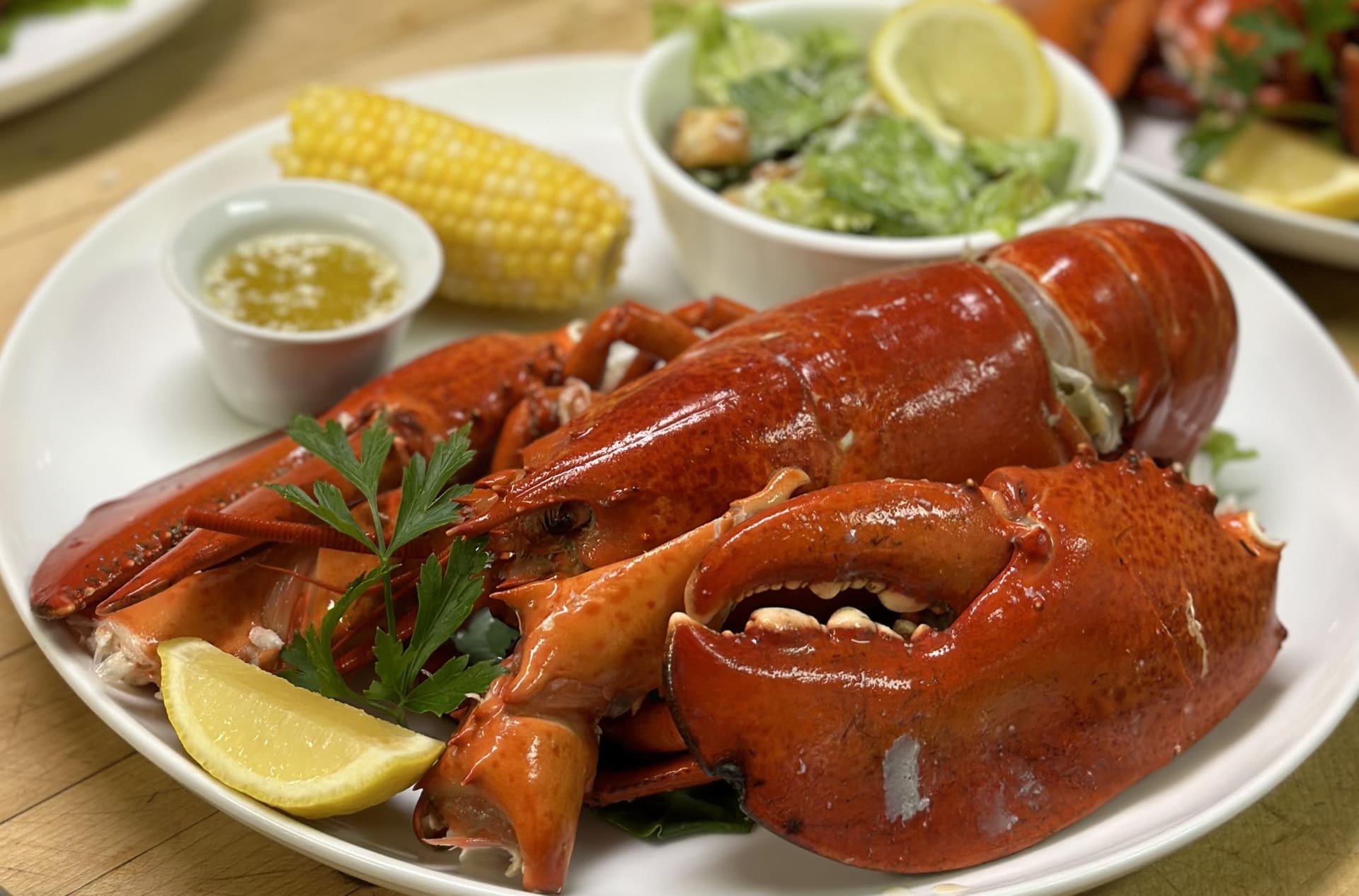
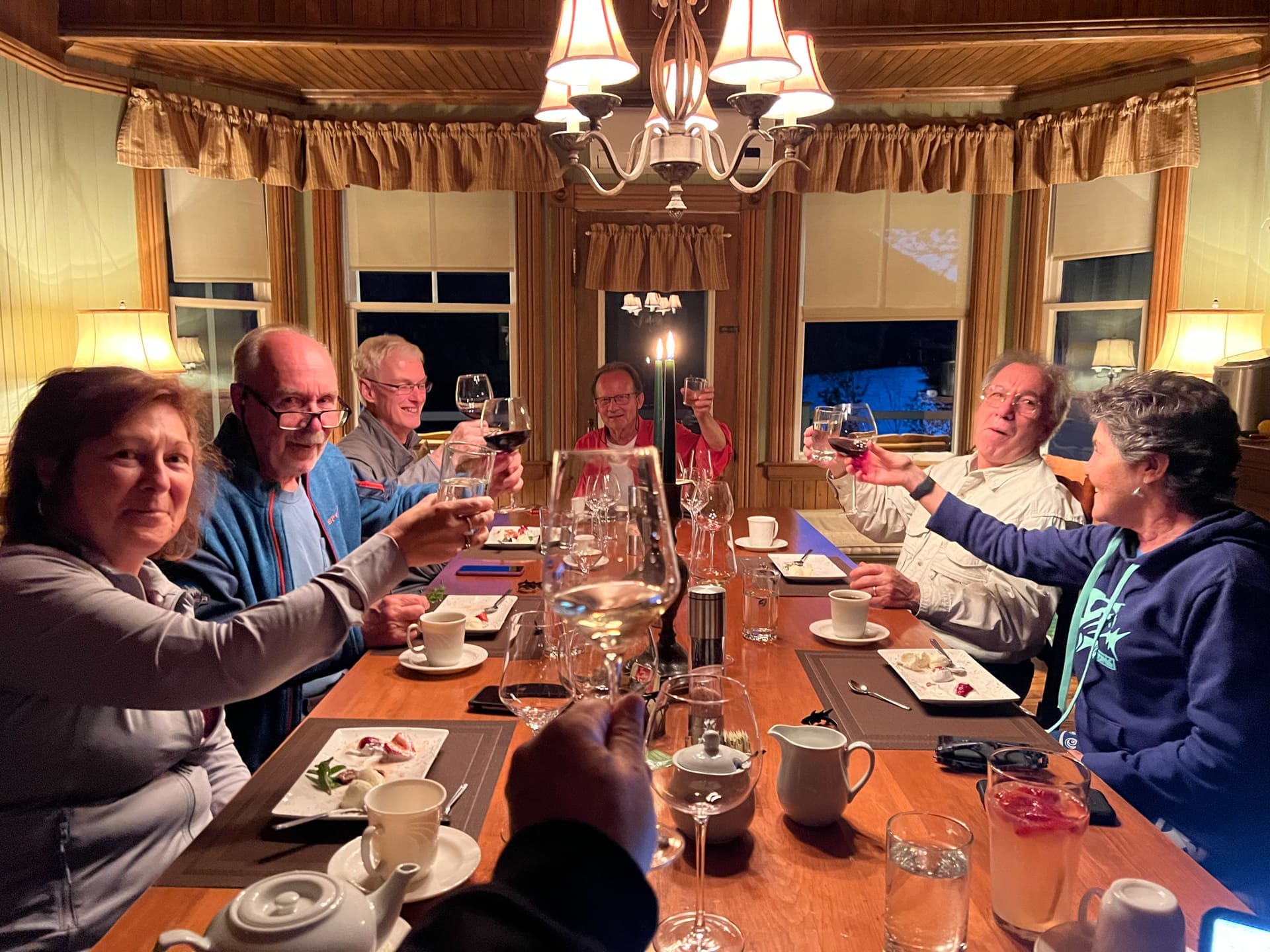
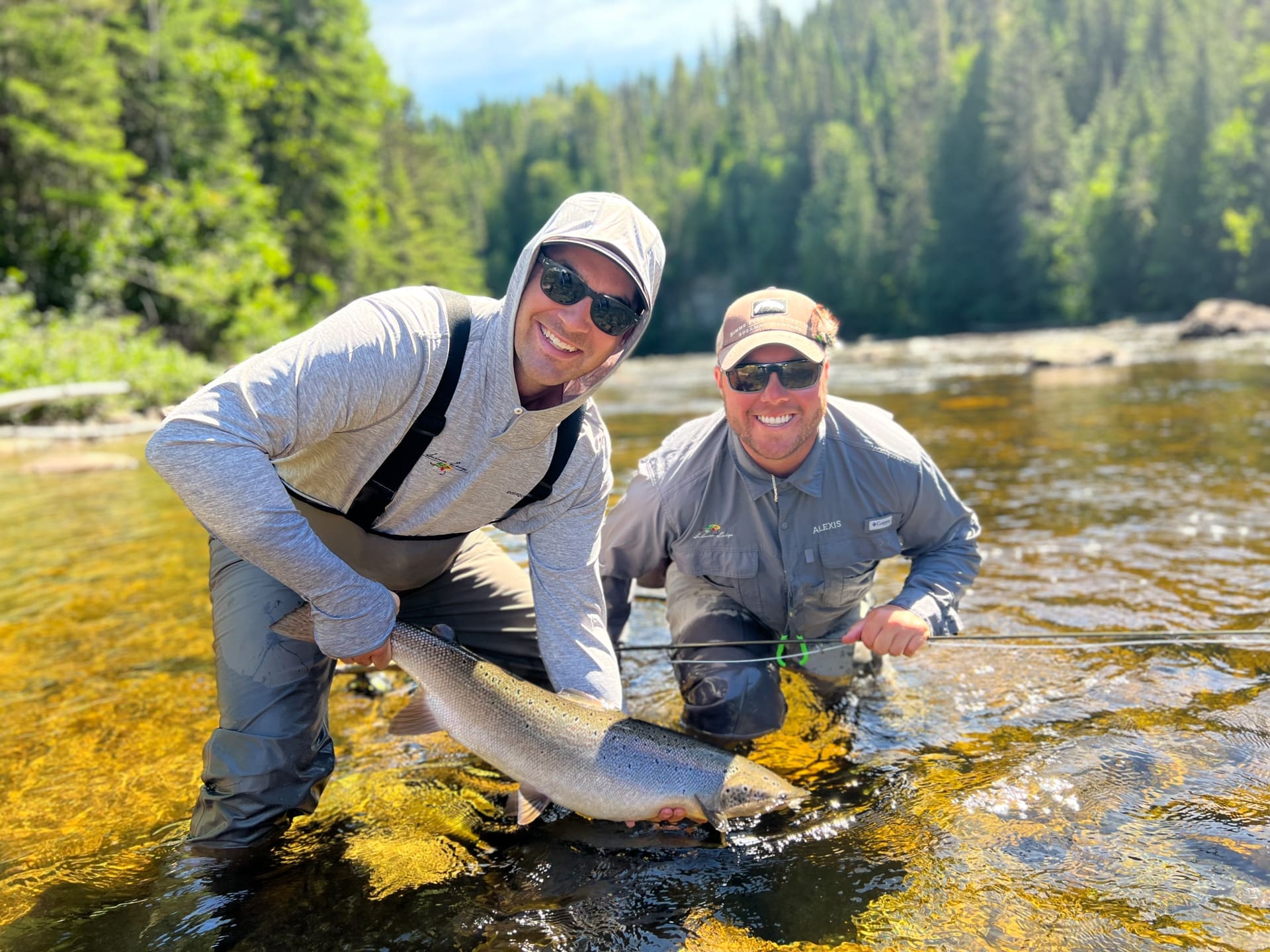
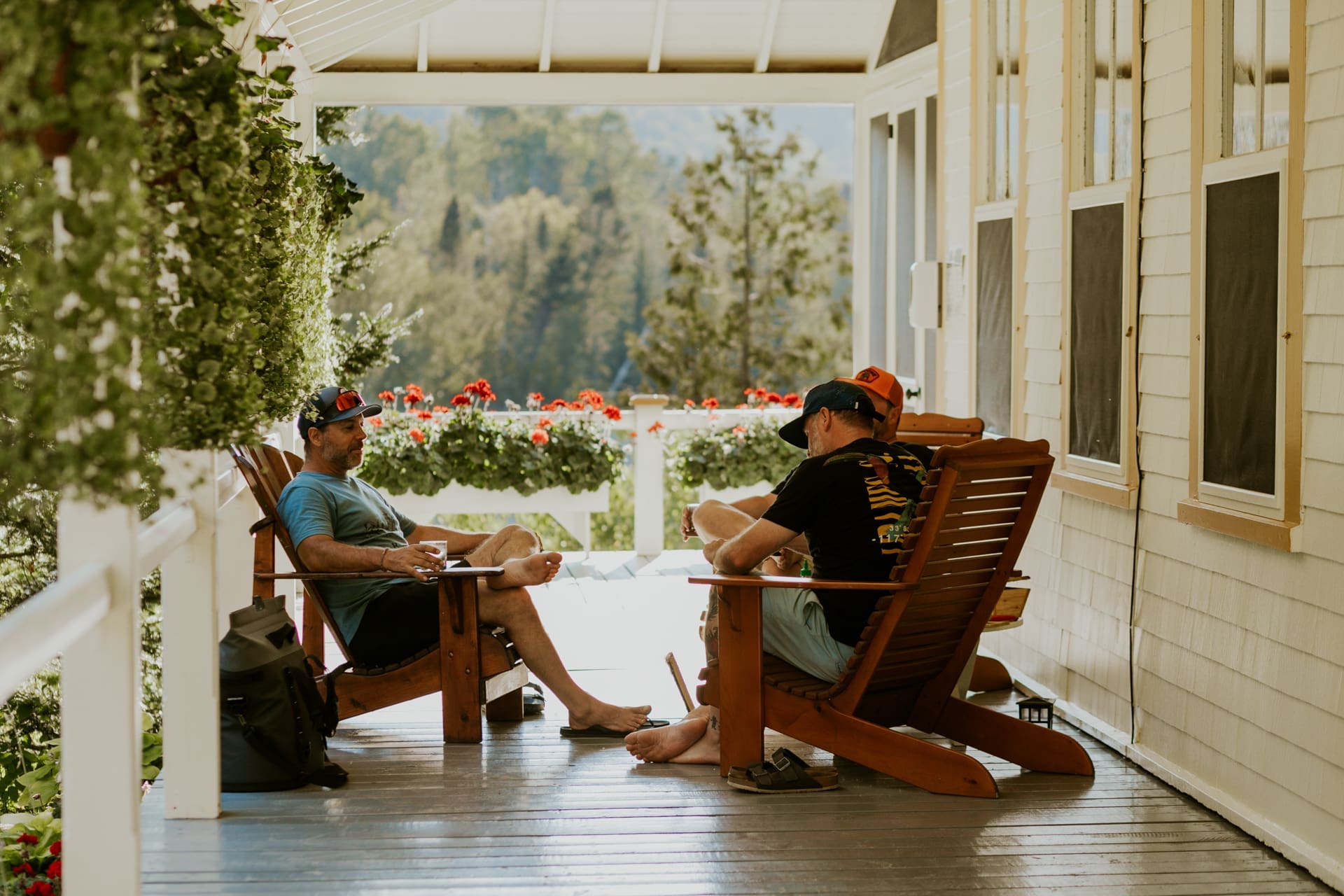
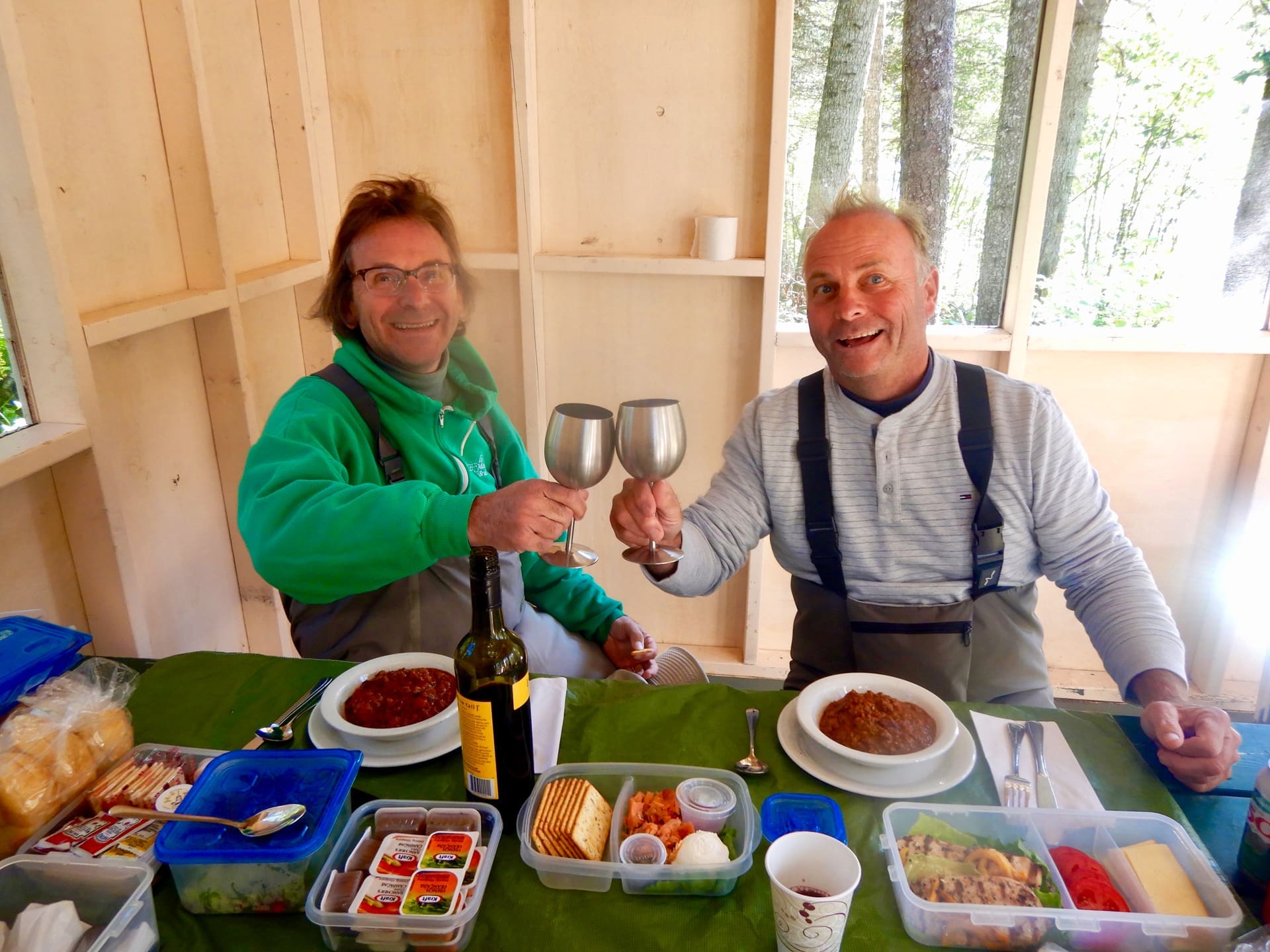
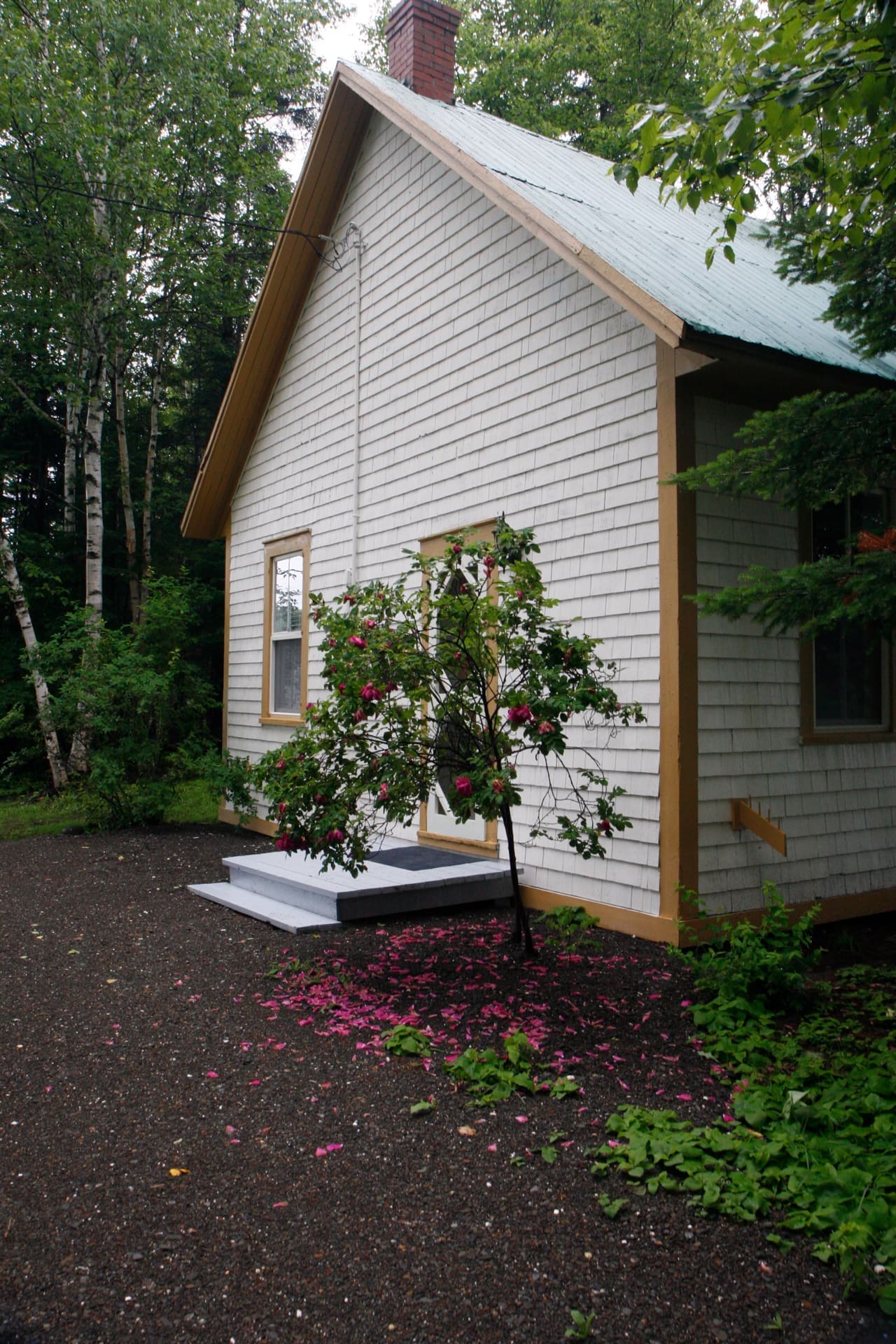
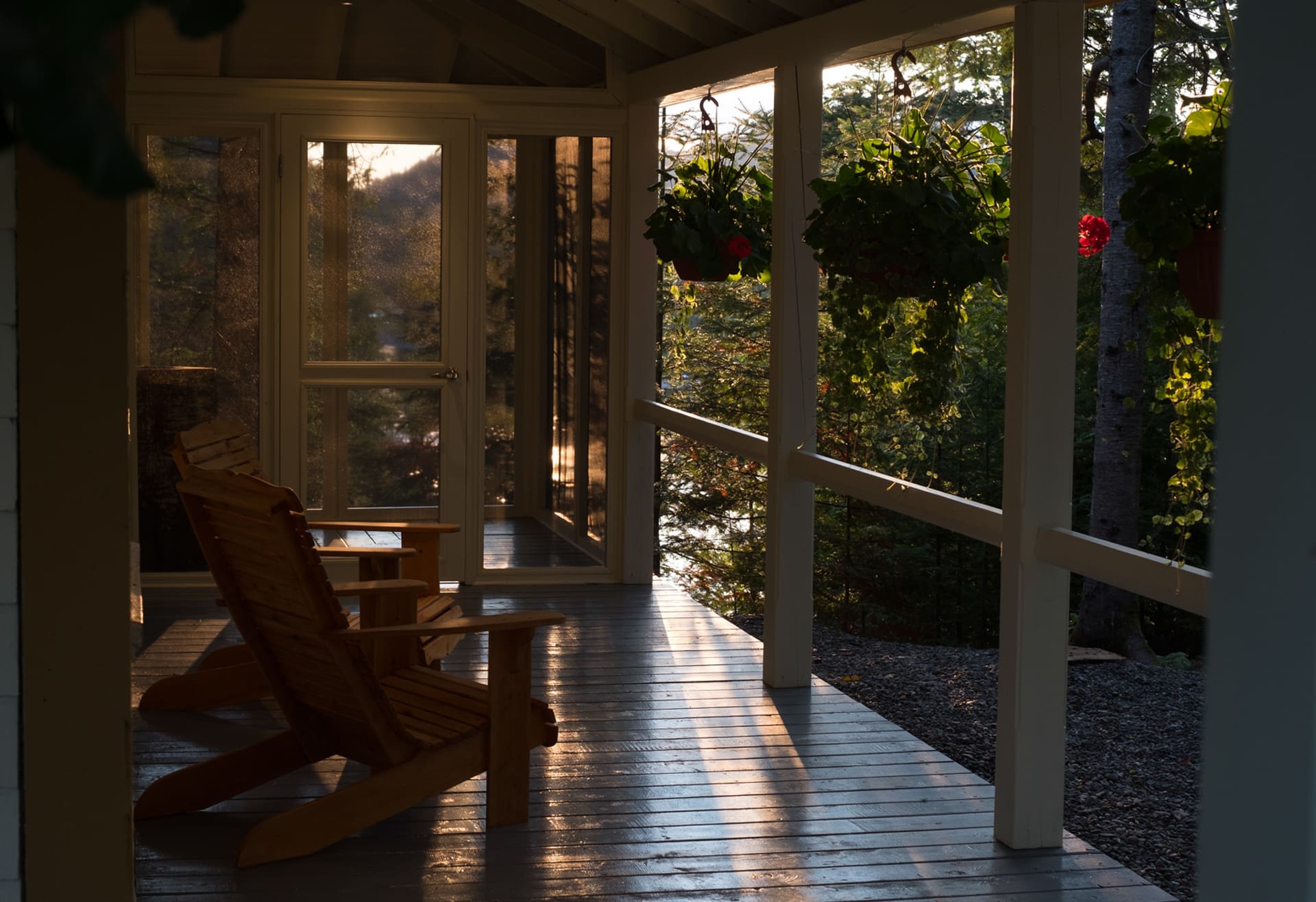
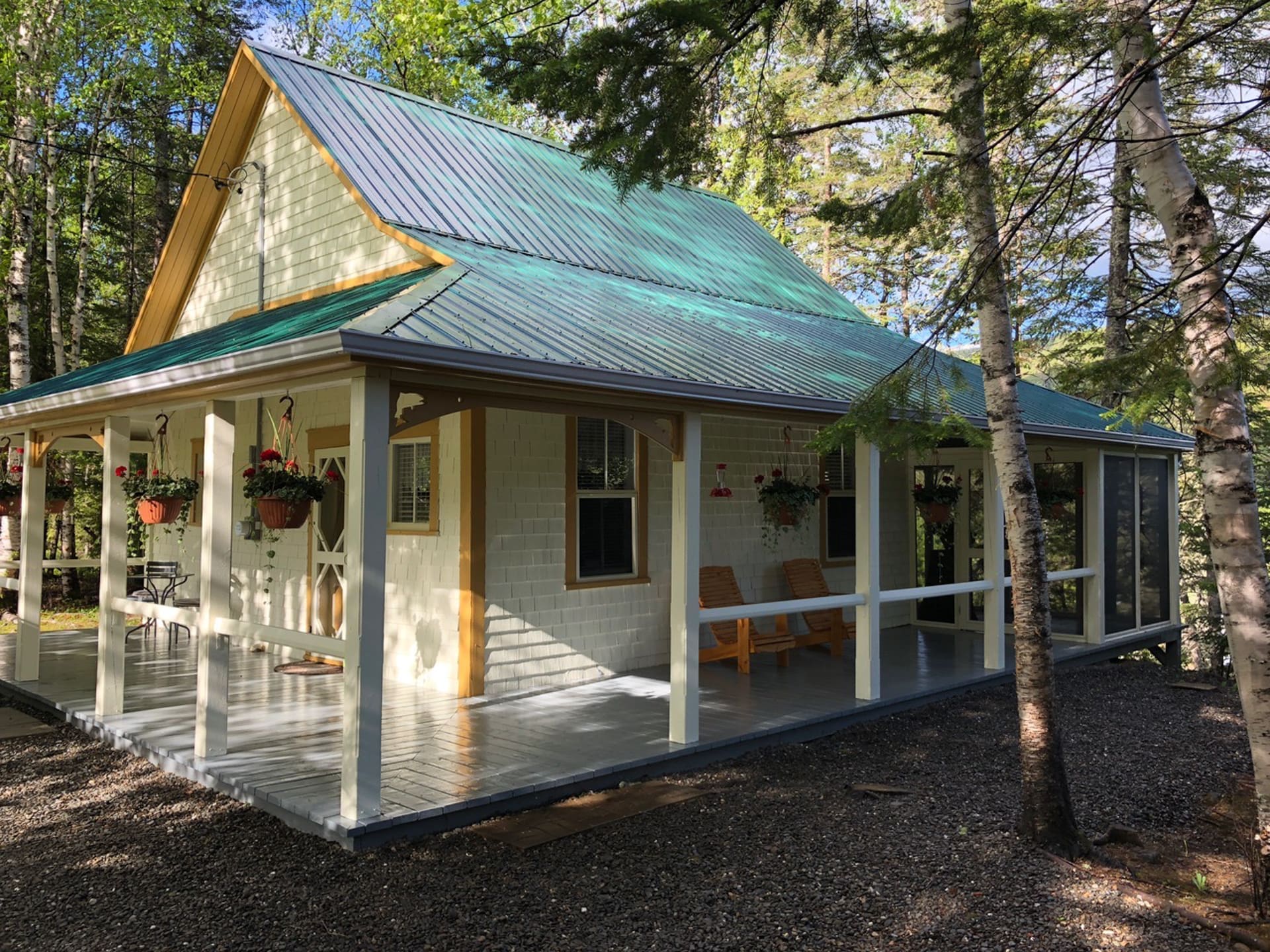
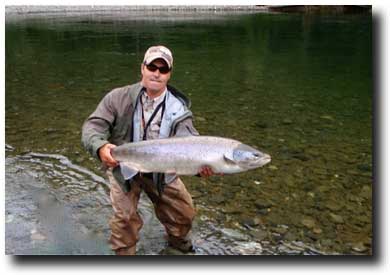
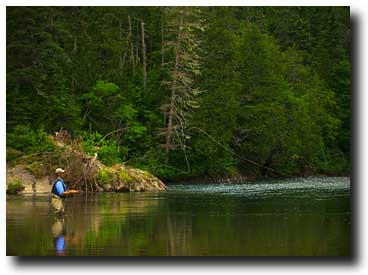
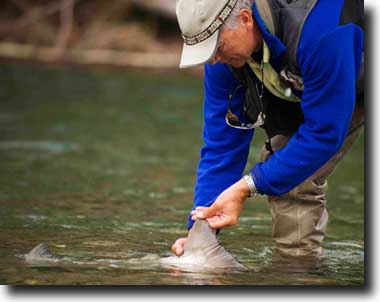
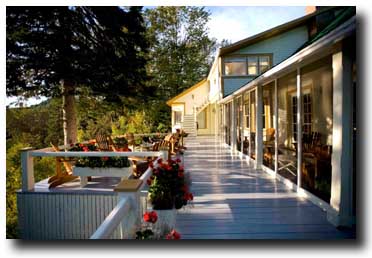
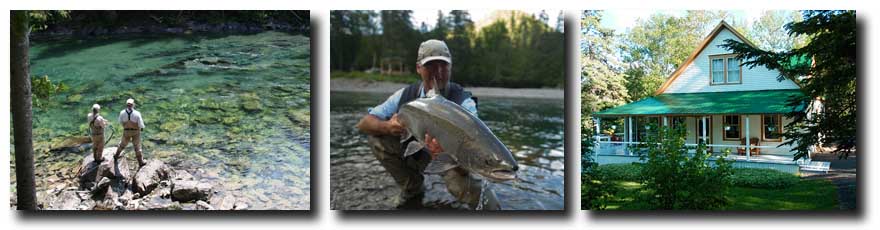

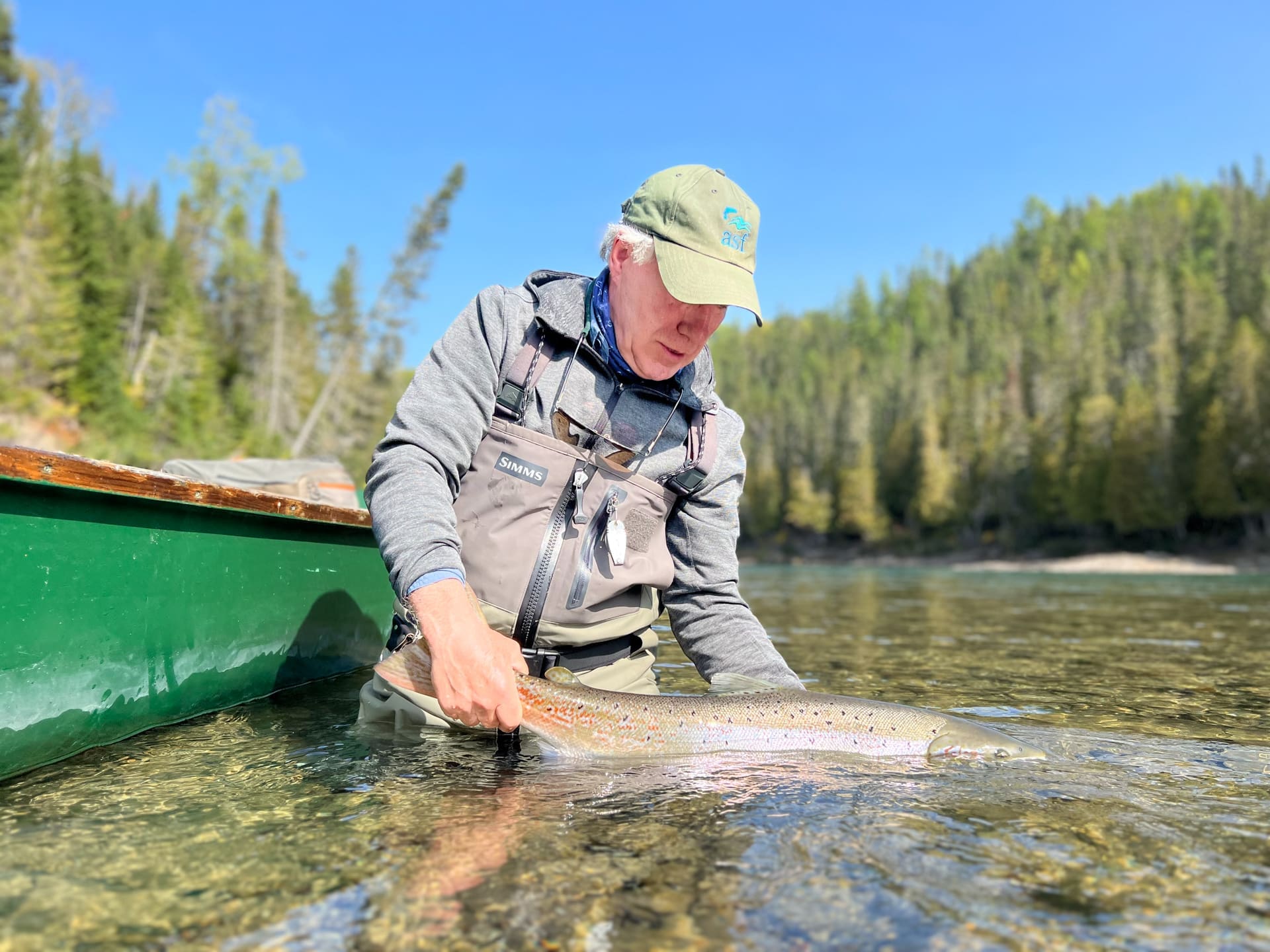

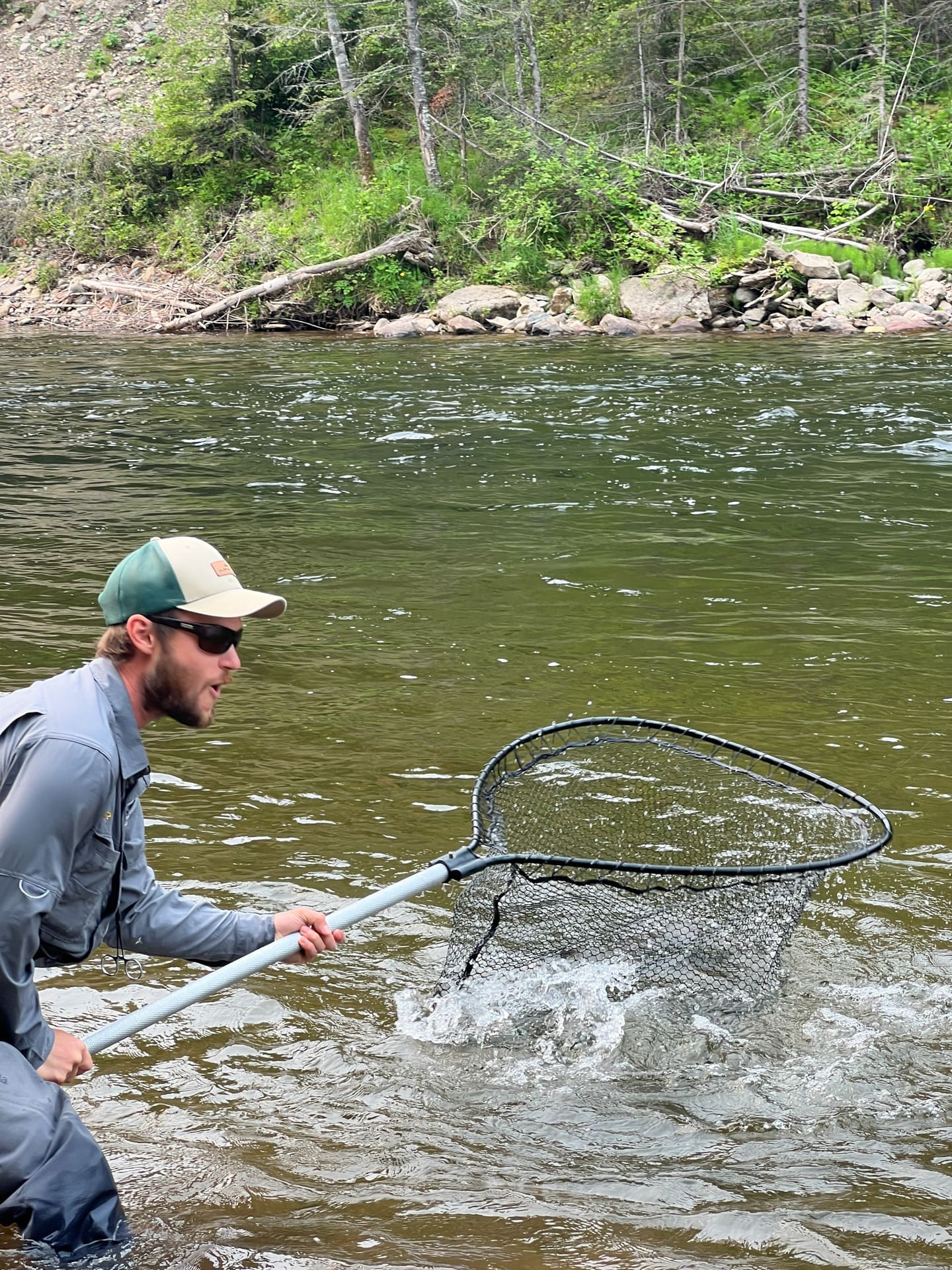
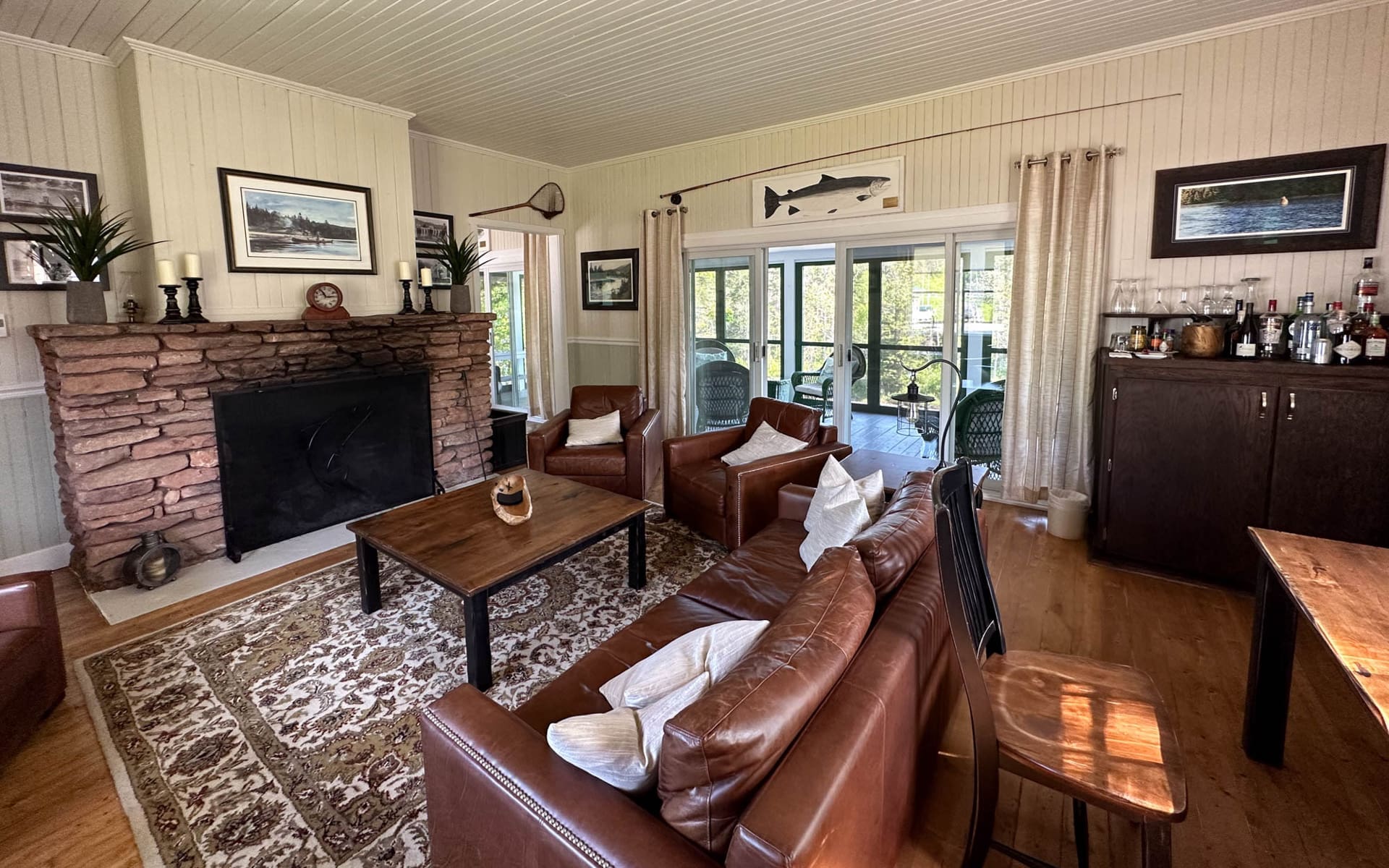


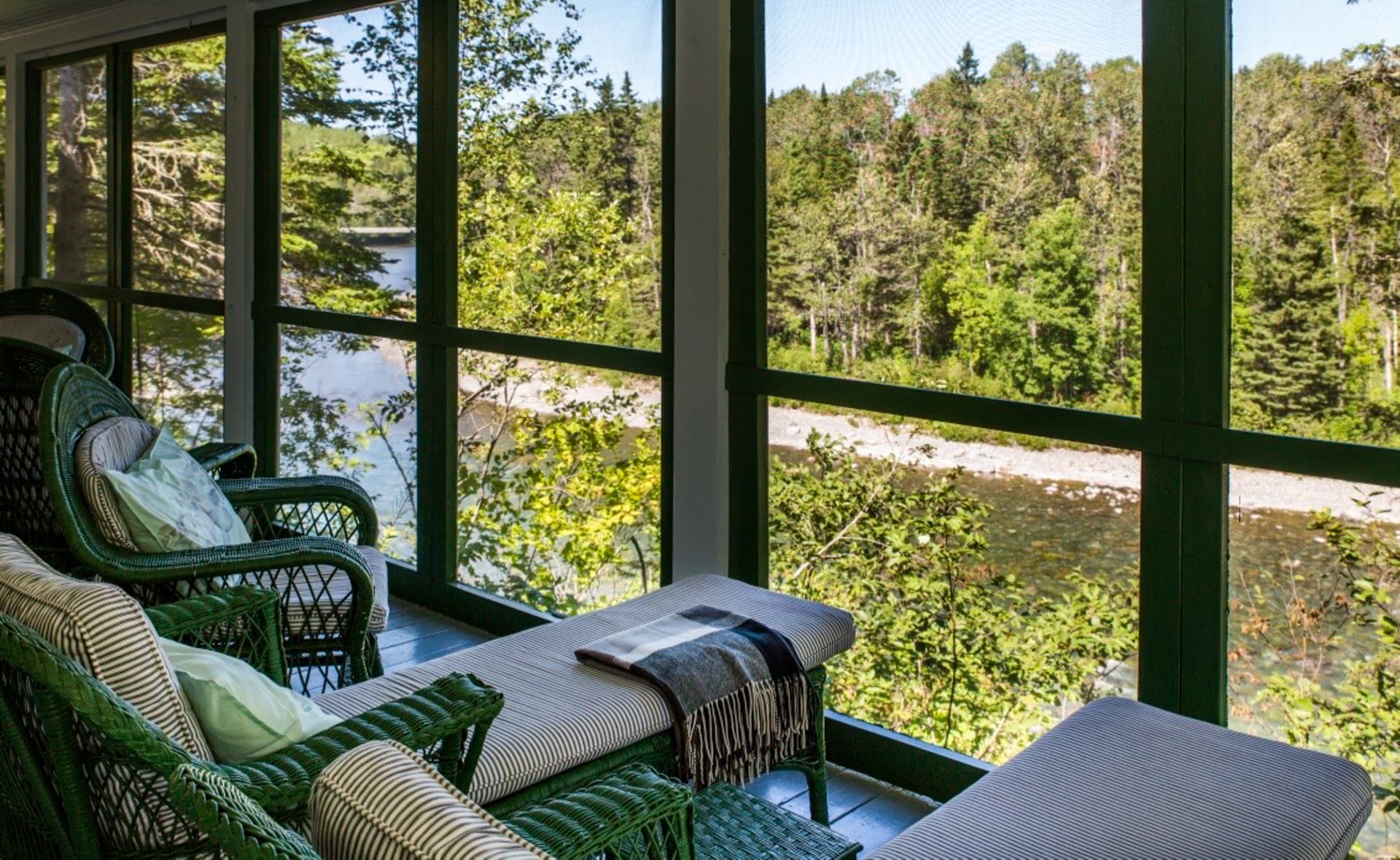


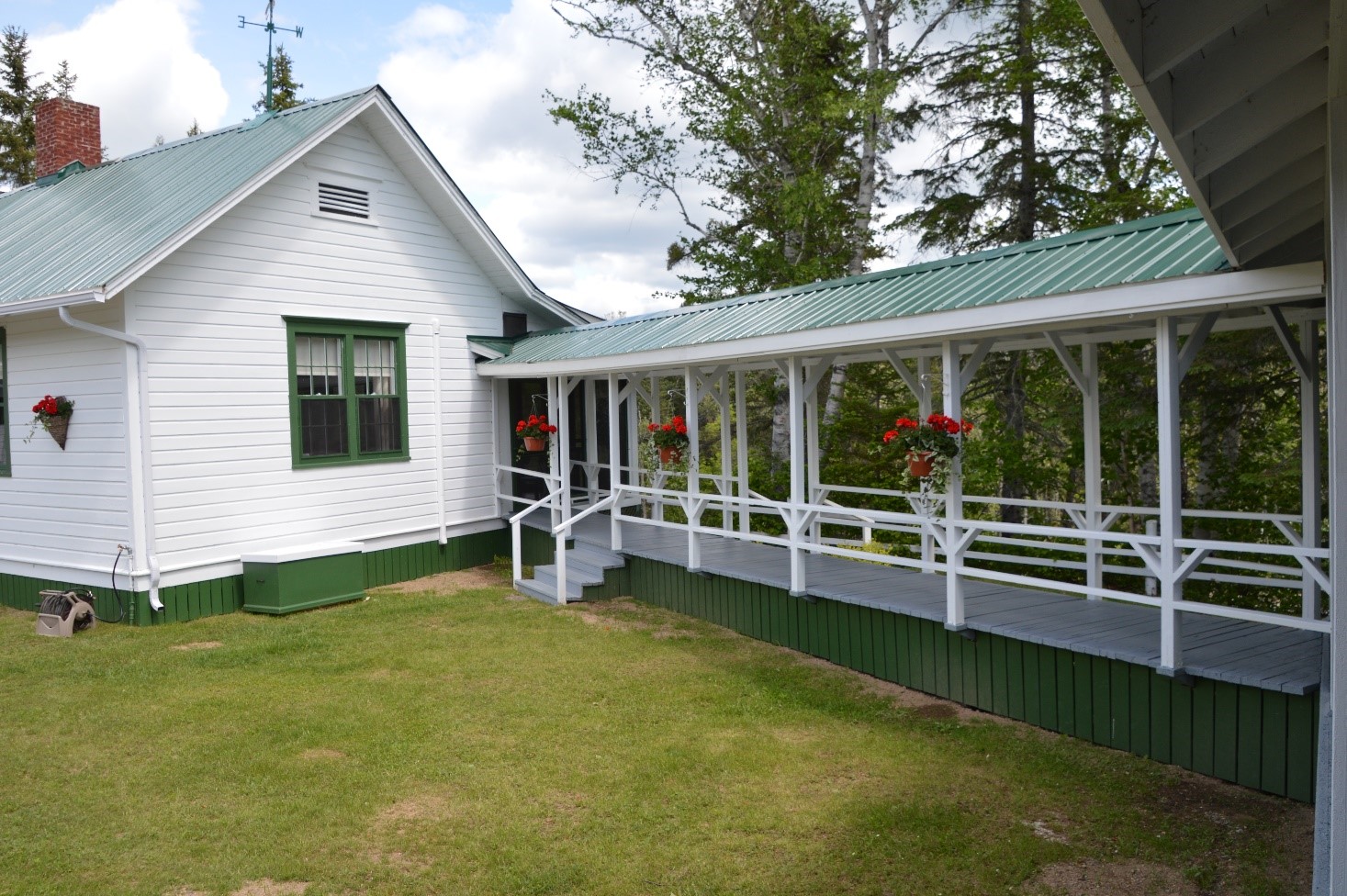

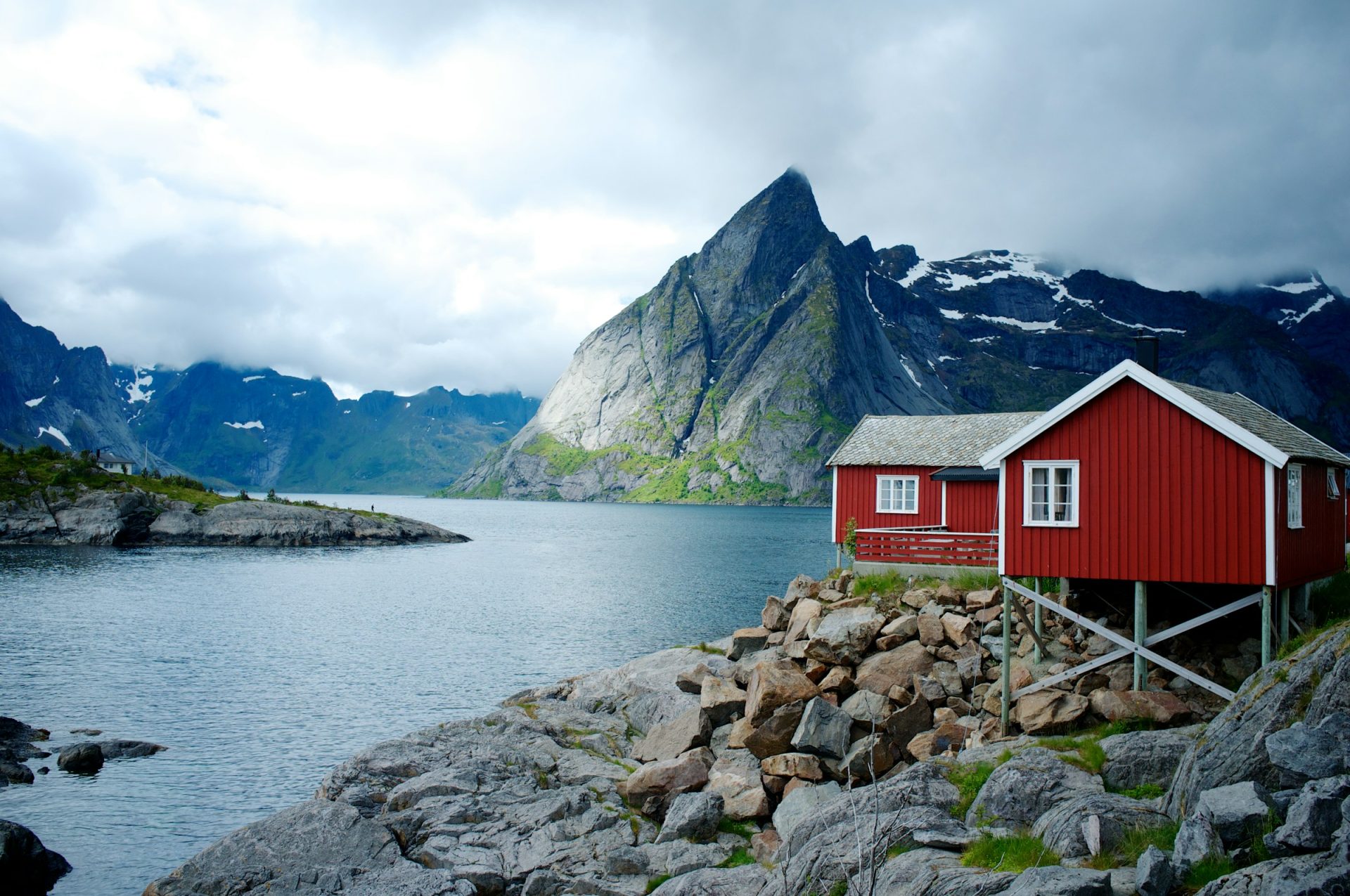

 The incredible

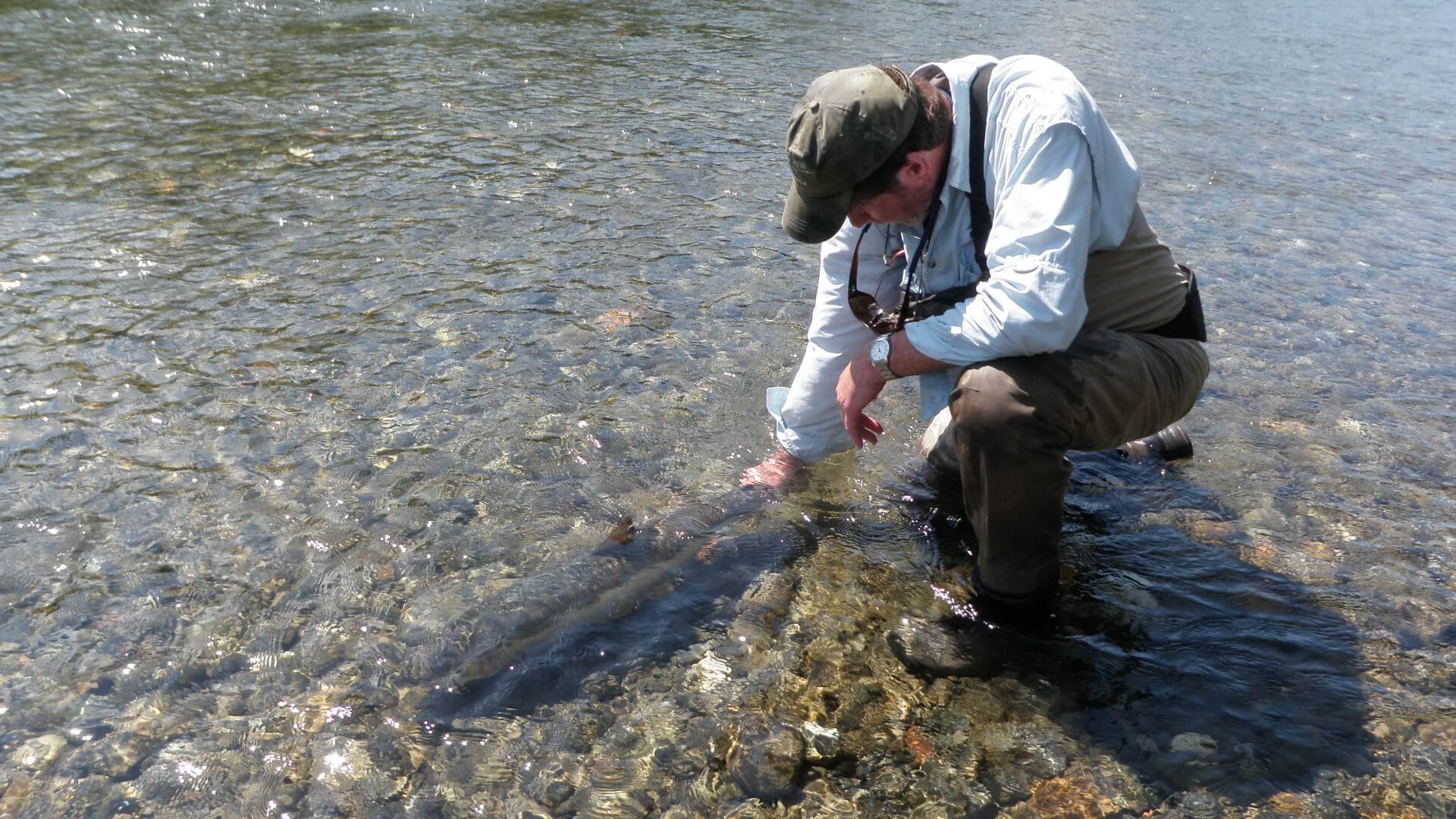


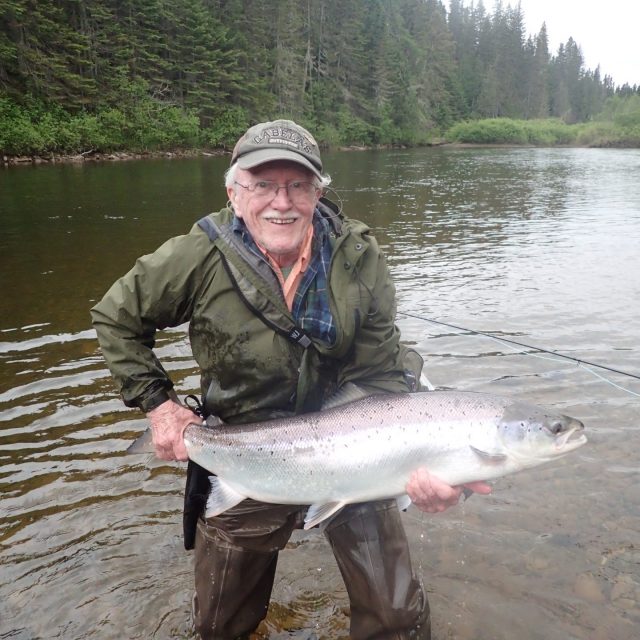 The Club on the Bonaventure