Tag: Inshore Fishing

  • Costa Rica

    Costa Rica

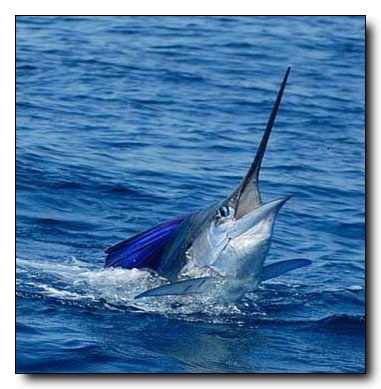
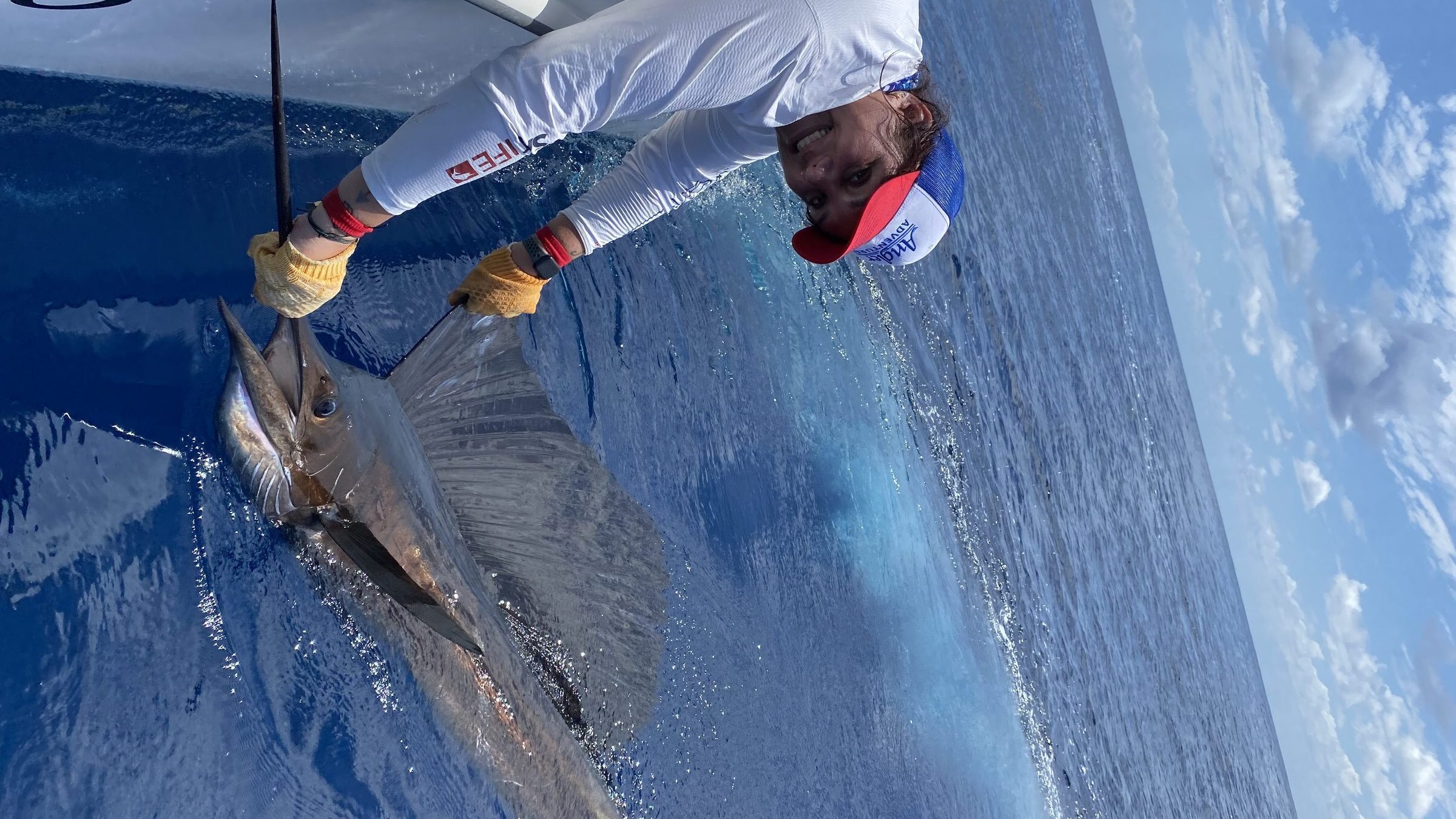
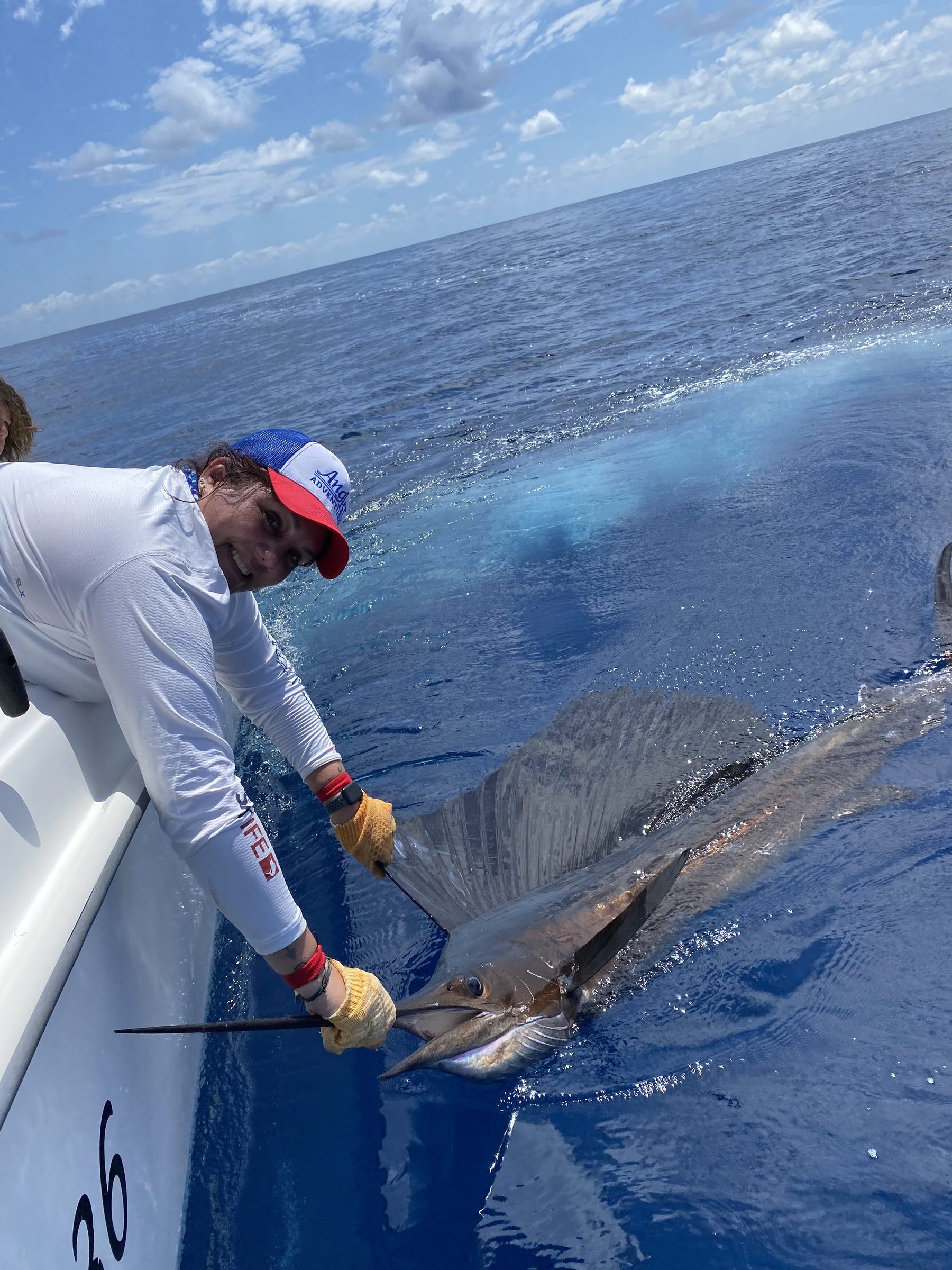
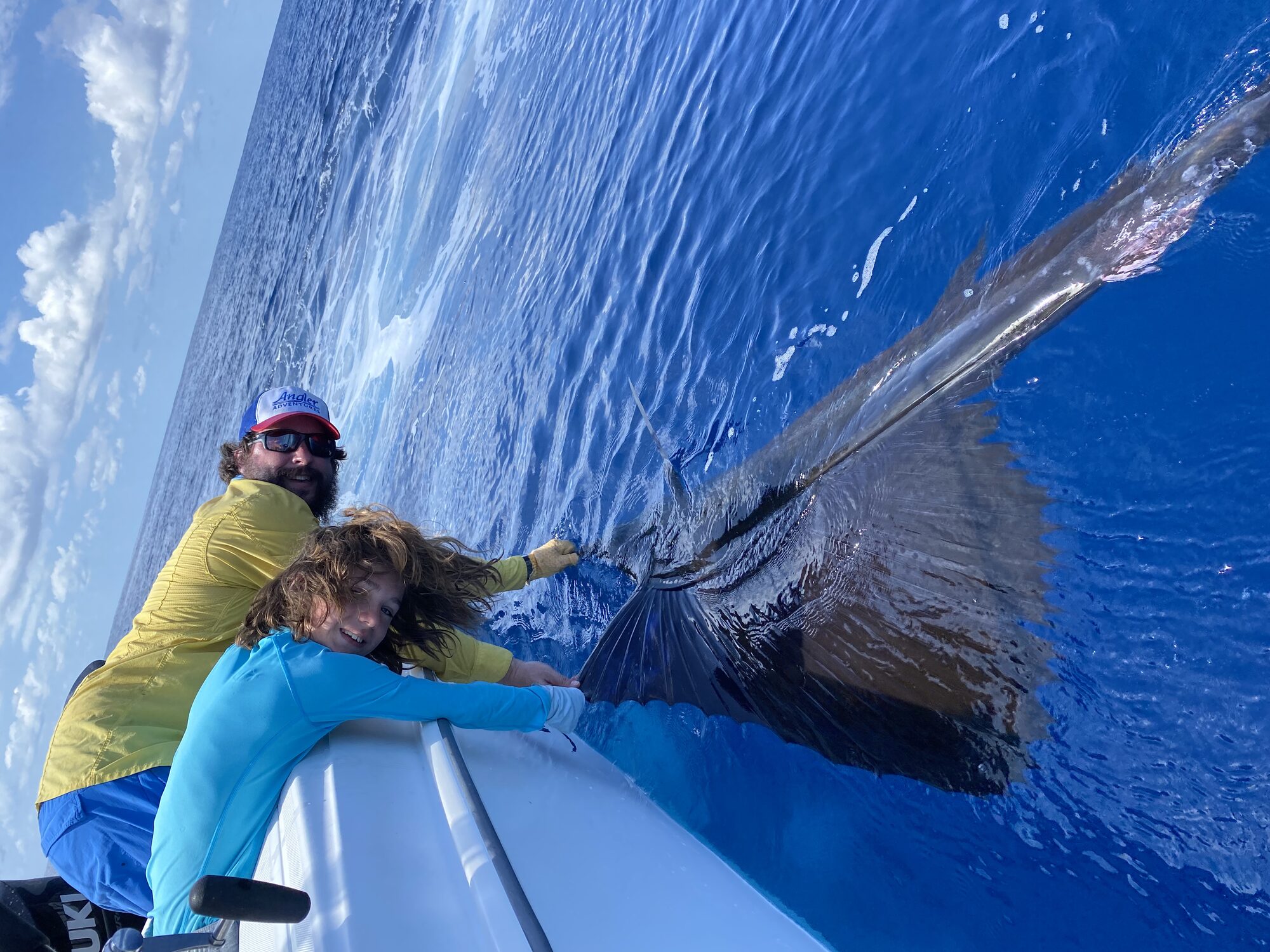
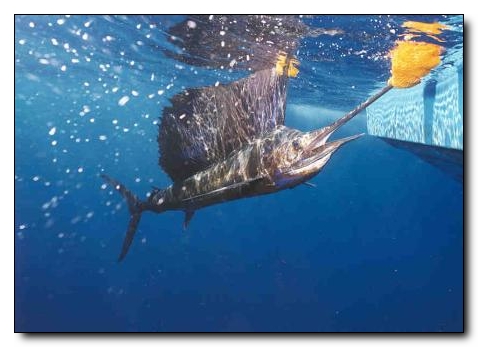
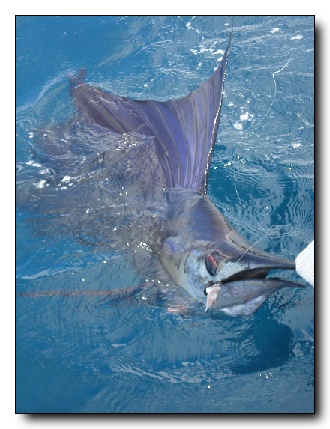
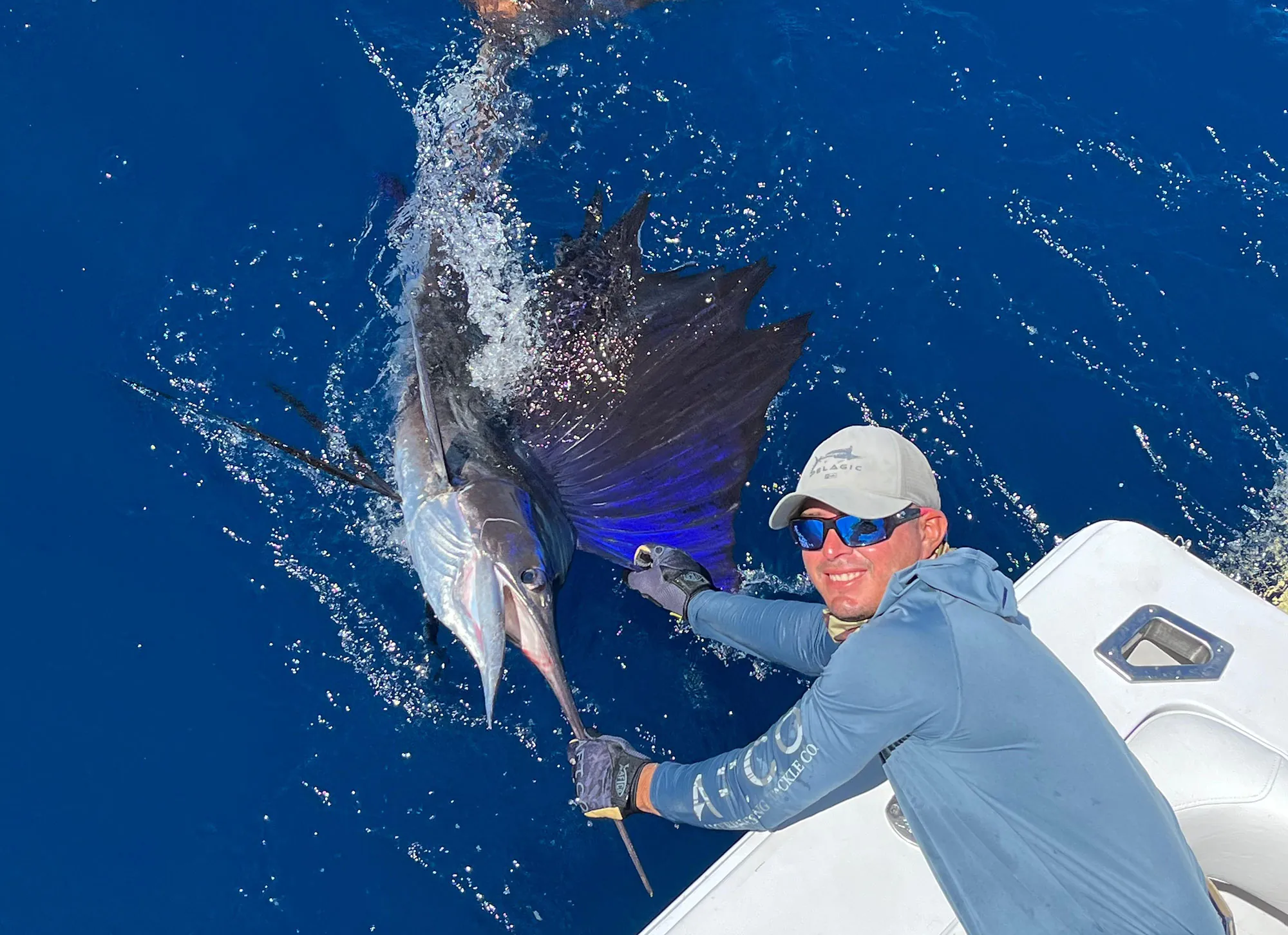
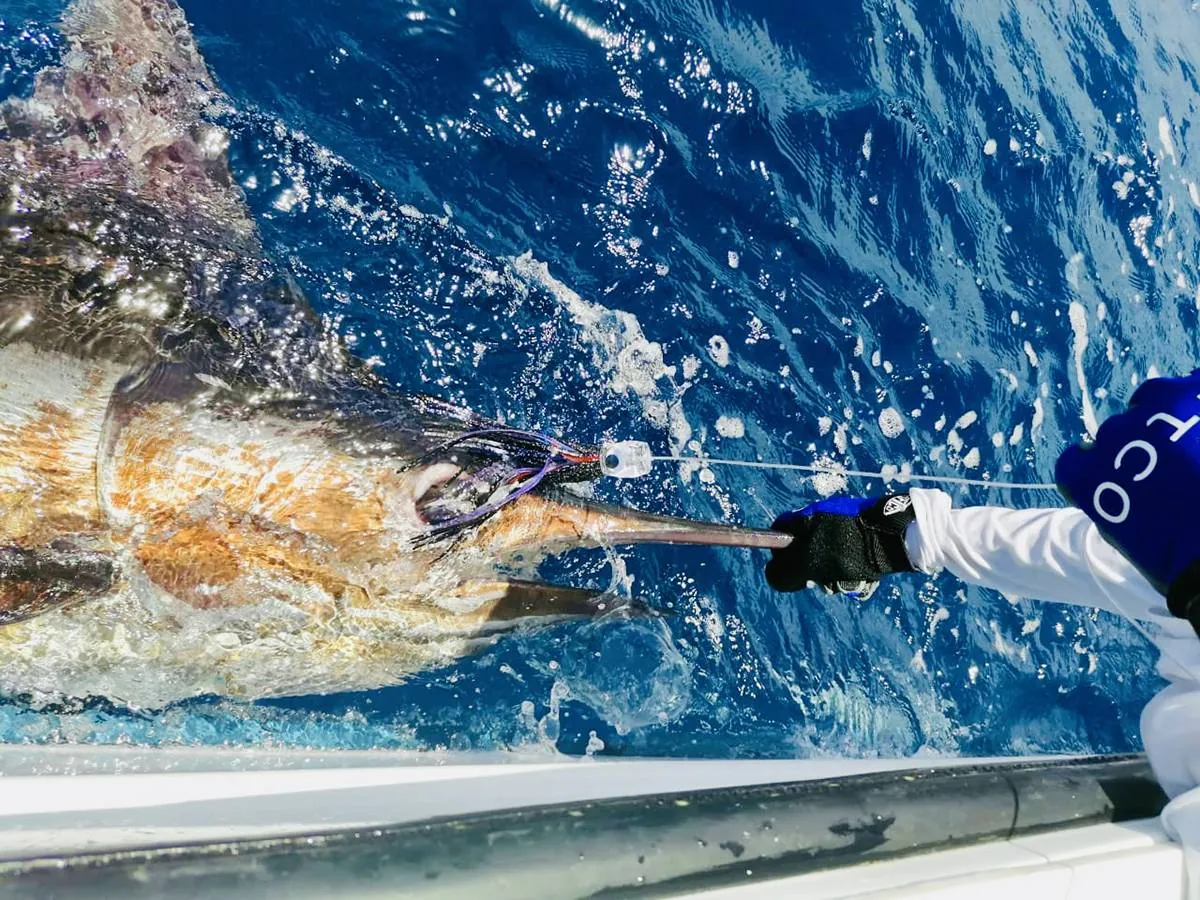
    Sailfish released beside a Crocodile Bay boat on the Golfo Dulce, Costa Rica
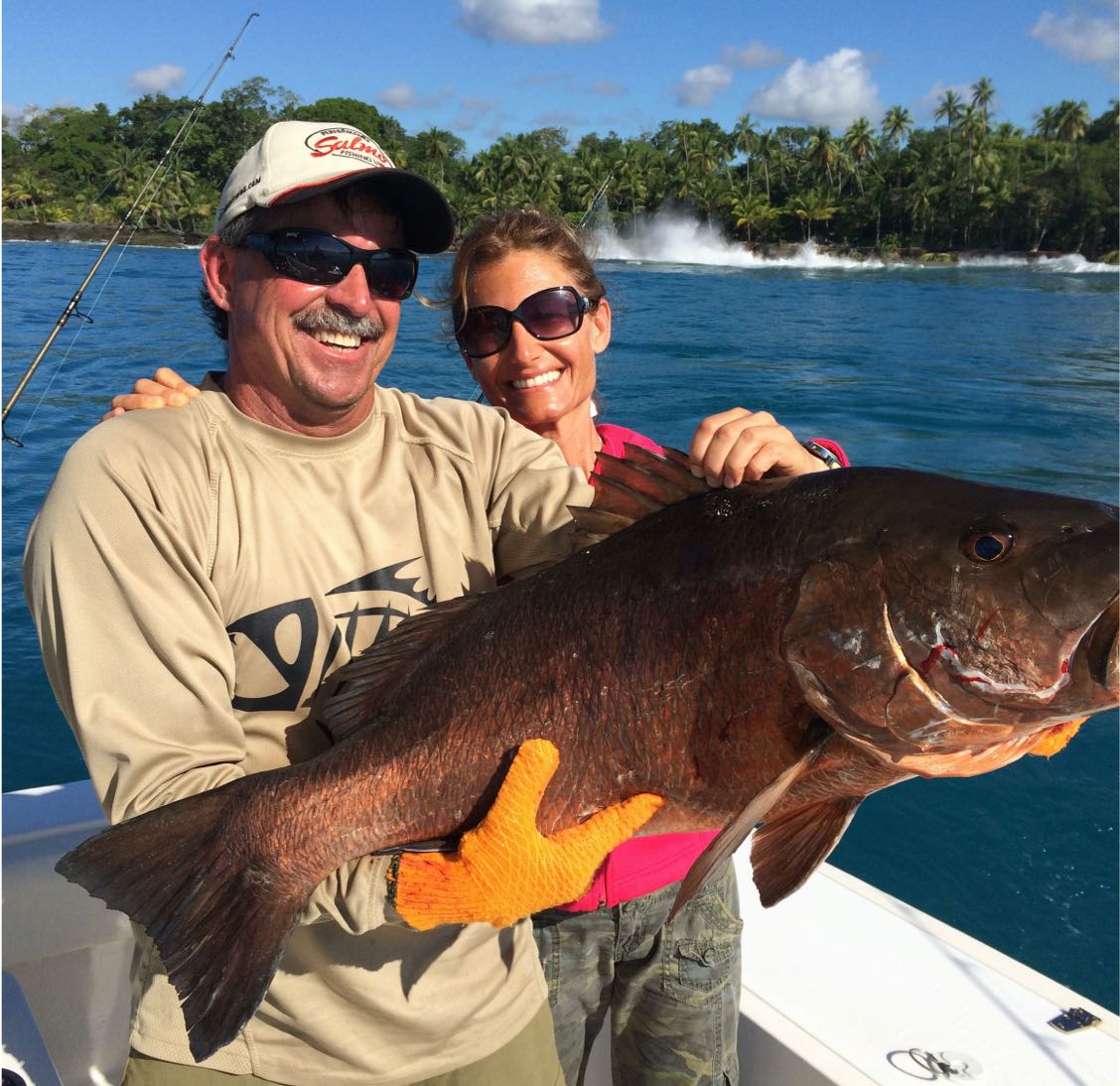
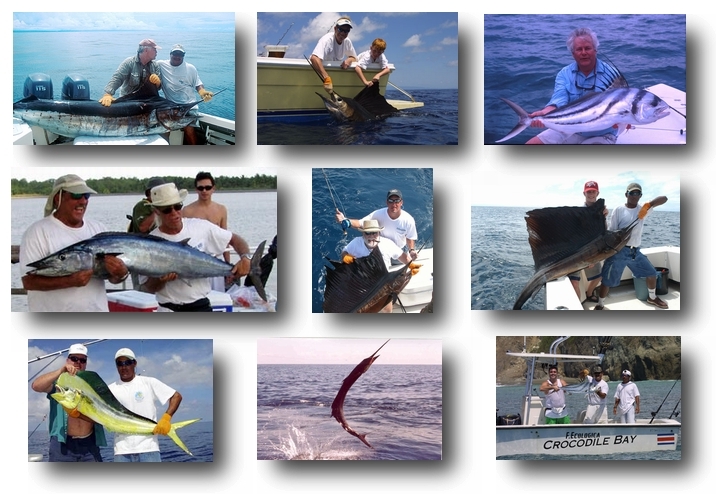
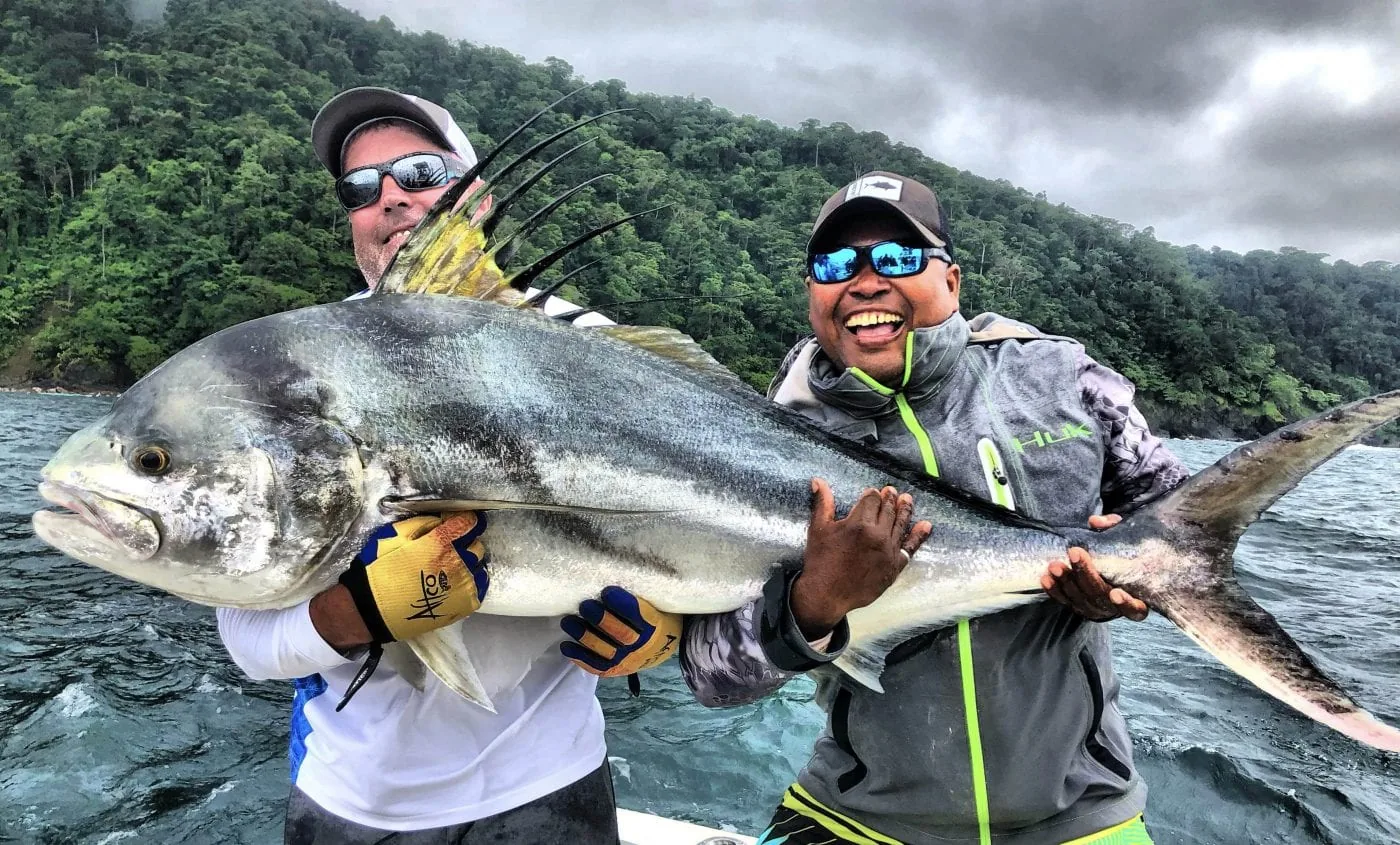
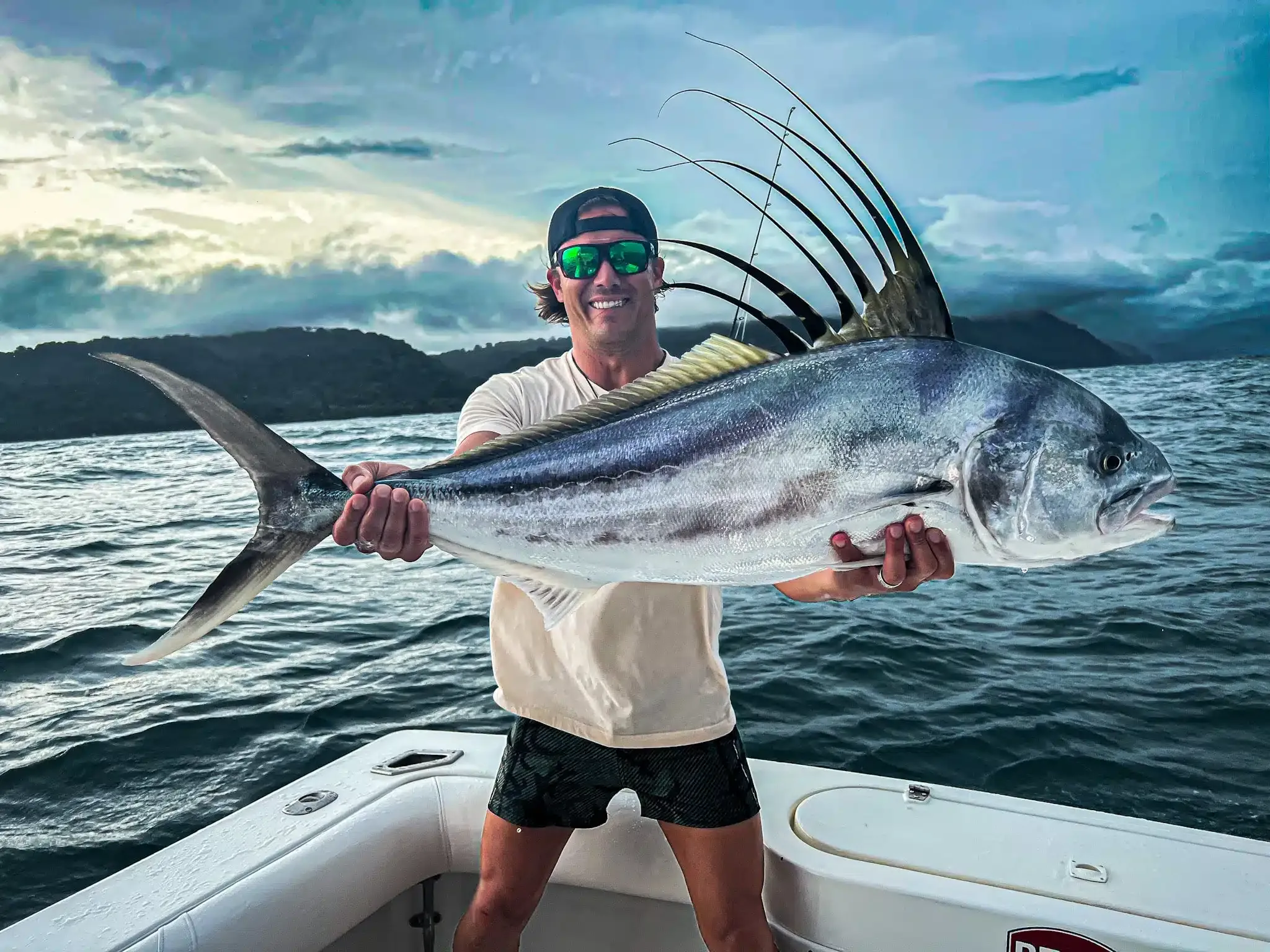
    Roosterfish held aboard a Crocodile Bay boat, Osa Peninsula, Costa Rica
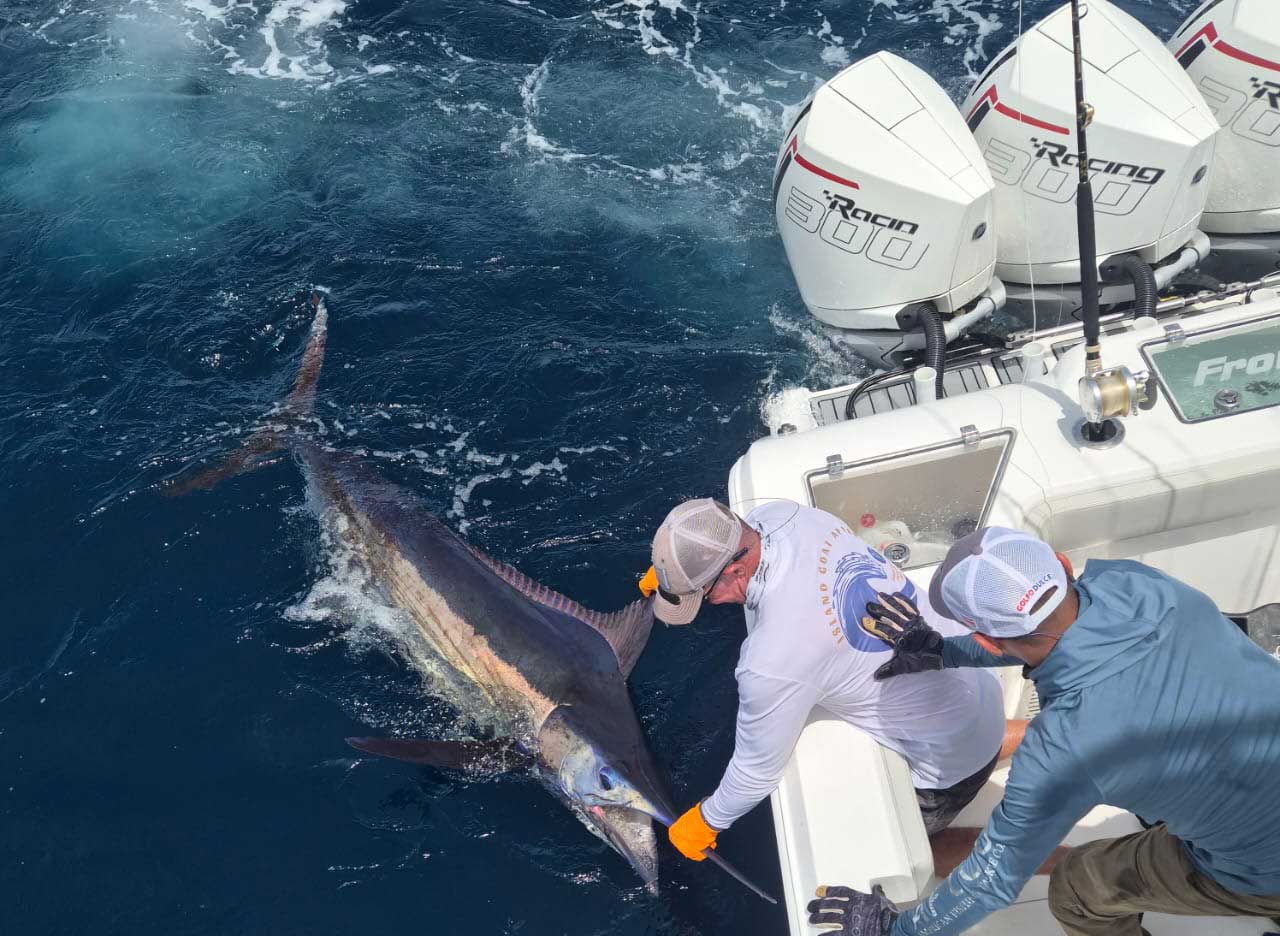
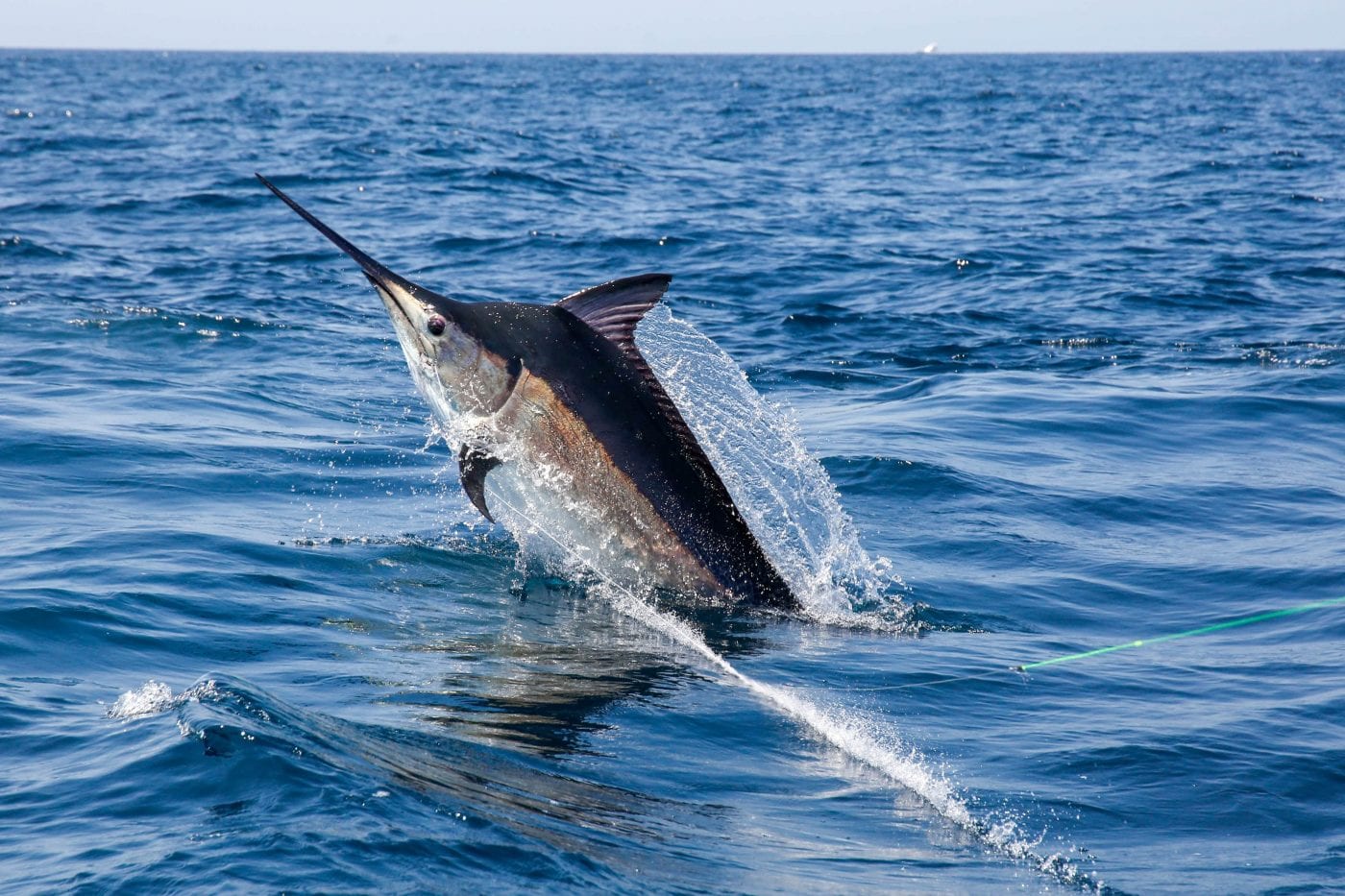
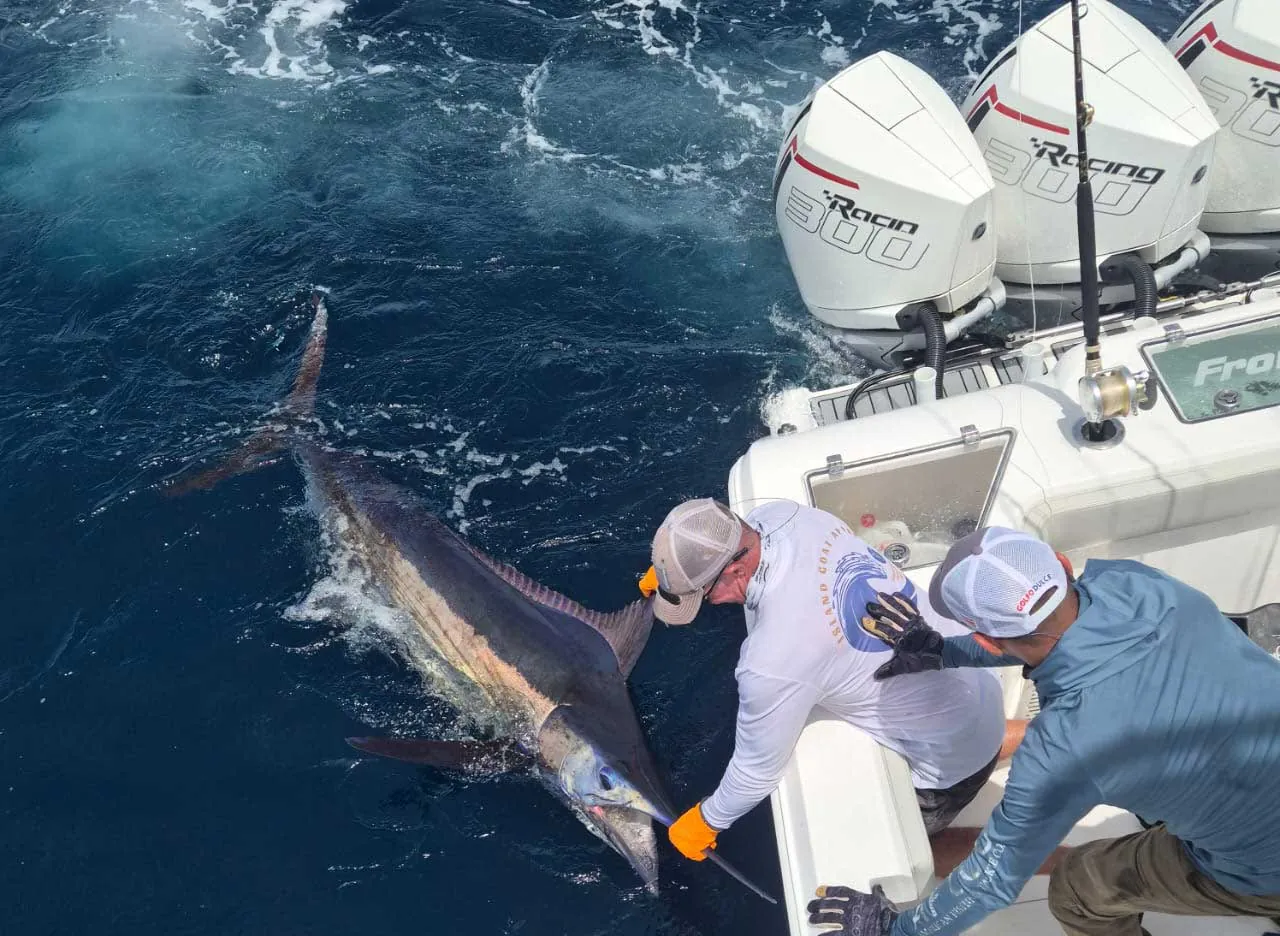
    Blue marlin released beside a Crocodile Bay Front Runner, Golfo Dulce, Costa Rica
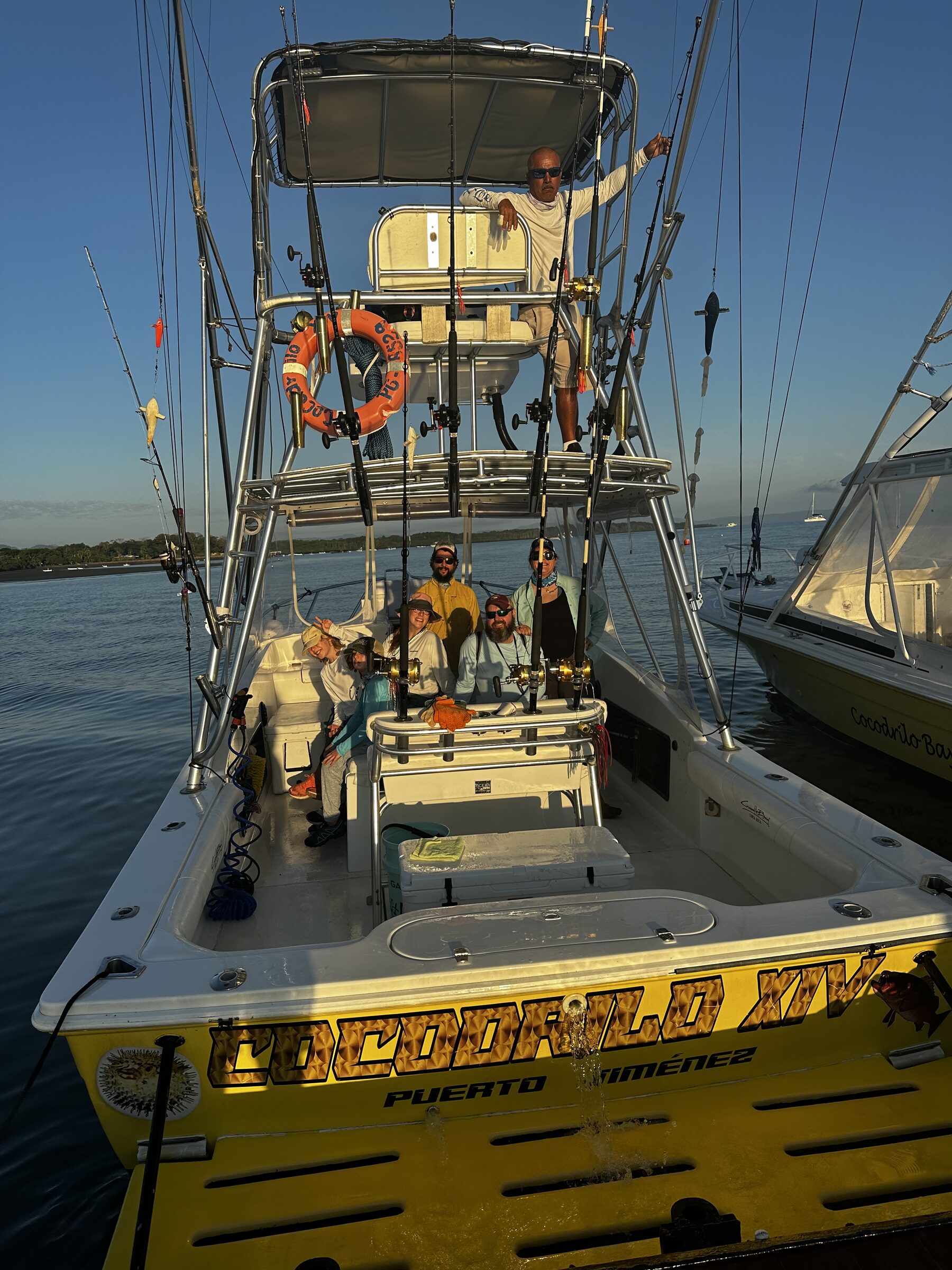
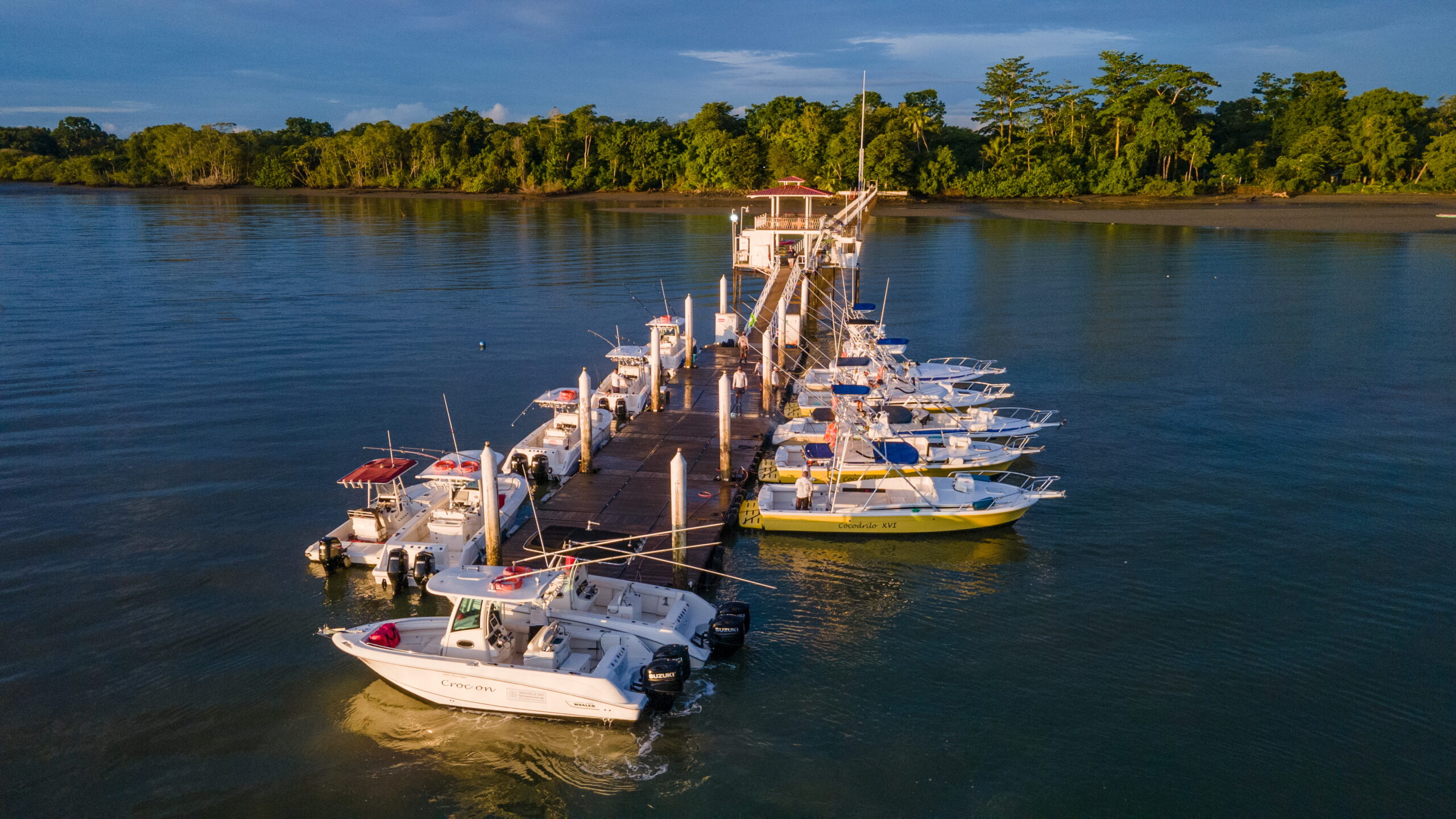
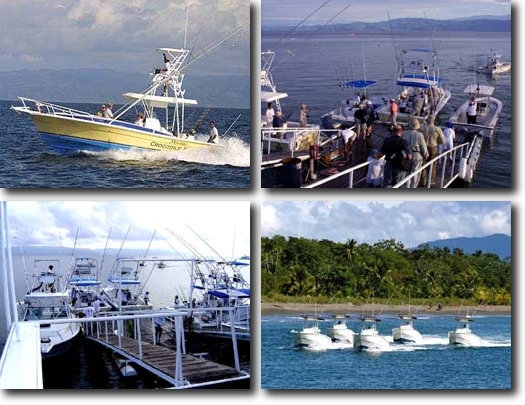
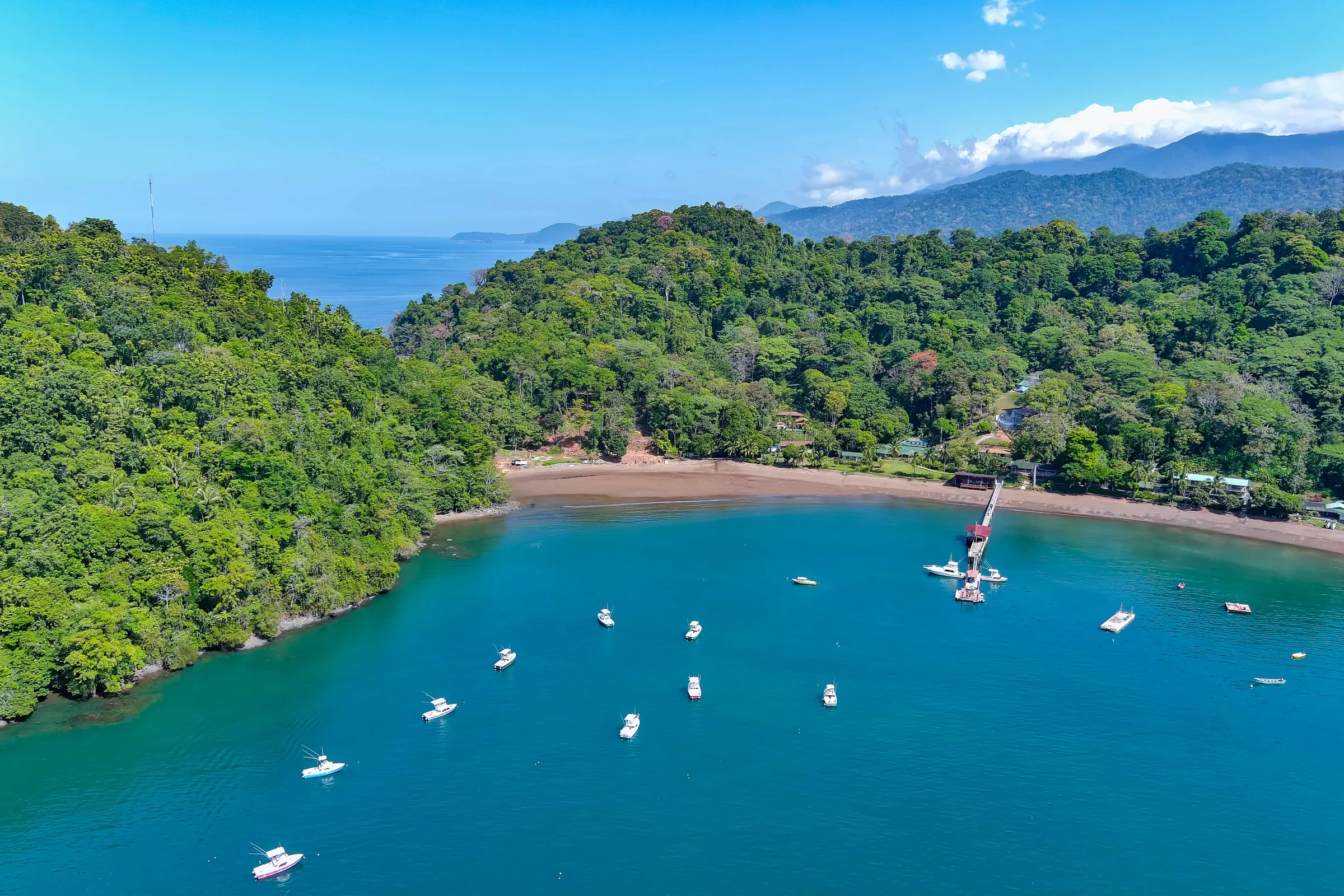
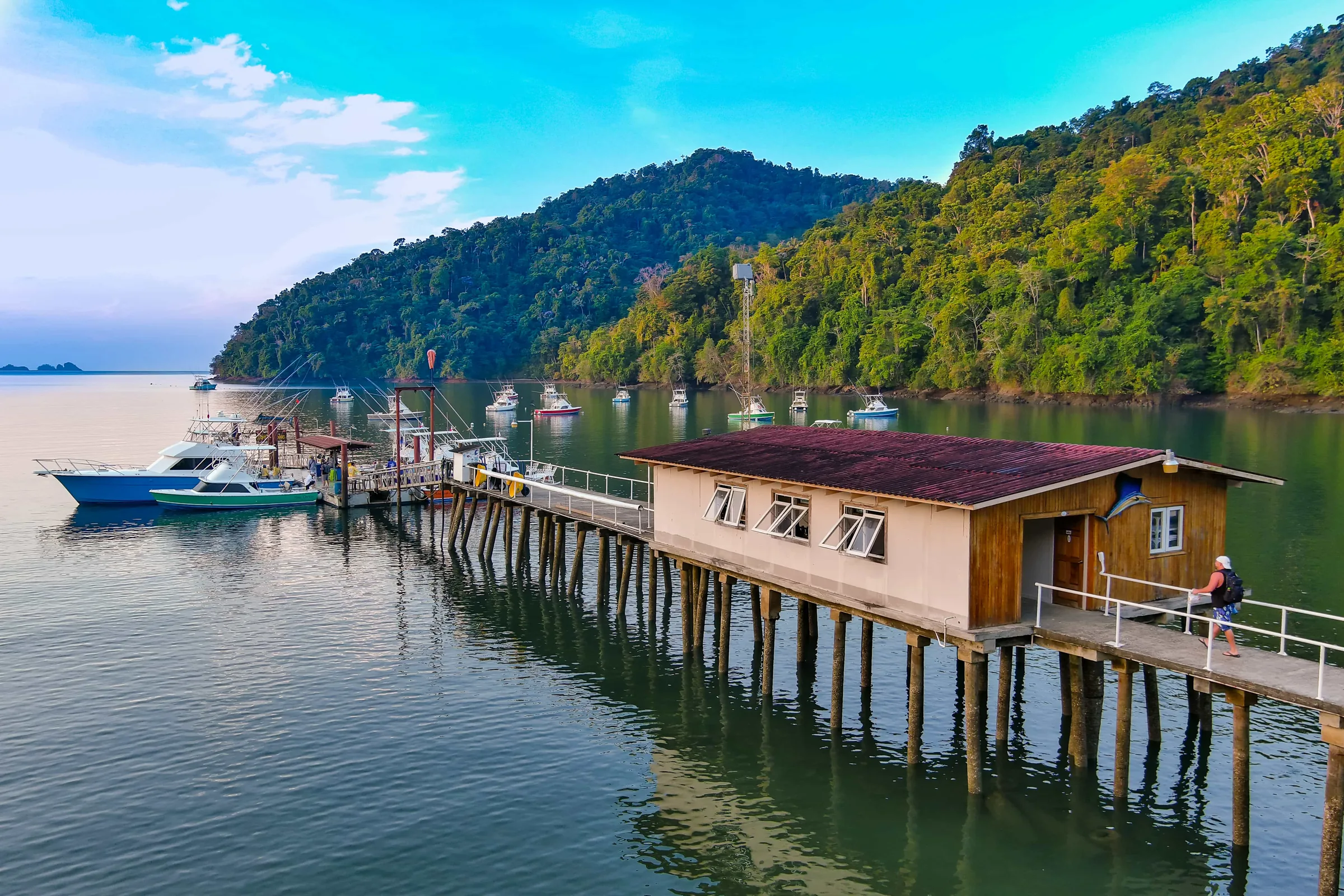
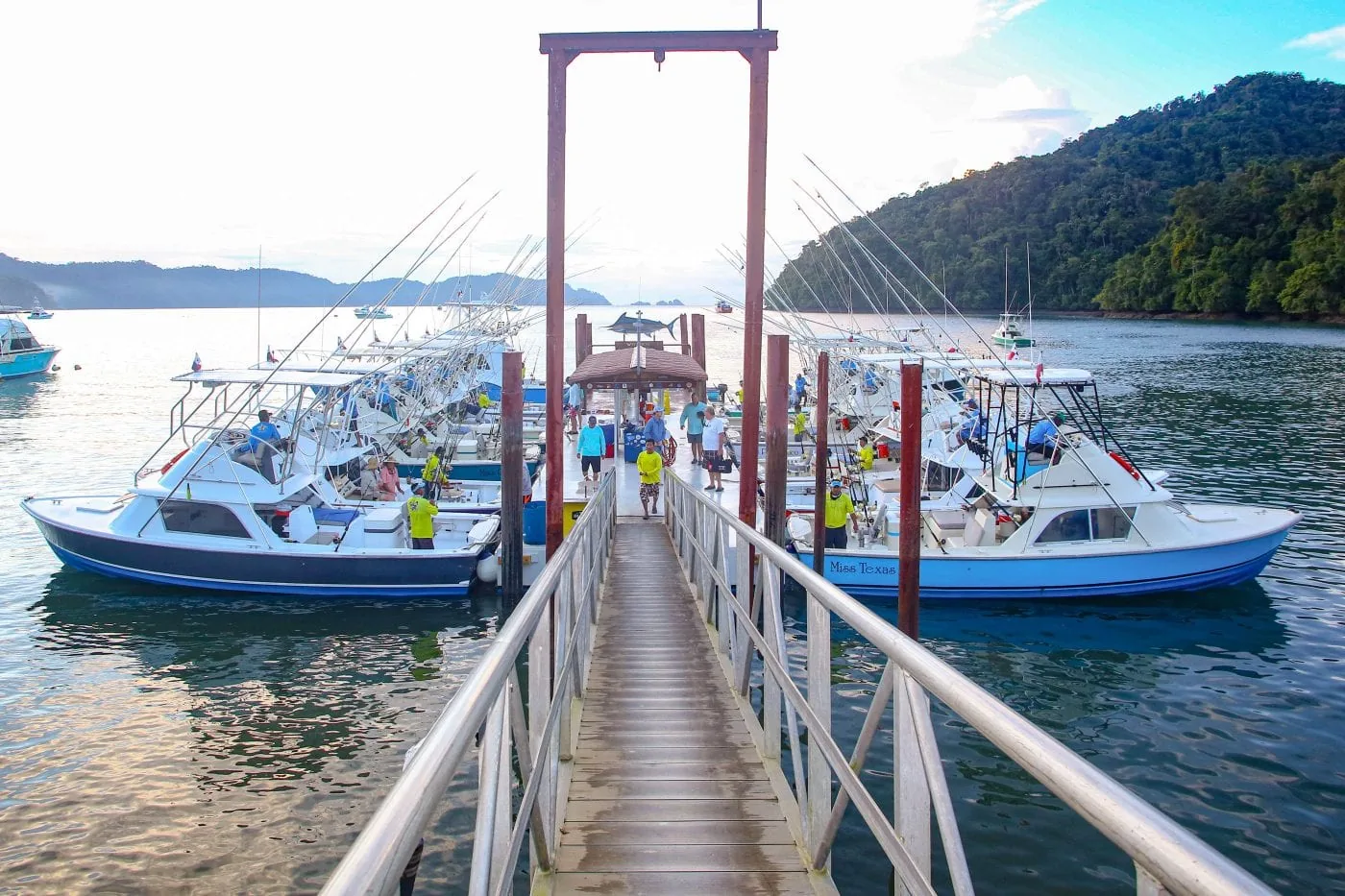
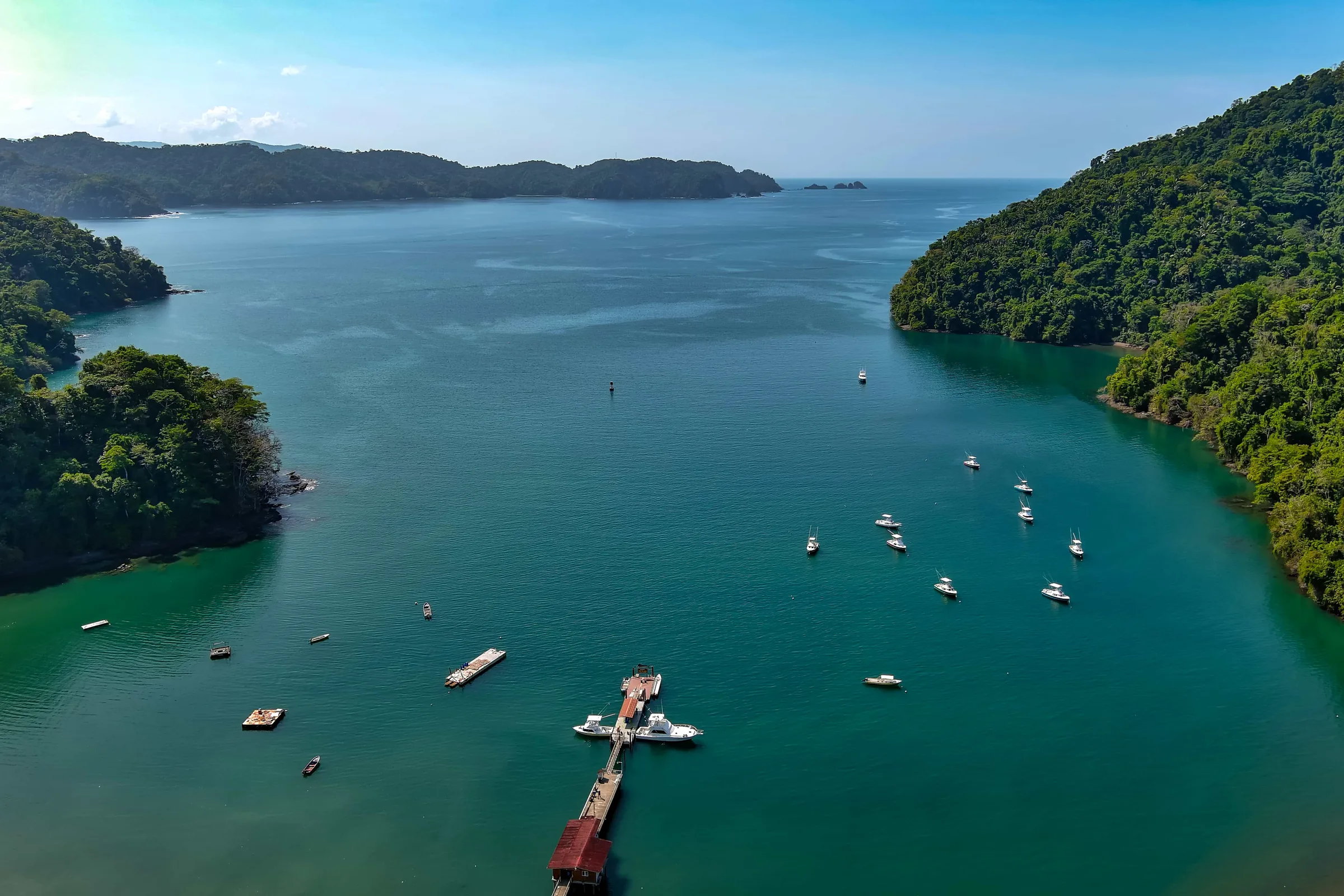
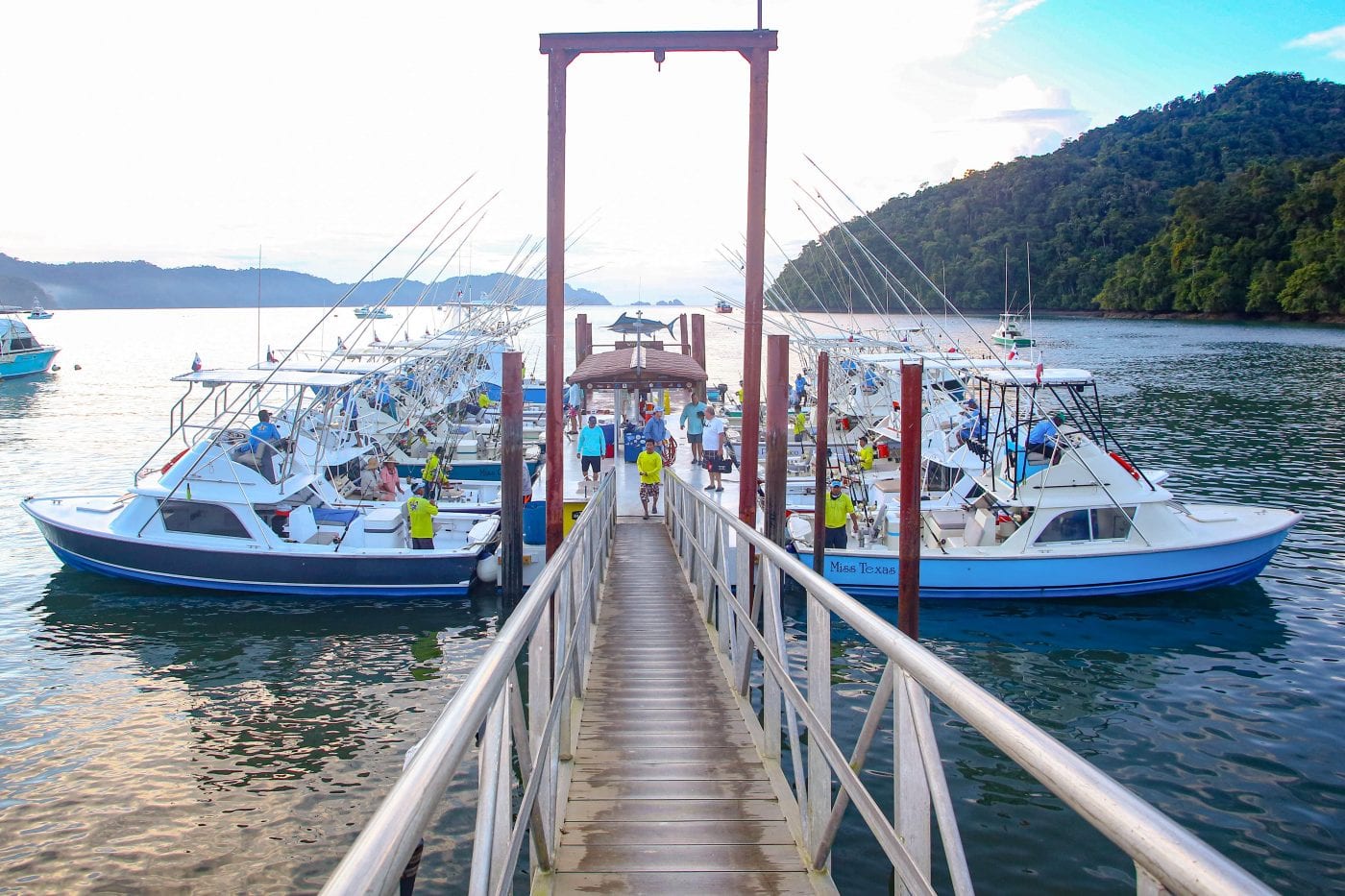
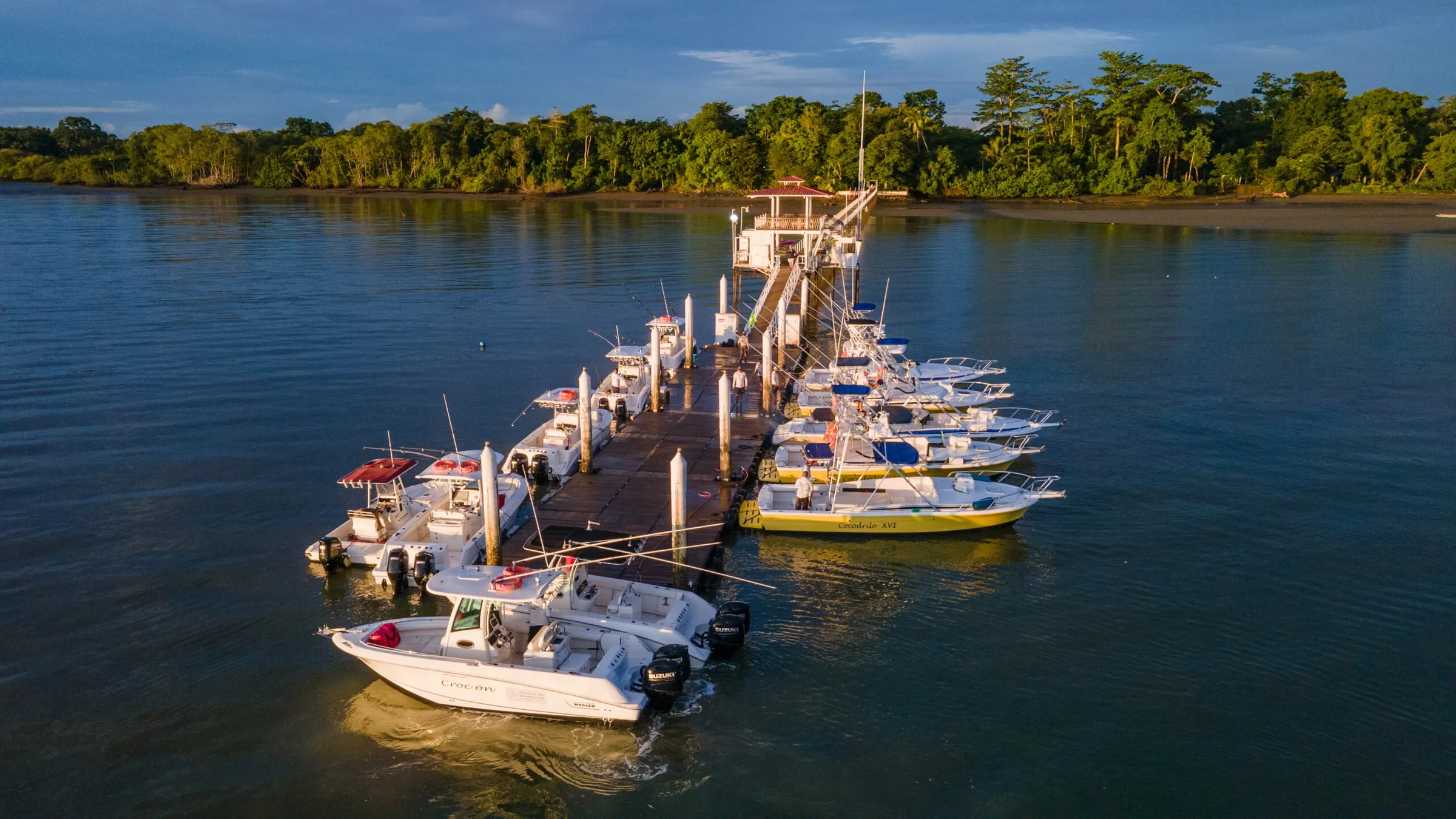
    Aerial view of the Crocodile Bay fleet at the Puerto Jiménez marina, Golfo Dulce
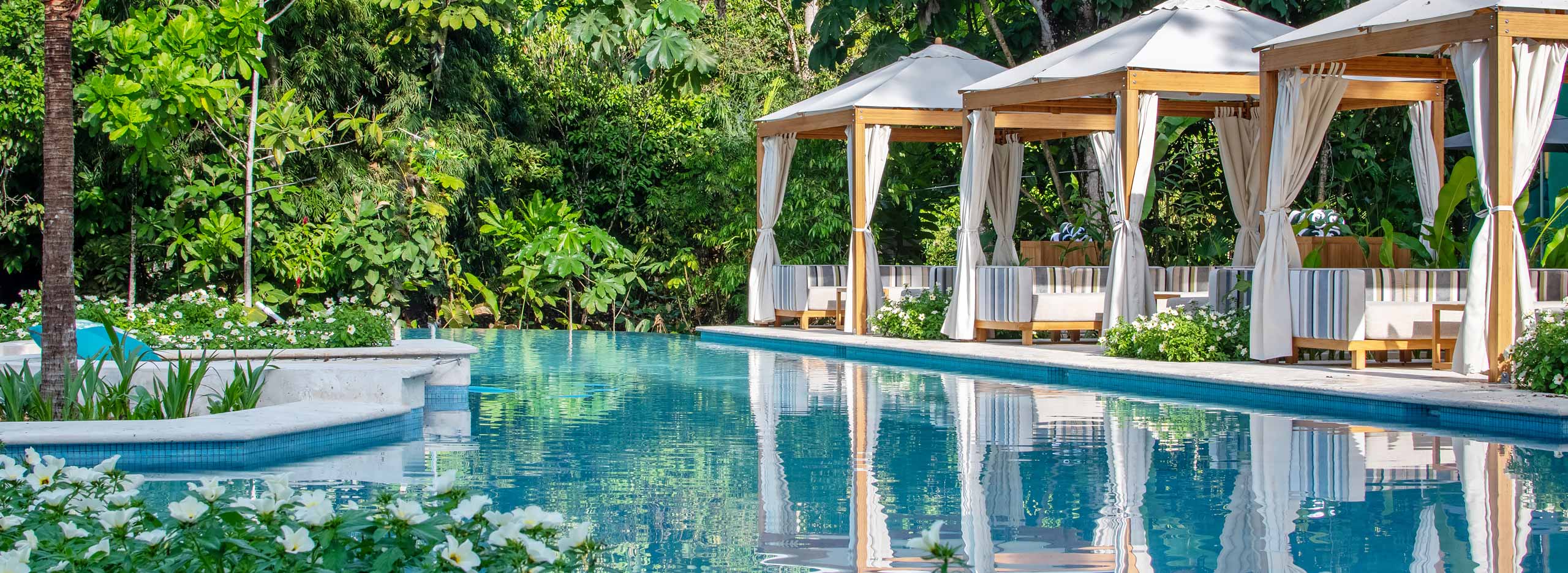
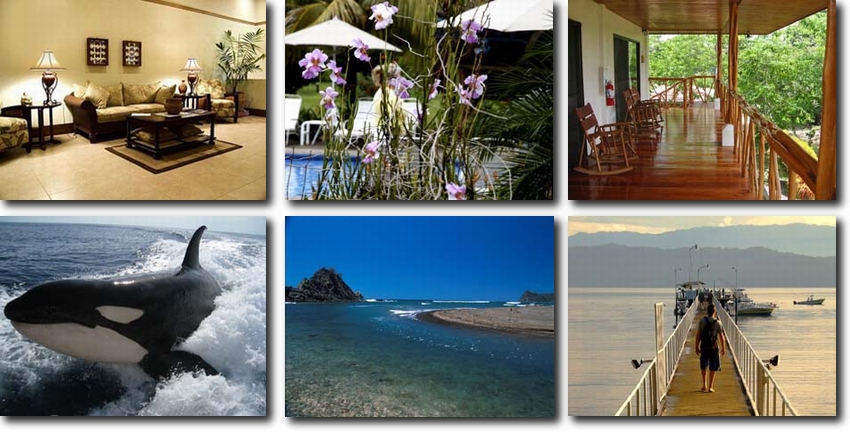
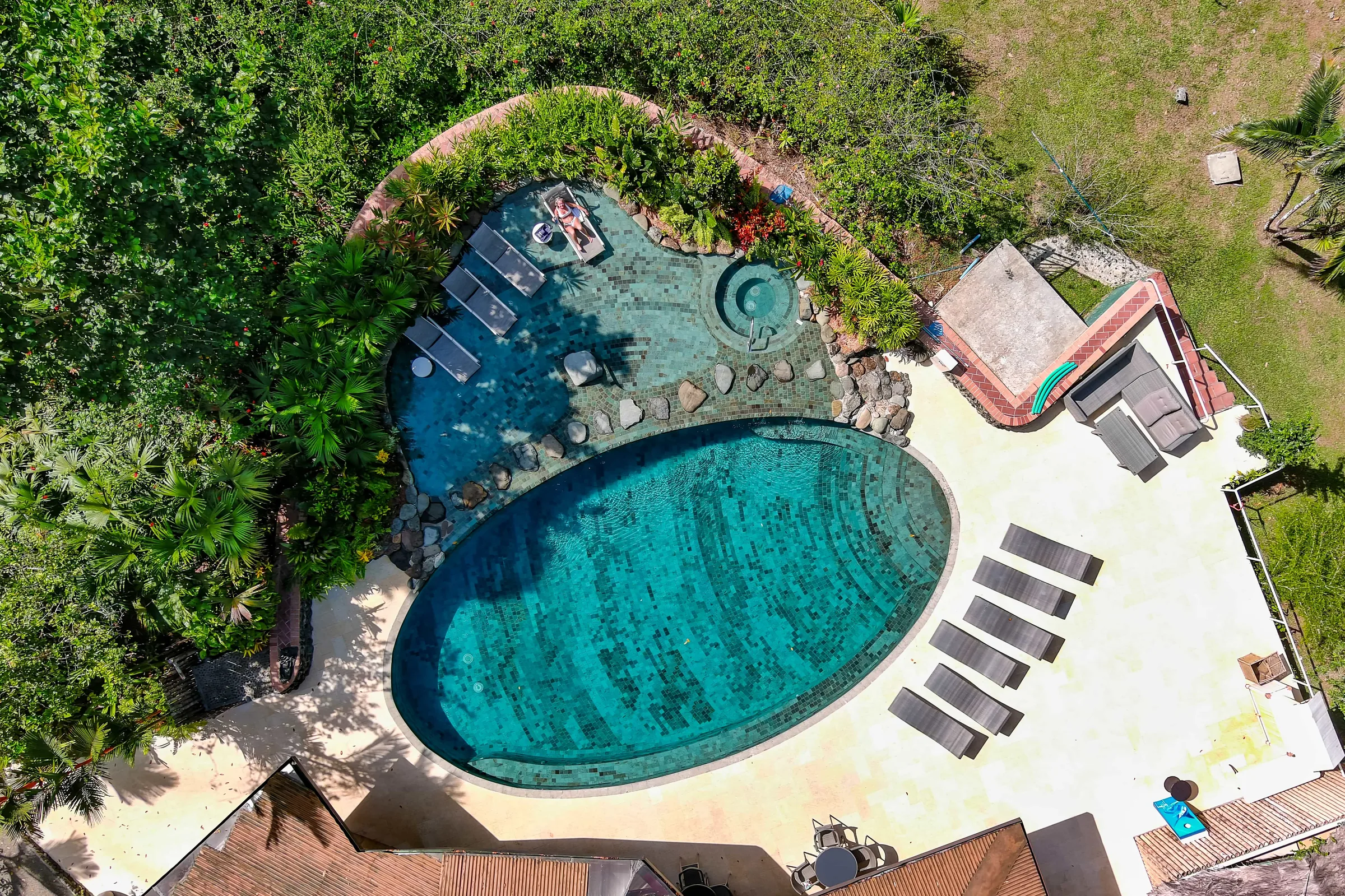
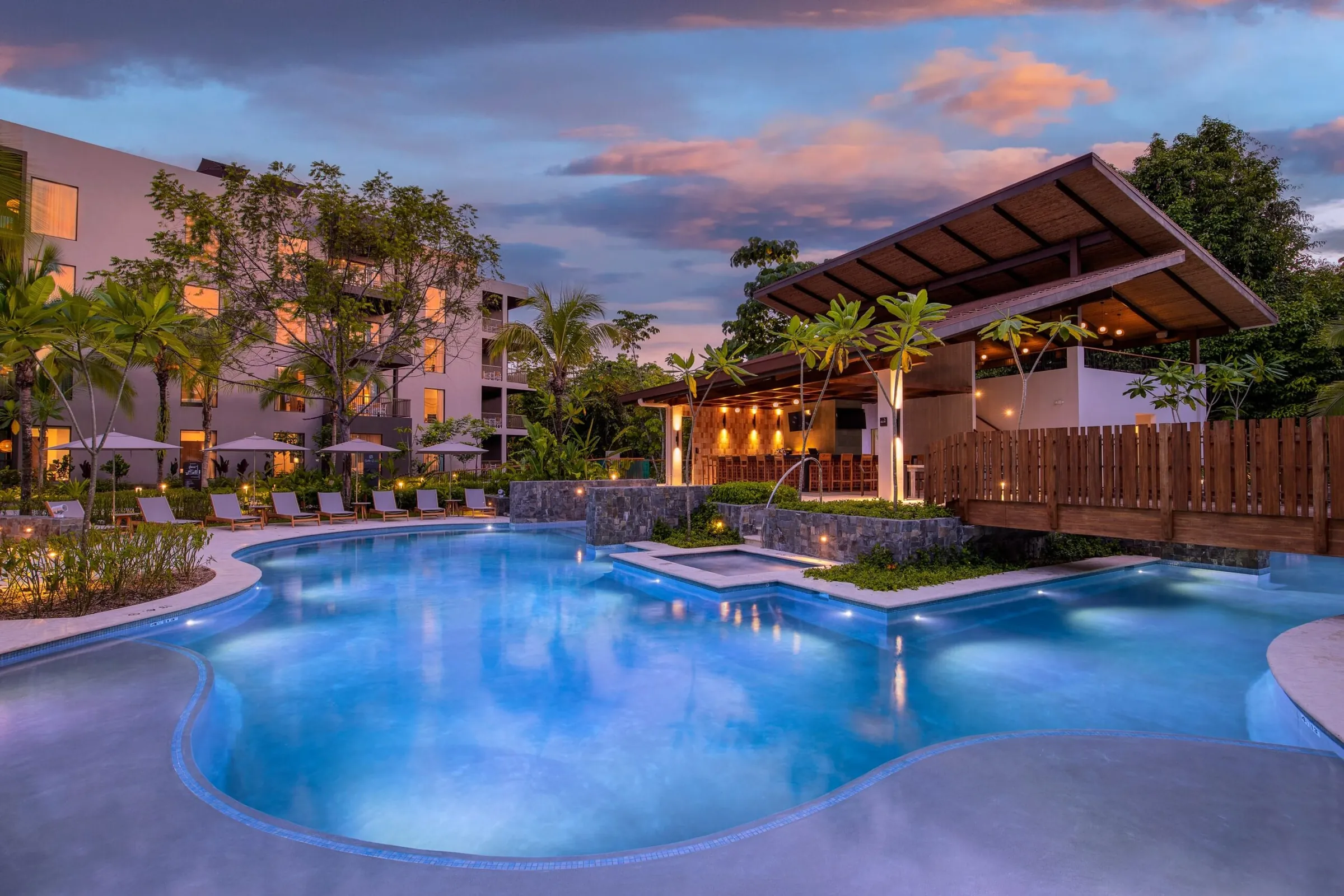
    Lagoon pool at Botánika Osa Peninsula at dusk, Puerto Jiménez, Costa Rica

    Pacific sailfish · Caribbean tarpon

    Costa Rica

    Northwest Pacific sailfish

    Golfo Dulce inshore and offshore

    Central Pacific sailfish

    Roosterfish and cubera

    Caribbean tarpon

    Caribbean snook

    Golfo Dulce

    Sailfish released beside a Crocodile Bay boat on the Golfo Dulce, Costa Rica

    Crocodile Bay, Puerto Jiménez

    Crocodile Bay runs inshore and offshore charters from Puerto Jiménez on the Golfo Dulce. The offshore day targets sailfish, blue, black and striped marlin, yellowfin tuna and dorado. The inshore day inside the gulf targets roosterfish and cubera snapper.

    The fleet is 24′ and 25′ Boston Whalers and 33′ Strike boats, and offshore water starts 45 minutes to an hour from the pier. Rooms are at Botánika Osa Peninsula, Curio Collection by Hilton. Sailfish are at their best in February and March, and October brings dorado in numbers with marlin close behind.

    The old Golfito Sailfish Rancho is no longer a fishing lodge. Golfo Dulce fishing with us starts at Crocodile Bay.

    Northwest Pacific

    Guanacaste’s sailfish months are May through August, after the December–April Papagayo winds ease.

    • Tamarindo Sportfishing

      Tamarindo Sportfishing

      Randy Wilson founded this Tamarindo charter operation and manages it today. Arturo Rosales captains the 38′ Topaz Talking Fish and Javier Ruiz captains the 27′ Dusky Outcast, fishing marlin, sailfish, yellowfin, mahi-mahi and roosterfish off Guanacaste.

      See this option

    • Capullo Sportfishing

      Capullo Sportfishing

      Capullo charters out of Tamarindo for marlin, sailfish, yellowfin, mahi-mahi and roosterfish. Roy and Louise take the bookings. Capt. Manuel Leal (Toro) runs the 36′ Topaz and Capt. Gerald runs the 22′ Boston Whaler Rainbow Runner.
      See this option

    Hotel Capitán Suizo is a family-owned beachfront hotel on Tamarindo beach, open since 1992, for the nights between fishing days.

    Caribbean tarpon

    Resident tarpon and snook, reached from San José by air and boat. The Caribbean calendar differs from the Pacific calendar.

    • Silver King Lodge

      Silver King Lodge

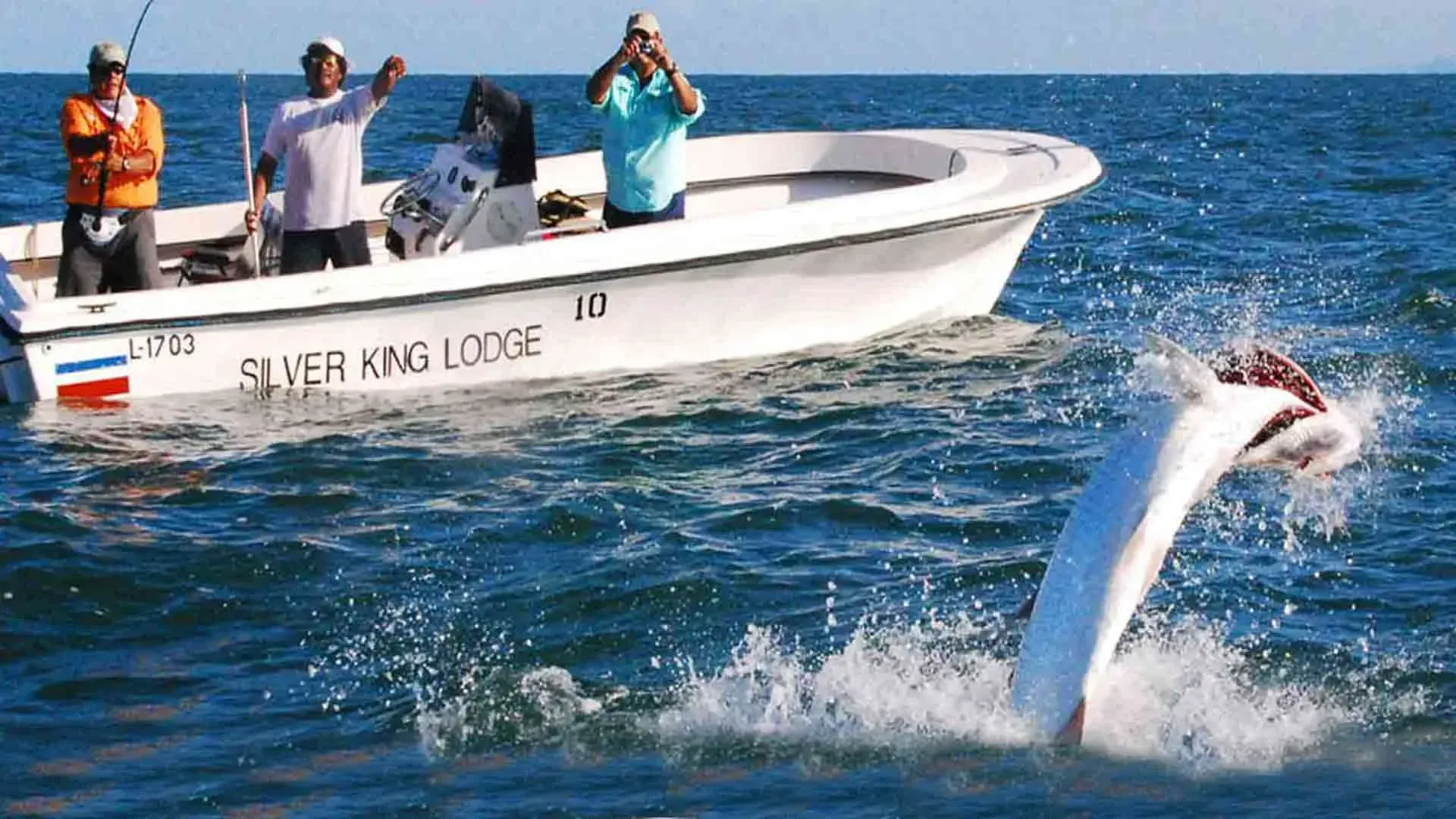
      All-inclusive tarpon fishing on the Río Colorado at Barra del Colorado, one mile from the Caribbean mouth. Guests fish resident tarpon and snook from 23′ boats. The lodge has new owners since 2025 and is open all year.

      See this option

    • Rio Parismina Lodge

      Rio Parismina Lodge

      Tarpon and snook at the mouth of the Parismina River on Costa Rica’s Caribbean coast. The lodge has 12 rooms and a pool, and it publishes two tarpon seasons: January to early June, and August to early November.
      See this option

    Central Pacific and the Golfito side

    Ask us for dates on these two. We book them directly.

    Ask us

    Dragin Fly, Los Sueños

    One boat, the Dragin Fly, fishes out of Los Sueños and Marina Pez Vela for sailfish, blue marlin, tuna and mahi, with George and Anna Beckwith as managing partners. Sailfish run December through April on this coast. Ask us for dates and a quote.

    Ask us

    Zancudo Lodge

    Zancudo Lodge fishes the Golfito side of the Golfo Dulce. Its season page lists a mid-June to November maintenance closure for the lodge, with custom charters still offered. Ask us what is available for your dates.

    Plan your Costa Rica fishing week

    Costa Rica fishing comes down to a coast and a month. Sailfish fish best from December through April between Quepos and the Golfo Dulce, and from May through August in Guanacaste. The Caribbean holds resident tarpon and snook on its own calendar.

    Angler Adventures plans the week: the coast, the boat, the lodging and the flights. Tell us your dates and what you want to catch, and we will come back with a quote. Call 860-434-9624.

    Species: sailfish, marlin, dorado, yellowfin, roosterfish, tarpon and snook.

    Where you fly: LIR for Tamarindo. SJO for the Osa, Golfito, Quepos, Los Sueños and the Caribbean.

    Who the week is for: anglers choosing a coast and a month, and the travel partners who come along.

    How booking works: send your dates and species. We match a coast and a boat, then send a quote.

    Destination Inquiry

    What you can catch

    Sailfish released beside a Crocodile Bay boat on the Golfo Dulce, Costa Rica

    Sailfish

    Istiophorus platypterus

    From Quepos and Los Sueños south through the Golfo Dulce, sailfish are best from January through April and start showing in December. Crocodile Bay lists February and March as prime. In Guanacaste, the better months are May through August, after the Papagayo winds ease.

    Quepos, Los Sueños, Golfo Dulce, Tamarindo · Dec–Apr south · May–Aug Guanacaste · Trolled and live bait, offshore

    Roosterfish held aboard a Crocodile Bay boat, Osa Peninsula, Costa Rica

    Roosterfish

    Nematistius pectoralis

    Roosterfish are caught all year on the Pacific. December through March is the strongest stretch, and October and early November are the slowest, when the rivers run high.

    Golfo Dulce, Quepos, Tamarindo · All year · best Dec–Mar · Inshore day, apart from the offshore run
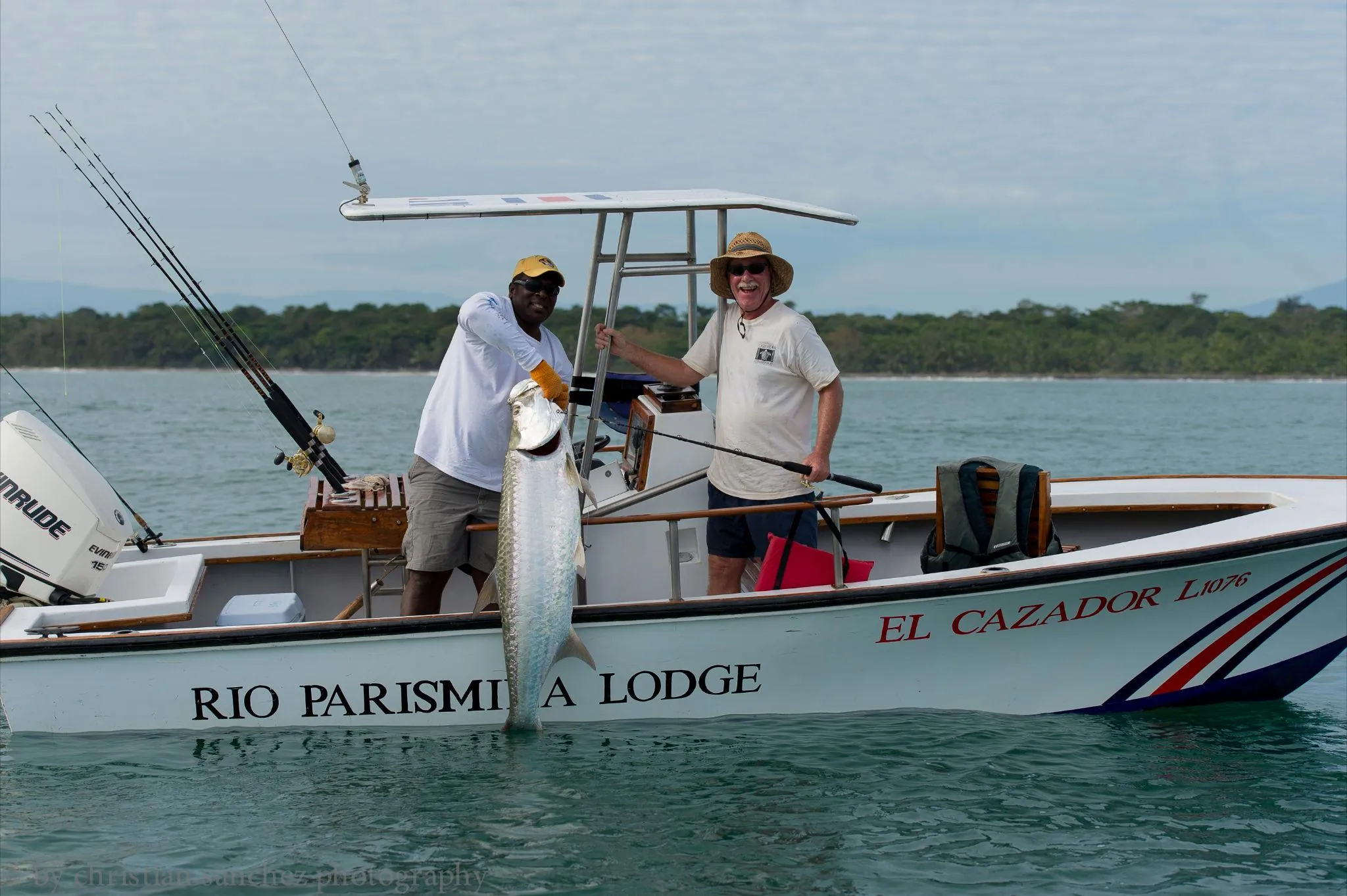
    Tarpon beside the Rio Parismina Lodge boat El Cazador, Caribbean Costa Rica

    Tarpon and snook

    Megalops atlanticus · Centropomus

    Tarpon and snook live on the Caribbean coast near Barra del Colorado and Parismina. Outfitters book the calmer windows of mid-January to mid-May and September–October, and lodges publish wider ranges on their own pages.

    Barra del Colorado, Parismina · Mid-Jan to mid-May · Sep–Oct · Boat, river mouth and beach

    Blue marlin released beside a Crocodile Bay Front Runner, Golfo Dulce, Costa Rica

    Marlin

    Blue, black and striped

    Pacific marlin peak from November through February, with a second run in June through August. Crocodile Bay lists marlin in July, August, October and November, and in December alongside dorado, tuna and sailfish.

    Golfo Dulce, Los Sueños, Tamarindo · Nov–Feb · Jun–Aug · Offshore, trolled

    Getting to the fishing

    Fly into LIR (Liberia) for Guanacaste and Tamarindo. Fly into SJO (San José) for the Osa, Golfito, Quepos and Los Sueños, and the Caribbean. The Caribbean lodges are reached from San José by domestic flight and boat, because no road reaches that coast. We confirm the current schedule with the lodge before you book.

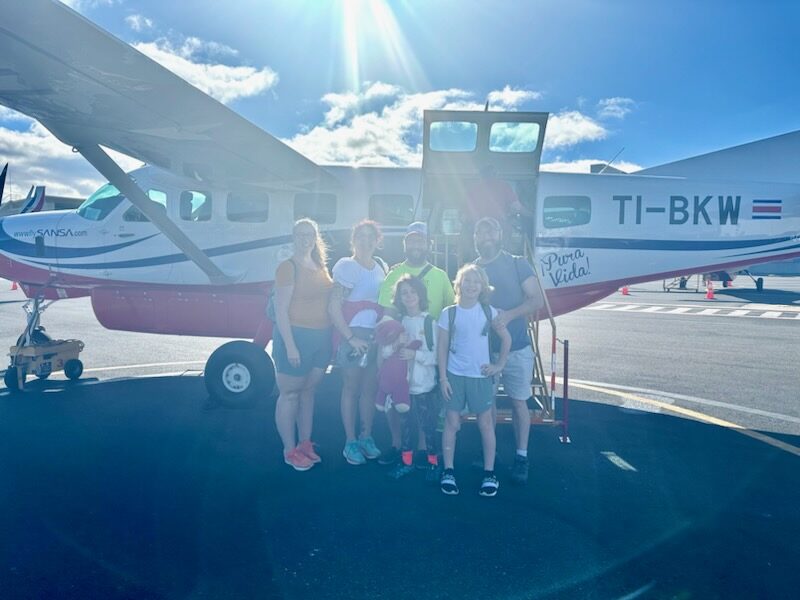
    South of San José, SANSA flies to Puerto Jiménez in about 50 minutes, daily, with the number of flights changing by season. Golfito is also about 50 minutes from San José, daily. We book the flights with the lodge so the transfers line up.

    US citizens need no visa for a stay of up to 180 days. Bring a US passport valid through the last day of the trip, plus a return ticket. If a lodge form asks for more, follow the lodge form, and check travel.state.gov before you fly.

    Costa Rica fishing FAQ

    When is sailfish season in Costa Rica?

    It depends on the coast. From Quepos and Los Sueños south through the Golfo Dulce, sailfish are best from January through April and begin in December. In Guanacaste, at Papagayo, Flamingo and Tamarindo, the better months are May through August. Sailfish numbers vary from day to day, so we plan the month and do not quote a daily count.

    Is December through April the best time everywhere?

    December through April is the dry season on the Pacific and the main sailfish season from Quepos south. It is also the windy season in the Gulf of Papagayo, so winter sailfish trips belong on the central and southern coasts. December is one of the rainiest months on the Caribbean, which is why tarpon anglers aim for mid-January to mid-May or September–October.

    Can one lodge do sailfish and roosterfish?

    Yes, as two kinds of day. Crocodile Bay, Quepos and the Guanacaste charters describe an inshore roosterfish and snapper fishery and a separate offshore billfish run. At Crocodile Bay, offshore water starts 45 minutes to an hour from the pier.

    Can I fly fish?

    Pacific billfish are caught by trolling and live bait. A fly rod can ride along on a Pacific boat if you ask, and roosterfish on fly is a special request: bring your own tackle and ask for a casting boat ahead of time. On the Caribbean, Silver King offers fly fishing for experienced tarpon anglers.

    What is the Caribbean trip?

    Tarpon and snook from lodges at Barra del Colorado and Parismina, reached from San José by domestic flight and boat. The fish are in the area through the year, and the limit is weather at the river mouth. Silver King lists its best months as February through mid-June and mid-August through November.

    What does a US citizen need to enter Costa Rica?

    No visa for stays of up to 180 days, and the immigration officer sets the number of days. Bring a US passport valid through the last day of the trip and a return ticket. Yellow fever vaccination applies to travelers arriving from listed South American and African countries.

    Lagoon pool at Botánika Osa Peninsula at dusk, Puerto Jiménez, Costa Rica

    Plan your Costa Rica week.

    Tell us the coast, the month, and who is fishing. We will send a quote.

    Destination Inquiry

    Updated on

    Costa Rica remains our favorite Pacific destination not only for the consistency of the fisheries and amazing diversity of species, but also because of the quality of outfitting and accommodations, the physical beauty of the country, and the warmth and friendliness of the Costa Rican people.

    The Pacific Coast has long been known as one of the world’s greatest sail fisheries for fish averaging 100+ pounds, and at times, the marlin fishing (blues, blacks and striped) can be as good as anywhere. Add to this a smorgasbord of inshore and offshore pelagics including yellowfin and bigeye tunas to 200 + pounds, dorado, wahoo, Pacific dog snapper, roosterfish on the Pacific side and giant tarpon & snook on the Caribbean side and you have a salt water fisherman’s paradise. Pacific Costa Rica has fisheries in three main regions.

    yellowfin tuna, bigeye tuna, marlin, sailfish, dorado, Pacific dog snapper, roosterfish, tarpon, snook

    Favorable weather conditions year-round

    Professional guides and deluxe accomodations

    Book now, get a quote, or chat with us about Costa Rica fly fishing!

    Destination Inquiry

    or

    North Costa Rica Sail Fishing Outfitters

    The North Region includes areas from the Bat Islands at the top of the famous Gulf of Papagayo, south to Punta Guiones. The best sail fishing occurs in the north mid-May through August, but can heat up any time of year. Marlin fishing picks up in the fall and peaks in the far north October & November but the best marlin fishing occurs down near Punta Guiones during December through mid March. The best boats (27 – 38 foot) and captains in the northern region are Tamarindo Sportfishing, Capullo Sportfishing , Osprey Sporfishing and Lonestar Sportfishing based in Tamarindo. Several of the American skippers in Tamarindo have been fishing these waters for over 20 years and are among the best in Costa Rica.

    South Central Costa Rica Sail Fishing Tours

    The South Central Region is accessed from the port of Quepos, Costa Rica’s most reliable sail fishery. Prime months for sails are December through April in Quepos when the better boats will average 7 or more sailfish releases per day. During this season, Quepos also produces dorado, tuna (mostly school yellowfin); some roosterfish, and at times good marlin fishing.  But the main draw is the extremely consistent sailfishing of winter/spring. Many of the northern boats migrate from the Papagayo region to Quepos for the “big season”. The outfitter in Quepos is JP Sportfishing Tours with 20 years experience providing top boats and custom packages for anglers.

    South Costa Rica Fly Fishing Lodges

    The Southern Region is accessed from the port of Golfito located in the fertile Golfo Dulce, close to the border with Panama. This area can produce sailfishing rivaling Quepos from mid December through March, but also offers a diversity of species rivaling the Northern region and some of the best inshore fishing in the world.

    The top option in the Golfo Dulce area is the beautiful Crocodile Bay Lodge catering to both fisherman and ecotourists, and boasting an impressive fleet of 33′ Strikes, 27′ Rambos and an assortment of smaller craft for inshore, estuary & river fishing.  Crocodile Bay is our recommendation for serious anglers, and also appeals to couples and families with non-fishing members requiring more upscale accommodations and non-fishing activities.

    Costa Rica’s East Coast Ocean & Surf Fishing

    Costa Rica’s East Coast adds the incredible mix of species beginning with one of the world’s most prolific tarpon fisheries. Two main rivers, the Rio Colorado and the Rio Parismina, drain into the Caribbean and provide multi faceted river, ocean and surf fishing opportunities for tarpon that range from 50 – 150 pounds. Giant Atlantic snook to 50 + pounds can be taken and great numbers of fat snook from 5 – 10 pounds are taken during the “calba” run from mid-November to early January. The best lodges in the area, Silver King Lodge on the Colorado and Rio Parismina Lodge on the Parismina, not only offer the best opportunities for these species but can run offshore for shots at dorado, wahoo, kingfish and Atlantic sails.

    Which Costa Rica fishing destination is right for me?

    Let us help you find the perfect destination and travel package. Our services are free. We just help you save time and make all the arrangements!

  • Crocodile Bay Lodge

    Crocodile Bay Lodge

    Sailfish released beside a Crocodile Bay boat, Osa Peninsula, Costa Rica
    Marlin alongside the Front Runner at Crocodile Bay, Golfo Dulce
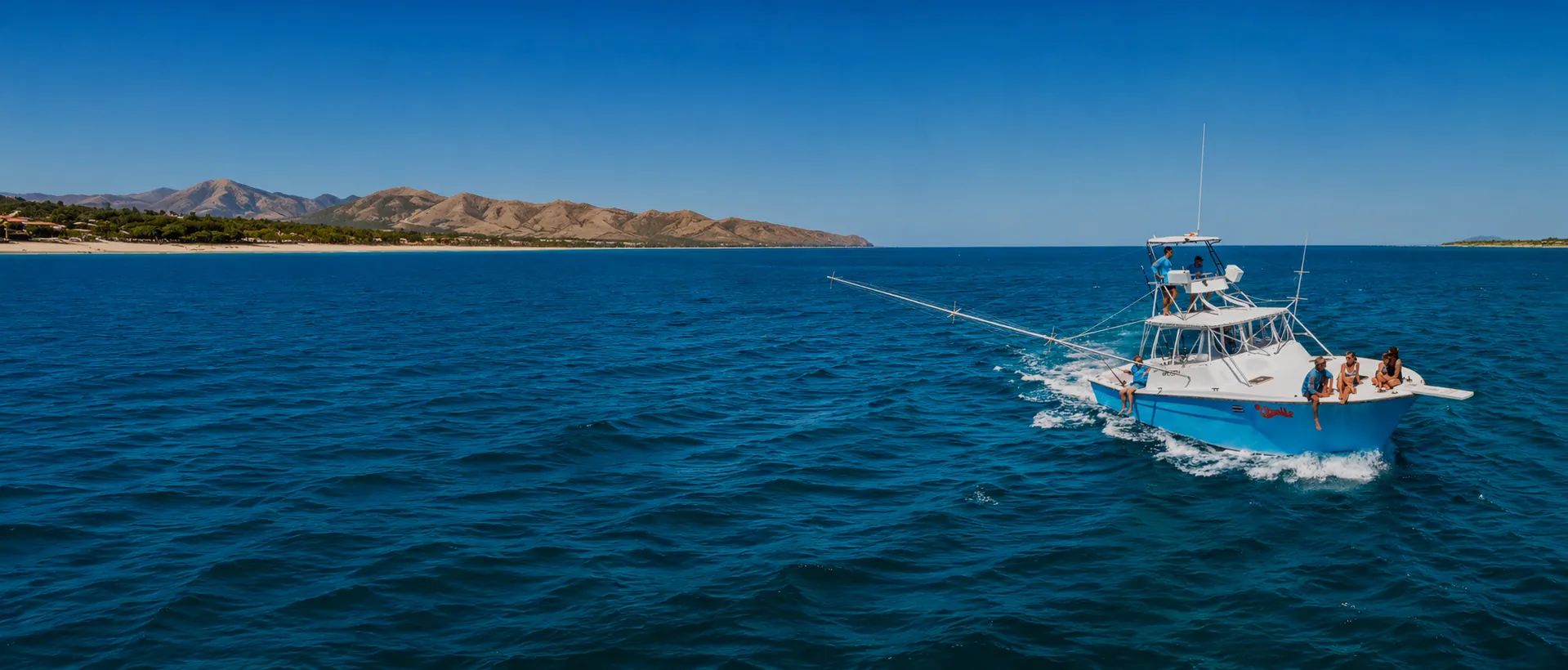
    Crocodile Bay sportfishing fleet running Golfo Dulce, Osa Peninsula
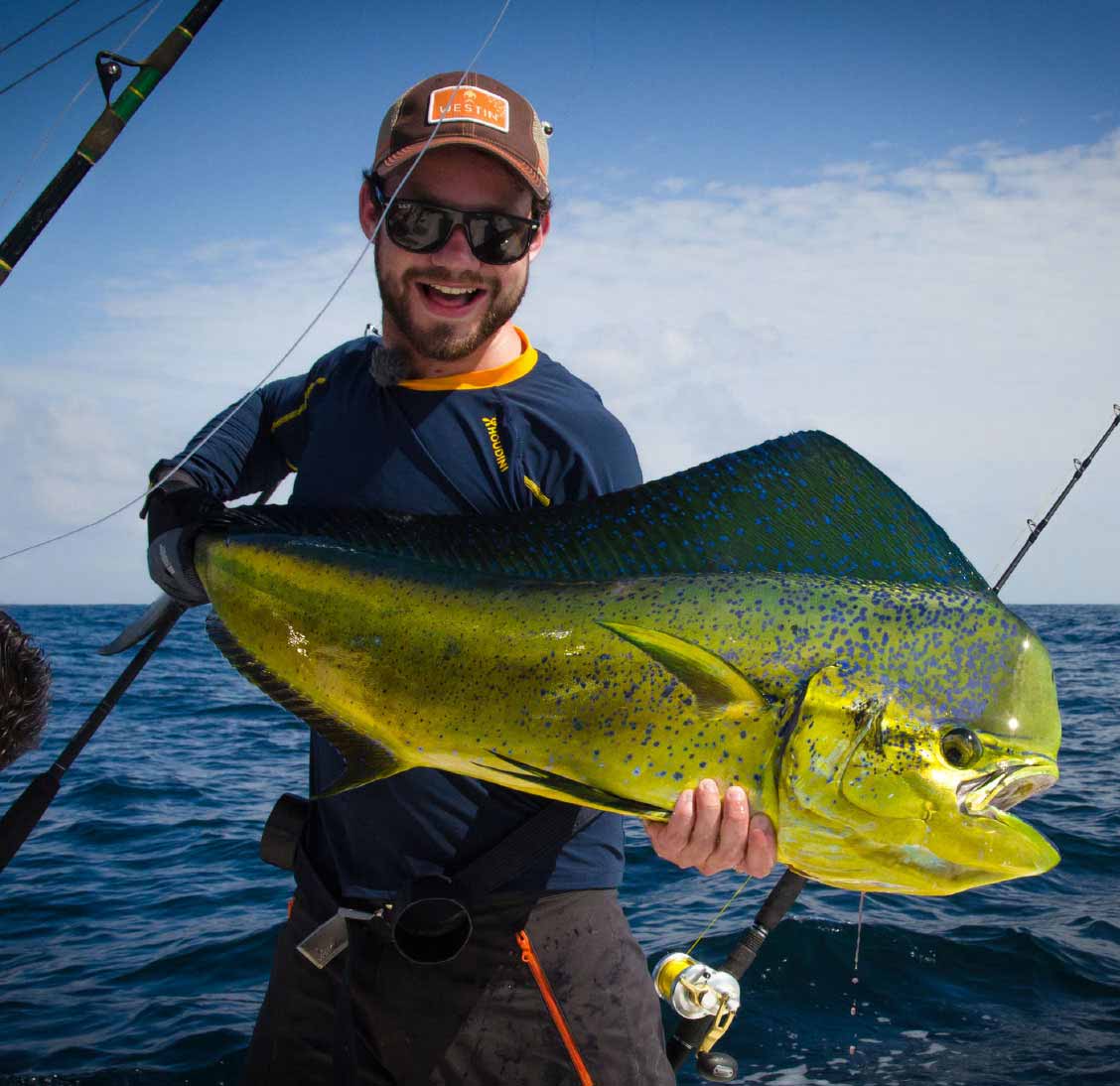
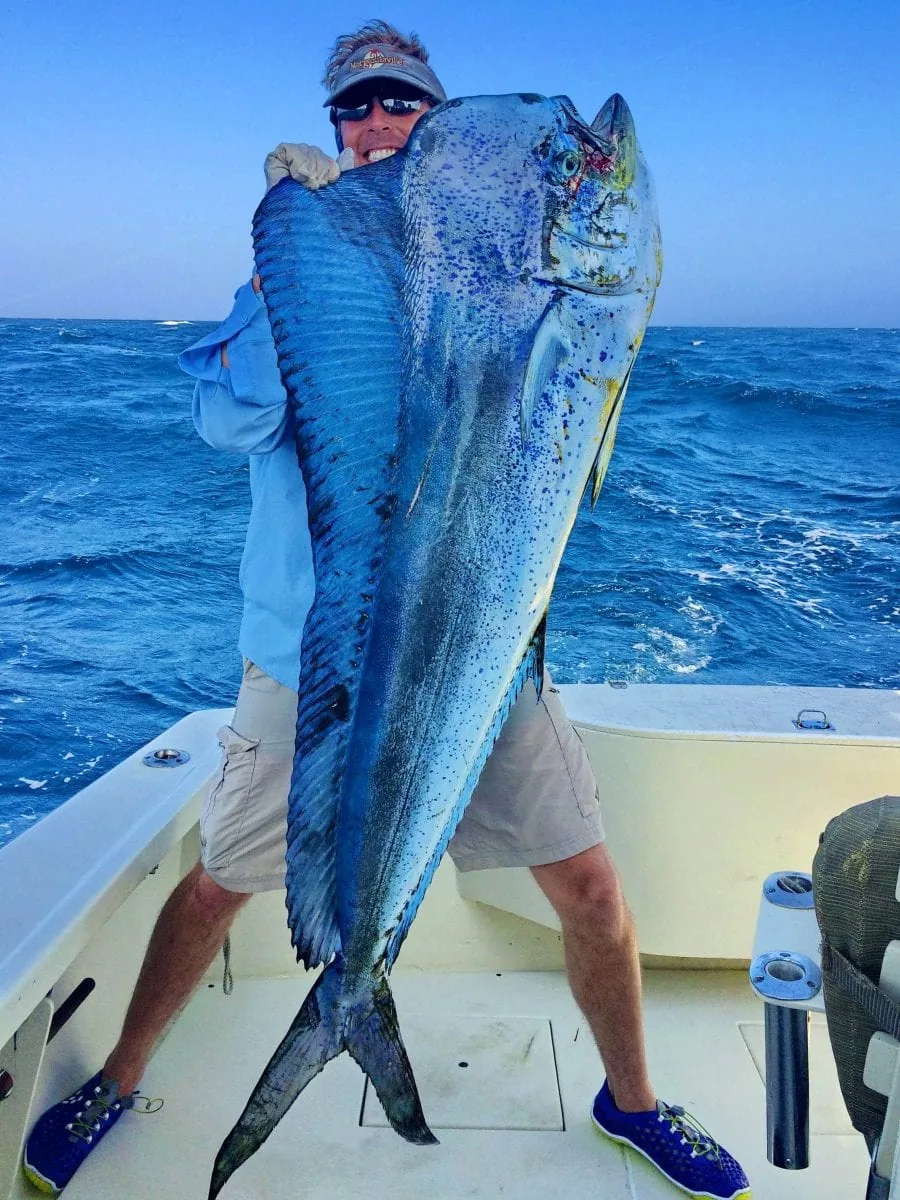
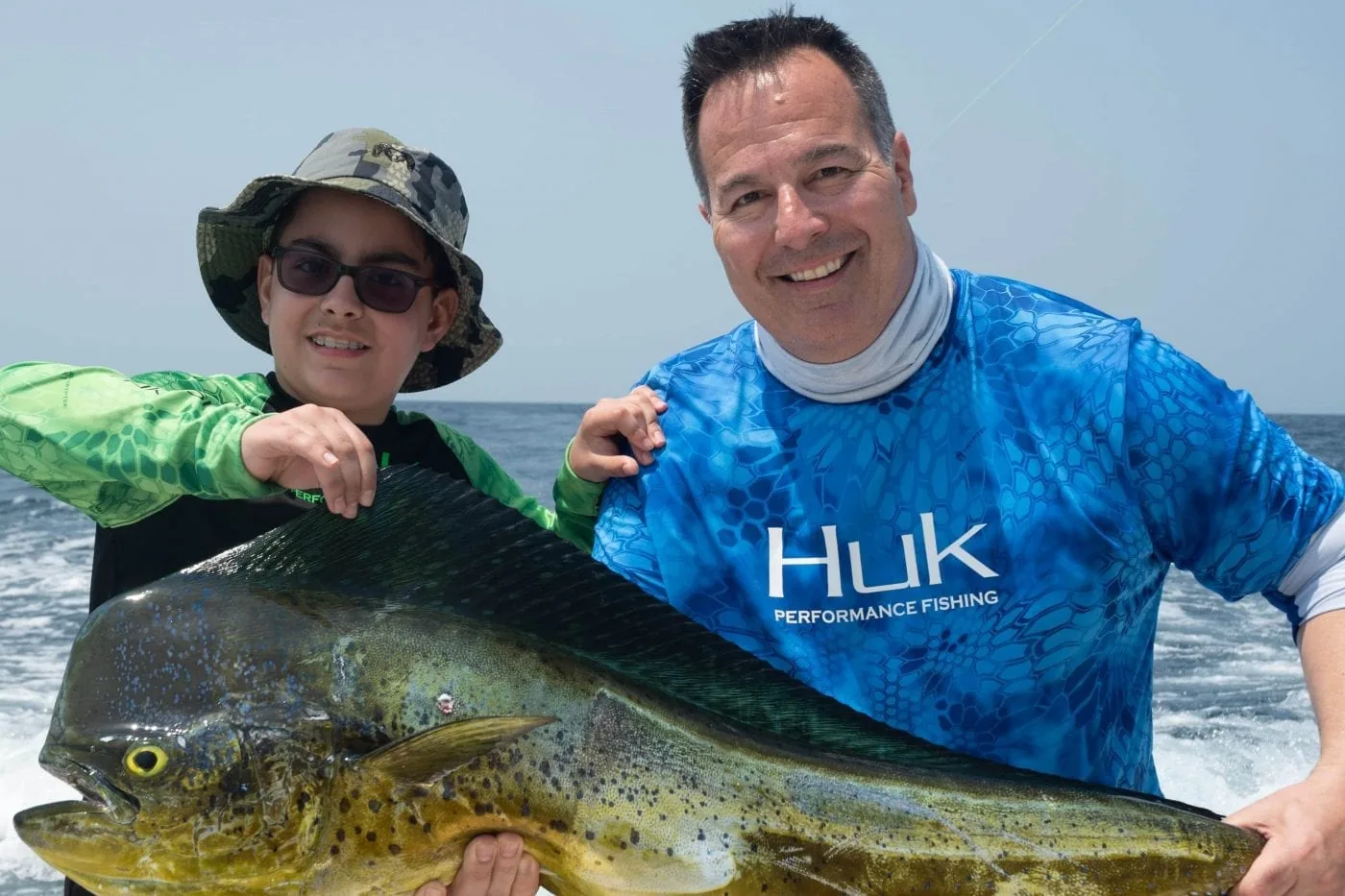
    Evan Peterson with a dorado on a Crocodile Bay boat, Golfo Dulce
    Lagoon pool, cabanas, and guest wings at Botánika Osa Peninsula, Puerto Jiménez, at dusk

    Puerto Jiménez, Osa Peninsula

    Crocodile Bay

    Golfo Dulce — sailfish, marlin and more

    Roosterfish and snapper, inshore

    Corcovado

    Crocodile Bay Overview

    Crocodile Bay still runs the fishing on the Golfo Dulce. The rooms are at Botánika Osa Peninsula, in Puerto Jiménez, with Corcovado National Park on one side and the Pacific on the other. Offshore is sailfish and marlin. Inshore is roosterfish, snapper, cubera, and the estuaries. A non-fishing partner has a real resort to stay in.

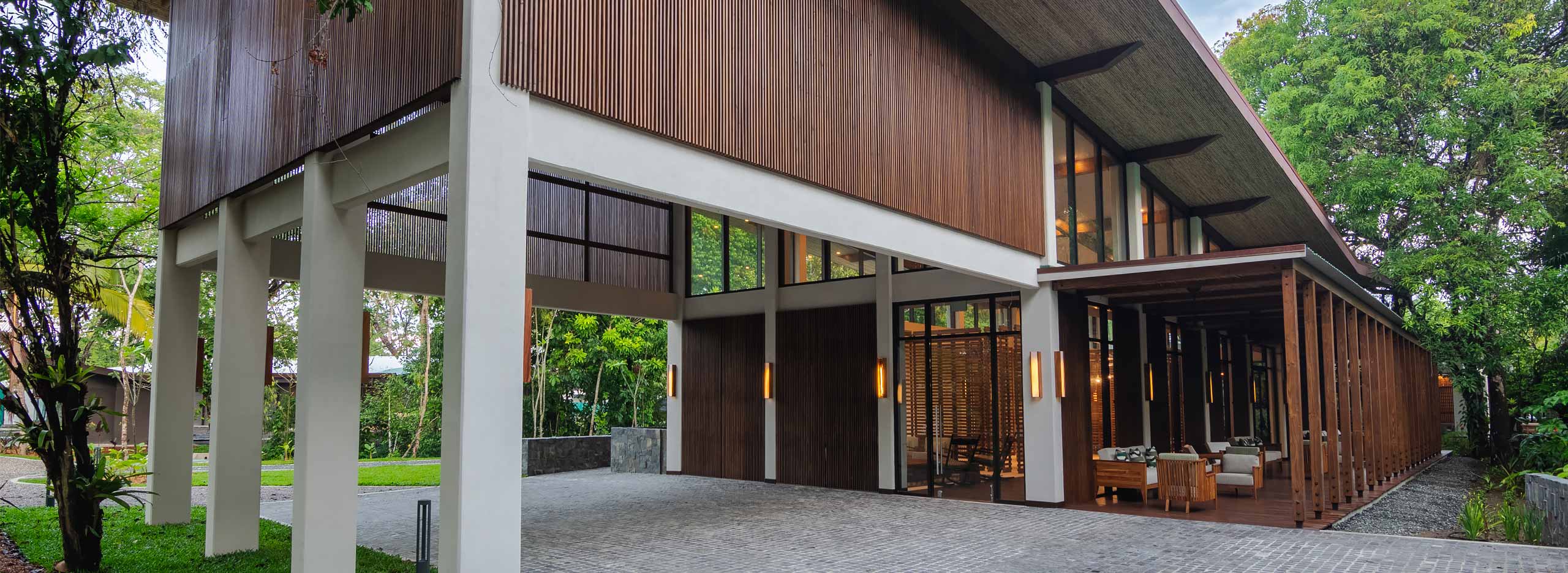
    The fishing program is the same operation anglers have booked for years: a short run to blue water, inshore along the Osa coast, and days built around sailfish from January through March. What changed is the property around the dock. Guests sleep in studios and one-, two-, and three-bedroom suites, eat at Tierra a la Mesa and Driza Bar & Grill, and use a lagoon pool, a 2,600-square-foot gym, and a rainforest spa.

    The marina next to the resort is growing into a seaside village: yacht club, ships chandlery, shops, and more slips for larger boats. The spa, the pool, the restaurants, and the beach club are operating now.

    Sailfish, marlin, dorado, roosterfish, snapper on the Golfo Dulce

    Puerto Jiménez, Osa Peninsula — Corcovado on one side, the Pacific on the other

    Botánika — suites, lagoon pool, spa, two restaurants

    Fleet — 24’/25′ Whalers, 33′ Strikes, 36′ Front Runner

    Sailfish prime — January through March. Dorado and marlin build from October.

    Call or use the form for a Crocodile Bay week at Botánika. Our services are free.

    Destination Inquiry

    or

    Fishing at Crocodile Bay

    Blue water is about half an hour from the marina. The published fleet is 24′ and 25′ Boston Whalers with twin 200 hp Suzuki outboards (up to four anglers), 33′ Strike towers with 430 hp Cummins diesels (up to six), and a 36′ Front Runner with triple 300 hp Mercury outboards (up to seven). Boats leave the pier around 6:30 a.m. and are back between 3:00 and 3:30 p.m.

    A charter day includes the boat, captain, Costa Rica fishing license, tackle, bait, fuel, and a cooler with lunch, beer, water, and soft drinks. January, February, and March are prime sailfish. Sailfish numbers drop in mid-April as marlin show up. May and June slow for billfish and often bring spinner dolphins with yellowfin. July and August are marlin and tuna, including a shot at black marlin. October is when dorado show in numbers, with marlin behind them. December can hold marlin, dorado, tuna, and sailfish in the same week.

    Inshore, the volcanic coastline and the Golfo Dulce estuaries fish all year in 80–83°F water. Roosterfish, snapper, and cubera are the fish most people add a day for.

    Sailfish released beside a Crocodile Bay boat, Osa Peninsula, Costa Rica
    Lagoon pool, cabanas, and guest wings at Botánika Osa Peninsula, Puerto Jiménez, at dusk

    Botánika, the Resort at Crocodile Bay

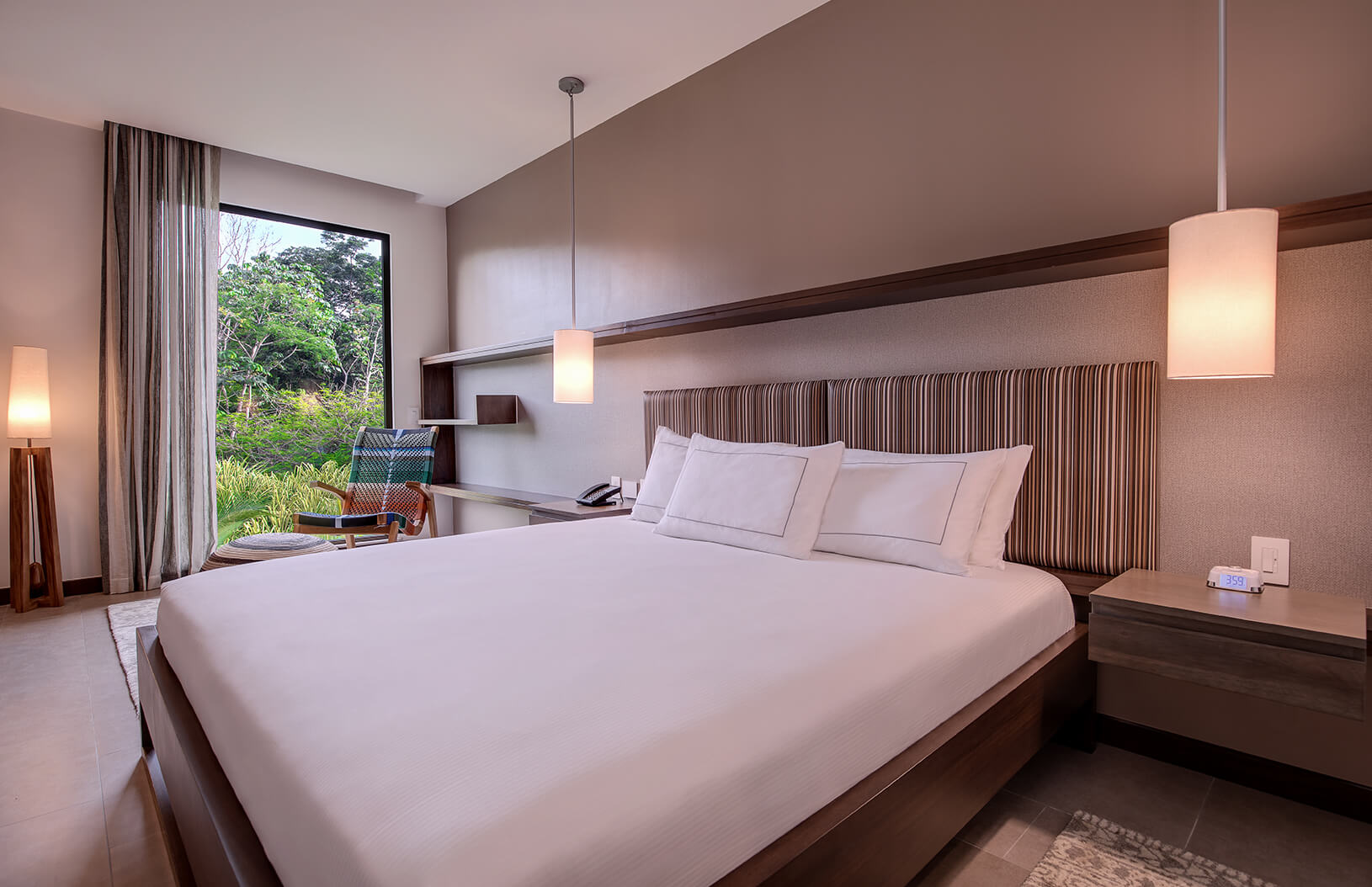
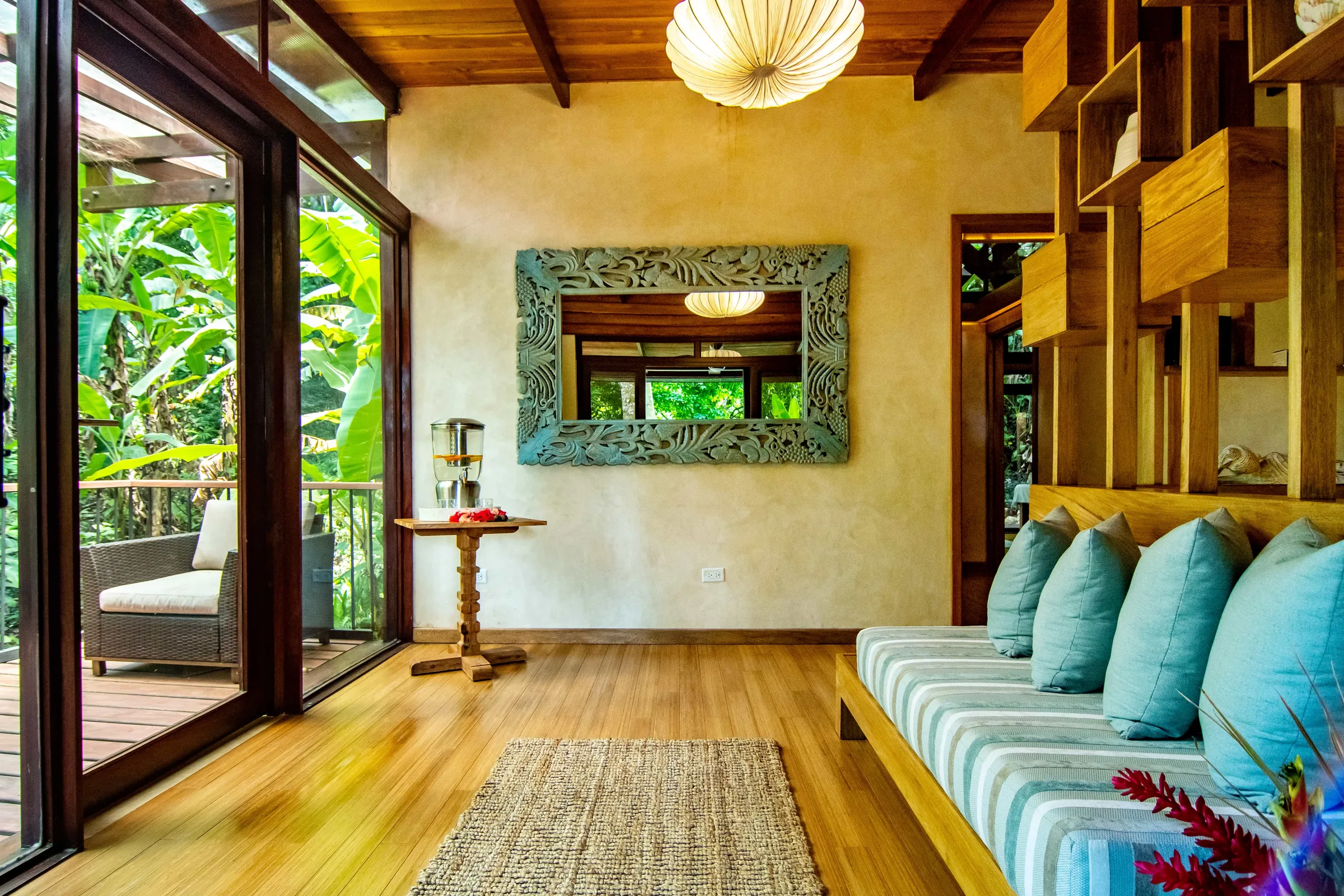
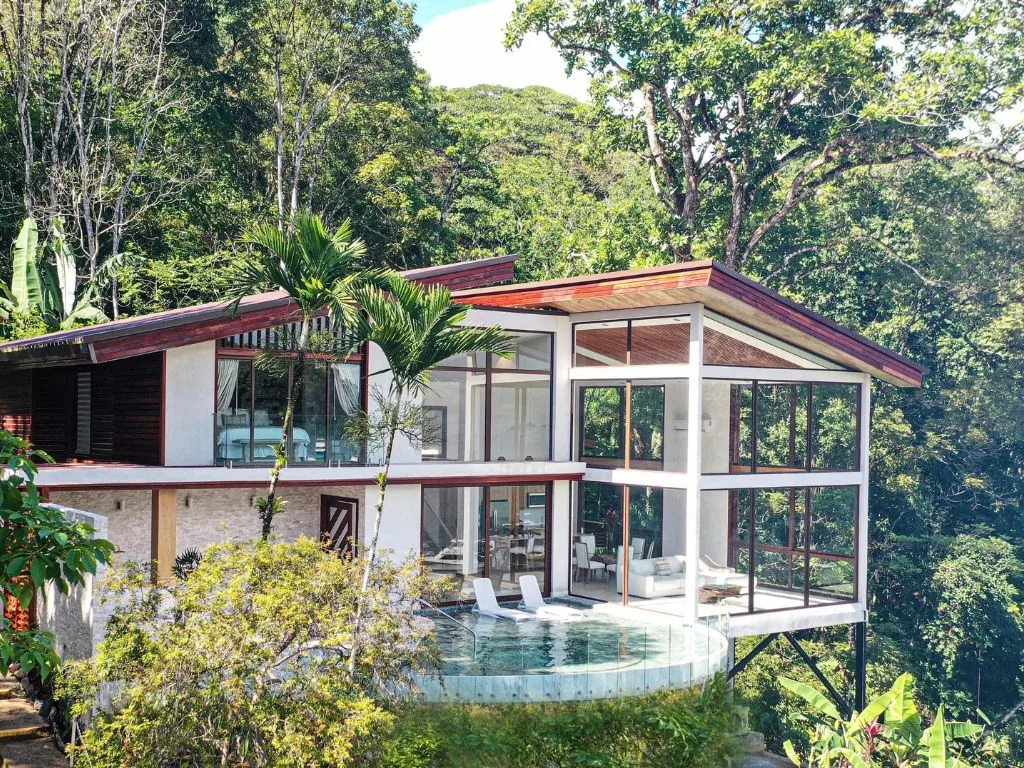
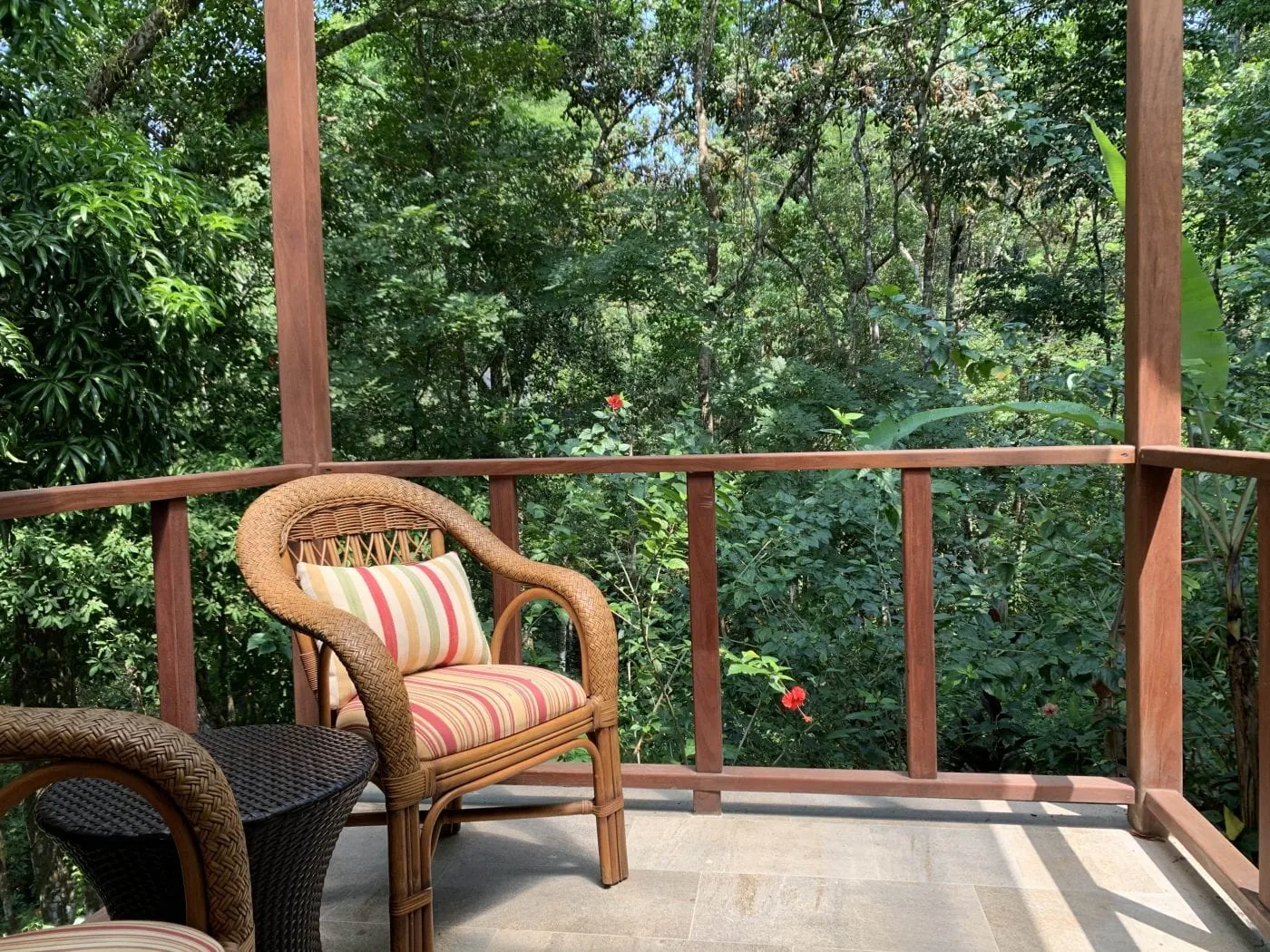
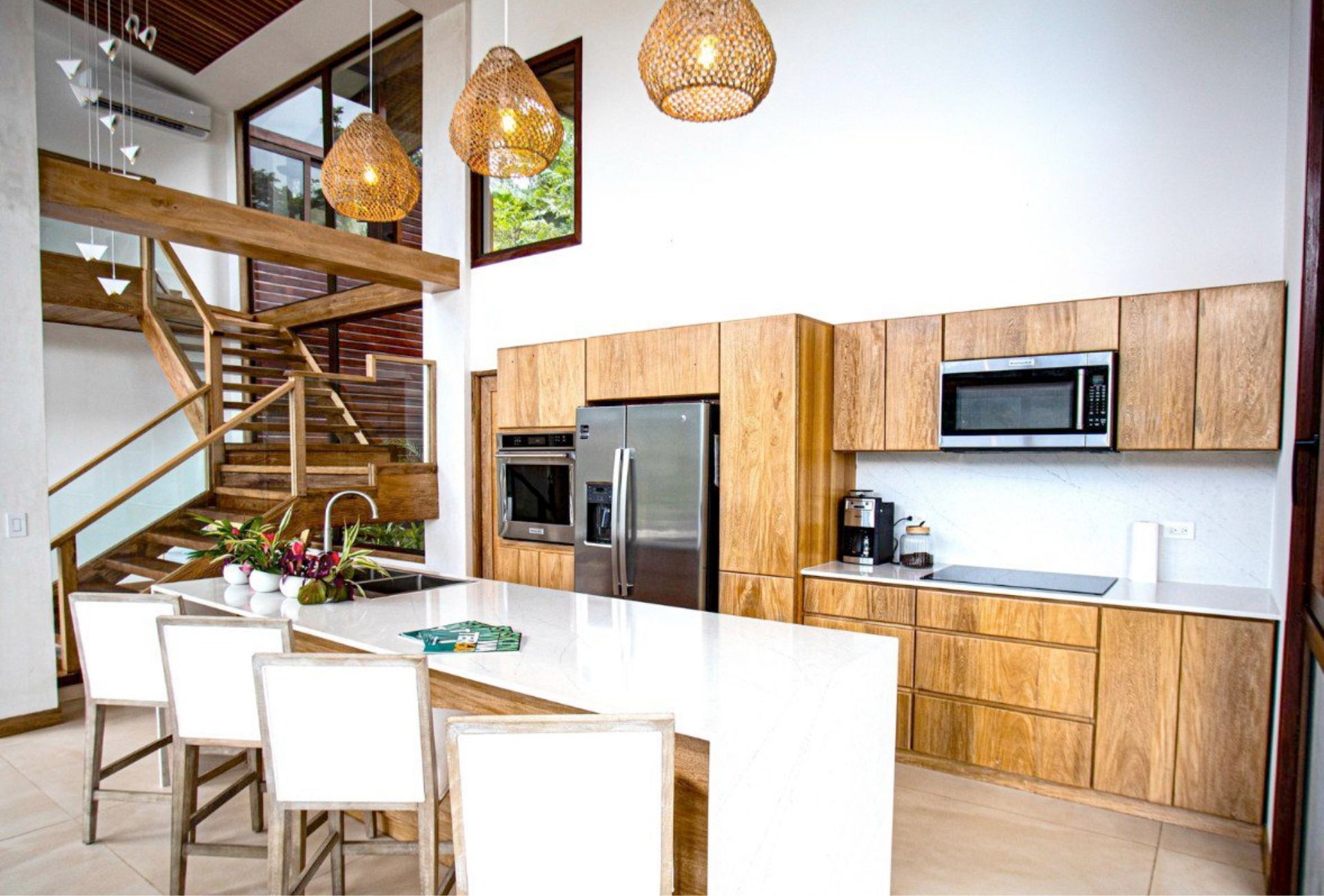
    Botánika Osa Peninsula sits beside the Golfo Dulce and the Crocodile Bay marina. Rooms run from studios to one-, two-, and three-bedroom suites and garden villas, with air conditioning and terraces on the rainforest or the lagoon pool. A one-bedroom suite is about 944–956 square feet with a kitchen and a sofa bed. A two-bedroom is about 1,405 square feet.

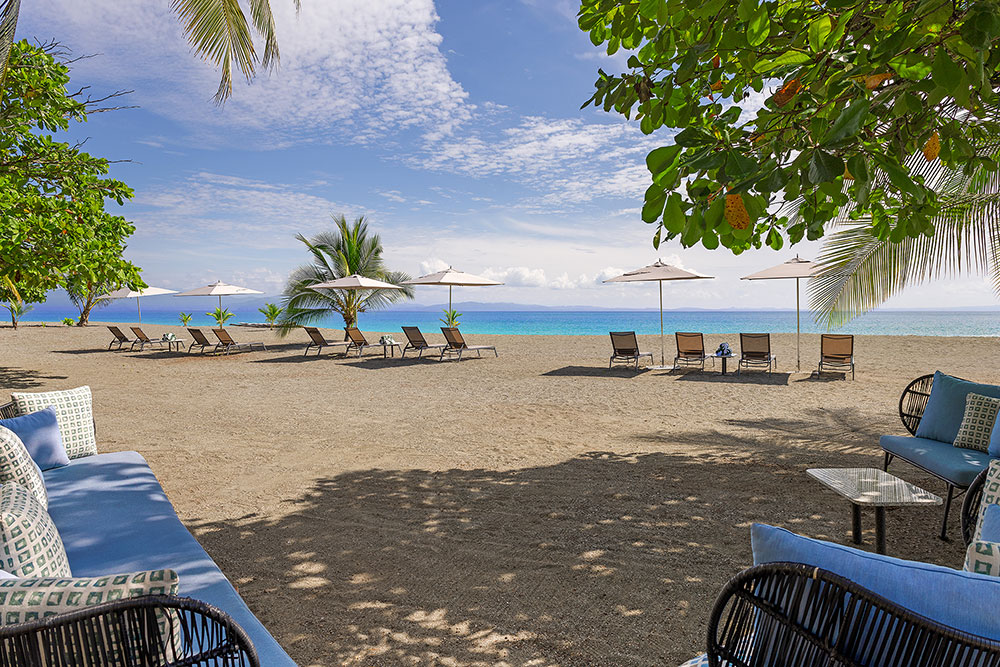
    Tierra a la Mesa serves breakfast from 5:30 to 10:00 a.m. and dinner from 6:00 to 10:00 p.m. Driza Bar & Grill is open 10:00 a.m. to 9:00 p.m. by the pool. In-room dining runs 11:00 a.m. to 9:00 p.m. The spa uses rainforest treatments: hot stone, coffee scrub, chocolate wrap. The gym is 2,600 square feet. The beach is a boat ride to Cahui Beach Club at Preciosa Beach. The daily resort charge covers Wi-Fi, that beach boat, the Puerto Jiménez airport shuttle, and small fishing and spa credits.

    Marina on site

    Lagoon pool

    Tierra a la Mesa

    Driza Bar & Grill

    Rainforest spa

    2,600 sq ft gym

    Cahui Beach Club

    Puerto Jiménez airport

    The Osa Around Crocodile Bay

    Puerto Jiménez sits on the Golfo Dulce, with Corcovado National Park inland. Scarlet macaws and toucans are routine. Howler monkeys, sloths, and the occasional tapir are in the forest. Dolphin pods use the gulf, and humpback whales from both hemispheres come through with calves.

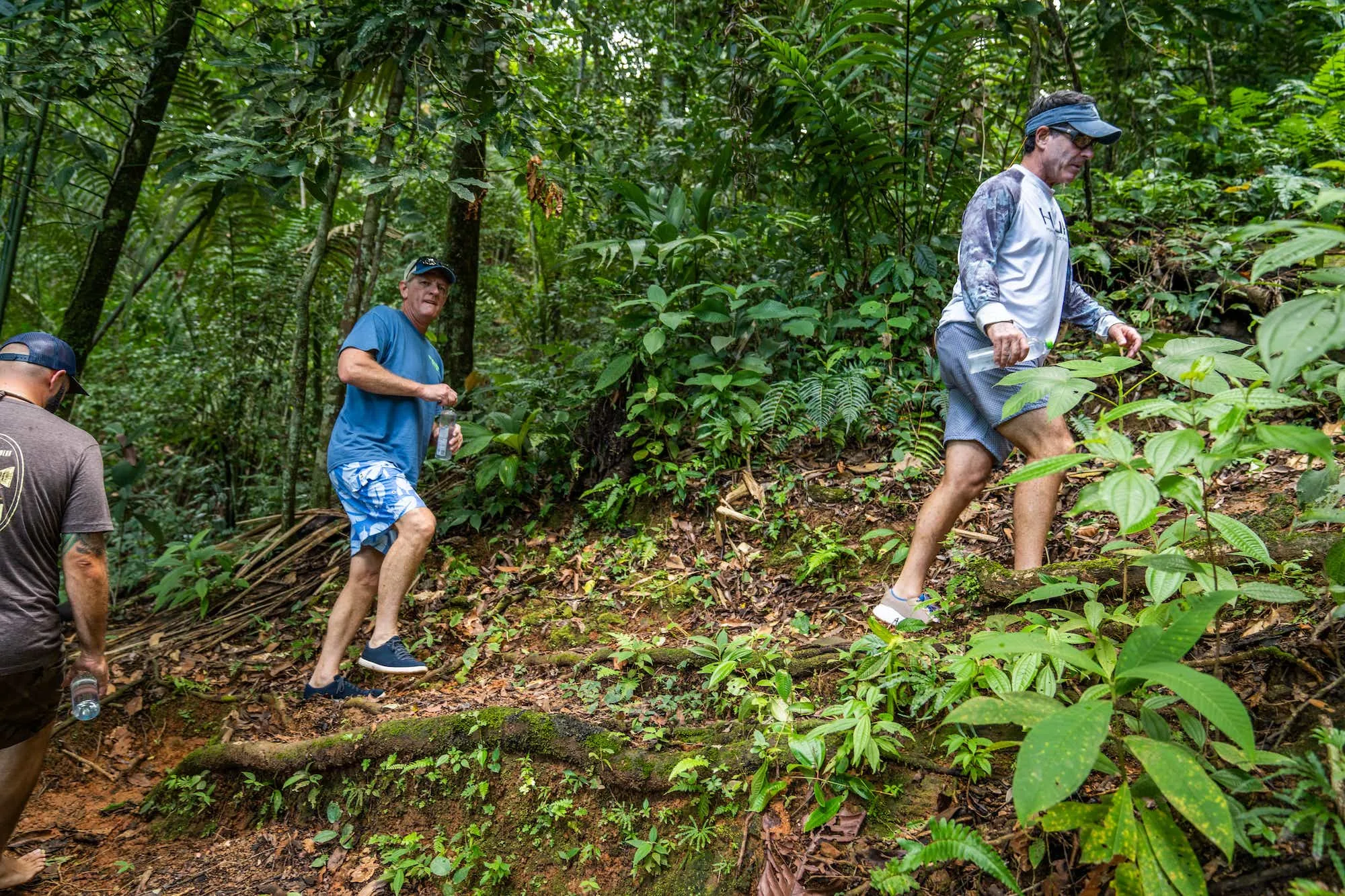
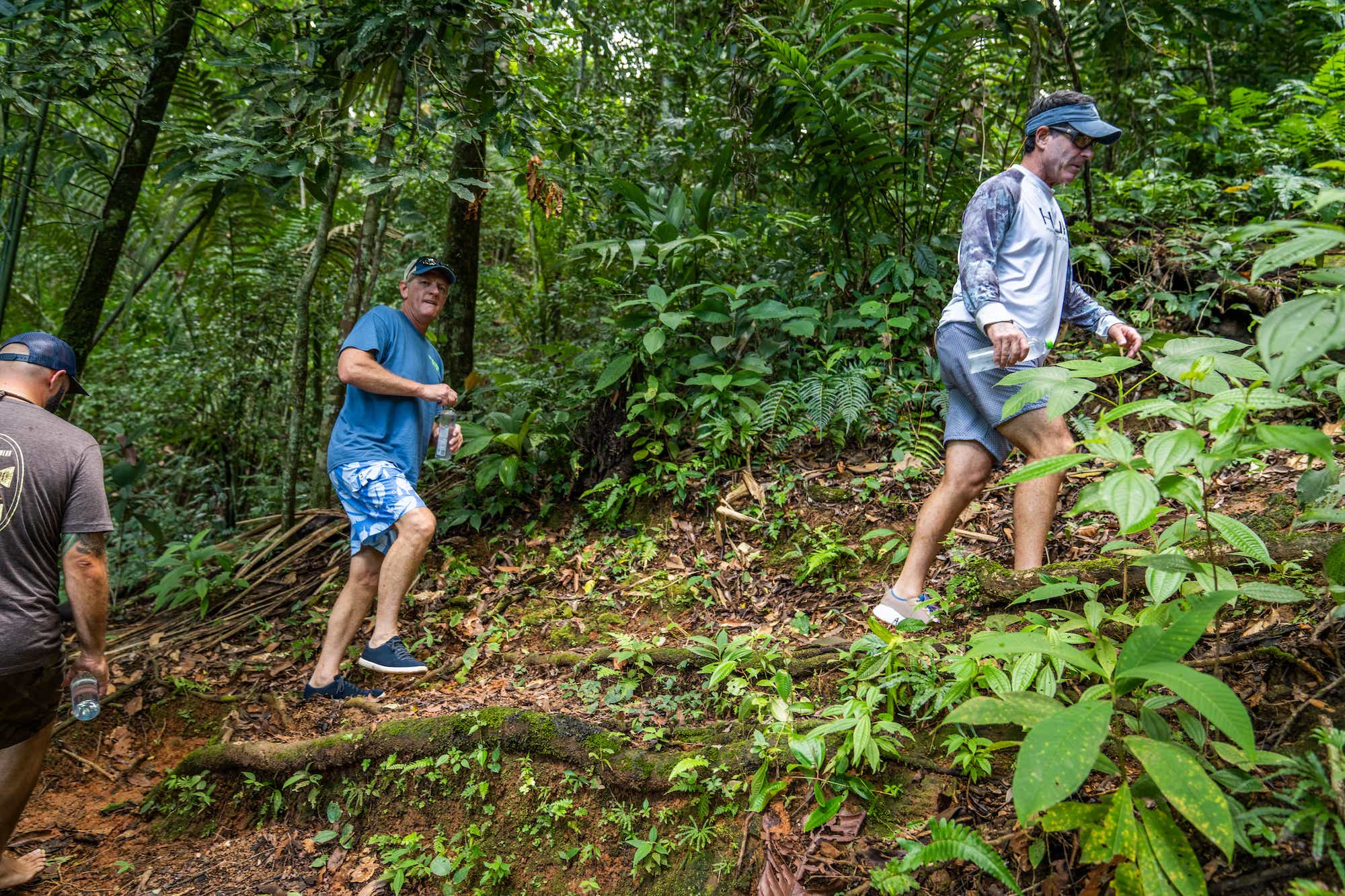
    Days off the boat are Corcovado hikes, a zipline, a sloth or chocolate-farm visit, kayaks in the mangroves, horseback, and the beach club. The full list sits further down the page.

    The marina beside Crocodile Bay is still being built out: a yacht club, a market, a chandlery, and more slips. The spa, the pool, the restaurants, and the beach club are open. A pharmacy and a shopping street are part of the village under construction. Call us before you count on those as finished.

    Crocodile Bay Charter Rates

    A package can mix full or half days of fishing with days off the boat.

    Crocodile Bay charter rates

    A fishing day is priced by the boat, whether one angler or four. Rooms are a separate quote.

    BoatAnglersFull day, plus tax
    24′ / 25′ Boston Whaler, twin 200 Suzuki1–4$1,695 per boat
    33′ Strike tower, 430 hp Cummins1–6$2,195 per boat
    36′ Front Runner, triple 300 Mercury1–4$3,995
    36′ Front Runner5–7$4,295
    Transfer packagePer person$495 + 13% tax ($559.35). One night in San José (double), ground transfers, and the round-trip flight to Puerto Jiménez.

    Included on a Crocodile Bay Fishing Day

    • Boat, captain, and fuel
    • Costa Rica fishing license, tackle, and bait
    • Cooler with lunch, beer, water, and soft drinks

    Not Included at Crocodile Bay

    • The room at Botánika, unless it is built into a quoted package
    • Alcohol at the resort
    • The San José transfer package
    • International airfare, overweight baggage, meals in San José
    • Gratuities, taxes, and fees

    Crocodile Bay Deposit

    The deposit is $1,500 per guest, with the balance due 60 days before arrival. Cancel in writing at least 60 days out and the deposit comes back minus a $200 per person handling fee. Inside 60 days, or a no-show, the deposit is kept. U.S. citizens need a passport valid six months past arrival and a return ticket.

    Getting to Crocodile Bay

    International flights land in San José (SJO). Most anglers overnight in San José, then take the scheduled domestic flight to Puerto Jiménez (PJM). Botánika is on the southeast side of that airport, and the resort shuttle is part of the daily resort charge. The fishing marina is on the property.

    Book the week through Angler Adventures: 860-434-9624 or info@angleradventures.com. The fishing days and the room stay one itinerary.

    Sailfish at Crocodile Bay

    Golfo Dulce and the Pacific, Puerto Jiménez

    Offshore at Crocodile Bay

    Sailfish carry January through March. Blue, black, and striped marlin show from mid-April and again in July, August, October, and December. Dorado build in October. Yellowfin often ride with spinner dolphins in May and June. Wahoo are on the offshore list in smaller numbers.

    Inshore at Crocodile Bay

    Roosterfish, snapper, and cubera are the inshore headliners along the volcanic coast. The estuaries and, when they schedule it, the surf fill a mixed day. Between fishing days: Corcovado, macaws, the gulf’s dolphins, and a boat to the beach club.

    Marlin alongside the Front Runner at Crocodile Bay, Golfo Dulce

    Crocodile Bay FAQ

    Where do Crocodile Bay guests stay now?

    Fishing is still Crocodile Bay, on the Golfo Dulce at Puerto Jiménez. The rooms are at Botánika Osa Peninsula, on the southeast side of the Puerto Jiménez airport.

    What do you fish at Crocodile Bay?

    Offshore: sailfish, blue marlin, black marlin, striped marlin, dorado, wahoo, and yellowfin. Inshore and the estuaries: roosterfish, snapper, cubera, and the coastal species. Surf is still part of the program they have sold for years. January through March is prime sailfish. Dorado and marlin build from October.

    What are the Crocodile Bay boat rates?

    A 24′ or 25′ Boston Whaler is $1,695 per boat per day plus tax. A 33′ Strike is $2,195. The 36′ Front Runner is $3,995 for one to four anglers and $4,295 for five to seven. Those are charter days. Rooms at Botánika are quoted separately.

    How do you get to Botánika and Crocodile Bay?

    Fly into San José (SJO). The transfer is $495 plus 13% tax ($559.35) per person: a night in San José, ground transfers, and the domestic flight to Puerto Jiménez (PJM). The resort shuttle covers the airport. A passport valid six months past arrival is required for U.S. citizens.

    Is there fly fishing at Crocodile Bay?

    Fly fishing is not the main attraction at Crocodile Bay. They will put a fly rod on the boat, inshore or offshore, if you want one.

    What is there to do at Crocodile Bay besides fishing?

    Days off the boat include Corcovado, a sloth or chocolate-farm visit, kayaks in the mangroves, a zipline, and the boat to Cahui Beach Club. Call us and we will build those days into the package.

    Off the boat at Crocodile Bay

    A week here is built for the person who wants a day, or three, away from the rods. These are the outings the resort runs on the Osa.

    Rainforest trail in Corcovado National Park, a day trip from Crocodile Bay

    Corcovado National Park

    A full day in the park, usually by car to the Los Patos ranger station. Corcovado holds Baird’s tapir, white-lipped peccaries, and a long list of birds and cats. The walk is demanding and it follows the weather. Two people minimum, with 12 hours’ notice.

    The sloth walk

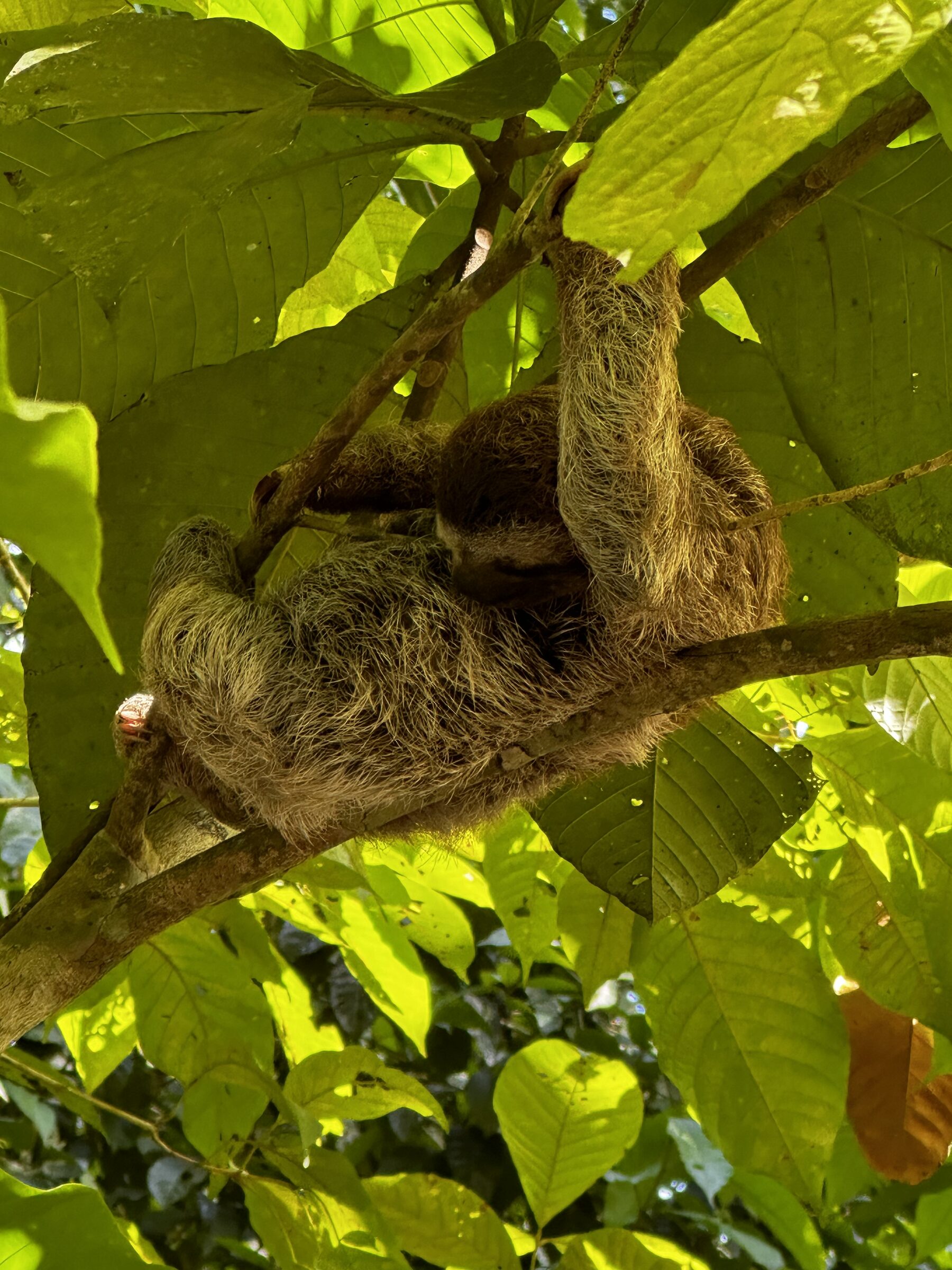
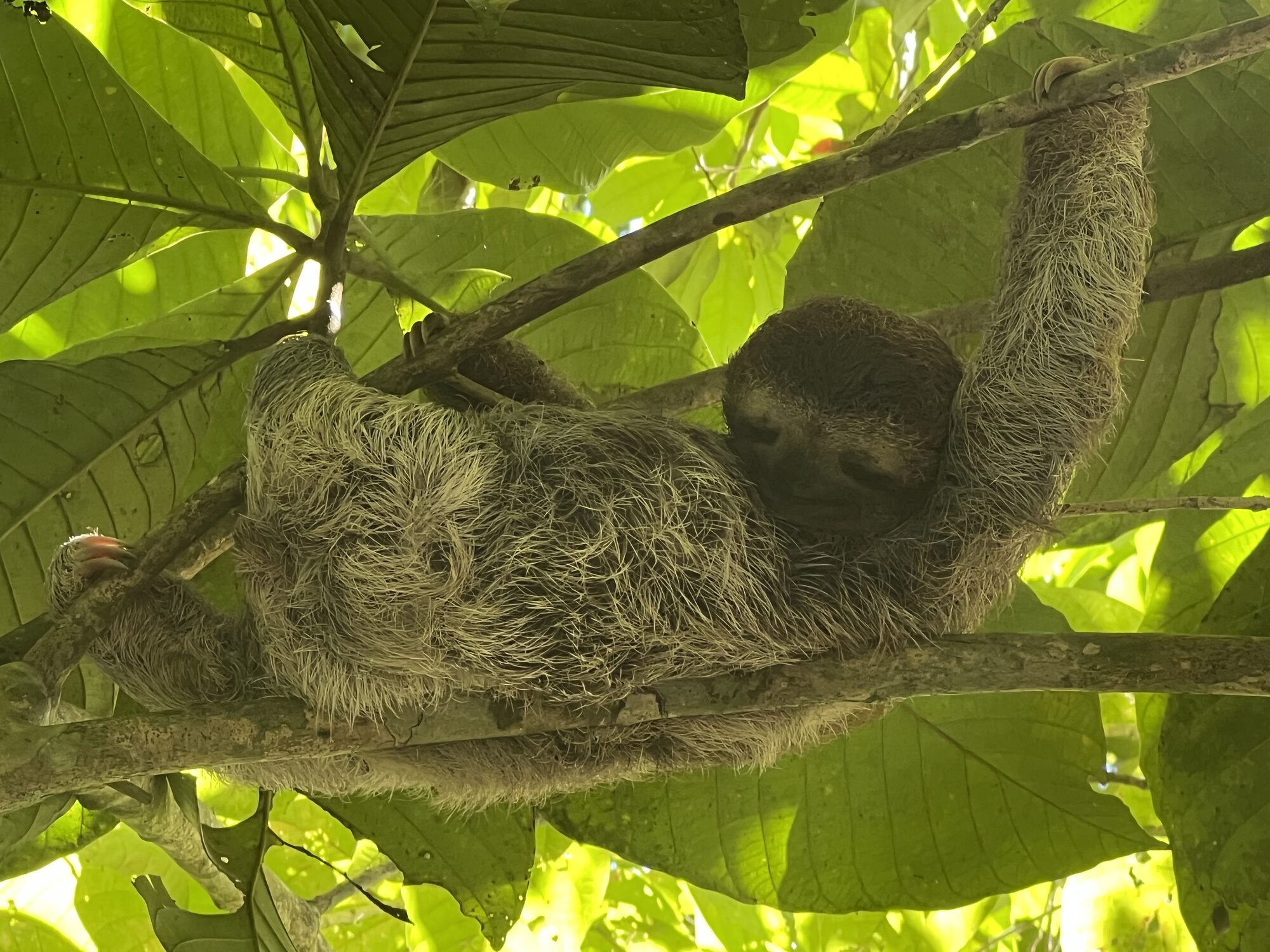
    About three hours on the Valverde Quirós family land, thirty acres of garden and forest outside Puerto Jiménez. The walk is built around finding sloths, with tropical plants, fruit trees, and a snack from the family.

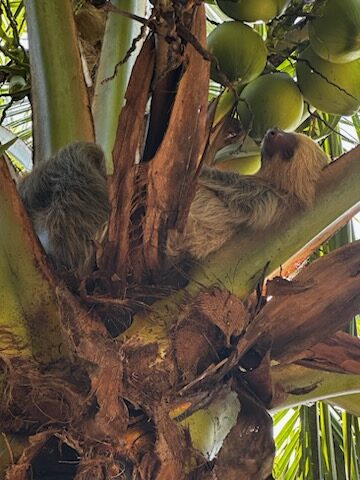
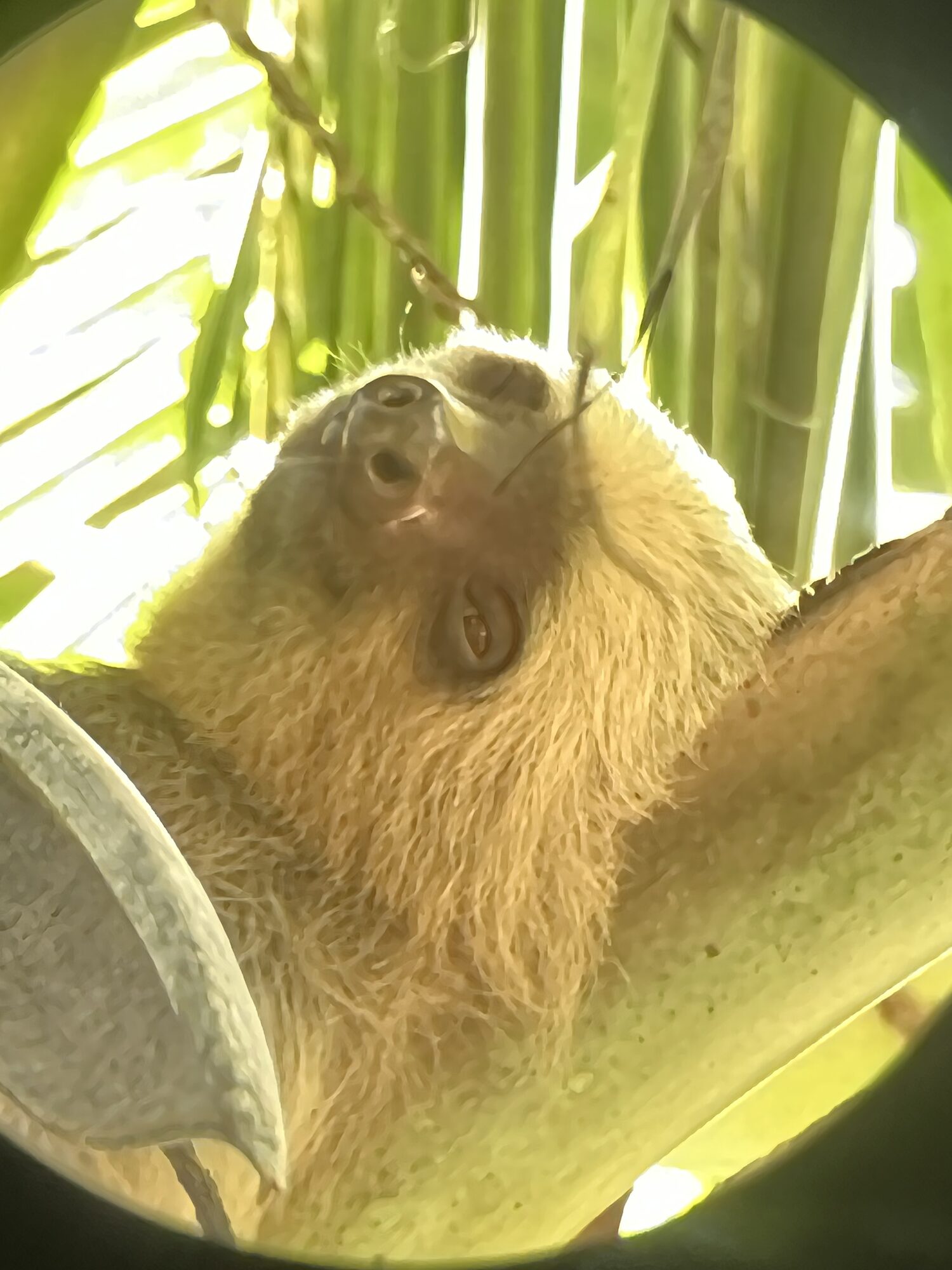
    Sloth in a palm on the Osa Peninsula, from a Crocodile Bay sloth walk
    Kayaks in a mangrove estuary near Crocodile Bay, Osa Peninsula

    Mangrove kayak

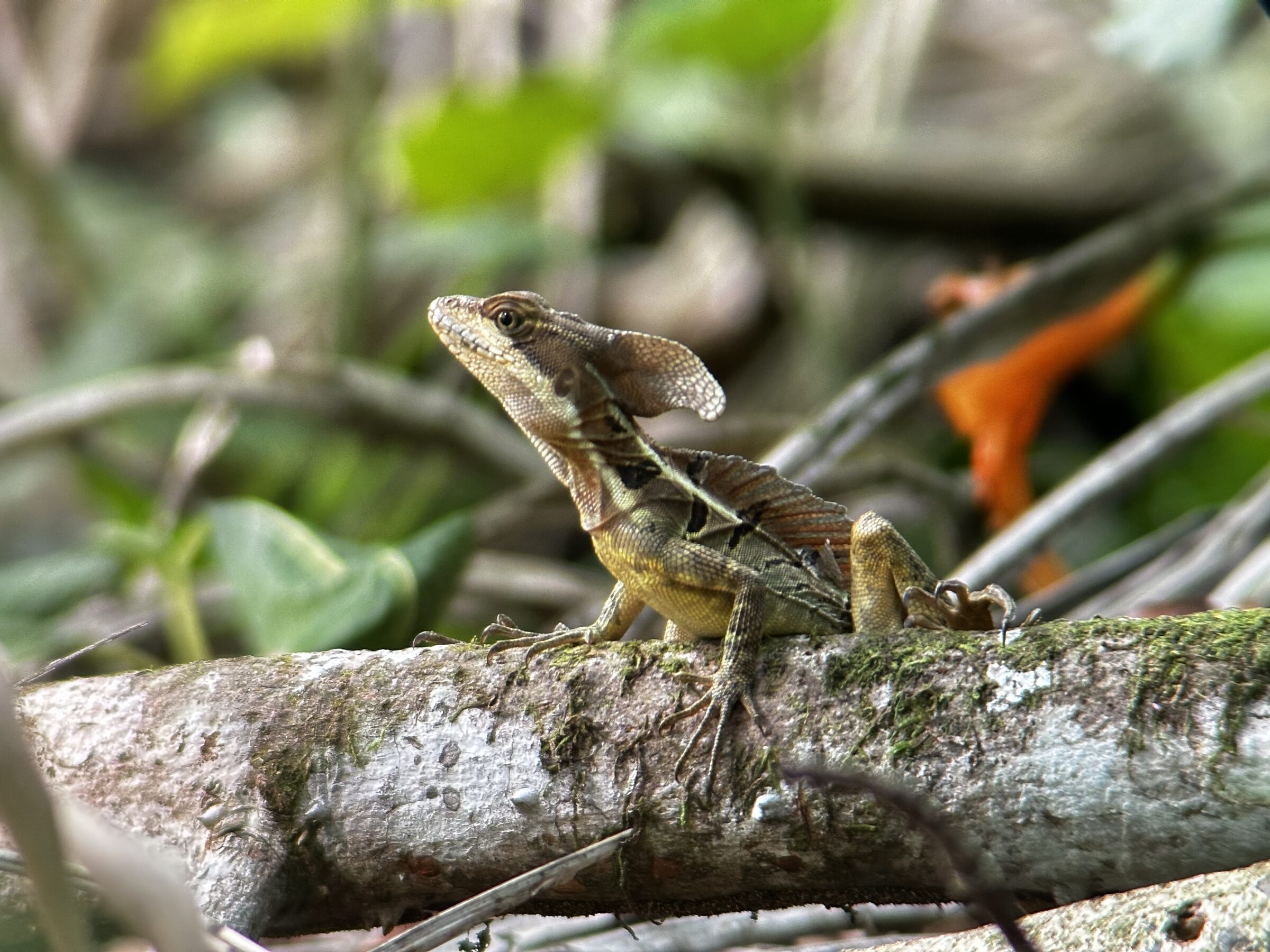
    A paddle through a mangrove estuary on a single or a double kayak. Roseate spoonbills, boat-billed herons, and white ibis use the river, and basilisk lizards run the surface. Howler and white-faced monkeys use these trees. Life vests and dry bags come with the boats. Two people minimum, 12 hours’ notice. The sunset departure is the same water later in the day.

    Canopy zip line

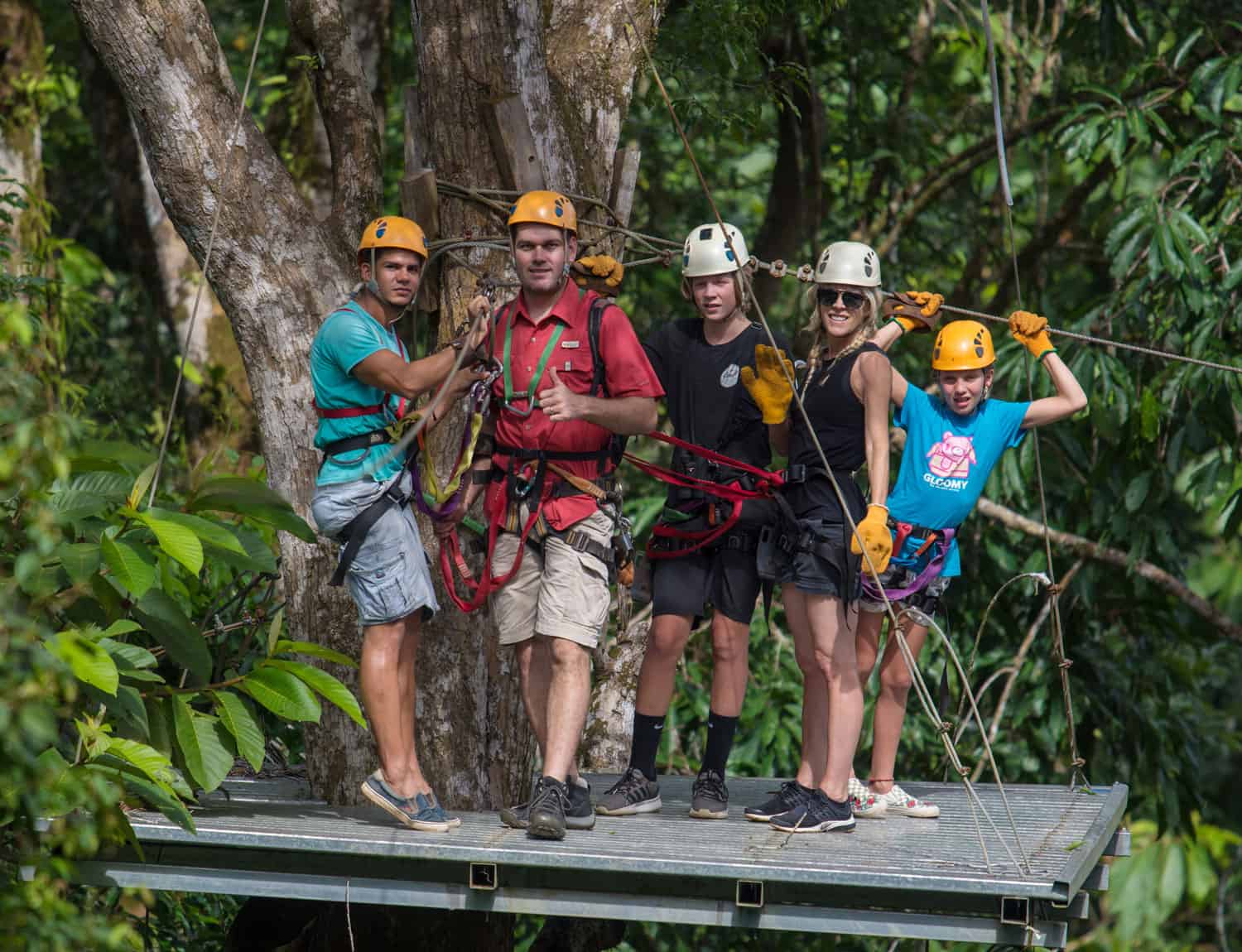
    Miramar looks over the Golfo Dulce. The platforms run nearly a mile of forest and reach 138 feet. A night departure leaves at 7:30 p.m. and is back by 10:30, the one anglers take when the boat day is already on the schedule. Osa Palmas is the second canopy: eight platforms, up to 120 feet.

    Canopy zip line over rainforest near Crocodile Bay, with the Golfo Dulce beyond
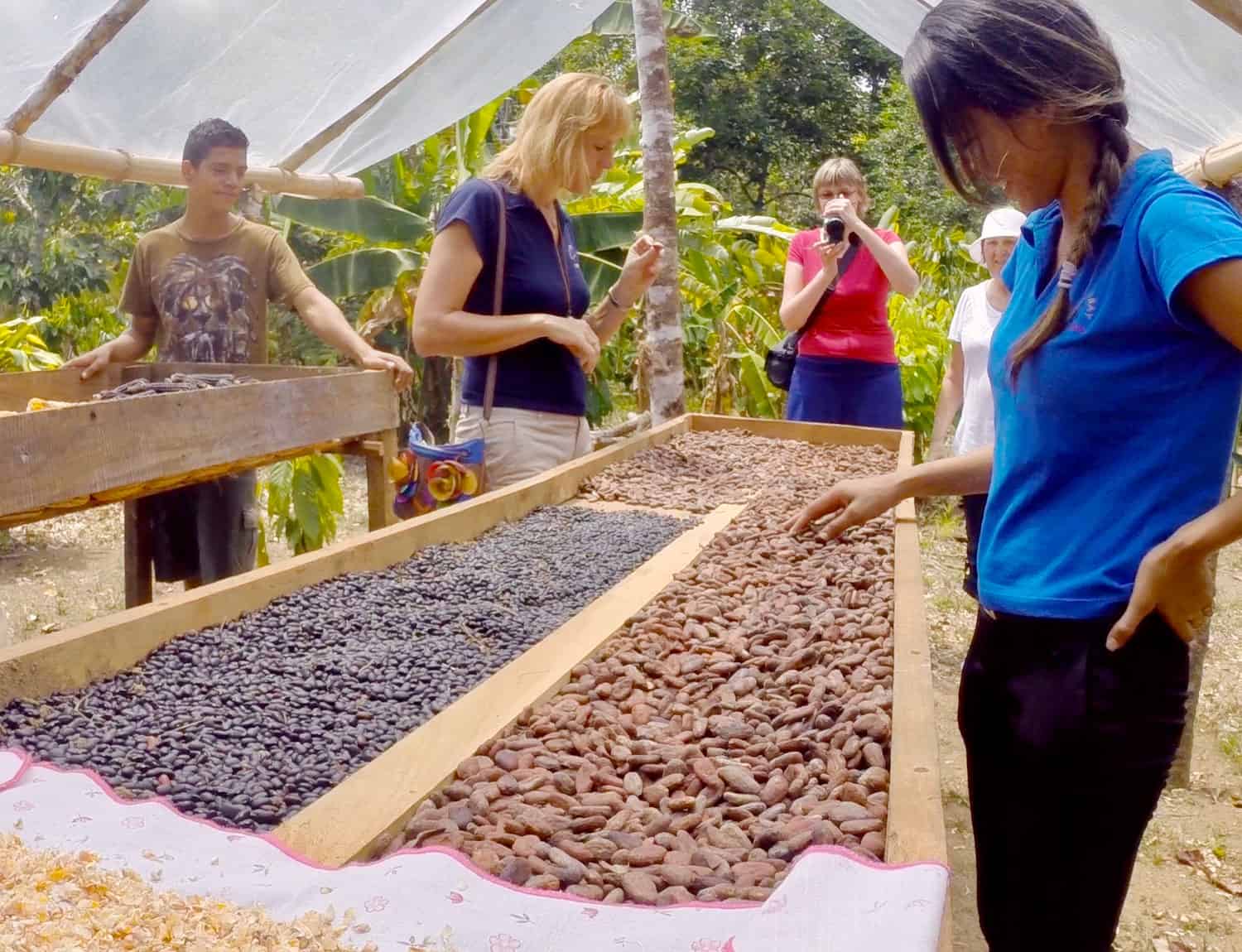
    Cocoa and fruit on a chocolate-farm visit near Crocodile Bay

    The chocolate farm

    The walk starts in a traditional cocoa planting, crosses a stretch of flat rainforest, and ends in the farm’s organic plots and a medicinal-plant garden. Toucans work the fruit trees. The visit closes with fruit from the farm, chocolate sauce, and baked plantains. Closed-toed shoes. Two people minimum, 12 hours’ notice.

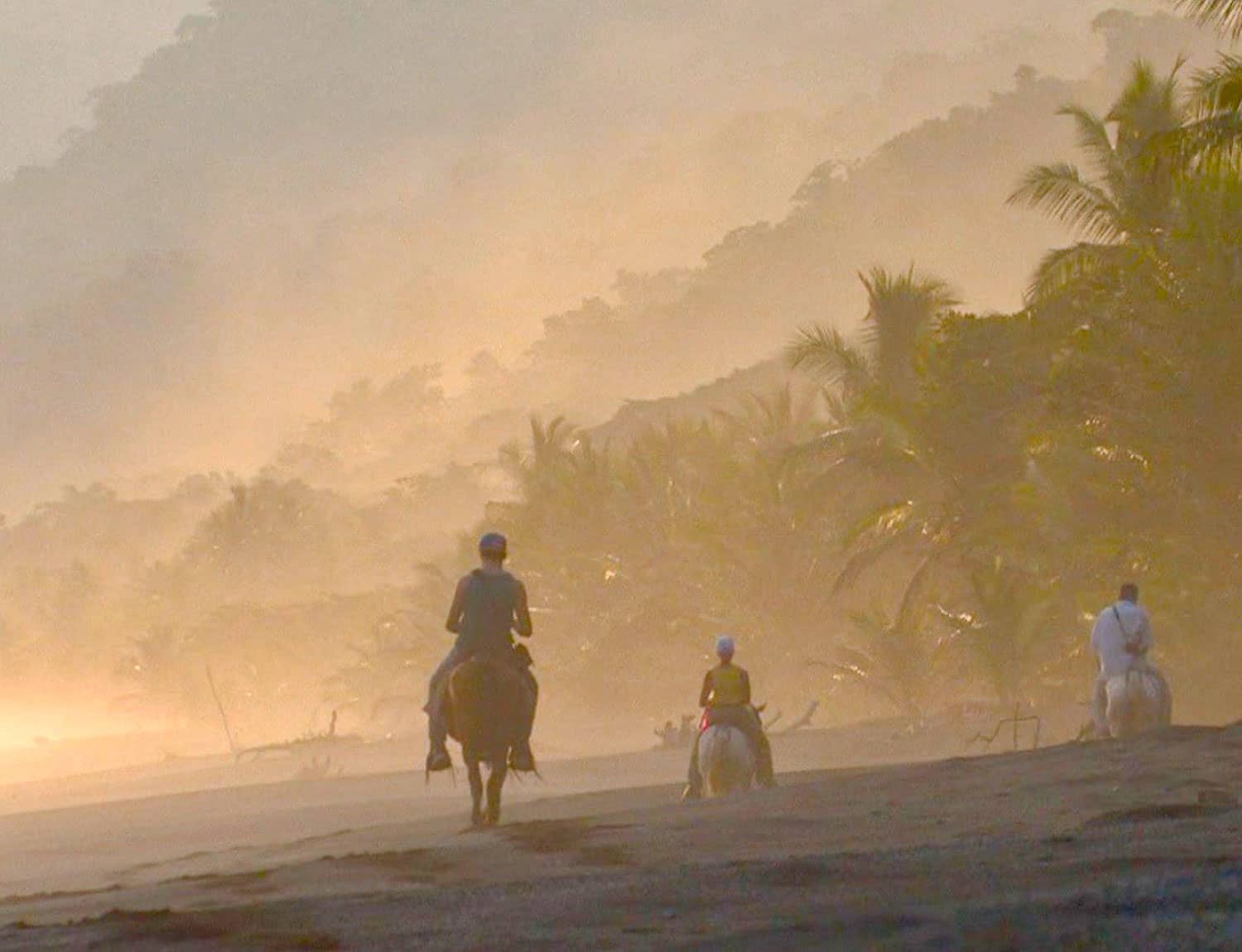
    Horseback on the Osa

    Mountain paths and jungle trails inland from the gulf, with time to get off and walk the forest. Closed shoes and long pants.

    Horseback on a jungle trail on the Osa Peninsula, booked through Crocodile Bay

    Crocodile Bay also has Matapalo, a jungle night walk, birding, e-bikes, the boat to Cahui Beach Club, and gulf days for dolphins, whales, and turtles. Call 860-434-9624 and we will set the days that fit the fishing.

    Aerial of the Crocodile Bay marina and sportfishing fleet on Golfo Dulce, Osa Peninsula

    Plan Your Crocodile Bay Trip.

    Save Time on a Crocodile Bay Trip. We’ve Been Doing This for 43 Years.

    Call or use the form for Crocodile Bay fishing and a room at Botánika.

    Destination Inquiry

    Crocodile Bay Lodge is the newest fishing and adventure tour lodge to hit Costa Rica. Situated in one of the most ecologically diverse regions in the world, no other fishing lodge can offer you these unique fishing opportunities, first class fishing accommodations, versatility of fishing boats and wide variety of eco tours.

    Fishing out of Crocodile Bay Lodge is truly unique as they are the only lodge to offer 4 distinct types of fishing, the best combination of inshore and offshore fishing in the world!

    Fly fishing can be done in all 4 types. Offshore Fishing, Inshore Fishing, Estuarine Fishing, Surf Fishing.

    Consistent annual water temperatures between 80 and 83 degrees insure that inshore fishing along the coastline, flats boat fishing the estuaries and surf fishing is good all year.

    Offshore fishing is available all year with the months of December through May being best.

    THE BOATS

    Crocodile Bay Lodge will keep you fishing ‘til you drop with their selection of boats, from the 17’ flats boats to the 21’ center consoles to the 24 – 27’ offshore center consoles to the 33’ cruisers. Hop aboard our new 33 foot Strike or one of our new 24 foot Whaler Outrages (twin 150 hp outboards) for a scenic 30 minute run (half of the time necessary from other local lodges) to blue water for Sailfish, Blue, Black & Striped Marlin, Wahoo, Dorado (dolphinfish, mahi) and tuna. It is common to raise 10 to 15 Sailfish a day with over 50 on a spectacular day.

    THE TACKLE

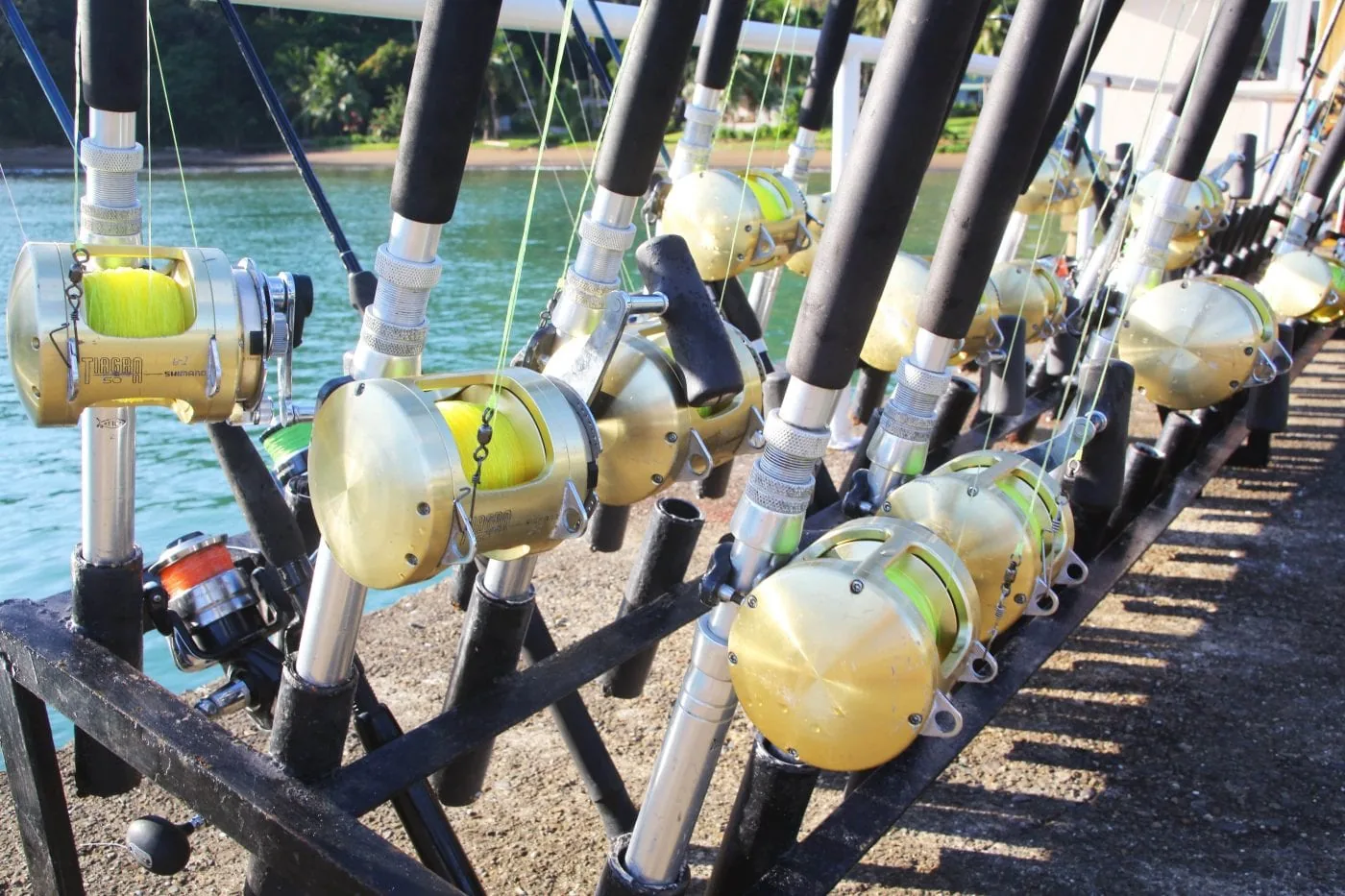
    Tackle and bait on all of Crocodile Bay’s fishing adventures is always included, but feel free to bring your own gear if you’d like.They use top of the line Shimano offshore 2 speed reels, top of the line fly rods and reels, Calcutta conventional & Baitrunner spinning outfits for  inshore and surf fishing equipment. They also have their own line of offshore, inshore and surf  fishing lures, made on the premises. Combined with other popular brands they have the best equipped fishing available.

    THE LODGE

    The lodge structures are strategically located throughout the landscaped property with the main building housing the restaurant, bar and reception. The main lodge also has a  tackle and gift shop, where one can purchase inshore or offshore fishing lures (made on the premises) for souvenirs or for use at another time, as well as locally made gifts of all kinds. The pool and jacuzzi were designed utilizing our unique property characteristics including waterfalls and jungle environment. They are conveniently accessible to all guests. The lodge is staffed by friendly, English-speaking and well experienced personnel guaranteed to make your stay an exciting and unforgettable one.

    After a day on the water, or returning from the thrilling adventure tour, enjoy your favorite cocktail or beverage at our open bar, take a relaxing swim, dine in our elegant air-conditioned restaurant or walk through our tropical gardens and feed our friendly crocodiles. Watch and listen for the sounds of local wildlife. At any given time you may see one of several species of monkeys or other mammals, crocodiles, lizards and other reptiles or perhaps a parrot or what is undoubtedly one of the most beautiful birds in the world, the scarlet macaw.

    THE TOURS

    With such a wide variety of trips and tours available at Crocodile Bay Lodge, you are sure to live each day of your stay with us to it’s fullest!

    Eco Tours
    Full Day Jungle/River Hike
    Half Day Beach Exploring
    Full Day Jungle/River Horseback Trip
    Half Day Beach/Horseback Trip
    Full Day Gold-Panning Expedition
    Full Day Tiger River Tour
    Half Day Rain Forest Canopy Ascent
    Full Day Matapalo Tour
    Corcovado National Park Tour
    Aquatic Tours
    Golfo Dulce tour
    Snorkeling tour
    Mangrove tour
    Crocodile tour
    Surfing tourKayak Trips
    Mangrove Estuary Paddle
    Golfo Dulce Coast
    Sunset Dolphin Watch
    Half Day Tiger River Tour

    All day trips are 8 hours in duration from 7:30am to 3:30pm Half day trips are 4 hours in duration – twice daily – times advised at booking. All times and durations subject to change. Since meals are inclusive at the lodge, box lunches will be supplied on all day trips.

    2020 / 2021 Season Rates Schedule
    (All rates subject to change)

    Packages & Prices: Packages at Crocodile Bay are totally customizable and we can personalize an itinerary to include as many or as few fishing days as you like. Please call or email and we will quote you a price based on your preferred package.

    Crocodile Bay Lodge fishing packages include: Lodging and fishing as customized, use of fishing gear, guide, fishing license, and all meals including non-alcoholic beverages.

    Not included: International airfare, first and last nights lodging at a hotel in San Jose, ground transfers between airport and hotels, roundtrip air transportation between San Jose and Crocodile Bay, alcoholic beverages, meals in San Jose, overweight seat and baggage, airport departure tax, change fees and gratuities. (See “Transfer Package” below)

    Seasons: Whether you are fishing inshore in our flats boats, or along the volcanic shoreline in our inshore boats, it is excellent all year long. Fishing offshore in Outrage 240 center consoles or Strike 33’s is also available 12 months a year. In terms of pricing, low season all inclusive accommodation packages runs from April 16th – December 14th. High season rates apply December 15th – April 15th.

    Please Note: For entry into Costa Rica, US citizens will need a passport, valid for 6-months past the return date and in good condition, and a round-trip/outbound airline ticket.

  • Tropic Star Lodge, Panama

    Tropic Star Lodge, Panama

    Aerial of Tropic Star Lodge and the Bertram fleet in Piñas Bay, Panama
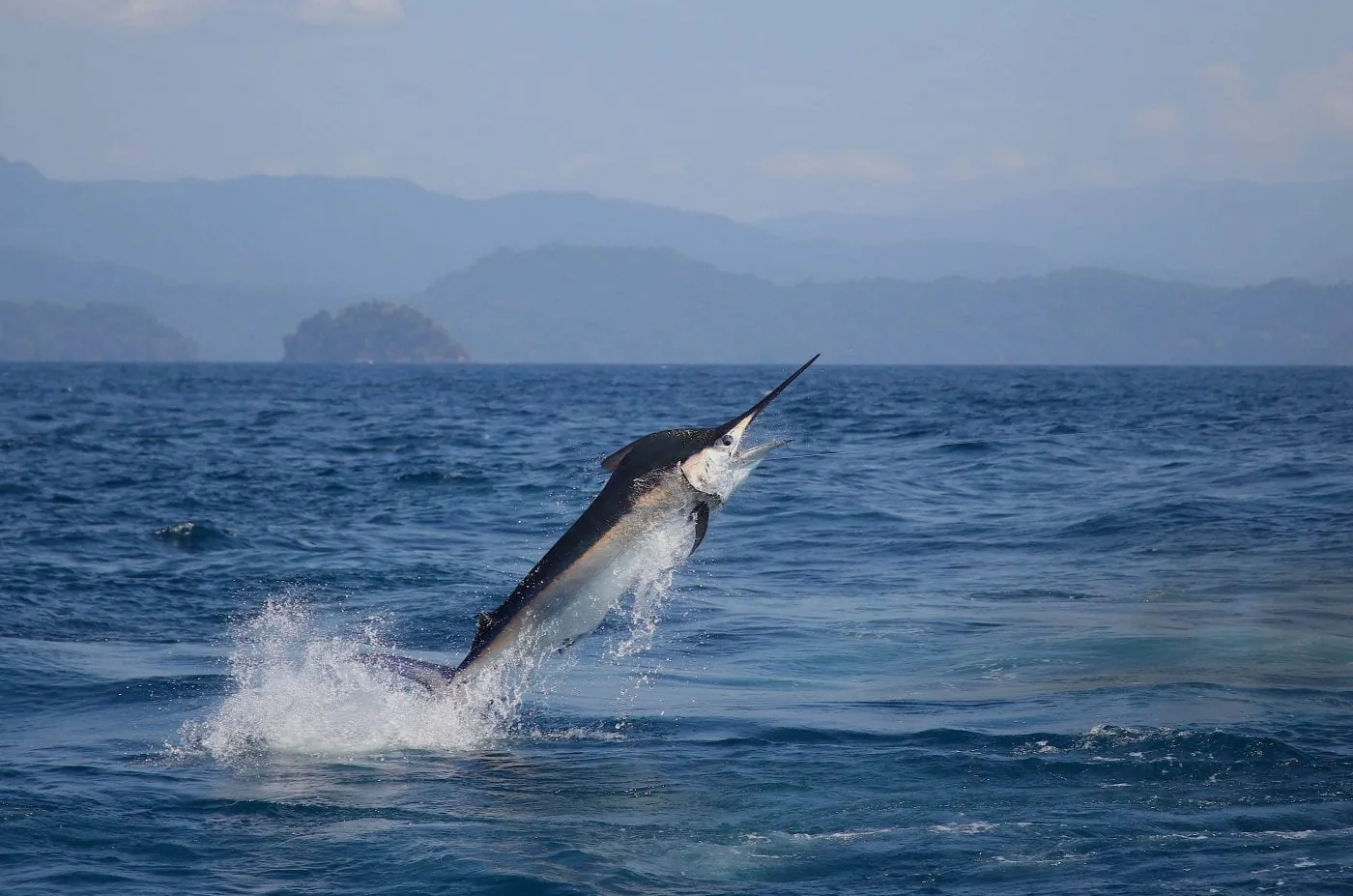
    Black marlin jumping off Piñas Bay near Tropic Star Lodge, Panama
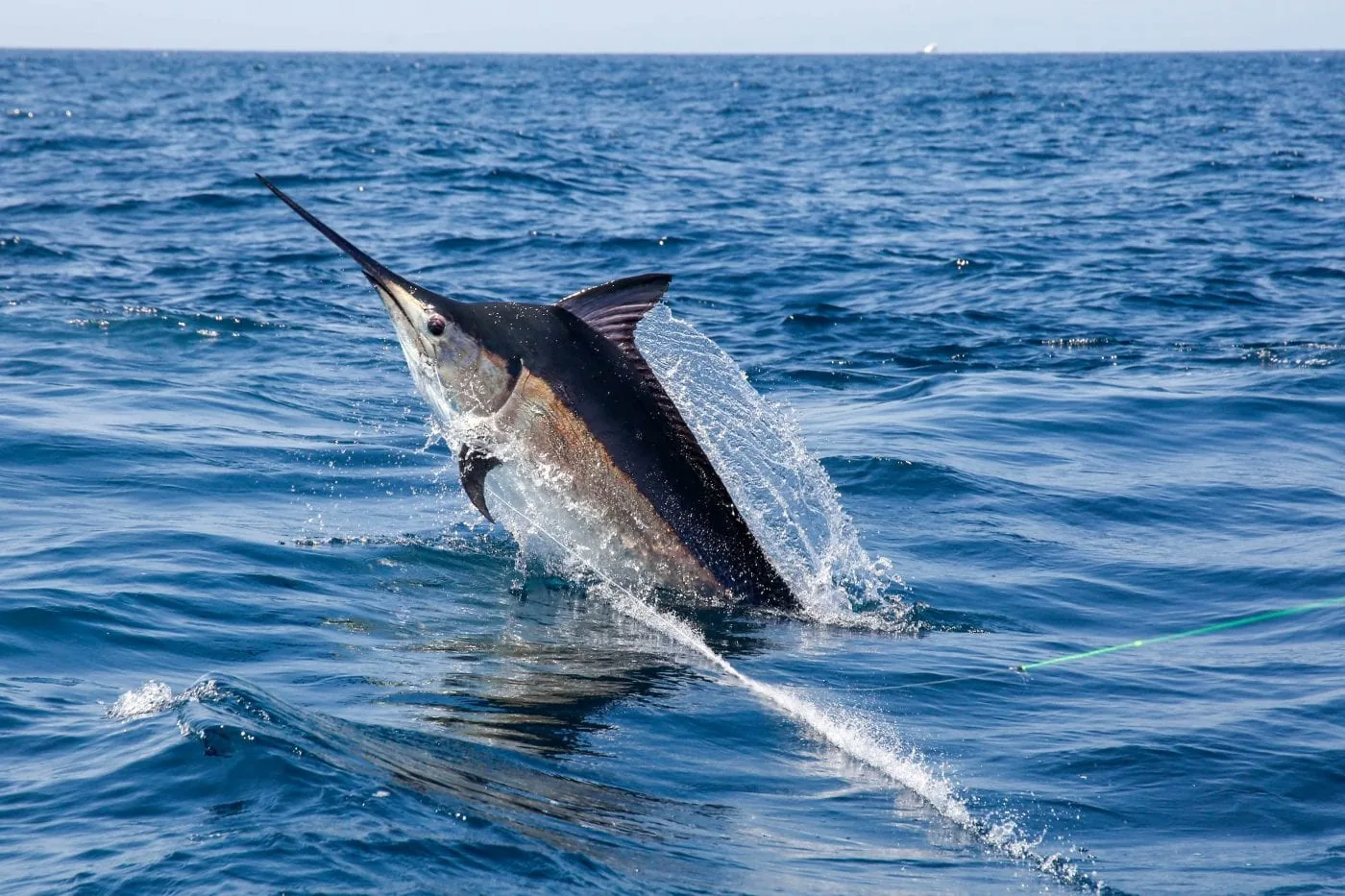
    Marlin jumping on a green line off Tropic Star Lodge, Piñas Bay, Panama
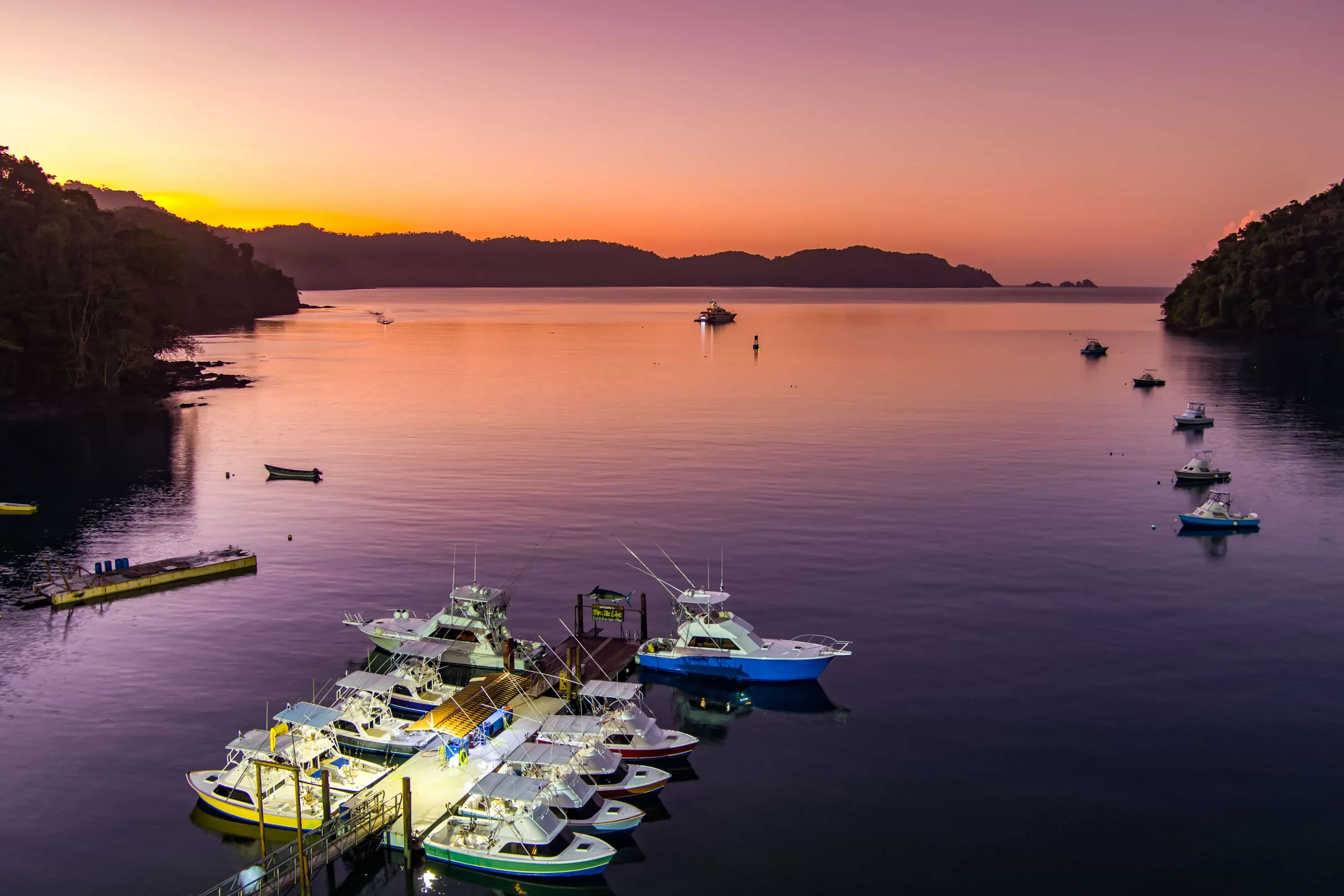
    Tropic Star Lodge marina and sportfishing fleet at sunset, Piñas Bay, Panama

    Piñas Bay, Panama — marlin and sailfish:

    Tropic Star Lodge

    Black marlin

    Zane Grey Reef

    Bertram 31s

    Overview

    Tropic Star Lodge sits on remote Piñas Bay in Panama’s Darién Province, about 20 minutes from Zane Grey Reef. Guests fish black marlin, blue marlin, and sailfish offshore, and roosterfish and cubera on the inshore grounds, from Classic or Premium Bertram 31s. Twenty-three air-conditioned rooms and villas take up to 45 guests.

    Guests fly to Tocumen International (PTY) in Panama City, overnight, then take a 30-minute drive and a charter of just under an hour to Bahía Piñas. A short bus and 10–15 minute water taxi finish the trip to the lodge.

    Peak weeks (January–February) run as 7-night, 6-day packages and book 1–2 years out. Inshore (March–May) and Standard / blue marlin weeks (June–September and December) also offer shorter 3- and 4-day packages. The annual Billfish Tournament is in November; the Roosterfish Tournament is in May.

    Black marlin, blue marlin, sailfish, roosterfish, yellowfin, dorado

    Piñas Bay / Darién, Panama — Zane Grey Reef 20 minutes out

    23 rooms and villas — up to 45 guests

    Classic or Premium Bertram 31s

    Dates: Peak Jan–Feb · Inshore Mar–May · Standard Jun–Sep

    Call or use the form for information about billfish and inshore fishing at Tropic Star Lodge.

    Destination Inquiry

    or

    Fishing Tropic Star Lodge

    Piñas Bay’s offshore bite is black marlin (heaviest in January and February), blue marlin (June–September and December), and sailfish that regularly top 100 pounds. Yellowfin tuna, dorado, and wahoo run with the billfish. Grand slams are common in July.

    Inshore, roosterfish are the draw from March through May, with fish over 70 pounds on the books. Cubera snapper, bluefin trevally, broomtail grouper, and tarpon in the backwaters keep a second rod busy. Local captains and mates — many second- or third-generation on this coast — run the Bertram 31s with GPS, VHF, tuna tubes, and live wells.

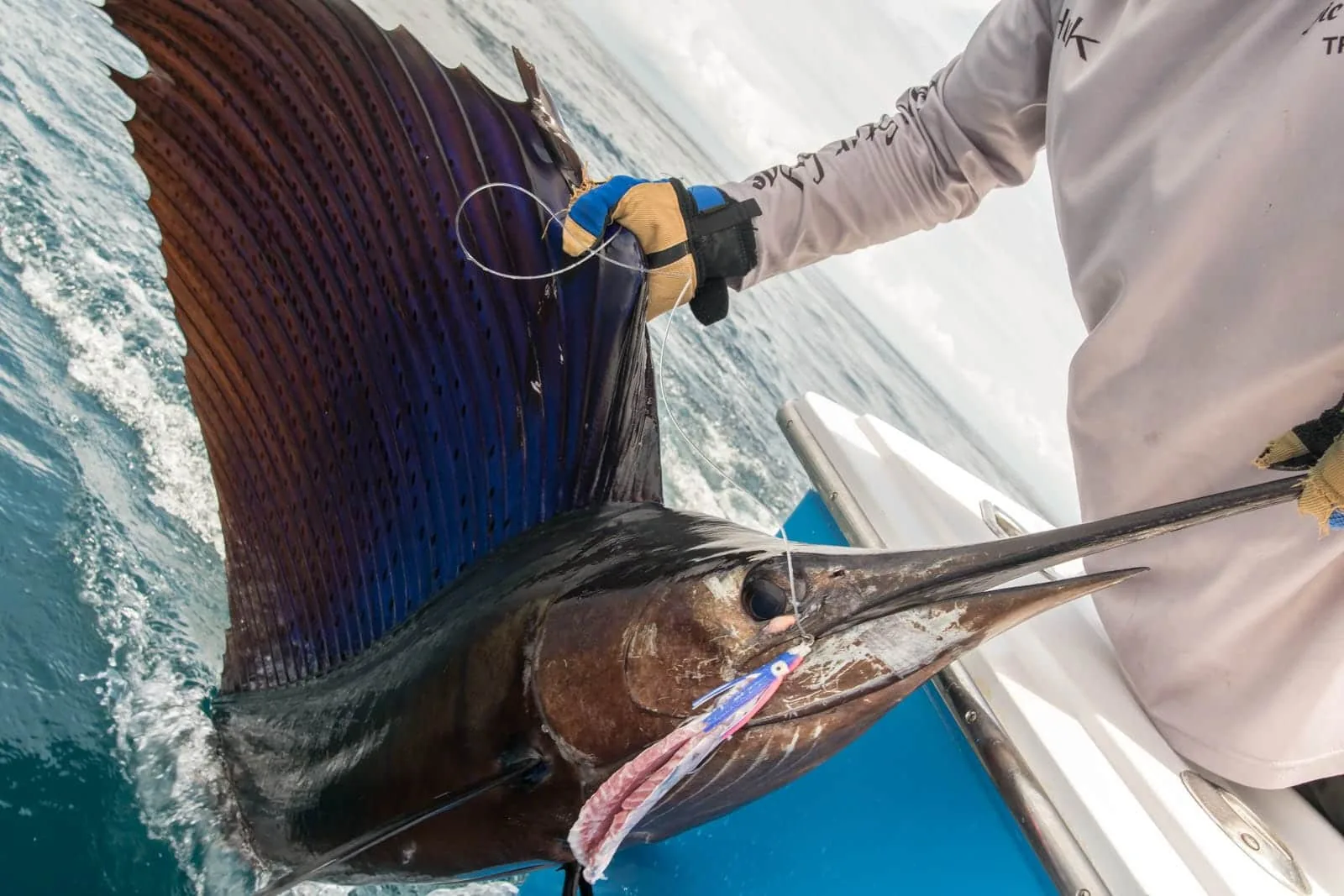
    Sailfish held alongside a Tropic Star Lodge boat, Piñas Bay, Panama
    Villa sitting room with jungle view at Tropic Star Lodge, Panama

    The lodge

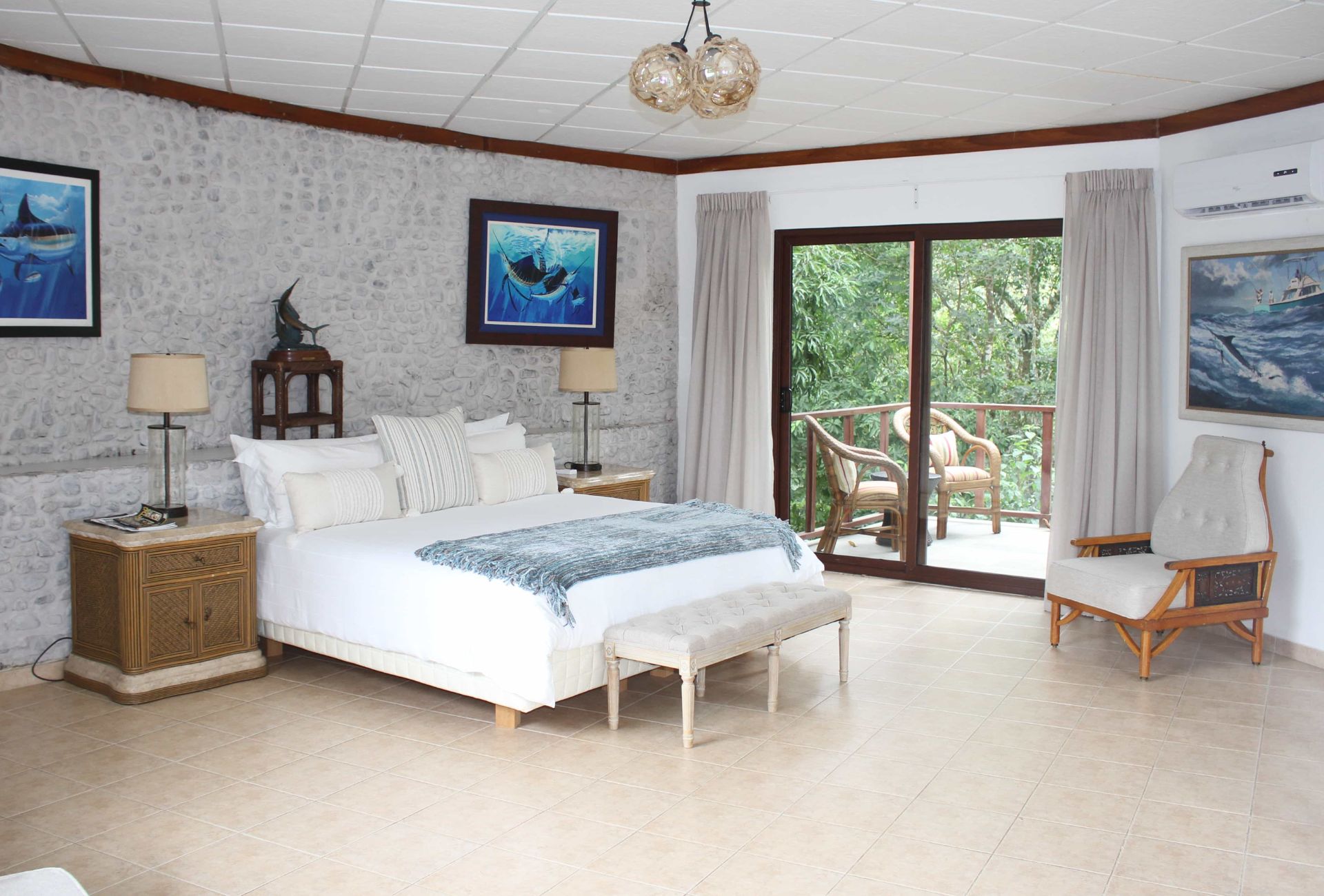
    Twenty-three air-conditioned rooms and villas look over the bay or the garden. Options run from double-occupancy lodge rooms to two- and three-bedroom villas and private residences. The Palace is the three-bedroom villa with master suites and a view of Piñas Bay.

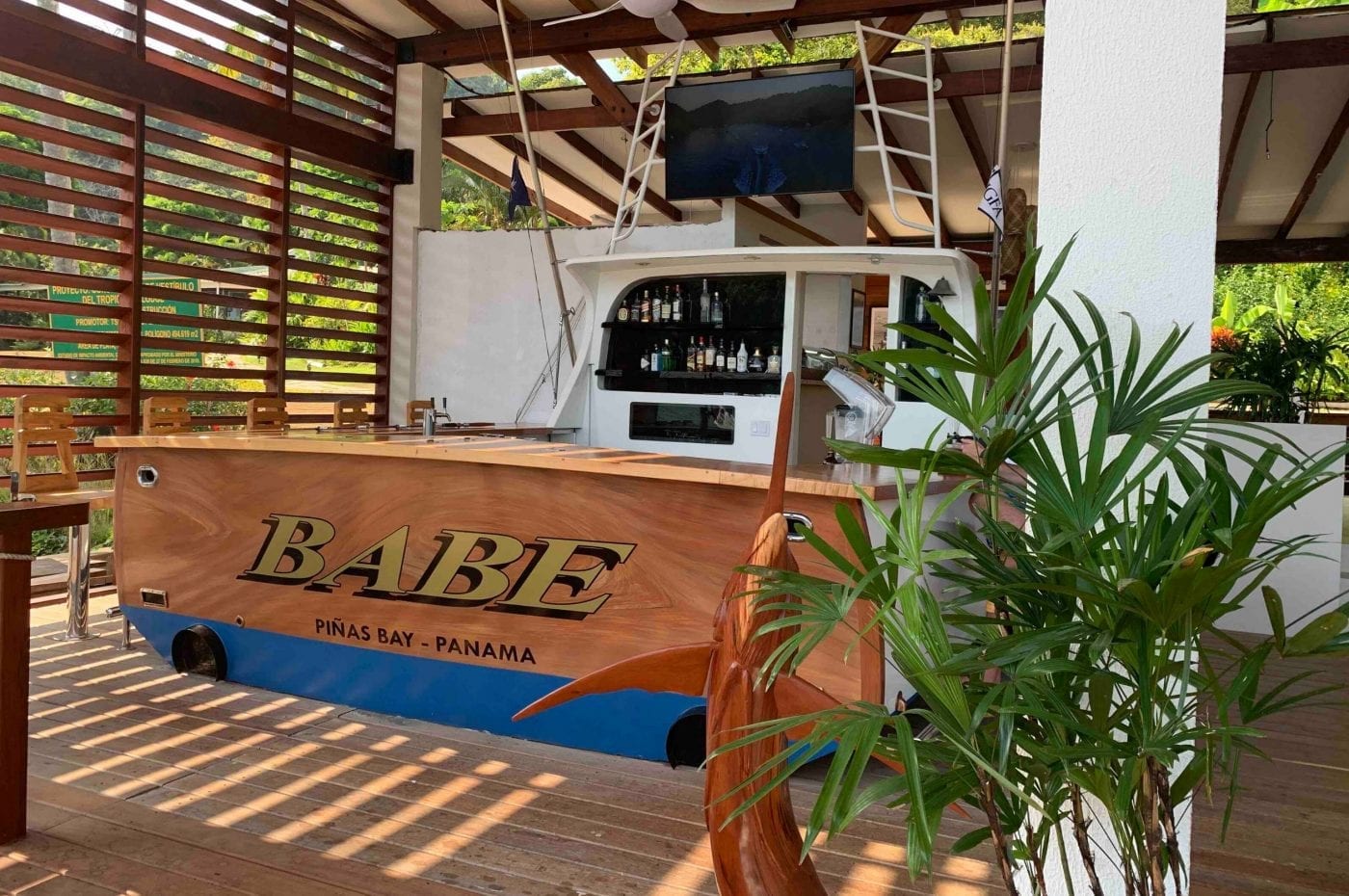
    Dinner is four courses at the Bayview Restaurant, wine included. The Marlin Bar faces the water. A freshwater jungle pool and hot tub sit in the trees; the rainforest spa is part of shoreside packages (three treatments and three jungle excursions).

    23 rooms & villas

    Up to 45 guests

    Bayview dining

    Jungle pool & spa

    Tropic Star Lodge 2026 rates

    Book through Angler Adventures. These 2026 figures are for a Bertram 31, two anglers, six fishing days (Doug, 25 August 2026). Season names below are the ones we quote: Peak, Inshore, and Standard. The lodge site lists the same windows as Black Marlin / Inshore / Blue Marlin.

    SeasonDatesPackageRateNotes
    PeakJanuary–FebruaryBertram 31, 2 anglers, 6 days$8,590Black marlin weeks. 7-night / 6-day packages.
    StandardJune–SeptemberBertram 31, 2 anglers, 6 days$7,750Blue marlin weeks.
    InshoreMarch–MayBertram 31, 2 anglers, 6 days$6,240Roosterfish and cubera.
    Transfer / charterYear-roundPanama City to lodge$745Per person plus room tax. VIP meet-and-greet, up to four ground transfers.
    2027Not postedAny week, including 26 Feb–6 Mar 2027Call 860-434-9624Lodge has not posted 2027 dollars yet.

    Rates still vary by boat (Classic or Premium Bertram 31), party size (1–4 anglers), and package length. Room upgrades extra. Seasonal discounts and other boats — call or email us.

    2027 lodge rates are not posted yet. Call 860-434-9624 for the week you want, including 26 February–6 March 2027. Our services are free.

    Included

    • 7 nights lodge accommodations (for 6-day packages)
    • All meals (breakfast, lunch, dinner) and wine with dinner
    • Daily guided fishing
    • Use of the pool, bars, restaurant, and spa
    • 3 spa treatments and 3 jungle excursions for shoreside guests

    Not included

    • Round-trip charter from Panama City ($745 per person)
    • Room upgrades
    • Gratuities for guides and staff
    • International airfare to Panama City
    • Travel insurance and personal items

    Getting to Tropic Star Lodge

    Fly to Tocumen International Airport (PTY) in Panama City. Lodge staff meet you and transfer you to the overnight hotel. In the morning a 30-minute drive and a charter of just under an hour land at Bahía Piñas. A short bus and a 10–15 minute water taxi finish the trip. Panama City to the lodge is about 2–3 hours of travel time after the overnight.

    Billfish at Tropic Star

    on Piñas Bay, Darién, Panama

    Black and blue marlin

    Peak January–February is the black marlin window. Blue marlin weeks run June through September and December. Sailfish over 100 pounds mix through both seasons.

    Roosterfish and inshore

    March through May is roosterfish, cubera, bluefin trevally, and grouper. Tarpon hold in the backwaters for a fly rod.

    Black marlin jumping off Piñas Bay near Tropic Star Lodge, Panama

    Tropic Star Lodge FAQ

    Where is Tropic Star Lodge?

    Tropic Star Lodge sits on Piñas Bay in the Darién Province of Panama. Guests fly to Tocumen (PTY) in Panama City, overnight, then take a charter of just under an hour to Bahía Piñas and a short water taxi to the dock.

    What do you fish at Tropic Star Lodge?

    Black marlin, blue marlin, and sailfish offshore, plus roosterfish, cubera snapper, yellowfin tuna, dorado, and more than a dozen inshore species. Zane Grey Reef is about 20 minutes from the lodge.

    What are the 2026 Tropic Star Lodge rates?

    Angler Adventures quotes a Bertram 31, two anglers, six fishing days at $8,590 Peak (January–February), $7,750 Standard (June–September), and $6,240 Inshore (March–May). Transfer / charter is $745 per person. 2027 lodge rates are not posted yet — call 860-434-9624.

    When is black marlin season at Tropic Star?

    January and February are Peak / black marlin weeks. Those dates book 1–2 years out and run as 7-night, 6-day packages. Blue marlin weeks run June through September and December. Inshore weeks (roosterfish and cubera) run March through May.

    How do I get to Tropic Star Lodge?

    Fly to Panama City (PTY). The lodge transfer ($745 pp round-trip) covers the VIP meet-and-greet, up to four ground transfers, and the charter to Bahía Piñas. International airfare to Panama City is separate.

    Does Tropic Star Lodge have a 2027 rate sheet?

    Not yet — tropicstar.com has not posted 2027 dollars. Call Angler Adventures at 860-434-9624 for the week you want, including 26 February–6 March 2027.

    Aerial of the Tropic Star Lodge dock and sportfishing fleet, Piñas Bay, Panama

    It’s time to begin planning your trip.

    Save time with Angler Adventures. We’ve been doing this for 43 years.

    Call or use the form for information about billfish at Tropic Star Lodge on Piñas Bay.

    Destination Inquiry
  • Crooked Island Lodge

    Crooked Island Lodge

    Updated on

    Crooked Island Lodge has a lot of fishable water close by and it isn’t all just bonefish! There are extensive systems of interior creek and lagoon areas that have big bonefish, an assortment of snapper, barracuda and small grouper, some permit and the occasional small to medium sized tarpon – all catchable on a fly rod or spinning gear.

    Towards the outer edges of the islands, out in the Bight, it’s entirely different fishing: poling or wading crystal-clear sand flats, which hold thousands of school-size (2-4 pound) bones. Along the edges of the mangroves on a high tide you’ll again find larger single and double bonefish nosing through the roots and marl.

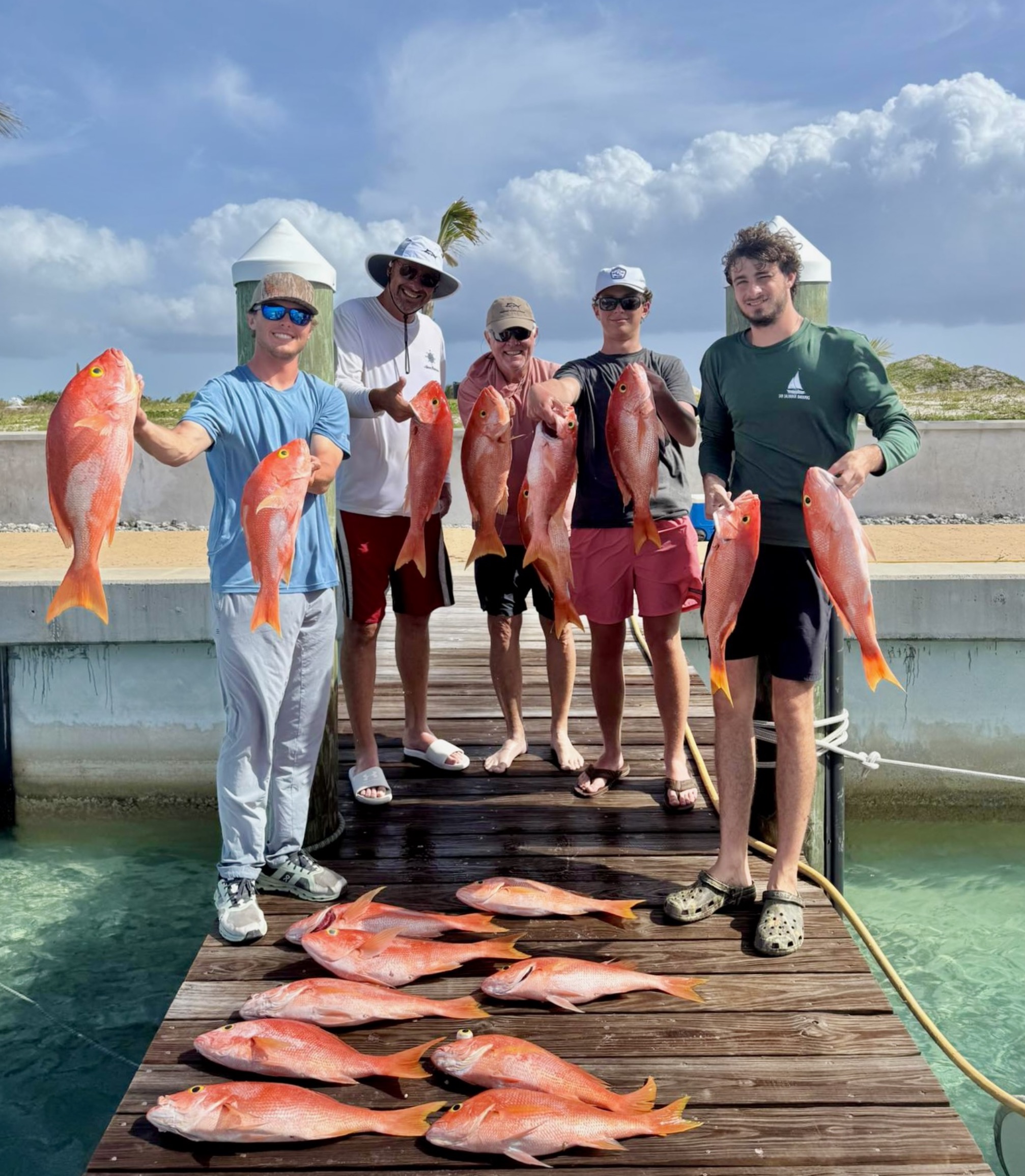
    Species: Bonefish (2-4 lbs, some larger), snapper (mutton, mangrove, yellowtail), barracuda, permit, tarpon, grouper, wahoo, blue and white marlin, tuna, mahi-mahi, jacks, sharks

    Location: Northernmost tip of Crooked Island, Southern Bahamas

    Private 3,500-foot airstrip on-site; also accessible via Colonel Hill Airport (MYCI)

    Accommodations: 8 air-conditioned hotel rooms and 6 private cottages with kitchenettes

    Get a custom quote for your Crooked Island Lodge fishing adventure!

    Destination Inquiry

    or

    Flats Fishing

    The beach in front of the lodge offers excellent fishing opportunities for jacks, small permit, grouper, snapper and such with the fly rod. If you’re willing to use a spinning rod or can cast a needlefish fly a considerable distance, you can also catch barracuda up to 5 feet long, either casting from the skiff, trolling behind the skiff or fishing from shore.

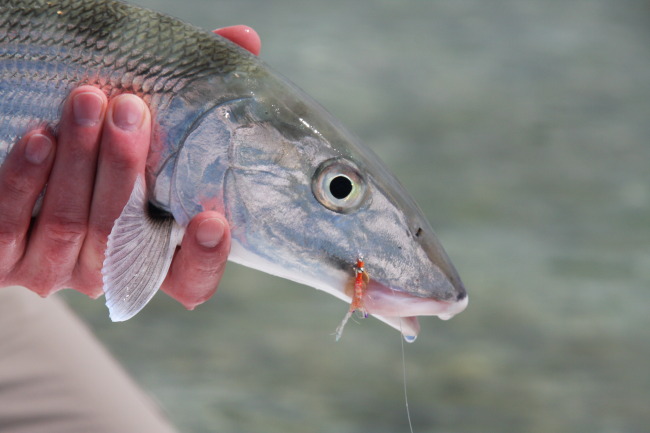
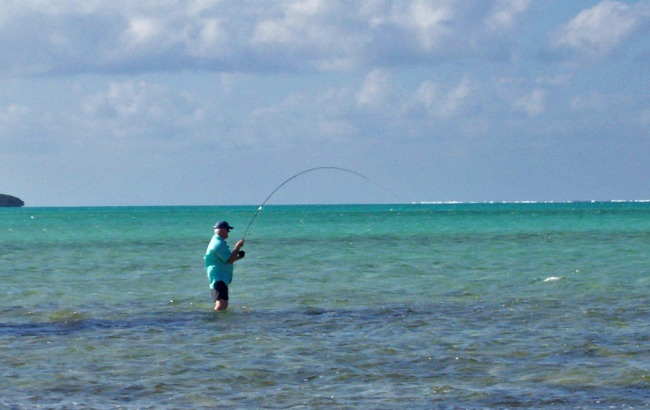
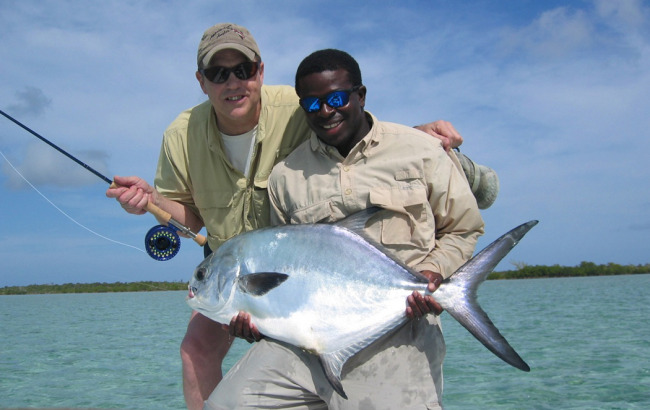
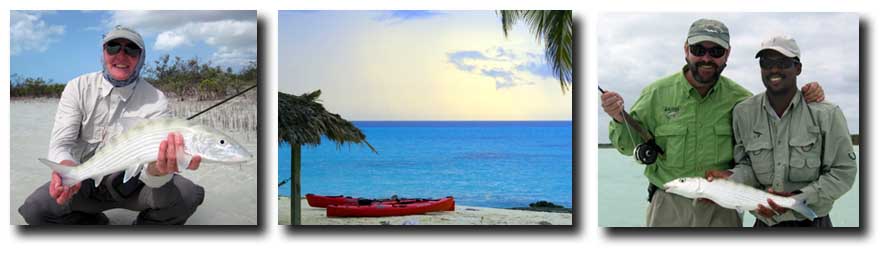
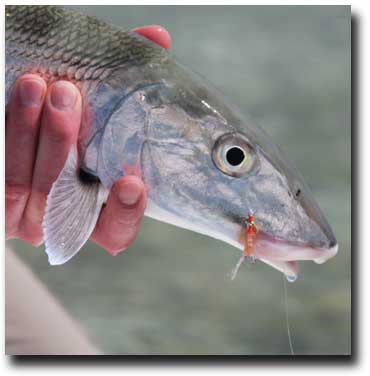
    The fishing can be fantastic for bonefish that haven’t seen enough pressure to become spooky yet, averaging 2-4 pounds, with some much larger fish on certain flats, tailing or cruising alone or in pairs. Besides bonefish, there are lots of snapper (mutton, mangrove, yellowtail), jacks, some big permit, a few tarpon, ocean triggerfish and tons of barracuda. Photographers will want to catch a bonefish within view of some of the thousands of Flamingos that inhabit this part of the Bahamas.

    Offshore Fishing

    If you like the big fish – the offshore stuff – the lodge operates a completely equipped boat. Offshore fishing with Captain Robbie Gibson is incredible. The lodge is fishing water that no other sport fishing boats are touching. Daily catches may exceed thirty fish and are not uncommon. Fall & Winter are excellent for wahoo and mackerel and some tuna. Spring & winter are excellent for tuna, dolphin (mahi mahi), and marlin. Wahoo and mackerel are also good.

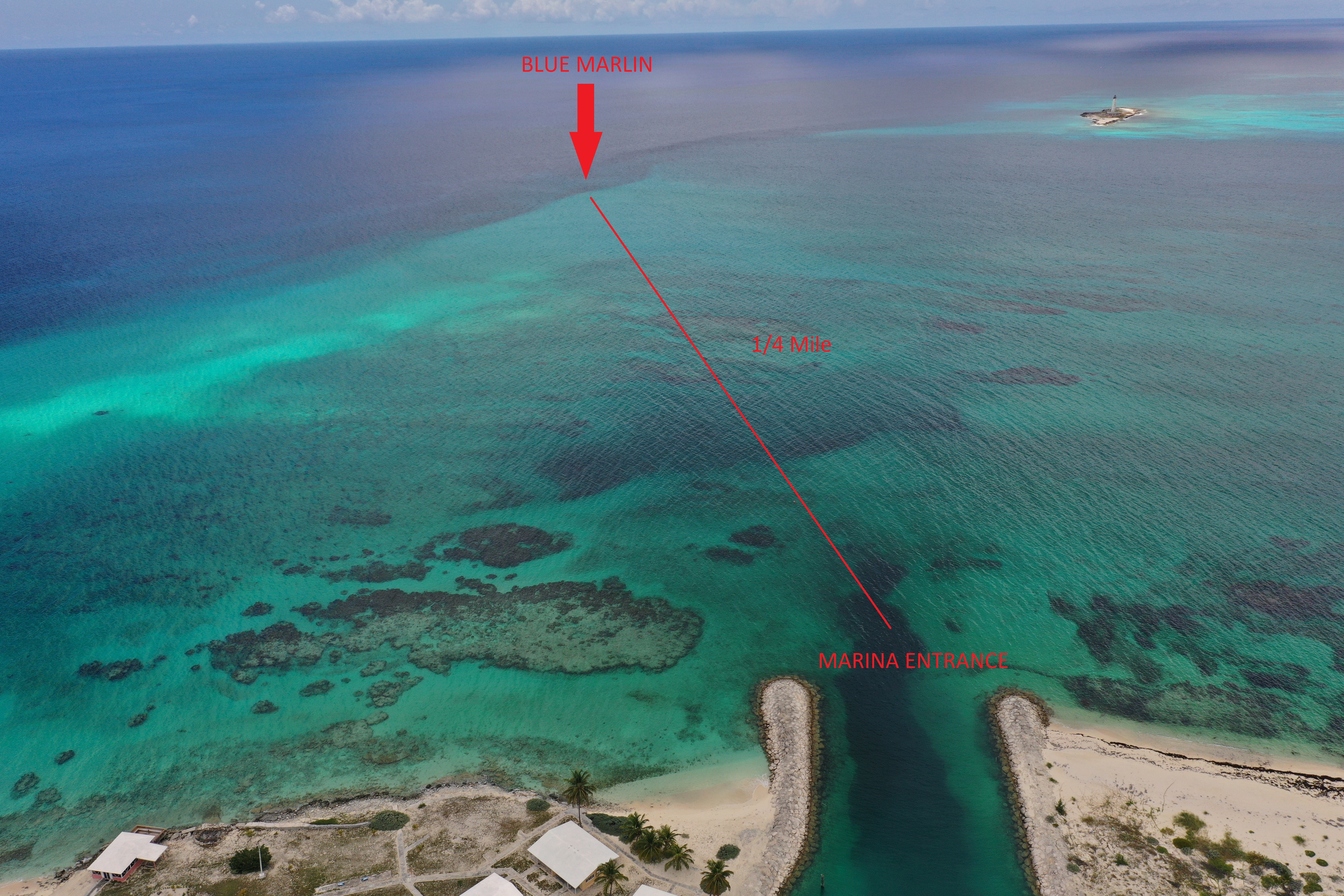
    At the hotel, there is a picture of this fellow holding a wahoo that scaled reliably at 148 pounds. That’s a damn big wahoo. Billfish, tuna, dorado and other offshore species abound (seasonally) just a mile or less from shore or you can arrange longer excursions to productive offshore fishing spots for the day or a sleep over trip to the renowned Diana Banks.

    For fly-casters looking for deep water fish, the lodge has been experimenting successfully with live baiting big jack crevale, horseyed jacks, amberjacks, mutton snapper, dorado and tuna. Live baiting involves releasing live pilchards to attract schooling fish to the boat and then casting flies. Bring your 10-12 weight rods and big deceiver patterns if you’d like to try this (subject to availability of the big boat and access to the live bait).

    Reef Fishing

    Light tackle or inshore fishing is very popular and highly productive with all our guests. Fishing in about 100 ft. of water produces nice catches of grouper, snapper, hard fighting jacks, mackerel, sharks, and cudas. Guests are invited to bring their catch back to the hotel, where the experienced and skilled Crooked Island Lodge chef will prepare your catch for dinner at the Sunset Bar & Grill. Chumming, jigging and live bait techniques are used for inshore fishing. Excellent catches are available all year long. Because of the low population density (the total population of Acklins/Crooked Islands is less than 1,000), the reefs have barely been touched.

    The Lodge

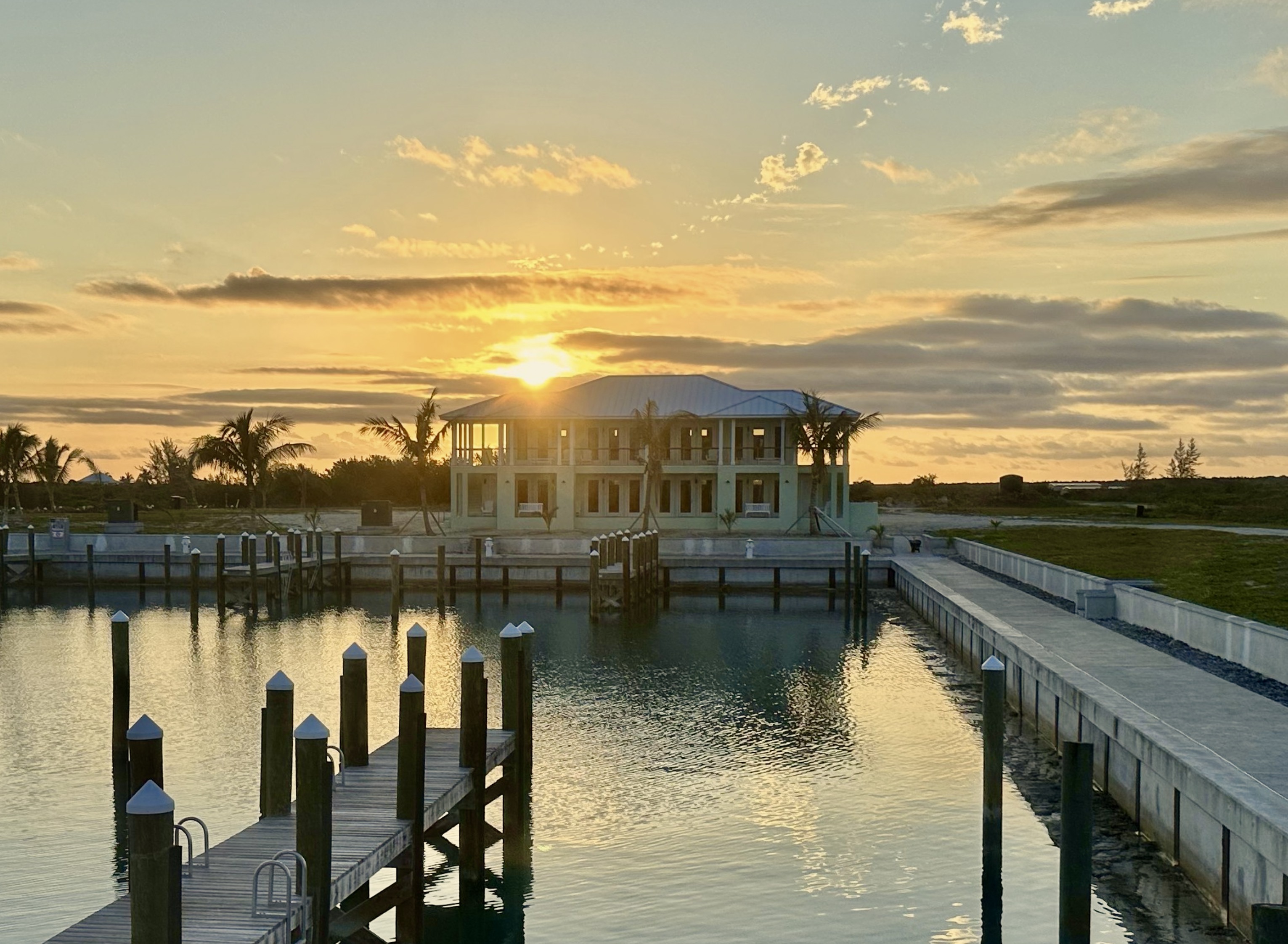
    The setting is lovely – a very dramatic bit of coastline with beautiful beaches and shells, great reef fishing 10 yards from shore and a 30-minute run to the flats. The hotel itself is informal, not luxurious, but modern and comfy, quiet, small and nicely tree-shaded. There are 12 rooms in 3 villas, a separate dining area, a beach cabana where dinners and lunches are sometimes served, a bar and a private airfield. The nearest village is about a mile away. The Crooked Islanders are wonderful, dignified people with big smiles; quiet, polite, religious and good-humored.

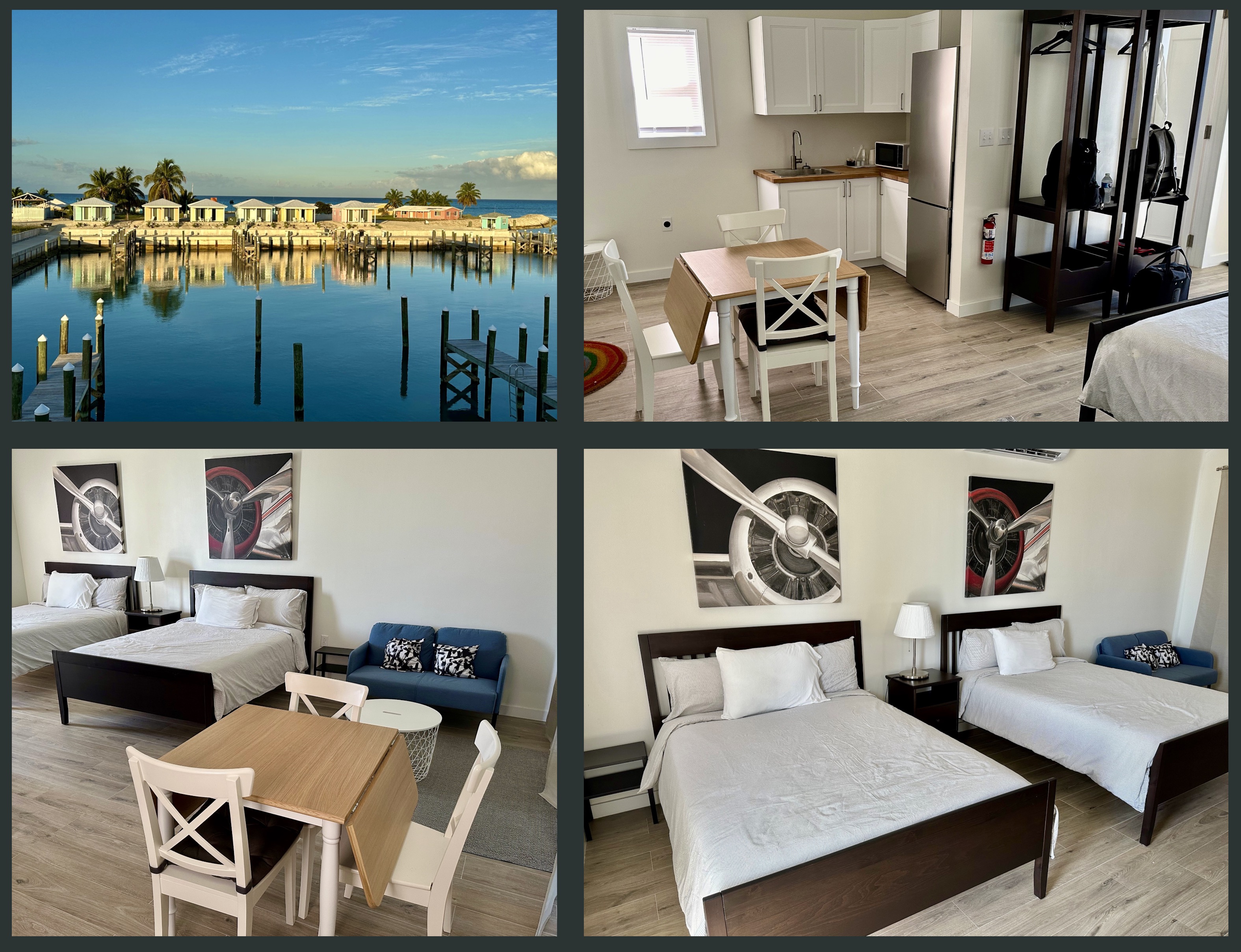
    Crooked Island Lodge offers eight air-conditioned hotel rooms, each featuring two double beds, a private bath, sitting area, microwave, coffee maker, and mini-fridge. These rooms provide spectacular sunset views. Six private cottages are also available, equipped with two double beds, a private bath, seating and dining area, and a kitchenette that includes a refrigerator/freezer, microwave, and coffee maker. Private patios overlook the marina.

    Dining & Activities

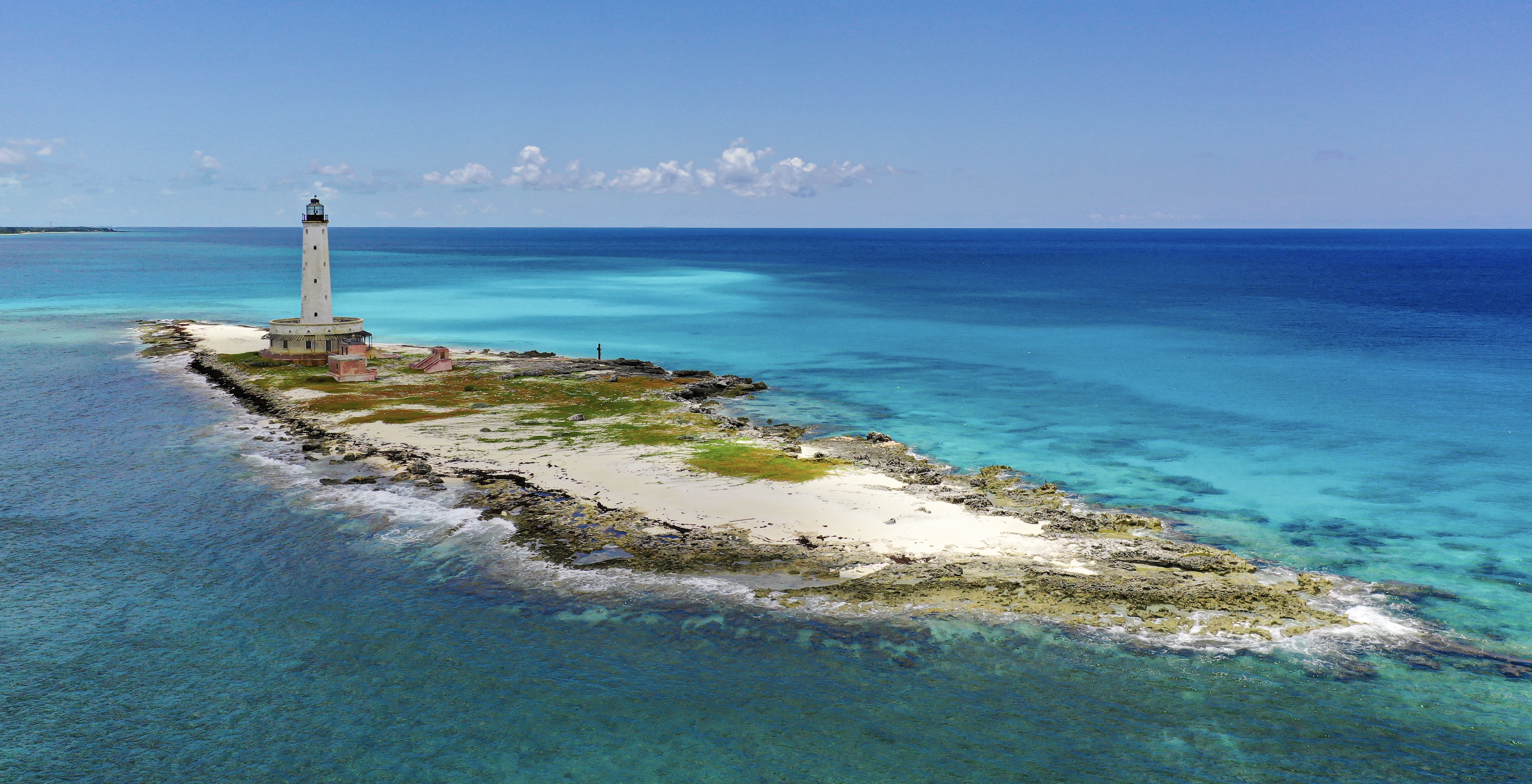
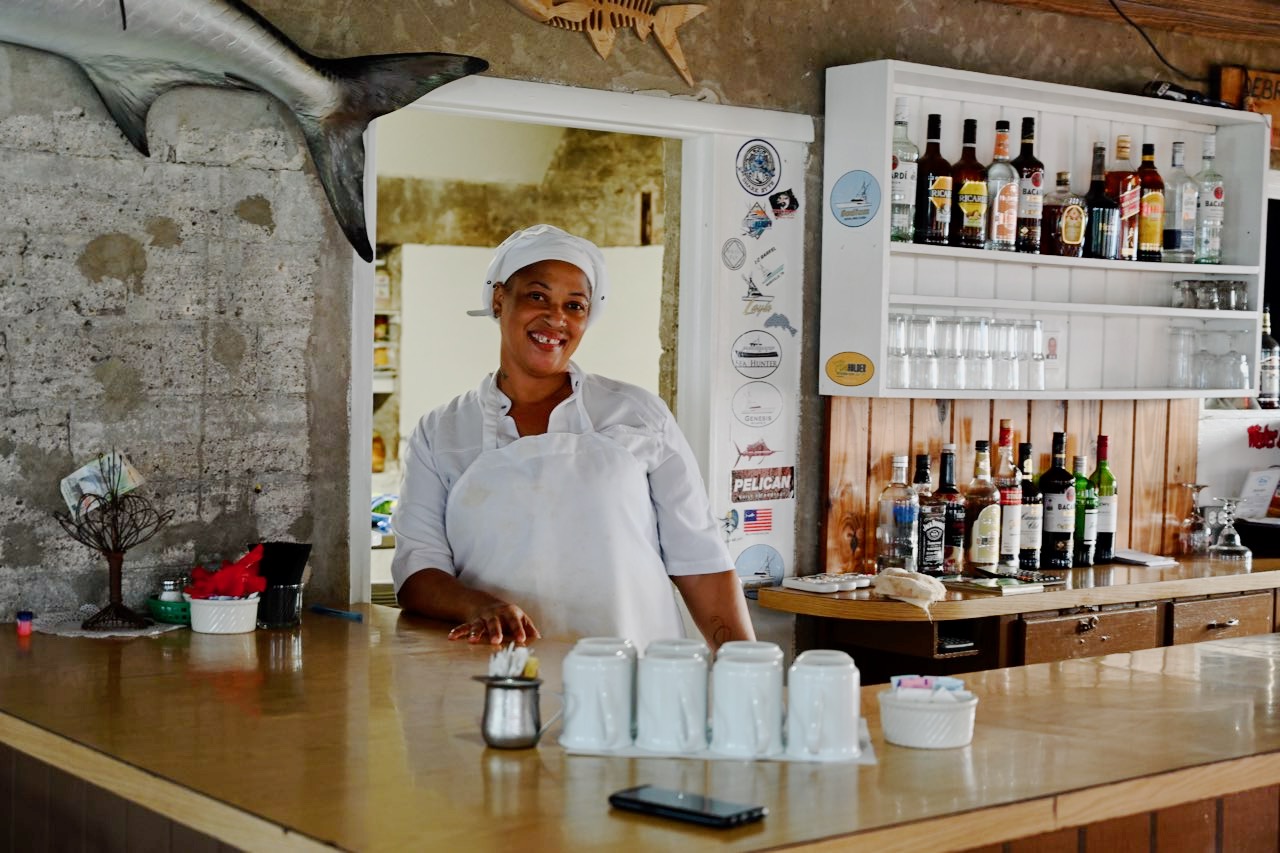
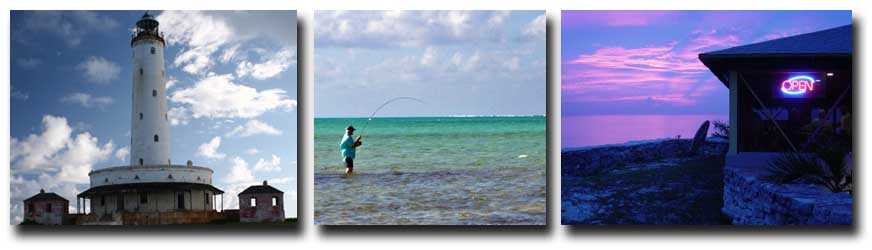
    The Sunset Bar & Grill, located steps from the main lodge, offers incredible views of Bird Rock Lighthouse and is named for the magnificent sunsets enjoyed almost nightly. The restaurant serves fresh, locally caught seafood such as grouper, snapper, tuna, mahi-mahi, lobster, and conch, prepared in traditional Bahamian recipes. Breakfast includes fresh coffee, juices, fruit, pastries, breakfast meats, and eggs cooked to order. Lunch options are available for individuals and groups, with “cooler lunches” prepared for those fishing or exploring. Dinner features hearty portions of locally influenced dishes, accompanied by homemade breads and desserts. Special dietary requests can be accommodated with advance notice.

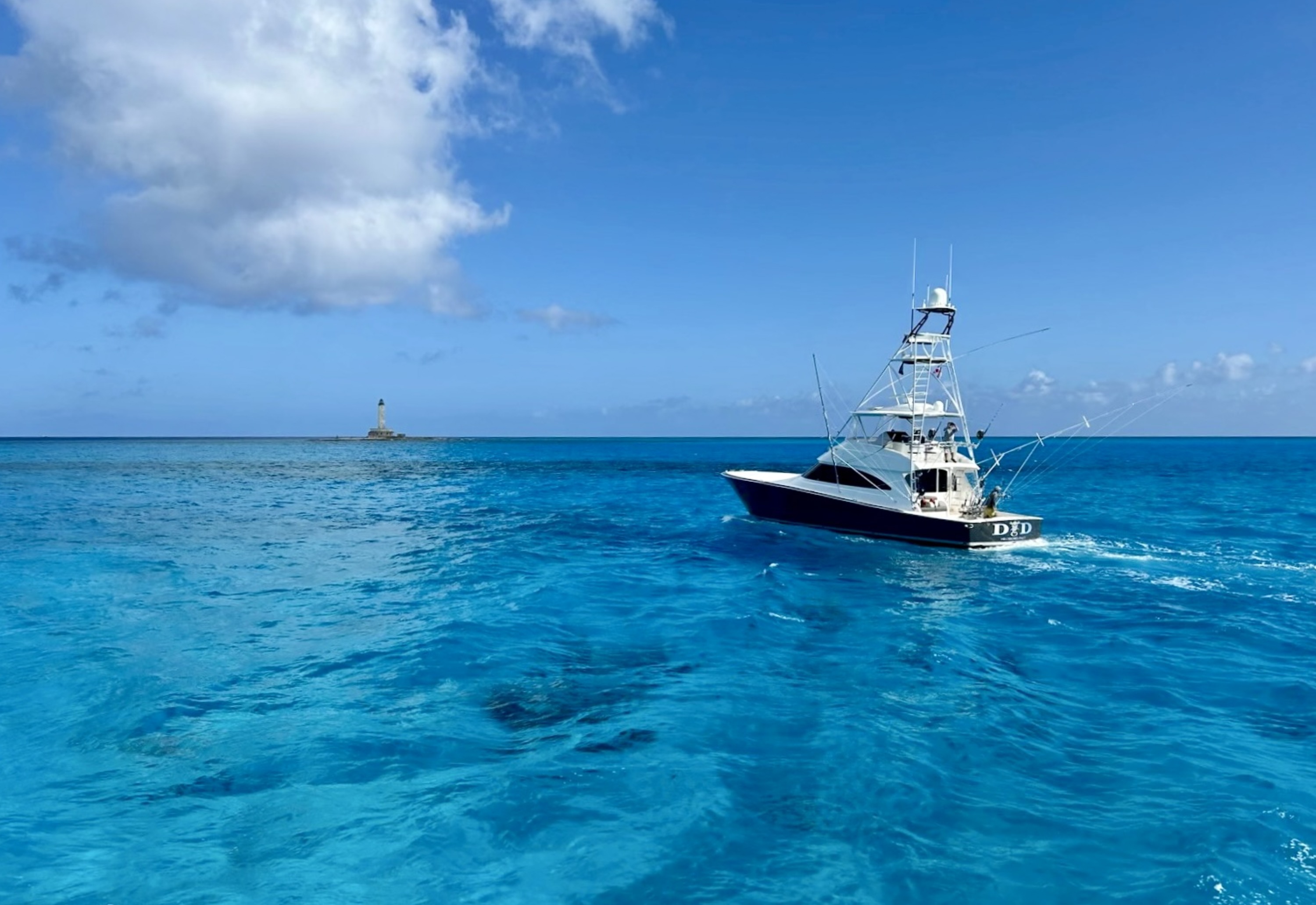
    The lodge overlooks Bird Rock Lighthouse, surrounded by an extensive reef system. Guests can snorkel steps away from their rooms or experience unique “wall diving” just off the beach. Sea kayak tours of the coast and visits to the historic lighthouse are available. Self-guided snorkeling is also an option.

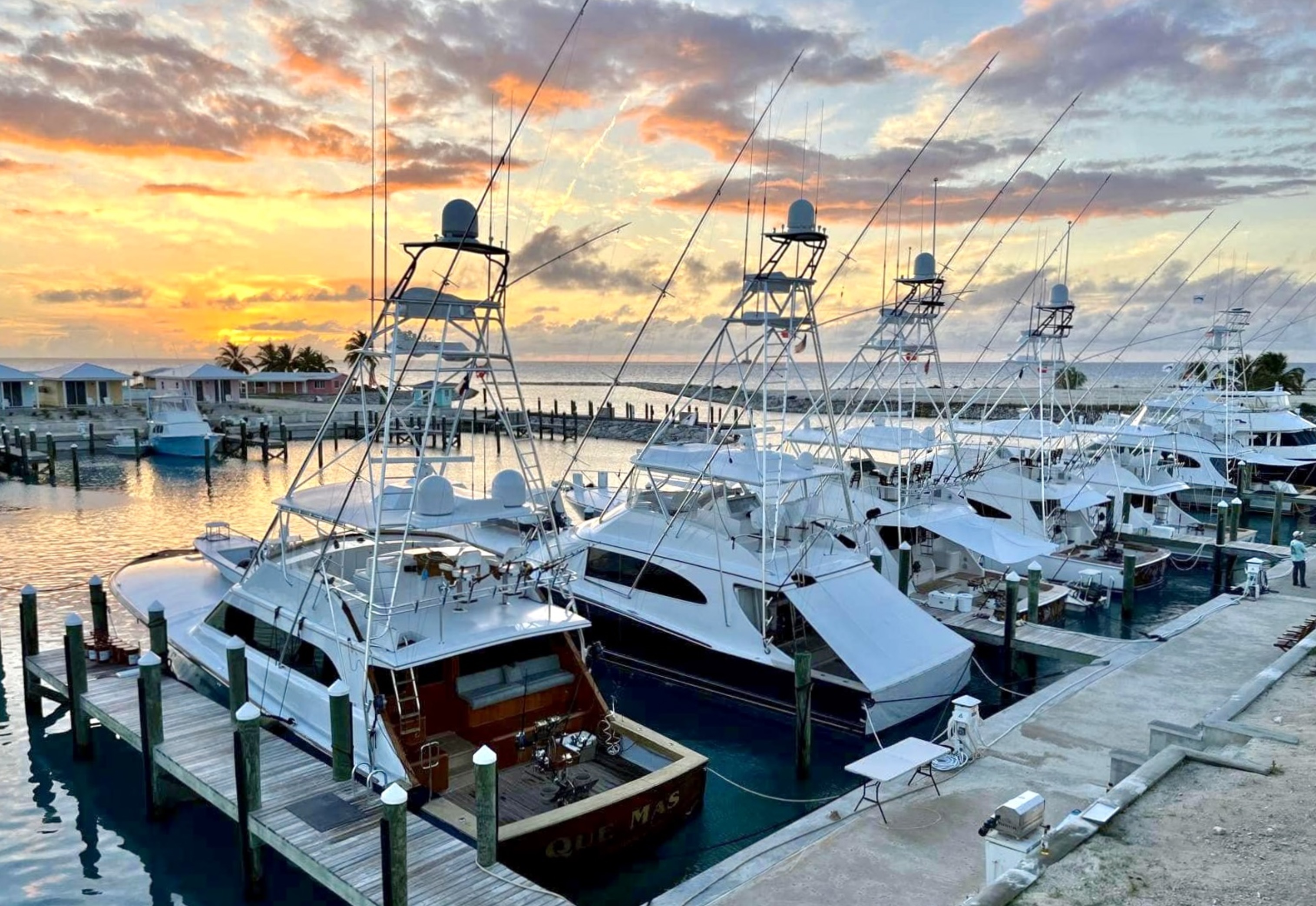
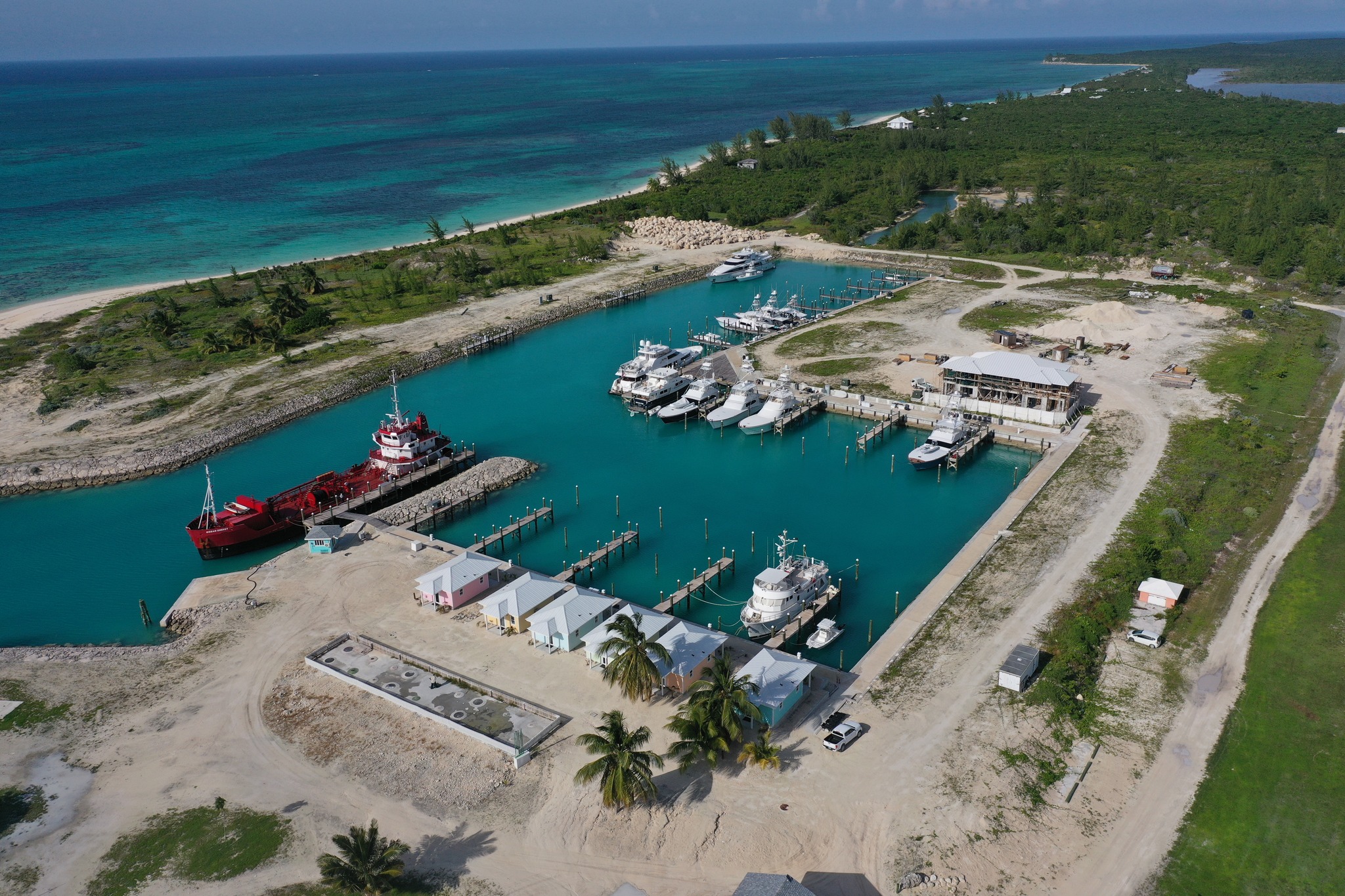
    The lodge features a 35-slip marina accommodating vessels up to 160 feet, with amenities such as high-quality RO water, full electrical hookups, and fuel services available daily.

    Getting There

    Crooked Island is located in the southern Bahamas, a 1 hour and 15 minute flight south of Nassau. Bahamas Air services the island from Nassau twice per week (Wednesdays and Saturdays), landing at Colonel Hill Airport, a 4,000′ airstrip on the southwest portion of the island, approximately a 30-minute drive to Crooked Island Lodge. For a more convenient travel option, charter flights can also be arranged. Crooked Island Lodge has a 3,500′ private airstrip which makes it ideal for private planes as well as charter flights.

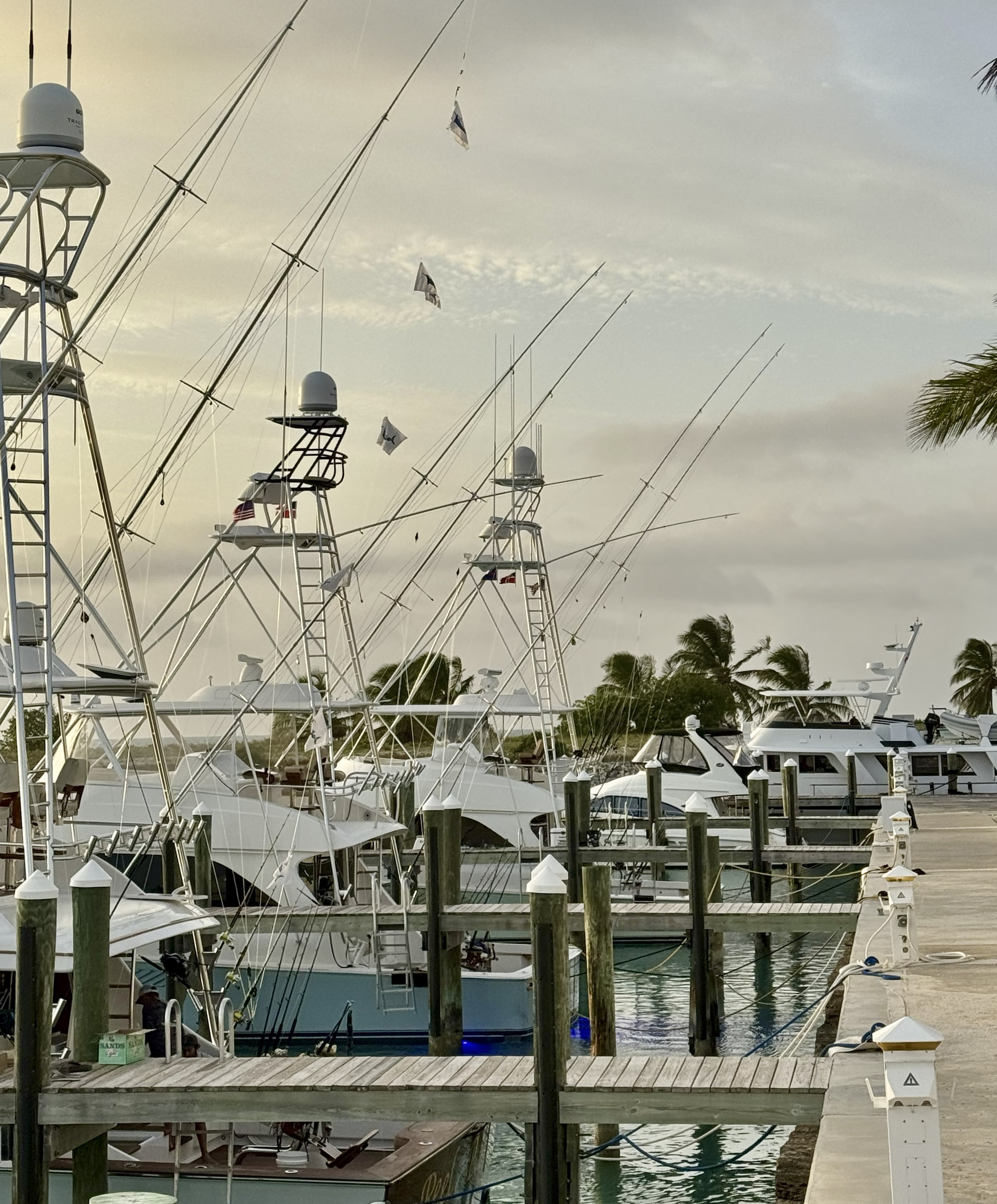
    Crooked Island Lodge Bahamas marina and boats

    Get Your Custom Quote for Crooked Island Lodge

    Angler Adventures arranges completely customizable packages at Crooked Island Lodge to meet your fishing and/or non-fishing preferences.

    Our services are free! We’ll work with you to create the perfect Bahamas fishing vacation package.

    Ready to Plan Your Adventure?

    Experience world-class bonefishing, offshore fishing, and reef fishing at Crooked Island Lodge. Our team will help you create the perfect custom package for your Bahamas fishing vacation.

    Monday – Friday, 9am – 5pm EST

    Request a Quote

    Fill out the form below and we’ll get back to you with a custom package quote.
    Destination Inquiry
    Crooked Island Lodge has a lot of fishable water close by and it isn’t all just bonefish! There are extensive systems of interior creek and lagoon areas that have big bonefish, an assortment of snapper, barracuda and small grouper, some permit and the occasional small to medium sized tarpon – all catchable on a fly rod or spinning gear. Towards the outer edges of the islands, out in the Bight, it’s entirely different fishing: poling or wading crystal-clear sand flats, which hold thousands of school-size (2-4 pound) bones. Along the edges of the mangroves on a high tide you’ll again find larger single and double bonefish nosing through the roots and marl. The beach in front of the lodge, the fishing can sometimes be quite good for jacks, small permit, grouper, snapper and such with the fly rod. If you’re willing to use a spinning rod or can cast a needlefish fly a considerable distance, you can also catch barracuda up to 5 feet long, either casting from the skiff, trolling behind the skiff or fishing from shore.
    Off Shore

    If you like the big fish – the offshore stuff – the lodge operates a completely equipped boat. Offshore fishing with Captain Robbie Gibson is incredible. The lodge is fishing water that no other sport fishing boats are touching. Daily catches may exceed thirty fish and are not uncommon. Fall & Winter are excellent for wahoo and mackerel and some tuna. Spring & winter are excellent for tuna, dolphin (mahi mahi), and marlin. Wahoo and mackerel are also good.
    Reef Fishing

    Light tackle or Inshore fishing is very popular and highly productive with all our guests. Fishing in about 100 ft. of water produces nice catches of grouper, snapper, hard fighting jacks, mackerel, sharks, and cudas. Guests are invited to bring their catch back to the hotel, where the experienced and skilled Crooked Island Lodge chef will prepare your catch for dinner at the Sunset Bar & Grill. Chumming, jigging and live bait techniques are used for inshore fishing. Excellent catches are available all year long. Because of the low population density (the total population of Acklins/Crooked Islands is less than 1,000), the reefs have barely been touched. At the hotel, there is a picture of this fellow holding a wahoo that scaled reliably at 148 pounds. That’s a damn big wahoo. Billfish, tuna, dorado and other offshore species abound (seasonally) just a mile or less from shore or you can arrange longer excursions to productive offshore fishing spots for the day or a sleep over trip to the renowned Diana Banks. For fly-casters looking for deep water fish, the lodge has been experimenting successfully with live baiting big jack crevale, horseyed jacks, amberjacks, mutton snapper, dorado and tuna. Live baiting involves releasing live pilchards to attract schooling fish to the boat and then casting flies. Bring your 10-12 weight rods and big deceiver patterns if you’d like to try this (subject to availability of the big boat and access to the live bait). The setting is lovely – a very dramatic bit of coastline with beautiful beaches and shells, great reef fishing 10 yards from shore and a 30-minute run to the flats. The hotel itself is informal, not luxurious, but modern and comfy, quiet, small and nicely tree-shaded. There are 12 rooms in 3 villas, a separate dining area, a beach cabana where dinners and lunches are sometimes served, a bar and a private airfield. The nearest village is about a mile away. The Crooked Islanders are wonderful, dignified people with big smiles; quiet, polite, religious and good-humored.

    The fishing can be fantastic for bonefish that haven’t seen enough pressure to become spooky yet, averaging 2 – 4 pounds, with some much larger fish on certain flats, tailing or cruising alone or in pairs. Besides bonefish, there are lots of snapper (mutton, mangrove, yellowtail), jacks, some big permit, a few tarpon, ocean triggerfish and tons of barracuda. Photographers will want to catch a bonefish within view of some of the thousands of Flamingos that inhabit this part of the Bahamas.

    Our Services are Free! Contact us for Seasonal Discounts, Special Offers or Promotional Pricing

    Please call Angler Adventures for custom packages at Crooked Island Lodge, including guided flats fishing, blue water fishing, reef fishing, non-fishing activities, and non-fishing activities. Crooked Island is located in the southern Bahamas, a 1 hour and 15 minute flight south of Nassau. Bahamas Air services the island from Nassau twice per week (Wednesdays and Saturdays), landing at Colonel Hill Airport, a 4,000′ airstrip on the southwest portion of the island, approximately a 30-minute drive to Crooked Island Lodge. For a more convenient travel option, charter flights can also be arranged. Crooked Island Lodge has a 3,500′ private airstrip which makes it ideal for private planes as well as charter flights.