Tag: saltwater fly fishing

  • Don’t Cancel Your Bahamas Fishing Trip: Why Post-Hurricane Conditions Create Epic Bonefishing

    Don’t Cancel Your Bahamas Fishing Trip: Why Post-Hurricane Conditions Create Epic Bonefishing

    The Question Every Angler Asks (And Why the Answer Might Surprise You)

    Picture this: You’ve been planning your dream Bahamas bonefishing trip for months. You’ve researched lodges, booked flights, and counted down the days. Then, a week before departure, you see it—a hurricane is tracking toward your destination.
    Your first instinct? Cancel. Reschedule.
    Here’s what 40+ years of planning fly fishing trips has taught us: Don’t jump the gun.

    Wait. See what happens. Because on the back end of that hurricane, you could experience the best fishing of your entire life.

    I’m not exaggerating. I’ve seen it happen time and again. Anglers who “rolled the dice” and kept their trips have landed grand slams, caught trophy bonefish, and created stories they’ll tell for decades.

    This isn’t wishful thinking—it’s science. And understanding how hurricanes affect fish behavior could be the difference between staying home and experiencing the best fishing of a lifetime.

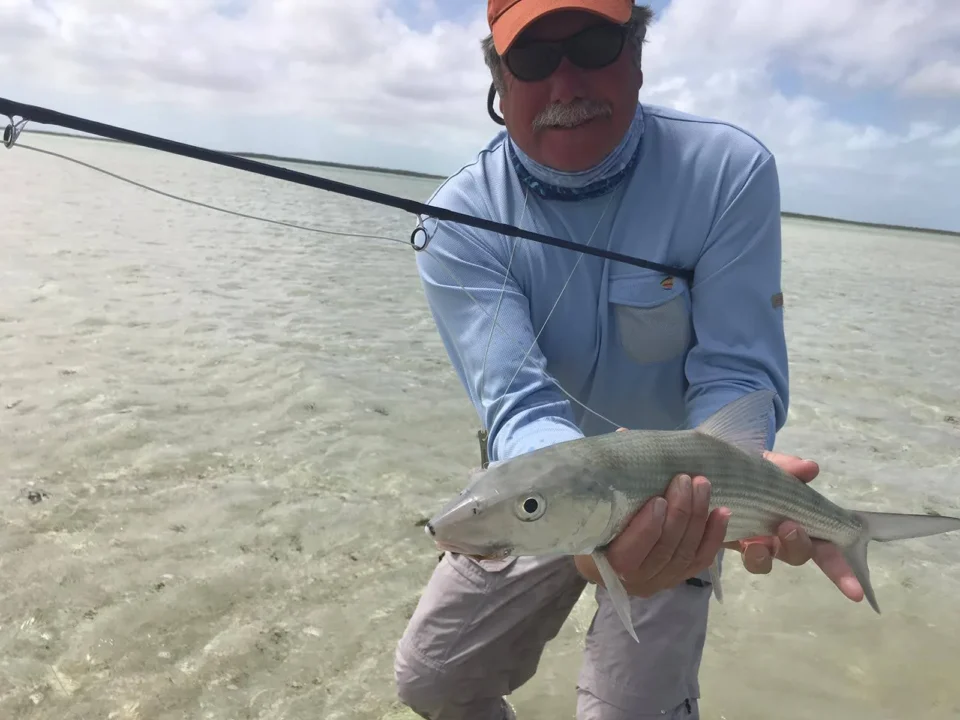
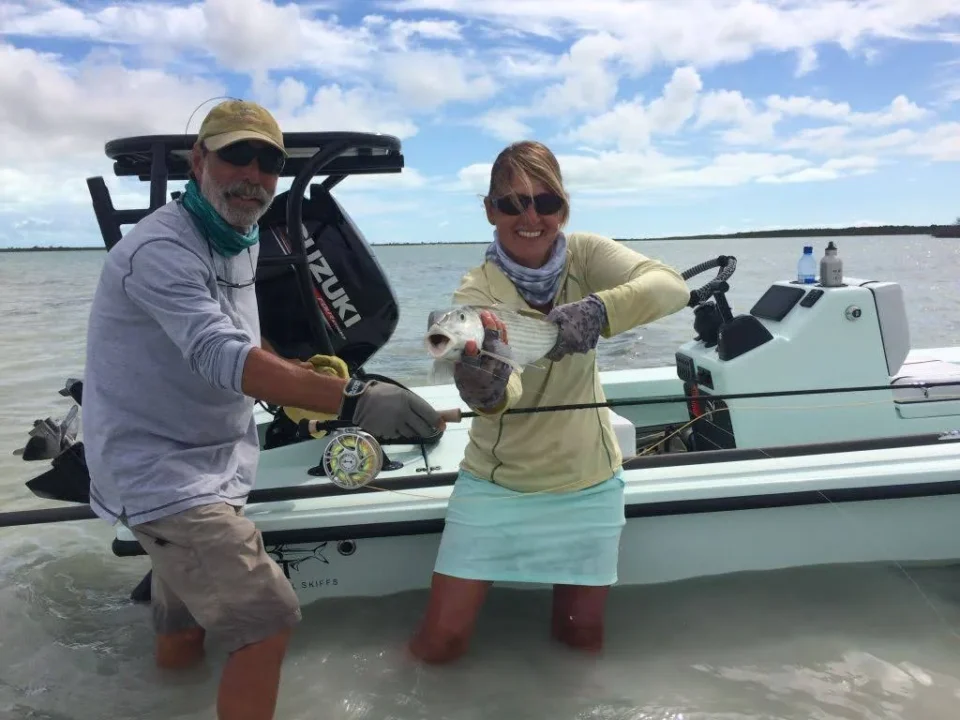
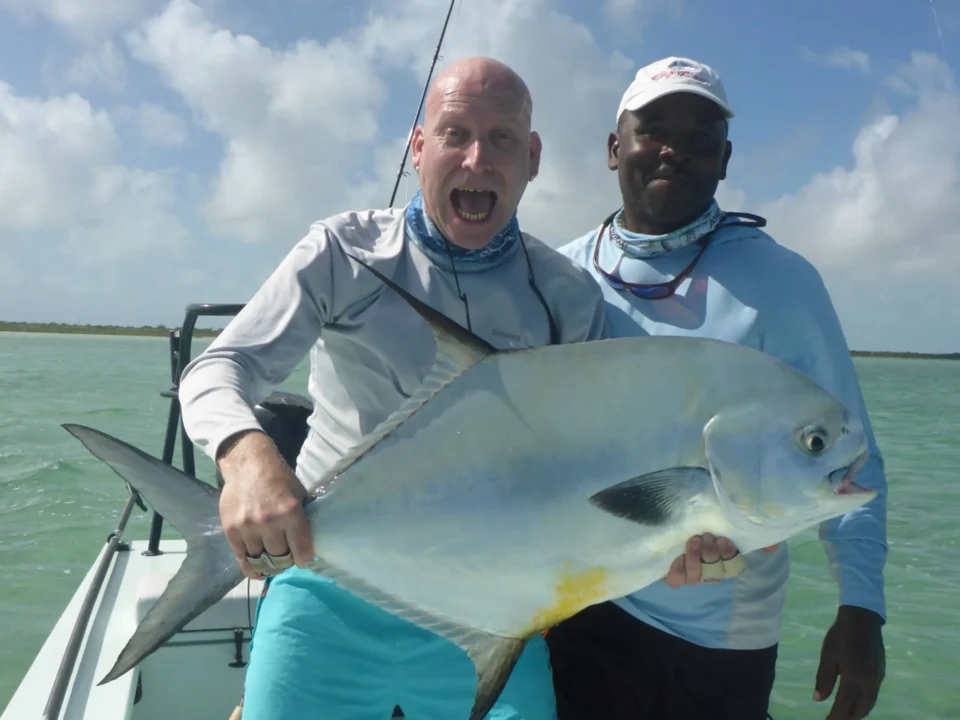
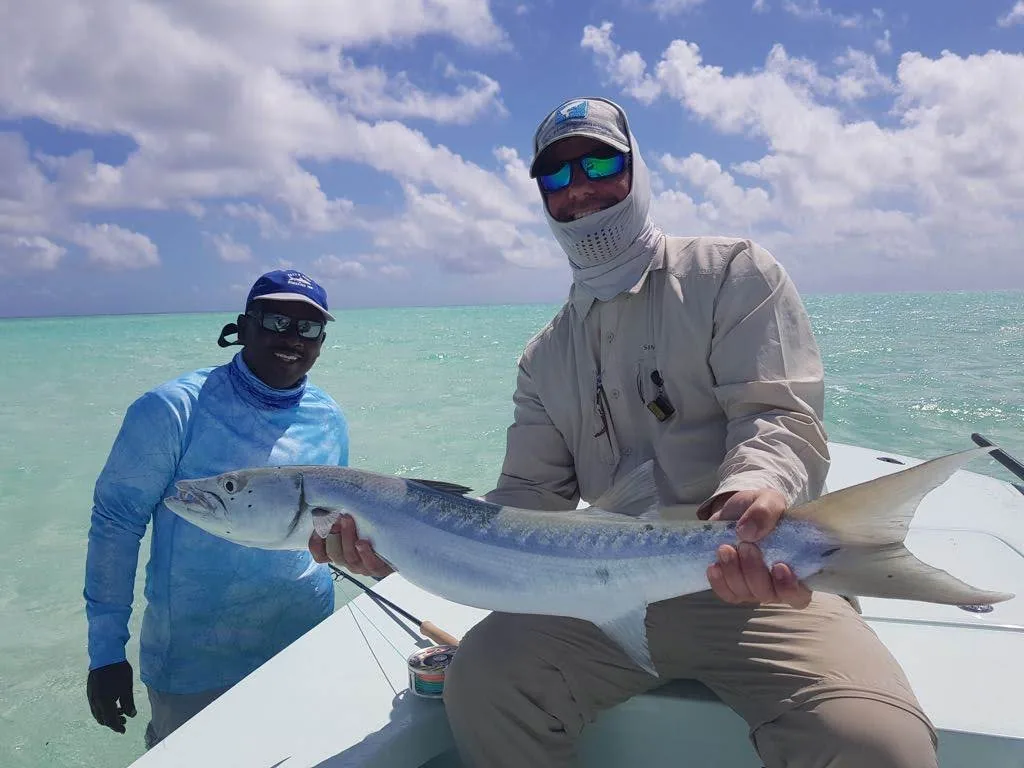
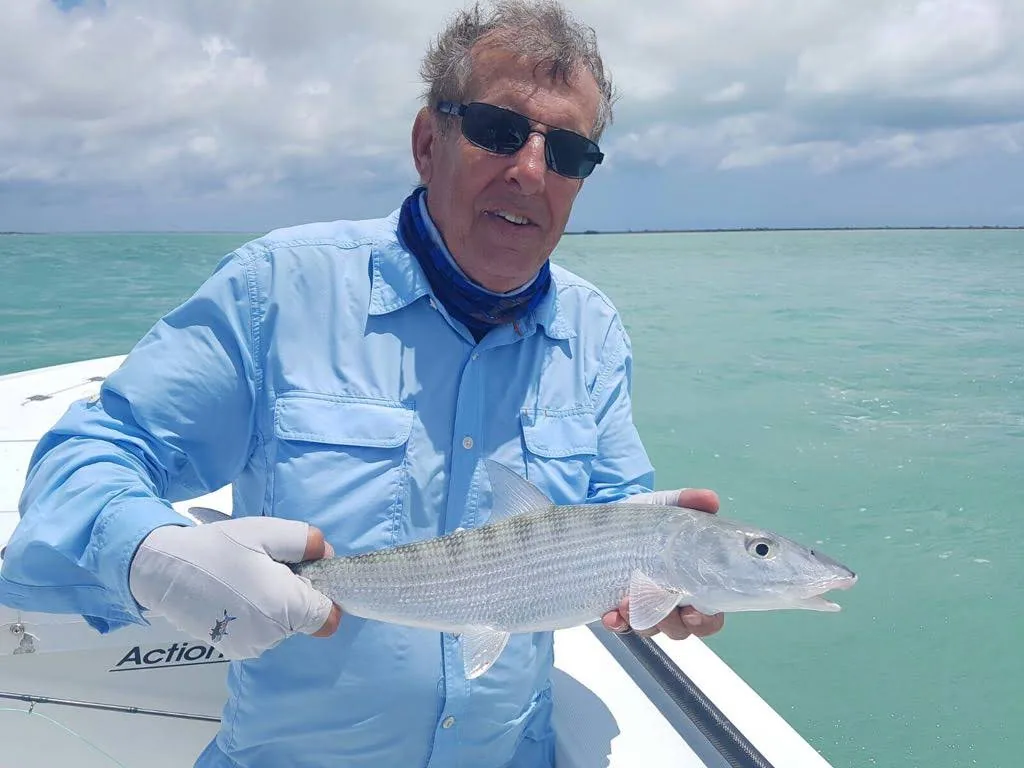
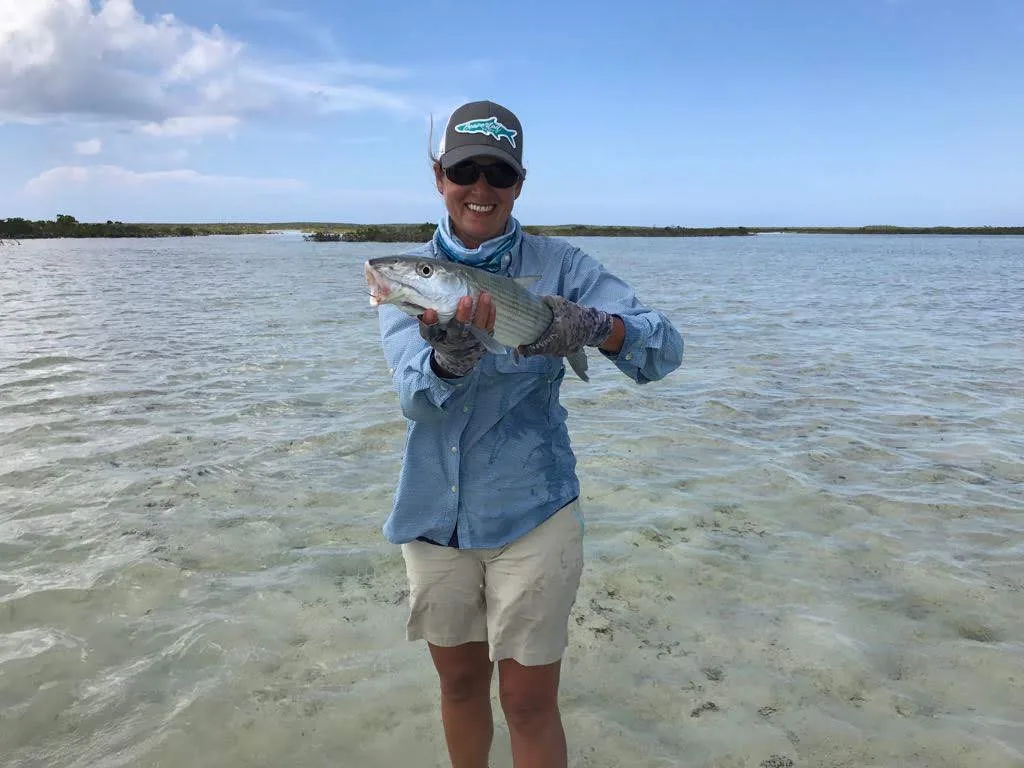
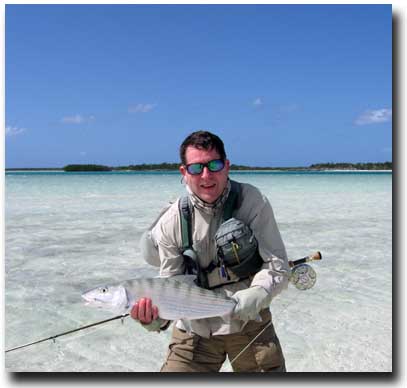
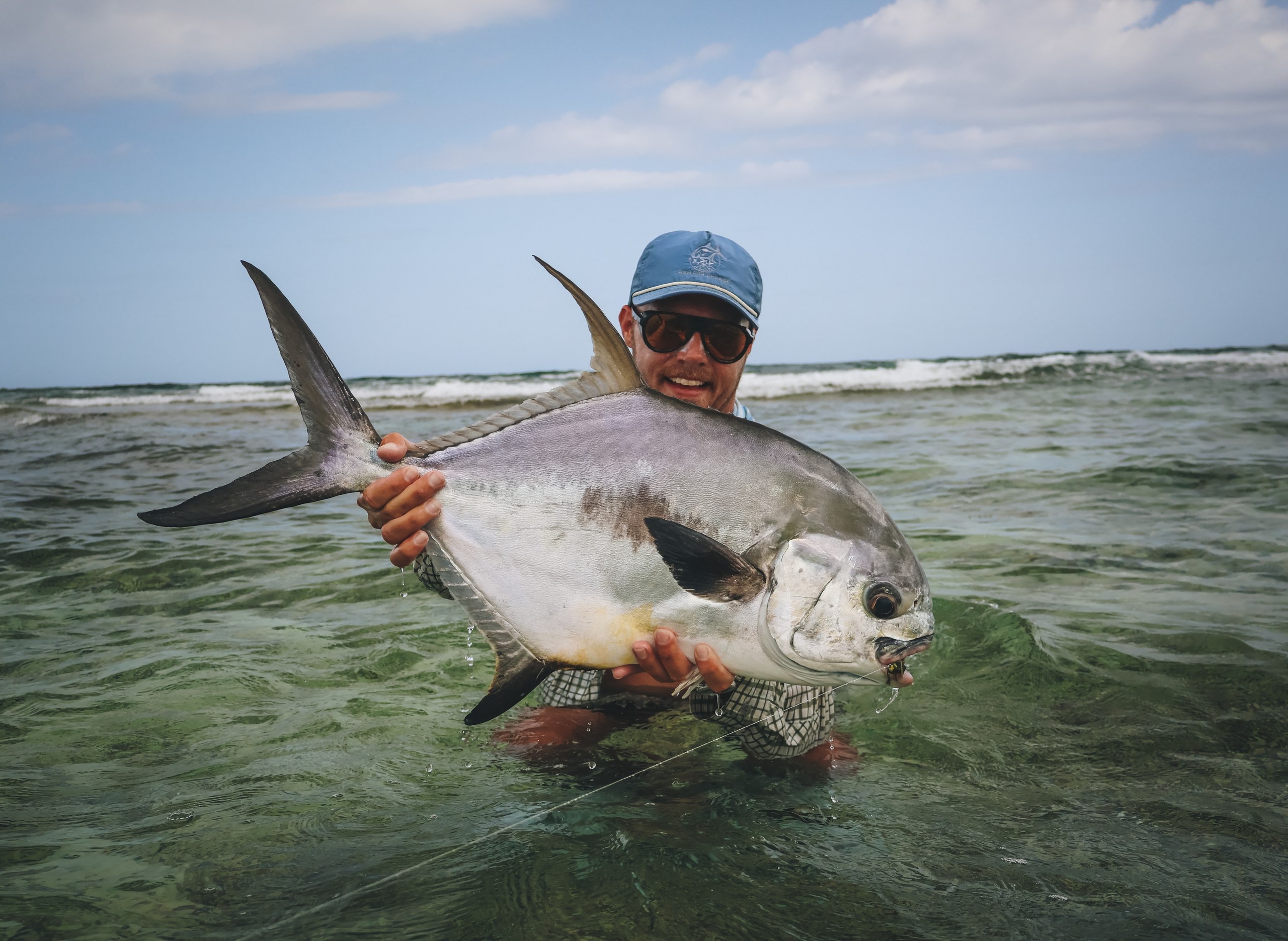
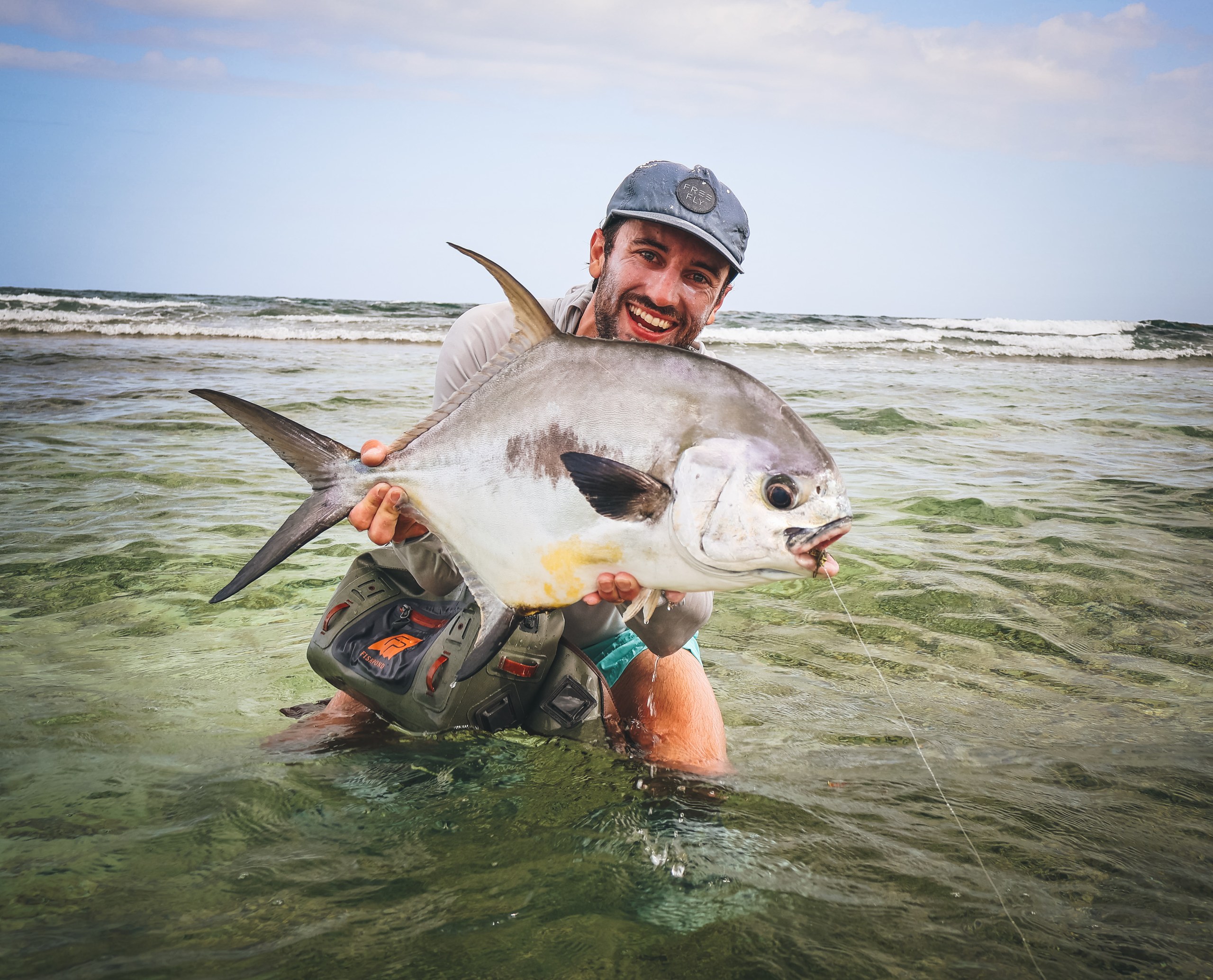
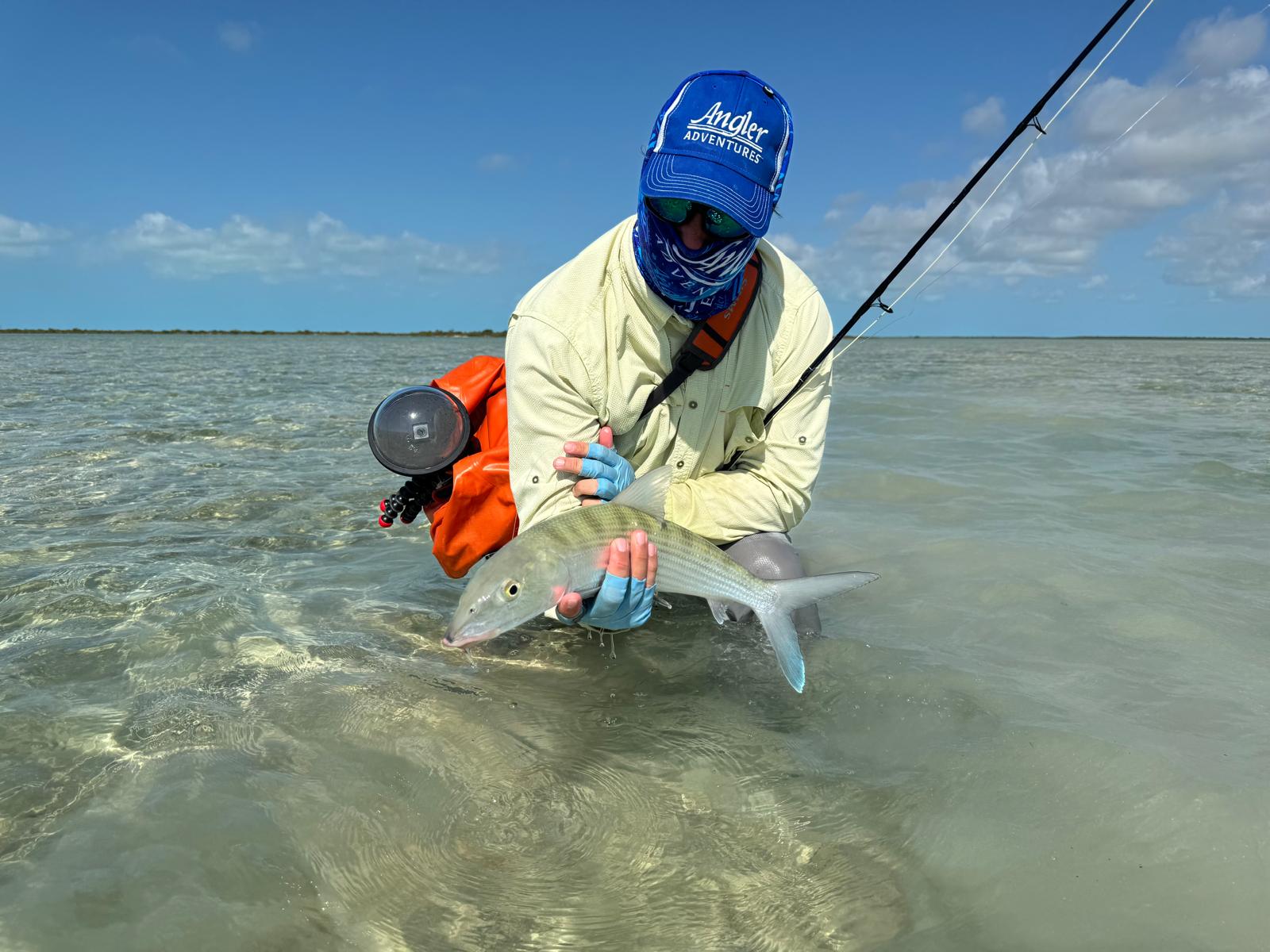
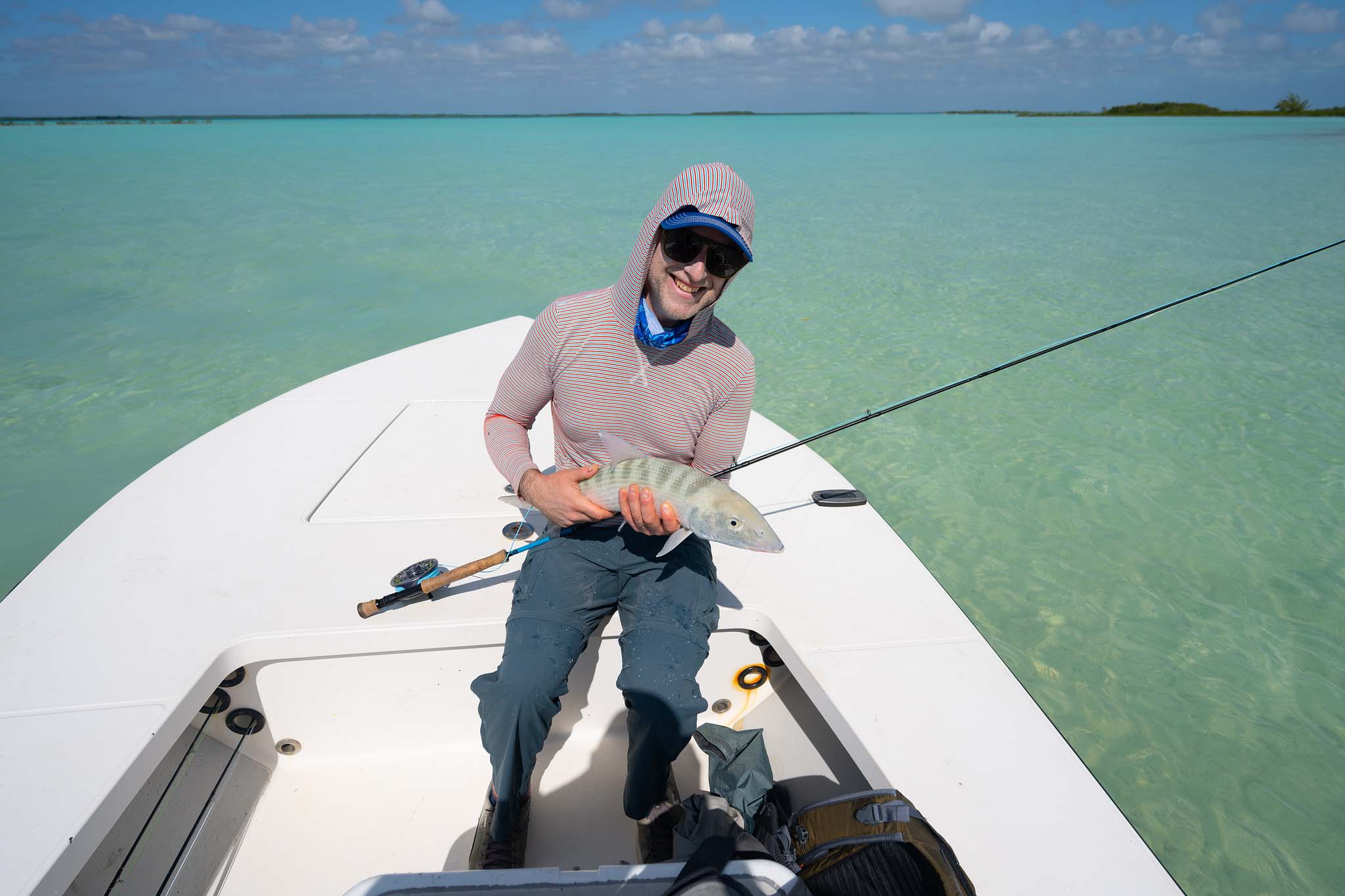
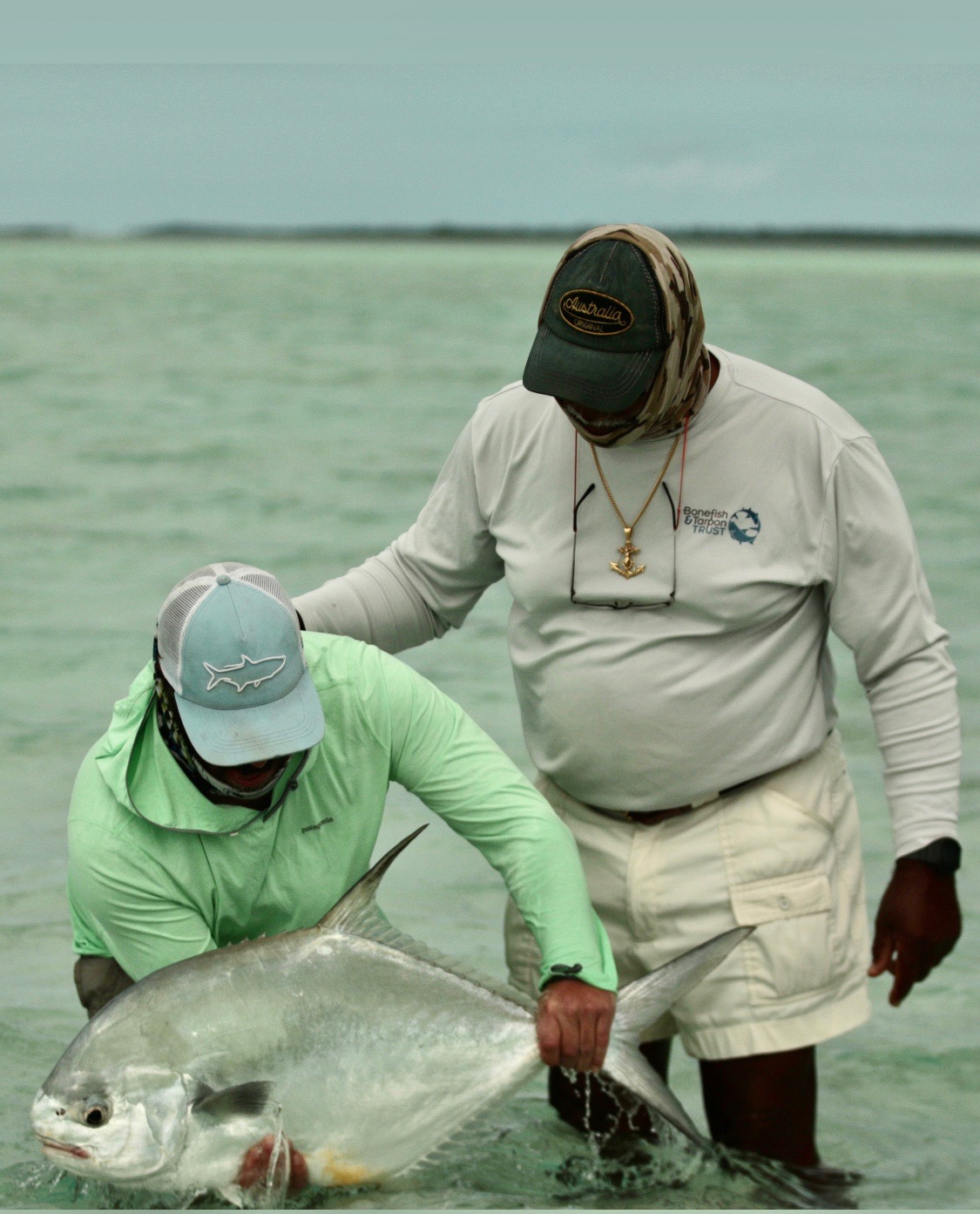
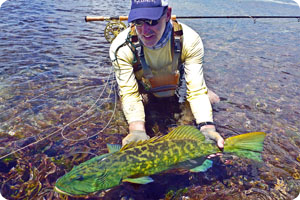
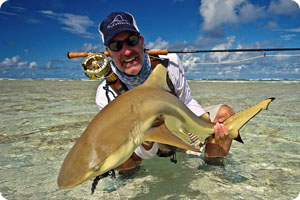
    Angler holding large bonefish on Bahamas flat after hurricane passes, demonstrating exceptional post-storm fishing conditions

    The Science Behind Post-Hurricane Fishing: Why Fish Are So Active After Storms

    To understand why post-hurricane fishing can be so exceptional, you need to understand how fish respond to barometric pressure changes. It’s not just about wind and rain—it’s about what happens to fish when atmospheric pressure drops and rises.

    How Barometric Pressure Affects Fish Behavior

    Fish are incredibly sensitive to pressure changes. They feel atmospheric pressure through the water column—every change in pressure above the surface translates to changes they experience below.

    Here’s what happens:

    1. As the hurricane approaches, barometric pressure drops dramatically
    2. Fish sense this change and become stressed and uncomfortable
    3. They seek deeper water where pressure is more stable
    4. They stop feeding and focus on safety

    For bonefish that typically feed on the flats, this means they abandon their primary feeding grounds and move to deeper channels, cuts, and drop-offs. They’re not just moving—they’re going without food.

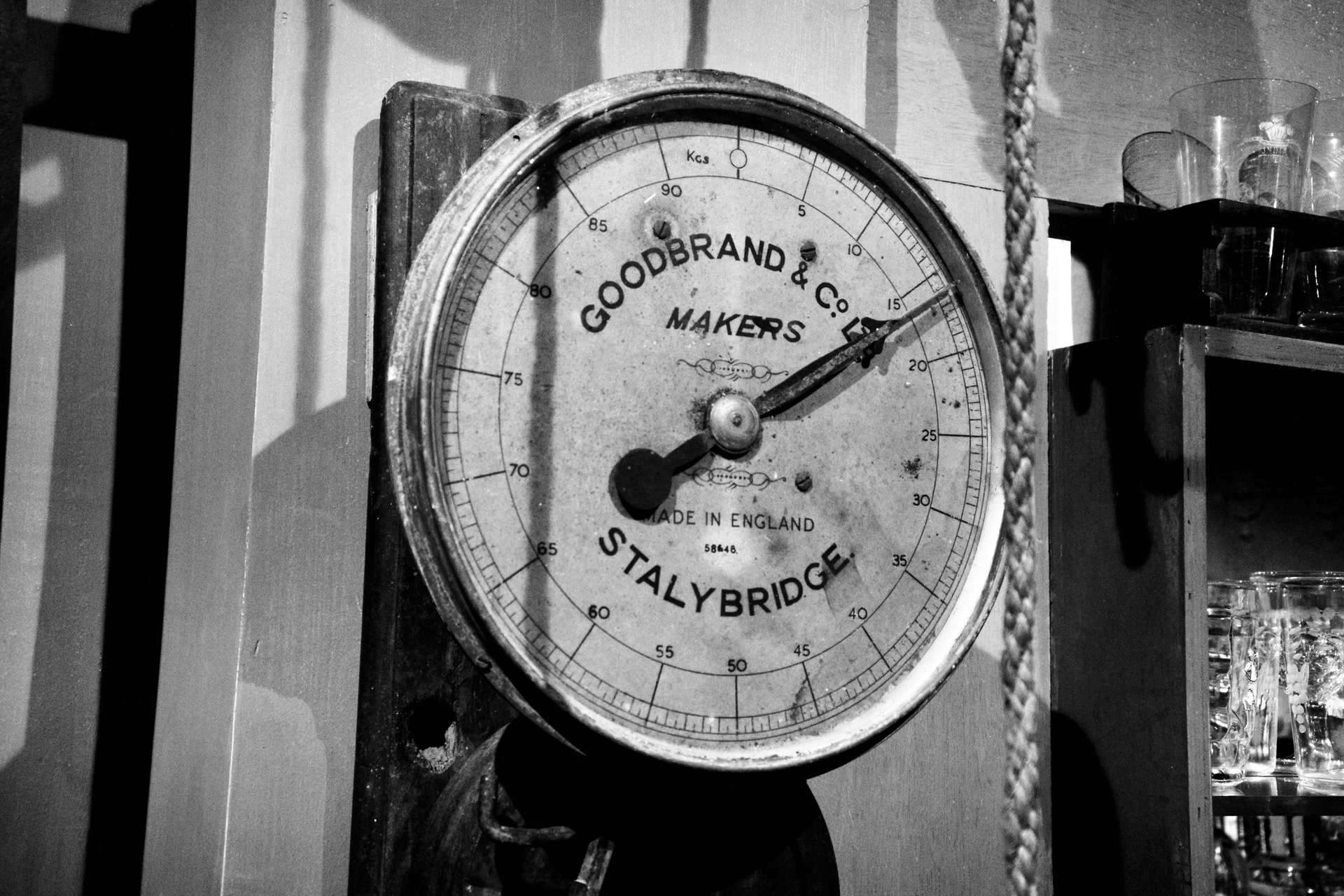
    Vintage wall barometer with storm and fair-weather zones—when pressure plunges ahead of a hurricane, bonefish often slide off shallow Bahamas flats toward deeper channels.

    Why Fish Get So Hungry

    Here’s the critical part most anglers don’t understand: During a hurricane, fish can go days without eating.

    Think about it from the fish’s perspective:

    • Day 1: Pressure drops, fish move to deeper water
    • Day 2: Hurricane passes over, conditions are dangerous, fish stay deep
    • Day 3: Storm continues, fish remain in deeper water
    • Day 4: Storm moves on, but conditions are still unsettled
    • Day 5: Pressure normalizes, weather clears, fish return to flats

    That’s potentially five days without food for fish that normally feed daily on the flats.

    Now imagine you haven’t eaten in five days. What happens when food becomes available again?

    You become absolutely voracious.

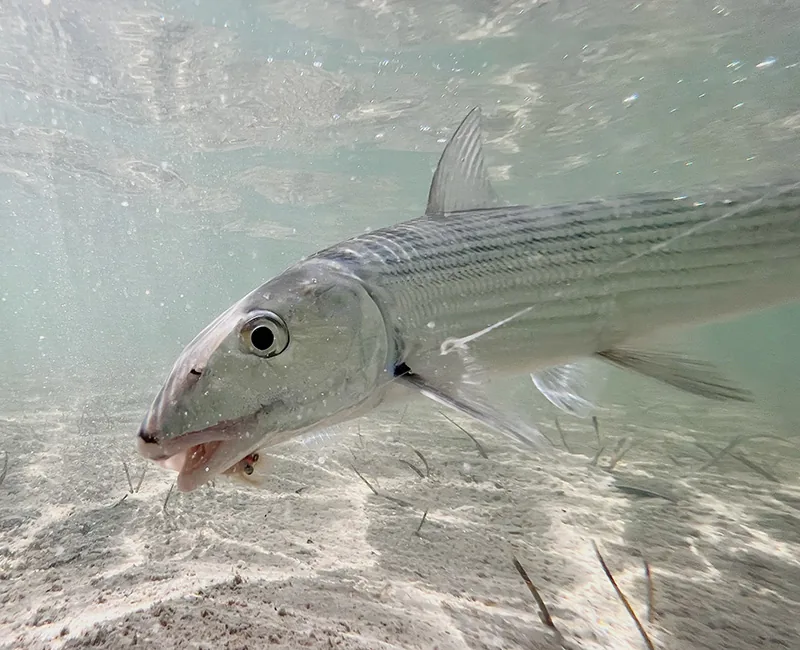
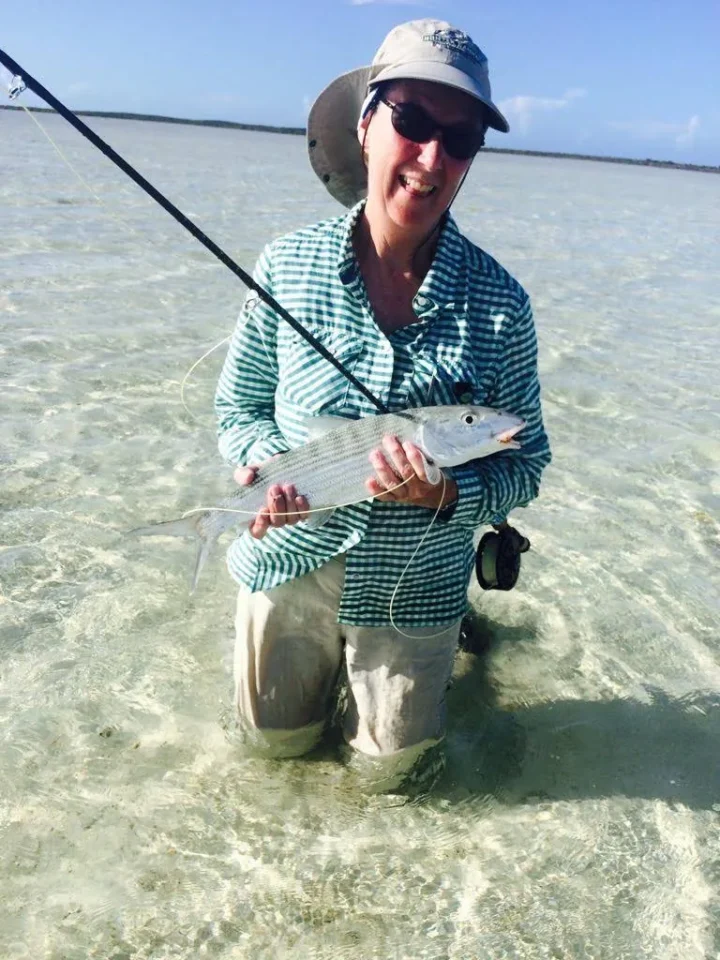
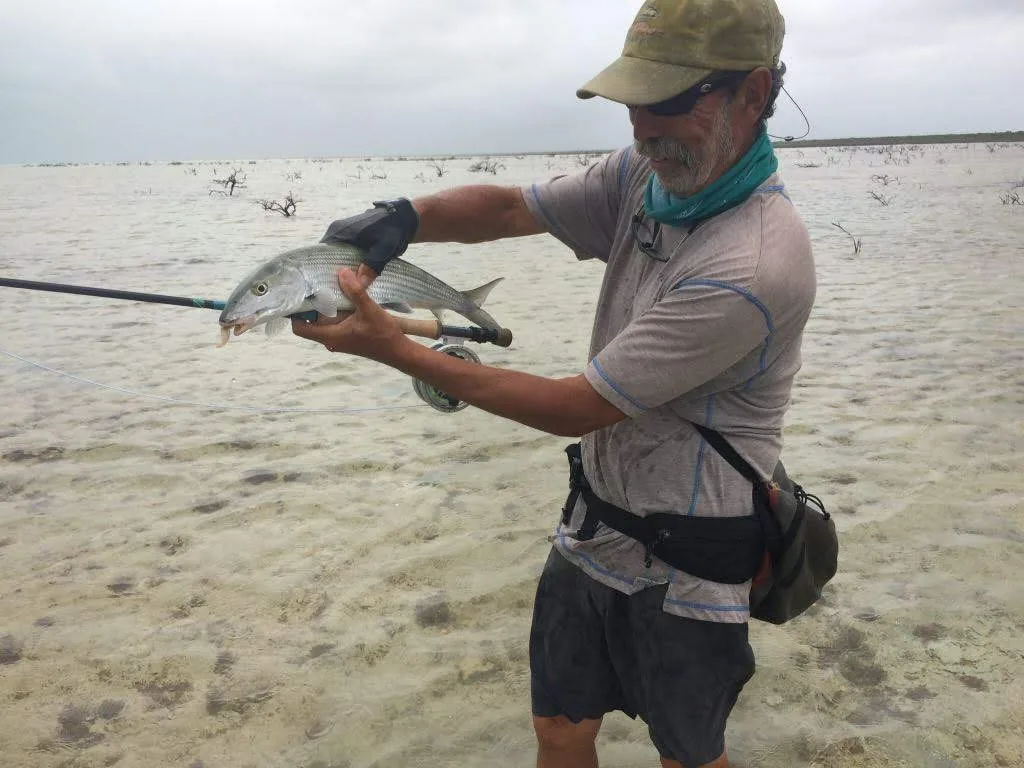
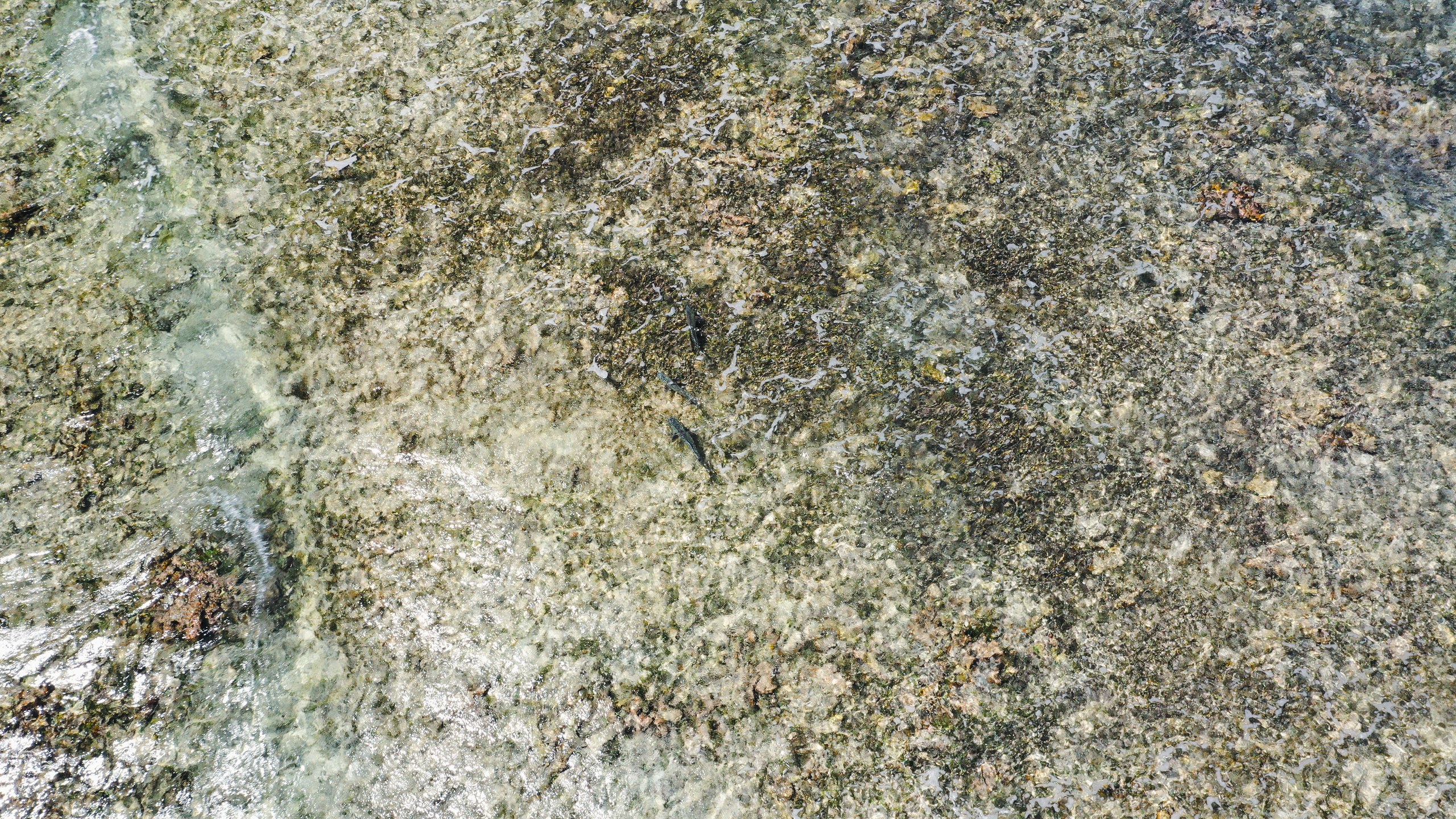
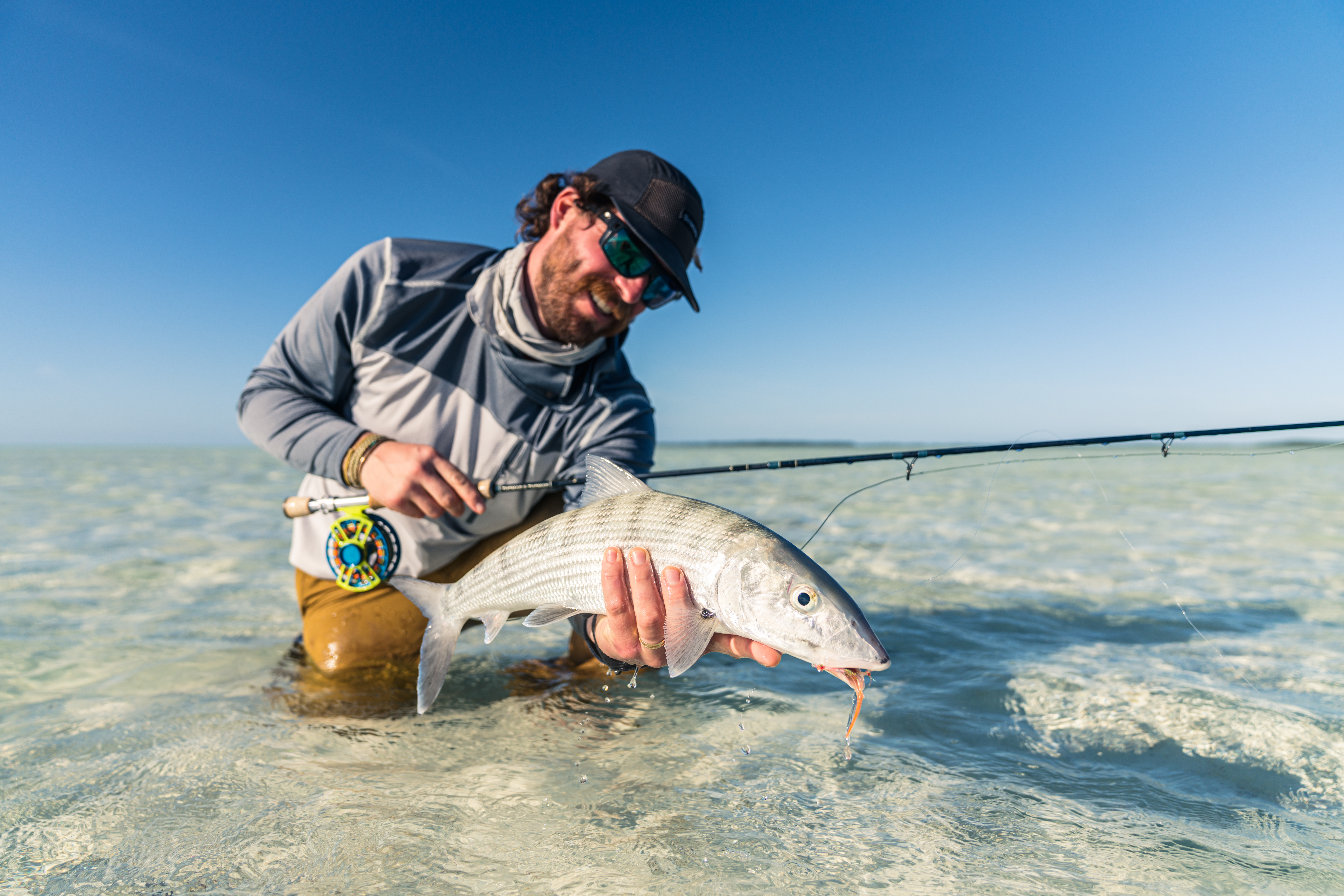
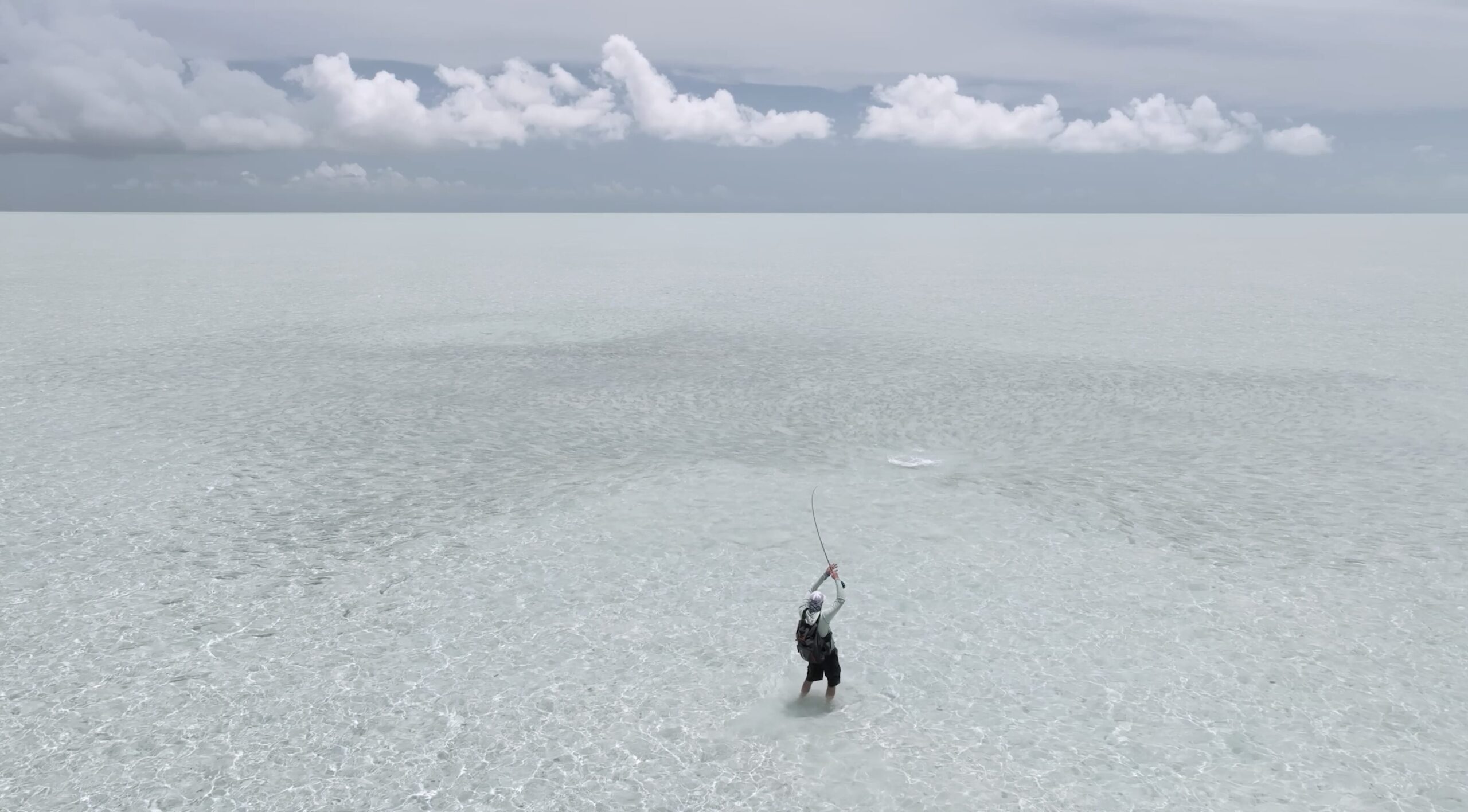
    Large bonefish tailing aggressively on Bahamas flat, showing voracious feeding behavior after hurricane
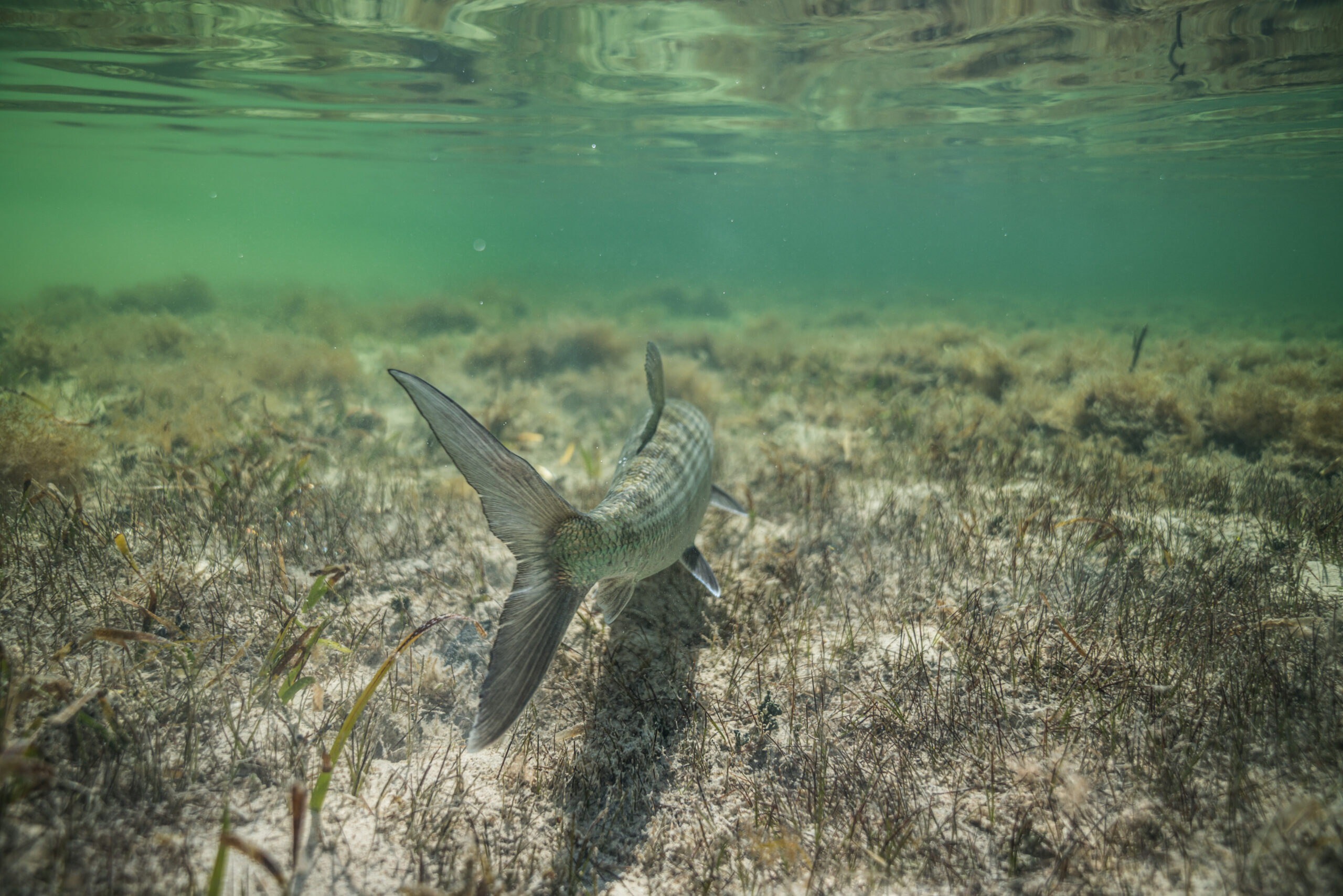
    Wide-angle view of bonefish movement across shallow Bahamas flats

    The Post-Hurricane Feeding Frenzy: What Makes Post-Hurricane Special

    When the hurricane passes and conditions stabilize, something remarkable happens. Fish return to the flats, and they’re not just hungry—they’re aggressive, reckless, and easier to catch.

    Why Larger Fish Are Especially Aggressive

    The biggest bonefish—the ones that typically require more calories to maintain their size—are the most affected by not eating. They need more food, so they become the most aggressive feeders.

    What this means for you:

    • Trophy-sized bonefish that are normally cautious become bold
    • Fish that typically spook easily will take flies they’d normally ignore
    • Multiple shots at the same fish become possible (they’re too hungry to care)
    • They’re the first fish back on the flats to eat

    Even Permit Put Down Their Guard

    Permit are notoriously difficult to catch. They’re smart, spooky, and selective. But after a hurricane?

    They put down their guard.

    Permit feed on the reef, so they’re slightly less affected by the starvation period than bonefish. But when they return to the flats, they’re there for one reason: to eat. And that makes them significantly easier to catch.

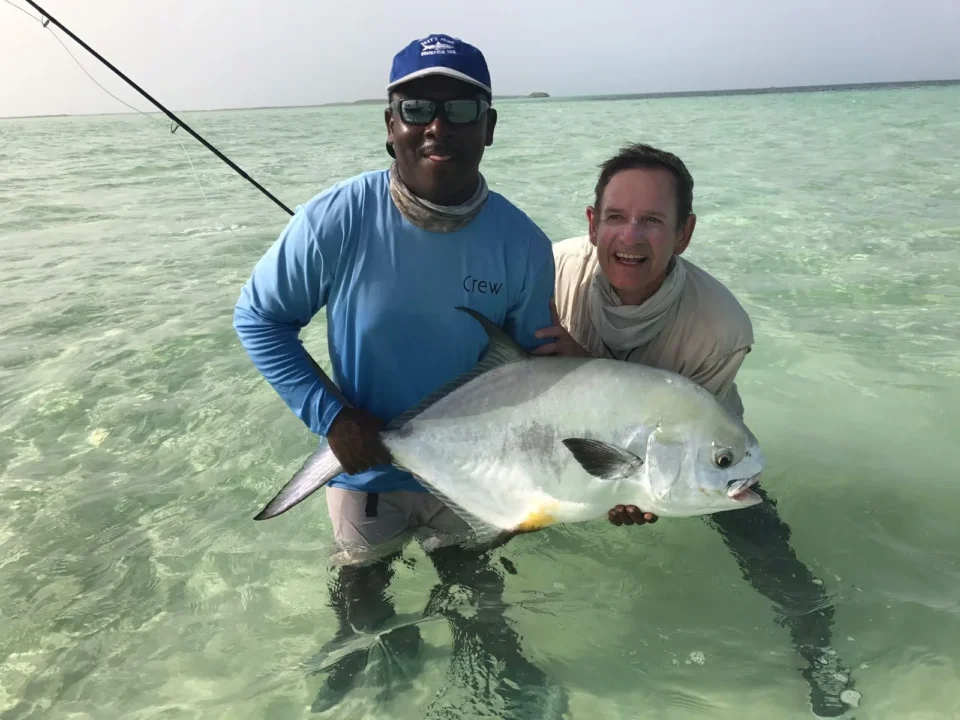
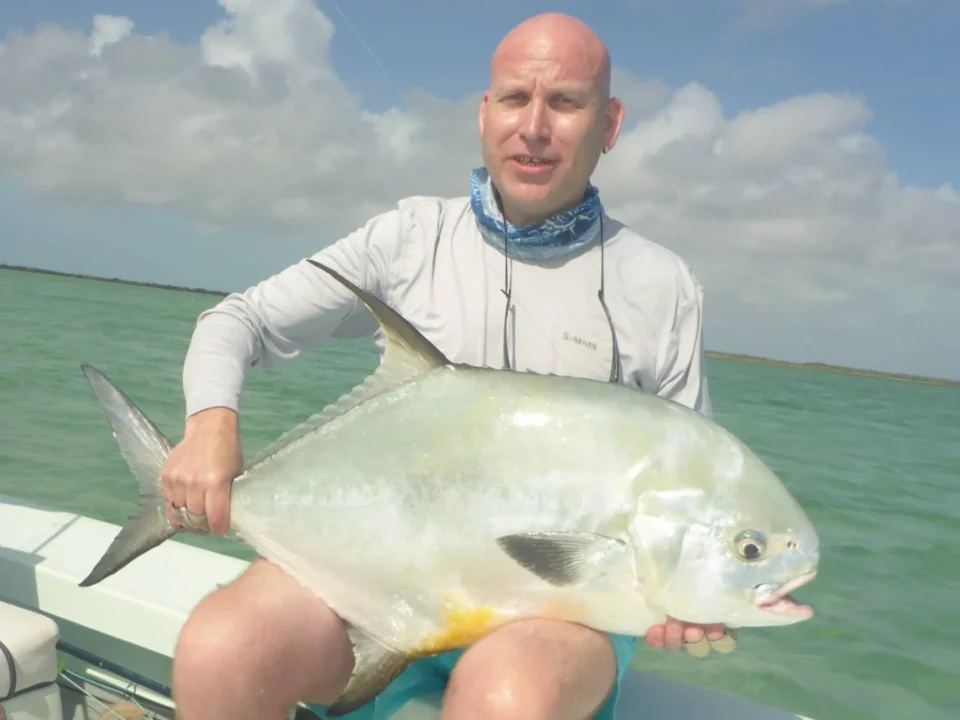
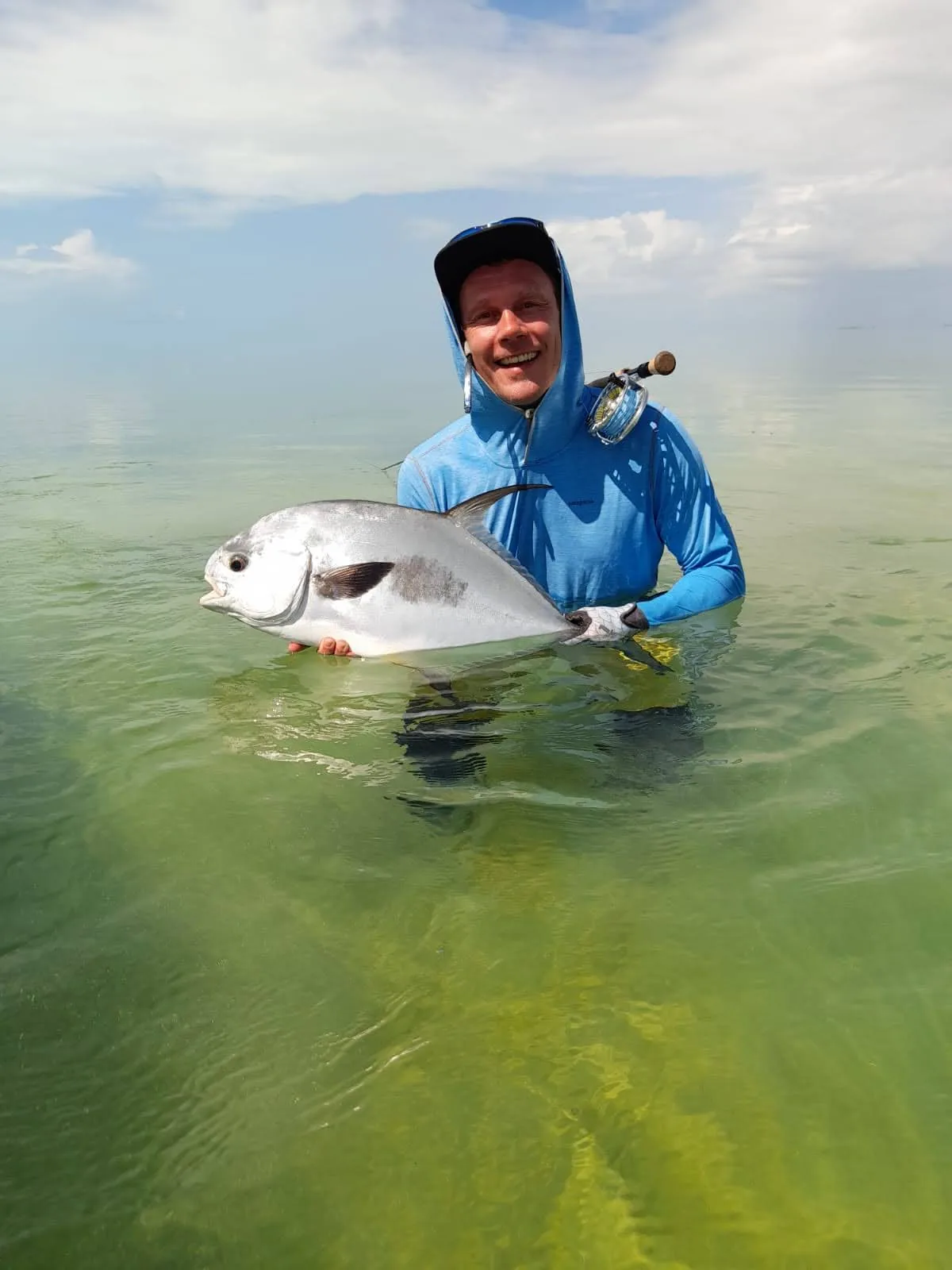
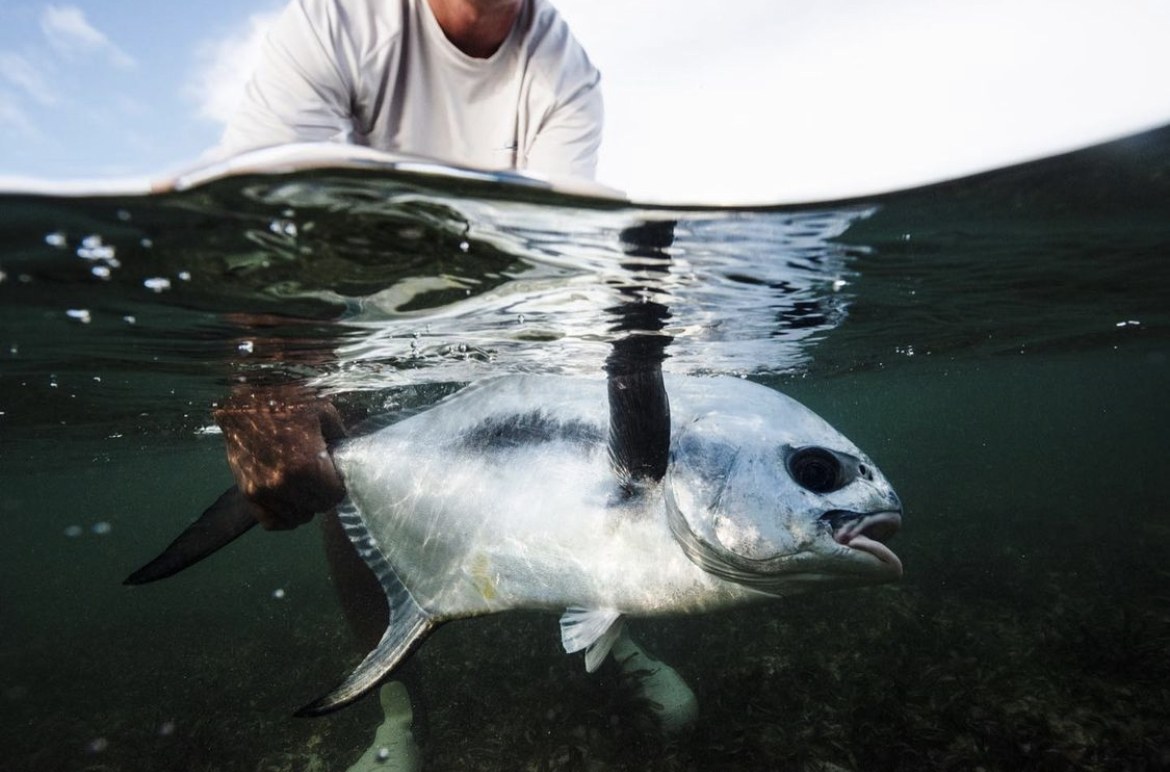
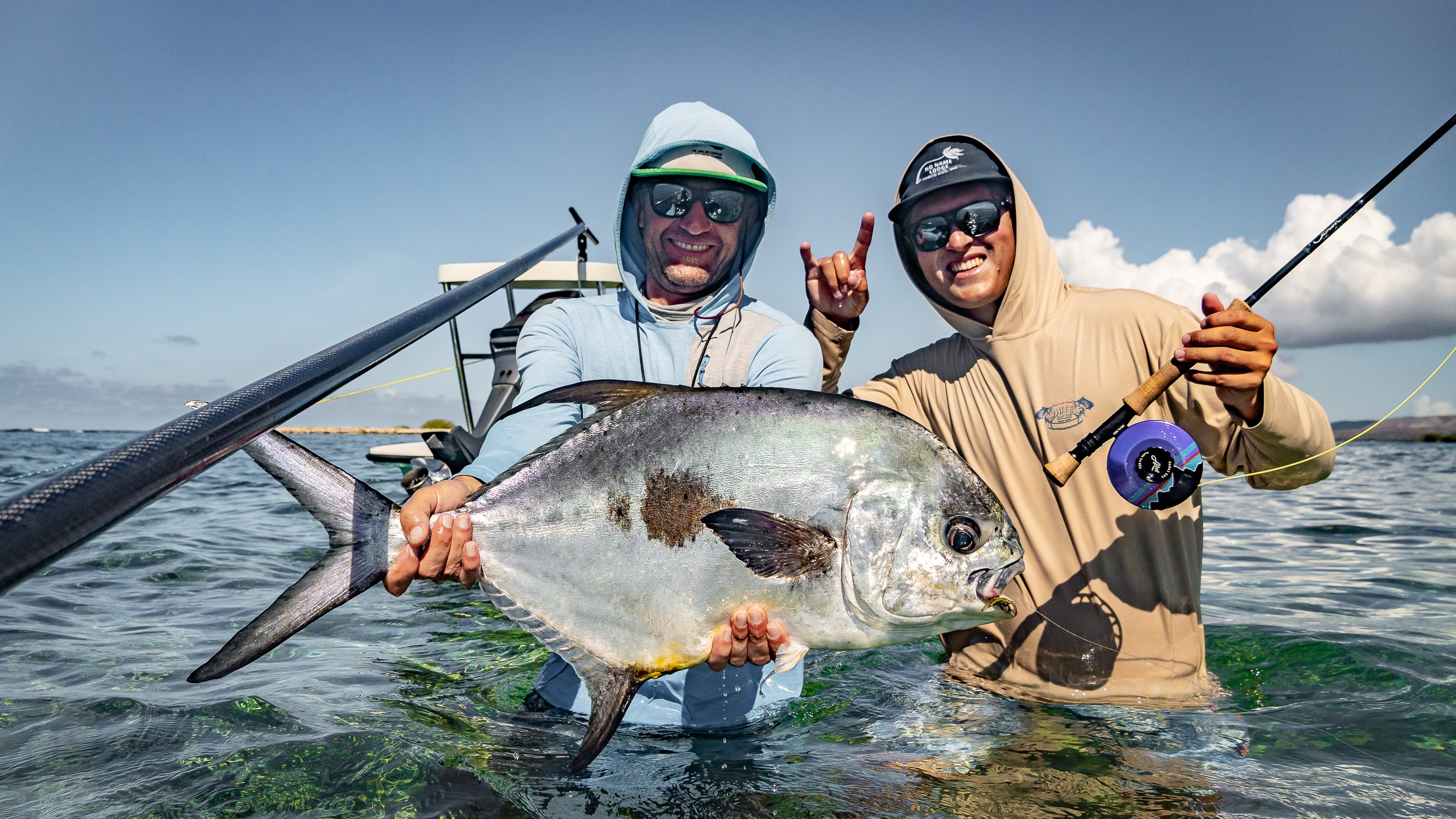
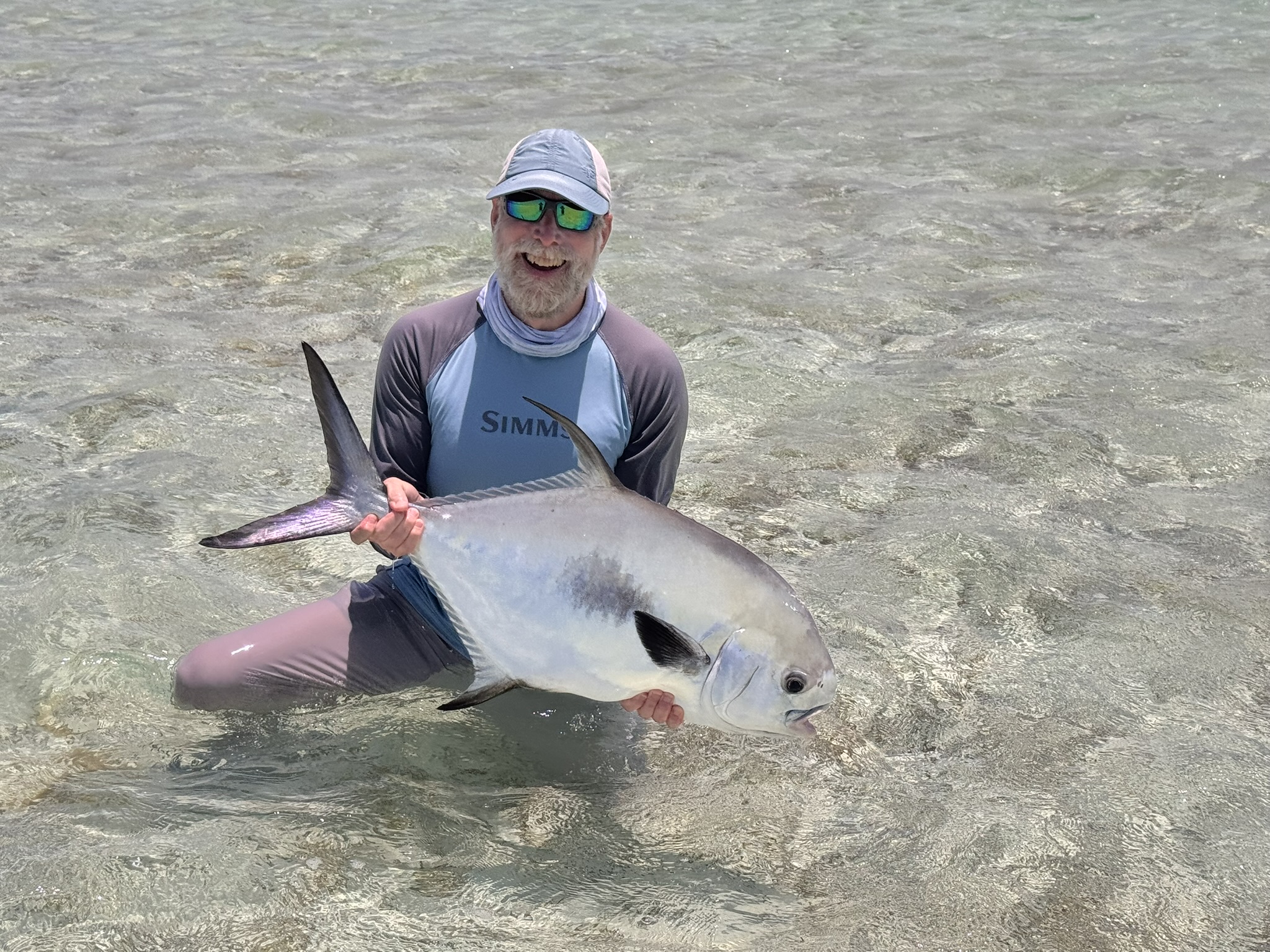
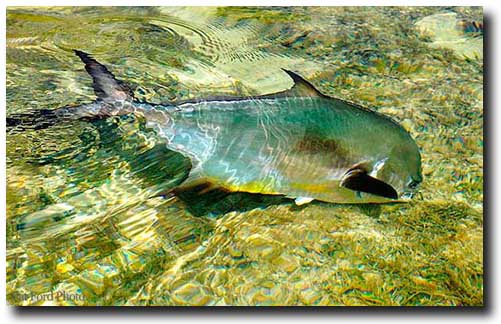
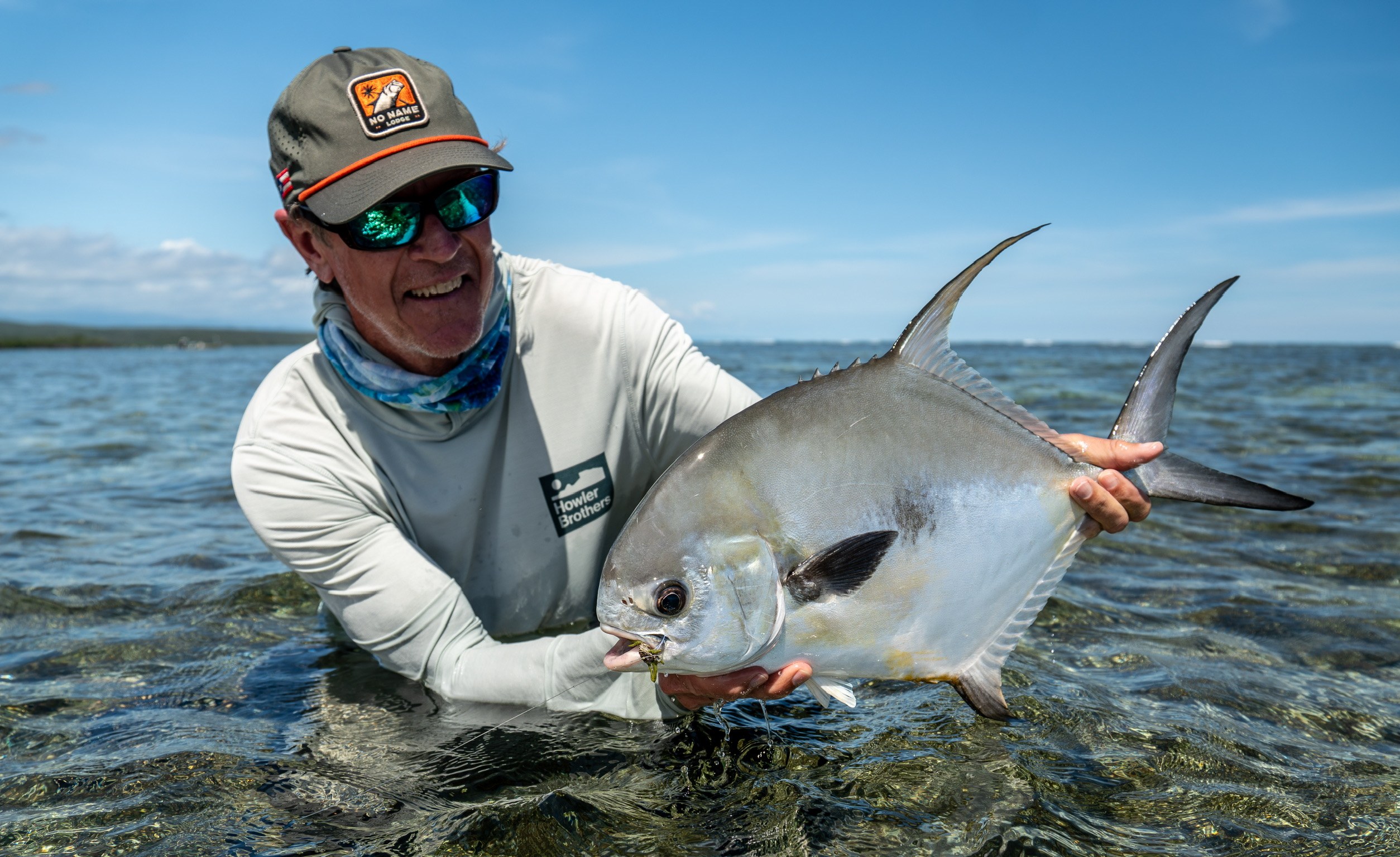
    Permit fish on Bahamas flat after hurricane, showing increased catchability in post-storm conditions

    Real Stories: Anglers Who Rolled the Dice and Won

    We’ve seen this play out countless times. Anglers who were ready to cancel, who called us worried, who asked “Should I reschedule?”

    We told them: Wait. See what happens.

    And they experienced fishing they’ll never forget:

    • Grand slams on days when conditions looked impossible
    • Trophy bonefish caught in numbers that seemed unbelievable
    • Permit that took flies on the first cast
    • Stories that became the highlight of their fishing careers

    These aren’t isolated incidents. They’re patterns we’ve observed over decades of planning trips. When hurricanes pass through, exceptional fishing often follows.

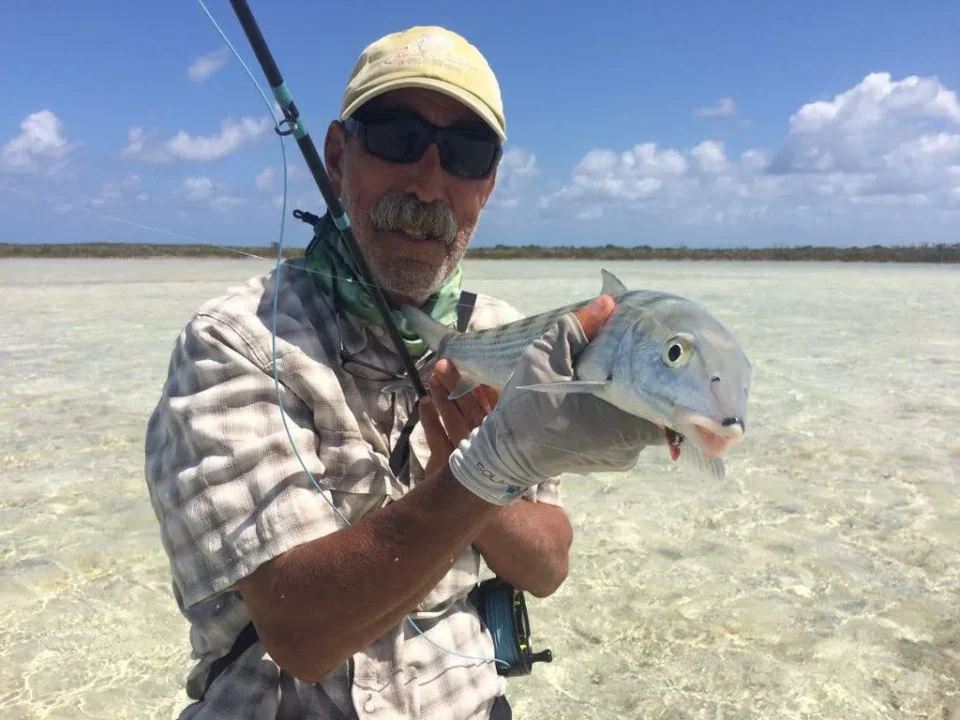
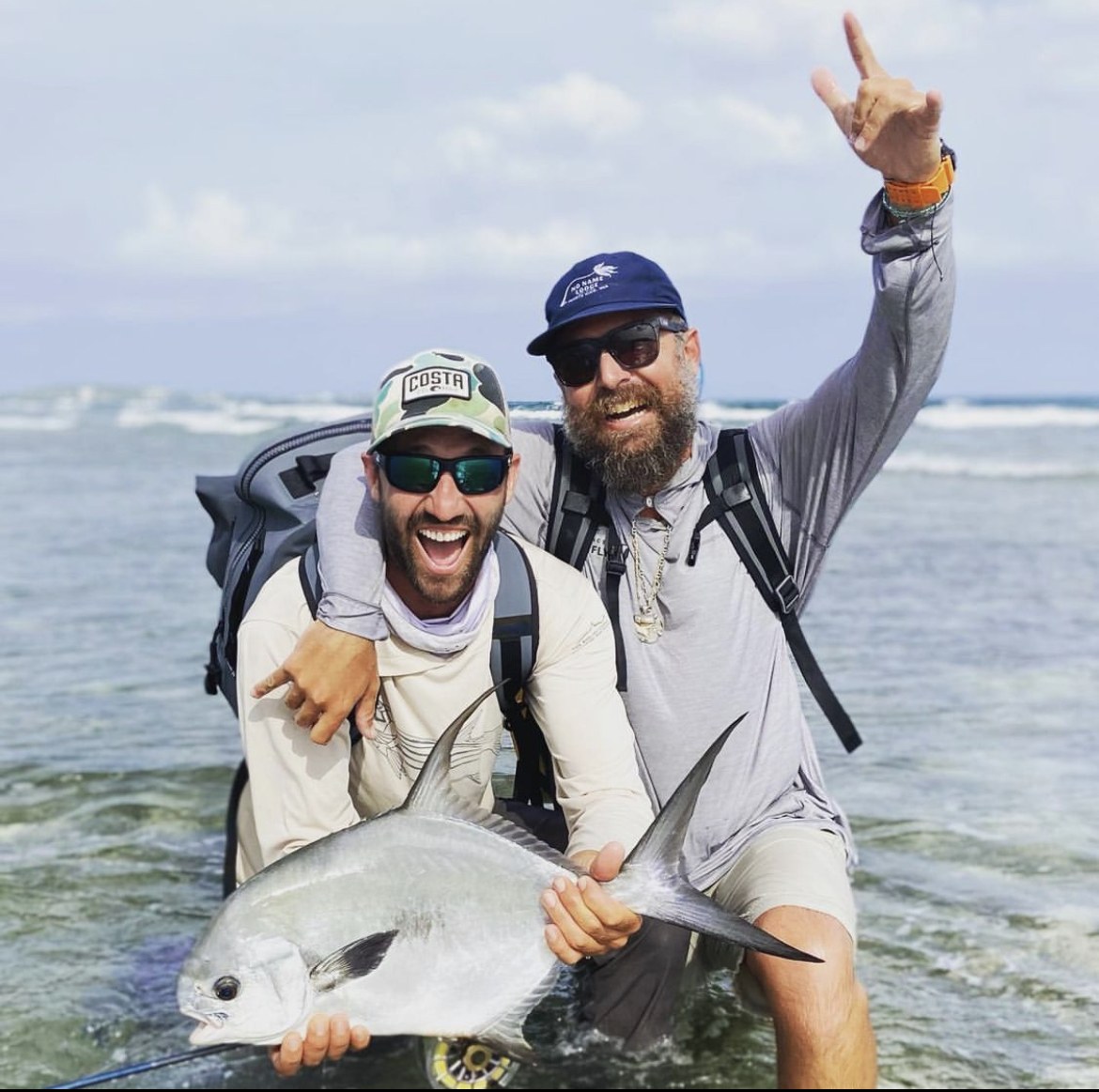
    Angler celebrating grand slam catch after hurricane, demonstrating exceptional post-storm fishing success

    When to Wait vs. When to Cancel: Expert Advice

    I’m not suggesting you ignore safety or common sense. There are absolutely times when canceling or rescheduling is the right call.

    Wait and See If:

    • The hurricane is tracking near (but not directly over) your destination
    • Your trip is scheduled for 2-3 days after the storm passes
    • Travel infrastructure (flights, lodges) remains operational
    • Local authorities haven’t issued evacuation orders
    • Your lodge confirms they’ll be operational

    Consider Rescheduling If:

    • The hurricane makes direct landfall on your destination
    • Travel infrastructure is severely damaged
    • Your lodge is in the direct path and sustains damage
    • Safety concerns make travel inadvisable
    • Your trip falls during the actual storm (not after)

    The key is timing. If your trip is scheduled for the days immediately following a hurricane’s passage, you could be in for exceptional fishing. If your trip falls during the storm itself, rescheduling is likely the smart move.

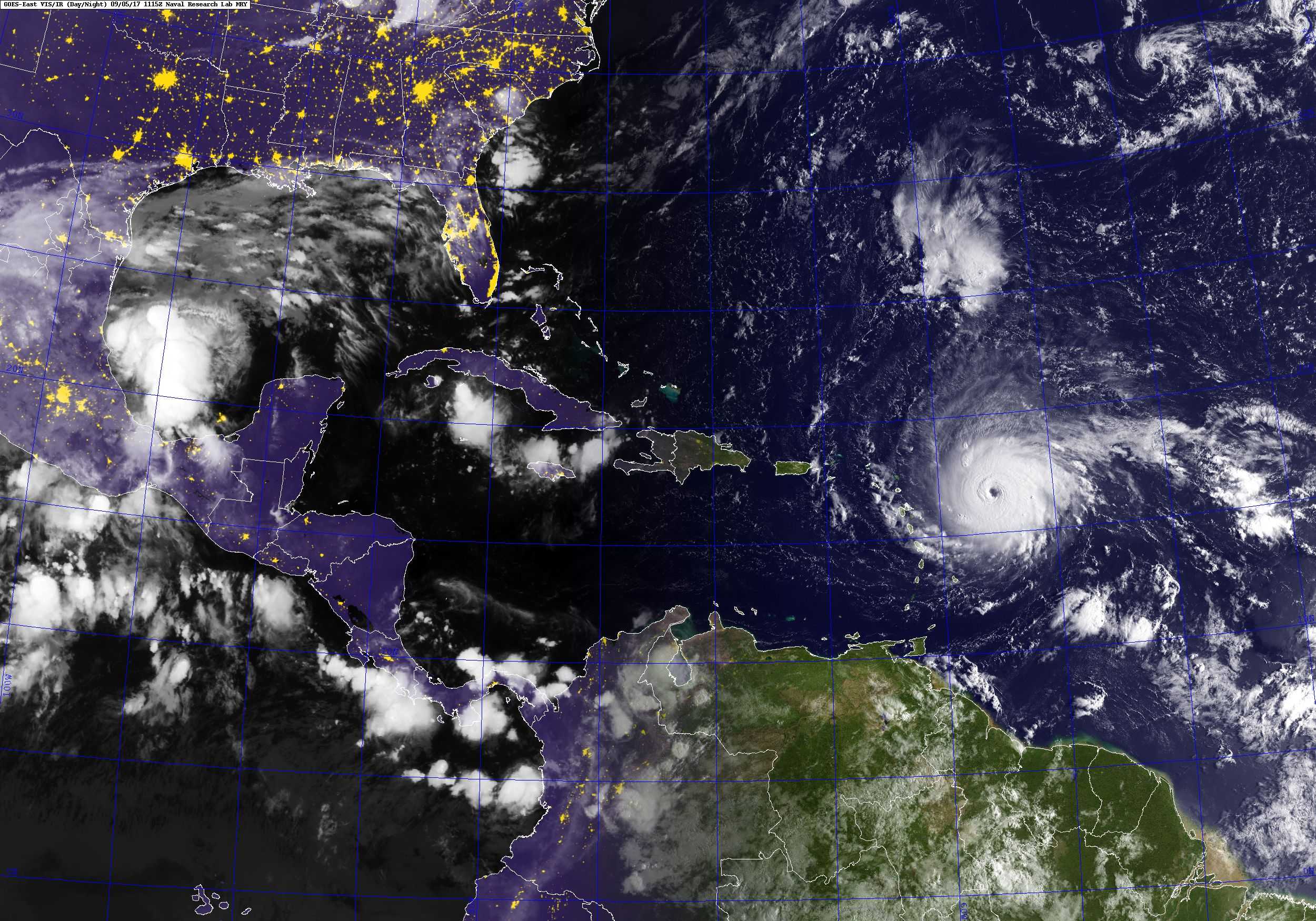
    Hurricane tracking map showing storm path relative to Bahamas fishing destinations, illustrating timing considerations

    How to Prepare for Post-Hurricane Fishing

    If you decide to keep your trip, here’s how to maximize your chances of success:

    1. Monitor the Storm Track

    • Use reliable weather sources (National Hurricane Center, local forecasts)
    • Track the storm’s path and timing
    • Understand when it will pass and when conditions will stabilize

    2. Communicate

    • Stay in touch about local conditions
    • Ask about infrastructure status (docks, boats, accommodations)
    • Confirm they’ll be operational for your dates

    3. Pack for Variable Conditions

    • Bring gear for both calm and windy conditions
    • Pack multiple fly patterns (fish may be less selective when hungry)
    • Include backup equipment (conditions may be rougher than normal)

    4. Adjust Your Expectations

    • Be patient—conditions may take a day or two to stabilize
    • Fish may be in different locations than usual
    • Water clarity may be affected initially
    • But when fish return to the flats, they’ll be aggressive

    5. Work with Your Guide

    • Guides know local patterns and will adjust tactics
    • They understand where fish go during storms
    • They know when and where fish return to the flats
    • Trust their expertise—they’ve seen this before
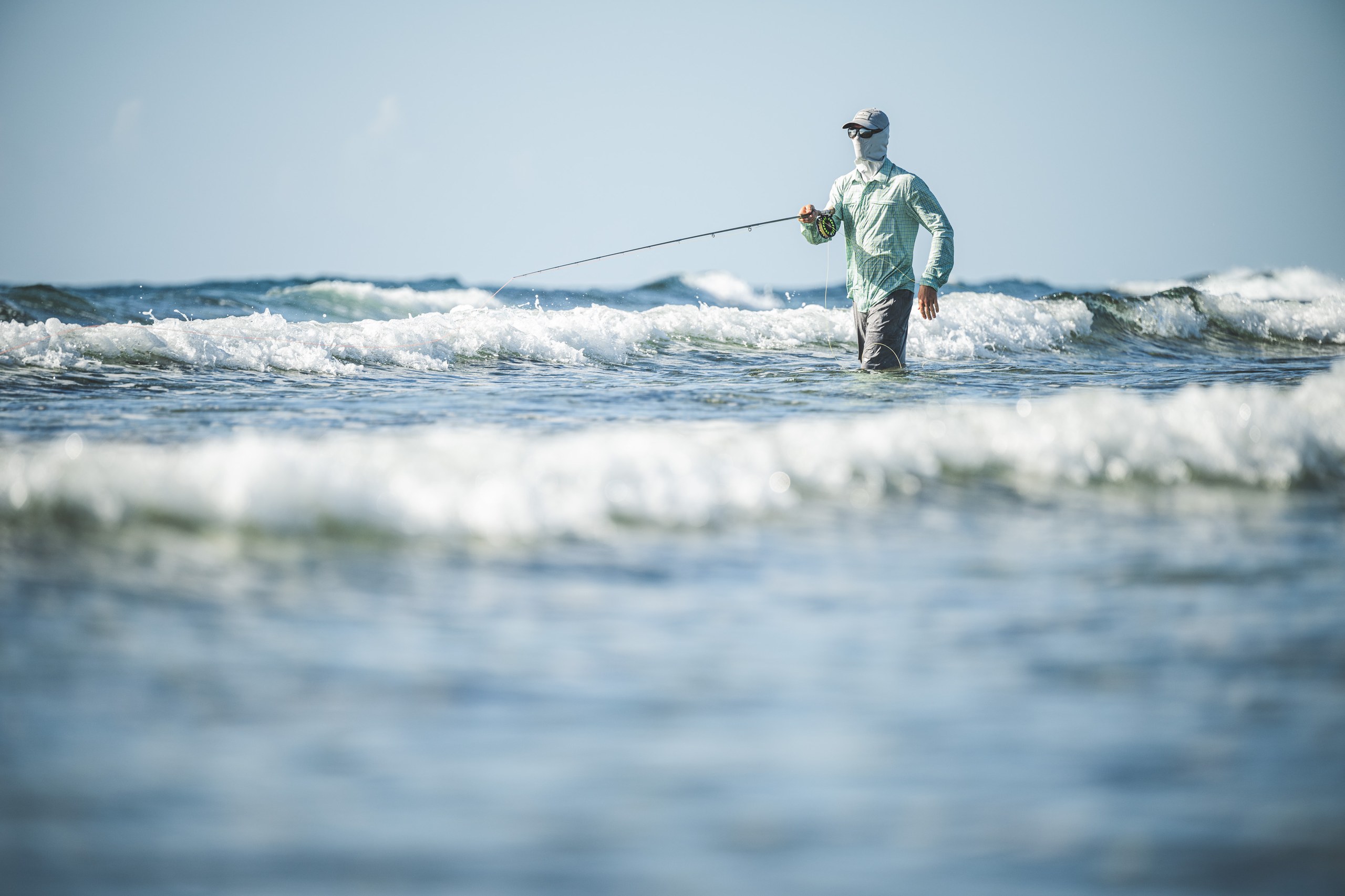
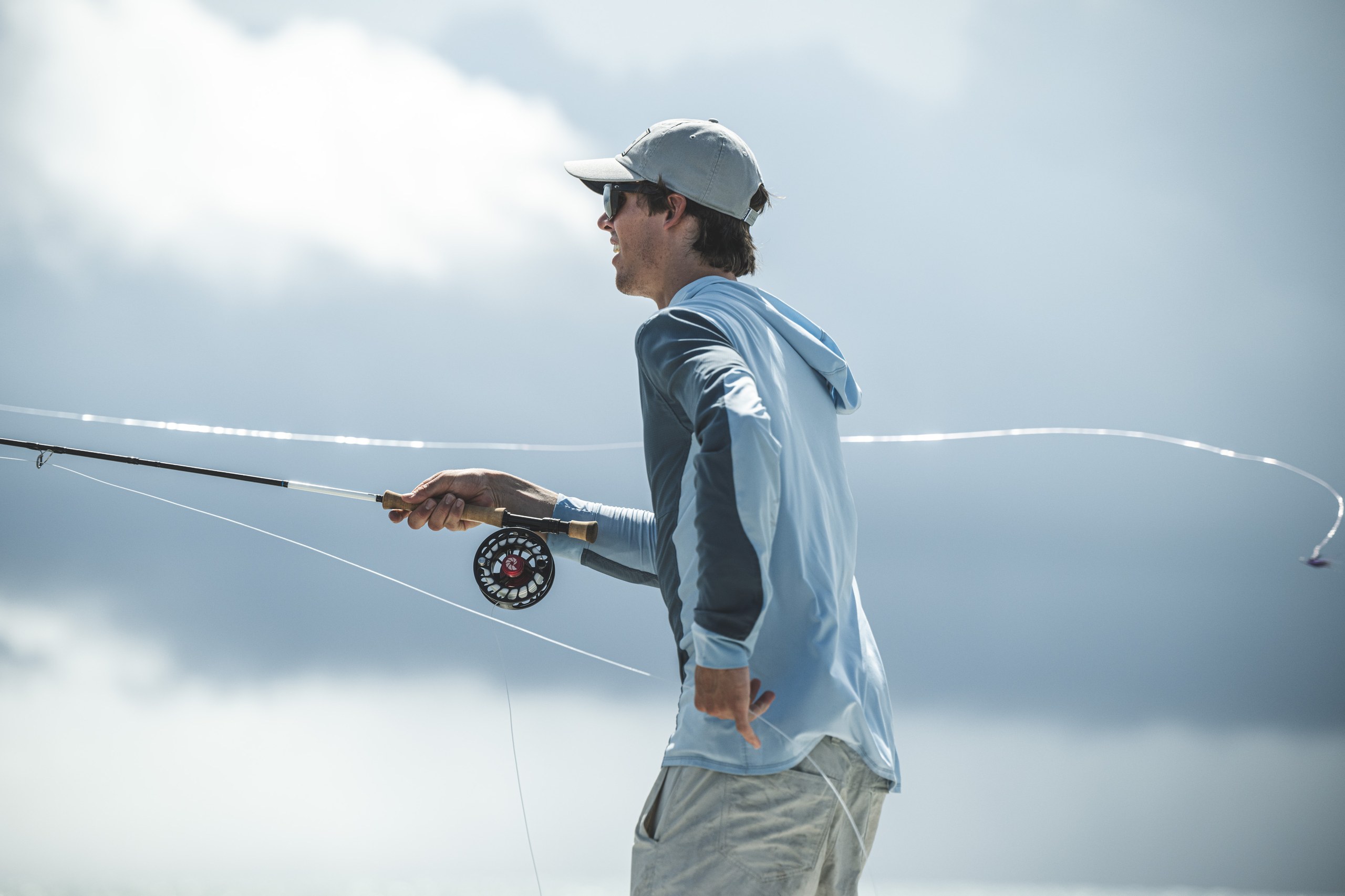
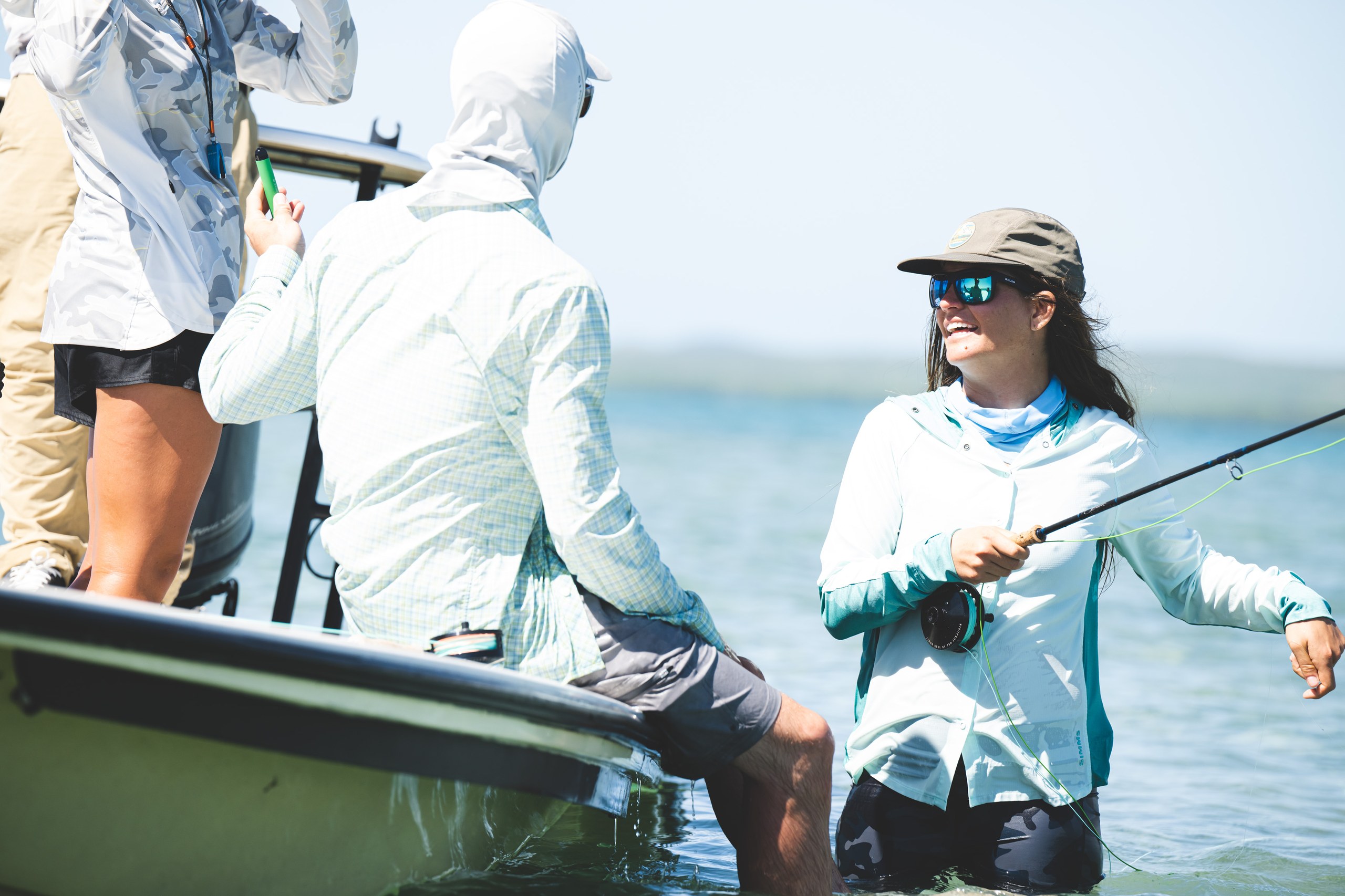
    Fly fishing guide and angler working together on Bahamas flat, demonstrating guide expertise in post-hurricane conditions

    The Bottom Line: Why This Matters

    Here’s what I want you to remember:

    Hurricanes don’t always mean bad fishing. Often, they mean the opposite.

    The barometric pressure changes, the starvation period, the return to feeding grounds—it all creates conditions that can produce the best fishing you’ve ever experienced.

    That major day of fishing—the grand slam, the trophy bonefish, the permit that took your fly on the first cast—that’s what makes it special. That’s what people write home about. That’s what creates testimonials, photos, and social media shares.

    We need those stories. We need those experiences. Because they prove that sometimes, the best fishing comes after the worst weather.

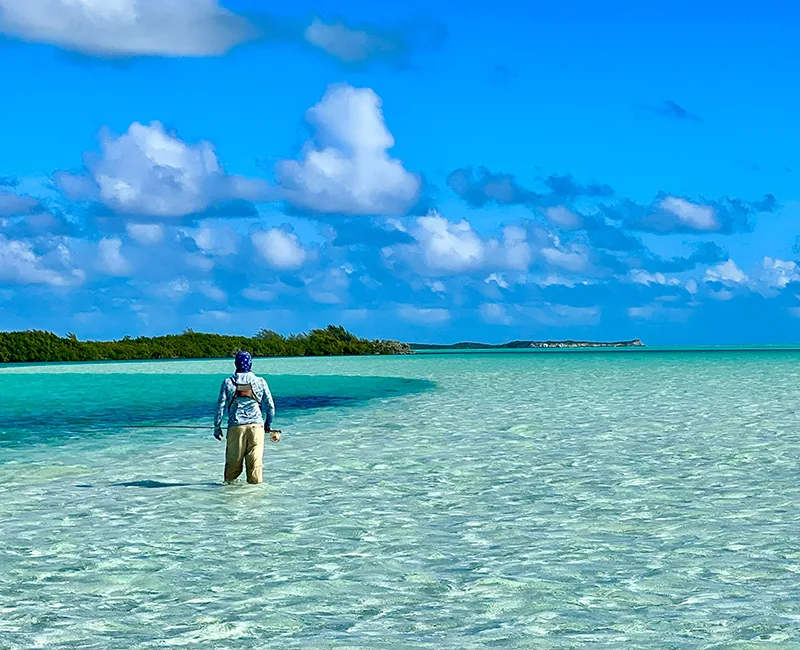
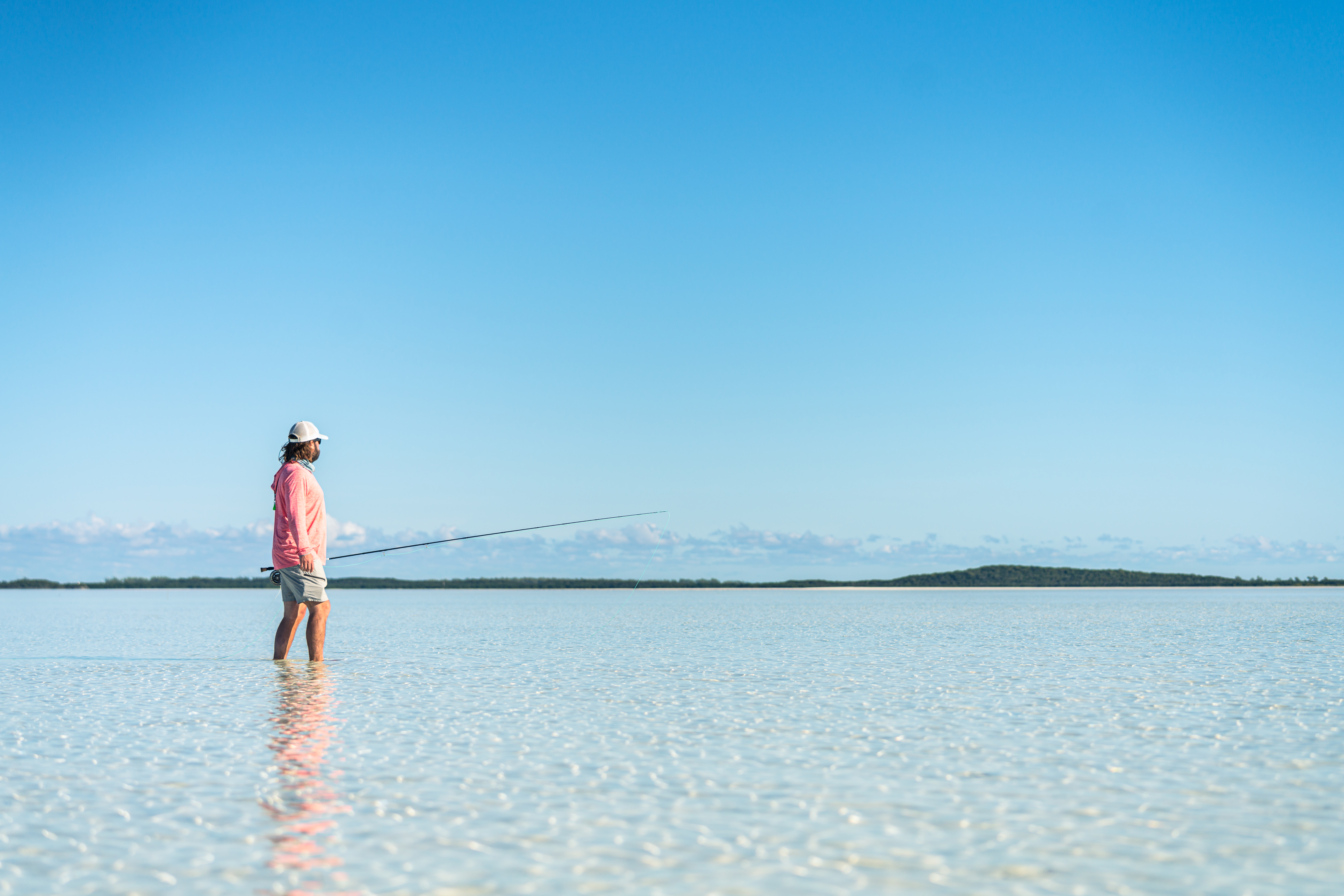
    Pristine Bahamas bonefish flat with calm water and clear skies after hurricane, showing ideal post-storm fishing conditions

    Key Takeaways: What You Need to Know

    • Barometric pressure changes drive fish to deeper water during hurricanes
    • Fish can go 3-5 days without eating during and immediately after storms
    • Post-hurricane fishing often produces aggressive, hungry fish
    • Larger fish are especially voracious after starvation periods
    • Don’t cancel immediately—wait and see what happens
    • Timing matters—trips 2-3 days after storms can be exceptional
    • Safety first—but don’t assume bad fishing means bad conditions

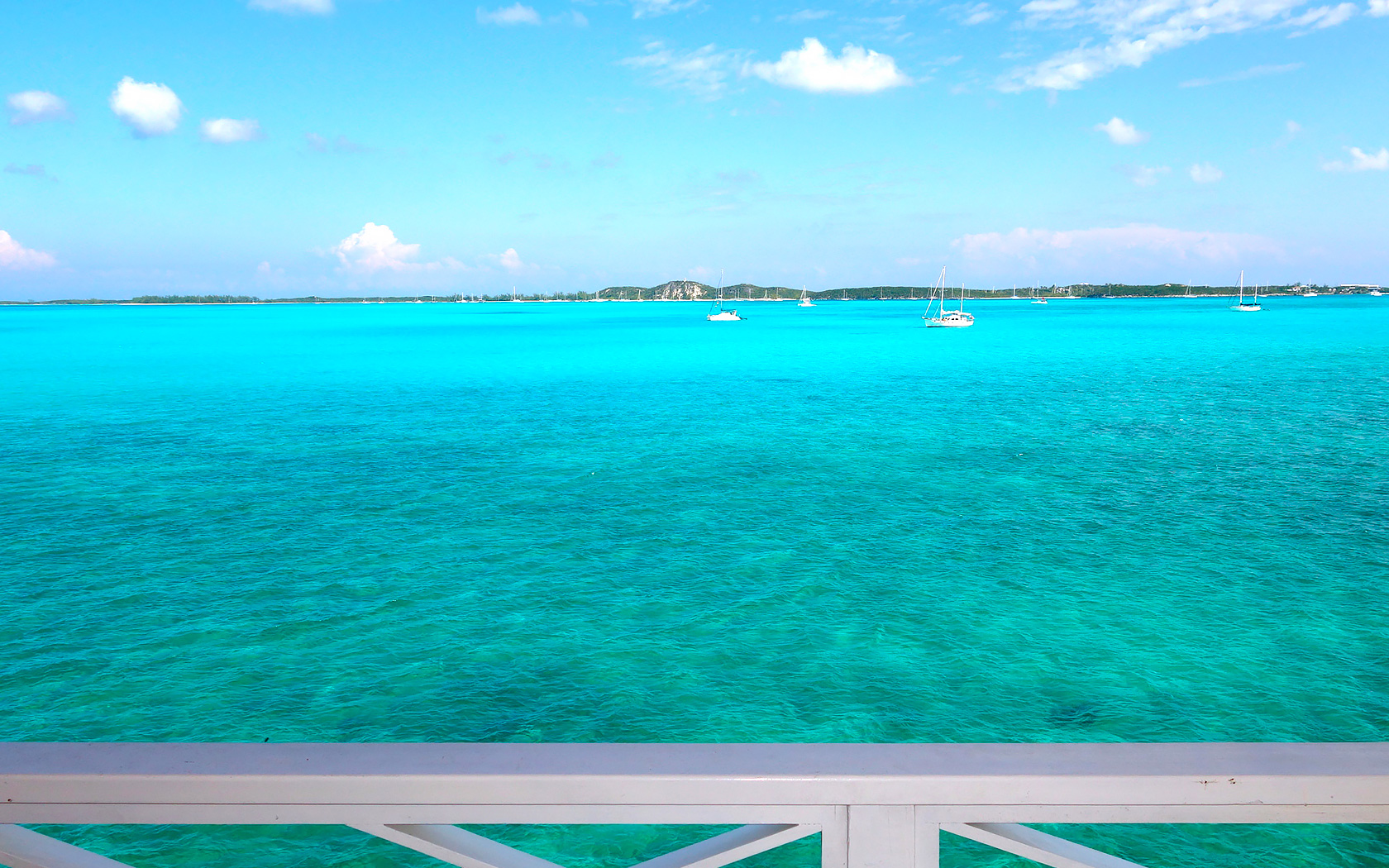
    Calm weather over Andros South flats during a Bahamas bonefishing day

    Planning Your Post-Hurricane Fishing Adventure

    If you’re planning a Bahamas bonefishing trip and a hurricane is in the forecast, here’s what to do:

    1. Don’t panic. Storms don’t always mean canceled trips / bad fishing.
    2. Monitor conditions. Track the storm and understand timing.
    3. Communicate. Stay in touch with your agent.
    4. Be flexible. Conditions may require adjustments, but fishing can be exceptional.
    5. Trust experience. 40+ years of planning trips has taught us: wait and see.

    Ready to plan your Bahamas bonefishing adventure? Whether you’re facing a hurricane forecast or planning months in advance, we can help you find the perfect trip, the right timing, and the best conditions for your skill level and goals.

    Get Your Free Bahamas Fishing Trip Quote →

    Call Us: 860-434-9624

    Browse Bahamas Lodges →

    Related Articles & Resources

    Frequently Asked Questions

    Is it safe to fish after a hurricane?

    Safety should always be your top priority. If local authorities have cleared the area for travel and your lodge confirms they’re operational, fishing after a hurricane can be safe. Always follow local advisories and use common sense.

    How long after a hurricane is fishing good?

    Typically, fishing becomes exceptional 2-3 days after a hurricane passes, once barometric pressure normalizes and fish return to the flats. Conditions can remain excellent for several days to a week.

    Do fish eat better after a storm?

    Yes, fish often feed more aggressively after storms due to the starvation period during the storm. Barometric pressure changes drive fish to deeper water where they may not feed for several days, making them extremely hungry when they return.

    Should I cancel my fishing trip if there's a hurricane?

    Not necessarily. If your trip is scheduled for 2-3 days after the storm passes and travel infrastructure is operational, you may experience exceptional fishing. Always prioritize safety and stay in communication with your agent.

    What makes post-hurricane fishing so good?

    Fish go days without eating during hurricanes as they move to deeper water to escape pressure changes. When they return to the flats after the storm, they’re extremely hungry and aggressive, making them easier to catch and more willing to take flies.

    *This article is based on expert knowledge from 40+ years of planning fly fishing trips in the Bahamas. Individual experiences may vary based on specific storm conditions, timing, and local factors. Always prioritize safety and follow local advisories when planning trips during hurricane season.*

    About the Author: Evan Peterson is the owner of Angler Adventures, a boutique travel company that has been planning fly fishing adventures for over 40 years. Angler Adventures prides itself on matching anglers with the perfect destinations, lodges, and conditions for their skill level and goals. This instrumental expertise in weather patterns, fish behavior, and destination selection has helped thousands of anglers experience their best fishing trips.

    Want to experience post-hurricane fishing for yourself? Contact us today to plan your Bahamas bonefishing adventure, or call 860-434-9624 to speak with an expert travel advisor.

  • Blackfly Bonefish Beach Club

    Blackfly Bonefish Beach Club

    Updated on

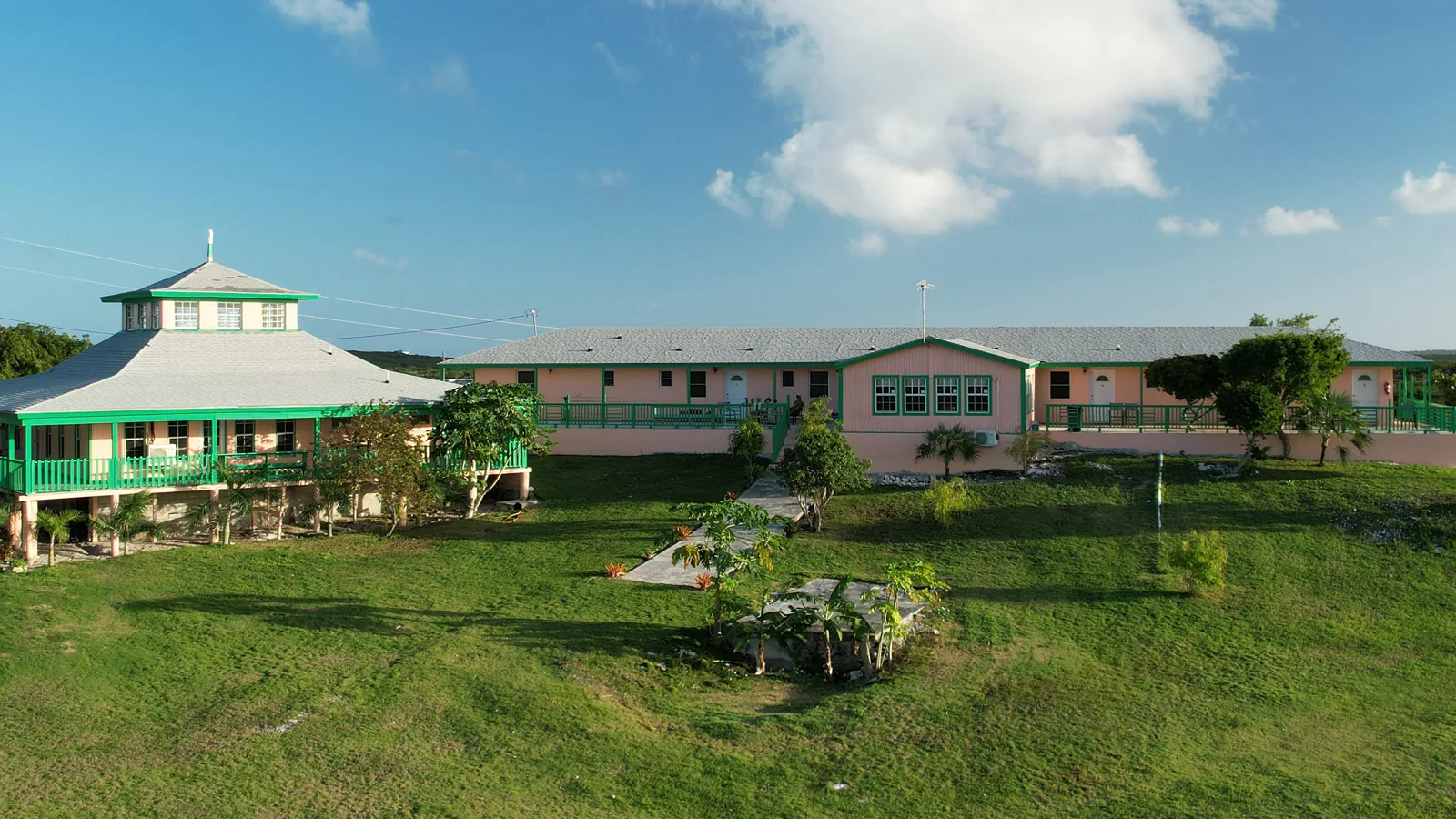
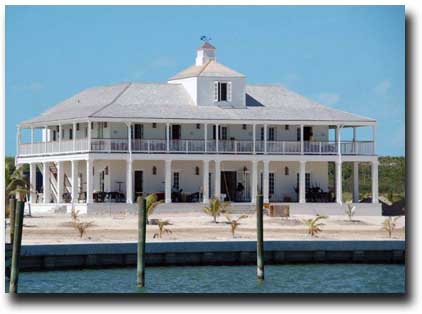
    Blackfly Lodge, located on a picturesque harbor on the east side of Abaco, overlooking the Atlantic Ocean, opened March 1, 2012. The new lodge features an open kitchen, bar, dining room floor plan, a full service fly shop, and accommodates 8 anglers in 8 single bedrooms, each with their own bath.

    The two story, classic Bahamian lodge has two levels of wrap around verandas, offering outside dining overlooking the 14 acre harbor/marina all within the 220-acre residential development project called Schooner Bay. Blackfly Lodge employs 4 boats and guides to fish the southern half of Great Abaco Island.

    Species: Bonefish, Permit, Snappers, Sharks, Barracuda, Tarpon (limited and seasonal), Dorado, Tuna, Billfish

    Location: Schooner Bay, east side of Abaco, Bahamas

    Access to 6 distinct fishing zones covering southern half of Great Abaco Island

    Fleet: 18-foot custom East Cape skiffs powered by 90-hp E-tec outboards

    Get a custom quote for your Blackfly Lodge fishing adventure!

    Destination Inquiry

    or

    Six Distinct Fishing Zones on Southern Abaco

    Blackfly Lodge employs 4 boats and guides to fish the southern half of Great Abaco Island. The 18-foot custom East Cape skiffs, powered by 90-hp E-tec outboards have padded seats / backrests and custom padded leaning bars with a fold away seat on the bow. The skiffs are trailered to various boat ramps, the closest being Crossing Rocks, less than one mile away.

    Blackfly fishes the Marls from Crossing Rocks, Mores Island, Gorda Cay, Sandy Point, Cross Harbour and Cherokee Sound. To get an idea how vast and varied this fishery is, Blackfly has divided this bonefish real estate into 6 zones. The fishing grounds that surround Schooner Bay form six distinct zones each rich in a variety of species and large enough to support the entire lodge fleet if weather were to force all boats to fish in one zone. Only the most severe weather would cause a cancellation.

    Zone 1 – Crossing Rocks Ramp Northward to the Marls

    Fishing can begin as soon as the boat is launched from the ramp at Crossing Rocks. The shallow water inlet is home to resident fish, from mudding schools to large single fish in double-digit sizes. A run though the mangrove creek from the inlet is exhilarating and builds the anticipation of days fishing. Fishing can begin as soon as the boat clears the creek. Schools of fish can be seen feeding in the bay and working the edges of the numerous islands.

    The wade fishing is exceptional in zone one with miles of firm bottom flats that drop off into deeper mud and grass flats. It would take weeks if not months to explore all that zone one has to offer in the extensive creek system that forms the southern reaches of the world famous Marls. To the West lies Big Mangrove Cay. This is a series of small cays surrounded by deep water and turtle grass flats. As the tide comes in typically feeding fish work the flats and numerous schools feed along the shore. Sharks and Barracuda are abundant and Permit can be seen in good numbers during the warmer months.

    Zone 2 – Crossing Rocks to Sandy Point

    Zone 2 is an 18-mile shoreline extending from Crossing Rocks to Sandy Point. Numerous islands, creeks and flats create an unlimited habitat for many species. Small to large bays form the shoreline providing cover in the wind to huge numbers of fish, including large schools of mudding or tailing fish along the shore and sometimes bonefish, jacks, and snappers all feeding together.

    Zone 3 – Cross Harbour Flats

    Cross Harbour Flats System comes directly out of the blue waters of Hole in the Wall making it one of the best flats in the Bahamas for really big fish. Large numbers of Permit and double digit bones can be seen regularly on this flat. This flat system would be accessed by trailoring 20-minutes from Schooner to Sandy Point, plus 20-minutes by boat.

    Zone 4 – Blue Water and Ocean Flats

    Blue water and ocean flats. The blue water fly fishing opportunities at Schooner are unprecedented. The legendary blue water of Southern Abaco is only minutes from the mouth of the Schooner Bay Harbor. Dorado, Tuna, Billfish and many other species abound in this rich offshore environment. This blue water zone is virgin territory for anglers seeking the thrill of connecting with large ocean fish on the fly. When weather permits the run to Hole in the Wall can produce amazing opportunity to connect with some of the toughest fighting fish in the world as well as exploring ocean flats that hold very large bones and permit.

    Zone 5 – Cherokee Sound

    A 20-minute trailoring to Cherokee Sound will put our anglers in one of the best ocean flats on the planet. Lush turtle grass flats that intersect gin clear white sand flats have produced some Bonefish up to 14 lbs. This area will be the zone that receives the most pressure making the fish a bit more challenging to catch, however the numbers and size of these fish are legendary.

    Zone 6 – Mores Island

    Mores Island is the largest of some 10 -12 cays that sit on the edge of the northwest providence channel and comprises about a 20 sq. mile area of gorgeous bonefish habitat. Eighteen miles from the Crossing Rocks ramp, a 30-minute (weather dependent) run across relatively shallow water brings you to the edge of this fishing fantasy. The incoming tide brings large schools of bones onto the flats, including double-digit fish. Mores Island is also noted as a Permit destination and with a summer run of Tarpon.

    Lodge Accommodations and Amenities

    The new lodge features an open kitchen, bar, dining room floor plan, a full service fly shop, and accommodates 8 anglers in 8 single bedrooms, each with their own bath. The two story, classic Bahamian lodge has two levels of wrap around verandas, offering outside dining overlooking the 14 acre harbor/marina all within the 220-acre residential development project called Schooner Bay.

    Tackle and Equipment

    Blackfly Lodge has partnered with Thomas & Thomas rods, Hatch reels and Airflo lines, and has a 9-weight setup for every boat, as well as 10 or 12-weights as needed at no additional cost. They also sell flies, leaders, Costa Sunglasses and other flats fishing accessories. Some of the favored local patterns they sell are King of Abaco, Queen of Abaco, Clint’s Secret Fly, Vaughn’s Peel & Eat for bonefish, as well as the Key’s Velcro Crab in olive, EP Crabs in two tone and the standard Merkin patterns. They sell Umpqua and Scientific Anglers tapered fluorocarbon leaders and tippet.

    Non-Anglers

    Blackfly is first and foremost a fishing destination, however there’s a beautiful beach a short walk from the lodge and Marsh Harbour, the second largest city in the Bahamas is only 30-minutes away by car. Marsh Harbour has a good amount of shopping and there are a number of tourist activities to occupy non-fishing companions.

    Blackfly Lodge Schooner Bay Abaco Bahamas

    Get Your Custom Quote for Blackfly Lodge

    Angler Adventures arranges completely customizable packages at Blackfly Lodge to meet your fishing preferences.

    Our services are free! We’ll work with you to create the perfect Bahamas fishing vacation package.

    Ready to Plan Your Adventure?

    Experience six distinct fishing zones on southern Abaco. Our team will help you create the perfect custom package for your Bahamas fishing vacation.

    Monday – Friday, 9am – 5pm EST

    Request a Quote

    Fill out the form below and we’ll get back to you with a custom package quote.

    Destination Inquiry
  • Peace and Plenty Hotel

    Peace and Plenty Hotel

    Updated on

    The Peace & Plenty Bonefish Lodge has everything you could want in a first class bonefish lodge; quick access to miles of productive flats, state of the art flats boats, experienced Bahamian guides, outstanding food, American management and a physical plant as comfortable and picturesque as many in the Bahamas that charge far more.

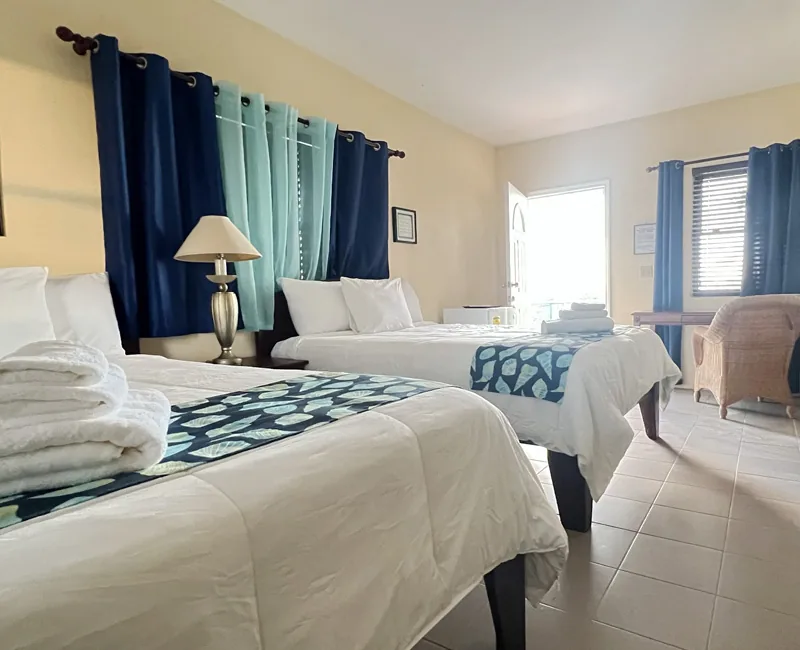
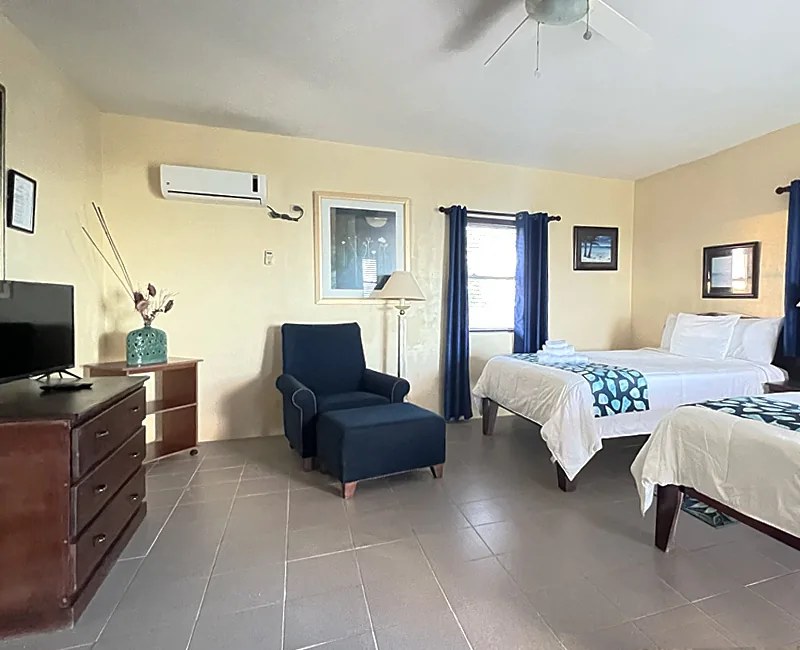
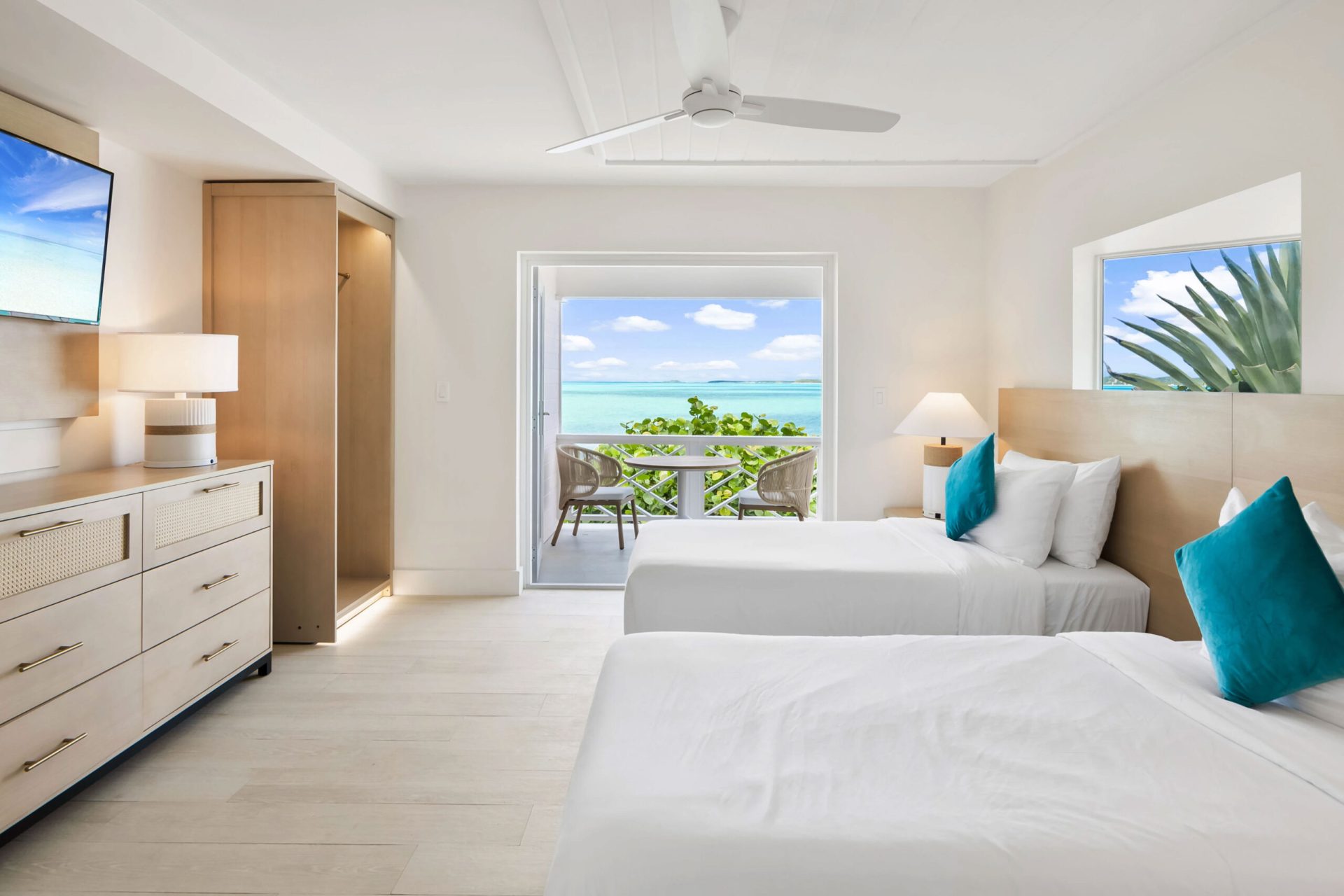
    The Bonefish Lodge consists of a majestic cedar and stone two-story building with guest accommodations in a separate building adjacent to the main lodge. The building has 8 nicely appointed and spacious rooms. All the rooms are air-conditioned, have two queen beds with tiled floors, full bath, large dresser and a porch overlooking the water.

    Species: Bonefish (3-5 lbs, occasional 8-9 lbs), Permit, Barracuda, Sharks

    Location: Great Exuma, Bahamas (130 nautical miles southeast of Nassau)

    Beautiful, firm white sand flats perfect for wading; flats on both sides of the island

    Fleet: Up to 10 shallow draft skiffs powered by 25 hp outboards

    Get a custom quote for your Peace & Plenty Bonefish Lodge adventure!

    Destination Inquiry

    or

    Lodge Accommodations

    The Bonefish Lodge consists of a majestic cedar and stone two-story building with guest accommodations in a separate building adjacent to the main lodge. The building has 8 nicely appointed and spacious rooms. All the rooms are air-conditioned, have two queen beds with tiled floors, full bath, large dresser and a porch overlooking the water.

    Dining and Facilities

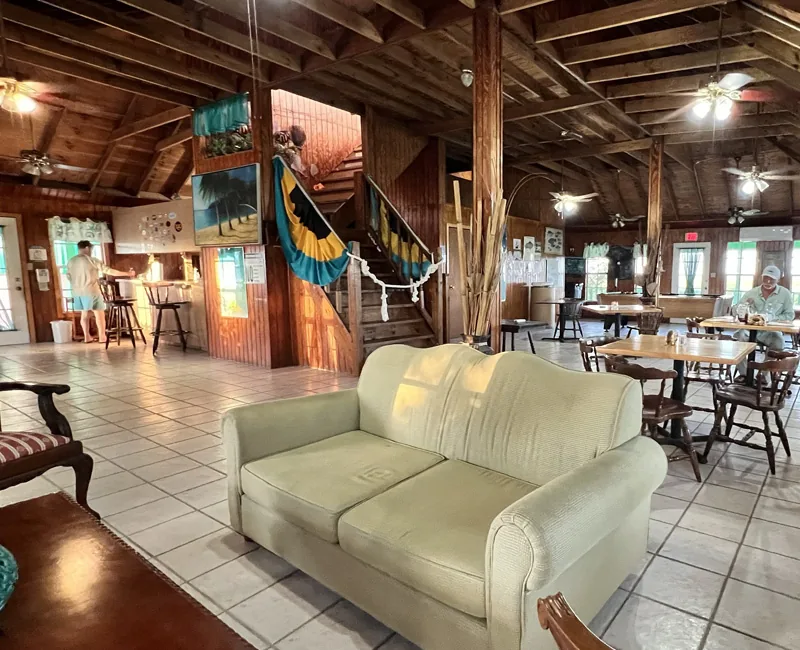
    The main lodge’s ground floor consists of a beautifully decorated restaurant and bar. You will be surrounded by many pictures of fishing success with autographs of celebrities adorning the walls. You can expect to be served a variety of extremely well prepared menu items by local Exuman, Chef Martin, such as lobster, fresh fish, steaks and other Bahamian specialties. The food at the Bonefish Lodge is so popular that locals come from Georgetown to have a wonderful night out. I highly recommend the conch chowder and cracked conch! Did I mention the Bacardi Rum Chocolate cake?

    Off of the dining room is an expansive wooden deck jutting out onto the water, adjoining the docks where the bonefish skiffs are tied up. The deck, with several covered picnic tables and benches, is ideal for assembling gear and setting up rods. A newly installed salt water wading pool is the perfect way to relax and enjoy a Kalik (local beer) under a beautiful Bahamian sky after fishing.

    Adjacent to the main dock is also a saltwater lagoon which acts as a live fish tank for the resident snappers and lemon sharks that come for their nightly feeding by Karen Hyde.

    The Fishermen’s Clubhouse

    The Fishermen’s private Clubhouse on the upper level is where breakfast is often served. You will find a fully stocked honor bar and fly tying area, satellite TV, video library, phone area; card table and other recreational amenities here. The wrap around second story porch is a great place to unwind and talk about your fishing experience and plan for your next days fishing while the sun sets.

    Bonefishing on Great Exuma

    Exuma has quality bonefishing with good numbers of fish in the 3 – 5 pound class, with occasional fish running up to about 8 or 9 pounds. Flats are located on both sides of the island but are generally inaccessible without a guide and boat. The west side flats are divided into two general areas, the airport flats, which often provide great numbers of smaller fish, and the outer Cay flats which can provide the best chances for bigger bonefish as well as the occasional permit.

    The east side flats run from about 15 minutes south of George Town to the Little Exumas and can provide opportunities for bigger (6 – 9 pound) fish. Other flats species available include barracudas, sharks and the occasional permit.

    Fishing Fleet and Guides

    Peace & Plenty fishes up to as many as 10 boats and guides a day. The boats are docked at the main lodge and in Moss Town, a 20 minute taxi ride from George Town. The shallow draft skiffs powered by 25 hp outboards have nice size casting platforms and good rod storage. Although you may fish from the boat, Exuma’s main attraction are the beautiful, firm white sand flats which are perfect for wading.

    All Peace & Plenty guides work on a rotational basis and you are apt to fish with any of the guides during your stay. Lodge manager Bob Hyde explains that you are going to catch more fish and have a better experience since each guide specializes in his own area were they are confident you’ll catch the most fish.

    Location and Travel

    The island of Great Exuma is located 130 nautical miles southeast of Nassau in the Southern Out or “Family” islands of the Bahama chain. The village of George Town, on the eastern side, is the island’s center of activity and home to the charming Club Peace & Plenty Hotel, the original establishment of Peace & Plenty’s 3 hotel properties (The Bonefish Lodge, The Beach Inn and Club Peace & Plenty).

    The 2 facilities in town of Peace & Plenty are located on a site originally occupied 200 years ago by a cotton plantation. The hotel is situated on George Town harbor, a popular anchorage for yachts cruising the Out Islands. Combination trips between all three locations is possible and offer a wonderful alternative for the angler who wished to bring his family.

    Travel Information & Documents: American Eagle and Bahamas Air fly direct to Exuma from Miami International Airport. Bahamas Air also services Exuma from Nassau where a number of U.S. carriers fly daily. Entering the Bahamas, a U.S. citizen must have two pieces of identification (one being a birth certificate, the other a driver’s license, voter’s registration card, etc.) one of which must have a picture.

    Suggested Tackle

    Fly Fishing: While rod selection is a personal choice, a good rule of thumb would be a 9-foot graphite rod designed to throw an 8-weight fly line. Reels should have a smooth drag and a capacity for at least 150 yards of 20 pound dacron backing plus the appropriate fly line. Fly line manufacturers offer many choices, however, any quality weight forward, floating line will be a good choice. Leaders would be 8 to 12 pound test and 9 to 12 feet long. Standard bonefish patterns tied on #4, #6 and #8 hooks in varied weights and colors are in order. Please feel free to contact us for more specific information regarding the above.

    Spin Fishing: A reasonably stiff 7-foot rod balanced for 8 to 12 pound test monofilament matched to reel with a smooth drag and a capacity for at least 150 yards. 1/8 to 1/4 oz. artificial jigs of varied colors.

    Peace & Plenty has rental equipment available, both Fly & Spin and also a small tackle shop with flies, jigs, leaders, etc.

    Peace and Plenty Bonefish Lodge Exuma Bahamas Angler Adventures

    Get Your Custom Quote for Peace & Plenty Bonefish Lodge

    Angler Adventures arranges completely customizable packages at Peace & Plenty Bonefish Lodge to meet your fishing preferences.

    Our services are free! We’ll work with you to create the perfect Bahamas fishing vacation package.

    Ready to Plan Your Adventure?

    Experience world-class bonefishing on Great Exuma. Our team will help you create the perfect custom package for your Bahamas fishing vacation.

    Monday – Friday, 9am – 5pm EST

    Request a Quote

    Fill out the form below and we’ll get back to you with a custom package quote.

    Destination Inquiry
  • Pete & Gay’s Guest House

    Pete & Gay’s Guest House

    Updated on

    Sandy Point, Abaco, is one of the outstanding bonefishing destinations in the Bahamas. It has all the bases covered: good Bahamas fishing guides, large numbers of bonefish (including some very big bonefish) and plenty of wadeable, hard-bottom bonefishing flats. It is also a good place to fish for sharks, big barracuda, jacks and mutton snapper.

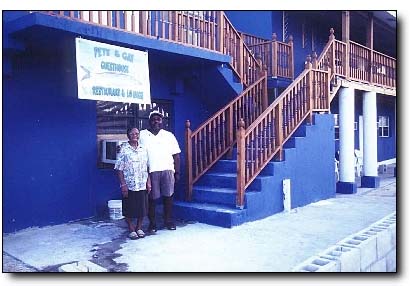
    Pete and Gay’s Guest House is situated at the center of this great Bahamas bonefishing spot. Though Bahamas permit fishing generally does not compare to places such as Ascension Bay, Mexico or Southern Belize, Pete and Gay’s offers access to some of the best permit fishing in the Bahamas.

    Species: Bonefish (large numbers, including very big fish), Permit, Sharks, Barracuda, Jacks, Mutton Snapper

    Location: Sandy Point, Abaco, Bahamas

    Plenty of wadeable, hard-bottom bonefishing flats; access to Gorda Cay and Mores Island

    Fleet: Bonefish skiffs for flats fishing

    Get a custom quote for your Pete & Gay’s Guest House fishing adventure!

    Destination Inquiry

    or

    World-Class Bonefishing at Sandy Point

    From the lodge at Pete and Gay’s, the fishing guides have fishing options to the south, north and east. The south offers miles of white sand bonefishing flats as well as tidal creeks which offer excellent bonefishing. To the north lay vast sand and mangrove flats and the famed Marls of Abaco. Directly off shore from Pete and Gays are Gorda Cay and Mores Island, both of which are well known for large bonefish and permit.

    There are no wadeable bonefishing flats within easy walking distance of Pete & Gay’s Guest House (there is a beach you can walk and at the right tide you may spot some bonefish), but you can fly fish off the nearby (200 feet away) Government Pier for jacks, snappers and mackerel.

    Lodge Accommodations

    Pete and Gay Guest House is one of only two fishing lodges located in Sandy Point. Pete and Gays is owned and operated by Bahamas native Stanley White. Stanley is an excellent owner/manager and provides accountability and follow through on guest services like few other Bahamian bonefishing lodges we’ve dealt with. Stanley also has an excellent relationship with many of the areas top bonefishing guides, including Patrick Roberts, Nick, Tony, Derick Kendall, Val and other professional Bahamas bonefishing guides.

    The fishing lodge itself is not fancy, but it is a clean, modern facility, completely renovated in 2000, and offers air conditioning and private baths in each of it’s guest rooms. The fishing lodge is a two story building with a wrap around deck on the second floor located a short walk from the water. Of the 14 rooms, 4 (located on the second floor) are larger “mini-suites”, available at an extra cost. A maximum of ten anglers can be accommodated. Bonefishing packages include airport transfers, meals, lodging and guided fishing. Pete & Gay is flexible as to the arrival days, length of your stay, and departure days.

    Seasonal Bonefishing at Pete & Gay’s

    Autumn Bonefishing: October, November, Early December. Excellent time for large bonefish and permit; other species also available. Conditions are generally quite pleasant, although there is a chance for a late hurricane or some early cold fronts. The average temperature during these months is 80 degrees (F), and the nighttime lows average about 70. Precipitation declines from an average of 6.5 inches in October to 1.3 inches in December.

    Winter Bonefishing: Mid-late December, January, February, March. These are the best months for big bonefish. Good time for permit fishing, and perhaps best overall for barracuda. Daytime temperatures range around 77, and night time is a pleasant 64. These are the dry months; average precipitation is about 1.5 inches or less. Of course, the weather can be variable: cool, cloudy, windy, and rainy conditions are possible.

    Spring Bonefishing: April, May and June. Warming water and calming winds stimulate bonefish to school together. You may see and cast to hundreds of fish. There are good opportunities to sight cast to larger single fish on the flats, as well. Late spring can bring afternoon showers, and the warmer, calmer weather seems to bring out the insects. Expect daytime temperatures around 85 degrees, and nights about 72. Rainfall increases during this period to about 6 inches in June.

    Summer Bonefishing: July, August, and September. Classic “tailing” time for bonefish on the flats, especially early and late in the day, when it’s a little cooler. Early in the season, expect to find lots of permit on the flats. Some rain or a tropical storm possible, but temperatures are a warm 88 degrees during the day, and nights are a balmy 75. Rainfall is at it’s highest during this period: expect about 5.5 inches average each month.

    Dining and Travel

    Breakfast and dinner are served in the Pete & Gay Guest House restaurant. Dinners are served family style with two main courses. The food has an authentic Bahamian flare and portions are generous. Lunches are taken aboard the boat. Every effort will be made to accommodate any particular likes or dislikes or dietary needs.

    There are several ways to get to Pete & Gays Guest House. The most common routing is to fly to Marsh Harbour where you’ll be met and transferred by car to Sandy Point. This option is included in the package price. Other means of getting to Pete & Gays are: schedule a private charter from Nassau, or charter flight direct from Florida into Sandy Point, with a stop in Marsh Harbour or Nassau to clear customs. We will be happy to make recommendations for the best option for your group.

    Pete and Gay's Guest House Sandy Point Abaco Bahamas

    Get Your Custom Quote for Pete & Gay’s Guest House

    Angler Adventures arranges completely customizable packages at Pete & Gay’s Guest House to meet your fishing preferences.

    Our services are free! We’ll work with you to create the perfect Bahamas fishing vacation package.

    Ready to Plan Your Adventure?

    Experience world-class bonefishing at Sandy Point, Abaco. Our team will help you create the perfect custom package for your Bahamas fishing vacation.

    Monday – Friday, 9am – 5pm EST

    Request a Quote

    Fill out the form below and we’ll get back to you with a custom package quote.

    Destination Inquiry
  • Remembering The Gyno Crab


    NOV 6 – 13, 2004, I was one of a party of 8 very talented flyfishers and great guys who descended on Casa Blanca on Mexico’s Ascension Bay

    in quest of permit. The first day out, just a couple were taken, one by first time permit fisher Dr. Ralph Cifaldi. Ralph was using a crab pattern of his own concoction; a variation on the Dorsey Kwan, distinguished by a long tail of amber dyed polar bear barred with a brown marking pen.
      

    Taken with a Gyno Crab
    "Tara" with a nice Ascension Bay Permit

    The second day, there was better success in the group, with Ralph coming in as top rod with a “hat trick” – 3 more permit on this just his second day chasing permit! This piqued our interest a bit more in Ralphy’s unorthodox pattern.


    The third day, more permit were released by the group, but again the top rod was Doc Ralph, with another hat trick! 3 days into the trip and Ralphy had 7 permit under his belt. The excitement over Ralphy’s fly grew, and being the generous soul that he is, he stayed up late cranking out more of his crab patterns so as to present each one of us with one at breakfast.
     
    There was no doubt in my mind what fly to tie on that morning! We ran back into the bay, inside of the tip of Vigia Grande. The wind had slightly clouded the water along the south side of the bay, and my superb guide Manuel (Tarantula) worked the edge between the cloudy and the clear water. Suddenly I spotted a huge permit working up tide toward us. I called to Manuel and he kicked the boat right, and with a couple of strong pushes on the pole put me in position to intercept the fish. I launched Ralph’s fly, it landed perfectly, I made a one-foot long strip and the big fish quivered, lunged forward and ate it. It immediately took off on a searing and what I expected to be a “reel-emptying” run. But about 70 yards out, it just stopped, and slowly pulled. I looked at the bottom and it was moving. Yes, now he was just leisurely towing the boat across the bay! This went on for 42 minutes until finally we got the fish close enough to tail it. But Manuel couldn’t get it over the gunnel! Finally, he went over the side in chest deep water to “wrassle” the beast into submission. We didn’t have a boga grip, but Manuel said his largest “bogaed” fish was 38 pounds, and allowed as how this guy was just about as big! We settled on 35 as an estimate.
      

    By the end of the week, our party of 8 had tallied an amazing 35 permit on fly, and quite a few over 20 pounds. And Ralph’s pattern accounted for 17 of these, and the fly didn’t even a name. The last evening, our group sat around the palapa having beers and trying to come up with an appropriate name for Dr. Ralph’s (a gynecologist by the way) remarkable fly. Finally John Canavari burst out, “I’ve got it! The Gyno Crab”. And the name stuck. Google it!
    I can’t swear there’s something special about the pattern – maybe it was just a case of a lot of happy permit eating well. But if any fly catches any permit, I want to have it in my arsenal! Hope this works as well for you.

    < class="aligncenter" style="width:82.7%;" border="0" cellpadding="0" width="436">

     Angler Adventures

    800-628-1447 – 860-434-9624
    Fax 860-434-8605
    E-Mail:Info@angleradventures.com
    PO Box 872, Old Lyme, CT 06371
    web site: www.www.angleradventures.com

  • Why Bonefish are Special

    We think bonefish are special too.  Here’s why Dick Brown thinks so:

    “Why bones are special—The bonefish is the nearest thing there is to a perfect gamefish for fly-fishing anglers. A voracious predator, it readily (but warily) takes flies. It accelerates faster and sprints farther than any other fish you take on light tackle. It fights more doggedly than most fish twice its size.

    This performance alone would qualify the bonefish as one of the world’s top fly-fishing targets. But what makes this silver phantom of the tropics the ultimate quarry in fly fishing is that you must see it—sometimes from 80 feet away—before you can even cast to it. You stalk it like a predator. You track it down, take your aim, and cast with precision. You must make no mistakes. The ruthless, primitive survival instincts of this skittish creature leave no room for error.”

    Reprinted from Fly Fishing for Bonefish, New and Revised by Dick Brown, (copyright 2008). Published by Lyons Press an imprint of Globe Pequot Press, Guilford, CT

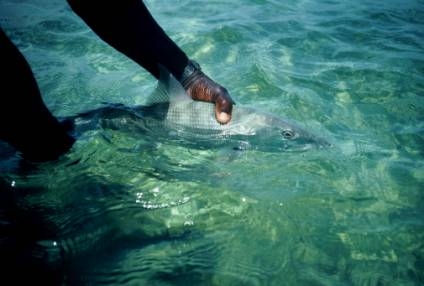
    It's special, let it go!
    Isn't that special?

  • FlyCastaway visits Angler Adventures

    Gerhard Laubscher of FlyCastaway is visiting Angler Adventures in Connecticut next week and giving a couple of presentations about FlyCastaway’s cutting edge fishing operations on St. Brandon’s Atoll, Mauritius and Farquhar Atoll, Seychelles.  Both destinations offer spectacular fisheries that get almost no fishing pressure due to their remote locations and are priced like rare commodities, adding exclusivity to both destinations attributes (Farquhar prices at $7,500 US and St. Brandon’s prices at 6,500 Euro). 

    To get started, here’s the guides report from the April 4 – 11, 2012 week at Farquhar that included one of our clients, Steve Gross, who was looking to tally up as many species as possible.

    If you’d like to attend Gerhard’s presentations, click here.

    Farquhar Atoll: 4-11 April 2012

    Beautiful TrevallyLike a tide eager to begin its initial surge, our new group of guests arrived on the shores of Farquhar champing at the bit to explore the multitude of flats and species Farquhar has on offer. After our customary quick briefing and some hasty rigging of tackle, the group which consisted of 9 men and one hard core fisherwoman set out to get a brief taste of what was in store for the rest of the week. The weather was set to be stable …we were hoping for an absolute cracker!

    GT's are abundant on FarquharYves quickly enticed his first Trigger to eat the fly. Jeff joining the action as he got stuck into a Milky as they are still here and feeding hard! Clare quickly showed the boys she was here to do business by landing the first GT, sadly her Dad. Finally after countless attempts, Wayne O finally managed to land his Trigger, which has been eluding him for years. And it didn’t end there for Wayne as he recorded our first Farquhar Slam, that being GT, a Bone and a Trigger in one day. Now that’s some serious angling and bragging rights!

    There are Milkies too!But back to the rest of the week, the Milkies were still hanging around and after and epic battle, Alex landed his first Milky, awesome fish Alex! His action didn’t stop there either, he also managed to land a GT and a Bone in the same day, quite an achievement. Good fishing was being experienced by all, although we did have a fair number of large GTs lost due to hooks pulling and lines breaking. Clare however had the pink touch (literally), and landed another good GT. Things were heating up and the pressure was on to get the desired species.

    A small GT is still a Giant Trevally!!!Ian subsequently also made his way in to the record book by landing all three of the species and Yves just failing to qualify by losing his GT. Wayne, Dean and Jeff had one truly memorable day whereby they landed 5 GTs, although Wayne did get smoked by a Yellowfin Tuna which tore off 300m of backing in less than 20 seconds late in afternoon!

    Triggerfish offer a flats fishing challange on Farquhar2 Slams in two days. Let’s make it 4 in three days. Dean and Jeff decided they also wanted a taste of that action and had no trouble landing a Trigger, a Bone and a GT. Piece of cake, all in a day’s work at the office….these were the comments around the dining room table each evening. Steve continued his species count and landed a truly impressive Napoleon.

    Don't under estimate these Sharks.  They're fast, powerful, and fun on a fly, especially on a skinney flat.Last day out on the flats and Ian once again showed his metal landing a 98cm GT which was the largest of the week. Jeff and Wayne muscled in some Bumphead Parrotfish, whilst Steve braved “THE WALK” and reaped the rewards, landing Bones, Bluefin and two Blackfin Sharks. It was really good to have Steve out fishing with us after months of preparations and planning!

    An amazing week of fishing with 4 Farquhar Slams, 15 GTs, 6 Triggers, 2 Napoleons, some Bumpheads, a Milkfish and countless Bluefin, Grouper and Snapper. That is what Farquhar is all about!

  • Seychelles Best Flats Fishing – Farquhar Atoll

    The Seychelles became a bucket list destination because it’s a beautiful, remote destination with fantastic wading for bonefish on hard sand & coral flats and a variety of other species both on and off the flats that added depth to the fishery.  Recently, a new fishing operation has opened on Farquhar Atoll, which has taken those credentials to the next level.  

    Beautiful and remote? Farquhar is called the “Jewel of the Seychelles” and considered to be the most beautiful island in the archipelago and also the southern most atoll (2 hour flight from Mahe).  The staff and guests are the only people on the atoll, living in the islands only accommodations.  Check.

    Fantastic Bonefishing? The fishing is 100% wading.  The average schooling bonefish is 4 – 6 pounds and there will be quite a few bonefish in the 6 – 8 pound range.  Most anglers end up leaving the schools to find fish in single and doubles for a bit more of a challenge.  Check.

    Variety of Species?  In addition to Bonefish, there are the normal fish you’d expect to see on a flat in the Seychelles: Shark, Barracuda, Snapper, Triggerfish, Trevally (including Giant Trevally), Milkfish, Napoleon Wrasse and Indo-Pacific Permit.  The guides on Farquhar have also figured out how to catch Humphead Parrotfish, which were previously though to be uncatchable on the fly and become experts at targeting GT’s (Giant Trevally).  You can also fish deeper water for Sailfish, several Grouper species, Yellowfin Tuna, Wahoo, Job fish, and more.  A client of our landed 18 different species on the fly…all with a floating line!    Check.

    This is truly one of the special fishing destinations in world, and the reservations book shows it – the first availability is for late-October 2013.  If you’re interested in fishing Farquhar, we suggest getting started now.  Like Farquhar, but more interested in Bonefishing?  Check out Farquhar’s sister operation St. Brandon’s Atoll, which has better bonefishing with less variety

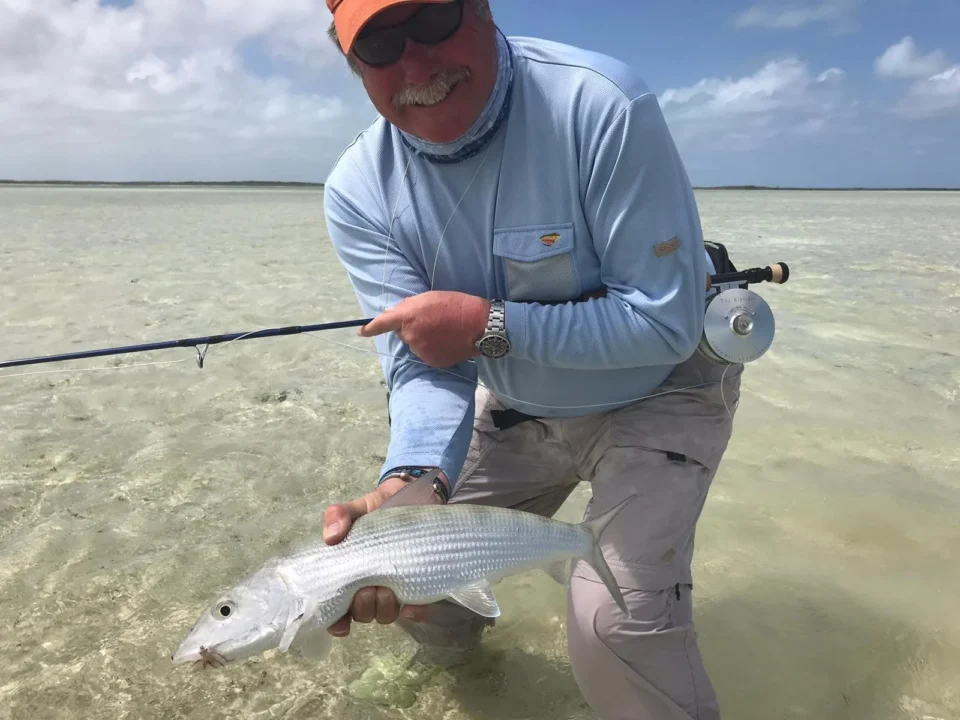
    Farquhar Bonefish
    Bonefish!