Tag: wading vs boat fishing

  • Grey’s Point Inn

    Grey’s Point Inn

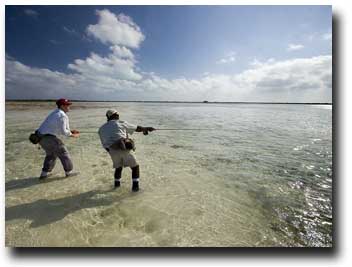
    Wading the flats on Acklins Island, Bahamas:

    Grey’s Point Bonefish Inn

    99% Wading

    Acklins Out Island

    Williamson Family
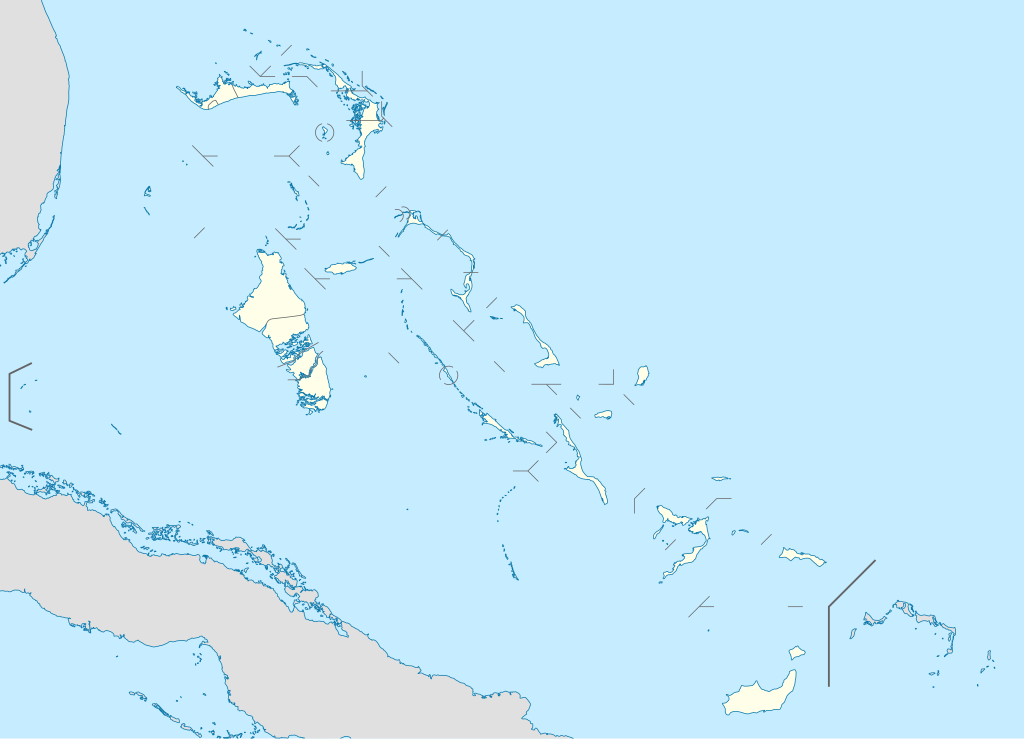
    Bahamas location map

    Overview

    Grey’s Point Bonefish Inn on Acklins Island is a Williamson-family bonefishing lodge built for wading. About 99% of the fishing is on foot across Relief Bay and Lovely Bay, with a maximum of eight anglers, comfortable rooms, and Out Island hospitality.

    Acklins Island bonefishing at Grey’s Point Inn

    Acklins Island is the remote Out Island Bahamas at its best. There are two flights a week. Phone and internet can be sporadic. Traffic jams are never a problem, and the people of Acklins are among the friendliest you will meet.

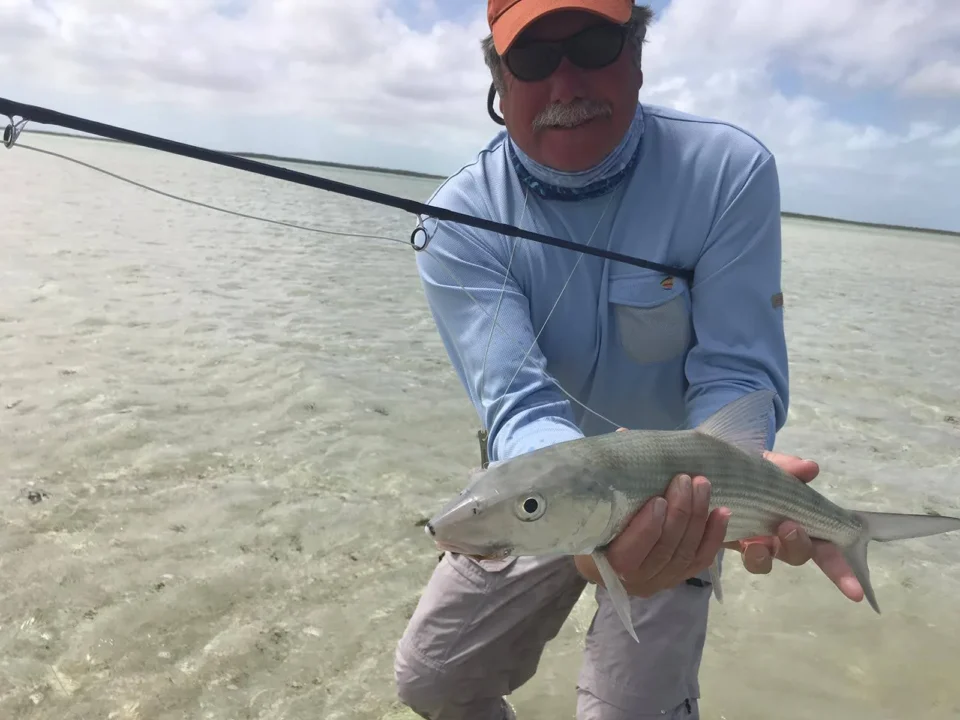
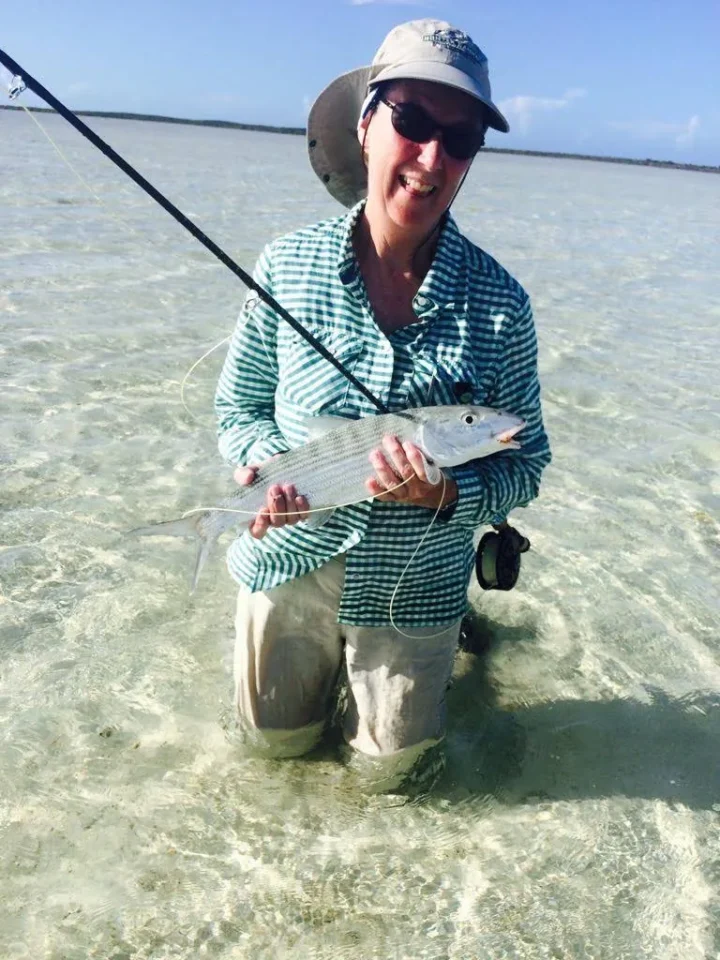
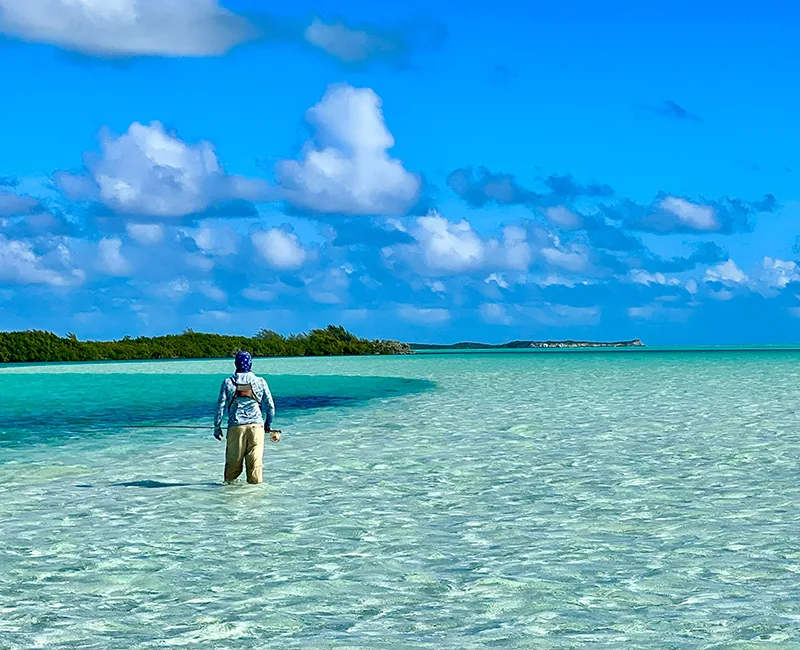
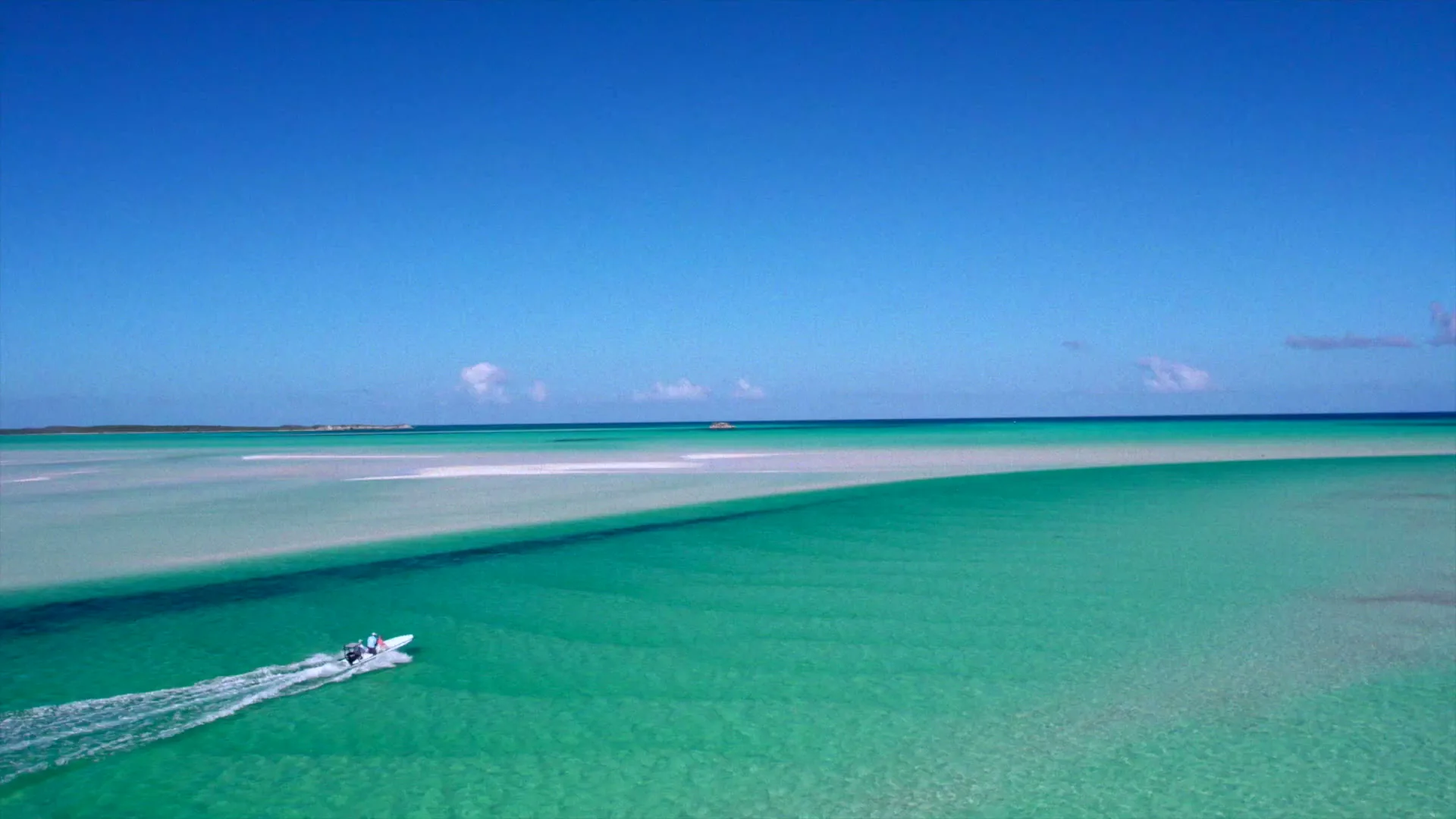
    The flats fished by Grey’s Point Inn are spectacularly beautiful and relatively shallow, especially in Lovely Bay and Relief Bay. Acklins bonefish feed in extremely shallow water, especially at low tide, so the fishing is 99% wading. Nothing captures bonefishing like stalking, casting to, and hooking a 6-pound bone in 4 inches of water.

    Close proximity to the open ocean means guests occasionally see larger fish. The average bone is 3–5 pounds. Fish in the 6–8 pound class are fairly common, and at times you get shots at double-digit bones fresh from deeper water. The club record is 16 pounds.

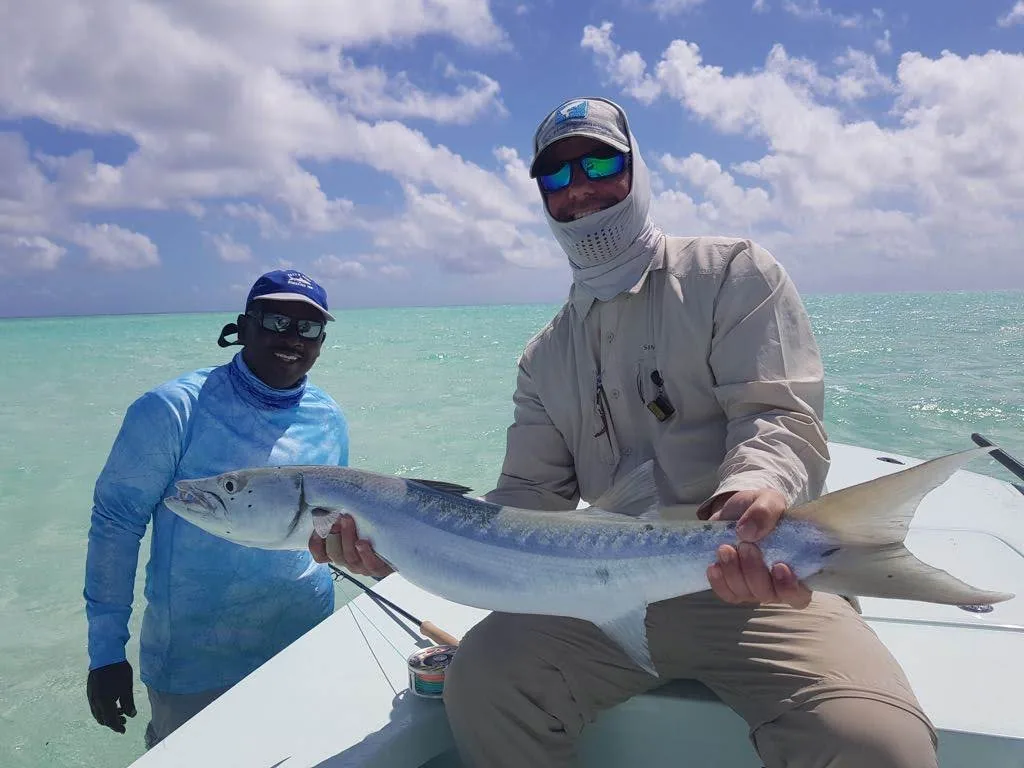
    Bones often school at high tide, then spread over the shallow flats, cuts, and channels as the water drops. That makes for diverse wading — drop-offs one hour, tip-toeing after tailers the next. Guests may also see permit, sharks, and big barracuda. Tarpon sightings are rare, but they happen on Acklins.

    Grey’s Point has three full-time bonefishing guides and several part-time guides, all with years on Acklins. They grew up on these waters and work hard to put you on fish. Boat rides are typically 5–15 minutes. The Lovely Bay launch is about 25 minutes from the lodge; Relief Bay is a short walk down the hill, and you can be fishing in two minutes. A canoe and two kayaks are available the afternoon you arrive, and there is a wadeable flat in front of the lodge.
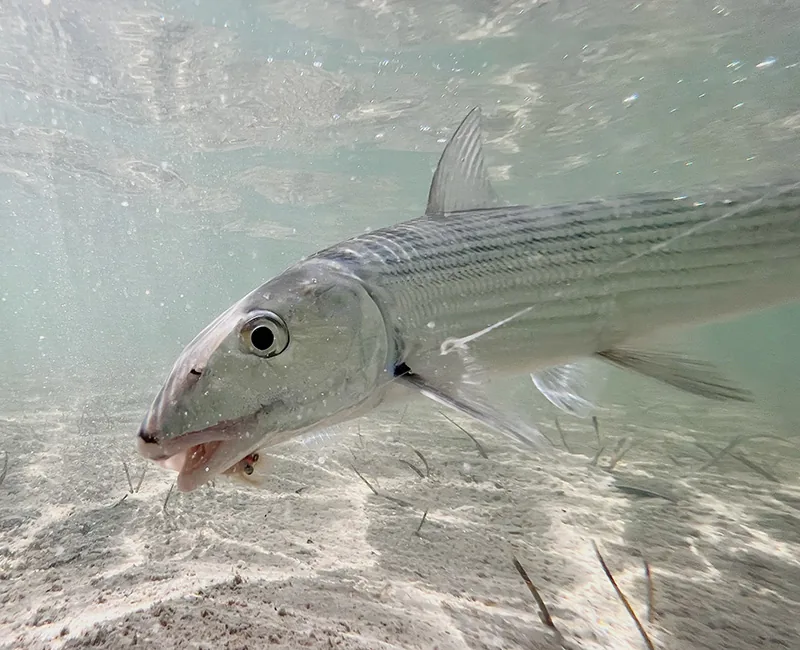
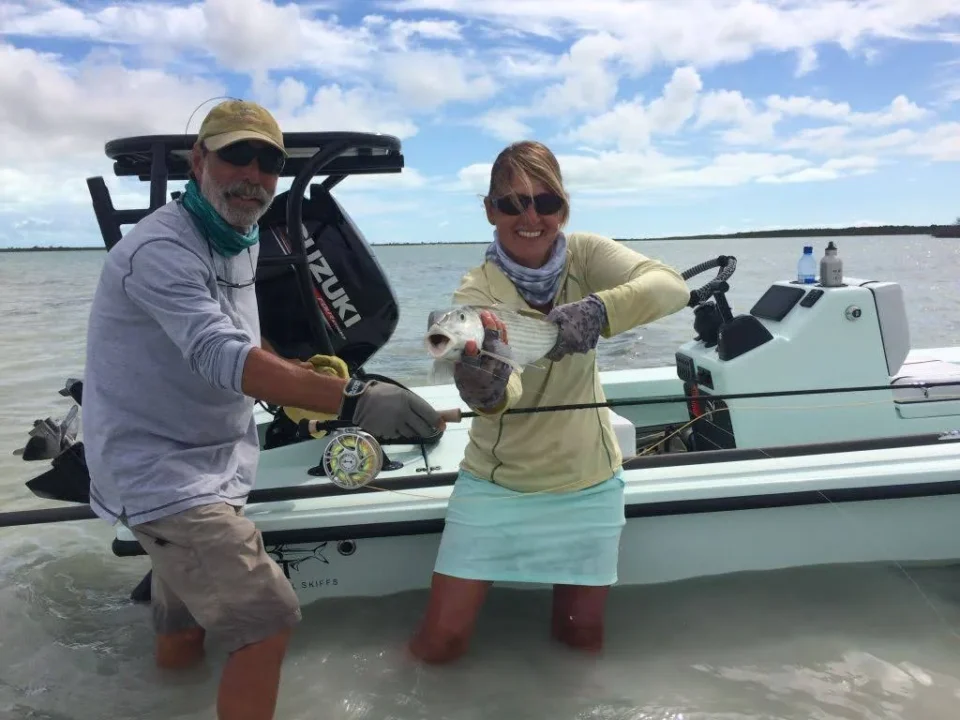
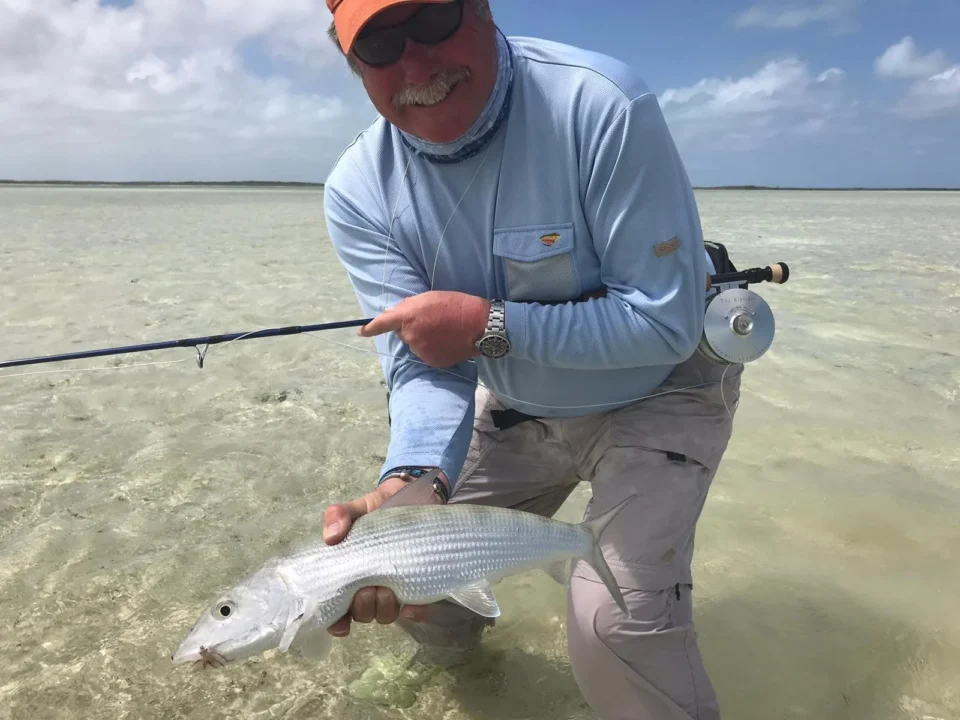
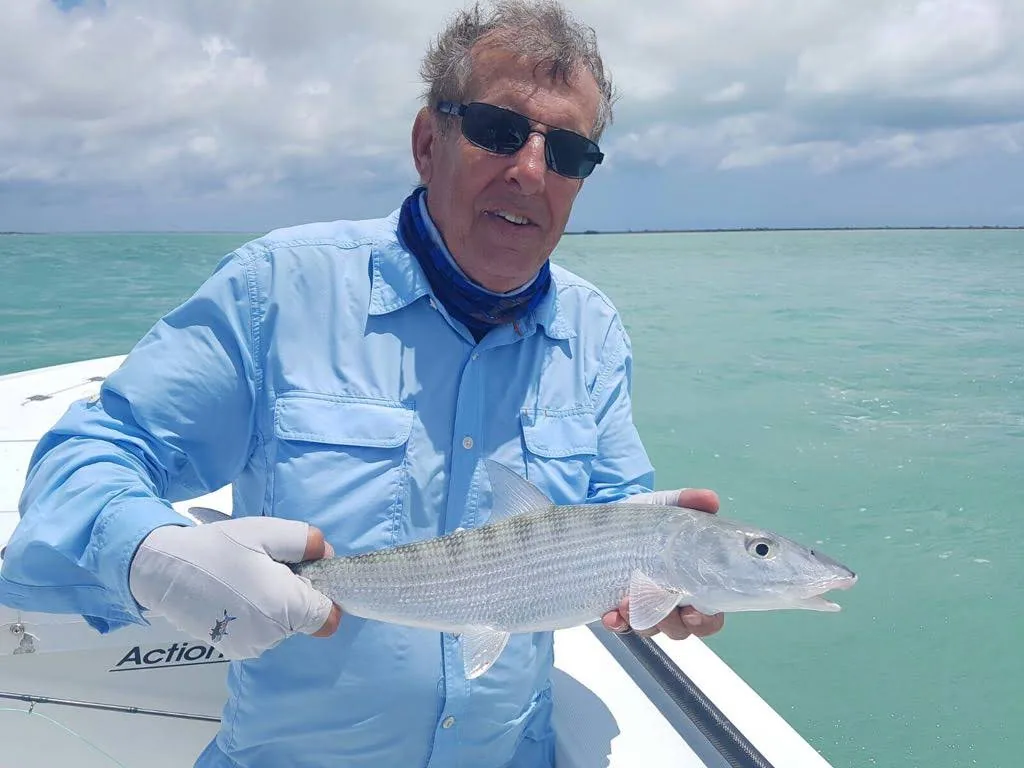
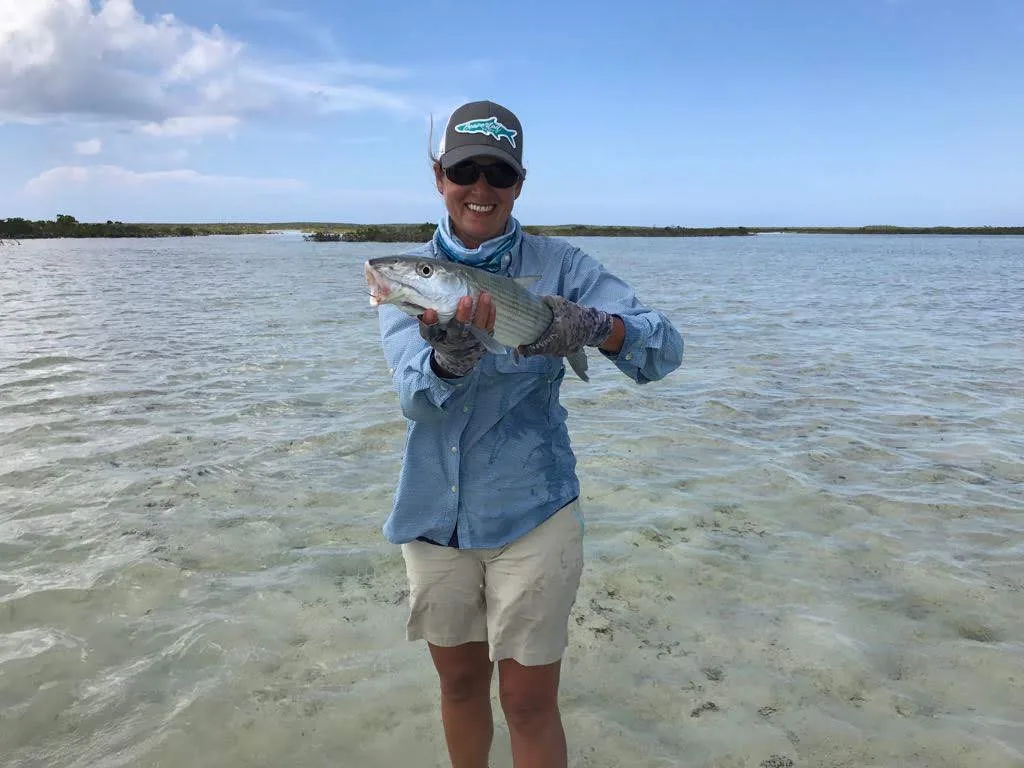
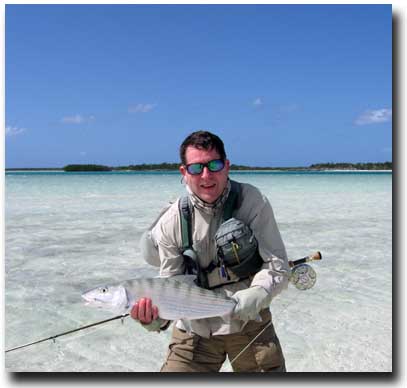
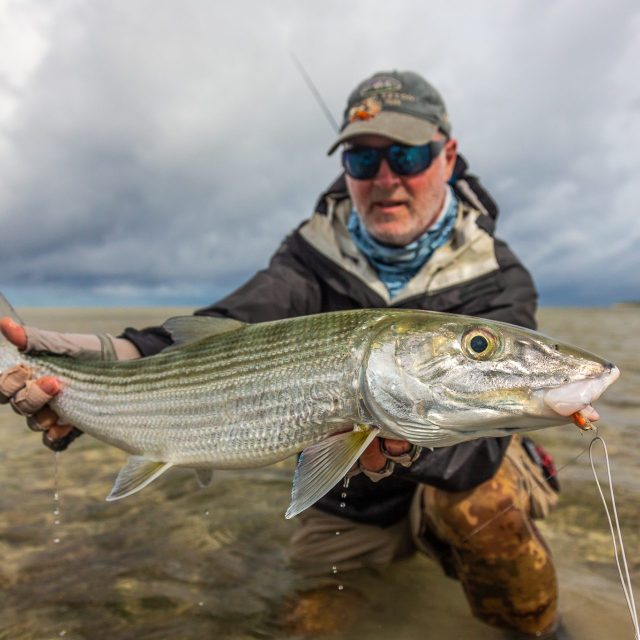
    Bonefish with a fly in the clear shallow flats at Grey’s Point Inn, Acklins Island, Bahamas
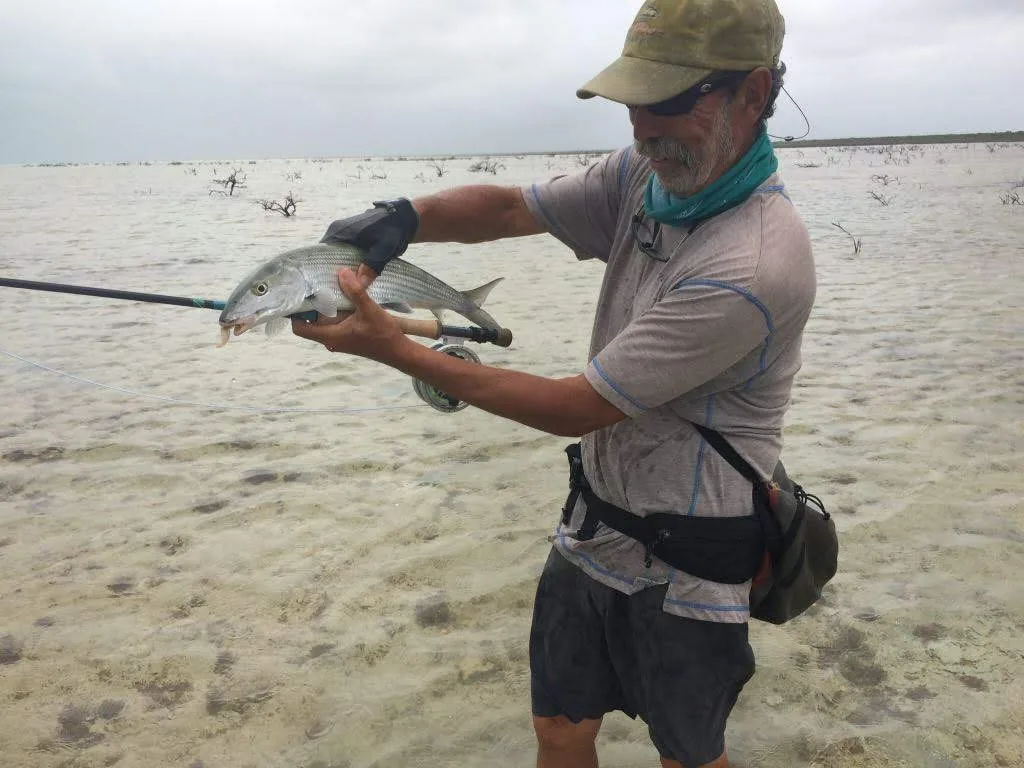
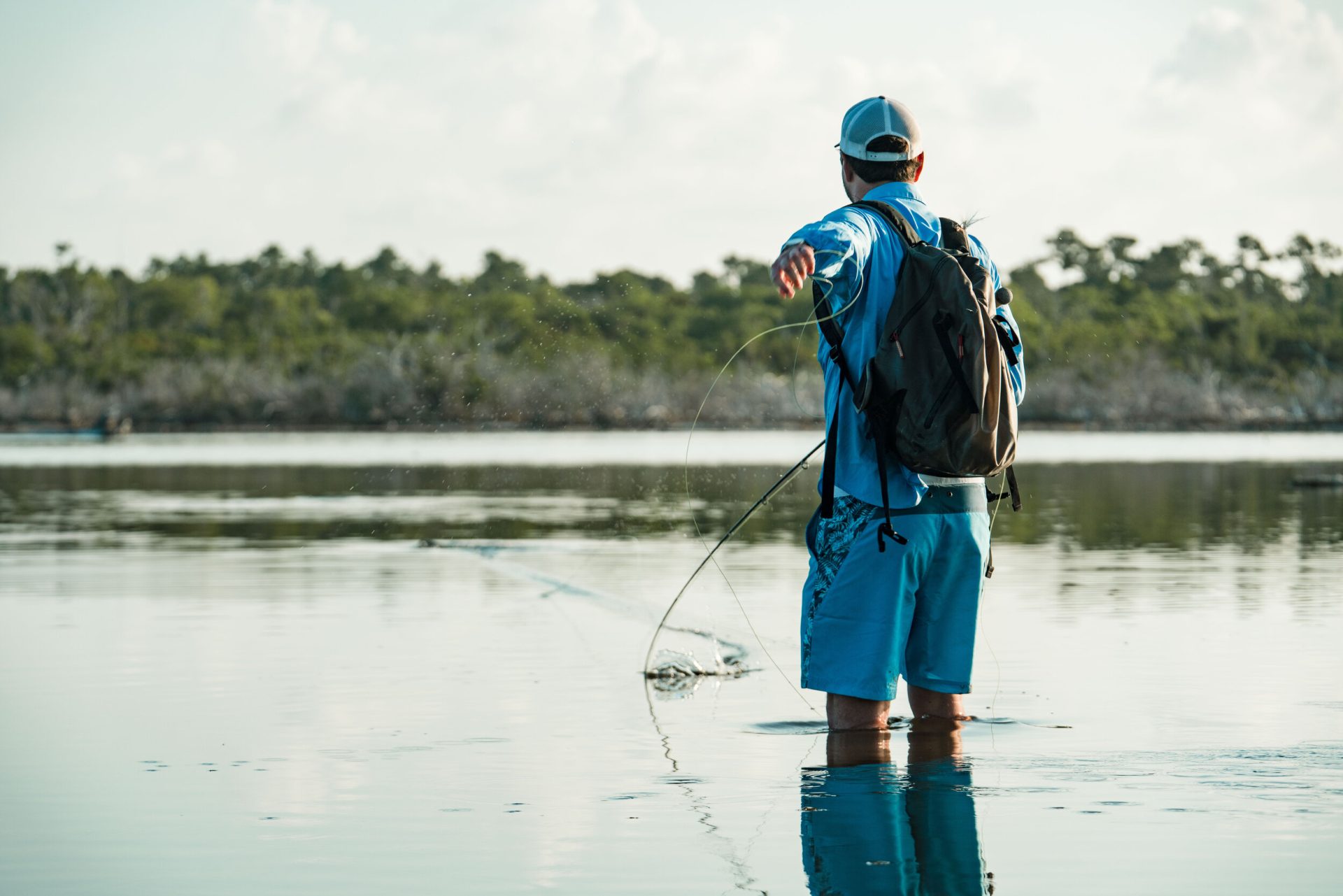
    Angler wading clear Acklins Island flats on a Grey’s Point Inn bonefishing trip, Bahamas
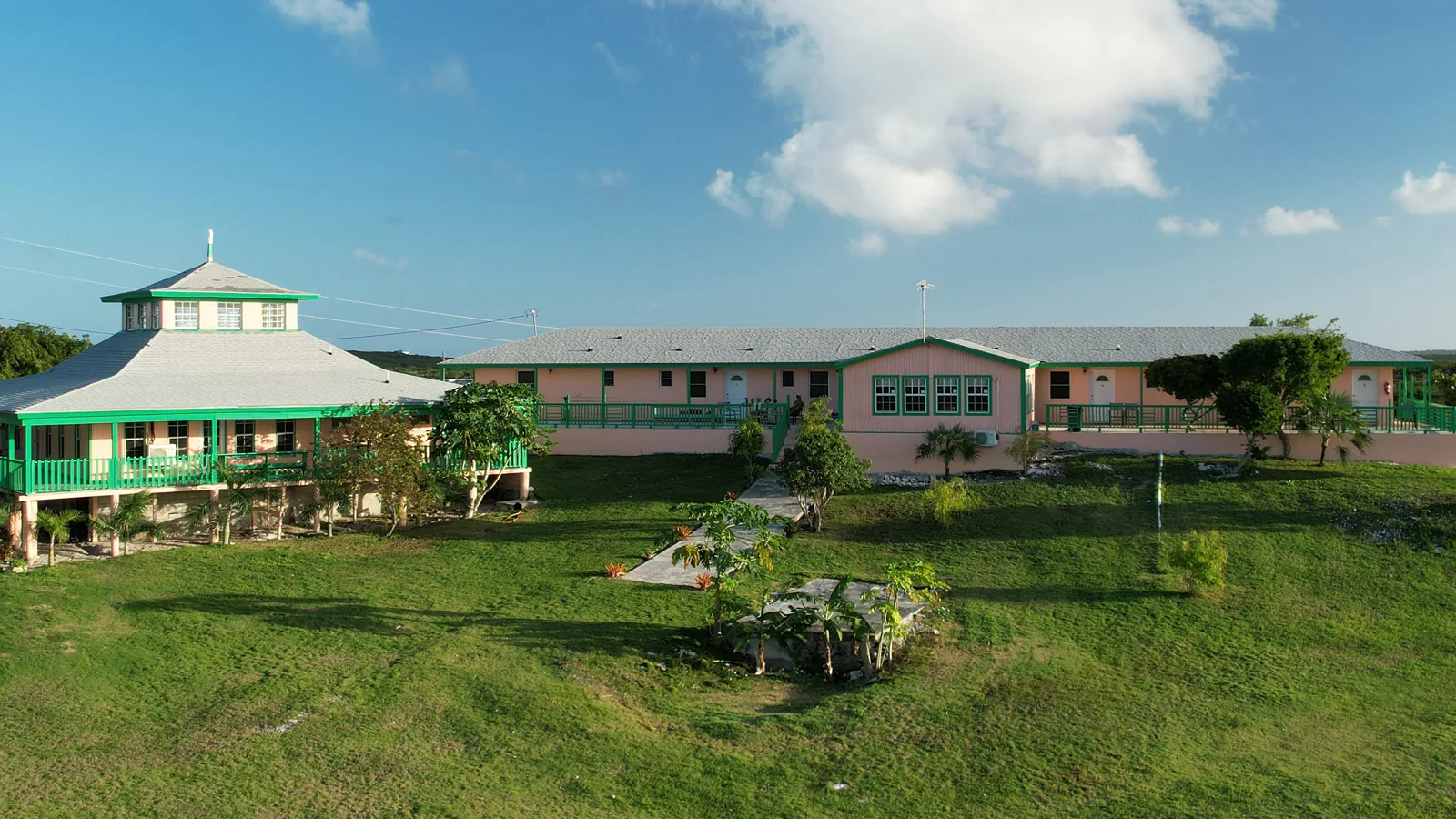
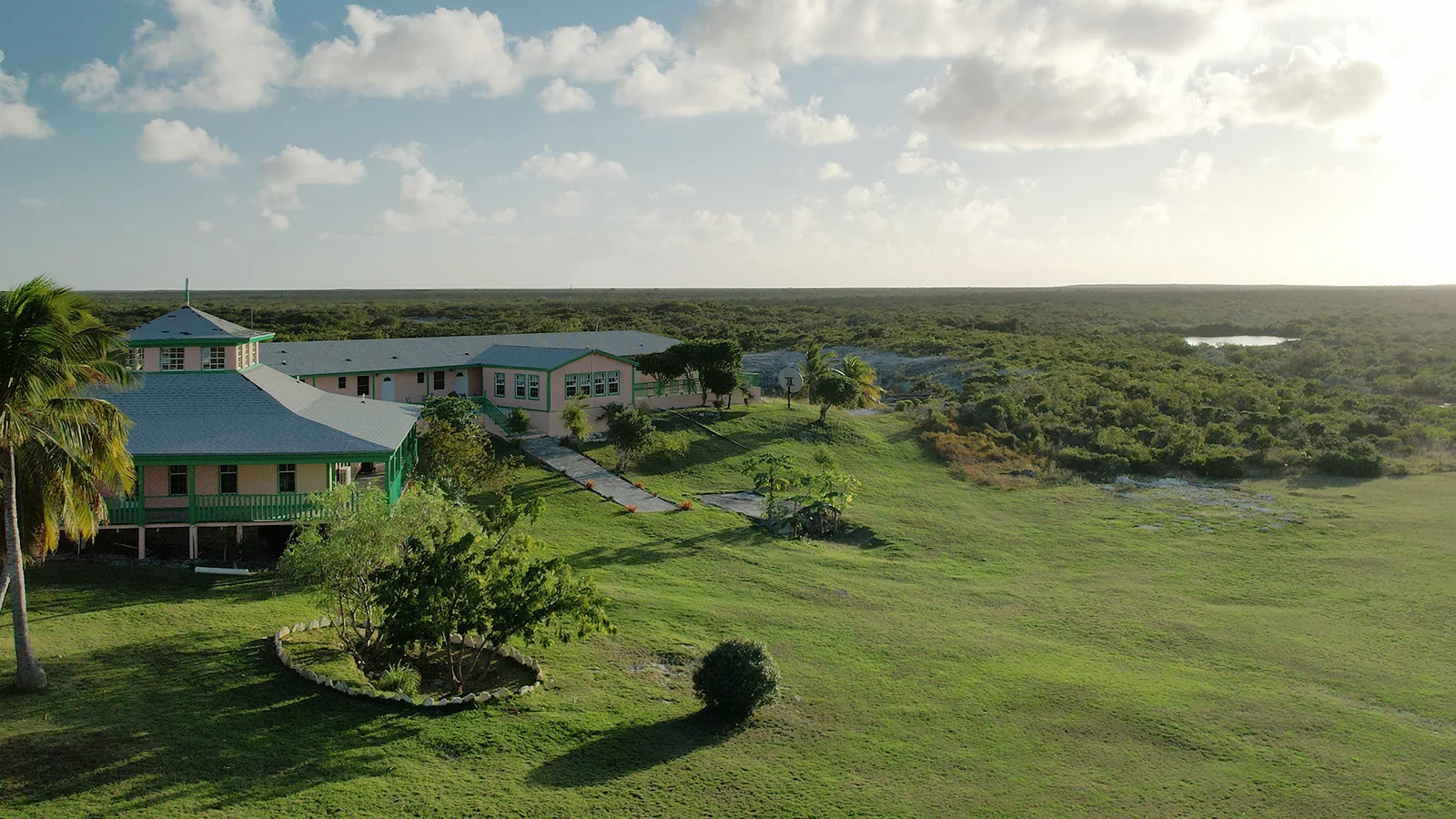
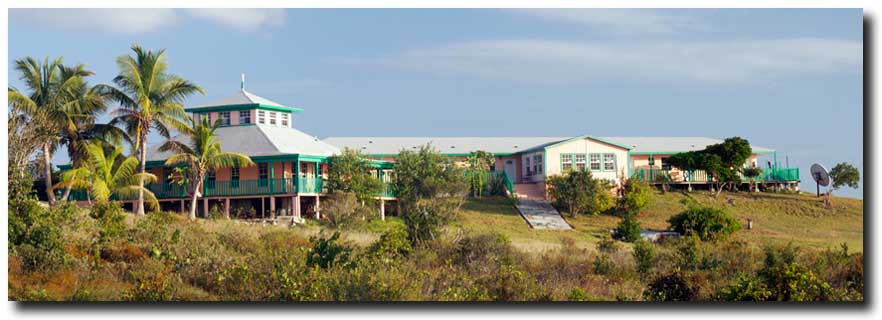
    Guest-room wing and main lodge at Grey’s Point Inn on Acklins Island, Bahamas

    Accommodations at Grey’s Point Inn

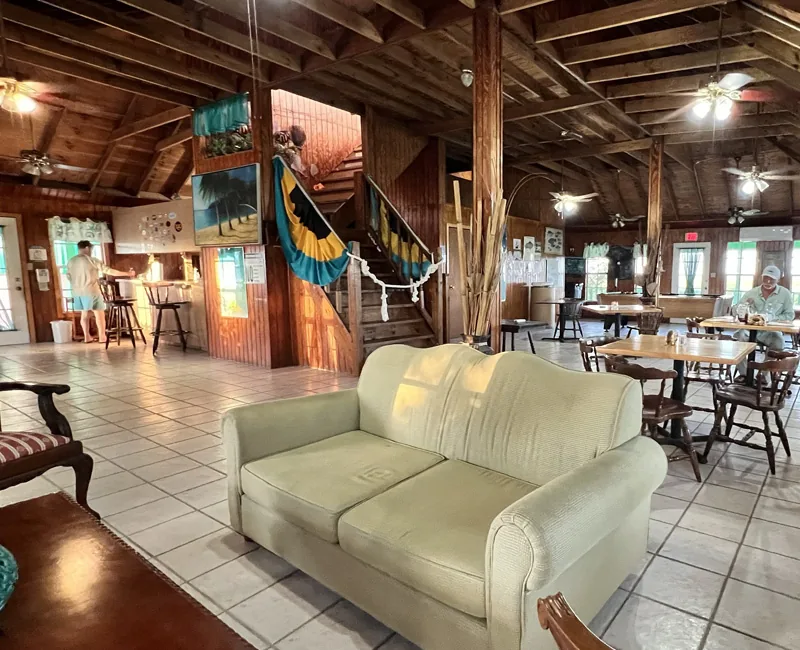
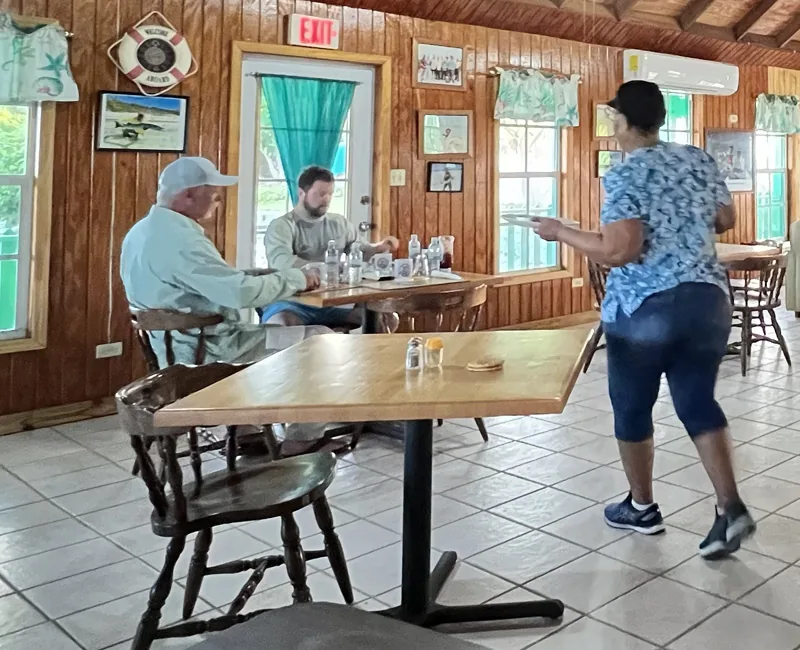
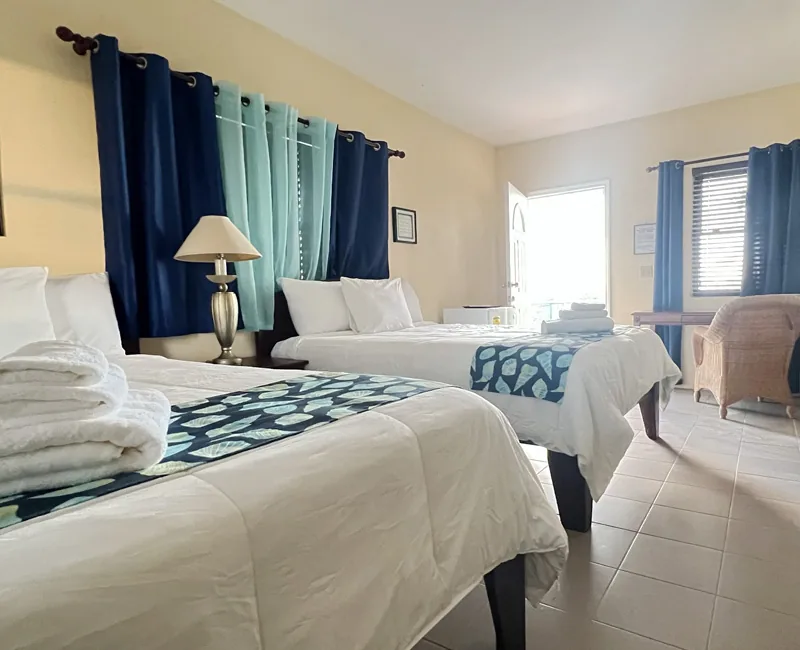
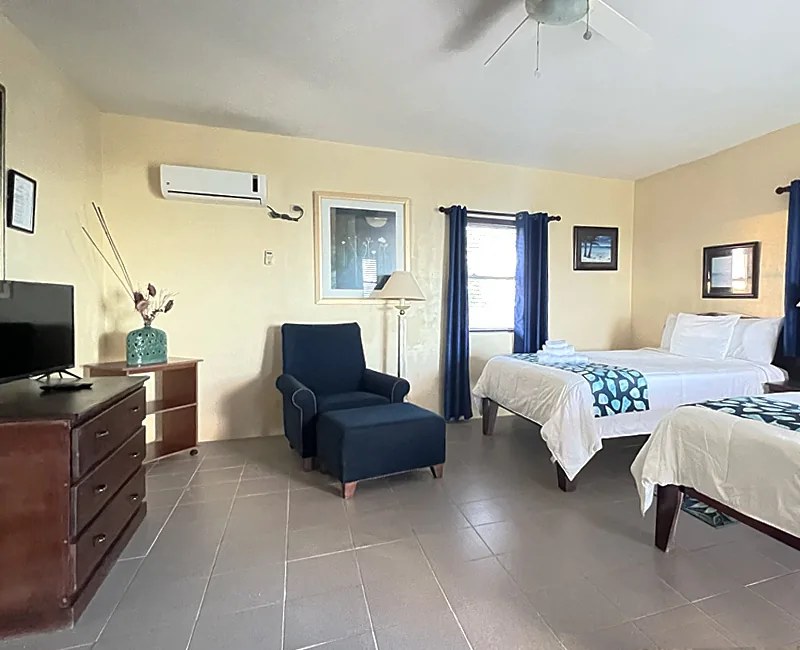
    Grey’s Point offers surprisingly comfortable rooms given how remote Acklins is. There are six guest rooms and a main lodge, all overlooking the flats of Relief Bay. Rooms have two large double beds, air-conditioning, satellite television, a refrigerator, a small desk (perfect for fly tying), a private bath, and intermittent WiFi. The main lodge holds the kitchen, dining room, common area, and a game area with a full-sized pool table. A small lounge next to the guest rooms has comfortable chairs and a big-screen TV. Except for intact larger groups, Grey’s Point takes a maximum of eight anglers.
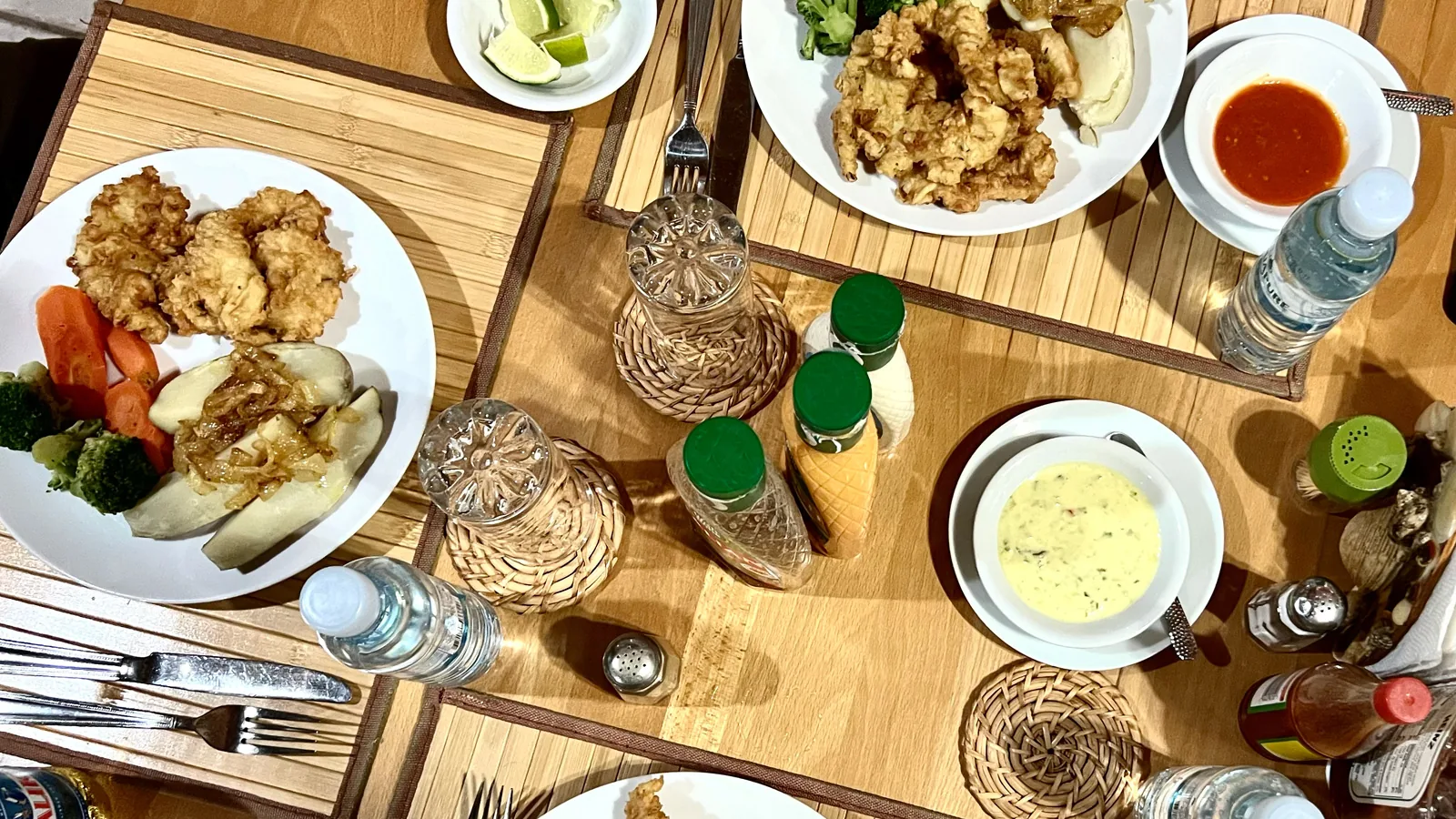
    Food is Bahamian style — broiled or steamed lobster, fried grouper, roasted chicken, cracked conch. The owners and staff are punctual, courteous, and a pleasure to be around.

    Grey’s Point does not sell beer or other alcoholic drinks. Buy liquor and wine at the duty-free shop on arrival in Nassau, and beer on Acklins. The lodge meets you at the airport and stops at a grocery that sells beer. Keep it cold in the mini-fridge in your room. Kalik and Sands are always around; Heineken and Guinness show up occasionally.

    99% wading

    6 guest rooms

    Max 8 anglers

    Williamson family

    Grey’s Point Inn packages (2026–2027)

    Contact us for seasonal discounts, special offers or promotional pricing

    Grey’s Point Inn Packages2 per boat | 2 per room2 per boat | 1 per room1 per boat | 2 per room1 per boat | 1 per room
    7 Nights/6 Days Fishing$4,855$5,835.00$7,015.00$7,995
    4 Nights/3 Days Fishing$2,640$3,220.00$3,720.00$4,300
    3 Nights/2 Days Fishing$1,935$2,370.00$2,655.00$3,090

    These are the 2026–2027 package rates.

    Our Services are FREE

    From the archive: wading Acklins in 2013

    John Frazier wrote about a Grey’s Point trip for the November/December 2013 issue of Fly Fishing in Salt Waters — still the best picture of stalking bones on foot here.
    Included in package

    • Round-trip transportation from Acklins Airport to the lodge
    • Double or single occupancy rooms as described
    • All meals, soft drinks, and bottled water
    • A boat and guide daily

    Not included

    • Air travel to Acklins
    • Beer, wine, and liquor
    • Tackle, lures, flies, and personal items
    • Boat handler (optional — runs the skiff to the far end of a flat so you skip the long walk back)
    • Gratuities and Bahamas VAT

    The lodge now accepts credit cards; confirm current payment options when you book. Cash and traveler’s checks still work on island.

    Flies and tackle

    Acklins bones are not overly bashful in skinny water, and they are not picky eaters. Presentation matters more than pattern. Bring a good supply of Bunny Bones or other unweighted or very lightly weighted flies. Weed guards help on turtle grass. See the Bahamas What to Bring list. Bring your own flies and tackle — neither is available at Grey’s Point Inn.

    Getting to Grey’s Point Inn

    Bahamasair currently flies Nassau–Spring Point, Acklins, on Wednesday and Saturday. A Friday overnight in Nassau is still the usual way to make the Saturday morning flight. Newton or Garon Williamson meet guests at the airport for the transfer. Typical Saturday arrival is before noon, with the afternoon to rig, rest, or fish on your own.

    Grey’s Point Inn questions

    How much of the fishing is wading?

    About 99%. This is a foot-stalking lodge. If you want to stand on a poling platform all week, pick a different Acklins or Andros program.

    How do I get to Acklins?

    Bahamasair to Spring Point on Wednesday and Saturday. Many guests spend Friday night in Nassau for the Saturday flight. The lodge handles the island transfer.

    How many anglers?

    Six rooms; usually a maximum of eight anglers unless you bring an intact larger group.

    What else besides bonefish?

    Permit, sharks, and barracuda show on the same flats. Tarpon live on Acklins but are the uncommon shot. Dedicated permit or tarpon days can cost extra — ask when you book.

    Where on Acklins is the lodge?

    Pinefield Settlement, looking over Relief Bay. Spring Point is the airport. Flats start in front of the rooms; Lovely Bay is a short boat ride.

    Bonefish, Permit & Tarpon

    in beautiful ACKLINS, BAHAMAS

    Bonefish

    (Albula vulpes)

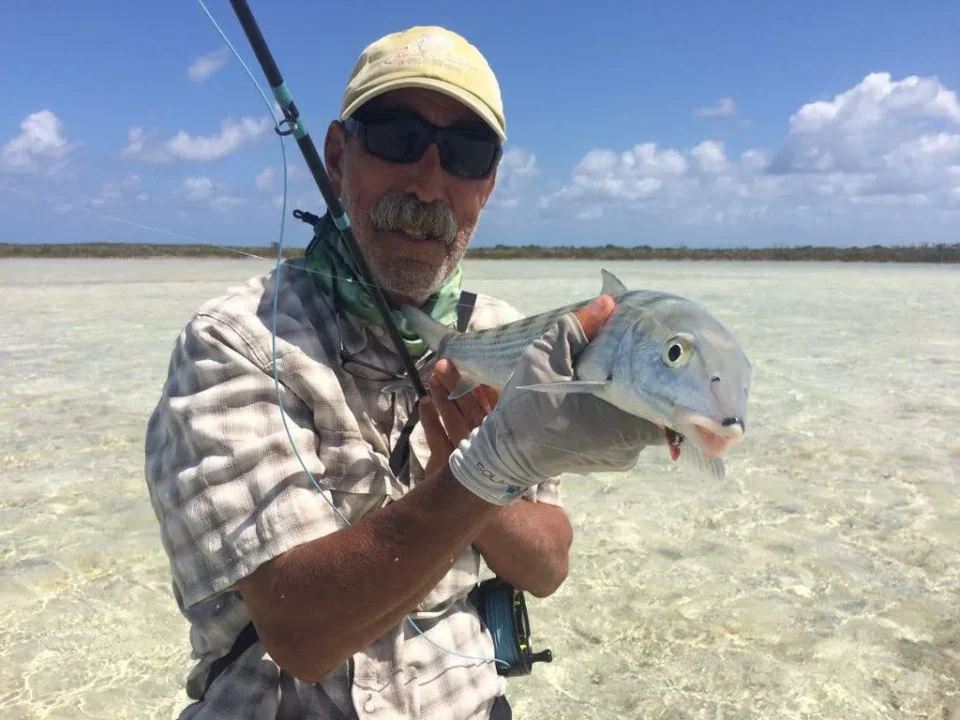
    Acklins is a skinny-water bonefish island. At Grey’s Point you hunt them on foot as singles, pairs, small groups, and schools — average fish 3–5 pounds, plenty of 6–8s, and a lodge record of 16. Permit, sharks, and barracuda share the same flats.

    Relief Bay, Lovely Bay, Acklins Island

    3–8 lb typical · shots at doubles

    99% wading · schools and singles

    Best flies: Bunny Bones, Gotcha, Crazy Charlie, Clouser

    Bonefish with a fly in the clear shallow flats at Grey’s Point Inn, Acklins Island, Bahamas
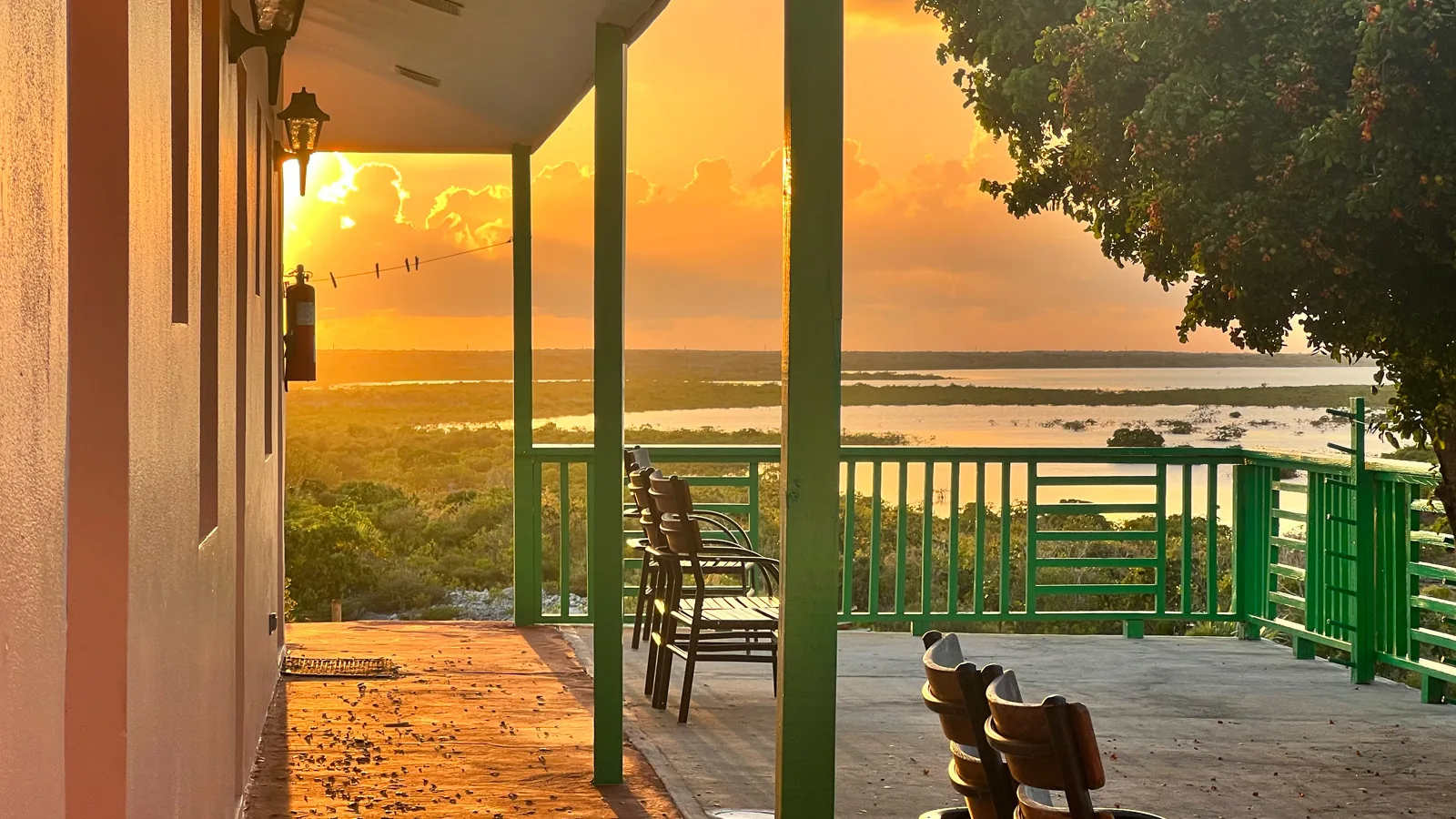
    Sunset over Relief Bay from the porch at Grey’s Point Inn, Acklins Island, Bahamas

    It’s time to begin planning your trip.

    Save time with Angler Adventures. We’ve been doing this for 43 years.

    Book now, get a quote, or find out more about wading for bonefish at Grey’s Point Inn.
    Destination Inquiry

    Click here to read John Fraizer’s article about his trip to Grey’s Point, “Thinking Outside the Boat” from the November / December 2013 issue of Fly Fishing in Salt Waters.

    Grey’s Point Bonefish Inn on Acklins Island is one of our favorite wading destinations for bonefish. Run by the Williamson family, Grey’s Point Inn guests enjoy warm “Out Island” hospitality in a laid back lodge atmosphere with comfortable accommodations, good food and some of the best bonefish flats for wading in the Bahamas.

    Acklins Island typifies the remote, out-island Bahamas experience at its very best. There are only 2 flights a week. Telephone and internet service can be sporadic. However, traffic jams are never a problem and the people of Acklins are among the friendliest you’ll ever meet!

    The flats fished by Grey’s Point Inn are spectacularly beautiful and relatively shallow, especially in the appropriately named Lovely Bay and equally stunning Relief Bay.

    Acklins bonefish feed in extremely shallow water, especially at low tide, so the fishing at Grey’s Point Inn is 99% wading. Grey’s Point Bonefish Inn, therefore, is the ideal lodge for the angler interested in the excitement of stalking bonefish on foot. Tailing fish can usually be found throughout the day. Nothing captures the essence or excitement of bonefishing like stalking, casting to and hooking a 6 pound bone is 4 inches of water!

    Because of Grey’s Point Bonefish Inn’s close proximity to the open ocean, guests will occasionally encounter larger bonefish. The average bone is in the 3-5 pound range. Fish in the 6 – 8 pound class are fairly common and at times you can have shots at huge, double-digit bones fresh from deeper water. The club record is a whopping 16 pounds.

    The bonefish will often form vast schools at high tide and then gradually spread out over the shallow flats, cuts and channels as the water drops. This makes for extremely diverse, exciting fishing, and offers a great variety of wading experiences, from working drop offs to tip-toeing after tailing bones. Anglers might also have shots at big permit at Grey’s Point, and of course sharks and big cudas can be plentiful. Tarpon sightings, while rare, are always a possibility on Acklins.

    Grey’s Point Inn has three full-time bonefishing guides and several part time guides, all with years of guiding experience on Acklins Island. Having grown up in these waters, these Acklins native guides are extremely knowledgeable, hard working and will bend over backwards to put you on good fishing.

    Grey’s Point offers surprisingly comfortable accommodations given its remote location. There are 6 guest rooms and a main lodge, all overlooking the flats of Relief Bay. The rooms are attractively furnished and decorated and feature 2 large double beds, air-conditioning, satellite television, a refrigerator, small desk (prefect for fly tying), private bath, and even WiFi (intermittent, but there!). The main lodge contains the kitchen, dining room, common area, and a game area, which includes a full-sized pool table. There’s also a separate small lounge adjacent to the guest rooms with comfy chairs and a big screen TV. With the exception of intact larger groups, Grey’s Point takes a maximum of 8 anglers ensuring that each guest will receive the personal service and quality fishing experience that Grey’s Point Bonefish Inn is known for.

    The food is served Bahamian style and features fresh local ingredients, such as broiled or steamed lobster, fried grouper, roasted chicken or cracked conch. The lodge owners and staff are friendly, hard working, courteous people who are punctual and a pleasure to be around.

    Grey’s Point does not sell beer or other alcoholic beverages. Typical of the Out Islands, the selection of spirits and wines on Acklins is extremely limited. We recommend purchasing your liquor and wine needs at the Duty Free Shop on arrival in Nassau, and purchasing your beer needs upon arrival on Acklins. A representative of the lodge will meet you at the airport to transport you to the lodge. They will stop at a grocery store that sells beer, on the way. Beer may be kept cold in the mini fridge in your room. The well known Bahamian Kalik and Sands beers are always available on Acklins and occasionally Heineken and Guinness as well.

    Grey’s Point owns a collection of modern, shallow draft flats boats. Boat rides to bonefishing flats are minimal, typically 5-15 minutes. The boat launch in Lovely Bay is about 25 minutes from the lodge. The lodge overlooks Relief Bay so guests fishing there depart from the boat basin a short walk down the hill. From there, you can be fishing within 2 minutes. Additionally Grey’s Point has a canoe and two kayaks for guests who would like to fish on their own the afternoon of arrival. There is also a wadeable flat in front of the lodge for hard core anglers who just can’t get enough!

    Bonefish around Acklins are not overly bashful despite the extremely shallow water in which they generally feed, nor are they picky eaters. Pattern selection is much less important than presentation on these flats. We do, however, recommend bringing a good supply of Bunny Bones or other unweighted or very lightly weighted flies for the skinny water around Grey’s Point. Weed guards are helpful for flats with turtle grass. See Angler Adventures BAHAMAS WHAT TO BRING LIST for details. Bring your own flies and tackle. Neither is available at Grey’s Point Inn.

    As most of the bonefishing is wade fishing, guests have the option of hiring a “boat handler”. The boat handler will run the boat around to meet you and your guide at the other end of the flat, saving a long walk back!

    Typically a Friday overnight in Nassau is required to take the Saturday morning Bahamas Air flight to Spring Point Acklins. Guests are met by Newton or Garon Williamson for the transfer to the lodge. Guests typically arrive at the lodge before noon on Saturday and have the afternoon to assemble gear, relax or do some fishing on your own.

    Our Services are Free!
    Contact us for Seasonal Discounts, Special Offers or Promotional Pricing

    Grey’s Point Inn Packages2 per boat | 2 per room2 per boat | 1 per room1 per boat | 2 per room1 per boat | 1 per room
    7 Nights/6 Days Fishing$4,855$5,835.00$7,015.00$7,995
    4 Nights/3 Days Fishing$2,640$3,220.00$3,720.00$4,300
    3 Nights/2 Days Fishing$1,935$2,370.00$2,655.00$3,090

    Included: Transportation from Acklins Airport to the lodge, roundtrip; double or single occupancy rooms, as described; all meals, soft drinks and bottled water, a boat and guide daily.

    Not included: Air travel to Acklins; beer, wine and liquor; tackle, lures, flies, personal items, “boat handler”, gratuities, Bahamas Value Added Tax (VAT). These charges can be paid at the lodge in traveler’s checks or cash. Grey’s Point Inn does not accept credit cards.

  • Weather Conditions and Fishing Techniques: Adapting Your Approach

    Weather Conditions and Fishing Techniques: Adapting Your Approach

    Here’s the thing about bonefishing: the weather doesn’t just affect your comfort—it fundamentally changes how fish behave, what they can see, and how you need to approach them. Whether you’re dealing with glass-flat calm conditions that make every shadow a warning signal, or cloudy, rainy days that let you get closer but hide the fish from view, understanding how to adapt your technique can turn a frustrating day into an exceptional one.

    The difference between a skunked day and a banner day often comes down to one simple question: are you fishing the conditions, or are you fishing the way you always fish?

    Super Calm Conditions: When There’s Nothing to Break Up the Shadow

    Picture this: the water’s like glass. Not a ripple. Not a breath of wind. It’s beautiful, but for bonefish, it’s also terrifying.

    When it’s super calm and there’s nothing to break up their shadow, everything that moves in the air becomes a warning sign. Fish get spooky—like, really spooky. They get super nervous and they’ll blow up at the smallest movement. Even the light reflecting off your leader can send them running.  Garon Williamson at Grey’s Point Inn on Acklins was guiding Doug Schlink on one of these slick days.  Garon made sure that they walked carefully and slowly, stopping at least 100 feet ahead spotted fish because “they’ll fell the energy in the water”.  Even the push water from your footsteps can be enough to send a fish in the opposite direction.

    The Challenge

    In these conditions, bonefish are operating at maximum alert. Every shadow, every movement in the air above them, every reflection signals danger. They become extremely wary and difficult to approach. It’s like trying to sneak up on someone who’s already looking for you.

    The problem isn’t that the fish aren’t there—they are. The problem is that they’re seeing everything, and they’re not in the mood to take chances.

    Adapting Your Approach

    When the water’s dead calm, you need to change your game:

    • Move slowly and deliberately—No sudden movements. No rushing. Every step, every cast needs to be intentional.
    • Pay extra attention to your shadow—Your shadow is a dead giveaway. Position yourself so your shadow doesn’t fall on the fish. 
    • Use longer leaders—A longer leader minimizes the disturbance and keeps your fly line further from the fish.  Ten-foot leaders work most of the time, but sometimes even fifteen-foot leaders aren’t enough (or are too hard to cast).
    • Lighter Flies – less splash on entry and better control casting
    • Consider getting out of the boat—This is huge, and we’ll get into why below.

    The key here is patience. You’re not covering water quickly—you’re stalking. Every cast matters. Every step matters.

    Cloudy and Rainy Conditions: When You Can Get Closer

    We all dread cloudy and rainy days fishing. Here’s the good news: you can typically get closer to fish because they can’t see you as well, and they don’t care about getting wet in the rain. The weather is creating all these disturbances—ripples on the water, reduced visibility, all that—but the fish still need to eat. So they’re still there, still feeding.

    The Opportunity

    This is where cloudy and rainy conditions become your friend:

    • Fish are still feeding—They need to eat regardless of the weather
    • Your approach is less visible—The conditions are working in your favor
    • Their sensors are somewhat dulled—The reduced light and surface disturbance make them less alert

    It’s like nature is giving you a bit of cover. Use it.

    The Challenge

    But here’s the catch: you can’t see them either. Their sensors are dull, but you also don’t have the typical sight-fishing advantages you’d have on a bright, clear day. You’re not going to spot that perfect shadow or see that fish cruising in the distance.

    What You’re Looking For: Changes

    This is crucial: you change what you’re looking for.

    You’re not going to see a bonefish’s shadow when it’s cloudy or raining. That’s not happening. But you might still see their tails sticking up out of the water. You might see dorsal fins breaking the surface. You might see wakes, or nervous water.  They might also show up like they appeared out of nowhere.

    So you shift your focus. Instead of looking for shadows and shapes, you’re looking for:

    • Tails—Bonefish tails sticking up out of the water as they feed
    • Dorsal fins—Breaking the surface as fish move through shallow water
    • Wakes—The V-shaped wake a fish creates as it moves
    • Nervous Water — The choppy surface of the water that’s moving differently, often opposite, of the surrounding surface movement
    • Look Everywhere – Don’t just look ahead of you.  Take a moment to pause and look to 7 O’clock and 4 O’clock, where fish often just “appear” when it’s hard to see.

    It’s a different kind of sight fishing, but it’s still sight fishing. You’re just reading different signals.

    Wading vs. Boat Fishing: When Weather Dictates Your Approach

    This is where things get interesting, because the weather doesn’t just affect the fish—it affects how you and your guide might choose to target them.

    Fishing from a Boat

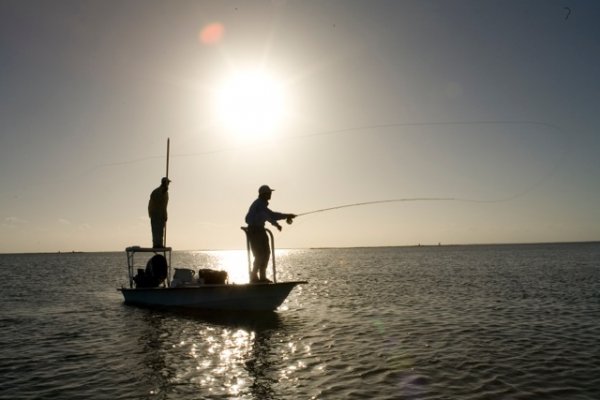
    Angler casts from skiff at Grand Bahama Bonefishing

    When you’re in a boat, the guide’s up on a polling platform, so he’s 10 or 12 feet in the air over the water. That height gives him a great objective angle—he can see fish from way out, spot movement, read the water. But you? You’re on the front of the boat. You only have your five and a half, maybe six foot objective angle to look for fish. So it’s a little harder to see.

    Sometimes in a boat, the guide will call out the fish: “There’s a fish here. 80 feet, 11 o’clock, moving left to right. You see him?” And then: “30 feet. 25 feet.” It’s much faster. You don’t see as much—you’re relying on the guide’s eyes.

    That works great when conditions are good. But when conditions are challenging, even with the better point of view, guides may not see bonefish until they’re in difficult positions, such as inside 30 feet, at 3 o r9 o’clock , or heading away.  For a lot of anglers, it’s much better to wade. 

    Getting Out of the Boat: When Conditions Call for It

    Here’s why getting out of the boat can be a game-changer:

    • Everything slows down—You cover less water on foot, you don’t see as much area, but you slow down. And that’s often exactly what you need.
    • You can get closer to fish—Without the boat slapping the water, without that bigger shadow, without the bigger objects pushing through the water, you can get closer without spooking them.
    • Better positioning— You can slowly get yourself into position quietly.  You can get low when making your presentation, sometimes getting on your knees if you have to keep a fish from spotting you.  You can get into positions that just aren’t possible from a boat.
    • Exceptional opportunities—You can get within 12 feet of a fish sometimes if you’re on foot. It’s exciting to have bonefish follow your fly almost to your rod tip.  

    For many anglers, wading is one the more exciting ways to bonefish and is they’re go to method (and how they pick their destination).  When you’re wading because the weather dictates, it might be what saves the day.

    It’s not about the boat being bad—boats are incredible tools and in many fisheries are the only way to be successful. It’s about matching your approach to the conditions. Sometimes the conditions call for a different approach.

    Important Note

    Not every destination has that option. Some fisheries are primarily boat-based, and wading isn’t practical, so it’s important to know which destinations offer wading opportunities and which are primarily boat-based fisheries. When you’re planning your trip, ask about wading options. It might be the difference between a good day and a great day.

    Bonus Tip

    It’s almost impossible to have an inclement weather system effect an area for most than a few days, which most clearing up after one or two days.  To help maximize the number of “quality” weather days, we recommend that you fish for as many days as possible when planning your trip.  For example, on a three-night / two-day trip, it’s possible to have poor conditions for two straight days, but on a seven-night / six-day trip, even with two poor days, there are still four quality days left. 

    Key Takeaways

    Let’s bring this all together:

    • Super calm conditions make fish spooky—move carefully, pay attention to shadows, and consider wading if it’s an option
    • Cloudy and rainy conditions allow you to get closer—but change what you’re looking for (tails, fins, wakes instead of shadows)
    • Wading can provide advantages in challenging conditions—everything slows down and you can get closer
    • Adapt your approach based on weather conditions—don’t just fish the same way every day
    • Work with your guide to determine the best approach for the conditions—they know the water and the fish

    The bottom line? You’ll get weather on every fishing trip and when the weather conditions change, it’s something to work against—they’re something you can work with. Learn to read them, adapt to them, and use them to your advantage.

    Related Articles

    Want to dive deeper into bonefishing techniques and strategies? Check out these related articles:

    • Why Every Angler Should Carry Crab Flies when Bonefishing —Learn why crab flies are essential in your bonefishing arsenal
    • Prime Time Bonefishing —Discover the best times and techniques for bonefishing success
    • Hurricanes and Post-Hurricane Fishing (coming soon)—How extreme weather events affect fishing opportunities
    • Planning a Fly Fishing Trip to the Bahamas Guide(coming soon)—Complete guide to planning your Bahamas bonefishing adventure

    Note: Techniques may vary by destination. Discuss options with your guide and travel advisor when planning your trip.

    Ready to Put These Techniques to the Test?

    Weather conditions can make or break a bonefishing trip, but with the right approach and the right guide, you can turn challenging conditions into opportunities. At Angler Adventures, we specialize in matching anglers with the right destinations, the right guides, and the right timing for the best possible experience.

    Whether you’re planning your first bonefishing trip or looking to refine your technique, we’re here to help. Our team has decades of combined experience in fly fishing travel, and we know which destinations offer wading opportunities, which guides excel in different conditions, and how to time your trip for the best weather windows.

    Ready to plan your next bonefishing adventure?

    Let’s talk about where you want to fish, what conditions you want to experience, and how we can help make your next trip unforgettable.