Tag: Atlantic Salmon

  • Estancia Arroyo Verde

    Estancia Arroyo Verde

    Estancia Arroyo Verde

    Updated on

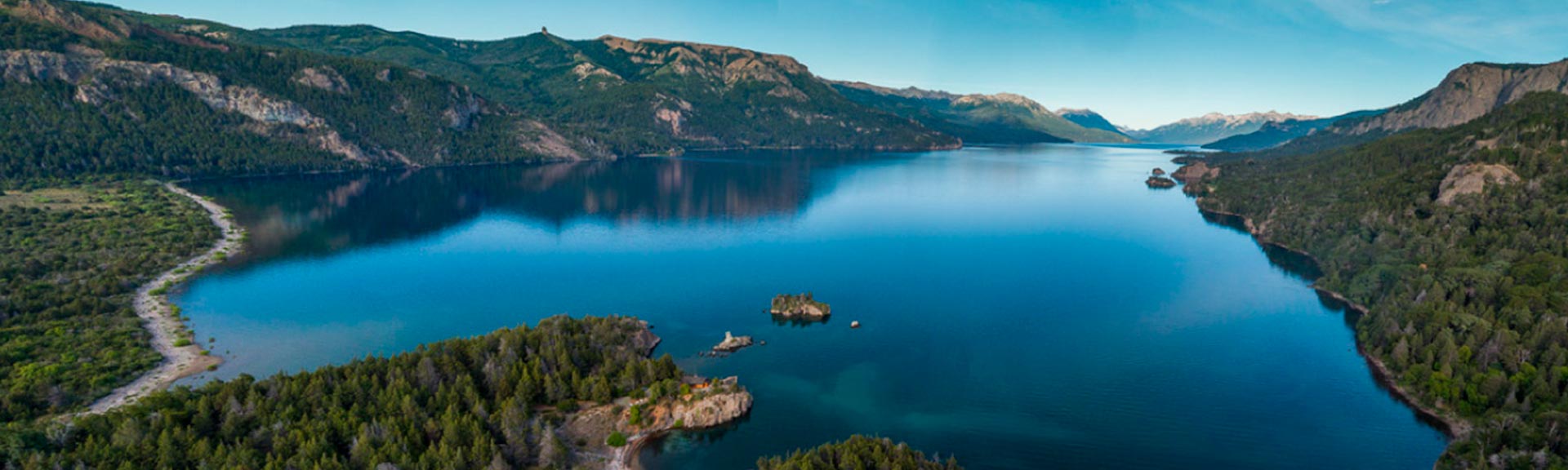
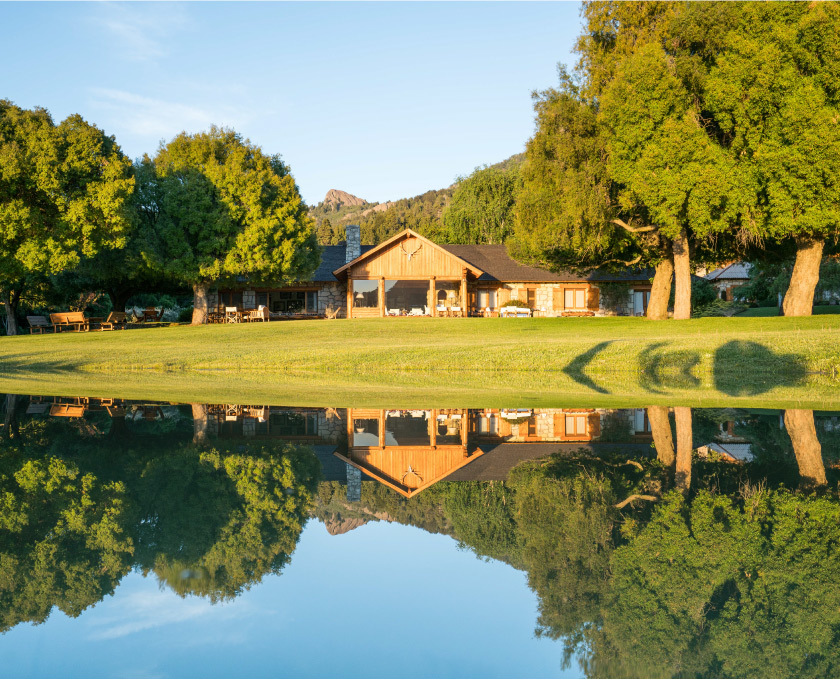
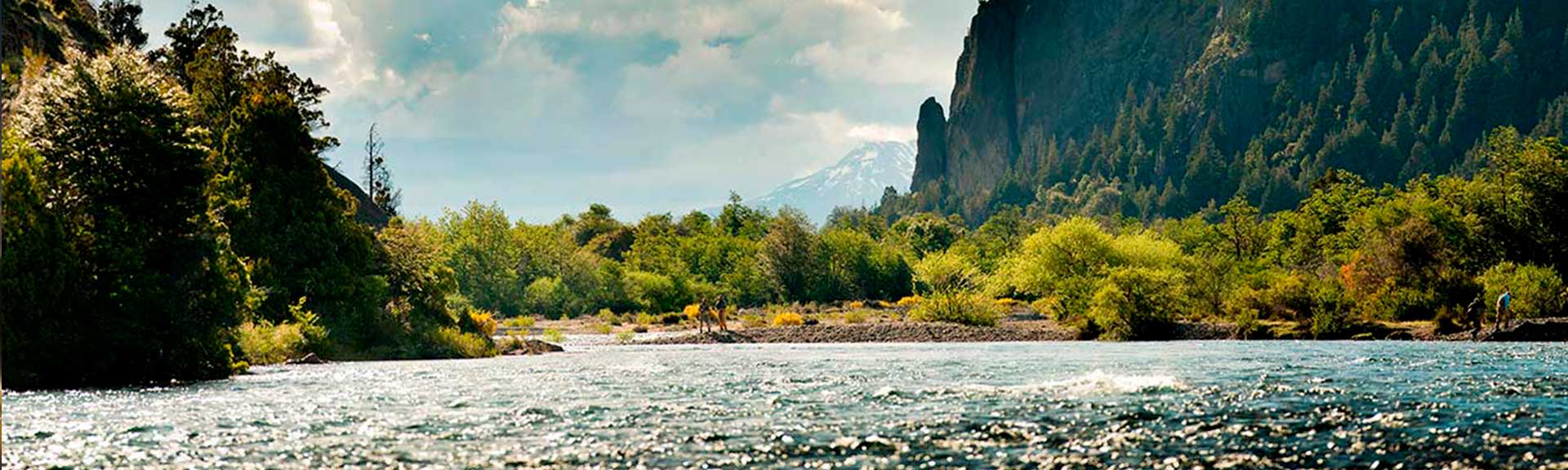
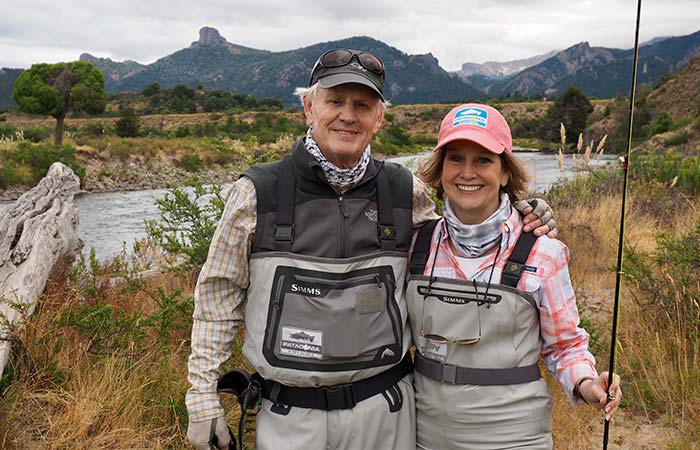
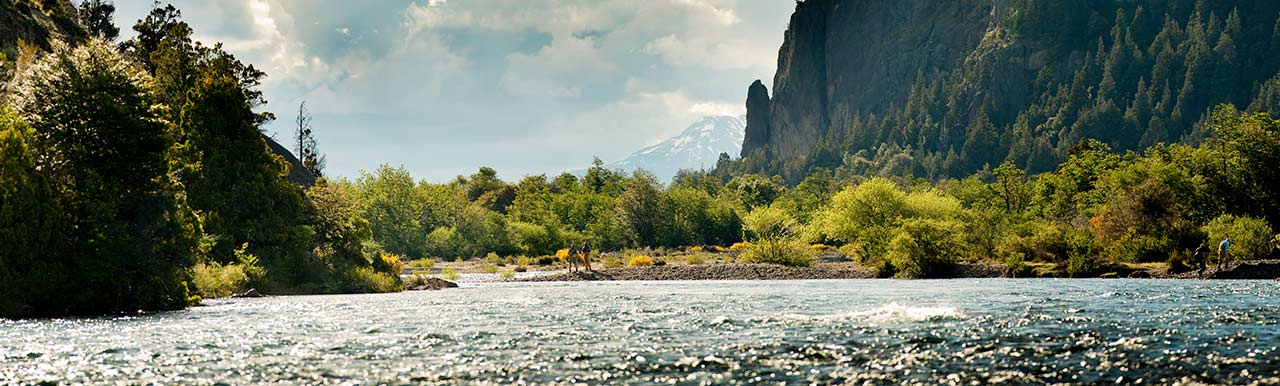
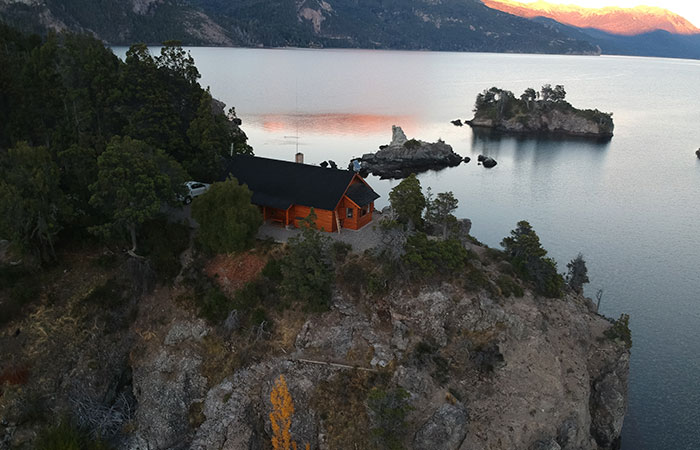
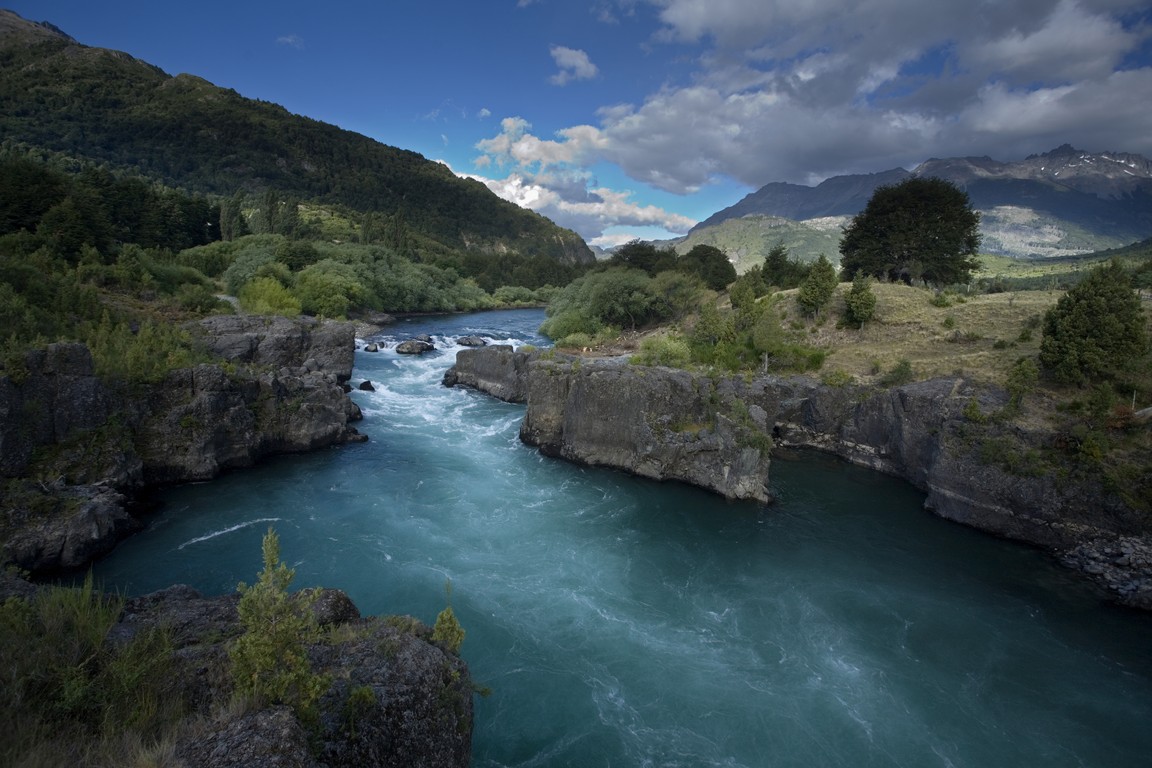
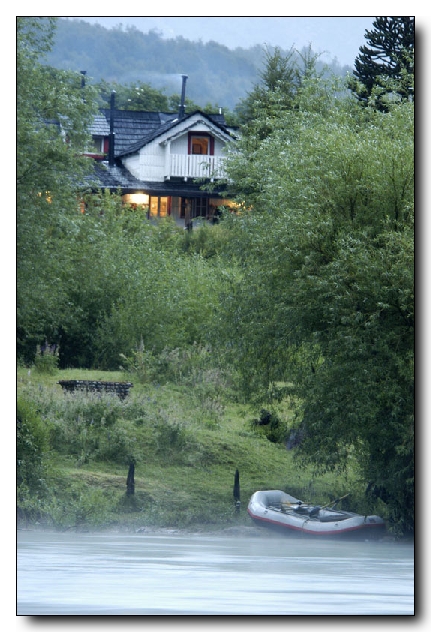
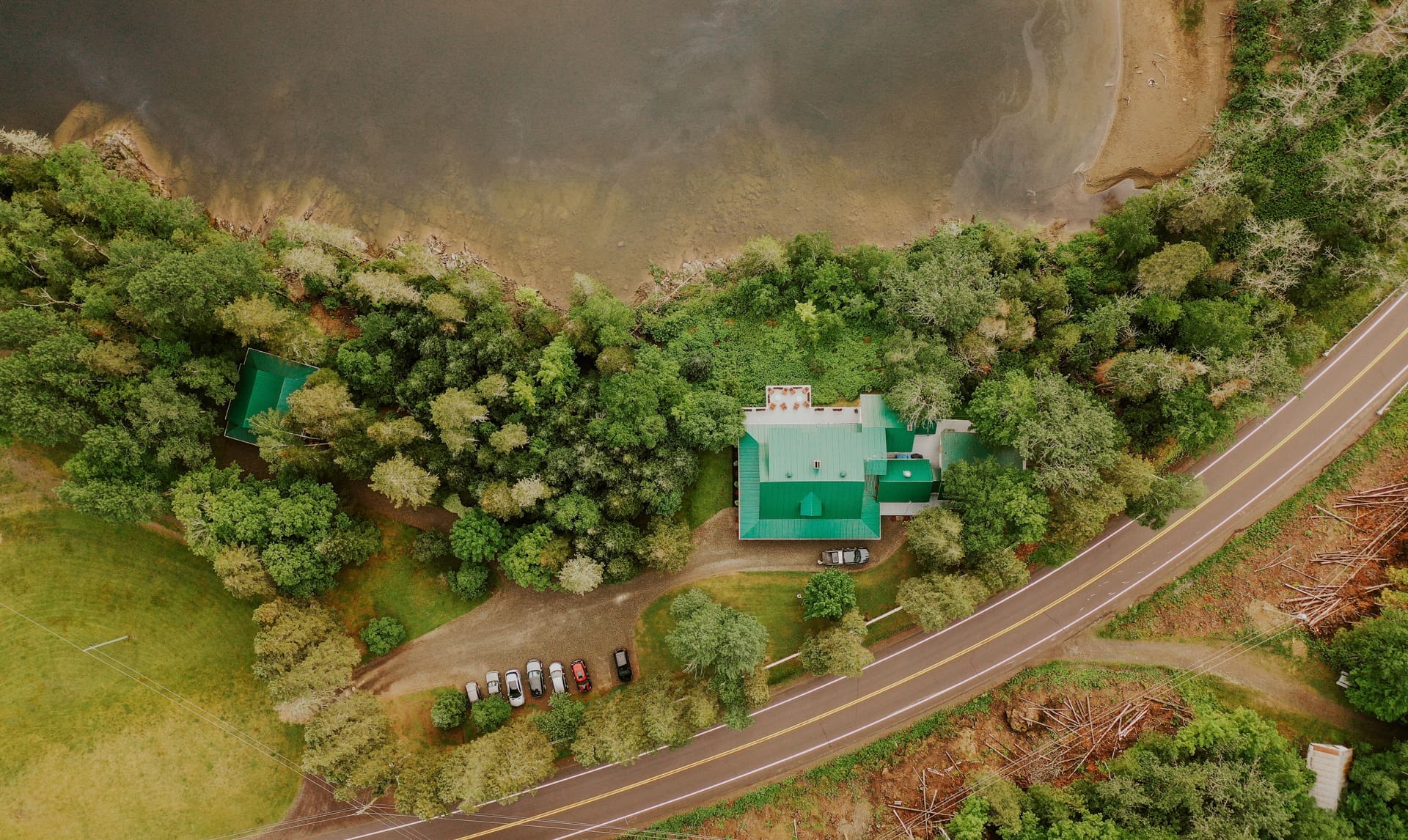
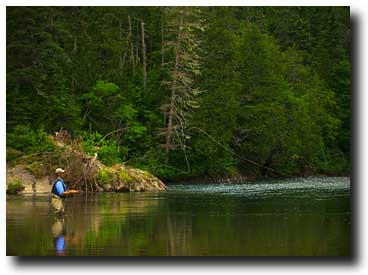
    Estancia Arroyo Verde is a family-owned fly fishing lodge on the Río Traful in Northern Patagonia, inside Nahuel Huapi National Park. The property has hosted traveling anglers for decades and is known for dramatic scenery, polished hospitality, and serious trout water.

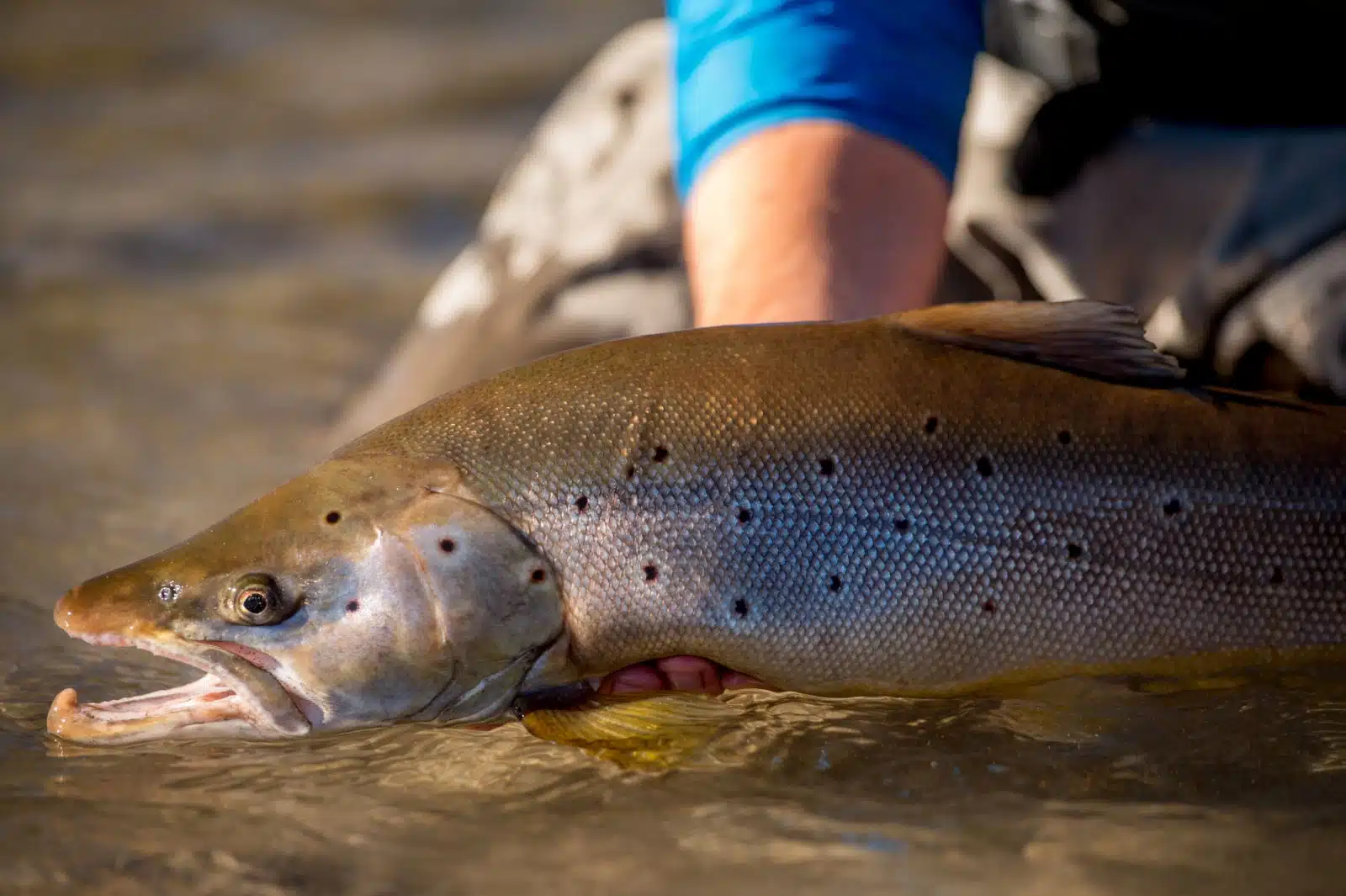
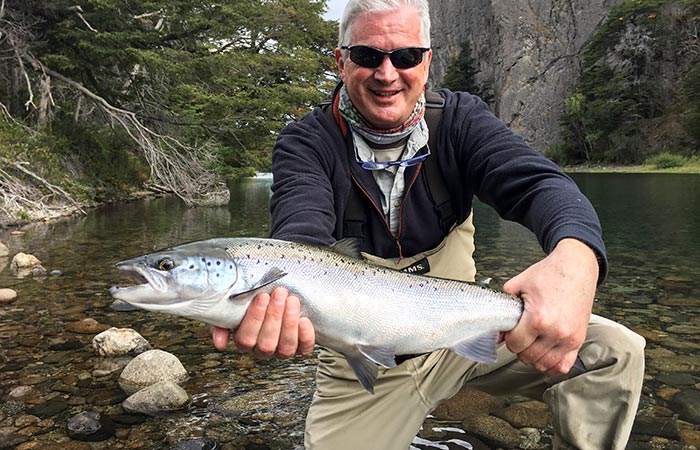
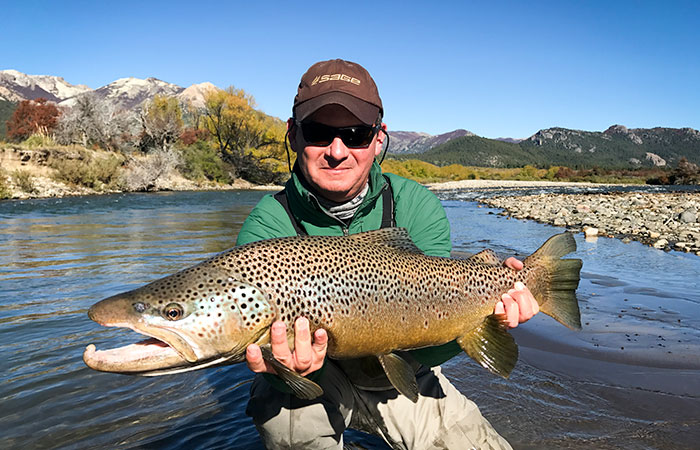
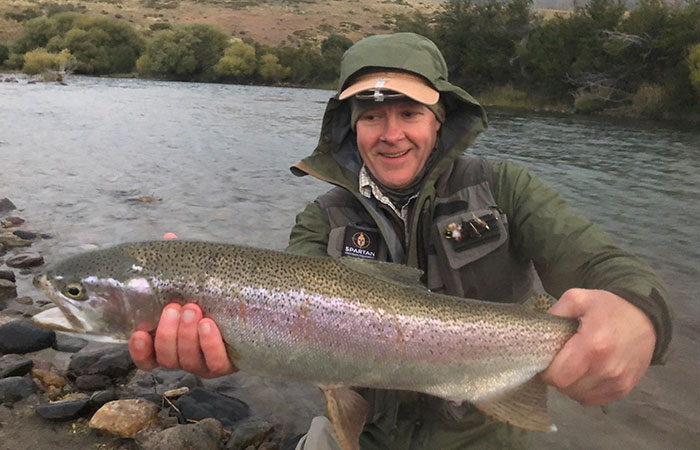
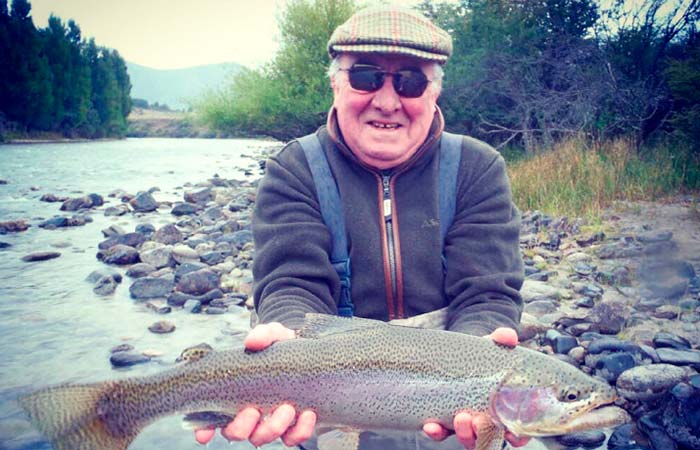
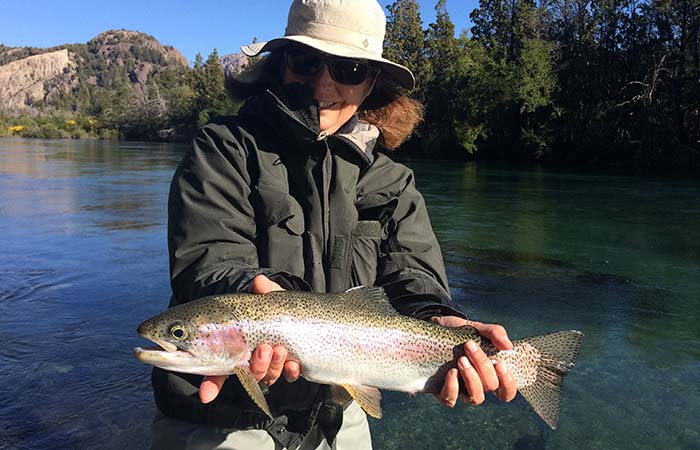
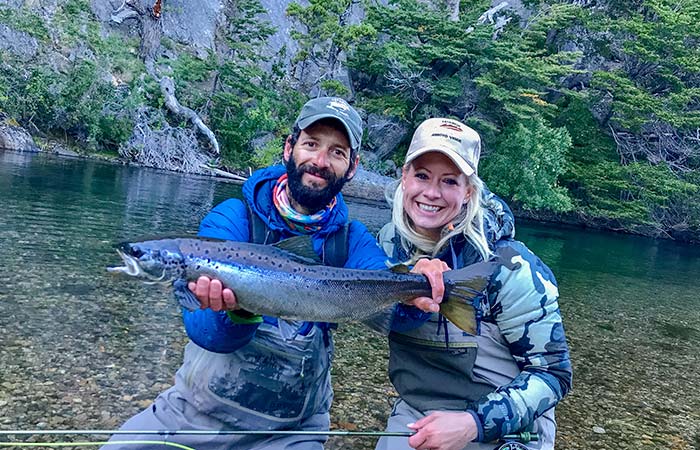
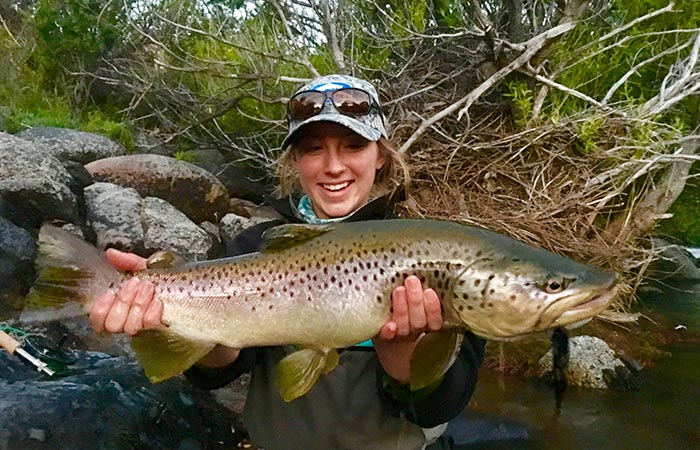
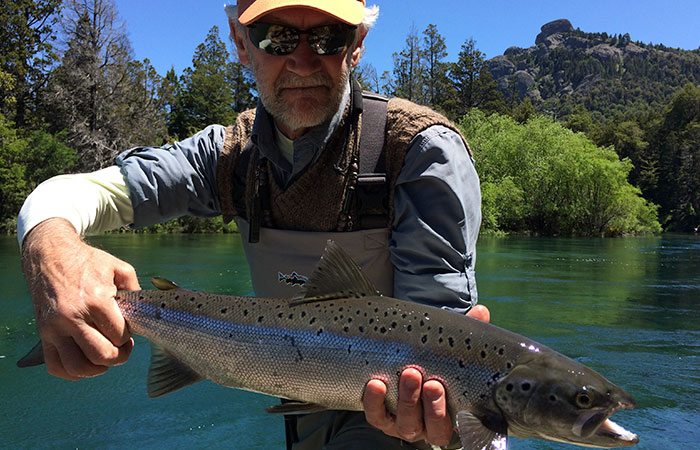
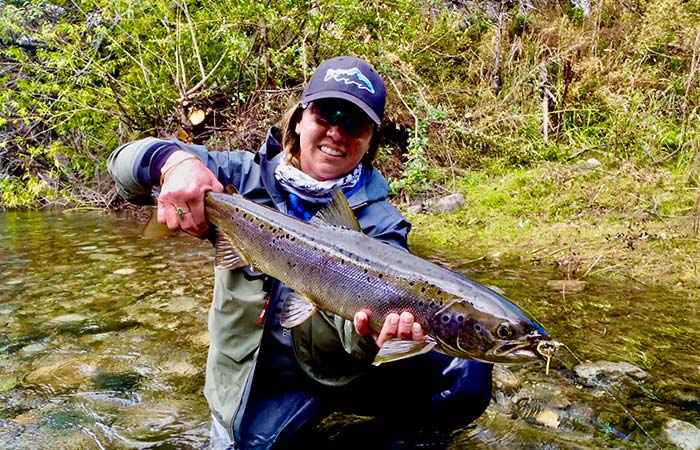
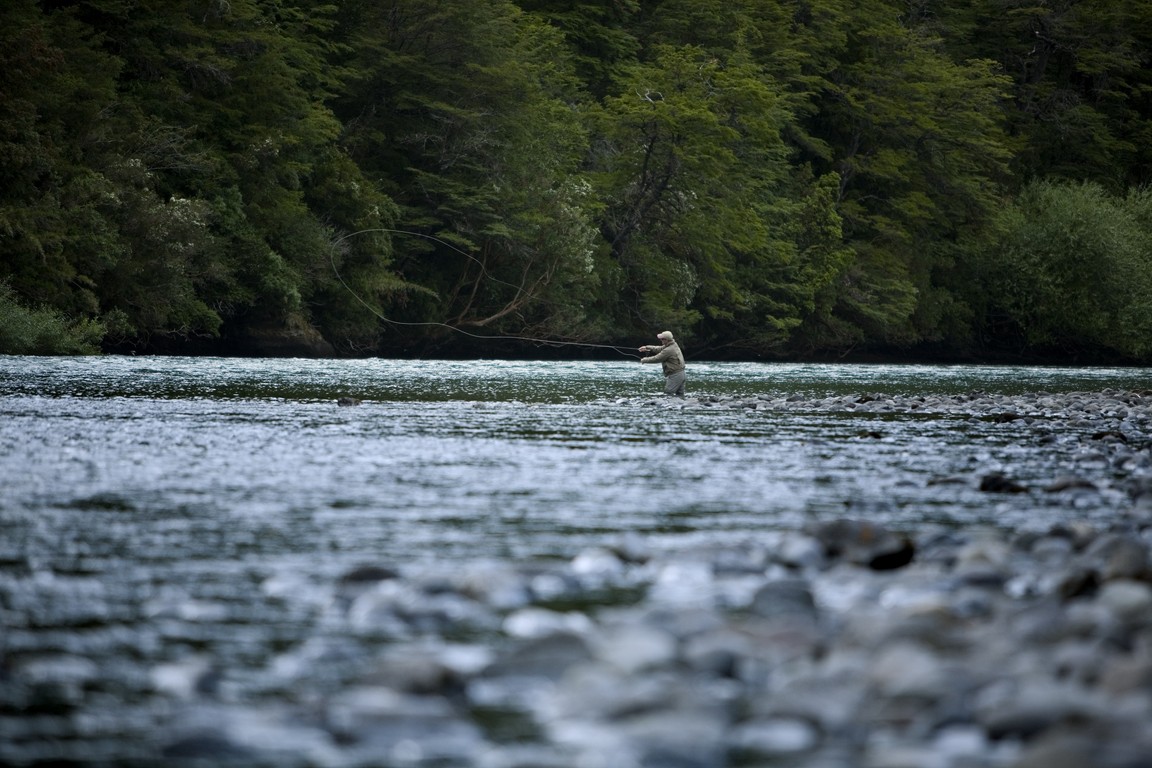
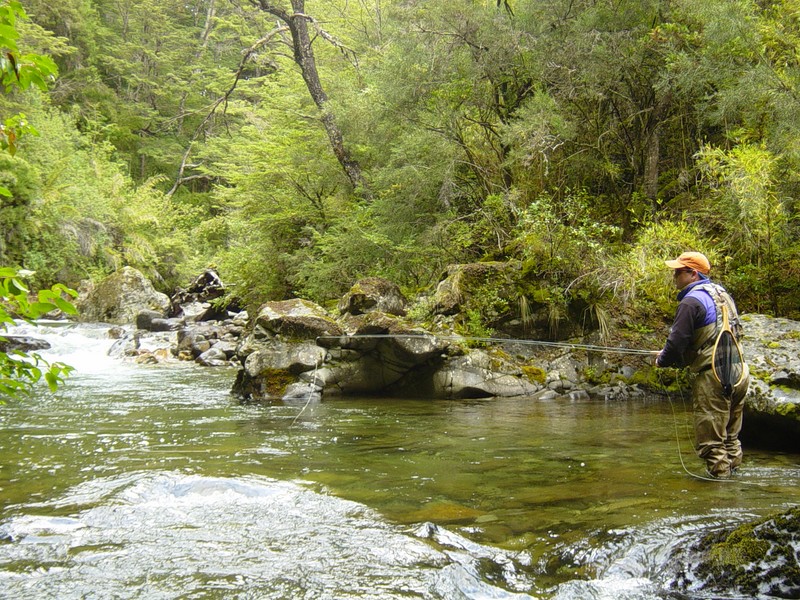
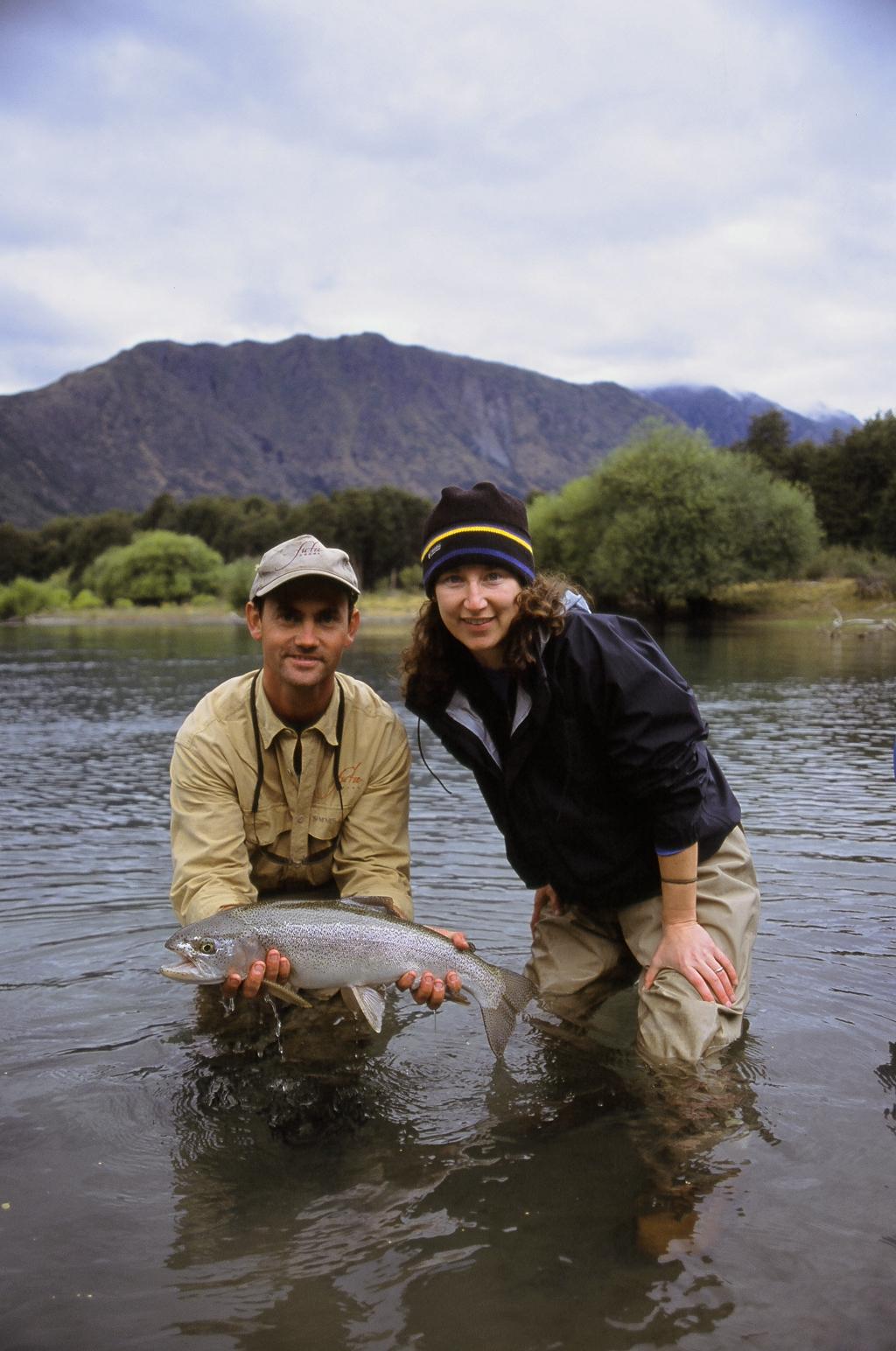
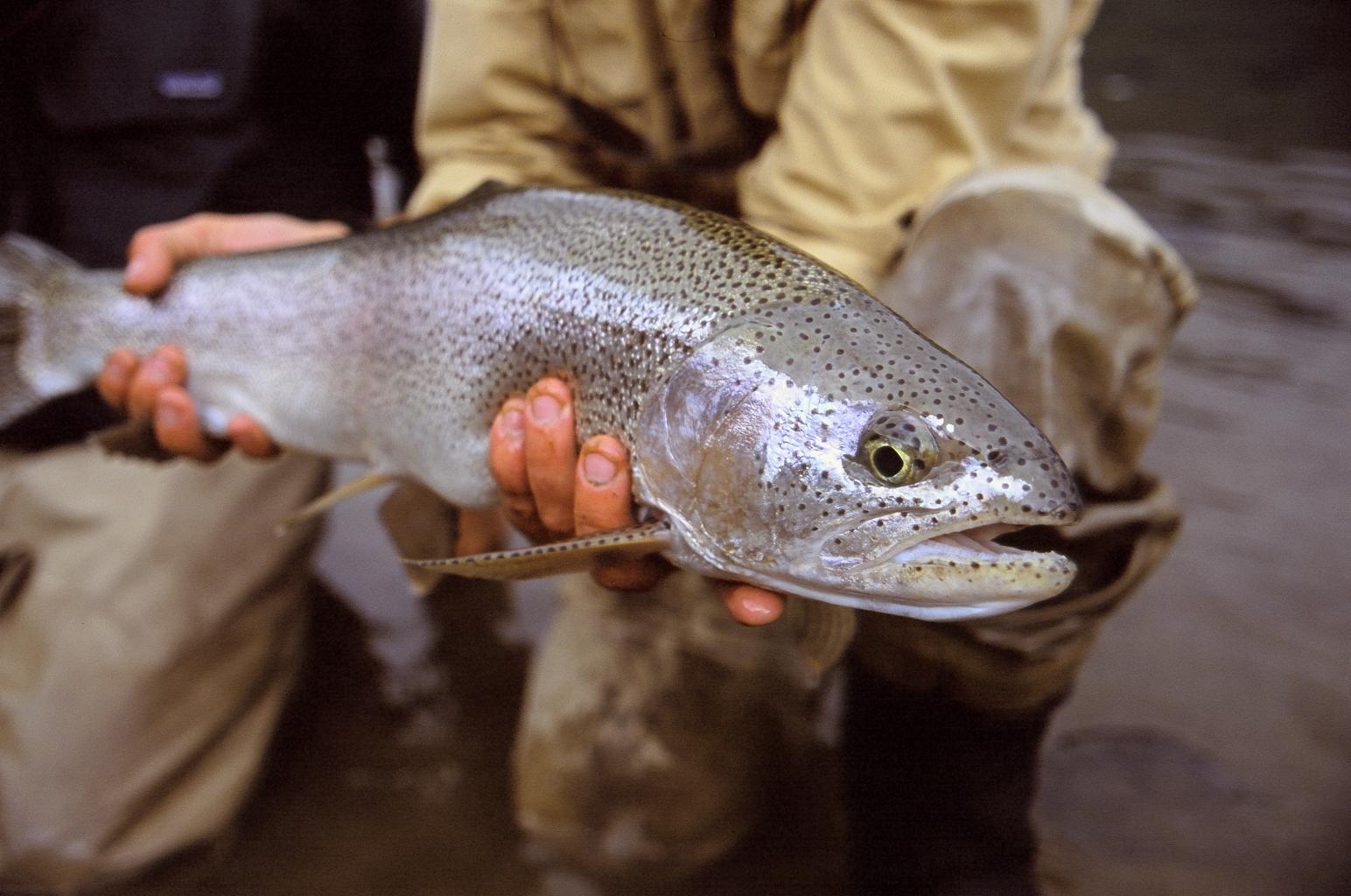
    Over 10 miles of private Traful water run through the estancia. Anglers target strong rainbows, heavy browns, and landlocked Atlantic salmon in clear, technical wade-fishing water. Access is fast from lodge to river, and pressure is typically low.

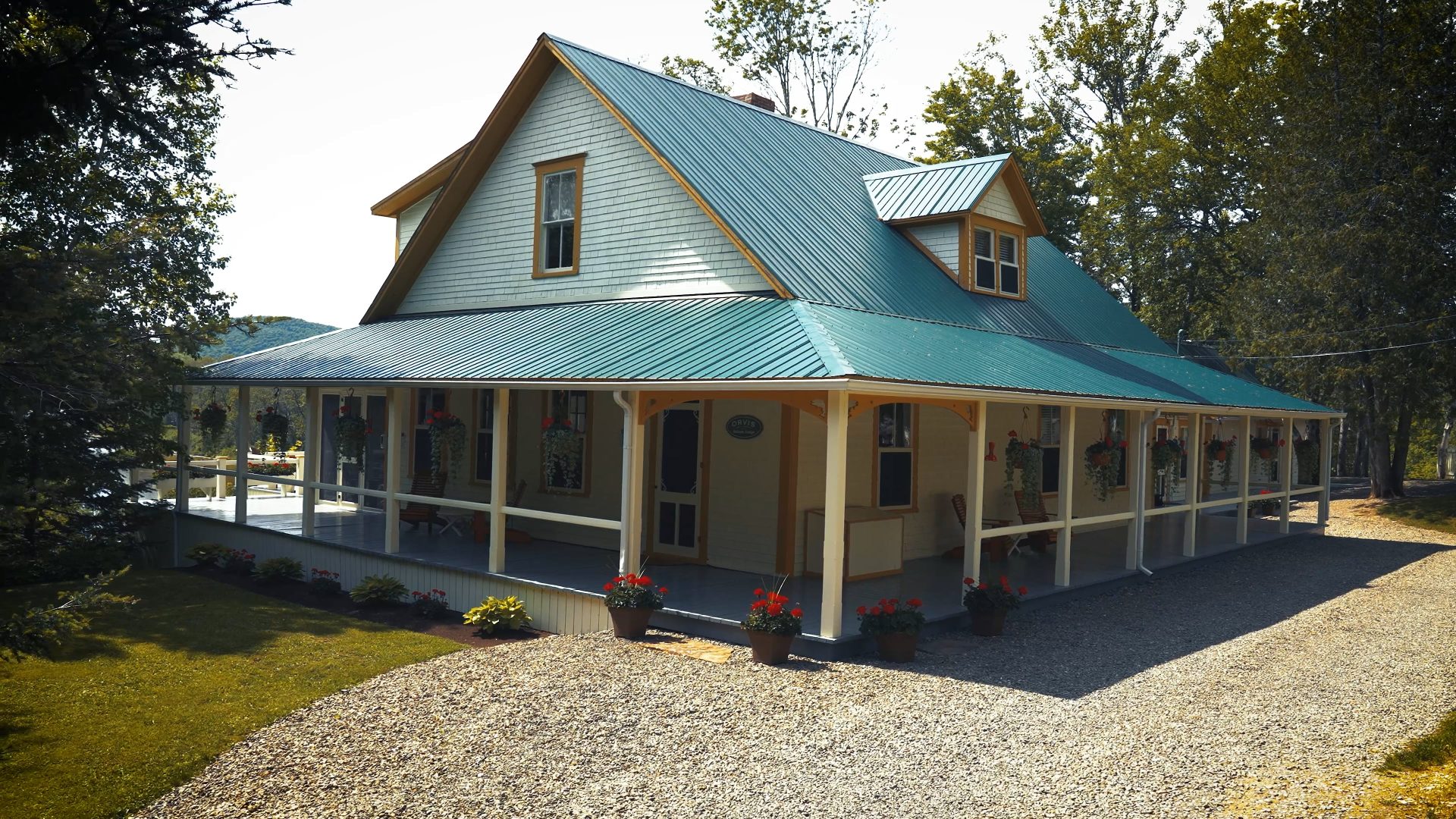
    Arroyo Verde combines high-end estancia comfort with practical angling support. The main house and separate cabin allow flexible guest layouts, and non-angling activities can be arranged for companions.

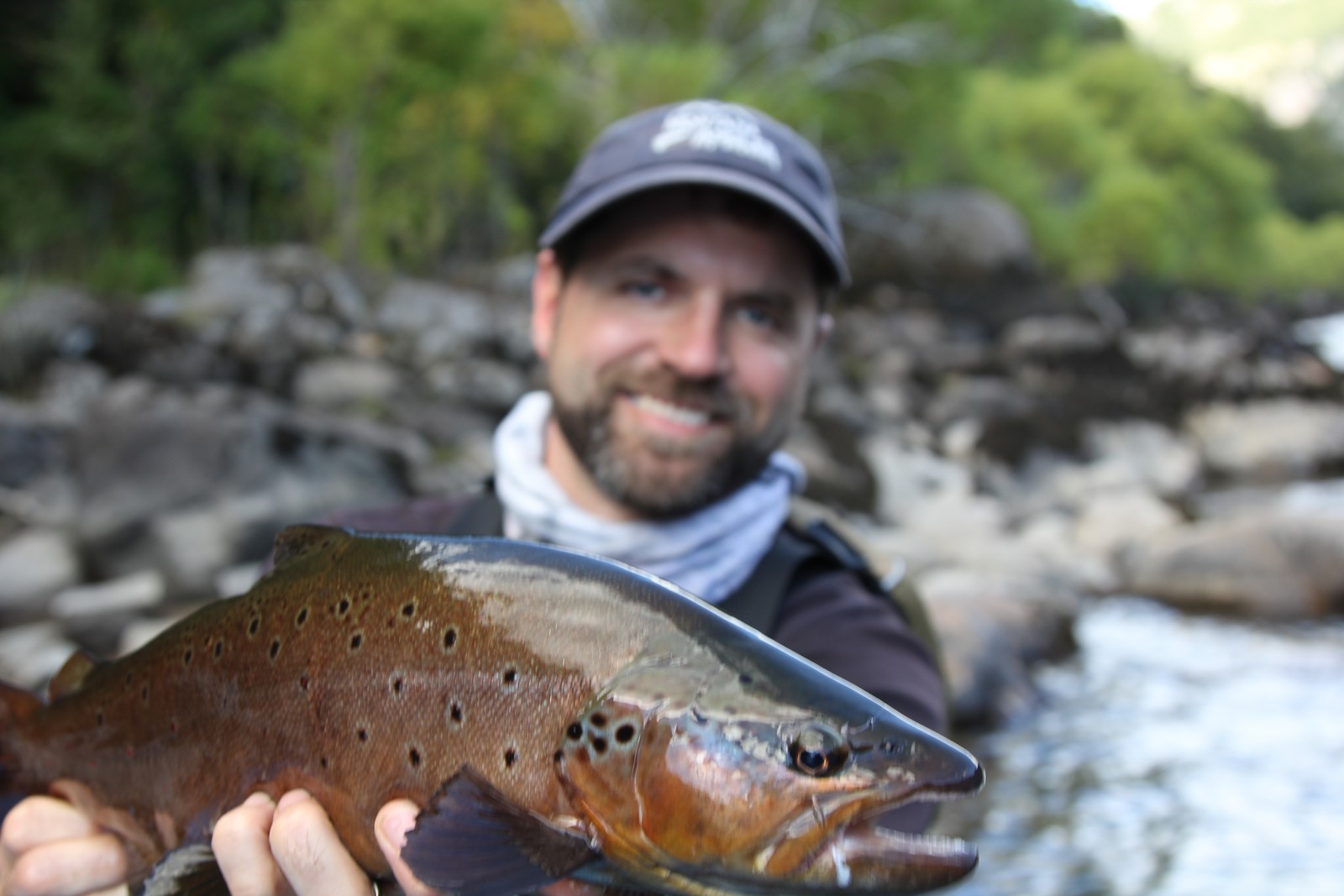
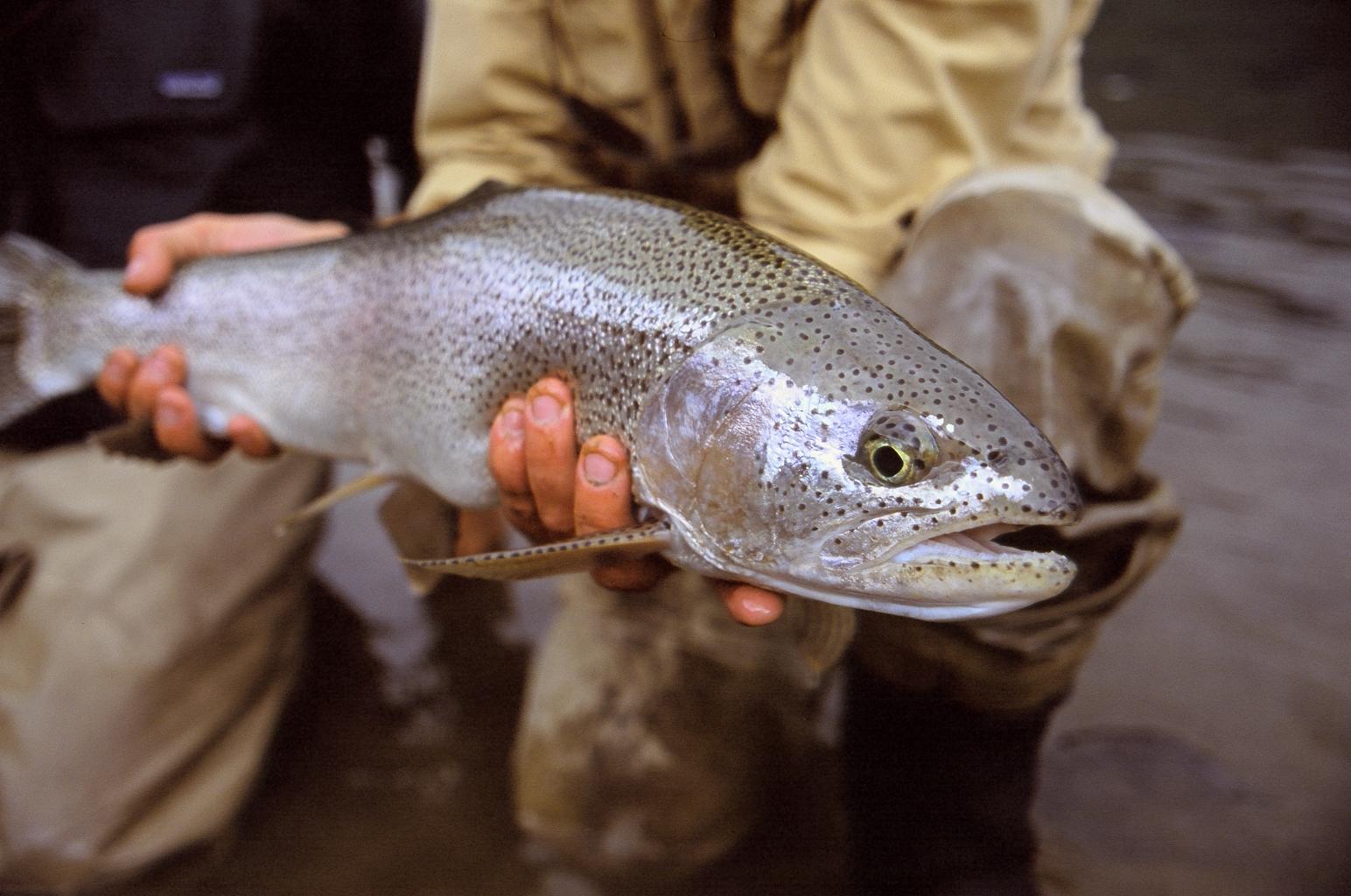
    Brown Trout, Rainbow Trout, Landlocked Salmon — trophy fishery

    Río Traful — Nahuel Huapi National Park, Northern Patagonia

    10+ miles private wade-only water

    10–14 guests — main house + lake cabin

    5–15 minutes lodge-to-water access

    Season: November to April

    Classic estancia service in a private valley setting

    Book now, get a quote, or chat with us about Patagonia trout fishing at Estancia Arroyo Verde!

    Destination Inquiry

    or

    Fishing at Estancia Arroyo Verde

    The Traful River

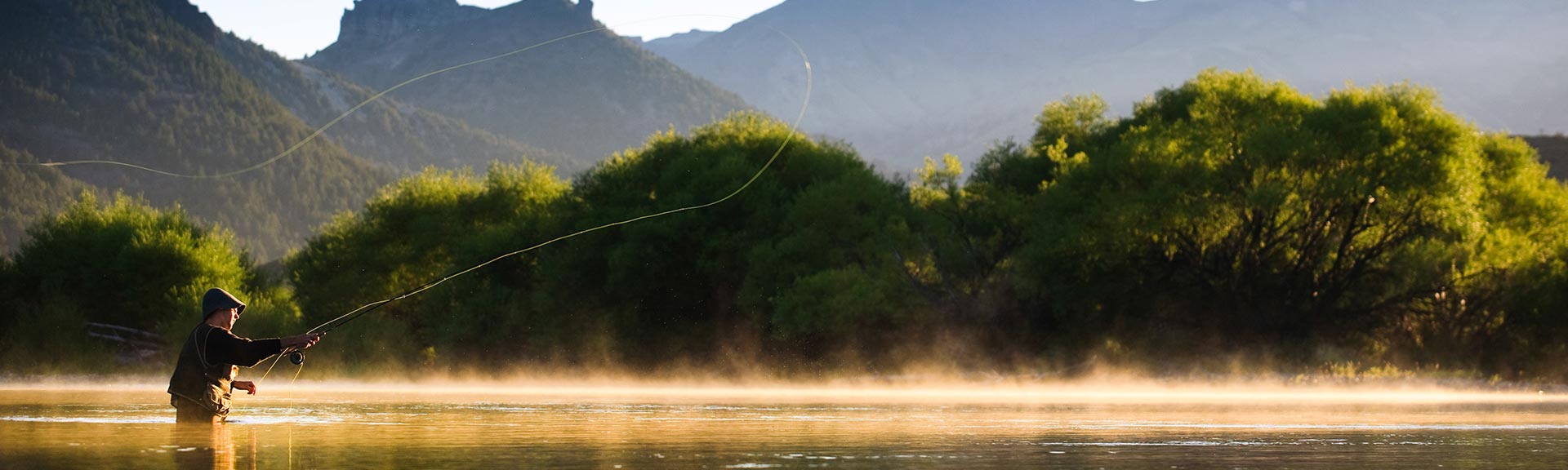
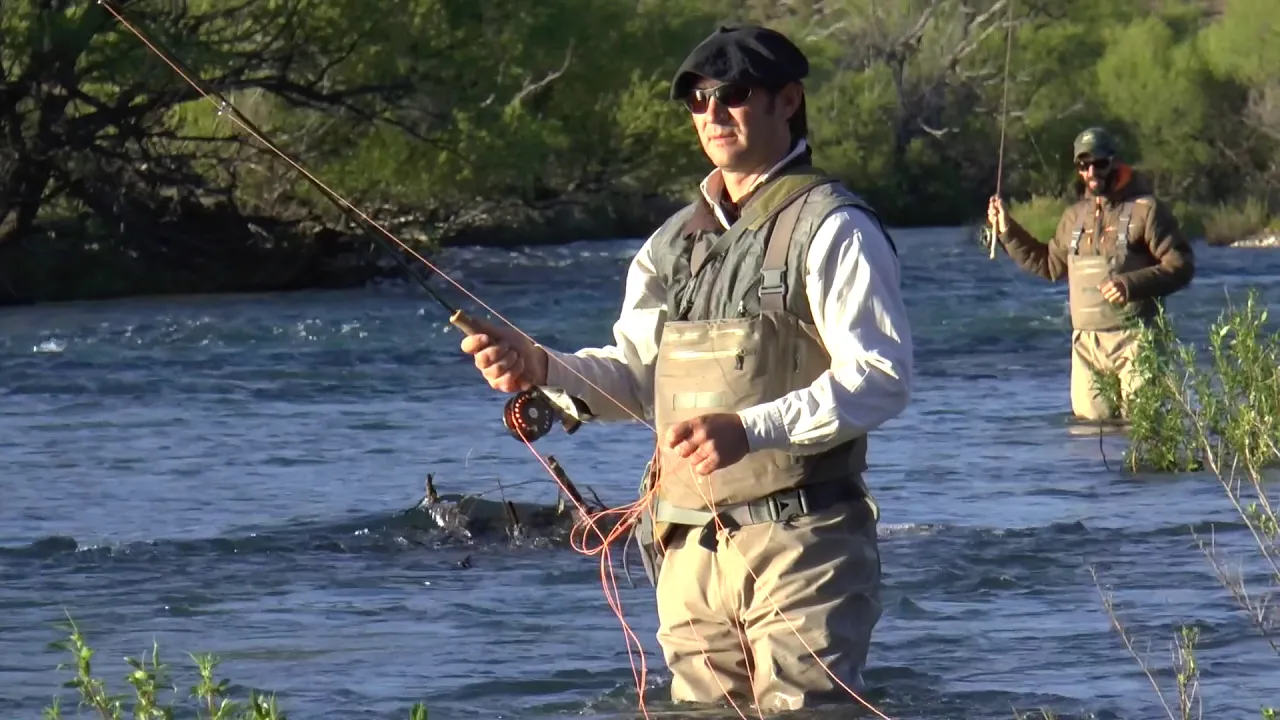
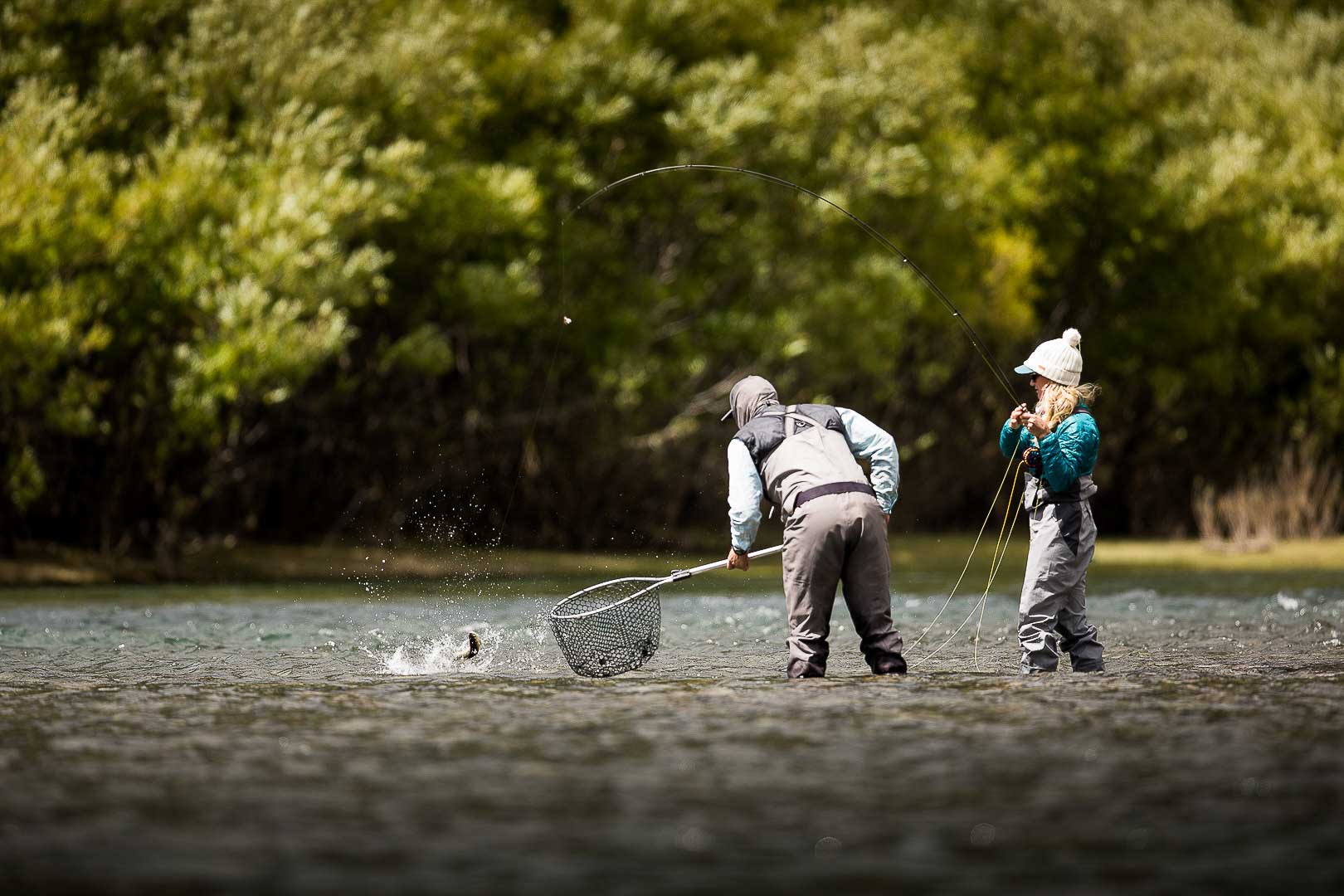
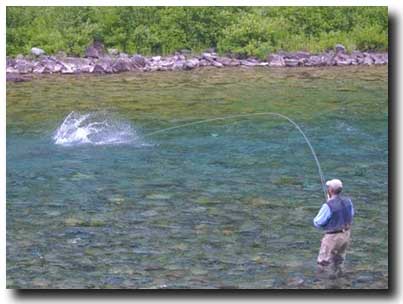
    The Traful is a clear, technical river where anglers target individual fish in structured current, pockets, and runs. Much of the program is wade fishing, and many anglers value this fishery for quality over volume.

    Species and Tactics

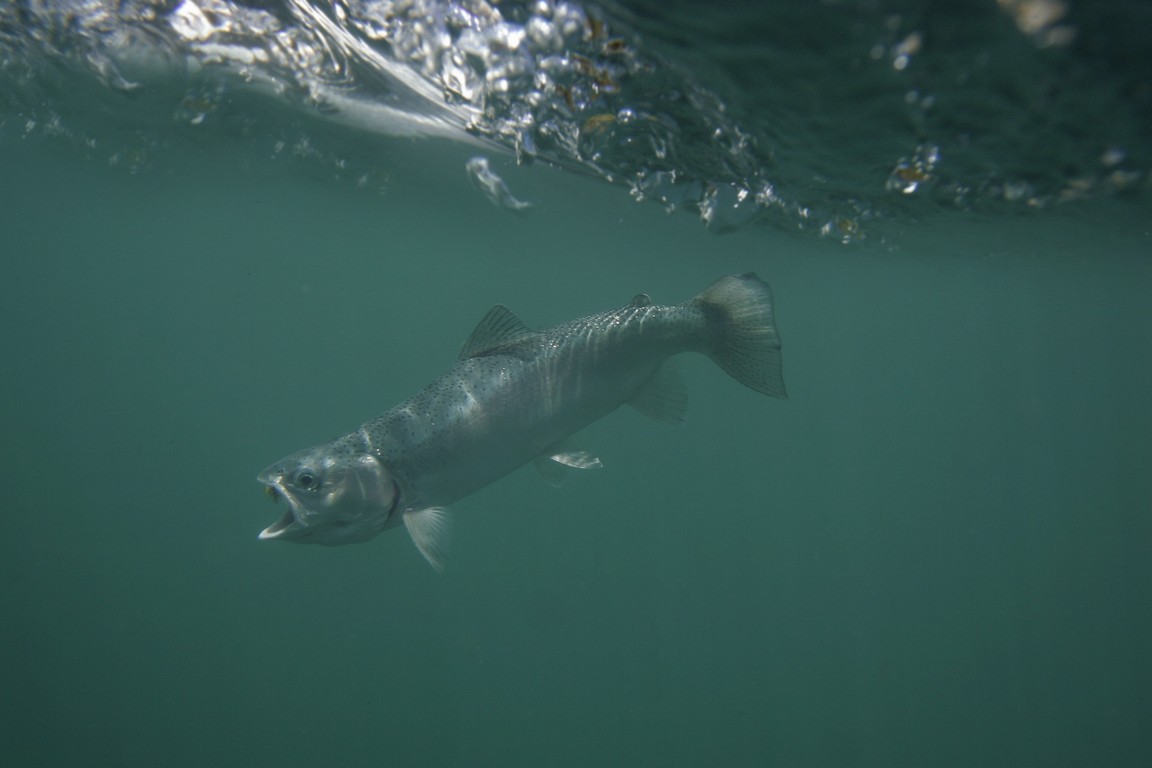
    Primary targets are large brown and rainbow trout plus landlocked Atlantic salmon. Big dries, mouse patterns, attractors, and streamers all produce depending on conditions, and clear water favors careful presentation.

    Season and Access

    The season runs November through April. Water levels and conditions evolve through the season, with peak travel demand from late December through March. Lodge-to-water transfer times are short, typically 5 to 15 minutes.

    Accommodations at Estancia Arroyo Verde

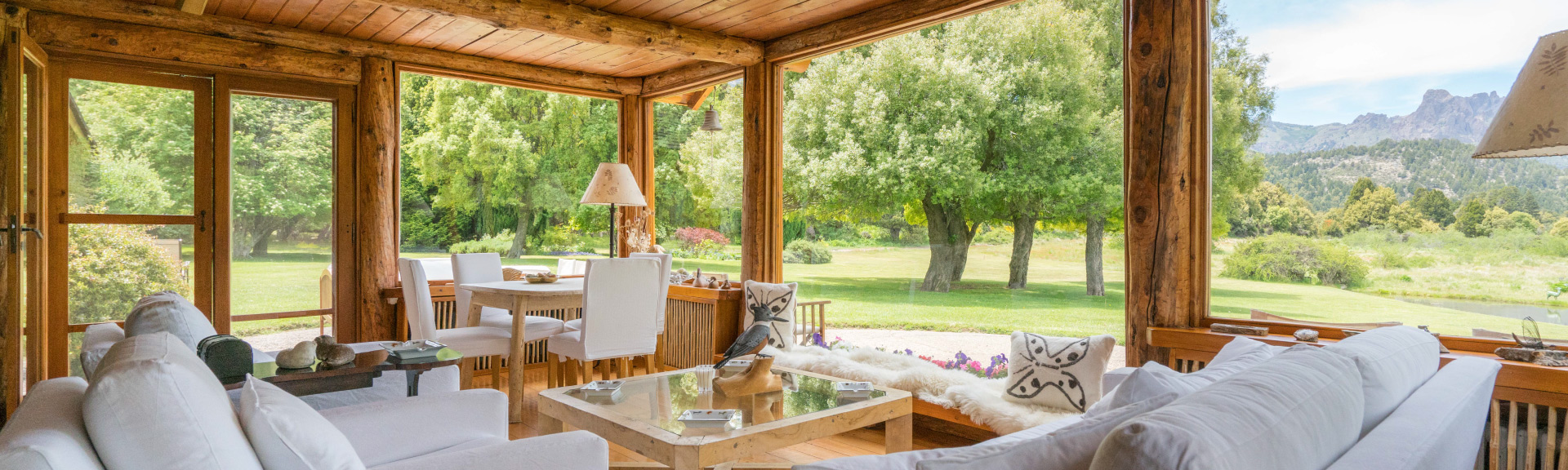
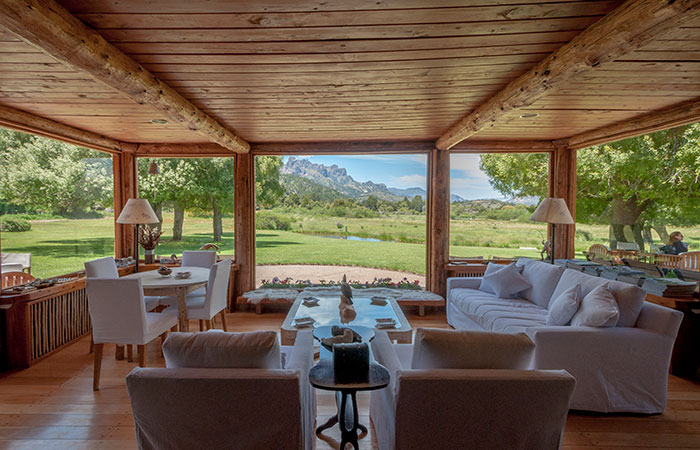
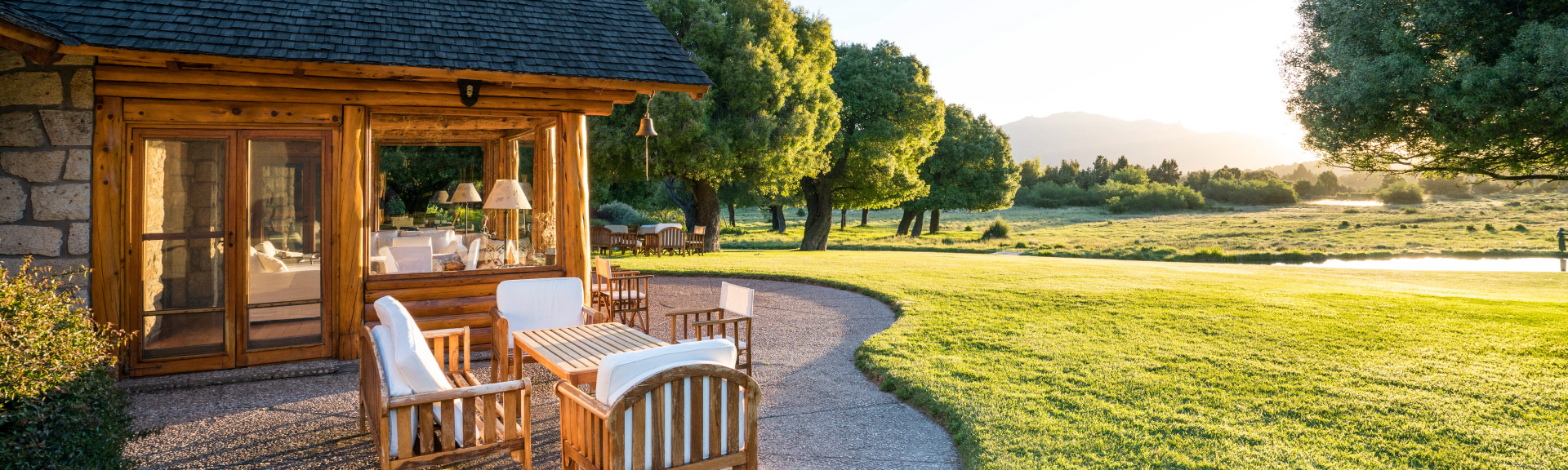
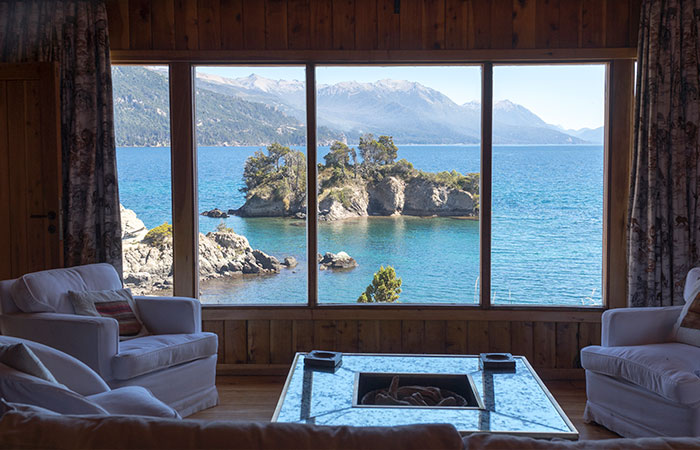
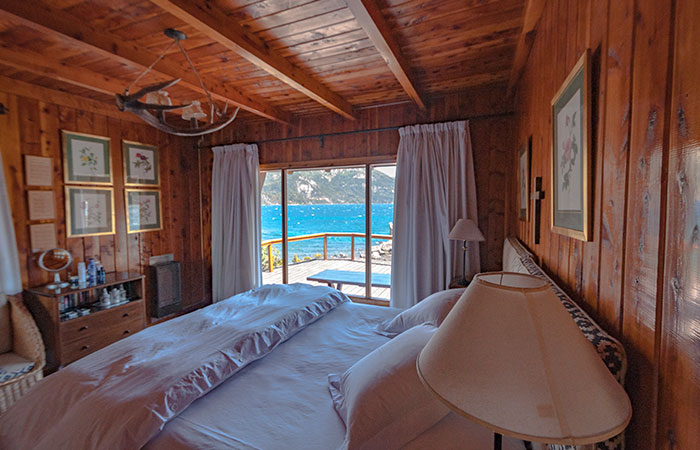
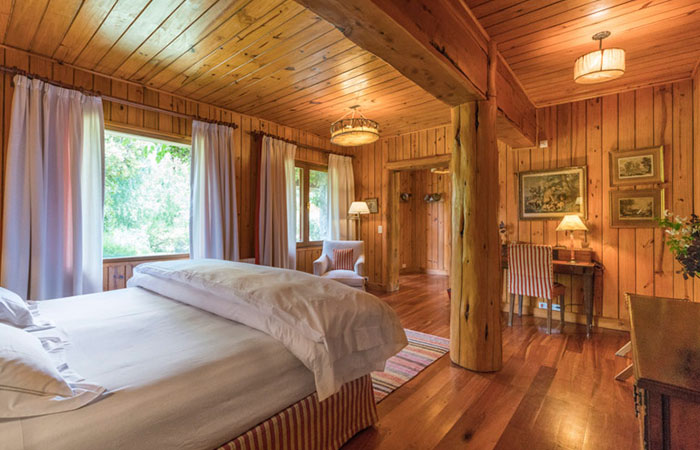
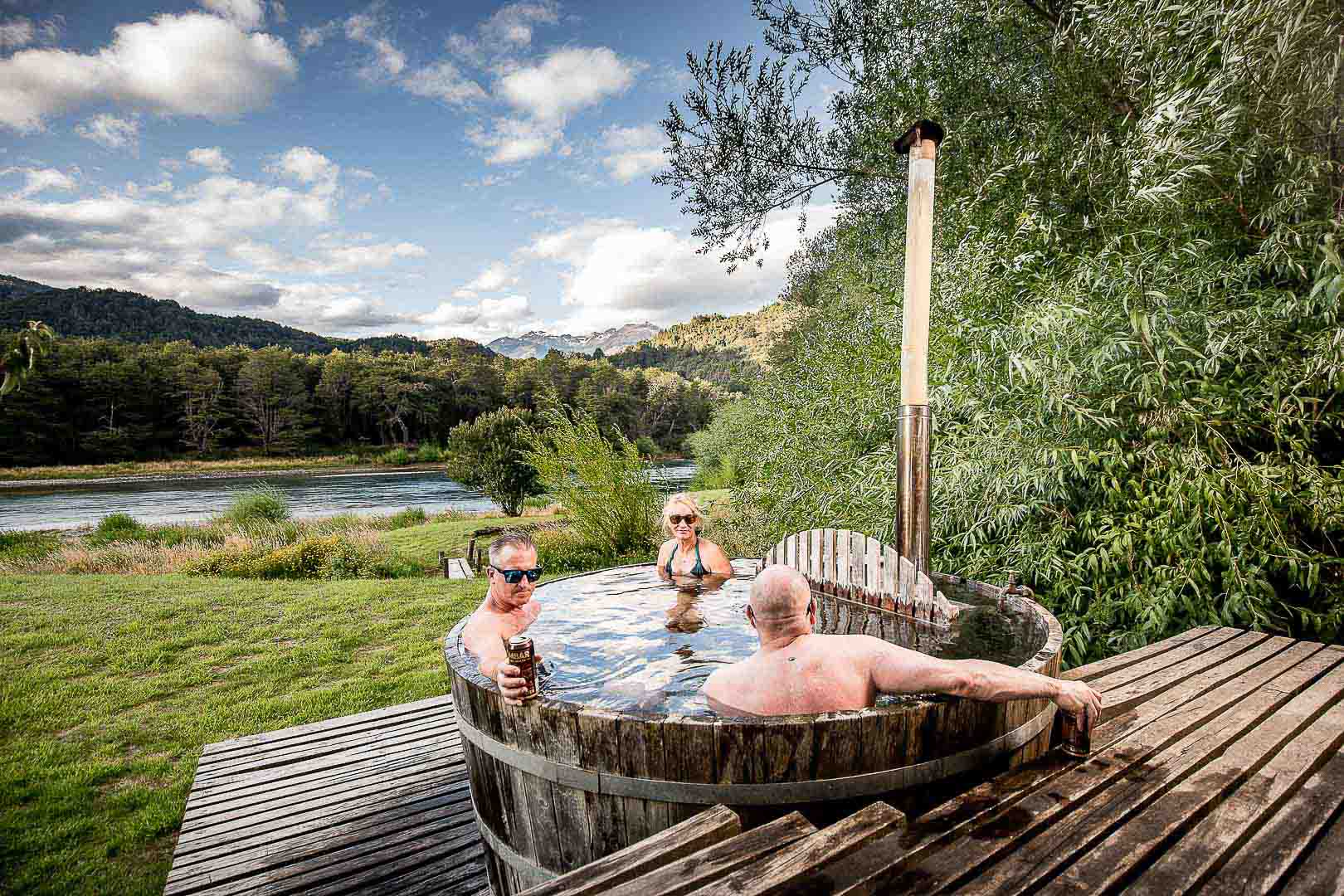
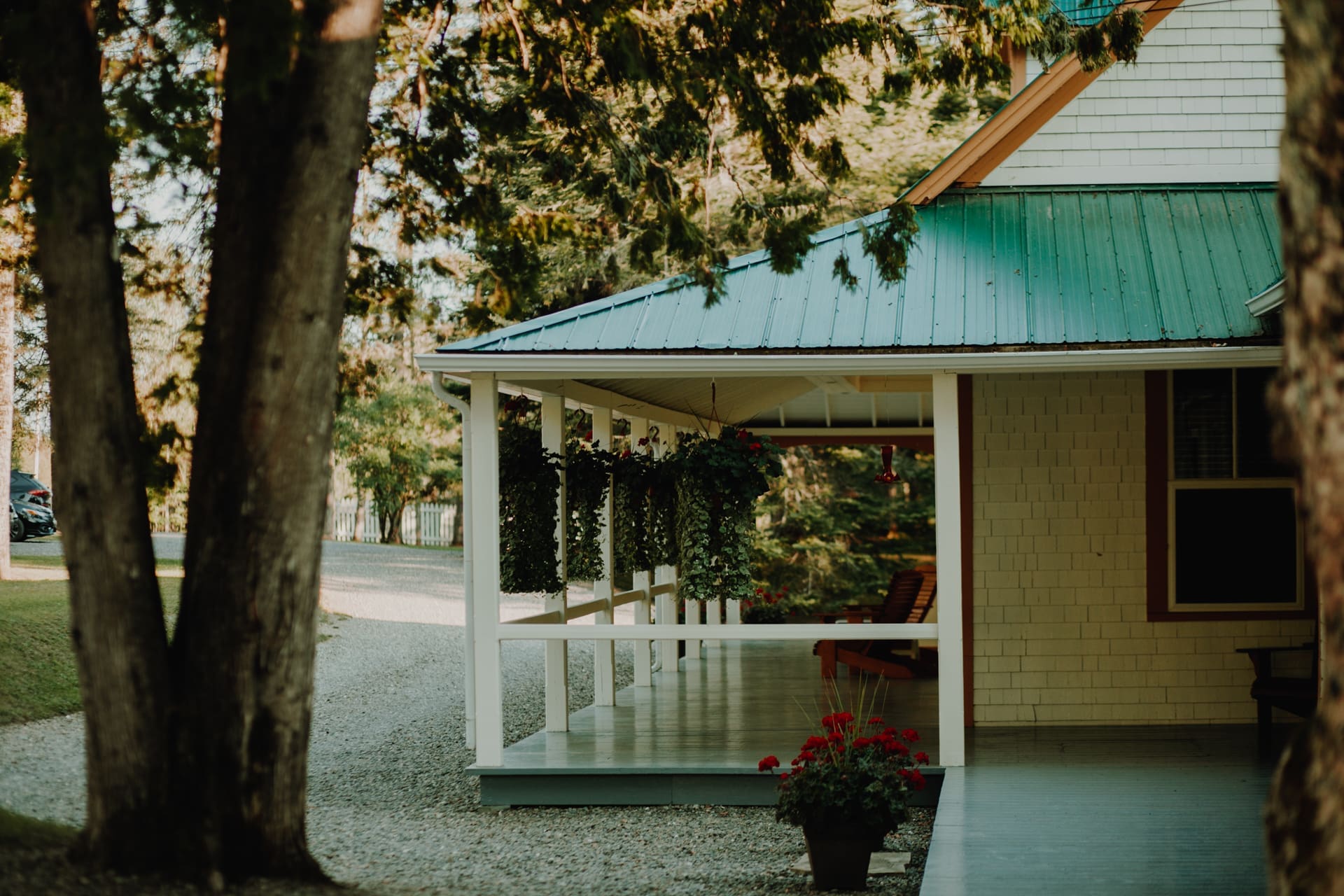
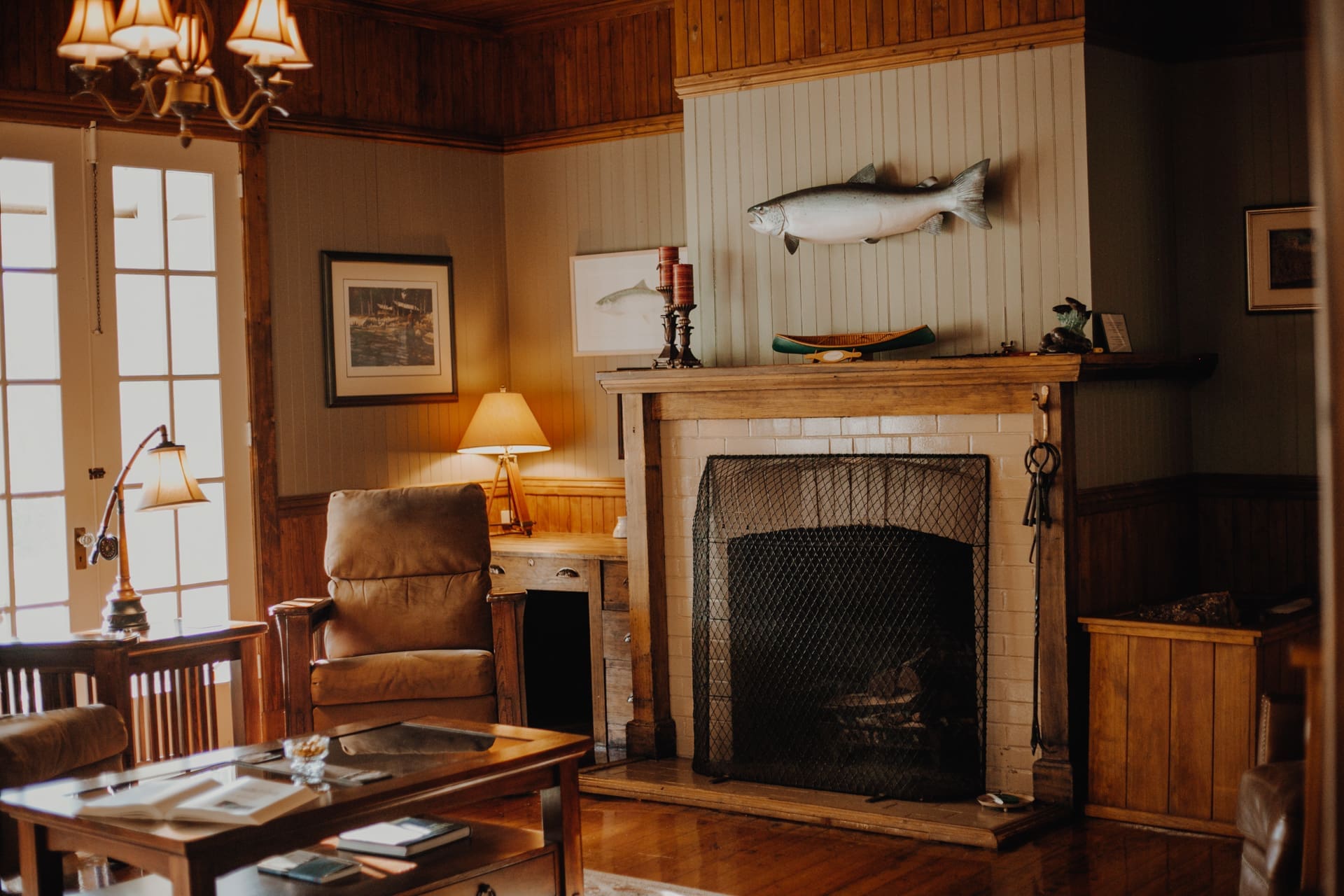
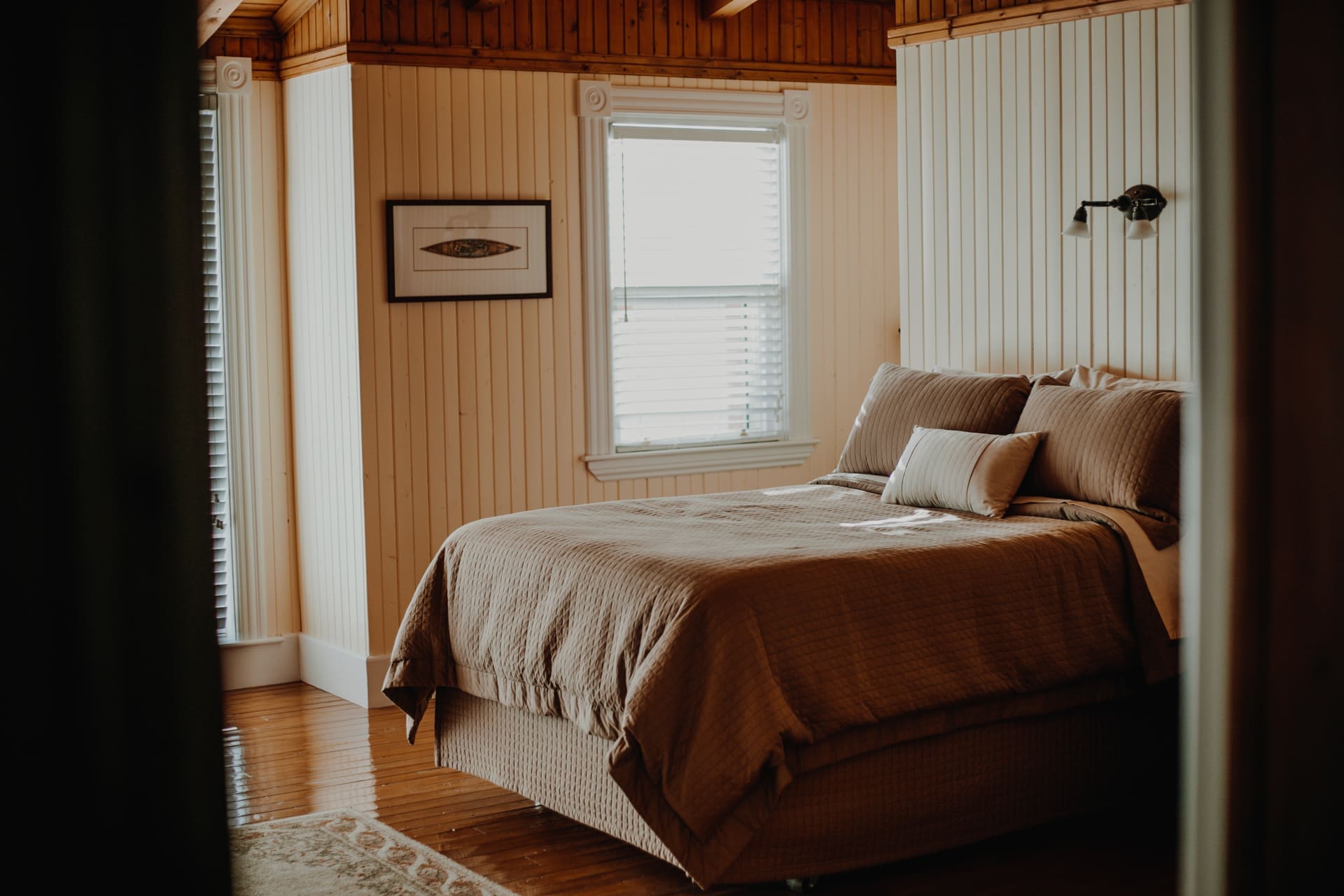
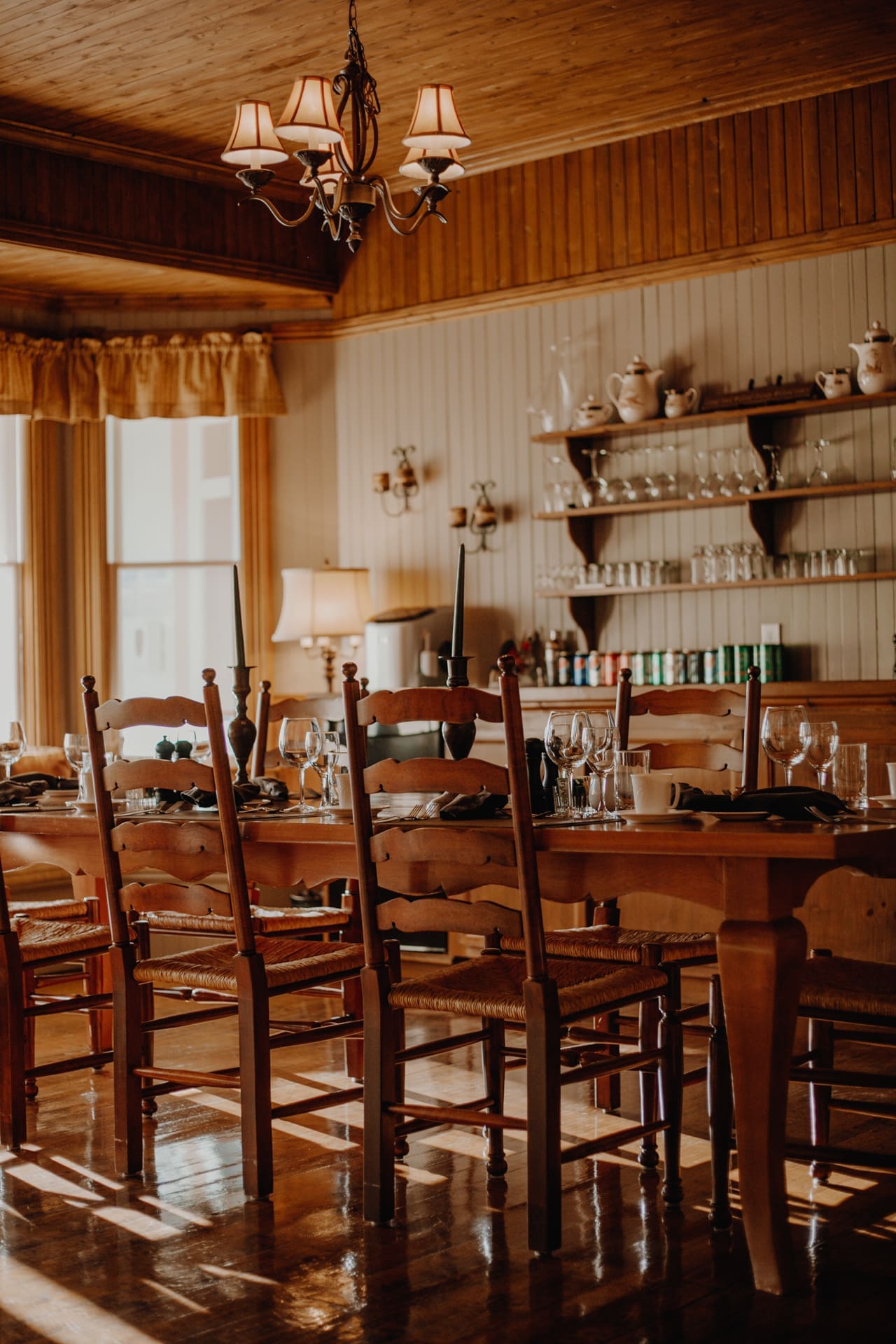
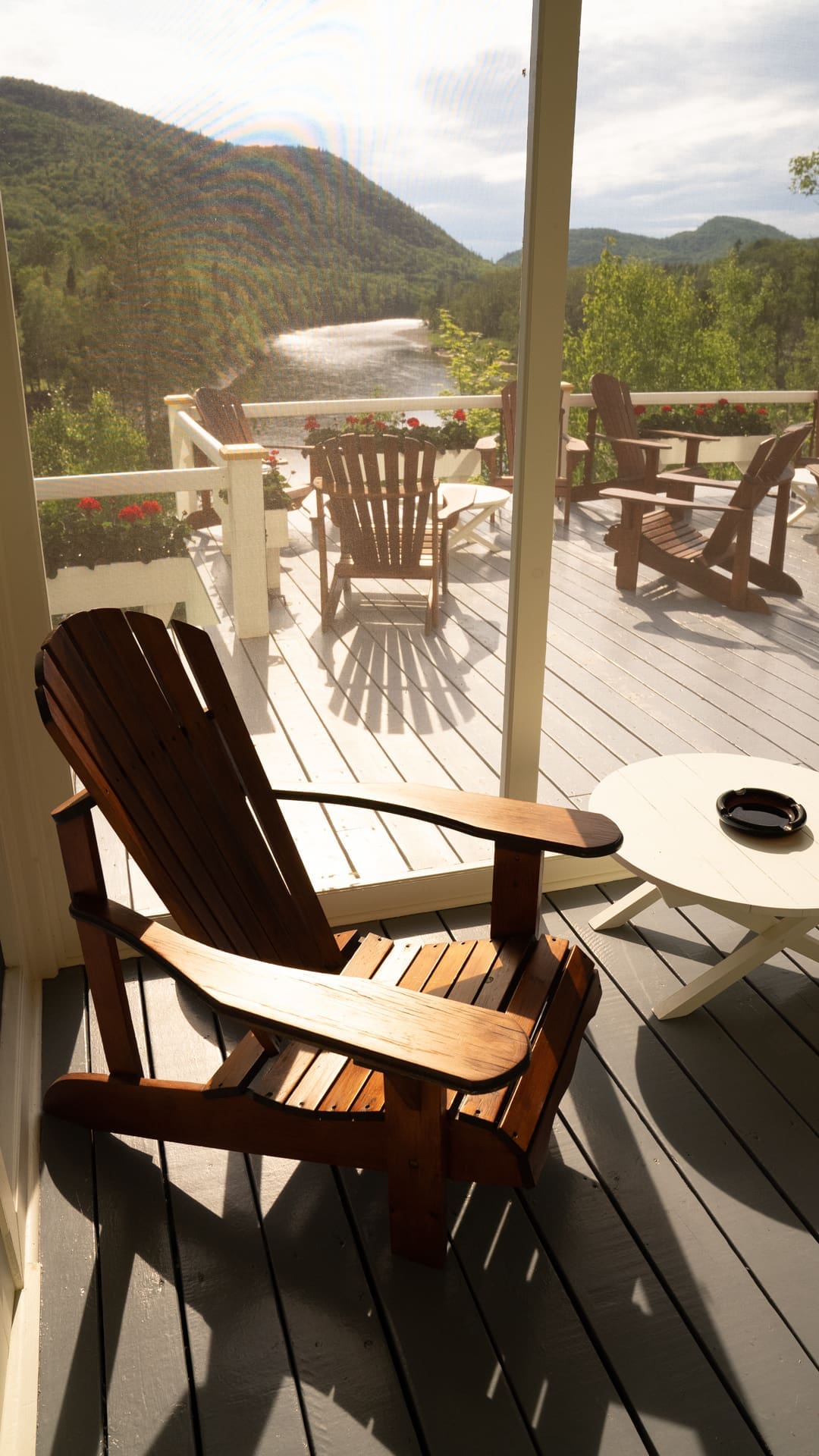
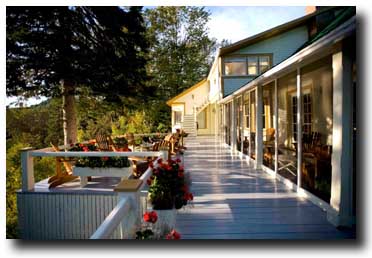
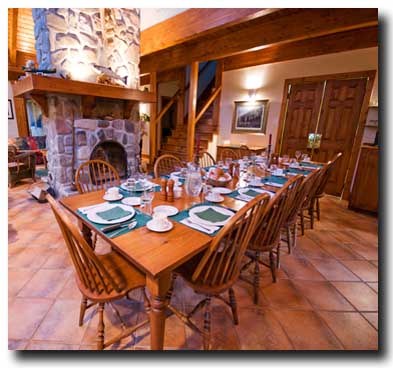
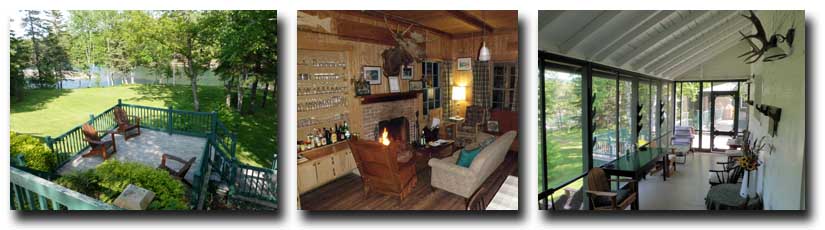
    The main house offers six en-suite guest rooms in a traditional wood-and-stone Patagonia estancia setting. Landscaped outdoor spaces and valley views create a relaxed base between fishing days.

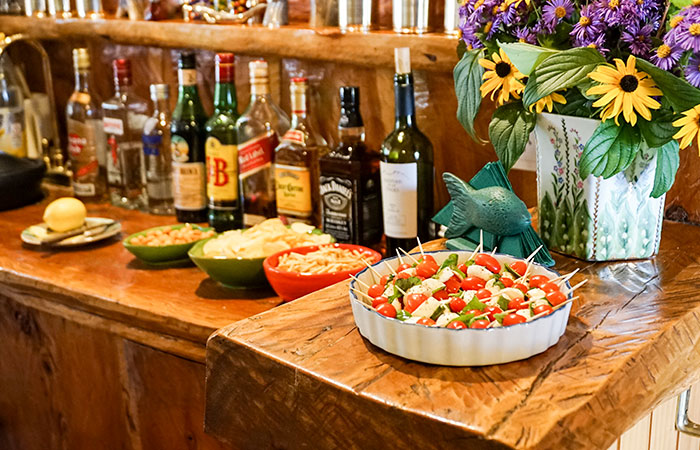
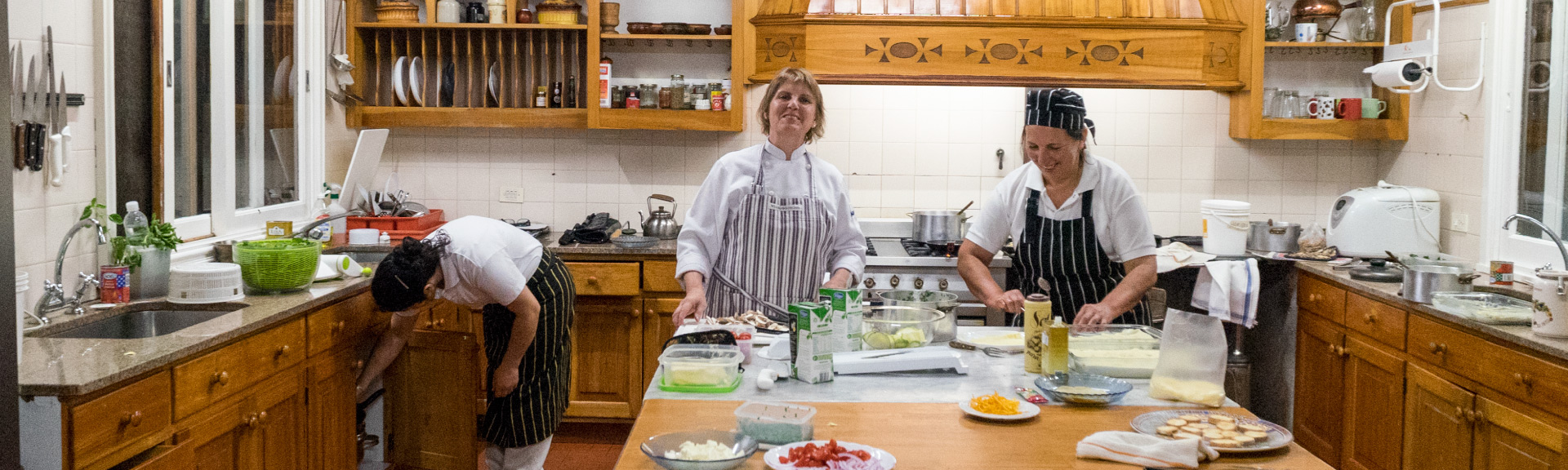
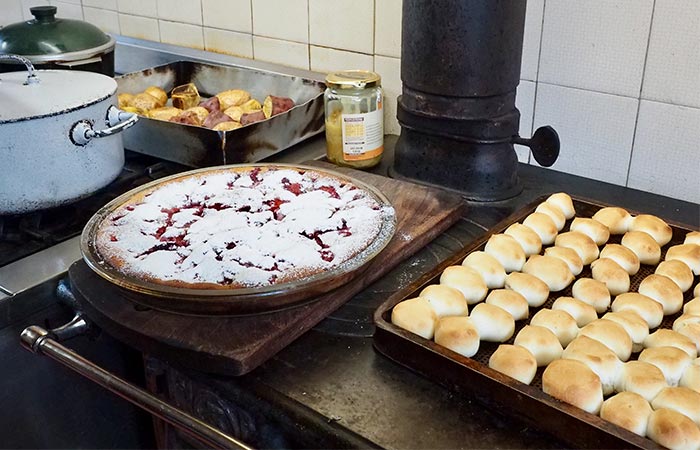
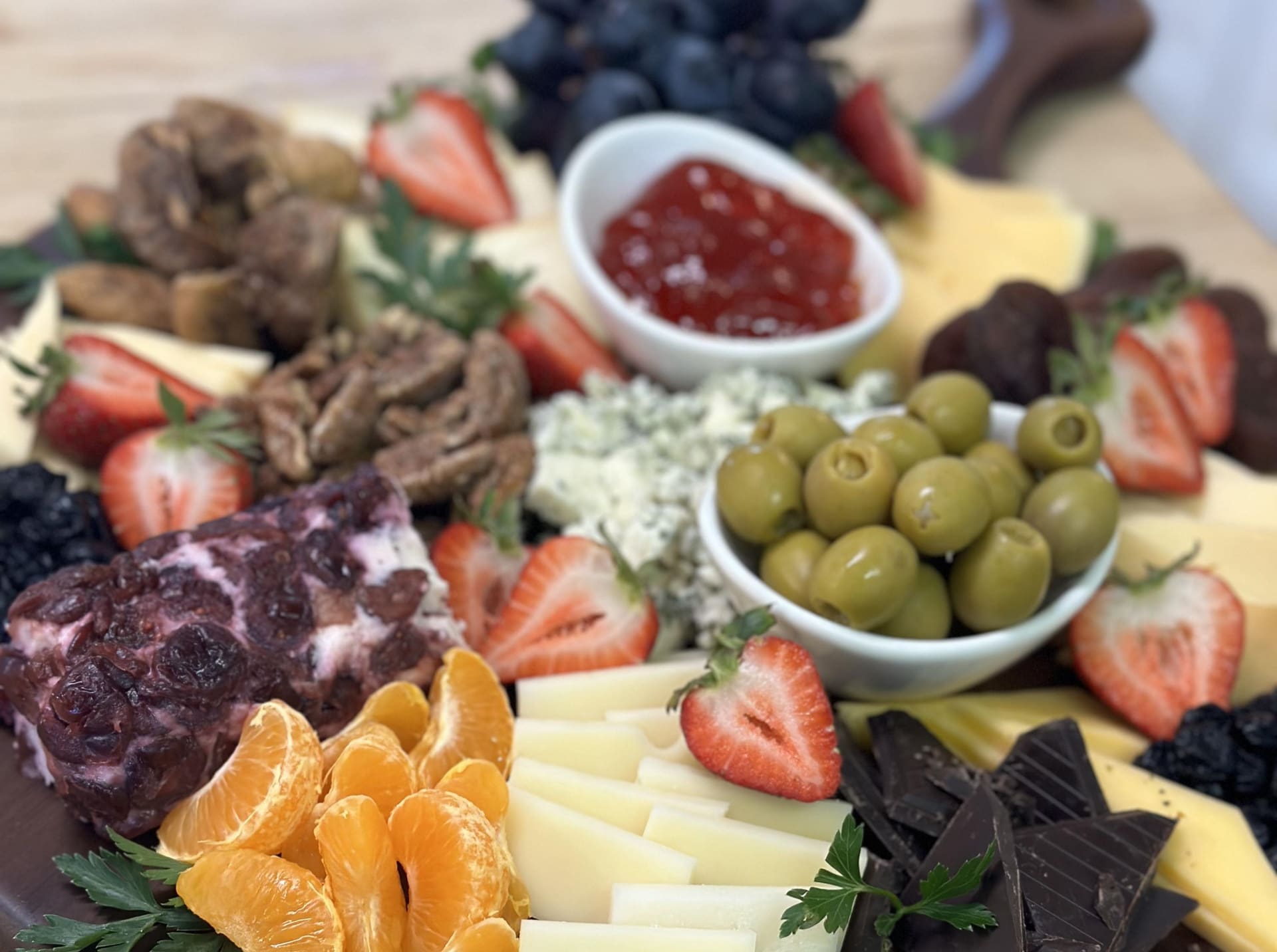
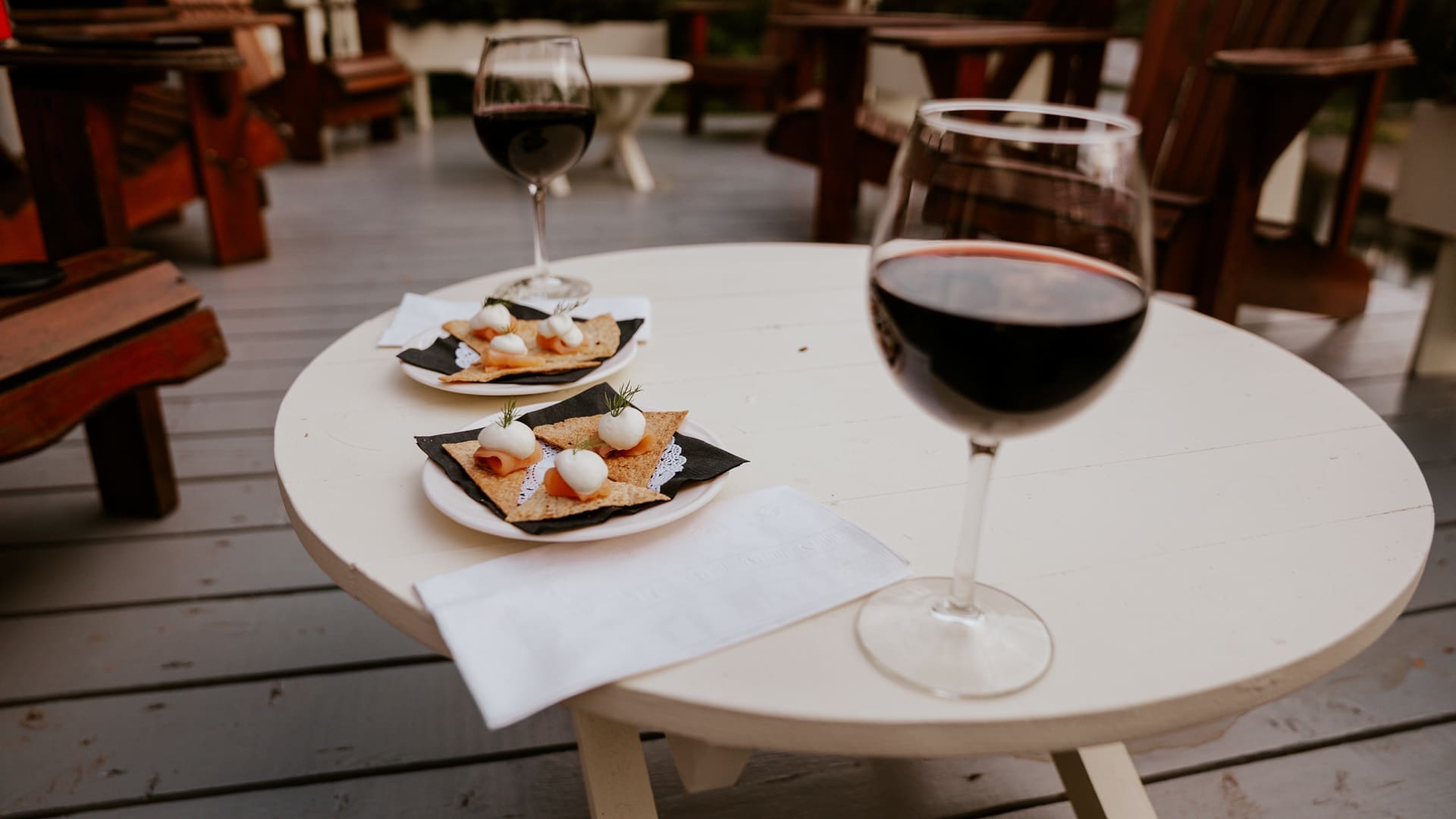
    A separate lake cabin provides additional privacy and a strong option for small groups or families. Dining focuses on Argentine favorites and lodge-style hospitality with local flavor.

    • Six en-suite rooms in the main house
    • Separate lake cabin for added privacy
    • Traditional Argentine and international lodge cuisine
    • Classic estancia ambience in private valley setting
    • Non-angling activities can be arranged seasonally

    Current pricing is provided directly through trip planning. Contact us for current rates and availability.

    Rates are per person in USD and subject to change.

    Get in touch to plan your 2026 Fly Fishing Trip in Argentina

    Tap a button below to start the conversation. Our services are free.

    What’s Included

    • Accommodations based on double occupancy
    • All meals, wines, beer, and local and international spirits
    • Professional guide services
    • Loaner fishing equipment (rods, reels, lines)

    Not Included

    • International and domestic airfares
    • Transfers in and out of the lodge
    • Fishing licenses
    • Laundry service
    • Gratuities for guides and house staff

    Getting to Estancia Arroyo Verde

    From Buenos Aires, most guests fly to Bariloche (BRC), then continue by road to the estancia in about 1.5 hours. Chapelco (CPC) is also a workable option for some itineraries.

    Nearest airports: Bariloche (BRC) and Chapelco (CPC)

    Ready to Plan Your Week?

    Tap a button to reach our Patagonia specialists. Our services are free.

  • Futa Lodge

    Futa Lodge

    Updated on

    Across the border from Esquel in Argentina, and deep into the Coyhue forests of the tenth region of Chile flow the azure depths of the Futaleufu river. A world away from the hustle and bustle that even sleepy Esquel represents, the “Big River” (for this is how Futaleufu translates from the Tehuelche tongue) rolls along, amid some of the most unspoiled mountain scenery on the planet.

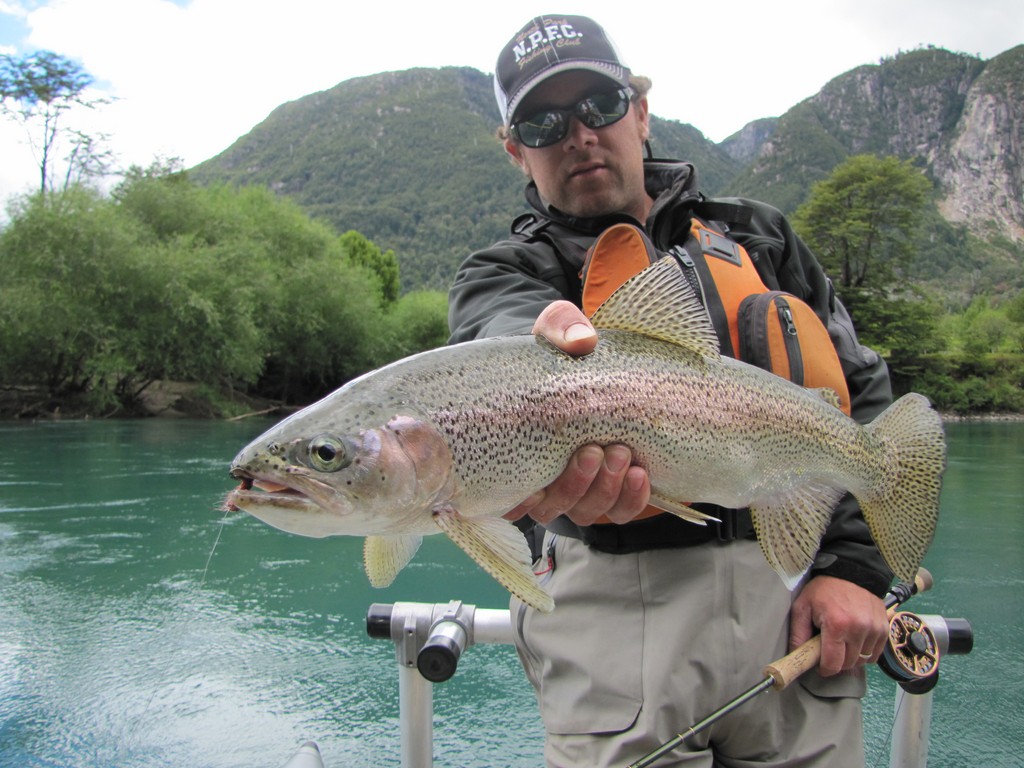
    South of the Chilean lake district, Futaleufu is a stand alone fishery. The freestone giant grows healthy stocks of rainbow and brown trout that are fed by abundant hatches of mayfly, caddis and stone flies. A heavy resident stock of fish and great hatches combined with classic fly water make the Futaleufu a trout fisherman’s paradise. Average rainbows and browns are in the 14″-16″ class but much larger fish are caught regularly. There is even the occasional sea-run fish, guaranteed to put a bend in your rod!

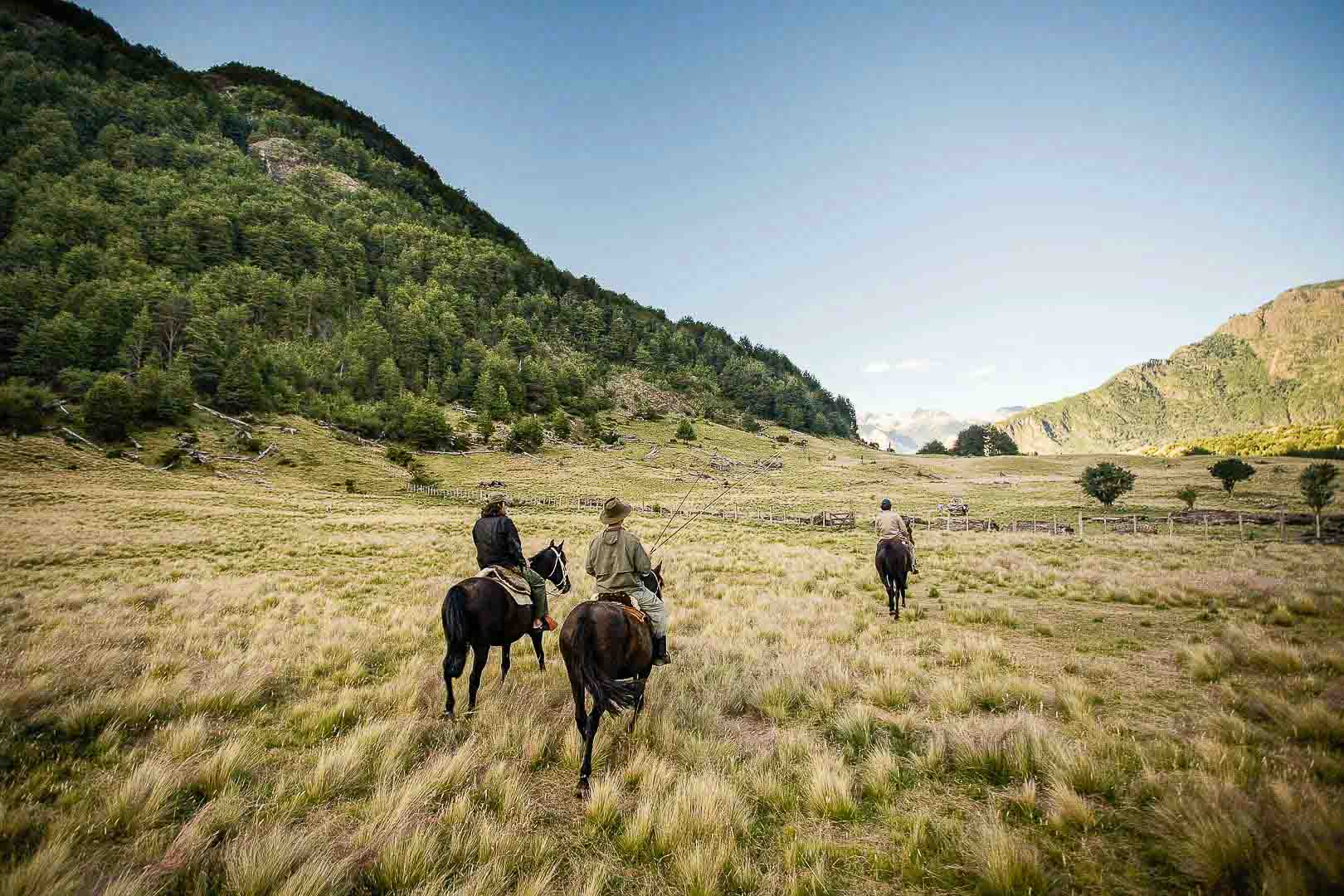
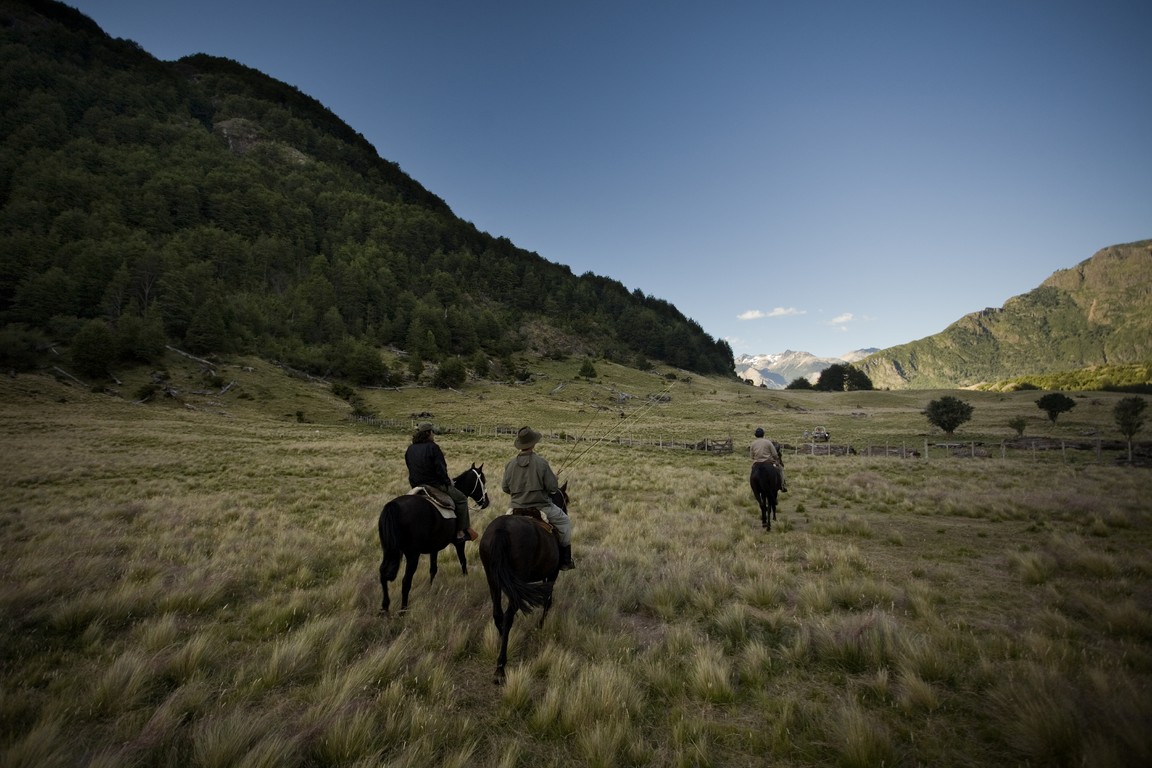
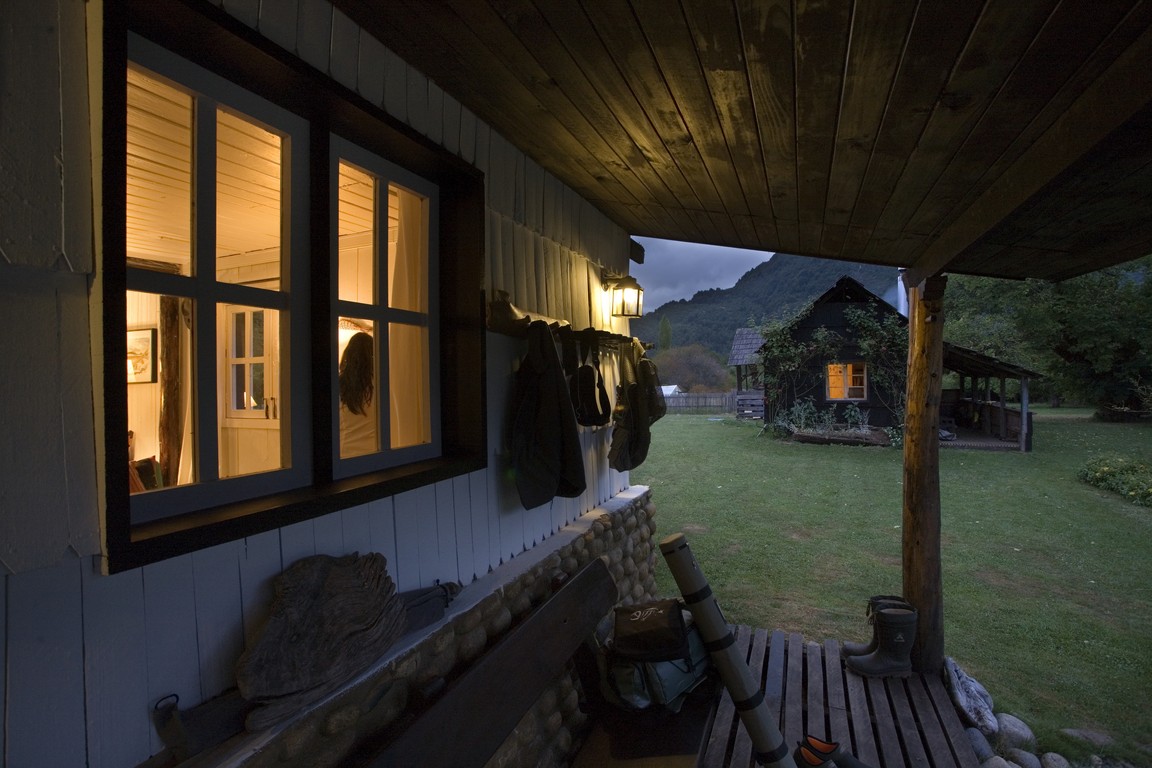
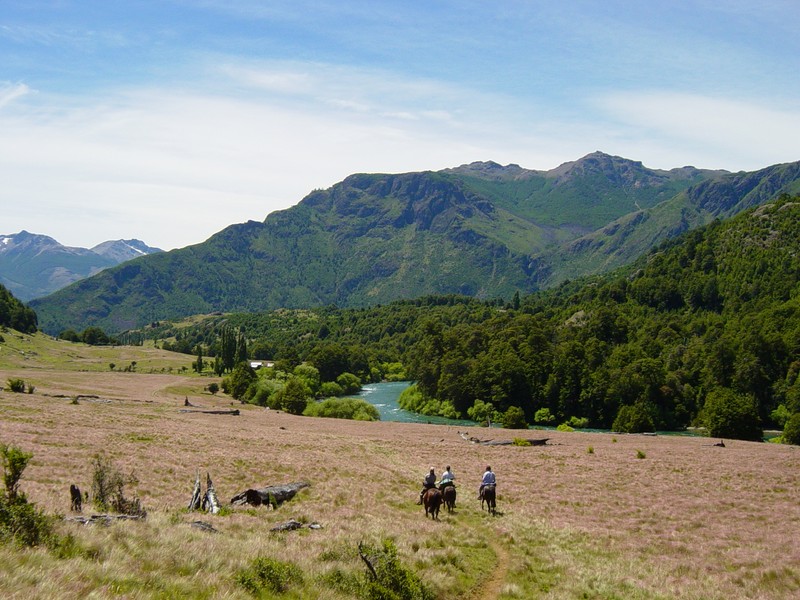
    There’s a magic in the valley that transcends mere fishing. Futaleufu is a place to re-charge your batteries, to feel your spirits soar. The lodge’s inaccessibility through the Valle de las Escalas make this part of the river unique, lazy horseback trails wind down to the river’s edge, a riot of Lupins and other wild flowers, no engines pollute the river here chemically or audibly and time appears to have stood still. Futa Lodge stands sentinel on the river bank wishing you well on your daily fishing foray, its lights twinkling a greeting in the evening as you return from the river.

    Since the mid-eighties Futa Lodge has welcomed the greatest names in fishing, from Lefty Kreh and Mel Kreiger to Lee and Joan Wulff. The reason they came is the same now as it always has been, Futa represents the best of Chilean fishing, hospitality, accommodations, guiding and service.

    Brown Trout, Rainbow Trout, Sea-run Brown Trout, Steelhead, Chinook Salmon, Silver Salmon, Atlantic Salmon

    Valle de las Escalas – Exclusive 6-rod operation

    Easy access to prime water right from the lodge

    Superb dry fly and streamer fishing

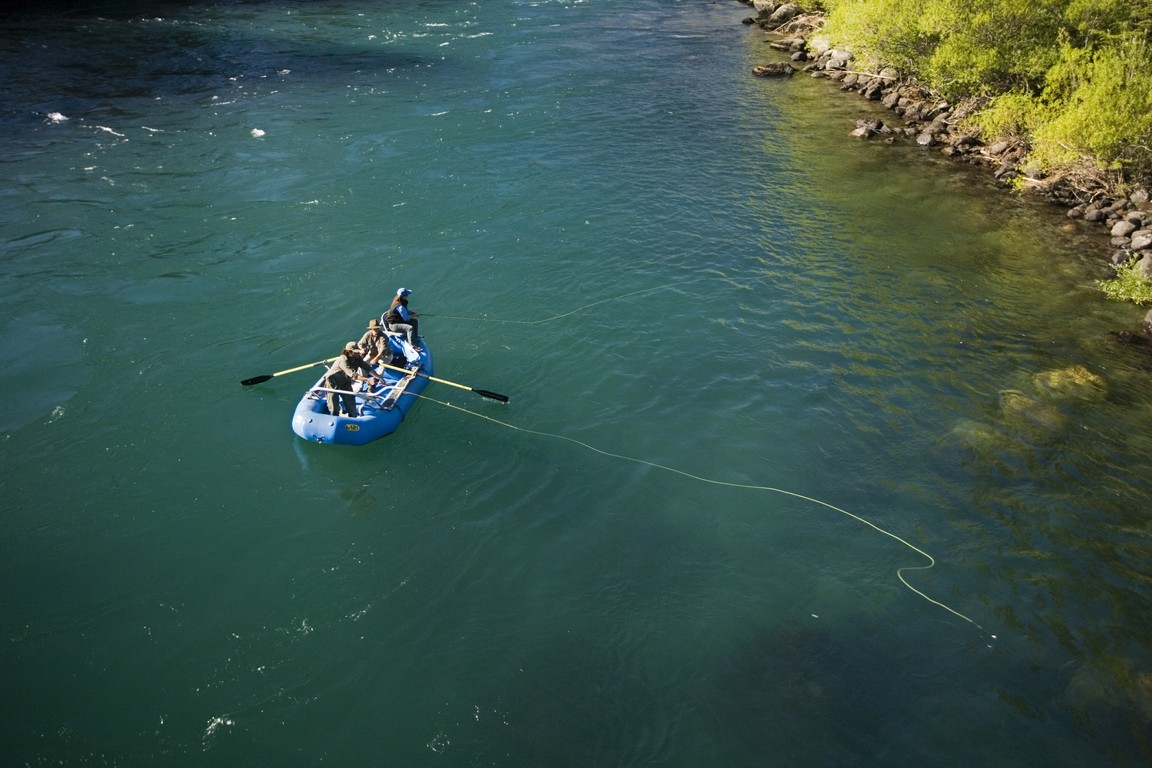
    Custom built fishing rafts and professional guides

    Full stable of horses for river access

    Book now, get a quote, or chat with us about Chile fly fishing!

    Destination Inquiry

    or

    The Fishing

    Futa Lodge fishes primarily for Brown and Rainbow trout, with dry and wet flies in the Futaleufu river itself. The lodge also fishes neighboring tributaries and lakes which are mostly populated by Browns and Rainbows. Other species occasionally encountered in the Futaleufu and Espolon rivers include Chinook, Silver & Atlantic Salmon, Sea-run Brown Trout and Steelhead. During a full week stay, anglers can visit different waters each day.

    Easy access to some of the prime water on the Futaleufu river from right in front of the lodge. Great wade and drift boat fishing. Superb Dry fly and Streamer fishing. Varied fishing program taking in local tributaries and Lakes.

    Fly Gear

    Nine foot 4-7 weight rods for dry flies, 5-8 weight rods for wet-flies and streamers. Floating lines and sink tip and fast sinking lines. 8 foot to 12 foot leaders tapered down to two pound tippet for dry-flies and tapered down to 6 lbs for streamers.

    Flies in Dry fly would be all mayfly patterns from size 12-20, spent patterns in similar sizes. Nymphs and Scuds in sizes 10-18 weighted and un-weighted. Streamers, Sculpins and Wooly Buggers in sizes 6-12.

    Fishing Schedule is flexible but will normally start after breakfast at 8:00 AM – 8:30 AM. Shore lunches are the norm followed by fishing in the afternoon until into the evening. Seasonal changes will take into account the changing light but early season fishing may be as late as 10 PM, late season as early as 7 PM.

    Futaleufu Lodge is strictly a catch and release fishery.

    Non-Fishing Activities

    • White-water rafting and kayaking in the Futaleufu River.
    • Horse-riding through the magical coyhue forests.
    • Hiking to local waterfalls.
    • Bird watching

    Futa Lodge 2025-2026 Rates

    Season: December 2025 – April 2026

    Length of StayShared room and boatSingle room and boat
    7 Nights / 6 Days Fishing$6,950$11,120
    6 Nights / 5 Days Fishing$6,100$9,760
    5 Nights / 4 Days Fishing$5,550$8,880
    4 Nights / 3 Days Fishing$4,750$7,600
    3 Nights / 2 Days Fishing$3,750$6,000

    Rates are per person in USD$ and subject to change.

    Take the guess-work out.

    Tap a button below to start the conversation. Our services are free.

    Included in Rate

    • Accommodations
    • All meals and beverages (open bar)
    • Professional guided fishing
    • Loaner fishing equipment (rods, reels, and lines)
    • Transfers from Chaiten or Esquel
    • Fishing license

    Not Included

    • Airfares
    • Transfers from Bariloche or Esquel (price available upon request)
    • Fishing licenses (approximately $50)
    • Gratuities for guides and house staff
    • Flies
    • In-house laundry service
    • International phone calls
    • Tours, shopping trips, or any items of a strictly personal nature

    Payment Terms

    To confirm reservations, a 50% deposit is required within 14 days. The balance is due 120 days prior to the start date. All deposits and payments are 100% non-refundable under any circumstances.

    Additional Rates:

    • Single room and boat: 60% surcharge on base rate
    • Non-angler: $650 per night (subject to availability)
    • Full-day fishing (arrival/departure): $850 per boat
    • Half-day fishing (arrival/departure): $750 per boat
    Across the border from Esquel in Argentina, and deep into the Coyhue forests of the tenth region of Chile flow the azure depths of the Futaleufu river. A world away from the hustle and bustle that even sleepy Esquel represent, the “Big River”; (for this is how Futaleufu translates from the Tehuelche tongue) rolls along, amid some of the most unspoiled mountain scenery on the planet. South of the Chilean lake district, Futaleufu is a stand alone fishery. The freestone giant grows healthy stocks of rainbow and brown trout that are fed by abundant hatches of mayfly, caddis and stone flies. A heavy resident stock of fish and great hatches combined with classic fly water make the Futaleufu a trout fisherman’s paradise. Average rainbows and browns are in the 14″-16″ class but much larger fish are caught regularly. There is even the occasional sea-run fish, guaranteed to put a bend in your rod! In truth though, whilst the chance of a big fish is a daily occurrence, it’s hard to be totally focused on the fishing in a place this special. There’s a magic in the valley that transcends mere fishing. Futaleufu is a place to re-charge your batteries, to feel your spirits soar. The lodges inaccessibility through the Valle de las Escalas make this part of the river unique, lazy horseback trails wind down to the rivers edge, a riot of Lupins and other wild flowers, no engines pollute the river here chemically or audibly and time appears to have stood still. Futa Lodge stands sentinel on the river bank wishing you well on your daily fishing foray, its lights twinkling a greeting in the evening as you return from the river. Since the mid -eighties Futa Lodge has welcomed the greatest names in fishing, from Lefty Kreh and Mel Kreiger to Lee and Joan Wulff. The reason they came is the same now as it always has been, Futa represents the best of Chilean fishing, hospitality, accommodations, guiding and service.

    The Fishing

    Futa Lodge fishes primarily for Brown and Rainbow trout, with dry and wet flies in the Futaleufu river itself. The lodge also fishes neighboring tributaries and lakes which are mostly populated by Browns and Rainbows. Other species occasionally encountered in the Futaleufu and Espolon rivers include Chinook, Silver & Atlantic Salmon, Sea-run Brown Trout and Steelhead. During a full week stay, anglers can visit different waters each day. Easy access to some of the prime water on the Futaleufu river from right in front of the lodge. Great wade and drift boat fishing. Superb Dry fly and Streamer fishing. Varied fishing program taking in local tributaries and Lakes. Fly Gear: Nine foot 4-7 weight rods for dry flies, 5-8 weight rods for wet-flies and streamers. Floating lines and sink tip and fast sinking lines. 8 foot to 12 foot leaders tapered down to two pound tippet for dry-flies and tapered down to 6 lbs for streamers. Flies in Dry fly would be all mayfly patterns from size 12-20, spent patterns in similar sizes. Nymphs and Scuds in sizes 10-18 weighted and un-weighted. Streamers, Sculpins and Wooly Buggers in sizes 6-12. Fishing Schedule is flexible but will normally start after breakfast at 8:00 AM – 8:30 AM. Shore lunches are the norm followed by fishing in the afternoon until into the evening. Seasonal changes will take into account the changing light but early season fishing may be as late as 10 PM, late season as early as 7 PM. Futaleufu Lodge is strictly a catch and release fishery. Location: Futa Lodge is situated in the Valle de las Escalas on the Futaleufu River, about half way between Puerto Montt and Coyhaique, 40 minutes drive from the village of Fuateufu. How to get there: From Argentina, there are weekly flights to Esquel. You will be met by a lodge representative, cross the border to Chile and driven to the lodge (approx 1 1/2 hours) By air from Santiago and Puerto Montt to Chaiten. You will be met in Chaiten and transfers to the lodge by 4WD vehicle (approx 4 hours). From Puerto Montt you can also charter direct to the Futaleufu airport, where you will be met by a lodge representative and driven to the lodge (approx 40 minutes).

    Facilities & Services

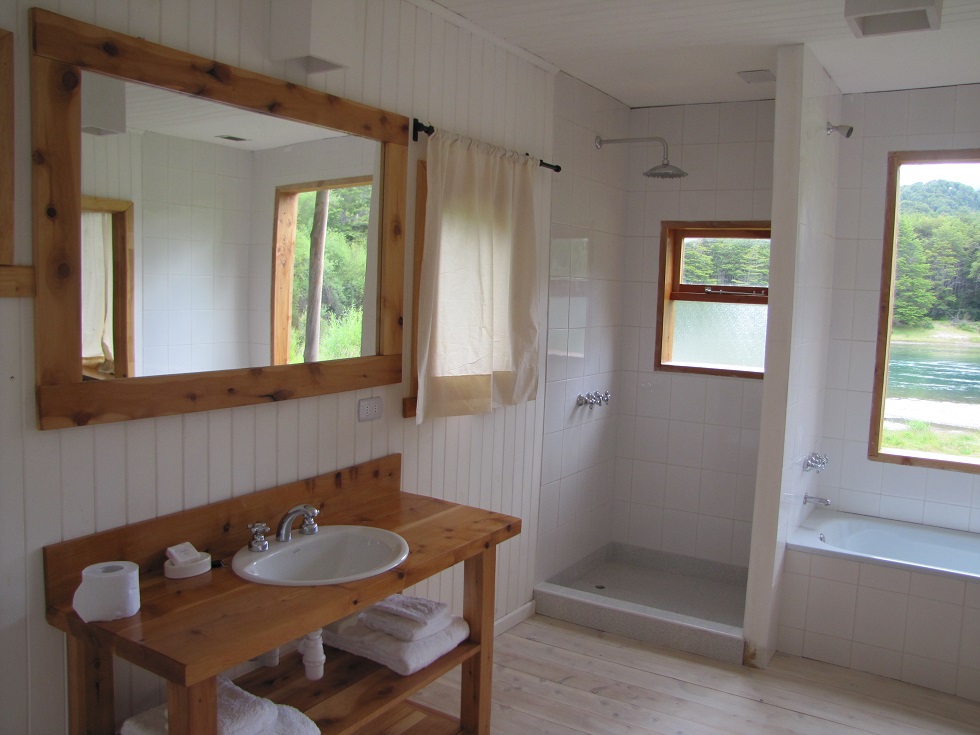
    Capacity of 6 rods. Accommodations: Guests are housed in the main lodge, in comfortable twin rooms with private bathroom. Bedrooms have efficient wood burning stoves, and bathrooms are newly modernized, with plenty of hot water. Extended Dining room, living room and bar areas with ample room for relaxing by the log fire.

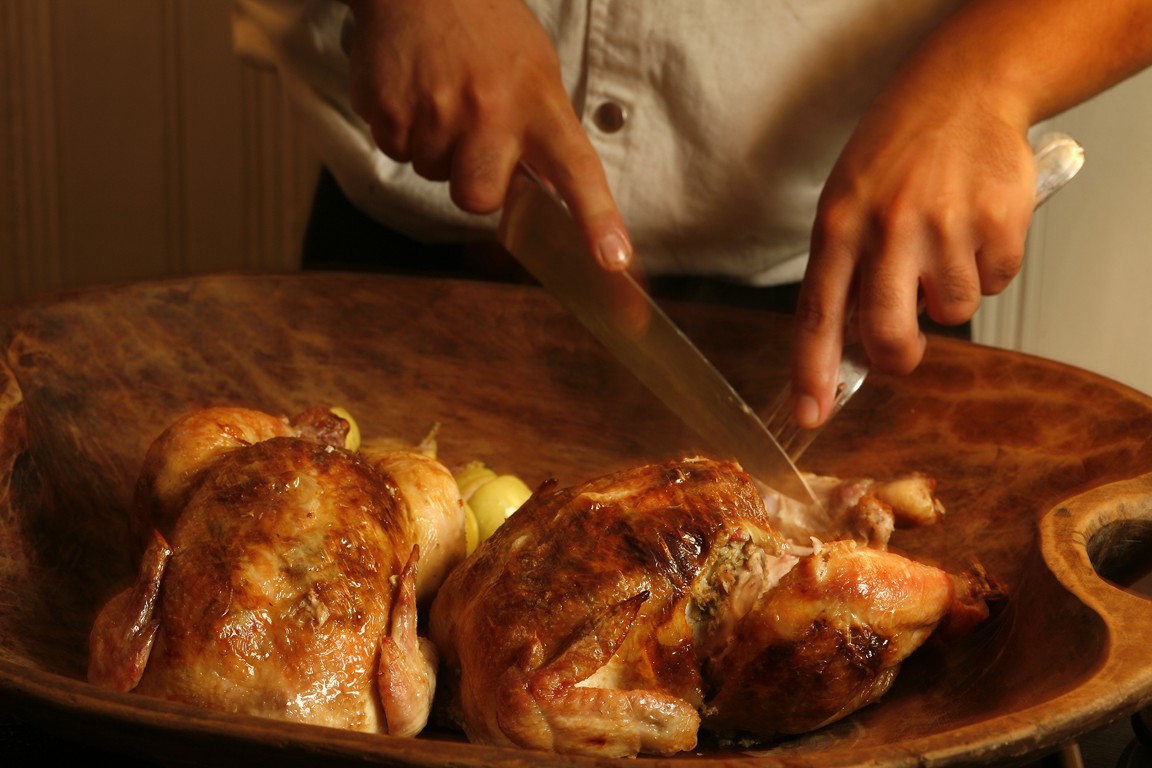
    Fly-tying table and extensive selection of materials. Fly-shop fully equipped with flies, rods, reels, lines and selected items of clothing.  Professional Local and International English speaking guides, trained in first aid and C.P.R all of whom are also qualified casting instructors. Quality custom Built fishing Rafts with swivel ended frames Fore and Aft. 4WD double cabin vehicles. Full stable of horses, so anglers can access rivers on horseback should they choose to do so. All inclusive bar featuring local spirits and the famous pisco sour cocktails. Wonderful wine selection served with dinner. Our wines ar e selected from Chile’s finest vineyards. Gourmet cuisine featuring a variety of typical Chilean dishes such as curanto and sopaipillas, home made breads and desserts and fresh vegetables from our kitchen garden. Cooked shore lunches served with wine, beer and hot drinks. Lamb asados, attended by a local dance troop who will demonstrate the Cueca (national dance). This special evening has been a long standing tradition at the Lodge and most popular with guests. Maid and laundry service. 24 hour internet service.  

    Non-fishing activities:

    • White-water rafting and kayaking in the Futaleufu River.
    • Horse-riding through the magical coyhue forests.
    • Hiking to local waterfalls.
    • Bird watching

    Our Services are Free! Contact us for Seasonal Discounts, Special Offers or Promotional Pricing

    Futa lodge 2020 – 2021 Rates

    Rates are based on double occupancy and shared guide 7 nights / 6 days of fishing, $5,950 per person (subject to change). Shorter packages and Special packages combining fishing in Futa Lodge and Nervous Waters lodges in Argentina can be arranged. The lodge is open from December – March. Included: Lodging, meals, local spirits and wines at the lodge, transfers from Chaiten or Esquel, fishing license Not included: gratuities for guides and staff, airfares, laundry service, transfer from Bariloche or Esquel (price available upon request).  
  • Country Haven Lodge

    Country Haven Lodge

    Country Haven Lodge is located in Gray Rapids, just 2 miles south of Blackville on the lower section the Main Southwest Miramichi River. The Miramichi is a name well known to anglers around the world as synonymous with Atlantic salmon, hosting the largest run of the species in North America.  Over the past 25 years, Country Haven has become the premier lodge on the Miramichi watershed.

    Owner Byron “Byzie” Coughlan grew up in Gray Rapids just a few miles downstream of the lodge. Starting with a couple of productive family owned salmon pools, Byzie built a beautiful 4,000 square foot log lodge situated on a bluff overlooking the river. He then began buying and leasing other nearby salmon pools. As the business grew, he added more pools and 2 more cabins (a 2 and a 3 bedroom, ideal for small groups) and Country Haven now accommodates 18 anglers. The lodge is one of the few properties on the river to receive a Four Star Canada Select rating from the Provincial government.

    Country Haven’s fishermen enjoy exclusive use of 11 excellent private salmon pools. On any given day as needed, the lodge also day leases as many as another 10 private pools. These include salmon pools on the Miramichi, as well as the Renous, the Northwest Miramichi and the beautiful Cains, all famous tributaries of the Main. This gives Country Haven a wide variety of types of pools that will produce under a myriad of conditions.

    Country Haven employs a staff of experienced and talented guides, most who have grown up on the banks of the Miramichi and many with 20 or more years experience guiding. They not only know every rock and lie in the river, they are expert boatman and skilled flyfishers and extremely knowledgeable about all aspects of salmon fishing. As New Brunswick #1 Certified Professional Guides they are also fully trained in CPR and first aid and are dedicated to your safety, comfort and most importantly, your having fun and success on the river!


    The Miramichi enjoys a 6-month long season, from April 15 until October 15th, The first month is “Spring Salmon Season” fishing for the outward bound fish who spawned the previous fall and are headed back to the sea. The “Summer Run” fish, dime bright and fresh from the salt start entering the river around the first of June, and the heart of the summer run is from June 20th through July. Fresh runs continue entering on each major raise of water and August can also provide excellent fishing if river conditions are good. Fishing again picks up in September as the famous Miramichi “Fall Run” begins and continues until the close of the season October 15th.

    During the summer run, the camp fishes a split day from about 8:00 am until noon. You return to the lodge for the main meal of the day, and then head back out for the evening session, from 5:00 pm until 9:00 pm. A light evening supper is served at 9:30 pm. As the days shorten in late September, the camp goes on the fall fishing schedule, fishing from around 8:00 am until 5:00 pm, taking a shore lunch on the river and having the main meal of the day in early evening.

    Our Services are Free!
    Contact us for Seasonal Discounts, Special Offers or Promotional Pricing

    Country Haven Lodge 2023 Full Fishing Package Rates

    Packages of any duration are available. Country Haven enjoys about an 85% re-booking rate so early reservations are recommended.

    Package

    Base Rate

    15% HST

    Total Rate

    7-night / 6-day

    CAD $ 4,125

    CAD $ 618.75

    CAD $ 4,743.75

    6-night / 5-day

    CAD $ 3,475.00

    CAD $ 521.15

    CAD $ 3,996.25

    5-night / 4-day

    CAD $2,825.00

    CAD $ 423.75

    CAD $ 3,248.75

    4-night / 3-day

    CAD $2,175.00

    CAD $ 326.25

    CAD $ 2,501.25

    Included: Accommodations in lodge of private cabins; all meals and soft beverages; daily guided fishing, 1 guide per 2 – 3 anglers; all necessary transportation while at lodge (boats & vehicles); use of lodge’s tackle if needed; all provincial and federal taxes.

    Not included: Transportation to the lodge; NB salmon license; gratuities; alcoholic beverages (BYOB); flies, leaders and other terminal tackle (available for purchase at the lodge), airport transfers for those flying into Fredericton or Moncton (transfers arranged at additional charge).

  • The Salmon Lodge

    The Salmon Lodge

    Updated on

    The Salmon Lodge on the Grand Cascapedia River

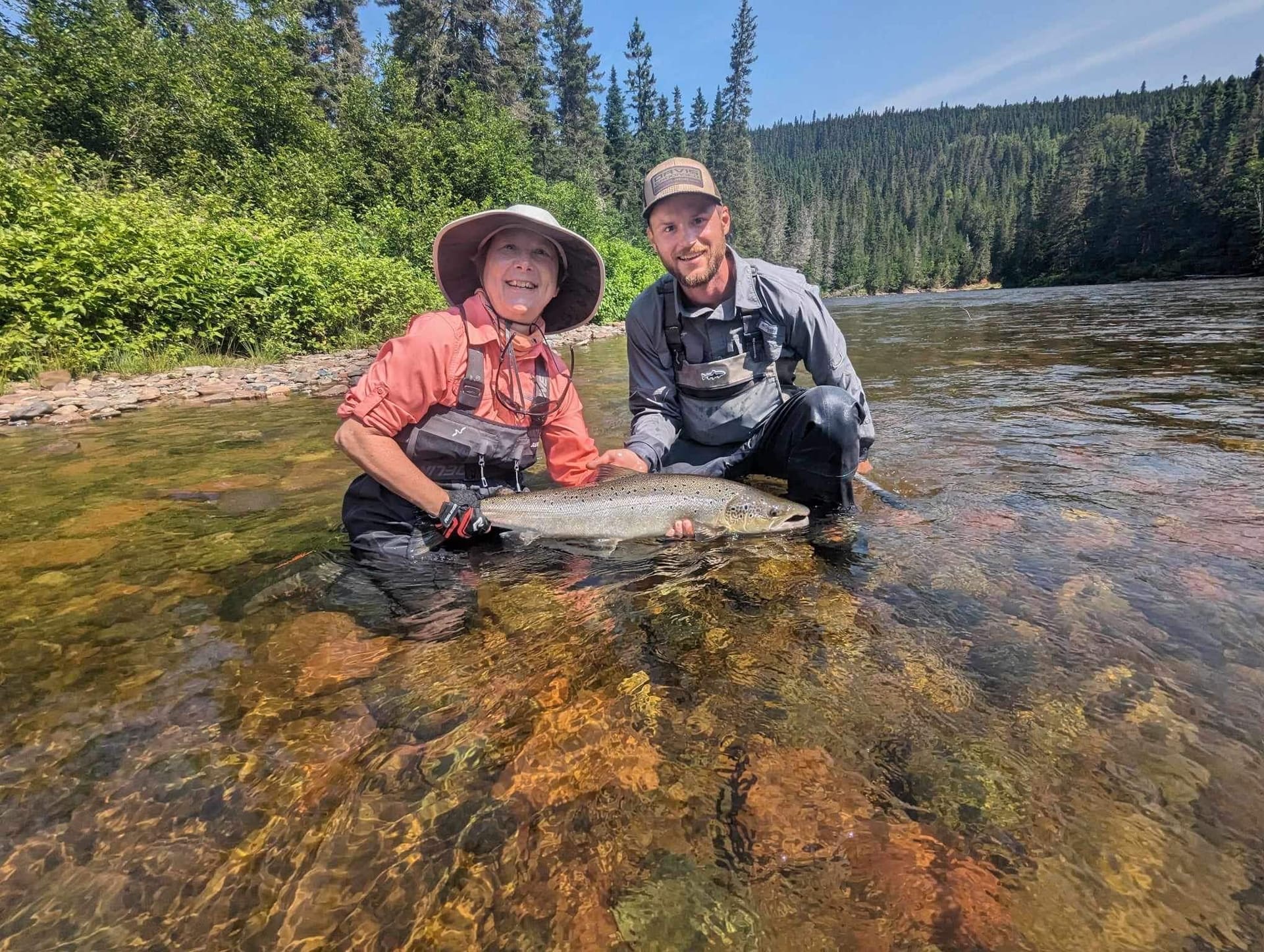
    Nestled along the banks of Quebec’s renowned Grand Cascapedia River, The Salmon Lodge offers an unparalleled Atlantic salmon fly-fishing experience. As one of the region’s most storied lodges, it seamlessly blends rich angling traditions with modern comforts, providing guests with exceptional service and access to some of Canada’s most productive salmon waters.

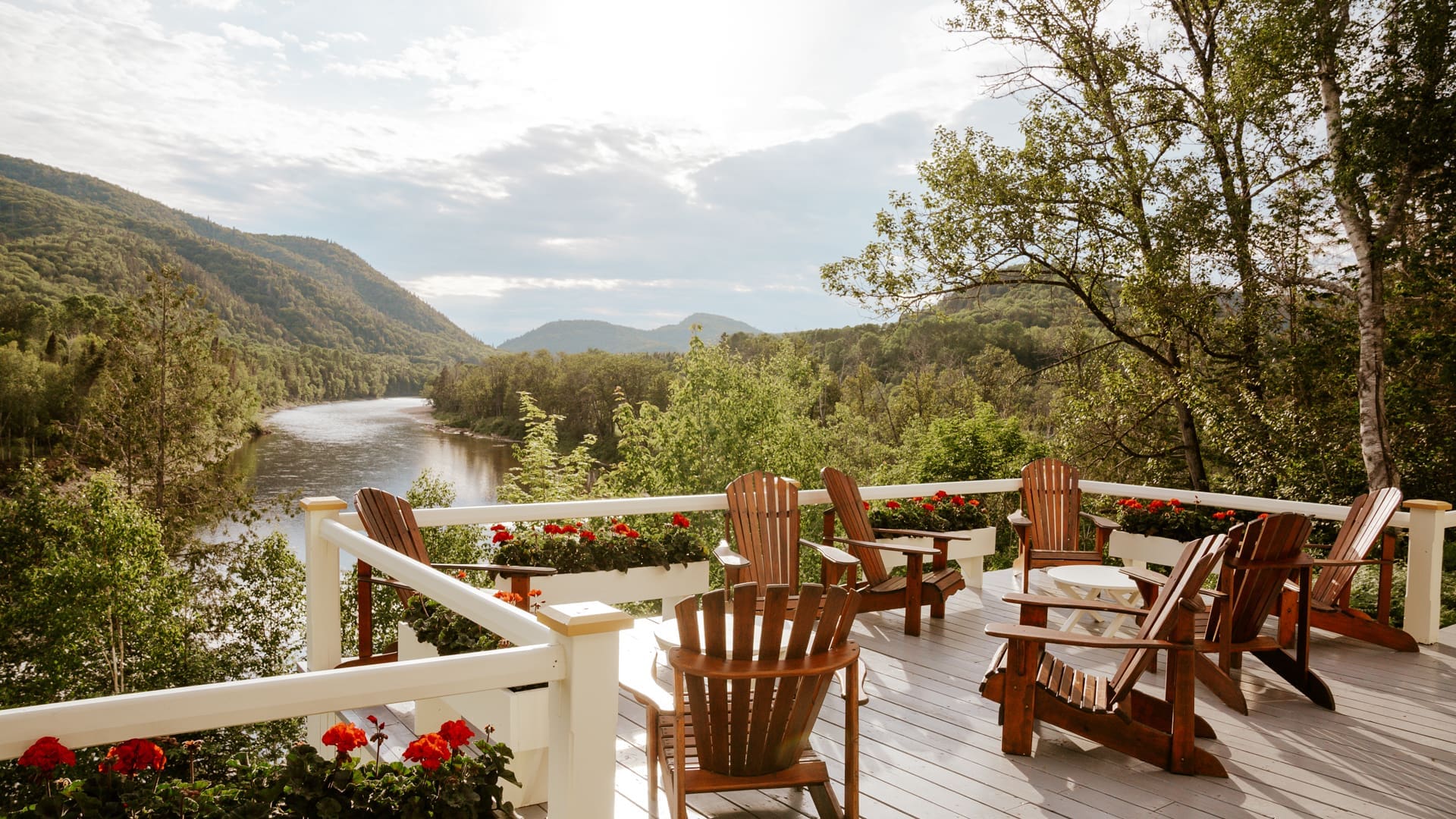
    Perched with a commanding view of the Grand Cascapedia River, The Salmon Lodge immerses guests in the natural beauty of Quebec’s Gaspé Peninsula. Established as one of the original lodges on the river, it offers anglers privileged access to prime fishing pools teeming with wild Atlantic salmon. The lodge’s strategic location ensures both seclusion and proximity to the region’s top fishing spots, making it a coveted destination for discerning anglers.

    Abundant Atlantic Salmon: Target wild Atlantic salmon in pristine river environments

    Exclusive River Access: Fish the renowned Grand Cascapedia, Bonaventure, and Petite Cascapedia rivers

    Luxurious Accommodations: Comfortable double rooms with private baths and gourmet meals included

    Professional Guides: Orvis-endorsed guides ensure a top-tier fishing experience

    Book now, get a quote, or chat with us about Quebec fly fishing trips and packages!

    Destination Inquiry

    or

    Fly Fishing Experience at The Salmon Lodge

    At The Salmon Lodge, anglers are treated to world-class fly fishing on three legendary rivers:

    • Grand Cascapedia River: Famed for its large Atlantic salmon, offering anglers the thrill of pursuing trophy catches in its deep, fast-flowing waters.
    • Bonaventure River: Renowned for its crystal-clear waters, providing sight-fishing opportunities for salmon in a pristine setting.
    • Petite Cascapedia River: A smaller, intimate river known for its healthy salmon runs and scenic beauty.

    Guided by professional and knowledgeable Orvis-endorsed guides, guests receive personalized instruction tailored to all skill levels. The lodge emphasizes a commitment to conservation and sustainable fishing practices, ensuring these rivers remain vibrant for generations to come.

    Accommodations at The Salmon Lodge

    The Salmon Lodge accommodates up to eight guests, ensuring an intimate and personalized experience. Each guest enjoys double room accommodations equipped with private bathrooms, combining rustic charm with modern amenities. The lodge’s communal areas provide a cozy atmosphere for relaxation and camaraderie after a day on the river. Guests are treated to gourmet meals, with dinners thoughtfully paired with fine wines, all included in the stay.

    The Salmon Lodge 2025 Rates & Packages

    Length of StayDouble Accomodation
    4 Nights / 3 Days FishingCAD 4,725
    5 Nights / 4 Days FishingCAD 6,300
    7 Nights / 7 Days FishingCAD 11,025

    Rates are in Canadian currency, do not include tax, and are subject to change

    Note: Rates are based on double occupancy and include lodging, meals, guided fishing, and daily transportation between the lodge and the river. Contact us for single accommodations and non-angler rates.

    Book Your Quebec Fly-Fishing Adventure

    Tap a button below to start the conversation. Our services are free.

    Contact us for current availability and pricing, seasonal discounts, special offers

    Included in Rate

    Lodging; all meals and beverages (with dinners paired with wine); guided fishing; daily transportation between the lodge and rivers; professional and knowledgeable guides; friendly and attentive lodge staff.

    Not Included in Rate

    Airfare; airport transfers; fishing licenses; gratuities; equipment rentals; taxes.

    More Info

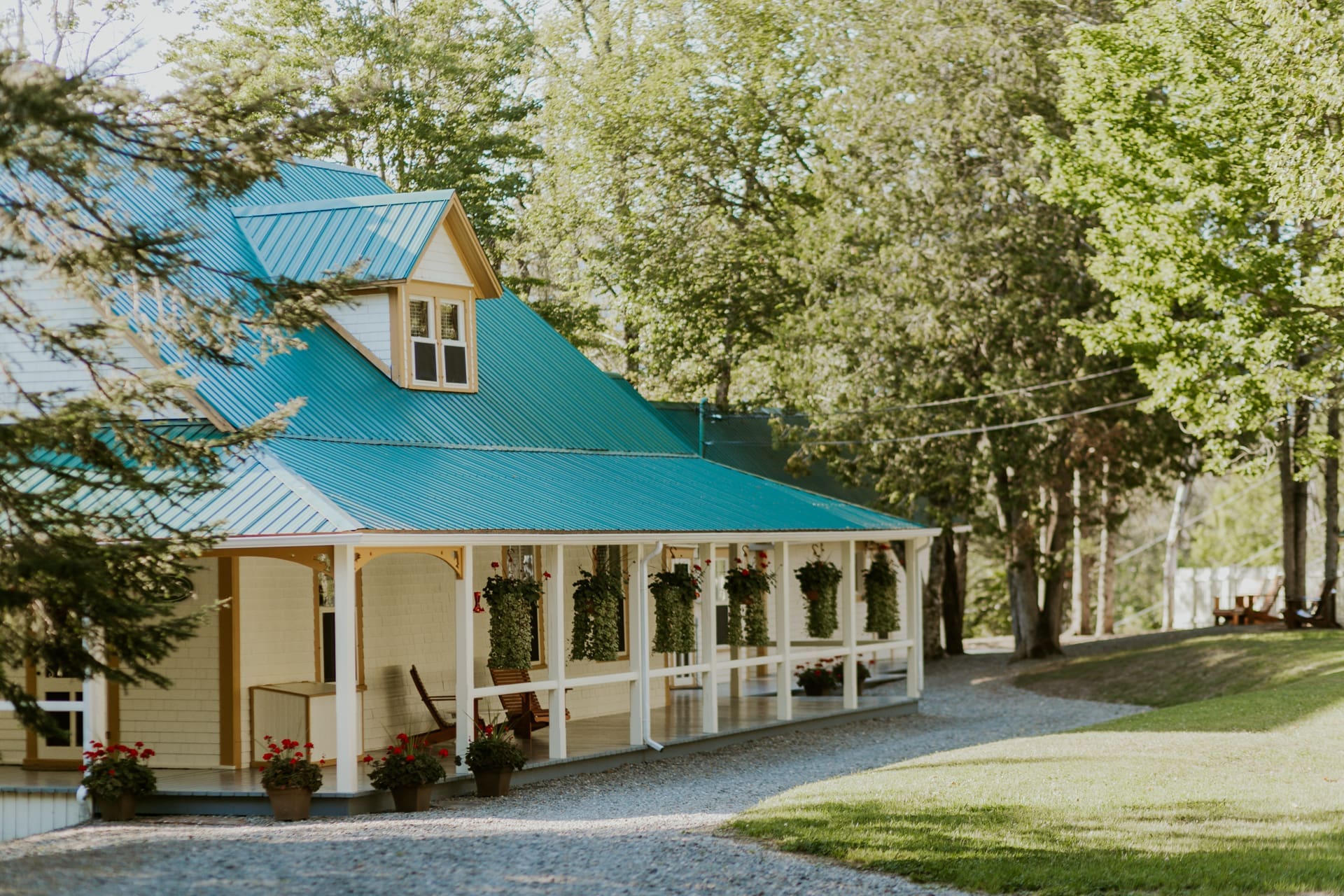
    The Salmon Lodge has been welcoming Atlantic salmon fishing enthusiasts to the world-famous Grand Cascapedia Valley for over a century. Perched high on an 80-foot bluff overlooking the majestic Grand Cascapedia River, The Salmon Lodge was built in the late 1800’s. This historic lodge has been painstakingly maintained and from the moment anglers arrive there’s a special feeling that they’ve been swept back in time to an era of Atlantic salmon fishing in the “Grand Old Style”.

    Ideally located in the heart of Quebec’s famous Gaspé Peninsula, The Salmon Lodge is located on the doorstep of the finest and most renowned Atlantic salmon rivers in the province and affords angler the opportunity to fish not one, but three of Quebec’s finest salmon rivers. The Grand Cascapedia River is world renowned for producing the largest Atlantic salmon in the province, and indeed some of the largest salmon in the world. More Atlantic salmon over the magical 40-pound mark have come from the Grand than any other river in North America. The Petite Cascapedia is an absolute jewel providing miles of some of the most beautiful and productive salmon and brook trout water anywhere. Big salmon in the 30 to 40 pound class are a possibility here as well sea-run brookies that can sometimes exceed 10 pounds. And last but not least, the Bonaventure, regarded as the clearest of the clear, offers anglers an unique opportunity to sight cast to huge salmon on miles of pristine river.

    The fishing at The Salmon Lodge is either done wading from in the Gaspé style, from traditional 26-foot river canoes. Early in the season the Atlantic salmon fishing is a combination of both while later in the season many pools are best fished wading. The Salmon Lodge has excellent late season Atlantic salmon fishing (August and September) since the mountain streams and spring-fed brooks supply The Grand Casacapedia, The Petite Cascapedia, and the Bonaventure with cold water throughout the entire summer, keeping each them cool and clear.

    The Salmon Lodge can accommodate up to eight fishing guests and four non-fishing guests in complete comfort. Well-appointed and comfortable bedrooms, an inviting living room and spacious dining room, both with their original fireplaces, create a relaxing and cozy atmosphere. A highlight of staying at Salmon Lodge is the spectacular

    view from our deck and cigar-friendly screened porch, where a century’s worth of fishing tales have been told.

    The Salmon Lodge also has a rod room, located in a separate building, which is the ideal place to keep fishing equipment during a visit. The rod room is where guests meet their guide in the morning before a day of salmon fishing. The features of the rod room include individual storage areas for each guest, a large rod rack, and there’s always fresh coffee in the morning and cool drinks at the end of the day.

    Each day the resident chef prepares a different menu to tempt guest’s pallets. Homemade breads and jams along with all morning favorites will have guests ready for a day of salmon fishing. Anglers are welcometo return to the lodge to enjoy a wonderful lunch or take their midday meal picnic style on the river. Evening meals at the lodge begin with hors d’oeuvres served in front of a blazing fire or on the deck overlooking the Grand Cascapedia. These mouth-watering meals are served in the dining room begin with fresh salads, soups and appetizers, main courses include fresh lobster, local seafood and sizzling steaks off the grill, just to mention a few. The Salmon Lodge is happy to accommodate any dietary restrictions or requirements. Wine is included with lunch and diner, personal alcohol is not included, however, guests are welcome to bring their own. At the bar area The Salmon Lodge supplies all ice, mixes and necessary ingredients for the perfect drink. The lodge is also a short distance from a very well stocked liquor store.

    Guests are fully guided by a team of experienced and professional guides, committed to the sport of fly-fishing for Atlantic salmon. All are qualified instructors; they teach the fundamentals to beginners or work with seasoned anglers to perfect their abilities. Most importantly, perhaps, is the friendship you’ll develop with these great guys.

    All The Salmon Lodge guides are equipped with digital cameras and will be taking photos each day on the river to document your trip. A short while after returning home you will receive a CD with all the photos of your trip.

  • The Club on the Bonaventure

    The Club on the Bonaventure

    Updated on

    The Club on Bonaventure History & Overview

    The Club was incorporated and constructed in the late 20’s by a group of prominent Canadians and operated as a private camp, the Canadian Salmon Club until 2017.  That year, the owners of the two iconic Gaspé salmon camps, Camp Bonaventure and the Salmon Lodge purchased the Club and invested a half a million dollars restoring this historic camp, updating and modernizing while preserving the charm and essence of a classic 100 year old salmon camp.   The moniker, The Club was kept but for the first time in its history, the camp is now open to the public.

    Abundant Atlantic Salmon: Target wild Atlantic salmon in pristine river environments

    Exclusive River Access: Fish the renowned B3 and B4 sectors of the Bonnie stretched over 7-miles of river with 26 major pools

    Luxurious Accommodations: Comfortable double rooms with private baths and gourmet meals included

    Professional Guides: Orvis-endorsed guides ensure a top-tier fishing experience

    Book now, get a quote, or chat with us about Quebec fly fishing trips and packages!

    Destination Inquiry

    or

    The Club is situated on 100 acres of riverfront property and retains freehold ownership of their original water, about 3.5 miles of river with 14 major pools.  This sector is known as B3, and along with the adjacent B4 sector is considered the very best water on the entire river.  And to provide guests access to more water, in 2019 the Club entered an agreement with the ZEC to rotate these two premier sectors.  The Club’s 6-anglers now fish Sector B3 Mondays, Wednesdays & Fridays and Sector B4 Tuesdays, Thursdays and Saturdays giving guests exclusive access to over 7-miles and 26 major pools.

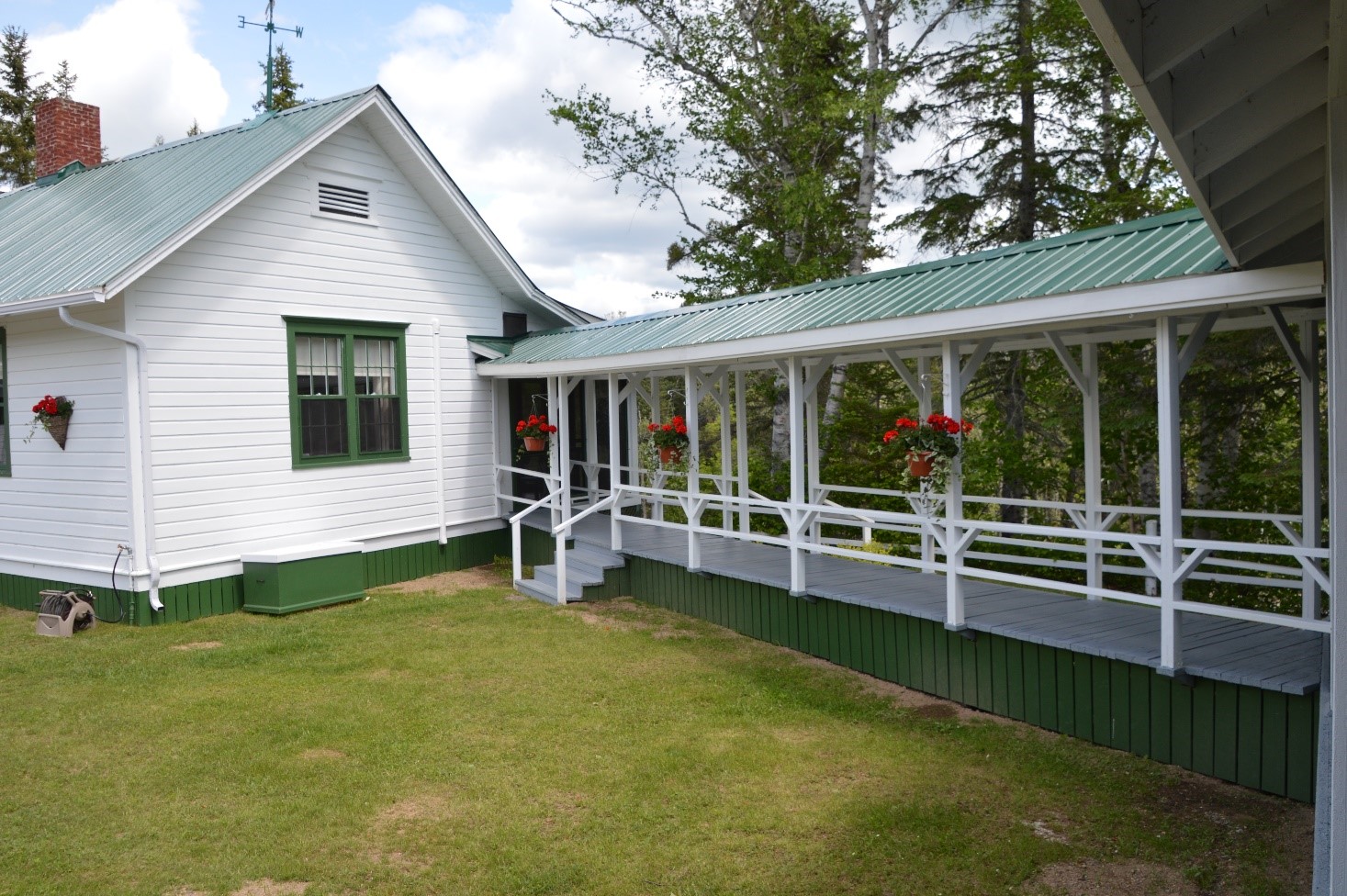
    The Club accommodates a maximum of 6 anglers accommodated in single rooms.   Each bedroom is elegantly appointed with a king size bed, fireplace, AC and ceiling fan, full private bath with walk in shower and a screened porch.   A covered walkway connects the guest quarters with the Common areas which include: the screen porch overlooking the river; The Great Room with fireplace and overstuffed leather chairs and sofa; and the dining room with adjacent sitting area and fireplace which also overlooks the river.

    Fishing the B3 & B4 Sectors at The Club on the Bonaventure

    The Club is situated on Sector B3 (Google Earth coordinates 48°11’19.3″N 65°33’41.6″W) about 25 river miles up from the Baie de Chaleur, just below Gallagher (52) and overlooking Burnt Camp (51) and Kelly (50).  All told, they have exclusive access to over 7 miles of river from Baker (68) at the top of B4 to Deep Water Ledge (42) at the bottom of B3.  The Club rotates these sectors with the ZEC and fishes 3 canoes on B3 Monday, Wednesday & Friday and B4 Tuesday, Thursday & Saturday, giving guests exclusive access to 26 pools which include many of the best holding pools on the river.

    Fishing days are divided into 2 sessions, mornings from approximately 7:30 am – 11:30 am and evening 4:00 pm until dusk to take advantage of the most productive hours.  Guests rotate beats each fishing session so you’ll likely fish new water each and every fishing session.  Weeks run Sunday to Sunday with no fishing on the Sunday turnover day.

    atlantic salmon on the Bonaventure River, Quebec

    The Bonaventure is renowned as one of the clearest salmon rivers in the world.  As such, it is the dry fly fisherman’s dream river!  The salmon to grilse ratio can vary year to year but is usually around 4-to-1 or better.  Typical Bonnie salmon range in the mid-teens to mid-20s but 30 plus pounders are taken each year (Deep Water Ledge on B3 has produced a number of 40+ pound fish).

    The Club’s guides, Jacques Bernard, Michel Bernard and Pascal St-Onge are consummate professionals with over 50 years’ experience on the river between them.  They know every rock in the river and work hard to put their clients onto fish.   Fishing is either from stable 26 foot Sharpe canoes or by wading.

    The Club on the Bonaventure 2025 Rates & Packages

    Length of StayDouble Accomodation
    4 Nights / 3 Days FishingCAD 6,225
    7 Nights / 6 Days FishingCAD 12,450
    Custom PackageCall for pricing 860-434-9642

    Rates are in Canadian currency, do not include tax, and are subject to change

    Note: Rates are based on double occupancy and include lodging, meals, guided fishing, and daily transportation between the lodge and the river. Contact us for single accommodations and non-angler rates.

    Book Your Quebec Fly-Fishing Adventure

    Tap a button below to start the conversation. Our services are free.

    Contact us for current availability and pricing, seasonal discounts, special offers

    Included in the rate: 7-nights’ accommodations in single room with private bath; all meals with wine and non-alcoholic beverages; top shelf open bar with mixers; 6-days guided fishing based on two anglers sharing a canoe and guide.  3-day stays may also be available select weeks.

    Not included: transportation costs to The Club; gratuities; fishing licenses; tackle and flies (licenses, flies and some tackle available for purchase at the Club).

    4-night/3-day packages may be arranged and non-fishing spouses may be accommodated, on a space available basis.  For reservations or more information, please contact:

    Doug Schlink / Angler Adventures
    800-628-1447 * 860-434-9624
    Email: Doug@AnglerAdventures.com

    the club on the bonaventure - angler adventures

    Google Earth coordinates 48°11’19.3″N 65°33’41.6″W


  • Red Pine Mountain Lodge – First Run Special

    Red Pine Mountain Lodge – First Run Special

    Monsters of May!

    Large, bright salmon begin entering the Restigouche during the month of May. Little is known about these May runs of fish, as up until 11 years ago, the season didn’t open until June 1st.

    Eleven years ago, New Brunswick, introduced a “spring salmon” (kelt) season, pushing back the traditional June 1st opening day to April 15th. Over these 11 years we’ve had only a few fisherman in camp before June 1st but they were all rewarded with big bright first run fish. Jim Grey, veteran salmon angler and author of The Handbook for the Margaree River was a strong believer in this early run and was anxious to give this a try. In 2000 Jim landed a beautiful dime-bright 38-pounder on May 28th. Of interest, there were 4 other salmon taken prior to Jim’s that May, the first being a 25 pounder taken by a guide on the 20th of May! Since 2000, only a few anglers have fished Red Pine before June 1st. The only one with any regularity has been managing partner, Renato Danese, who typically arrives a few days before the first of June. Over the years, Renato has taken fish between 25 – 38 pounds prior to June 1st, most recently a 30 pounder this past May 30th. These few that we’ve taken have all been beautifully conditioned with deep bodies and small heads. And all have been reported as incredibly strong fighters!

    The spring salmon fishermen downstream in Matapedia have been taking increasing numbers of large bright fish along with kelts, not only during the month of May, but several brights have been caught as early as late April. Many times in recent years, the Red Pine guides have watched big bright fish jumping in Home Pool in mid-May, before the camp opened.

    All this, supported by documented climate change which has produced warmer and earlier springs in recent years, leads to the logical conclusion that good numbers of big fish are in the river long before the traditional June 1st opening of the season.

    To target these early runs, Red Pine will offer the First Run Special, May 17th – 24th, and May 24 – 31st. We are offering these weeks at the deeply discounted rate of $3,000 per person double occupancy plus taxes (total $3,311.25 US per person). Further group discounts will be offered to parties of 6 or more anglers.

    We fully expect these weeks will quickly become quite popular with hard-core, trophy salmon anglers. This is an opportunity to get in on the ground floor at nearly half the cost of prime June/July weeks! Call today to make your reservation.

    For Reservations or more information, contact

    Doug Schlink

    800-628-1447 – 860-434-9624

    Fax 860-434-8605

    E-Mail:doug@angleradventures.com

    PO Box 872, Old Lyme, CT 06371

    web site: AnglerAdventures.com

  • Kola River Lodge

    Russia’s Kola Peninsula is well known as having the best Atlantic salmon fishing found anywhere in the world today. Kola Lodge provides comfortable accommodations and immediate access to this great salmon fishery. Guests at Kola Lodge, which sits directly on the banks of the Kola River itself, spend their days casting on the Kola and Kitza Rivers. These rivers both offer healthy populations of very large Atlantic salmon.

    The Kola River is the place to fish for monster salmon. For many seasoned salmon fishermen, the chance at catching a 40lb.+ trophy salmon defines a great fishing experience. The beauty of the Kola River, as apposed to most other salmon rivers of the world, is that numbers of fish are not necessarily effected by size of fish. In most of the world’s other salmon rivers the possibility of hooking a fish over 40 pounds is a far-flung dream, and in the few where this is a realistic possibility, one can expect to make many casts between takes. But somehow the Kola River has proven to be a consistent producer of both trophy salmon and healthy numbers.

    The Kola River is situated on the western end of Russia’s Kola Peninsula, just north of the Arctic Circle. The Kola is a big, brawling river strewn with large boulders and many huge rapids. Salmon need to be big and powerful to ascend these flows.

    In fact, according to the Kola Lodge log book as of July 9, 2007, 185 fish over 20 pounds had been landed since June 1 of that year. 67 of these were over 25 pounds, 17 were over 30 pounds, and 4 eclipsed the magical 40-pound mark. The biggest landed to date this year (2007) was 44 pounds, but fish approaching the 50 pound mark have been taken in the past, and even larger fish have been lost. Individual catches of 30 – 40 fish per week are not uncommon in July on the Kola River with normal water levels, though June is the best month for targeting the season’s biggest salmon.

    2,600 Salmon were landed in the 10 weeks of fishing for 2008. The most productive week was July 5 – 12, 2008, where anglers landed 512 Salmon. This year (2008) the Kola had individual rods land as many of 60 fish in a week.

    The Kola is big water and favors long casters. Accomplished spey casters will feel especially at home on the Kola. The Kola does not offer extensive wading, and especially in high water in June, many of the pools must be fished from boats to properly cover the water. There are wading opportunities, however, and the experienced guides will do their best to accommodate wading enthusiasts.

    Whereas the Kola flows alongside roads and other structures (and even at one point through a village), the lower Kitza is generally a wilderness river. Kola Lodge guests often fish the Kitza in conjunction with one of the other beats on the Kola. Fish a Kola beat in the morning, for example, and then take the lower Kitza for the afternoon. Among many other beautiful pools, the lower Kitza contains the famous Monster Pool and the giant fish that give it its name. An Angler Adventures client landed a 48.5- pound Atlantic salmon at Monster Pool a few years ago.

    The upper Kitza is available to Kola Lodge guests as well, though an entire day must be dedicated to fishing this water. This is because from the lodge the Kitza is approximately 40 minutes by car over rough road followed by a 25 minute hike into the river, and the day finishes with an hour’s rowacross a lake to the take out spot. It’s a lot of work but well worth the effort. Upper Kitza is not only incredibly beautiful, it can be extremely productive.

    At Kola Lodge, anglers typically head out each morning at 9:00 am in vans towing trailered inflatables. Each guest and his personal guide is dropped off at the top of his assigned beat. He will spend the day floating and wading downstream. Each angler has his own guide and inflatable boat daily. Anglers are picked up at 7:00 – 7:30 pm at the tail end of their beats and transported back to the lodge. Dinner is served at 8:00 pm, and there is optional guided fishing from 9:00 – midnight for the diehards (there is no nighttime darkness this far north in June and July).

    The Kola Lodge compound itself is just a few years old, and is a vast improvement over the somewhat dubious hotel where Kola anglers have been accommodated in years past. The main lodge houses the kitchen and large dining room, a spacious living room area with satellite TV and large picture windows and a porch overlooking Home Pool.

    Anglers are accommodated in a complex of 17 individual cabins. Each angler has a private cabin with extremely efficient heating systems, a twin bed, table and chair, ample closet and shelf storage (plenty of hooks!), and private bath with hot shower. There is even a heated front porch / wader drying room in each cabin. Other camp structures include an open air dining room, a Finnish sauna, and a separate camp for the guides.

    Our Services are Free!
    Contact us for Seasonal Discounts, Special Offers or Promotional Pricing

    Please call Doug Schlink at Angler Adventures for pricing and availability at Kola Lodge.

  • Ponoi River Company

    Ponoi River Company

    Russia’s famed Ponoi River is without question the world’s most prolific Atlantic salmon river. The best way to access this incredible fishery is the Ryabaga Camp. Over the camp’s 20 + year history, they have averaged over 8,000 rod caught salmon each season. During the peak weeks, the average number of salmon caught is 40 per rod. Experienced anglers may double the average, with a few anglers exceeding 100 fish per week!

    Located above the Arctic Circle, The Ponoi is the largest river system on Russia’s Kola Peninsula, flowing west to east for 400 kilometers before entering the Barents Sea on the southeastern tip of the Peninsula. The watershed flows pristine through largely uninhabited wilderness and is accessible only by helicopter. The Ponoi River is pollution free (no mining, deforestation, dams, netting, poaching or other encroachment by man) and the enormous runs of salmon return in much the same numbers they have for thousands of years.

    Consistent across a long season (late May through early October), the Ponoi sees massive and improving runs of aggressive, free-taking fish. The Ponoi provides Atlantic salmon fishing in two of its purest forms: almost all floating line fishing, and excellent opportunities to fish skated dry flies. The river provides a nice combination of great numbers of salmon, averaging approximately 9-pounds and large salmon, up to 30lbs. Fishing aesthetics are your choice. The shallow gradient and even bottom make this a wading anglers dream but both bank and boat fishing are available for those who prefer.

    Managed as flyfishing only and 100% catch & release, Ryabaga Camp accommodates a maximum of 16 – 20 rods, depending on the week, and holds a long-term lease and exclusive use of 42 miles of productive water. The assigned beats are measured in miles (4 – 5 miles per beat) and provide more productive water than you can possibly cover in a days fishing. Each of the remote beats has access to river tents, equipped with stoves for lunches, warmth and safety.


    Ponoi Cabinryabaga Camp – now single ensuite cabins for each guest

    Ryabaga Camp was once described as “the world’s most comfortable tent camp”.  But in 2016, the camp was significantly upgraded and now each guest enjoys their own comfortable, warm, wooden cabin with queen-sized bed and ensuite bathroom with 24hr hot water, electricity and internet (email access). Ryabaga Camp stands alone with its level of service and accommodation. The cold mornings and chilly nights are now replaced by time to recharge for the next day’s battles and to dream of fish to be caught.


    At Home in the wilderness


    Ponoi big bright - angler adventuresThe “Big Tent” has both 110 and 220-volt electricity, as well as reliable satellite telephone, fax and Internet for e-mail communication. Along with the “Big Tent”, there are a number of other important buildings in the central area of Ryabaga Camp, nicknamed “Fish Street”: The kitchen, the sauna and shower building with 24-hour hot water and wood stoves, two heated buildings with four flush toilets each, drying tent, and the medical tent, which also double as the massage room.

    The Ryabaga Camp Staff is comprised of twenty-nine staff: twenty-two Russians and seven international staff. The Russian portion of the staff is made up of five, highly skilled, mechanics, seven very experienced guides (some of whom guide in Argentina in the winter), four chefs, five long-serving camp staff, the massage expert, and the flight crews. The western staff is made up of five guides, the manager and the hostess. The guides are superb, service-oriented, English-speaking, and are anxious to put their expertise to work for you – real guides who know the river and can communicate.

    To access the Ponoi River and the Ryabaga Camp, anglers will need to fly to the Murmansk Airport, typically accessed via Helsinki, Finland. From Murmansk, the only way to the Ryabaga Camp is a long helicopter flight to the Eastern edge of the Kola Peninsula. Bringing a book, dvd player, or ipod to pass the time is highly recommended. The view of the Russian Tundra during the flight is beautiful and illuminates just how remote and untouched the Ponoi really is.

    Our Services are Free!
    Contact us for Seasonal Discounts, Special Offers or Promotional Pricing

    The Ponoi enjoys a remarkably long season and Ryabaga Camp operates from May 23rd – July 18th, and from August 8th – October 10th.   2020 rates range from $7,990 – $16,990. Please call Doug Schlink at Angler Adventures for pricing and availability at Ponoi River’s Ryabaga Camp

  • Red Pine Mountain Lodge

    Sadly, after being open to the public for 23 years, Red Pine Mountain Lodge on the Restigouche River has been sold back to the Ristigouche Salmon Club and will revert to “members only”. However, we highly recommend the following handful of properties: Those looking for the potential 30 – 40 pounder should consider our other Quebec Lodges – Camp Bonaventure on the Bonaventure RiverThe Salmon Lodge on the Grand Cascapedia RiverCamp Brule on the Petite Cascapedia River. For numbers and quality size, we suggest Pratt’s Falls Lodge (Previously Lower Eagle River Salmon Lodge) on Labrador’s Eagle River. For more remote/exotic Salmon fishing, we recommend Iceland’s top Salmon Rivers or Russia’s Kola and Ponoi Rivers.

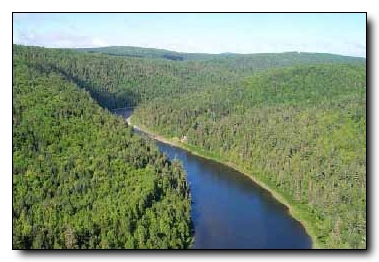
    Red Pine Mountain Lodge is situated approximately 30 miles upstream from Campbellton, New Brunswick, on one of the world’s most renowned big salmon rivers, the Restigouche. For over 150 years, this incomparable river has drawn anglers from around the globe in quest of some of the world’s largest and strongest Atlantic salmon. (see Largest Salmon below)

    Originating in the mountains of western New Brunswick, the Restigouche (also spelled Ristigouche) River flows in a north-easterly direction to the Bay of Chaleur, dividing the provinces of Quebec and New Brunswick in its final 40 miles. Bright salmon begin entering the river in mid-May. From this time through the month of June, the average fish taken is 18 pounds with better than 10% over 30 pounds. These are magnificently conditioned and incredibly strong fish. It is quality fishing at its very best.

    Joining the large multi-sea-winter salmon, the grilse run usually begins the last week of June and is in full swing by the second week of July. The catch rate can increase to one fish per rod day or better with the grilse-to-salmon ratio averaging 1-1 the first 2 weeks of July, gradually increasing to 3-1 by month’s end. The mid-July run of smaller, 10 – 20 pound salmon seems to have strengthened in recent years, greatly enhancing the July fishing. By August, most of the catch is grilse but large fish show up in the catch, particularly after a rise of water. Note: The season has recently been extended into the month of September and preliminary reports indicate the presence of a fall run.

    A provincial moratorium in effect since 1987 on the taking of multi-sea-winter fish has dramatically increased the returns of large repeat spawners. In 1990, the first 40-pound fish in 25 years was recorded at Red Pine. Nearly every year since, the camp has logged one or more bright, fresh-run fish over the magical 40-pound mark (the largest 47 pounds), as well as many in the high 30s.

    First Run Special !!!: The first run on the Restigouche has traditionally started in early to mid-May. In recent years it’s become apparent that the numbers of fish in this run are increasing, swimming through our waters before our traditional June 1 opening. For the 2009 season, we will be open the weeks of May 17th & 24th at a deeply discounted rate for anglers who would like to chase these first run monsters!. CLICK HERE FOR MORE DETAILS.

    Doc Foster's Father's Day 38 pounderDear Angler Adventures, I thought you would like to see one of the beautiful fish caught during our trip to Red Pine . My first class guide Gilles is holding a 36# silver bullet taken on Father’s Day. Thanks for a wonderful lodge and its crew , great food , the best company and permanent memories.
    Sincerely,  Dr. Richard M. Foster

    Fishing at Red Pine is done in the traditional Gaspe manner from 26-foot Cedarwood canoes, each with a guide and two anglers. Anglers either alternate “drops” in the canoe or one or both anglers may choose to wade fish. Five boats rotate through the camp’s major beats, which span five miles of private water. Productive pools on these beats include:

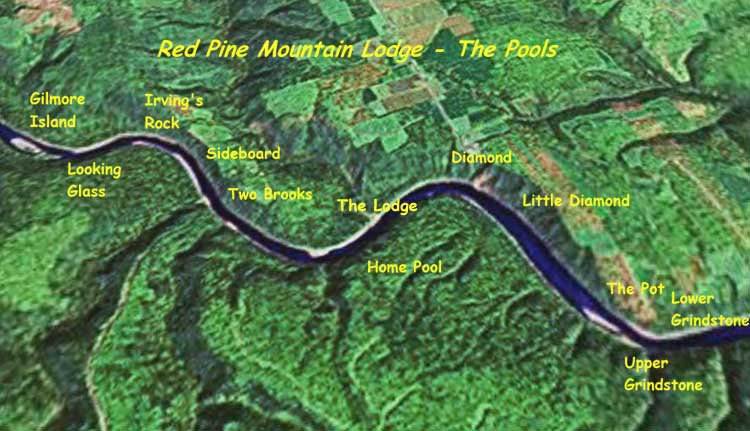
    Gilmore Island, Looking Glass, Irving’s Rock, Sideboard, Two Brooks, Home Pool, Diamond, Little Diamond, The Pot, Upper & Lower Grindstone.  (see Satellite Map of the Pools)

    Each of these pools is capable of producing 30 – 40 + pounders and provide more water than an angler can thoroughly cover in a day. The daily fishing periods are from 8:00 am to 12:00 noon and from 5:30 to 9:30 pm. Anglers, salmon and pools are rested for a few hours in the afternoon.

    The lodge is first class in every sense, preserving the traditional ambiance and warm hospitality Red Pine guests have come to enjoy for almost 80 years.

    The classic 1920s cedar and pine lodge is situated in the idyllic wilderness of the spectacular Restigouche Valley, flanked by lush green mountains and the red pines for which the camp is named.

    The name Restigouche, also spelled Ristigouche, is thought to be derived from the Mi’kmaq Indian word “Listuguj”, meaning “Five Fingers”, reference to the 5 major tributaries, the Gounamitz, the Kedgewick, the Patapedia, the Upsalquitch and the Matapedia.
    Perched on a high bank overlooking the river, the main lodge is fronted by a full length screened verandah, and houses a communal great room/dining room area with matching fieldstone fireplaces at either end.

    Sumptuous meals are prepared by our professional kitchen staff. Bread and tasty desserts are baked daily. Breakfast is served from 7:15 am. The main meal of the day is at 1:00 pm. A light snack is provided before the evening fishing and a light buffet is available afterwards.

    The guest rooms spread in both directions, adjacent to the main building, and are interconnected by a covered wooden porch. The rooms are pleasant and comfortable, each with two twin beds, dressing room, private bath with shower, full electric service and baseboard heating. Maid service is provided daily.

    The grounds and surrounding buildings are impeccably maintained. Additional camp structures include two ice houses, a boat house, the manager’s camp and the guides’ camp. Just behind the smokehouse, a well groomed path leading to a picturesque waterfall on Red Pine Brook makes for a popular after-lunch walk.

    View from the top of “Diamond” of lower home pool and the lodge.

    Deposit/Cancellation Policy

    A 50% deposit is required to secure a reservation. Deposits are non-refundable unless your space can be filled by another angler. Final payment is due April 1st and is, also non-refundable unless the space is filled.

    Red Pine extends priority booking courtesy to repeat guests. However, reservations not confirmed by deposit before November 1st are offered on a first come basis. Please call us to discuss availability. If we cannot accommodate your preferred dates, we will contact you after December 10th should spaces become available during your preferred time period.

    The Restigouche is almost entirely privately controlled. Red Pine represents of the few access points for anglers wanting to fish this remarkable river. If you would like to make a reservation at Red Pine or have any questions, please call. We look forward to hearing from you.

    Related ResouRces

    For Reservations or more information, contact

    Doug Schlink
    800-628-1447 – 860-434-9624
    Fax 860-434-8605
    E-Mail:doug@angleradventures.com
    PO Box 872, Old Lyme, CT 06371
    web site: AnglerAdventures.com

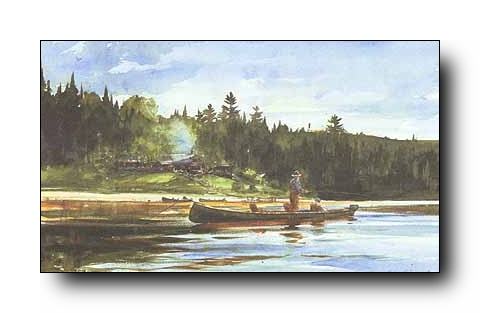
     “Home Pool at Red Pine” watercolor by John Swan at right.

  • Red Pine Mountain Lodge – The Pools

    Satellite Image from approximately 14,000 feet

    Description of the Pools

    It’s nearly 5 miles from Gilmore Island to the tailout of Lower Grindstone. The pools are grouped into 5 beats for each 2 anglers. Anglers rotate downstream, moving down one beat each morning and afternoon. The pool groupings can vary depending on water levels, but are usually as follows 1) Gilmore to Irvings Rock, 2) Sideboard to Two Brooks, 3) Home, 4) Diamond to Little Diamond, 5) The Pot to Lower Grindstone. In all but very low water conditions, these beats provide more water than 2 anglers can cover in a 4-hour fishing session.Gilmore Island: A medium to high water – short pool – only about 4 drops, best fished from the boat, but wadeable from the island side. Gilmore was ignored for years until on a hunch, a guide took a client up and he landed a 40 pounder. Since, the pool has produced a number of fish over 30 pounds.

    Looking Glass

    A classic bar pool and a beautiful wading pool in all but highest water. Mentioned by name in Dean Sage, “The Ristigouche and its Salmon Fishing”. The pool takes its name from the mirror like flat shards of mica imbedded in rock wall on the right bank.

    Irving’s Rock

    A good medium to high water run, wades well as the fish hold tight to left (Quebec) bank in high water above the rock. Also a beautiful and productive wade in medium height water on the right bank beginning 50 yards below the rock (the “New Pot?”). Irvings has given up 40 pounders.

    Sideboard

    An inigma! Some anglers love this pool, though many years lightly fished. Wadeable for deep wade-long line anglers.

    Two Brooks

    A huge pool that can produce in a number spots throughout its length – right to the rapids into Home Pool. Glorious wade from 100 yards above the top brook down past the old warden’s camp. The pool at the lower brook gets slow to get a good swing in low water but still holds fish right through the summer. A dry fly or a little hand twist will do the job in low water.

    Home Pool

    Another huge pool that produces in various water levels and areas. The top fishes well in medium to low, and is wadeable much of the way down. The middle produces very big fish in high water, and the tail can be extremely productive in medium high flows.

    Diamond

    One of the most beautiful and mysterious pools in our stretch. A good wade in medium to low water from the NB side. Spey casters can cover excellent holding water from the Quebec side in high water. A “rain pool” – if it starts to rain in the morning and the river starts to rise around 4:00 pm, I envy the fisherman who’s got Diamond that night!

    Little Diamond

    Another “sleeper” that often goes unfished. But Little Diamond has produced a 47 pounder in recent years!

    The Pot

    This run along the Quebec shore was rarely fished in years past but ice jams in the late 90’s altered the run creating what became one of our most productive pools for a number of years. The “Pot” proper has filled in the past few years and isn’t the surefire honey hole it was for 7 or 8 years, but the entire run still produces and is a great wade in all but highest water.

    Upper & Lower Grindstone

    Historically one of our most productive, this stretch offers an excellent wade for about 200 yards down to the top brook on the right bank. Good left bank wade from just below the brook across from Tent Rock. Lower Grindstone produces very big fish in high water, especially just above the 2nd brook. Be sure to check the shallow tail out of this pool as well. It’s an enormous pool and taking fish can be found throughout.

  • Red Pine Mountain Lodge – What to Bring

    Rods:
    Bring at least two rods in the following approximate lengths and weights: 8 ½ to 10-ft, single-handed rated for 8-10 weight line, or two-handed “Spey” rods of 12 to15 feet rated for 8-11 weight lines. Longer rods facilitate line control. Heavier weight lines facilitate casting large flies (early season). Rods with sufficient “backbone” to pick up a length of line into a change of direction cast (without false casts) allow you to keep the fly “fishing” longer resulting in more hook ups. (There are several rod/reels available at camp for guest’s use if you don’t have appropriate gear).

    Reels:
    Two reels are recommended (or at least one with extra spools). Your reel should have a smooth, strong drag mechanism, palming rim (optional) and a capacity for 200 yards of 20 or 30-lb. test backing.

    Lines:
    Two floating lines are suggested (most prefer weight forward). The Rio Windcutter and Mid-Spey lines are highly recommended for two-handed rods. While many fishermen use floating lines exclusively, a sink-tip line or an intermediate can be effective in high water. Some anglers use mini-sink tip systems (such as Orvis Instant Sink-Tips) with good results in high water. Bring spare backing as well.

    Leaders:
    To adapt to changing conditions, it is suggested that your tackle include spools of leader ranging from 8- to 25-pound test. Your guide will probably recommend heavy tippets, 15-20 lb. test in June and 12-15 lb. Test in July. Low water in late July and August may require using finer tippets. Leaders of 9-12 feet in length are generally used for wet flies, 12 – 15 feet for dries. Maxima Chameleon is widely accepted as the best leader material for salmon.

    Boots:
    If you do all your fishing from the boat, you won’t need waders, but fish are usually played, netted and released from shore. Therefore, “Wellington” type calf-high rubber boots with slip-resistant soles will keep your feet dry when you “go ashore” (which we hope happens frequently). If you plan to do any wading, chest-high waders with felt soles and a wading staff are recommended.

    Clothing:
    Your clothing list should include long underwear (for June fishing), wool socks, Patagonia-type pull-over or sweatshirt (hooded), windbreaker, jacket and a hat with a visor or brim. Full rain gear (pants and jacket) is essential. Persons sensitive to fly bites should bring a head net or a Bug-Armour type jacket.

    Accessories:
    We suggest you consider the following as well: Bug repellent, sun cream, lip balm, fishing vest (optional), clippers, leader material, polarized sun glasses, dry fly floatant, line dressing, forceps, wax candle (for waxing ferrules to prevent slippage), electrician’s tape (two-handed rods should be taped at ferrules to prevent slippage); pocket knife, flashlight, and a small water-proof pack or kit bag, for carrying personal fly boxes, gear, camera (send us your photos for the web site!) and clothing.

    Flies:
    Choice of hook size is dependent on water level. June fishermen use sizes 1/0-4 most frequently, but should carry flies tied on sizes 2/0-6. July and August fishing is mostly with sizes 4-8. While a matter of personal preference, double hooks are used most frequently on the Restigouche.

    Wet flies:
    Silver and Rusty Rats are the two most popular patterns on the Restigouche. The traditional “Restigouche or Arsenault dressing” features a white & black mixed hair wing with a black head rather than the more widely used gray fox or silver monkey wing with a red head. Both work, so it’s a matter of personal preference. While not widely known at other camps on the river, the Sugerman Shrimp is also one of Red Pine’s top producers. The following flies, in no particular order, have been effective at Red Pine in recent years.

    Wet Flies for the Restigouche

    Rusty Rat

    Silver Rat

    Rat (original)

    Black Rat

    Green Highlander

    Orange Blossom

    Black Bear Green Butt

    Sugerman Shrimp

    Night Hawk

    Half & Half

    Cosseboom

    Butterfly

    Colburn Special

    Silver Doctor

    General Practicioner

    Blue Charm

    Undertaker

    Green Widow

    Stonefly

    Pas Lake

    Magog Smelt

    Most of the above patterns are available for purchase at the camp. This list is not all-inclusive. If you have a favorite pattern not listed, by all means give it a try. It may turn out to be the “Fly of the Week”!

    Dry flies:
    Dry flies are not often used on Red Pine waters, but at times can be very effective. Your guide may recognize a particular rolling rise and advise you to try a dry. Or, if you are able to spot-cast to a fish, you can often raise them with a dry when they refuse a wet fly. The following patterns are recommended.

    Dry Flies for the Restigouche

    Bomber (#2-4)

    Wulffs (White, Royal)

    Irresistible

    Rat Faced MacDougal

    Auntie K.K. landing a salmon in GrindstoneRecommended reading

    The Atlantic Salmon by Lee Wulff
    A Master’s Guide to Atlantic Salmon Fishing by Bill Cummings
    The Atlantic Salmon and the Fly Fisherman by Gary Anderson
    Atlantic Salmon Flies and Fishing by Col. Joe Bates
    Salmon Fishing by Hugh FaIkus
    Atlantic Salmon River Log – The Gaspe by George Gruenfeld
    Tying and Fishing the Riffling Hitch – Art Lee

    For Reservations or more information, contact

    Doug Schlink

    800-628-1447 – 860-434-9624

    Fax 860-434-8605

    E-Mail:doug@angleradventures.com

    PO Box 872, Old Lyme, CT 06371

  • Red Pine Mountain Lodge – 2009 Season Rates

    Rates are Per Person, Double Occupancy in US Funds INCLUDING tax (GST & QST)

    Weeks run Sunday, 3:00 pm Atlantic Time to following Sunday morning

    2009 Rates have been calculated to include the 7.5% Quebec Sales Tax (QST) and the 5% Goods & Services tax

    (GST). Non-residents qualify for a 50% rebate of the GST. To alleviate paper work the Canadian government allows us to build in an “On the Spot” rebate, so you will not have to file an application for a refund. Your rate is calculated:

    Base Rate + GST + QST* – your non-resident rebate = Total Cost per person.

    Rates are Subject to Change at Any Time
    2009 Week Base +++ GST ++ QST+ – Rebate+++ = Total Cost

    1

    May 17 – 24 $3,000.00 $150.00 $236.25 $75.00 $3,311.25

    2

    May 24 – 31 $3,000.00 $150.00 $236.25 $75.00 $3,311.25

    3

    May 31 – June 7 $4,000.00 $200.00 $315.00 $100.00 $4,415.00

    4

    June 7 – 14 $5,000.00 $250.00 $393.75 $125.00 $5,518.75

    5

    June 14 – 21 $5,435.00 $271.75 $428.01 $135.88 $5,998.88

    6

    June 21 – 28 $5,435.00 $271.75 $428.01 $135.88 $5,998.88

    7

    June 28 – July 5 $5,435.00 $271.75 $428.01 $135.88 $5,998.88

    8

    July 5 – 12 $5,435.00 $271.75 $428.01 $135.88 $5,998.88

    9

    July 12 – 19 $5,435.00 $271.75 $428.01 $135.88 $5,998.88

    10

    July 19 – 26 $5,000.00 $250.00 $393.75 $125.00 $5,518.75

    11

    July 26 – August 2 $4,200.00 $210.00 $330.75 $105.00 $4,635.75

    12

    August 2 – 9 $3,000.00 $150.00 $236.25 $75.00 $3,311.25

    Rates are double occupancy (2 anglers sharing guide/canoe). Single occupancy rates (having your own guide/canoe/room) are quoted on request. Non-residents qualify for a 50% rebate of the GST only (no rebate on QST). Rate quotes for intact groups of 6 or more are available for weeks in May or August Partial weeks may be available.

    Included are: all taxes (calculated for non-residents with on-the-spot rebate); transfer from L’Ascension-de-Patapedia to camp; 7 nights lodging; 6 and 1/2 days guided fishing, 1 guide per 1-2 anglers per canoe; all meals; use of lodge’s rods and reels (must be reserved in advance).

    Not included are: transportation costs to L’Ascension (airport transfers from Charlo or Bathurst may be arranged at an additional cost); spirited beverages (you may bring your own or pre-order); Flies (available for purchase at the camp); gratuities to guide and camp staff; fishing license.

    Deposit/Cancellation Policy

    A 50% deposit is required to secure a reservation. Deposits are non-refundable unless your space can be filled by another angler. Final payment is due April 1st and is, also non-refundable unless the space is filled.

    Red Pine extends priority booking courtesy to repeat guests, and rebookings have been strong for next season. However, reservations not confirmed by deposit before November 1st are offered on a first come basis. Please call us to discuss availability. If we cannot accommodate your preferred dates, we will wait list you and contact you in November should spaces become available during your preferred time period.
    George Kenna with a fish on at Diamond

    Gilles release a 19 pounder, Two Brooks

    For Reservations or more information, contact

    Doug Schlink

    800-628-1447 – 860-434-9624

    Fax 860-434-8605

    E-Mail:doug@angleradventures.com

    PO Box 872, Old Lyme, CT 06371

    web site: AnglerAdventures.com

  • Camp Bonaventure

    Camp Bonaventure is situated on the stunning south shore of Québec’s Gaspé Peninsula, nestled in a natural stand of white birches on the bank of the Bonaventure River. Guests at Camp Bonaventure are immersed in a truly unforgettable Atlantic salmon fishing experience on what’s been described by many as “the clearest salmon river in the world”. This Atlantic salmon fishing lodge and sporting lodge has been designed for the most discriminating fly-fishing enthusiast and specializes in sight fishing for Atlantic salmon on some of the world’s clearest and pristine rivers.

    Camp Bonaventure has been designed with your every convenience in mind and built to satisfy the most discriminating sporting requirements. Camp Bonaventure provides comfort, service and standard of sport that repeatedly delights guests. The friendly and professional lodge staff will make you feel right at home from the moment you arrive until you depart.

    Camp Bonaventure provides its guests the opportunity to fish over 80 miles of three fabled Atlantic salmon rivers is Québec’s Gaspé Peninsula. This area of Québec boasts some of the best and most renowned Atlantic salmon rivers in the world, like the Bonaventure, the Grand Cascapedia, and the Petite Cascapedia.
    Atlantic Salmon Gaspe Style in Quebec at Camp Bonaventure

    The Bonaventure is legendary for water clarity. Spring fed and stable in all but the most severe spate, the Bonaventure will present the angler an astounding number of sight casting opportunities. The headwaters of the Bonaventure River (as well as the Cascapedias) begin high in the Chic-Choc mountain range in the heart of the Gaspé Peninsula. Supplemented by numerous springs, the Bonaventure reliably provides cold, clear water throughout the entire season. Some of Camp Bonaventures’ very best salmon fishing occurs at times when other rivers experience poor fishing due to high water temperatures or low water conditions.

    Camp Bonaventure’s typically rotate through pools on the Bonaventure, the world famous Grand Cascapedia where salmon in the forty-plus pound class are not uncommon, or the jewel like Petite Cascapedia, which is known for its gin clear picturesque pools holding big salmon and enormous sea-run brook trout.

    Fishing at Camp Bonaventure is done either by wading or in the traditional Gaspé fashion, from a 26-foot river canoe. During the early season the rivers allow for a combination of both wading and fishing from the canoe. Later in the season, the lower water levels are more efficiently fished by wading.

    Camp Bonaventure provides a laid back and relaxing atmosphere. The main lodge building features spacious and comfortably appointed living room, fully equipped fly-tying desk, and dining room with thirty-foot river-stone fireplaces. There is a large deck overlooking the river: a great place to enjoy a morning coffee or nightcap underneath the stars and share fishing stories. The main lodge also has four comfortably appointed guest rooms, each with a private bath and screened porch, providing accommodations for up to eight guests. In addition to the main lodge Camp Bonaventure has a 2-bedroom private guesthouse that offers a little more privacy. Designed for quiet and relaxation it features a spacious private living room with a huge thirty-foot fireplace, two spacious bedrooms with private baths and screened porches, and a wonderful patio complete with Adirondack chairs. For an added level of privacy, Camp Bonaventure will deliver fresh coffee and juice in the morning and hors d’oeuvres before dinner to guests staying in the guesthouse, if they prefer.
    Camp Bonaventure's main lodge builiding and dinning area

    Camp Bonaventure also has a convenient and well-designed rod room on the property. This separate building features private storage areas for each angler’s gear and waders, a rod rack that can accommodate even a 15-foot Spey rod, and a radiant heating system that will dry gear overnight. Guests will meet their guide in rod room each day, which always has fresh coffee in the morning and cool drinks when anglers return after a day on the river.
    Camp Bonaventure Guest hooked up to an Atlantic Salmon

    Camp Bonaventure employ’s a full time chef who prepares a diverse menu of fine dining that includes fresh local seafood, prime beef and a number of other excellent meals. Breakfasts feature a number of favorites including homemade wild berry jams, local maple syrup and fresh breads baked daily. Lunches can be taken picnic style on the river or enjoyed back at the lodge. Before dinner enjoy tasty appetizers with your favorite drink. The evening meals are served in the dining room, in front of an open fireplace, overlooking the beautiful Bonaventure River. Camp Bonaventure is happy to accommodate and guest’s special dietary requirements or preferences.

    Our Services are Free!
    Contact us for Seasonal Discounts, Special Offers or Promotional Pricing

    Camp Bonaventure 2024 Rates

    Camp Bonaventure opens for guests on June 10th as to ensure that fresh salmon are in the rivers when the first anglers arrive. The Atlantic salmon season officially opens in Quebec on June 1 with Salmon traditionally first arriving in late-May. Camp Bonaventure offers 3, 4 and 7-day packages:

    A  three day package would be an arrival on a Sunday and fish Monday, Tuesday and Wednesday or an arrival on Thursday and fish Friday, Saturday and Sunday.

    3 days $4350 CAD

    A four day package would be an arrival on Sunday and fish Monday, Tuesday, Wednesday and Thursday or an arrival on Wednesday and fish Thursday, Friday, Saturday and Sunday.

    4 days $5800 CAD

    A seven day package runs from Sunday to Sunday, Wednesday to Wednesday or Thursday to Thursday.

    7 days $10,150 CAD

    Single supplement, please add $900 per day, includes a private bedroom with bath and one-to-one guide ratio. Please note that a single angler without a fishing partner is not required to pay the single supplement. The supplement rate is only for an angler who requests to fish alone, have a single bedroom and a private guide.
    The non-fishing rate is $300.00 per day which includes lodging, meals and snacks.

    All prices are subject to a 14.9% government sales tax.

    Included in the Rate: Double occupancy accommodations, meals, wine with lunch and dinner, snacks, guided fishing with 2 anglers per guide, transportation while at the lodge, high-speed wireless Internet access; CD with photos taken by the guides.

    Not Included in the Rate: Travel Expenses; Fishing license; Gratuities; 5% GST and 9.9% QST tax; Alcohol; Personal Items; Fishing Equipment.

  • Red Pine Mountain Lodge – Links

    Atlantic Salmon Federation – The Atlantic Salmon Federation is an international non-profit organization that promotes the conservation and wise management of the wild Atlantic salmon and its environment.

    North Atlantic Salmon Fund – NASF’s solution to the wild salmon’s problems is very simple. We pay commercial fishermen not to fish for wild salmon. This strategy may seem straightforward but putting it into practice is both arduous and costly…

    North Atlantic Salmon Conservation Organization: Established to promote the conservation, restoration, enhancement and rational management of salmon stocks in the North Atlantic Ocean through international co-operation.

    Restigouche River Watershed Management Council The goal of the Restigouche Rivers Watershed Management Council (RRWMC) is to ensure conservation and restoration of the Restigouche River salmon resource and its habitat for the benefit of all Canadians – particularly those participating or otherwise involved in the salmon fisheries and the local communities.

    Restigouche Master Plan – Series of maps of the entire Restigouche system including the 5 major tributaries. Red Pine waters extend from Gilmore Island, Plan 5 to the “Grindstone Pools” (Upper and Lower Grindstone), Plan 4.

    Matapedia, QC Weather – Environment Canada current weather forecast from Amqui station, about 30 mile northeast of Red Pine.

    Edmunston, NB Weather – About 75 miles southeast of camp

    Restigouche Water Levels – Useful site to track water levels from the gauge just below the confluence with the Kedgwick River. Water levels at Red Pine may be higher if the Patapedia River valley gets a big rainfall. But generally, water levels between 0.7 and 1.7 meters indicate good fishing levels. To use site, accept disclaimer, select New Brunswick from drop-down menu, select Restigouche River below Kedgewick River. This will give a graph of water levels the past week, but you may enter dates as you prefer.

    New Brunswick “Fish 2008” – New Brunswick regulations apply to fishing anywhere on the Restigouche (whether fishing from the Quebec bank or the New Brunswick bank). However, you may legally fish “Border Waters” (which includes Red Pine waters) on either a New Brunswick or a Quebec Non-Resident Salmon License. Unless you plan to fish in New Brunswick waters before or after your trip to Red Pine, we recommend a “Quebec No-Kill License” (much cheaper – currently $10 + tax, subject to change). However, if you’d like to become familiar with the New Brunswick regulations, they are available here in .pdf format.
    W.W. Doak & Sons – top quality flies, materials, gear and tackle from this Miramichi “institution”. Wonderful color photos of hundreds of fly patterns.

    Campbellton.org – interesting info on this historic community at the mouth of the Restigouche

    The Upper Restigouche – Canadian Heritage Rivers website

    Tourism New Brunswick – good source of info if you are traveling in the Province

    Destintation Restigouche – Restigouche County tourism board website

    Restigouche County – Interesting site devoted to the history of the area. Interesting old photographs

    Tales From the Restigouche – on New Brunswick.net

    RedPineMountainLodge.com – This is just another entry page for our website

    Doug’s Jazz website – When not selling fishing trips, or actually fishing, I play jazz piano -like salmon fishing at Red Pine, a labor of love; but I’m probably a better salmon fisherman than a piano player, and that’s no boast about my prowess astream!

  • The Restigouche River, Home of The Largest Atlantic Salmon Ever Landed in North America

    On June 23rd, 1990, Ken Jamieson, member of the Ristigouche Salmon Club was fishing out of the Club’s Pine Island Camp on Cross Point Pool, about 6 miles above Red Pine Mountain Lodge. At 6:00 pm, using a 9 foot, 9 weight rod, a 15 pound test tippet and a #4 double Silver Rat, Ken hooked a VERY large fish. After a 1-hour & 15-minute battle, Ken was able to beach the monster (it dwarfed the net) and guide Charlie Adams, with the assistance of two passing canoeists, was able to measure and quickly release the massive fish.

    Restigouche salmon estimated at 60 pounds

    A Giant Restigouche Atlantic Salmon taken in June 1988 by Mike Crosby. Estimated weight, 60 pounds. No, it’s not a tarpon…and it’s not even the largest salmon from the Restigouche!

    The giant salmon measured 68 1/2 inches in length and 29 inches in girth. Using the old William H. Wood formula, L X G squared divided by 800, this fish weighed an incredible 72 pounds. However, using the modern adjustment (considered more accurate for salmonids and nearly identical to the G.H. Maunsell formula from the 1933, “The Fisherman’s Vade Mecum), this fish would top 76 pounds. The Ally Gowan formula, developed over years from salmon that had been harvested, weighed and measured from the River Tay in Scotland, would put this fish at 86 pounds! Even using the most conservative Wood Formula as an estimate, at 72 pounds, this fish was clearly the largest Atlantic salmon ever landed in North America. (see formulas below)

    The IGFA lists Donal O’Brien’s 47 pound salmon from Quebec’s Cascapedia in 1982 as the current world record on fly with a 16-pound (8 kg.) test tippet. The all tackle record was 79-pounds, 2-ounces taken in 1928 on heavy conventional rod and reel on the Tana River in Norway. The largest Atlantic salmon ever taken by flyfishing was 74 pounds, landed in 1921 on the Aaroy River in Norway. As the Restigouche is under New Brunswick catch & release regulations, we’ll never know the exact weight of Jamieson’s giant salmon. But not only was it the largest Atlantic salmon ever taken in North America, it qualifies as one of the largest Atlantic salmon ever taken on rod & reel in the world!

    Capturing a 50-pound Atlantic salmon is something that might occur once every quarter or half century. Well consider Jamieson’s monster salmon came just 2-years after Mike Crosby of Halifax released a fish estimated at 60+ pounds on the Restigouche (see photo above). And in the past 20-years, there have been numerous other releases of Restigouche fish topping the 50 pound barrier (most recently a 52 pounder in 2007)! At Red Pine Mountain Lodge, we’ve lost a few that we believe might have topped the magical 50 pound barrier (our lodge record is 47-pounds, weighed). But it’s only a question of time before some lucky angler at Red Pine breaks the 50-pound mark. Wouldn’t you like to be the one?

    Formulas to Estimate Weight of Atlantic Salmon

    William H. Wood Formula: Length X Girth Squared Divided by 800 (L & G expresssed in inches)
    L

    G

    G Sqrd

    L X G Sqr

    800

    Est Lbs.

    68.5

    29

    841

    57608.50

    800

    72.010625

    Modern Adjustment for Salmonids: Length X Girth Squared Divided by 750
    L

    G

    G Sqrd

    L X G Sqr

    750

    Est Lbs.

    68.5

    29

    841

    57608.50

    750

    76.81133333

    Maunsell’s “Fisherman’s Vade Mecum” formula (LX4/3) X G sqrd/1000 (L & G in inches) = Lbs
    L

    68.5 1.3333 91.33
    G

    29 sqrd = 841.00
    product 76809.41305
    divisor 1000
    Pounds 76.80941305
    Gowan Formula: K (constant factor of 41.4) X L X G Sqrd = Kgs. (L & G expressed in meters)
    Inches

    x Conv.

    Meters

    L

    68.5

    0.0254

    1.7399

    G

    29

    0.0254

    0.7366

    K

    L x

    G x

    G x

    wgt. Kg

    41.4 1.7399 0.7366

    0.7366

    39.0830149

    2.2046

    wgt. Lbs. 86.16

    For Reservations or more information, contact

    Doug Schlink

    800-628-1447 – 860-434-9624

    Fax 860-434-8605

    E-Mail:doug@angleradventures.com

    PO Box 872, Old Lyme, CT 06371

    web site: AnglerAdventures.com

  • Camp Brûlé

    Camp Brûlé on the Petite Cascapedia offers classic Atlantic salmon fishing in the Grand Old Style, with comfortable, riverside accommodations, gourmet meals, great guides and fishing on three of Quebec’s greatest salmon rivers, all served up with the charm and ambience of bygone eras. Click here to watch a video about an anglers perspective on Camp Brule.

    Camp Brûlé was originally built in the early 1880’s as the Petite Cascapedia Club. This historic lodge has hosted anglers from around the globe since 1883. The McWhirter family has been involved in the camp ownership and administration since it first opened. Current camp manager/guide, Kevin McWhirter represents a 4th generation of McWhirters affiliated with Camp Brûlé. The camp can accommodate conference groups of up to 18, but during salmon season accommodates a maximum of 8 rods.
    .

    Nestled between the larger and more well known Grand Cascapédia and Bonaventure rivers, the Petite Cascapédia is a jewel of a salmon river and her devotees cherish her relative anonymity and are happy to let these other two receive the glory as well as the fishermen!

    Originating in the Chic Choc Mountains of the Gaspé Peninsula, the Petite Cascapedia runs roughly 70 km into the Bay of Chaleur. Blessed with abundant spring feeds, the Petite is the coldest river on the Gaspé and during mid-summer, water temperatures average 55 degrees F. The Petite is a slightly later river than the Bonaventure or the Grand and prime time is considered June 20 – August 15.

    Renowned for gin-clear water, the Petite Cascapedia is an outstanding river for the dry fly, producing some very large (30 to 40 + pound) salmon. Petite salmon are also known as agressive takers, and most of the time if you locate a fish, you can get him to come to the fly. The river also hosts excellent runs of some of the largest sea-run brook trout in the world, sometimes topping 10 pounds.
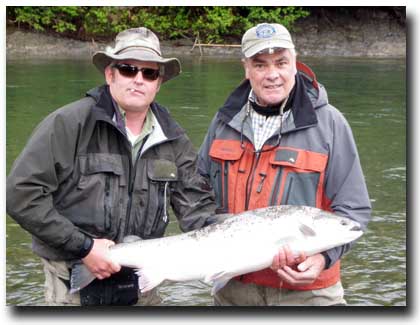
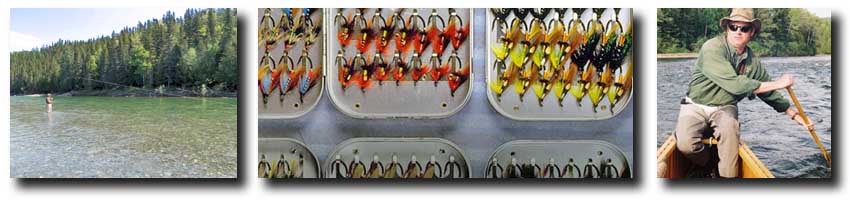
    Camp Brûlé is situated on the lower third of the Petite Cascapédia at the midpoint of their 5 kilometers (about 3 ½ miles) of private water. The camp water is divided into two beats, Upper and Lower with 12 productive pools, as well as several “pots” and “runs” that will hold fish. Typically, 4 guests will fish the “home water” (2 on the upper, 2 on the Lower), and the other 4 anglers will fish Bonaventure or upper Petite, and Societé water or their private water on the Grand. The upper beat of the Camp water starts at Mackenzie, a long and beautiful “ledge” pool that holds fish for several hundred yards and is outstanding dry fly water throughout. The famous Jack Louis Pool is also on this upper stretch and is one of the most productive pools on the river. Jack often is holding a hundred or more salmon by mid-summer. When it’s “on” the sheer size and productivity of Jack Louis will leave little or no time for two anglers to fish anything below it.

    The lower beat starts at Burnt Jam, not only a good salmon pool but one that often holds many seatrout. Other feature pools on the lower stretch include the Upper Julienne’s Hole, Lower Juliennes and the beautiful Blue Banks. These are just a few of the stand out pools, but the guides frequently can spot fish holding in other pools or “pot holes” between the major pools, and it’s well worth it to stop, and cover those fish, either with a wet or dry fly. Brûlé salmon love their Bombers!

    Outboard motors are not permitted on the Petite and Brûlé’s guides are masters at the dying art of poling a river canoe. Those fishing the Upper Beat are driven to a launch site 2 miles above the camp. Traditionally, two rods and a canoe will work each beat in the morning and then rotate down to the Lower Beat for the evening fishing. Both beats are fished either by wading or from the canoe. Brûlé fishes a traditional split day, from around 8:00 am – 1:00 pm, with the main meal served at midday. You return to the river for the evening session, from about 4:30 pm to 9:30, the most productive hours of the day.

    Moving along in the standard rotation, anglers then rotate over to Brûlé’s private water on the A sector of the Grand Cascapédia just about a 20 minute drive from the camp. This consists of a series of pools, known collectively as Barter’s. The Grand of course is known as North America’s greatest producer of large salmon. Most seasons the Grand produces a half dozen or more fish topping the magic 40 pound mark. Guests may also pack a lunch and do a “day trip” to the Upper Grand fishing on either the Lake Branch or the Salmon Branch, both about an hour’s drive from camp. This is a combination of wade fishing and canoe fishing.

    The remainder of your fishing time, you rotate through available water on either the Upper Petite above the camp, or over on the beautiful Bonaventure, about a 25 minute drive from the camp. Like the Petite, the “Bonnie” is also a crystal clear river renowned as one of the world’s best dry fly salmon rivers. While its salmon are slightly smaller average size than on the Petite or the Grand, the Bonaventure boasts the largest run of fish on the Gaspe, and still produces its fair share of 20 to 30 pounders. The Bonnie also receives strong spring feeds and stays cold all summer long. All three of these rivers, especially the Grand, boast high salmon to grilse ratios.

    This is the typical rotation which offers the unique opportunity to fish 3 of Québec’s greatest salmon rivers within your week. But having all three rivers at their disposal, Brûlé maintains the flexibility to change up the rotation. If one river is fishing poorly, usually good fishing can be found on one or both of the other two. Having this flexibility to change up greatly enhances guests’ chances for a productive trip.

    Camp Brûlé’s season begins around the 10th of June and peak season is from June 20th through the middle of August. Large salmon, frequently in excess of 30 pounds, begin moving in during the first three weeks of June. The bulk of the run through the summer months is dominated by salmon in the 10 – 20 pound range, enhanced by a run of grilse beginning around the second week in July. Fresh run fish are taken right through the summer and into September. Some of the largest sea run brook trout in the world have come from the upper stretches of the Petite. These run from May building to a peak around mid-August. The Petite also receives a fall run os salmon in September.

    The Bonaventure is about a week ahead of the Petite most years, and usually produces consistently from the 10th of June. The Grand Cascapédia can offer some very good fishing even as early as the first week in June. All three rivers have fall runs beginning in late August.

    Our Services are Free!
    Contact us for Seasonal Discounts, Special Offers or Promotional Pricing

    Camp Brûlé 2016 Rates

    Rates are fixed in Canadian dollars. During prime salmon weeks, June 16th – September, the rate is $5,500 per person based on two anglers sharing a guide/canoe (single rooms are available on request).

    Included: 7-nights lodging; 6-days of guided fishing with one guide per two anglers; boats, motors and fuel; all meals; beer, wine and limited open bar (if you have a particular brand you like, please bring it with you); Salmon License (Quebec No Kill License)

    Not included: Transfers to Camp; gratuities; 5% Goods & Services Tax (GST) and 9.9 % Quebec Provincial Sales Tax (PST); ATR tourism fee; hotel overnights en route to and from camp if required; airport transfers if required ($150 per vehicle trip for Bathurst, NB pick up/drop off).

  • Wilson’s Sporting Camps

    Wilson’s Sporting Camps are located in McNamee, New Brunswick, on the upper portion of the legendary Miramichi River, one of Canada’s premier Atlantic salmon fisheries. The Wilson family has been in the business of providing great Atlantic salmon fly fishing for over a century and a half. The Wilson’s own and/or lease the largest tract of private water on the Miramichi, more than any other outfitter or individual. Guests at Wilson’s Sporting Camp have access to a total of 16 Salmon pools on the Miramichi, many considered to be among the river’s finest.

    Wilson’s pools are intimate and varied in character, and offer productive options for any water level. Even with so much water, Wilson’s only fishes 8 rods per day and rotates anglers over their 16 premier salmon pools.

    The camp employs a seasoned staff of expert salmon guides, several who’ve fished these pools for over 25 years. Fishing is normally 2 anglers per guide, although single guides are available on request.

    During the summer, the fishing is divided into two sessions to capitalize on the most productive fishing times. Typically morning fishing is from 8:00 am until noon. You’ll return to camp for the main midday meal and a brief rest. The evening fish is from 5:00 – 9:00 pm. A lighter evening meal is served at 9:30 pm. As the days shorten, the camp will go onto the fall fishing schedule heading out in the morning, taking a shore lunch on the river, and returning to the lodge for dinner.

    The center of activity is the beautiful new Big Murphy Lodge which houses the dining room, kitchen, the fly shop and the Angler’s Lounge, which features a majestic stone fireplace, overstuffed leather furniture, big screen TV, a full service bar and large picture windows offering spectacular views of the river valley. Guests enjoy wonderfully prepared home style meals served in this gracious setting.

    Guests are accommodated in 3 beautifully appointed Miramichi style cottages with all the modern amenities including air conditioning, clean and efficient electric heat, bottled water coolers, refrigerator and top quality bedding and linens. Daily housekeeping service is provided.

    “Murphy Camp” is the largest with four bedrooms, two baths, living room, full kitchen and a spacious screened-in deck overlooking “Big Murphy” pool. This unit has a total of six beds, four twins and two doubles.

    The “Schiffman Camp” has a large living room, two bedrooms and two bathrooms, and a nice screened-in porch. Each bedroom has two double beds, sleeping a total of four guests.

    “Little Murphy Cabin ” is the newest addition with two bedrooms, each with two double beds and two baths, living room and kitchen.

    Wilson’s Sporting Camp also has a fly shop well stocked with expertly tied salmon flies to cover all conditions, leader material and other tackle needs, and gift iterms.

    The fishing season on the Miramichi begins with “spring salmon” fishing, April 15th – May 15th for outward bound fish who have overwintered. Late May and early June brings the searun brook trout. The first runs of “Rocky Brook” salmon show up in early June, but the main bright salmon season is from June 15th until October 15th. While the fishing is normally best from late June through July, and mid-September through October 15th, August can be excellent if water conditions are favorable.

    Whether its bouncing a dry fly down a ripple or swinging a wet fly over a deep, “sure-thing” lie, Wilson’s Sporting Camps is a great place to experience Atlantic salmon fishing on the Miramichi River. Please email Doug Schlink at doug@angleradventures.com or call (800) 628-1447 / (860) 434-9624 for more information or to make a reservation.

    Our Services are Free!
    Contact us for Seasonal Discounts, Special Offers or Promotional Pricing

    Please call or email for Wilson’s Sporting Camp’s current rates.

    Rates include: all meals, lodging & guide service (two anglers per one guide).

    Not included: Federal and provincial taxes (15% HST), salmon license, gratuities or alcoholic beverages.

  • Vididalsá River

    Vididalsá is one of Iceland’s classic north coast salmon rivers blessed with perfect fly water, top to bottom, and a reputation for producing exceptionally large fish. The Vididalsá is an 8-rod river. There are 38 kilometers of fishing, which are divided into four 2-rod beats, 3-beats on the main river and the 4th on the main spawning tributary, the Fitjá which is one of the four beats.

    The main river is medium to large size. Light, double-handed rods are most commonly used, but most of the pools can be thoroughly covered with a single-handed rod. The pools range from classic picturesque canyon pools in the upper reaches gradually changing to a more relaxed meandering in the lower reaches of the valley. The Fitjá beat by contrast is rougher water with boulder strewn runs interspersed with rapids. The Fitjá however is very productive, especially early in the season when the first runs use the higher water to get up to the spawning grounds quickly. All of the pools are readily accessible by jeep and little walking is required.

    Vididalsá has always been ranked among Iceland’s top rivers, and several of the very few Icelandic salmon over 30 pounds have been caught here. It has a 30-year average of over 1100 fish to just 8 rods. In recent years,

    perhaps due to more widely practiced catch & release ethics, the numbers have been quite impressive. In 2004, Vididalsá finished 6th in country with 1770 fish, and as of late August, 2005, the catch was over 1600. This are excellent numbers for an 8-rod river, but even more impressive given that about one third of the catch are MSW fish of 14 pounds or better, and many fish over the 20 pound mark are taken each season. It’s easy to see why the Vididalsá is one of the most sought after rivers in Iceland.

    Vididalsá anglers stay at the riverside Tjarnarbrekka Lodge, where anglers are attended to in grand style. There are 8 twin-bedded, double occupancy rooms (rod sharers share a room) with private baths. Gourmet meals are prepared by a world-class chef and served in the lodge’s comfortable dining room. A cozy living room area with overstuffed leather couches and chairs offer a comfortable spot for rods to relax and swap fishing stories during off hours. Additional facilities at the lodge include the bar, a full sauna, and a wader drying room.

    Vididalsá is usually booked solid one year in advance for the prime weeks from July 1 – August 10. Occassionally a few rods will become available during peak season, but this river is that productive that excellent fishing can be had during shoulder periods. Please call or email us for available dates.

    For Reservations, Contact:

    Doug Schlink
    Angler Adventures
    P.O. Box 872
    Old Lyme, CT 06371
    USA
    800-628-1447 (US)
    860-434-9624 (Int’l)
    Fax: 860-434-8605
    Email: doug@angleradventures.com

  • Laxá á Ásum

    Laxá á Ásum

    The Laxá in Ásum is considered by many anglers to be the single best salmon river in the world. It is renowned for producing the highest average number of salmon per rod/day.

    Unlike most other north coast rivers, Ásum is primarily a grilse river with fish averaging about 6.5 pounds. A few multi sea winter fish in the high teens are taken each season. But the numbers more than make up for the smaller size of fish. This little gem has an annual average of over 700 fish, but this is to just 2 rods! The fishing during shoulder periods is better than on most other rivers. But during peak weeks, Ásum is simply…AWESOME!

    Laxá in Ásum is a fly only river for the entire season and voluntary catch and release is widely practiced. It is perfectly suited for light single-handed rods, floating lines and very small flies. Ásum’s salmon will rise enthusiastically to a well presented riffling hitch.

    The fishing there is so good that a quota was instituted limiting the catch to 20 salmon per rod per day. Even though the river is now fly fishing only, anglers are still catching double-digit numbers daily during the peak season.

    Ásum has become a favorite among the “rich & famous” who enjoy not only the great sport, but the exclusivity of having this two-rod river completely to themselves. Royalty, rock stars and heads of state comprise a large portion of the clientele.

    Despite the highest “price tag” of any salmon river in Iceland, (perhaps the world), the river remains extremely popular and is traditionally booked solid from opening day to the close of the season. However, rods do become available from time to time. If you would like to sample this incredible river, please contact us to be waitlisted for the next available opening. This is truly a river worth waiting for!

    For Reservations, Contact:

    Doug Schlink
    Angler Adventures
    P.O. Box 872
    Old Lyme, CT 06371
    USA
    800-628-1447 (US)
    860-434-9624 (Int’l)
    Fax: 860-434-8605
    Email: doug@angleradventures.com

  • West Rangá

    The West Rangá has vied with her smaller tributary, the East Rangá, for the #1 & #2 positions as Iceland’s most productive salmon river for the past 20 years. Most years the West is #1.  2019 was an exception where extreme low water that hurt all Icelandic Rivers and the West finished #2 to the East with just 1,675 fish landed. However, West Rangá has yielded an incredible average annual catch of 6,490 salmon over the past 14-years and is indisputably the single most productive salmon river in Iceland. 

    Rangá is located in the lush southern part of Iceland, approximately a one-hour drive east of Reykjavík. The West or Ytri-Rangá is the larger of the two tributaries with over 50 kilometers of salmon water.  However  the best fishing is on the 15 kilometers from the waterfall Árbæjarfoss down to the junction with East Rangá.  The West is essentially an enormous spring creek and as such, enjoys much greater stability of flows than the East.

    The Rangá’s success is due to a unique smolt rearing and stocking program that has moved it from a minor salmon producer by Icelandic standards to the most productive salmon river system of the past two decades. This program continues to improve and the future of the Rangá’s incredible runs seem assured.

    The West Rangá is a medium to large size river, but fished entirely by wading, and many of the lies and can be covered with a single-handed rod.  However, due to both it’s larger size and the prevalent winds along the south coast, a double-handed rod is a more efficient tool.

    Due to its entirely spring-fed source, the West Rangá enjoys consistent flows as well as cooler water temperatures than many other Icelandic Rivers. For this reason, sunk fly techniques, often in conjunction with sink tip lines (or sinking leaders) are frequently more productive. During warm weather, fish will often respond to smaller flies fished on floating lines, as well as hitched and stripped Sunray Shadows (or the locally popular viariant, the Bismo).  Anglers need to be prepared to try a variety of methods.

    As with most south coast rivers, the Rangá is primarily a grilse river. Rangá grilse are quite large by comparison to Canadian grilse, and usually range from 6 – 9 pounds (grilse as heavy as 10 pounds are not uncommon and fish under 5 pounds are rare). 2-sea-winter salmon range from 12 to 20 pounds, with the occasionally fish over 25. Peak weeks have seen in excess of 500 salmon caught by 12 rods.
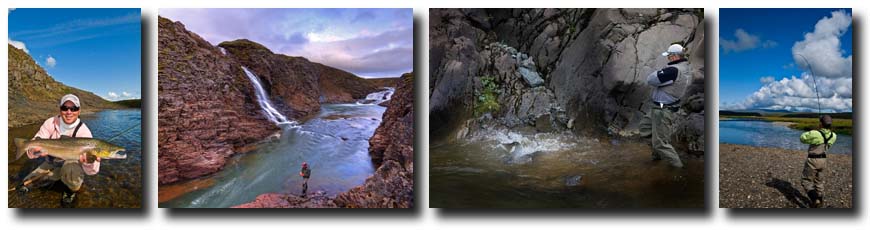
    Accommodations at West Ranga are in the brand new lodge overlooking Home Pool. Each full rod has its own private room, and there are ample accommodations for full rod sharing. The comfortable rooms each have two twin beds, full private baths and ample closet and shelving space for storing items.

    Meals and socializing occur in the newly refurbished main house lodge, adjacent to the sleep lodge, and also overlooking the “hot spot” in Home Pool. The lounge area offers comfortable over-stuffed leather couches and chairs making a comfortable spot to unwind and exchange stories from the day.

    West Ranga is fished in two daily 6-hour sessions; from 7:00 am to 1:00 p.m. and from 4:00 p.m. to 10:00 p.m. Because of the lengthy fishing day, rod sharing is popular giving each angler 6 hours of daily fishing. The river is limited to a maximum of 12 rods and is divided into five, two-rod beats in a rotation that changes after lunch each day.

    All the pools on West Ranga are easily accessible by car and little walking is required. Experienced English speaking guides with 4-wheel drive vehicle are provided at a ratio of one guide for each two-rods.

    For Reservations, Contact:

    Doug Schlink
    Angler Adventures
    P.O. Box 872
    Old Lyme, CT 06371
    USA
    800-628-1447 (US)
    860-434-9624 (Int’l)
    Fax: 860-434-8605
    Email: doug@angleradventures.com

  • Miðfjarðará Laxavhammur Lodge

    If any river captures the beauty and mystique of salmon fishing in Iceland, it is the magical Miðfjarðará. Many veteran salmon anglers who’ve been lucky enough to sample many of the world’s best rivers, routinely rank Miðfjarðará as their very favorite.

    Located in the Northwest, approximately a three-hour drive from Reykjavik, the Miðfjarðará is one of Iceland’s most productive and exclusive salmon rivers, frequently ranking among the very best. The popularity of this river stems from the broad diversity of pools, the gin-clear waters, as well as the abundance and average size of her fish.

    The river system consists of the main river, Miðfjarðará, and its three tributaries, Austurá, Núpsá and Vesturá. Miðfjarðará is 15 kilometers in length and salmon run all of it. Austurá (the famed canyon branch) is fishable for 23 kilometers, or all the way to Vals-falls, Núpsá for 19 kilometers to upper Fosskots-falls, and Vesturá for 27 kilometers to Hyrnu-falls. Altogether this provides 84 kilometers (over 50 miles) of fishable water, in over 200 named pools. The rivers are fed by lakes on the high heaths above the valley, many of which are ideal feeding waters for alevins and parr. The heaths are fertile, with much vegetation, untouched by man, and unpolluted. They are among the great wetlands of Europe. From there the rivers run down to a peaceful agricultural district with a varied landscape.

    Like most of the northern rivers, Miðfjarðará is considered a big fish river. Grilse are large, averaging around 7 pounds most years and two-sea-winter fish usually range from 10 to 18 pounds, but are taken up to 24. Salmon begin entering the river the third week of June. Most of the early run fish are large two-sea-winter fish. The grilse run usually begins around the 10th of July and are generally heavy, well conditioned fish from 4 to 9 pounds.

    The main Miðfjarðará is a medium sized river and her three tributaries vary from medium to small in size. Sink tip lines and weighted tubes fished on two-handed rods are often prevalent in late-June but by the 1st of July, floating lines, single handed rods and smaller flies are the norm. Miðfjarðará fish love the “hitch”. Either the popular European “hitched tube” or conventional flies with presented with the “Riffle hitch” provide thrilling surface takes. Access to most of the pools is relatively easy although the beautiful canyon beat on the Austurá, comprised of 46 pools, will require a fair amount of walking and some light climbing. Many devotees consider Austurá the most beautiful and interesting salmon water on earth.

    For many years the average seasonal number of salmon caught in the Miðfjarðará was approximately 1,600 which ranked it among the top 10 rivers in the country.  Historically in Iceland, nearly all rod caught salmon were harvested. However in 2008, Miðfjarðará became one of the first Icelandic river to be managed as a total catch & release river, and the resulting increase in numbers and size was both immediate and dramatic.

    In 2009, Miðfjarðará lead all wild Icelandic salmon rivers with an amazing 4,004 fish (about a 4.5 fish per rod per day over the 90 day season!).  And 2010 was a duplicate with 4,050 fish. In 2015, the river produced 6,028 rod caught salmon, by far the highest number ever recorded for any natural salmon river in Iceland.  Through the 2019 season, the average annual catch has been 3,258, more than double the average catch prior to the introduction of catch and release! 

    The run begins in late June and through mid-July is comprised mainly of MSW fish, some topping the 20 pound mark. Mid-July marks the beginning of the grilse run and prime time which continues through August. This is the time period when daily rod catches can soar to double digits. September still produces excellent fishing for those willing to deal with the possible cold and inclement weather.

    The recently remodeled and updated Laxavhammur Lodge is centrally situated midway between the west branch and the canyon branch. The lodge offers 10 double occupancy, twin-bedded rooms each with a private bath. Other amenities include a sauna, wader drying room, living room/bar and attractive dining room where gourmet meals are served. Chef Hákon Már Örvarsson, is renowned throughout Europe and is a past medalist in the Bocous D´Or Culinary Competition of Europe.

    Miðfjarðará is fished in two daily 6-hour sessions; from 7:00 am to 1:00 p.m. and from 4:00 p.m. to 10:00 p.m. Because of the lengthy fishing day, rod sharing is popular giving each angler 6 hours of daily fishing. The river is limited to a maximum of 10 rods and is divided into five, two-rod beats in a rotation that changes after lunch each day. Experienced English speaking guides with 4-wheel drive vehicles are provided at a ratio of one guide for each two-rods.

    Angler Adventures is pleased to offer packages for several the most desirable weeks of the 2020 season. Please call us for rates and availability.

    For Reservations or More Information, Contact:
    Doug Schlink
    Angler Adventures
    P.O. Box 872, Old Lyme, CT 06371, USA
    800-628-1447 (US) or 860-434-9624 (Int’l)
    Fax: 860-434-8605
    Email: doug@angleradventures.com

  • East Rangá River

    East Rangá River

    The East Rangá has received wide acclaim, along with its sister river, West Rangá as two of Iceland’s top producers over the last 20 years. In fact the two rivers usually occupy the #1 and #2 positions for top producers.  Despite extreme low water conditions which dramatically impacted catch rates on all Icelandic river in both 2018 & 2019,  East Rangá held her own with 3,960 and 3,048 fish respectively.  That 3,048 in 2019 ranked East Rangá #1 among all Iceland’s rivers (beating out #2, the West by 1,400 fish).  While a 3000 fish season is an exceptional number for any river in Iceland, the East had produced a 13-year average catch of 4,220 with her best year in 2010 with an impressive 6,280 fish landed. 

    East Ranga bright salmon Angler AdventuresEast Rangá is located in the lush southern part of Iceland, approximately a one hour drive east of Reykjavík.   The river system consists of the main river West Rangá and it’s smaller tributary, East or Eystri Rangá. The entire system provides 70 kilometers of salmon water but the 22 kilometers of the East Rangá are extremely productive.
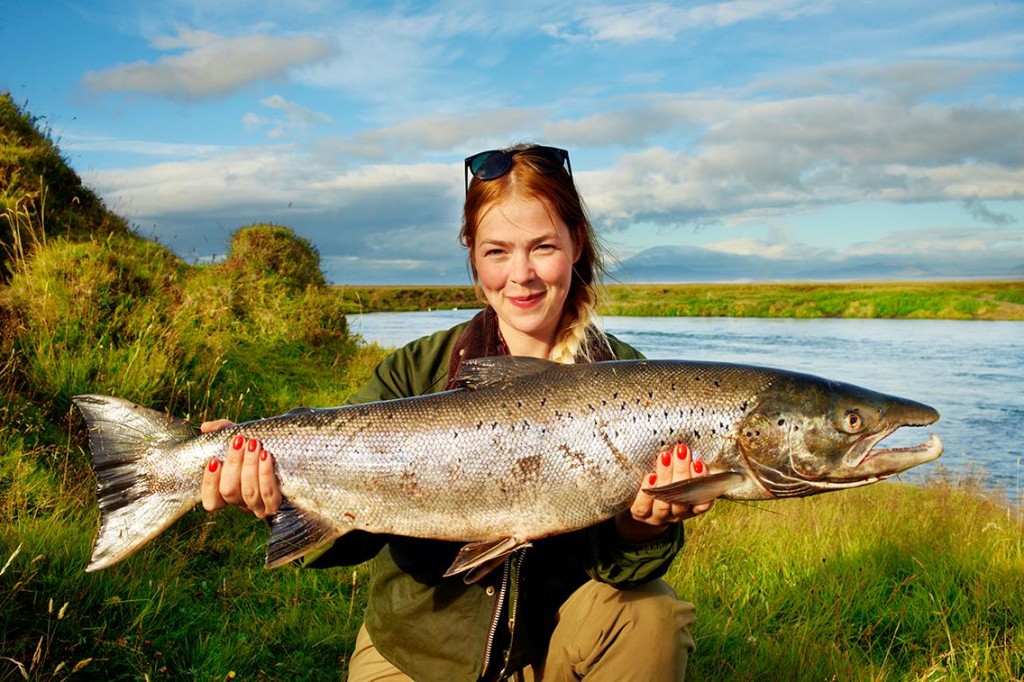
    The Rangá’s success is due to a unique smolt rearing and stocking program that has moved it from a minor salmon producer by Icelandic standards to the single most productive salmon river system of the past 2 decades! This program continues to improve and the future of the Rangá’s incredible runs seem assured. 

    The East Rangá, a tributary of the larger West Rangá is a medium sized river and can be covered easily with either single or double handed rod. The river’s natural flow is augmented by some glacial melt which keeps water temperatures cooler than many other Icelandic Rivers. For this reason, sunk fly techniques (weighted tube flies are the norm early in the season), often in conjunction with sink tip lines (or sinking leaders) are frequently more productive. Later in the season, fish will often respond to smaller flies fished on floating lines, but periods of unusually warm weather can increase glacial run off and actually cool the river, so anglers need to be prepared to try a variety of methods.


    E Ranga Girl salmon Angler Adventures

    The best flies for East Rangá are:  Bismo (light tube – Local variation of the Sun Ray), Sun Ray Shadow (1 inch), Snaelda (¼ – ½ inch), Black & Blue (½ inch, cone head), Collie Dog (½ – 1 inch), Pool Fly (local fly), Frances cone tube (¼ – ½ inch, red, black)  and the Friggi (¼ – ½ inch).  These patterns are usually available at the lodge for purchase or may be pre-oreded. 

    As with most south coast rivers, the Rangá run is primarily grilse, usually ranging from 5 – 9 pounds. The average fish is slightly more than 7 pounds. 2-sea-winter salmon generally range from 12 to 20-pounds, but specimens as large as 27 pounds have been landed.   Many of the pools have “live boxes” where any multi-sea winter fish, particularly females may be placed for collection to enhance the gene pool.  This progam has been successful in producing a higher number of larger MSW salmon returning to the river in recent years. 

    Peak weeks have seen 400 – 500 salmon caught by 14 – 16 rods. Like her big sister, the West Rangá, East Rangá’s pools are easily accessible by car, and offer very easy wading.  Very little hiking or negotiating rough or steep terrain is required making the river user friendly for clients off all ages and physical abilities. 

    The luxurious, new, riverside Rangá Lodge offers anglers services and amenities commensurate with this world-class fishery. One main building houses with the kitchen and spacious dining area where gourmet meals are served. The second main building houses a spacious living room with a full service bar. is tastefully decorated with an array of overstuffed leather couches and chairs.There are 18 double rooms with a private bathroom with a shower.   Each double occupancy room has it’s own private bath with shower and ample closet and shelving for storage. Outside on the deck, anglers enjoy a soothing soak in the Jacuzzi after a long day on the water. Sumptuous international cuisine is prepared by the lodge’s award winning chef and served in the lodge dining room.
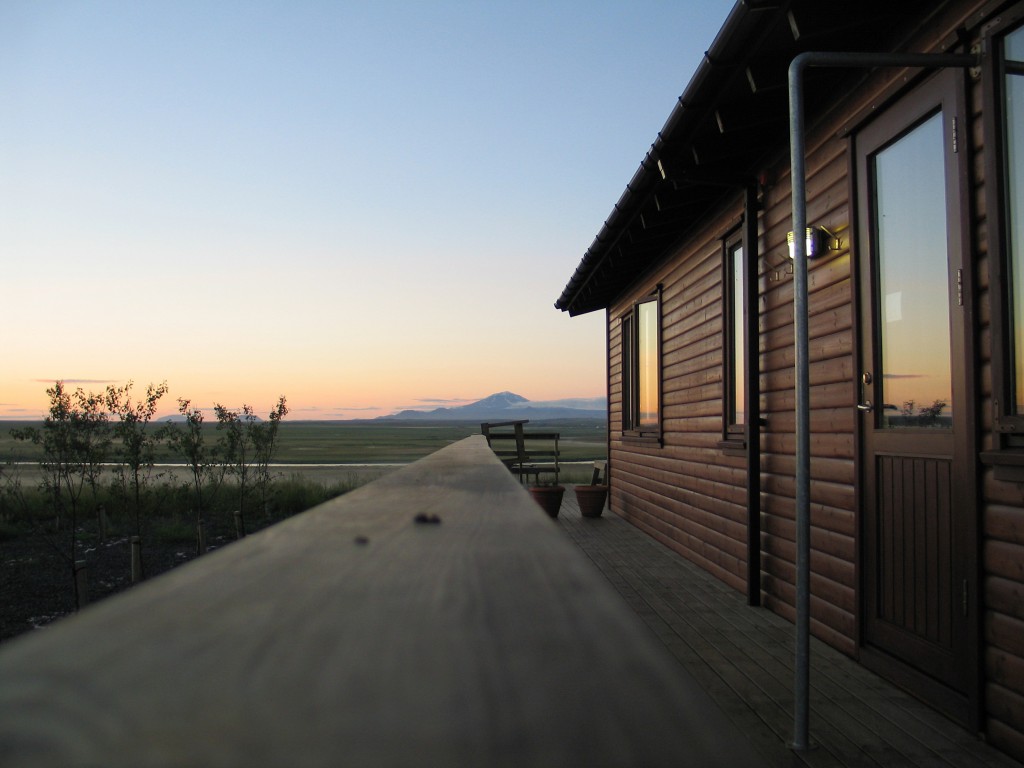
     

    OUR SERVICES ARE free!

    CONTACT US FOR SEASONAL DISCOUNTS, SPECIAL OFFERS OR PROMOTIONAL PRICING

    E Ranga Lodge Angler AdventuresDoug Schlink
    Angler Adventures
    P.O. Box 872
    Old Lyme, CT 06371
    USA
    800-628-1447 (US)
    860-434-9624 (Int’l)
    Fax: 860-434-8605
    Email: doug@angleradventures.com

  • Blanda River

    Blanda River

    After just a very few years on the international market, the River Blanda has rocketed to near the top of the list of Iceland’s many great salmon rivers.Blanda Little Vala

    Blanda is one of the longest rivers in Iceland.   Migration requires mounting a difficult falls near the mouth and navigating  heavy flows to reach the spawning grounds.   The laws of natural selection have produced a strain of large and exceptionally strong and acrobatic fish, capable of such a rigorous journey.

    Blanda is an early run river compared with most other Icelandic rivers, producing excellent flyfishing from June 1st through mid-August.  Like other better-known rivers of the north coast, the Blanda is a big fish river and produces one of the highest ratios of salmon to grilse of any river in Iceland.  June 1st through early July yields mostly 2 SW winter fish in the 10 – 18 pound class, with a few fish topping the 20-pound mark.  This is followed by a mixed run of large salmon and grilse (and searun browns) throughout July with fresh fish still coming through mid-August.

    Blanda produces not only big fish, but very impressive numbers as well.  Blanda has been among the country’s top 10 salmon rivers the past 15-years; coming in at #2 with an impressive 4,829 fish landed in 2015.  Since 2009, Blanda boasts an 11-year seasonal average of 2,100 fish landed, despite two extreme low water years in 2018 & 2019, which impacted the catch country wide.  Considering this is an 8-rod river competing with rivers fishing as many as 12 – 18 rods, the salmon-per-rod rate is frequently among the highest in Iceland.

    Blanda’s relative international obscurity is due to it’s glacial source which silted the main river making it unsuitable fly water.  As such, the stock went largely untouched until reaching the Svarta, a major clearwater tributary near the top of the system.  A few blanda beat 1years back, a dam was constructed above the Svarta creating the Blondulon reservoir which acts as a giant settling pond for the suspended glacial silt.  The main river now normally runs very clear and fishes well with floating line, small flies and the riffling hitch from mid-Jine through mid-August.

    Beat 1 is from the river mouth to the foss (falls), about 2 kilometers upstream.  The foss acts as a temperature barrier and holds fish in the lower river until late June.  For the first 4 weeks of the season, only Beat 1 is fished (4 rods, 2 on each bank).  From the last week in June through the end of July, Beats 1 and 2 are let to parties of 4 rods each and parties rotate between the two beats allowing everyone to enjoy both a change of scenery and all the productive water the river offers.  Beat 2 is enormous offering far more water than 4 rods can cover in a week.

    In 2008, the Blanda received a brand new lodge at Holahvarf on Beat 2. 

    blanda - angler adventures

     The comfortable new full service lodge feature 12 double en-suite rooms and fabulous international cuisine.  This coupled with world class salmon angling serve to make the Blanda one of the top rivers in Iceland today.

    blanda 1 - angler adventuresOUR SERVICES ARE FREE!
    CONTACT US FOR SEASONAL DISCOUNTS, SPECIAL OFFERS OR PROMOTIONAL PRICING


  • The Vulcan Grilse Grip

    For those of you planning an Atlantic salmon trip this summer, here’s a tip from Doug Schlink you might enjoy. 

    Adult, mutli-sea-winter (MSW) Atlantic salmon fish can be captured by hand tailing.  This is accomplished by wrapping your hand and around the “wrist” of their tail (known as the caudal peduncle), just in front of the tail fin, much as you would grasp your own left wrist with your right hand just in front of your hand.   The tail fin on an MSW fish has developed stiff exterior rays, and prevents the fish from slipping through.  

    Atlantic salmon that have only spent one winter at sea before returning to the river to spawn are known as grilse.  Grilse are smaller, usually from 20 – 24 inches in length, and have not yet developed this stiffness in the tail fin’s exterior rays.  A sure way to tell a big grilse from a small salmon is to check the development of the tail fin exterior rays.  If they are stiff, and don’t collapse when you try to squeeze them together, it’s a salmon.  But if they collapse, it’s a grilse. 

    Doug Schlink with nice looking MSW Atlantic
    Not a Grilse

    Because of this lack of development in the exterior caudal fin rays of a grilse, if you try to “tail” a grilse with this conventional method, the tail fin collapses and he’ll squirt right out of your grasp!

    But if your guide is not handy with the net when you’re about to land your grilse, you still can hand tail him using the technique I call the “Vulcan Grilse Grip”.    Make a “V” or a “peace sign” by extending your index and middle finger of your dominant hand.  With thumb extended, slide this “V” so one finger is on the top and the other along the bottom of the caudal peduncle.  Now quickly wrap the thumb around and close the rest of your hand as if you’re trying to make a fist.  You should now have a firm grasp on the fish!  I’m not sure why this works, but it does. 

    A word of caution, never lift a salmon or a grilse you plan to release clear out of the water by the tail.  This can cause internal damage.  Please use hand tailing only as a means of securing the salmon in the water so you can remove the fly and properly release into the current.  If you want to lift a salmon for a photo, use your other hand to gently support the body of the fish, and lift no more than a few inches from the water and for no more than a few seconds. 

    Many thanks to angling great Larry Solomon, co-author of the classic “The Caddis and the Angler”, for showing me this technique over 20 years ago on the Nepisiguit River.