
Pacific sailfish · Caribbean tarpon
Costa Rica
Northwest Pacific sailfish
Golfo Dulce inshore and offshore
Central Pacific sailfish
Roosterfish and cubera
Caribbean tarpon
Caribbean snook
Golfo Dulce
Crocodile Bay, Puerto Jiménez
Crocodile Bay runs inshore and offshore charters from Puerto Jiménez on the Golfo Dulce. The offshore day targets sailfish, blue, black and striped marlin, yellowfin tuna and dorado. The inshore day inside the gulf targets roosterfish and cubera snapper.
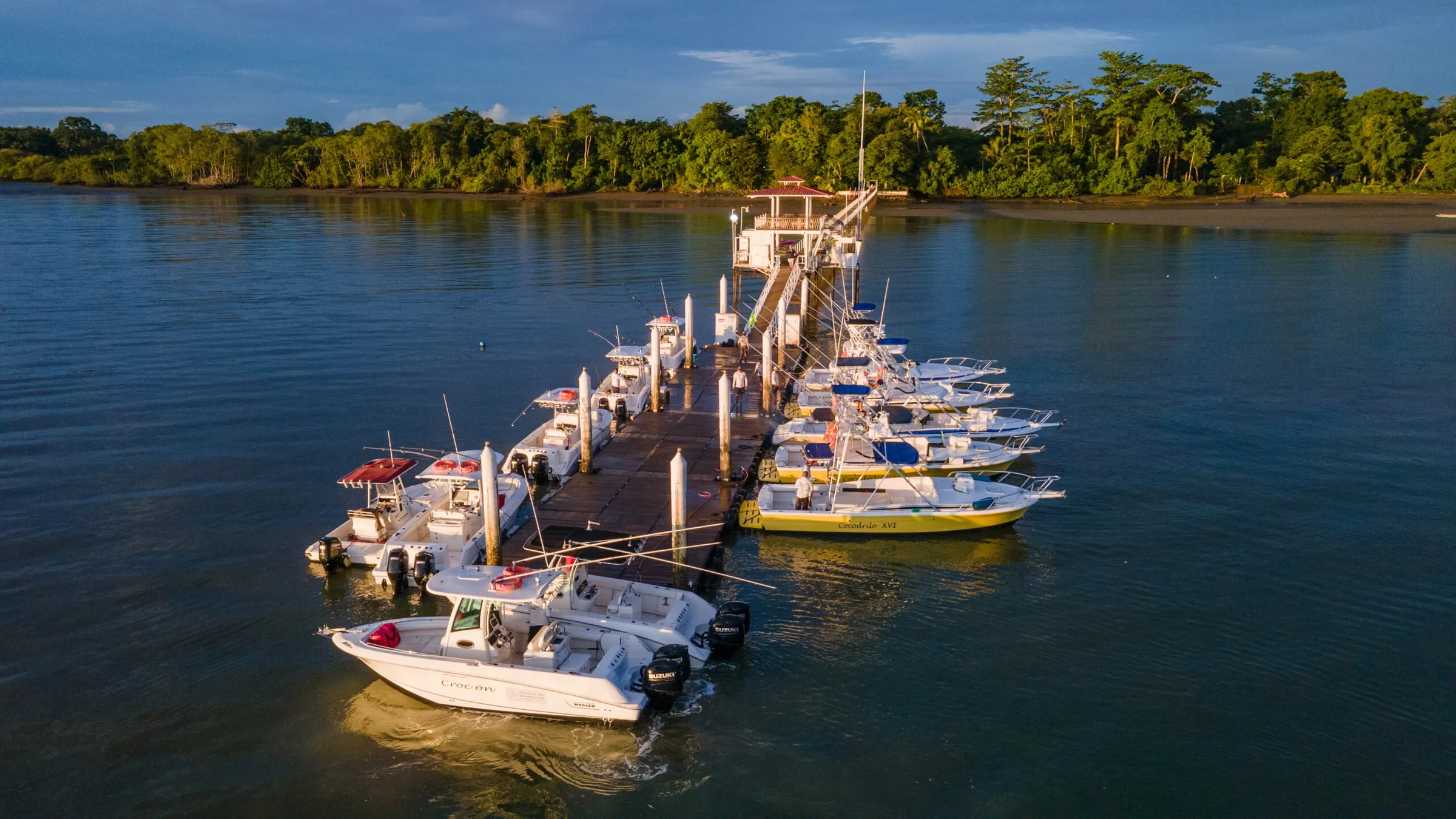
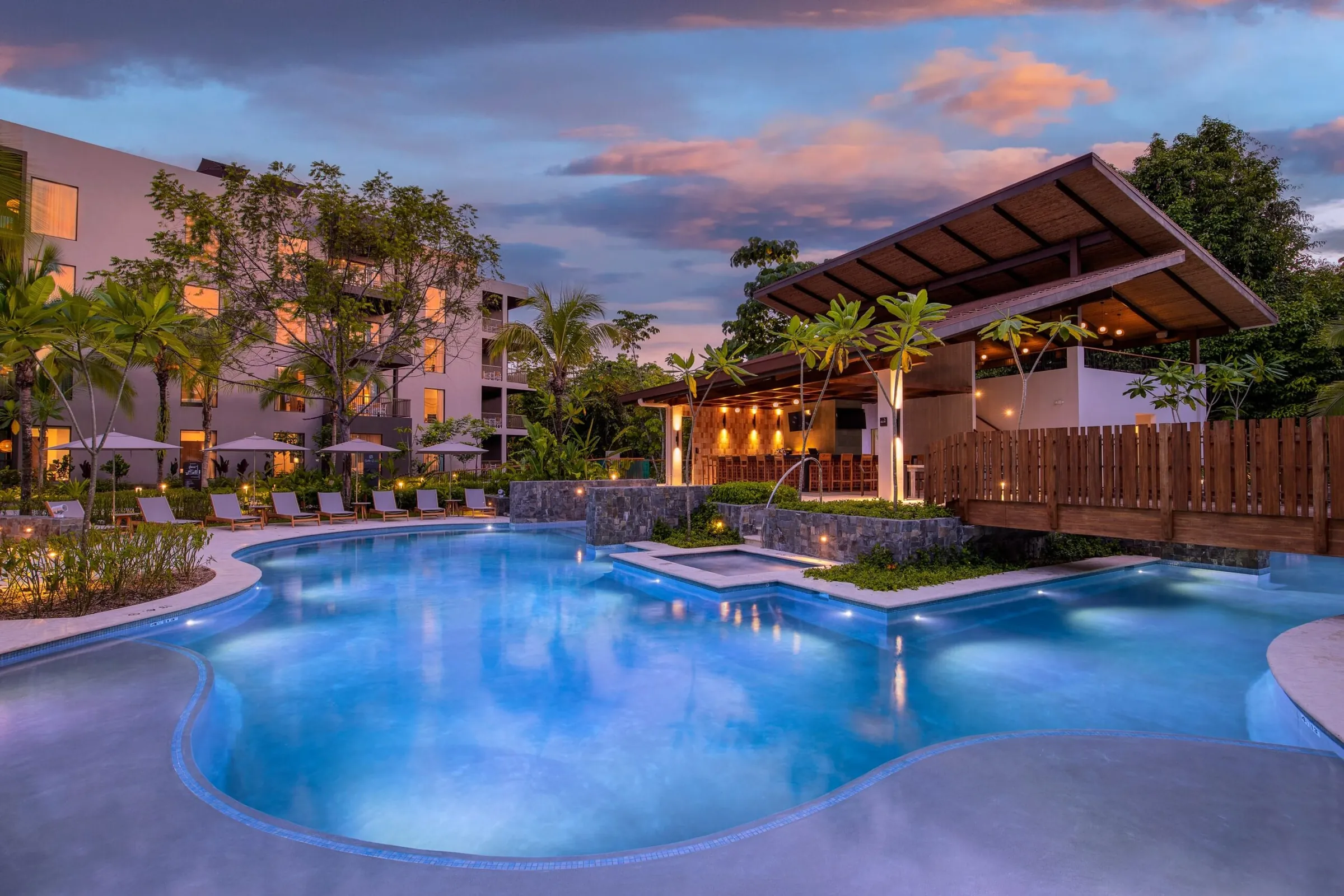
The fleet is 24′ and 25′ Boston Whalers and 33′ Strike boats, and offshore water starts 45 minutes to an hour from the pier. Rooms are at Botánika Osa Peninsula, Curio Collection by Hilton. Sailfish are at their best in February and March, and October brings dorado in numbers with marlin close behind.
The old Golfito Sailfish Rancho is no longer a fishing lodge. Golfo Dulce fishing with us starts at Crocodile Bay.
Northwest Pacific
Guanacaste’s sailfish months are May through August, after the December–April Papagayo winds ease.
-

Tamarindo Sportfishing
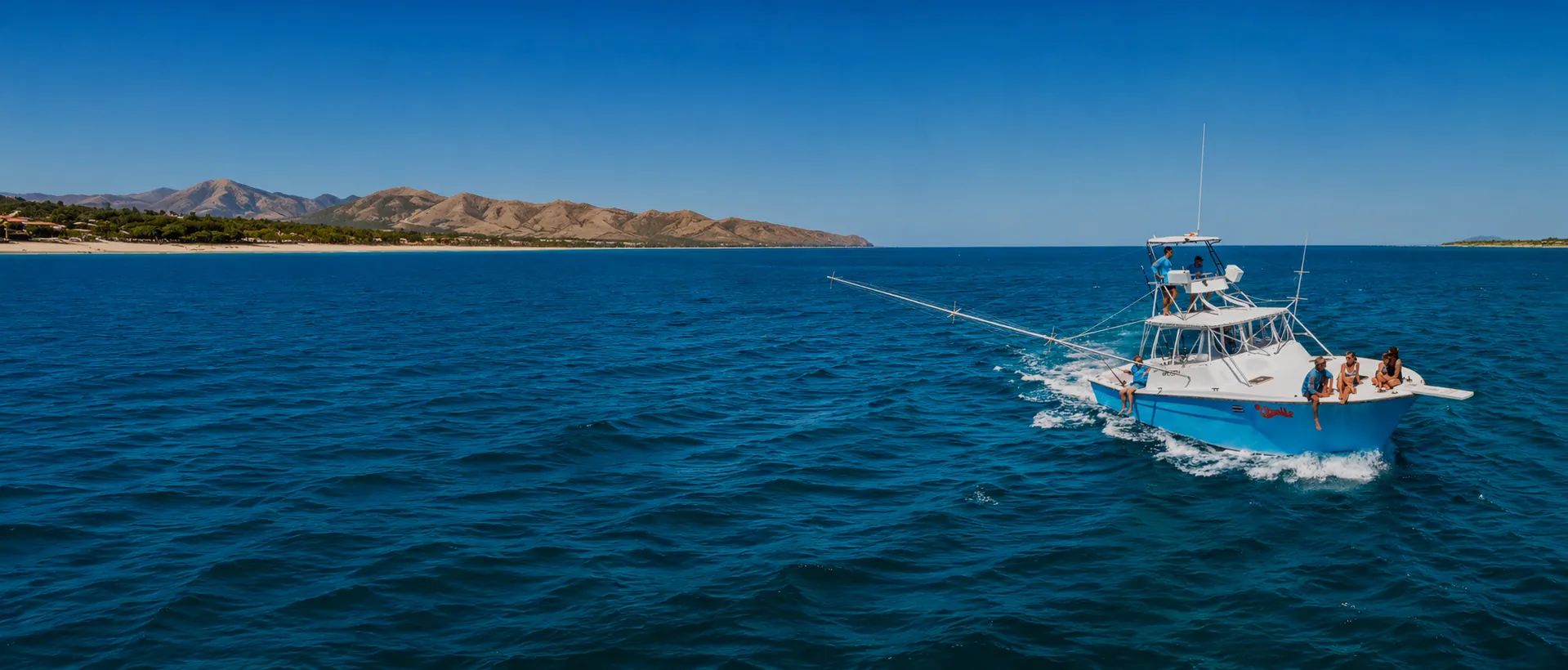
Randy Wilson founded this Tamarindo charter operation and manages it today. Arturo Rosales captains the 38′ Topaz Talking Fish and Javier Ruiz captains the 27′ Dusky Outcast, fishing marlin, sailfish, yellowfin, mahi-mahi and roosterfish off Guanacaste.
-

Capullo Sportfishing
Capullo charters out of Tamarindo for marlin, sailfish, yellowfin, mahi-mahi and roosterfish. Roy and Louise take the bookings. Capt. Manuel Leal (Toro) runs the 36′ Topaz and Capt. Gerald runs the 22′ Boston Whaler Rainbow Runner.
Hotel Capitán Suizo is a family-owned beachfront hotel on Tamarindo beach, open since 1992, for the nights between fishing days.
Caribbean tarpon
Resident tarpon and snook, reached from San José by air and boat. The Caribbean calendar differs from the Pacific calendar.
-

Silver King Lodge
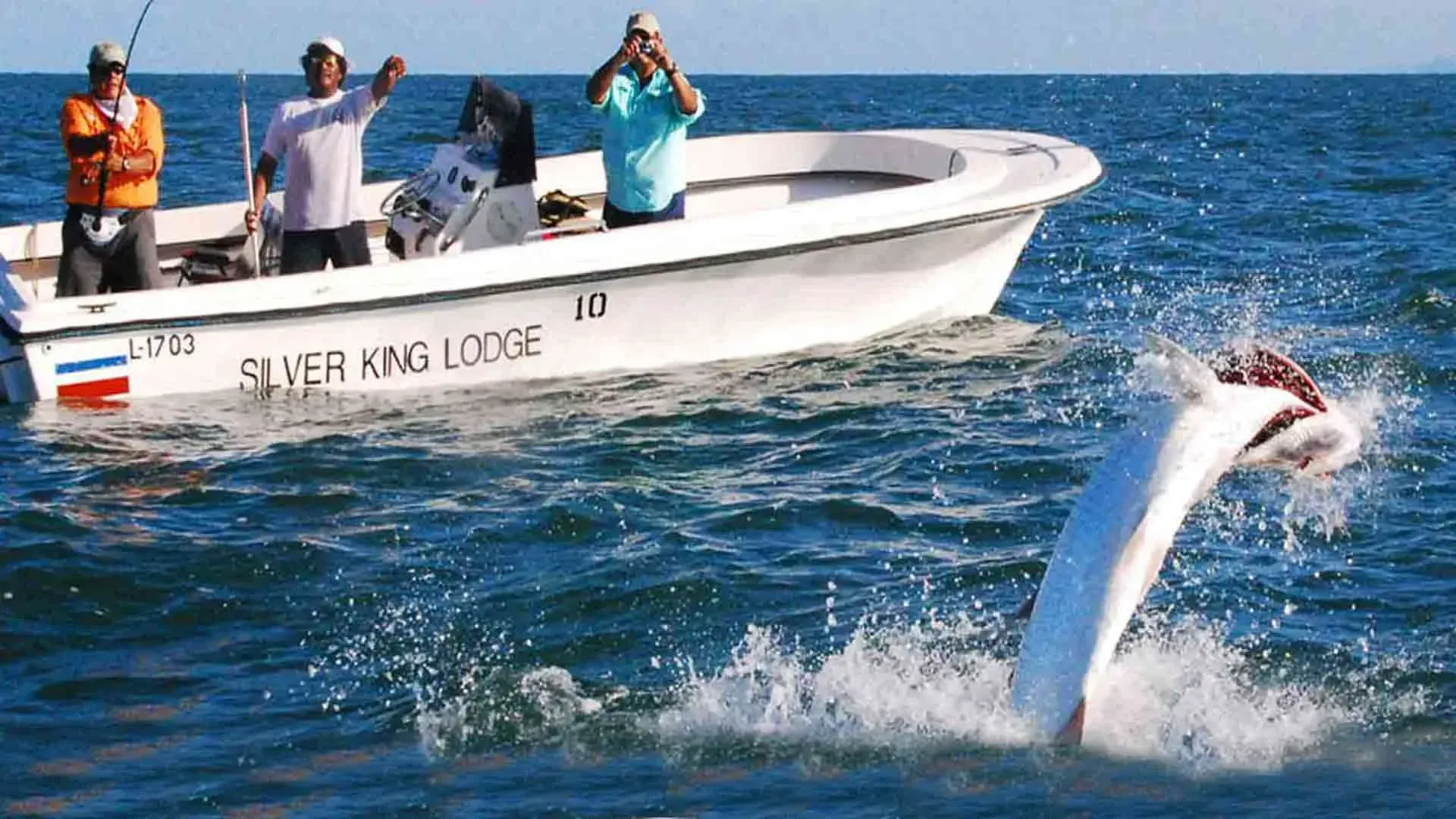
All-inclusive tarpon fishing on the Río Colorado at Barra del Colorado, one mile from the Caribbean mouth. Guests fish resident tarpon and snook from 23′ boats. The lodge has new owners since 2025 and is open all year.
-

Rio Parismina Lodge
Tarpon and snook at the mouth of the Parismina River on Costa Rica’s Caribbean coast. The lodge has 12 rooms and a pool, and it publishes two tarpon seasons: January to early June, and August to early November.
Central Pacific and the Golfito side
Ask us for dates on these two. We book them directly.
Ask us
Dragin Fly, Los Sueños
One boat, the Dragin Fly, fishes out of Los Sueños and Marina Pez Vela for sailfish, blue marlin, tuna and mahi, with George and Anna Beckwith as managing partners. Sailfish run December through April on this coast. Ask us for dates and a quote.
Ask us
Zancudo Lodge
Zancudo Lodge fishes the Golfito side of the Golfo Dulce. Its season page lists a mid-June to November maintenance closure for the lodge, with custom charters still offered. Ask us what is available for your dates.
Plan your Costa Rica fishing week
Costa Rica fishing comes down to a coast and a month. Sailfish fish best from December through April between Quepos and the Golfo Dulce, and from May through August in Guanacaste. The Caribbean holds resident tarpon and snook on its own calendar.
Angler Adventures plans the week: the coast, the boat, the lodging and the flights. Tell us your dates and what you want to catch, and we will come back with a quote. Call 860-434-9624.
Species: sailfish, marlin, dorado, yellowfin, roosterfish, tarpon and snook.
Where you fly: LIR for Tamarindo. SJO for the Osa, Golfito, Quepos, Los Sueños and the Caribbean.
Who the week is for: anglers choosing a coast and a month, and the travel partners who come along.
How booking works: send your dates and species. We match a coast and a boat, then send a quote.
What you can catch
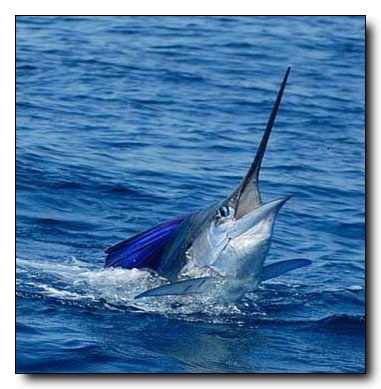
Sailfish
Istiophorus platypterus
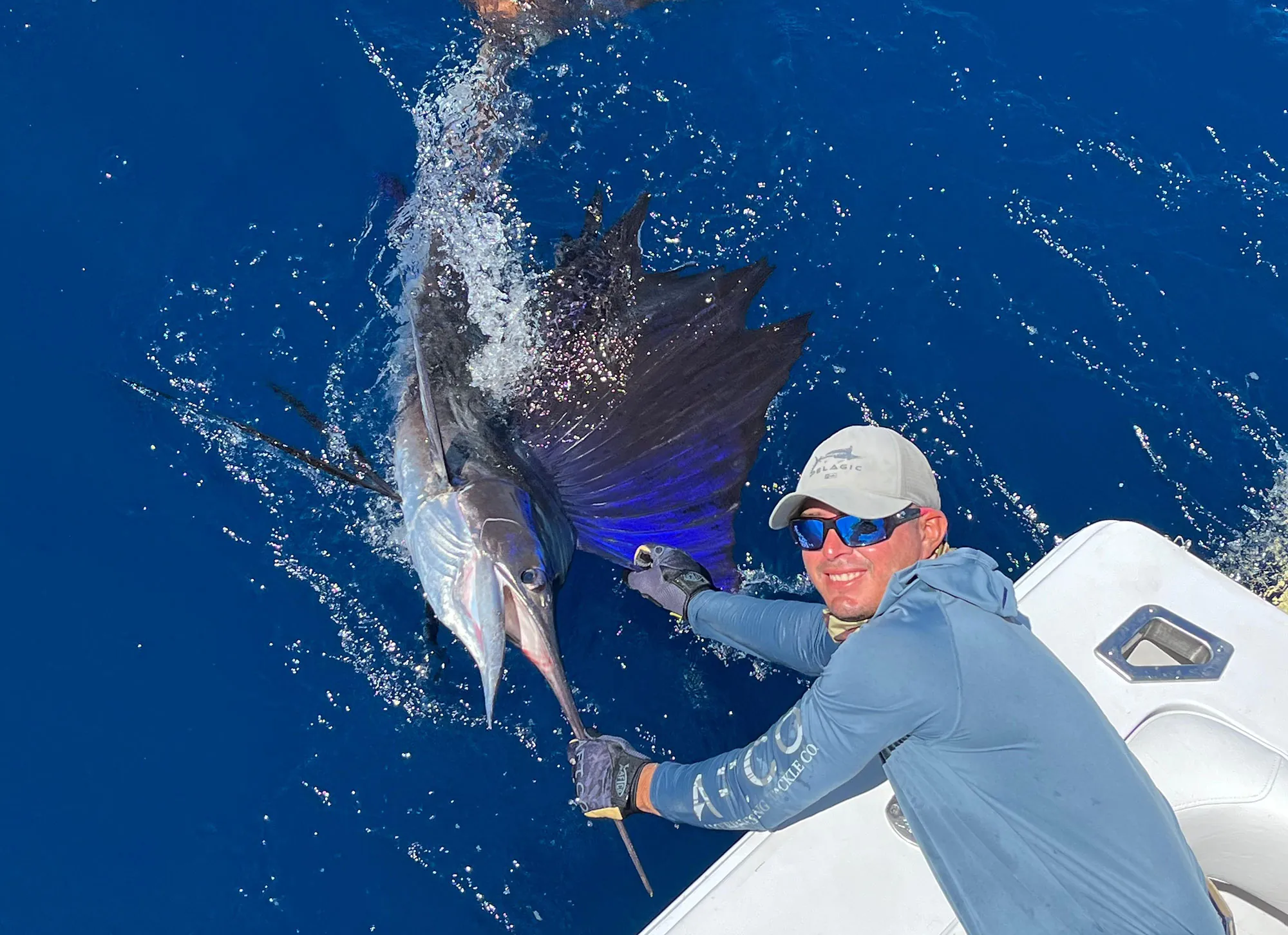
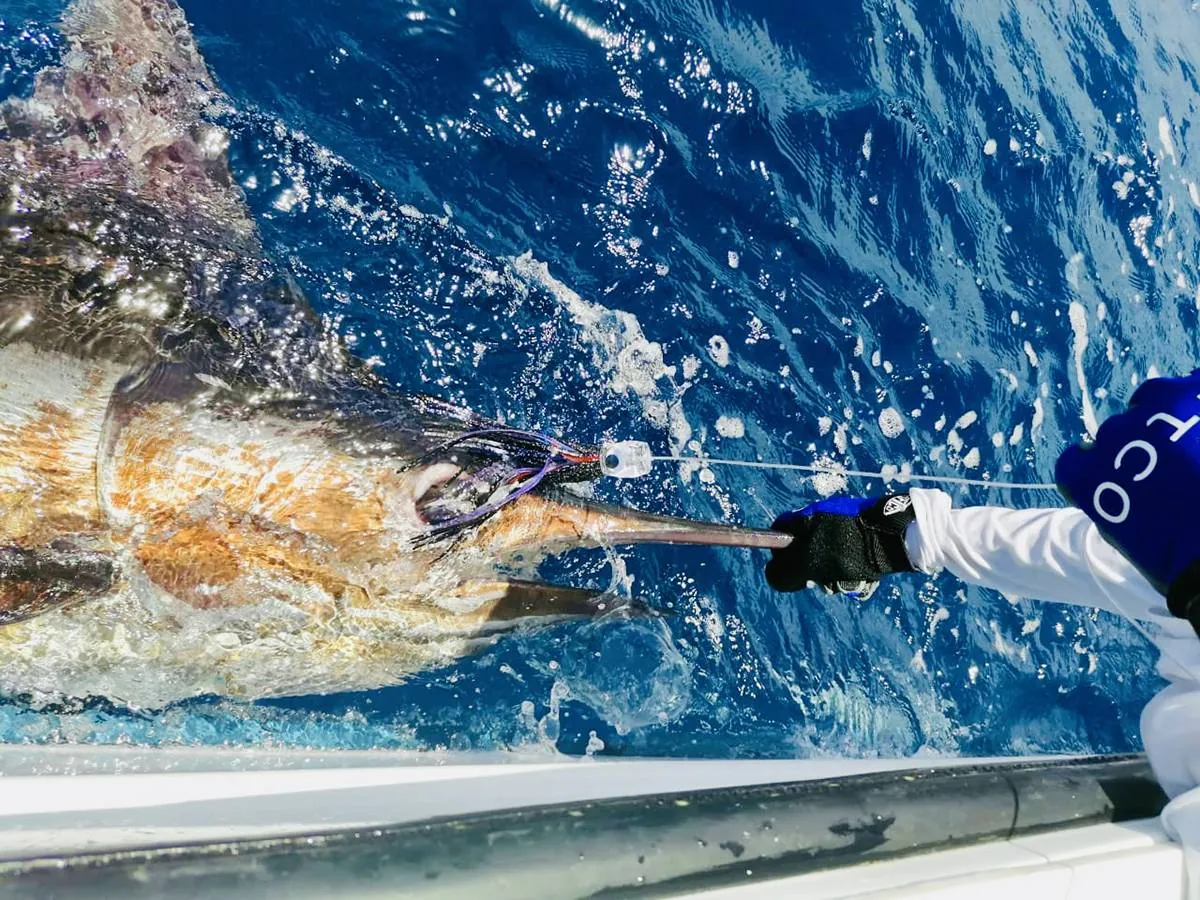
From Quepos and Los Sueños south through the Golfo Dulce, sailfish are best from January through April and start showing in December. Crocodile Bay lists February and March as prime. In Guanacaste, the better months are May through August, after the Papagayo winds ease.
Quepos, Los Sueños, Golfo Dulce, Tamarindo · Dec–Apr south · May–Aug Guanacaste · Trolled and live bait, offshore
Roosterfish
Nematistius pectoralis
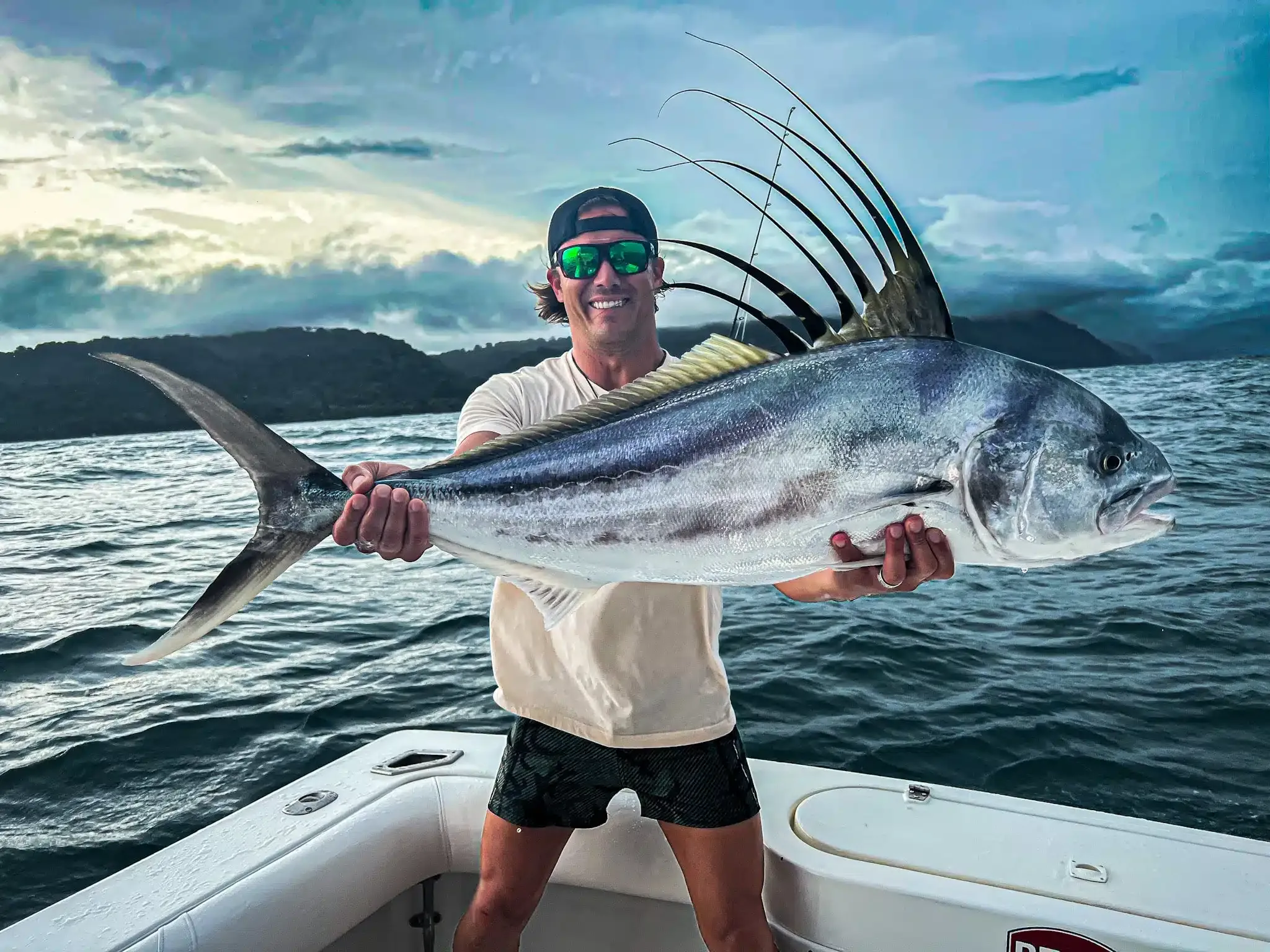
Roosterfish are caught all year on the Pacific. December through March is the strongest stretch, and October and early November are the slowest, when the rivers run high.
Golfo Dulce, Quepos, Tamarindo · All year · best Dec–Mar · Inshore day, apart from the offshore run
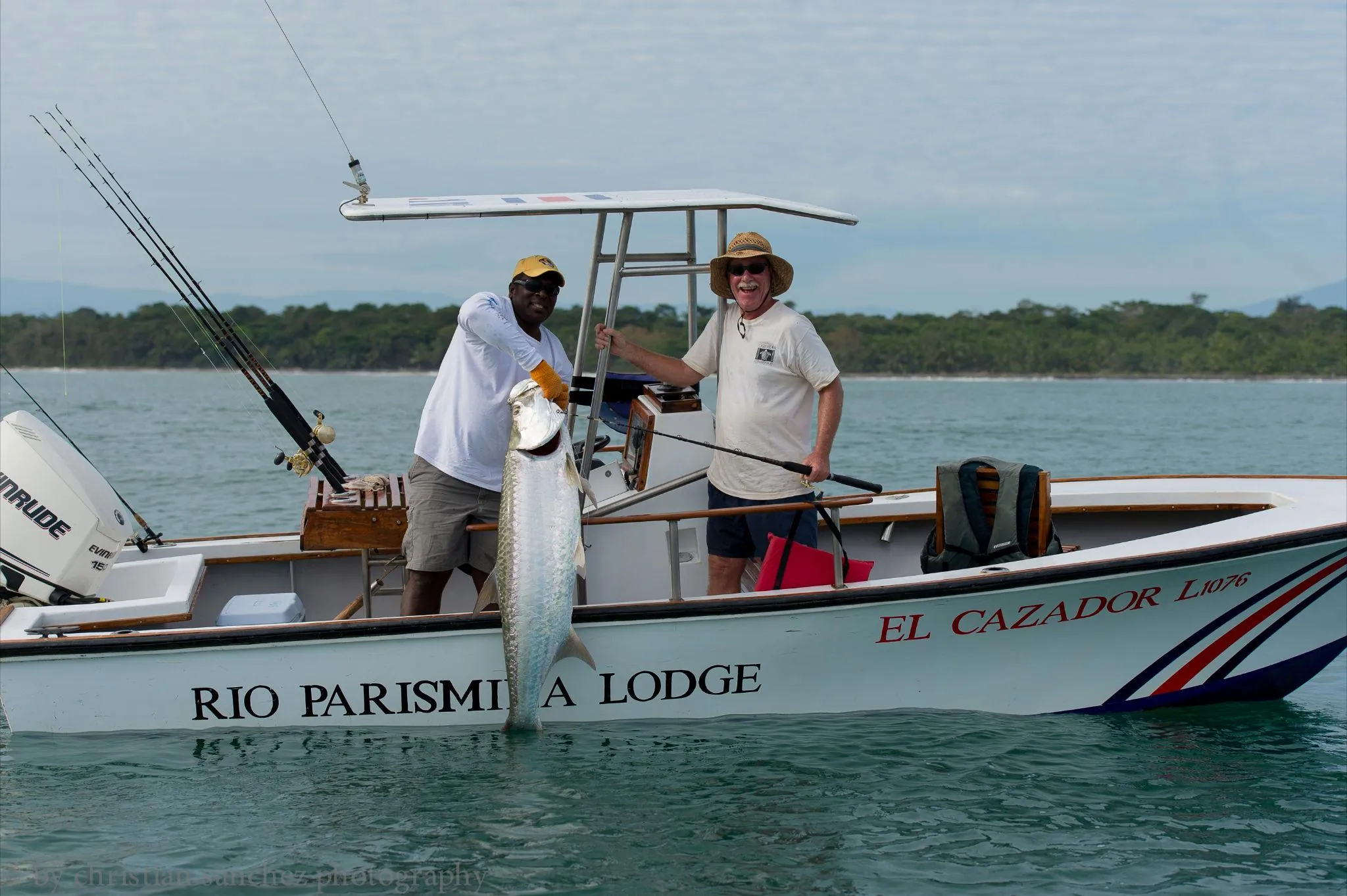
Tarpon and snook
Megalops atlanticus · Centropomus
Tarpon and snook live on the Caribbean coast near Barra del Colorado and Parismina. Outfitters book the calmer windows of mid-January to mid-May and September–October, and lodges publish wider ranges on their own pages.
Barra del Colorado, Parismina · Mid-Jan to mid-May · Sep–Oct · Boat, river mouth and beach
Marlin
Blue, black and striped
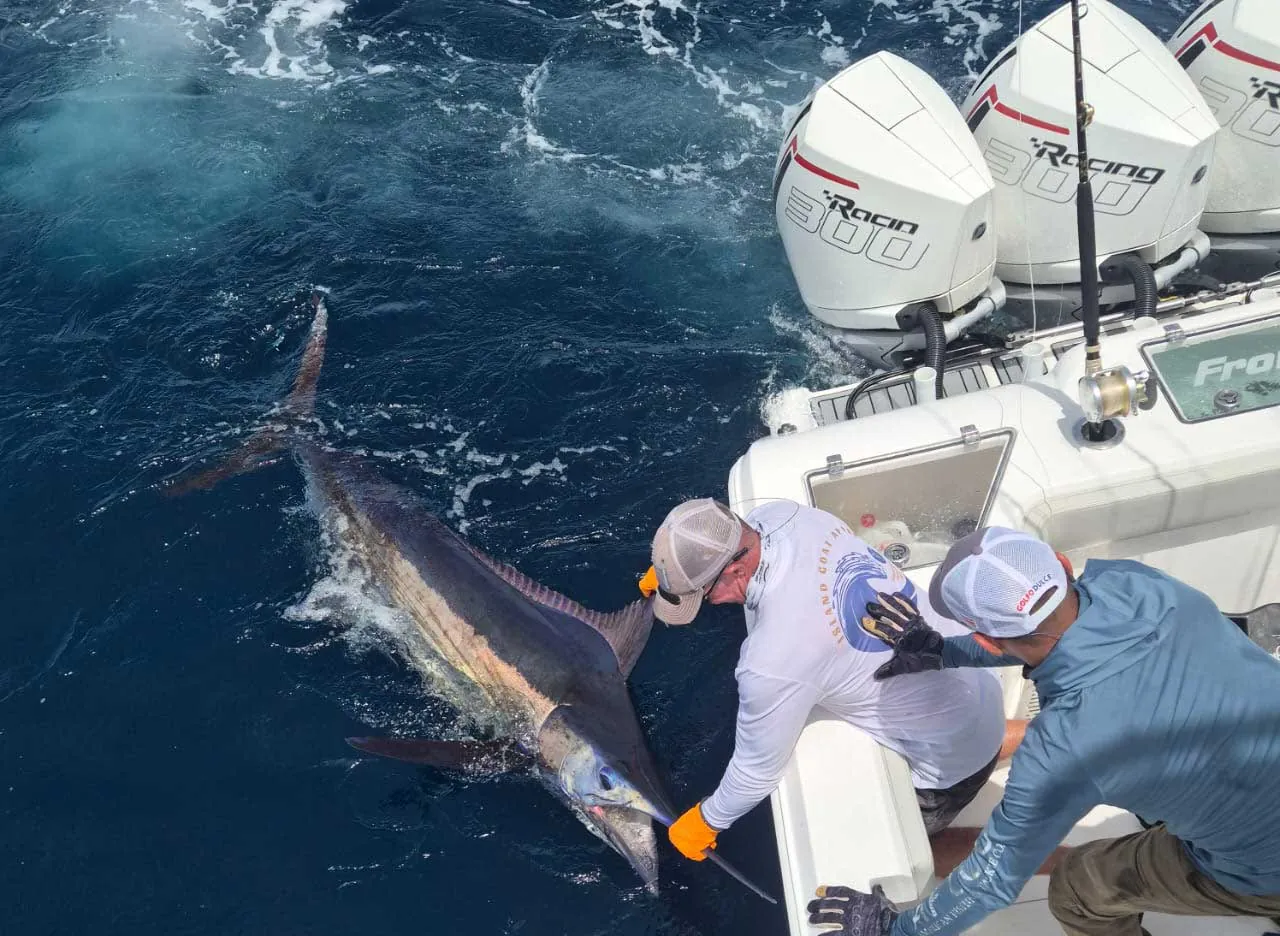
Pacific marlin peak from November through February, with a second run in June through August. Crocodile Bay lists marlin in July, August, October and November, and in December alongside dorado, tuna and sailfish.
Golfo Dulce, Los Sueños, Tamarindo · Nov–Feb · Jun–Aug · Offshore, trolled
Getting to the fishing
Fly into LIR (Liberia) for Guanacaste and Tamarindo. Fly into SJO (San José) for the Osa, Golfito, Quepos and Los Sueños, and the Caribbean. The Caribbean lodges are reached from San José by domestic flight and boat, because no road reaches that coast. We confirm the current schedule with the lodge before you book.
South of San José, SANSA flies to Puerto Jiménez in about 50 minutes, daily, with the number of flights changing by season. Golfito is also about 50 minutes from San José, daily. We book the flights with the lodge so the transfers line up.
US citizens need no visa for a stay of up to 180 days. Bring a US passport valid through the last day of the trip, plus a return ticket. If a lodge form asks for more, follow the lodge form, and check travel.state.gov before you fly.
Costa Rica fishing FAQ
When is sailfish season in Costa Rica?
It depends on the coast. From Quepos and Los Sueños south through the Golfo Dulce, sailfish are best from January through April and begin in December. In Guanacaste, at Papagayo, Flamingo and Tamarindo, the better months are May through August. Sailfish numbers vary from day to day, so we plan the month and do not quote a daily count.
Is December through April the best time everywhere?
December through April is the dry season on the Pacific and the main sailfish season from Quepos south. It is also the windy season in the Gulf of Papagayo, so winter sailfish trips belong on the central and southern coasts. December is one of the rainiest months on the Caribbean, which is why tarpon anglers aim for mid-January to mid-May or September–October.
Can one lodge do sailfish and roosterfish?
Yes, as two kinds of day. Crocodile Bay, Quepos and the Guanacaste charters describe an inshore roosterfish and snapper fishery and a separate offshore billfish run. At Crocodile Bay, offshore water starts 45 minutes to an hour from the pier.
Can I fly fish?
Pacific billfish are caught by trolling and live bait. A fly rod can ride along on a Pacific boat if you ask, and roosterfish on fly is a special request: bring your own tackle and ask for a casting boat ahead of time. On the Caribbean, Silver King offers fly fishing for experienced tarpon anglers.
What is the Caribbean trip?
Tarpon and snook from lodges at Barra del Colorado and Parismina, reached from San José by domestic flight and boat. The fish are in the area through the year, and the limit is weather at the river mouth. Silver King lists its best months as February through mid-June and mid-August through November.
What does a US citizen need to enter Costa Rica?
No visa for stays of up to 180 days, and the immigration officer sets the number of days. Bring a US passport valid through the last day of the trip and a return ticket. Yellow fever vaccination applies to travelers arriving from listed South American and African countries.
Plan your Costa Rica week.
Tell us the coast, the month, and who is fishing. We will send a quote.


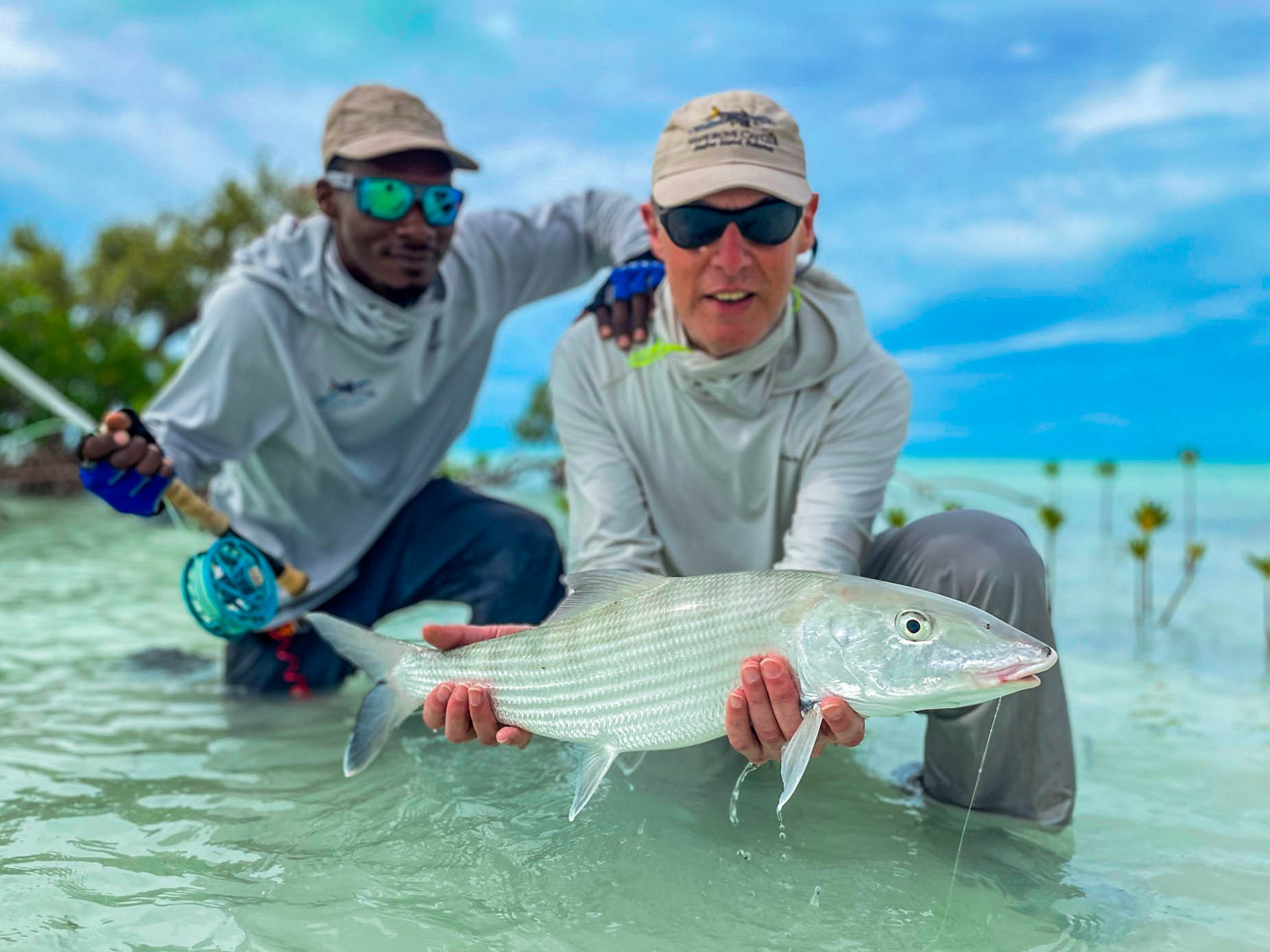


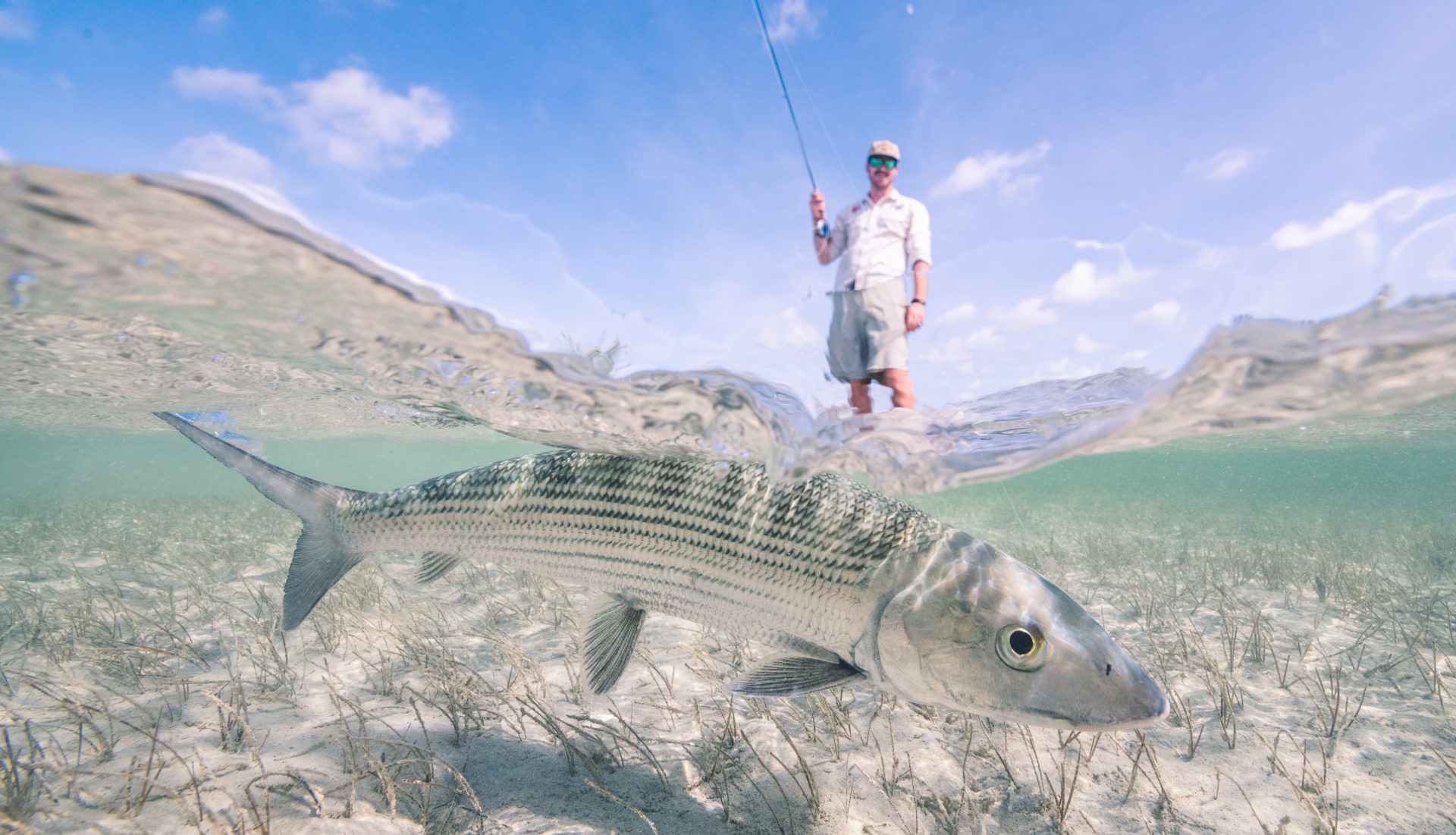


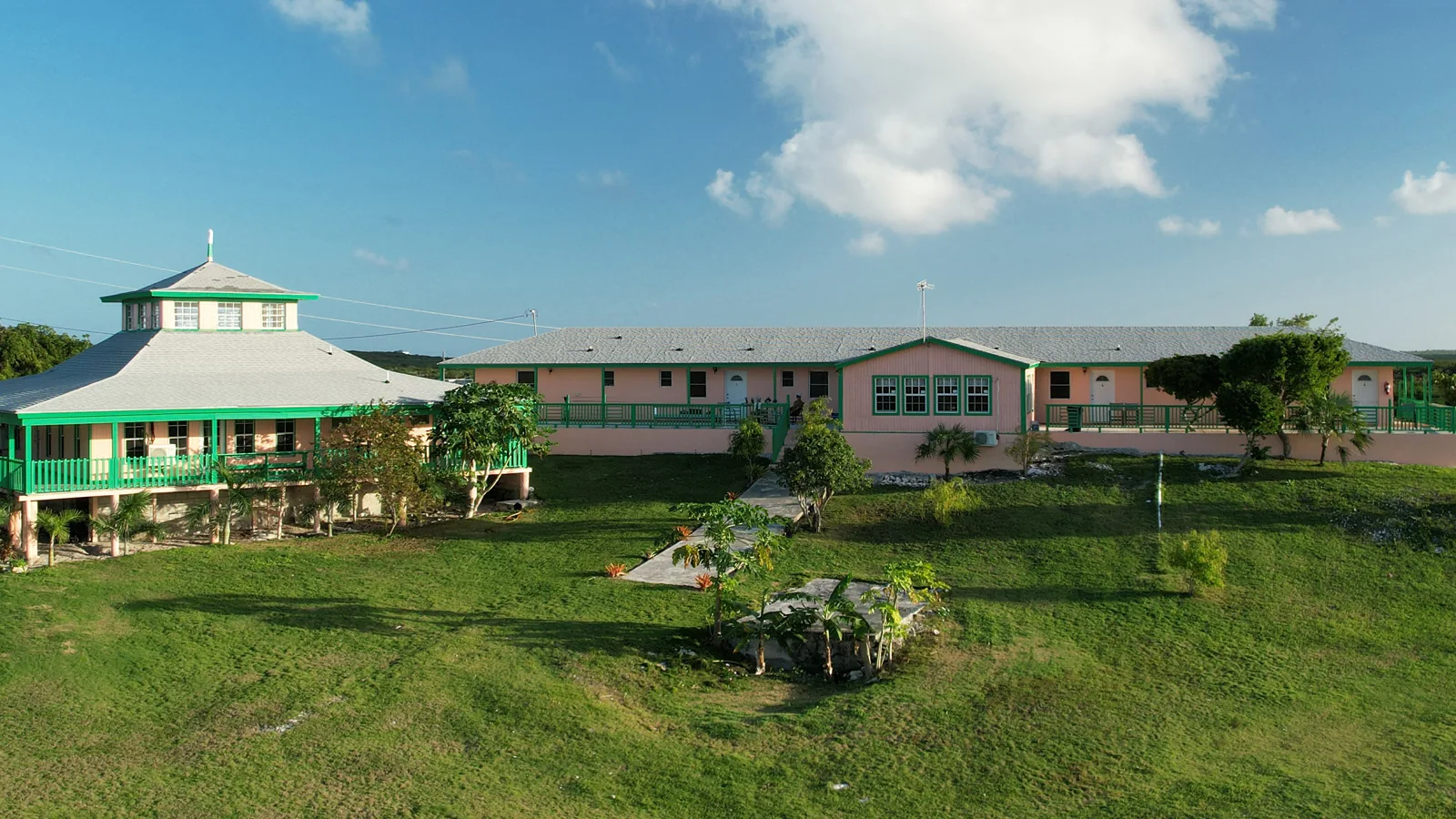
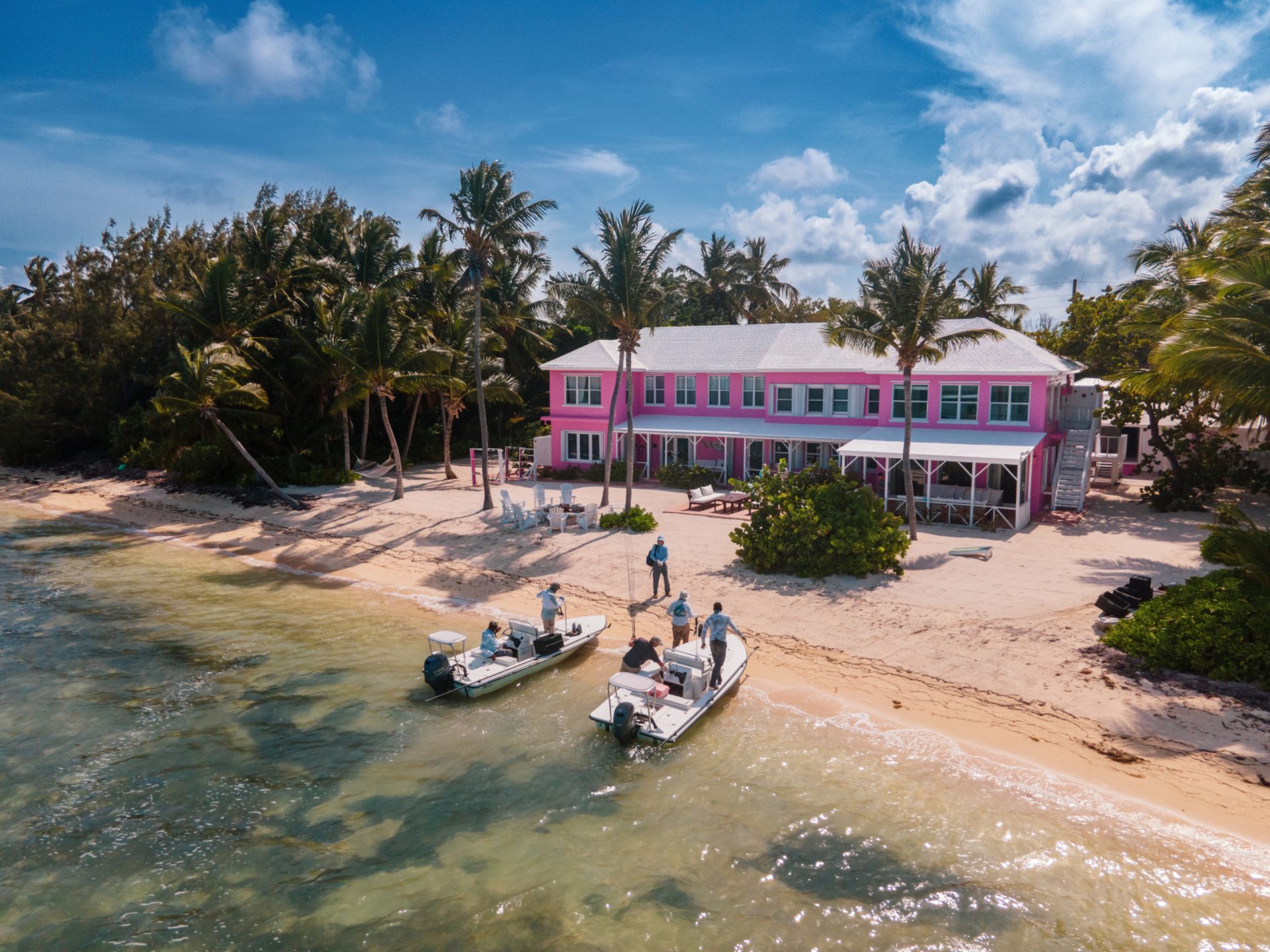
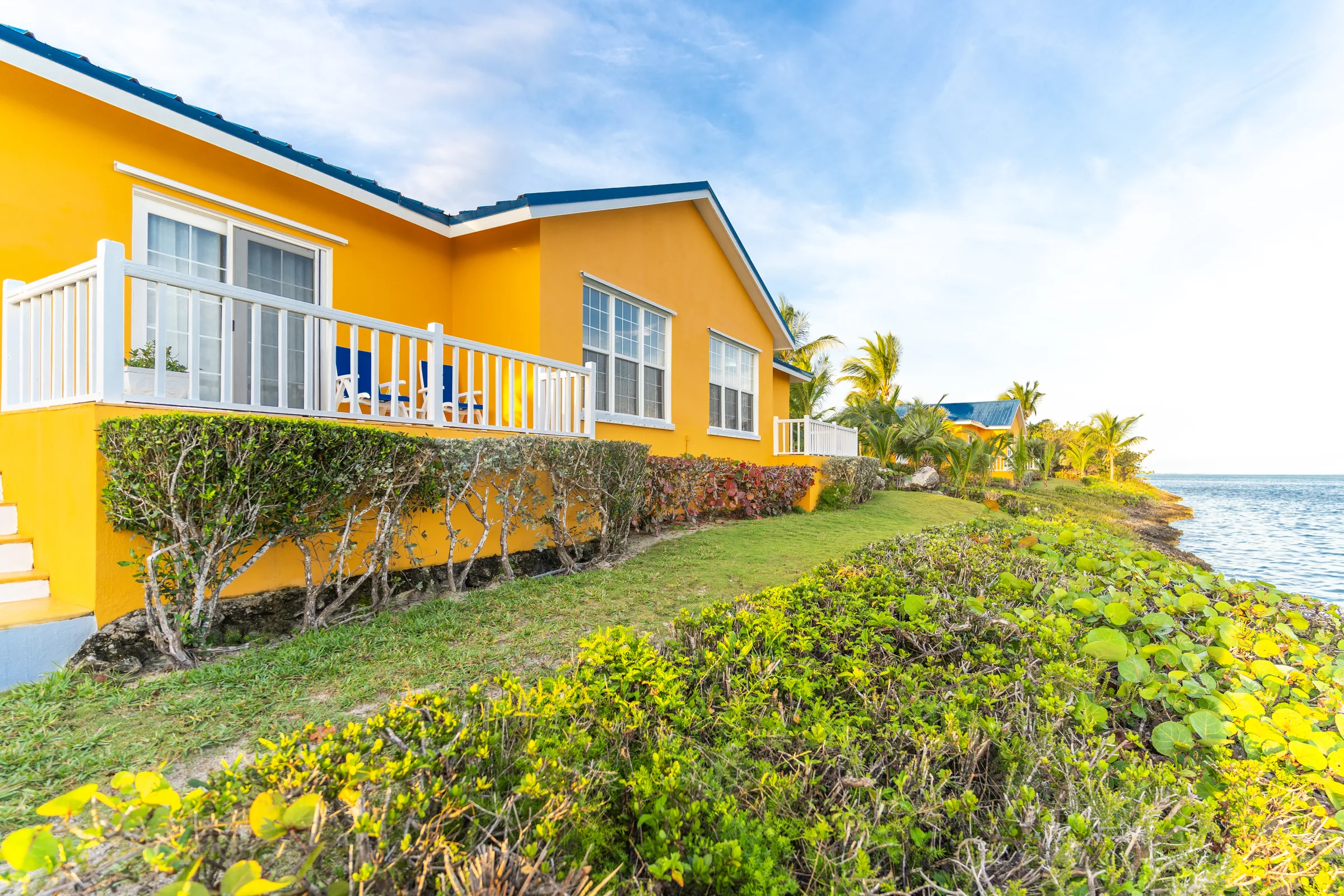
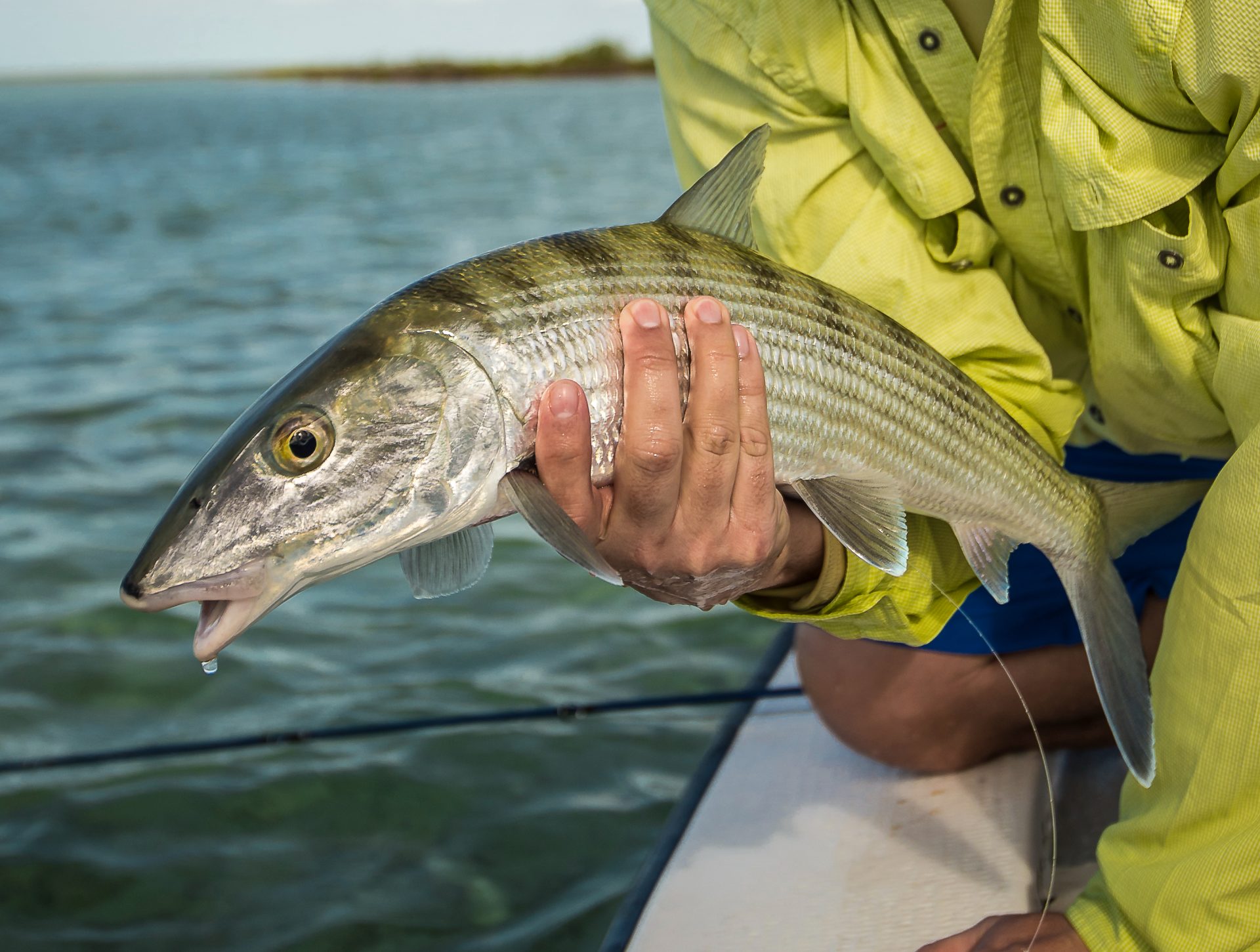
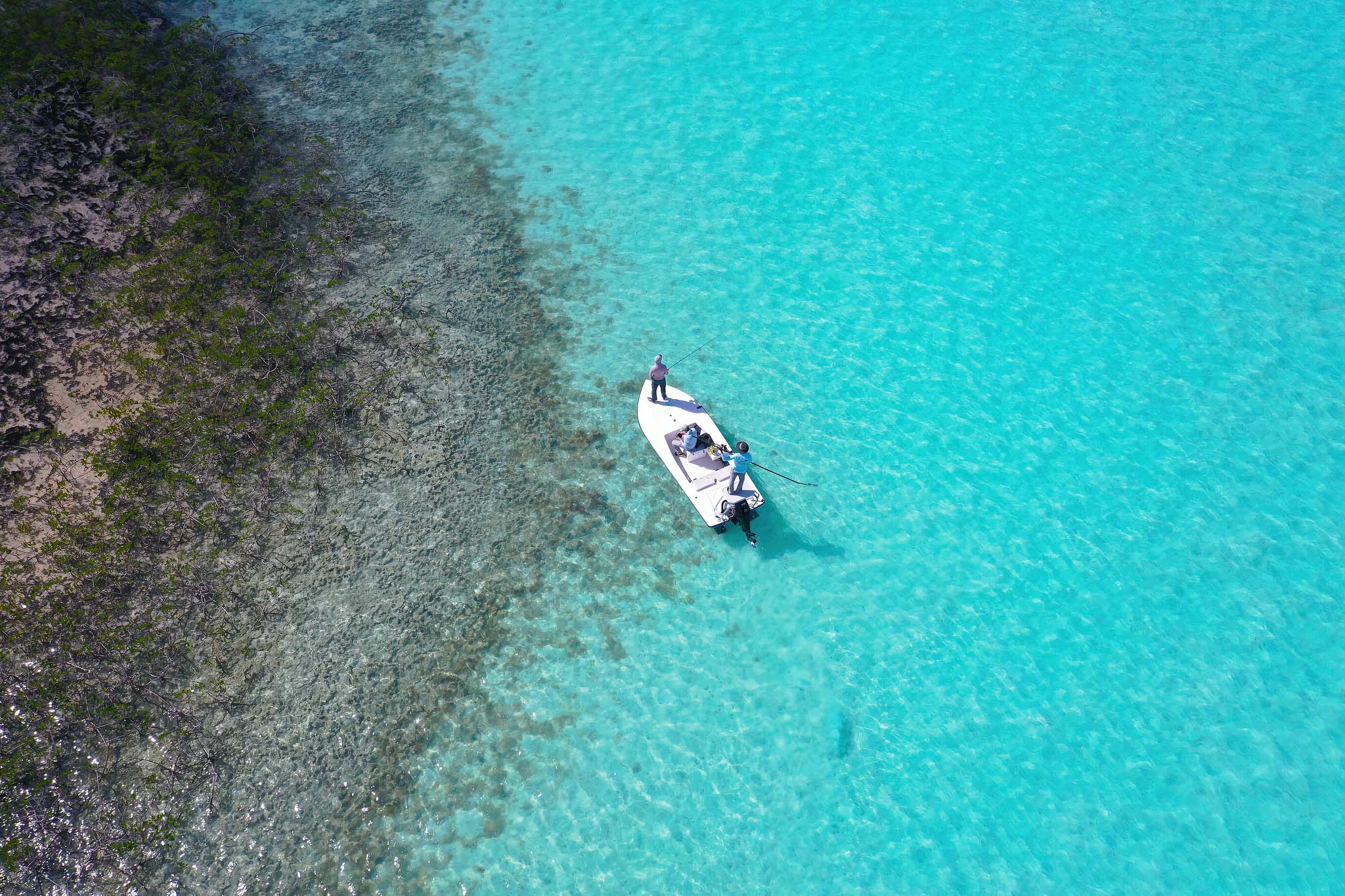
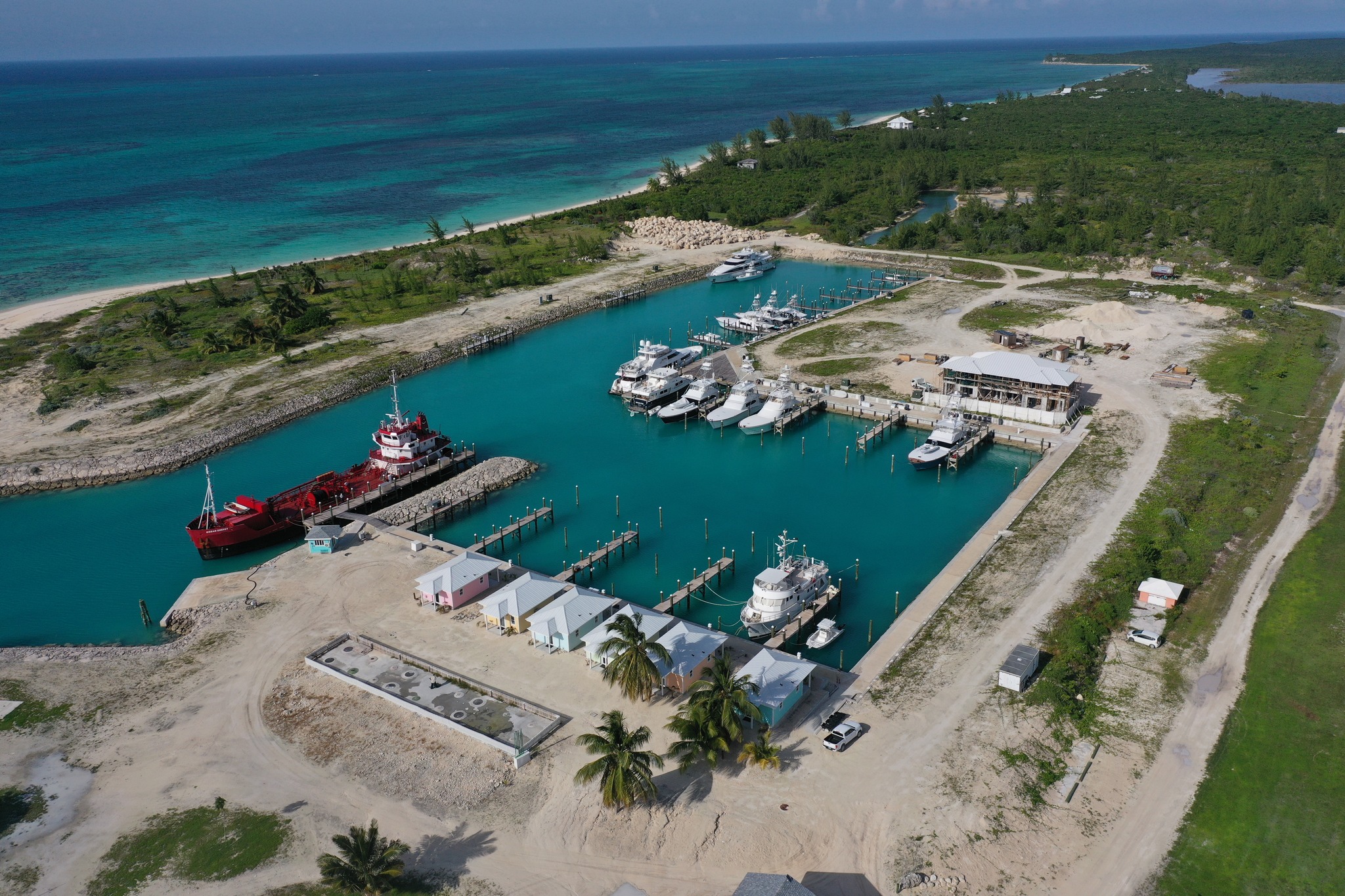

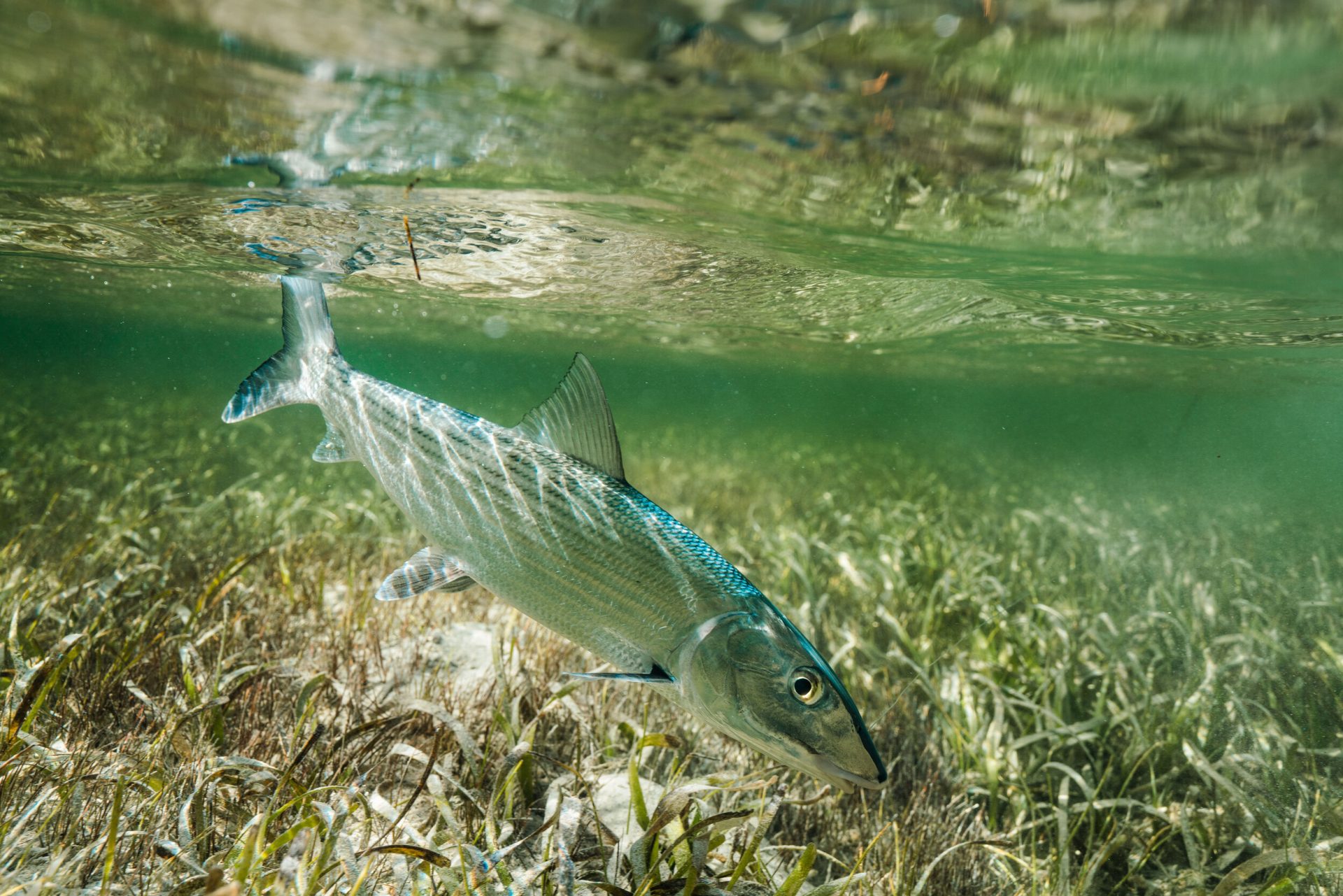
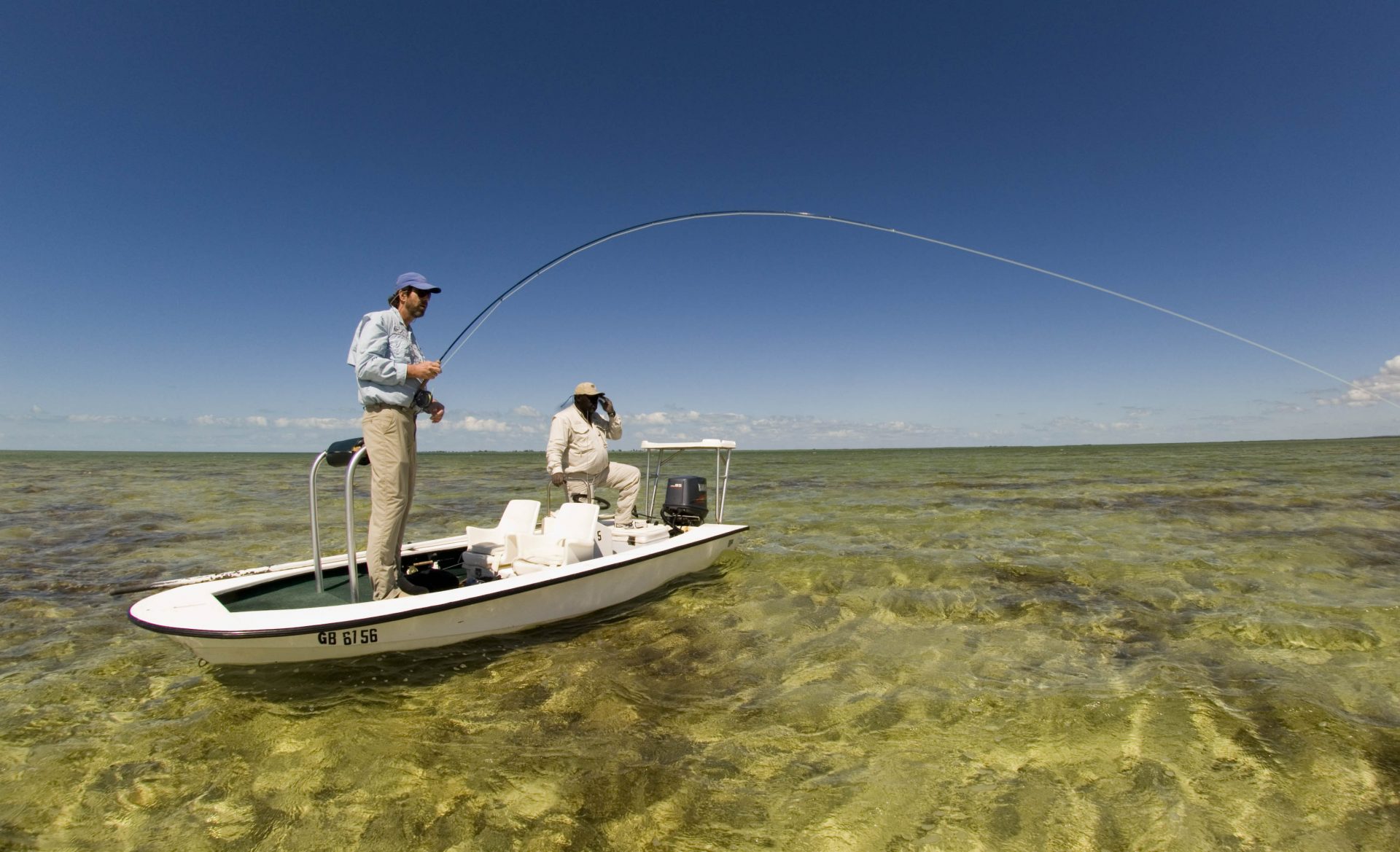


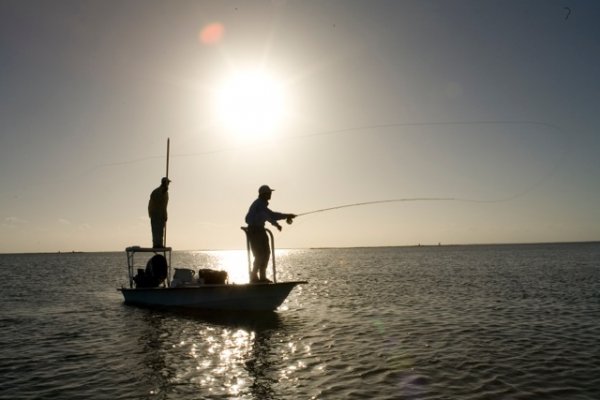


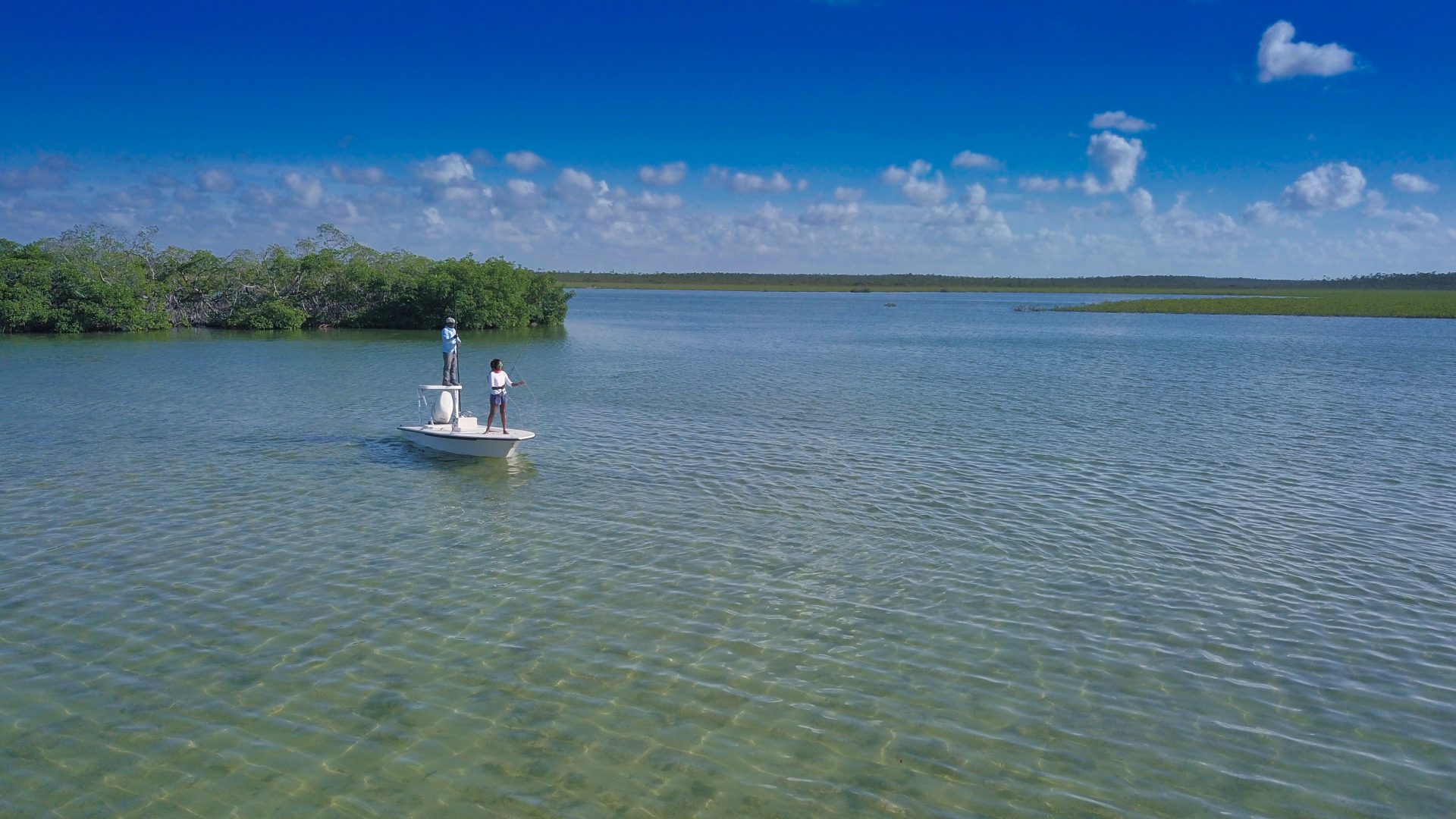
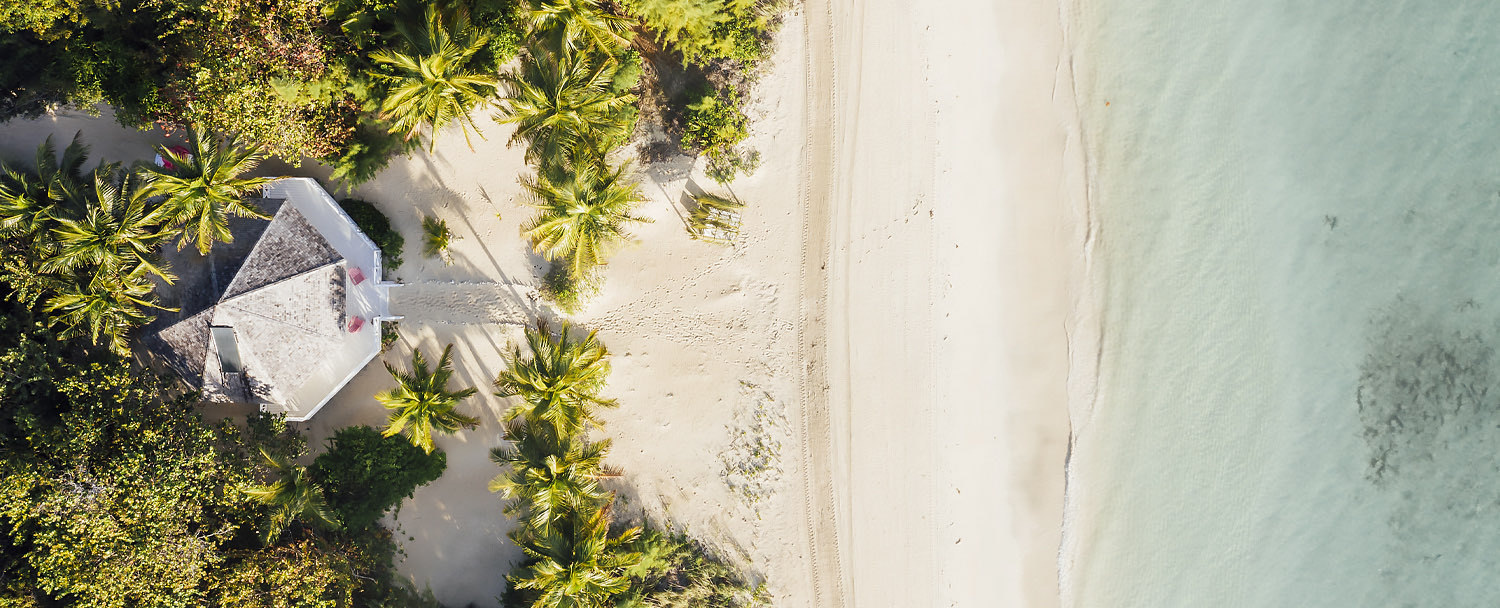

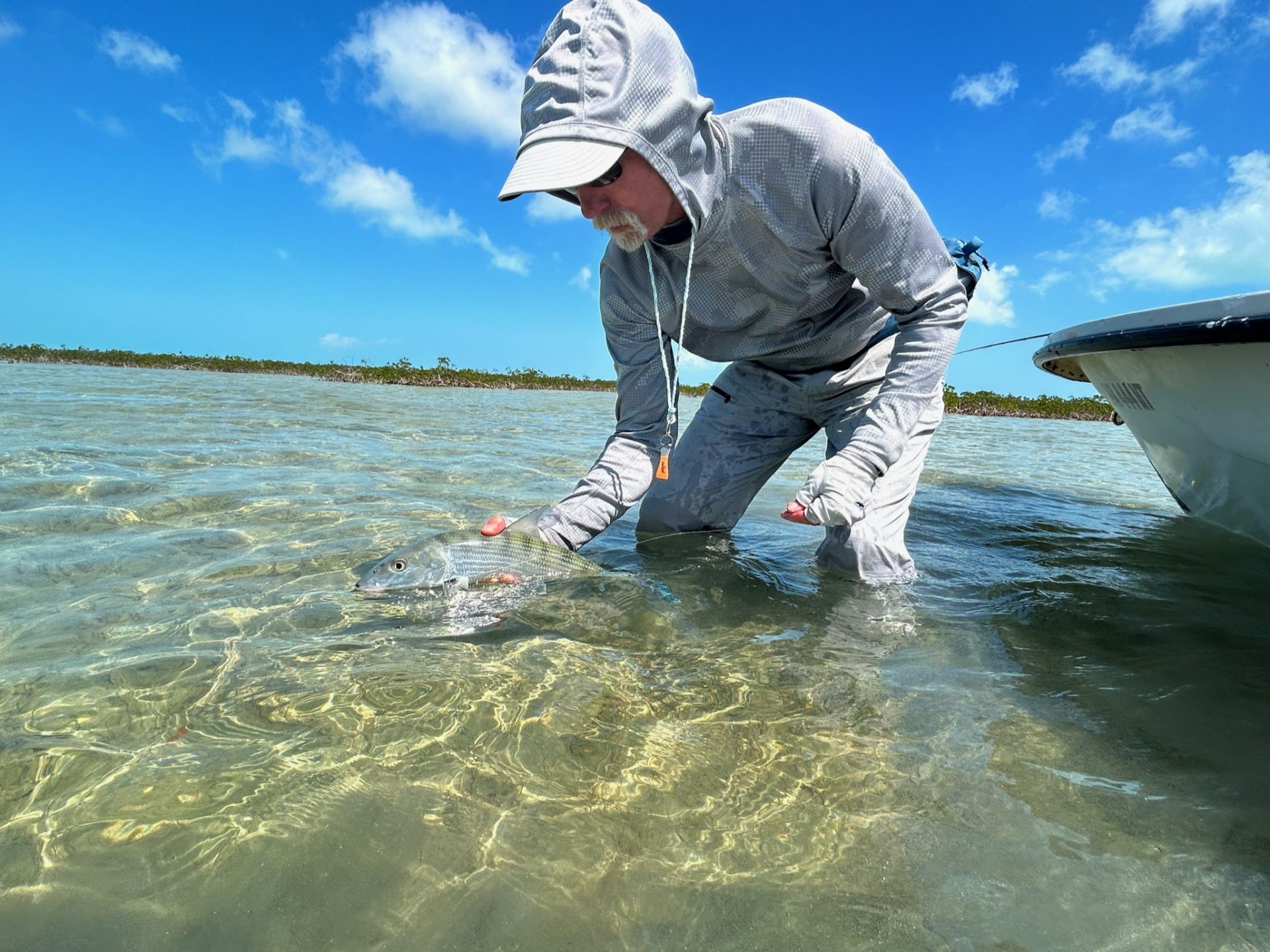
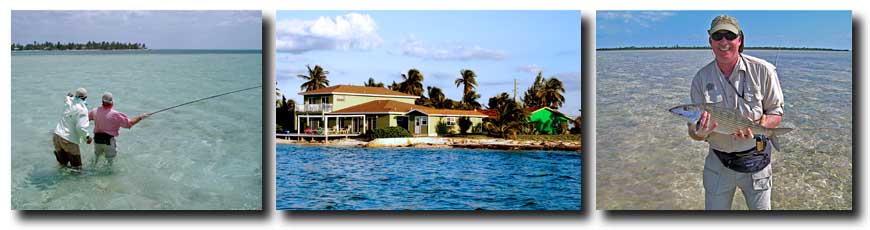
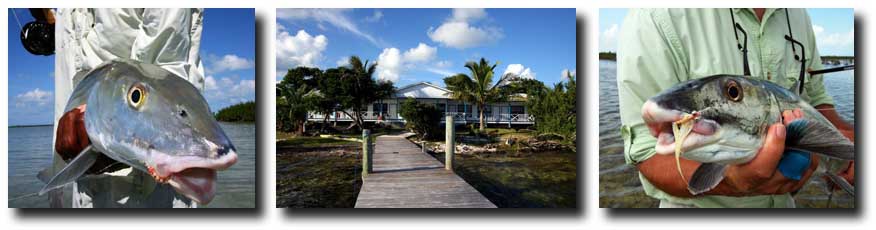
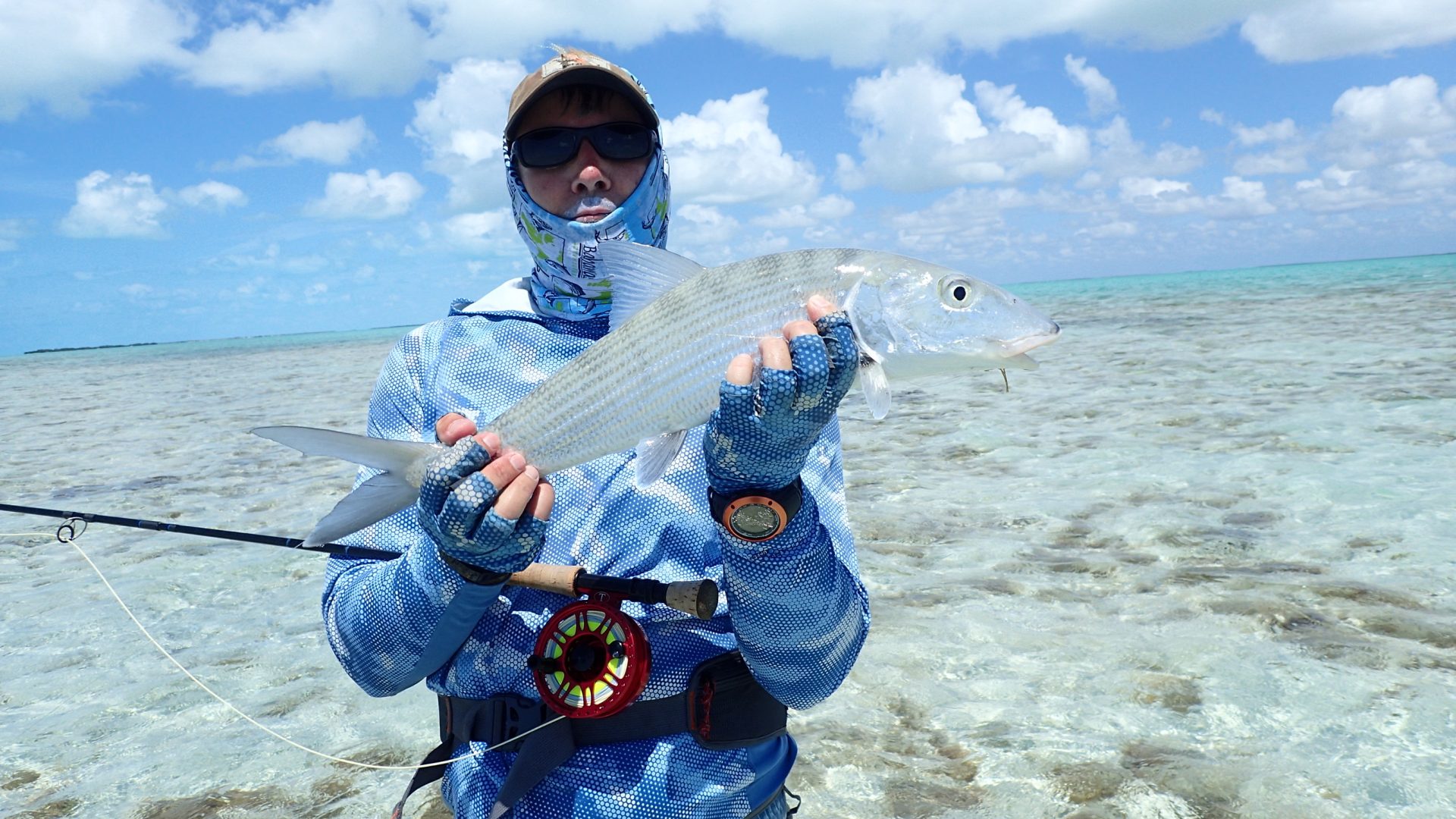
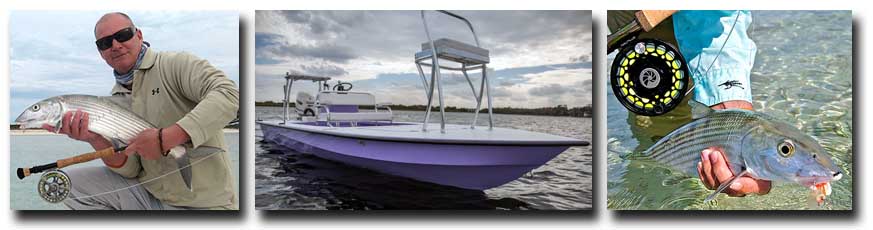
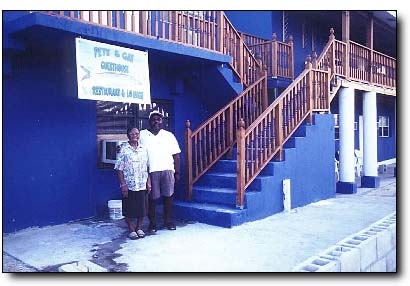


 In recent years the southern tip and southwest side of Andros Island, Bahamas, has become one of the hottest bonefishing destinations in the world. South Andros is a relatively new spot on the angling map and is comprised of vast, unpressured flats, tidal creeks, mangroves and unique inland lakes. Check out our report from


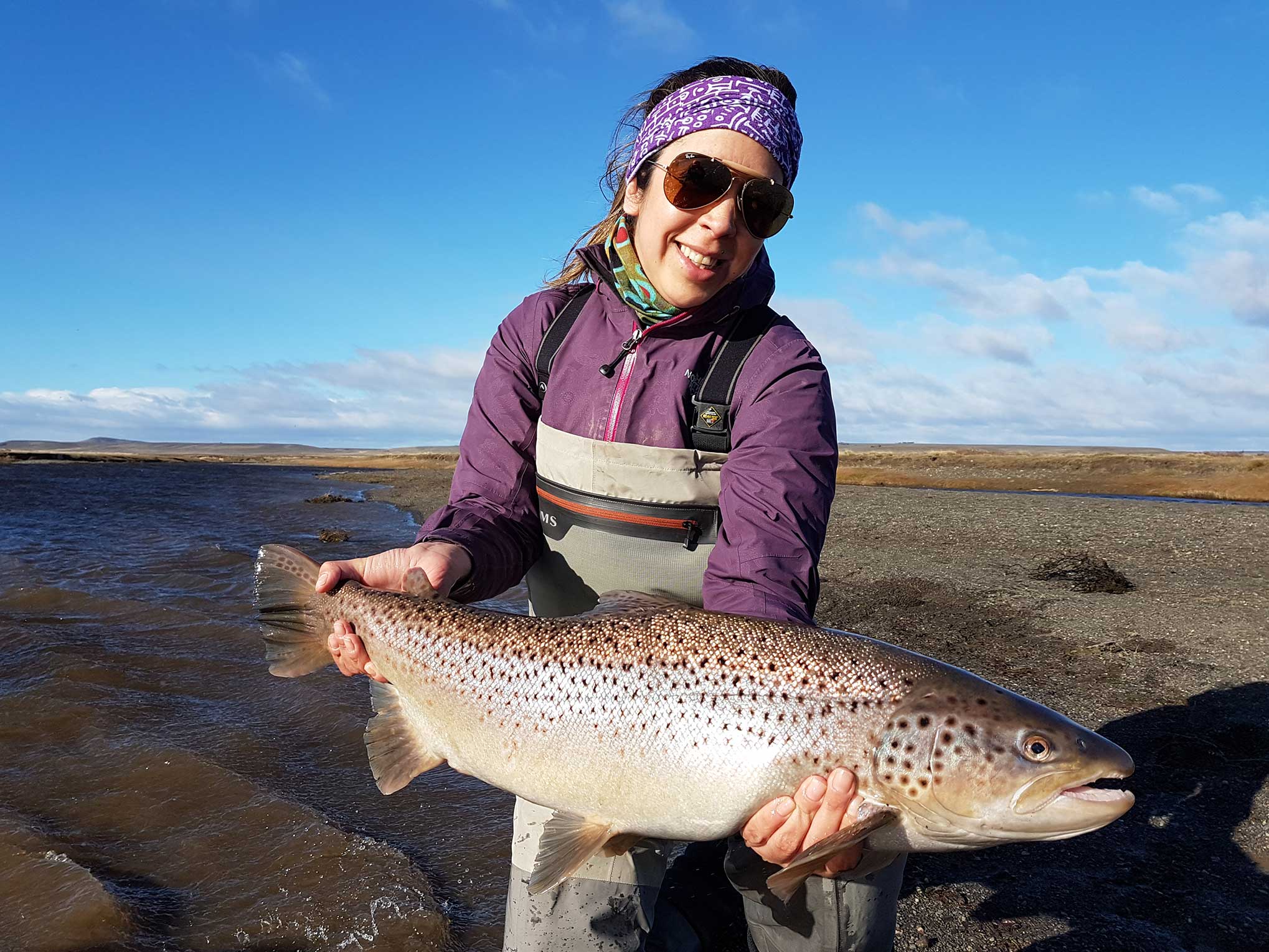
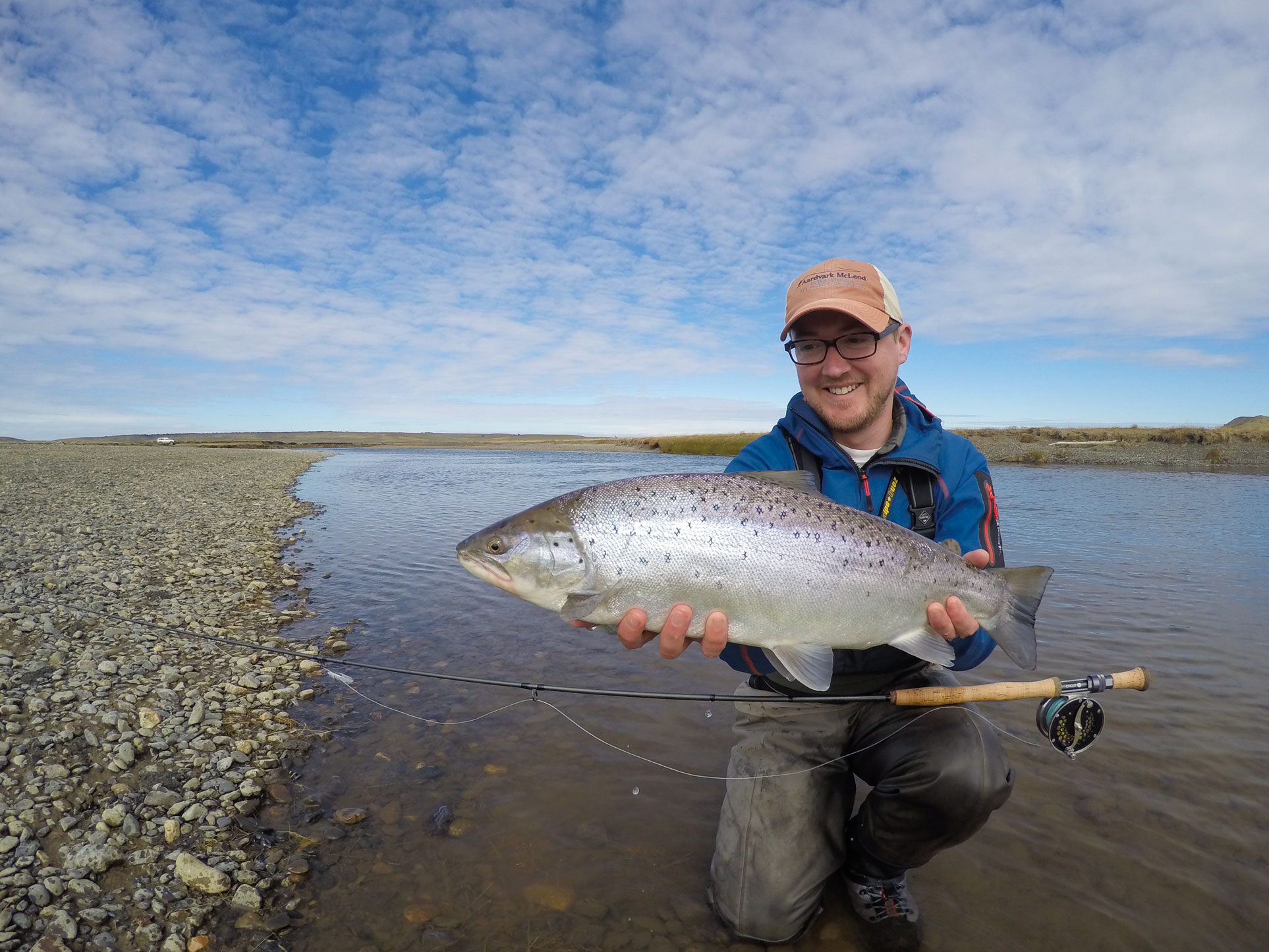
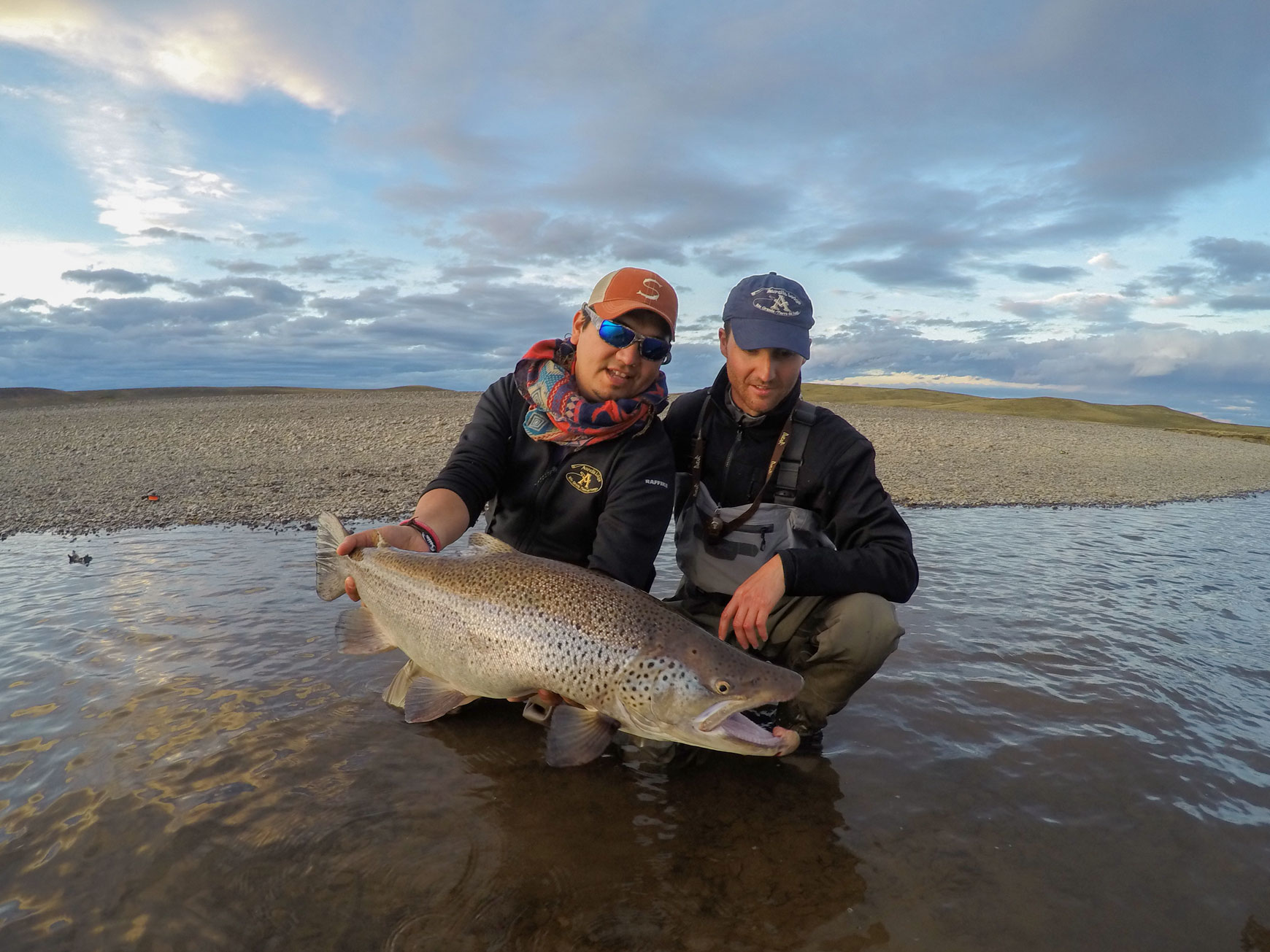
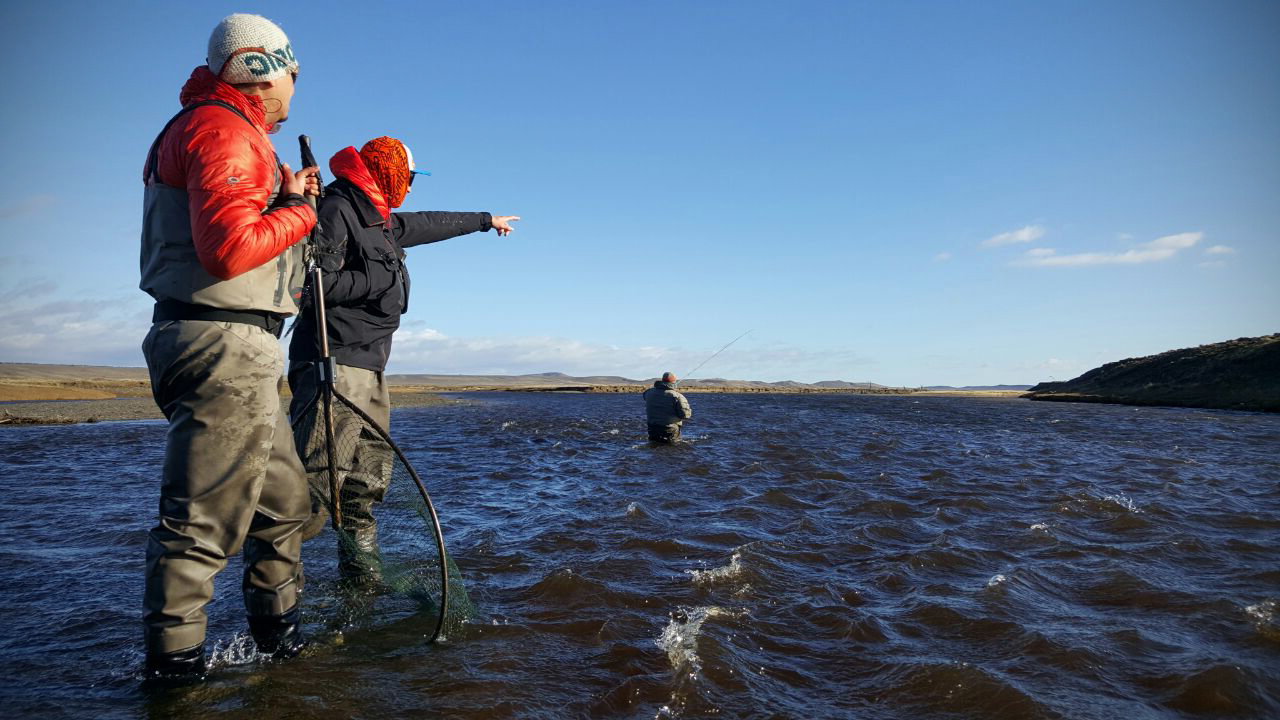
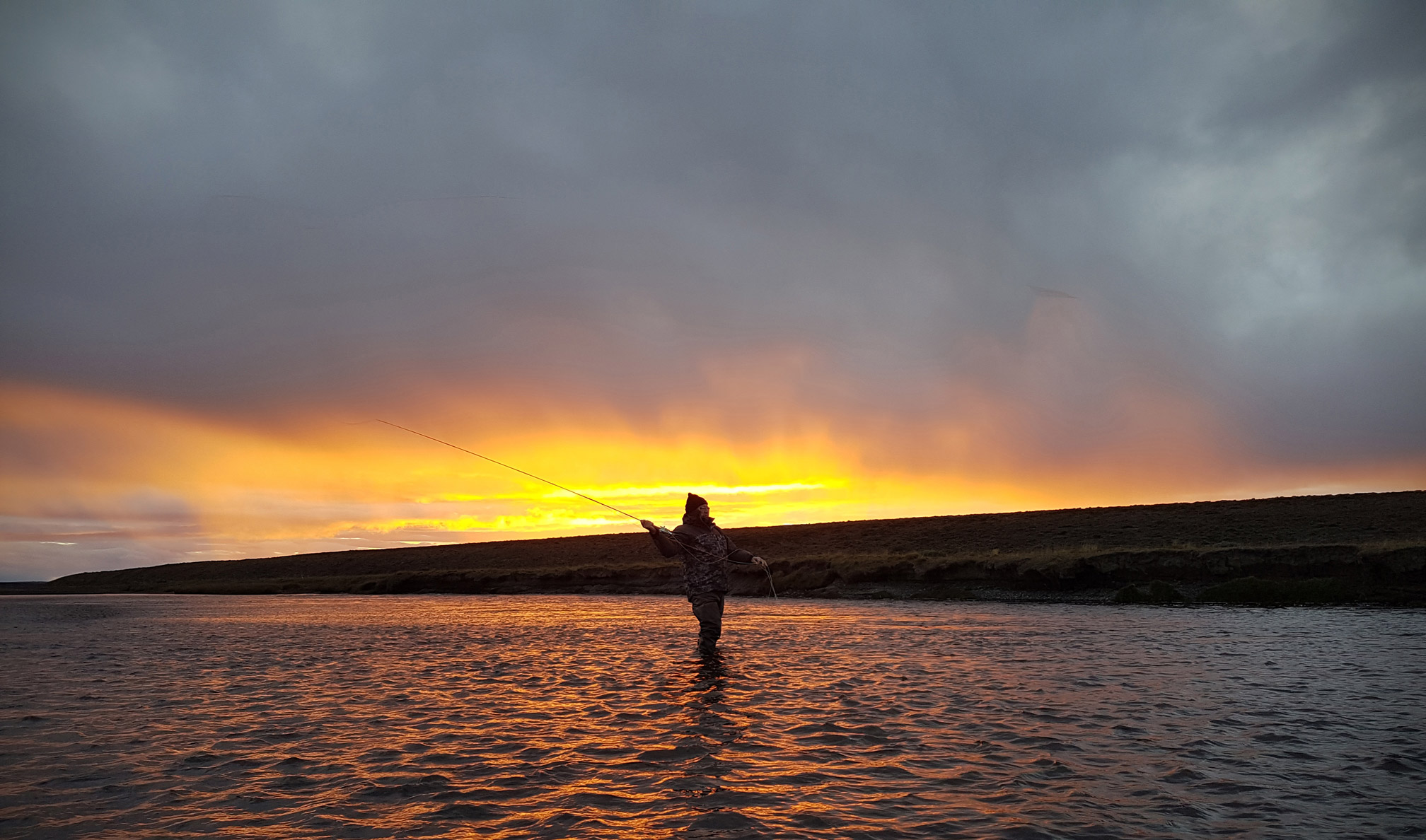
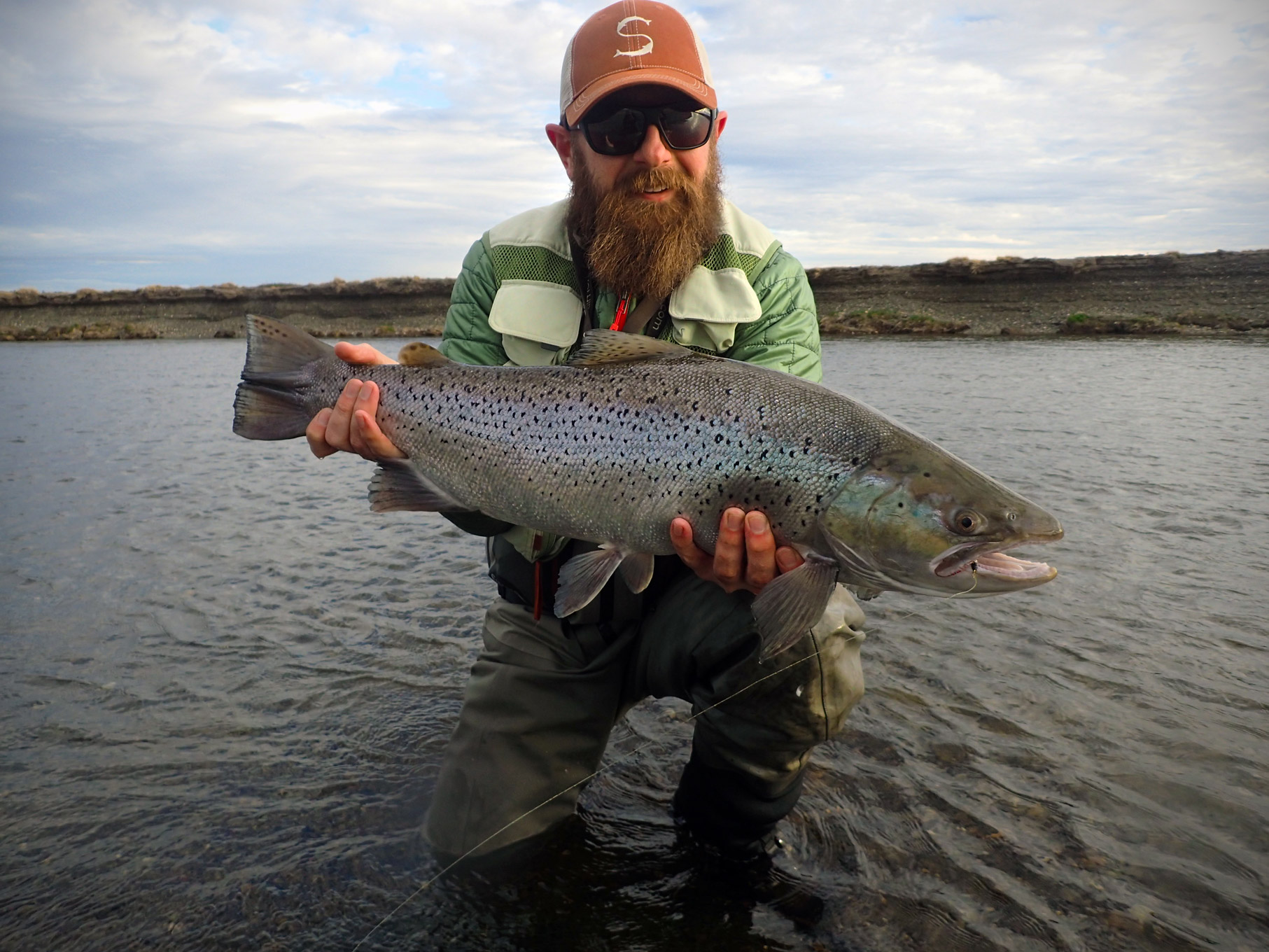


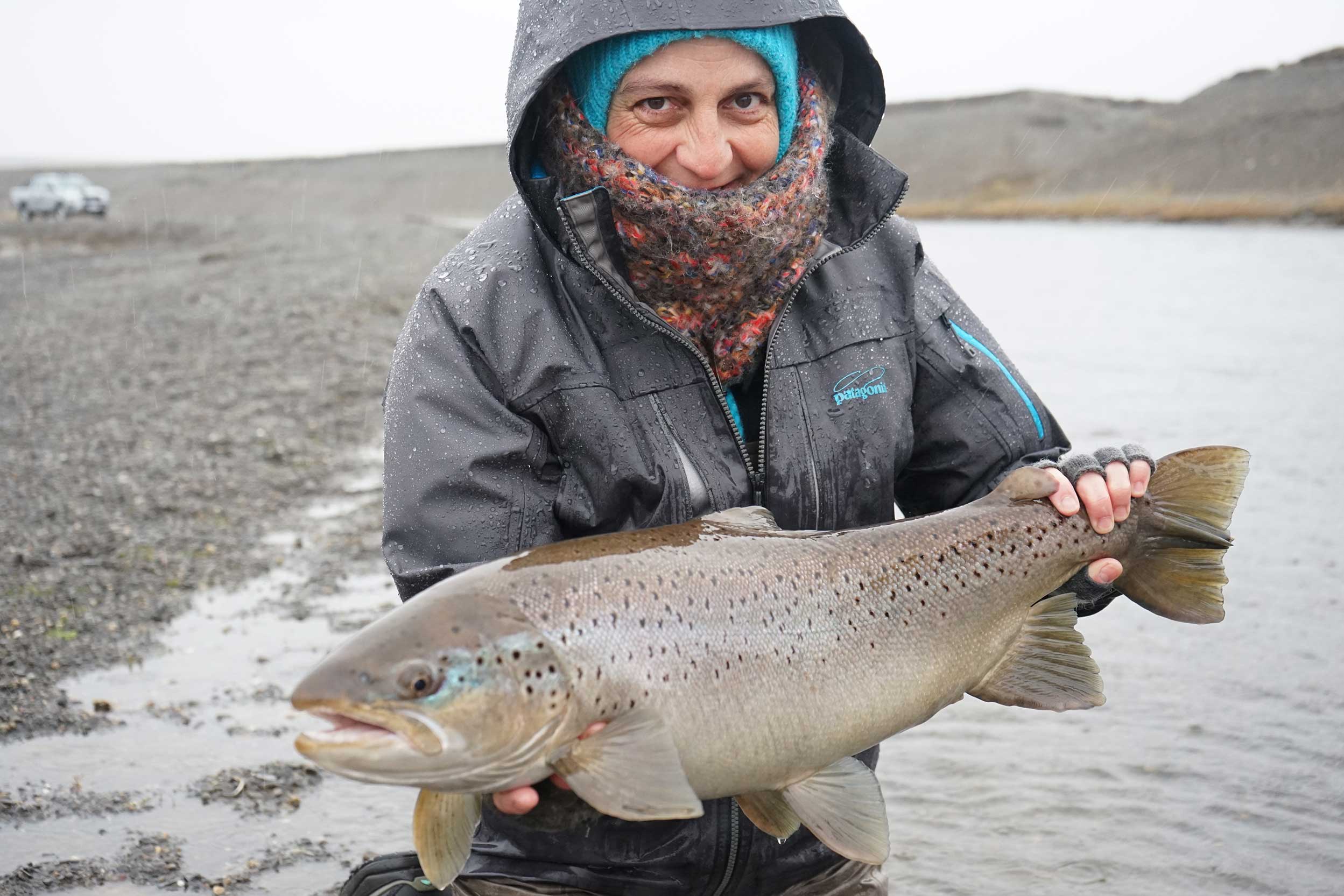
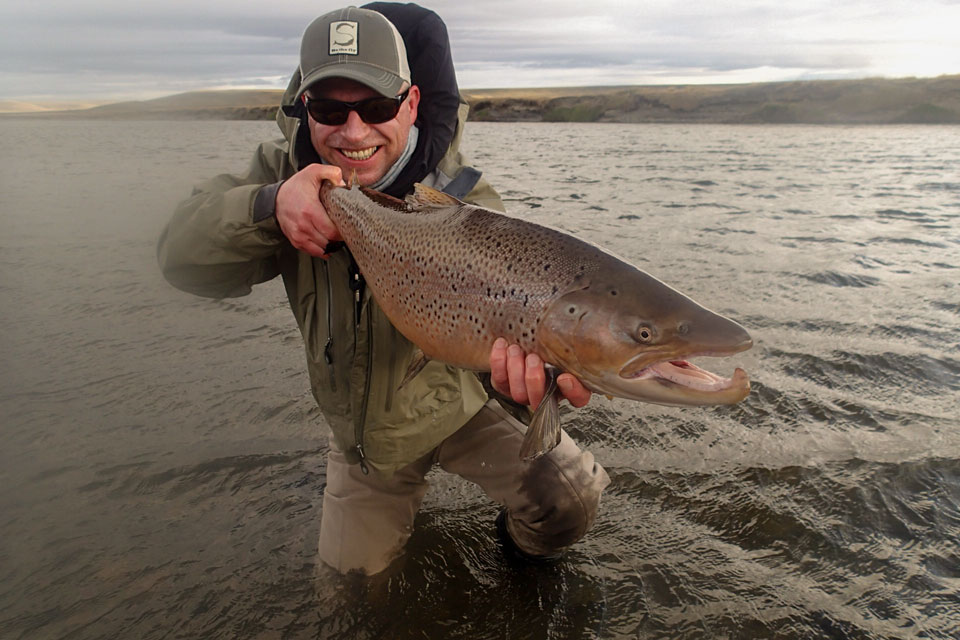
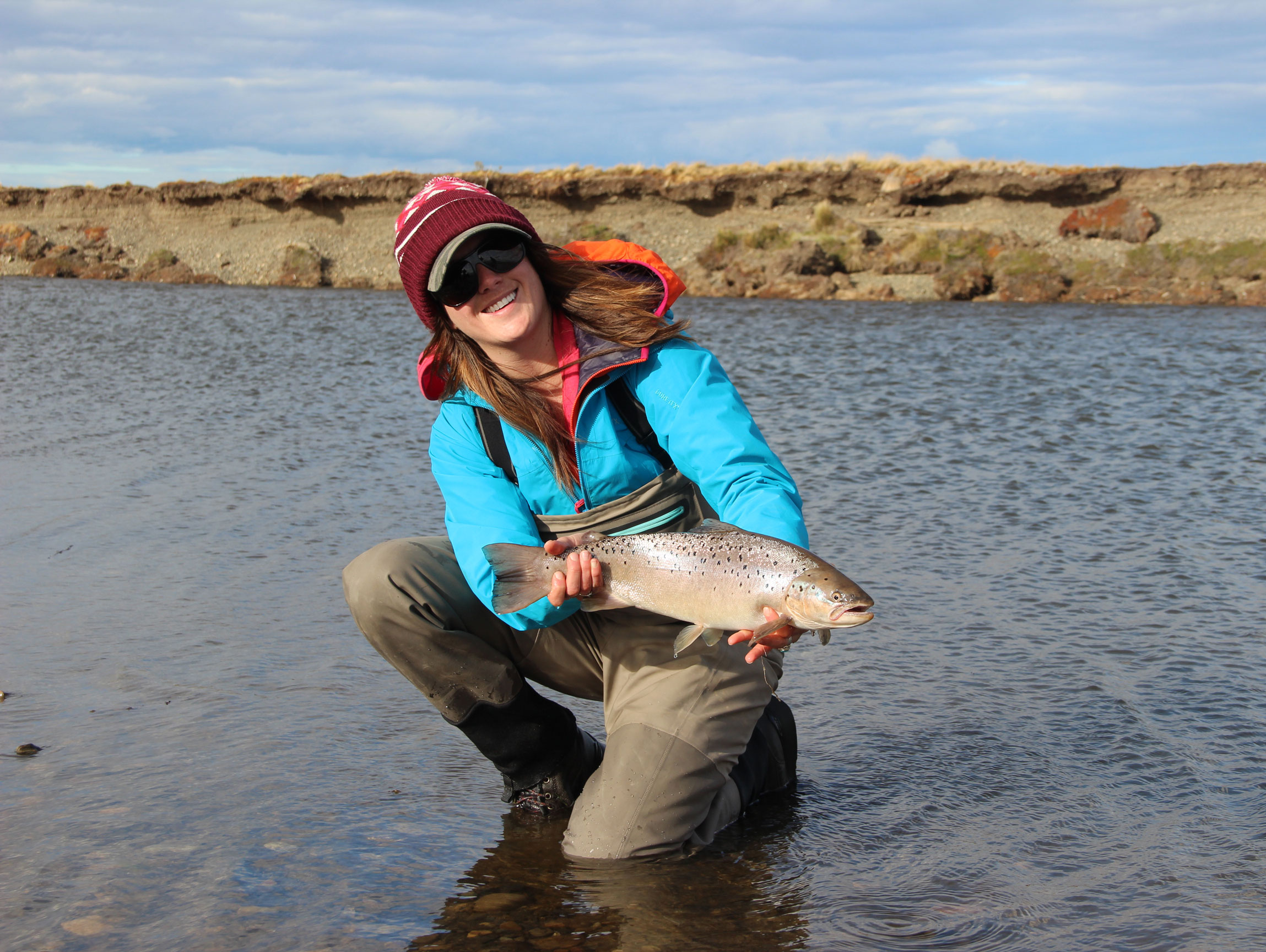

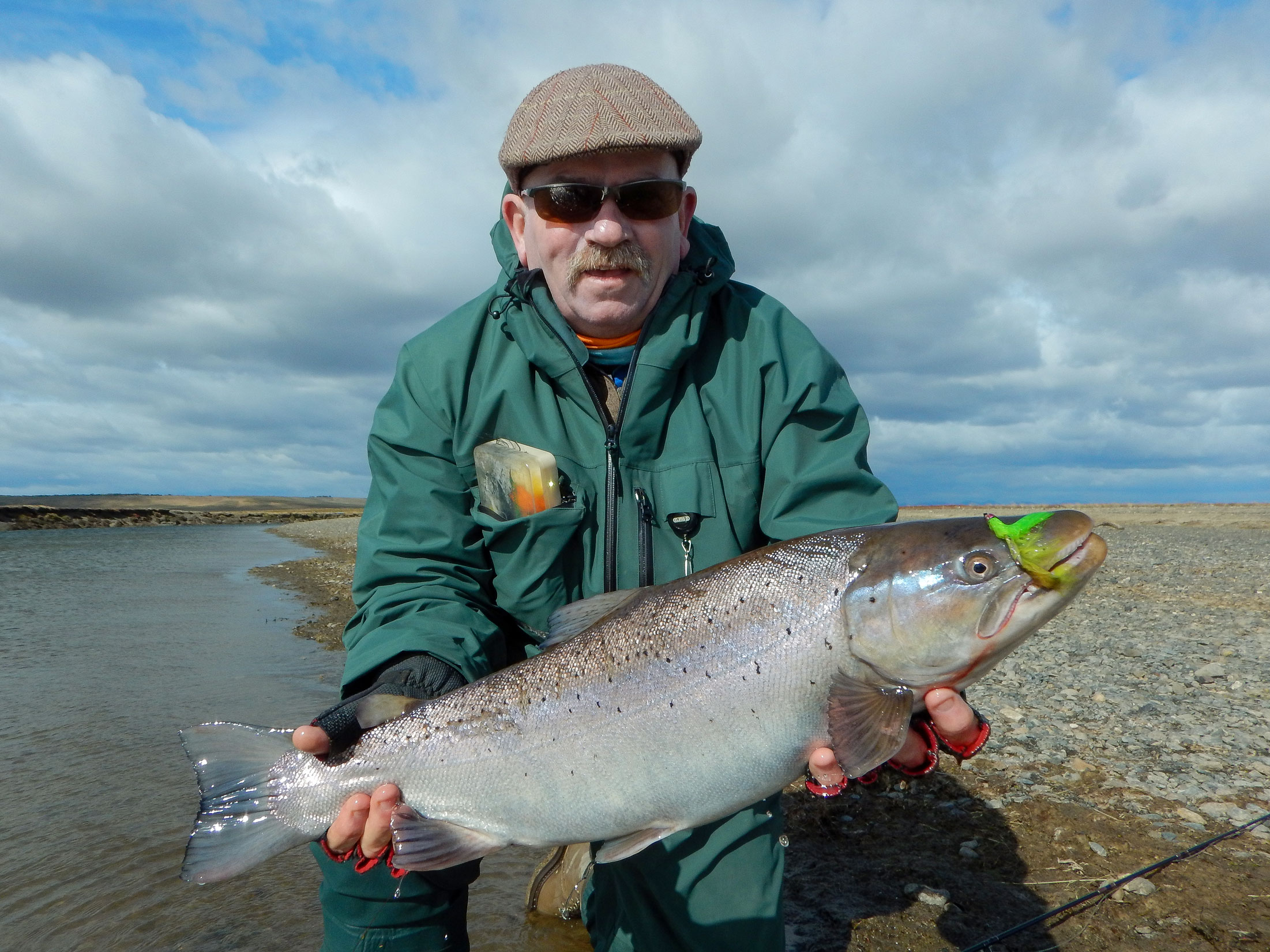
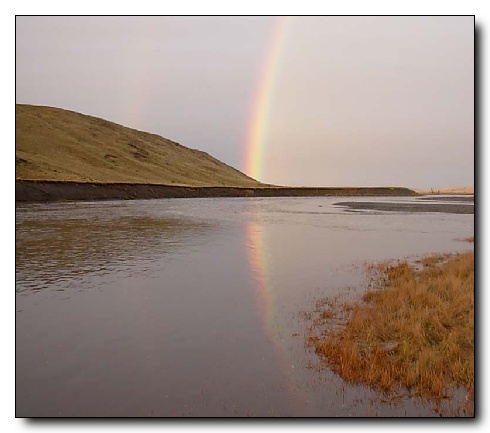 Aurelia Lodge, Estancia Rosita and Estancia Aurelia are situated on the southern bank of the Rio Grande, and occupy the large triangular tract of land between the Rio Grande and its tributary, the Rio Menendez. For years, the owner, Ricardo Hermoso, was occupied with other businesses, not the least of which was running these two working ranches, and found it more expedient to lease most of the Rio Grande water to another outfitter, and operate the fishing on a part time basis, primarily on his 15 miles of the Rio Menendez.
However, when the lease ran up in 2006, Senor Hermoso decided to hire a fishing manager, refurbish the lodge, and run a full time fishing program for the duration of the sea-run trout season.
Senor Hermoso recruited a Rio Grande native, Peter Pereira Mullins to run the operation. Peter, who has fly fished the Rio Grande all his life, holds a degree in Tourism and Hotel Management, had also guided at Despedida Lodge for 7 seasons. Peter recruited a staff of experienced and enthusiastic guides and has personally trained them all.
The Rio Menendez is a smaller river, with more intimate water and is a bit more technical. Wading the Rio Menendez requires a stealthier approach and frequently smaller flies, and presents a challenge that appeals to many experienced anglers.
 While “bigger water” than Menendez, the Rio Grande is really a medium size river, with gentle gradients and easily waded, gravel-bottom pools. While the pools can be covered adequately with a single-handed rod, double-handers have become popular and deal with the famous Tierra del Fuego winds more efficiently. Aurelia Lodge’s pools are varied and interesting with island pools, traditional runs, undercut banks and meanders. All the pools are ideal fly water.
All told, Aurelia Lodge offers 8 miles of double bank fishing on the Rio Grande and 15 miles of double bank fishing on the Rio Menendez.
The lodge is approximately 83 kilometers from the airport at Rio Grande City. The main lodge is set back several miles from the Rio Grande. Aurelia Lodge blends the traditional estancia styles with more modern. For example, dinner may be served in a modern and elegant formal dining room one evening, and the following, a traditional gaucho “asado” Served in the “Quincho” dining room.
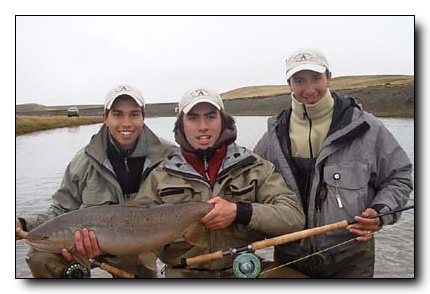 The fishing day is divided into two 4-hour fishing sessions to take advantage of the most productive, low-light periods of the day. Anglers depart Aurelia each morning at 8:00 am for the river and their assigned beat. Each two anglers will have their own guide and 4 WD vehicle equipped with exterior rod holders. You can drive right up to most of the pools so very little walking is required.
Those fishing the Rio Grande will meet at the comfortable fishing hut over looking the river, for a sumptuous midday meal followed by the traditional siesta. Anglers on the Menendez return to the main lodge for lunch and siesta. You head back out in late afternoon and fish until dark. Then all will return to Aurelia’s main lodge for a gourmet dinner featuring a selection of exquisite Argentinean wines.
The 2018 rate at Aurelia Lodge is: February / March = $6,290 US per person per week and April = $5,032 US per person per week. Cost for a non-angler guest is 50% of the angler rate.
Included: Roundtrip transfers from Rio Grande airport to the Lodge; 7 nights double occupancy accommodations; 6 full days guided fishing, 2 anglers per guide; all meals with fine seletion of wines and beers; hard liquors and cocktails before meals at the lodge; internet access; fishing license.
Not Included: International airfare to Buenos Aires; hotels or transfers in Buenos Aires; airfare from Buenos Aires to Rio Grande; ground transfers from Rio Grande; fishing license; personal equipment, laundry service; staff and guide gratuities.
