The Question Every Angler Asks (And Why the Answer Might Surprise You)
Picture this: You’ve been planning your dream Bahamas bonefishing trip for months. You’ve researched lodges, booked flights, and counted down the days. Then, a week before departure, you see it—a hurricane is tracking toward your destination.
Your first instinct? Cancel. Reschedule.
Here’s what 40+ years of planning fly fishing trips has taught us: Don’t jump the gun.
Wait. See what happens. Because on the back end of that hurricane, you could experience the best fishing of your entire life.
I’m not exaggerating. I’ve seen it happen time and again. Anglers who “rolled the dice” and kept their trips have landed grand slams, caught trophy bonefish, and created stories they’ll tell for decades.
This isn’t wishful thinking—it’s science. And understanding how hurricanes affect fish behavior could be the difference between staying home and experiencing the best fishing of a lifetime.
The Science Behind Post-Hurricane Fishing: Why Fish Are So Active After Storms
To understand why post-hurricane fishing can be so exceptional, you need to understand how fish respond to barometric pressure changes. It’s not just about wind and rain—it’s about what happens to fish when atmospheric pressure drops and rises.
How Barometric Pressure Affects Fish Behavior
Fish are incredibly sensitive to pressure changes. They feel atmospheric pressure through the water column—every change in pressure above the surface translates to changes they experience below.
Here’s what happens:
- As the hurricane approaches, barometric pressure drops dramatically
- Fish sense this change and become stressed and uncomfortable
- They seek deeper water where pressure is more stable
- They stop feeding and focus on safety
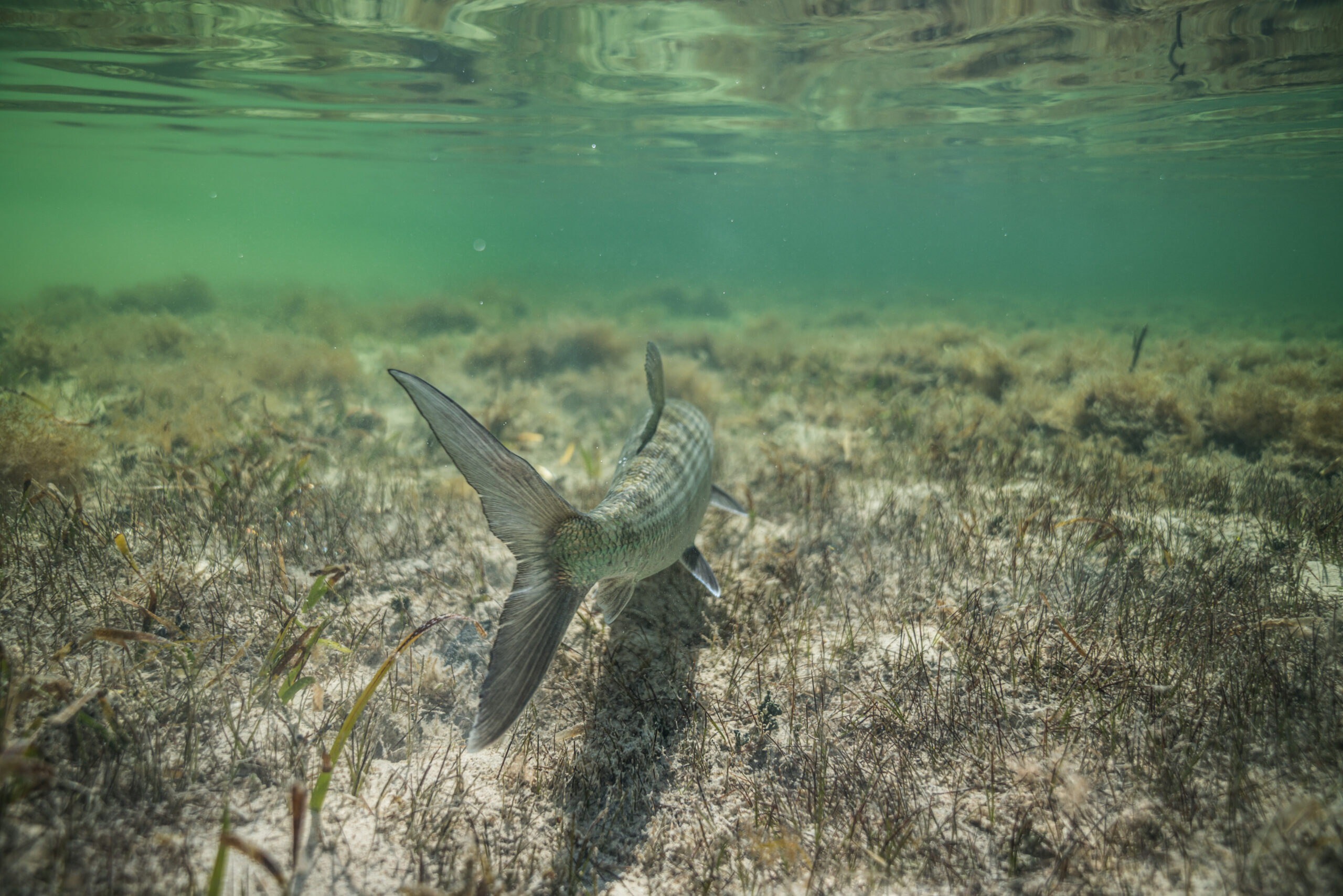
For bonefish that typically feed on the flats, this means they abandon their primary feeding grounds and move to deeper channels, cuts, and drop-offs. They’re not just moving—they’re going without food.
Why Fish Get So Hungry
Here’s the critical part most anglers don’t understand: During a hurricane, fish can go days without eating.
Think about it from the fish’s perspective:
- Day 1: Pressure drops, fish move to deeper water
- Day 2: Hurricane passes over, conditions are dangerous, fish stay deep
- Day 3: Storm continues, fish remain in deeper water
- Day 4: Storm moves on, but conditions are still unsettled
- Day 5: Pressure normalizes, weather clears, fish return to flats
That’s potentially five days without food for fish that normally feed daily on the flats.
Now imagine you haven’t eaten in five days. What happens when food becomes available again?
You become absolutely voracious.
The Post-Hurricane Feeding Frenzy: What Makes Post-Hurricane Special
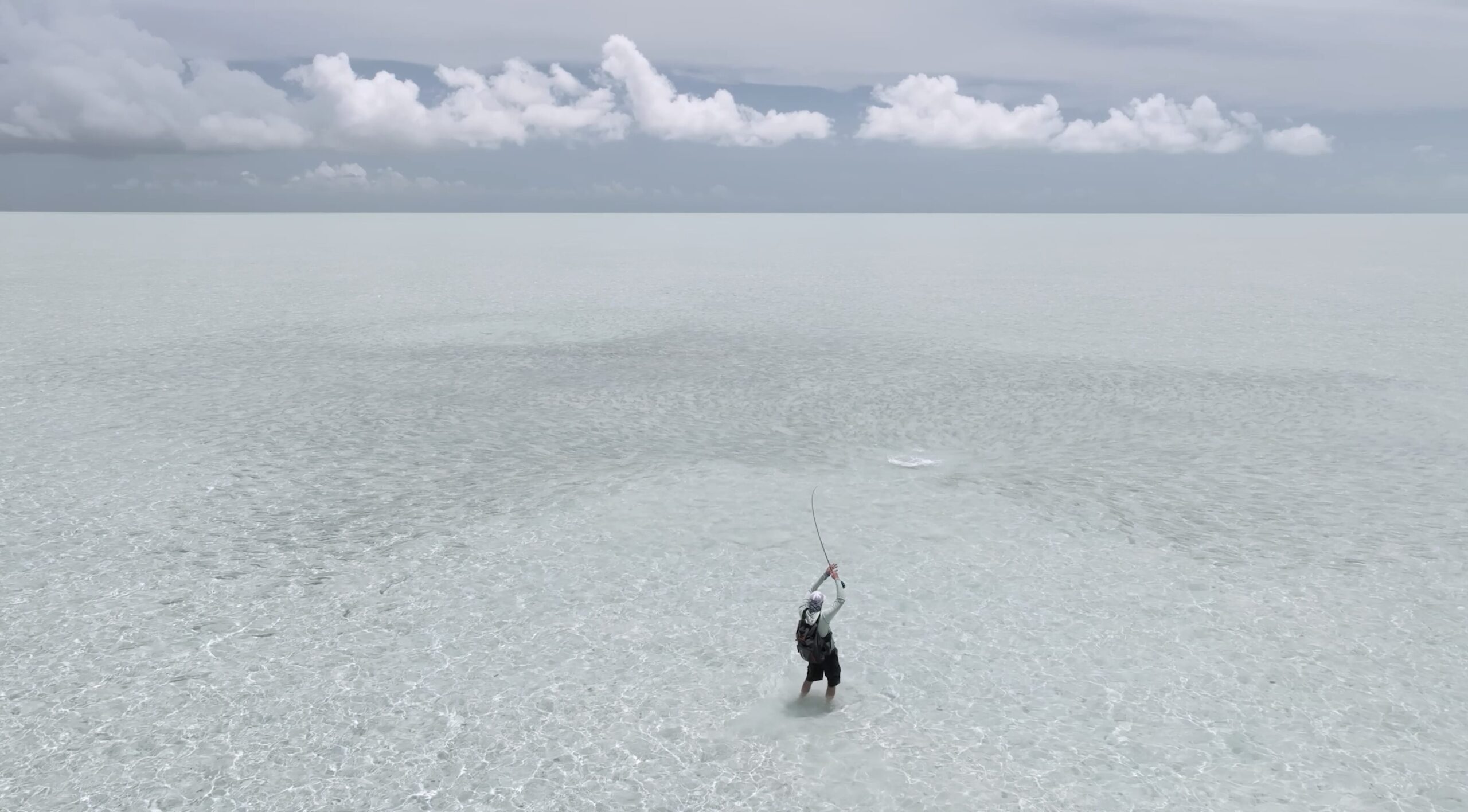
When the hurricane passes and conditions stabilize, something remarkable happens. Fish return to the flats, and they’re not just hungry—they’re aggressive, reckless, and easier to catch.
Why Larger Fish Are Especially Aggressive
The biggest bonefish—the ones that typically require more calories to maintain their size—are the most affected by not eating. They need more food, so they become the most aggressive feeders.
What this means for you:
- Trophy-sized bonefish that are normally cautious become bold
- Fish that typically spook easily will take flies they’d normally ignore
- Multiple shots at the same fish become possible (they’re too hungry to care)
- They’re the first fish back on the flats to eat
Even Permit Put Down Their Guard
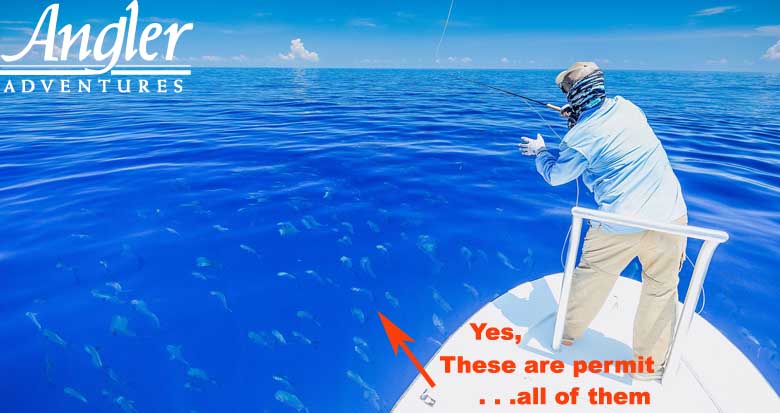
Permit are notoriously difficult to catch. They’re smart, spooky, and selective. But after a hurricane?
They put down their guard.
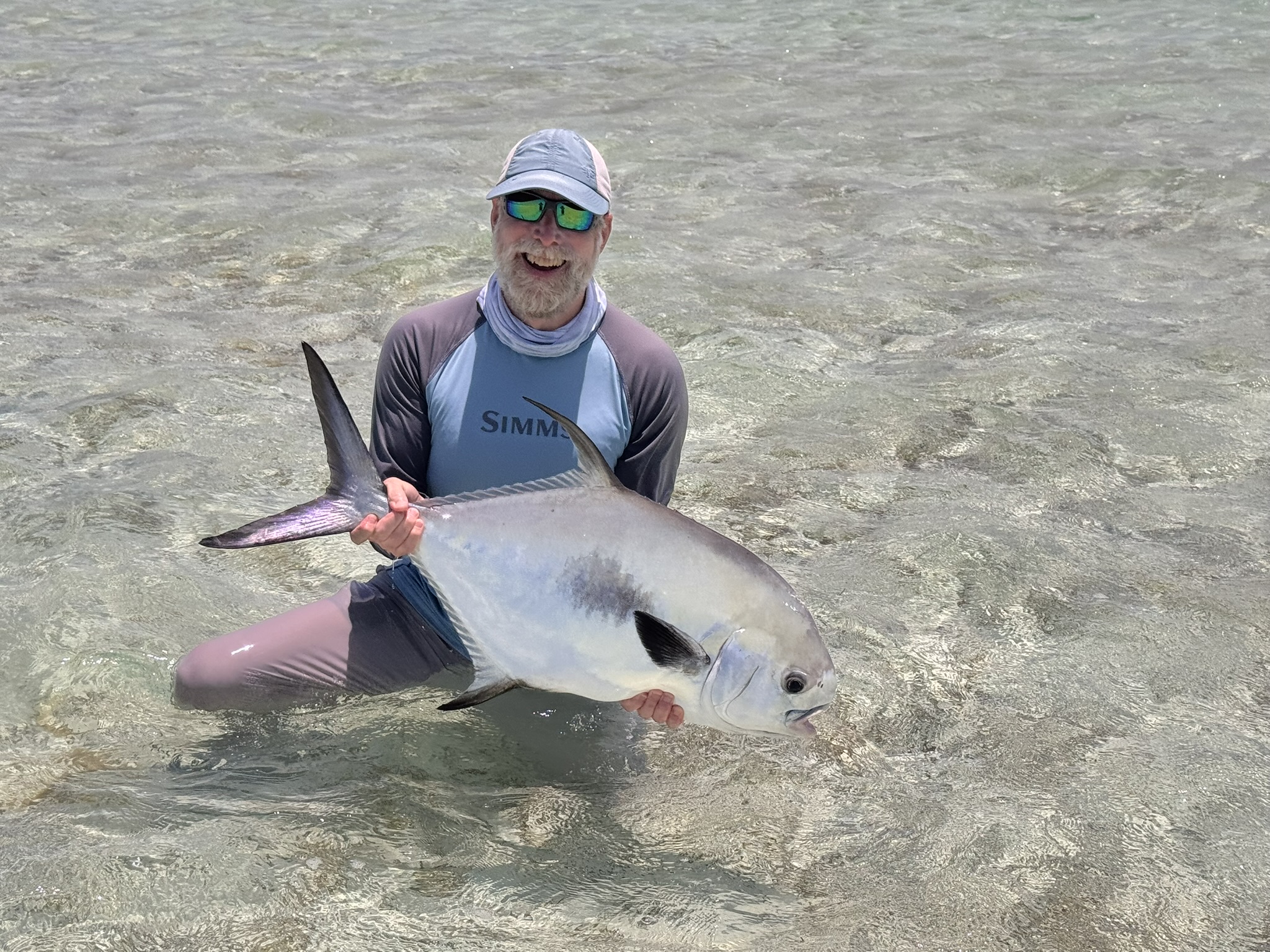
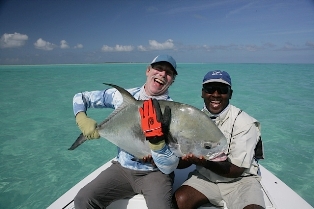
Permit feed on the reef, so they’re slightly less affected by the starvation period than bonefish. But when they return to the flats, they’re there for one reason: to eat. And that makes them significantly easier to catch.
Real Stories: Anglers Who Rolled the Dice and Won
We’ve seen this play out countless times. Anglers who were ready to cancel, who called us worried, who asked “Should I reschedule?”
We told them: Wait. See what happens.
And they experienced fishing they’ll never forget:
- Grand slams on days when conditions looked impossible
- Trophy bonefish caught in numbers that seemed unbelievable
- Permit that took flies on the first cast
- Stories that became the highlight of their fishing careers
These aren’t isolated incidents. They’re patterns we’ve observed over decades of planning trips. When hurricanes pass through, exceptional fishing often follows.
When to Wait vs. When to Cancel: Expert Advice
I’m not suggesting you ignore safety or common sense. There are absolutely times when canceling or rescheduling is the right call.
Wait and See If:
- The hurricane is tracking near (but not directly over) your destination
- Your trip is scheduled for 2-3 days after the storm passes
- Travel infrastructure (flights, lodges) remains operational
- Local authorities haven’t issued evacuation orders
- Your lodge confirms they’ll be operational
Consider Rescheduling If:
- The hurricane makes direct landfall on your destination
- Travel infrastructure is severely damaged
- Your lodge is in the direct path and sustains damage
- Safety concerns make travel inadvisable
- Your trip falls during the actual storm (not after)
The key is timing. If your trip is scheduled for the days immediately following a hurricane’s passage, you could be in for exceptional fishing. If your trip falls during the storm itself, rescheduling is likely the smart move.
How to Prepare for Post-Hurricane Fishing
If you decide to keep your trip, here’s how to maximize your chances of success:
1. Monitor the Storm Track
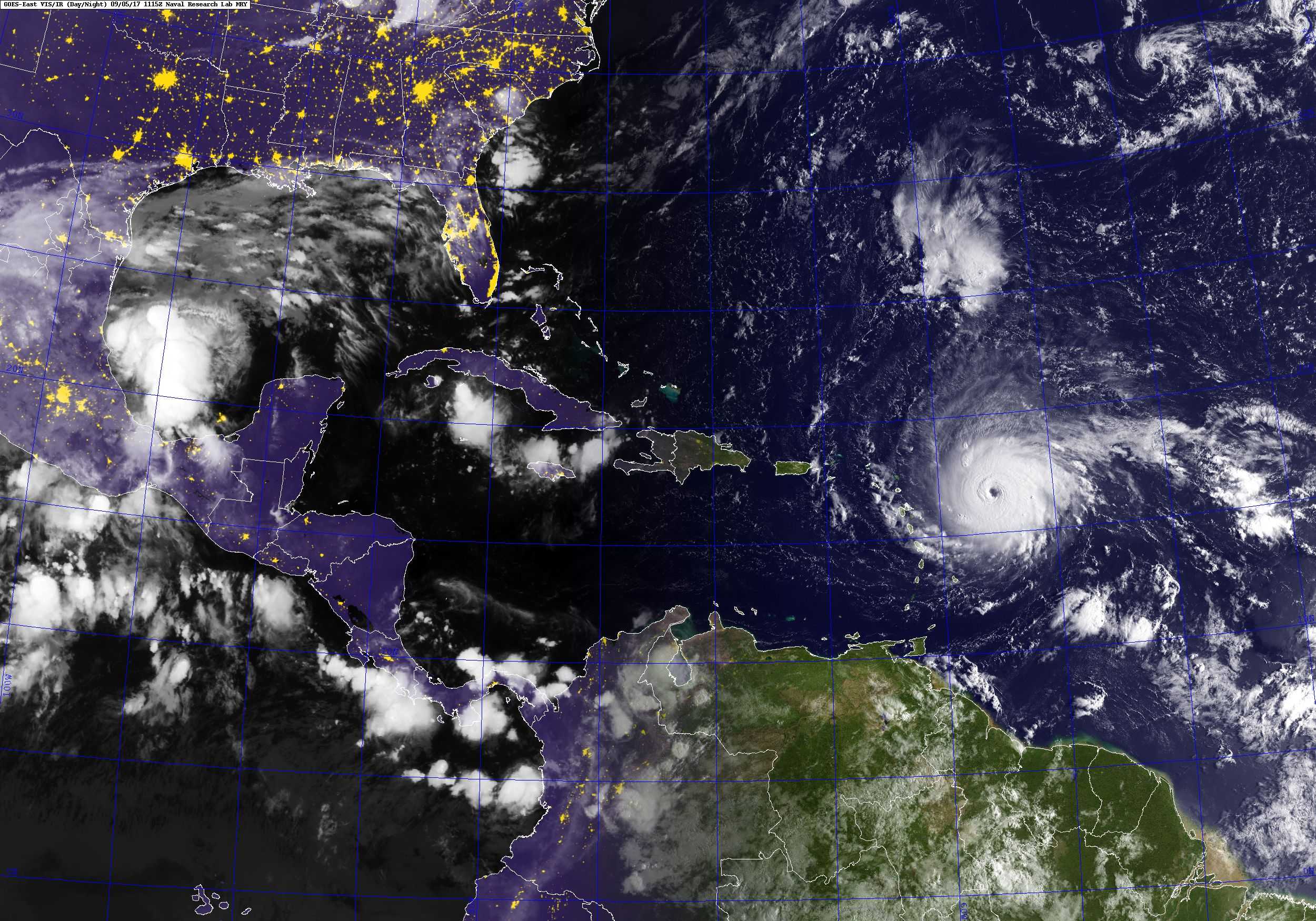
- Use reliable weather sources (National Hurricane Center, local forecasts)
- Track the storm’s path and timing
- Understand when it will pass and when conditions will stabilize
2. Communicate
- Stay in touch about local conditions
- Ask about infrastructure status (docks, boats, accommodations)
- Confirm they’ll be operational for your dates
3. Pack for Variable Conditions
- Bring gear for both calm and windy conditions
- Pack multiple fly patterns (fish may be less selective when hungry)
- Include backup equipment (conditions may be rougher than normal)
4. Adjust Your Expectations
- Be patient—conditions may take a day or two to stabilize
- Fish may be in different locations than usual
- Water clarity may be affected initially
- But when fish return to the flats, they’ll be aggressive
5. Work with Your Guide
- Guides know local patterns and will adjust tactics
- They understand where fish go during storms
- They know when and where fish return to the flats
- Trust their expertise—they’ve seen this before
The Bottom Line: Why This Matters
Here’s what I want you to remember:
Hurricanes don’t always mean bad fishing. Often, they mean the opposite.
The barometric pressure changes, the starvation period, the return to feeding grounds—it all creates conditions that can produce the best fishing you’ve ever experienced.
That major day of fishing—the grand slam, the trophy bonefish, the permit that took your fly on the first cast—that’s what makes it special. That’s what people write home about. That’s what creates testimonials, photos, and social media shares.
We need those stories. We need those experiences. Because they prove that sometimes, the best fishing comes after the worst weather.
Key Takeaways: What You Need to Know
- Barometric pressure changes drive fish to deeper water during hurricanes
- Fish can go 3-5 days without eating during and immediately after storms
- Post-hurricane fishing often produces aggressive, hungry fish
- Larger fish are especially voracious after starvation periods
- Don’t cancel immediately—wait and see what happens
- Timing matters—trips 2-3 days after storms can be exceptional
- Safety first—but don’t assume bad fishing means bad conditions
—

Planning Your Post-Hurricane Fishing Adventure
If you’re planning a Bahamas bonefishing trip and a hurricane is in the forecast, here’s what to do:
- Don’t panic. Storms don’t always mean canceled trips / bad fishing.
- Monitor conditions. Track the storm and understand timing.
- Communicate. Stay in touch with your agent.
- Be flexible. Conditions may require adjustments, but fishing can be exceptional.
- Trust experience. 40+ years of planning trips has taught us: wait and see.
Ready to plan your Bahamas bonefishing adventure? Whether you’re facing a hurricane forecast or planning months in advance, we can help you find the perfect trip, the right timing, and the best conditions for your skill level and goals.
Get Your Free Bahamas Fishing Trip Quote →
—
Related Articles & Resources
- Bonefishing in Winter Water Temps by Doug Schlink — Learn how water temperature affects bonefish behavior
- Planning a Fly Fishing Trip to the Bahamas Guide — Complete guide to planning your Bahamas adventure
- Weather Conditions and Fishing Techniques — How to adapt your approach based on conditions
- Wind Direction and Fishing Effects — Understanding how wind affects bonefishing
—
Frequently Asked Questions
Is it safe to fish after a hurricane?
Safety should always be your top priority. If local authorities have cleared the area for travel and your lodge confirms they’re operational, fishing after a hurricane can be safe. Always follow local advisories and use common sense.
How long after a hurricane is fishing good?
Typically, fishing becomes exceptional 2-3 days after a hurricane passes, once barometric pressure normalizes and fish return to the flats. Conditions can remain excellent for several days to a week.
Do fish eat better after a storm?
Yes, fish often feed more aggressively after storms due to the starvation period during the storm. Barometric pressure changes drive fish to deeper water where they may not feed for several days, making them extremely hungry when they return.
Should I cancel my fishing trip if there's a hurricane?
Not necessarily. If your trip is scheduled for 2-3 days after the storm passes and travel infrastructure is operational, you may experience exceptional fishing. Always prioritize safety and stay in communication with your agent.
What makes post-hurricane fishing so good?
Fish go days without eating during hurricanes as they move to deeper water to escape pressure changes. When they return to the flats after the storm, they’re extremely hungry and aggressive, making them easier to catch and more willing to take flies.
—
*This article is based on expert knowledge from 40+ years of planning fly fishing trips in the Bahamas. Individual experiences may vary based on specific storm conditions, timing, and local factors. Always prioritize safety and follow local advisories when planning trips during hurricane season.*
About the Author: Evan Peterson is the owner of Angler Adventures, a boutique travel company that has been planning fly fishing adventures for over 40 years. Angler Adventures prides itself on matching anglers with the perfect destinations, lodges, and conditions for their skill level and goals. This instrumental expertise in weather patterns, fish behavior, and destination selection has helped thousands of anglers experience their best fishing trips.
—
Want to experience post-hurricane fishing for yourself? Contact us today to plan your Bahamas bonefishing adventure, or call 860-434-9624 to speak with an expert travel advisor.


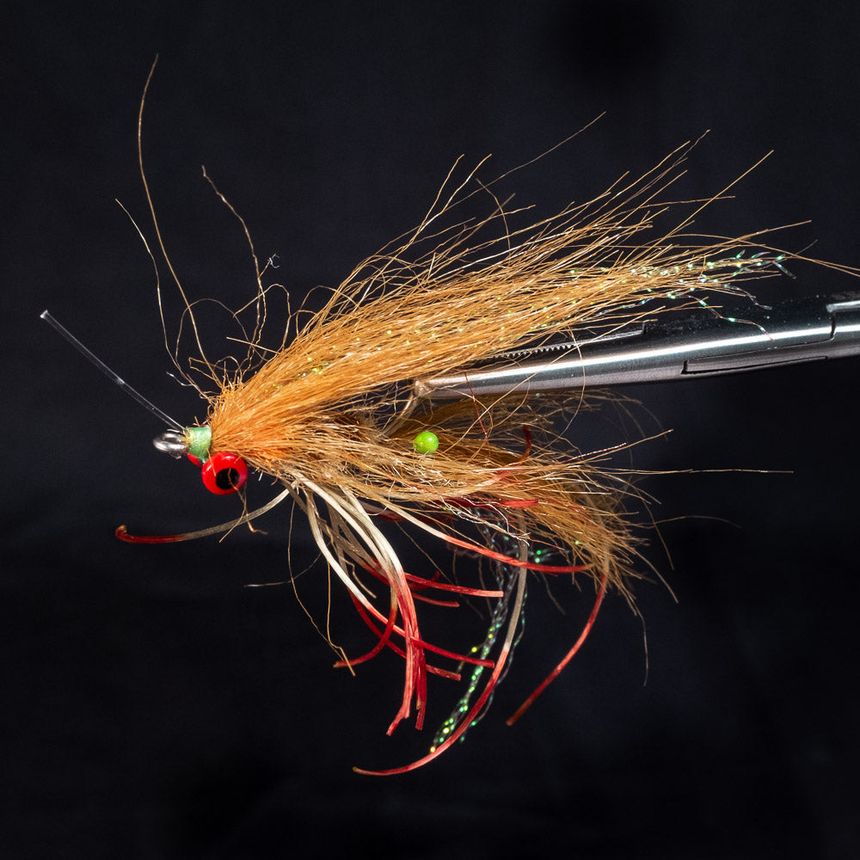
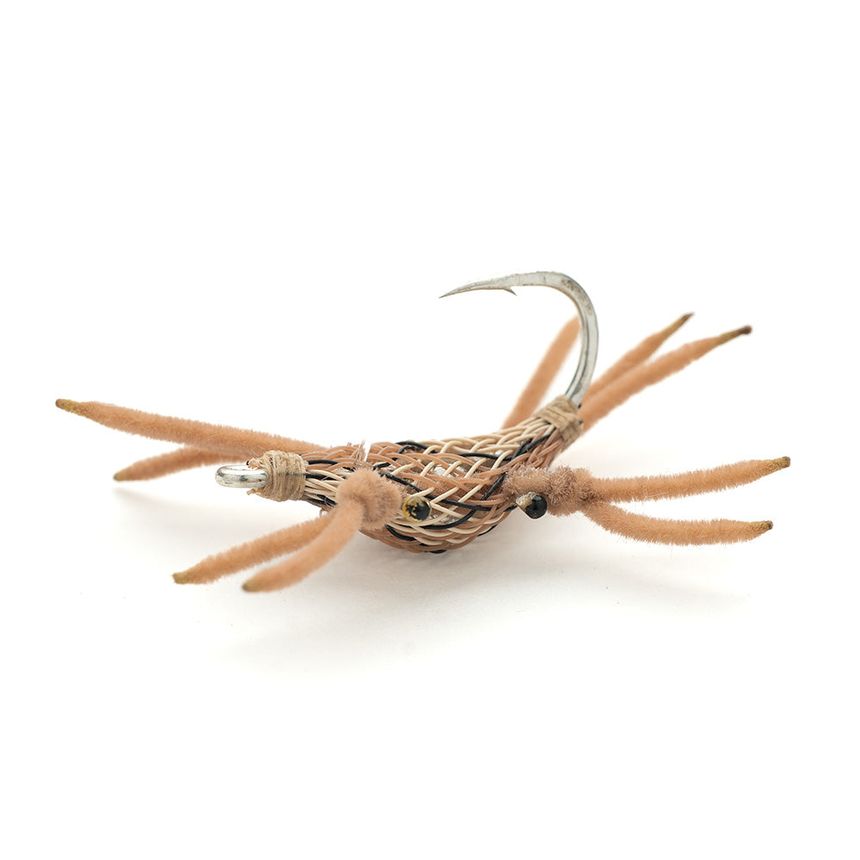
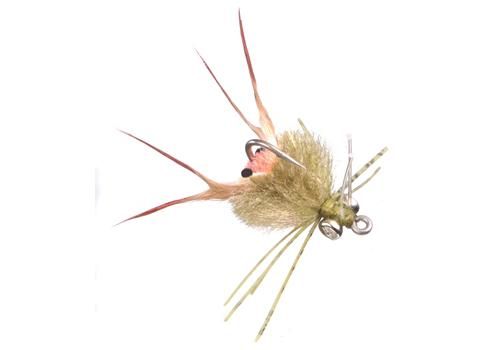


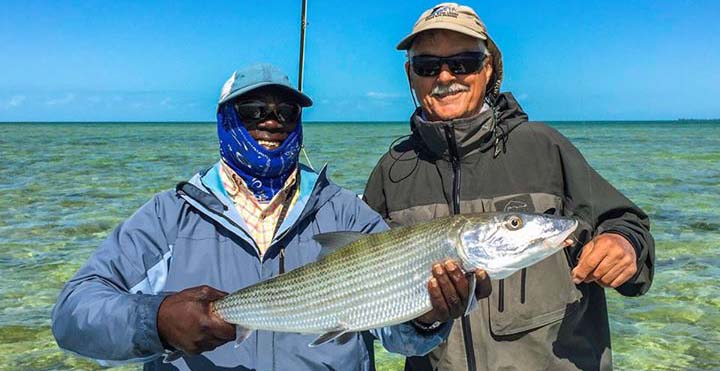


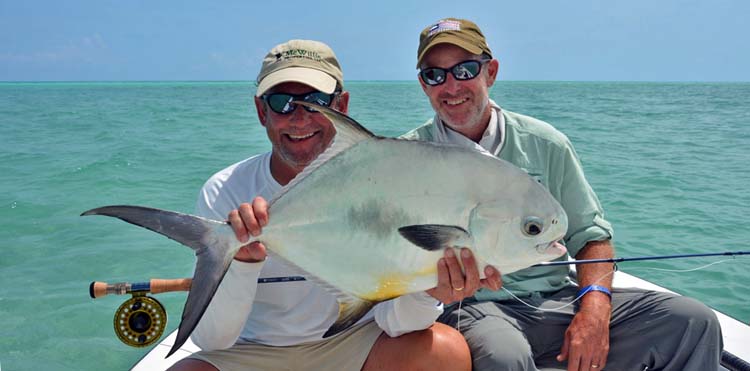
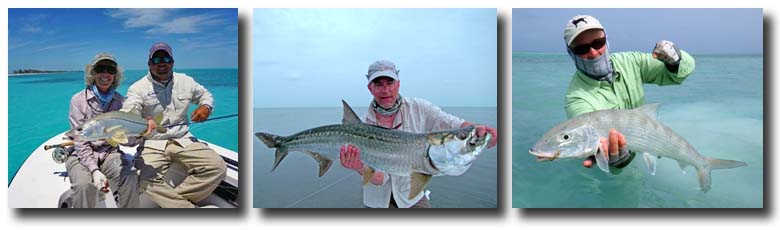









 , biggest bonefish






 Paul Adams Takes Reigns at North Riding Point Club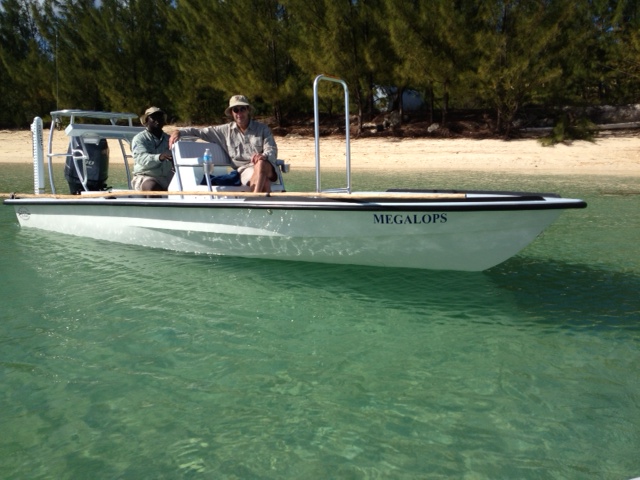

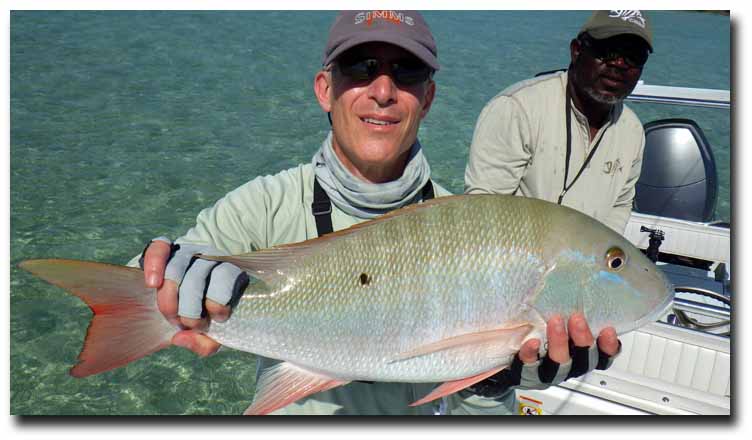

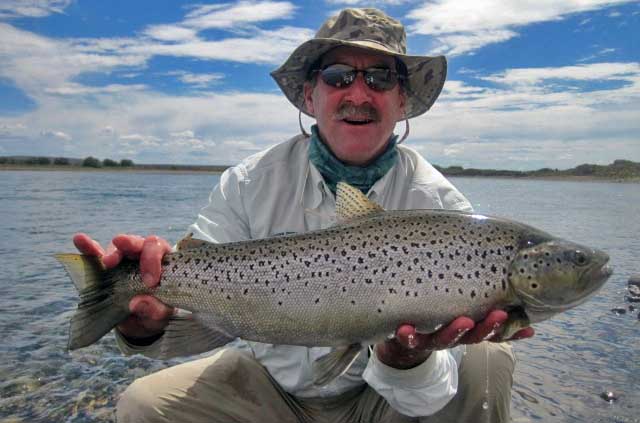
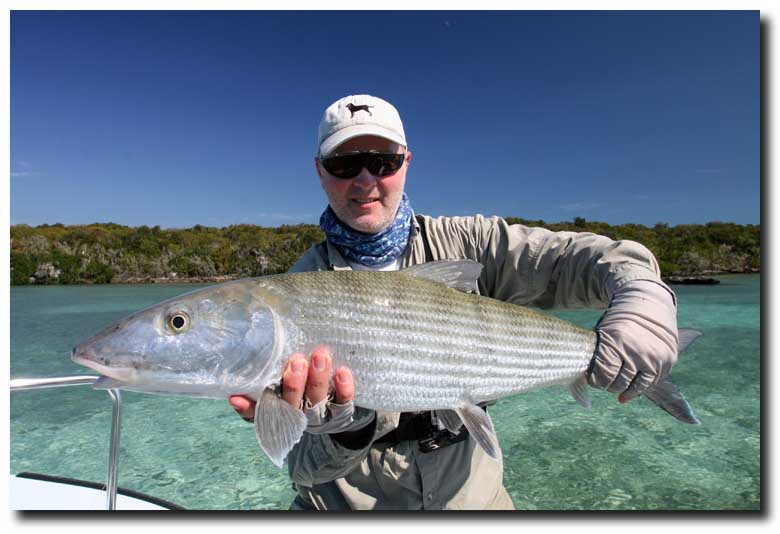
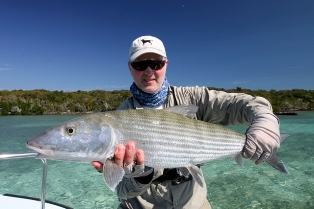
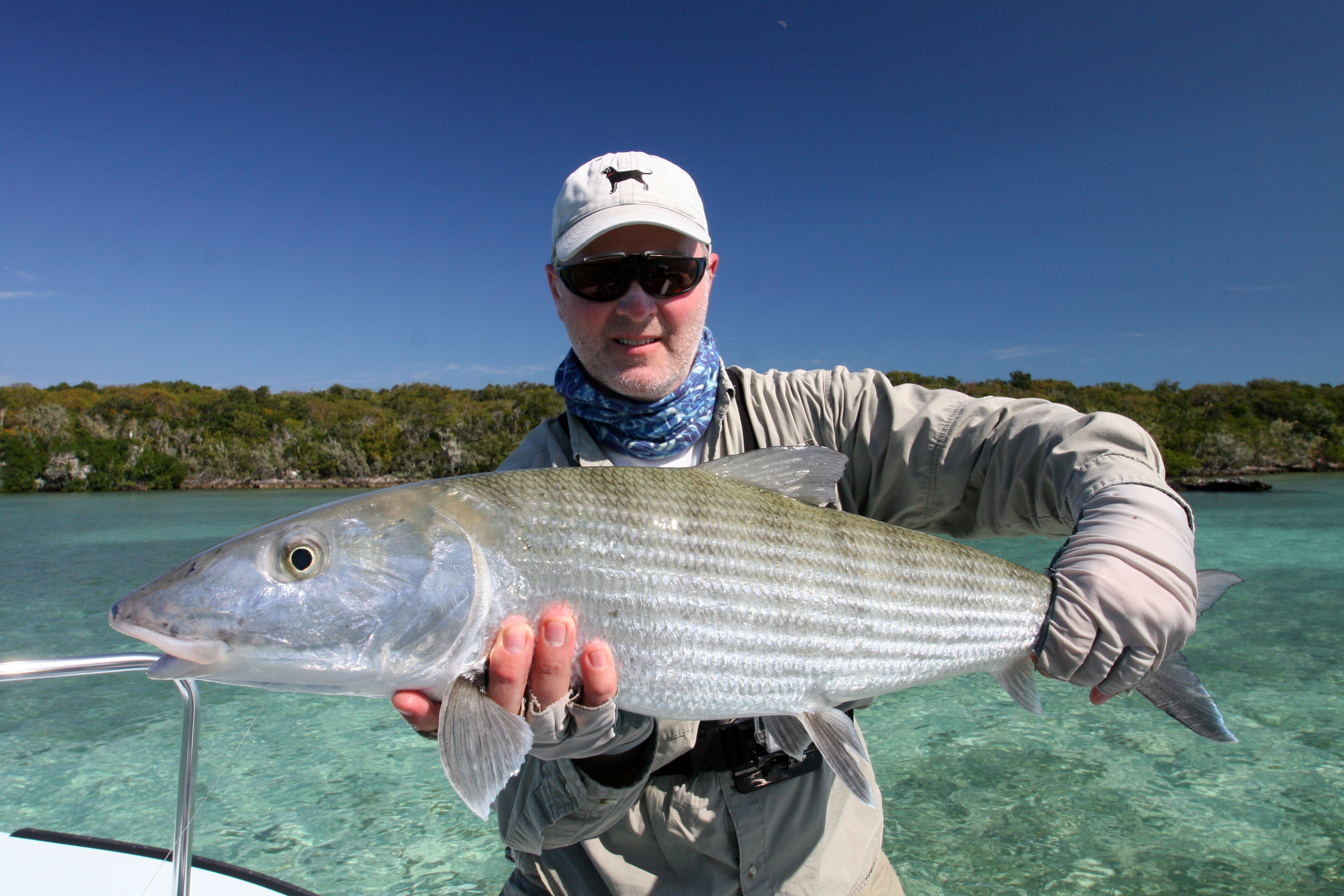
 Bill & Liz Aldendifer also had a fantastic trip to Grand Bahama. Together, they landed several fish in 7 – 8 pound range, a couple 9 pounders, a 10 pounder, and a 12 pounder on Bill’s birthday. Bill came close to having a 14+ pounder in hand, but lost it at the boat when the guide grabbed the leader. Bill, a permit aficionado, said that the 14+ pound bonefish fought harder than any permit he’s hooked, even his 30 pounder in Ascension Bay.
 Abaco has long been known for providing some of the best permit fishing in the Bahamas, especially down around Sandy Point. It’s only been getting better and the guides are seriously cracking the code. Oliver White, owner of





 Tim Comstock & Mercedes Kornfeld have been hired as the General Managers at Turneffe Flats Resort in Belize, effective October 1st, 2013. For the past 6 years, Tim & Mercedes managed North Riding Point Club on Grand Bahama Island. No strangers to saltwater, they spent the majority of their careers running luxury charter yachts in the Caribbean; Tim as captain and Mercedes as chef. They are warm and welcoming hosts, eminently qualified, and well liked by the 100’s of traveling anglers they’ve served.
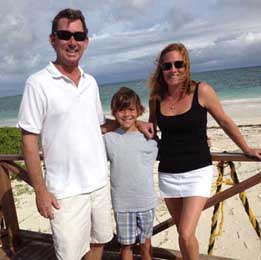
 Replacing Tim and Mercedes at North Riding Point Club (NRPC) is veteran lodge manager Paul Adams. Originally from Indiana, Paul was raised in the Bahamas, while his parents managed Deep Water Cay from 1976 – 1984. Paul attended school in McLeans Town, where he became friends with many of the famous Grand Bahama Guides, including NRPC head guide, Stanley Glinton, who taught Paul how to pole a skiff. Paul’s fly fishing instructor at an early age was none other than well known sportsman and author, AJ McClane. Paul and his wife Alison also managed Deep Water Cay for 8 years, from 1996 – 2004. Paul’s local knowledge, hands on management style and angling experience make him the perfect choice for this position.

 Five Rivers Lodge – Travel Credit